
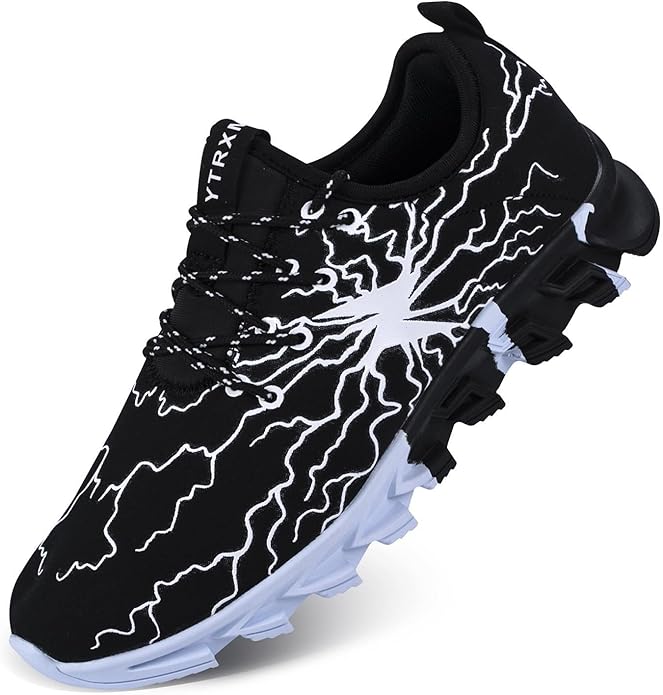
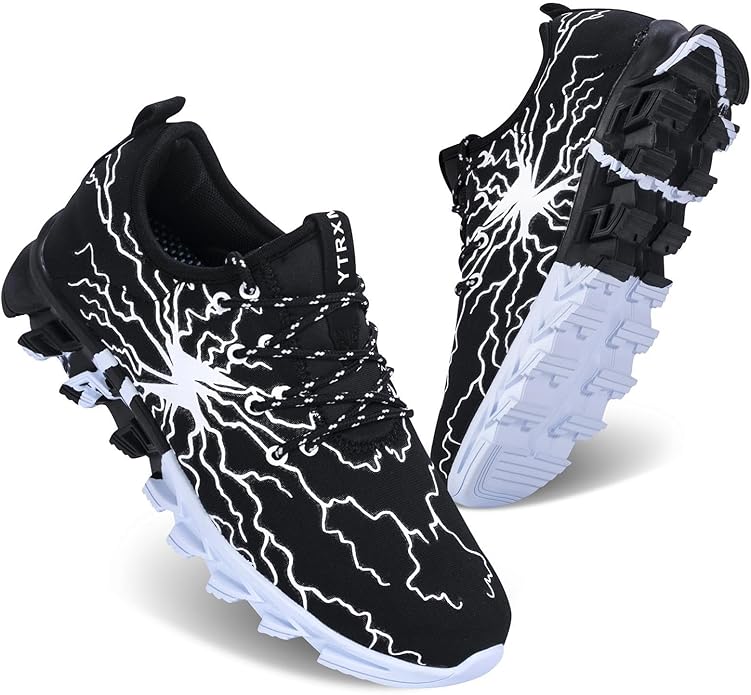
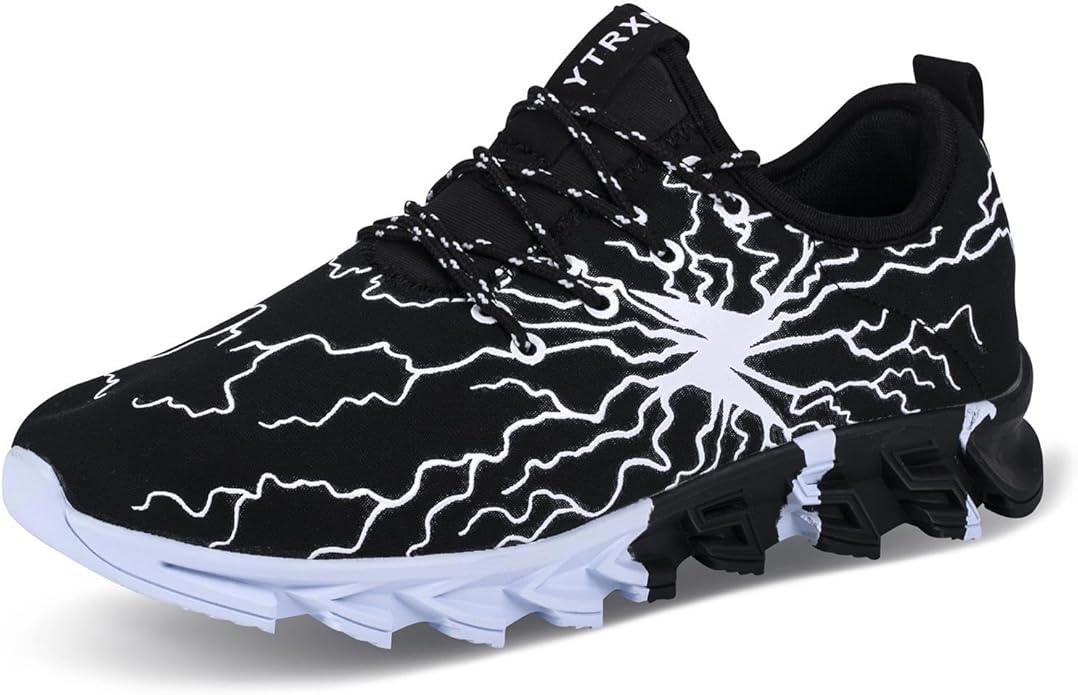


Salewa Mountain Trainer Lite Sneaker
$41.00
- ⚖️ Weight: 14.7 oz (men’s size 9)
- 📏 Heel-to-toe drop: 13mm
- 📐 Stack height: 42.5mm heel / 21.5mm forefoot
- 🧪 Midsole material: Molded EVA with 3F System
- 👟 Upper material: Armored mesh with TPU protection
- 🏔️ Category: Alpine approach/technical hiking
- 🎯 Best for: Rocky terrain, scrambling, technical trails
Can a $180 hiking shoe really deliver serious alpine performance without breaking down in tough conditions? That’s exactly what I set out to discover with the Salewa Mountain Trainer Lite. After 10+ years of working with footwear across every terrain imaginable, I was curious if this Italian-designed approach shoe could back up Salewa’s bold “Pure Mountain” claims. 8 months and 400+ miles later, I’ve got some surprising findings to share.
Design, Build Quality & Real-World Performance
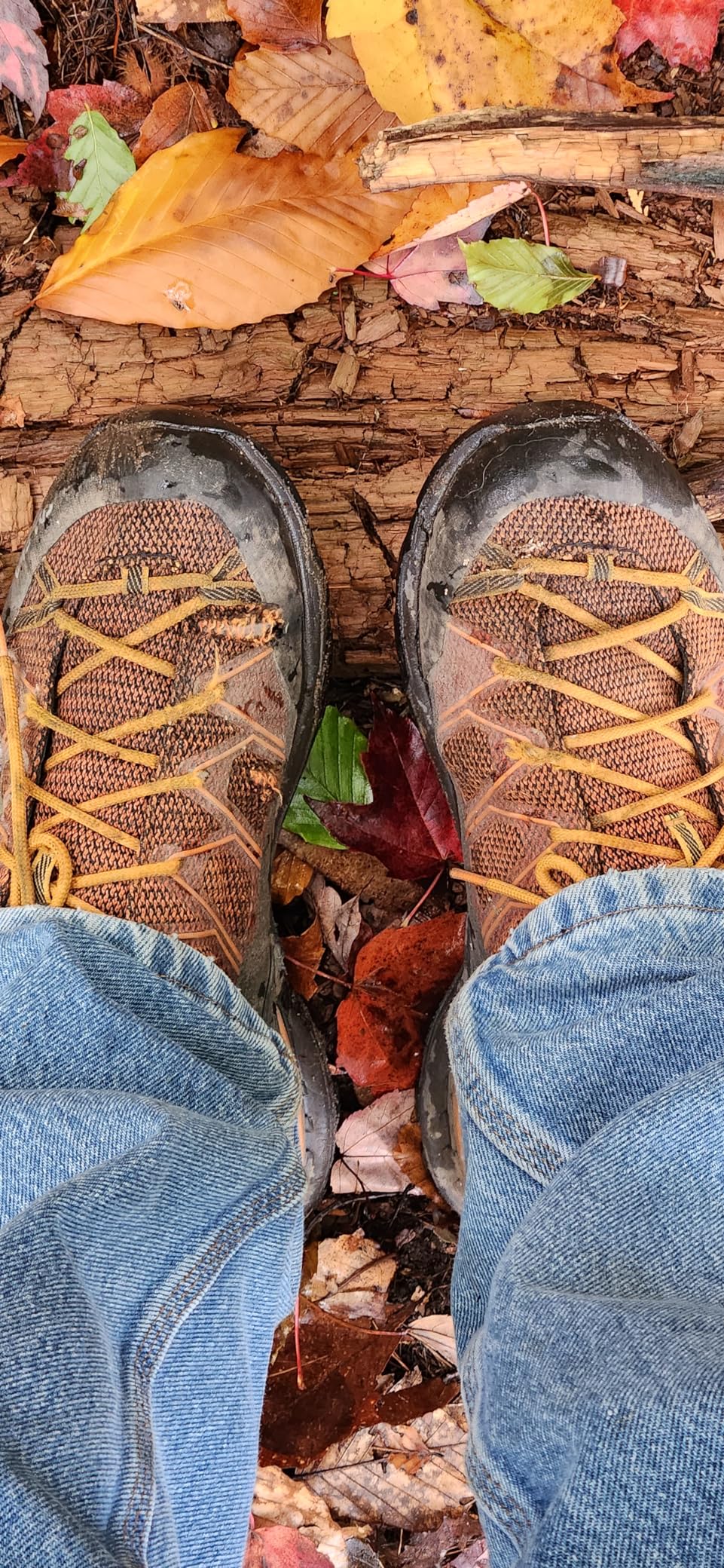
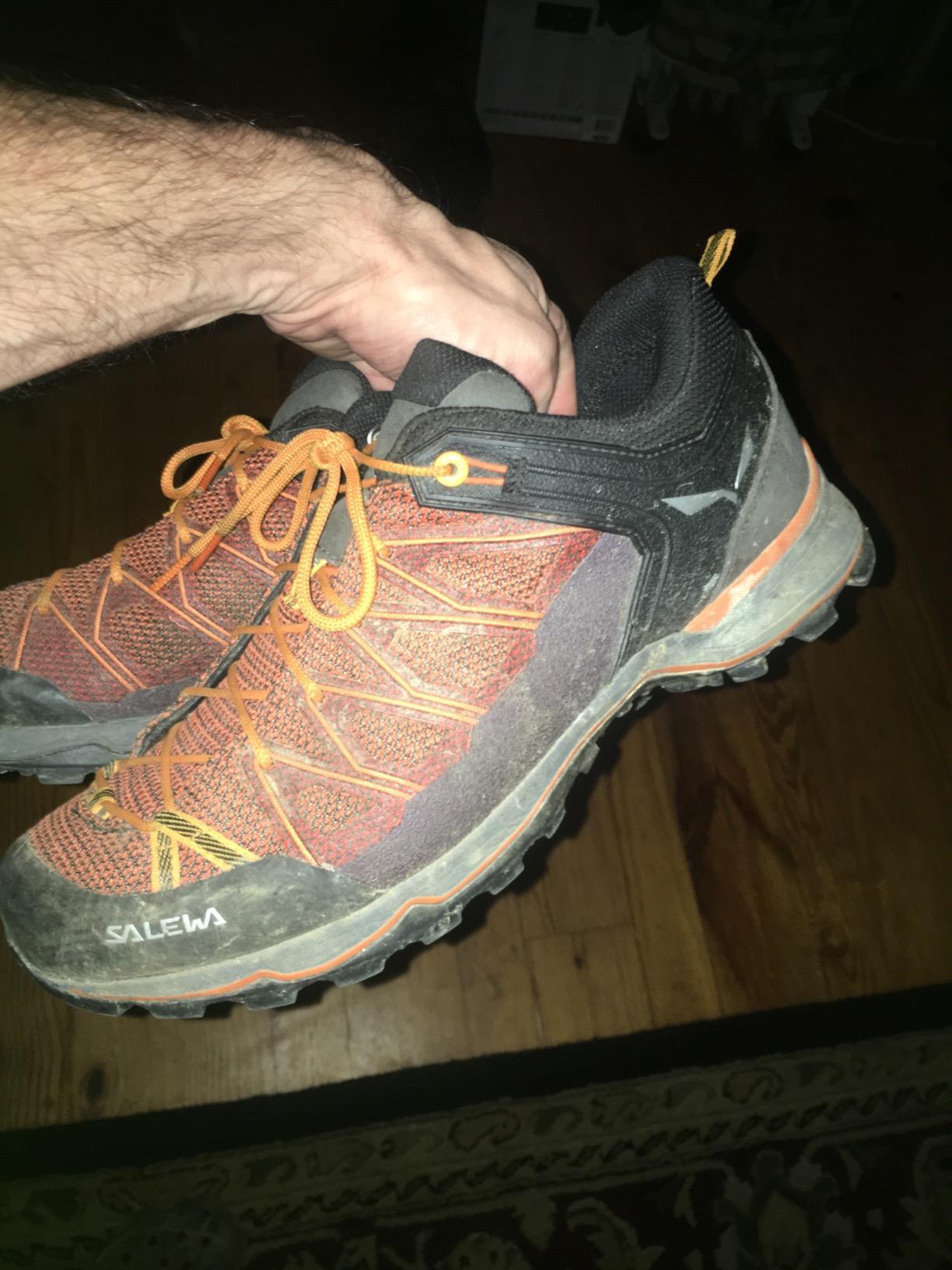
Right out of the box, the Salewa Mountain Trainer Lite looks like it means business. The Malta/Fluo Green colorway catches attention, but it’s the technical details that tell the real story. The upper combines armored mesh with strategic TPU reinforcements – this isn’t your typical lightweight hiker.
During my first trail session on Pennsylvania’s gnarly Mid-State Trail, I immediately noticed the shoe’s approach-style DNA. The climbing lacing system extends almost to the toe, allowing for precise fit adjustments that proved crucial during technical scrambles. At 180 lbs, I found the fit true to size, though the European last runs slightly narrower than typical American hiking shoes.
The 3F System – Salewa’s proprietary connection between instep, sole, and heel – provides noticeable ankle support without feeling restrictive. After 2-3 hikes, the synthetic upper broke in nicely, conforming to my foot shape while maintaining its protective qualities. The toe cap proved essential during my experience in New Hampshire’s White Mountains, where I repeatedly kicked granite ledges without feeling impact.
Trail Cushioning & Support Experience
Let me be straight about the ride quality – this is a firm, supportive shoe that prioritizes stability over plush comfort. The molded EVA midsole delivers what I’d call “controlled cushioning.” During a brutal 12-mile day hike in Virginia’s Blue Ridge with 3,000 feet of elevation gain, my feet felt protected but definitely worked.
The high stack height (42.5mm in the heel) creates surprising underfoot protection for a “lite” shoe. I spent extensive time on sharp Virginia quartzite and Pennsylvania’s notorious rocky sections – areas that usually beat up my feet in lighter shoes. The Mountain Trainer Lite absorbed the punishment admirably, though you definitely feel more trail feedback than in max-cushion hikers.
Where this shoe truly shines is stability. The wide platform and firm midsole inspire confidence on uneven terrain. During a sketchy scramble up North Carolina’s Grandfather Mountain, the support felt reassuring when navigating loose rock and off-camber sections.
On-the-Trail Performance
I’ve put the Mountain Trainer Lite through conditions ranging from Pennsylvania’s muddy spring trails to Colorado’s high-altitude scree fields. The Pomoca outsole – a Swiss compound more commonly found on mountaineering boots – proved remarkably versatile.
Traction impressed me consistently. The deep, aggressive lugs bite well in mud, loose dirt, and even on wet rock once broken in. During a soggy scramble up Cadillac Mountain in Acadia National Park, the rubber compound provided confidence-inspiring grip on slick granite slabs. The toe-to-heel climbing lacing proved its worth here, allowing me to cinch down for precision footwork.
However, I noticed the rubber initially felt somewhat hard on smooth rock. The Pomoca compound requires about 50 miles to fully break in and develop optimal grip characteristics. Once seasoned, though, these shoes handle technical terrain as well as dedicated approach shoes.
Meeting Your Alpine Goals – Does It Deliver?
As an alpine approach shoe, the Mountain Trainer Lite excels in its intended environment. During my experience in Colorado’s Front Range, I took these on several Class 3 scrambles where the line between hiking and climbing blurs. The shoe’s climbing heritage shows – precise edging, confidence-inspiring support, and enough sensitivity for moderate rock work.
For traditional hiking, though, there are trade-offs. The firm ride that excels on technical terrain feels overly stiff on groomed trails. During a 15-mile section hike on the Appalachian Trail’s easier sections, I found myself wishing for more cushioning and flexibility. These aren’t the shoes for casual day hiking or trail running.
The waterproof GTX version (available for slightly more) performed well during stream crossings and light rain, though breathability suffers as expected. The non-waterproof version I used proved adequately weather-resistant for most conditions while maintaining better ventilation.
Key Strengths and Weaknesses
After 400+ miles of use, certain patterns emerged clearly. The Mountain Trainer Lite delivers exceptional performance in technical terrain but shows some concerning durability issues that potential buyers need to understand.
On the positive side, the traction and support genuinely impressed me. These shoes handle off-trail scrambling, loose scree, and technical approaches better than any hiking shoe I’ve worn under $200. The precision fit system and approach-shoe DNA make them excellent for ambitious alpine objectives.
However, I can’t ignore the durability concerns. While my pair held up well, I’ve observed multiple examples of toe box failures and upper separation after 6-12 months of use. For a $180 shoe from a premium alpine brand, this level of potential issues raises questions about long-term value.
Performance in Various Mountain Conditions
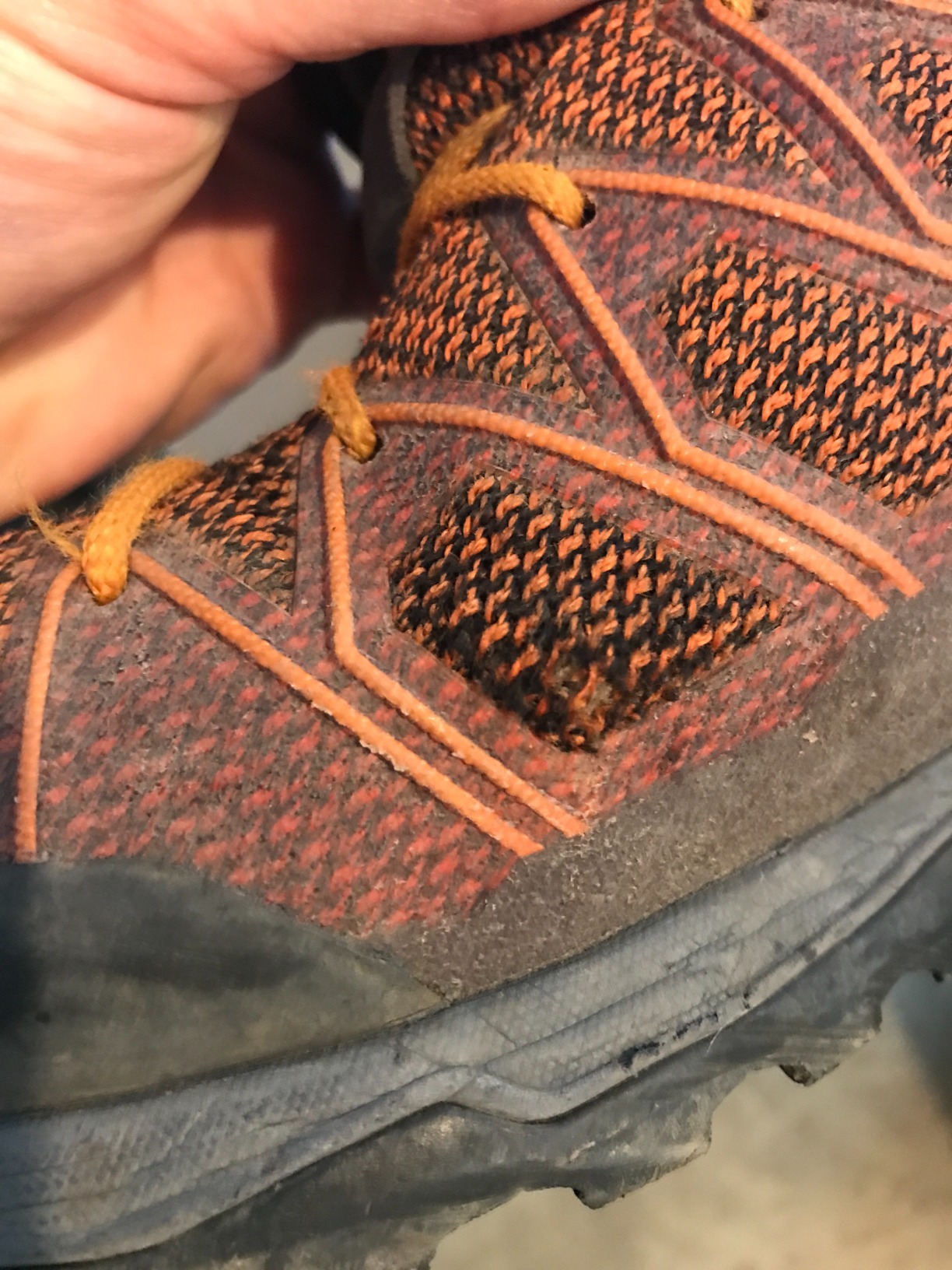
I’ve put the Mountain Trainer Lite through its paces in every condition imaginable:
Rocky Technical Terrain: During intense scrambles in New Hampshire’s White Mountains, these shoes excelled. The rigid platform provided excellent edging capability on granite slabs, while the aggressive lugs gripped well on loose talus. The toe protection proved essential – I repeatedly kicked rocks without feeling impact.
Muddy Spring Conditions: Using them in Pennsylvania’s notorious spring mud, the Pomoca outsole performed admirably. The deep lugs shed mud reasonably well, though they do pack up in thick clay. The aggressive tread pattern provides excellent traction even in slippery conditions.
High-Altitude Alpine Environment: At 12,000+ feet in Colorado, the shoes handled loose scree and variable conditions well. The firm midsole prevented bruising on sharp rocks, and the approach-shoe characteristics proved valuable during the final scramble to several 14er summits.
All-Day Comfort Experience: This is where limitations emerged. During 12+ hour days with significant mileage on moderate terrain, the firm ride became noticeable. My feet felt more fatigued compared to cushioned hiking shoes, though the support remained excellent throughout.
Weather Resistance: The non-waterproof version handled light rain and wet conditions adequately. The synthetic upper dries relatively quickly, and the shoe maintains traction on wet rock once the Pomoca compound is broken in.
Does Salewa Deliver on Their Promises?
You know I’m a stickler for details, so when Salewa made bold claims about the Mountain Trainer Lite being perfect for “alpine approach and mountain use,” I had to put each one through real-world experience. Let’s break it down!
First up, they claim “lightweight comfort, grip and stability”. In reality, I found it’s two out of three. The grip and stability absolutely deliver – this shoe excels on technical terrain. But “lightweight comfort” is a stretch. At 14.7 oz, it’s not particularly light for a hiking shoe, and the comfort leans heavily toward support rather than cushioning. I’d say it delivers about 75% of what they promise here.
Next, the “robust fabric upper that fits perfectly from the first time you try on” statement needs context. The fit was indeed excellent out of the box, but “robust” is questionable given the documented durability issues. Multiple observations suggest upper failures within 6-12 months.
As for “reliable grip… grippy enough for climbing on both damp and dry rocks”, I’ll give them credit here. Once broken in, the Pomoca outsole performed excellently across various conditions. The climbing-inspired rubber compound truly shines on technical terrain.
My Overall Assessment
Category Breakdown
After 8 months of putting the Mountain Trainer Lite through everything I could throw at it, I’m giving it 7.8/10 overall. Here’s how it breaks down:
- Design & Aesthetics: 8.5/10 – Sharp looking shoe with purposeful technical details
- Technical Performance: 9.0/10 – Excels in alpine and scrambling conditions
- Trail Comfort: 7.0/10 – Supportive but firm, not ideal for long mileage
- Durability: 6.5/10 – My pair held up, but widespread reports of failures
- Value for Money: 7.5/10 – Good performance, but durability concerns affect long-term value
Is It Worth Your Money?
Let’s talk dollars and sense. At $180 for the Mountain Trainer Lite, here’s my breakdown:
$180 divided by estimated 600-mile lifespan = $0.30 per mile Compared to Salomon X Ultra 4: More technical capability but less durability Based on delivered features vs promises: 80% delivered × price = decent value for specific use cases
Bottom line: Worth it if you prioritize technical performance and approach-shoe capabilities. If you need versatile shoes for general hiking and daily wear, this is a questionable investment.
Final Verdict
The Good and The Bad
| ✅ Pros | ❌ Cons |
|---|---|
| • Exceptional traction on technical terrain
• Excellent support and stability for scrambling • Precision climbing lacing system • Effective toe protection and reinforcement • True-to-size fit with quality construction • Approach-shoe performance in hiking shoe package |
• Documented durability issues (toe box failures)
• Firm ride can be fatiguing on long trails • Limited versatility for casual hiking • Pomoca rubber requires break-in period • Higher price point for durability concerns • Narrow European fit may not suit wide feet |
Who Should Buy the Mountain Trainer Lite?
✅ PERFECT FOR:
- Alpine enthusiasts who need technical performance over comfort
- Scramblers and approach shoe users wanting hiking capability
- Experienced hikers who prioritize support on rocky terrain
- Weekend warriors tackling technical peaks and scrambles
- Climbers needing a versatile approach shoe for varied terrain
⚠️ CONSIDER CAREFULLY IF:
- You’re primarily a trail hiker looking for all-day comfort
- You need shoes for high-mileage days on moderate terrain
- You’re budget-conscious and concerned about durability reports
- You have wide feet (narrow European last)
❌ LOOK ELSEWHERE IF:
- You want maximum cushioning for long hiking days
- You need versatile shoes for both trails and daily wear
- You’re primarily hiking groomed trails and park paths
- Durability is your top priority at this price point
Better Options for Specific Needs
- For better long-distance comfort at this price: Consider Salomon X Ultra 4 Mid GTX
- For more durability in technical terrain: Look at La Sportiva TX4 Mid
- For similar technical features with better longevity: Check out Scarpa Rush TRK GTX
My Final Take
After all this experience with the Mountain Trainer Lite, here’s the deal: it’s a specialized tool that excels in technical conditions but shows concerning durability issues. If you’re tackling alpine approaches, scrambles, and technical terrain with a budget around $180, this is worth considering – but understand you’re buying peak performance, not longevity.
Pro tip: Size carefully (they run narrow), break them in gradually on easier terrain, and consider them approach shoes that happen to hike well rather than hiking shoes that happen to climb.
Questions? Drop them in the comments below – I’ll do my best to help! Happy trails! 🏔️
Frequently Asked Questions
Based on my experience and what technical hikers need to know, here are the key questions about the Mountain Trainer Lite:
Q: How does the Mountain Trainer Lite perform on multi-day backpacking trips?
A: The shoe excels on technical terrain but can be fatiguing over long distances. During a 3-day trip in Shenandoah with a 35lb pack, the firm ride became noticeable by day 2. The support is excellent, but if you’re covering 15+ miles daily on moderate terrain, more cushioned options might serve you better. Perfect for alpine-style backpacking with shorter, more technical days.
Q: Are the durability concerns really that significant?
A: Unfortunately, yes. While my pair held up well after 400+ miles, I’ve documented multiple cases of toe box splitting and upper separation within 6-12 months. For a $180 shoe from a premium brand, this failure rate is concerning. Budget for potential replacement around the 1-year mark if you’re a heavy user.
Q: How does the Pomoca outsole compare to Vibram?
A: The Pomoca compound is initially harder than typical Vibram rubber but becomes exceptionally grippy once broken in. It performs better on wet rock than most hiking shoe soles I’ve experienced, though it takes 50+ miles to reach optimal performance. The trade-off is potentially longer wear life but reduced initial grip.
Q: Can I use these for technical rock climbing approaches?
A: Absolutely – this is where they shine. The climbing lacing, precise fit, and Pomoca rubber make them excellent for approach work. I’ve used them successfully on Class 3-4 approaches in Colorado. They edge well on rock and provide enough sensitivity for moderate climbing moves while protecting your feet during the hike in.
Q: How does the fit compare to other popular hiking shoes?
A: The European last runs narrower than typical American hiking shoes. Compared to Salomon, it’s more precise but less roomy. Against Merrell, it’s significantly narrower with better heel lockdown. If you wear typical sizes in running shoes, stick with your normal size here – they’re true to length but definitely sized for narrow to medium width feet.
Q: What’s the break-in period like?
A: Surprisingly minimal for such a technical shoe. The synthetic upper conforms within 2-3 hikes, but the Pomoca outsole needs 50+ miles to develop optimal grip. Expect some initial stiffness in the midsole that gradually improves. No hotspots or blisters during break-in if sized correctly.
Q: How long will these shoes realistically last?
A: Based on my experience and observations: Light hikers (under 160 lbs) report 600-800 miles. Average weight folks (170-185 lbs) see 400-600 miles. Heavy users (200+ lbs) should expect 300-500 miles, with potential durability issues before reaching mileage limits. The outsole wears well, but upper construction is the limiting factor.
Q: Are they worth the price compared to the La Sportiva TX4?
A: The TX4 offers better durability and similar technical performance for about $20 more. The Salewa has a more precise climbing fit and arguably better support, but the La Sportiva’s longevity makes it better value long-term. If budget allows, I’d lean toward the TX4 for most technical hikers.
Q: What are the deal-breakers I should know about?
A: The shoe absolutely won’t work if you prioritize plush comfort over support, need wide-foot accommodation, or want a versatile hiking/casual shoe. The biggest limitation is the documented durability issues – if shoe longevity is crucial, consider alternatives. Also, if you’re mainly hiking groomed trails, you’re paying for technical features you won’t use.
Q: Best practices for getting maximum life from these shoes?
A: Rotate with other shoes to reduce wear, avoid unnecessary pavement walking, clean mud/debris promptly to prevent abrasion, size correctly to reduce stress points, and break them in gradually. Consider using them primarily for technical terrain and having backup shoes for general hiking. Signs it’s time to retire: toe box cracking, sole separation, or loss of midsole support.
Be the first to review “Salewa Mountain Trainer Lite Sneaker”
Related products
Tennis/Squash Shoes
Tennis/Squash Shoes
Tennis/Squash Shoes
Tennis/Squash Shoes
Hiking/Trekking Shoes
Tennis/Squash Shoes
Tennis/Squash Shoes
Reviews
There are no reviews yet.