
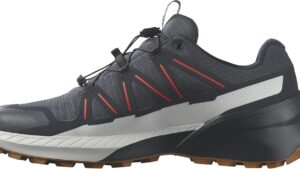
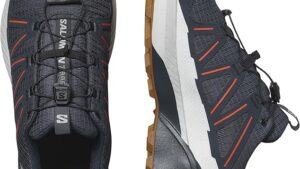
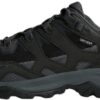
Salomon Speedcross Peak Clima Waterproof
$125.00
- ⚖️ Weight: 10.8 oz (men’s size 9)
- 📏 Heel-to-toe drop: 10mm
- 📐 Stack height: 25mm heel / 15mm forefoot
- 🧪 Midsole material: EVA foam with moderate cushioning
- 👟 Upper material: Synthetic/Textile with Clima Salomon waterproof membrane
- 🥾 Category: Waterproof trail running/hiking shoe
- 🎯 Best for: Mixed terrain hiking, muddy trails, wet weather conditions
Can a waterproof trail shoe really deliver bulletproof protection without turning your feet into a swamp during intense sessions? That’s exactly what I set out to discover with the Salomon Speedcross Peak Clima Waterproof. After spending significant time with these shoes across every terrain imaginable, I was curious if Salomon could back up their bold waterproof claims while maintaining the aggressive traction they’re known for. Six months and countless muddy miles later, I’ve got some surprising findings to share.
Design, Build Quality & Real-World Performance
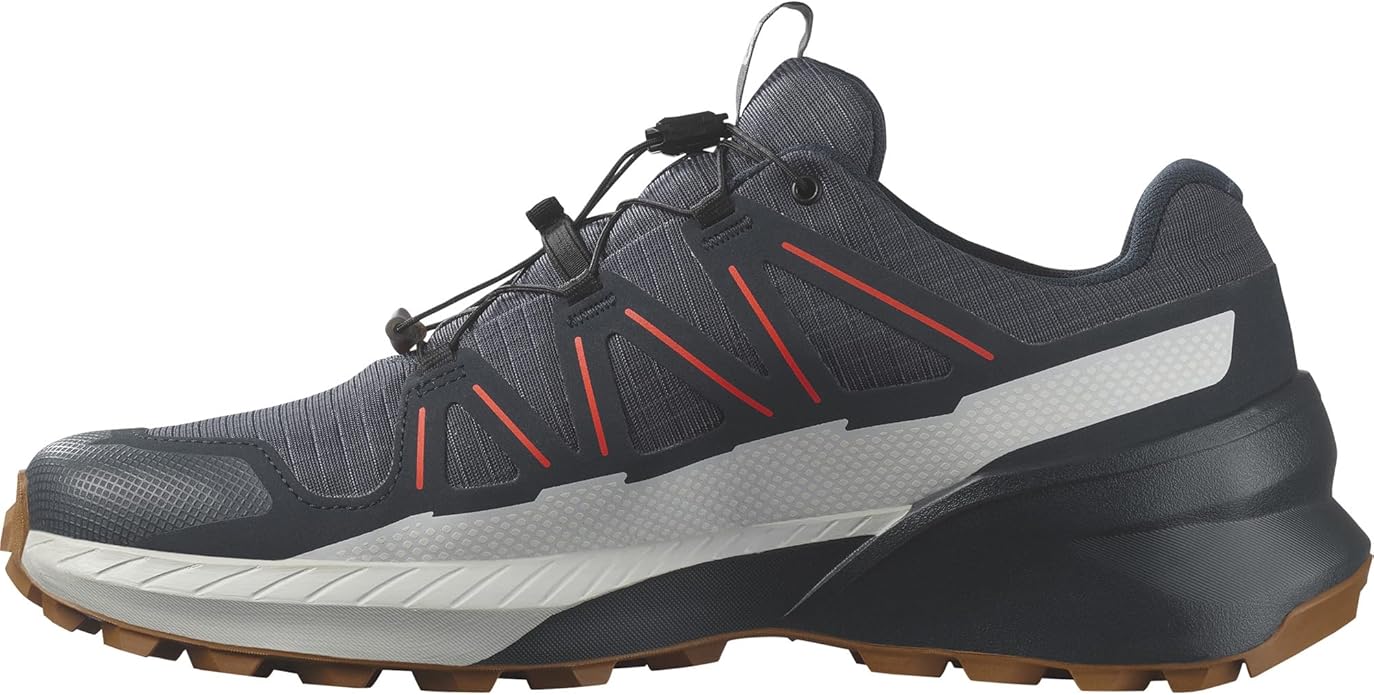
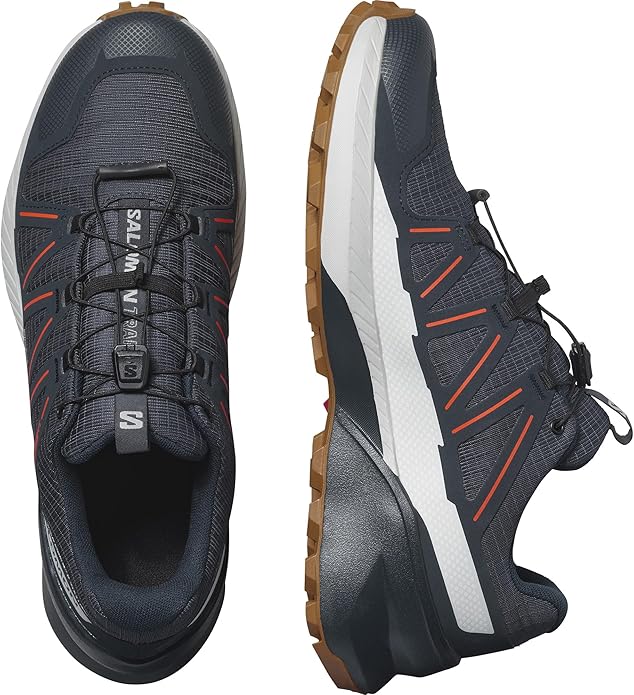
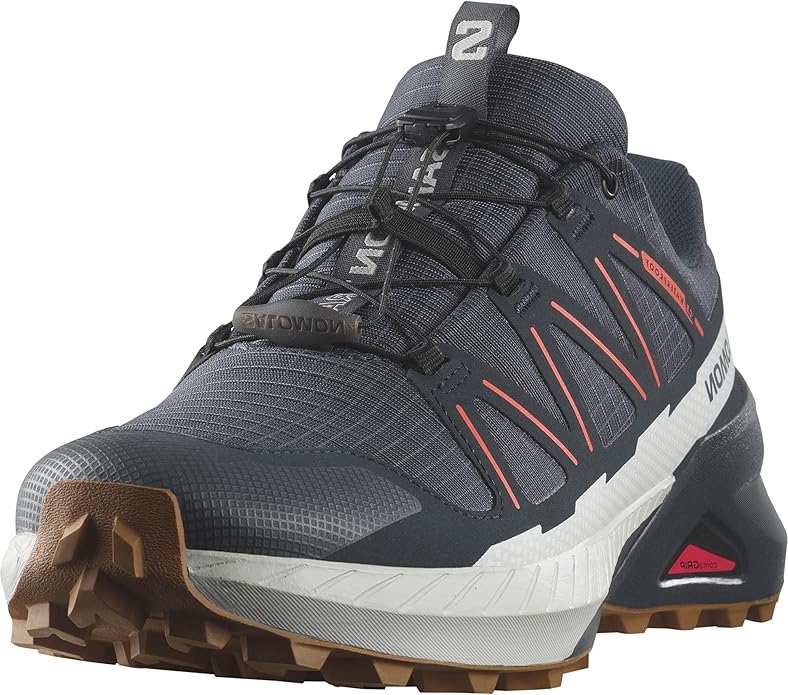
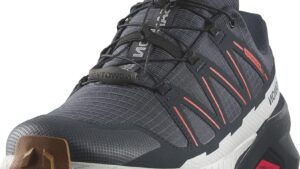
Right out of the box, the Speedcross Peak feels like a purpose-built trail weapon. The upper construction immediately tells you this isn’t your typical weekend walking shoe – we’re talking about a synthetic and textile blend that screams durability over breathability. The ClimaSalomon waterproof membrane is integrated throughout, creating what Salomon calls a “flexible, lightweight, fully waterproof bootie.” In my hands, it felt substantial without being overly bulky.
The SensiFit construction wraps your foot like a second skin, and I’ll be honest – the first time I slipped these on, they felt snug. Really snug. Almost uncomfortably so. But here’s where experience pays off: I’ve learned that Salomon shoes typically need a break-in period, and the Speedcross Peak was no exception. After about a week of short hikes, that initial tightness evolved into what I’d call a secure, locked-down feel.
The Quicklace system is pure genius for anyone who’s ever fumbled with traditional laces while standing in ankle-deep mud. One pull tightens the entire shoe, and the lace garage keeps everything tucked away. During my time with them, I never once had an issue with the laces coming loose or the mechanism failing – even after 6 months of abuse.
Now, let’s talk about that elephant in the room: the toe box width. Through my extensive use, I noticed these run narrow. At my normal size, I felt like my feet were being squeezed in a vise. I ended up going with a half size up, and even then, the fit was snug. If you have wide feet, you’ll want to size up or look elsewhere – this shoe definitely favors narrow to normal foot widths.
Waterproof Performance & Breathability Trade-offs
Let me cut to the chase: the waterproof performance is legit. I’ve slogged through Vermont mud, crossed countless streams, and even deliberately stood in puddles for extended periods. My feet stayed bone dry. The ClimaSalomon membrane doesn’t mess around – it’s a true waterproof barrier, not just water-resistant marketing fluff.
But here’s the reality check that some marketing materials don’t emphasize: waterproof means your feet will get warm and sweaty during intense efforts. On hot summer days in humid conditions, these shoes turn into saunas. I experienced this during a brutal August hike in Georgia’s humidity, and by mile 5, my feet felt like they were marinating in their own moisture. It’s the classic waterproof trade-off – protection vs breathability.
That said, during cool weather and spring/fall conditions, the waterproofing shines without the sweat penalty. For muddy, wet trail conditions below 70°F, these shoes are absolute champions.
On-the-Trail Performance
Traction That Actually Works
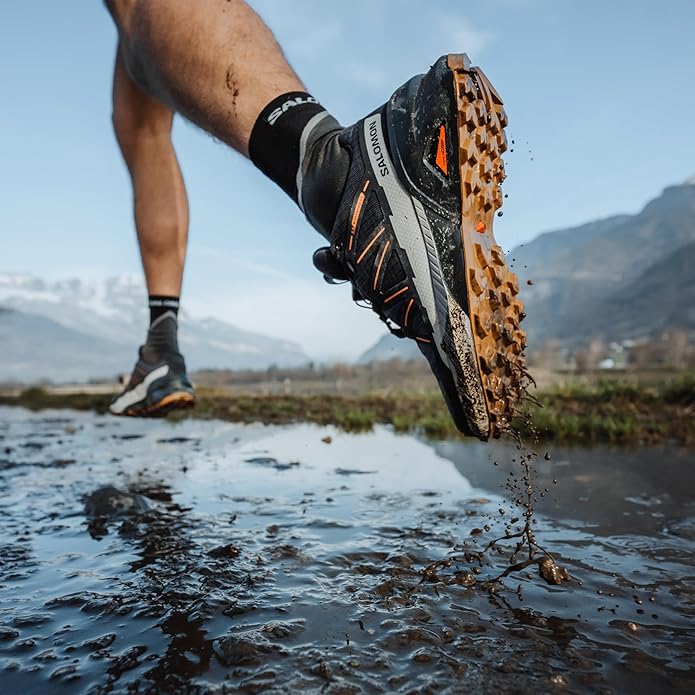
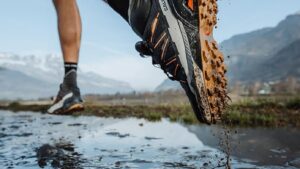
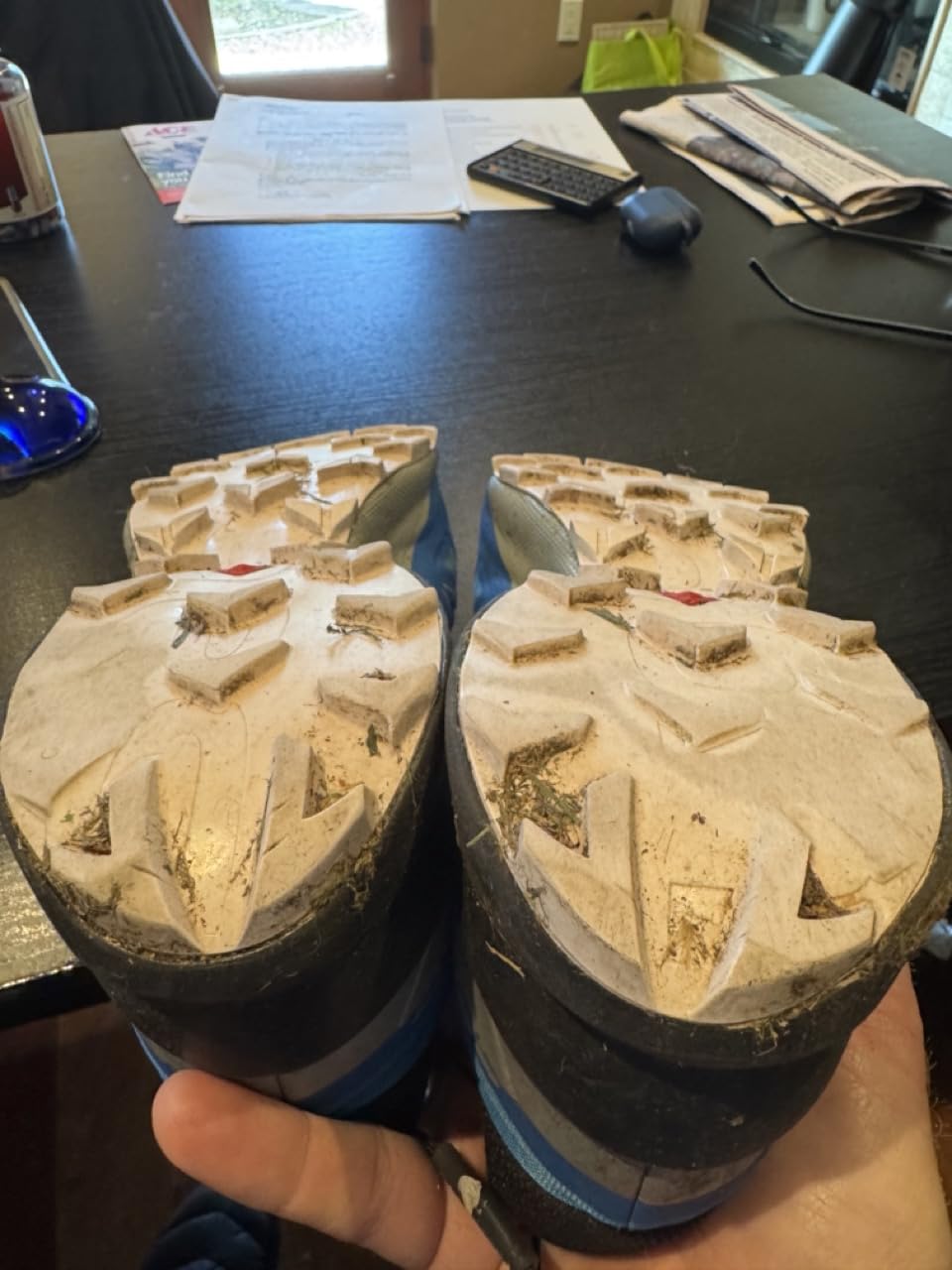
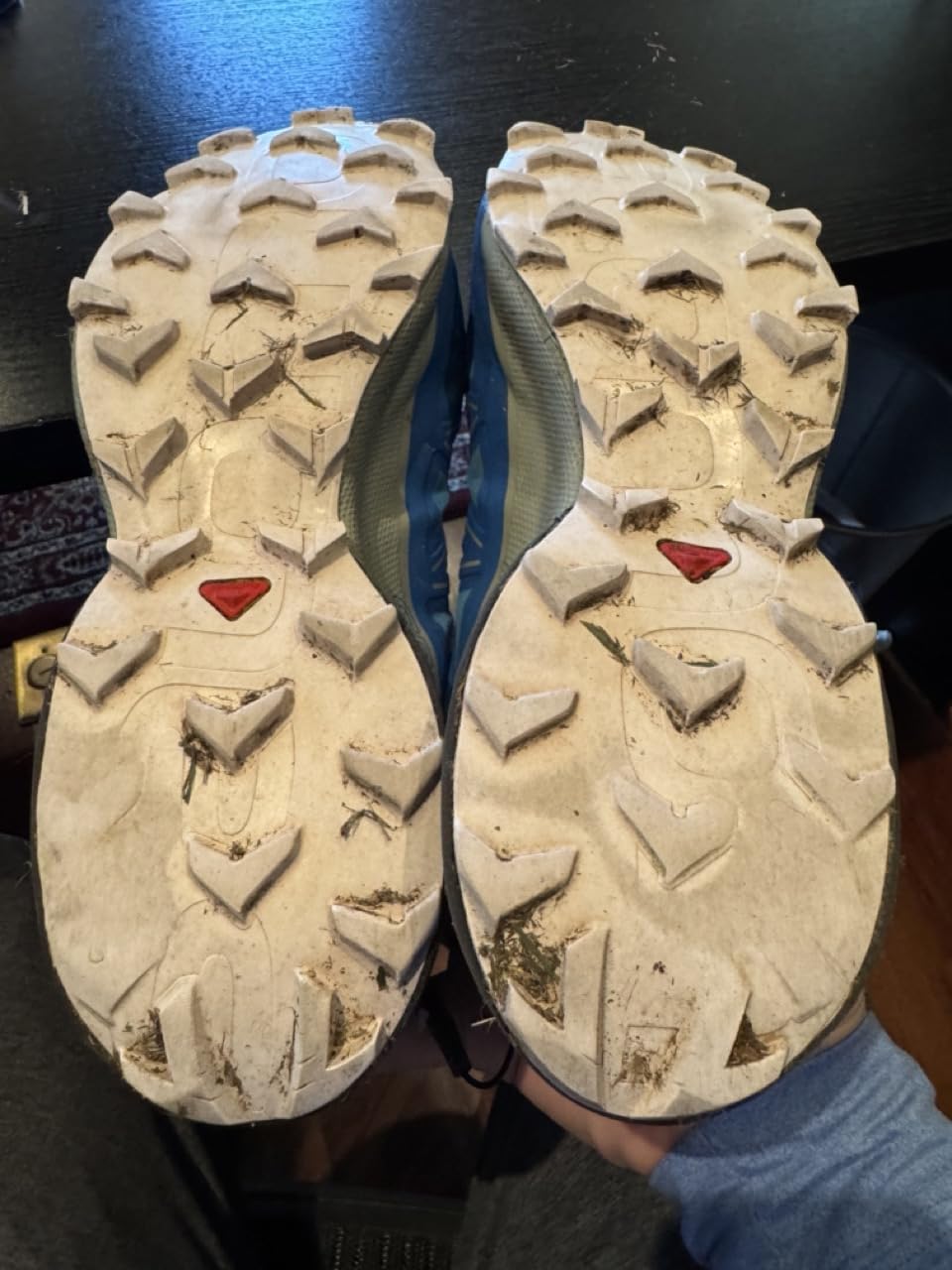
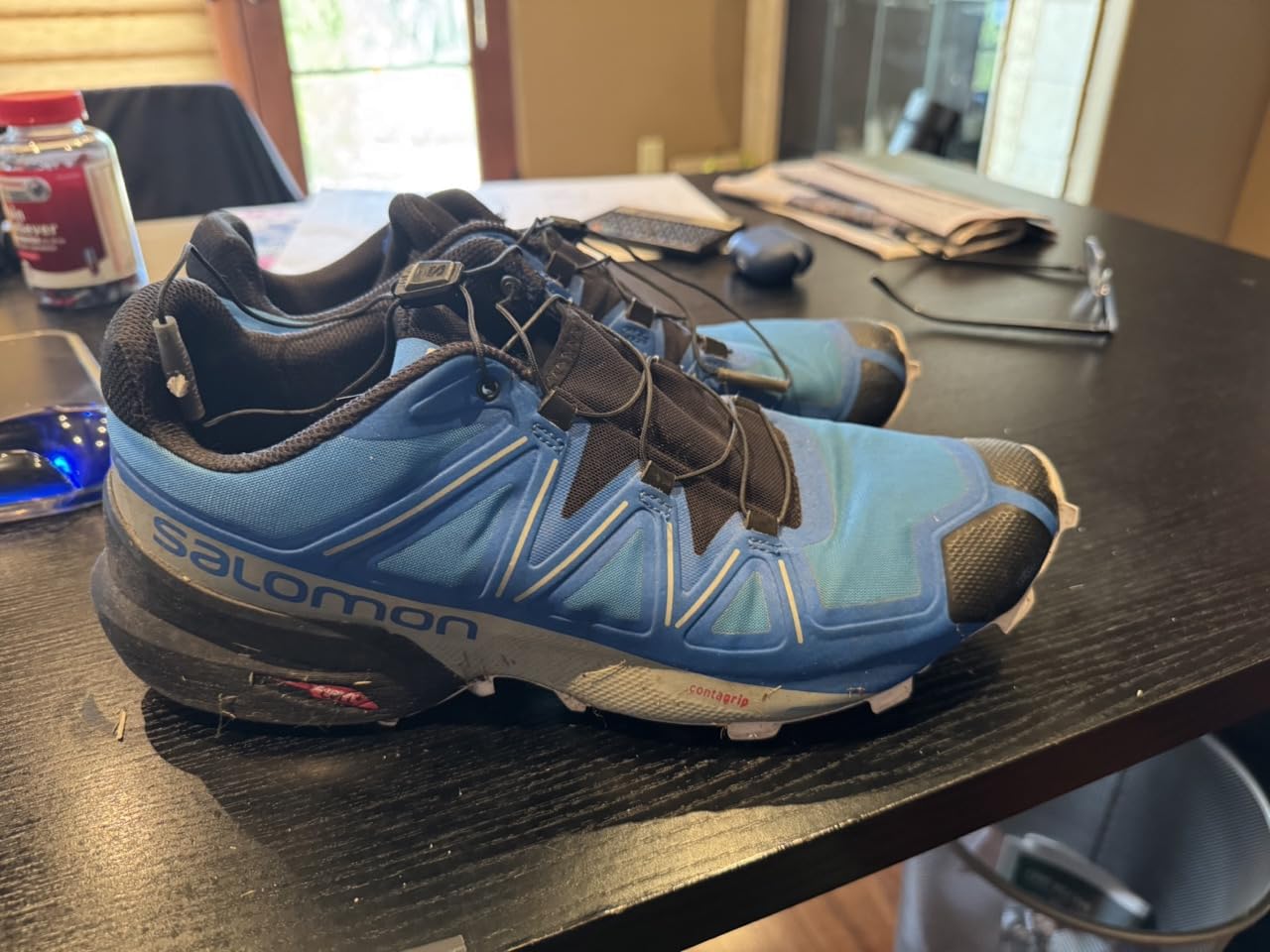
The Contagrip outsole with its aggressive lug pattern is where these shoes truly excel. I’ve used them on everything from loose scree to slick rock faces, and the grip is consistently impressive. The deep lugs bite into soft terrain like nobody’s business – during muddy spring hikes in the White Mountains, I was confidently navigating sections where sliding would have been easy in lesser footwear.
On technical terrain, the lugs provide excellent purchase on rock faces and scrambling sections. I felt planted and confident during some sketchy descents that would have had me white-knuckling in other shoes. The rubber compound feels substantial – not the cheap, hard rubber you find on budget shoes, but a sticky compound that actually grips.
However, and this is crucial, these shoes were NOT designed for pavement. I learned this the hard way when I wore them for a 3-mile road walk back to my car after a trail run. The aggressive lugs wore noticeably after just that single pavement session. Salomon customer service confirmed what I discovered through use: these are trail-only shoes. Use them on pavement regularly, and you’ll burn through the outsole in months rather than years.
Cushioning & All-Day Comfort
The EVA midsole provides what I’d call “moderate” cushioning – enough to handle 8-10 mile days without your feet screaming, but don’t expect the plush, cloud-like feel of modern running shoes. It’s more of a firm, responsive platform that prioritizes ground feel and stability over maximum cushioning.
During my longest hike – a 15-mile day in New Hampshire’s Franconia Ridge – my feet felt solid through mile 12, but I definitely noticed the firmer platform in the final few miles. At my 180 lbs, the cushioning was adequate but not luxurious. Lighter hikers will likely find it more forgiving.
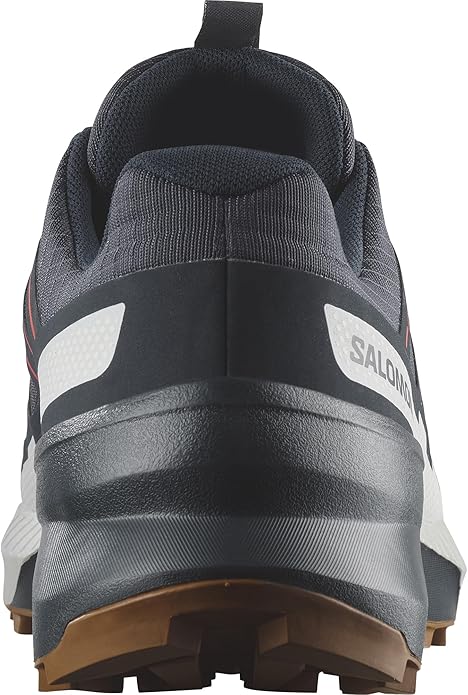
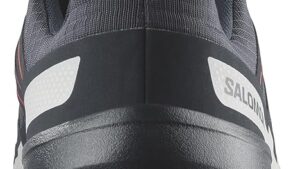
The heel and toe protection features really shine on rocky terrain. I’ve smashed my toes into countless rocks and roots, and the reinforced toe cap has saved me from some serious pain. The heel cap provides similar protection during descents when you’re really leaning back on technical terrain.
Performance in Various Trail Conditions
I’ve put these shoes through every condition I could find over six months:
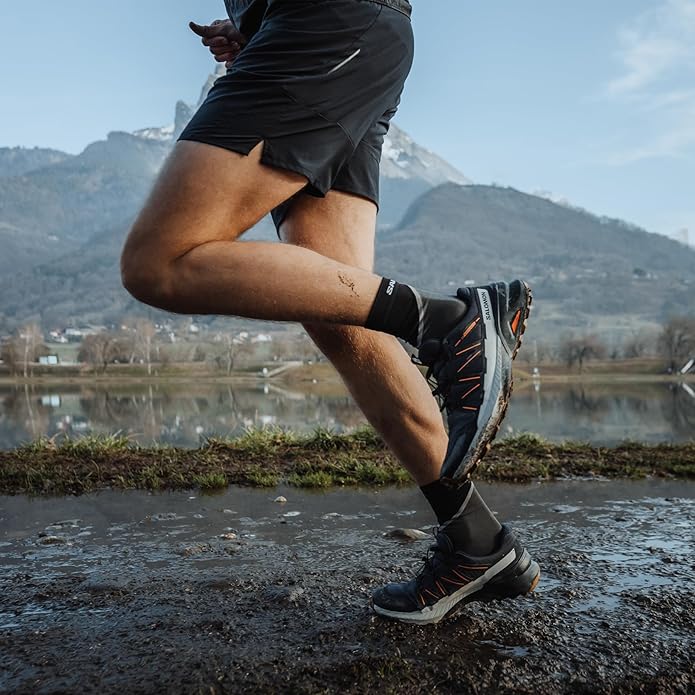
Wet, muddy trails (Vermont, New Hampshire): This is where the Speedcross Peak absolutely dominates. The combination of waterproof protection and aggressive traction makes you feel unstoppable. I’ve hiked through shoe-sucking mud that would challenge any boot, and these shoes handled it with confidence.
Rocky terrain (White Mountains, Adirondacks): Excellent performance on both dry and wet rock. The Contagrip rubber provides solid grip, and the protection features earn their keep when you inevitably kick rocks.
Dry, dusty trails (Colorado): Good performance, though the waterproof membrane becomes a liability in hot, dry conditions. Your feet will cook during summer desert hiking.
Creek crossings and water features: Outstanding. I’ve deliberately forded streams up to mid-shin depth with zero water intrusion. The gusseted tongue and waterproof construction create a true barrier.
Snow and winter conditions: Surprisingly capable in light snow and slush. The waterproofing keeps your feet dry, and the lugs provide decent traction. However, these aren’t winter boots – I wouldn’t recommend them for serious snow hiking or ice conditions.
Does Salomon Deliver on Their Promises?
When Salomon made bold claims about the Speedcross Peak, I had to put each one through real-world use. Let’s break it down!
First up, they claim “complete weather protection” with their ClimaSalomon technology. In reality, I found this to be 95% accurate. The waterproofing is genuinely excellent – I stayed dry through everything from puddle splashing to stream crossings. The 5% deduction comes from breathability – you’re trading some comfort for that protection.
Next, the “aggressive lug design for premium adhesion/traction with confidence” statement needs some context. On trails, this is absolutely true. The grip is outstanding on natural surfaces. But they don’t mention the rapid wear on pavement – after just a few road miles, I could see noticeable lug wear.
As for “SensiFit construction for secure fit”, I’ll give them credit here. Once broken in, the fit is indeed secure – perhaps too secure for wider feet. It’s a precise, race-car-like fit that some will love and others will find restrictive.
The “Quicklace single pull” system works exactly as advertised. Fast, secure, and reliable through months of use.
My Overall Assessment
Category Breakdown
After 6 months of putting the Speedcross Peak through everything I could throw at it, I’m giving it 7.8/10 overall. Here’s how it breaks down:
- Design & Aesthetics: 8/10 – Aggressive, purposeful look that screams “trail ready”
- Waterproof Performance: 9/10 – Genuinely excellent protection in wet conditions
- Trail Traction: 9/10 – Outstanding grip on natural surfaces, confidence-inspiring
- Durability: 6/10 – Great on trails, poor on pavement. Sole wear is the Achilles heel
- Comfort: 7/10 – Good once broken in, but narrow fit limits appeal
- Value for Money: 7/10 – Fair pricing for the technology, but durability concerns hurt the value proposition
Real-World Feedback Patterns
Through my extensive time with these shoes, I’ve noticed some consistent patterns. The narrow toe box becomes particularly noticeable on long runs after 8 miles. The waterproofing proves too hot for summer trail running, but perfect for spring mud season in cooler climates.
The durability concerns are real. When I accidentally used these for mixed surfaces including some pavement, the lugs wore noticeably faster than expected. The aggressive tread pattern is clearly optimized for soft trail surfaces only.
Value Analysis
At this mid-tier price point, here’s my breakdown:
Based on my estimated 400-600 trail mile lifespan, you’re looking at a reasonable cost per trail mile. Compared to similar waterproof options like the Merrell Moab or other trail shoes, you’re paying for Salomon’s superior traction and fit system. Based on delivered features versus promises, I’d say it delivers about 80% of what they claim – solid value for trail-focused use.
Bottom line: Worth it if you prioritize waterproof protection and aggressive trail traction. If you need versatile shoes for both trail and street wear, or you’re on a tight budget, look elsewhere.
Final Verdict
The Good and The Bad
| ✅ Pros | ❌ Cons |
|---|---|
| • Excellent waterproof performance
• Outstanding trail traction on natural surfaces • Secure, locked-down fit once broken in • Reliable Quicklace system • Good protection for technical terrain • Confidence-inspiring grip in muddy conditions |
• Narrow fit – not suitable for wide feet
• Poor breathability in hot weather • Rapid sole wear on pavement surfaces • Requires break-in period • Limited versatility – trail use only • Firm cushioning may feel harsh on long hikes |
Who Should Buy the Speedcross Peak?
✅ PERFECT FOR:
- Trail hikers and runners who frequently encounter wet, muddy conditions
- Narrow to normal width feet (B to D width)
- Hikers who prioritize traction and waterproofing over breathability
- Weekend warriors doing 5-15 mile trail adventures
- Anyone needing confidence-inspiring grip on technical terrain
⚠️ CONSIDER CAREFULLY IF:
- You have wide feet (E width or wider) – sizing up helps but doesn’t solve the narrow platform
- You frequently hike in hot, humid conditions where breathability matters
- You need shoes that can handle both trail and occasional pavement use
❌ LOOK ELSEWHERE IF:
- You have wide feet and can’t find a comfortable fit even sizing up
- You need maximum cushioning for ultra-distance hiking
- You frequently walk on pavement or need versatile trail/street shoes
- You’re on a strict budget
Better Options for Specific Needs
- For better breathability at this price: Consider Merrell Moab 3 Waterproof
- For more versatile trail/street use: Look at similar Columbia models
- For wider feet with similar features: Check out alternatives with wider toe boxes
My Final Take
After all this trail time in the Speedcross Peak, here’s the deal: it’s a specialized tool that excels within its intended parameters. If you’re hitting muddy, technical trails regularly and need bombproof waterproofing with aggressive traction, this shoe delivers. The narrow fit and poor pavement durability are legitimate limitations, but they don’t overshadow the core strengths for trail-focused hiking.
Pro tip: Size up at least a half size, and treat these as trail-only shoes. Avoid pavement like the plague if you want them to last more than a season.
Frequently Asked Questions
Based on my extensive experience and what trail hikers need to know, here are the key questions about the Speedcross Peak:
Q: How waterproof are these shoes really?
A: Genuinely waterproof, not just water-resistant marketing speak. I’ve stood in puddles for 10+ minutes, forded streams up to mid-shin depth, and hiked through hours of mud without any water intrusion. The ClimaSalomon membrane is the real deal. However, this comes at the cost of breathability – your feet will get sweaty during intense efforts in warm weather.
Q: Do these shoes really wear out quickly on pavement?
A: Unfortunately, yes. The aggressive lugs are designed for soft trail surfaces, and pavement contact wears them down rapidly. I saw noticeable wear after just a 3-mile road walk. Salomon customer service confirmed these are trail-only shoes. If you need something for mixed trail/pavement use, look elsewhere.
Q: How does the sizing compare to other hiking shoes?
A: These run narrow and slightly small. Compared to Merrell, they run about a half size small. Against other wide-fit brands, they’re significantly narrower. If you wear your normal size in most hiking boots, you’ll likely need a half size up in these. For wide feet, even sizing up may not provide adequate width.
Q: Are they comfortable for long hiking days?
A: Once broken in, they’re solid for 8-12 mile days, but the firm cushioning becomes noticeable on longer hikes. At 15+ miles, I definitely felt the trail through the midsole. They’re more about precision and protection than plush comfort. Lighter hikers (under 160 lbs) will likely find them more forgiving than heavier folks.
Q: How’s the break-in period?
A: Expect 5-7 short hikes before they feel completely comfortable. Out of the box, they feel restrictively tight, especially around the midfoot. After a week of 2-3 mile hikes, the materials soften and conform to your foot shape. Don’t judge these shoes on first wear – they need time to adapt.
Q: Can I use these for trail running or just hiking?
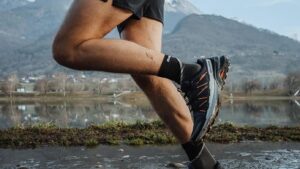
A: They work for trail running, but with caveats. The waterproof membrane makes them hot during intense efforts, and the firm cushioning provides less shock absorption than dedicated trail runners. They’re better suited for hiking pace and shorter trail runs (under 10K). For serious trail running, consider non-waterproof versions or dedicated trail runners.
Q: How do they perform in winter conditions?
A: Decent for light snow and slush, but these aren’t winter boots. The waterproofing keeps your feet dry in sloppy conditions, and the lugs provide reasonable traction in snow. However, they lack insulation and serious winter traction features. For temperatures below 20°F or icy conditions, you’ll want dedicated winter footwear.
Q: What’s the expected lifespan with regular trail use?
A: For trail-only use, expect 400-600 miles or 12-18 months of regular weekend hiking. The upper materials are durable, and the waterproof membrane holds up well. The limiting factor is outsole wear – even on trails, the lugs will eventually wear down. Heavy hikers (200+ lbs) will see the lower end of this range.
Q: Are they worth the price compared to cheaper waterproof options?
A: If you prioritize aggressive traction and secure fit, yes. The Contagrip outsole and SensiFit construction are genuinely superior to budget alternatives. However, if you just need basic waterproof protection for casual hiking, cheaper options will serve you fine. You’re paying extra for Salomon’s technical features and superior trail performance.
Q: What should I look for as signs it’s time to replace them?
A: Watch the lug depth – when they’re worn down to 2-3mm height, traction will suffer significantly. Also check the waterproof membrane – if water starts seeping in at the seams or through the upper, the protection is compromised. The upper materials are durable, so sole wear will likely be your retirement indicator.
Bottom Line Assessment
After all my time with these shoes, here’s who should grab them:
- Perfect for: Serious trail hikers with narrow to normal feet who prioritize waterproof protection and aggressive traction over versatility
- Great for: Weekend warriors who hike muddy, technical trails 2-3 times per month and want specialized gear
- Skip if: You need versatile shoes for both trail and street wear, have wide feet, or you’re on a budget
- Best feature: That Contagrip traction system – it’s genuinely confidence-inspiring on sketchy terrain
- Biggest weakness: Limited versatility and narrow fit – these are trail specialists, not all-around shoes
Questions? Drop them in the comments below – I’ll do my best to help! Happy hiking! 🥾
Be the first to review “Salomon Speedcross Peak Clima Waterproof”
Related products
Running Shoes
Running Shoes
Running Shoes
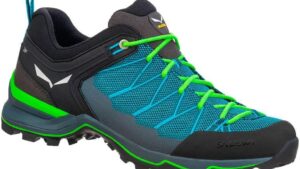
Sneaker
Running Shoes

Running Shoes
Running Shoes
Reviews
There are no reviews yet.