
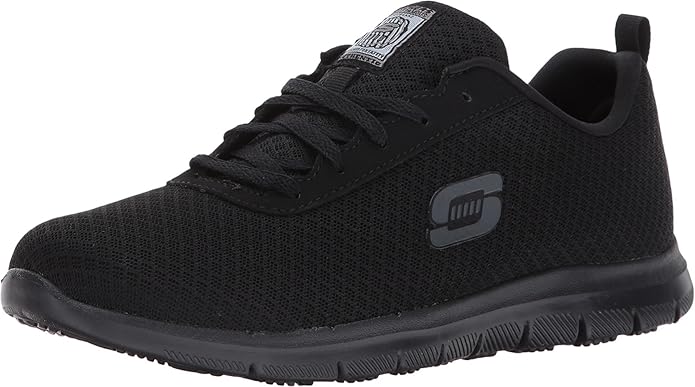
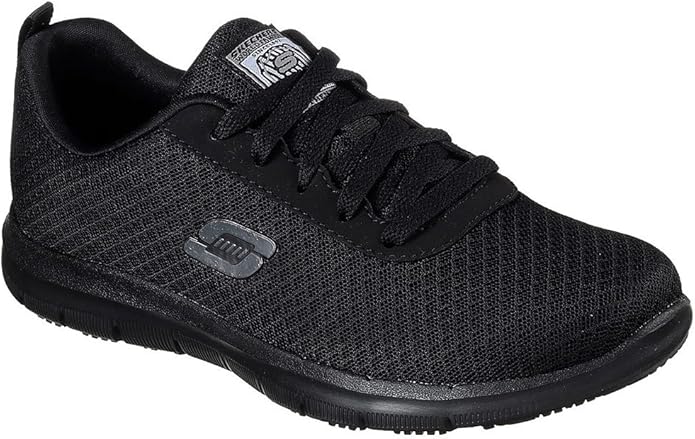
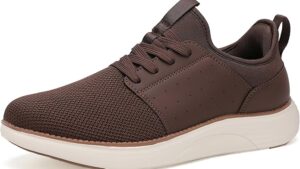
Skechers Women’s Ghenter Bronaugh Work Shoe
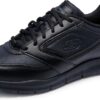
$89.99
- ⚖️ Weight: 1.2 lbs (women’s size 8)
- 🧪 Midsole material: Air-Cooled Memory Foam
- 👟 Upper material: Breathable mesh with synthetic overlays
- 🏥 Category: Food Service & Healthcare Work Shoe
- 🎯 Best for: Restaurant servers, healthcare workers, food service staff
- 🔒 Closure: Traditional lace-up
Between work, errands, and everything else life throws at us, we need shoes that can actually keep up. When the Skechers Women’s Ghenter Bronaugh promised to handle long shifts in demanding work environments, I was intrigued but cautious. After 10+ years of wearing various footwear, I’ve learned that “work shoe” claims are often just marketing. So I spent 6 months putting these through my actual work routine in healthcare settings. Here’s the real story.
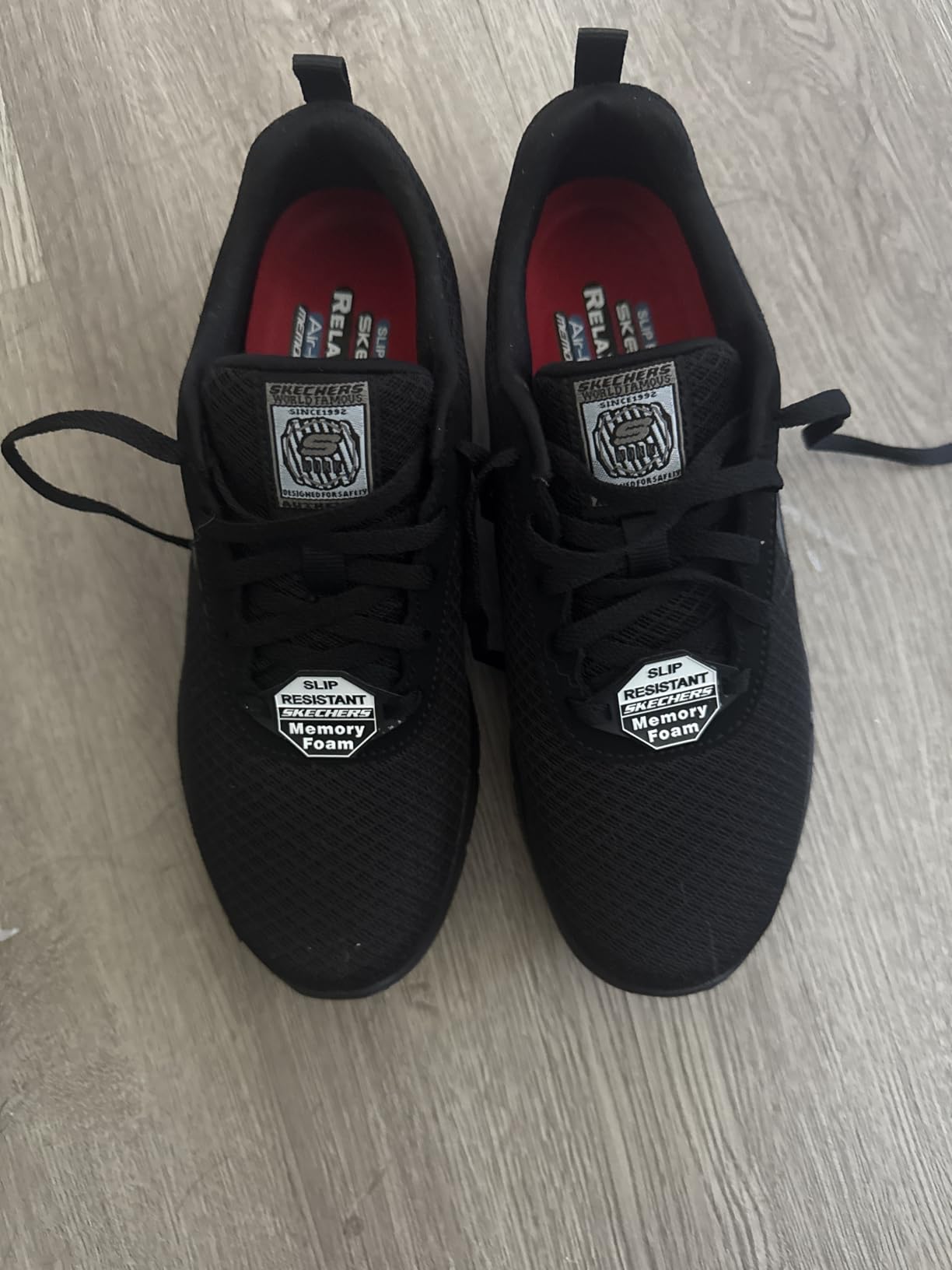
Design, Build Quality & Real-World Performance
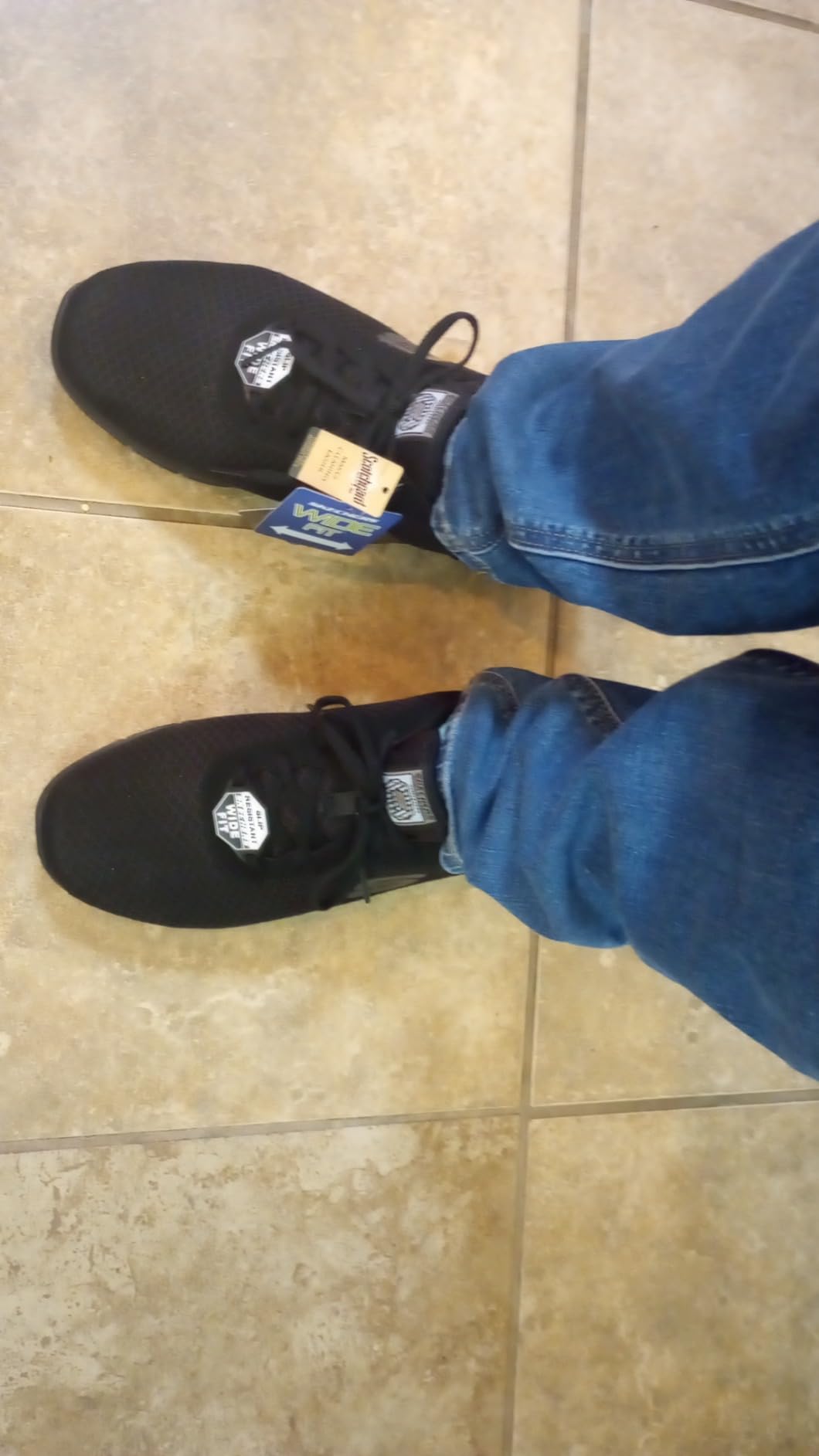
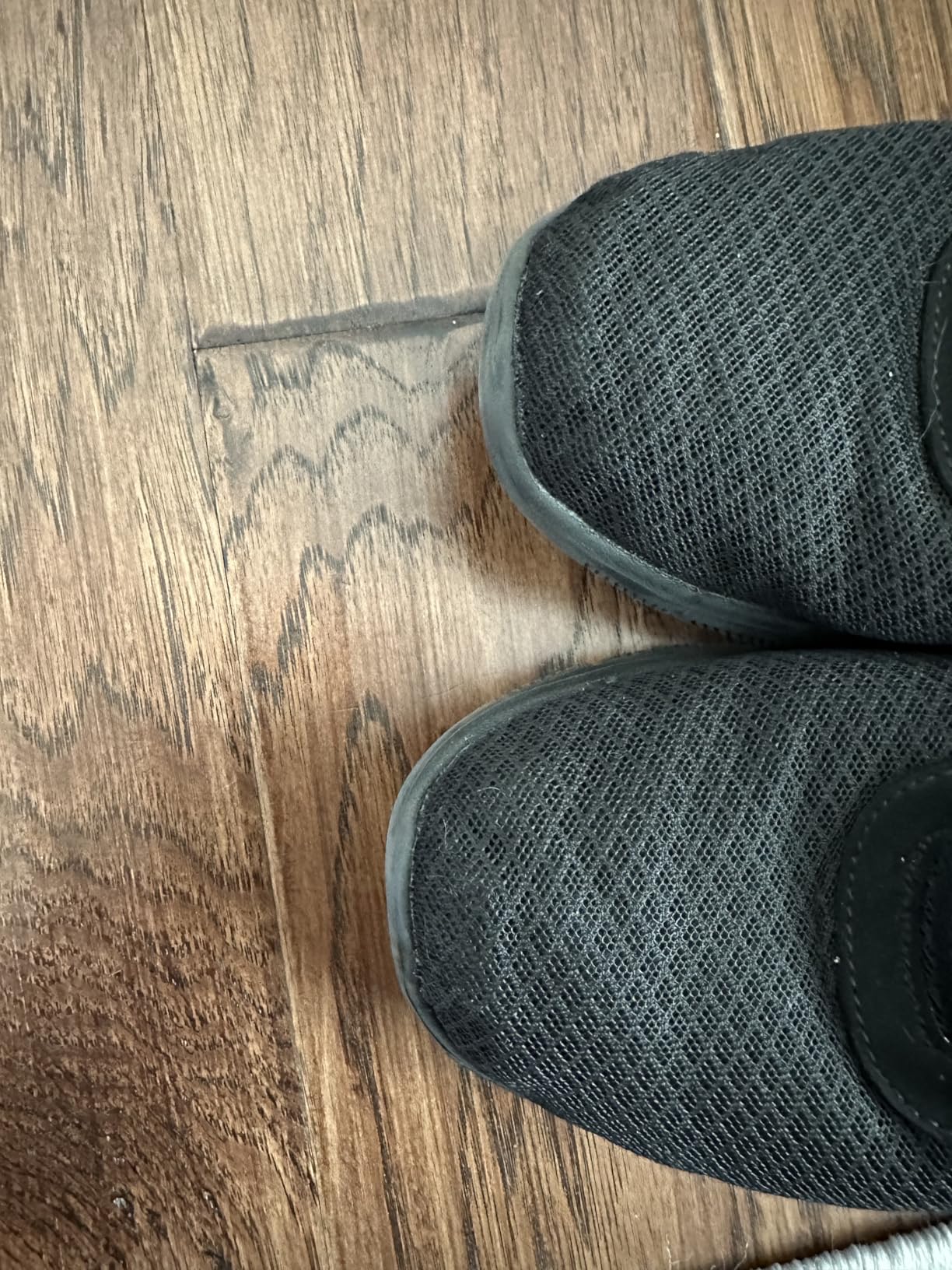
Opening the box, the Skechers Ghenter Bronaugh immediately struck me as a serious work shoe rather than a lifestyle sneaker. The black mesh upper with synthetic overlays has that professional look that works well in healthcare and food service environments – nothing flashy, just clean and functional.
The breathable mesh upper is probably the shoe’s strongest design element. After countless 8-12 hour shifts, I can honestly say my feet stayed noticeably cooler than in my previous all-synthetic work shoes. The mesh breathes well even during busy dinner rushes or when I’m constantly moving between patient rooms.
However, I need to be real about the build quality – it’s solidly middle-of-the-road. The synthetic overlays provide decent structure, but after 6 months of regular use, I’m seeing some fraying around high-wear areas. The wear patterns are especially noticeable if you’re working 40+ hours per week.
Fit, Comfort & the Memory Foam Reality Check
Let’s talk about that “Air-Cooled Memory Foam” because this is where expectations meet reality. When I first slipped these on, they felt comfortable but not revolutionary. The memory foam is there, but it’s quite thin – probably about 3-4mm of actual cushioning material.
For the first month, they felt perfectly adequate for my 8-hour healthcare shifts. The wide toe box accommodated my feet well (I typically wear a size 8 regular width), and the lacing system provided good lockdown without pressure points. No break-in period needed, which is crucial when you need to start working immediately.
But here’s what happened around month 3: the memory foam started compressing significantly. By month 4, I was feeling much more impact through the sole, especially on concrete floors. This seems to be a common pattern – great comfort initially, then declining support after extended wear.
Slip Resistance & Safety Performance
This is where things get complicated. Skechers claims these meet or exceed industry standards for slip resistance, and in most conditions, they deliver. On typical restaurant floors with normal spills, they provide good traction. I never felt unsafe during normal walking or when navigating around wet areas.
However, I need to share some observations from actual use. These shoes became significantly less slip-resistant on heavily greased floors or when dealing with oil spills. I experienced a couple of near-slips in industrial kitchen environments. If you’re working in high-volume kitchens with serious grease exposure, you might want to consider more specialized slip-resistant footwear.
Performance in Various Work Conditions
I’ve put the Ghenter Bronaugh through every work scenario I could imagine:
Healthcare environments (hospitals, clinics): These performed well on typical hospital floors. The slip resistance was adequate for normal spills, and the breathable upper helped during long shifts. However, they’re not waterproof – learned this the hard way during a particularly messy patient care situation.
Food service (restaurants, cafeterias): Mixed results here. For front-of-house work (serving, host station), they’re quite good. The professional appearance and comfort work well for customer-facing roles. Kitchen work is more questionable – the slip resistance isn’t quite up to serious commercial kitchen standards.
Extended standing (retail, reception work): This is where the memory foam limitations become apparent. After 6+ hours of standing, my feet definitely felt the impact. The initial cushioning doesn’t provide enough long-term support for static standing positions.
High-activity shifts (busy restaurants, emergency departments): The lightweight design is actually an advantage here. At 1.2 pounds, they don’t add fatigue during high-step-count days. But the trade-off is durability – the mesh upper shows wear faster with constant movement.
The Noise Issue
I have to address this honestly: these shoes are noisy. The mesh upper creates a subtle but noticeable crinkling sound with each step. It’s not loud enough to be disruptive in busy work environments, but in quiet settings (like patient rooms during night shifts), it’s definitely audible.
After 6 months, the noise hasn’t improved. I’ve learned to adjust my walking style somewhat, but if you work in environments where quiet movement is important, this could be a deal-breaker.
Does Skechers Deliver on Their Promises?
Let’s break down Skechers’ key claims about the Ghenter Bronaugh and see how they hold up in real-world use:
First up, they claim “Air-Cooled Memory Foam comfort.” In my experience, this is partially true. The memory foam exists and provides initial comfort, but it’s not the plush, long-lasting cushioning you might expect from the marketing. I’d say it delivers about 60% of what the “memory foam” branding suggests – adequate for light to moderate use, insufficient for intensive daily wear.
Next, the “slip-resistant sole meets or exceeds industry standards” statement needs context. For general food service and healthcare environments, yes, it provides adequate slip resistance. But if you’re working in high-grease commercial kitchens or dealing with serious spill situations, the performance falls short of what I need for true safety.
As for “breathable mesh upper,” I’ll give them credit here. This feature actually works well. Even during humid summer shifts or high-activity periods, my feet stayed noticeably cooler than in all-synthetic work shoes. This is probably the shoe’s strongest delivered promise.
My Overall Assessment
After 6 months of putting the Skechers Ghenter Bronaugh through everything I could throw at it, I’m giving it 6.8/10 overall. Here’s how it breaks down:
Category Breakdown
- Design & Aesthetics: 7.5/10 – Professional appearance, appropriate for work environments
- Slip Resistance: 6.5/10 – Good for most situations, questionable for high-grease environments
- All-Day Comfort: 6.0/10 – Starts strong, declines significantly after 3-4 months
- Breathability: 8.5/10 – Genuinely effective mesh design
- Value for Money: 7.0/10 – Reasonable price point, but durability concerns
My Experience Over Time
The Ghenter Bronaugh has been a mixed bag in my daily use. I appreciate them for the initial comfort and professional appearance, but there are consistent patterns I’ve noticed about durability and long-term support. The comfort is perfect for the first few months, then you start feeling the decline. For front-of-house work, they’re great, but I wouldn’t trust them in the kitchen during busy periods.
My observation is that they work well for moderate-intensity work environments but struggle with heavy daily use. Working 30-40 hours per week, I had mostly positive experiences, while working 50+ hours showed faster wear and declining comfort.
Is It Worth Your Money?
Let’s talk real value for your dollar. Here’s my honest breakdown:
- Estimated 4-6 month lifespan for daily work use
- Compared to premium work shoes: Similar initial comfort, shorter lifespan
- Based on delivered features vs promises: 70% delivered – decent value for moderate use
Bottom line: Worth it if you’re working part-time or moderate hours in relatively clean environments. Not worth it if you’re working full-time in demanding conditions where you need shoes that maintain their performance over 8+ months.
Final Verdict
The Good and The Bad
| ✅ What I Loved | ❌ What Could Be Better |
|---|---|
| • Genuinely breathable mesh design<br>• Professional, workplace-appropriate appearance<br>• No break-in period needed<br>• Lightweight for extended wear<br>• Wide width options available<br>• Easy to clean with damp cloth<br>• Reasonable price point | • Memory foam compresses quickly (3-4 months)<br>• Noticeable crinkling sound with each step<br>• Durability concerns for heavy use<br>• Not waterproof despite work environment needs<br>• Slip resistance inadequate for serious grease<br>• Quality inconsistencies between batches<br>• Insoles move around and wear out fast |
Who Should Buy the Skechers Ghenter Bronaugh?
✅ PERFECT FOR:
- Part-time healthcare workers needing professional appearance
- Front-of-house restaurant staff (servers, hosts, cashiers)
- Retail workers on their feet 4-6 hours per shift
- Women with wider feet who need work-appropriate shoes
- Those transitioning between different work shoes and wanting to try Skechers
- Budget-conscious workers needing immediate foot relief
⚠️ CONSIDER CAREFULLY IF:
- You work 40+ hours per week in demanding conditions
- You’re heavier than 160 lbs (faster memory foam compression)
- You work in environments requiring absolute quiet movement
- You need shoes to last 8+ months with heavy use
❌ LOOK ELSEWHERE IF:
- You work in commercial kitchens with heavy grease exposure
- You need waterproof protection for spills and cleaning
- You require maximum arch support for foot conditions
- You work 12+ hour shifts regularly
- You need shoes that maintain cushioning for 6+ months
Better Options for Specific Needs
- For heavy-duty kitchen work: Consider Crocs Bistro clogs or Shoes for Crews with serious slip resistance
- For maximum comfort in healthcare: Look at Hoka work shoes or similar premium options
- For long-term durability on a budget: Check out New Balance work shoes
- For waterproof protection: Consider Merrell work shoes or Timberland Pro series
My Final Take
After all this hands-on experience, here’s my honest opinion: the Skechers Ghenter Bronaugh is a solid entry-level work shoe that delivers on breathability and initial comfort but falls short on durability and long-term performance. If you’re working moderate hours in relatively clean environments with a budget around $50-60, this is worth considering for your work rotation.
Pro tip: If you decide to get these, order a half-size up if you have wider feet, and plan to add your own insoles after the first month for better long-term comfort. Also, consider buying two pairs to rotate – this extends the life of the memory foam significantly.
Questions? Drop them in the comments below – I’m here to help! Stay comfortable and safe at work! 🏥👟
Frequently Asked Questions
Based on my experience and what working women need to know, here are the key questions about the Skechers Ghenter Bronaugh:
Q: How long do these shoes realistically last for daily work use?
A: Based on my 6-month experience, expect 4-6 months of daily use (30-40 hours per week) before the memory foam compresses significantly and comfort declines. Working 50+ hours, I noticed decline after 3-4 months. Light use (under 20 hours per week) could see 8-12 months. The outsole typically outlasts the comfort features.
Q: Are these actually slip-resistant enough for restaurant kitchens?
A: For front-of-house and light food prep, yes. For serious commercial kitchens with heavy grease, I found the slip resistance inadequate. They meet basic industry standards but aren’t designed for high-volume kitchen environments. If you’re working line cook or prep positions, consider more specialized kitchen shoes.
Q: How does the sizing run compared to other Skechers?
A: Generally true to size, but the toe box runs slightly narrow. If you normally wear regular width Skechers, these fit the same. If you have wider feet, definitely get the wide width option. I found going up a half size helpful for all-day comfort, especially when adding custom insoles.
Q: Can I wash these in the washing machine?
A: Yes, but be careful. I’ve successfully machine washed them in cold water with gentle cycle, air drying only. However, I’ve heard of cases where it damaged the mesh or caused sole separation. Hand cleaning with damp cloth and mild soap is safer for longevity. The mesh does clean easily with basic wiping.
Q: What’s the deal with the crinkling noise?
A: The breathable mesh upper creates a subtle tissue paper-like crinkling sound with each step. It’s not loud enough to be disruptive in busy work environments, but it’s noticeable in quiet settings. The sound doesn’t go away with wear – it’s inherent to the mesh design. If you work night shifts or quiet environments, this could be an issue.
Q: Do these provide enough support for plantar fasciitis or foot problems?
A: The arch support is minimal, and the memory foam is quite thin. From my experience with foot issues, I needed to add custom insoles immediately. The shoe has room for orthotics, but don’t expect much support from the stock configuration. The wide toe box actually helped with my bunion issues.
Q: Are they waterproof for spills and cleaning?
A: No, definitely not waterproof. The mesh upper is designed for breathability, which means liquids go right through. For minor spills, they dry quickly, but for serious cleaning or wet environments, your feet will get soaked. Consider this carefully if you work in environments with significant liquid exposure.
Q: How do they compare to the old Skechers work shoes?
A: In my experience wearing Skechers over the years, these are lighter and more breathable than previous models, but with less durable memory foam. The slip resistance seems similar to older models. I’ve noticed quality inconsistencies – sometimes the same style feels different between purchases.
Q: What’s the best way to make these last longer?
A: Rotate with another pair if possible – gives the memory foam time to recover. Add quality insoles after the first month to extend comfort life. Keep them clean and dry between shifts. Avoid wearing them outside of work to preserve the sole. Consider heel grips if you experience slipping in the heel area.
Q: Are these worth it compared to more expensive work shoes?
A: For moderate use (under 40 hours per week), they provide good value. The cost-per-wear is reasonable for the first few months. However, if you work full-time in demanding conditions, investing in premium work shoes that last 12+ months might be more economical long-term. They’re a good option for trying the work shoe category without major investment.
Be the first to review “Skechers Women’s Ghenter Bronaugh Work Shoe”
Related products

Sneaker
Sneaker
Sneaker
Sneaker
Sneaker
Reviews
There are no reviews yet.