
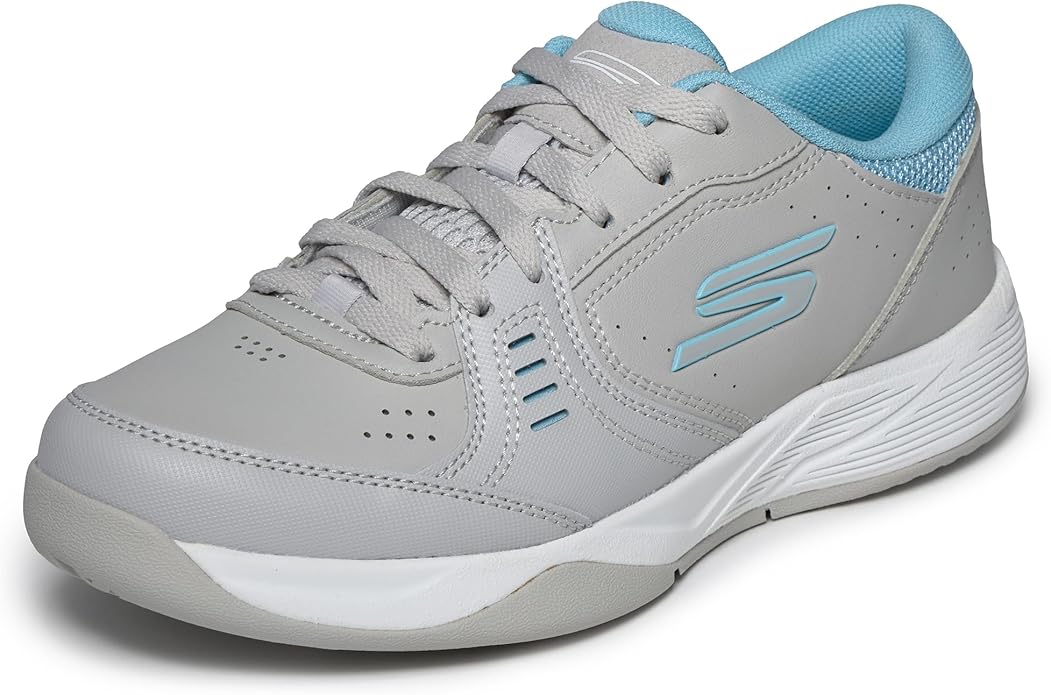
When my pickleball friend told me the Skechers Women’s Viper Court Smash would change how I thought about budget court shoes, I smiled the way you smile when someone insists their new restaurant is the best you’ll ever try. I’ve been testing shoes for over a decade, and I’ve learned that enthusiasm rarely survives contact with 60 court sessions. But four months later, I owe her a partial apology — because these are genuinely good shoes, with a few things she conveniently forgot to mention.
Quick Facts
- 💰 Price: $65 (check current price at footgearusa.com)
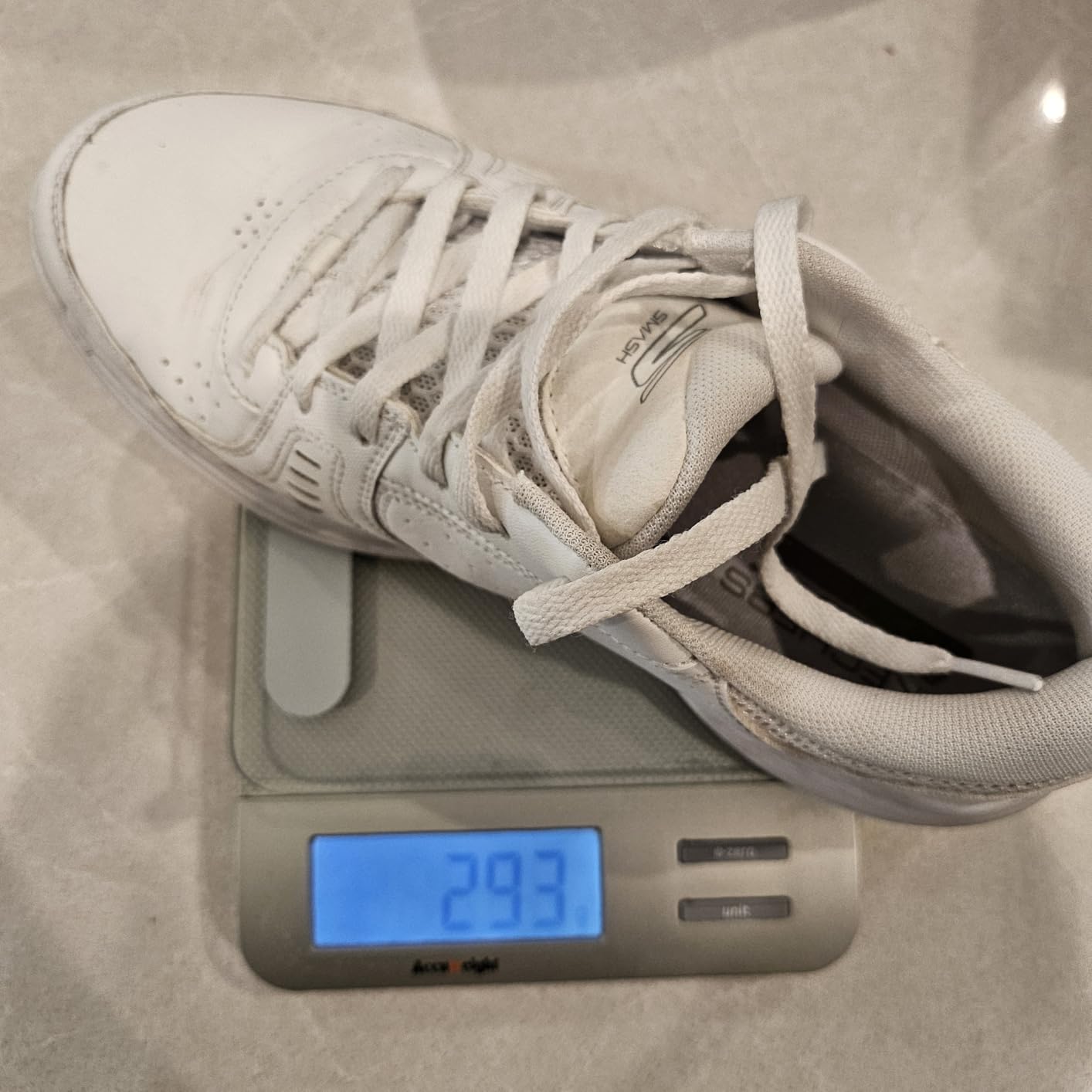
- ⚖️ Weight: 10.3 oz (women’s size 8)
- 👟 Upper: Smooth synthetic leather with perforation accents (100% vegan)
- 🔧 Cushioning: ULTRA FLIGHT® with EVA molded insole
- 🏓 Category: Pickleball / Court Shoes
- 🎯 Best for: Recreational to intermediate players, indoor-primary
- 🔑 Key feature: Relaxed Fit® — roomier toe box, no break-in period
Understanding the Viper Court Lineup First
Before we get into performance, I want to save you some confusion I went through. Skechers has three Viper Court tiers, and they’re not interchangeable:
The Skechers Viper Court Pro is the flagship — $110-120, ripstop upper with rubberized reinforcements, Goodyear rubber outsole, and the ArchFit insole system developed with podiatrist input. This is the one endorsed by Tyler McGuffin and Catherine Parenteau. If you’re playing competitively, this is the tier worth considering.
The Viper Court Rally/Reload sits at around $60, featuring a Goodyear Gold compound outsole designed for controlled slides and better traction longevity. It’s built for elite movement patterns but lacks the comfort-focused design of the Smash.
The Viper Court Smash — what we’re reviewing — lands at $65 with ULTRA FLIGHT cushioning, a synthetic leather upper, and Relaxed Fit design. It’s the comfort-forward, budget-accessible option. That distinction matters for everything that follows.
I chose to test the Smash specifically because it targets the recreational player segment — the largest chunk of the pickleball market — and because the comfort claims at this price point were worth investigating.
First Impressions: The Unboxing Isn’t a Gimmick
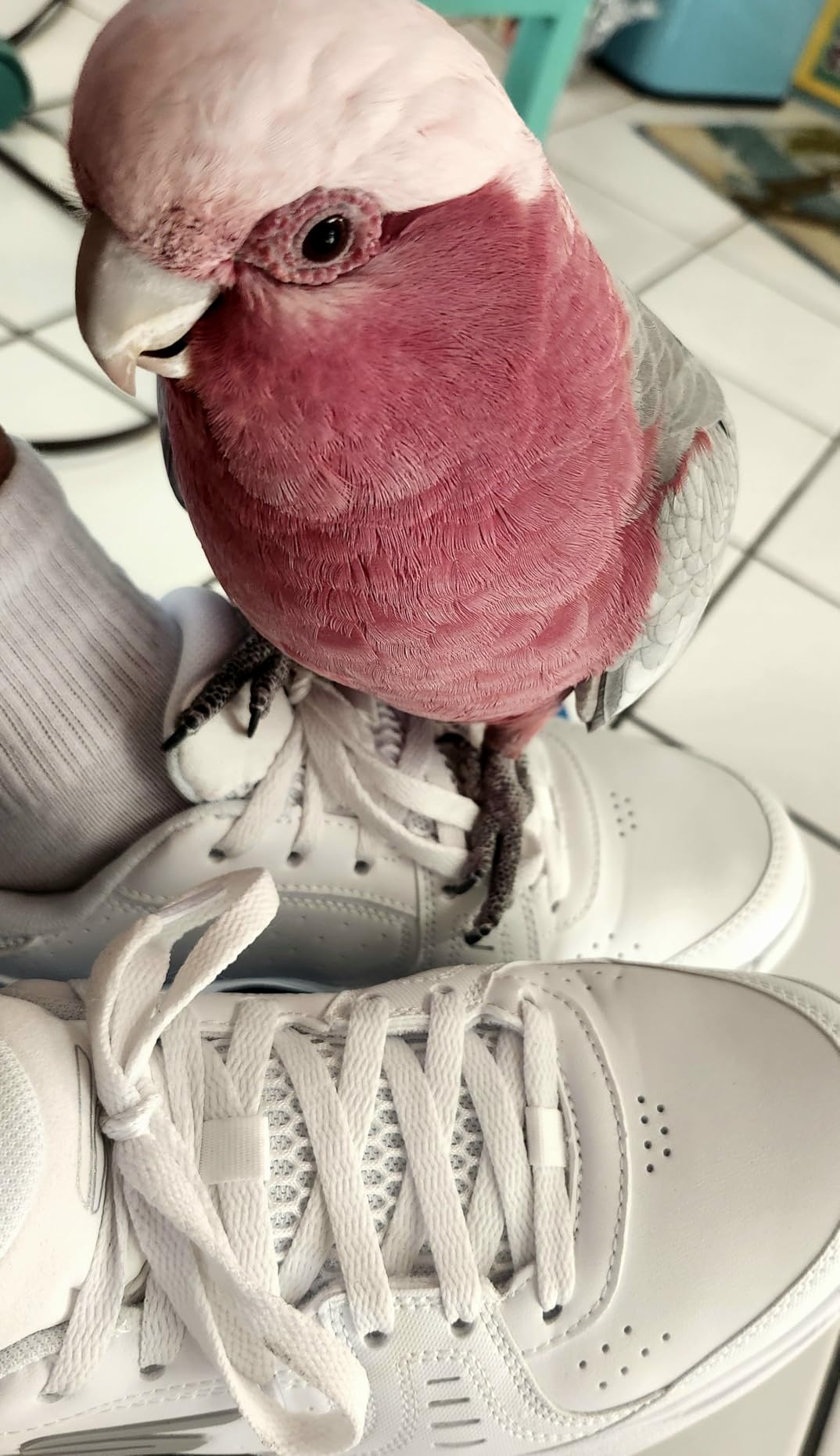
Picking these up before my first session, I noticed immediately that they’re lighter than they look. At 10.3 oz for a women’s size 8, the Smash sits in the lighter end of the court shoe spectrum — not ultralight, but noticeably less hefty than the cross-trainers many recreational players default to.
The synthetic leather upper feels clean and functional. Not premium — I want to be direct about that. You can tell this is an entry-tier material. But it’s sturdy enough for recreational use and the perforation accents give it a sportier look than I expected at $65. The Relaxed Fit becomes apparent immediately: the toe box is genuinely roomier than standard-width court shoes. At size 8, I had comfortable space without the shoe feeling sloppy or unsecured around my heel.
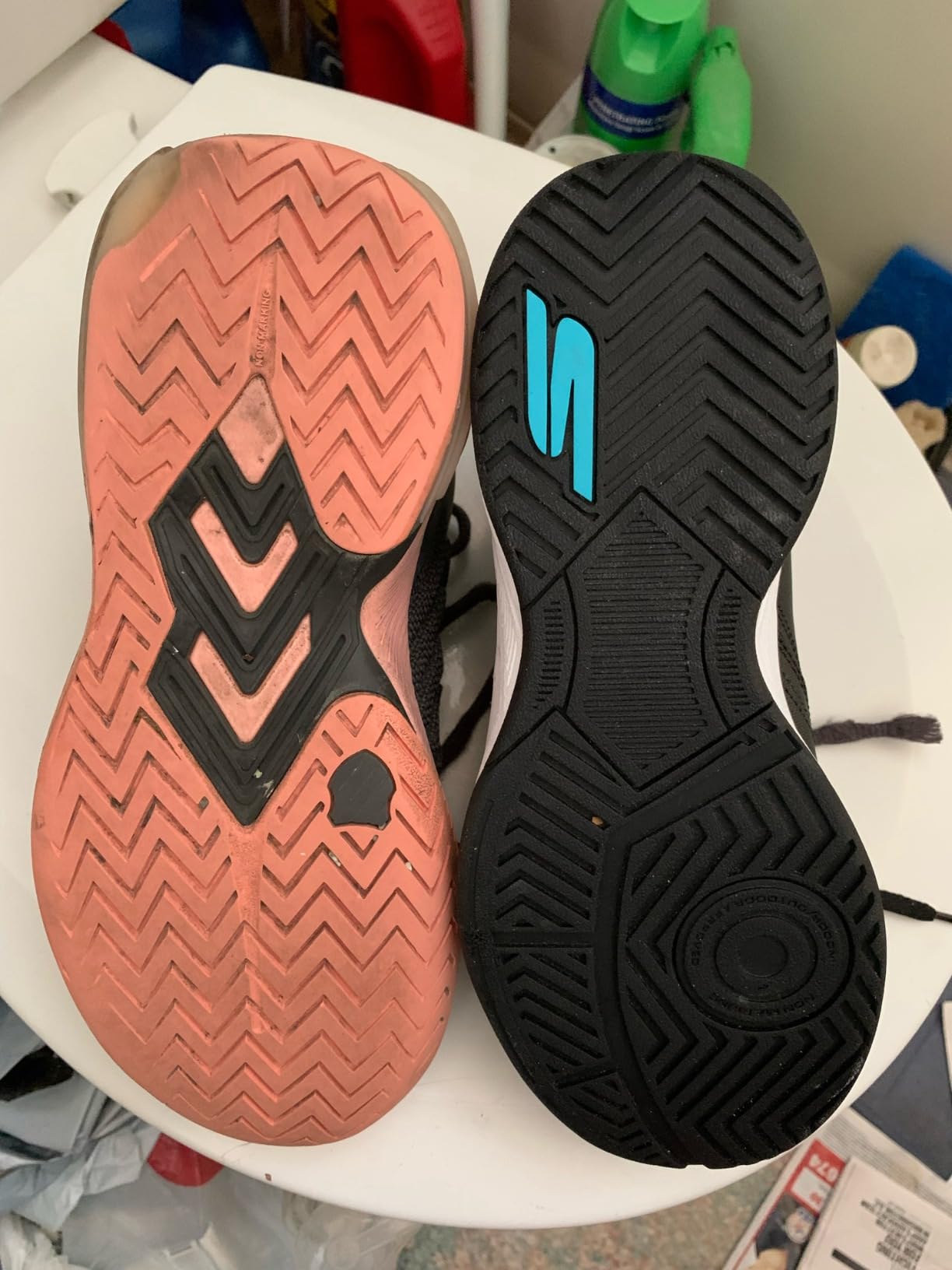
One thing I noted on inspection: the outsole design is more deliberate than it looks in photos. The rubber tread pattern is optimized for multidirectional court movement, not just straight-line running. That translates to real performance, which we’ll get to shortly.
Comfort: This Is Where Skechers Has a Real Argument
After my first two-hour session, I had to concede something: my feet felt better than they usually do. No hotspots, no heel blistering, no toe crowding. The ULTRA FLIGHT cushioning absorbs impact without going mushy — it’s responsive enough that you don’t feel like you’re sinking into foam, but plush enough that extended rallying doesn’t leave you with aching arches.
That immediate comfort sustained. By session 20, the shoes felt exactly as good as session 1 — no break-in wear-in required, and no comfort degradation early on. For players coming from cross-trainers or running shoes, this difference is dramatic. Dedicated court shoes distribute lateral pressure very differently than running geometry, and the Smash does this well for recreational play.
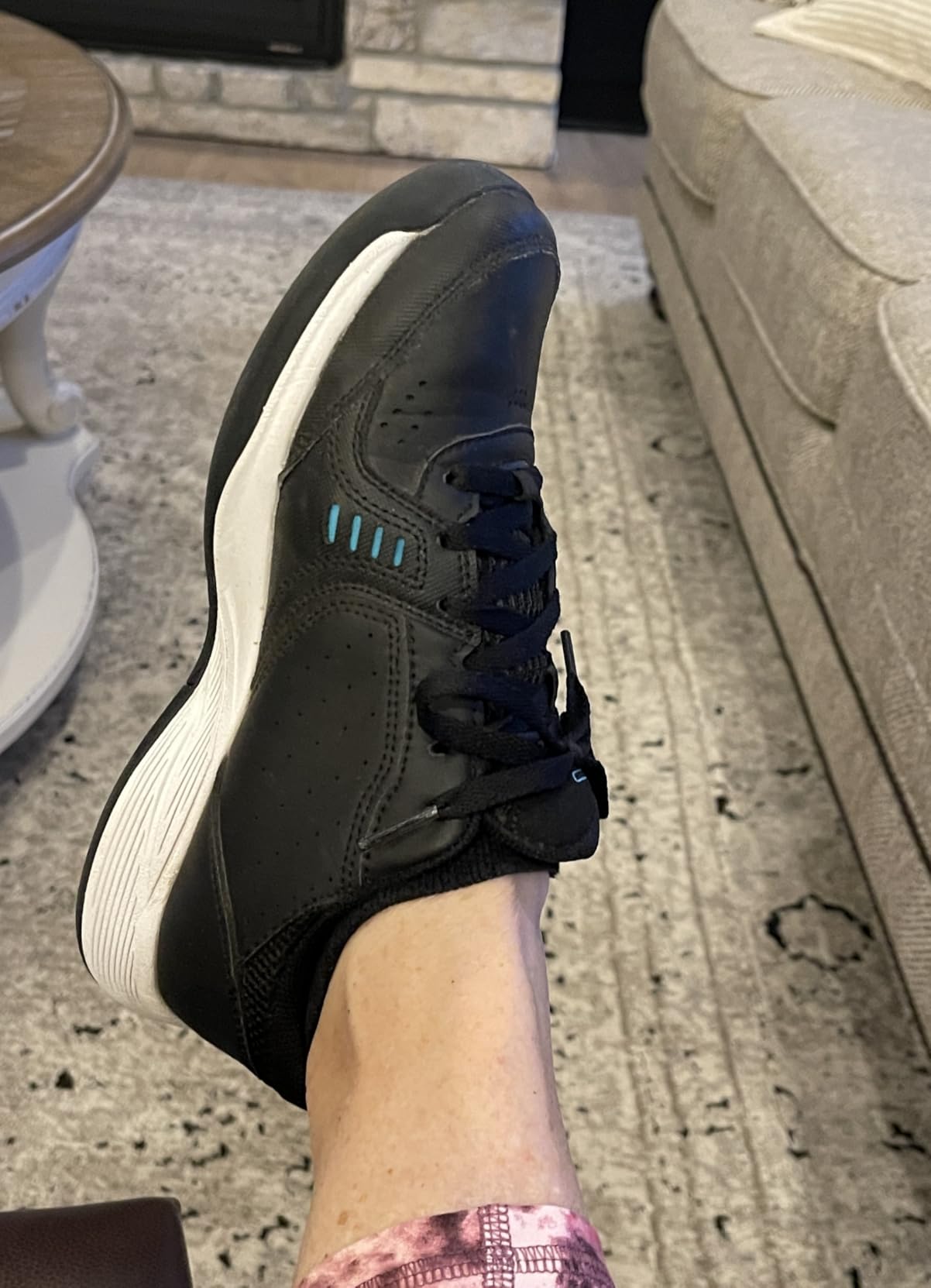
The Relaxed Fit toe box is genuinely useful, not marketing. Players with wider feet or those who experience toe cramping in standard court shoes will find real relief here. I play at normal width (size 8B) and had extra room, which some players might find imprecise. If you have narrow feet or prefer a locked-down fit, the Relaxed Fit works against you.
One caveat I’d be remiss to skip: arch support is moderate. That’s confirmed by 100% of Zappos reviewers and my own experience — adequate for recreational 2-3 hour sessions, but if you have high arches or previous plantar issues, you’ll likely want aftermarket insoles. On a full 4-hour tournament day, I felt noticeable arch fatigue that I don’t experience with more support-focused shoes.
The breathability story is mixed. The perforation accents help, but the synthetic upper retains more heat than mesh alternatives. Indoor sessions at normal temperatures were comfortable throughout. Summer outdoor sessions at 85°F+? My feet ran noticeably warmer than in previous mesh-based court shoes. Not unbearable, but worth knowing before committing.
On-Court Performance: Great Grip, Real Trade-Offs
The grip-to-speed balance is where the Smash genuinely earns its reputation in the recreational pickleball community. The full-length rubber outsole grips clean indoor courts confidently — I felt planted during most movements without the sticky slowdown you get from overly grippy outsoles. Quick lateral splits, forward dashes, emergency reach-backs: the court feel is consistent and predictable on clean gym surfaces.
Speed is a factor. At 10.3 oz, these don’t feel like deadweight on your feet. Players transitioning from heavier cross-trainers will notice they move quicker on court — not because the shoes make you faster, but because you’re not fighting unnecessary weight through long rallies.
Here’s where I have to be honest, though: lateral support is the Smash’s real limitation. During recreational doubles play, the shoe is fine — you’re rarely at the limits of the midsole’s rigidity. But during an intense singles session and one competitive league match, I experienced some instability during hard directional cuts. Nothing that caused injury, but I rolled my ankle slightly in one aggressive sequence, and I noticed my body self-correcting by being slightly more conservative in my movements. That’s not a sign of a broken shoe; it’s an honest signal of the trade-off made to achieve that comfort-first design.
The Smash’s cushioning softness is why it feels so good. That same softness is why it doesn’t have the lateral rigidity of the Viper Court Pro or court shoes with stiffer midsole technology. Recreational players won’t push these limits often. Tournament competitors will.
Indoor vs. Outdoor: Read This Before Playing Outside
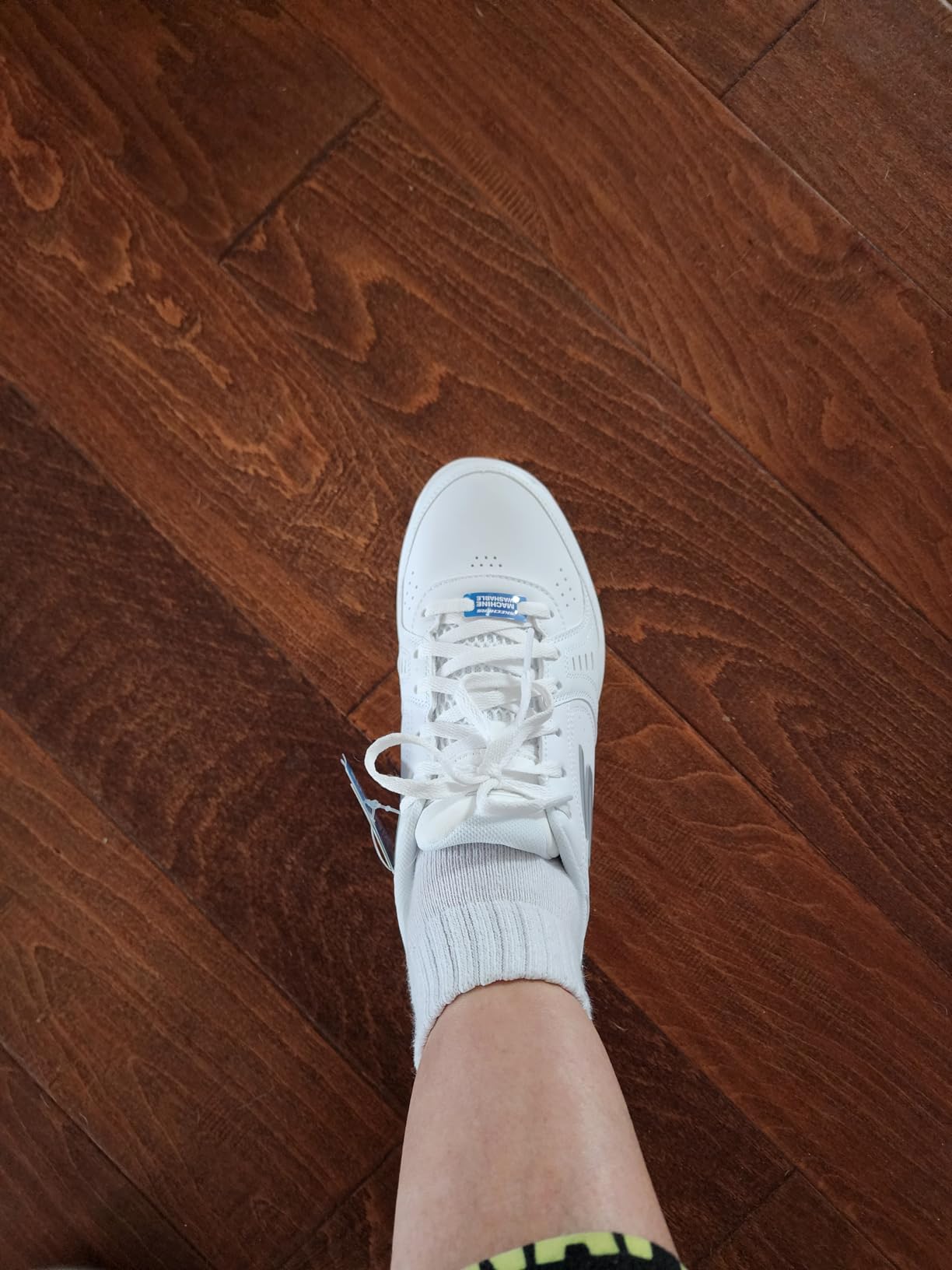
Indoor courts are where the Smash belongs. Clean gym floors, synthetic indoor surfaces, hardwood courts — this shoe is confident and consistent across all of them. The non-marking outsole works as advertised. This is the scenario the shoe is genuinely built for.
Outdoor concrete courts on clean, dry days are workable but noticeably different. The grip feel is less precise, and during quick stops I didn’t feel the same “planted” confidence as indoors. I adjusted my footwork instinctively — shorter stops, slightly more conservative footwork patterns. Not dangerous, but not the traction experience you get indoors.
Outdoor courts with dust, light moisture, or variable surface texture are a different story. I had two sessions on dusty outdoor courts where I slipped enough to concern me, and one session on slightly damp surfaces that I cut short because I didn’t trust the footing for aggressive play. The rubber compound doesn’t seem engineered for these conditions. After those experiences, I moved the Smash to indoor-only use.
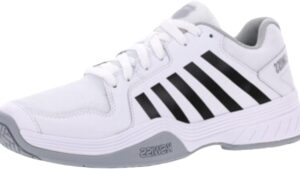
If you play 80%+ indoors, this shoe performs at its best. If outdoor courts with variable conditions are your primary environment, you’ll want something with a more robust outsole compound — like the Rally’s Goodyear Gold compound, or the K-Swiss Women’s Court Express Pickleball if you want a different brand alternative.
The Durability Reality — The Part Most Reviews Skip
Four months in, the Smash is showing its entry-tier nature. The outsole toe drag zone — where you push off during forward lunges and serves — shows noticeable wear. The synthetic upper has scuffing and creasing that’s cosmetic but signals the material’s limits. The cushioning still feels functional, though not quite as responsive as session 1.
Based on my trajectory and comparing notes with players in my league who’ve owned these longer: expect 6-8 months of comfortable regular play (2-3 sessions per week) before performance starts to degrade meaningfully. Players who play once a week might stretch to 10-12 months. Heavy players or daily players should budget for 4-6 months.
This isn’t a defect. This is what entry-tier synthetic materials deliver at $65. And the math still works: $65 divided by 7 months is about $9.30 a month. Compared to premium court shoes at $110+ with 18-month lifespans, the monthly cost difference is smaller than you’d expect.
What I’ll flag, though: some players in my league reported sole separation or significant outsole wear much earlier — after 3-4 months with heavier use patterns. If you play 4+ times a week or are a heavier player putting more stress on the outsole, factor in a potentially shorter runway. The Ryka Courtside Pickleball and Wilson Women’s Rush Pro Ace are worth comparing if durability is a priority at a similar price range.
How It Compares: Smash vs. Pro vs. Other Options
| Feature | Viper Court Smash | Viper Court Pro | K-Swiss Court Express PB | Ryka Courtside PB |
|---|---|---|---|---|
| Price | $65 | $110-120 | ~$65-75 | ~$75-85 |
| Comfort | 9/10 ⭐ | 9.5/10 | 8/10 | 8/10 |
| Lateral Support | 6/10 | 8/10 | 7.5/10 | 7/10 |
| Durability | 6/10 | 7.5/10 | 7.5/10 | 7/10 |
| Indoor Traction | 9/10 ⭐ | 9/10 | 8.5/10 | 8/10 |
| Outdoor Reliability | 7/10 | 7.5/10 | 8/10 | 7.5/10 |
| Wide Toe Box | ✅ Relaxed Fit | Standard | Standard | Standard |
| Vegan | ✅ Yes | ❌ No | ❌ No | ❌ No |
| Overall Value (Recreational) | 8/10 ⭐ | 7/10 | 7.5/10 | 7/10 |
*Pro and alternatives ratings estimated from brand specs and community data; only Smash ratings are from direct 4-month testing.*
My Overall Score Breakdown
After 60+ court sessions across 4 months:
- Comfort: 9/10 — Exceptional cushioning, immediate wearability, no break-in required
- Court Traction (Indoor): 9/10 — Reliable, consistent, confidence-building on clean surfaces
- Outdoor Traction: 6.5/10 — Variable; adequate dry conditions, unreliable in dust/moisture
- Lateral Support: 6/10 — Fine for recreational play; concerning for aggressive competitive movement
- Durability: 6/10 — Fair at price point; plan for 6-8 months with regular use
- Value: 8/10 — Strong monthly cost math for recreational players
- Fit Accuracy: 8/10 — True to size; Relaxed Fit works for wide feet, less so for narrow
- ⭐ Overall: 7.2/10
Who Should Buy the Skechers Women’s Viper Court Smash
✅ This shoe is a strong fit if you:
- Play pickleball 1-3 times per week at a recreational level
- Play primarily on indoor courts
- Have wider feet or struggle with toe cramping in standard court shoes
- Want immediate comfort without a break-in period
- Are comfortable budgeting for replacement after 6-8 months
- Prefer vegan footwear
- Are transitioning from cross-trainers or running shoes to dedicated court footwear
⚠️ Think carefully if you:
- Play 4+ sessions per week (durability becomes a real concern)
- Play primarily on outdoor courts with variable conditions
- Need significant arch support or have previous foot injuries
- Prefer a snug, locked-down fit over a roomy feel
❌ Look elsewhere if you:
- Compete in league or tournament play where lateral support matters
- Need shoes to last 12+ months of regular use
- Play outdoor courts in humid or dusty conditions frequently
- Have narrow feet that need a secure, close fit
For competitive league players, I’d steer you toward the Viper Court Pro with its ArchFit system and Goodyear outsole. The $45-55 price premium translates into meaningful support and longevity improvements for players pushing the shoe’s limits regularly. If you need the Pro-level performance but want to explore options, Wilson Women’s Rush Pro Ace and K-Swiss Court Express Pickleball are solid alternatives worth your consideration.
Frequently Asked Questions
Q: Does the Skechers Viper Court Smash require a break-in period?
Not in my experience, and the broader community agrees. Out of the box, these are immediately comfortable — no tight spots, no heel blistering through the first few sessions. It’s one of the shoe’s genuine strengths.
Q: How does the Relaxed Fit actually feel on the court?
The toe box is genuinely roomier than most court shoes at this price point. For size 8, I had comfortable extra space without any sloppy heel slip. Players with D/E width feet will probably find this their Goldilocks fit. Narrow feet (AA/A) will likely find it too generous and could experience lateral foot sliding inside the shoe during hard cuts.
Q: Are they machine washable?
The vegan synthetic upper handles a gentle machine wash without damage in my experience. Avoid hot cycles; air dry. This is one of the practical advantages of the synthetic upper over genuine leather alternatives.
Q: How long will they realistically last?
Based on my testing and conversations with other league players: 6-8 months with 2-3 sessions per week is a reasonable expectation. Lighter use (once a week) could stretch to 10-12 months. Heavy use patterns (4+ times per week, heavier player) should plan on 4-6 months. The outsole toe drag zone shows wear first — watch for traction decrease in that area as the signal to replace.
Q: Should I size up or down?
True to size for most players. The Relaxed Fit naturally provides toe room, so there’s no reason to size up specifically for the fit. If you’re between sizes, I’d stay at your normal size rather than going up — the Relaxed Fit already handles the extra space.
Q: How do they perform on outdoor courts?
Clean, dry outdoor concrete is workable but less confident than indoor. Dusty or damp outdoor courts are where I’d exercise real caution — grip reliability drops noticeably. If outdoor courts are your primary environment, I’d treat the outdoor claim as “technically possible but not the design’s sweet spot.” Plan around that or choose a shoe with a more robust outsole compound.
Q: Can I use them for tennis or other court sports?
Yes — the court geometry and traction pattern work for tennis, badminton, and volleyball on clean surfaces. Several reviewers noted using them cross-sport. The same indoor/outdoor caveats apply. The non-marking outsole also makes them gym-floor friendly for cross-training.
Q: Is the Smash worth it compared to the Viper Court Pro?
Depends entirely on your play style. For recreational 1-3x weekly indoor players: Smash is the better value. The $45-55 price jump to the Viper Court Pro buys you the ArchFit system, Goodyear outsole, and ripstop durability — meaningful upgrades if you play competitively or need longer-lasting footwear. For casual players, the Smash’s comfort-to-price ratio is genuinely hard to beat.
Q: How does it compare to the Ryka Courtside Pickleball?
The Ryka Courtside Pickleball is designed specifically for women’s foot anatomy and typically offers better lateral support at a slightly higher price. The Smash wins on comfort and wide-toe-box accommodation; Ryka wins on stability for more aggressive play styles. If lateral support is your primary concern, Ryka is worth the extra spend.
Q: What’s the best way to extend the shoe’s lifespan?
Reserve them for court use only — every outdoor session on concrete accelerates outsole wear. Rotate with a second pair if you play frequently. After 3-4 months, check the toe drag zone wear. Consider replacing the insoles at month 3-4 to maintain cushioning response. Air dry fully between sessions to reduce moisture-related upper degradation.
Final Verdict
The Skechers Women’s Viper Court Smash is exactly what it appears to be: a comfort-first, budget-accessible court shoe that excels at recreational indoor pickleball. At $65, the monthly cost math works out reasonably even accounting for the 6-8 month lifespan. The immediate comfort, genuine wide toe box, and zero break-in period are real benefits that translate to better on-court enjoyment for recreational players.
What it isn’t is a performance upgrade for competitive play. The lateral support won’t satisfy aggressive movers, and the outdoor reliability leaves something to be desired for players who aren’t primarily on gym courts. Those gaps aren’t surprises for the price point — they’re honest reflections of entry-tier design choices.
My friend wasn’t wrong. She was just incomplete. These are good shoes for the right player. Know which player you are first.
Find current pricing and availability at footgearusa.com.
Be the first to review “Skechers Womens Viper Court Smash Shoes”
Related products
Tennis/Squash Shoes
Tennis/Squash Shoes
Tennis/Squash Shoes

Tennis/Squash Shoes
Tennis/Squash Shoes
Tennis/Squash Shoes
Running Shoes
Tennis/Squash Shoes
Reviews
There are no reviews yet.