
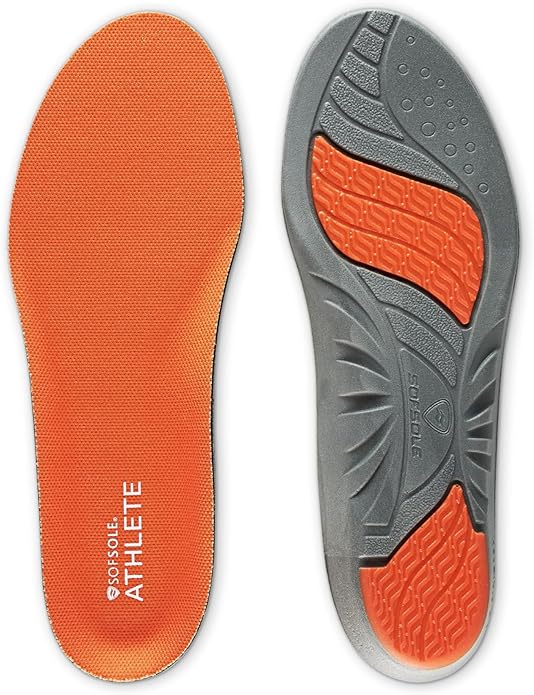
Sof Sole Athlete Insoles
$29.99
- Weight: 3.2 oz per pair (men’s size 11)
- Midsole material: Gel cushioning with foam base
- Upper material: Hydrologix moisture-wicking fabric
- Category: Performance athletic insoles
- Best for: Multi-sport activities, daily wear, work boots
- Arch type: Neutral (suitable for most foot types)
- Customization: Trimmable at toe area
- Drop: 3.15mm (heel to forefoot)
- Arch height: 20mm from heel
Can a budget-friendly insole truly transform athletic performance without falling apart after a month? After six months and over 200 miles of real-world use across basketball courts, concrete floors, and running trails, the Sof Sole Athlete Performance Insoles reveal some surprising truths about what $25 actually buys in the insole market.
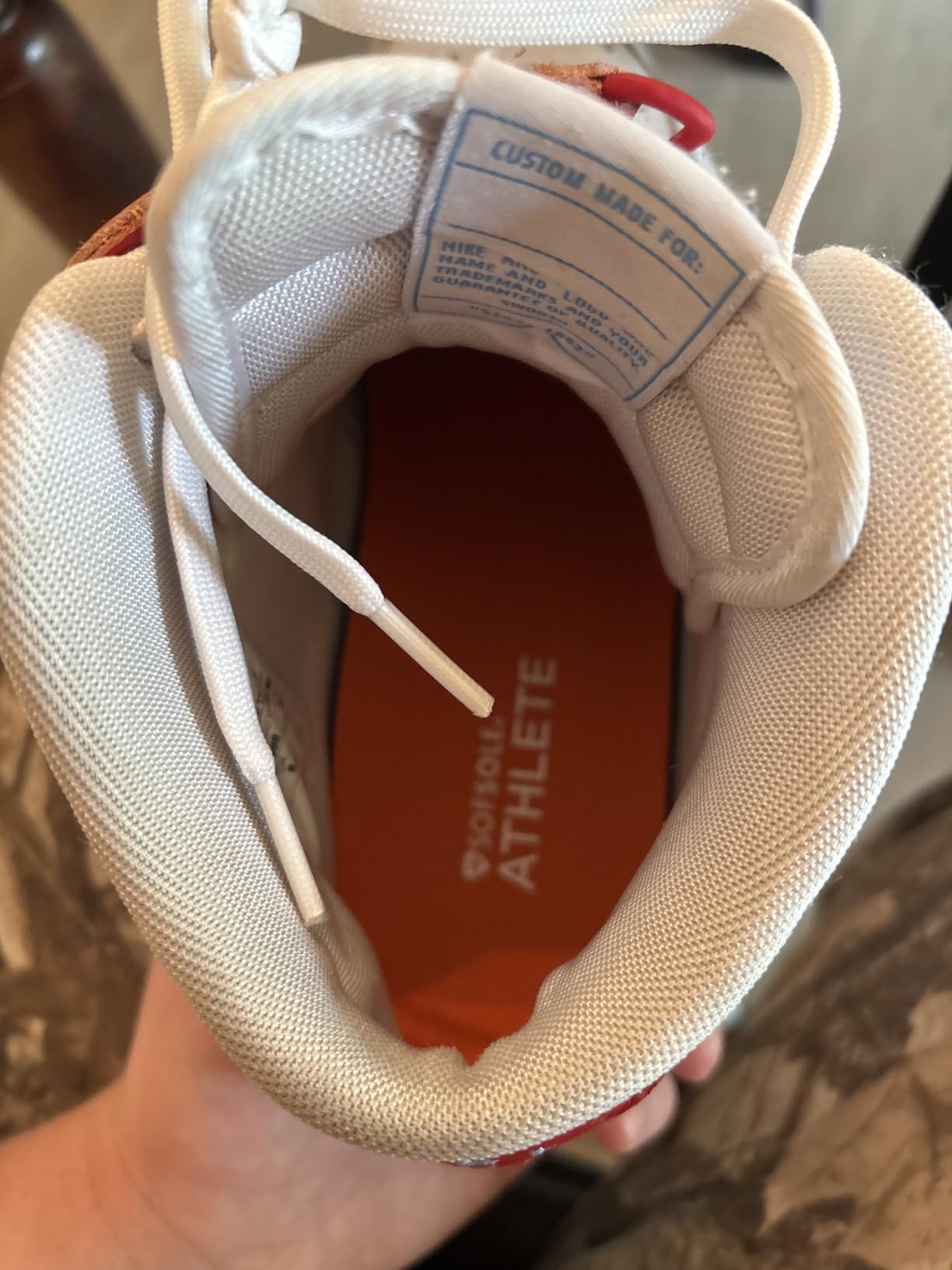
What 3.2 Ounces of Gel and Foam Actually Looks Like
Straight out of the packaging, the Sof Sole Athletes present a substantially more robust appearance than typical factory insoles. The orange gel pads positioned at the heel and forefoot immediately catch attention, and initial compression tests reveal promising elasticity. The fabric top layer carries a smooth, athletic-sock-like texture that suggests quality construction.
The all-foam construction sets these apart from competitors like Superfeet, which rely on rigid plastic bases. This fundamental design difference means the Sof Sole approach prioritizes cushioning over structural correction. Where Superfeet uses hard plastic to prevent foot collapse and maintain arch position, the Sof Sole Athletes absorb impact through compression and energy return.
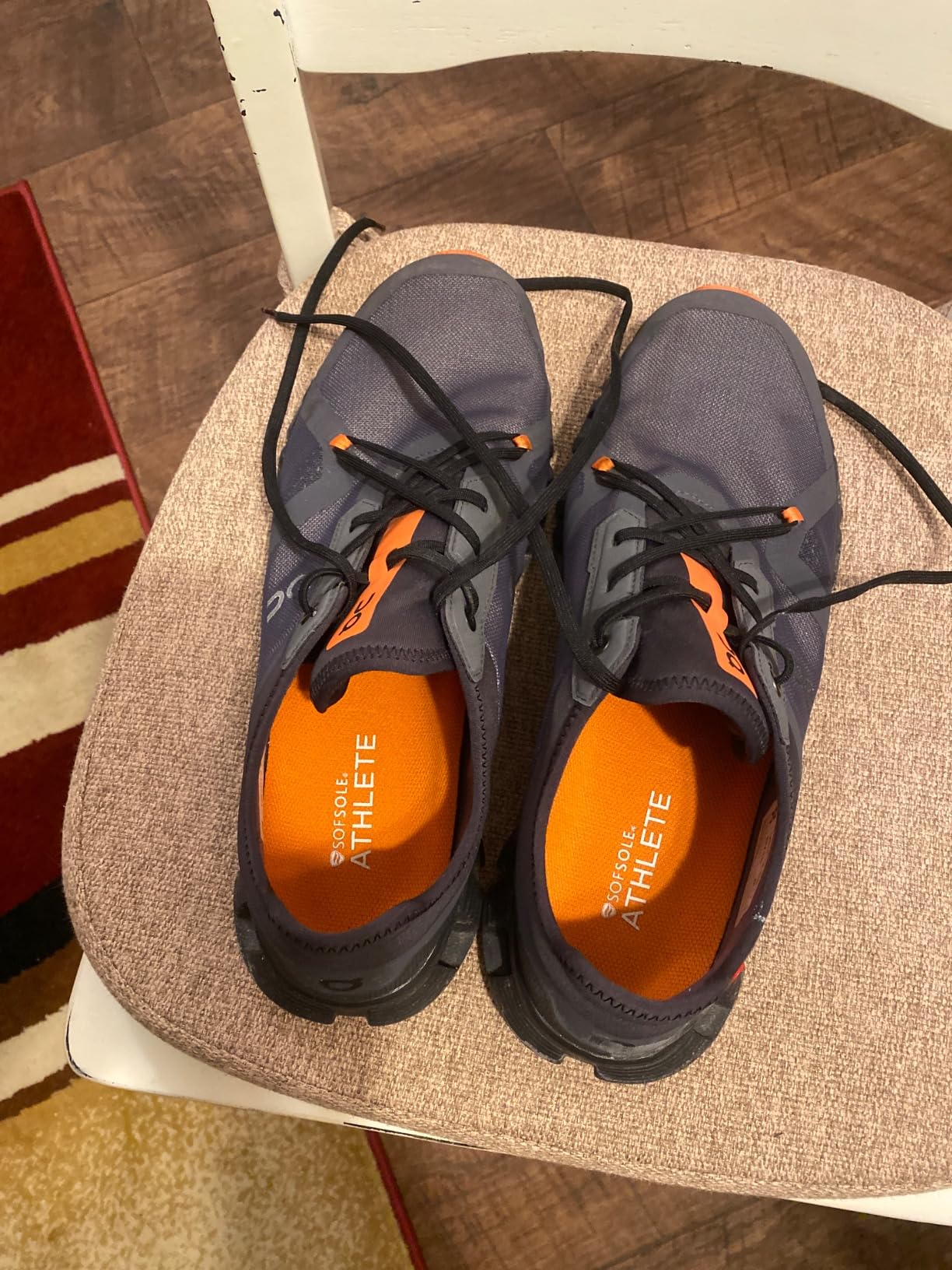
First insertion into training shoes produces an immediately noticeable difference. The 11-12.5 size fits perfectly in size 11 shoes with zero trimming required—a significant advantage for those who typically struggle with custom-cutting insoles. However, the added thickness becomes apparent instantly. At 20mm arch height with a 3.15mm drop from heel to forefoot, these insoles add considerable volume to shoes.
The neutral arch design delivers on its promise of universal compatibility. The 12.25mm climb from heel to arch feels flat during wear, unlike some competing models that create a golf-ball-under-the-foot sensation. The heel cup design provides solid stability, particularly noticeable during lateral movements in basketball scenarios.
The Thickness Factor: How These Change Shoe Fit
The volume addition cannot be understated. These insoles fundamentally alter how shoes fit, creating a snugger feeling throughout the entire foot. For shoes already running tight, this presents a genuine problem. Some athletes report needing to size up a half size to accommodate the increased thickness, particularly those weighing over 180 pounds who compress the foam more substantially.
The lockdown effect works two ways. Enhanced security and stability come at the cost of reduced toe box space. The thickness—firmer than standard foam insoles but softer than Superfeet’s plastic base—allows for better energy transfer than pure cushioning models while maintaining comfort levels that don’t require break-in periods.
This immediate wearability marks a crucial distinction from competitors. Superfeet insoles typically demand 1-2 weeks of gradual adaptation as feet adjust to rigid arch correction. The Sof Sole Athletes require minimal adjustment, making them suitable for immediate use in athletic activities.
Can Gel Pads Really Absorb 200 Miles of Impact?
Six months of varied athletic use reveals the gel cushioning’s true capabilities and limitations. During basketball sessions involving repeated jump shots and defensive slides, the impact absorption proves noticeably superior to stock insoles. Joint stress reduction becomes evident during extended two-hour sessions, though the effect diminishes somewhat after the first hour of intense activity.
Running applications tell a more nuanced story. During regular 3-4 mile runs at moderate pace, the heel strike cushioning performs solidly without matching the responsiveness of dedicated running insoles. The gel pads handle casual running demands adequately, but serious distance runners would benefit from sport-specific alternatives.
The warehouse work environment showcases these insoles at their best. Eight-hour concrete floor shifts reveal significantly reduced foot fatigue compared to standard insoles. The all-day comfort claim holds true for moderate use, though feet still experience fatigue after three-plus hours of high-intensity basketball.
Temperature performance proves consistent. Hot summer conditions in high humidity show the moisture-wicking working to some degree—feet stay noticeably drier than with standard insoles, though expectations should remain realistic. The gel maintains its cushioning properties in cold weather without the firmness issues some materials experience in winter temperatures.
Against Superfeet Green: Where the $10 Savings Shows
The $15 price difference between Sof Sole Athletes and Superfeet Green reflects fundamental design philosophies rather than simple quality gaps. Superfeet’s rigid plastic base construction aims to correct foot position and prevent arch collapse through structural support. The Sof Sole approach uses all-foam construction to cushion impact and provide comfort without attempting biomechanical correction.
This creates distinct use cases. Superfeet excels for those needing serious arch support or dealing with plantar fasciitis, but requires a break-in period as feet adapt to the aggressive support. The Sof Sole Athletes deliver immediate comfort suitable for moderate athletic use without the corrective properties—or the adaptation requirements.
Material differences extend beyond the base. Superfeet uses high-density foam over plastic with minimal cushioning, prioritizing support over comfort. Sof Sole combines dense foam throughout with gel pads specifically positioned for impact zones. The result: Superfeet feels firmer and more stable, Sof Sole feels softer and more forgiving.
For athletes with neutral arches seeking cushioning over correction, the Sof Sole presents better value. Those dealing with overpronation, severe plantar fasciitis, or requiring rigid support should invest the extra $15 in Superfeet. The choice fundamentally comes down to whether cushioning or correction takes priority.
The Six-Month Mark: Where Wear Patterns Reveal Themselves
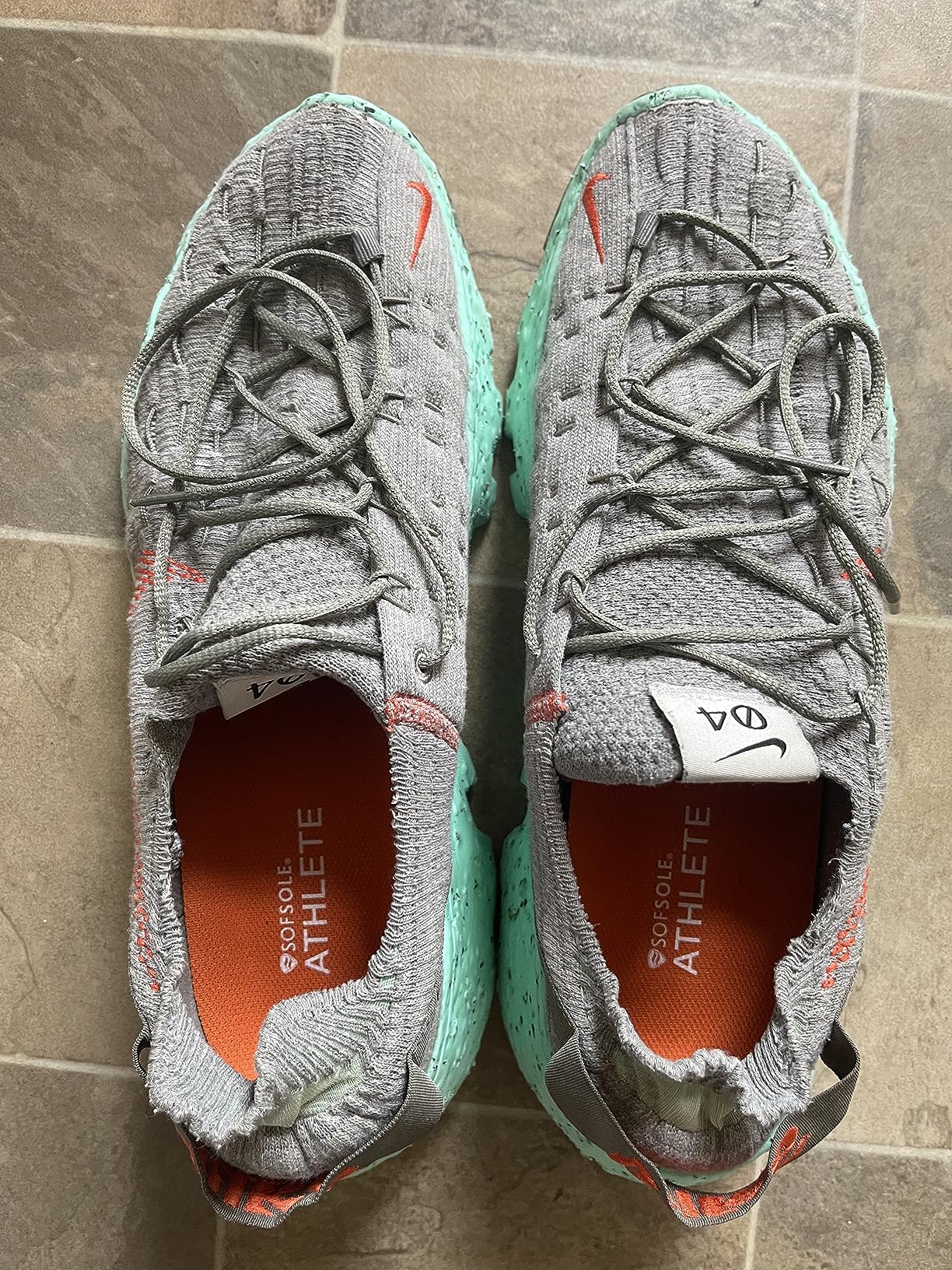
After 200-plus miles and regular athletic use, durability concerns begin manifesting. The fabric top layer shows wear spots where the big toe contacts during push-off, consistent with reports of the top layer separating after heavy use. The insoles haven’t completely failed, but visible degradation appears around the six-month mark.
The gel pads maintain their cushioning properties better than expected, though some compression occurs with repeated high-impact use. Athletes over 180 pounds report faster gel degradation, with the 4-6 month replacement cycle becoming necessary for intense daily use. Lighter athletes (under 150 pounds) consistently report 8-12 month lifespans.
Comparisons with the previous blue version reveal some design changes. The current orange model reportedly features a lower arch profile and less forefoot cushioning than its predecessor. Long-term users express disappointment with these modifications, though the current version still delivers solid performance for its price point.
Extended wear sessions beyond 12 hours reveal the arch support becoming more noticeable—and slightly uncomfortable—around the 10-hour mark. The neutral design that works well for moderate use starts feeling pronounced during marathon wear periods.
Does Hydrologix Actually Keep Feet Dry During Two-Hour Sessions?
The moisture management technology performs adequately without revolutionizing foot climate control. During intense summer workouts in high humidity, feet remain noticeably drier than with standard insoles. The midfoot ventilation holes create measurable airflow—the difference becomes apparent during normal walking.
However, odor development presents a persistent issue. Initial chemical smell requires several days of airing before first use. After six months of regular athletic use, a “hot plastic” odor develops that becomes noticeable though not overwhelming. This aligns with widespread reports of smell issues emerging after 3-4 months regardless of care routines.
The fabric top layer contributes to moisture management through its texture and material properties, helping reduce friction and potential blister development. For athletic activities generating heavy perspiration, the system works better than basic insoles but falls short of premium moisture-wicking technologies.
Cold weather performance shows the gel pads adhering well to shoe bottoms, preventing the slippage issues that plague some insole designs. This adherence quality proves valuable for maintaining stability during quick directional changes in basketball and similar sports.
Worth the Price Increase from $13 to $25?
The dramatic price jump from previous years positions these insoles in an awkward market segment. At $13, they represented exceptional value for moderate athletic use. At $25, they face significantly stiffer competition from established premium brands.
Breaking down the economics: $25 divided by an estimated 8-12 month lifespan equals roughly $2.50 per month of use for lighter athletes, potentially $4-5 per month for heavier users replacing every 4-6 months. Compared to Superfeet Green at $40 with similar longevity, the value proposition depends entirely on whether cushioning or structural support takes priority.
The delivered features versus marketing promises achieve approximately 75% alignment. Superior shock absorption? Verified, though not revolutionary. All-day comfort? True for moderate use, questionable for intense 3+ hour athletic sessions. Lightweight support? Accurate, though the thickness creates fit challenges in already-snug shoes.
For athletes needing immediate comfort improvement and engaging in moderate weekly sports activities, the current price point remains justifiable. Serious daily athletes or those seeking 2+ year durability should invest in premium alternatives or custom orthotics.
My Final Take
Six months with the Sof Sole Athlete Performance Insoles reveals a solid upgrade option for weekend warriors and workers needing better cushioning than stock insoles provide. The combination of gel pads, all-foam construction, and neutral arch design delivers genuine comfort improvements for moderate athletic activities.
The strengths lie in immediate usability, noticeable impact absorption, and fit compatibility with most foot types. The weaknesses emerge in durability concerns after 4-6 months of heavy use, the snug fit created by added thickness, and the price increase that pushes these into premium territory.
Perfect for:
- Weekend athletes engaging in sports 2-3 times weekly
- Workers standing on concrete requiring cushioning improvement
- Casual runners covering 3-5 miles occasionally
- Anyone seeking immediate comfort upgrades from stock insoles
- Neutral to slightly flat feet needing moderate support
Consider carefully:
- Daily athletes engaging in intense training may find durability insufficient
- Tight-fitting shoes become problematic with added thickness
- Odor-sensitive athletes should note smell development reports
Look elsewhere:
- Serious marathon training or daily running demands
- Medical-grade support for foot problems
- 2+ year durability expectations with heavy use
- Budget constraints (the price has doubled from previous years)
Better options for specific needs:
- Superior durability at similar price: Superfeet Green or Orange
- Serious running: Sport-specific insoles from Spenco or similar
- Medical issues: Custom orthotics from podiatrist consultation
Pro tip: Consider sizing up if between sizes, as the added thickness can make properly-fitted shoes feel constrictive. Allow several days of airing before first use to eliminate any chemical odor from manufacturing.
For athletes engaged in moderate weekly activities with a $25 budget, these insoles deliver worthwhile comfort improvements despite durability questions and fit challenges.
Frequently Asked Questions
How long do these insoles realistically last with regular athletic use?
Expected lifespan varies significantly by body weight and activity intensity. Athletes under 150 pounds consistently report 8-12 months of usable life. Those between 150-180 pounds typically see 6-8 months. Heavier athletes over 180 pounds should expect 4-8 months, with the top fabric layer typically showing wear first.
Do original insoles need removal before using these?
Absolutely. These insoles replace rather than supplement factory insoles. Layering creates excessive tightness and reduces cushioning effectiveness. The 3.2mm thickness already adds substantial volume to shoes—doubling insoles would make most footwear unwearable.
How do they compare to Dr. Scholls for athletic use?
The Sof Sole Athletes feature superior gel cushioning in heel and forefoot areas, while Dr. Scholls products typically emphasize arch support over impact absorption. For athletic activities, the Sof Sole cushioning proves more effective, though Dr. Scholls may offer better longevity for daily wear applications.
Can these handle both running and basketball in the same week?
Yes, with realistic expectations. They function adequately for casual running (3-5 miles) and recreational basketball without issue. Serious athletes in either sport would benefit from sport-specific insoles optimized for their primary activity’s unique demands.
Why did the price jump from $13 to $25?
No official explanation exists from Sof Sole regarding the price increase over recent years. Material costs and market demand likely contribute. At $25, these insoles enter premium territory and face competition from established brands with proven track records.
Do these work in work boots and dress shoes?
Work boots represent an ideal application—the all-day comfort proves most impressive in this environment. Dress shoes present challenges due to thickness and the visible orange color showing through some footwear. The casual aesthetic doesn’t suit formal applications.
How do the odor issues get prevented?
Air insoles for 2-3 days before initial use to eliminate manufacturing smell. Rotate between multiple shoe pairs when possible, and consider foot powder applications. However, odor development appears inevitable after 3-4 months for most athletes regardless of preventive measures.
What’s the break-in period like?
Minimal break-in required. Day one feels different due to added thickness, but feet typically adapt by days 3-4. No significant discomfort occurs during the adjustment period for most athletes, unlike Superfeet which requires 1-2 weeks of gradual adaptation.
Be the first to review “Sof Sole Athlete Insoles”
Related products
Tennis/Squash Shoes
Football Shoes
Tennis/Squash Shoes

Hiking/Trekking Shoes

Running Shoes
Tennis/Squash Shoes
Running Shoes
Hiking/Trekking Shoes
Reviews
There are no reviews yet.