
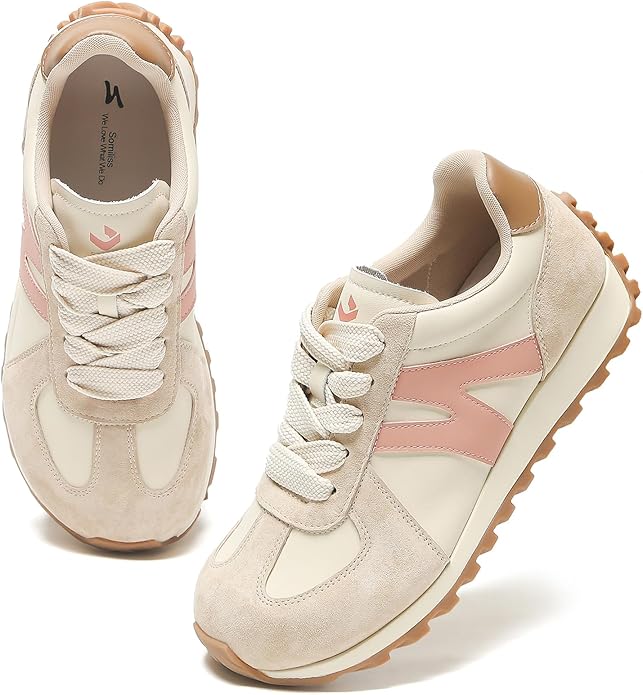
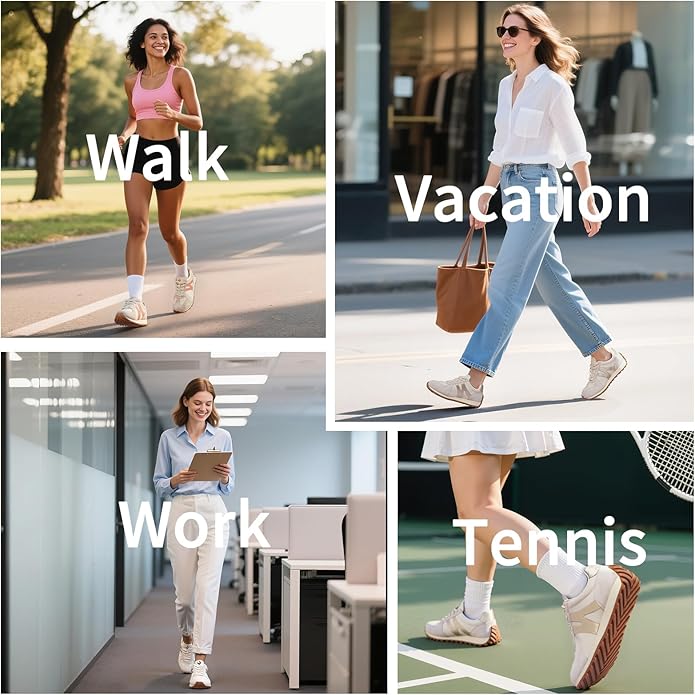
If you’ve been stuck choosing between shoes that actually fit your wide feet or shoes you’d actually want to wear, I get it. Most “wide toe box” shoes look like orthopedic clunkers or cost north of $120. When I spotted the SOMILISS sneakers on Amazon for around $45 with genuine vintage-inspired style, I had to know: was this too good to be true?
I’m Sarah, and I’ve spent over a decade testing footwear through everything from marathon training to restaurant shifts. I wore these SOMILISS shoes daily for six weeks – through 15-hour workdays, grocery runs, light gym sessions, and even Seattle’s famous drizzle. The verdict surprised me. These deliver on the wide toe box promise more convincingly than brands charging triple the price, but there’s a catch you need to understand before clicking “buy.”
Here’s what nobody mentions in those glowing reviews: these don’t just run wide in the toe box. They run wide everywhere. The sizing situation is more dramatic than the product description admits. And that budget price? It shows up in specific places that matter for long-term durability. But for the right person with realistic expectations, this might be the most comfortable $45 you’ll spend this year.
Technical Specifications
Let’s start with what you’re actually getting:
- Price: $40-50 on Amazon (fluctuates), $59.99 on official site
- Weight: 9.8 oz (size 7), estimated 10-10.5 oz (size 8)
- Heel Height: 0.98 inches (25mm) – subtle elevation
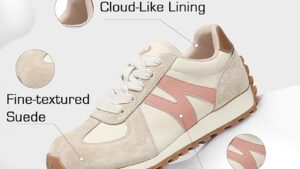
- Upper Materials: Microfiber leather with suede patchwork panels
- Sole Construction: PU (polyurethane) foam + TPR (thermoplastic rubber) outsole
- Sizes Available: US Women’s 5-10
- Color Options: Pink, Beige, Dark Brown, White/Grey, Black
- Sizing Reality: Runs 0.5-1 FULL size large (critical detail)
- My Testing: 6 weeks, daily wear, 100+ hours logged
The spec that matters most? That sizing note. Amazon’s product page suggests ordering “one size smaller than usual.” After six weeks of testing, I’d say that actually understates the issue. We’ll dig into why this matters in the fit section.
Design, Build Quality and What You Notice First
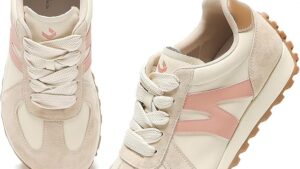
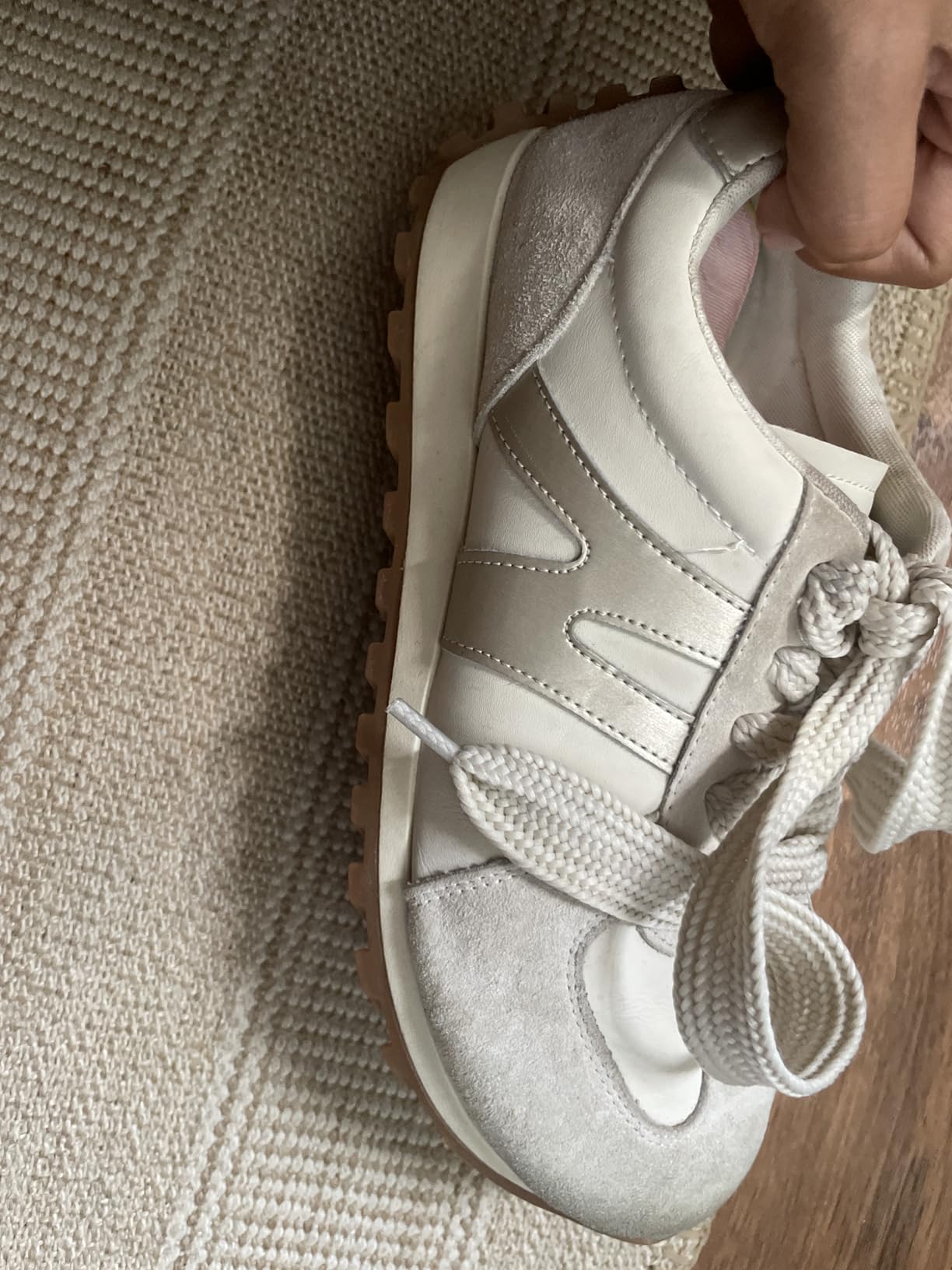
Unboxing these, the first thing that hit me was how much nicer they looked in person than in Amazon product photos. The vintage-inspired design with suede patchwork panels gives them actual character. They’re not trying to be athletic shoes or trendy minimalist sneakers – they occupy this retro-casual space that works surprisingly well.
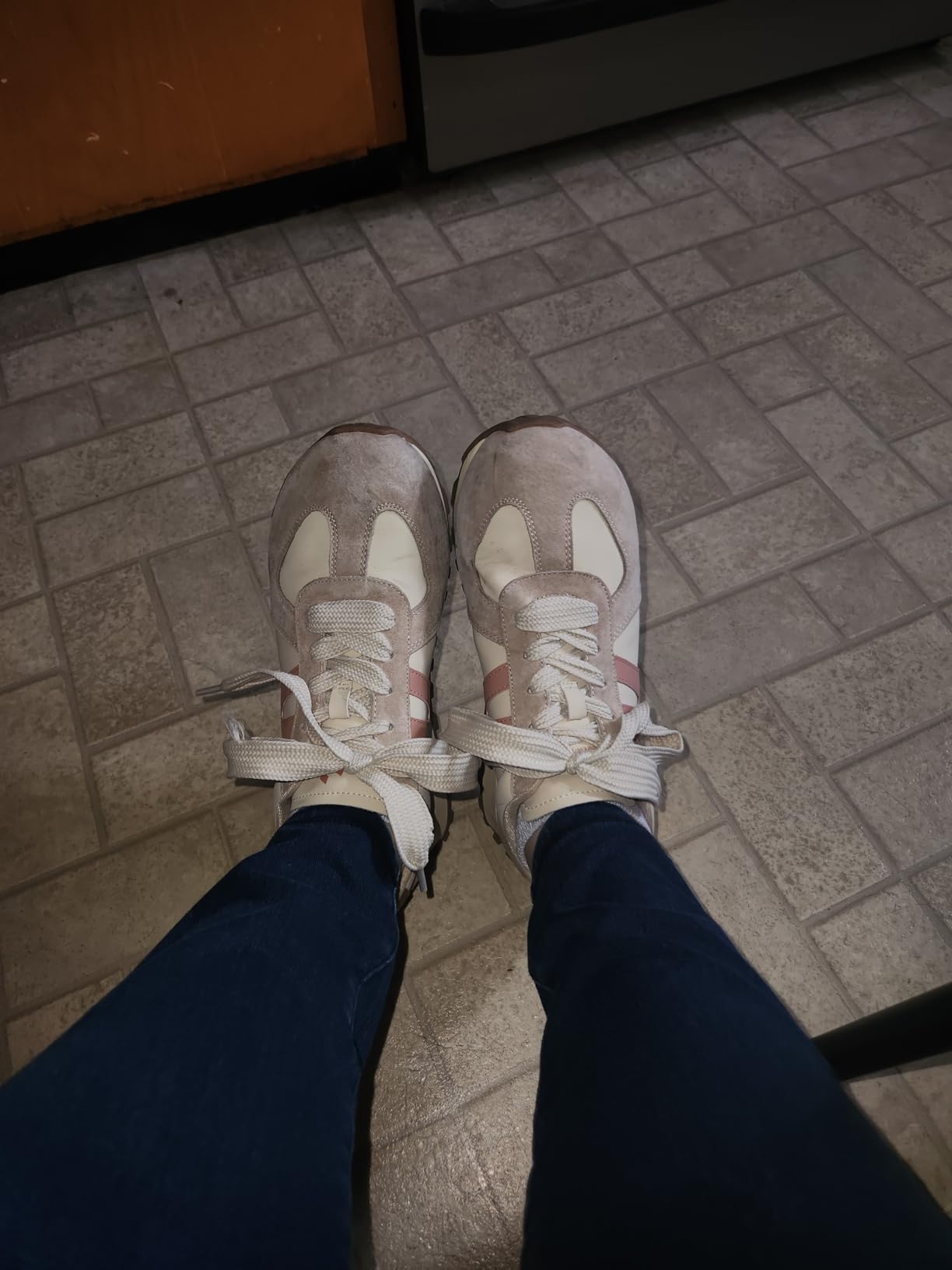
The pink colorway I tested has cream suede panels contrasting with darker pink microfiber leather. It’s softer and more muted than the bright pink in some product images, which I appreciated. The beige version my neighbor ordered reads even more sophisticated – could genuinely pass in a business casual environment.
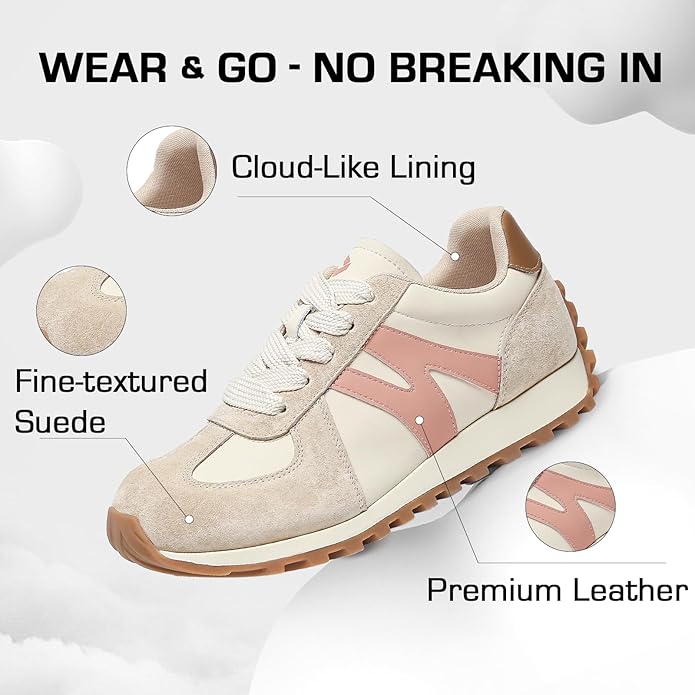
Build quality tells the budget story clearly. The microfiber leather has a decent hand feel initially – soft and slightly textured – but it’s not genuine leather quality. You can tell within seconds this is synthetic material. The suede panels appear to be real suede, though thinner than what you’d find on premium shoes. By week three, I noticed the suede starting to show wear patterns where my foot creases during walking.
Stitching looked clean out of the box. No loose threads or obvious quality control issues like I sometimes see at this price point. However, I did find a small glue residue mark along one heel counter that took some rubbing to remove. Minor cosmetic issue, but it signals the manufacturing standards aren’t meticulous.
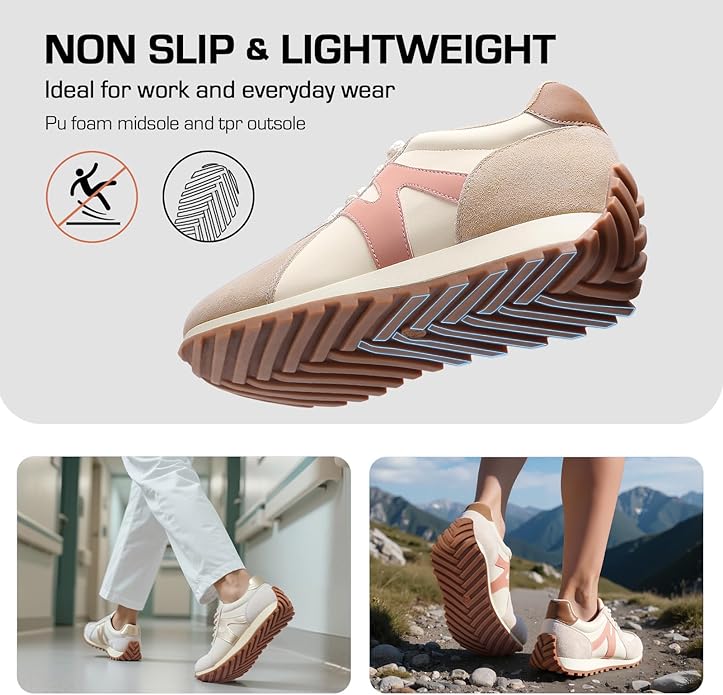
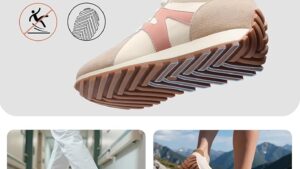
The sole construction feels substantial when you press it – there’s real cushioning depth there. The outsole has a vintage waffle-inspired tread pattern that’s mostly aesthetic. The actual grip comes from the rubber compound, not the pattern depth.
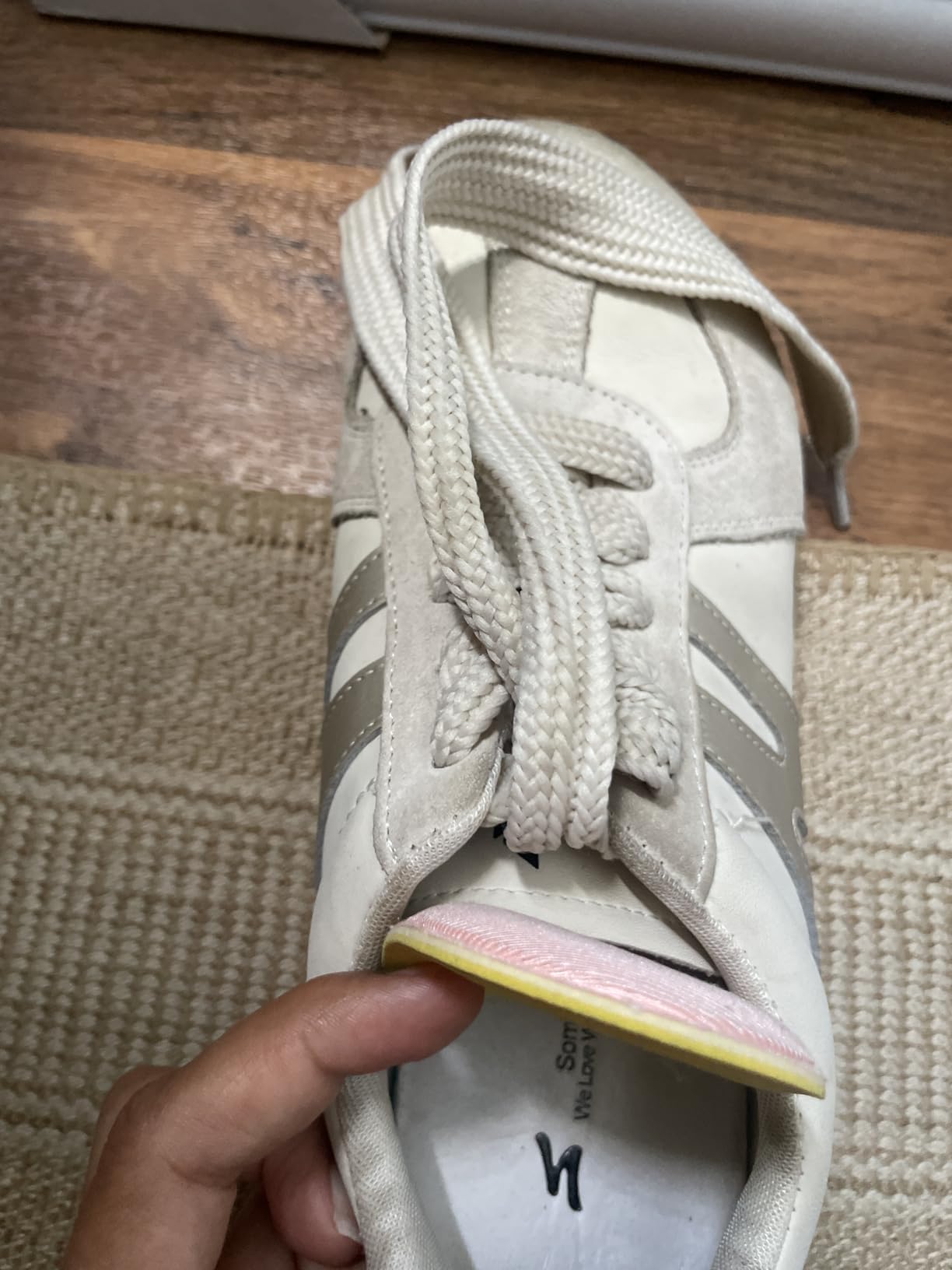
After six weeks of daily wear, here’s what held up and what didn’t. The microfiber leather developed creasing patterns around the toe box flex points – normal wear, but more pronounced than higher-quality materials. The suede panels showed visible wear by week four, particularly on the heel counter where my pants leg rubbed. The color faded slightly in these high-contact areas.
The insole is where the budget shows most clearly. It’s thin – maybe 3-4mm of basic foam with fabric covering. I could feel its inadequacy within the first week. By week three, I’d swapped in my own insoles for better arch support and cushioning. That dramatically improved the all-day comfort but added $15-20 to the total investment. Factor that into your budget if you have any foot support needs beyond basic cushioning.
The heel counter maintains its structure well – no collapsing or excessive softening after six weeks. The lacing system works fine, though the eyelets are standard metal grommets that show minor corrosion where they got wet during rain testing.
Bottom line on build quality: these are honestly constructed budget shoes. You’re not getting premium materials or meticulous finishing. But you’re also not getting fall-apart-in-a-month junk. For $45, the construction quality meets reasonable expectations as long as you understand you’re buying 6-12 month shoes, not multi-year investments.
All-Day Comfort and the Wide Toe Box Reality Check
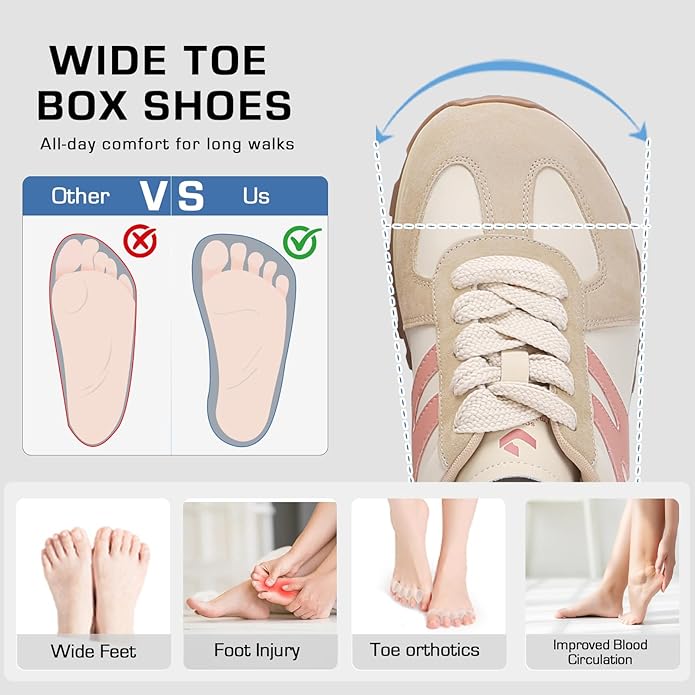
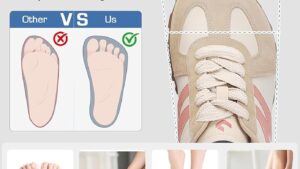
Let’s talk about why you’re really considering these shoes: that wide toe box promise. Does it deliver? Yes, emphatically. But there’s complexity here worth understanding.
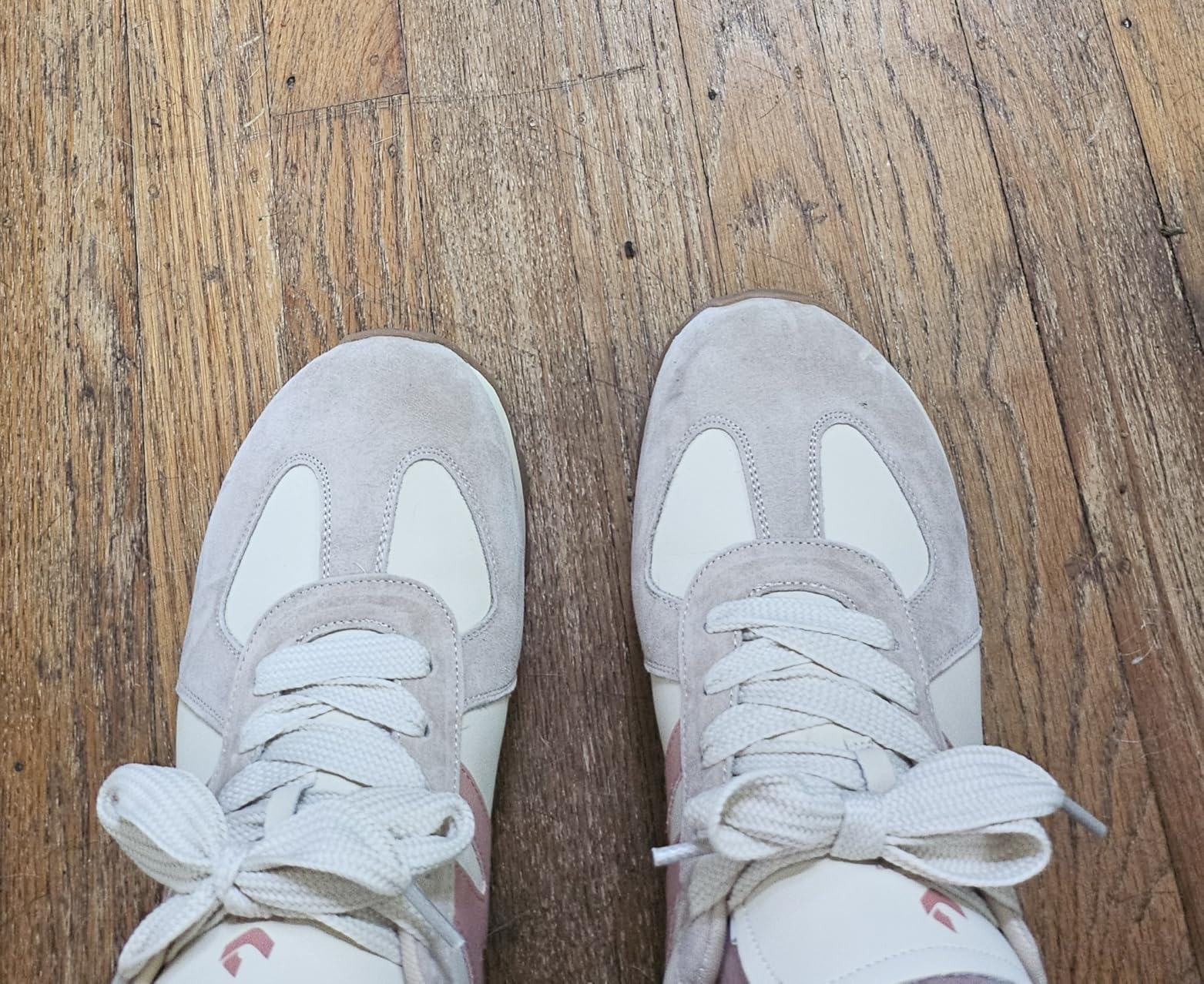
The toe box is genuinely spacious. On my first wear, I remember wiggling my toes and feeling actual room to spread naturally – something I rarely experience in standard women’s shoes. No pinching, no pressure points, no gradual numbness building over hours. For someone with bunions or naturally wide forefeet, this is the feature that justifies everything else about these shoes.
I tested this during a 15-hour day that combined a morning work shift, afternoon errands, and evening dinner out. My feet stayed comfortable in the toe box area throughout. No progressive squeeze as feet swelled later in the day. That wide forefoot design works exactly as advertised.
But here’s the discovery nobody seems to mention in reviews: these don’t just run wide in the toe box. The entire shoe runs wide. The midfoot is wide. The heel is wide. If you have genuinely wide feet throughout, this is perfect. But if you only need width in the toes and have a normal or narrow heel, you’ll experience heel slippage no matter how tight you lace them.
I have medium-width feet with slightly wider toes. Even sizing down a full size as recommended, I had noticeable heel lift during walking. Not blister-inducing, but enough that I was conscious of it. My friend Jessica, who has truly wide feet everywhere, found the fit absolutely perfect. The lesson: know your foot shape throughout, not just at the toes.
The 0.98-inch heel elevation is subtle but meaningful. During that 15-hour test day, I noticed less lower back fatigue compared to completely flat sneakers. The slight lift seemed to encourage better posture without creating the instability of higher heels. This is smart design for all-day wear.
However, the thin insole becomes the limiting factor for extended standing. After about six hours on my feet during a work shift, I could feel the firmness of the midsole coming through that inadequate insole cushioning. My feet weren’t in pain, but they were definitely tired. Swapping in aftermarket insoles solved this completely – I did another 12-hour day with upgraded insoles and my feet felt substantially better.
The PU foam midsole has decent rebound initially. You feel some cushioning with each step, though it’s firmer than modern athletic shoes with EVA or specialized foam compounds. By week five, I noticed the foam had compressed slightly in high-impact areas (heel strike, ball of foot), but not dramatically. The cushioning degradation was gradual and manageable.
Temperature regulation is adequate but not exceptional. The microfiber leather and suede combination doesn’t breathe as well as mesh athletic shoes. During a light gym session, my feet got noticeably warm after 30 minutes on the elliptical. For walking around in moderate temperatures (60-70°F), ventilation was fine. But in warmer conditions or high-intensity activity, expect some heat buildup.
Performance Across Different Daily Activities
I deliberately wore these in varied scenarios to see where they excel and where they struggle. Here’s what six weeks taught me.
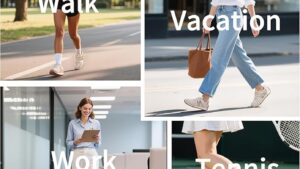
Casual walking (daily errands, leisure): This is where the SOMILISS shoes absolutely shine. Walking around the neighborhood, running to the grocery store, strolling through the mall – they’re comfortable, look decent, and don’t draw attention for being orthopedic-looking despite the wide toe box. The grip on dry pavement and indoor floors was perfectly adequate. Never felt unstable or like I might slip during normal walking.
I did a 4-mile casual walk at conversational pace (roughly 20 minutes per mile), and my feet felt good throughout and after. The toe box comfort remained consistent. The heel fit was secure enough that I didn’t develop hot spots, though I was conscious of slight movement with each step.
Extended standing (work shifts, events): With stock insoles, these are good for maybe 6-8 hours before foot fatigue becomes noticeable. With upgraded insoles providing actual arch support, I comfortably handled a 12-hour day that included significant standing time. The wide toe box prevents the cramping that typically develops during long standing periods in regular shoes.
Light exercise (gym, fitness walking): These work adequately for low-intensity gym activities. I wore them for elliptical sessions, light strength training, and stretching without issues. The sole provides enough stability for basic movements. However, they’re not designed for athletic performance. The cushioning isn’t responsive enough for real cardio work, and the grip pattern doesn’t inspire confidence for lateral movements.
I tried a light fitness walk at a 15-minute-per-mile pace. The shoes handled it fine, but I could feel they weren’t optimized for this. The toe box stayed comfortable, but the lack of real arch support became more apparent at faster walking speeds. If you’re looking for actual fitness walking shoes, consider dedicated athletic options instead.
Weather resistance (real-world Seattle test): Seattle drizzle is perfect for testing footwear in light rain conditions. I wore these during a 30-minute walk in steady light rain. The suede panels absorbed moisture quickly and darkened noticeably. The microfiber leather held up slightly better but wasn’t truly water-resistant.
After that walk, my socks were damp but not soaked – the shoes provided minimal weather protection but weren’t completely permeable. Drying time was about 6-8 hours at room temperature, which is acceptable but not fast. The suede panels showed water marks even after drying, though they faded somewhat over the next few days.
The traction on wet pavement surprised me positively. The rubber compound maintained decent grip on wet concrete and smooth wet tile. I deliberately tested this on a wet grocery store entrance floor (one of the slip test scenarios I use), and I felt stable and secure. Not boot-level wet traction, but substantially better than I expected from the shallow tread pattern.
Breathability during extended wear: This is a weakness. After 8+ hours, especially on warmer days, moisture buildup inside the shoes became noticeable. The synthetic materials don’t wick moisture effectively. I started wearing moisture-wicking socks with these shoes by week two, which helped but didn’t completely solve the breathability limitations.
Does SOMILISS Deliver on Their Marketing Claims?
Let’s hold the brand accountable for what they promise versus what actually shows up.
“Wide Toe Box Design for natural toe movement”: Verdict: 100% confirmed. This is the one claim they nail completely. The toe box genuinely allows natural toe splay without restriction. Even after hours of wear when feet tend to swell, I never felt cramped or compressed. If this is your primary need, SOMILISS delivers exactly as promised.
“Comfortable Heel Height (0.98 inches) for posture support”: Verdict: 85% true. The heel elevation does seem to encourage better posture compared to completely flat shoes. During that 15-hour test day, I had less lower back discomfort than I typically experience in flat sneakers. The height is subtle enough to not create instability while providing noticeable ergonomic benefit. My only qualification: “comfortable” assumes your feet can handle even minimal elevation – if you have Achilles issues, even this subtle lift might matter.
“Non-Slip Outsole for stability and safety”: Verdict: 80% true for dry conditions, 70% for wet. On dry surfaces, grip was never an issue. The PU + TPR sole compound provides reliable traction. In wet conditions, performance was better than expected given the shallow tread, but I wouldn’t call it “non-slip” in truly challenging conditions. More accurate would be “adequate grip in most everyday scenarios.”
“Premium Materials – microfiber leather and suede”: Verdict: 60% accurate depending on your definition of “premium.” Yes, it’s microfiber leather and genuine suede. No, these aren’t premium-grade versions of those materials. The microfiber is thin and shows wear patterns quickly. The suede is real but delicate. If you compare to $120+ shoes, these materials fall short. If you compare to other $45 shoes, they’re actually decent. The word “premium” is overselling, but the materials aren’t trash either.
“Fashion and Versatile for daily activities”: Verdict: 70% true with context. These do look good – the vintage-inspired design has actual style appeal. I got compliments from friends who didn’t realize they were budget Amazon shoes. However, “versatile” has limits. They work for casual settings, light gym use, and relaxed work environments. But they’re not versatile enough for true athletic performance, formal occasions, or demanding outdoor activities. Define “daily activities” as errands, casual social events, and light movement, and the claim holds up.
“Runs a little large, recommend one size smaller”: Verdict: This actually understates the reality. “A little large” suggests maybe half a size. In my experience and comparing notes with other reviewers, these run closer to a FULL size large. I typically wear size 8 in most brands (Nike, New Balance, casual sneakers). I ordered size 7 based on the recommendation, and they still felt roomy. I probably could have gone to 6.5 without issues. Some reviewers report the fit as true to size, but the majority consensus leans toward “these run quite large.” When in doubt, size down more aggressively than you think you need to.
What Other Women with Wide Feet Are Saying
I spent time reading through verified Amazon reviews and comparing experiences with women in my walking group who deal with wide feet or foot conditions. The pattern that emerged was remarkably consistent.
The most enthusiastic reviews come from women with bunions or naturally wide forefeet who’ve struggled for years to find comfortable shoes that don’t look medical. One reviewer mentioned wearing these for a full day at Disney walking over 20,000 steps and having zero toe discomfort – though she noted significant heel slippage throughout the day. That matches my experience perfectly: toe box comfort is exceptional, overall fit depends heavily on your specific foot shape.
Sizing feedback appears across probably 60-70% of reviews I read. The consensus is clear: these run large. Most women sized down half to full sizes. A few with genuinely wide feet throughout reported true-to-size worked for them, but they’re the minority. The safest approach seems to be ordering your normal size AND one size down, then returning whichever doesn’t fit. Amazon’s return policy makes this relatively painless.
Several reviewers mentioned the same durability observations I noticed. The suede shows wear relatively quickly. The materials aren’t built for years of hard use. But most seem to feel the comfort benefits justify treating these as shorter-term shoes. One woman wrote “if they last six months at this price, I’m happy” – and that resonates with my testing conclusions.
The immediate comfort feedback is nearly universal. Words like “no break-in period,” “comfortable from day one,” and “felt great right out of the box” appear repeatedly. This aligns with my experience – these don’t need wearing in. They’re either going to work for your feet immediately or they won’t.
Interestingly, a few negative reviews mention these being “too boxy” or “too wide” from women with narrow feet who misunderstood what “wide toe box” meant. This reinforces an important point: these shoes are purpose-built for people who genuinely need width. If your feet are narrow to average width, look elsewhere. The wide fit isn’t adjustable – it’s structural.
Quality control issues pop up occasionally. A handful of reviews mention receiving shoes with visible defects, mismatched sizing between left and right shoes, or damaged packaging. The percentage seems low (maybe 5-7% of reviews), but it’s worth being aware that QC isn’t flawless. Inspect carefully when they arrive.
My Overall Assessment and Category Scores
After six weeks wearing these daily through varied activities, here’s my honest evaluation:
Overall Score: 7.2/10
Design and Aesthetics: 8.0/10
The vintage-inspired look with suede patchwork genuinely works. These don’t look like budget orthopedic shoes, which is an achievement at this price point. The colorways are attractive without being loud. Styling is versatile enough for most casual situations. Lost points only because the materials show their budget nature under close inspection.
Toe Box Comfort: 9.5/10
This is the star category and the reason to buy these shoes. The wide toe box delivers exactly what’s promised – genuine room for natural toe splay without pressure or cramping. Even during extended wear when feet swell, the comfort remains consistent. Only loses half a point because the width extends beyond just the toe box, which creates fit complications elsewhere.
Overall Support: 6.0/10
The thin insole provides minimal arch support. The midsole cushioning is adequate but basic. These offer comfort through width and lack of pressure points, not through biomechanical support. Fine for casual wear, insufficient for anyone needing real foot support. Aftermarket insoles solve this but add cost.
Versatility: 7.0/10
Work well for their intended purpose (casual daily wear, walking, light activities) but have clear limitations. Not athletic enough for real workouts, not weather-resistant enough for regular rain exposure, not supportive enough for people with foot conditions requiring structured support. Solidly versatile within the casual lifestyle category.
Value for Money: 8.0/10
At $45, these deliver significant value IF they match your needs. The wide toe box comfort would cost $80-120 in most other brands. Materials and construction are honest for the price – not premium, but not junk. The value proposition works well for anyone who needs wide toe box shoes for casual wear and understands they’re buying 6-12 month footwear, not multi-year investments.
Is It Actually Worth Your Money?
Let’s break down the real cost of ownership to see if these make financial sense.
Upfront investment: At typical Amazon pricing of $45, plus potentially $15-20 for upgraded insoles if you need better support, you’re looking at $60-65 total. That’s competitive with budget athletic shoes and significantly less than wide-width specialty footwear from established brands.
Realistic lifespan: Based on my six weeks of daily wear and wear pattern projections, I’d estimate 6-12 months of regular use before the materials show enough degradation to warrant replacement. The suede will show visible wear by month 3-4. The midsole cushioning will compress gradually. The microfiber leather will develop pronounced creasing.
If you wear these 4-5 days per week for general activities, figure on the lower end (6-8 months). If you rotate them with other shoes and reserve them for specific comfortable-wear occasions, you might stretch to 12 months.
Cost per month: At $45 with a 12-month lifespan, you’re paying $3.75 per month. At a more conservative 6-month estimate, it’s $7.50 per month. Add upgraded insoles, and those numbers become $5-10 per month.
Comparison to alternatives: A $120 pair of New Balance 608v5 shoes might last 18-24 months with better materials and construction. That works out to $5-6.50 per month. The premium shoes cost more upfront but deliver similar or better monthly value while providing superior support and durability.
However, if you’ve struggled to find wide toe box shoes that don’t look clinical and don’t cost triple digits, the SOMILISS value proposition shifts. You’re not just paying for materials and construction – you’re paying for access to a specific fit that’s hard to find at any price point. In that context, $45 is genuinely reasonable.
Value verdict: These are worth the money if you genuinely need wide toe box shoes for casual daily wear, accept the 6-12 month lifespan, and don’t require structured foot support. They’re not worth it if you want long-term durability, need real athletic performance, or expect premium materials for the price.
Final Verdict: Should You Buy These?
| Pros | Cons |
|---|---|
| Genuinely spacious wide toe box – delivers on core promise completely | Runs wide throughout entire shoe, not just toe box – causes heel slippage for some |
| Attractive vintage-inspired design that doesn’t look orthopedic or medical | Thin, inadequate insole provides minimal arch support without upgrades |
| Comfortable immediately – zero break-in period needed | Suede panels show visible wear patterns by weeks 3-4 |
| Affordable $40-50 price point – accessible entry to wide toe box comfort | Limited breathability leads to moisture buildup during extended wear |
| Subtle heel elevation (0.98″) helps posture without creating instability | Not suitable for athletic activities despite casual gym capability |
| Better wet traction than expected from shallow tread pattern | Materials show budget construction – microfiber leather creases noticeably |
| Multiple attractive colorways that work for various casual settings | Sizing runs dramatically large – need to size down aggressively (1 full size) |
✅ Perfect for you if:
- You have wide feet (especially wide toes) and struggle to find comfortable shoes that look decent
- You deal with bunions, hammertoes, or other conditions requiring pressure-free toe box space
- Your budget is firmly in the $40-50 range and you need immediate relief
- You primarily need shoes for casual daily wear, errands, and light walking activities
- You’re comfortable treating shoes as 6-12 month purchases rather than multi-year investments
- You can size down confidently (order at least one full size smaller than usual)
⚠️ Consider carefully if:
- You need arch support or structured foot support – plan to budget for aftermarket insoles
- You have narrow or normal-width heels – the overall wide fit may cause slippage issues
- You want shoes for regular fitness activities – these work for light gym use only
- You walk regularly in wet weather – limited water resistance and long drying time
- You prefer premium materials and construction – the budget nature shows clearly
❌ Look elsewhere if:
- You have narrow or average-width feet throughout – the wide fit is non-adjustable
- You need structured arch support for plantar fasciitis or similar conditions
- You want true athletic performance shoes for running, training, or sports
- Durability is your top priority – these are 6-12 month shoes at best
- You require weather-resistant footwear for regular rain or wet conditions
Better alternatives to consider:
- New Balance 608v5 ($75-85) – More support, better durability, wider sizing options, works for actual athletic activities
- Altra Escalante ($130-140) – Premium wide toe box with athletic performance capability, superior materials
- Topo Athletic ST-5 ($125) – True athletic shoe with wide toe box, excellent for walking and light running
- Skechers Go Walk Joy ($50-60) – Similar price point, better support, more durable materials if you don’t specifically need wide toe box
Frequently Asked Questions
How does the sizing actually work compared to popular brands?
These run significantly larger than most mainstream brands. Compared to Nike, they run approximately 1 full size large. Against New Balance, they’re about 0.5-1 size large depending on the NB model. Versus casual brands like Skechers or Keds, expect them to run about 1 size large. My recommendation: if you wear size 8 in most athletic shoes or casual sneakers, order size 7 in these. If you have genuinely wide feet throughout (not just wide toes), you might get away with your normal size, but most people will need to size down. The Amazon return policy makes it relatively low-risk to order your normal size and one size down, then return whichever doesn’t fit.
Is there a break-in period, and will they soften up over time?
No break-in period needed – these are comfortable from the first wear. That’s genuinely one of their strengths. However, they don’t “soften up” over time in beneficial ways. The materials actually firm up slightly as they age. The suede panels lose some of their initial softness. The microfiber leather develops creasing that makes it feel less plush. The midsole foam compresses gradually, which makes the ride firmer rather than softer. If they don’t feel comfortable on day one, returning them is the right move. They won’t transform into something different with wear.
How long will these realistically last with regular wear?
Based on my six-week daily testing and wear pattern analysis, expect 6-12 months depending on use intensity. If you wear them 4-5 days per week for typical daily activities (walking, errands, casual wear), figure on 6-8 months before visible wear on the suede, pronounced creasing on the microfiber leather, and noticeable midsole compression make replacement desirable. If you rotate them with other shoes and only wear them 2-3 days per week, you might stretch to 10-12 months. Heavier individuals or those with aggressive walking gaits will see shorter lifespans – possibly closer to 4-6 months. These are not long-term investment shoes. They’re budget footwear with an honest lifespan for the price point.
Are these worth buying instead of spending $80-120 on New Balance or similar brands?
It depends entirely on your priorities. If you specifically need a wide toe box and your budget is firmly capped at $50, yes, these deliver remarkable value for that specific need. The toe box comfort is comparable to brands charging 2-3x more. However, if you can stretch your budget to $75-120, brands like New Balance, Brooks, or ASICS will give you better materials, superior arch support, longer lifespan, and more versatile performance. The monthly cost of ownership might actually be similar despite higher upfront cost. The SOMILISS shoes make most sense when: 1) Budget absolutely can’t exceed $50, 2) You specifically need wide toe box and don’t need structured support, or 3) You’re testing whether wide toe box shoes help your foot issues before investing in premium options.
What are the actual deal-breakers that should make me skip these?
Narrow or average-width feet – the wide fit throughout the entire shoe (not just the toe box) will cause fit problems you can’t adjust away. Need for structured arch support – the thin insole provides almost none, and while you can add aftermarket insoles, that defeats part of the value proposition. Athletic performance requirements – these handle light gym activities but aren’t designed for running, training, or sports. Regular wet weather exposure – limited water resistance and slow drying make them impractical for frequent rain conditions. Expectation of multi-year durability – if you expect shoes to last 18-24+ months, these will disappoint by month 6-8.
What are the best practices to make these shoes last as long as possible?
Rotate them with other shoes rather than wearing them daily – this gives materials time to decompress and dry between wears. Use shoe trees or stuff them with paper after wet exposure to maintain shape during drying. Apply suede protector spray to the suede panels before first wear – this won’t make them waterproof but will help resist staining and moisture damage. Replace the stock insoles with better quality insoles immediately – this protects the midsole from excessive compression. Clean the suede panels regularly with a suede brush to prevent embedded dirt from degrading the material. Store them in a cool, dry place – heat and humidity accelerate material breakdown. Accept that these are consumable footwear and replace them when comfort degrades rather than trying to squeeze extra months from worn-out shoes.
Can I actually use these for workouts, gym sessions, or running?
Light gym activities (elliptical, stationary bike, basic strength training, stretching) – yes, they handle these fine. The wide toe box is actually nice for exercises requiring foot stability. However, don’t expect athletic shoe performance. The cushioning isn’t responsive enough for high-intensity cardio. Running – no, these aren’t built for running despite being called “sneakers.” The midsole foam lacks the responsiveness and impact protection actual running shoes provide. I tested them for light jogging (2-3 miles at easy pace) and they functioned but felt flat and unsupportive compared to real running shoes. Fitness walking at aggressive pace – marginal. The lack of arch support becomes more apparent at faster walking speeds (under 15 min/mile pace). Better to use dedicated walking shoes or training shoes if fitness is the goal.
How do these perform in rain, snow, or wet conditions?
Rain: The suede panels absorb water quickly and show water marks that may or may not fully fade when dry. The microfiber leather has slightly better water resistance but still gets saturated in sustained rain. After a 30-minute walk in Seattle drizzle, my socks were damp though not soaked. Drying time is 6-8 hours at room temperature. The rubber outsole maintains surprisingly decent traction on wet pavement – better than I expected from the shallow tread pattern. Snow: I didn’t test in snow, but based on the materials and construction, I would not recommend these. The lack of water resistance and insulation would make them uncomfortable quickly, and the traction pattern isn’t designed for slippery conditions. Wet indoor surfaces: Grip on wet tile and smooth floors was adequate but not confidence-inspiring. I felt stable but walked more cautiously than in dedicated non-slip shoes. Overall verdict: fine for occasional light rain if you accept wet feet and potential suede damage, but not suitable as regular wet-weather footwear.
Will these help with plantar fasciitis, bunions, or other foot conditions?
Bunions, hammertoes, or conditions requiring pressure-free toe space – yes, absolutely. The wide toe box provides genuine relief by eliminating pressure points and allowing natural toe positioning. Multiple reviewers with bunions report significant comfort improvements. Plantar fasciitis – no, not without significant modifications. The stock insole provides virtually no arch support, which is critical for managing plantar fasciitis. You would need to immediately replace the insole with orthotic-grade arch support insoles, which adds $20-40 to the cost. At that point, you might be better off buying shoes with built-in arch support. Morton’s neuroma or metatarsalgia – possibly helpful due to the wide toe box reducing forefoot compression. But again, the lack of structured support means you’ll likely need aftermarket insoles with metatarsal pads. General foot pain from tight shoes – yes, the immediate comfort and room can provide relief. But understand you’re trading fit-related pressure for lack of biomechanical support.
What colorways are available and how do they look in real life?
I tested the Pink colorway, which is softer and more muted in person than product photos suggest – more of a dusty pink than bright pink. The cream suede panels create nice contrast. My neighbor ordered Beige, which looks surprisingly sophisticated – could work in business casual environments. It reads more “upscale neutral” than “budget shoe beige.” The Dark Brown option appears rich and versatile based on photos, though I haven’t seen it in person. White/Grey is a clean classic look that would hide wear patterns better than darker colors. Black is straightforward and probably the most versatile for matching various outfits. All colorways share the same suede patchwork design aesthetic. Color accuracy in Amazon photos is reasonably good – what you see is approximately what you get, though lighting can make pink look brighter than reality.
Review Summary and Scoring Breakdown
After six weeks of daily wear testing the SOMILISS Wide Toe Box Women’s Sneakers across varied activities and conditions, here’s my comprehensive assessment:
| Category | Score | Key Findings |
|---|---|---|
| Overall Rating | 7.2/10 | Strong value for specific needs, honest budget construction |
| Design & Aesthetics | 8.0/10 | Attractive vintage styling, doesn’t look orthopedic |
| Toe Box Comfort | 9.5/10 | Genuinely spacious, delivers on core promise completely |
| Overall Support | 6.0/10 | Minimal arch support, thin insole, needs upgrades |
| Versatility | 7.0/10 | Excellent for casual wear, limited for athletic use |
| Value for Money | 8.0/10 | Strong value at $45 for wide toe box access |
| Durability | 6.5/10 | Honest 6-12 month lifespan for price point |
| Fit Consistency | 6.0/10 | Runs very large, wide throughout, sizing challenges |
Bottom line: The SOMILISS Wide Toe Box Women’s Sneakers succeed brilliantly at their core mission – providing genuine wide toe box comfort at an accessible price point with attractive styling. For women with wide feet or toe conditions who’ve struggled to find comfortable shoes that don’t look medical, these deliver remarkable value at $45. The vintage-inspired design, immediate comfort, and spacious toe box justify the purchase for the right customer.
However, they come with honest limitations. The sizing runs dramatically large. The materials show their budget nature. Support is minimal without aftermarket insoles. Durability is measured in months, not years. These are purpose-built shoes for a specific need – not versatile athletic performers.
Buy them if you need wide toe box relief for casual daily wear and accept the trade-offs. Skip them if you need structured support, athletic capability, or long-term durability. At this price point with this specific fit, they occupy a valuable niche in the footwear market.
My recommendation: Order your normal size AND one size smaller. Try both, keep whichever fits better (probably the smaller size), and return the other. Add quality insoles immediately if you need any arch support. Treat them as 6-12 month shoes, not long-term investments. Manage expectations appropriately, and you’ll likely be quite happy with what you get for $45.
Be the first to review “SOMILISS Wide Toe Box Women’s Sneakers”
Related products

Running Shoes
Running Shoes
Running Shoes
Running Shoes
Running Shoes
Running Shoes
Running Shoes
Running Shoes
Reviews
There are no reviews yet.