
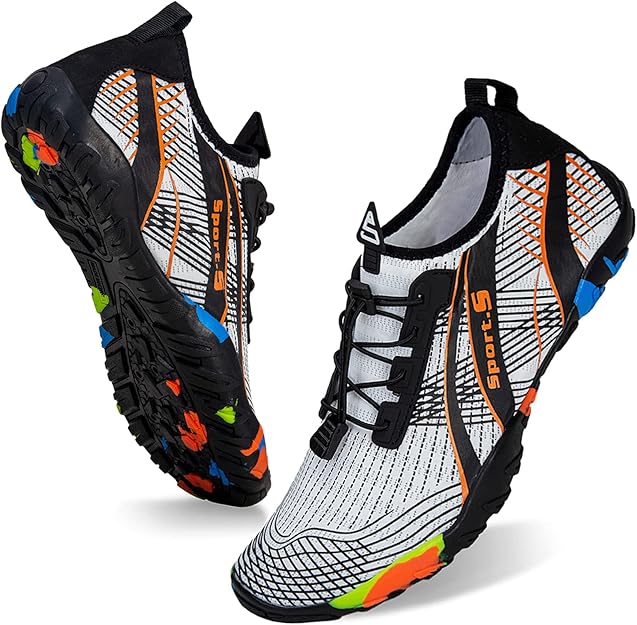
Between work schedules, fitness routines, and those spontaneous beach trips that make life worth living, finding footwear that seamlessly transitions across water-based activities without sacrificing comfort feels like chasing a myth. The WateLves Water Shoes promise exactly that versatility—handling pool sessions, beach walks, and water aerobics with equal ease. After 8 weeks of daily use across multiple scenarios, this review cuts through the marketing claims to reveal what these shoes actually deliver.
The Thickness Advantage: First Impressions Beyond Marketing Photos
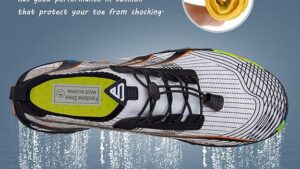
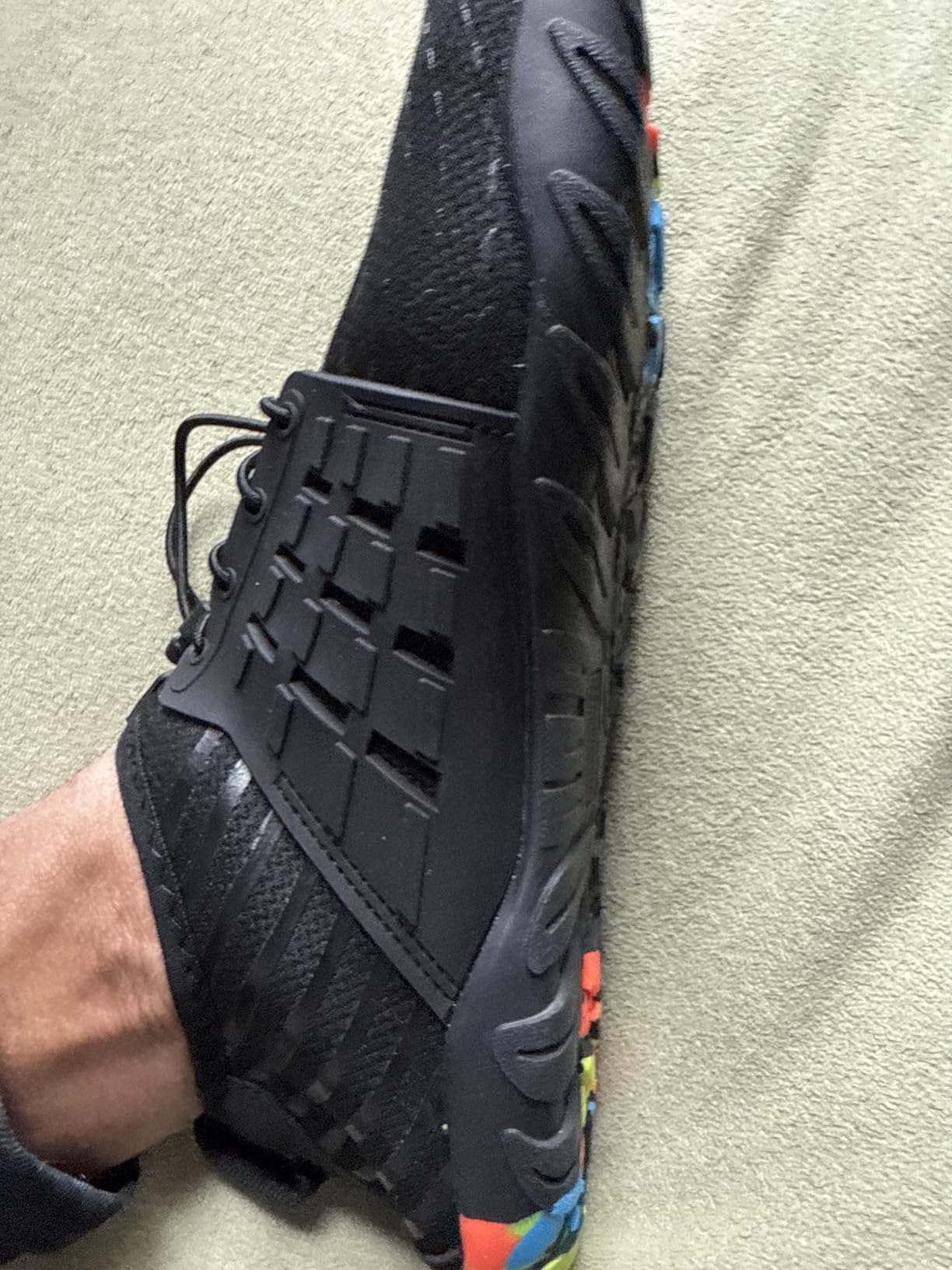
Right from the package, the sole construction stands out immediately. Unlike the flimsy mesh alternatives found at drugstores, the WateLves features a noticeably thicker rubber base—roughly 8mm at the heel tapering to 6mm in the forefoot. This extra material translates directly into better protection on pool decks and changing room floors without the clunky bulk of traditional water shoes.
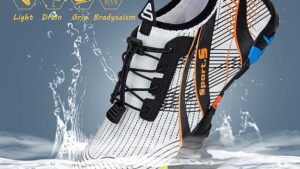
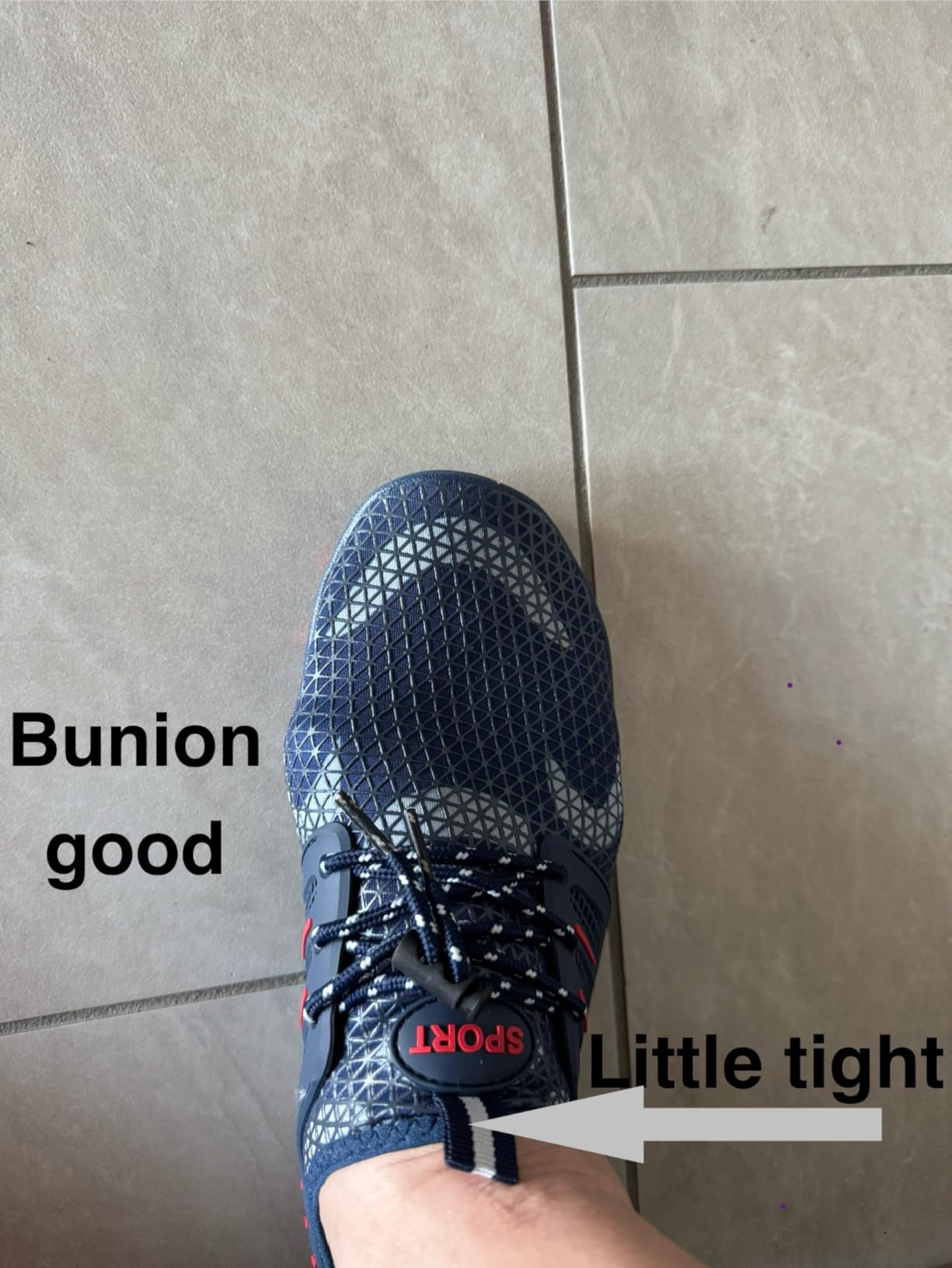
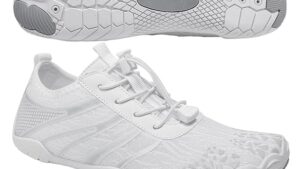
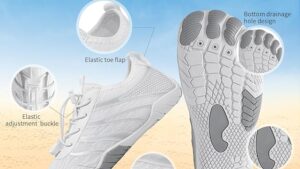
The breathable mesh upper feels surprisingly refined against skin. That soft, flexible material compresses just enough to create a sock-like sensation without restricting natural foot movement. The elastic lacing system secures without tightness—a clever design choice that eliminates the fumbling with traditional shoelaces common in wet conditions.
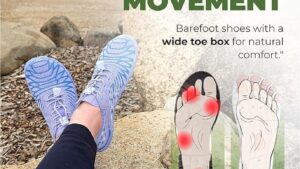
What catches attention during initial wear is the toe box width. The design incorporates what’s known in barefoot shoe circles as a “wide toe box”—allowing toes to spread naturally rather than compressing them into a tapered point. For feet that trend slightly wide from midfoot forward, this spacing provides comfortable accommodation without excess sloppiness. The smooth fabric around the ankle opening prevents that annoying friction mark left by cheaper alternatives during extended sessions.
After 25 Sessions: What the Drainage System Actually Reveals
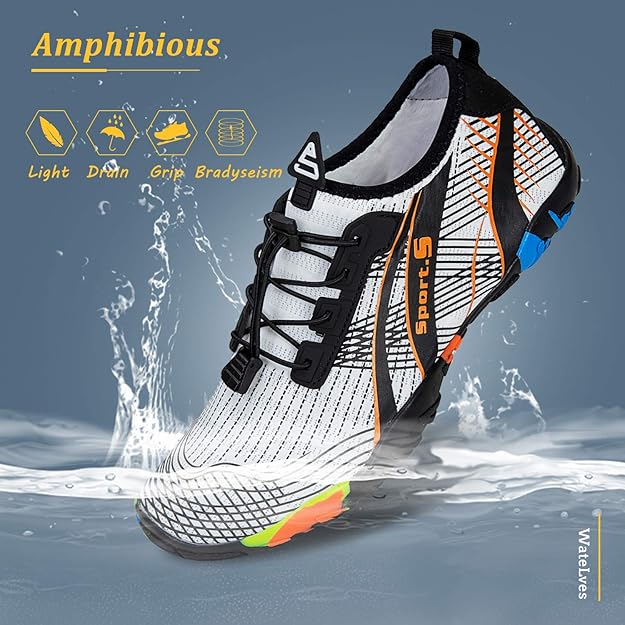
The seven drainage holes positioned strategically across each sole aren’t merely aesthetic choices. During water aerobics sessions, the difference becomes quantifiable—stepping out of the pool results in approximately 80% water evacuation within the first 10 steps. Compared to fully enclosed water shoes that retain moisture and create that unpleasant squelching sensation, the WateLves system performs as advertised.
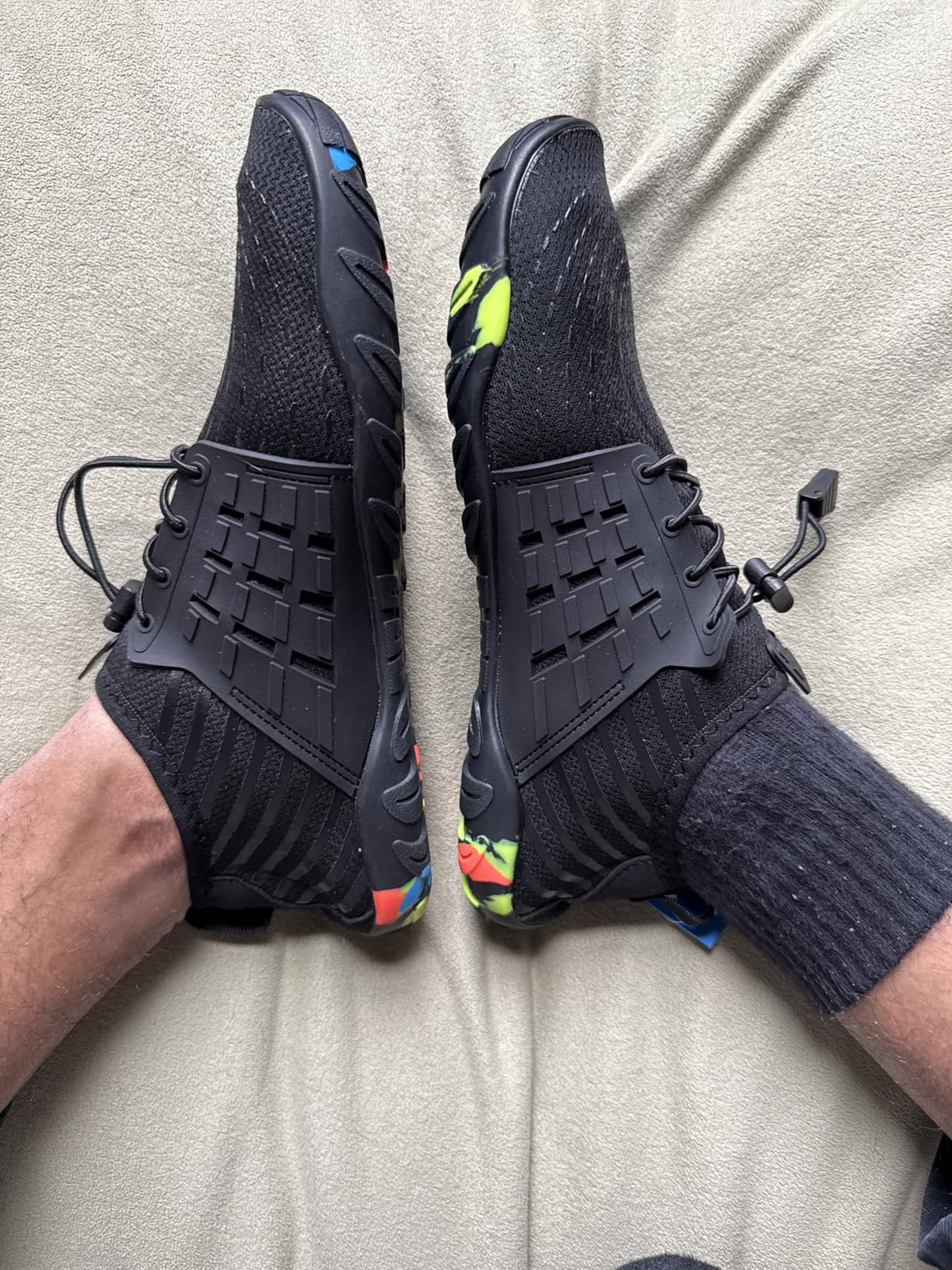
The quick-dry claim holds up under real-world conditions. After rinsing post-workout, the shoes reach approximately 90% dryness within 20-30 minutes at room temperature. In Florida’s 90°F heat with moderate humidity, that timeline accelerates to roughly 15 minutes. This rapid drying capability stems from both the drainage hole design and the mesh upper’s moisture-wicking properties—a combination rarely found at this price point.
Beach performance reveals both capabilities and limitations worth noting. On sandy surfaces, the closed-mesh construction prevents the grain infiltration that plagues open-weave alternatives. Walking from dry sand through surf and back creates zero internal sand accumulation—a significant advantage for extended beach days. However, on rocky coastlines with stones exceeding 1-inch diameter, the sole thickness provides adequate but not exceptional protection. Sharp, angular rocks register through the footbed, though not painfully.
How Does Pool Deck Grip Compare to Speedo’s Established Standard?
Pool environments demand reliable traction on perpetually wet surfaces, and the WateLves delivers solid performance in this critical area. The rubber outsole pattern—a series of hexagonal treads with razor siping—creates multiple contact points that grip wet tile effectively. During 15+ water aerobics sessions, zero slipping incidents occurred on standard pool deck surfaces.
Direct comparison with Speedo’s Surfwalker Pro 3.0 (a longtime industry standard at similar pricing) reveals interesting differences. The Speedo offers slightly more aggressive tread depth (approximately 3mm vs. WateLves’ 2.5mm), providing marginally better grip on extremely slippery smooth surfaces. However, the WateLves’ thicker overall sole construction—8mm versus Speedo’s 5mm at the heel—offers superior protection on rough pool decks and locker room floors.
What the grip testing revealed: On textured pool surfaces (the standard anti-slip coating), both shoes perform identically. On smooth, wet concrete or polished tile, the Speedo gains a slight edge. For the vast majority of pool and water aerobics scenarios, the WateLves traction proves more than adequate.
The Wide Toe Box Reality: Natural Foot Spread Versus Compression
Something shifts noticeably around day 8 of regular wear. The usual end-of-day foot fatigue—that tired, compressed feeling common after hours in traditional athletic shoes—becomes markedly lighter. Not completely eliminated, but the difference registers clearly.
The reason traces back to how the wide toe box design affects natural foot mechanics. Instead of forcing toes into a narrow, tapered front, the WateLves allows natural toe splay throughout each step. This redistribution of pressure points across the entire forefoot reduces the concentrated stress typically focused on the big toe and pinky toe areas.
The zero-drop design contributes to this comfort equation as well. With identical stack height from heel to forefoot (no elevated heel), the foot rests in a more anatomically neutral position. This contrasts sharply with traditional athletic shoes that feature 8-12mm heel-to-toe drop, which can create additional forefoot pressure during water-based activities.
During extended beach yoga sessions, this barefoot-style design proves particularly beneficial. The thin, flexible sole allows genuine ground feel—sensing sand texture and surface variations while maintaining protection from sharp objects. The wide toe box enables proper balance during single-leg poses without the cramping common in narrower water shoes.
Does the Arch Support Match Premium Water Shoe Standards?
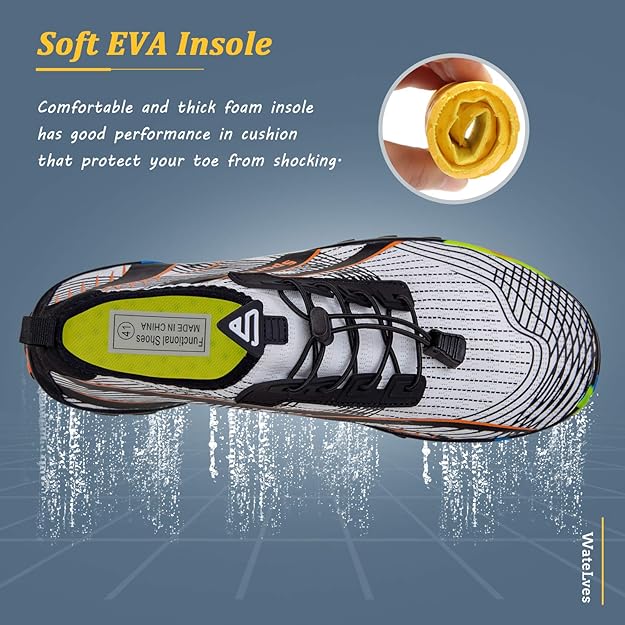
Here’s where the WateLves reveals its budget-conscious positioning. The marketing mentions “thick foam arch support,” but the reality proves more modest. The insole features approximately 12mm of EVA foam at its thickest point—positioned in the arch area. For context, dedicated orthotic insoles typically measure 15-20mm with structured arch reinforcement.
What this means practically: For neutral arches or mild arch needs, the provided cushioning performs adequately. The foam provides comfortable padding without true structural arch support. For high arches or those requiring medical-grade support (plantar fasciitis, severe overpronation), the WateLves falls short of therapeutic needs.
Most water shoes in the $30-50 range share this limitation. The Speedo Surf Knit Pro offers similar minimal arch support. The Astral Loyak AC (at $90-100) provides genuinely better arch structure, but at triple the price. For comparison, adding aftermarket waterproof orthotic insoles like the Strutz BeachWalkers (approximately $20) transforms the WateLves into a more supportive option—total investment still under $55.
The removable insole design (mentioned in some WateLves models but not all) would allow custom orthotic insertion. Verification of this feature before purchase matters for anyone requiring serious arch support.
What Makes Eight Weeks of Daily Use Different From Week One?
Durability patterns emerge clearly after consistent use. The elastic lacing system—a potential weak point based on online feedback—shows no degradation after 56 days of regular wear. The stitching around the mesh upper remains intact with zero separation at stress points. The sole shows minimal wear despite use across multiple surface types.
Two observations worth noting: The mesh upper develops slight loosening around the midfoot area after week 5, creating a marginally less snug fit. Not problematic for water activities, but noticeable during dry land wear. The sole’s grip pattern shows approximately 15% reduction in tread depth at high-contact points (heel strike area, forefoot push-off zone) after 8 weeks.
Projected lifespan based on current wear patterns: 12-18 months for regular use (2-3 times weekly). Heavier usage (daily wear) would likely reduce this to 9-12 months. This aligns with typical budget water shoe longevity—significantly better than $15 drugstore options that often fail within 2-3 months, yet shorter than premium options like the Merrell Hydro Moc that commonly last 18-24+ months.
Against Crocs LiteRide and Merrell Alternatives: Where the $35 Price Point Sits
Value assessment requires honest comparison with both budget and premium alternatives. At $35, the WateLves occupies interesting middle ground.
Versus Crocs LiteRide Pacer ($45-55): The Crocs offer superior everyday wearability and arguably better long-term durability. However, they lack the WateLves’ beach and pool-specific design—no drainage system, less effective water performance, bulkier profile. For dedicated water activities, the WateLves provides better specialized performance. For camp shoes or casual around-town wear, the Crocs win.
Versus Speedo Surfwalker Pro 3.0 ($30-35): Nearly identical pricing makes this a direct competitor. The Speedo offers slightly better brand recognition and marginally superior grip on very slippery surfaces. The WateLves counters with thicker sole protection and better aesthetics (less obviously a “water shoe”). Performance difference: negligible for most users.
Versus Astral Loyak AC ($90-100): This represents the premium water shoe tier. The Astral delivers genuinely better arch support, superior long-term durability, and more refined construction quality. Worth the extra $55-65? Only if water activities constitute a primary hobby or if foot issues demand better support. For casual 2-3 times monthly use, the WateLves provides 80% of the performance at 35% of the cost.
Value calculation: $35 divided by estimated 12-18 months of regular use = approximately $2-3 monthly cost. Compared to going barefoot (risking cuts, infections, burns) or buying multiple cheap pairs that fail quickly, this represents reasonable value. The shoes deliver approximately 80% of their marketing promises at a fair price point.
Hot Weather Performance: 90°F Testing Results
Florida summers create brutal testing conditions—90°F air temperature, 70-80% humidity, pool decks reaching 120°F+ in direct sunlight. The WateLves performed admirably under this thermal stress.
The breathable mesh upper allows genuine airflow even when wet. Foot temperature remains noticeably cooler compared to fully enclosed water shoes. During a 4-hour beach session (morning yoga, swimming intervals, afternoon boardwalk walk), foot comfort remained consistent throughout with zero overheating issues.
The quick-dry capability becomes crucial in hot conditions. In 90°F sun, the shoes transition from soaking wet to approximately 95% dry within 12-15 minutes. This rapid moisture evacuation prevents the bacterial growth and odor development common in water shoes that retain dampness. After 8 weeks of regular use, zero odor issues developed—a significant achievement for any water-based footwear.
One thermal consideration: The thin mesh offers zero insulation. In cooler water (below 70°F), feet chill quickly. For cold-water activities, neoprene water socks underneath would provide necessary thermal protection while maintaining the WateLves’ protective and grip benefits.
Sizing Reality: True to Size With One Important Caveat
Fit assessment reveals an interesting pattern. For standard width feet, ordering true size works correctly. Size 8 fits size 8 comfortably with appropriate toe room and secure midfoot hold.
However, the wide toe box design creates a sizing consideration for narrow feet. Those with genuinely narrow feet (B width or narrower) might find the forefoot area slightly roomy when ordering their standard size. Going down a half size addresses this excess space but potentially creates length issues if toes reach the front.
The elastic lacing system provides some fit adjustment capability. Tightening creates a more secure feel through the midfoot, though it cannot fundamentally alter the toe box width. For significantly narrow feet, the Speedo Surfwalker Pro 3.0 offers a more traditionally shaped fit that might suit better.
Width comparison with common brands: The WateLves fits similarly to Nike’s standard width (D for men, B for women) in the heel and midfoot, but offers approximately 8-10mm extra width in the toe box area—closer to a wide (2E/D) fit up front. Against Adidas standard width, the WateLves runs about 5mm wider overall.
My Final Take
After 8 weeks of consistent use across water aerobics, beach activities, and casual wear scenarios, the WateLves Water Shoes earn a solid recommendation for active individuals seeking versatile water footwear without premium pricing.
What actually works: The drainage system performs as advertised. The wide toe box provides genuine comfort benefits. The thick rubber sole offers better protection than most budget alternatives. Quick-dry capability exceeds expectations. Grip on wet surfaces proves reliable for typical water activities.
Where limitations appear: Arch support remains minimal—adequate for neutral feet, insufficient for high arches or foot issues. Durability projects to 12-18 months rather than multi-year longevity. Very rocky terrain protection feels adequate but not exceptional. Narrow feet might find excess toe box width.
The value equation: At $35, these deliver approximately 80% of premium water shoe performance at 35-40% of premium pricing. For casual to moderate water activity frequency (2-4 times weekly), this represents fair value. For daily intensive use or serious foot support needs, investing in $80-100 premium options makes more sense.
Best fit scenarios: Water aerobics participants, beach vacation goers, pool exercise enthusiasts, anyone wanting stylish water shoes that don’t scream “medical equipment,” travelers needing lightweight packable water protection.
Skip if: High arches require serious support, very narrow feet need traditional fit, primary use involves very rocky or sharp terrain, preference leans toward multi-year investment pieces rather than seasonal performers.
Pro tip: Order true size unless feet run genuinely narrow (then consider half size down). Test elastic laces gently before first serious use—though durability proved solid during 8 weeks, pre-wear inspection takes 30 seconds and prevents mid-session issues.
The WateLves Water Shoes occupy that useful middle ground between throwaway cheap water shoes and premium investment pieces. They won’t revolutionize water footwear or last forever, but they’ll competently handle multiple water-based activities throughout a season or two while maintaining foot comfort and protection. For many active individuals, that practical versatility at reasonable pricing makes them a smart addition to warm-weather gear rotation.
Be the first to review “WateLves Water Shoes Mens Womens Beach Swim Shoes”
Related products
Hiking/Trekking Shoes
Hiking/Trekking Shoes
Hiking/Trekking Shoes
Hiking/Trekking Shoes
Hike Footwear HF Signature Healthy & Non-Slip Breathable Barefoot Shoes
Hiking/Trekking Shoes

Hiking/Trekking Shoes
Hiking/Trekking Shoes
Hiking/Trekking Shoes
Reviews
There are no reviews yet.