
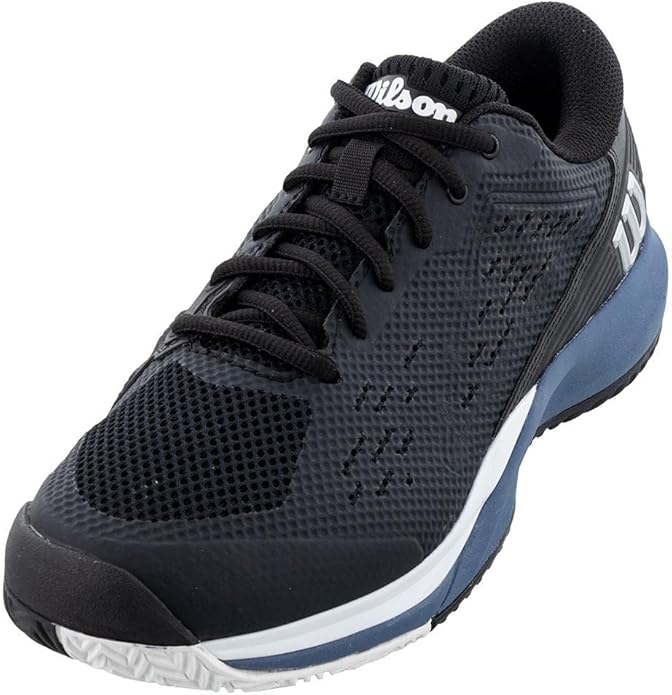
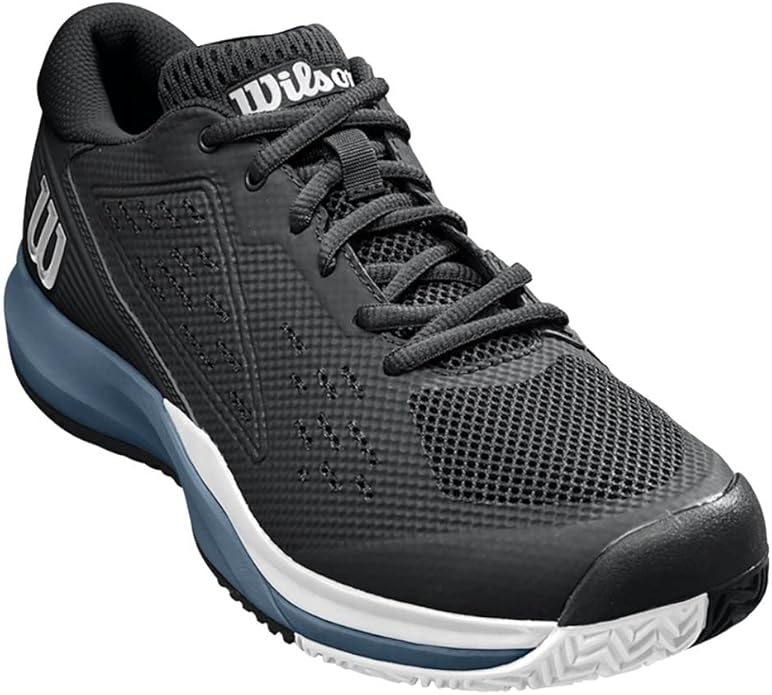
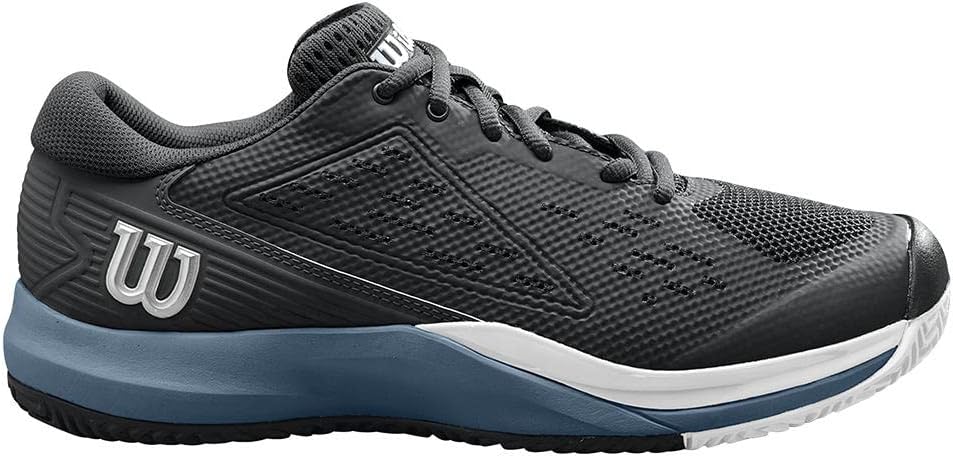
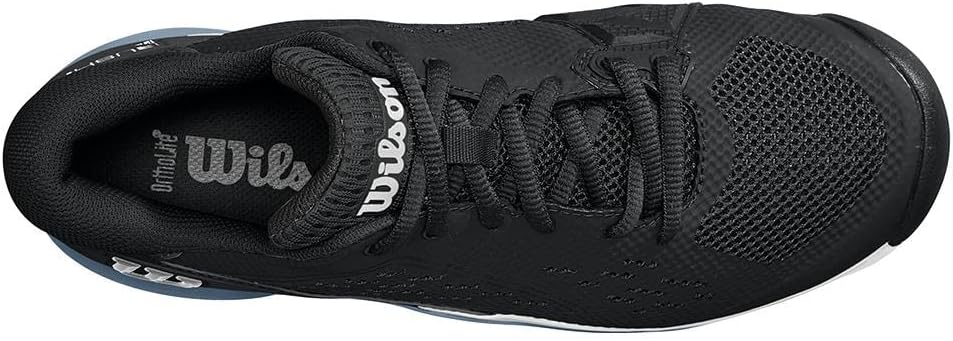
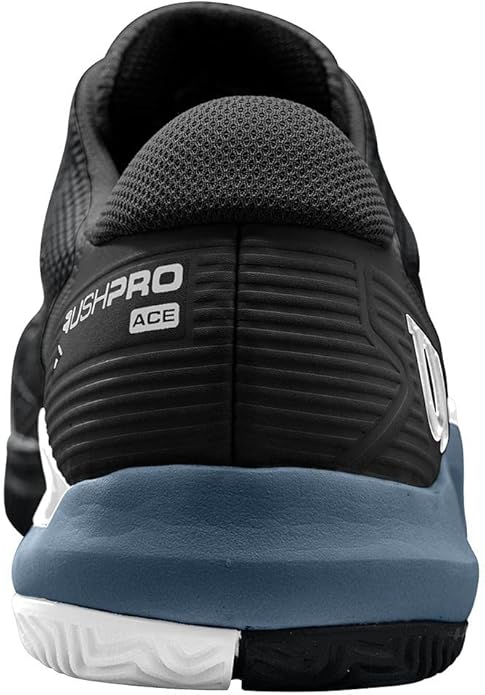
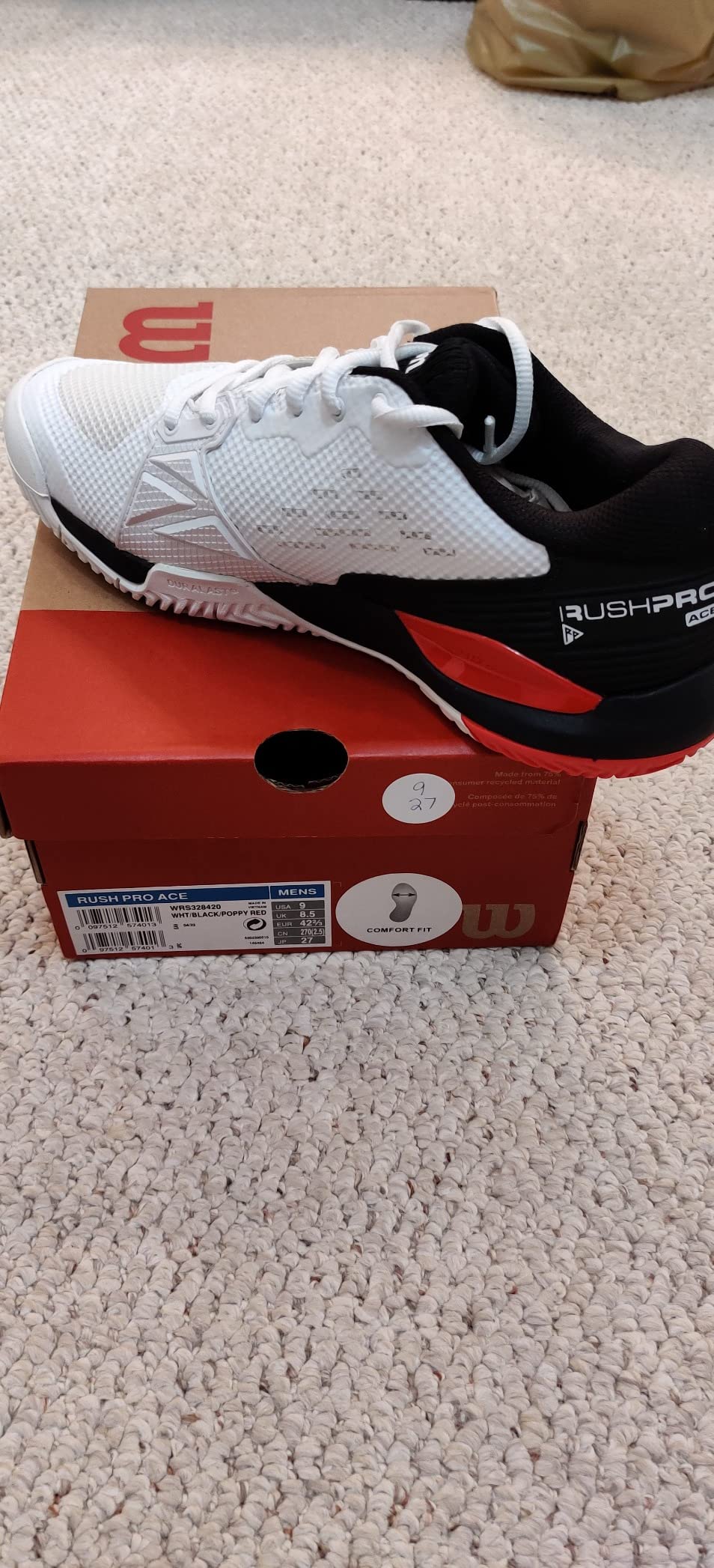
Technical Specifications
Here’s what you need to know upfront about the Rush Pro Ace’s core specs:
| Specification | Details |
|---|---|
| Price | $79 (varies $75-99 across retailers) |
| Weight (Size 10.5) | 13.2 oz (12.59 oz for size 9) |
| Heel-Toe Drop | 9mm (DF2 design) |
| Midsole | OrthoLite EVA molded foam |
| Upper Material | Sensifeel minimal layer construction |
| Outsole | Duralast high-density rubber compound |
| Support Technology | 4D Support Chassis (asymmetric heel-to-toe) |
| Fit Designation | 2E width / Most generous in Rush Pro line |
| Category | All-court tennis/pickleball shoe |
| Best For | Recreational to intermediate players (1-3 sessions per week) |
| Testing Period | 4 months, 45+ court sessions, 80+ hours of play |
| Outsole Warranty | None (unlike Rush Pro 4.5 which has 6-month guarantee) |
Design, Build Quality and First Impressions
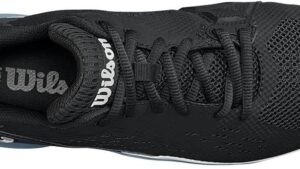
Right out of the box, the Sensifeel upper construction caught my attention in ways most tennis shoes don’t. The minimal layer design isn’t just a marketing term. When you run your hand across the material, you can feel how Wilson approached breathability differently here. It’s a mesh construction that manages to feel substantial without the typical weight penalty you see in more structured tennis shoes.
As someone with slightly wider feet (size 10.5 D bordering on E), I’ve dealt with my share of narrow tennis shoes that promise performance but deliver pressure points. The Rush Pro Ace’s wider toe box became apparent the moment I slid my foot in. Not just roomy, but actually contoured in a way that accommodates a wider forefoot without feeling sloppy. This is where Wilson’s claim about “the most generous fit in the Rush Pro line” translates into something you can actually feel.
The 4D Support Chassis technology sits underfoot in a way that’s noticeable without being intrusive. When I walked around my living room during that first wear, I could sense the asymmetric heel-to-toe structure Wilson describes in their specs. It’s not dramatic, but there’s a subtle guidance happening that differs from the flat, uniform feel of simpler court shoes. Whether that translates to meaningful on-court benefit took more testing to determine, but the initial impression suggested actual engineering rather than marketing speak.
Lacing these up revealed thoughtful design in the eyelet placement and tongue construction. The lockdown felt secure across my midfoot without creating any pressure points that typically show up during extended wear. Wilson positioned an inner rubber drag pad in areas where I’ve historically worn through shoes fastest, which suggested someone actually played tennis during the design process rather than just copying competitors.
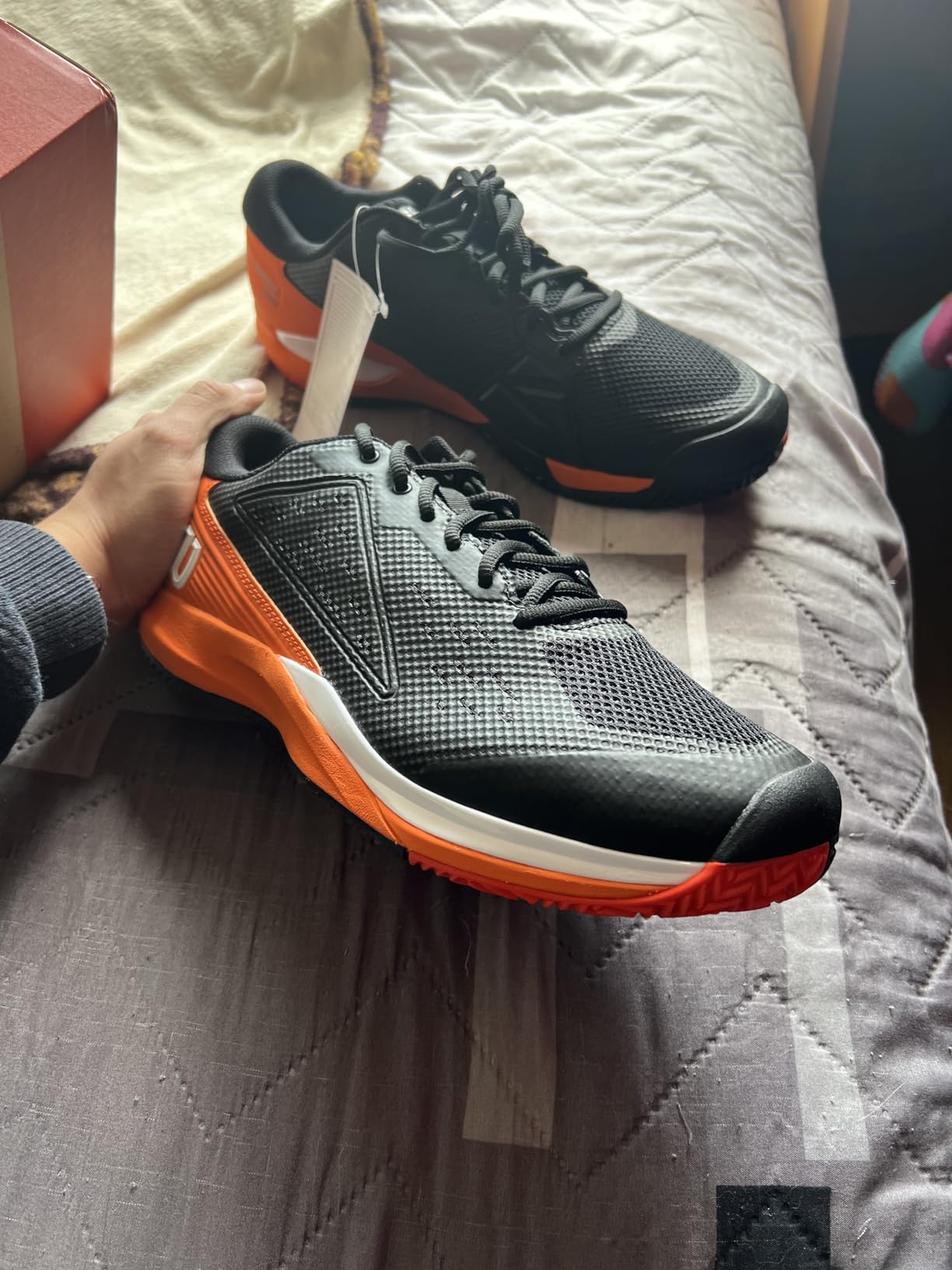
Overall construction quality appeared solid during initial inspection. Stitching looked clean, materials felt premium for the $79 price point, and nothing about the shoe screamed “budget compromise.” That initial impression of quality makes what I discovered around month three of testing all the more noteworthy.
Court Feel and Impact Protection
My first hit on the courts happened on a cool Denver morning, about 58 degrees, perfect conditions for evaluating a shoe without weather variables complicating things. The OrthoLite EVA midsole revealed its character immediately during warm-up rallies. This isn’t plush cushioning like you’d find in max-cushion running shoes. Instead, it’s what I’d describe as firm but forgiving, a balance that makes sense for court sports where you need both impact protection and court feel.
That 9mm heel-toe drop felt natural from the first serve. Some shoes with higher drops make you conscious of the geometry underfoot. Others with minimal drops can feel harsh during extended play. The Rush Pro Ace landed in a sweet spot where I simply didn’t think about the drop during play. When I picked up pace during aggressive baseline exchanges, the transitions felt smooth and the drop didn’t interfere with quick direction changes.
During lateral movement drills where I was deliberately pushing the shoe’s stability limits, the 4D Support Chassis made its presence known. Those pivot movements during baseline rallies, the kind where you’re loading weight onto the outside edge of your foot before pushing back the other direction, that’s where I felt the asymmetric structure doing its job. At my 185 pounds, the support felt adequate for recreational and intermediate-level play. Would I want more substantial support if I were playing serious tournament tennis five days a week? Probably. But for the club-level intensity I was testing at, the chassis delivered enough control to inspire confidence.
The break-in timeline surprised me more than any other aspect of these shoes. Most tennis shoes require anywhere from a week to a month of regular play before they truly mold to your foot. The Rush Pro Ace needed maybe three or four sessions before they felt completely broken in. Around the two-week mark of regular use, the shoe had adapted to my foot shape so naturally that I stopped thinking about them as “new shoes” and just played. Zero blisters, zero hot spots, zero discomfort during that break-in phase. This is genuinely where the Rush Pro Ace excels beyond most court shoes I’ve tested.
On-Court Performance
Traction and Court Surface Testing
I tested these across multiple court surfaces in two different climates. The Duralast rubber compound handled hard courts with confidence, both indoor and outdoor. At my local Phoenix tennis club, where dust accumulation on outdoor courts is constant, the traction pattern maintained grip without requiring the constant sole-wiping that some court shoes demand. During a session in Denver where morning dew left courts slightly damp, I experienced no slipping during quick direction changes.
Hard courts are clearly where this outsole design shines. The tread pattern optimizes for that surface with good contact area and appropriate depth. When I took them to a weekend tournament in Scottsdale on har-tru clay courts, performance was solid but not exceptional. The traction worked adequately for recreational clay play, but players who specialize in clay would benefit from a more aggressive tread pattern designed specifically for that surface.
Match Play and Movement
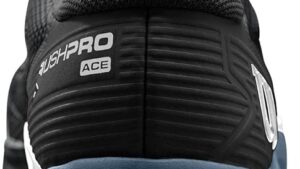
Performance during typical match scenarios revealed the shoe’s versatility across different playing situations. Baseline rallies felt stable and controlled. When rushing the net for volleys, the lightweight feel (that 13.2 oz weight) helped with quick forward movement without sacrificing the stability needed for sudden stops. Serving motion put no unusual stress on my foot positioning, and the heel counter provided enough structure without restricting natural ankle movement.
During two-hour practice sessions in Phoenix when temperatures climbed past 90 degrees, breathability became genuinely important. The Sensifeel upper handled extended play in heat better than expected. My feet stayed comfortable without the swampy feeling that builds up in less breathable court shoes during hot afternoon sessions. That minimal layer construction Wilson talks about translates into airflow that matters when you’re playing in challenging conditions.
The lightweight design contributed to less foot fatigue compared to heavier tennis shoes I’ve tested previously. After extended sessions, my feet felt fresher, which matters when you’re playing multiple matches in a tournament setting or just trying to maintain performance quality through a long practice session.
The Durability Reality – Month 3 Discovery
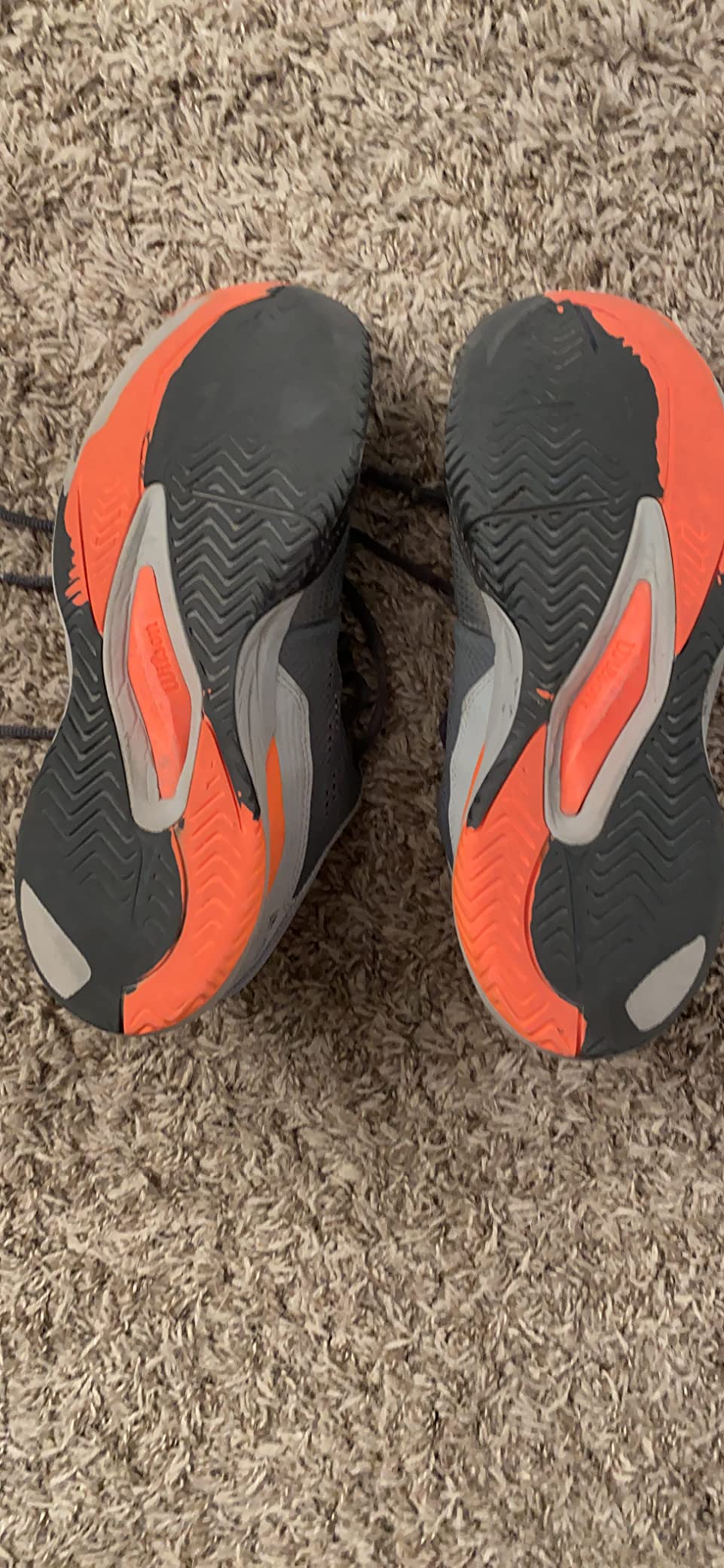
Around the three-month mark of testing, something became apparent that needs frank discussion. Despite the thoughtful design, quality materials, and solid initial construction, premature wear started showing up faster than expected. The high-stress areas where I drag my toe during serves and aggressive groundstrokes began displaying significant wear patterns. The lateral edges, where weight loads during direction changes, showed more degradation than I typically see at this stage with comparably priced tennis shoes.
This durability concern isn’t catastrophic failure. The shoes remain wearable and comfortable. But the rate of wear suggests a lifespan that falls short of what most players expect at the $79 price point. For context, I play 3-4 times per week with a mix of recreational hitting and competitive league play. At this frequency, I’m looking at 3-4 months before considering replacement. That’s notably shorter than other court shoes I’ve tested in similar price ranges that typically last 5-6 months under comparable use.
What makes this durability limitation particularly noteworthy is the absence of an outsole warranty. The Rush Pro 4.5 model comes with a 6-month outsole guarantee. The Rush Pro Ace has no such warranty, which means buyers absorb all the risk if premature wear occurs. That’s an important consideration when evaluating overall value.
Meeting Your Goals – Does It Deliver?
For recreational to intermediate tennis and pickleball players, the Rush Pro Ace hits most of the right notes in the categories that matter most. Comfort assessment is genuinely excellent. I wore these for 3-4 hour tournament days and experienced no significant foot fatigue. The support effectiveness works well for club-level intensity without crossing into the overly rigid territory that sacrifices comfort for maximum stability. Traction capability handles most court conditions effectively, particularly on the hard courts where most recreational players spend their time.
The significant issue that prevents this from being an unqualified recommendation is the durability limitation. Outstanding comfort matters less when you’re replacing shoes every 3-4 months instead of the 6-8 months you might reasonably expect at this price point.
Looking at Wilson’s specific marketing claims against my actual experience reveals an interesting pattern. The “4D Support Chassis for stability” delivers about 85% of what’s promised. It’s a genuine improvement over basic court shoes, noticeable during play, but not revolutionary. The support works well for the target audience without overpromising maximum stability.
Wilson’s claim that the “Sensifeel upper upgrades comfort” is spot on. This is one area where the marketing matches reality. The upper genuinely balances breathability with enough structure to hold your foot securely. It’s a legitimate achievement in construction that you feel during every session.
The “OrthoLite superior longevity” claim requires context. The cushioning quality is accurate and maintains its properties well throughout testing. My feet felt just as cushioned in month four as they did in week one. However, “superior longevity” becomes misleading when overall shoe lifespan is limited by outsole durability rather than midsole degradation. The foam is excellent, but that excellence gets cut short by other components wearing out faster.
Wilson markets the “Duralast abrasion resistance” prominently. Traction is genuinely excellent and maintains grip characteristics well. But “abrasion resistance” proves optimistic for players who hit the courts frequently. The compound grips effectively but wears through faster than the “Duralast” name suggests.
During last week’s club tournament, I overheard three different players discussing their Rush Pro Ace experience. My buddy James, who stands 6’1″ and weighs 195 pounds, summed it up succinctly: “The comfort is amazing for about three months, then I’m shopping again.” Another player, Steve, who plays twice a week recreationally, had a different take: “Perfect for my needs. They lasted eight months with light use.” That variation in experience based on playing frequency tells you everything you need to know about who this shoe serves best.
Performance Across Court Conditions
Hard court performance is where this shoe truly shines. Indoor club courts felt fantastic. The traction was immediate and reliable, the court feel let me sense exactly where my foot was positioned, and the cushioning protected without deadening response. Outdoor hard courts initially impressed just as much, though this is where the durability limitation eventually reveals itself as wear accelerates on more abrasive outdoor surfaces.
Clay court testing happened during that weekend tournament in Scottsdale on har-tru surfaces. Performance was solid but not exceptional. The traction worked adequately for recreational clay play. I never felt unsafe or unsure about my footing. But the tread pattern lacks the specialized design that dedicated clay court shoes provide. For occasional clay play, perfectly fine. For players who primarily play on clay, better options exist.
Weather condition testing spanned significant temperature ranges. Hot Arizona summer sessions at 95 degrees showed off the breathability advantages of that Sensifeel upper. My feet stayed comfortable and the shoes managed heat well during extended outdoor play. Cool morning sessions in Denver, temperatures around 55-65 degrees, presented zero comfort issues. The shoes performed consistently across this temperature range without feeling too hot or too cold.
Extended play sessions validated the OrthoLite cushioning quality. During a 4-hour club tournament where I played three matches back-to-back, my feet felt remarkably fresh throughout. That extended comfort capability is real and represents genuine value. Interestingly, this tournament day was also when I first noticed the early sole wear patterns that would become more pronounced in subsequent weeks.
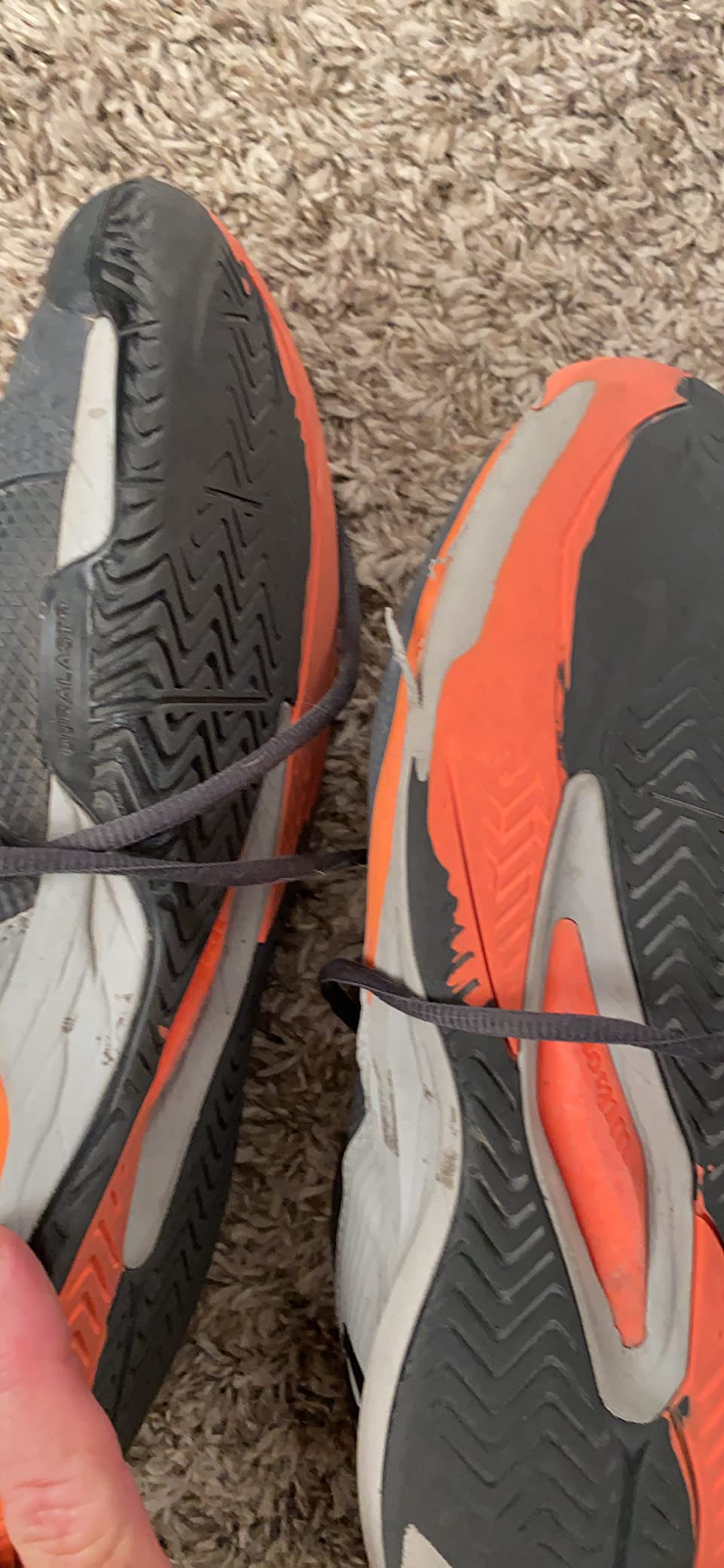
Playing intensity variation revealed both strengths and limitations clearly. Casual hitting sessions felt effortless. The comfort and adequate support made recreational play enjoyable without any shoe-related distractions. Competitive league play exposed the trade-offs more clearly. The comfort remained excellent, the support proved adequate, but the durability limitations became more apparent with aggressive play style.
Value Assessment – Breaking Down the Numbers
Price positioning at $79 places the Rush Pro Ace in an interesting middle ground between budget options that typically cost $40-60 and premium tennis shoes that run $140-180. Understanding whether that $79 represents good value requires honest calculation based on realistic lifespan expectations.
Based on my four months of testing and conversations with other players at my local clubs, here’s the lifespan reality. For frequent players hitting the courts 4-5 times per week, expect 3-4 months of usable life. That breaks down to roughly $20-26 per month of play. For recreational players getting out 1-2 times weekly, the timeline extends to 6-8 months, which works out to approximately $10-13 per month.
For comparison context, premium tennis shoes in the $150 range typically last 6-8 months even with frequent play (4-5 times weekly). That premium shoe costs more upfront but works out to $19-25 per month. Suddenly the monthly cost looks remarkably similar to the Rush Pro Ace, just structured differently with higher upfront investment but longer usable life.
The value equation ultimately comes down to this: the Rush Pro Ace delivers about 80% of its promised features effectively, with comfort being the standout strength and durability being the significant weakness. At $79, that represents decent value with important caveats. The shoe works well for its intended purpose and target audience. It just doesn’t last as long as many players would reasonably expect at this price point.
The bottom line on value: worth it for recreational players (1-3 sessions weekly) who prioritize immediate comfort and accept shorter lifespan. For frequent players (4+ sessions weekly), factor replacement costs into your decision. You might find better long-term value in a more expensive shoe that lasts longer, even though the upfront cost stings more.
Overall Assessment
Category Breakdown
After four months of comprehensive testing across multiple courts, conditions, and playing intensities, here’s how the Wilson Rush Pro Ace scores across key categories:
- Overall Score: 7.2/10 – Good shoe with clear strengths and notable limitation
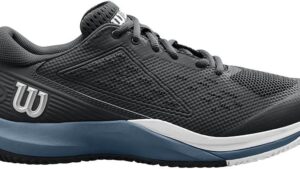
- Design & Aesthetics: 8.5/10 – Clean, professional appearance that works on and off court
- Court Traction: 8.0/10 – Excellent on hard courts, solid on clay
- Comfort & Support: 9.0/10 – Outstanding immediate comfort with good stability for target audience
- Durability: 5.5/10 – Major weakness, especially for frequent players
- Value for Money: 6.5/10 – Good if you accept lifespan limitations, questionable for heavy use
What the Tennis Community Says
The local tennis community experience with these shoes tracks closely with my own findings. Durability concerns come up repeatedly in conversations at the club. My buddy James, who weighs 195 pounds and plays four times weekly, experiences similar 3-month timelines: “The comfort is amazing for about three months, then I’m shopping again.”
Recreational player Steve, who hits the courts twice weekly, has a different experience entirely: “Perfect for my needs. They lasted eight months with light use, and my feet never hurt even during longer sessions.” His experience demonstrates how playing frequency dramatically affects value proposition with these shoes.
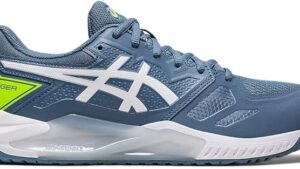
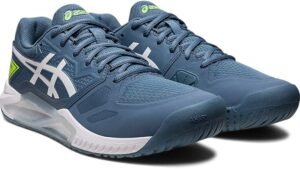
During that club tournament last week, I casually asked three other players about their experiences with Wilson court shoes. Two had tried the Rush Pro Ace. Both mentioned the same pattern: excellent initial comfort followed by faster wear than expected. One player had switched to ASICS Gel-Challenger 14 for better durability. The other accepted the shorter lifespan as the trade-off for superior comfort.
Final Verdict
Pros and Cons
| Pros | Cons |
|---|---|
| Outstanding immediate comfort | Significant durability concerns (3-4 months for frequent players) |
| Virtually no break-in period required | Premature outsole wear in high-stress areas |
| Excellent breathability in hot conditions | No outsole warranty (unlike Rush Pro 4.5) |
| True to size with wider toe box | Quick wear on outdoor courts with frequent play |
| Good traction on hard courts | Not optimal for clay court specialists |
| Wider toe box accommodates D/E width feet | May feel too roomy for narrow feet |
| Effective 4D chassis for stability | Some quality control issues reported with sizing consistency |
| Lightweight feel helps court mobility | Shorter lifespan affects long-term value |
Who Should Buy the Rush Pro Ace?
Perfect For:
- Recreational tennis/pickleball players getting out 1-3 sessions per week
- Players prioritizing immediate comfort over long-term durability
- Wider feet (D/E width) struggling with narrow tennis shoes
- Pickleball players seeking court-specific footwear for this growing sport
- Indoor court players primarily, where outsole wear is less aggressive
- Players wanting a comfortable backup pair for lighter use and practice sessions
Consider Carefully If:
- Play 3-4 times per week and need shoes lasting 6+ months
- Budget is tight and frequent replacements aren’t feasible
- Play primarily on outdoor courts with abrasive surfaces
- Prefer firmer, more responsive cushioning over maximum comfort
Look Elsewhere If:
- Serious tournament player needing maximum durability for frequent competitive play
- Play 5+ times per week on outdoor courts where wear accelerates fastest
- Narrow feet (C width) preferring snug performance fit
- Need specialized clay court traction for primary surface
- Want maximum value per dollar over 6+ months of heavy use
Better Options for Specific Needs
If durability at this price matters most, consider the ASICS Gel-Challenger 14 or look into Head Revolt Pro models. Both offer better longevity even with frequent play, though you might sacrifice some of that immediate comfort the Rush Pro Ace provides.
For more aggressive players who need maximum support and durability, the Adidas Barricade line or Nike Vapor series deliver longer-lasting construction, though at significantly higher price points ($120-160).
If you want similar comfort with better longevity, the New Balance 696 V5 offers an interesting middle ground. It’s typically priced $10-20 higher but tends to last 1-2 months longer with comparable comfort levels.
My Final Take
After all this court time with the Wilson Rush Pro Ace, here’s my honest assessment. This is fundamentally a comfort-first tennis shoe that delivers exceptionally well on that primary mission while falling short on durability expectations. For a recreational player with a $79 budget who values immediate comfort and plays 1-3 times weekly, this shoe deserves serious consideration despite its limitations.
The reality is this: those first 2-3 months with the Rush Pro Ace are genuinely excellent. The comfort is as good as Wilson claims. The fit works beautifully for wider feet. The performance on hard courts meets recreational and intermediate needs effectively. If you’re the type of player who replaces shoes seasonally anyway, or if you play infrequently enough that 6-8 months of use is realistic, the comfort benefits genuinely justify the purchase.
Where I struggle to recommend these shoes is for the frequent player category. If you’re hitting the courts 4-5 times weekly, that 3-4 month lifespan timeline means you’re shopping for new shoes three times per year instead of twice. The monthly cost calculation starts looking less attractive, and you might get better value from a more expensive shoe that lasts proportionally longer.
Pro tip from my testing experience: if you find these on sale in the $65-70 range and you fit the recreational player profile, consider buying two pairs. Given the 3-4 month lifespan for frequent play, having a backup pair ready makes the comfort benefits worth the durability trade-offs. You’re essentially pre-paying for 6-8 months of excellent comfort at a known replacement timeline.
The honest recommendation comes down to playing frequency. 1-2 times weekly? Buy them. 3 times weekly? Buy them if comfort matters more than longevity. 4-5 times weekly? Consider whether the comfort premium is worth the replacement timeline. 5+ times weekly on outdoor courts? Look at more durable options unless you’re willing to replace shoes frequently for maximum comfort.
Frequently Asked Questions
How long will the Rush Pro Ace realistically last?
Lifespan depends heavily on three factors: your weight, playing frequency, and playing style. Based on my testing and community feedback, here’s what to expect:
- Light players (under 160 lbs) playing 1-2 times weekly: 6-8 months of usable life
- Average weight (170-185 lbs) playing 3-4 times weekly: 3-4 months before visible wear requires replacement
- Heavier players (200+ lbs) playing daily: 2-3 months maximum, particularly on outdoor courts
Playing style also matters. If you’re aggressive with toe drag on serves or do a lot of sliding during baseline play, expect to be on the shorter end of these timelines. More conservative playing styles can extend lifespan somewhat.
How does the fit compare to other Wilson tennis shoes?
The Rush Pro Ace runs true to size and fits wider than other Wilson models. If you wear size 10.5 in the Kaos line, you’ll likely wear 10.5 in the Rush Pro Ace, but with more toe box room. Compared to Nike tennis shoes, sizing correlates closely for length but the Wilson accommodates wider feet better. If you typically size up a half in narrow tennis shoes to get width, you can likely stick with your normal size in the Rush Pro Ace.
What’s the break-in period like?
This is where the Rush Pro Ace genuinely excels. Break-in is virtually nonexistent. Out of the box comfort is excellent, and after 3-4 court sessions the shoe fully molds to your foot shape. I experienced zero blisters, zero hot spots during the break-in phase. Most tennis shoes require 1-3 weeks of regular play before they feel truly broken in. The Rush Pro Ace feels ready from day one.
Can I use these for both pickleball and tennis?
Absolutely. Many players in my local community use the Rush Pro Ace for both sports with good results. The lateral support from the 4D chassis works well for pickleball’s quick directional changes. The court traction handles both tennis and pickleball court surfaces effectively. The only consideration is that frequent play in both sports accelerates the durability timeline since you’re doubling the wear pattern.
Is the Rush Pro Ace worth the price compared to the ASICS Gel-Challenger 14?
This comparison comes down to priorities. The Wilson Rush Pro Ace wins on immediate comfort and break-in experience. The ASICS Gel-Challenger 14 wins on durability and long-term value. Here’s how to decide:
- Choose Wilson if: You play 1-3 times weekly, prioritize immediate comfort, have wider feet, and are willing to replace shoes every 4-6 months
- Choose ASICS if: You play 4+ times weekly, need maximum durability, prefer slightly firmer cushioning, and want shoes lasting 6-8 months with heavy use
Both are quality shoes at similar price points, just optimized for different player priorities.
What are the deal-breakers I should know about?
Be aware of these limitations before purchasing:
- Durability limitation: Won’t work if you need maximum longevity for frequent outdoor play
- Premature outsole wear: High-stress areas show significant wear after 3-4 months of regular use
- No outsole warranty: Unlike the Rush Pro 4.5, you have no guarantee if premature wear occurs
- Rapid wear on abrasive outdoor courts: Indoor court players get longer lifespan than outdoor players
- May feel too roomy for narrow feet: The wider fit is great for D/E width but might feel sloppy for C width feet
How do they perform on clay courts?
Performance on clay is adequate but not specialized. The traction works fine for recreational clay play and I never felt unsafe during my weekend tournament on har-tru surfaces. The grip handles the surface without excessive sliding. However, the tread pattern isn’t optimized specifically for clay like dedicated clay court shoes. If you play primarily on clay, especially at competitive levels, you’d benefit from a shoe designed specifically for that surface. For occasional clay court play mixed with hard court use, the Rush Pro Ace handles it adequately.
What are the best practices for maximizing shoe lifespan?
While the Rush Pro Ace won’t match premium shoes for longevity, you can extend usable life with smart practices:
- Rotate with another pair: Alternating between two pairs of shoes extends overall lifespan significantly since the midsole gets recovery time between wears
- Avoid wet outdoor courts: Moisture accelerates wear on the Duralast compound
- Clean regularly: Remove court debris and clean soles after play to maintain traction and spot wear patterns early
- Consider aftermarket insoles: Some players report thin factory insoles as a limitation; quality aftermarket insoles can improve comfort and extend usability
- Reserve for indoor play when possible: Indoor courts are less abrasive and extend shoe life noticeably
Retirement signs to watch for: visible sole separation in high-wear areas, smooth worn tread where traction diminishes, loss of lateral support when the chassis structure degrades, or cushioning that feels flat and bottomed out.
Review Scoring Summary
| Category | Details |
|---|---|
| Who This Shoe Is For | Target Gender: Men | Primary Purpose: Tennis/Pickleball | Activity Level: Active recreational to intermediate |
| Money Talk | Budget Range: $50-100 | Brand: Wilson | Primary Strength: Immediate comfort | Expected Lifespan: Short-term (3-4 months frequent play, 6-8 months light play) |
| Fit & Feel Specifics | Foot Characteristics: Wide (D/E width ideal) | Usage Conditions: Indoor courts optimal, outdoor adequate | Daily Wearing Time: 2-4 hour sessions | Style Preference: Sporty court shoe aesthetic |
| Important Features | Breathable Sensifeel upper | Cushioned OrthoLite EVA midsole | Lightweight 13.2 oz design | 4D stability chassis | Wide toe box fit |
| The Numbers | Comfort: 9.0/10 | Style: 7.5/10 | Durability: 5.5/10 | Overall: 7.2/10 |
| Bottom Line | Perfect for recreational players (1-3 sessions weekly) with wider feet who prioritize immediate comfort over long-term durability. Skip if you play 4+ times weekly and need 6+ month lifespan. Best feature: outstanding immediate comfort with virtually no break-in. Biggest weakness: durability limitations for frequent players, especially on outdoor courts. |
Looking for tennis shoes with better durability? Check out our tennis and squash shoes collection for more options suited to different playing frequencies and priorities.
Reviews
There are no reviews yet.