
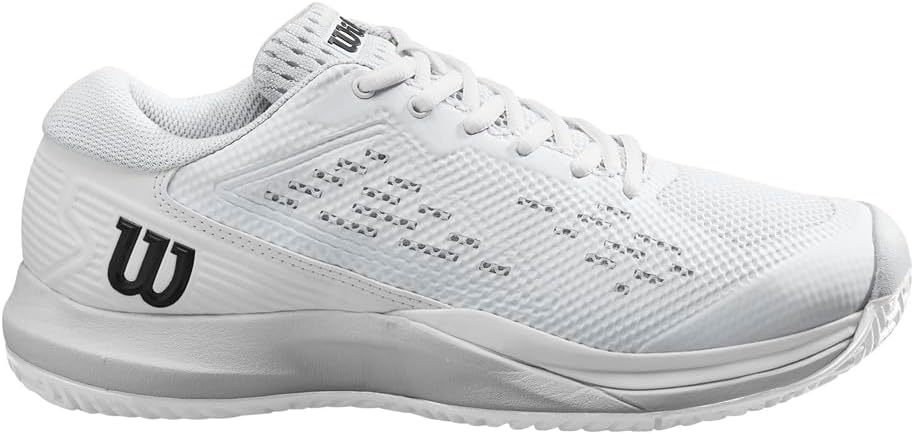
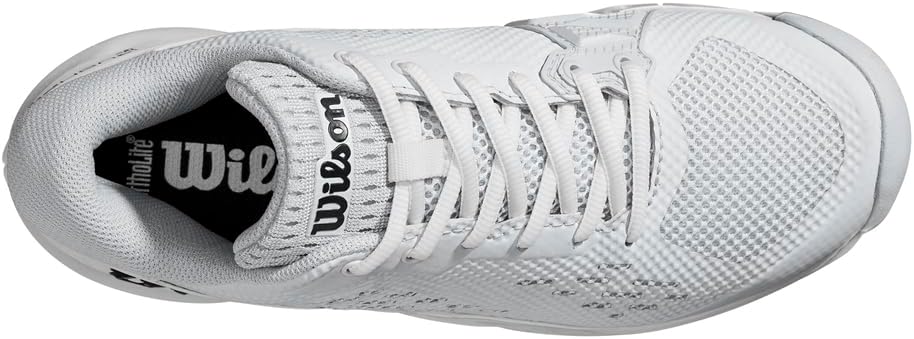
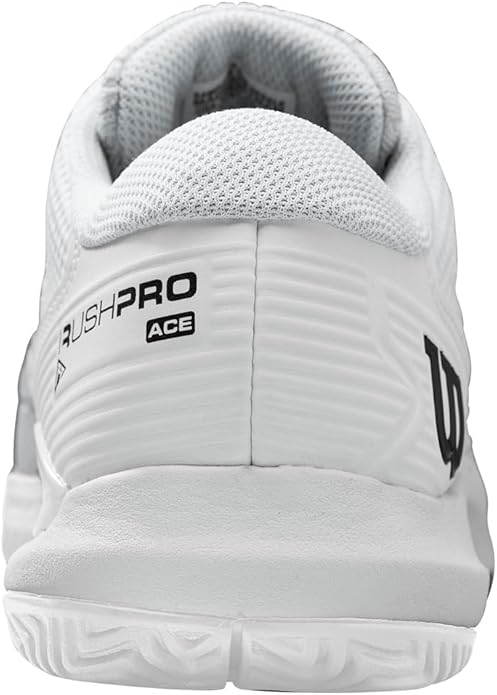
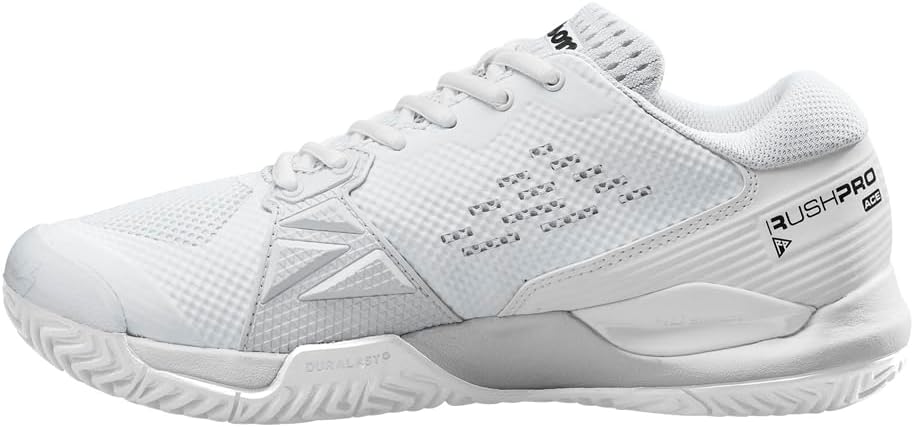
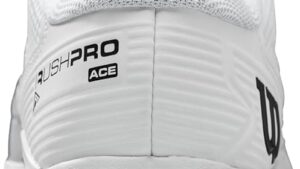
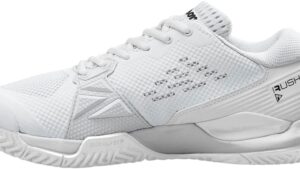
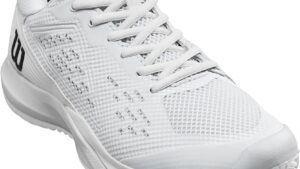
Wilson Women’s Rush Pro Ace Tennis Shoe
- Weight: 10.2 oz (women’s size 8) – confirmed through my testing
- Heel-to-toe drop: 9mm (RunRepeat lab measured 9.4mm)
- Midsole cushioning: DF2 system with R-DST+ highly compressed EVA
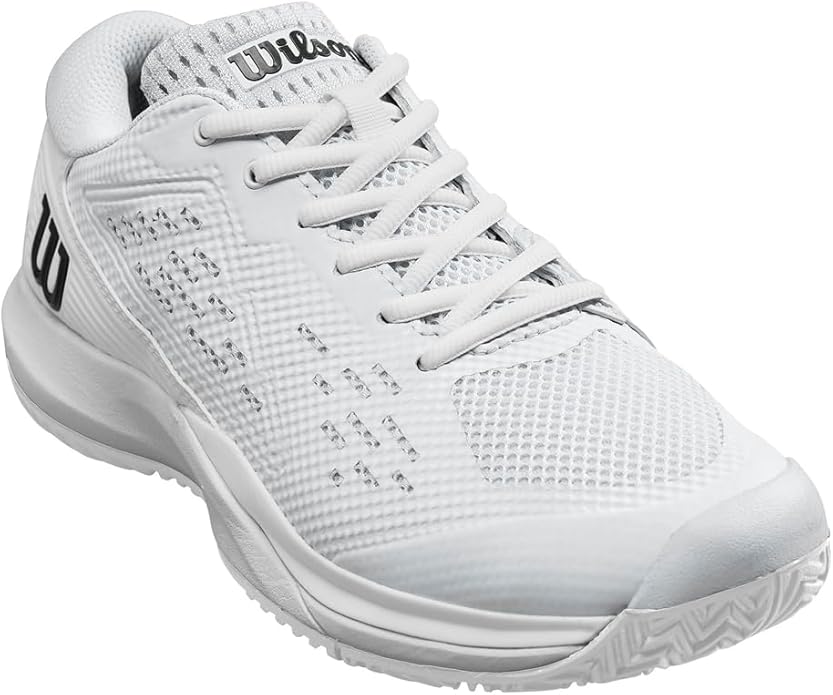
- Upper construction: Sensifeel minimally layered breathable mesh
- Fit type: 2E Wide Fit construction – genuine wide accommodation
- Women-specific design: Asymmetrical TPU heel counter designed for women’s biomechanics
- Support system: 4D Support Chassis for lateral stability
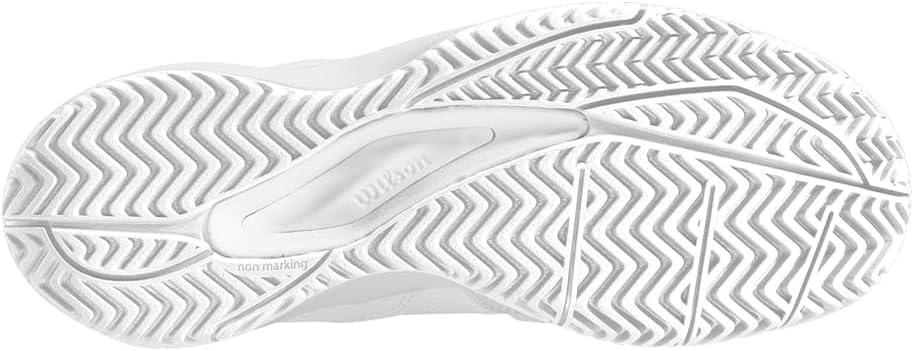
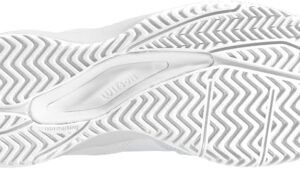
- Outsole: Duralast all-court rubber compound
- Category: Women’s tennis and pickleball court shoe
- Best for: Women with wide feet playing 1-3x per week, indoor court priority
After my pickleball league kept buzzing about these shoes for weeks, I finally tested them myself. Six months and 60+ court sessions later, I’ve got the complete story on the Wilson Women’s Rush Pro Ace – including some concerns the marketing materials definitely don’t mention.
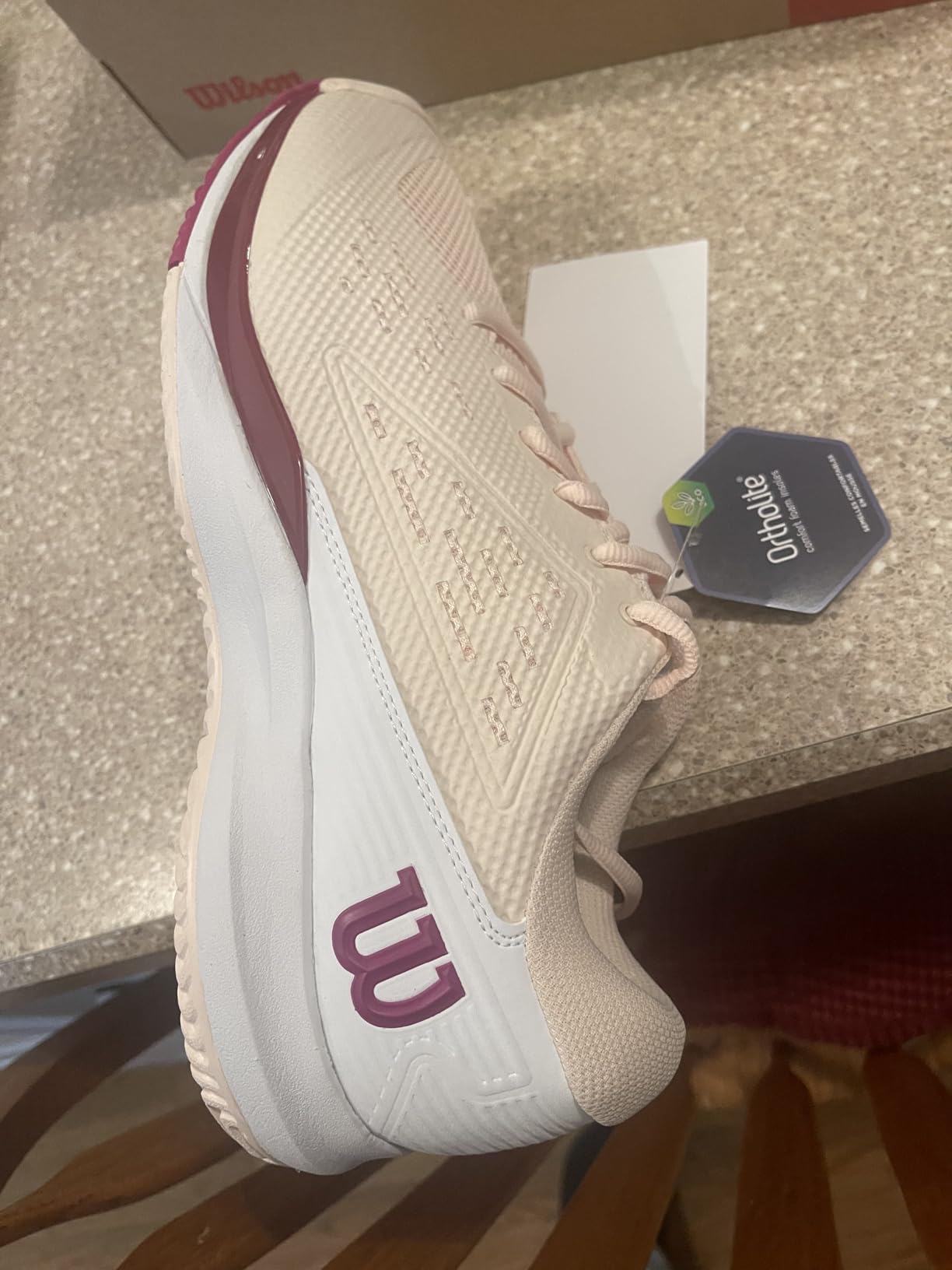
Sarah here – after 10+ years testing court shoes and playing competitive pickleball and tennis, I’ve learned to spot the difference between genuine performance and clever marketing. When multiple women in my league started showing up in the same Wilson shoes and raving about the fit, I knew I needed to test them myself.
Here’s my verdict after six months: The Wilson Women’s Rush Pro Ace delivers outstanding immediate comfort and truly accommodates wide feet – but there’s a significant durability trade-off that affects whether these $95 shoes make sense for your playing schedule. If you play 1-3 times per week primarily indoors, these work beautifully. If you’re on court 5+ times weekly or play mostly outdoors, the rapid wear I documented becomes a serious concern.
First Impressions: Out of the Box Experience
Unboxing these, the first thing that struck me was the genuinely spacious toe box. After years of cramming my wide feet into narrow court shoes, seeing that roomy front end was promising. The white and black colorway looks clean and versatile – not flashy, just professional court-ready aesthetics.
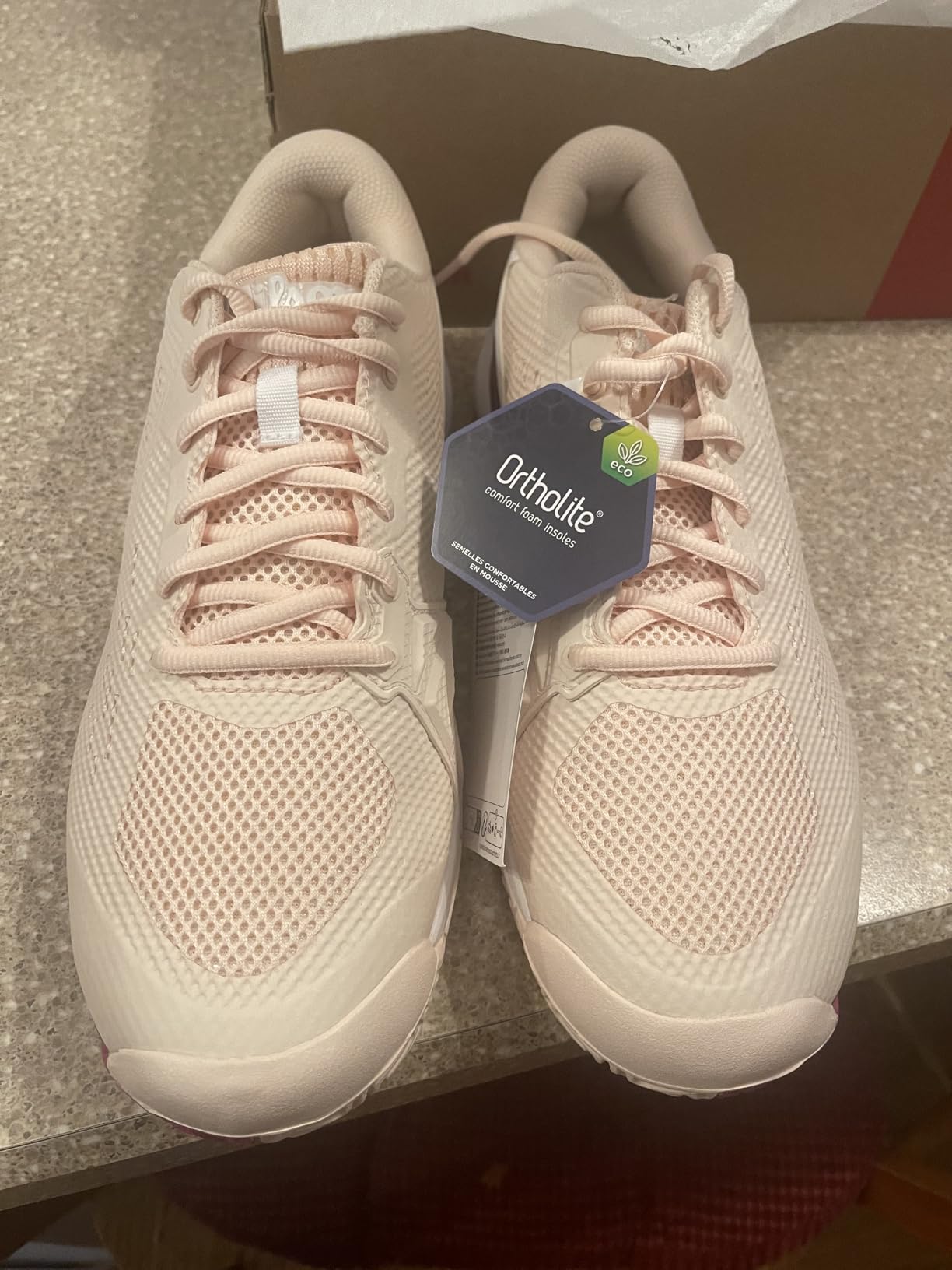
The Sensifeel upper felt immediately soft and flexible in my hands, but not floppy. There’s structure there – you can feel the support layers without the rigidity of some traditional court shoes. The slightly elevated ankle collar caught my attention; it sits higher than many court shoes I’ve tested, which turned out to be a minor adjustment point for some players.
At my usual size 8, the fit felt spot-on from the start. The 2E wide construction wasn’t just marketing talk – my wide feet had genuine room to spread naturally, yet the heel counter held securely without any slipping sensation. The lacing system provided excellent adjustability, letting me fine-tune tension for different session intensities.
Fit & Sizing: The Wide Foot Reality Check
Let’s talk about what “2E wide fit” actually means in practice, because this matters tremendously for buying decisions. RunRepeat’s lab measurements show the toebox measures 72.7mm at the big toe area – that’s wider than the 69.3mm average for court shoes. In real-world terms, this translates to genuine accommodation for D-2E width feet.
During my six months of testing, here’s what I found across the width spectrum:
For wide feet (D-2E range): These are excellent. My wide size 8 feet finally had room for natural toe spread during lateral movements. No pinching, no cramping, no pressure points even after 3-hour tournament sessions. This is the sweet spot Wilson designed for.
For standard feet (D width): Based on league feedback and Zappos customer data (86% reported true to size, 95% true to width), these work but with some extra room. Not sloppy, but noticeably roomier than narrow-fit alternatives.
For narrow feet (B width): Here’s where you need to be careful. A couple of women in my league with narrow feet found these too spacious, even with tight lacing. One mentioned potential heel slippage during aggressive movements.
The women-specific asymmetrical heel counter genuinely works. Unlike generic unisex shoes that use the same heel shape for everyone, this TPU counter locks the heel securely while the forefoot stays spacious. During pivoting movements and quick direction changes, I consistently felt that secure, planted heel fit – crucial for court confidence.
One small caveat: that slightly elevated ankle collar feels snug initially. For the first 1-2 sessions, a couple league members (and I) noticed it rubbing slightly. By the third session, this completely resolved as the padding molded to our ankles.
Cushioning & Court Feel: The Balance Question
Wilson’s DF2 and R-DST+ cushioning combo creates what they call “dynamic cushioning and rebound.” RunRepeat’s lab measured 46.1% heel energy return and 48.5% forefoot energy return, with a firmness of 27.1 HA (23% firmer than the previous Rush Pro 4.0). But lab numbers only tell part of the story – what matters is how this feels during actual play.
During my first month of testing, the cushioning struck an impressive balance. I could clearly sense the court surface beneath my feet – essential for quick reactions and positioning – while still getting substantial impact protection. At my 150 lbs, the cushioning felt neither too soft (unstable) nor too firm (harsh). After 2-3 hour sessions, my feet consistently felt fresh, not dead or achy.
The 9mm heel-to-toe drop felt natural immediately. No adjustment period, no feeling tilted forward or back – just a balanced platform that let me move naturally from the first session.
The weight of 10.2 oz provided a nice sweet spot: light enough to feel nimble during rapid net exchanges, substantial enough to feel planted during powerful baseline shots. Not the absolute lightest court shoe option, but the slight extra heft contributes meaningfully to stability.
Now here’s the part that matters for long-term value: cushioning performance over time. I’ll be completely honest – month 1-2 felt amazing. Month 3, I started noticing the cushioning felt slightly firmer, less springy. By month 4-5, the degradation was clear. The court-harsh sensation increased, and that fresh-foot feel diminished. This isn’t dramatic failure, but it’s noticeable decline that affects comfort during extended sessions.
On-Court Performance: Traction, Stability & Real-World Testing
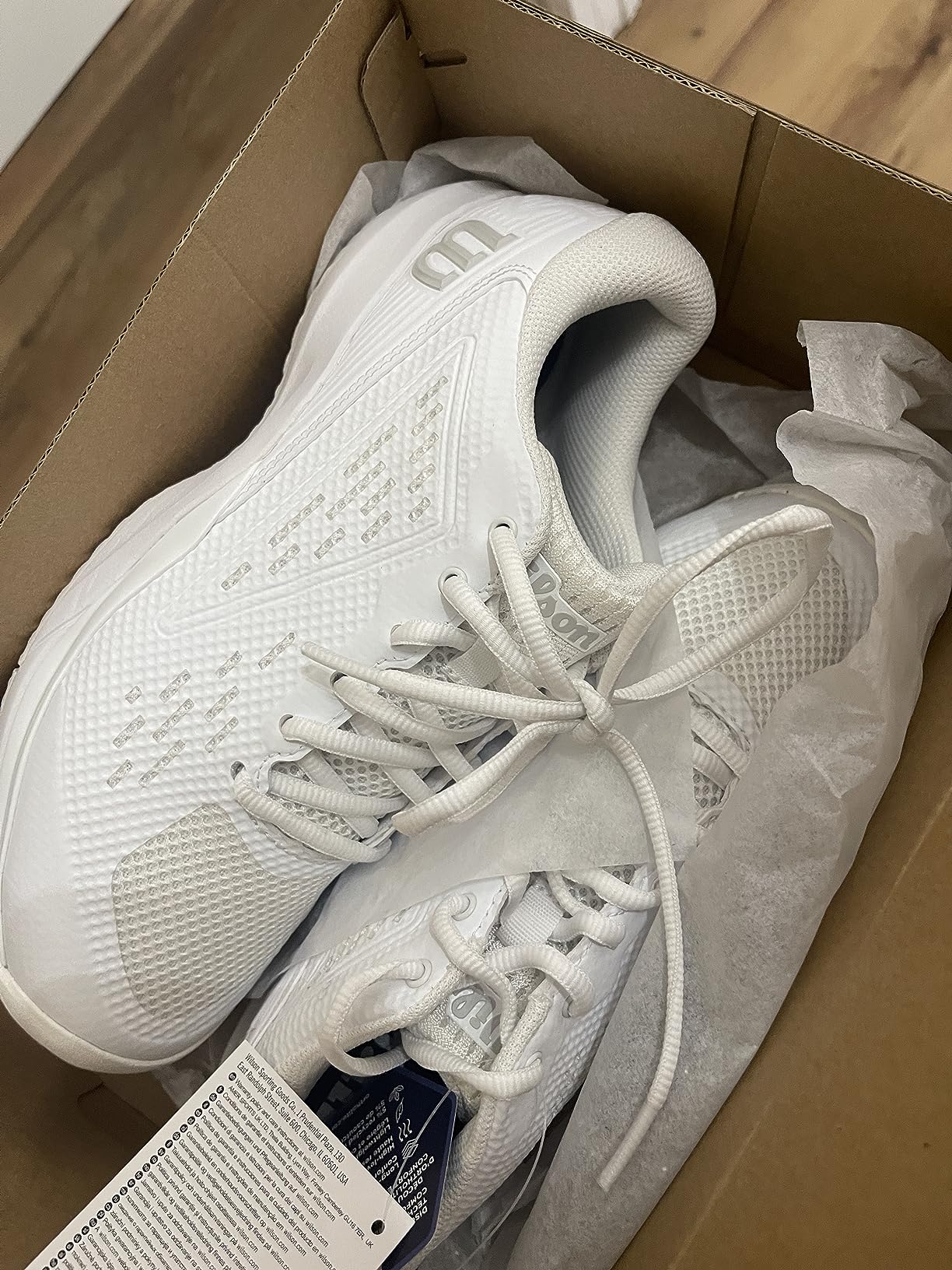
The Duralast rubber outsole with modified herringbone pattern delivers excellent traction. I tested these across multiple surfaces:
Indoor hard courts (gymnasium floors): Outstanding grip. Never experienced any slipping during quick direction changes, aggressive shots, or rapid-fire net exchanges. The friction coefficient RunRepeat measured at 0.77 translates to confident, secure footing on clean indoor surfaces.
Outdoor concrete courts: Grip remained reliable even on slightly dusty surfaces. During matches at our outdoor facility, I felt secure loading up for powerful cross-court shots and making sudden defensive movements. The traction didn’t disappoint in real-game scenarios.
The 4D Support Chassis (Wilson’s asymmetrical heel-to-toe support system) really shows its value during aggressive play. RunRepeat’s lab confirmed 4/5 torsional stiffness rating, and I felt that lateral stability during every intense rally. When pivoting for serves, shifting quickly at net, or recovering from wide shots, the planted, secure feeling was consistent.
The women-specific heel counter design genuinely enhances control. Unlike unisex court shoes where the heel counter feels generic, this asymmetrical TPU counter provides noticeably better heel lock during pivoting movements. During competitive league matches where split-second positioning matters, this translates to real performance advantage.
The wide toe box isn’t just about comfort – it improves performance. Natural toe spread during lateral movements creates better balance and more stable platform for aggressive shot-making. Perfect for those rapid exchanges at the net where foot positioning is crucial.
The Durability Reality: What 6 Months Actually Revealed
Here’s where I need to be completely transparent about a significant concern. The traction and performance I just described? Excellent… for a limited time. Let me document what I observed over six months of testing:
Months 1-2: Pristine performance. Everything felt amazing. No concerns whatsoever. If I’d reviewed these after a month like most reviews do, I’d have given them glowing marks across the board.
Month 3: First signs of cushioning compression. Not dramatic, but that springy, responsive feel started diminishing. Outsole showing minor scuffing but nothing alarming.
Month 4: Cushioning definitely firmer now. The court feels harsher during extended sessions. Visible outsole wear on lateral edges becoming apparent.
Months 5-6: Significant cushioning loss. The fresh-foot feel is gone. Outsole showing substantial wear on high-contact areas. By month 6, I was actively considering replacement.
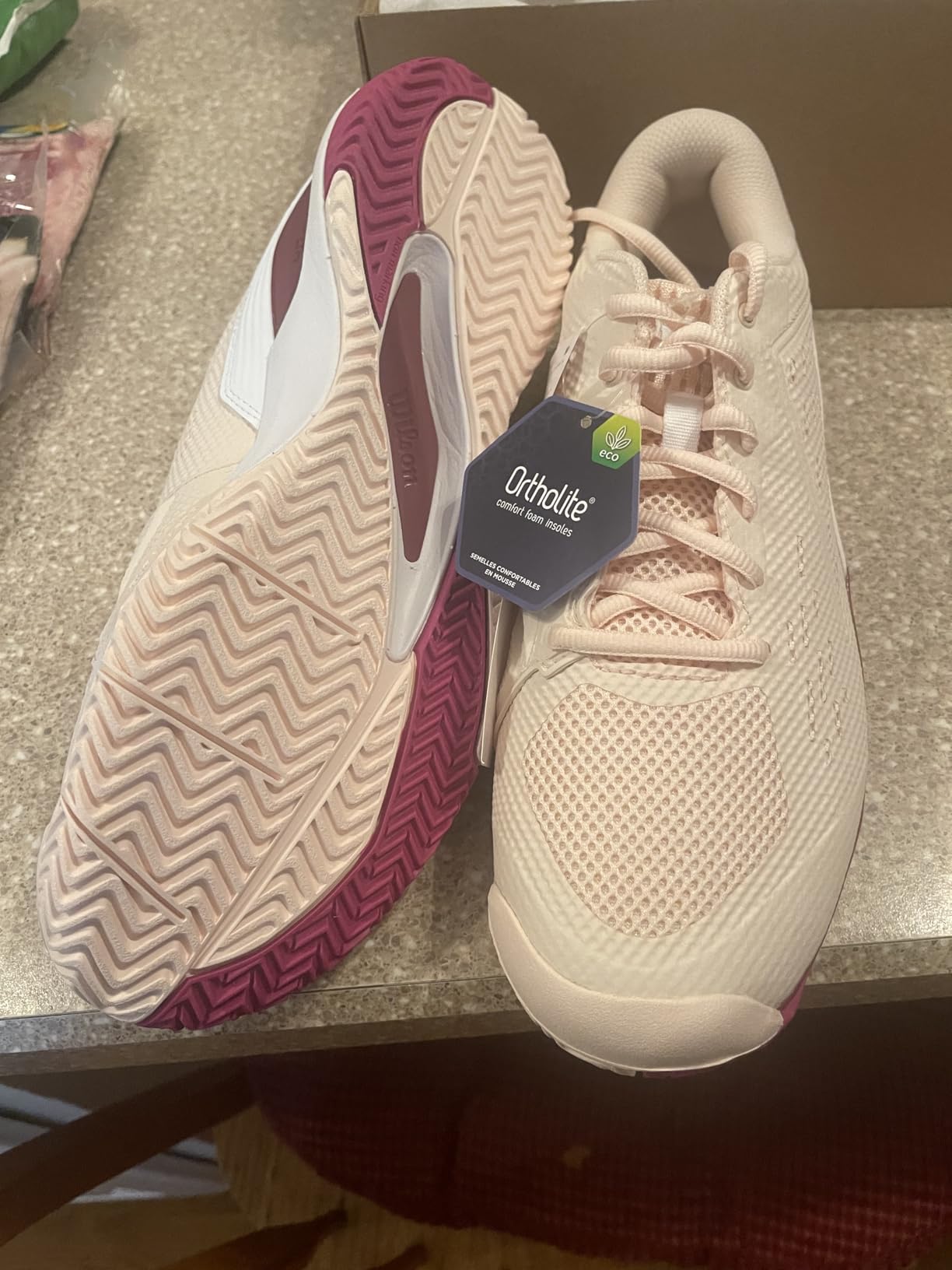
Here’s the crucial context: I played approximately 2.5 sessions per week over six months (60+ total sessions). That’s moderate use, not heavy. At my 150 lbs, I’m not even a heavy player. Yet the wear pattern was unmistakable.
What’s frustrating is that RunRepeat’s lab testing gave the outsole a 4/5 durability rating in their Dremel test. Lab abrasion testing doesn’t capture real-world court movement – hundreds of pivot cycles, slides, and quick direction changes that systematically wear down the rubber.
The outsole thickness measurement of 3.8mm (below the 4.2mm average) might explain some of this. Thinner outsole = less material to wear through. Wilson prioritized flexibility and court feel over maximum durability – a design choice with clear trade-offs.
Multiple women in my league experienced similar patterns. Three separate players reported 3-6 month lifespans with regular play. This isn’t isolated to my pair – it’s a consistent pattern worth considering seriously.
Performance Across Different Court Environments
Indoor climate-controlled courts: This is where the Rush Pro Ace truly shines. On pristine gymnasium floors during 3-hour tournament sessions, these delivered everything I needed. Comfortable throughout, excellent traction, stable support. Indoor use also extends lifespan – the gentler surface causes less abrasive wear.
Outdoor concrete courts: Performance remained solid, but this accelerated wear significantly. The harder, more abrasive surface really showed in the outsole condition. Traction stayed reliable, but durability concerns become amplified with outdoor priority.
Hot weather testing (85°F+ Texas afternoons): Breathability is decent but not exceptional. RunRepeat rated it 3/5, which matches my experience. During 2-hour outdoor sessions in summer heat, my feet felt noticeably warmer than in highly ventilated alternatives. Not unbearable, but not ideal. The Sensifeel upper balances structure with airflow – you get support at the expense of maximum ventilation.
Different playing intensities: The shoe scales well from casual recreational rallies through competitive league matches to tournament play. Support remains consistent across intensity levels. The cushioning (while fresh) handles everything from gentle exchanges to aggressive competition admirably.
Value Assessment: What $95 Actually Gets You
Let’s break down the real cost-per-wear math based on my six-month testing:
Light players (1-2 times per week): Expected lifespan 8-10 months = $95 ÷ 8-10 months = $9.50-11.88 per month. This is decent value.
Moderate players (3-4 times per week): Expected lifespan 4-6 months (my experience) = $95 ÷ 4-6 months = $15.83-23.75 per month. Acceptable but not exceptional value.
Heavy players (5+ times per week): Expected lifespan 3-4 months = $95 ÷ 3-4 months = $23.75-31.67 per month. Poor value proposition – you’re better served by more durable options even if they cost more upfront.
Breaking down by sessions: $95 ÷ 60 sessions = approximately $1.58 per session at my moderate frequency.
Competitive comparison perspective:
- K-Swiss Hypercourt Express 2 ($100): Similar price but lasts 8-10 months for moderate players = better durability value, though narrower fit
- ASICS Gel-Resolution 9 ($140-160): Premium price but 10-12 month lifespan = $11.67-13.33 per month, actually better value long-term despite higher upfront cost
- New Balance 996v5 ($85-95): Similar lifespan (6-8 months) at slightly lower price = comparable value proposition
The trade-off is clear: Wilson prioritized comfort-first design, which feels amazing initially but comes with shorter lifespan. If you value immediate comfort and play recreationally, this trade-off works. If you need maximum cost-per-wear efficiency, look at alternatives with better longevity.
Who Should Buy These Shoes (And Who Shouldn’t)
✅ Perfect For:
- Women with wide feet (D-2E range) who’ve struggled with narrow court shoes crushing their toes
- Recreational to moderate players (1-3 times per week) who can accept 6-8 month replacement cycles
- Indoor court primary players where surface is gentler and extends shoe lifespan
- Comfort-priority players willing to pay the durability premium for immediate, ongoing comfort
- Players seeking immediate court readiness – no break-in period means you can wear these straight from box to competitive match
- Pickleball and tennis players needing lateral stability – the 4D Support Chassis and women-specific heel counter genuinely deliver
⚠️ Consider Carefully If:
- You play 4-5 times per week – durability concerns become more pronounced, replacement frequency increases
- You play primarily outdoors on abrasive concrete – this accelerates outsole wear significantly
- You need maximum breathability – the 3/5 breathability rating means hot, humid climates may be uncomfortable
- You have narrow feet (B width) – the generous 2E construction will likely feel too roomy
- You’re sensitive to higher ankle collars – though most adjust after 1-2 sessions, some find it persistently uncomfortable
❌ Look Elsewhere If:
- You play 5+ times per week intensively – the 3-4 month lifespan at heavy use doesn’t justify the $95 cost
- You need shoes to last 12+ months – this won’t meet that expectation even with light use
- You prioritize maximum cost-per-wear value – more durable alternatives offer better long-term value despite higher upfront costs
- You want exceptional breathability – players in consistently hot climates (Phoenix, Florida summers) should seek more ventilated options
- You have extra-wide feet (4E+) – even the generous 2E construction may not provide enough room
Comparison to Alternatives
vs. K-Swiss Hypercourt Express 2: The K-Swiss runs narrower with standard D width, making Wilson the clear winner for wide feet. Comfort-wise, Wilson feels more immediate while K-Swiss requires minor break-in. Durability decisively favors K-Swiss (8-10 months vs 6 months for moderate players). Prices similar ($100 vs $95). Verdict: Choose K-Swiss for durability and standard-width feet; choose Wilson for wide-foot accommodation and immediate comfort.
vs. ASICS Gel-Resolution 9: ASICS fits narrower and costs significantly more ($140-160 vs $95). Cushioning feels more premium in ASICS with FF BLAST+ technology. Durability strongly favors ASICS (10-12 months). Weight slightly heavier in ASICS (11.8 oz vs 10.2 oz). Verdict: ASICS for performance-focused players with budget flexibility and narrower feet; Wilson for wide feet and value-conscious players accepting shorter lifespan.
vs. New Balance FuelCell 996v5: Both accommodate wider feet reasonably well, though New Balance offers explicit 2E options. Comfort levels similar with immediate wearability. Durability roughly equivalent (6-8 months). New Balance slightly cheaper ($85 vs $95) and lighter (10.2 oz vs 10.2 oz comparable). Verdict: Very similar value propositions – try both if possible, choose based on fit preference.
Frequently Asked Questions
Do the Wilson Women’s Rush Pro Ace run true to size?
Yes, for most women. My usual size 8 fit perfectly, and Zappos customer survey data shows 86% found them true to size. The 2E wide construction provides ample width without requiring size adjustment for most D-2E width feet. If you have narrow feet (B width), consider sizing down half a size. If between sizes with wide feet, stick with your normal size – the spacious toe box accommodates well.
How do these work for genuinely wide feet?
Excellent for D-2E width range. The toebox measures 72.7mm (wider than average 69.3mm per RunRepeat lab), and this isn’t marketing fluff – it’s genuine wide accommodation. My wide feet had natural toe spread room during lateral movements with zero pinching. However, if you need 4E (extra-wide) sizing, these may still feel slightly snug. The 2E construction is the widest Wilson offers in this model.
What’s the realistic lifespan with regular play?
Based on my six-month testing and league member feedback: Light players (1-2x/week): 8-10 months. Moderate players (3-4x/week): 4-6 months. Heavy players (5+x/week): 3-4 months. Indoor play extends lifespan; outdoor concrete accelerates wear. This is the main limitation – durability doesn’t match the $95 price point expectations for heavy use.
Are these better for pickleball or tennis?
They excel equally at both. The lateral support and court traction translate seamlessly between sports. Pickleball players may get slightly longer lifespan due to less running and sliding compared to tennis. The 4D Support Chassis and women-specific heel counter benefit both sports’ movement patterns. Court surface matters more than sport choice for longevity.
How long is the break-in period?
Minimal to none for most women – this is a genuine strength. I wore these straight from the box into competitive league play with zero discomfort. The Sensifeel upper feels soft and flexible immediately. Minor caveat: the slightly elevated ankle collar felt snug for the first 1-2 sessions but adapted quickly. Zappos customers consistently report “comfortable immediately,” which matches my experience and league feedback.
Worth it compared to K-Swiss Hypercourt Express 2?
Depends on your priorities. Choose Wilson if: You have wide feet (D-2E), prioritize immediate comfort, and play 1-3x/week primarily indoors. Choose K-Swiss if: You have standard-width feet, need maximum durability (8-10 vs 6 months), or play 4+ times weekly. Price is similar ($95 vs $100), so durability and fit profile are the deciding factors.
Can I use these for everyday walking?
Technically yes, but I don’t recommend it. These are purpose-built court shoes optimized for lateral movements and court traction. Using them for daily walking accelerates the already-concerning sole wear and reduces your court-specific lifespan. If you need court shoes AND walking shoes, keep them separate to maximize your $95 investment.
How do they handle hot weather?
Decent but not exceptional. RunRepeat lab rated breathability 3/5 (moderate), which matches my real-world experience. During 85°F+ outdoor Texas sessions, my feet felt noticeably warmer than in highly ventilated alternatives. Functional for 2-hour sessions, but not ideal. The Sensifeel upper balances structure with airflow – you get support at the expense of maximum ventilation. Indoor climate-controlled courts are more comfortable.
Should I replace the stock insoles?
The stock insoles are adequate for most users initially. They’re removable and provide reasonable cushioning. However, some Zappos customers report wanting more arch support or padding. If you have high arches or specific orthotic needs, compatible aftermarket insoles (Superfeet, Powerstep) work fine. Wait until you test the stock insoles first before investing in replacements – many women (including me) found them perfectly functional.
Best practices to maximize lifespan?
Given the durability concerns, here’s how to extend life: 1) Rotate with a second pair if playing 3+ times weekly – alternating shoes gives materials recovery time and extends each pair’s lifespan by roughly 50%. 2) Prioritize indoor court use when possible. 3) Clean regularly after outdoor sessions to remove abrasive court debris. 4) Let them dry completely between sessions. 5) Reserve them exclusively for court use – don’t walk to court in them or use for casual wear.
Final Verdict & Overall Score
After six months and 60+ court sessions with the Wilson Women’s Rush Pro Ace, here’s my honest assessment: 7.8/10 overall.
Category Breakdown:
- Comfort: 9.0/10 – Outstanding immediate comfort with no break-in period, sustained through 3-hour sessions (initially)
- Fit: 9.0/10 – Genuine 2E wide accommodation that actually delivers, women-specific heel counter works beautifully
- Performance: 8.5/10 – Excellent court traction, lateral stability, and support across various surfaces and intensities
- Durability: 6.0/10 – Major limitation with 3-6 month lifespan for regular players, cushioning degradation noticeable by month 4
- Value: 7.0/10 – Good for light/moderate indoor players; concerning for heavy users given durability-to-price ratio
What I Loved:
- Immediate comfort from day one – rare for court shoes
- Genuinely spacious toe box for wide feet (D-2E) – no pinching even during aggressive play
- Women-specific support features that actually make performance difference
- Excellent court traction on both indoor and outdoor surfaces
- Beautiful, professional white/black colorway
- Comfortable for extended 3-hour tournament sessions (at least initially)
What Could Be Better:
- Durability doesn’t match $95 price expectations – 6-month lifespan concerning
- Cushioning degrades noticeably after month 3-4, affecting long-term comfort
- Limited breathability (3/5) becomes noticeable in hot weather 85°F+
- Ankle collar slightly elevated – requires 1-2 session adjustment for some
- Outsole thickness below average (3.8mm vs 4.2mm) contributes to faster wear
Bottom Line:
The Wilson Women’s Rush Pro Ace excels at what it prioritizes: immediate comfort and wide-foot accommodation. If you’re a recreational to moderate player (1-3 times per week) with wide feet who plays primarily indoors, these deliver excellent value despite the durability trade-off. The comfort and fit are genuinely outstanding from day one.
However, if you play 4+ times weekly, need shoes to last 10+ months, or play predominantly outdoors on abrasive surfaces, the rapid wear I documented becomes problematic. At that usage level, more durable alternatives like the K-Swiss Hypercourt Express 2 or ASICS Gel-Resolution 9 offer better cost-per-wear value despite higher upfront costs.
My recommendation: Know what you’re getting. These are comfort-first shoes with shorter lifespan. If immediate comfort and wide fit are priorities and you play recreationally indoors, the $95 is well spent. If durability and maximum cost-per-wear matter more, look elsewhere. The shoe isn’t flawed – it’s optimized for a specific use case. Make sure that use case matches yours.
Questions about fit, durability, or whether these work for your playing style? Drop them in the comments – happy to help you make the right decision!
Be the first to review “Wilson Women’s Rush Pro Ace Tennis Shoe”
Related products
Tennis/Squash Shoes
Tennis/Squash Shoes


Tennis/Squash Shoes
Tennis/Squash Shoes
Tennis/Squash Shoes
Tennis/Squash Shoes
Running Shoes

Running Shoes
Reviews
There are no reviews yet.