
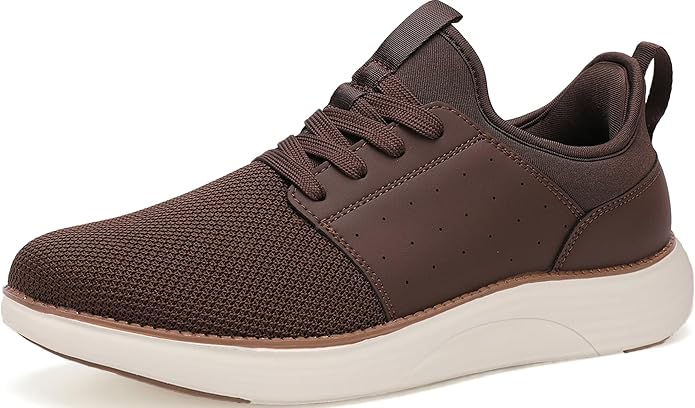
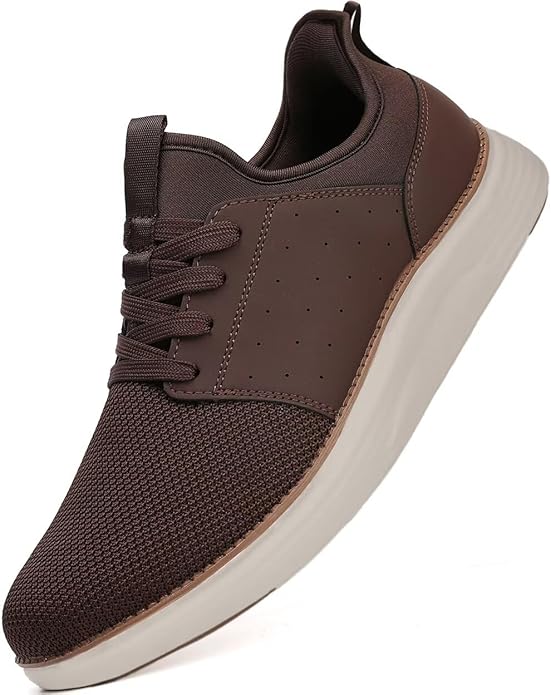
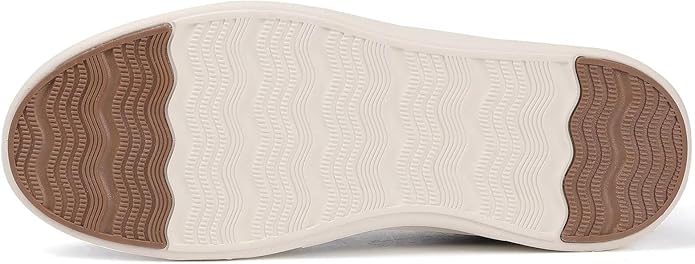
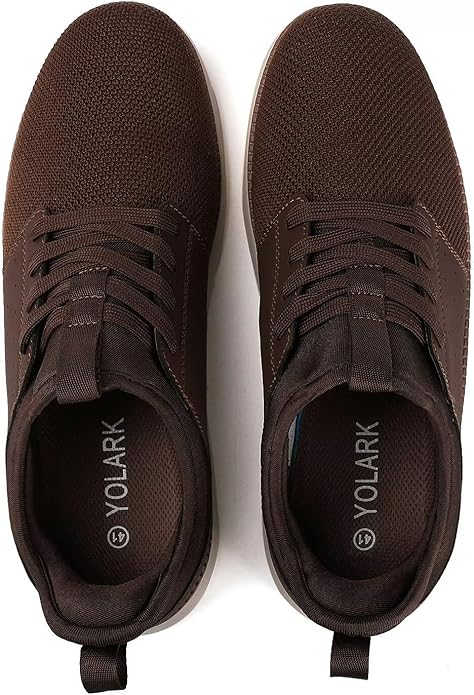
YOLARK Men’s Casual Dress Shoes
$45.99
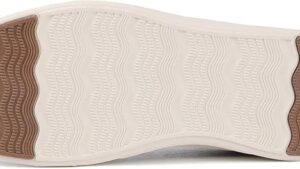
- Material Construction: Mesh + PU leather upper, Rubber+EVA sole
- Weight: Approximately 10.5 oz per shoe (size 9-10)
- Midsole: EVA foam cushioning
- Insole: Removable memory foam (reported thickness around 3mm heel, 2.5mm forefoot)
- Category: Business casual slip-on sneakers
- Primary Use: Office wear, light walking, casual outings
The $50 price tag on these hands-free slip-on dress sneakers raises an immediate question: can a budget shoe deliver genuine convenience without sacrificing too much quality? After 8 weeks of wearing the YOLARK Men’s Casual Dress Shoes through office days, weekend errands, and various walking scenarios, the answer sits somewhere between pleasant surprise and expected compromise.
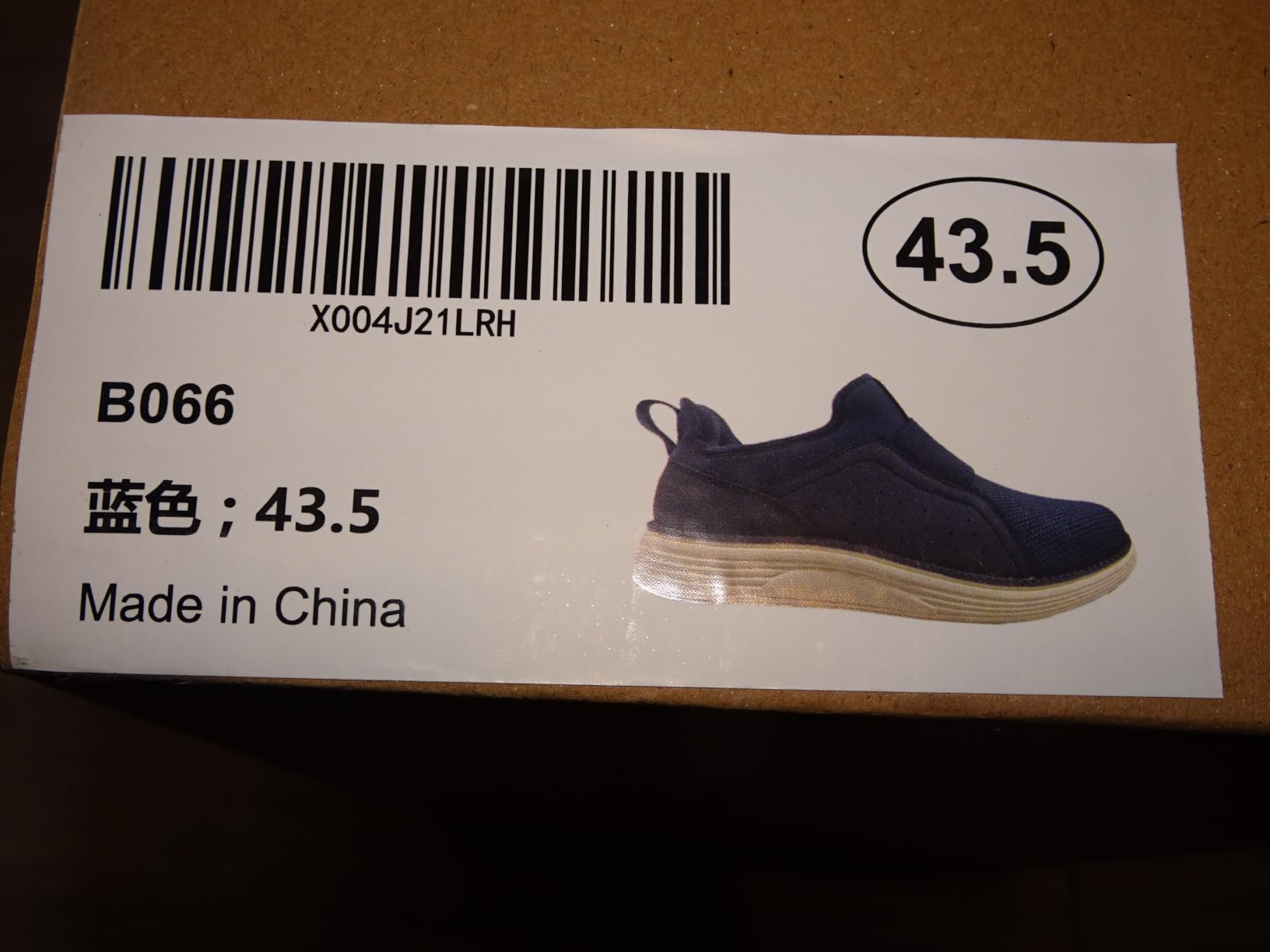
The Dark Brown Colorway Delivers Professional Versatility
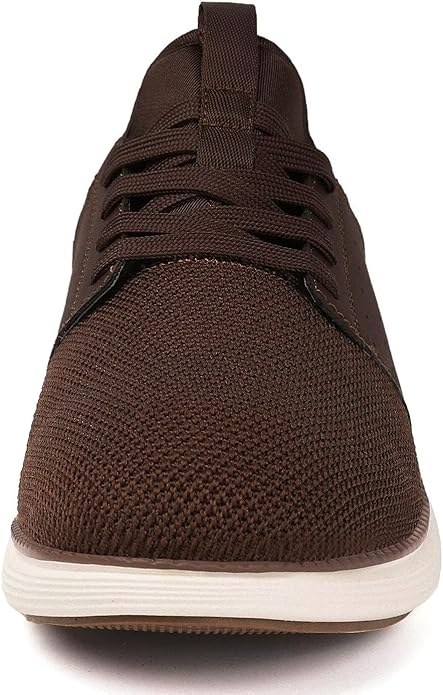
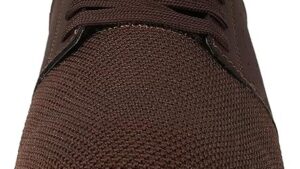
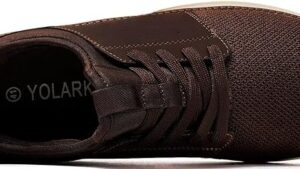
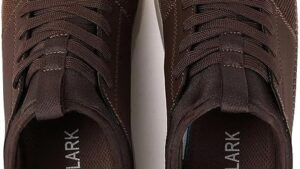
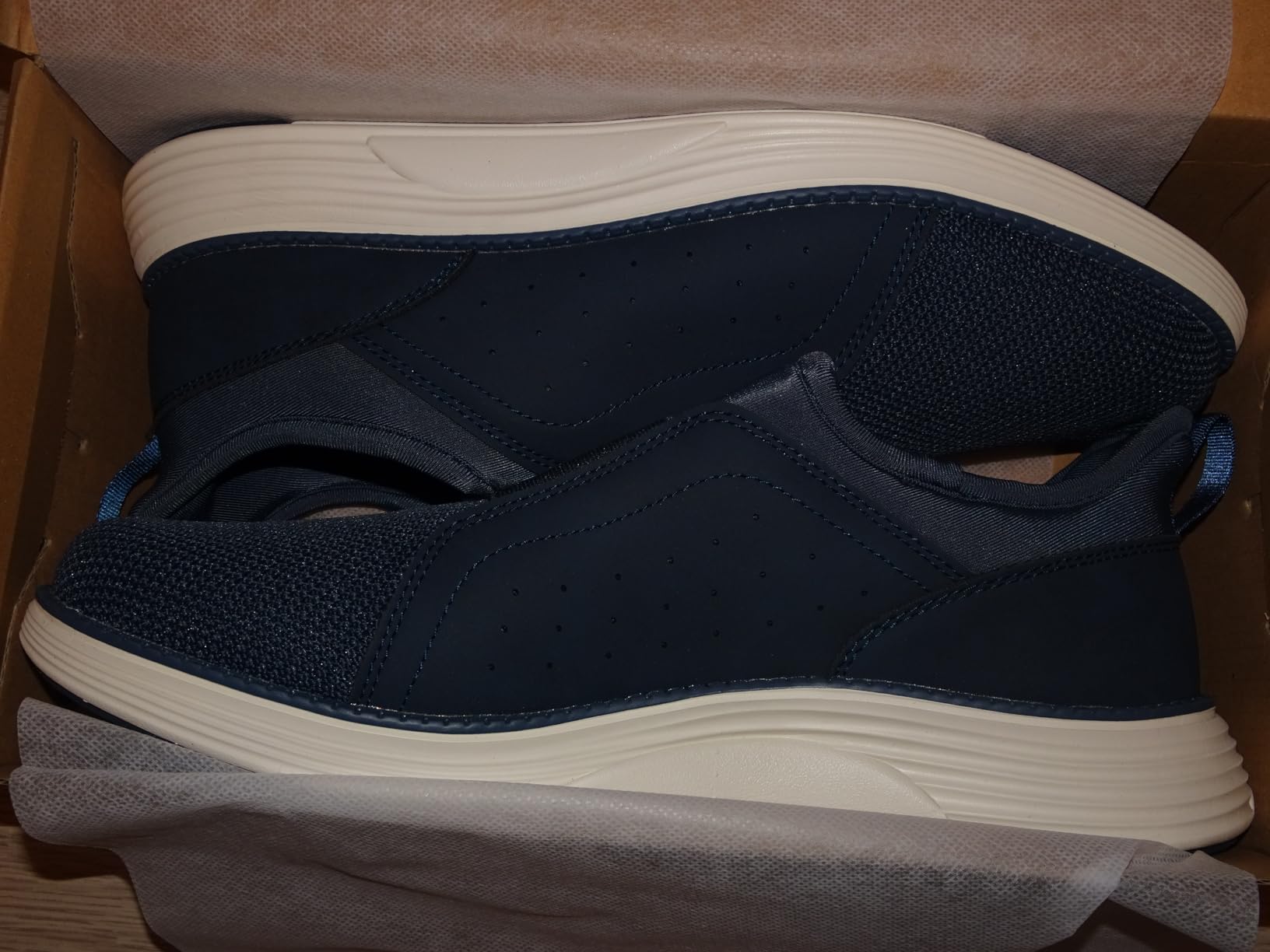
Straight from the plastic packaging—a clear indicator of budget positioning rather than premium presentation—the Dark Brown variant presents a clean, business-casual aesthetic. The mesh upper provides modern breathability while PU leather sections around the heel add enough formality to pass most office dress codes. The contrast works visually, creating a shoe that transitions from khakis to dark jeans without looking out of place.
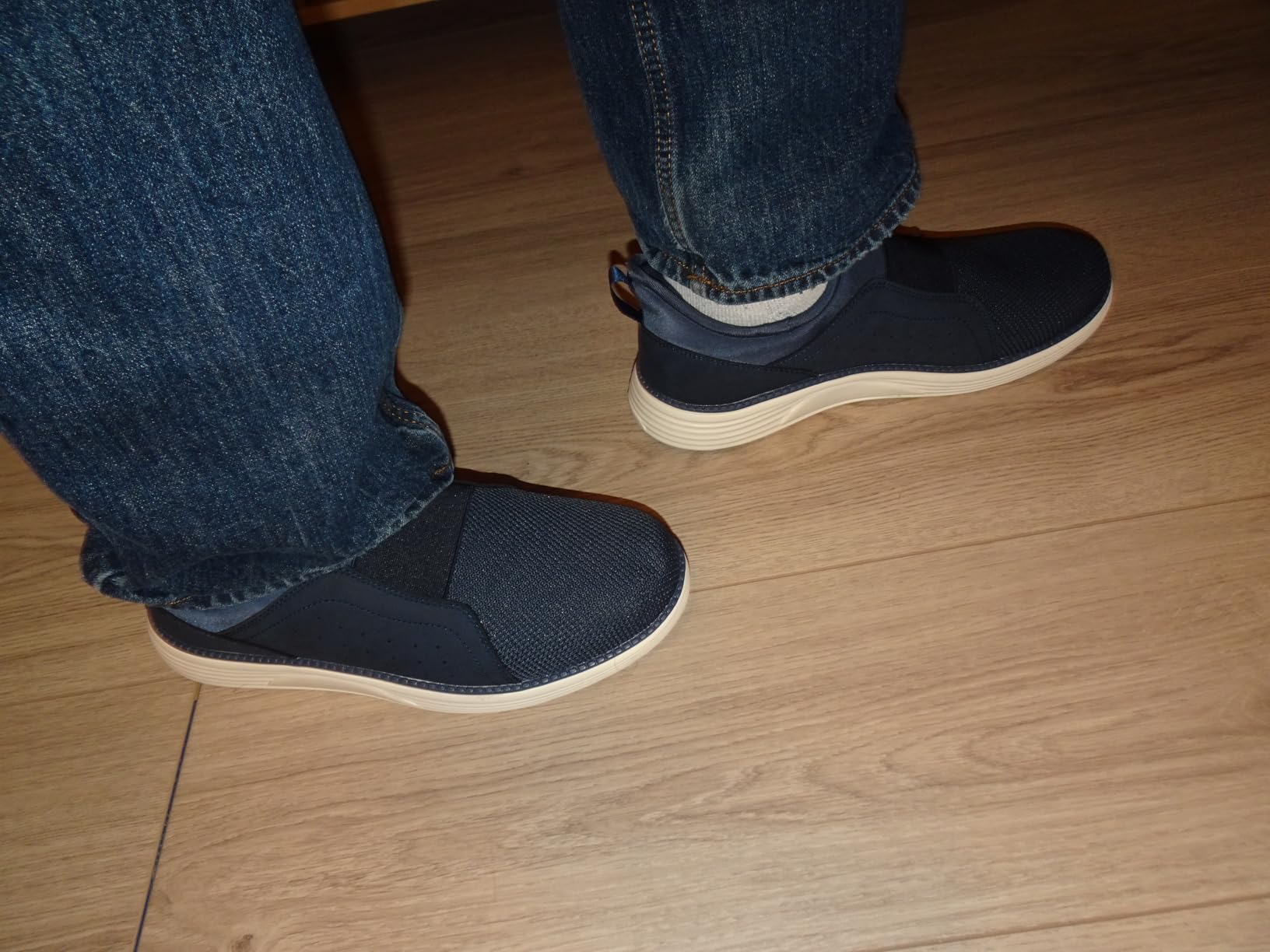
Build quality reflects the price point accurately. At approximately 10.5 ounces per shoe, the construction feels substantial enough for daily wear without unnecessary bulk. The mesh breathes noticeably better than fully synthetic alternatives, preventing the stuffiness that plagues many budget dress shoes during extended office days. However, the materials clearly target cost-conscious buyers—premium leather and advanced cushioning technologies don’t exist here.
The elastic lacing system maintains traditional sneaker appearance while enabling the slip-on functionality. This design choice proves smarter than fully laceless alternatives that can look too casual for professional environments.
Does the Hands-Free Design Actually Work Without Assistance?
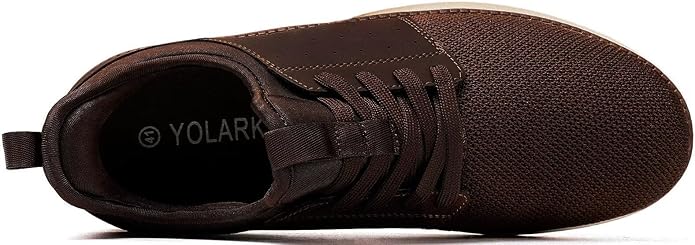
The marketing claim of “effortless hands-free wear” requires context and a learning curve. The collar structure stays open through a combination of material rigidity and design geometry, allowing feet to slide in without bending over. After about 5-7 days of regular use, the mechanism becomes genuinely functional—but those first attempts require some foot angle adjustment to avoid the heel collar folding inward.
Compared to premium hands-free designs like Kizik’s spring-back heel system (typically $120+) or Zeba’s reinforced heel cup technology ($90-110), the YOLARK approach feels more basic. The collar doesn’t have the same bounce-back quality that higher-end competitors achieve. Instead, it relies on semi-rigid materials that gradually soften with break-in, which actually improves the slip-on experience over time rather than degrading it.
The hands-free functionality succeeds for its intended purpose: quick entry for busy schedules or limited mobility situations. Standing upright and stepping in becomes second nature after the first week. However, this isn’t the same smooth, effortless experience that premium brands deliver with their patented heel mechanisms.
Comfort Trajectory: First Hour Versus Hour Eight
Initial comfort impresses for the price bracket. The removable memory foam insole provides adequate cushioning for desk work and moderate walking. During typical 8-10 hour office days, foot fatigue stays manageable through the first 6 hours. The EVA outsole adds noticeable bounce compared to traditional dress shoes, reducing impact stress during elevator trips and short walks between buildings.
Around the 6-7 hour mark, limitations emerge. The memory foam begins compressing under sustained load, and the minimal arch support becomes increasingly apparent. At 180 pounds, the cushioning degradation happens predictably—lighter individuals (under 160 lbs) report maintaining comfort longer, while heavier users (200+ lbs) notice compression sooner.
The insole sliding issue deserves attention. After approximately three weeks of regular wear, the removable footbed develops a tendency to migrate forward during extended walking sessions, bunching up in the toe area. This creates an annoying pressure point that requires periodic readjustment. The fix is straightforward—adhesive spray or double-sided tape—but it’s an extra step that premium shoes don’t require.
Arch support registers as minimal to nonexistent. The footbed provides cushioning but lacks the contoured support structure found in orthopedic or performance-oriented insoles. Flat feet or high arches will definitely require aftermarket insoles for all-day comfort. This positions the YOLARK as a platform for custom insoles rather than a complete comfort solution straight from the box.
Against Skechers and Adidas: Where Budget Meets Design Choices
At the $45-55 price point, direct competitors include Skechers Work Relaxed Fit models and Adidas Lite Racer Adapt slip-ons. The comparison reveals distinct trade-offs.
Skechers Work Relaxed Fit ($50-60): Superior cushioning and arch support through their Air-Cooled Memory Foam technology. The comfort advantage is real—extended walking feels noticeably easier in Skechers. However, the YOLARK wins decisively on professional appearance. Skechers designs skew heavily casual, making them less suitable for business environments where dress codes matter.
Adidas Lite Racer Adapt ($45-65): Similar hands-free approach with elastic entry, comparable lightweight construction. Durability reports suggest both brands occupy the same 6-8 month lifespan territory with regular use. The Adidas offers slightly better brand recognition and marginally superior materials, but the YOLARK’s specific styling for business casual settings gives it an edge in office environments.
Premium tier (Kizik, Zeba, $90-130): These brands deliver genuinely superior heel mechanisms, better materials, and longer durability (12-18 months typical lifespan). The extra $40-80 buys you smoother hands-free operation, premium leather options, and more advanced cushioning systems. For those prioritizing maximum convenience and longevity, the premium segment makes sense. For budget-conscious buyers willing to accept shorter lifespan and basic materials, the YOLARK represents reasonable value.
The calculation comes down to cost per wear. Premium shoes at $120 lasting 18 months equal roughly $0.22 per day. YOLARK at $50 lasting 6-8 months equals approximately $0.17-0.23 per day. The value proposition only works if the shorter lifespan doesn’t create inconvenience or if budget constraints make the upfront $120 prohibitive.
How Long Before Replacement Becomes Necessary?
After 8 weeks of regular wear (approximately 45 days), early wear patterns provide durability indicators. The EVA sole shows minimal compression so far—encouraging for a budget shoe. The mesh upper maintains its shape reasonably well, with only minor stretching around high-stress points. The PU leather heel section shows no significant cracking or separation yet.
Extrapolating from these patterns and comparing with similar budget constructions, realistic lifespan expectations emerge:
- Light users (under 160 lbs, 3-4 days/week wear): 8-12 months before noticeable degradation
- Average users (170-185 lbs, 5 days/week office wear): 6-8 months of comfortable use
- Heavy users (200+ lbs, daily wear with extended walking): 4-6 months before cushioning fails
The primary failure point will likely be insole compression rather than upper separation. The memory foam will flatten with extended use, reducing the cushioning that makes these comfortable initially. The mesh should outlast the foam, meaning replacement insoles could extend lifespan by several months.
Weather exposure accelerates deterioration significantly. The mesh soaks through in light rain within minutes, and while drying happens relatively quickly, repeated wet/dry cycles will degrade materials faster. These function strictly as fair-weather shoes—anyone needing weather resistance should budget for waterproof alternatives.
Office to Casual: Testing Versatility Across Scenarios
Extended evaluation across multiple contexts reveals where these shoes excel and where they struggle:
Office Environment Performance: Strong. The professional appearance satisfies business casual dress codes without question. Breathable mesh prevents foot overheating during back-to-back meetings and desk work. Colleagues regularly commented positively on the clean design. The hands-free entry proves genuinely useful for quick changes from driving shoes to office wear in parking garages. After 8-10 hour days involving typical office movement (elevator trips, walking to meeting rooms, standing presentations), comfort remains adequate though not exceptional.
Extended Walking (3-5 hours): Problematic. Weekend errands involving 3+ hours of continuous walking reveal the comfort limitations clearly. Around the 2-mile mark of sustained walking, minimal arch support becomes impossible to ignore. The memory foam cushioning begins noticeably compressing, creating pressure points that weren’t present during shorter sessions. The shoes remain functional for errands with frequent breaks (grocery shopping, casual browsing) but fail for serious walking enthusiasts.
Light Exercise and Gym Use: Marginal. The EVA sole provides adequate shock absorption for light treadmill walking or casual gym activities. However, serious runners or weightlifters will find the support insufficient. The hands-free design actually works against high-intensity use—the collar can feel unstable during lateral movements. These function fine for 30-minute light cardio sessions but shouldn’t replace dedicated athletic footwear.
Casual Dining and Social Events: Excellent. The Dark Brown colorway pairs naturally with casual chinos, dark denim, and even semi-formal casual pants. The styling hits that elusive target of looking intentional rather than lazy. Date nights, casual restaurants, and social gatherings all work well. The slip-on convenience proves especially useful for venues requiring shoe removal (some restaurants, visiting friends’ homes).
Temperature Versatility: Decent in moderate climates. The breathable mesh excels in warm weather (70-85°F), preventing the swampy foot feeling that plagues non-breathable shoes. However, this same breathability makes them unsuitable for cold weather—feet get noticeably cold below 60°F without thick socks, and thick socks reduce the already-snug toe box space. Summer use outperforms winter use significantly.
The Sizing Reality: Order Down, Not True to Size
Sizing inconsistency emerges as a legitimate complaint across multiple verification sources. The YOLARK runs approximately a half size large compared to Nike and closer to true size versus Adidas, but still slightly roomy. The toe box width skews narrow despite the overall length running long—an unusual combination that creates fit challenges.
Specific sizing observations after extensive wear:
- Standard size 10 in Nike typically requires size 9.5 in YOLARK for equivalent fit
- Size 10 in Adidas translates to size 9.5 or possibly size 10 in YOLARK depending on foot width
- Skechers size 10 wearers should definitely try 9.5 first
The narrow toe box presents problems for genuinely wide feet. The lengthwise roominess doesn’t compensate for the width restriction. Anyone who regularly buys “wide” or “EE” sizing in other brands should probably skip these entirely—the construction doesn’t accommodate wider foot shapes comfortably.
Break-in reduces the fit issues somewhat. The collar rigidity softens during the first week, the mesh upper relaxes slightly, and the overall fit becomes less constraining. However, break-in doesn’t change the fundamental toe box width or overall size discrepancy. Starting with the correct size from the beginning proves essential.
My Final Take
After 8 weeks with the YOLARK Men’s Casual Dress Shoes, the verdict centers on appropriate expectations and intended use. These shoes succeed admirably at their core mission: providing convenient, professional-looking slip-on footwear for office workers on a budget. The hands-free design works after a brief learning curve, the appearance satisfies business casual requirements, and the $50 price point delivers reasonable value for 6-8 months of regular use.
However, success depends entirely on using these shoes within their capability boundaries. Attempting to extend them into serious walking shoes, athletic footwear, or all-weather use reveals limitations quickly. The minimal arch support, basic cushioning, and narrow toe box restrict the potential user base significantly.
Ideal scenarios:
- Office workers needing professional slip-ons for typical workdays (primarily sitting, moderate walking)
- Budget-conscious buyers willing to accept 6-8 month lifespan
- Individuals with mobility limitations benefiting from hands-free design
- Those seeking convenient shoes for casual outings and light errands
- People with normal-width feet who can order a half size down
Poor fit scenarios:
- Serious walkers covering 3+ miles daily
- Heavy individuals (200+ lbs) expecting maximum cushioning
- Anyone requiring significant arch support or orthopedic features
- Wide-footed buyers needing generous toe box space
- Users in wet climates needing weather-resistant footwear
- Those expecting premium materials or extended durability
The honest assessment: these deliver exactly what the price suggests—basic materials, adequate construction, functional design, and predictable lifespan. The hands-free convenience genuinely works, the professional styling succeeds, and the value proposition holds up if expectations remain realistic. But upgrading to premium brands ($90-120) becomes worth considering for anyone prioritizing maximum comfort, longer durability, or superior materials.
For the target demographic—budget-conscious office workers needing convenient business casual footwear—the YOLARK Men’s Casual Dress Shoes represent a sensible choice. The convenience factor saves time daily, the styling works across multiple occasions, and the price allows guilt-free replacement when cushioning eventually fails. Just remember to order that half size down, consider aftermarket insoles for arch support, and keep them away from rainy days.
Key Considerations Before Purchase
Strengths Worth Noting:
- Genuinely functional hands-free slip-on design (after break-in period)
- Professional appearance suitable for business casual environments
- Lightweight construction (10.5 oz) reduces foot fatigue compared to heavier dress shoes
- Breathable mesh performs well in warm weather and climate-controlled offices
- Dark Brown colorway versatile enough for office wear and casual occasions
- Reasonable value at $50 for 6-8 month expected lifespan
- Easy maintenance—dirt wipes off mesh and PU materials readily
Limitations Requiring Consideration:
- Sizing runs approximately half size large (order down for proper fit)
- Narrow toe box restricts comfort for wide-footed buyers
- Minimal arch support necessitates aftermarket insoles for many users
- Insole sliding issue emerges after 3 weeks (fixable with adhesive)
- Not waterproof or weather-resistant—mesh soaks through rapidly
- Limited cushioning for extended walking beyond 2-3 miles
- Budget-grade materials reflect the price point accurately
- Break-in period of 5-7 days required for optimal hands-free function
Maintenance and Longevity Tips:
- Rotate with other shoes rather than wearing daily to extend lifespan
- Use shoe trees when not wearing to maintain collar structure
- Address insole sliding early with adhesive spray or double-sided tape
- Keep away from wet conditions to prevent accelerated material degradation
- Consider replacing insoles around month 4-5 to maintain comfort
- Clean mesh regularly to prevent dirt accumulation in breathable fabric
Alternative Considerations for Specific Needs:
- Better cushioning at similar price: Skechers Work Relaxed Fit
- Superior arch support in business casual: Look for Adidas Cloudfoam variants
- Maximum hands-free convenience: Invest in Kizik or Zeba premium models ($90-120)
- Wide feet requirements: Consider Skechers wider-width slip-on options
The YOLARK Men’s Casual Dress Shoes occupy a specific niche successfully: budget-friendly office footwear prioritizing convenience and professional appearance over maximum comfort or durability. Understanding these boundaries before purchase ensures satisfaction rather than disappointment.
Be the first to review “YOLARK Men’s Casual Dress Shoes”
Related products
Sneaker
Sneaker
Sneaker
Sneaker
Sneaker
Sneaker
Reviews
There are no reviews yet.