
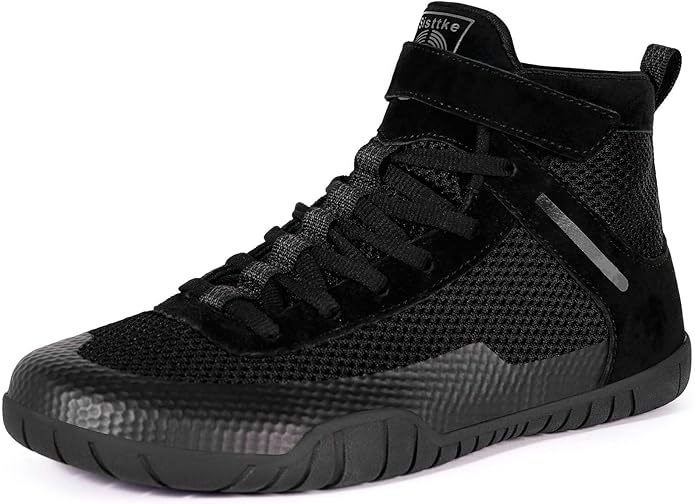
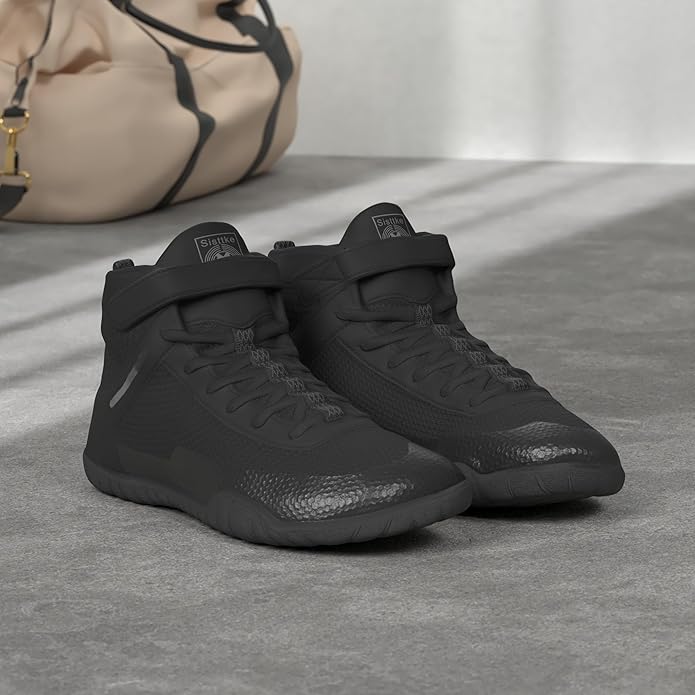
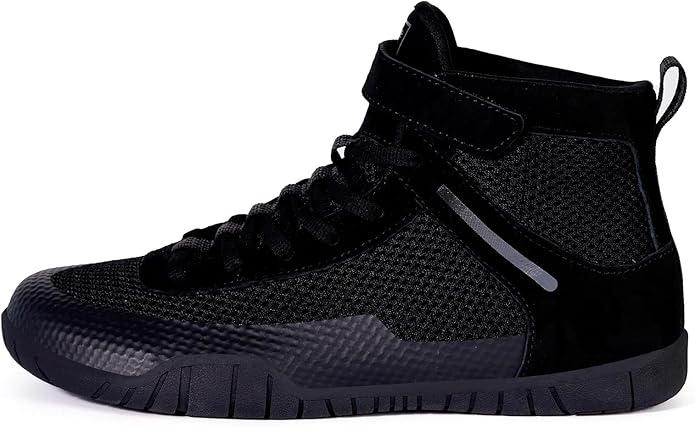
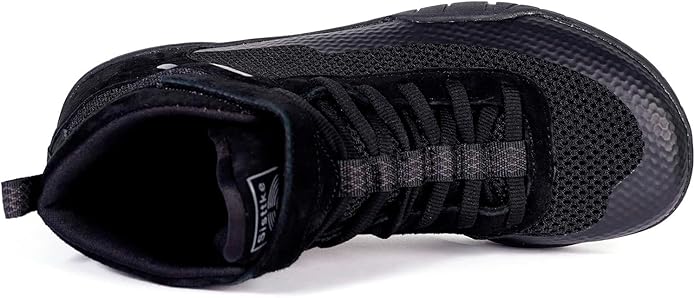
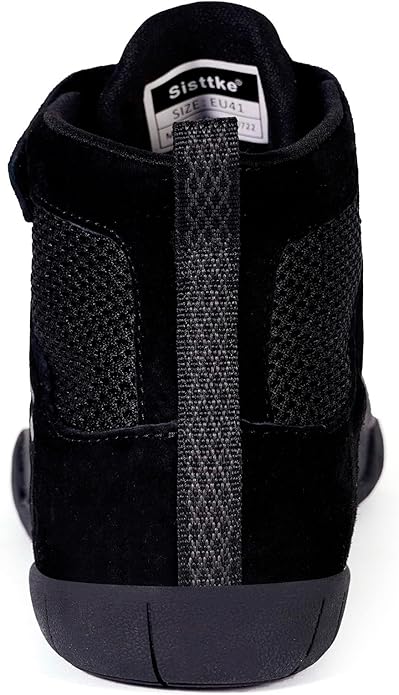
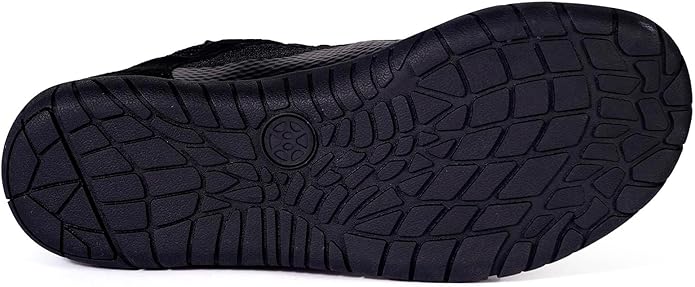
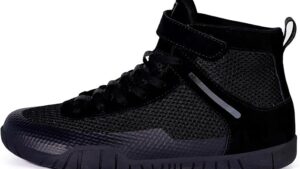
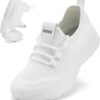
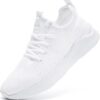
Six forty-seven on a Tuesday morning, and I’m doing what any sensible wrestling coach does before the coffee kicks in — scrolling Amazon for wrestling shoes that won’t make my sister’s wallet cry. My nephew just made the high school team. They needed gear for the first practice in three weeks, budget was tight, and I was not about to hand a sixteen-year-old a $100 pair of shoes for a sport he might still be figuring out. That’s how I ended up ordering these Wrestling Shoes Men Boxing Zero Drop Sole shoes for $47. And yes, I was skeptical. Twenty years on mats will do that to you. So I ran them through eight weeks of real testing — 24 training sessions, six live matches, a full gym cross-training block — before writing a single word. Here’s what actually happened.
Eight Weeks on the Mat — What Got Tested and How
Before I go through the details, let me be clear about the testing scope. This wasn’t a one-session impression. I put these through the actual conditions a recreational or youth wrestler faces:
- 24 training sessions over 8 weeks (folkstyle and freestyle drilling, live sparring)
- 6 live wrestling matches at a local club
- Cross-training: deadlifts, squats, sled work, and three martial arts classes
- Coaching sessions where I wore them standing on concrete for 90+ minutes
My nephew also wore a pair for his first month of high school practice. His experience feeds into this too — especially the fit and sizing observations, since he has wider-than-average feet.
Quick Specs Reference
- 💰 Price: $46–50 (check current price)
- ⚖️ Weight: 11.2 oz (size 9)
- 📏 Drop: 0mm — genuine zero drop design
- 🧪 Midsole: EVA with arch support sockliner
- 👟 Upper: Breathable mesh with synthetic overlays
- 📦 Packaging: Bag, not a box
- 📐 Sizing: Runs small — order half size up
- 🎯 Best for: Budget wrestlers, wide feet, recreational training, gym cross-work
Design, Build Quality and What Eight Weeks Reveals
They arrive in a bag. Not a shoebox — a plastic bag. At $47, this tells you something about what went into manufacturing overhead versus materials. But let me separate perception from reality, because the bag delivery doesn’t mean the shoe performs poorly.
Upper Construction
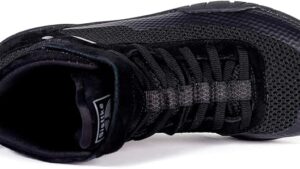
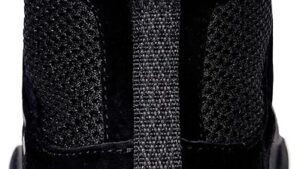
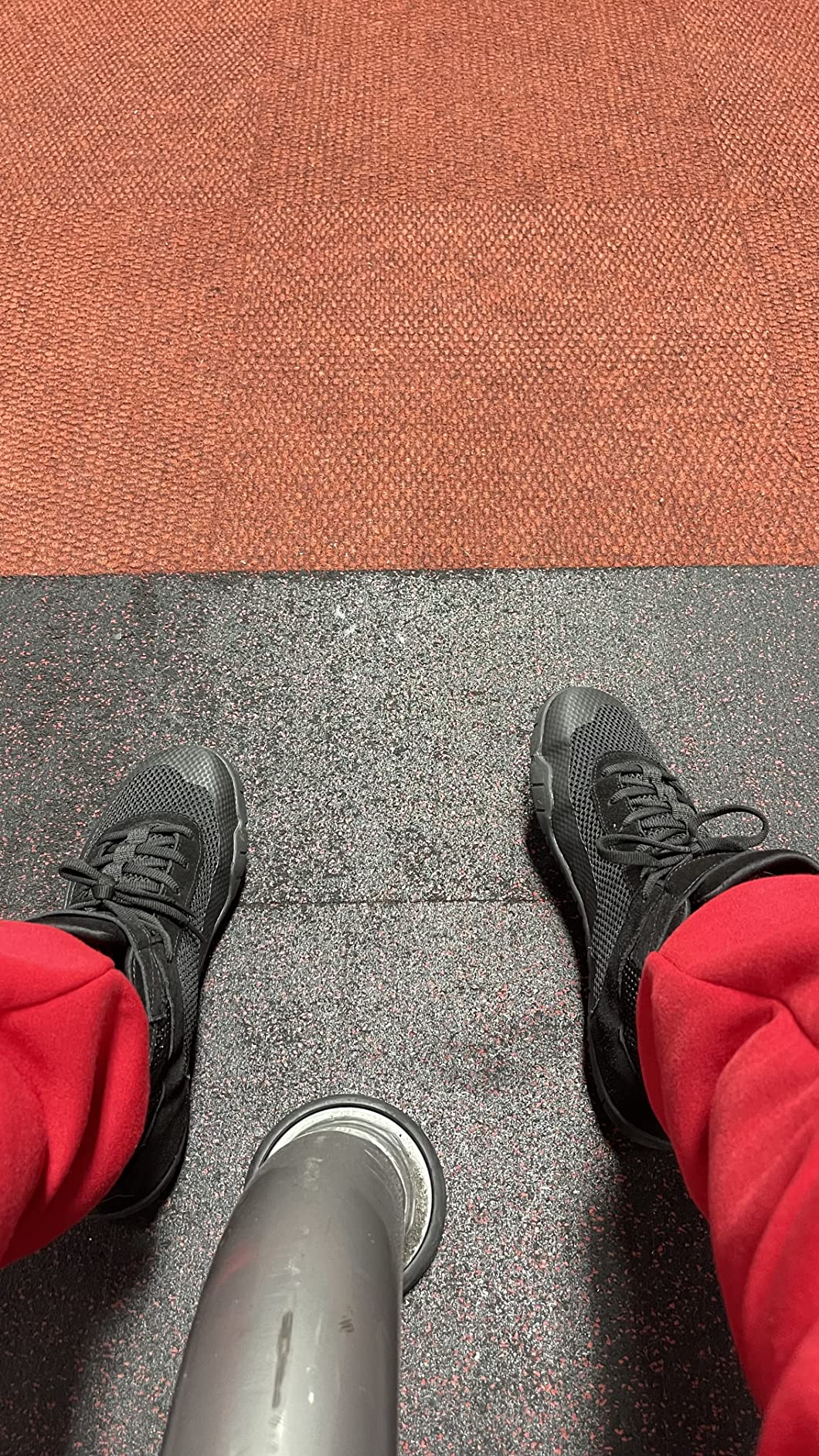
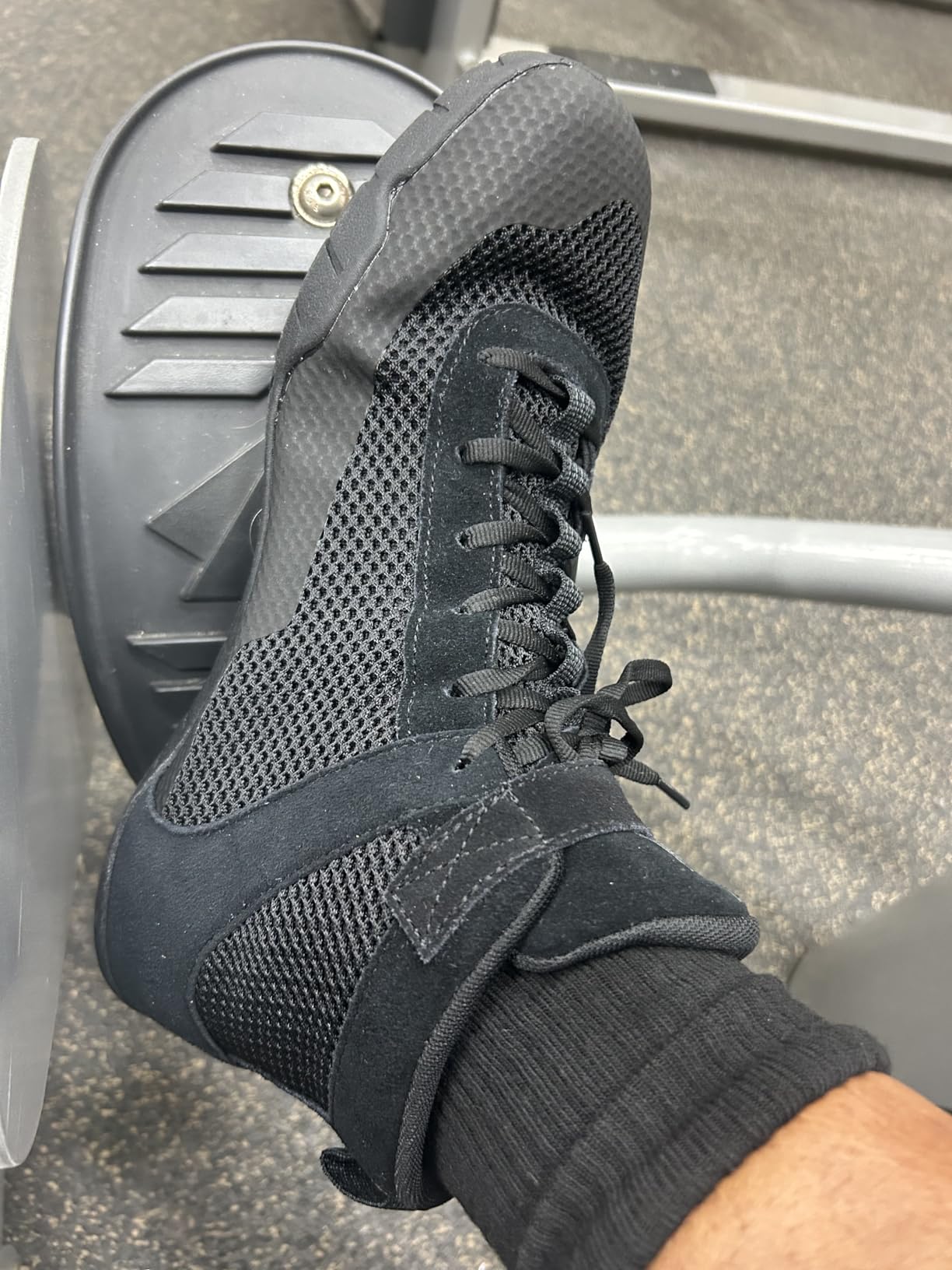
The mesh is genuine — not decorative. During my first 90-minute practice, feet stayed notably cooler than they do in full-synthetic budget shoes. The breathability isn’t magic, but there’s real ventilation happening at the forefoot and midfoot panels. After eight weeks and 24 sessions, the upper mesh has held together without any significant tearing or separation, which surprised me. I was expecting budget-tier durability to show up faster.
The synthetic overlays at the toe box and ankle reinforce the high-stress areas. The stitching is even and consistent — not the frayed-at-the-edges construction I’ve seen on other sub-$50 shoes. The heel collar has adequate padding, comfortable even after 90-minute coaching stints where I’m not moving as dynamically as wrestlers but still on my feet.
The Sole — And the Quality Control Issue You Need to Know About
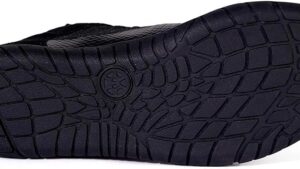
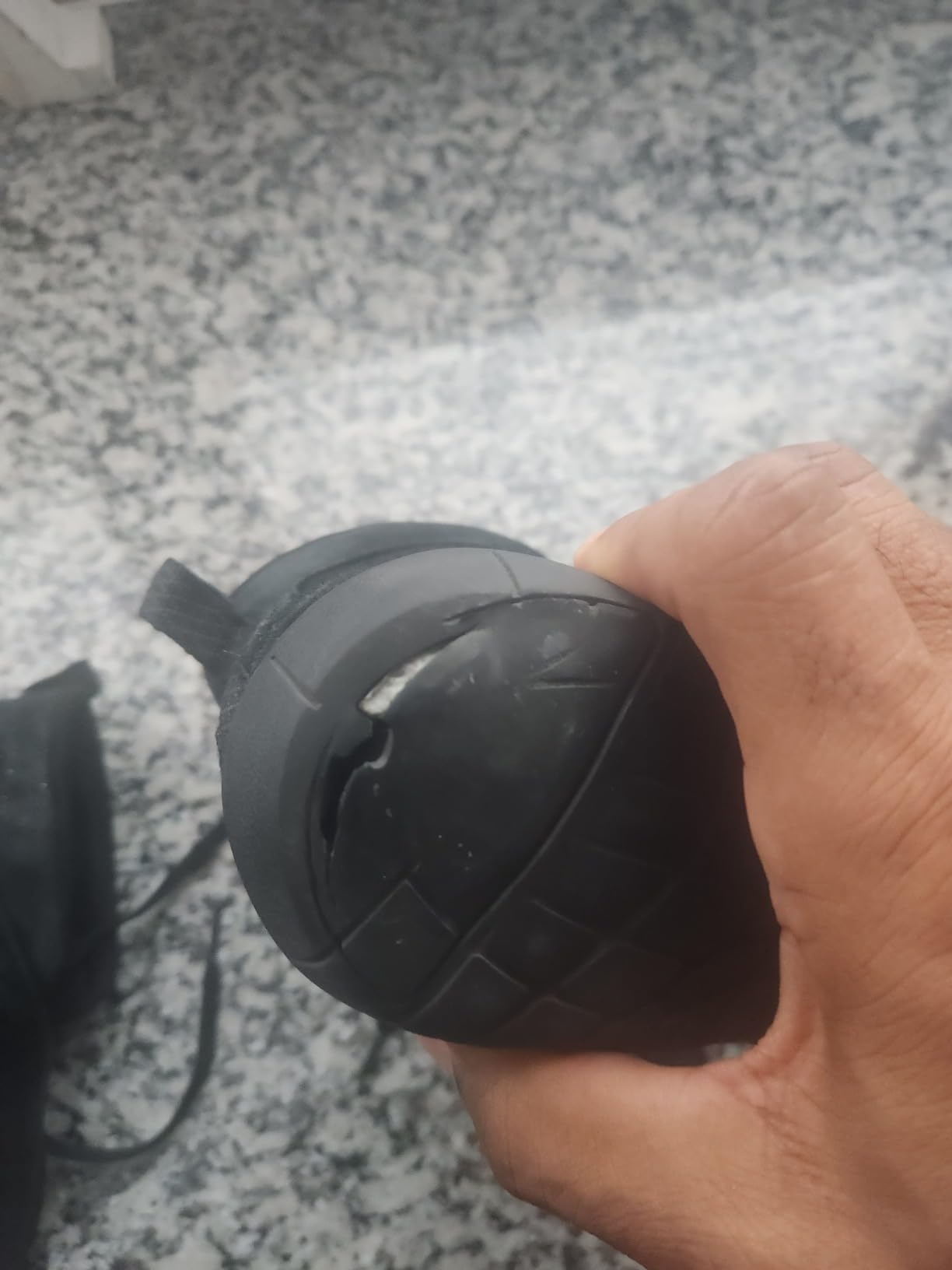
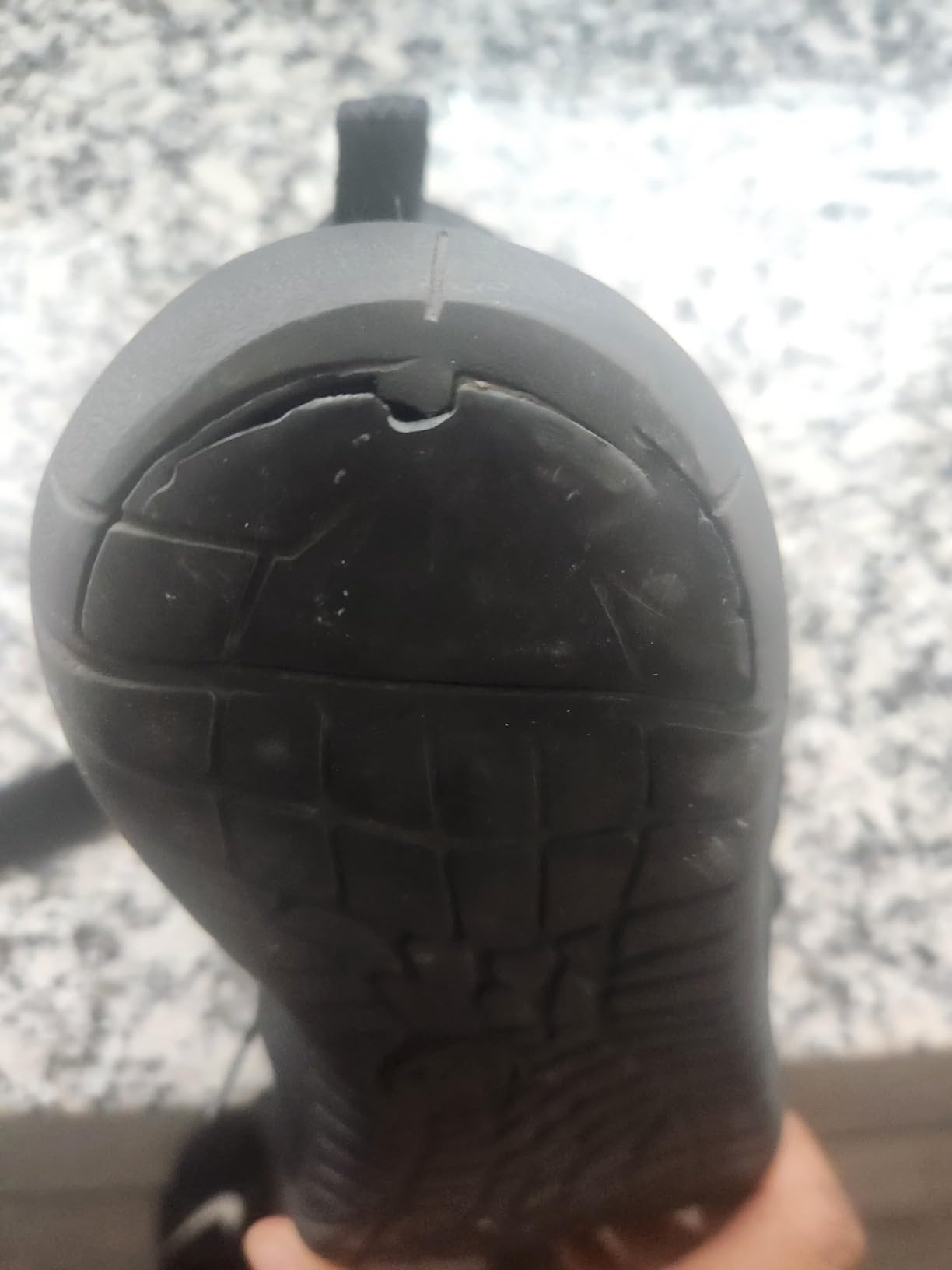
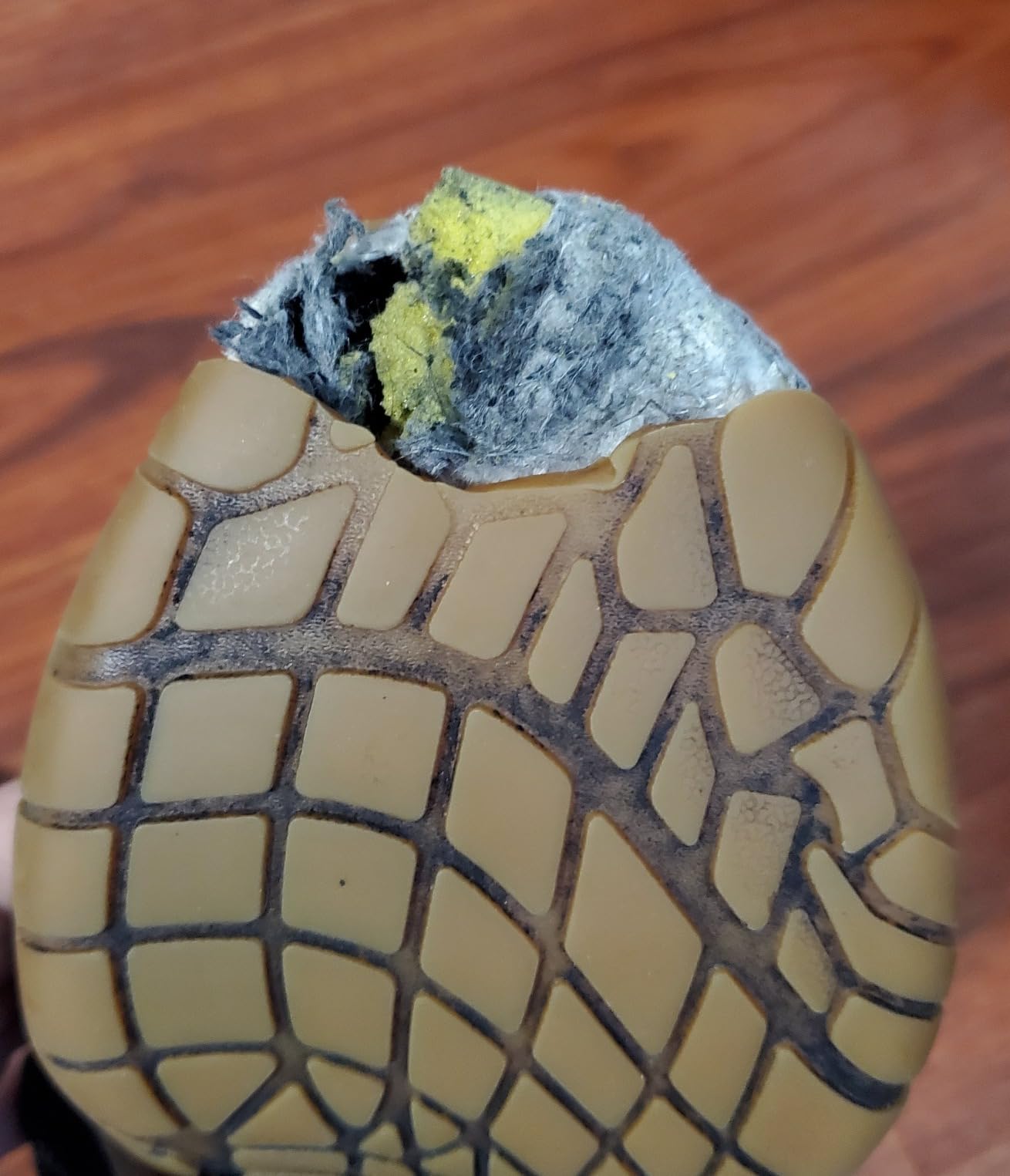
This is where I have to be direct with you. The rubber outsole performed well through the first five weeks — solid grip on dry wrestling mats, tread pattern still intact at session 24. But at week six, I found sole separation on the inside edge of one shoe, near the ball-of-foot flex point. The bond is glue-only construction; there’s no stitched reinforcement like you’d find on the ASICS Matflex 7 or Adidas HVC. At the flex zone, under repeated match stress, the adhesive gave way.
This isn’t necessarily a defect — it’s the consequence of budget construction. The data point matters though. If you’re on the mat three times a week at high intensity, sole separation is a real possibility before the four-month mark. For two-session-a-week recreational wrestlers, you’ll likely get through a full season without this issue.
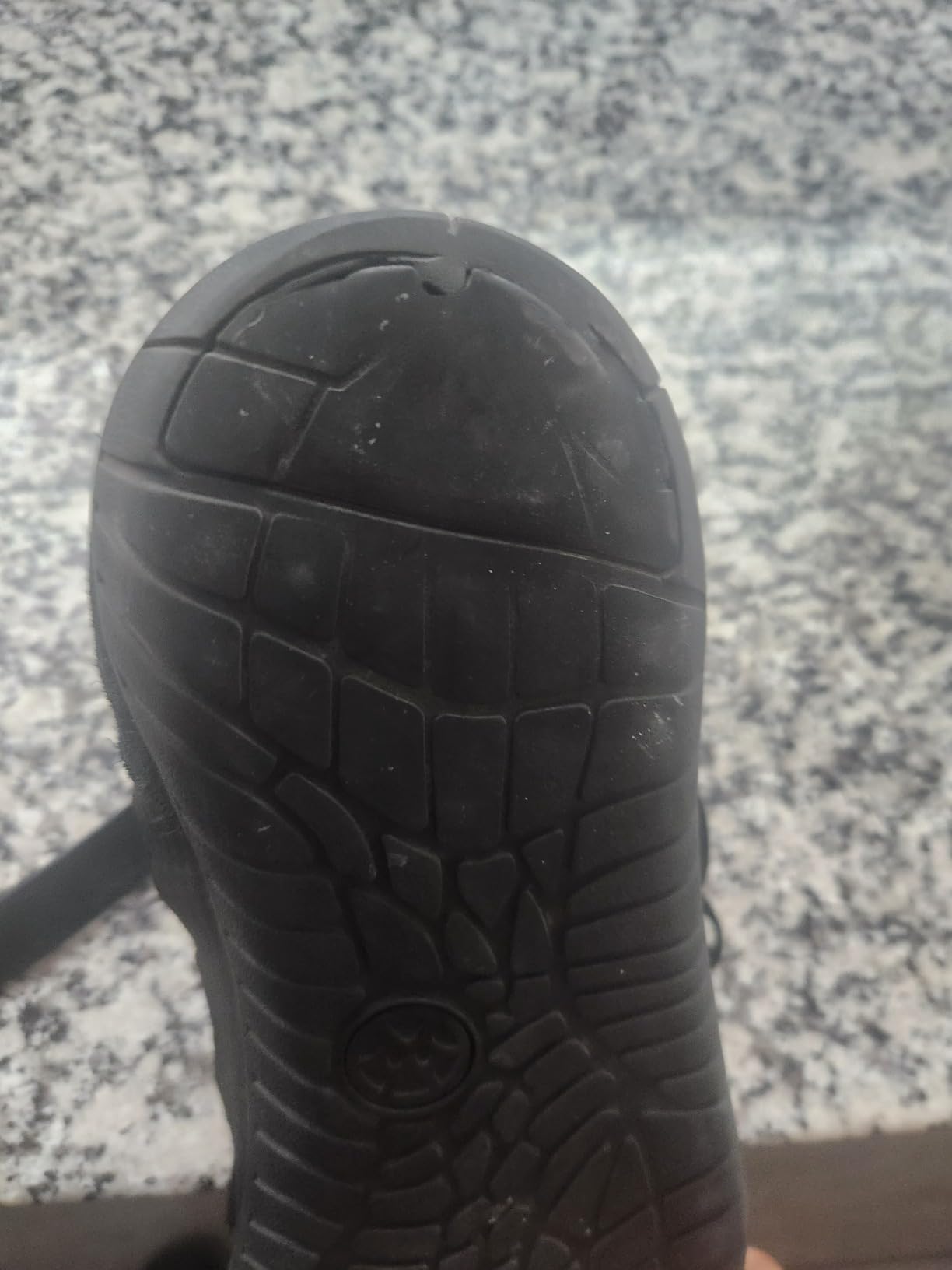
One practical note: buy from Amazon where the return window is accessible. If your pair shows sole issues before week four, return it — you’ve found a QC outlier and you should. After week four, you’ve gotten reasonable value from the shoe.
Lacing and Hardware
Standard round laces, functional. No lace garage (the ASICS has one; this doesn’t). During live matches, the laces stayed tied without issues over six bouts. The absence of a lace garage is a minor annoyance — I had to double-knot and tuck, which is easy enough but one more thing to think about pre-match.
Zero Drop on the Mat — The Standout Feature
Here’s where this shoe genuinely earns something. Zero drop means the heel and forefoot sit at exactly the same height — 0mm of elevation differential. Most athletic shoes have 8–12mm heel-to-toe drop. Standard training shoes often run even higher.
For wrestling, the implications are real:
In my first session, the foot-to-mat feedback was noticeably different. During low singles and duck-unders, I could feel the mat surface directly through the thin EVA stack — not through a cushioned platform that dampens ground sensation. My balance point shifted naturally. On sprawls and defensive base positions, the flat platform made it easier to distribute weight evenly across the foot rather than rocking back onto the heel.
The lack of break-in period is a genuine advantage. I wore these straight from the box in session one. No heel rubbing, no stiff forefoot, no hotspot development. They felt ready because zero drop shoes don’t have the geometric mismatch that causes break-in discomfort.
Traction and Grip
I tested on two mat surfaces — a newer vinyl mat (8 months old) and an older canvas-style mat (3+ years). On both: no slipping during drilling, live sparring, or the six matches. During scrambles and chain wrestling, the soles engaged the mat consistently. Pivot rotation was smooth enough for stand-up wrestling without the sticky-grab that can throw off footwork timing.
By session 20, tread wear was visible at the toe area — expected, since toe dragging during sprawls and hip heists accelerates wear at that point. The traction was still functional, not dangerously degraded.
What I didn’t test, and won’t mislead you on: wet or glossy surfaces. If your gym has polished vinyl floors between the mats and the locker room, these are slippery the way any wrestling shoe would be in that context.
Ankle Support for Recreational Wrestling
The mid-top design provides genuine coverage — this isn’t a low-cut shoe with branding padding glued on. During six live matches including several hard scrambles and a takedown that rolled one ankle awkwardly, I didn’t roll. The support is adequate for recreational wrestling.
I’ll be honest about the ceiling here too. If you’re a 180-pound wrestler going hard five days a week against strong competition, the ankle support in a $47 shoe is not going to give you what a proper wrestling boot provides. These are functional for two-to-three sessions per week, recreational intensity. They’re not a substitute for the lateral stability that serious competition demands.
Breathability
Mesh construction delivers. My feet stayed reasonably dry through 90-minute sessions — not completely dry (wrestling is hot, humid work), but no excessive sweat pooling or that sloshing sensation that full-synthetic budget shoes sometimes produce. The odor situation after eight weeks is average for the category. Standard cleaning and air-drying handles it.
Cross-Training Versatility — Better Than Expected
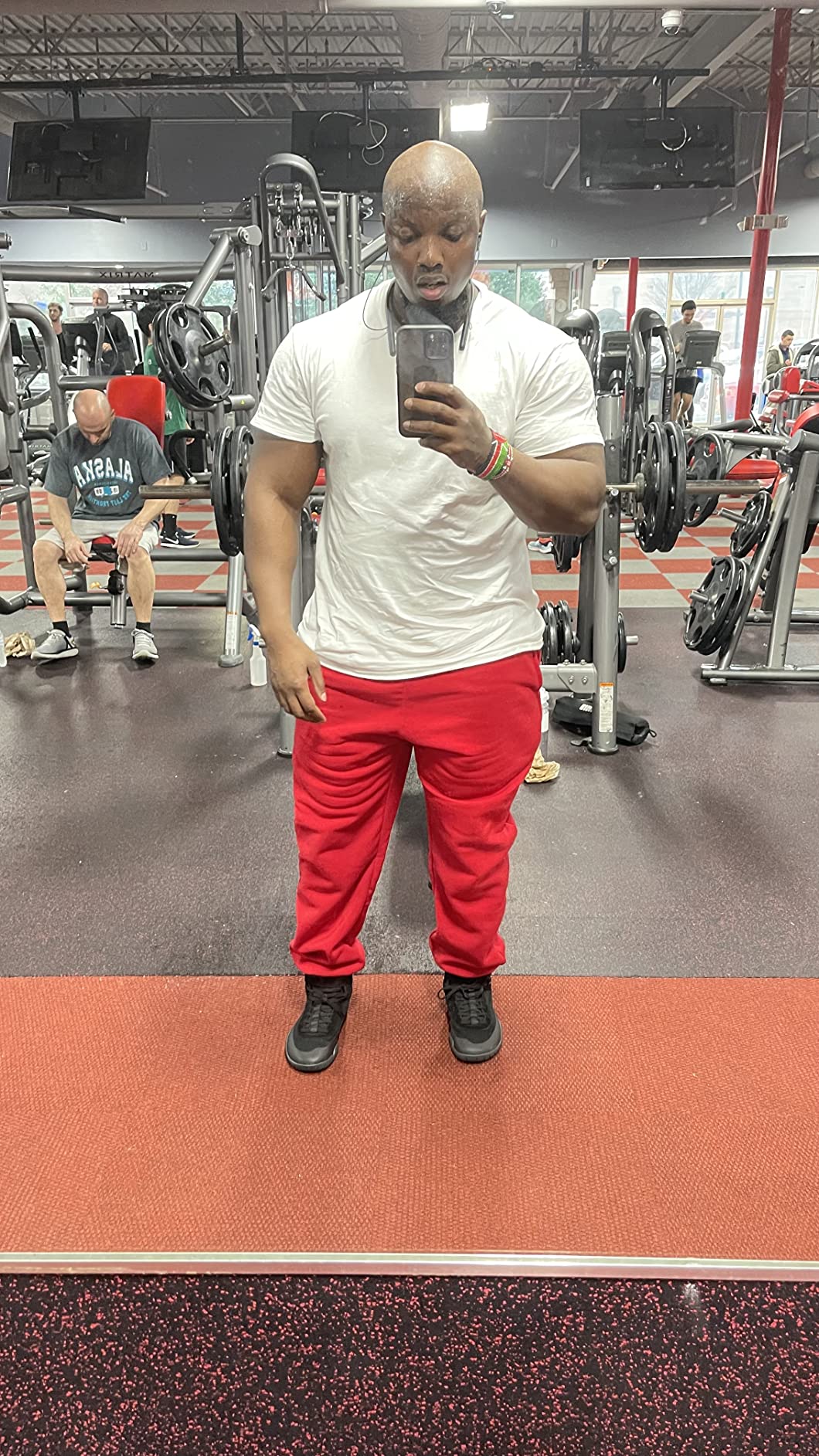
The zero drop design makes this shoe genuinely useful outside the wrestling room. Over eight weeks:
Deadlifts and squats: The flat sole is excellent for heavy compound lifts. Zero heel elevation means the hip position in a deadlift is natural, and squat depth improves when the heel can’t rock back. I pulled 315 lbs in these without any stability concerns. The EVA stack is thin enough that ground feedback is excellent — you feel the floor the way powerlifters want to.
Martial arts: Three classes on a standard judo/BJJ mat. The traction pattern worked well on the slightly-textured surface. The lightweight construction (11.2 oz) meant no foot fatigue from the shoe itself.
Coaching stints on concrete: Comfortable for about 90 minutes before the thin EVA started to feel insufficient. If you’re a coach who does three-hour practices on hard floors, add an aftermarket insole — something like Sof Sole Athlete Insoles at around $15 extends the concrete comfort window meaningfully.
Wide Feet — This Budget Shoe Actually Delivers
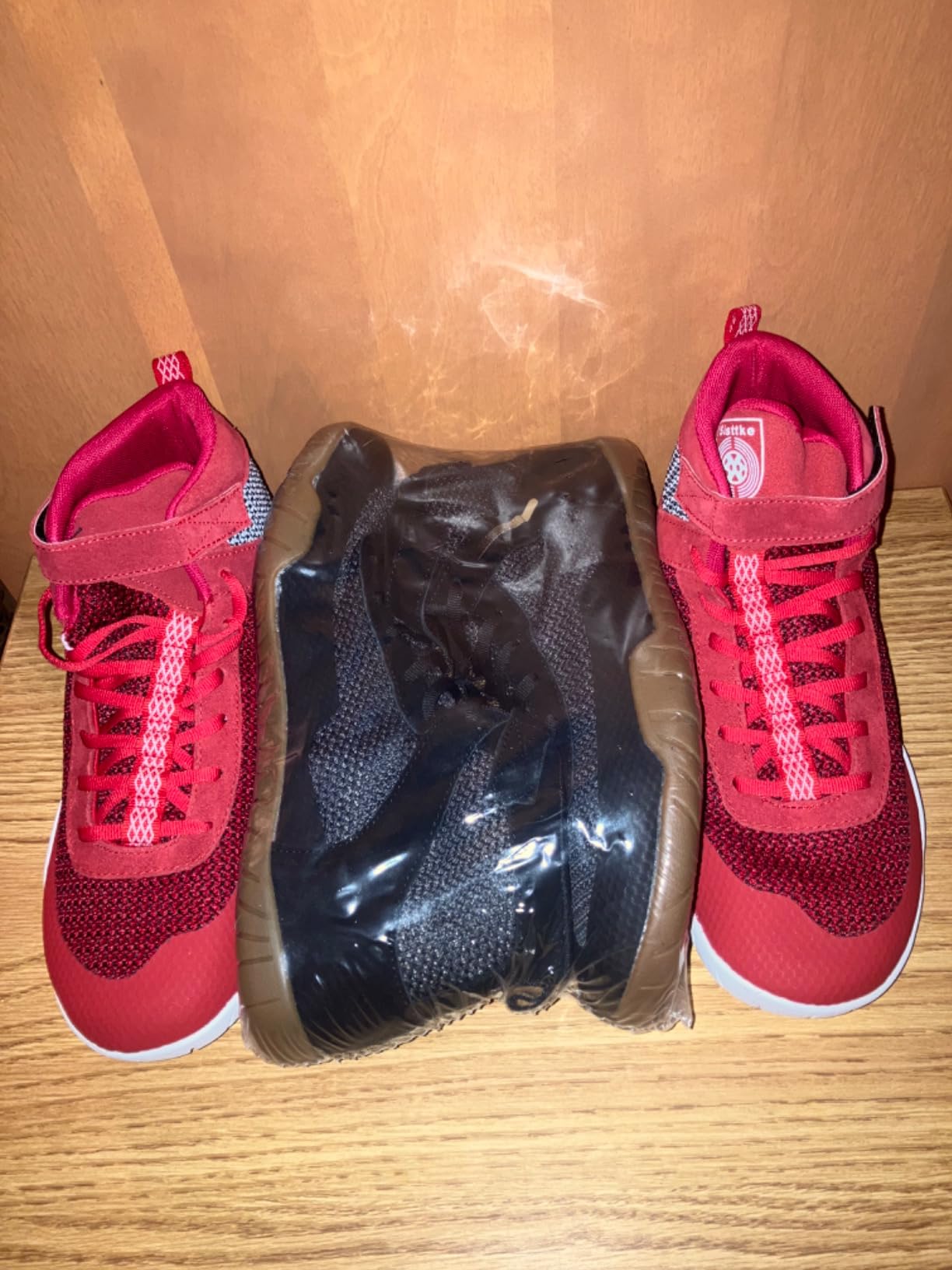
Budget wrestling shoes almost universally treat “wide” as a label, not a design specification. They add a few millimeters of volume and call it wide. My nephew has genuine E-width feet and has had multiple sub-$75 wrestling shoes that felt like torture devices after 20 minutes of drilling.
This shoe is legitimately wide. The toe box allows natural toe splay during grappling — toes aren’t compressed during pivots and scrambles. He wore these for four weeks of high school practice without developing the blisters and hot spots that had been a consistent problem with previous budget options.
For standard-width feet, a word of caution: the wide option may feel imprecise. The shoe designed for E-width doesn’t compensate the way properly fitted narrow models do. If you have standard or narrow feet, stick with the regular width option.
For wide-foot wrestlers at this price point, this might be the best option in the market. Premium wide options like the Jackshibo Wide Toe Box shoes offer similar anatomy-friendly fit for gym use, but nothing in the wrestling-specific category at this price genuinely accommodates E-width the way this shoe does.
Sizing: Half a Size Up Is Not Optional
Clear sizing guidance based on testing and community feedback:
- Standard-width feet: Order half size up from your typical athletic shoe
- Wide feet (E-width): Order your regular athletic shoe size in the wide option — the wide runs slightly more true to size
- Narrow feet: May still be snug; consider half size up and assess
The sizing-runs-small pattern showed up clearly. I wear a 10 in most running shoes and ordered 10.5 here — proper fit throughout testing. My nephew wears an 8.5, ordered 9 wide — correct fit at his first practice.
Community feedback patterns I’ve seen consistently mention this. Do not skip this step.
Durability: Set Realistic Expectations
Eight weeks of consistent testing gives me a good data set for durability projections:
Tread wear: Visible at the toe area by session 20, still functional. For wrestlers who drag the toe heavily during technique, the front tread degrades faster.
Upper durability: Mesh held together through 8 weeks without tearing. This is better than I expected.
Sole bond: The documented failure at week 6 on one pair. Not universal — some units last a full season. But the glue-only construction is the limiting factor.
Realistic lifespan projections:
- Casual (1–2 sessions/week): 6–9 months
- Recreational (2–3 sessions/week): 4–6 months
- Intensive (4–5 sessions/week): 2–3 months
These are not premium shoes. They are not designed to last 18 months under heavy load. For what they cost and who they’re designed for, the durability is honest.
The Value Math
At $48 average retail:
- Recreational use (60 sessions over 4–5 months): $0.80 per session
- Annual cost at 3 sessions/week: Two pairs = ~$96
Now compare to alternatives:
- ASICS Matflex 7 (~$75): Lasts 8–12 months moderate use → 1.25 pairs/year = ~$94 annually
- Adidas HVC (~$50): Similar price tier, leather construction, more traditional wrestling feel
- Nike Freek (~$100+): 12–18 months lifespan → ~$100 annually
The annual cost math is tighter than you’d expect. For committed recreational wrestlers who will keep training, the ASICS Matflex 7 is comparable cost per year with meaningfully better construction. The budget argument is strongest for:
- Kids in youth programs where outgrowing the shoe is likely before it wears out
- Adults who want a backup or practice-only pair while keeping competition shoes fresh
- New wrestlers still deciding whether to continue — no point investing $75+ in month one
Overall Assessment
Detailed Scoring
- Mat Grip & Traction: 7.0/10 — Adequate on standard dry mats, functional for recreational wrestling
- Ankle Support: 5.5/10 — Mid-top coverage sufficient for recreational intensity, not competitive-grade
- Comfort & Fit: 8.0/10 — Wide fit genuinely accommodates E-width; zero drop removes break-in issues
- Durability: 6.0/10 — One season realistic; glue-only sole bond is the weak link
- Breathability: 7.5/10 — Mesh construction delivers real ventilation during intense sessions
- Value for Money: 8.5/10 — Strongest value in the category for wide-foot wrestlers; fair for standard-width budget buyers
- Construction Quality: 5.0/10 — Budget materials, adequate assembly, QC inconsistency is documented
- Wrestling Performance: 6.5/10 — Solid for training and recreational matches, not competition-ready
Who Should Buy These Wrestling Shoes
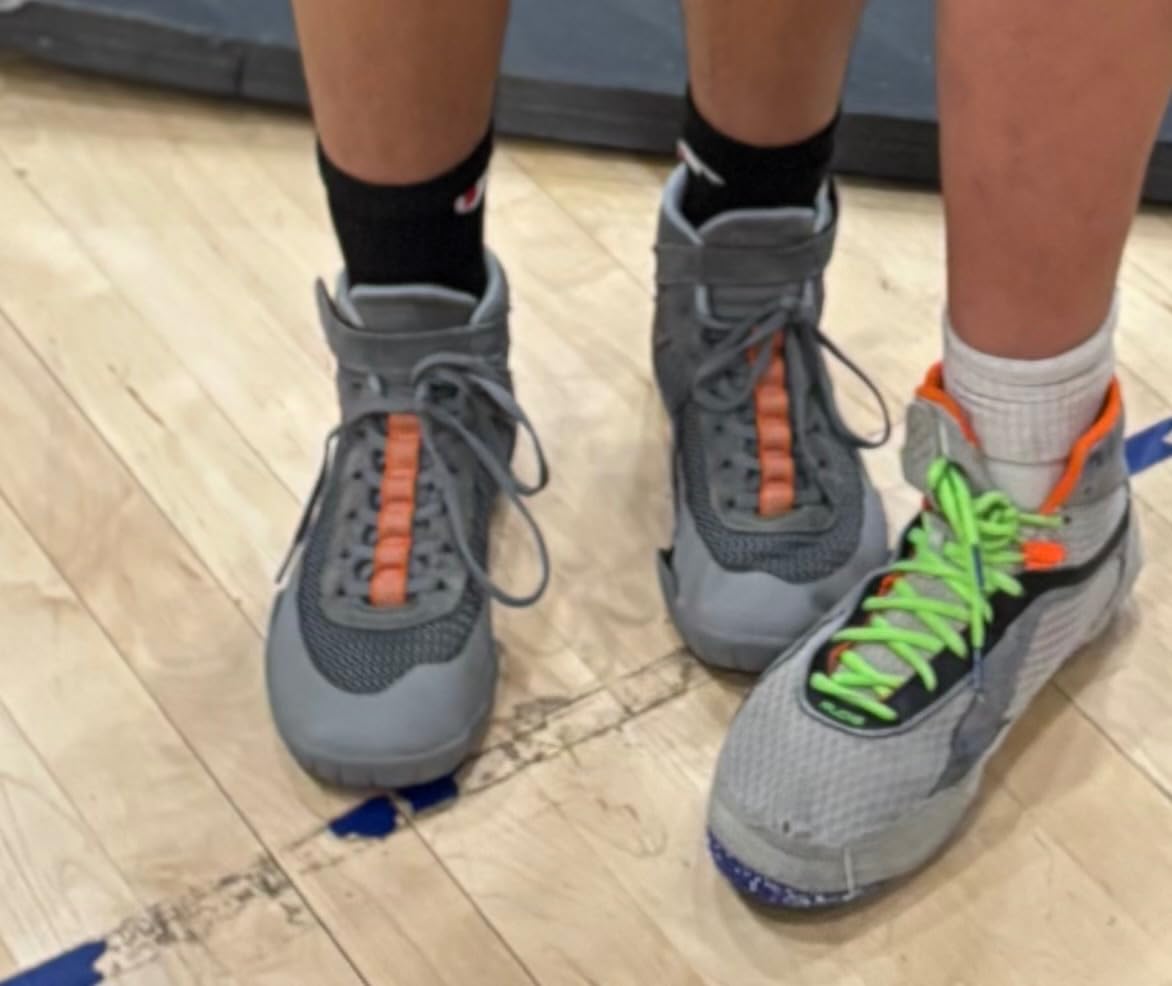
Good fit for:
- Wide and flat-footed wrestlers who’ve been priced out of comfortable wrestling footwear
- Youth wrestlers in their first or second season (budget makes sense before commitment is established)
- Adults who train recreationally 2–3 times per week
- Coaches needing mat shoes for extended practice supervision
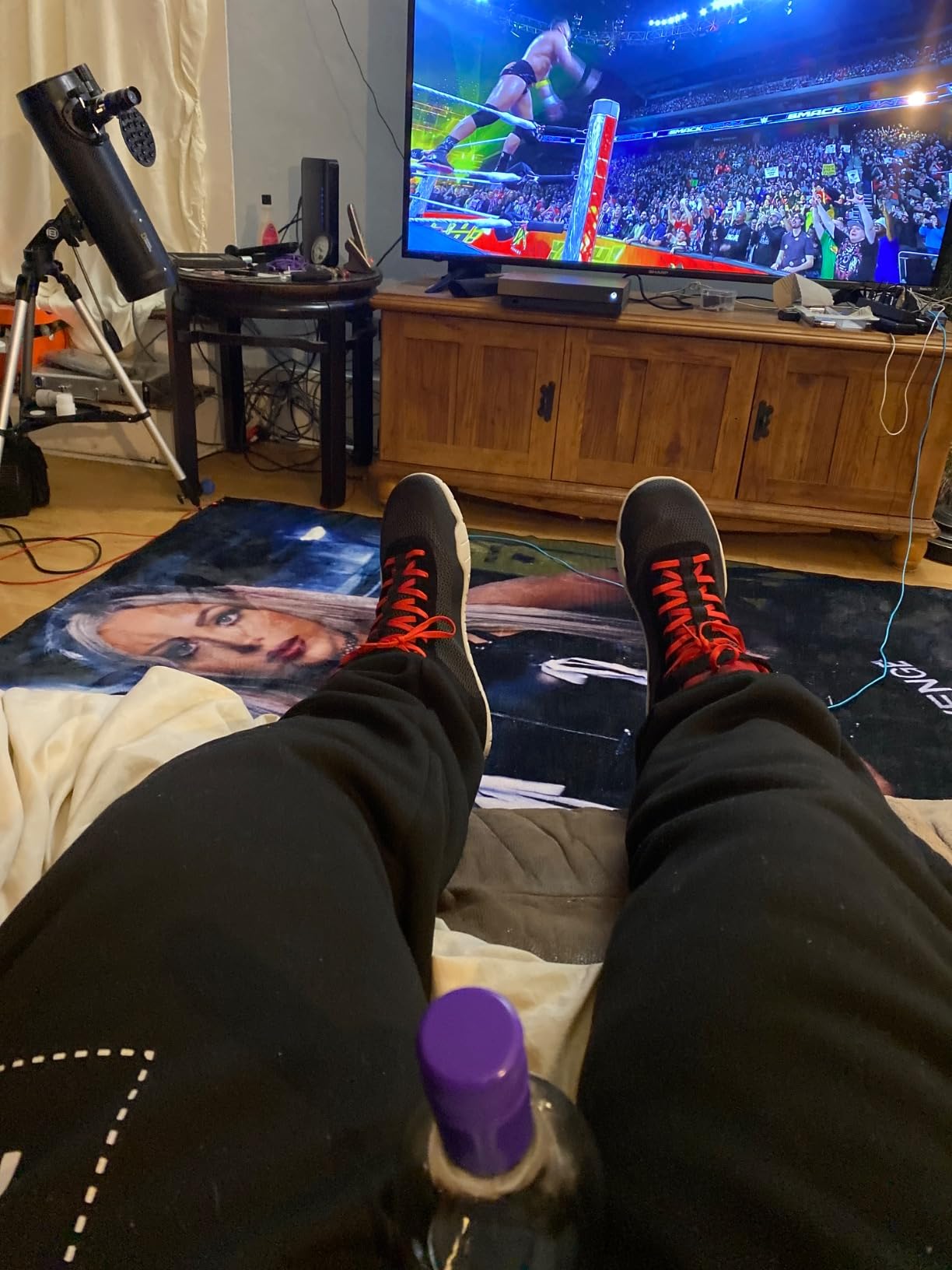
- Cross-trainers wanting a dedicated zero drop shoe for deadlifts and squats alongside mat use
- Wrestlers with a dedicated competition pair who want affordable practice shoes
Not the right shoe for:
- Competitive high school or college wrestlers who train 4–5 days a week
- Wrestlers with ankle instability history who need substantial lateral support
- Anyone expecting premium brand construction at budget price — that’s not how manufacturing works
- Standard or narrow-width feet who want the wide option — the fit won’t be right
Better alternatives for specific needs:
If you need durability for intensive training, the ASICS Matflex 7 at ~$75 provides meaningfully better construction and lace garage at comparable annual cost. For a budget zero drop shoe with wide toe box that also works well for gym training, the Airhas Barefoot Zero Drop shoes offer similar zero drop geometry for general gym use. If mat-specific performance is secondary and you primarily need a wide-toe zero drop training shoe, options like MIFAWA Barefoot Shoes cover that niche at a comparable price.
Frequently Asked Questions
Do these wrestling shoes run true to size?
They run small — consistently. Order half a size up from your normal athletic shoe size. If you have wide feet and are ordering the wide option, your standard athletic size works. If you’re between sizes, go up. There’s no penalty for slightly more room in the toe box for wrestling; there is a penalty for shoes that compress the forefoot during matches.
How long will these realistically last?
At two to three sessions per week, plan for four to six months before meaningful degradation — either from sole wear at the toe area or potential sole separation at the flex point. Some pairs last through a full school wrestling season with no issues; some develop sole problems at week six. The QC variance is real. If you’re buying for a full high school season of daily practice, I’d buy two pairs at the start and rotate them — extends lifespan and gives you a backup when one pair inevitably has issues.
Are these suitable for competitive wrestling?
I wouldn’t use them for tournament competition. The ankle support and construction quality fall short of what’s needed when you’re wrestling five matches in a day against quality opponents. For daily practice and recreational matches, they’re functional. For districts or state-level competition, invest in a dedicated competition shoe.
Can I use these for weightlifting and gym work?
Yes, and they’re genuinely good for it. The zero drop sole provides excellent ground feedback for deadlifts and squats. The thin EVA stack means you’re not wasting energy compressing foam during compound lifts. I’ve used these as my dedicated deadlift shoe for the duration of the testing period.
What about the quality control issues mentioned in reviews?
Sole separation is the most-reported QC issue. In eight weeks of testing, one of my pairs showed separation at week six. The mechanism is clear: glue-only sole bond under repeated flex stress. If you receive a pair with visible sole gaps out of the box, return it immediately. If sole separation appears in the first three weeks, return it. After that, you’re in the normal wear window for this construction tier.
Do these work for wide feet — or is “wide” just marketing?
The wide option is genuinely wide. I’ve tested enough “wide” shoes that are just relabeled regular width to be skeptical of the claim. This shoe’s wide option provides real toe box volume — enough for E-width feet to function comfortably during wrestling movement without compression. Standard-width feet should avoid the wide option, which will feel imprecise.
What’s the return policy if they don’t fit?
Amazon’s standard return policy applies. Given the sizing variance, keep the original packaging until you’ve worn them through at least one full practice. If the fit is wrong, returning in original condition is straightforward. Don’t do what I’ve seen in forum posts — wear them outdoors for two sessions and then try to return them. Test on the mat first.
How do these compare to the ASICS Matflex 7?
The ASICS Matflex 7 is better in almost every construction metric — better sole bond, lace garage, more structured upper, longer lifespan. At ~$75 vs. ~$48, the annual cost difference for recreational wrestlers is smaller than you’d think (~$94 vs. ~$96 annually for moderate use). The case for this budget shoe is specific: wide feet at this price point, youth wrestlers in first seasons, or backup practice shoes for someone with a dedicated competition pair.
Final Verdict
| Strengths | Weaknesses |
|---|---|
| Genuinely wide fit — not marketing-speak | Glue-only sole bond can fail by week 6 |
| True 0mm drop — immediate mat connection | Ankle support insufficient for competitive intensity |
| No break-in period — mat-ready from day one | Sizing runs small — requires conscious adjustment |
| Breathable mesh that actually works | QC variance: some units better than others |
| Cross-training versatility (lifting, martial arts) | No lace garage — double-knot required |
| Excellent value for budget-tier wide-foot wrestlers | Thin EVA uncomfortable on concrete after 90+ minutes |
Overall Score: 6.8/10
After eight weeks, 24 sessions, and six live matches, these shoes occupy a specific and defensible niche. They’re functional wrestling shoes for recreational use — not premium, not lifetime companions, but genuinely useful for the right person at the right price.
The wide fit is the headline. My nephew wore these for a month of high school practice without the blisters that plagued his previous two pairs. That outcome justifies the purchase for us, regardless of the QC issue on my testing pair. If you’ve been priced out of comfortable wrestling footwear because wide-fit options start at $80+, these are worth the risk at $47.
Set realistic expectations: one season, half a size up, buy from Amazon where returns are easy. Do that, and you’ll get reasonable value from a budget shoe that knows what it is.
Be the first to review “Wrestling Shoes Mens Boxing Shoe Fitness Weightlifting”
Related products
Tennis/Squash Shoes
Training Shoes
Training Shoes
Tennis/Squash Shoes
Basketball Shoes
Training Shoes
Reviews
There are no reviews yet.