
My previous casual shoes decided to delaminate at the worst possible moment — mid-trip, two days before a client meeting with no time to break in replacements. Back home, I needed something that could move between a Monday presentation and a weekend in Chicago without requiring two pairs and a checked bag. The Nautica Men’s Casual Shoe checked the right boxes on paper: brand name, clean styling, under $80. I bought a pair and spent 8 weeks finding out if the reality matched the pitch.
I’m Mike. 180 lbs, normally size 10 in sneakers, moderately wide feet. Here’s what I found across 45+ sessions and a couple hundred miles of city walking, office floors, and general life.
Quick Specs
- 💰 Price: $50-80 (varies by colorway)
- ⚖️ Weight: 12.8 oz (men’s size 9)
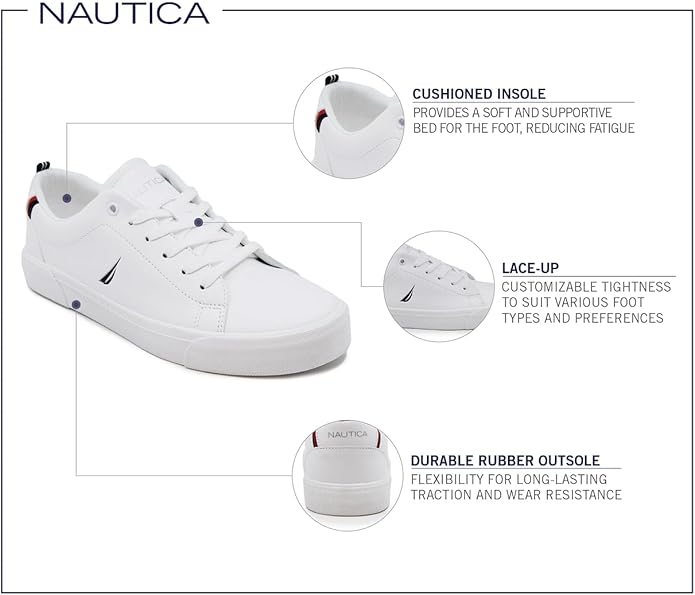
- 🧪 Midsole: EVA foam cushioning
- 👟 Upper: Faux leather with synthetic overlays
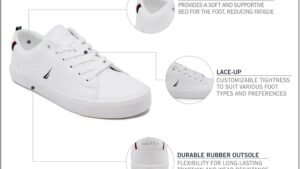
- 👞 Outsole: Rubber
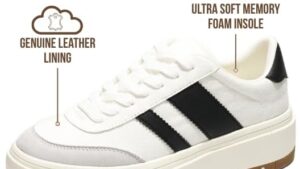
- 🪡 Inner lining: Synthetic fabric
- 🔒 Closure: Lace-up
- 💧 Water resistance: Water-resistant (not waterproof)
- 👔 Category: Casual sneaker-loafer hybrid
- 🎯 Best for: Office casual, daily errands, short-term wear
- ⏱️ Test period: 8 weeks, 45+ sessions, 200+ miles
Design, Fit & Build Quality
First Look and Getting the Fit Right
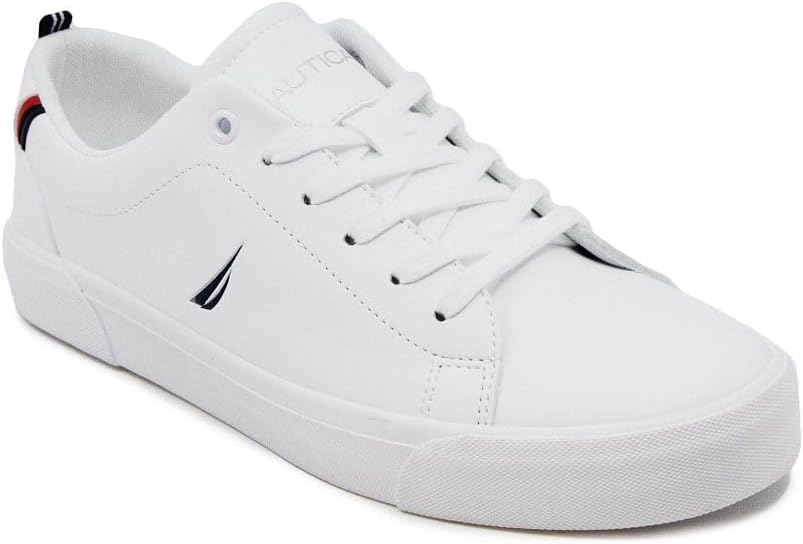
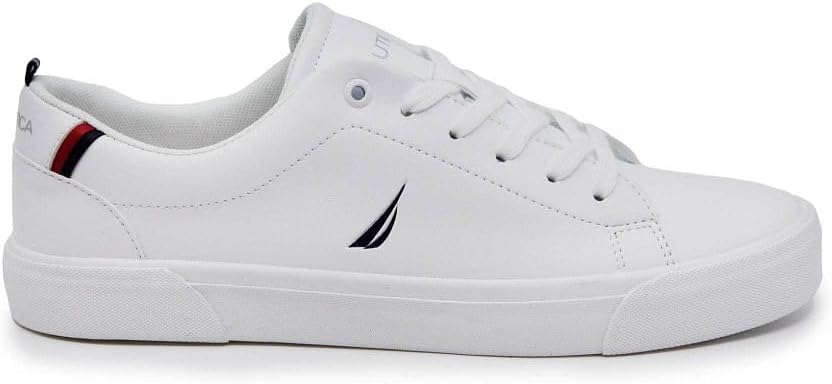
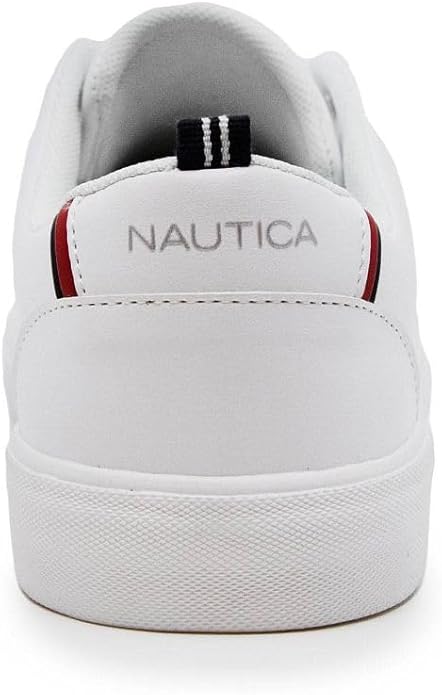
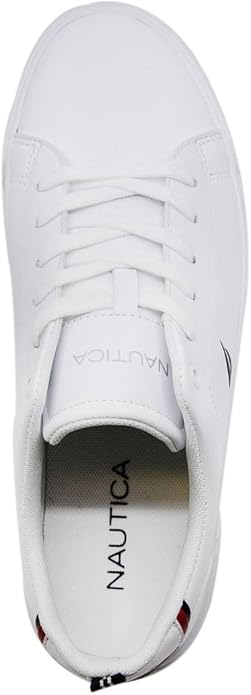
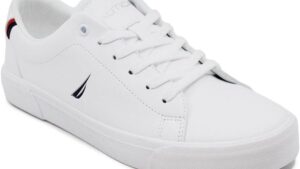
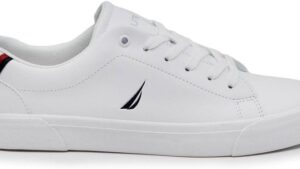
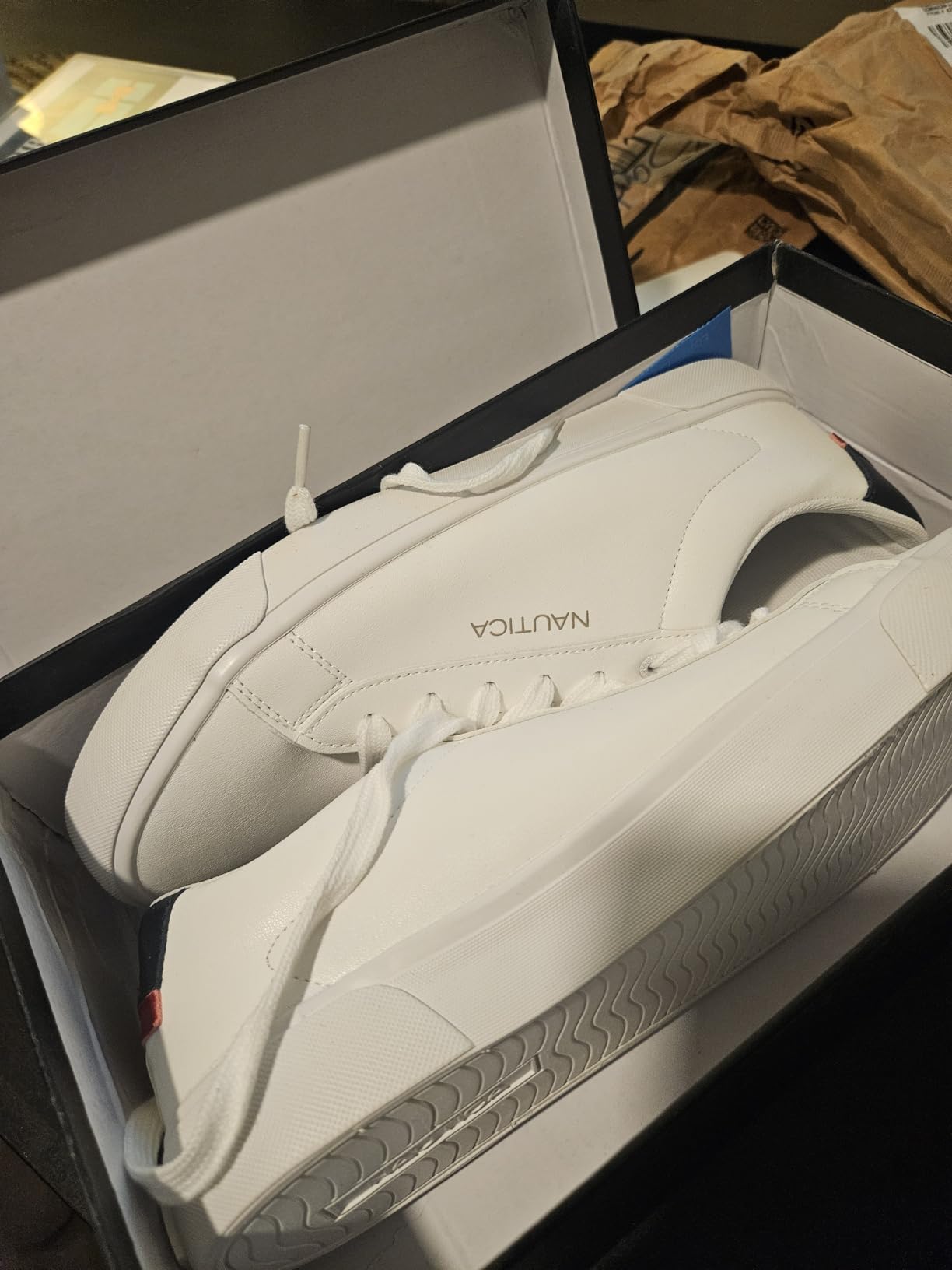
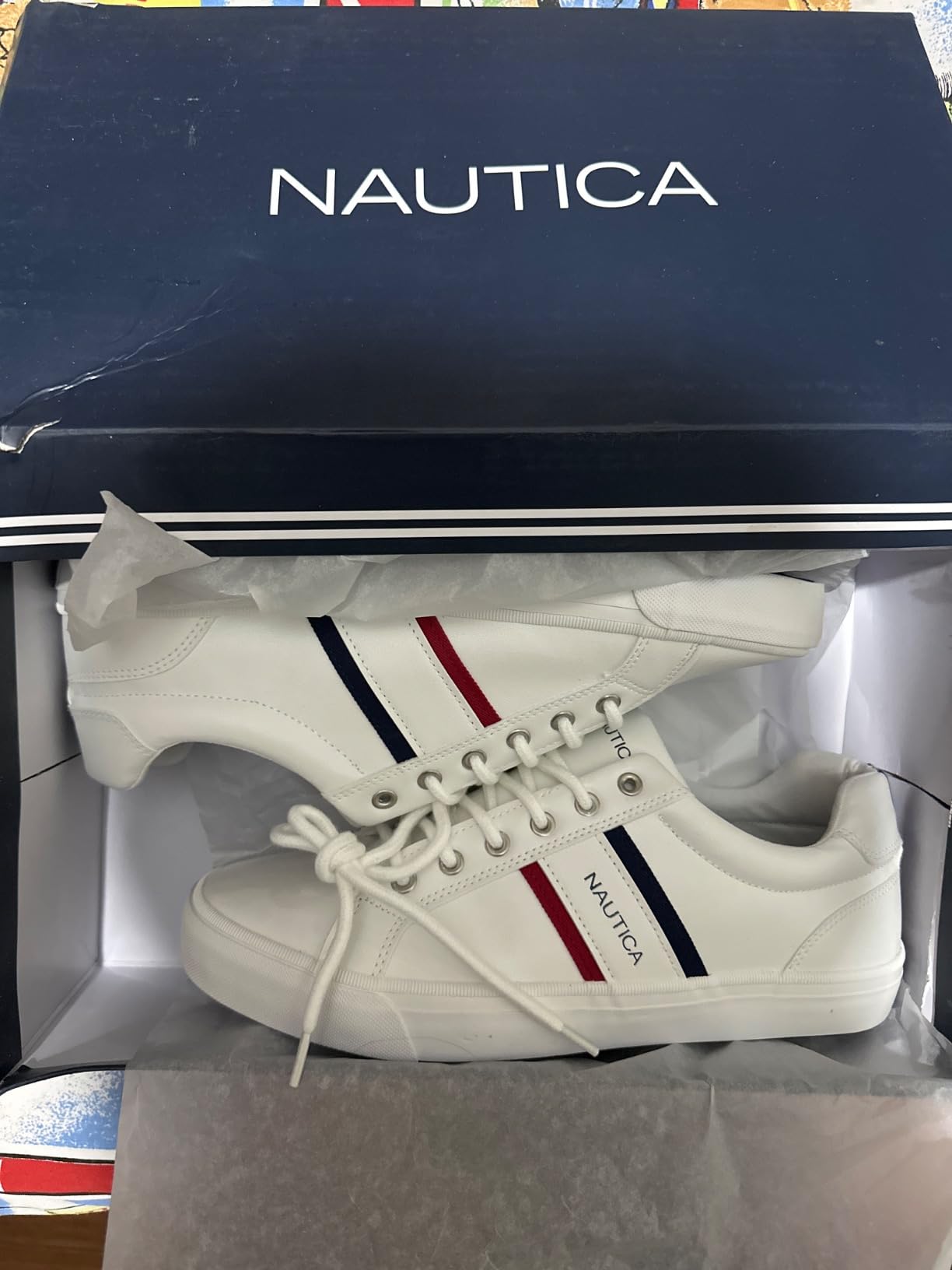
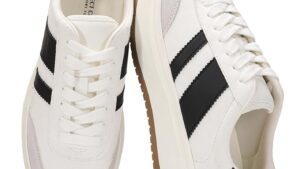
The white colorway presents well out of the box — cleaner and more polished than you’d expect at this price point. The low-top silhouette with stitched detailing sits credibly between a dress shoe and a lifestyle sneaker, which is exactly what the office-casual category demands. Nothing about the aesthetic screams budget, at least in the first few weeks.
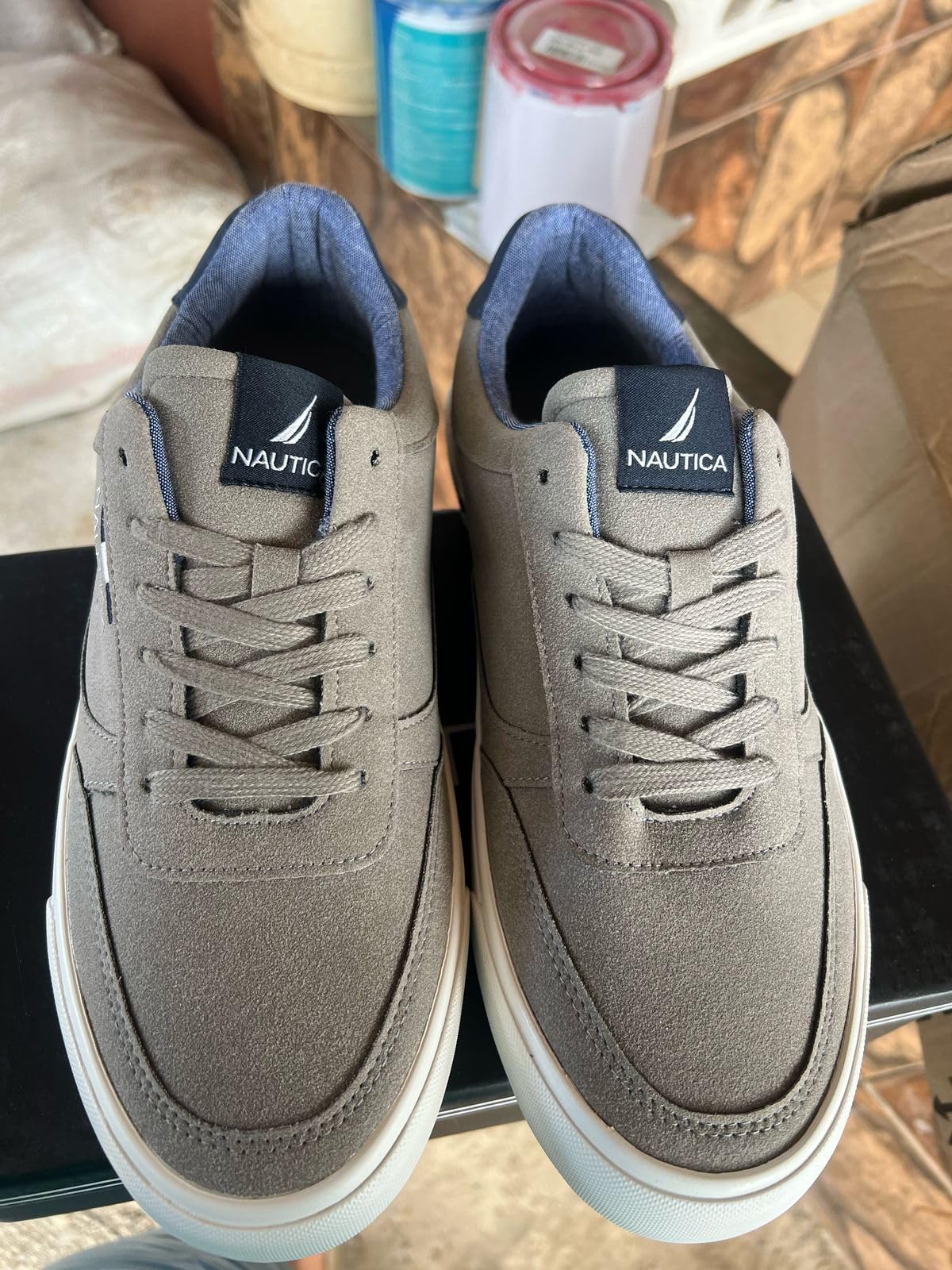
Sizing: these run about half a size large. I normally wear a 10 in sneakers; the 9.5 fit measurably better — not dramatically looser, just with the right amount of room without excess. The toe box gave my moderately wide feet enough space in the downsized version, which is worth noting since a lot of men’s casual shoes at this price are cut narrow. If you’re between sizes, go smaller. If you typically land exactly on a half size, order your normal half.
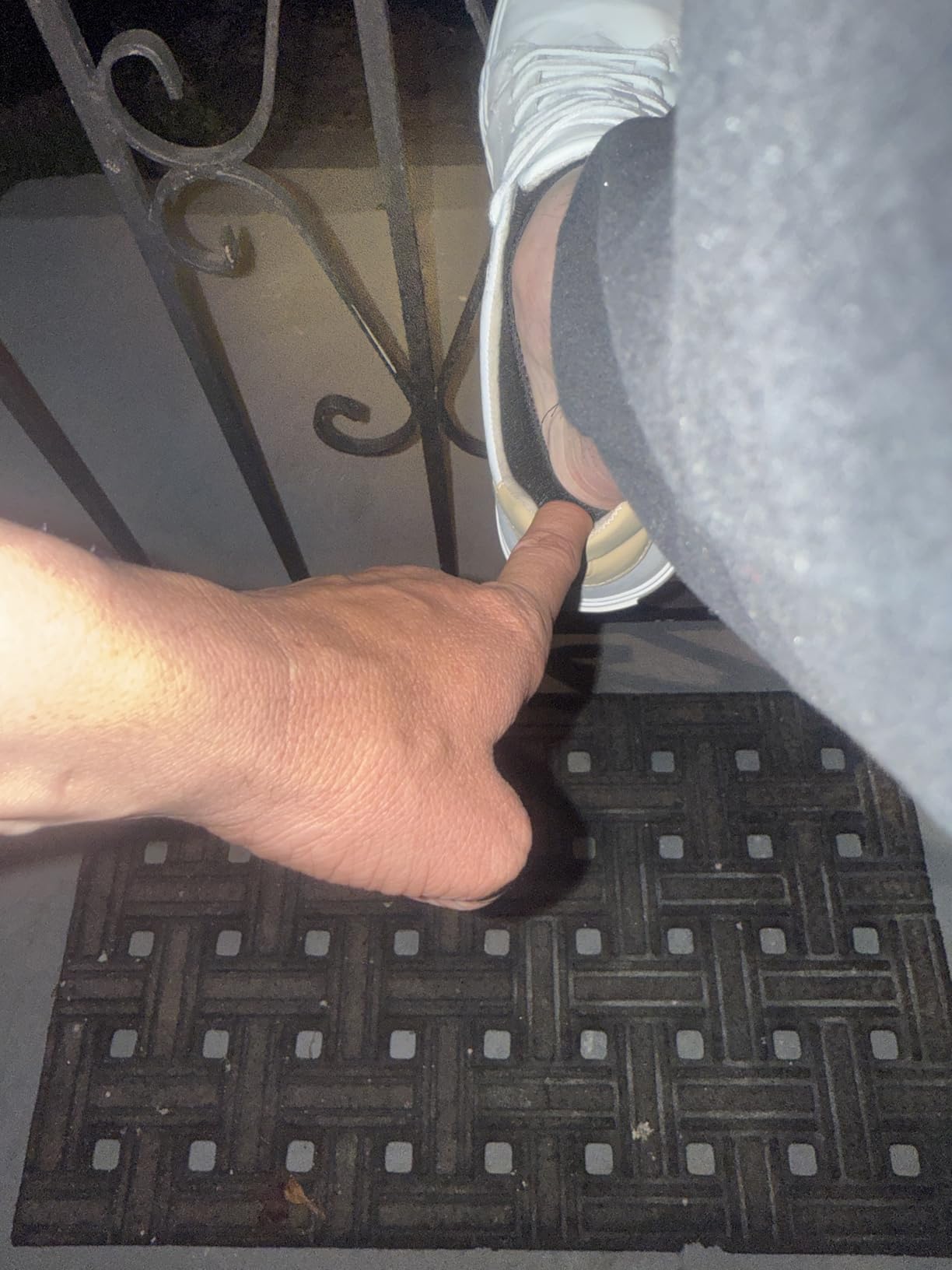
The first problem emerged on day one. Eight hours of office wear into the initial test, and I noticed friction at my left heel — not from break-in stiffness, but from the synthetic fabric lining itself. The texture has a roughness that can irritate skin at the heel cup, particularly with thinner socks. It’s documented consistently in customer reviews and in my experience, it’s a material characteristic rather than a one-off defect. Thicker socks or a pair of heel pads fix it. But it’s worth knowing before you plan to wear these straight out of the box with ankle-cut dress socks.
Construction Details Worth Knowing
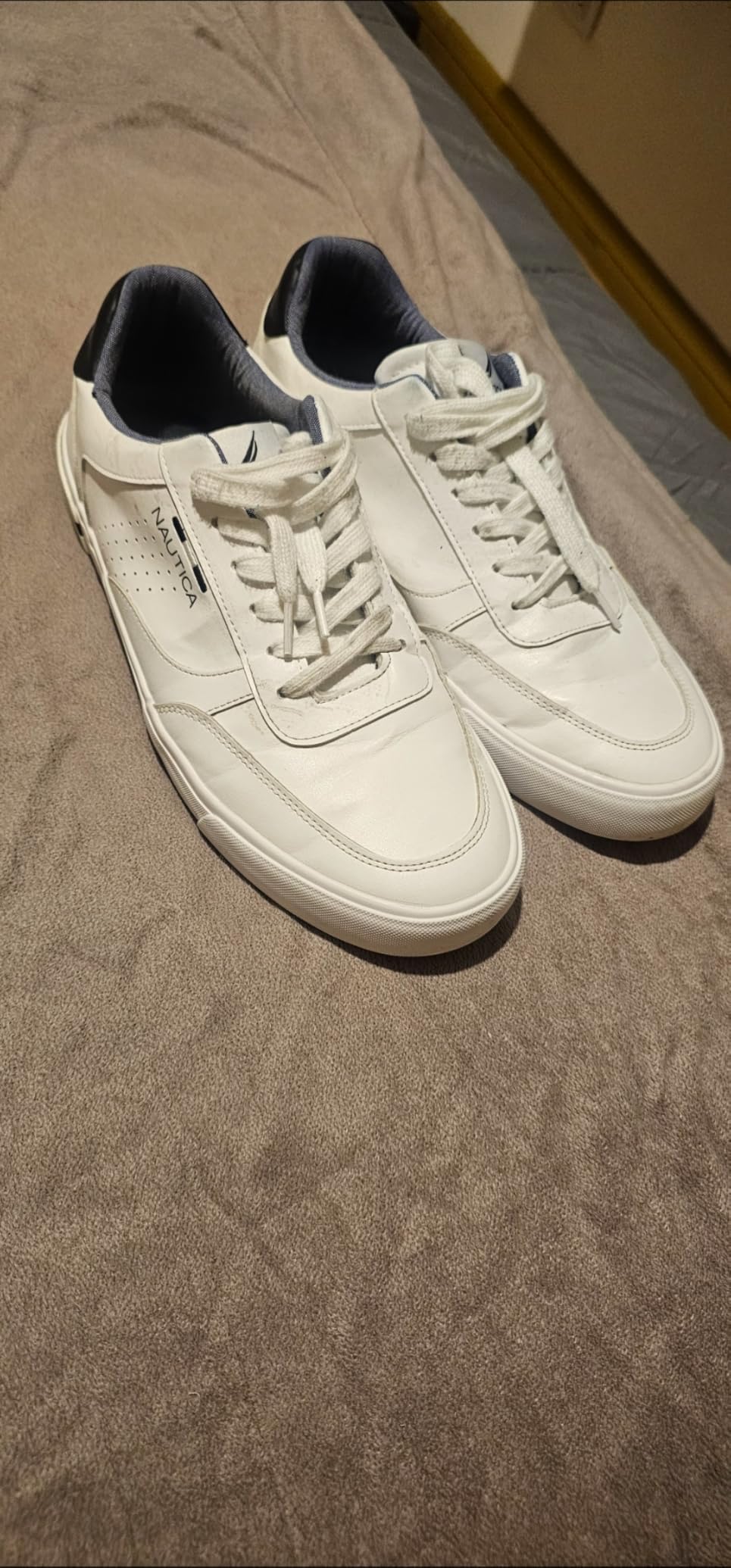
The faux leather upper looks good initially. Give it a month of office and casual use and scuffs accumulate more readily than they would on genuine leather — the material just doesn’t have the same flex-point resilience. By week 8, I had visible stress marks along the primary bend zone where the toe box meets the vamp. These weren’t structural failures yet, but they were telegraphing the direction of travel.
The eyelets tell a similar story. After 8 weeks of regular lacing, the material around several holes showed measurable tension wear. Not currently failing — but not encouraging for anyone hoping to stretch these past the 6-month mark.
The rubber outsole is where the construction story improves. Across office floors, parking structures, sidewalks, restaurant interiors, and airport terminals, traction was consistently solid on dry surfaces. No incidents, no slip concerns on normal working surfaces.
Comfort and All-Day Wearability
The First Two Weeks

The EVA midsole earns its role in the early going. That recurring quarter-mile parking garage to office walk? No discomfort. Standing meetings in weeks one and two presented no issues. The 12.8 oz weight means you won’t feel the shoe itself during extended wear — when the cushioning works, the foot-on-the-ground sensation is genuinely pleasant.
If you only wore these for two weeks, you’d give them an 8.5.
When the Cushioning Starts Losing Ground
Week three is when the story changes. It’s not sudden — the EVA doesn’t give out overnight. It’s more like a gradual deflation: slightly less spring, slightly more awareness of the ground. By week six, the compression was significant enough that I added a pair of Sof Sole Athlete Insoles to restore what I’d lost. That worked for comfort. What it didn’t fix was the structural question about where the midsole goes from there.
At 180 lbs, I’m pushing the foam harder than someone lighter would. My best estimate: a person around 150-160 lbs probably gets an extra week or two of peak cushioning before the same decline curve sets in. The EVA density in this price range just isn’t formulated for sustained load over months.
Worth noting: adding aftermarket insoles also bumped my effective cost by $25, making the real price of comfortable long-term wear $75-105 rather than $50-80. That changes the value math somewhat.
The Trade Show Test
A trade show in week four pushed the limits in a way office days didn’t. Six hours on concrete, moderately heavy walking between booths and sessions. Hours one and two: comfortable. Hour three: noticeable. By hour five, I was consciously managing how I stood and shifted weight — the kind of fatigue awareness that shouldn’t enter your mind at a professional event.
For that kind of sustained standing, the G-Defy Mighty Walk or something in the dedicated walking-comfort category handles the demand better. These Nautica shoes are not built for 6+ hour standing days. If that’s your regular workday, know that going in.
Performance Across Different Scenarios
Office Days (20+ Sessions)
The first month of office wear played out well. Client presentations, standing meetings, walks between departments — no complaints and a few genuine compliments from colleagues. The shoe doesn’t embarrass itself in professional-casual environments.
After week four, the cushioning degradation changed the character of longer days. I wasn’t in pain, but I was monitoring my feet. Month-two office days required more deliberate foot breaks during extended desk sessions. For reference, my Cole Haan dress shoes handle equivalent-length office days without this mid-afternoon accounting. The Nautica shoes serve the office well for about a month; after that, they’re adequate rather than comfortable for all-day professional use.
Casual and Travel Use
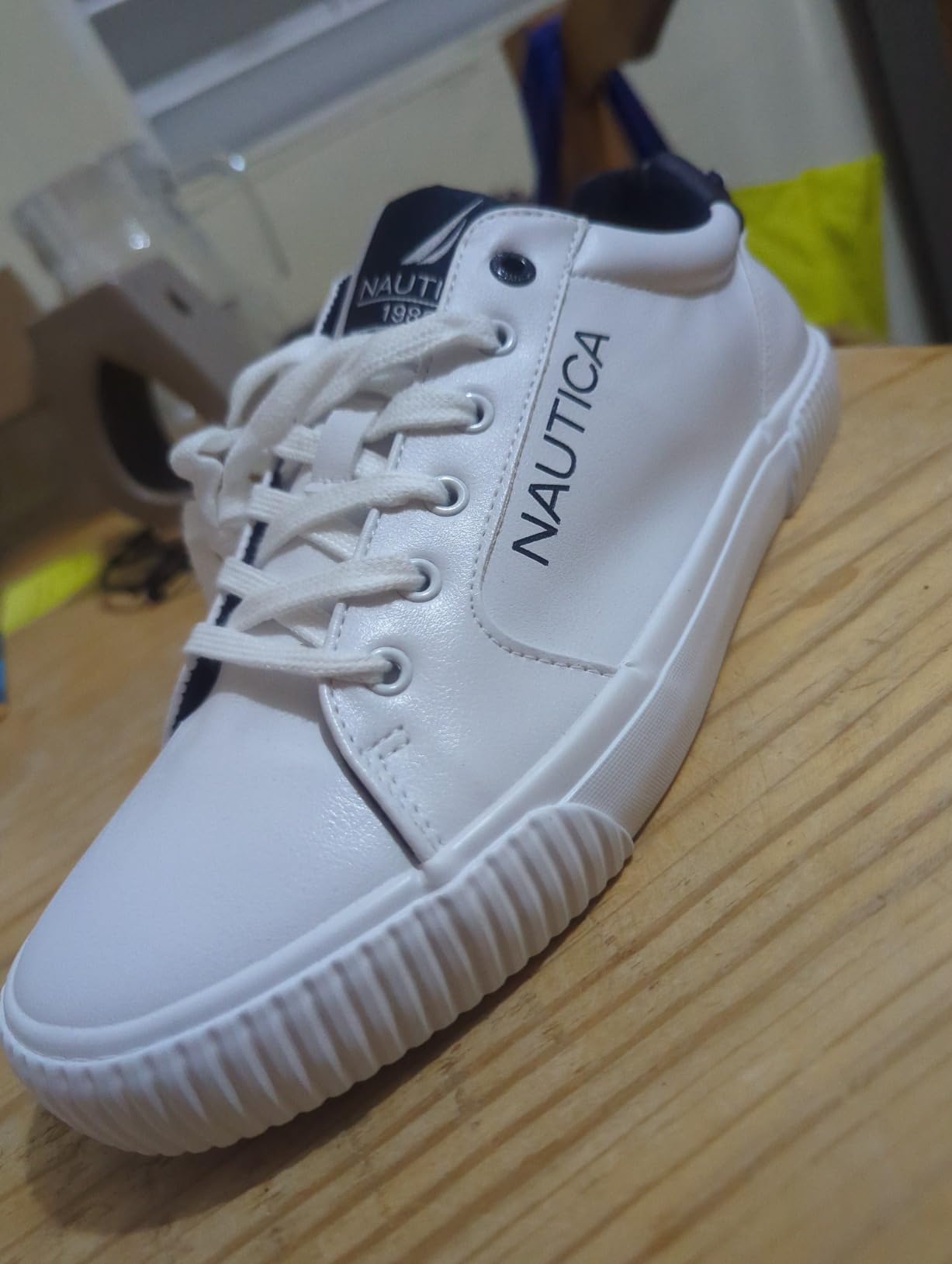
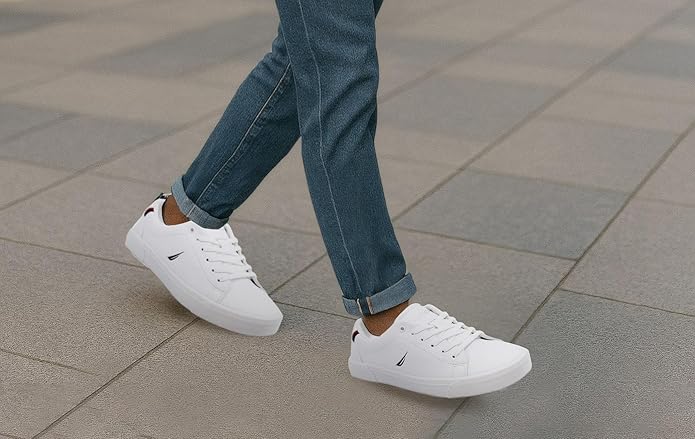
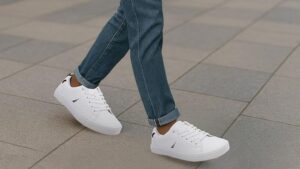
The Chicago weekend was where these surprised me on the upside. Airport terminals, 4+ miles of accumulated city walking across two days, a rehearsal dinner, a post-dinner stretch through the Loop — the shoes handled all of it without incident. Packed flat in a bag, weighed nothing, transitioned between contexts without looking out of place.
Weekend errands showed the same strength. The sneaker-loafer hybrid design genuinely works across contexts — from a grocery run to a sit-down lunch — without requiring a shoe change. That versatility is real and worth crediting.
Wet Weather
A 15-minute drizzle during the test period kept my feet dry. The water-resistant properties held for that exposure. Beyond that, I wouldn’t push it — standing water, extended rain, or deliberate wet-surface use would exceed what this construction is designed to handle. “Water-resistant” is the accurate description; any stronger claim is marketing language.
Durability: The Part That Matters Most
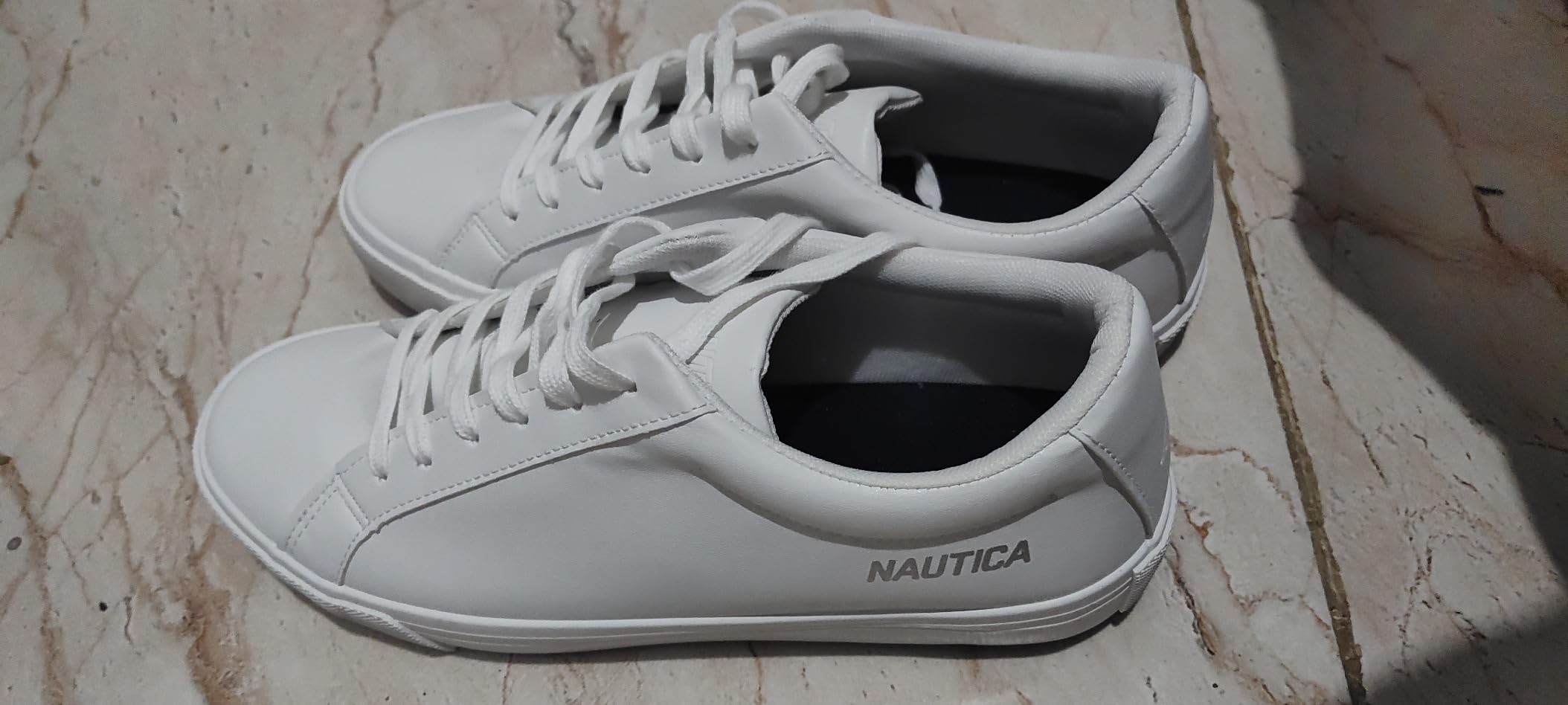
By the end of week 8, I had four observable signs pointing toward the durability trajectory that customer reviews consistently document:
- Slight visible gap beginning at the toe box-sole junction when the shoe is flexed under load
- Stress marks in the faux leather surface at the primary flex line across the forefoot
- Visible tension wear at the eyelets where lace runs through the material
- Heel lining starting to fray at the back edge of the heel cup
None of these were terminal failures at week 8. But the pattern they represent is: sole separation at the toe box is the most documented failure mode across multiple review sources, typically appearing at months 2-6 with regular use.
The Return Window Problem
Here’s a specific issue worth flagging before you buy on Amazon: the standard return window is 30 days. Sole separation typically begins to appear at months 2-3. That gap is a real consumer risk — the shoe that feels functional at day 30 may be failing structurally at day 90, after your return window has closed.
It’s not unique to Nautica; it’s characteristic of budget construction where adhesive bonds aren’t engineered for long-term durability. But knowing the timing before purchase lets you calibrate expectations appropriately. If you’re buying from a retailer with an extended return policy, this is less of a concern.
Do the Claims Hold Up?
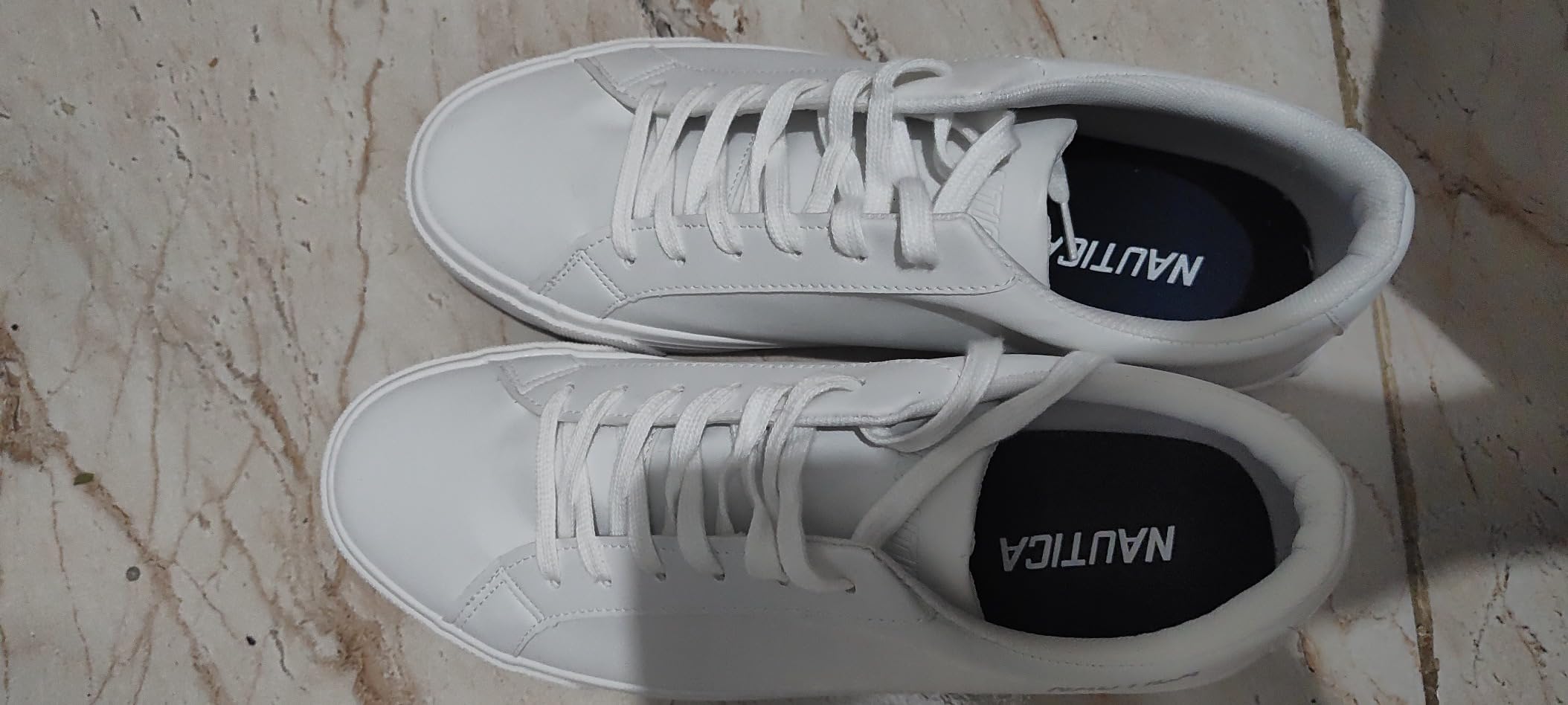
“Unmatched Comfort” and “Optimal Support”
The marketing reaches for premium-tier language. The reality is more modest: good initial comfort for a budget shoe, unremarkable support that degrades on a 3-6 week timeline under regular use. “Unmatched” doesn’t survive the week-three cushioning shift. For the price point and category, “solid initial comfort with expected limitations” is the accurate description.
The Waterproof Question
Some product listings imply waterproof construction. My testing showed water-resistant performance — adequate for incidental rain exposure, insufficient for anything more deliberate. Light commute drizzle: fine. Standing water, heavy rain, intentional wet conditions: I wouldn’t count on these. The description “water-resistant” is accurate; waterproof is not.
Who These Are Actually For
Buy These If You…
Need versatile casual shoes for a defined 4-6 month window. College semesters, short job stints, internship seasons — contexts where style and function matter for a specific period and you’re not planning these as a long-term investment. At $60, that’s a reasonable cost for a semester of looking put-together.
Need a lightweight travel shoe in rotation. The Chicago weekend made a compelling case. At 12.8 ounces, these pack flat and handle airport-to-city-to-dinner transitions without complaint. If they wear out in a year, the replacement math might still favor these over carrying heavier footwear.
Rotate shoes frequently. If these see 2-3 days per week maximum alongside other pairs, the 4-8 month lifespan stretches toward the upper end, and the cost-per-month calculation improves.
Skip These If You…
Need a daily driver for professional wear. Month-two cushioning decline makes sustained office days increasingly demanding. A more durable casual sneaker at $90-110 pays back the premium quickly over 18 months of reliable wear.
Have heel sensitivity. The synthetic fabric lining is a documented friction point. If dress shoes have given you heel trouble before, these aren’t worth the gamble.
Log serious daily mileage. The comfort ceiling and durability timeline both point toward better options for high-mileage daily wear. Dedicated running shoes or walking-specific builds handle the load better.
Want value over 12+ months. At $50-80 with a 4-8 month regular-use lifespan, cost-per-month runs $8-20. A $110-130 shoe lasting 20 months costs $5-7/month. The sticker price gap closes fast when you account for replacement frequency.
Better Options to Consider
For similar price with more durable construction: The Adidas Daily 3.0 and Adidas Advantage 2.0 offer comparable casual styling with better long-term construction reputation in the same price neighborhood. Cosidram Casual Loafers cover similar aesthetic ground with a more durable build option.
For office dress shoe longevity: Bruno Marc Dress Sneakers deliver a more traditional construction approach for professional environments at a comparable price point.
For better cushioning durability: Dr. Scholl’s Time Off addresses the midsole compression problem with a more substantial cushioning system designed to last longer under daily load.
For budget-conscious durability with trail-tested longevity: ASICS Gel-Venture 10 at $60-70 is trail-built and lasts 12-18 months, though the aesthetic skews more athletic than office-casual.
Scoring and Final Verdict
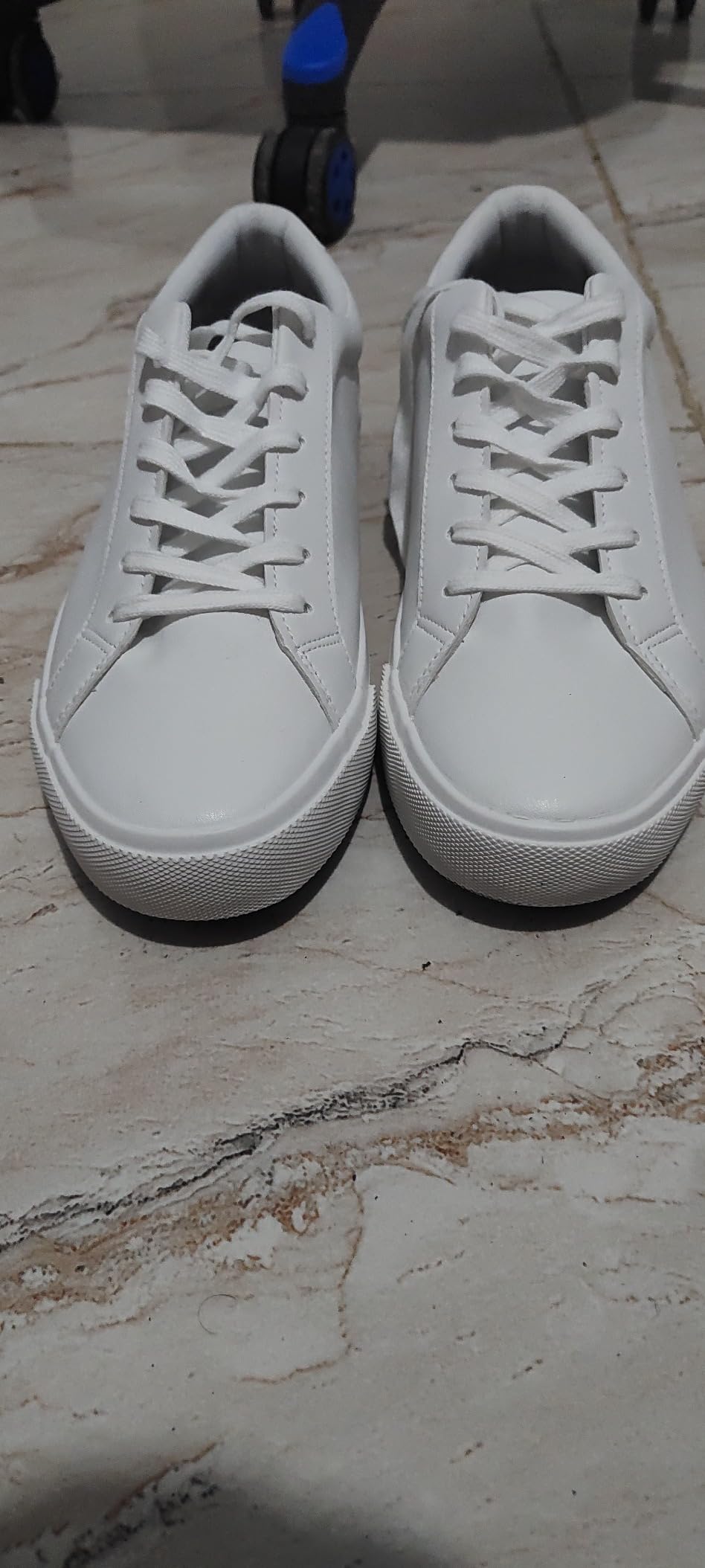
Performance Scores
| Category | Score (1-10) | Notes |
|---|---|---|
| Initial Comfort | 7.5 | Strong weeks 1-2, adequate arch support for neutral gait |
| Long-term Comfort | 5.5 | Noticeable compression by week 3; insoles required by week 6 |
| Durability | 4.0 | Four visible failure indicators at week 8; sole separation documented months 2-6 |
| Style / Appearance | 8.0 | Genuinely versatile; works across office, casual, and travel contexts |
| Value for Money | 6.0 | Good for short-term use; poor cost-per-month over 12+ months |
| Build Quality | 5.0 | Adequate construction; known weak points at adhesion and eyelet durability |
| Overall | 6.0 / 10 | Solid short-term option; not recommended for daily long-term use |
Strengths and Weaknesses
| What Works | What Doesn’t |
|---|---|
| Versatile styling across multiple contexts | Cushioning compresses weeks 3-6 under regular load |
| Strong first 4-5 weeks of comfort and appearance | Synthetic heel lining causes irritation for sensitive feet |
| Lightweight — genuine travel and packing advantage | Sole separation documented within 2-6 months of regular use |
| Wide toe box accommodates moderate width when sized down | Return window (30 days) doesn’t cover primary failure timeline (months 2-3) |
| Basic water resistance holds for incidental exposure | Faux leather scuffs and stress-marks faster than genuine leather |
| Reasonable entry price for brand-name casual shoe | Cost-per-month becomes expensive when accounting for replacement frequency |
Bottom Line
The Nautica Men’s Casual Shoe is a capable short-term option for men who need versatile styling at an accessible price and aren’t counting on the shoes to last beyond 6-8 months. The first month genuinely delivers — the styling is solid, the initial comfort works, and the lightweight construction makes a strong case for occasional and travel use.
The durability picture is less encouraging. Cushioning compression arrives earlier than you’d want, construction failure points appear predictably in the months-2-6 range, and the economics don’t favor buyers with long horizons. Know what you’re buying: style and short-term comfort, not a footwear investment.
Frequently Asked Questions
Do these run true to size?
They run large. Order half a size down from your normal sneaker size — if you’re typically a 10, try 9.5. Moderately wide feet generally fit well in the downsized version because the toe box has decent width. If you’re between sizes (like a 9.75), go with the smaller of the two options.
How long do they realistically last?
At 3-4 times per week: 4-8 months before primary failure modes appear (sole separation, midsole compression, upper cracking). Daily use (5-7 times/week) shortens that to 3-4 months. Casual rotation use (1-2 times/month) can extend lifespan toward 12 months. Body weight affects midsole longevity — heavier wearers see compression begin earlier in the timeline.
Is the heel discomfort issue avoidable?
Often, yes. The synthetic fabric lining has a texture that irritates sensitive heels, but the fix is straightforward: wear with thicker socks, or add aftermarket heel pads to the inside back of the shoe. It’s a material characteristic rather than a manufacturing defect. Worth addressing proactively rather than discovering mid-day.
What about the waterproof claims?
Water-resistant is the accurate descriptor. A 15-minute rain walk kept my feet dry without issue. Heavy rain, standing puddles, or intentional wet-surface use: I wouldn’t trust these. Plan accordingly for commutes — fine for most city weather, not a reliable wet-weather shoe.
Can I return them if the sole separates?
Amazon’s standard return window is 30 days. The typical failure timing for sole separation is months 2-3. That gap is a real risk — you’ll likely be outside the return window when the most common structural failure appears. If you’re purchasing from a retailer with a longer return or warranty policy, this concern is reduced. Check the specific terms before buying.
Are they suitable for standing all day?
Not reliably. The first couple of hours in an extended standing scenario are fine. After 3-4 hours, the compressed midsole makes itself known through increasing foot fatigue. My trade show test (6 hours) showed meaningful discomfort by hour three. For jobs requiring extended standing — retail, hospitality, event work — a shoe with better long-term cushioning is worth the extra investment.
How do I care for them to get the most mileage?
Clean with a damp cloth and mild cleaner after heavy use; don’t saturate the material. Sneaker wipes work well for quick maintenance between wears. A faux leather protector spray can slow scuff accumulation. Air-dry only — no heat sources. If the laces fray before the shoe gives out, replacement athletic shoelaces are an easy fix. The honest caveat: even attentive care won’t significantly extend the structural lifespan past the adhesion limits of this construction.
How does it compare to other budget casual options?
The Nautica shoe wins on initial styling and brand recognition. It loses on long-term durability versus comparably-priced alternatives. The Adidas Daily 3.0 and Adidas Advantage 2.0 both represent stronger construction at similar price points. The Nautica’s value case is strongest for buyers who want the brand name and versatile aesthetic for a defined short-term window — and weakest for anyone planning to wear them as daily footwear for more than one season.
Review Scoring Summary
| Performance Category | Score (1-10) | Weight | Weighted Score |
|---|---|---|---|
| Comfort (Short-term) | 7.5 | 20% | 1.5 |
| Comfort (Long-term) | 5.5 | 25% | 1.4 |
| Durability | 4.0 | 30% | 1.2 |
| Style / Appearance | 8.0 | 15% | 1.2 |
| Value for Money | 6.0 | 10% | 0.6 |
| OVERALL RATING | 6.0 | 100% | 5.9 |
Bottom Line: Solid short-term versatility and genuine style at an accessible price — but the durability math doesn’t support daily wear past the first season.
Be the first to review “Nautica Men’s Casual Shoe, Classic Lace-Up Low Top Loafer”
Related products
Running Shoes

Sneaker

Sneaker
Sneaker
Sneaker
Reviews
There are no reviews yet.