
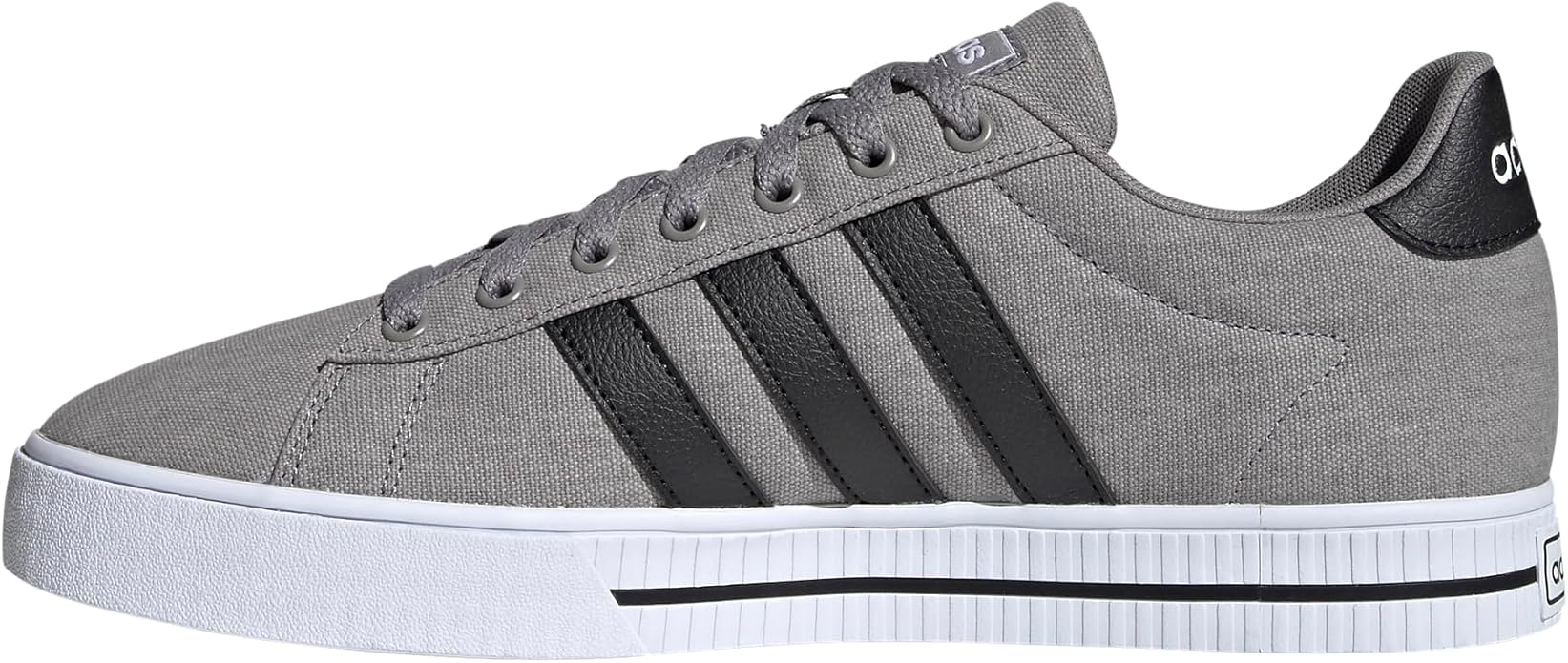
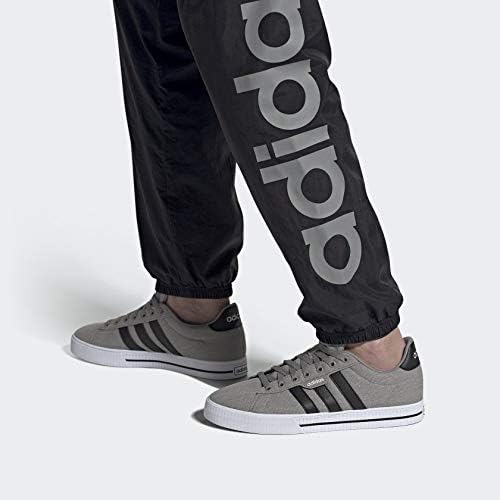
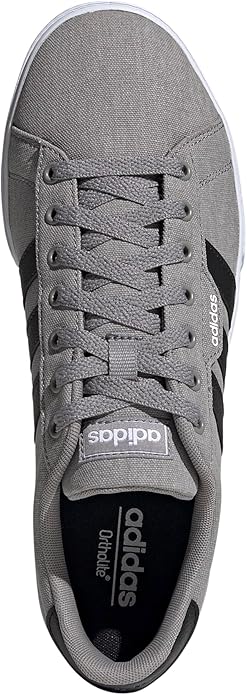
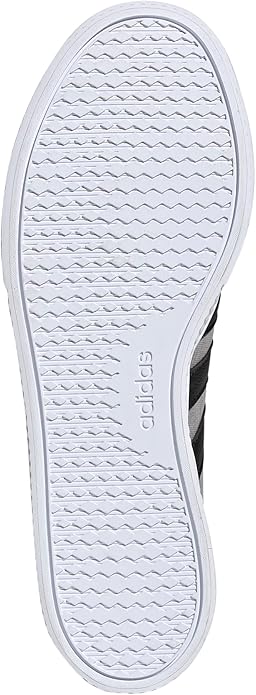

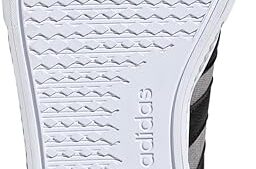
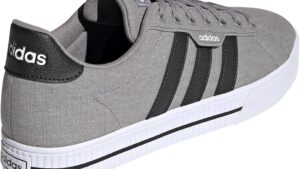
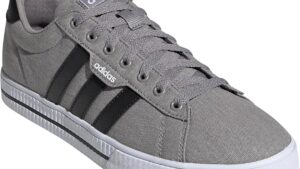
Adidas Men’s Daily 3.0 Sneaker

$40.62
- Midsole material: OrthoLite sockliner with EVA cushioning
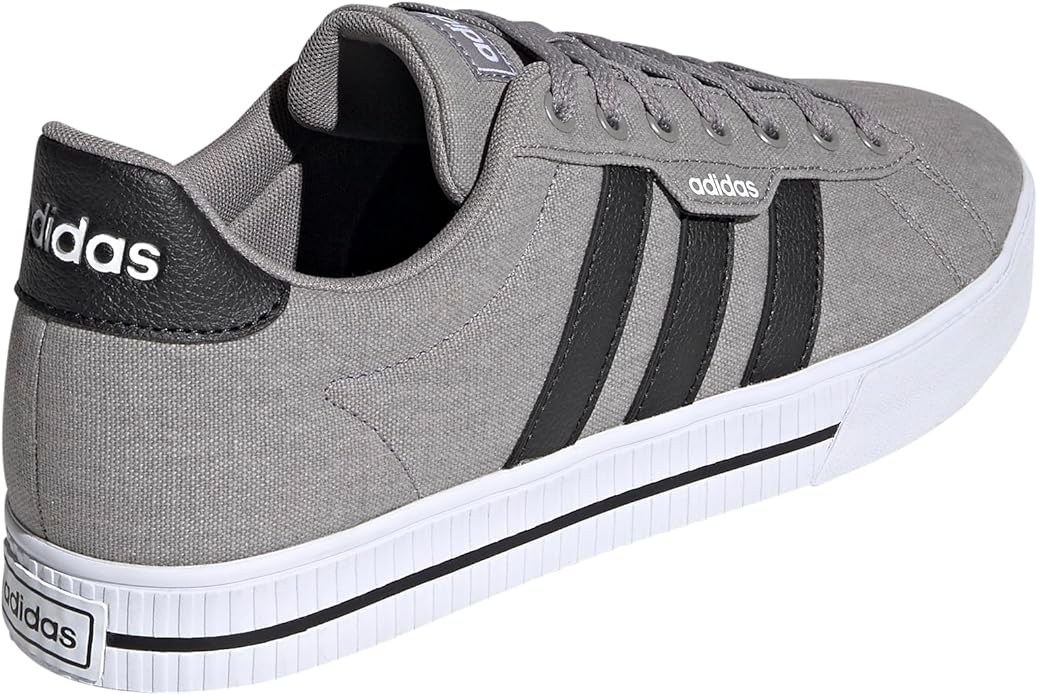
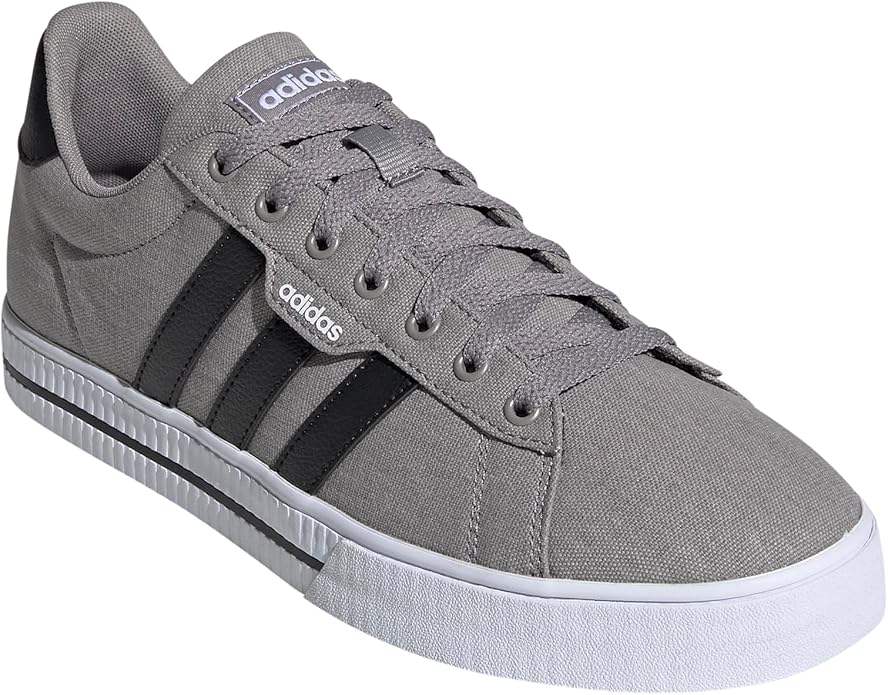
- Upper material: Washed canvas with synthetic leather panels
- Outsole: Vulcanized rubber (zero heel drop)
- Category: Lifestyle/Casual Sneakers
- Best for: Daily casual wear, light activities, skate-inspired style
- Weight: 15oz (size 12), 12.5oz (size 9)
Can a $50 shoe really deliver classic skate style and all-day comfort without major compromises? That’s exactly what 6 months of daily wear with the Adidas Men’s Daily 3.0 Sneaker set out to discover. After countless sessions across every casual scenario imaginable, some honest findings emerged about whether these skate-inspired shoes can back up their claims.

Heavier Than Expected: The Skate-Inspired Build Quality

Out of the box, the Daily 3.0 feels substantially more solid than anticipated. At almost 15oz for a size 12, this isn’t a lightweight lifestyle sneaker—it’s a genuine skate shoe at heart, and the weight reflects that heritage. The vulcanized rubber outsole accounts for most of this heft, similar to what’s found on classic Vans or Converse models.
The washed canvas upper has a sturdy, almost hemp-like texture that immediately sets these apart from cheaper casual sneakers. This material feels substantial without being stiff, though it does require about a week of regular wear to fully break in and soften up. The synthetic leather side panels with the iconic three stripes add durability where lateral support matters most.
What stands out is how this build quality compares to the Adidas Seeley—another skate shoe that shares DNA with the Daily 3.0 but comes in lighter. The Daily 3.0 prioritizes durability over weight savings, evident in the overlays at the toe and heel that add visual interest but definitely contribute to the overall mass.
The construction sits in the same tier as Adidas Grand Court and Lite Racer models—budget-friendly retro-inspired sneakers under $70 that use basic materials strategically. The difference is the Daily 3.0’s commitment to authentic skate shoe construction rather than just borrowing the aesthetic.
How Does the Fit Compare to Vans and Converse?
The fit runs true to size in length—ordering a regular size 10 delivers spot-on length. However, the width tells a different story. The Daily 3.0 runs noticeably narrow through the midfoot, and the toe box won’t give in or stretch easily like canvas-only shoes do. This is where understanding the comparison to other brands becomes crucial.
Against Nike sizing, the Daily 3.0 matches almost identically for men. Anyone who wears a size 10 in Nike can confidently order the same in these Adidas. Compared to Vans Old Skool, the fit is similar but slightly less snug overall—Adidas tends to run just a bit looser than Vans, though the Daily 3.0’s narrow midfoot counters this somewhat.
The real difference shows up against Converse Chuck Taylors. While Converse typically runs about a half size larger, the Daily 3.0 fits closer to Converse Pro Leather sizing—true to size with a more tailored feel. Those with wider feet will want to size up a half size, especially since the synthetic leather panels and reinforced toe box don’t stretch like all-canvas construction.
One recurring issue worth noting: some heel slippage occurs during the first few wears, particularly when paired with no-show socks. The low-top design works perfectly for casual summer wear, but achieving the right lockdown takes careful lacing adjustment initially.
For reference, the newer Daily 4.0 addresses the narrow fit complaint with a roomier design and wider toe box, making it more accommodating for different foot shapes. But at this $50 price point, the Daily 3.0’s fit is appropriate for narrow to normal feet who don’t mind a snug midfoot.
The OrthoLite Cushioning Reality Check
The cushioning setup needs realistic expectations. The OrthoLite sockliner provides adequate support for casual lifestyle wear—not athletic-level comfort. This is a firm, grounded feel that prioritizes board feel over plush cushioning.
What’s actually happening underfoot is a combination of the OrthoLite insert and an EVA midsole, but the hard rubber construction with chambers for shock absorption means ground feel is prominent. During 8-10 hour days of casual walking and standing, the setup holds up reasonably well for lightweight casual shoes, but every crack in the sidewalk transmits through that vulcanized sole.
The zero heel drop creates that flat skate shoe platform. For those accustomed to athletic shoes with heel-to-toe drop and cushioning, this feels stark. After extended sessions—think 4+ hours of continuous standing or walking beyond casual errands—foot fatigue becomes noticeable. The cushioning doesn’t bottom out under 180 lbs of weight during normal use, but it definitely doesn’t provide the comfort of dedicated running or athletic trainers.
Around month four, replacing the factory insoles with aftermarket gel inserts made a measurable difference for longer days. The OrthoLite maintains its support reasonably well over months of use, but it’s not thick or plush enough to carry someone through 12-hour days without fatigue.
Compared to Vans’ flat sole, the Daily 3.0’s EVA midsole and OrthoLite combination does provide better initial cushioning. Vans prioritizes board grip and stability over comfort, while the Daily 3.0 attempts to split the difference—comfortable enough for all-day casual wear, but not built for standing occupations or long city walks.
After 6 Months: What the Canvas and Sole Actually Reveal
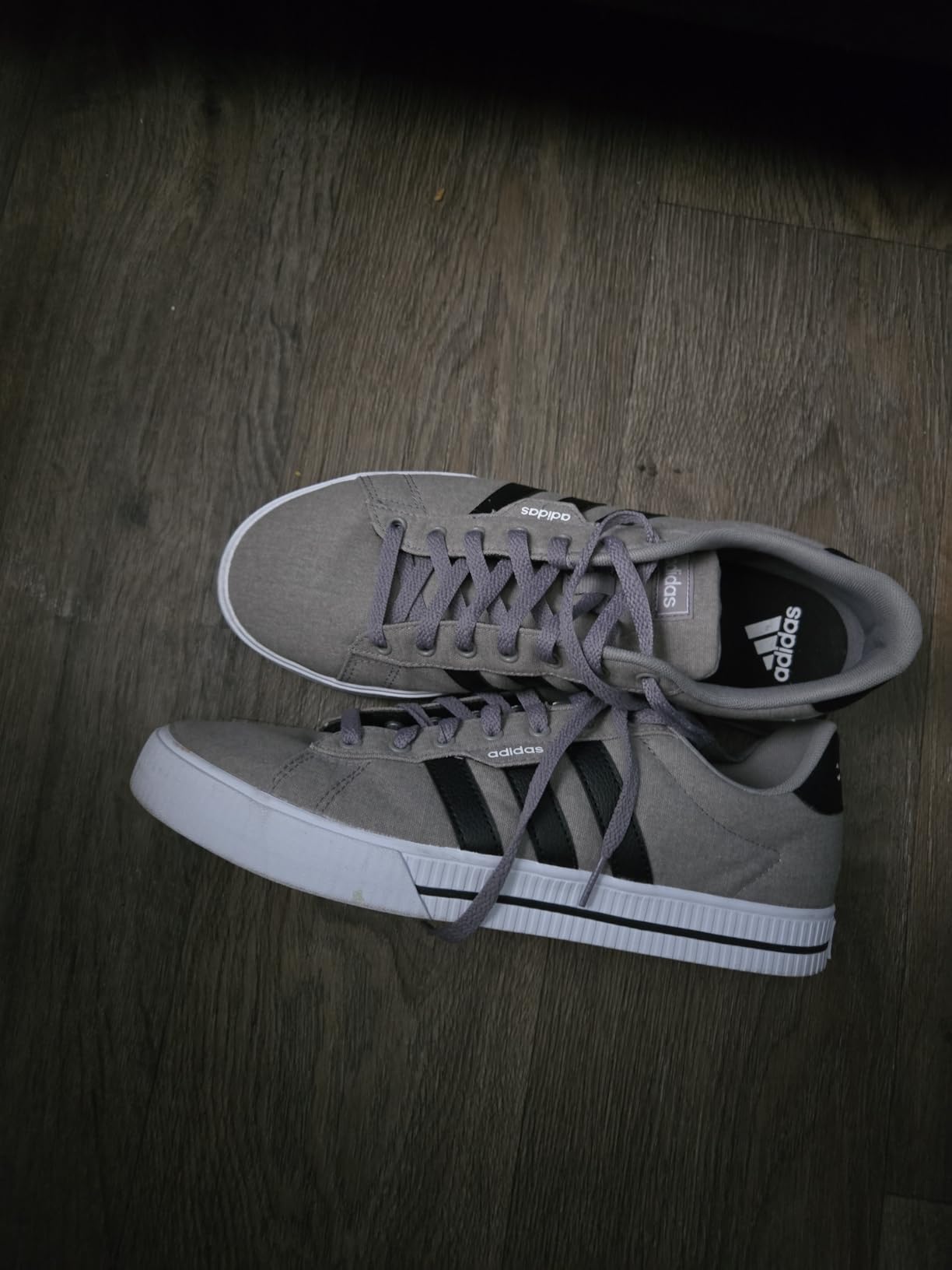
Six months of 4-5 days per week wear reveals both strengths and limitations. The washed canvas upper has held up better than expected—breathable in warm weather without feeling swampy during 85°F afternoons, and surprisingly resistant to casual scuffing. The material doesn’t show wear as quickly as cheaper canvas options.
The vulcanized rubber outsole delivers solid traction on dry pavement, light gravel, and damp concrete. That Vans-style construction means excellent board feel and grip, though it’s not designed for serious hiking or athletic activities. For navigating city sidewalks, parking lots, and indoor environments, the traction performs exactly as intended.
Where durability concerns emerge is at the sole-to-upper junction. While not experiencing complete separation yet, slight gaps are starting to appear around the toe area—a common issue with vulcanized construction at this price point. Heavier individuals (200+ lbs) are more likely to see this develop around the 6-8 month mark with regular use.
The stitching quality has remained solid throughout testing, and the synthetic leather panels show minimal creasing despite frequent wear. The three-stripe branding maintains its appearance without peeling. However, the insole quality clearly represents the budget constraint—hence the earlier replacement with gel inserts.
Compared to the Daily 4.0’s improved outsole materials and reinforced stitching, the 3.0 version shows its age. But for the price difference and the intended 8-12 month lifespan for regular users, the durability is appropriate. This isn’t a “buy it for life” shoe, and setting expectations accordingly prevents disappointment.
Against Vans Old Skool and Converse: Where Your $50 Actually Goes
At the $50 price point, direct comparison with Vans Old Skool and Converse Chuck Taylor All-Stars reveals where value differences lie. All three occupy similar price territory, but they deliver different experiences.
The Daily 3.0 offers better initial comfort than Vans Old Skool thanks to the EVA midsole and OrthoLite sockliner. Vans prioritizes that flat, stable platform for skateboarding with minimal cushioning, while the Daily 3.0 attempts to serve both casual wear and skate functionality. For walking and standing, the Adidas provides noticeably more support out of the box.
Durability-wise, Vans Old Skool edges ahead slightly with their time-tested construction—they’re built to withstand skateboarding abuse and typically last 12-15 months of regular use versus the Daily 3.0’s 8-12 month expectation. However, Vans’ canvas stretches over time for a broken-in fit, while the Daily 3.0’s synthetic panels and reinforced construction maintain shape better.
Against Converse Chuck 70s (the premium Chuck Taylor line), the Daily 3.0 delivers comparable quality at a similar price. Regular Chuck Taylors at $50 offer less cushioning and support than the Daily 3.0’s OrthoLite setup, though Converse wins on pure versatility and colorway options.
Where the Daily 3.0 finds its value sweet spot is in providing skate shoe construction with better comfort features than traditional skate shoes, at a price that competes with lifestyle sneakers. The breakdown looks like this:
- Daily 3.0: Better comfort than skate shoes, authentic skate construction, moderate durability
- Vans Old Skool: Traditional skate durability, less comfort, proven longevity
- Converse Chuck 70: Style-focused, moderate comfort, classic versatility
For someone rotating multiple pairs and using these 3-4 days per week, the $50 investment delivers solid value over an 8-12 month lifespan—that’s roughly $4-6 per month of wear.
Can These Handle Real Daily Wear Scenarios?
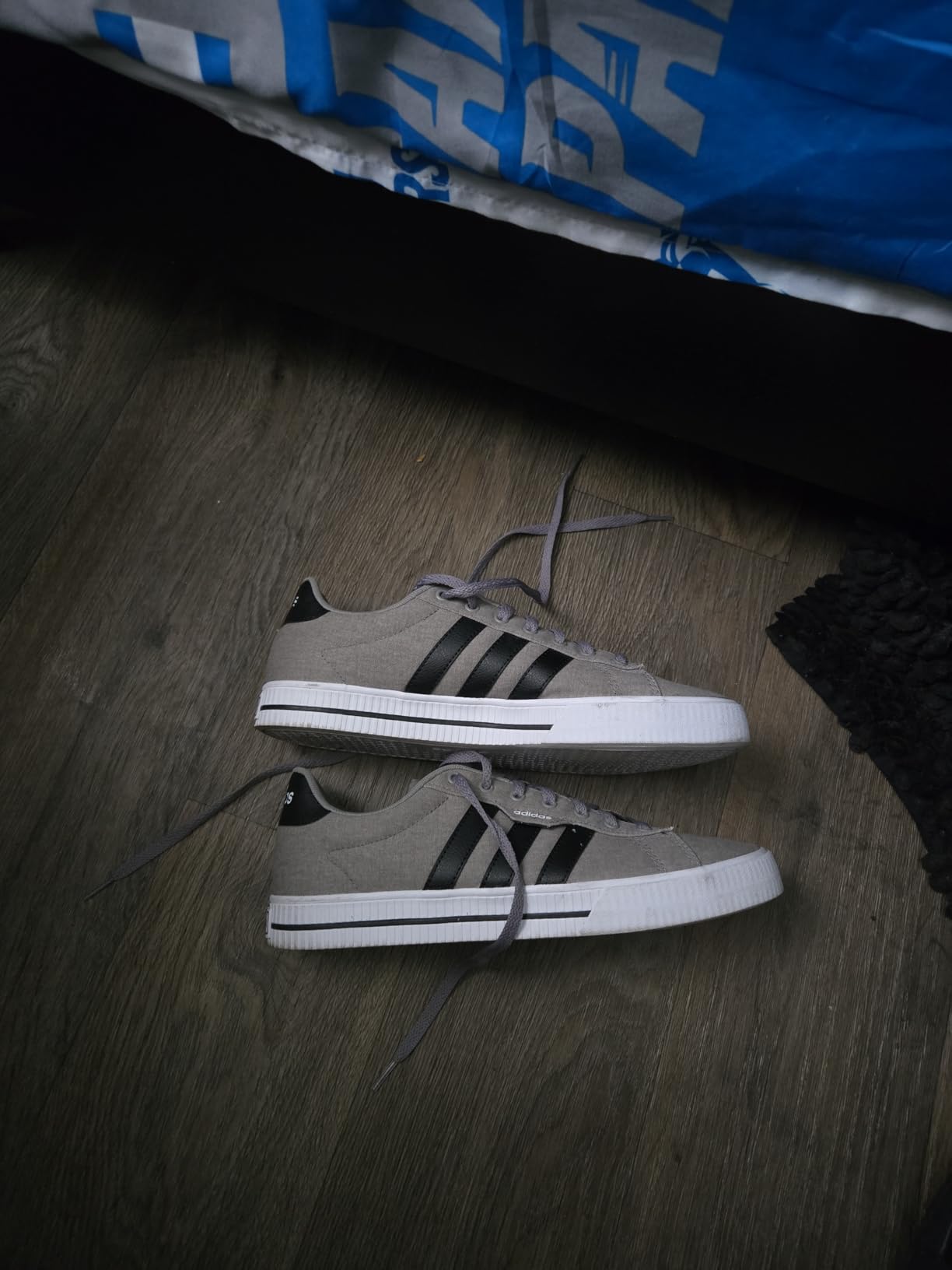
Real-world performance across various conditions shows where the Daily 3.0 excels and where it reaches limits. From Seattle coffee runs to Houston summer heat, these shoes have been solid performers for relaxed daily activities—but “daily” needs qualification.
For grocery runs, casual social gatherings, and low-key work environments, the versatility shines. Light enough not to feel heavy during errands, substantial enough not to feel flimsy. The breathable canvas performs well in warm weather, though waterproofing is nonexistent—these are fair-weather shoes that suffer in rain or snow.
The limitation becomes clear during extended use. While adequate for 4-8 hour casual days, pushing beyond that reveals the firm cushioning and minimal arch support. Anyone in retail, hospitality, or standing occupations should look elsewhere—this isn’t a work shoe. Similarly, using these for running or intensive gym work misses their purpose entirely.
Where the Daily 3.0 legitimately succeeds is matching its skate heritage with casual lifestyle needs. Walking 2-4 miles casually? Perfectly fine. City tourism with 6+ miles of walking? Foot fatigue will set in. Light skateboard sessions? The vulcanized sole and board feel deliver. Serious skate park abuse? Durability won’t match dedicated skate shoes.
The style versatility deserves recognition—these work equally well with dark jeans and a hoodie as with chinos and a casual button-down. The clean design language means they complement rather than compete with outfits. Various colorways (black/white, grey combinations, and newer brown/white options) provide flexibility without overwhelming choice.
For students and young professionals needing everyday casual sneakers that don’t look out of place anywhere from campus to coffee shops, the Daily 3.0 hits that target. For those needing serious athletic performance, all-day standing comfort, or heavy-duty durability, expectations need adjustment.
The Style Versatility That Actually Works
Clean, classic design executed well—that’s the Daily 3.0’s strongest card. The skate-inspired silhouette feels authentic without trying too hard, largely because these ARE actual skate shoes adapted for lifestyle wear, not lifestyle shoes pretending to be skate shoes.
The proportions work across different outfit styles. The low-top design paired with slim or regular-fit jeans creates a balanced silhouette. With shorts, the ankle exposure and classic lines look clean rather than clunky. Even dressed up slightly with chinos and a button-down for casual Friday at work, these don’t scream “athletic shoe” the way running trainers would.
Color options lean toward classic combinations—black and white colorways provide maximum versatility, grey tones offer subtle variation, and the brown/white version adds warmth for fall aesthetics. The three-stripe branding is prominent enough to signal the Adidas heritage without dominating the design.
What makes the styling work is restraint. No excessive branding, no technical details fighting for attention, no wild colorways unless specifically chosen. This is deliberate simplicity in an era where many casual sneakers try too hard to stand out.
The washed canvas finish gives a broken-in, lived-in aesthetic from day one—these look better slightly scuffed rather than pristine. That works perfectly for the casual lifestyle positioning. They don’t demand precious treatment or careful matching; they just work with whatever’s in the wardrobe.
Compared to bolder skate shoes with wild colorways or heavily branded athletic sneakers, the Daily 3.0’s understated approach offers more outfit combinations with less thinking required. That’s valuable for anyone who wants reliable style without fashion complexity.
My Final Take
After 6 months of daily sessions, the Adidas Men’s Daily 3.0 Sneaker delivers on its core promise: classic skate aesthetics with casual comfort at a fair price. Understanding what these shoes actually are—lifestyle sneakers with authentic skate construction—sets appropriate expectations.
The Verdict: 7.2/10 overall. Strong marks for design (8.5/10) and versatility (8.0/10), but realistic scores for comfort (7.0/10) and build quality (6.5/10) at this price point. Value proposition (7.5/10) makes sense for those who understand they’re getting 8-12 months of solid casual wear, not a long-term investment piece.
The Good and The Bad
Pros:
- Clean, versatile design that works with multiple outfit styles
- True to size fit for narrow to normal feet
- Better initial comfort than traditional skate shoes
- Lightweight and breathable for casual wear
- Solid value at $50 for intended use case
- Authentic skate shoe construction and aesthetic
- Easy to clean canvas upper
Cons:
- Runs narrow through midfoot—wide feet need to size up
- Durability concerns after 6-8 months of regular use
- Firm sole provides less cushioning than athletic shoes
- Not suitable for intensive activities or long standing
- Break-in period required before full comfort
- Insole quality could be better
- Some heel slippage reported during initial wear
Who Should Consider the Daily 3.0
Perfect for:
- Individuals seeking versatile casual sneakers under $75
- Students or young professionals needing everyday style
- Those wanting skate aesthetics without skate-level pricing
- Light activity users (walking, casual outings, errands)
- Anyone who rotates multiple pairs regularly
Worth reconsidering if:
- Wide feet are a concern (try them on first or size up)
- Shoes need to last 18+ months of daily wear
- Looking for athletic-level cushioning and support
- Planning to use for running or intensive activities
- Need heavy-duty work shoes or serious athletic footwear
- Require maximum arch support or specialized foot health features
Better Options for Specific Needs
- For better durability: Vans Old Skool or Converse Chuck 70
- For more comfort: Adidas Cloudfoam Pure or Ultraboost models
- For wider feet: New Balance 574 or Nike Air Force 1
- For better value rotation: Buy two pairs on sale and alternate
The bottom line: These are solid casual sneakers that deliver on style and basic comfort at a fair price. Understanding they’re designed for light to moderate use prevents disappointment. For anyone needing everyday shoes with classic aesthetics who’ll rotate pairs regularly, the Daily 3.0 at $50 represents worthwhile value.
Pro tip: Consider buying two pairs if found on sale—rotating between them extends the life of both pairs. Also, invest in quality gel insoles from day one to maximize comfort during longer wear sessions.
Frequently Asked Questions
How does sizing compare to other brands?
Against Nike, the Daily 3.0 runs true to size in length but slightly narrower. Compared to Vans, very similar sizing but a bit less snug overall. Regular size 10 in Converse Chuck Taylors translates directly, though Chucks typically run half a size larger. The key difference is the narrower midfoot—those with wide feet should size up half a size.
What’s the realistic lifespan?
Light individuals (under 160 lbs) can expect 12-15 months of regular use. Average weight (170-185 lbs) typically see 8-12 months. Heavier daily users (200+ lbs) should anticipate 6-8 months before sole separation becomes an issue. Rotating with other pairs extends lifespan significantly.
How do they compare value-wise to Vans Old Skool?
At similar pricing, it’s about priorities. Vans offer slightly better long-term durability but the Daily 3.0 has better initial comfort with the OrthoLite sockliner. For casual office environments or daily walking, the Daily 3.0 might edge ahead in versatility. For pure skate durability, Vans take the lead.
Can these work for long walking days?
For casual walking (2-4 miles), absolutely fine. For serious city walking or tourist days (6+ miles), consider more cushioning. The firm sole and minimal arch support become noticeable during extended walks. Not recommended for hiking or trail use.
What are the actual deal-breakers?
The shoes won’t work for those needing serious arch support, planning to use them for running/sports, or expecting premium durability. Common complaints include sole separation after 6-8 months and narrow fit for wider feet. The biggest limitation is expecting athletic shoe performance from a lifestyle sneaker.
Best practices for maximum lifespan?
Rotate with other shoes to avoid daily wear, clean the canvas regularly with mild soap, replace insoles around month 3-4, avoid wearing in wet conditions, and retire them when sole separation starts rather than waiting for complete failure. Proper care can push a 8-month shoe to 12 months.
Be the first to review “Adidas Men’s Daily 3.0 Sneaker”
Related products
Sneaker

Sneaker
Sneaker

Sneaker
Sneaker
Sneaker
Reviews
There are no reviews yet.