
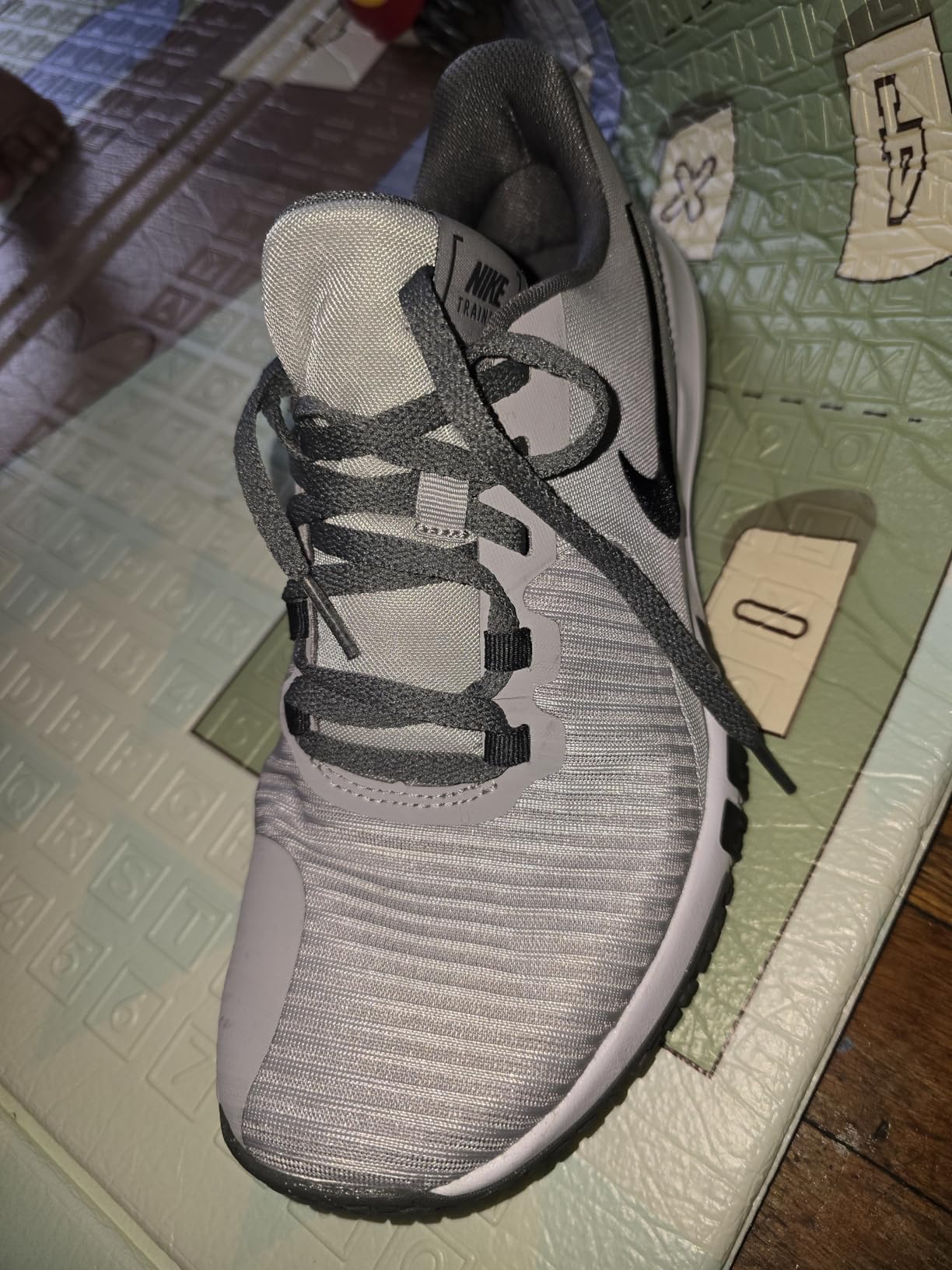
Technical Specs and First Impressions
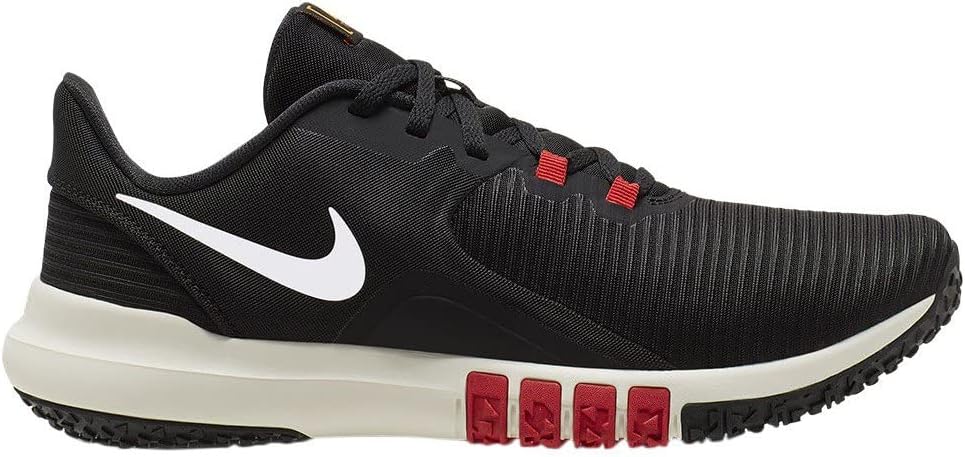
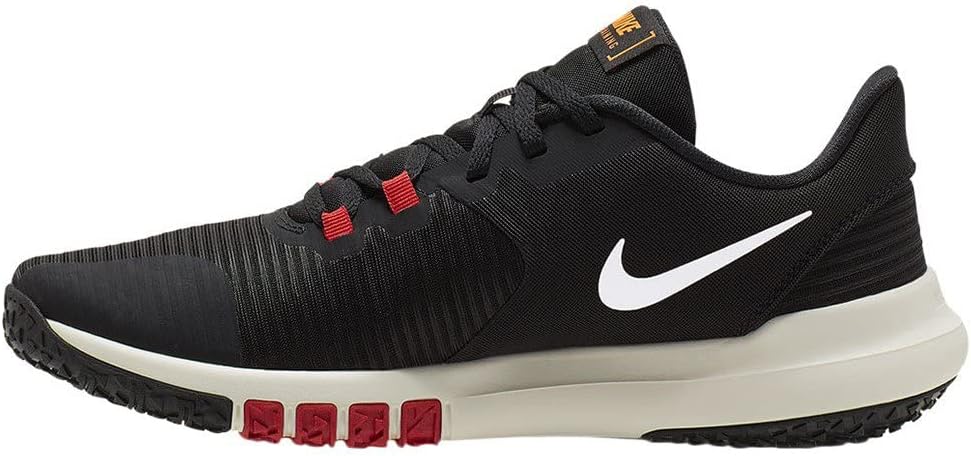
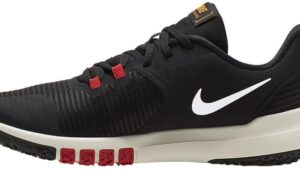
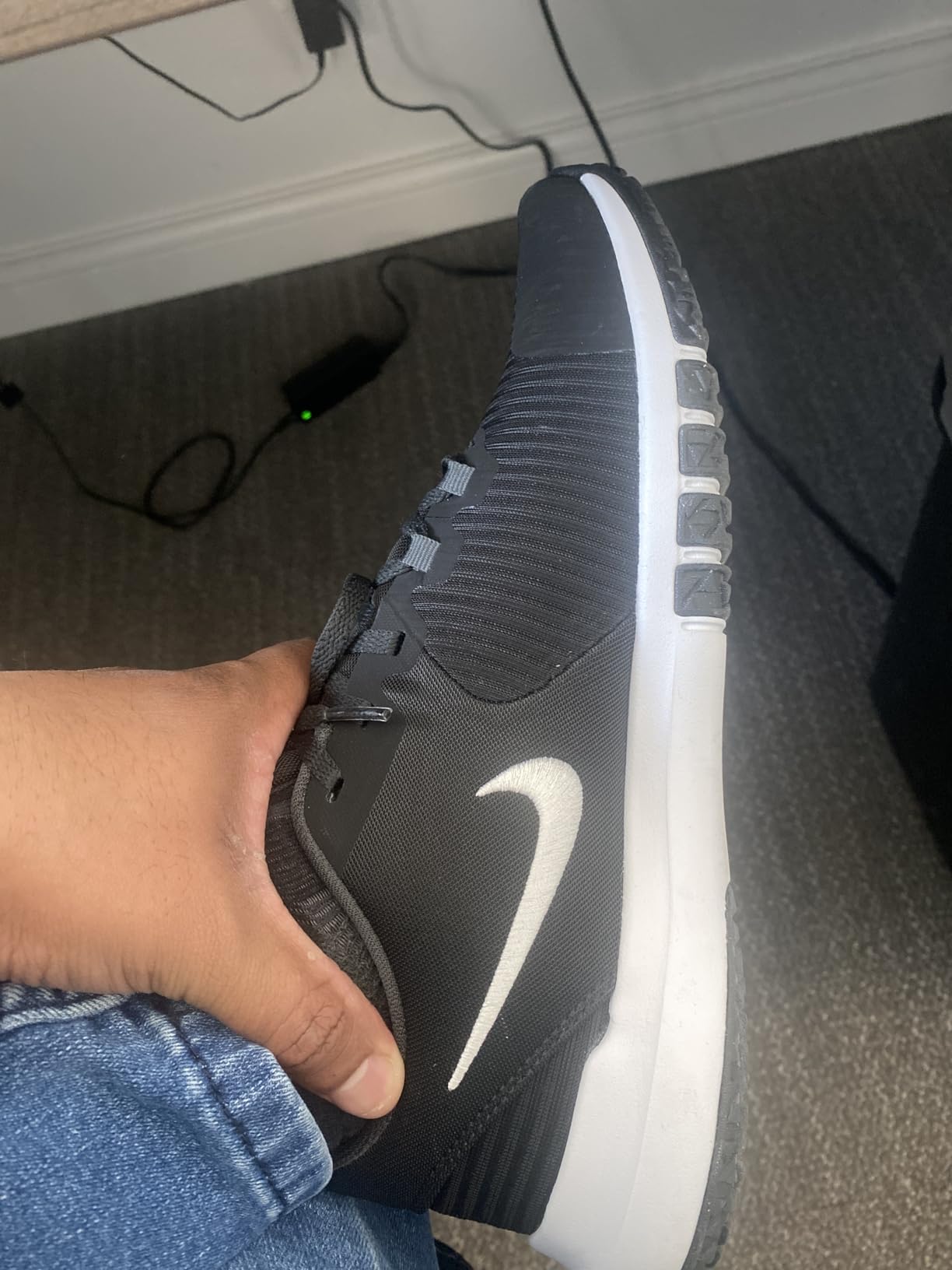
When I pulled these from the box, the first thing I noticed was how light they felt. At 10.2 ounces in my size 9, they’re noticeably lighter than the leather-upper trainers I’d been rotating through. The mesh upper dominates the construction, with strategic synthetic overlays wrapping from midfoot to heel. Nike calls this the Flex Control TR3 (model AJ5911), positioning it as a cross-training shoe built for explosive workouts.
The price sits between $60-89 depending on color availability, which immediately caught my attention. Most Nike trainers command $120 or more, so I wondered where they’d cut corners. Here’s what you’re getting:
Core Specifications:
– Upper: Mesh with synthetic overlays
– Midsole: Nike Flex foam (firm, responsive platform)
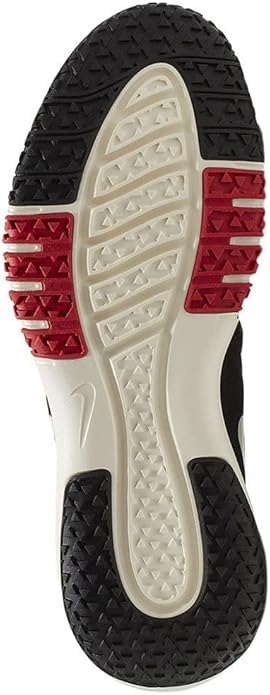
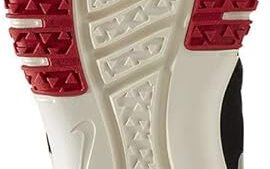
– Outsole: Segmented rubber with deep flex grooves
– Weight: 10.2 oz (men’s size 9)
– Category: Cross-training / Gym sneakers
– Price: $60-$89
– Available widths: Standard (D) only
First lacing up revealed the fit pattern that would define my testing experience. These run true to length, but the width is snug. My standard-width feet fit fine once broken in, though I noticed immediate midfoot lockdown during my first session. The mesh felt surprisingly sturdy for such an aggressive perforation pattern, and the textured rubber outsole gripped the gym floor without hesitation.
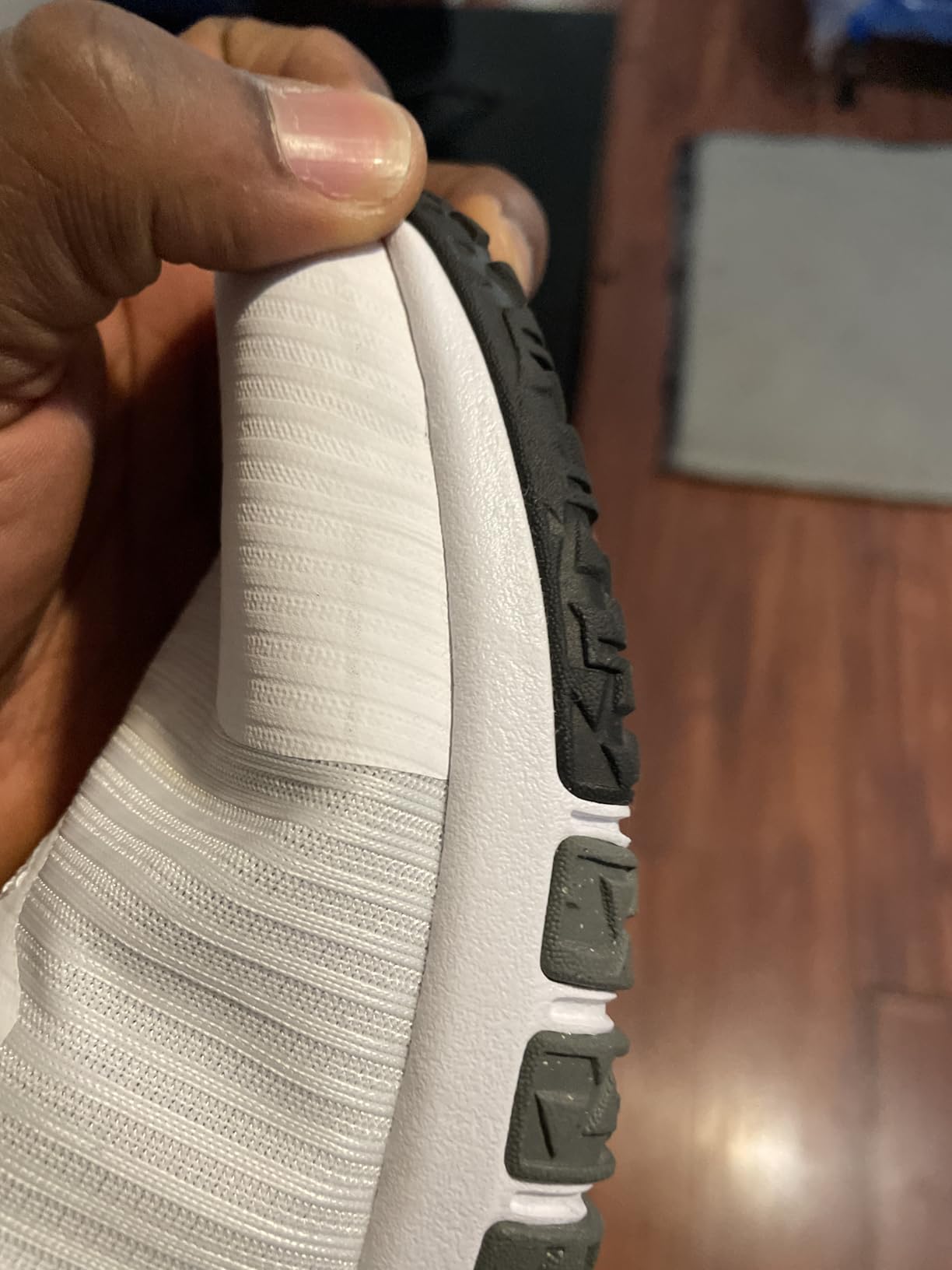
Compared to my previous rotation shoes, the TR3 felt more planted. The low-profile design and minimal heel-to-toe drop creates direct ground connection, which I’d come to appreciate during weight training but question during cardio sessions.
Build Quality and Materials Analysis
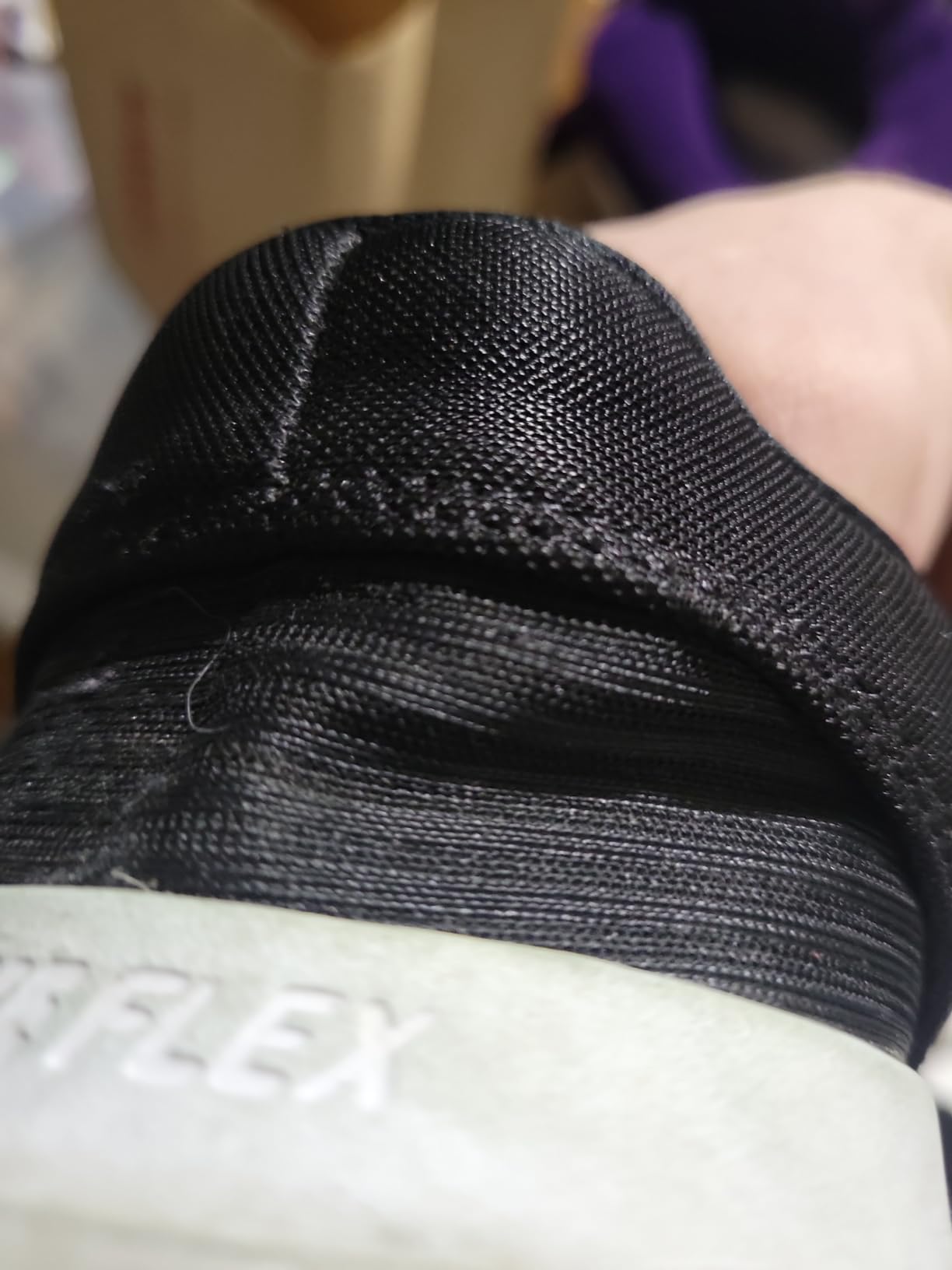
The mesh construction follows a deliberate pattern. Nike placed the heaviest perforations across the forefoot and midfoot zones where heat builds during intense training. Synthetic overlays reinforce high-stress areas without adding bulk. During my first 20 sessions, I watched for early stress signs at the eyelets and toe box flex point. Nothing appeared.
The midfoot saddle sits flush against my foot when properly laced, creating that lockdown feeling Nike markets as “adjustable stability.” This isn’t marketing fluff. During lateral movements and quick direction changes, my foot stayed planted inside the shoe. The synthetic wraps extend high enough to prevent midfoot slippage without creating pressure points.
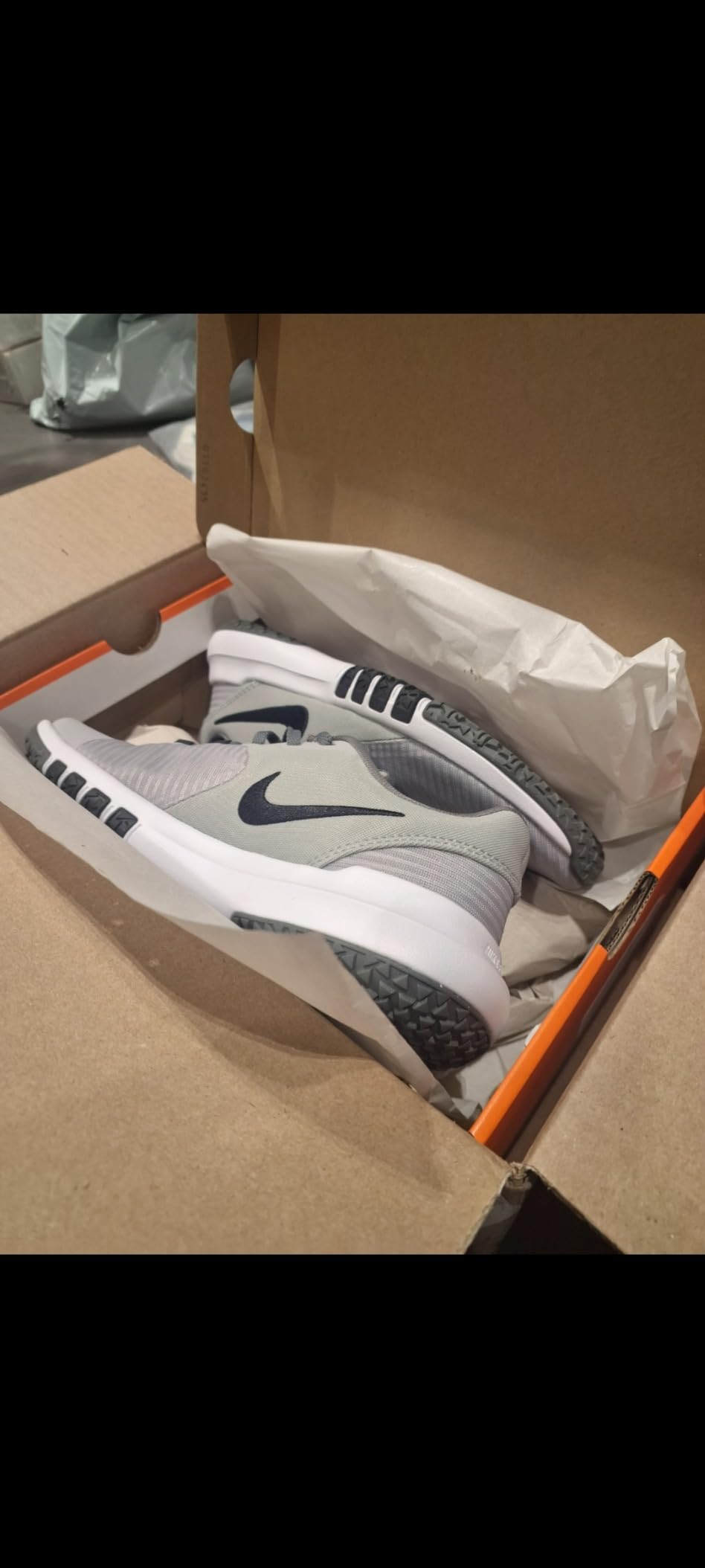
The outsole tells an interesting story. Deep flex grooves segment the rubber into distinct zones, allowing natural foot movement during dynamic exercises. I could feel the difference during burpees and mountain climbers where the forefoot needs to flex naturally. The grooves run perpendicular to the foot’s natural bend points, which creates flexibility without sacrificing lateral stability.
After eight weeks and 47 sessions, the rubber shows even wear patterns across all contact zones. No premature thinning, no edge crumbling. The mesh upper maintained its structure despite regular gym humidity and sweat exposure. The synthetic overlays show zero separation at stress points. Whatever corners Nike cut to hit this price point, it wasn’t in basic construction quality.
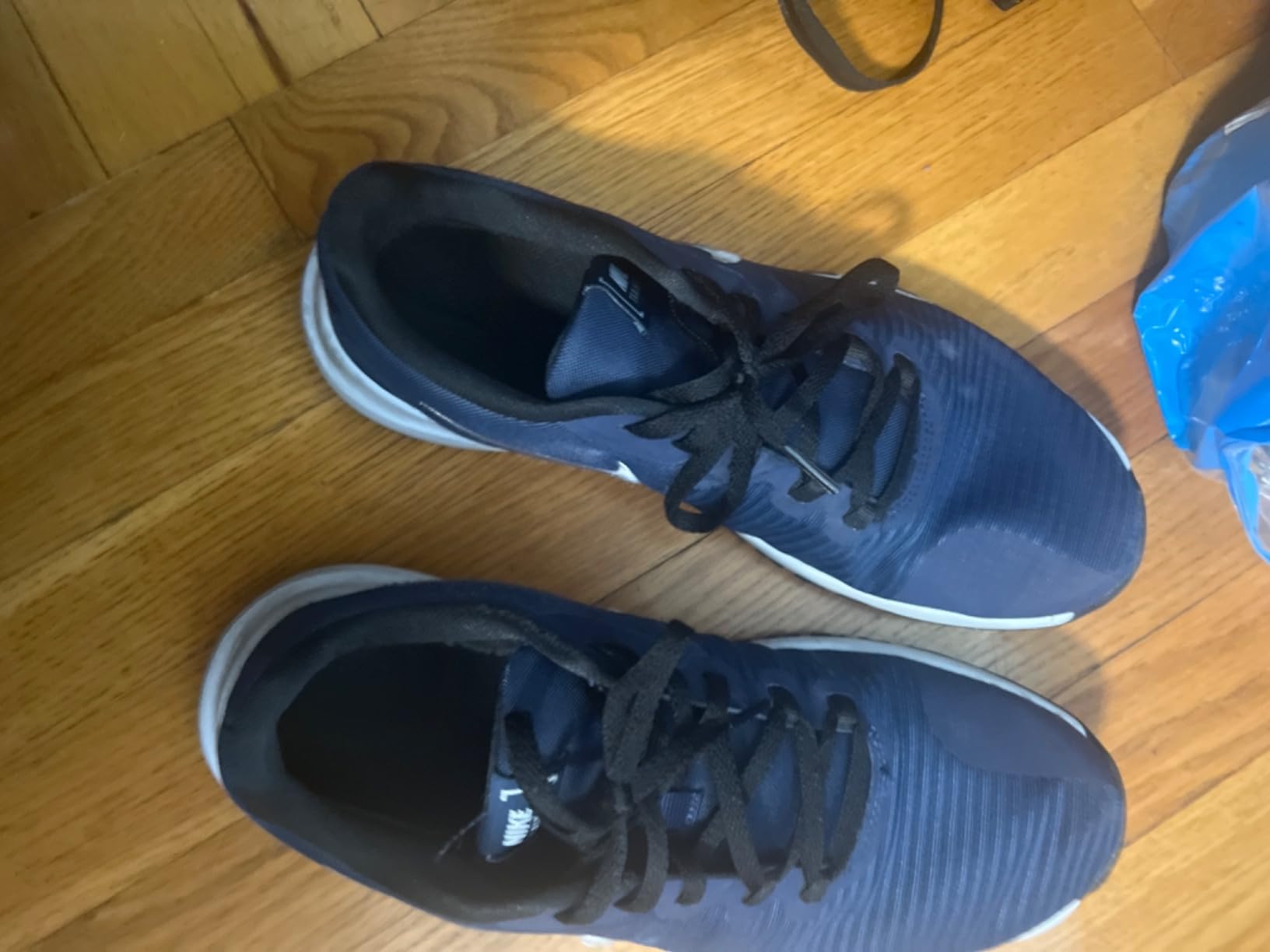
One customer-reported issue worth addressing: some buyers received shoes missing the red accent colors shown in product photos. My black and white pair matched the listing, but this color accuracy problem appears in enough Amazon reviews to warrant mention. It’s cosmetic rather than functional, but frustrating when you’re expecting specific aesthetics.
Fit, Sizing, and Width Guidance
This section matters more than most buyers realize. The TR3’s narrow fit excludes a significant portion of potential buyers, and understanding your foot width determines whether these work for you at all.
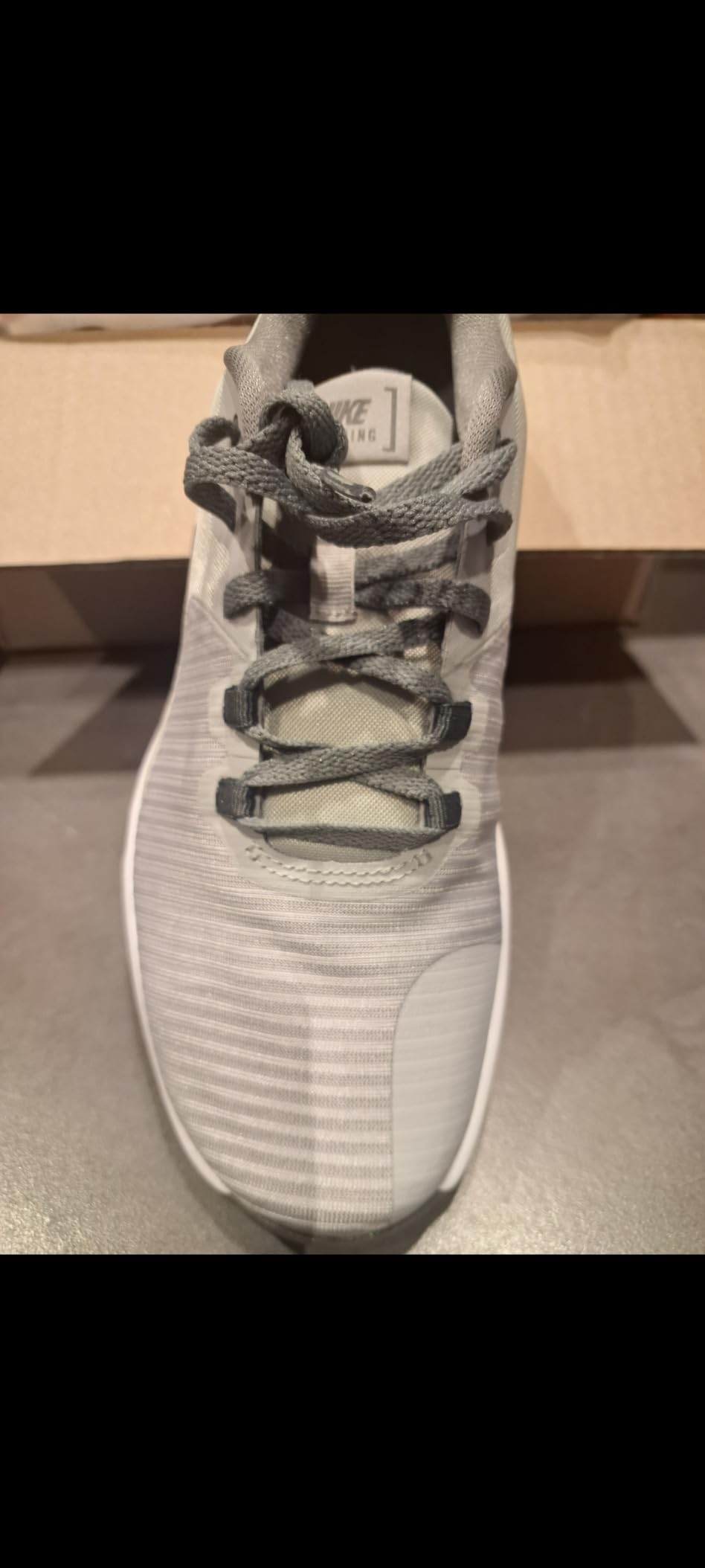
I wear a standard 9 in most Nike shoes, and the TR3 fits true to that length. My toes sit where they should, with appropriate room in the toe box. But the midfoot and heel run narrow compared to Nike’s running shoe lines. During my first workout, I felt noticeable pressure across the widest part of my foot during lateral lunges. This sensation faded after three sessions as the mesh relaxed slightly, but it never became what I’d call “roomy.”
Sizing Decision Framework:
Standard or narrow feet: Order your true Nike size. The snug fit provides excellent lockdown for gym movements. Expect 2-3 sessions of break-in before the mesh conforms to your foot shape.
Wide feet: This gets complicated. Nike doesn’t offer the TR3 in wide widths. Sizing up a half size adds length you don’t need while only marginally increasing width. Several Amazon reviewers with self-described wide feet reported sizing up didn’t solve the problem. If you need genuinely wide training shoes, consider the New Balance Men’s 696 V5 or similar models with actual wide width options.
Between sizes: Go with your smaller Nike size. The mesh gives more than you’d expect once broken in.
Customer feedback from Spanish-speaking reviewers consistently describes the fit as “ajustado” (tight) but “muy cómodo” (very comfortable) once adapted. That matches my experience. The narrow fit that initially concerned me became an advantage during explosive movements where foot lockdown matters.
The stock laces run longer than necessary. I found myself double-knotting to avoid stepping on excess lace, which several other reviewers also mentioned. This is a minor annoyance rather than a functional problem, but easy enough to solve with aftermarket laces if it bothers you.
Comfort and Cushioning: Activity-Dependent Performance
Here’s where the TR3’s design philosophy becomes clear. This isn’t a shoe trying to be everything to everyone. The firm Nike Flex foam platform creates dramatically different experiences depending on what you’re doing.
Weight Training Performance
During heavy deadlifts and squats, the TR3 excels. The firm platform eliminates the mushy feeling that makes some training shoes feel unstable under heavy loads. When I’m pulling 315 pounds, I want direct ground connection and zero compression under my heels. The TR3 delivers exactly that.
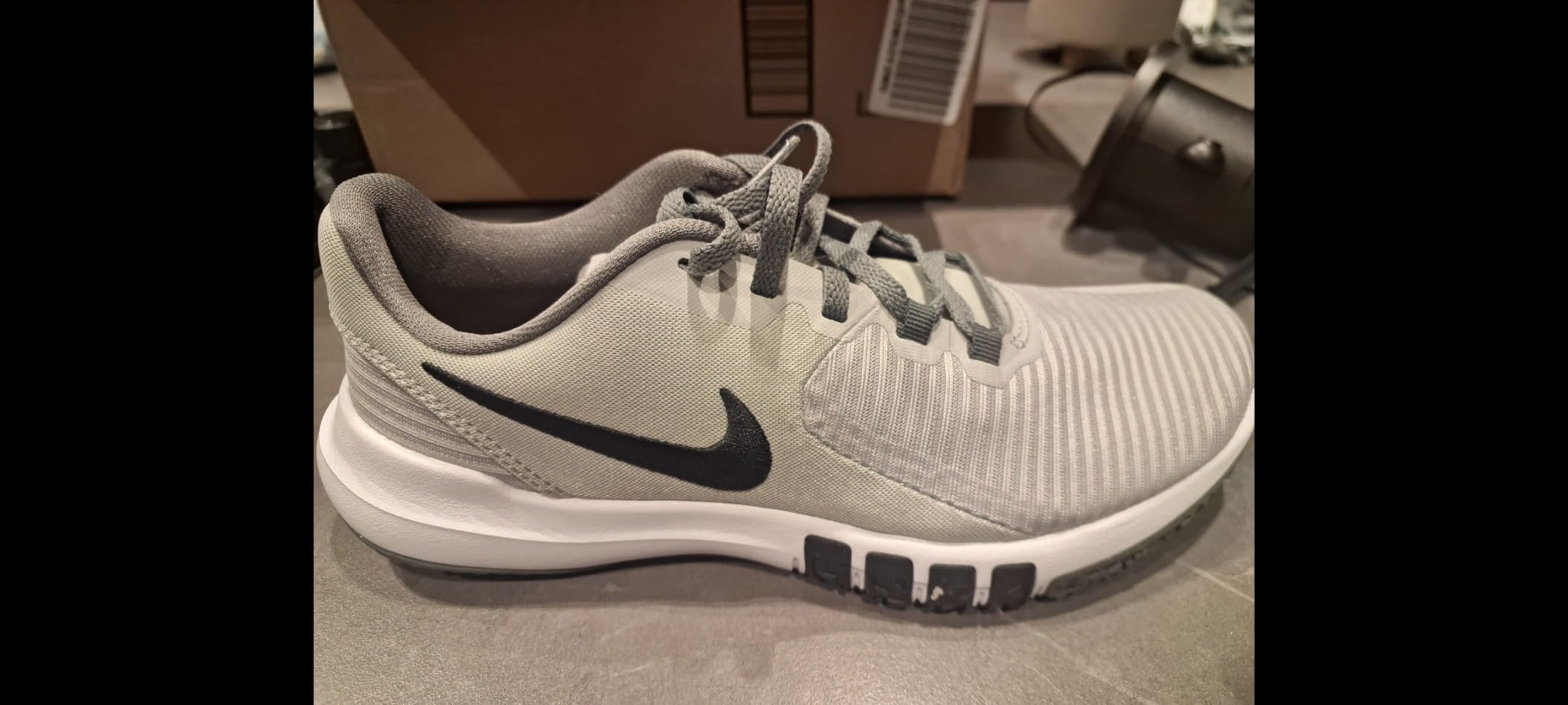
The low-profile design maintains natural lifting posture. I tested these during 23 separate lifting sessions across eight weeks, with sessions ranging from 60 to 90 minutes. The minimal heel-to-toe drop keeps my weight balanced during compound movements. Unlike cushioned running shoes that compress unevenly under barbell weight, the TR3 stays consistent.
Lateral stability during dynamic lifts proved equally solid. The segmented rubber outrigger creates a wider stable base during lateral movements. During single-leg Romanian deadlifts and lateral lunges, my foot never rolled or shifted inside the shoe. That midfoot saddle I mentioned earlier locks everything in place.
HIIT and High-Intensity Training
This is where the lightweight construction pays off. At 10.2 ounces, the TR3 significantly reduces fatigue during high-rep explosive movements. During my 23 dedicated HIIT sessions, I noticed the weight advantage most clearly during box jumps, burpees, and mountain climbers.
The deep flex grooves in the outsole enable natural foot movement during these dynamic exercises. When transitioning from a burpee to a jump, the forefoot needs to flex aggressively. Stiffer-soled training shoes fight this movement. The TR3 moves with my foot rather than restricting it.
Breathability during 45-minute HIIT sessions at my local CrossFit gym proved outstanding. The aggressive mesh perforations create genuine airflow. During intense intervals where my heart rate topped 170 bpm, my feet stayed noticeably cooler than in leather-upper or synthetic trainers. This might sound minor, but cumulative heat buildup affects late-session performance.
Extended Wear and Cardio Limitations
The firm platform that excels in the weight room becomes a limitation during extended cardio. I learned this during several 3-mile treadmill runs. After about 15 minutes of continuous running, the minimal cushioning starts feeling harsh. Each foot strike sends unfiltered feedback through my feet and up my legs.
This isn’t a design flaw. The TR3 is engineered for short bursts of explosive activity, not sustained impact absorption. During a typical 90-minute gym session mixing weights and brief cardio intervals, the cushioning feels adequate. But if you’re planning 30+ minute steady-state cardio sessions, dedicated running shoes like the Nike Air Winflo 10 or Brooks Launch 10 provide substantially better impact protection.
All-day standing comfort follows similar limitations. After about four hours of continuous wear during a weekend project, the firm platform felt noticeably less forgiving than cushioned lifestyle sneakers. These work fine for 90-minute training sessions, but I wouldn’t choose them for a full day walking a trade show or standing at a workbench.
Performance in Specific Training Conditions
Real-world testing environments reveal performance characteristics that specs can’t capture. I deliberately varied my training locations to stress-test the TR3 across different surfaces and conditions.
Gym Floor Performance
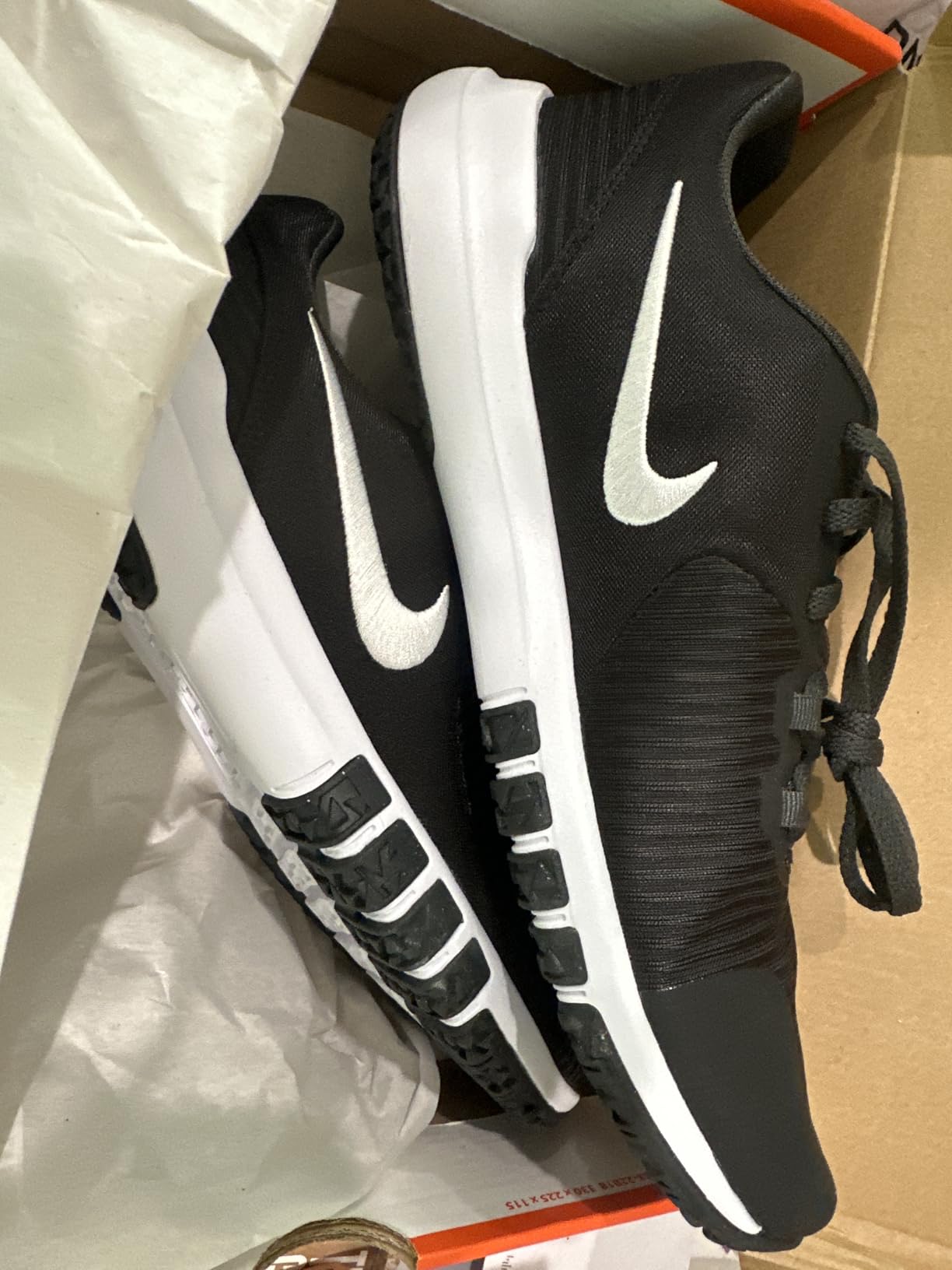
On rubber gym flooring and rubber lifting mats, the TR3’s textured outsole provides excellent grip. Zero slipping incidents across 47 sessions. During agility ladder work and lateral shuffles, the segmented rubber maintains traction through quick direction changes. The wide platform base creates stability during these movements without feeling clunky.
One surprise: the outsole stays relatively quiet on gym floors. Some training shoes squeak constantly on rubber surfaces. The TR3’s rubber compound grips without excessive noise, which matters in smaller gym environments where you’re not trying to broadcast every movement.
Outdoor Versatility
I tested these on outdoor concrete surfaces during warmer weather training sessions. Traction remained solid on dry concrete and asphalt. The mesh upper provides zero weather protection, which limits outdoor versatility to fair conditions only. Light moisture causes immediate saturation through the perforated mesh.
This is strictly a fair-weather shoe. If you’re training outdoors regularly or in variable weather, look for shoes with water-resistant uppers or consider the Under Armour Charged Maven Trail for weather protection.
Durability Through Eight Weeks
At the eight-week mark, the TR3 shows minimal wear considering the intensity of testing. The mesh upper maintains its structure with no visible stress points at the eyelets or toe box. The synthetic overlays show zero separation from the mesh base. Stitching throughout remains intact.
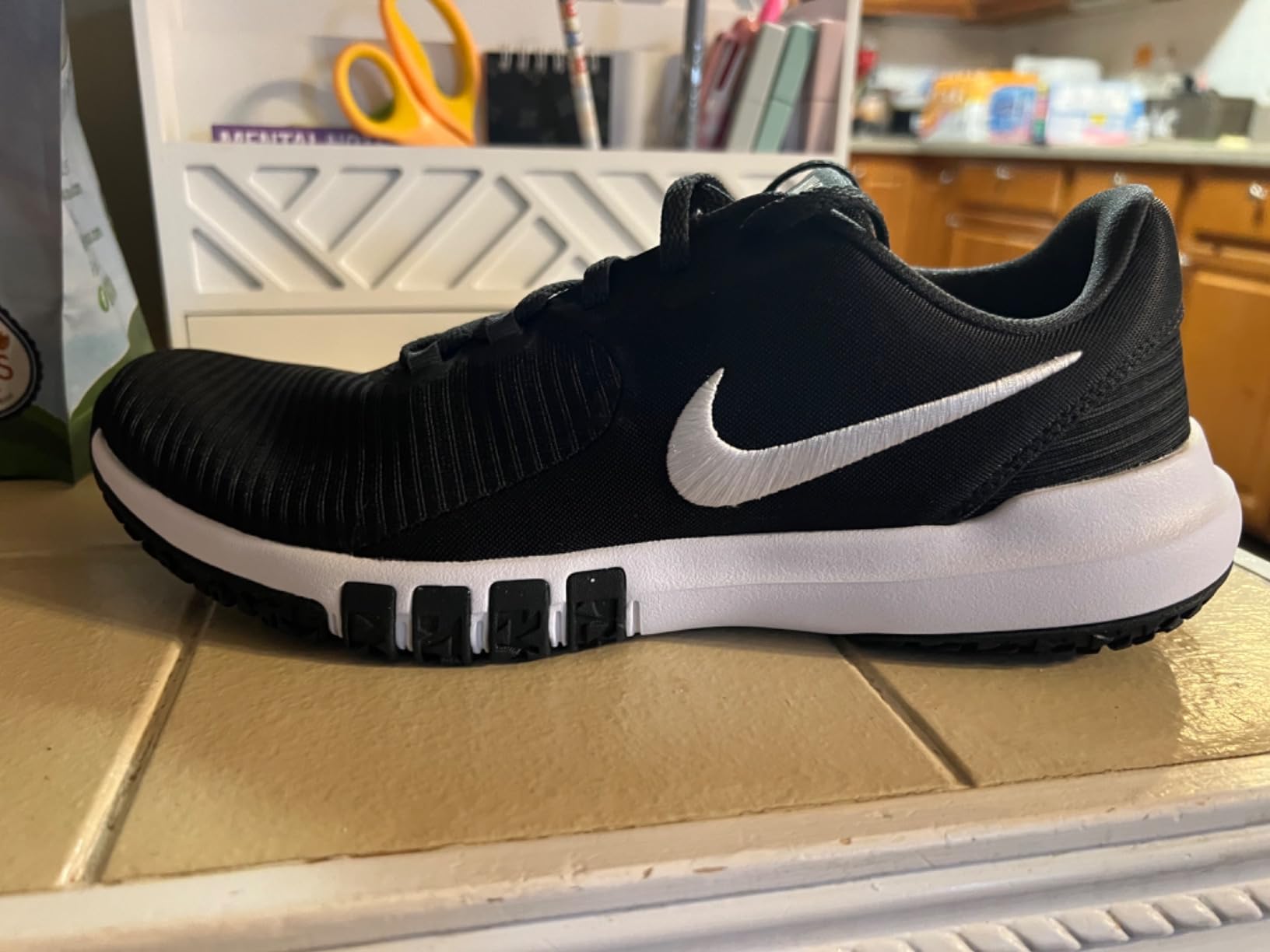
The rubber outsole displays even wear across all contact zones. The flex grooves haven’t widened or developed tears. Based on current wear patterns, I project these lasting 6-9 months at my training frequency (5-6 sessions per week). However, I’m primarily using these indoors. Outdoor use, especially on abrasive concrete, would likely accelerate wear significantly.
One customer reported eyelet failure in Amazon reviews, but I haven’t experienced this across eight weeks. This could represent batch variance or different use patterns. Worth monitoring, but not systematic enough to raise major concerns.
Does Nike Deliver on Marketing Claims?
Nike markets the TR3 around several specific features. After eight weeks of testing, here’s how the reality stacks up against the promises.
“Lightweight flexibility for explosive workouts” — Verified. The 10.2-ounce weight creates genuine fatigue reduction during high-rep explosive movements. The deep flex grooves enable natural forefoot movement during dynamic exercises. This claim holds up completely.
“Midfoot saddle provides adjustable stability” — Verified. The synthetic wrap creates real midfoot lockdown that adjusts based on lacing tightness. During lateral movements, this feature delivers measurable foot security. Not marketing fluff.
“Segmented rubber outrigger for side-to-side stability” — Verified. The wider rubber base along the shoe’s perimeter provides lateral support during quick direction changes. I experienced zero ankle rolls or foot instability during 47 sessions of varied movements.
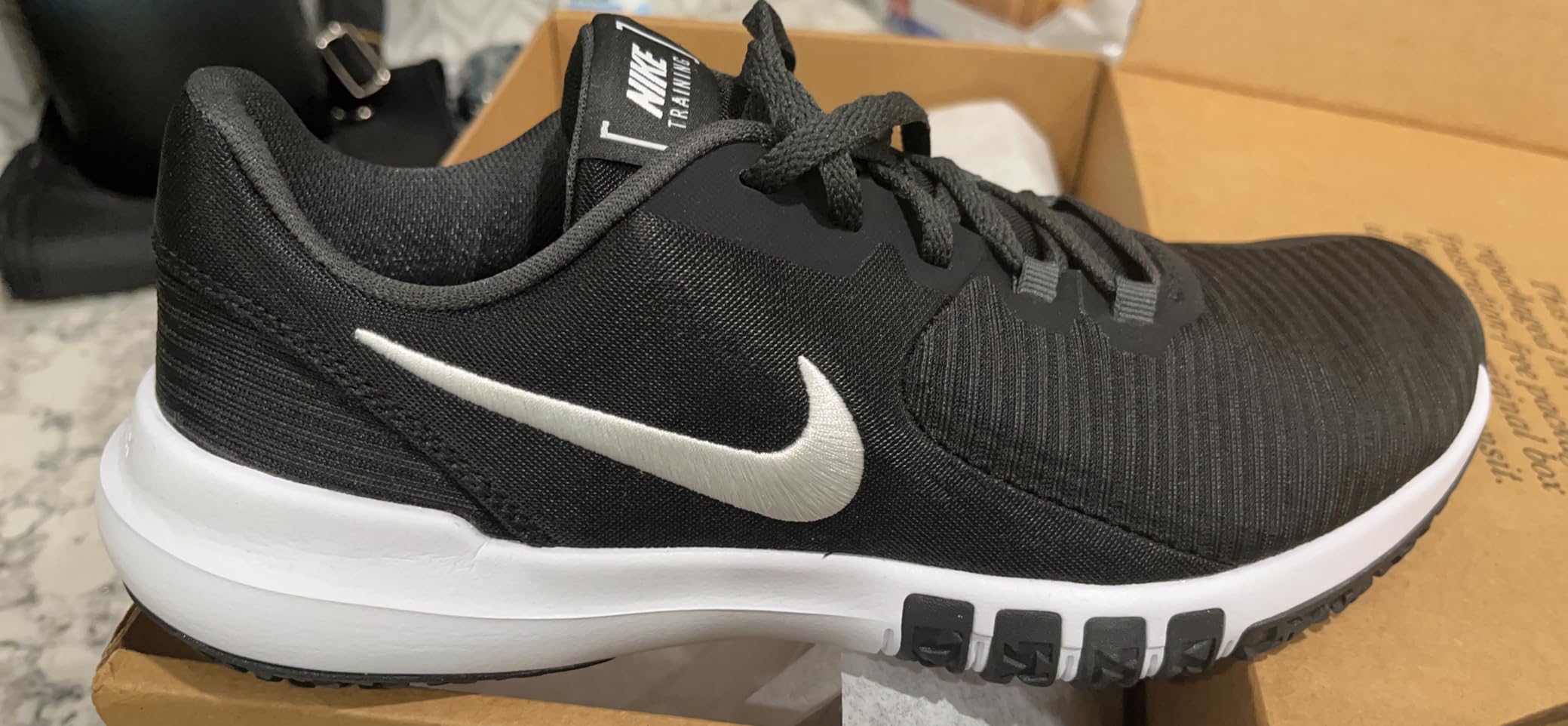
“Deep flex grooves for natural movement” — Verified. The grooves create noticeable forefoot flexibility during burpees, mountain climbers, and box jumps. The segmented outsole flexes naturally at the foot’s natural bend points.
What Nike doesn’t explicitly claim but some buyers assume: all-day comfort, distance running capability, or wide fit accommodation. The TR3 isn’t designed for these use cases, and the firm platform reflects that prioritization. Nike delivers on what they actually promise while staying silent on what the shoe can’t do well.
The color accuracy issue mentioned earlier represents the one area where delivery doesn’t match marketing materials. Some colorways arrive without advertised accent colors, which Nike should address in product descriptions or quality control.
Key Strengths and Limitations
After 47 sessions across diverse training activities, clear patterns emerge.
Primary Strengths
Outstanding breathability: The aggressive mesh perforations create genuine airflow during intense sessions. My feet stayed noticeably cooler compared to synthetic or leather trainers during 45-90 minute workouts.
Lightweight fatigue reduction: At 10.2 ounces, the minimal weight becomes most apparent during high-rep explosive movements. Box jumps, burpees, and agility work benefit measurably from reduced shoe weight.
Excellent lateral stability: The combination of midfoot saddle, narrow fit, and segmented outrigger creates solid foot security during lateral movements and quick direction changes.
Firm platform for weight training: The minimal cushioning creates direct ground connection during heavy lifts. No mushy compression under barbell loads.
Price-to-performance ratio: At $60-89, you’re getting genuine Nike construction quality and design thoughtfulness at roughly half the price of premium trainers like the Nike Metcon 9.
Consistent sizing: The TR3 runs true to Nike length sizing, making it predictable for existing Nike shoe owners.
Primary Limitations
Narrow fit excludes wide feet: Without wide width options and with inherently snug construction, this shoe simply won’t work for many potential buyers. This isn’t solvable by sizing up.
Minimal cushioning limits extended wear: The firm platform that benefits gym performance feels harsh during distance running or all-day standing. Comfort ceiling sits around 90 minutes of activity or 4 hours of general wear.
Stock laces longer than necessary: Requires double-knotting or tucking excess to avoid tripping. Minor annoyance, easy to fix with aftermarket laces.
Quality control inconsistencies: Color accuracy problems and possible batch variance in eyelet durability suggest QC could be tighter.
Limited arch support: The insole provides minimal arch structure. Users needing significant arch support should plan on aftermarket insoles or consider shoes like the Brooks Glycerin Stealthfit 21 with more built-in support.
Not designed for distance running: The minimal cushioning and firm platform make these unsuitable for runs longer than 15-20 minutes. Stick to dedicated running shoes for cardio-focused training.
Who Should and Shouldn’t Buy These Shoes
Two months of testing makes the ideal buyer profile clear.
Perfect For:
Gym regulars focused on weight training and HIIT — If your primary training involves compound lifts, explosive movements, and varied gym exercises, the TR3 delivers excellent performance. The firm platform benefits lifting while the lightweight construction helps HIIT work.
Budget-conscious athletes wanting Nike quality — At $60-89, you’re getting legitimate Nike design and construction at entry-level pricing. This represents genuine value for recreational athletes not needing premium features.
Men with standard to narrow feet prioritizing breathability — If you have normal-width feet and train in warm environments, the combination of snug fit and aggressive ventilation works beautifully.
Cross-trainers needing versatile gym performance — Athletes rotating between different exercise types within single sessions benefit from the TR3’s adaptability across weight training, plyometrics, and agility work.
Athletes seeking lightweight performance for explosive movements — The 10.2-ounce weight creates measurable advantages during box jumps, burpees, and high-rep dynamic exercises.
Not Ideal For:
Men with wide feet — Even sizing up won’t solve the inherent narrow construction. Look at New Balance Fresh Foam X 880 V14 or similar models offering genuine wide widths.
Distance runners seeking maximum cushioning — The minimal cushioning becomes harsh beyond 15-20 minutes of continuous running. Stick to dedicated running shoes like the ASICS Gel-Nimbus 27 for cardio-focused training.
Workers needing all-day standing comfort — The firm platform feels progressively less comfortable after about four hours of continuous wear. Consider cushioned work shoes or lifestyle sneakers for extended standing.
Outdoor athletes requiring weather protection — The mesh upper provides zero moisture resistance. One light rain shower saturates these completely. Look for water-resistant training shoes if you train outdoors regularly.
Users with significant arch support requirements — The minimal insole arch structure won’t satisfy users needing substantial support. Plan on aftermarket insoles or choose shoes with built-in arch systems.
People wanting one-shoe-does-everything versatility — The TR3 optimizes for specific use cases while sacrificing others. If you need one shoe for gym, running, and casual wear, look for more cushioned cross-trainers like the Under Armour HOVR Rise 4.
Better Alternatives by Specific Need:
If wider fit needed: New Balance Men’s 696 V5 (available in wide widths, similar price point)
If more cushioning wanted: PUMA Softride Enzo 5 (softer platform while maintaining training versatility)
If arch support critical: Brooks Glycerin Stealthfit 21 (substantial arch support, though higher price)
If all-weather needed: Under Armour Charged Maven Trail (water resistance for outdoor training)
Overall Assessment and Performance Scoring
After eight weeks, 47 gym sessions, and 23 dedicated HIIT workouts, I can assess the TR3’s performance across key categories with confidence. These scores reflect performance within the shoe’s intended use case: gym-focused cross-training.
Training Performance: 8.5/10 — Excellent for weight training and HIIT where the firm platform and lightweight construction create real advantages. Limited for running drops the score from potential 9.5/10. The TR3 excels at what it’s designed for while acknowledging it’s not built for distance running.
Comfort: 7.0/10 — Good during 60-90 minute training sessions, adequate for typical gym work. The narrow fit suits standard-width feet well once broken in. Firm platform limits extended wear comfort and excludes wide-footed athletes entirely. Context matters significantly here.
Durability: 8.0/10 — Solid construction quality at eight weeks with minimal visible wear. Even rubber wear patterns and intact stitching suggest good longevity for indoor gym use. Score reflects eight-week data limitation rather than long-term confirmation. Customer reports of eyelet issues in some batches prevent higher scoring.
Breathability: 9.0/10 — Outstanding mesh ventilation keeps feet noticeably cooler during intense sessions. Aggressive perforations create genuine airflow without sacrificing structure. One of the TR3’s clearest strengths and a genuine differentiator at this price point.
Style and Aesthetics: 7.5/10 — Clean, versatile design works equally well for gym training and casual wear. Simple colorways avoid flashiness while maintaining recognizable Nike design language. Color accuracy QC issues prevent higher scoring. Not groundbreaking aesthetically, but solidly executed.
Value and Price: 9.0/10 — Exceptional performance-to-price ratio at $60-89. You’re getting genuine Nike construction, thoughtful design features, and solid gym performance at roughly half the cost of premium trainers. This represents legitimate value for budget-conscious athletes who fit the target profile.
Fit and Sizing: 6.5/10 — Consistent true-to-length sizing for existing Nike owners. However, narrow width excludes significant portion of potential buyers, and lack of wide options limits accessibility. Score reflects the shoes work excellently for intended foot shapes while excluding others entirely.
Overall Score: 7.9/10
This score reflects strong gym performance and excellent value within a specific use case. The TR3 isn’t trying to be everything to everyone. For gym-focused athletes with standard-width feet who prioritize weight training and HIIT over distance running, these deliver at their price point. The narrow fit and firm platform represent intentional design choices rather than compromises, creating clear benefits for target users while excluding others.
Eight-Week Testing Summary
Sessions completed: 47 total gym sessions including 23 dedicated HIIT workouts
Activities tested: Deadlifts, squats, Romanian deadlifts, lateral lunges, box jumps, burpees, mountain climbers, agility ladder work, lateral shuffles, treadmill running (limited distance), general gym floor work
Environments: Indoor gym floors, rubber lifting mats, CrossFit gym, outdoor concrete (limited testing)
Key discoveries:
1. Firm platform creates dramatically different experiences depending on activity—excellent for lifting, harsh for extended cardio
2. Lightweight construction (10.2 oz) reduces measurable fatigue during high-rep explosive movements
3. Narrow fit provides superior lockdown for standard-width feet but excludes wide-footed athletes entirely
Confidence level: High for indoor gym performance assessment. Data limited to eight weeks prevents long-term durability confirmation. Testing focused on intended use case (gym training) rather than secondary applications.
FAQ: Common Questions Addressed
Do Nike Flex Control TR3s run small or narrow?
They run true to length for Nike sizing but narrow in width. If you wear a size 9 in other Nike shoes, order a size 9 in the TR3 and you’ll have correct toe room. However, the midfoot and heel run noticeably narrower than Nike’s running shoe lines. Standard-width feet adapt after 2-3 sessions of break-in. Wide feet won’t find relief even by sizing up, since that adds unwanted length without meaningfully increasing width. Nike doesn’t offer the TR3 in wide widths, which excludes many potential buyers.
Are these good for weightlifting?
Yes, exceptionally good. The firm Nike Flex foam platform creates direct ground connection without mushy compression under barbell loads. During heavy deadlifts and squats, the minimal heel-to-toe drop maintains natural lifting posture. I tested these during 23 separate lifting sessions ranging from 60 to 90 minutes, and the stable platform never felt inadequate. The wide segmented rubber base provides lateral stability during single-leg movements and dynamic lifts. If your primary training focus is weight room work, the TR3 excels at this application.
How do they perform for HIIT workouts?
Excellent for high-intensity interval training. The 10.2-ounce weight creates noticeable fatigue reduction during high-rep explosive movements like box jumps and burpees. During my 23 dedicated HIIT sessions, the lightweight construction became most apparent during movements requiring repeated jumping or quick transitions. The deep flex grooves in the outsole enable natural forefoot movement during dynamic exercises. Breathability during 45-minute intense sessions proved outstanding—my feet stayed significantly cooler than in synthetic or leather trainers.
Are they comfortable for all-day wear?
No, not designed for extended standing or walking. The firm platform that benefits gym performance feels progressively harsh after about four hours of continuous wear. During typical 60-90 minute training sessions, comfort remains solid. But during a weekend project requiring all-day standing, the minimal cushioning became noticeable. These optimize for short bursts of intense activity rather than extended comfort. If you need training shoes that double as all-day wear, look for more cushioned options like the Adidas Response Running.
What’s the durability like compared to other Nike trainers?
After eight weeks and 47 sessions, durability appears solid for indoor gym use. The mesh upper maintains structure with no stress points at eyelets or toe box. Synthetic overlays show zero separation. Rubber outsole displays even wear across all contact zones. Based on current wear patterns, I project 6-9 months at my training frequency (5-6 sessions weekly). However, my testing focused primarily on indoor surfaces. One customer reported eyelet failure in Amazon reviews, suggesting possible batch variance. The eight-week timeframe prevents definitive long-term durability confirmation, but early signs look promising.
Can I use these for running?
Limited use only. The minimal cushioning becomes harsh after about 15 minutes of continuous running. I tested several 3-mile treadmill runs, and each foot strike sent unfiltered feedback through my feet. The TR3 works fine for brief cardio intervals within mixed training sessions, but dedicated running shoes provide substantially better impact protection for distance work. If running comprises significant portions of your training, stick to shoes like the ASICS Gel-Nimbus 27 or New Balance FuelCell Rebel V4 built specifically for running impact.
How’s the breathability during intense workouts?
Outstanding and one of the TR3’s clearest strengths. The aggressive mesh perforations create genuine airflow during intense sessions. During 45-minute HIIT workouts at my CrossFit gym where heart rates topped 170 bpm, my feet stayed noticeably cooler compared to leather-upper or less-perforated synthetic trainers. Heat buildup affects performance during late-session intervals, so this ventilation advantage matters beyond comfort. The breathability comes at the cost of zero weather protection—light rain saturates the mesh immediately—but for indoor gym training, it’s exceptional.
Do they work well for outdoor training?
Limited outdoor versatility. On dry concrete and asphalt, traction remains solid. But the mesh upper provides zero weather protection. Light moisture causes immediate saturation. These work for fair-weather outdoor training only. If you train outdoors regularly or face variable weather, look for shoes with water-resistant uppers. The TR3 optimizes for climate-controlled gym environments rather than outdoor conditions.
What about quality control issues?
One documented pattern: some colorways arrive without red accent colors shown in product photos. My black and white pair matched the listing, but enough Amazon reviewers reported this discrepancy to warrant attention. This is cosmetic rather than functional, but frustrating when expecting specific aesthetics. One customer reported eyelet failure, though I haven’t experienced this across eight weeks. Could represent batch variance. Nike’s quality control at this price point isn’t as tight as premium lines, which shows occasionally in color accuracy and possible component variance.
How do these compare to Reebok Nano or New Balance MX608v5?
The New Balance equivalent offers wider fit options and more cushioning, making it better for wide-footed athletes or those prioritizing comfort over ground connection. The Reebok Nano line provides more versatility for CrossFit-specific movements and typically offers better durability, though at higher price points. The TR3 undercuts both on price while focusing specifically on gym training rather than trying to serve multiple use cases. If your primary need is budget-friendly gym performance and you have standard-width feet, the TR3 delivers better value. If you need wide widths or plan significant rope climbs and Olympic lifting, look at alternatives.
Final Verdict and Recommendation
The Nike Flex Control TR3 delivers solid gym-focused performance at a price point that makes Nike quality accessible to budget-conscious athletes. After eight weeks and 47 sessions pushing these through weight training, HIIT, and varied gym work, the value proposition holds up. At $60-89, you’re getting legitimate design thoughtfulness, solid construction, and performance that exceeds the price tag’s expectations.
But this shoe isn’t for everyone, and pretending otherwise does potential buyers a disservice. The narrow fit excludes wide-footed athletes regardless of size adjustments. The firm platform that creates excellent stability for lifting becomes harsh during extended cardio or all-day wear. These represent intentional design choices optimizing for specific use cases rather than universal appeal.
If you fit the target profile—gym-focused athlete with standard-width feet prioritizing weight training and HIIT over distance running—the TR3 represents genuine value. The breathability, lightweight construction, and firm platform create real advantages for explosive gym work. The price point makes this accessible for athletes who’d otherwise skip Nike entirely due to premium pricing elsewhere in the lineup.
My recommendation confidence sits high for buyers matching that profile. If you have standard-width feet, train primarily in climate-controlled gyms, and focus on weights and high-intensity intervals rather than distance running, grab these. The $60-89 investment delivers performance worth testing.
For buyers with wide feet, significant arch support needs, or training that emphasizes distance running, skip the TR3 entirely. The narrow fit won’t magically accommodate wider feet, and the firm platform won’t suddenly become plush. Look at alternatives designed for your specific foot shape and training priorities.
The TR3 taught me something about budget training shoes. You don’t need premium pricing to get thoughtful design if you’re willing to accept a shoe optimized for specific use cases rather than everything. Nike made deliberate choices here: firm platform over plush cushioning, narrow lockdown over wide accommodation, lightweight performance over all-day comfort. Those choices create clear winners and losers among potential buyers.
Two months of testing confirmed the TR3 earns its rotation spot in my gym bag. That text from my gym buddy asking if these “basic-looking Nikes” were holding up? My response: “Better than they have any right to at this price, but only if your feet actually fit them.” Sometimes the most honest recommendation acknowledges both the strengths and the boundaries.


Reviews
There are no reviews yet.