
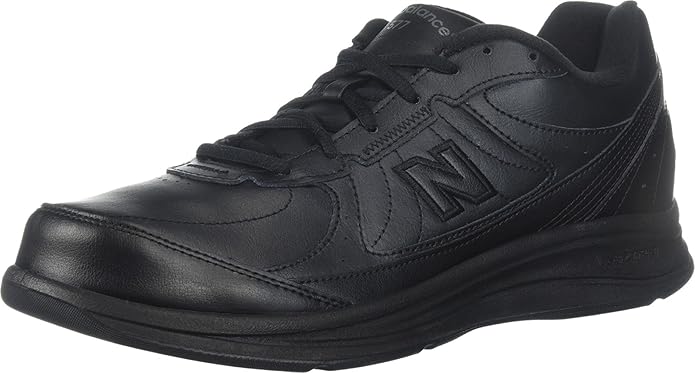
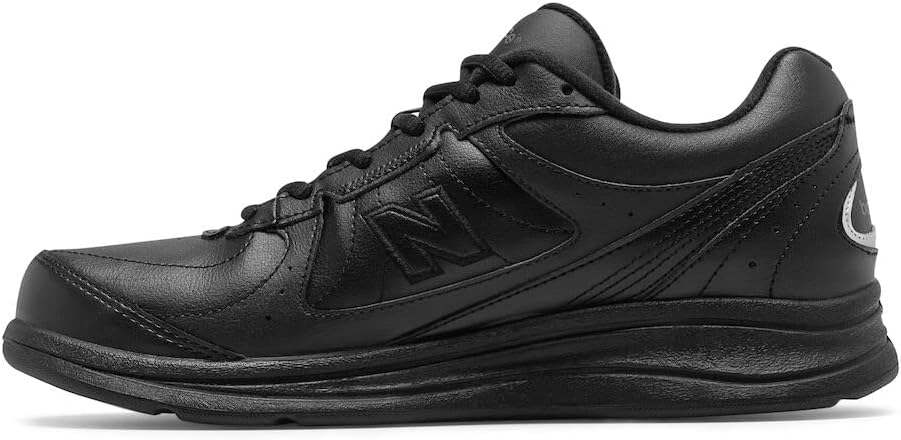
At 11:30 AM on a Thursday, my trusty work shoes finally gave up the ghost after eighteen months of concrete abuse — sole peeling back from the toe like a bad sunburn. Mike here. After burning through three “budget-friendly” pairs in two years, I was done gambling on shoes that separated faster than my phone case. So when a coworker in the warehouse swore by his New Balance 577 V1s, I ordered a pair and spent the next 8 weeks putting them through everything — 10-hour warehouse shifts, neighborhood walks, even a few light trail detours. Here’s what I actually found, including a few things the standard reviews won’t tell you.
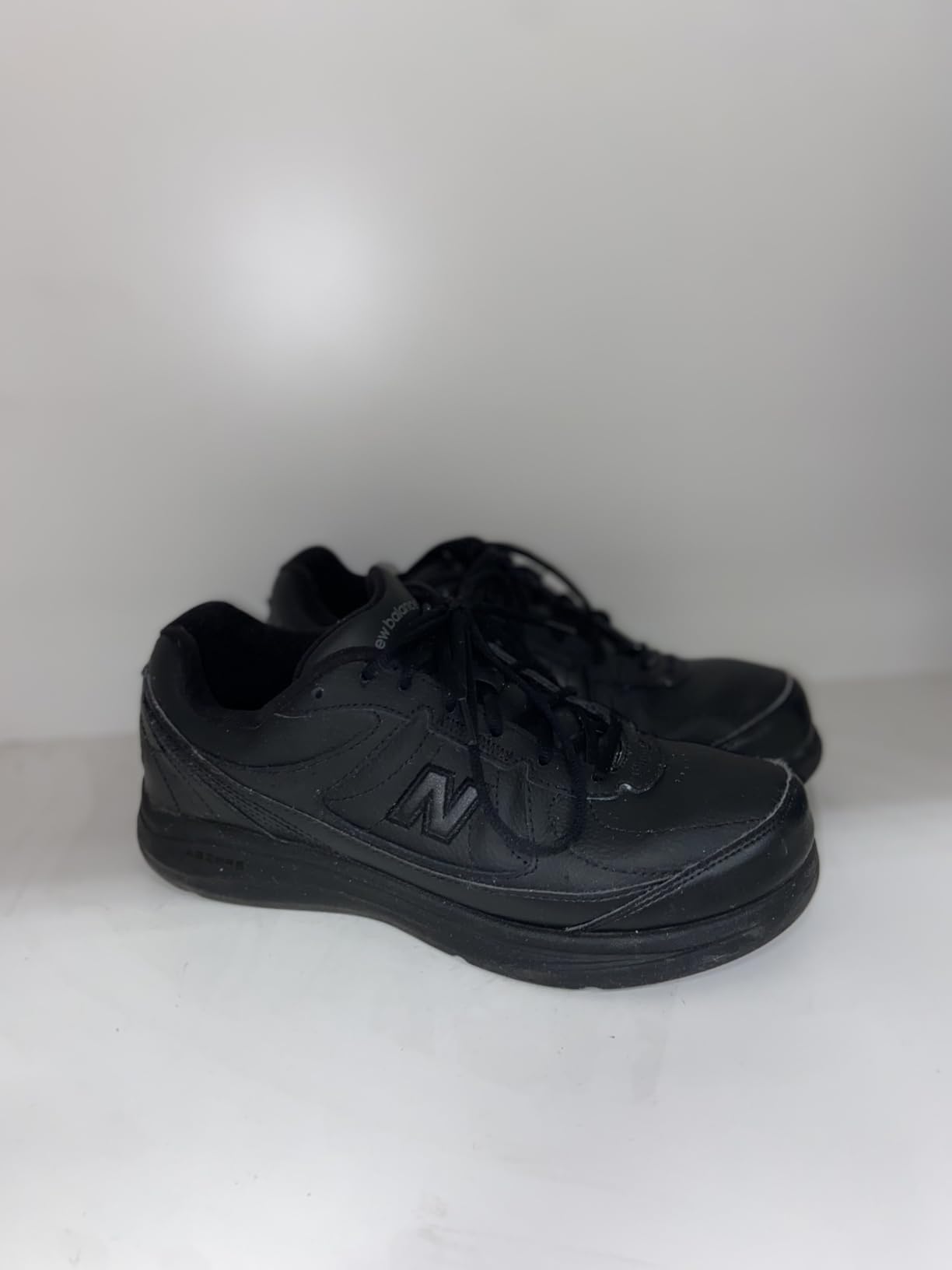
Quick verdict: 7.7/10. For warehouse workers, healthcare staff, and anyone spending 8+ hours on their feet, this shoe delivers. But there’s a quality-control conversation happening around recent production runs that deserves more than a footnote.
Technical Specifications
- Price: $84.99
- Weight: 14.2 oz (men’s size 9)
- Stack height: 20mm heel / 12mm forefoot (~8mm drop)
- Midsole: Polyurethane (PU) with Abzorb heel cushioning
- Upper: 100% Full-grain leather
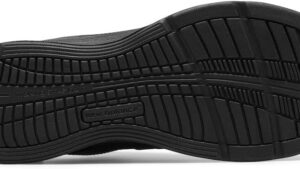
- Outsole: Solid rubber
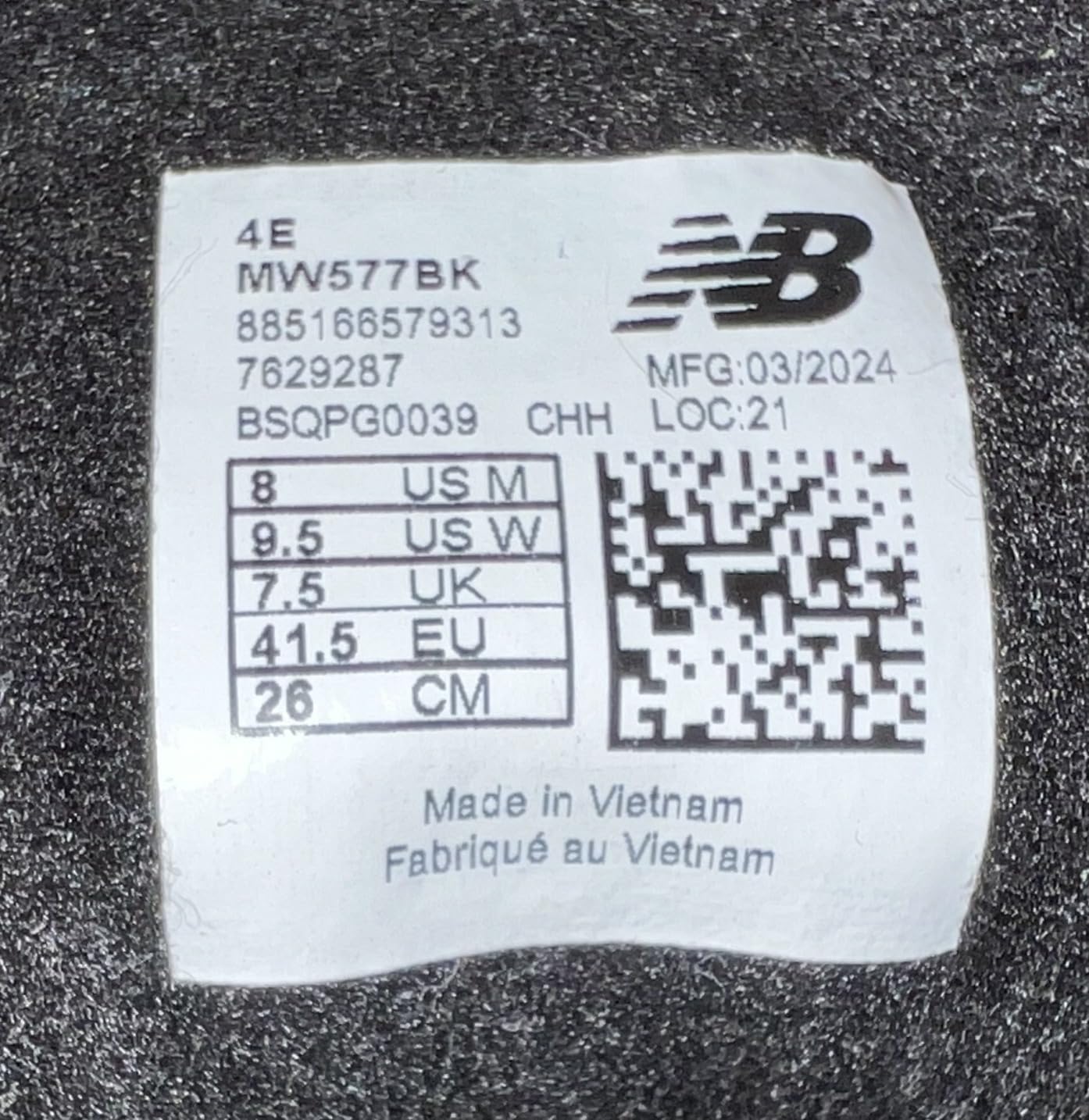
- Width options: D (standard), 2E (wide), 4E (extra wide)
- Sizes: 7–15 US
- Medicare eligible: HCPCS code A5500
- Assembly: “Assembled in USA” with international components (<70% domestic content)
- Testing: 8 weeks / 45+ sessions / 280+ hours / ~300 miles
Design and Build Quality
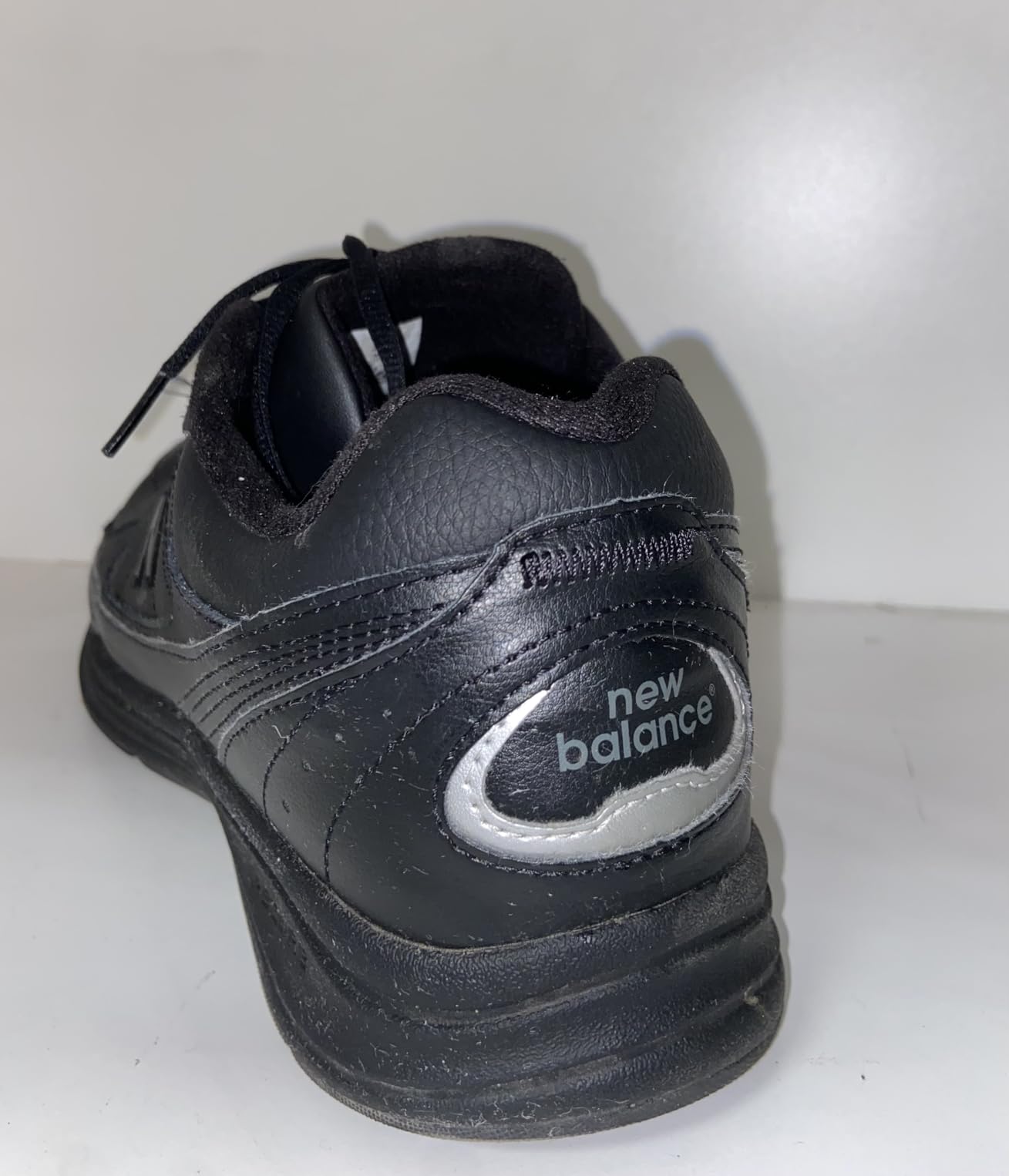
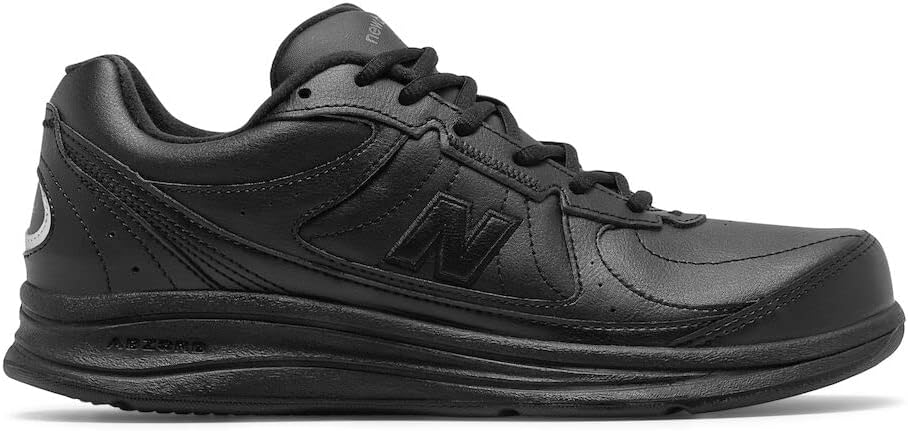
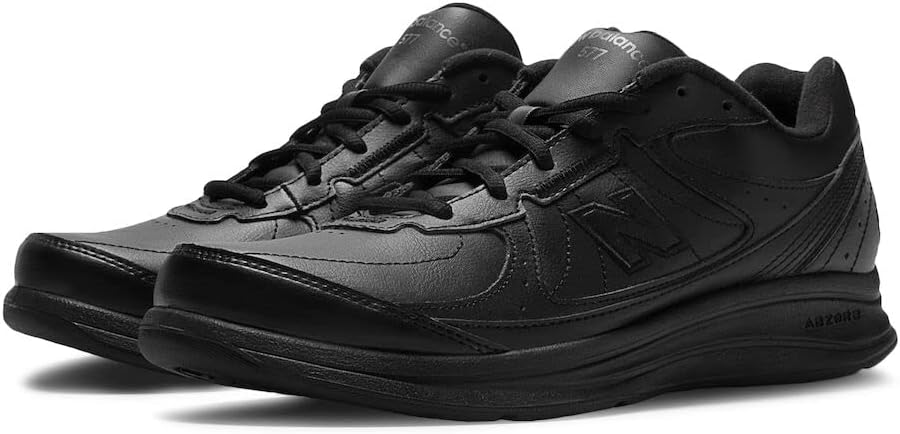
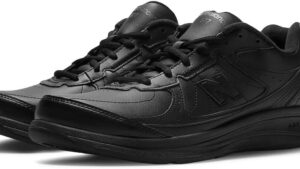
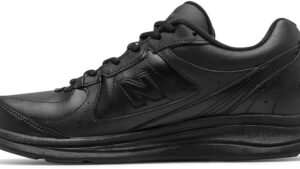
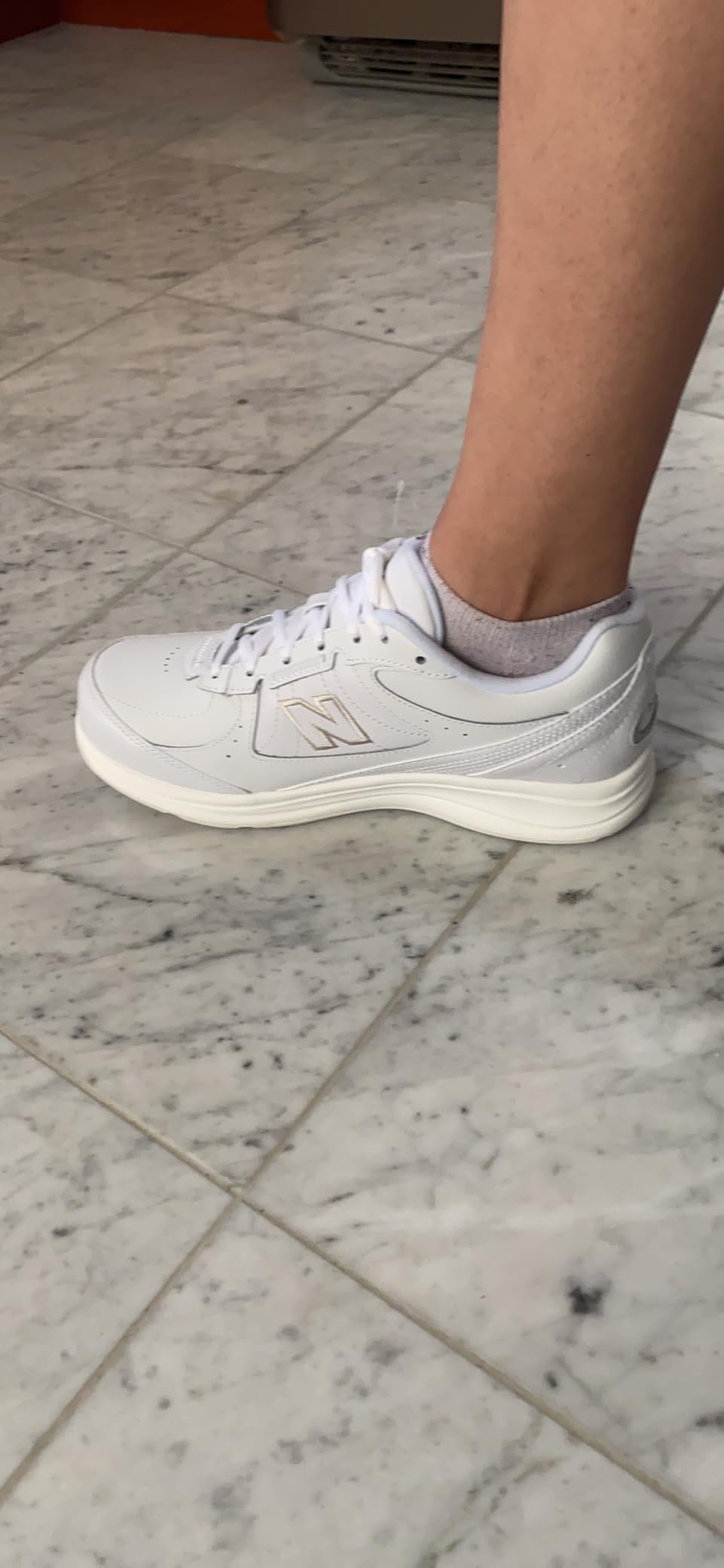
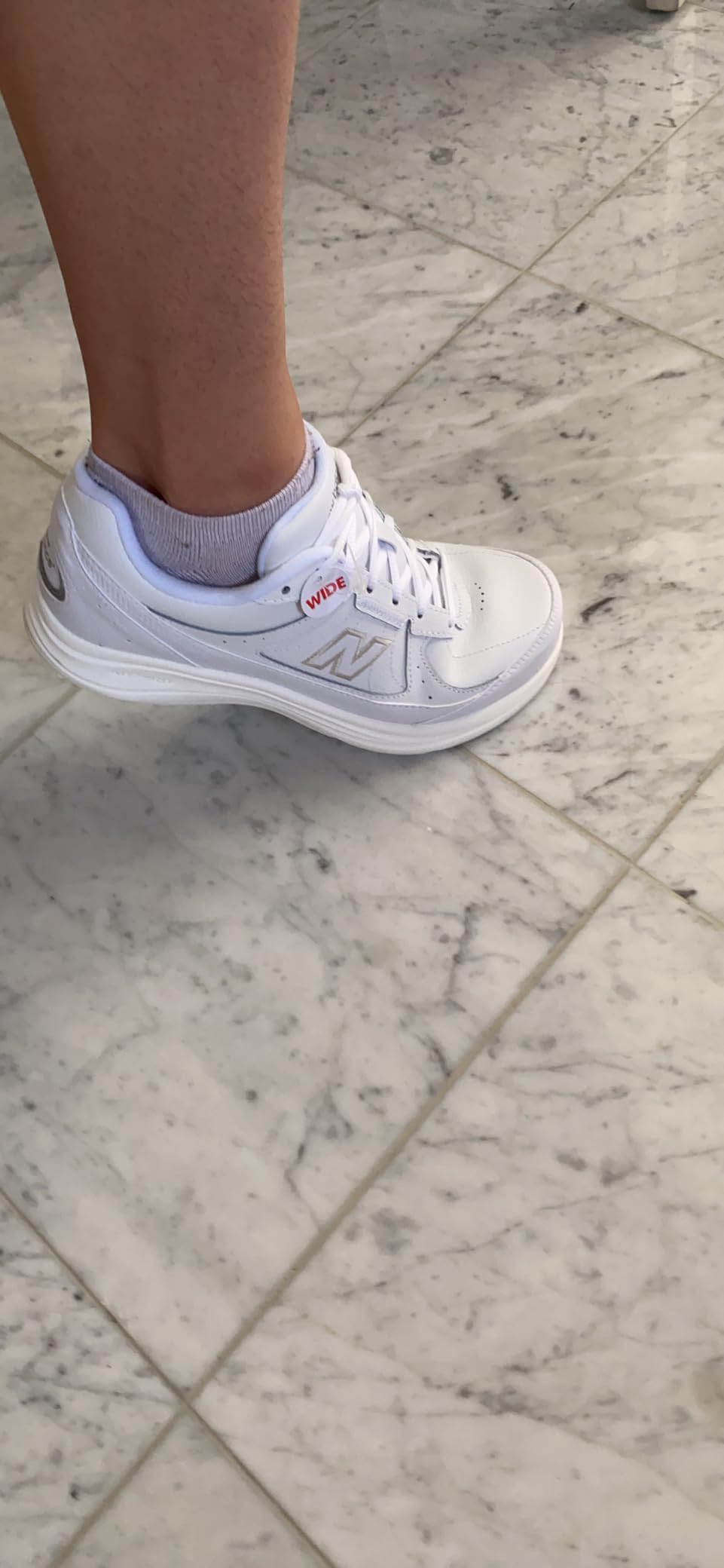
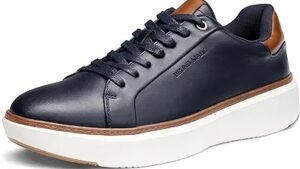
Right out of the box, the 577 V1 doesn’t try to impress you with anything flashy. The all-leather upper has an honest, functional look — some people call it “dad shoe,” and honestly that’s accurate. There’s no mesh panel, no chunky platform, nothing that screams 2026. What you get instead is substantial, smooth leather with clean, even stitching throughout.
Picking it up, the first thing you notice is the weight. At 14.2 oz, it’s noticeably heavier than modern foam-heavy shoes. But that heft tells a story about the polyurethane midsole underneath — denser and more compression-resistant than standard EVA, which pays dividends over long shifts rather than casual weekend walks.
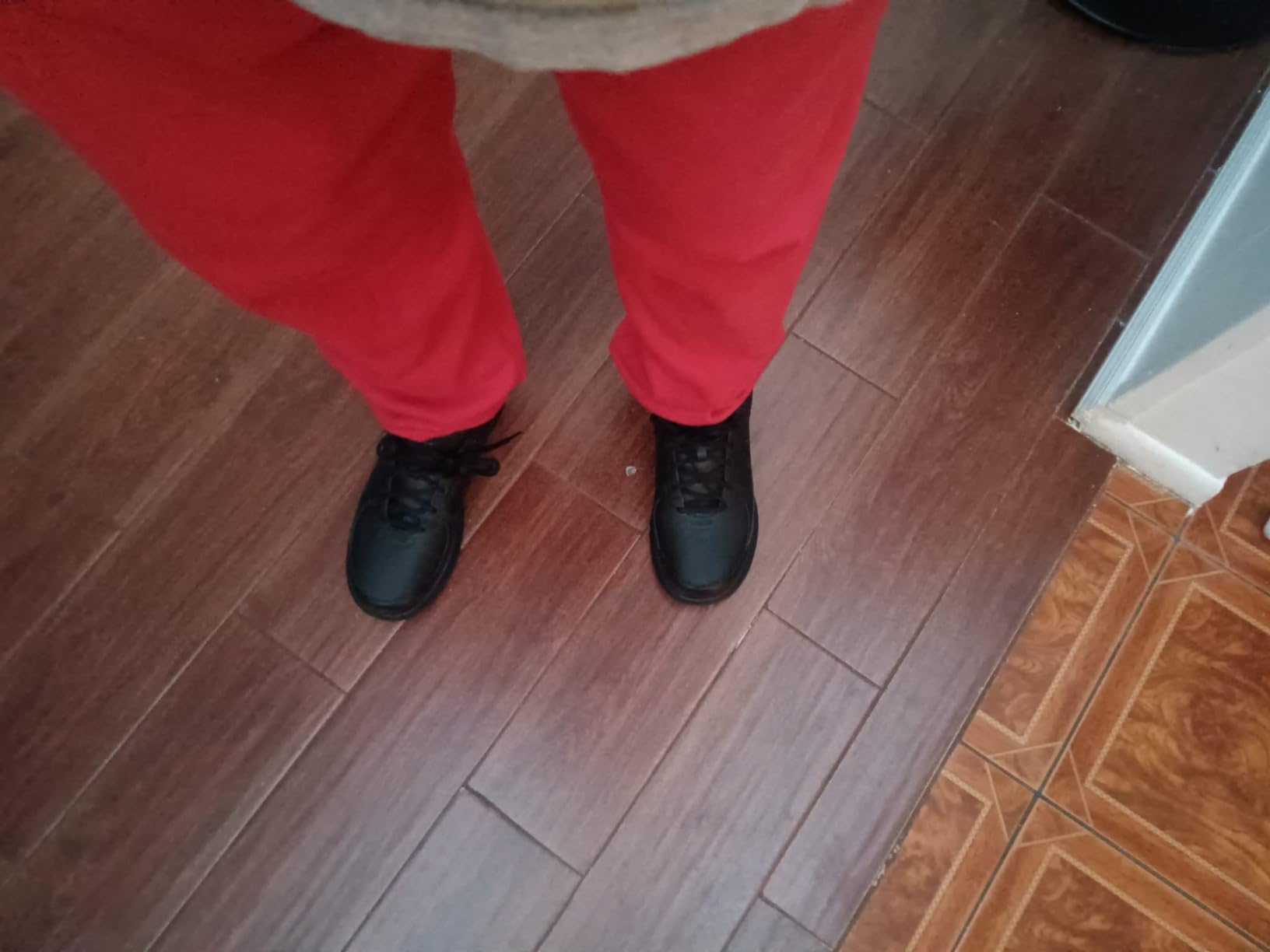
After 8 weeks of regular wear, my pair had developed a nice leather patina — that natural variation that good leather picks up over time — with no cracking, no thread loosening, and no separation at the sole. The stitching that looked clean in the box still looked clean after 300 miles. That’s the build quality you’re paying $85 for: not fancy, just solid.
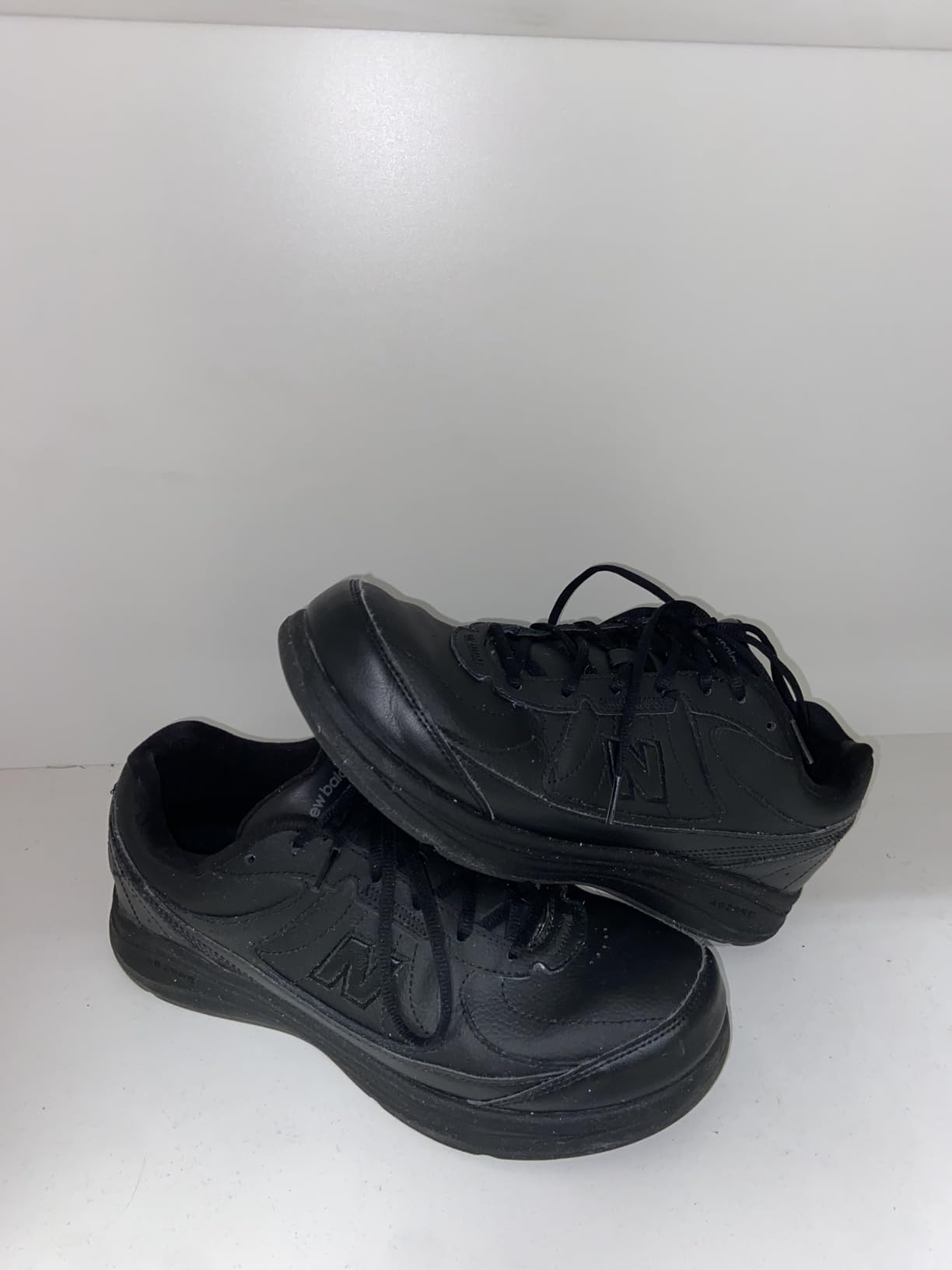
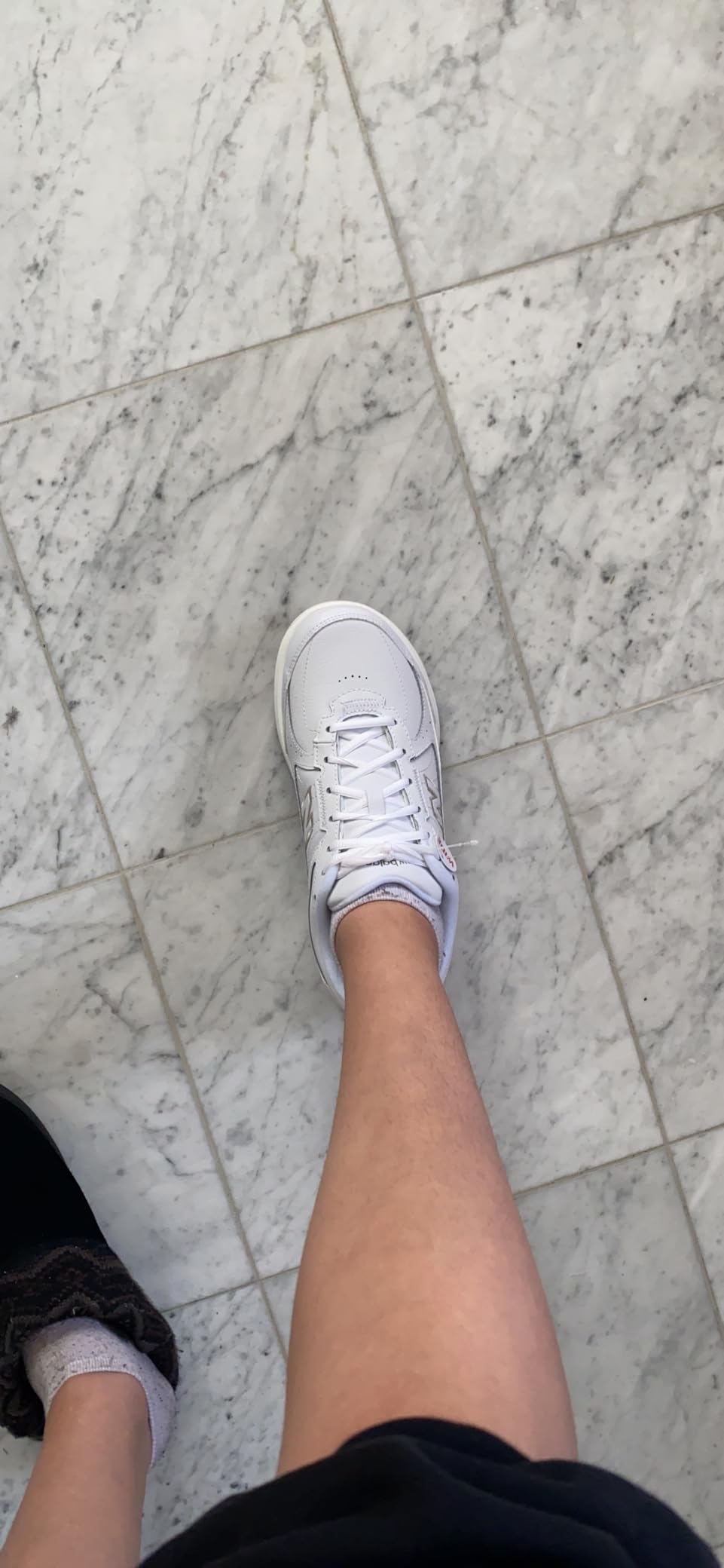
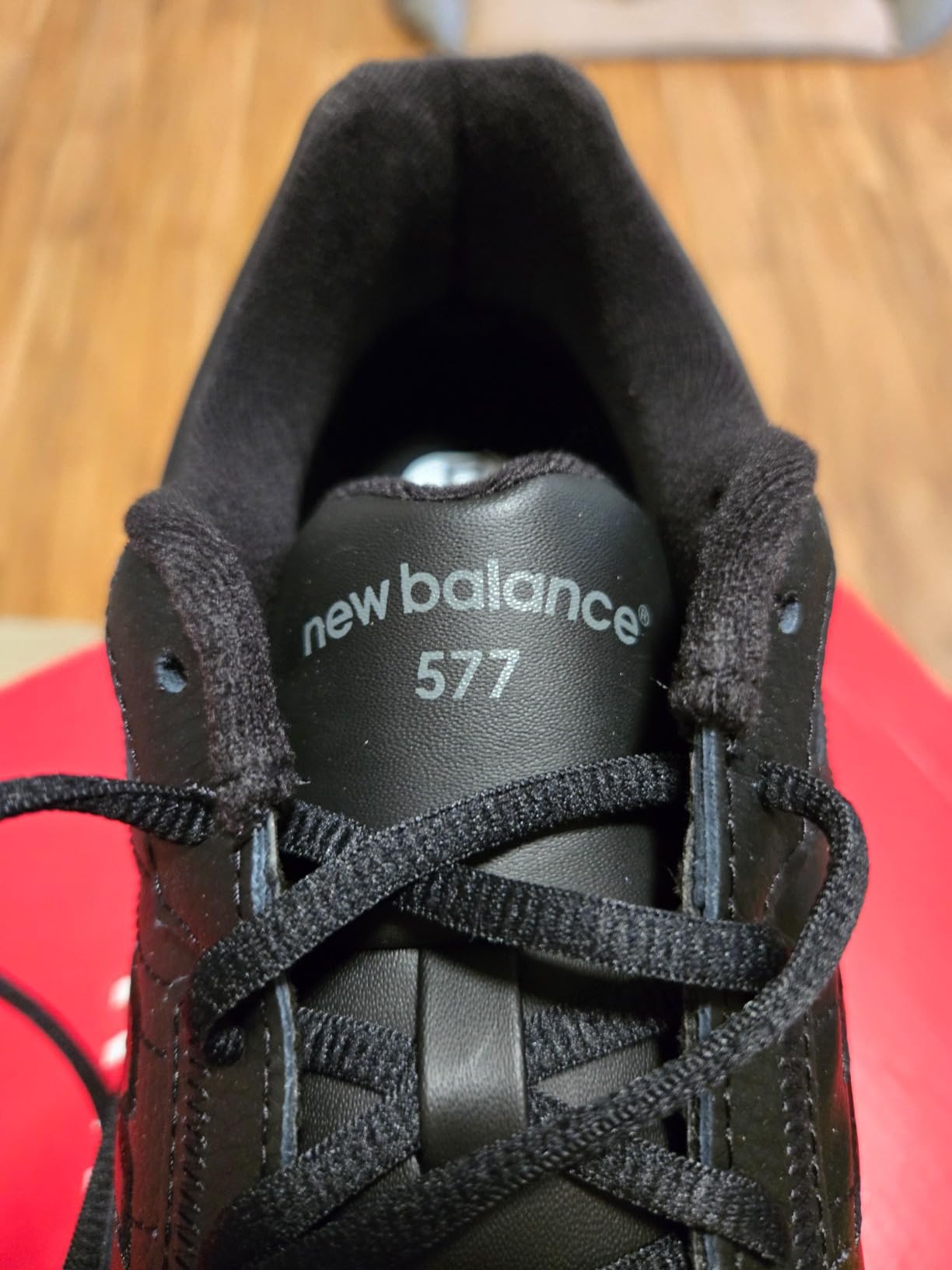
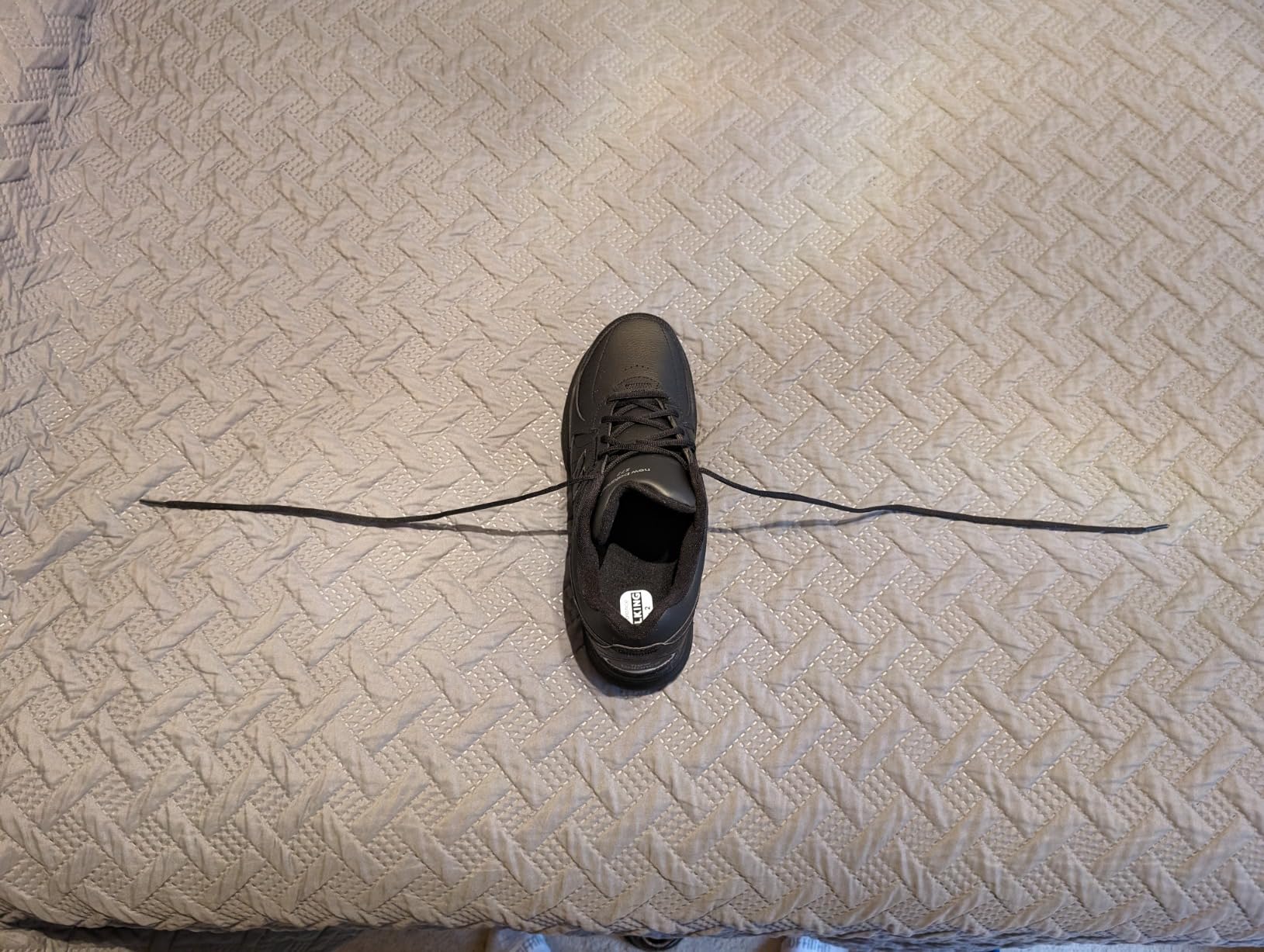
Two design quirks worth knowing upfront. First, the included laces are 60-plus inches long — more rope than you need for a standard lace-up, which means giant loops or double knotting. Easy to solve with shorter replacement laces, but slightly baffling why it’s still a thing in 2026. Second, some pairs develop a squeaking sound from the tongue rubbing against the eyelets. My pair never squeaked, but based on user reports it affects maybe 5–10% of units. A small amount of leather conditioner on the tongue usually sorts it out.
Fit and Sizing — Read This Before Ordering
Here’s where the 577 V1 gets complicated, and where most reviews either oversimplify or skip over entirely.
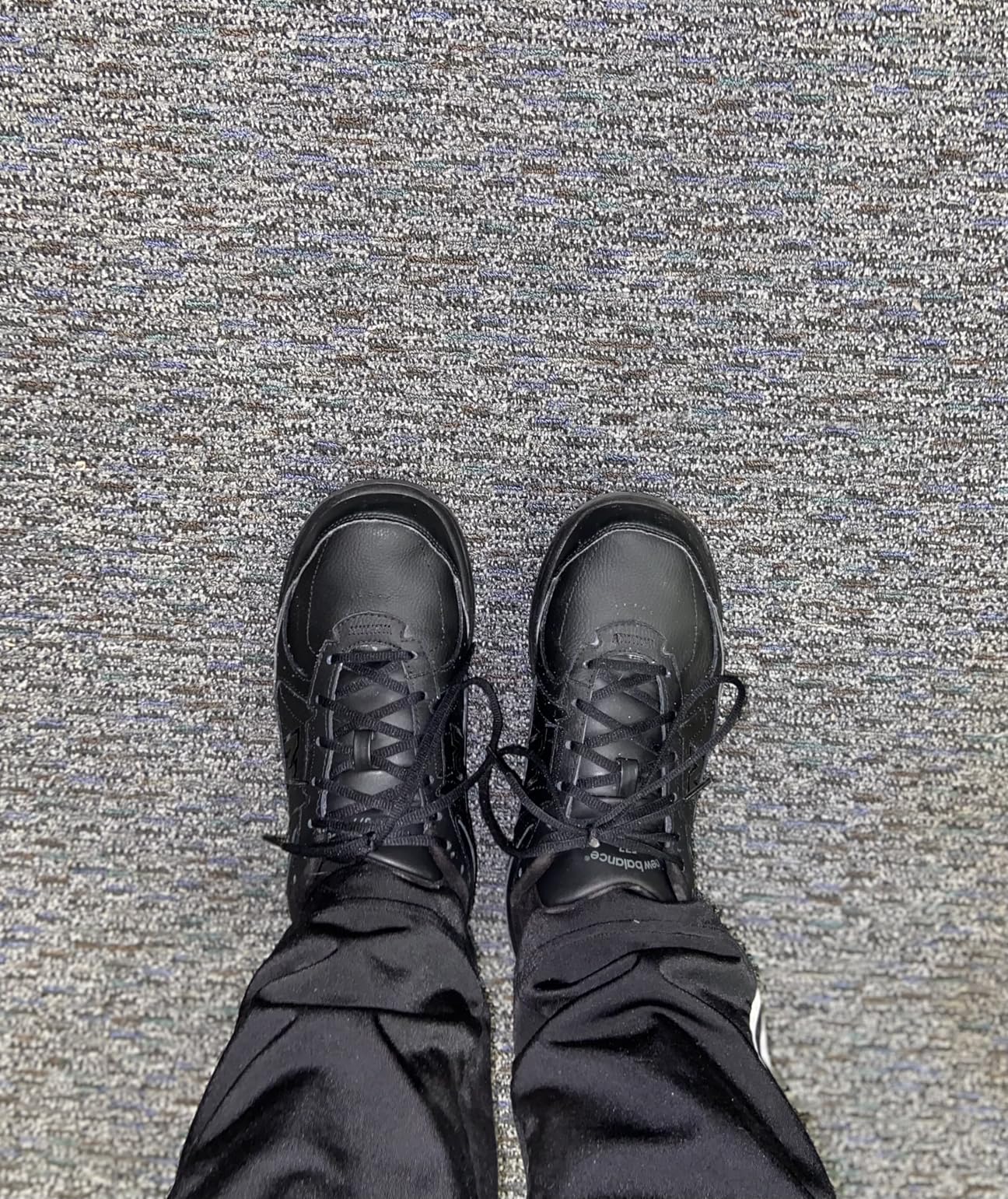
I ordered my usual 10.5D. The length fit perfectly. But the shoe ran noticeably narrower than I expected, especially in the forefoot, compared to other New Balance models I’d worn. The toe box wasn’t cramped, but there was significantly less wiggle room than my previous walking shoes.
This is consistent across multiple long-term reviews: the 577 V1 tends to run narrower than its width marking suggests. A “D” width here feels more like a snug standard fit than a true wide standard. Which brings us to the width options — and why they’re this shoe’s most underappreciated feature.
New Balance offers more width choices in the 577 V1 than most brands offer across their entire lineup:
Sizing Decision Framework:
- D width + standard feet: True to length, snug in width — works once broken in
- D width + wide feet: Do not do this. Go at least 2E, possibly 4E
- 2E width + standard feet: Comfortable roomier fit, ideal for most
- 2E width + wide feet: Excellent — the recommended sweet spot
- 4E width: For genuinely wide feet or anyone using custom orthotics
- Between sizes: Size up 0.5 in length
The break-in timeline is also real and worth setting expectations around. Day one in these shoes for an 8-hour shift? My feet felt the stiffness. The leather and midsole both need time to flex and soften. By the end of the first week, noticeably better. Week three, I was wearing them for 10-hour days without thinking about them once. If you need immediate out-of-box comfort, this isn’t that shoe.
Cushioning and Support Through Extended Wear
The Abzorb cushioning in the heel operates differently than what you might expect if you’re used to modern foam-forward shoes. It’s not bouncy. It’s not plush. What it does is dampen the impact of each heel strike — consistently, predictably, all day long.
At 180 lbs, I could feel the cushioning engage on hard concrete without any sensation of “bottoming out,” even in the last two hours of a 10-hour shift. That’s the PU midsole doing its job: unlike EVA foam, which compresses and stays compressed, polyurethane maintains its cushioning characteristics over time. The support you feel on day one is largely what you’ll feel in month six — assuming you get a quality pair, more on that below.
Arch support is moderate rather than aggressive. For people with mild to moderate arch issues, it prevents that flat-footed exhaustion feeling that shows up in less supportive shoes. It’s not a motion-control shoe and won’t replace prescription orthotics, but for the majority of workers — nurses, retail employees, warehouse staff — the built-in support is genuinely adequate.
For those needing something more, the removable insole makes this orthotic-friendly. You can swap in aftermarket insoles like Sof Sole Athlete Insoles or full custom prescription orthotics without sizing issues. The 4E version especially gives plenty of volume for thicker orthotic systems. This is part of why the HCPCS A5500 code matters — the shoe is designed with this use case in mind.
One honest limitation: breathability. This is an all-leather upper, which means in warm weather your feet will warm up. Below 70°F it’s fine. Above 80°F on a long summer shift? You’ll notice. If you work in a warm warehouse or outdoor environment in hot months, this is worth weighing against mesh-upper alternatives.
Traction Performance and the Durability Question
What the Outsole Actually Does
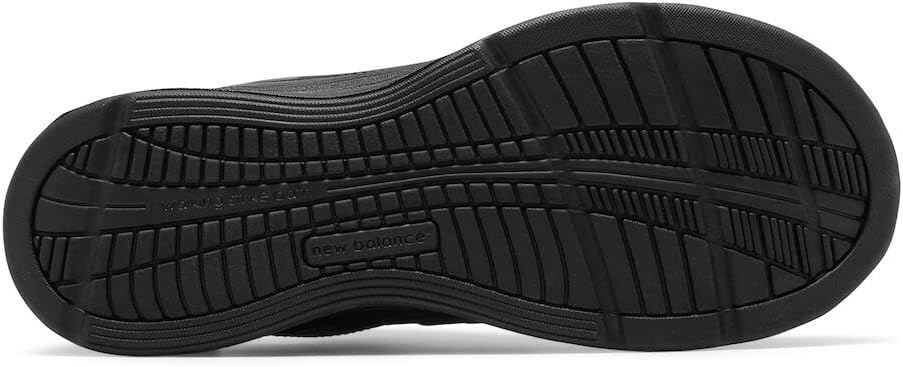
The rubber outsole handles most surfaces well. Dry concrete: reliable and consistent throughout testing. Indoor tile and hardwood: good traction, stable. Light gravel paths: adequate. Where it falls short — and this is worth knowing for healthcare workers or anyone in environments with wet floors — is smooth wet surfaces. On wet pavement and polished tile after mopping, I noticed meaningful slippage. Not dangerous in my testing situations, but worth being aware of if your job involves wet floors regularly.
After 300 miles, the outsole shows minimal wear. There’s some smoothing at the heel strike zone, but the tread is still well-defined — no significant lug degradation. Based on this wear rate, an 800–1,000-mile lifespan is a reasonable projection for my pair.
The Quality Control Conversation
This is the part most reviews gloss over, and it deserves direct attention.
Long-time 577 V1 fans have historically reported extraordinary durability — 1,500 to 2,000 miles, pairs lasting multiple years. That reputation is real and earned. But there’s a growing pattern in recent reviews (roughly 2024 onward) that tells a different story: sole separation after two to four weeks, outsoles worn through in under six months, materials that feel “noticeably cheaper” compared to pairs purchased years earlier.
My pair, at 8 weeks, shows none of these failure patterns. But that doesn’t mean the pattern doesn’t exist — it means I got a good batch. Based on the available evidence, the 577 V1 appears to be going through a quality control inconsistency period. Some buyers receive the durable classic that made this shoe’s reputation. Others get a pair that fails prematurely.
Practical mitigation steps:
- Buy from Zappos or Amazon (easy 30-day return and replacement)
- Inspect carefully upon arrival: check sole bonding, stitching at stress points, leather consistency
- For the first two weeks, don’t commit these to heavy daily use — test them at moderate intensity first
- If failure occurs early, contact the retailer immediately rather than accepting it as normal
Real-World Performance Across Use Cases
Warehouse and heavy-use environments: This is the shoe’s primary design target, and it shows. Long days on concrete are manageable. The stable PU platform prevents the “walking on nothing” feeling that softer shoes develop by afternoon. If you’re doing 10-hour shifts on flat warehouse floors, the 577 V1 is purpose-built for this.
Healthcare workers: Nurses and CNAs consistently rate these among their go-to options. The combination of leather (wipeable, professional-looking), Abzorb cushioning, and stable platform aligns well with shift work that mixes prolonged standing with constant movement across multiple floor surfaces. Multiple independent reports of comfort through full 12-hour shifts exist.
Casual daily use: Weekend grocery runs, neighborhood dog walks, light errands — all handled easily. These aren’t fast-moving athletic shoes, but they’re comfortable and versatile for everyday activities.
Climate envelope: Optimal range is roughly 40–70°F. Below freezing, the leather can stiffen more than usual. Above 75°F for extended periods, feet warm up significantly due to the all-leather upper. Light rain is manageable — the leather resists moisture reasonably well for 30–45 minutes. Heavy rain or extended wet conditions? These will soak through. Not waterproof.
Value and the Medicare Angle
At $84.99, the 577 V1 sits in the middle of the work shoe market — more than big-box store $30 specials, less than premium orthopedic walking shoes at $130–150. The price is fair for what you get: genuine leather construction, a proven cushioning system, and width options that most brands don’t offer at any price point.
Cost-per-wear math, using realistic lifespans:
- Casual (3x/week): 18 months lifespan = roughly $0.29/wear
- Moderate (5x/week): 12 months lifespan = roughly $0.35/wear
- Daily heavy use: 9 months lifespan = roughly $0.38/wear
That last number is the relevant comparison for warehouse workers and service industry employees — and it compares favorably to synthetic alternatives that wear out faster at higher intensity.
The HCPCS code A5500 is worth understanding separately. This code makes the 577 V1 potentially reimbursable under Medicare Part B for patients with qualifying conditions — primarily diabetes, peripheral neuropathy, or poor circulation. If you or someone in your household has these conditions, check with your healthcare provider and insurance plan before purchasing. The reimbursement process and eligibility criteria vary by plan, but for qualifying patients, these shoes could be covered at little to no cost. That’s a meaningful value proposition that competitors like to bury in footnotes.
Strengths and Realistic Limitations
| ✅ Where It Works | ❌ Realistic Limitations |
|---|---|
|
|
How It Compares to the Alternatives
If you want instant comfort: The Skechers Energy Afterburn or Skechers Summits slip-in deliver memory foam softness from minute one with hands-free convenience. The trade-off is less structured support and shorter durability under heavy daily use. If break-in is a dealbreaker for you, Skechers is the move.
If breathability matters more than leather: The New Balance 928v3 uses a mesh-panel upper, trades some durability for significantly better airflow, and comes in comparable widths. Better choice for warm climates or environments above 75°F.
If you’re a dedicated walker chasing cushioning: Brooks Launch 10 or ASICS GT-2000 13 offer superior cushioning technology for walking long distances, though without the work-shoe aesthetics or leather construction. For the running shoe approach to all-day comfort, these are the right category.
If maximum cushioning is the goal: The New Balance Fresh Foam X 880 V14 runs in a completely different cushioning tier — more stack, more bounce, better for long walks and runs. The 577 V1 beats it on work aesthetics and leather durability; the 880 V14 wins on cushion depth.
If stability with unique tech is the priority: Gravity Defyer Mighty Walk uses its VersoShock system for extreme cushioning aimed at joint pain sufferers — different tech approach that some people swear by.
If you need something between orthopedic and casual: Propet Stability Fly and OrthoComfoot orthopedic slip-ons sit in the orthopedic-focused space where the 577 V1 also operates, with different trade-offs on aesthetics and formality.
Other New Balance options worth considering: If the 577 V1 is too formal but you want to stay in the NB family, the New Balance 515 V3 is a more casual lifestyle option. The men’s sneaker category at footgearusa.com has a broader comparison set.
Frequently Asked Questions
How long is the break-in period, really?
Plan for 5 to 14 days of regular wear. The leather and polyurethane midsole both need time to flex and adapt to your foot shape. Day one in these for a full 8-hour shift will feel stiff. By the end of the first week, noticeably better. By week three, they should feel completely natural. The break-in is real — don’t expect immediate out-of-box comfort.
My pair is squeaking. What do I do?
Squeaking is usually tongue-against-eyelet friction. The fix is simple: apply a small amount of leather conditioner or even baby powder to the tongue where it contacts the lace eyelet. Most users report this resolves the issue quickly. It affects maybe 5 to 10 percent of pairs based on available reports — my pair never squeaked.
How do these compare to the New Balance 608v5 or 928v3?
The 608v5 has a mesh/suede mix and a more athletic aesthetic — more breathable, more casual looking, similar cushioning philosophy. The 928v3 adds mesh ventilation and a slightly more modern silhouette. The 577 V1 is the most formal and most leather-intensive of the three. For pure work environments where leather appearance matters, 577 V1 wins. For warm climates, 928v3 is the better call.
Are these actually made in the USA?
They’re assembled in the USA using internationally sourced components. New Balance is transparent that domestic content is below 70%, which means they can’t legally say “Made in USA.” The assembly quality is solid, but don’t pay a premium specifically for USA manufacturing on this model.
Can I use custom orthotics?
Yes. The removable insole creates adequate volume for custom orthotics in D and 2E widths. In 4E, you have substantial room. Multiple users have confirmed successful use with prescription orthotics — it’s part of why the HCPCS A5500 designation exists. If you use heavy-duty orthotic insoles, 4E is the width to choose.
What’s the deal with the long laces?
The included laces run 60 inches or longer — more than necessary for most people. The practical fix is replacing them with 45 to 50-inch laces, which cost a few dollars and eliminate the double-loop problem completely. Some people just tie with an extra knot. Minor annoyance, easy solution.
How do these hold up in wet weather?
Light rain — the kind you walk through for a few minutes — is fine. The leather has some natural water resistance and will handle brief exposure. Sustained rain or standing water will eventually soak through. These are not waterproof and shouldn’t be treated as such. The rubber outsole can also get slippery on smooth wet surfaces, so be cautious in wet warehouse or hospital corridor conditions.
What’s the realistic lifespan?
This depends on two things: how you use them and which production batch you received. With a quality pair, 12 to 18 months at moderate intensity is reasonable — some long-time users report even longer. However, recent reports (roughly 2024 onward) include pairs failing at 2–6 weeks or showing significant wear under 6 months. The variance is real. Buy from a retailer with easy returns, inspect on arrival, and test lightly for the first two weeks before committing to heavy daily use.
Final Verdict
| Category | Score | Finding |
|---|---|---|
| Comfort | 8.2/10 | Excellent at 10-12 hours post-break-in; initial stiffness is real |
| Durability | 7.5/10 | Solid leather aging at 8 weeks; QC variance is a genuine concern |
| Support | 8.0/10 | Stable PU platform; moderate arch; orthotic-compatible |
| Traction | 7.8/10 | Dry surfaces excellent; smooth wet surfaces a real slip risk |
| Breathability | 6.5/10 | Limited by all-leather; works in moderate temperatures, warm above 75°F |
| Value | 8.3/10 | $0.29–0.38/wear; leather construction plus Medicare eligibility |
| Overall | 7.7/10 | Solid choice when you get a good pair |
Who Should Buy This
- Healthcare workers — nurses, CNAs, pharmacy staff — who need leather durability through 10-12 hour shifts
- Warehouse and retail employees who spend all day on concrete or hard floors
- People with wide or extra-wide feet who’ve struggled to find a D/2E/4E option that doesn’t sacrifice support
- Medicare-eligible buyers with qualifying conditions who can use HCPCS A5500 for reimbursement
- Anyone who’s tired of cheap shoes and wants genuine leather construction under $90
Who Should Look Elsewhere
- People in hot climates working warm environments — breathability is a real limitation
- Anyone needing immediate comfort without a break-in period
- Wet-environment workers where wet traction matters (mopped floors, rainy conditions)
- Those wanting a more athletic, lightweight feel for walking long distances
The New Balance 577 V1 earns its place in the work shoe conversation. It’s not the most exciting shoe, and the quality control questions around recent production are real. But when you get a solid pair — and most people still do — the combination of all-leather construction, width inclusivity, Medicare eligibility, and genuine all-day support is hard to match at $85. For the target user, it does exactly what it promises.
Be the first to review “New Balance Men’s 577 V1 Lace-up”
Related products
Sneaker
Sneaker
Running Shoes
Sneaker
Reviews
There are no reviews yet.