
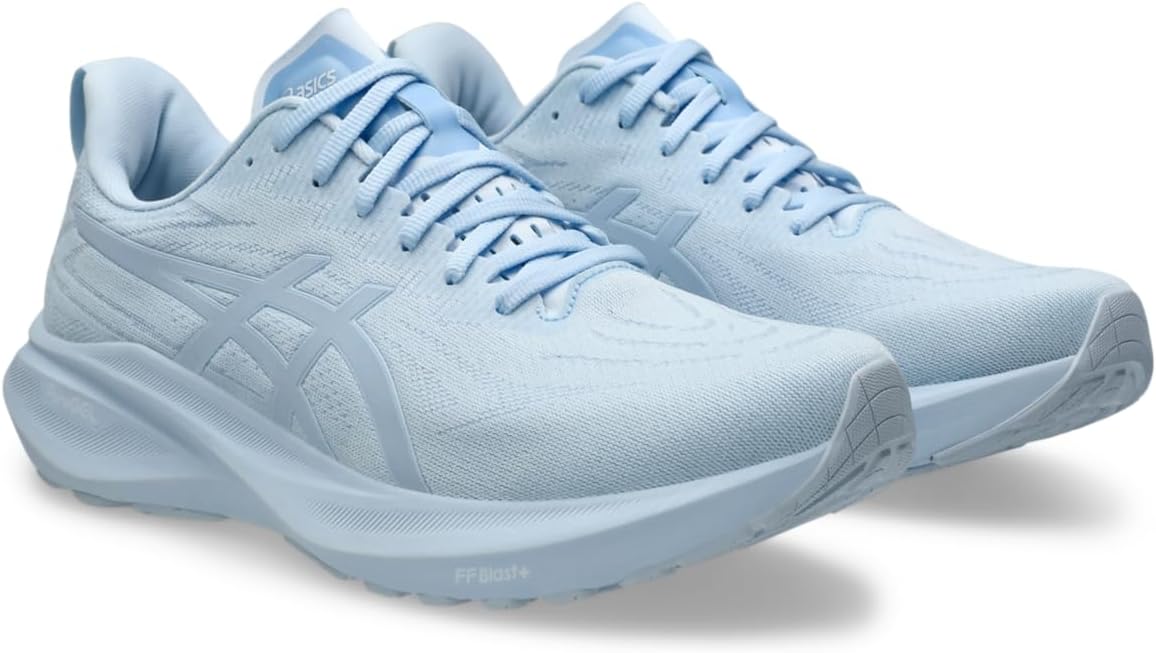
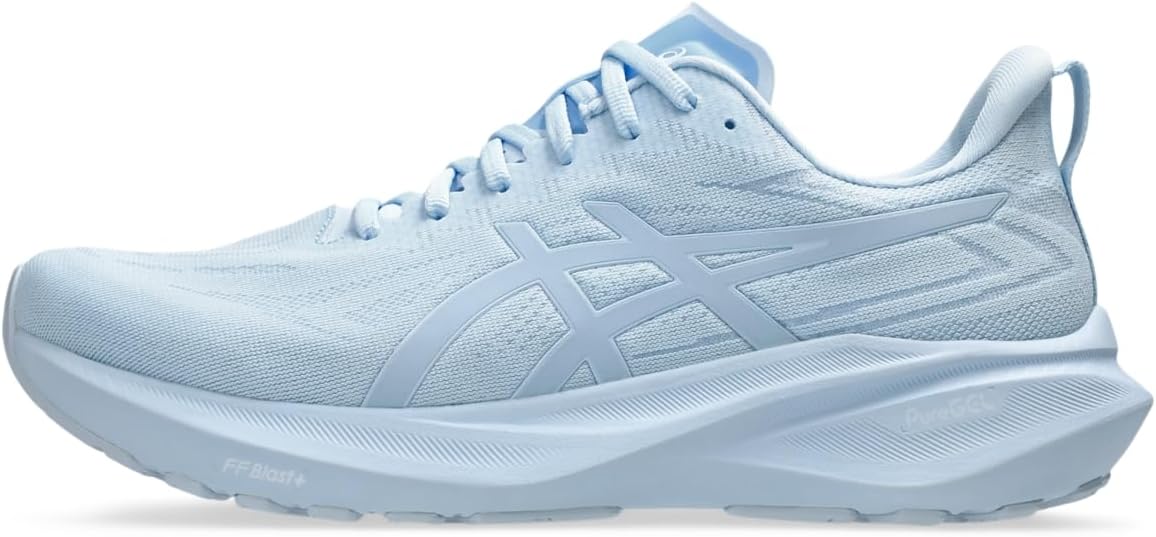
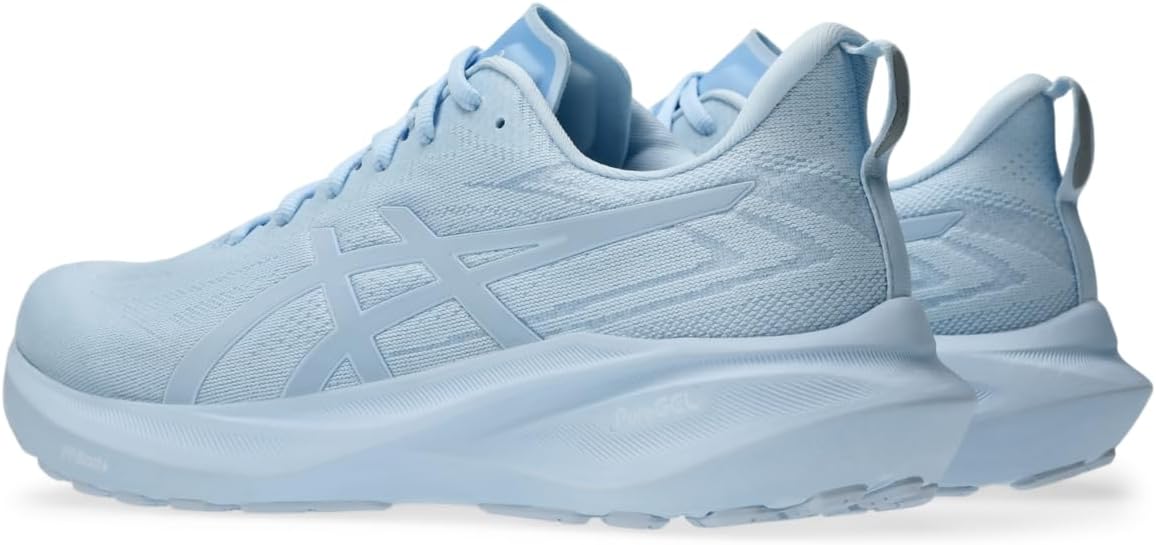
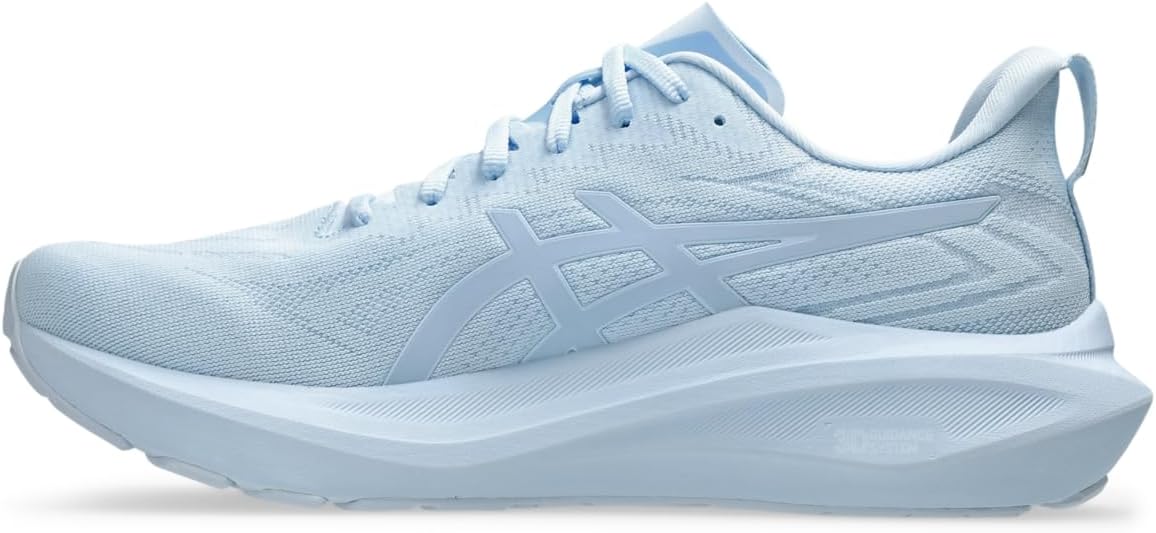
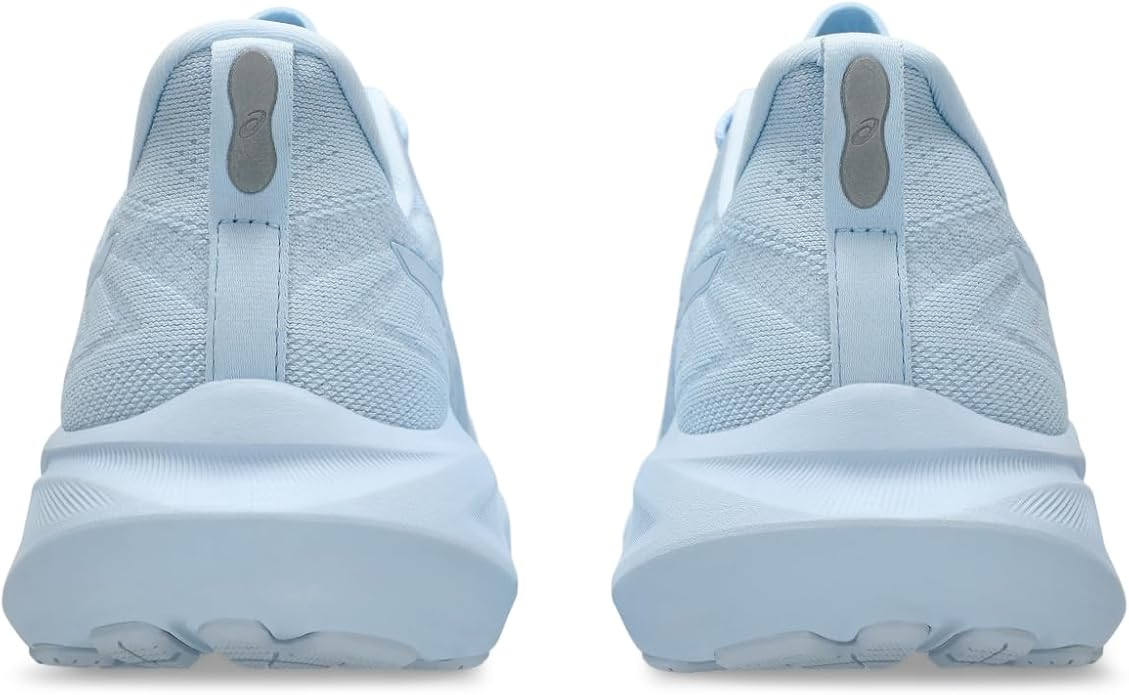
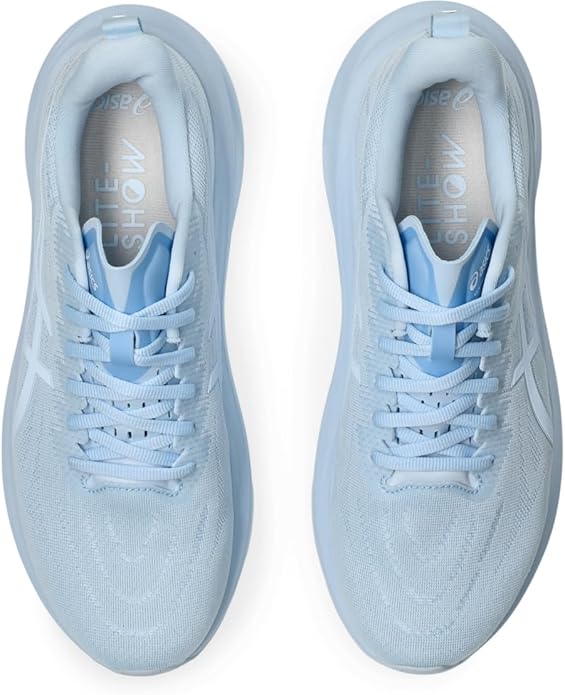
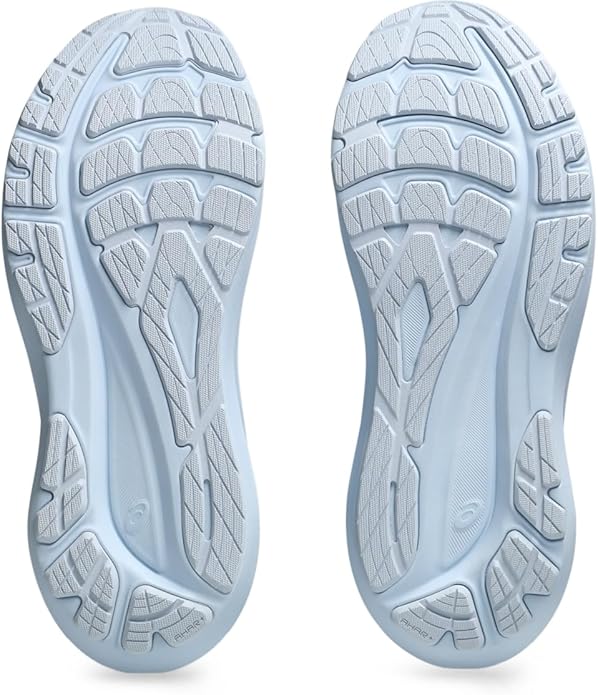
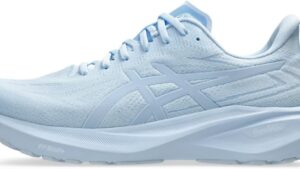
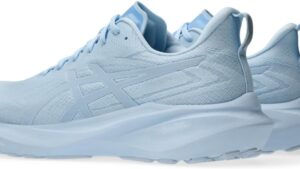
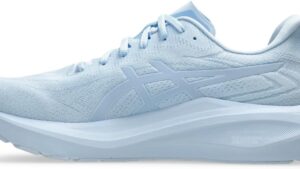
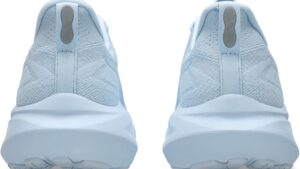
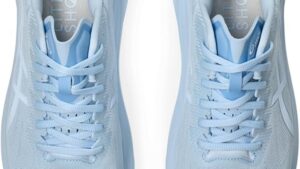
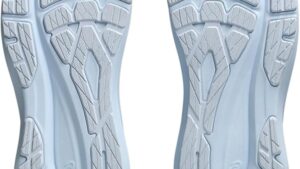
Mike here. Twelve weeks ago I laced up the ASICS GT-2000 13 genuinely skeptical — not cynically skeptical, but the productive kind that comes from a decade-plus of watching stability shoe “revolutions” turn out to be mostly marketing. The 3D GUIDANCE SYSTEM pitch sounded compelling. At $130, the price was reasonable. But after 280 miles across 45 runs through Chicago conditions from 30°F winter sleet to 75°F spring humidity, here’s the honest account of what this shoe actually delivers — and where it quietly falls short.
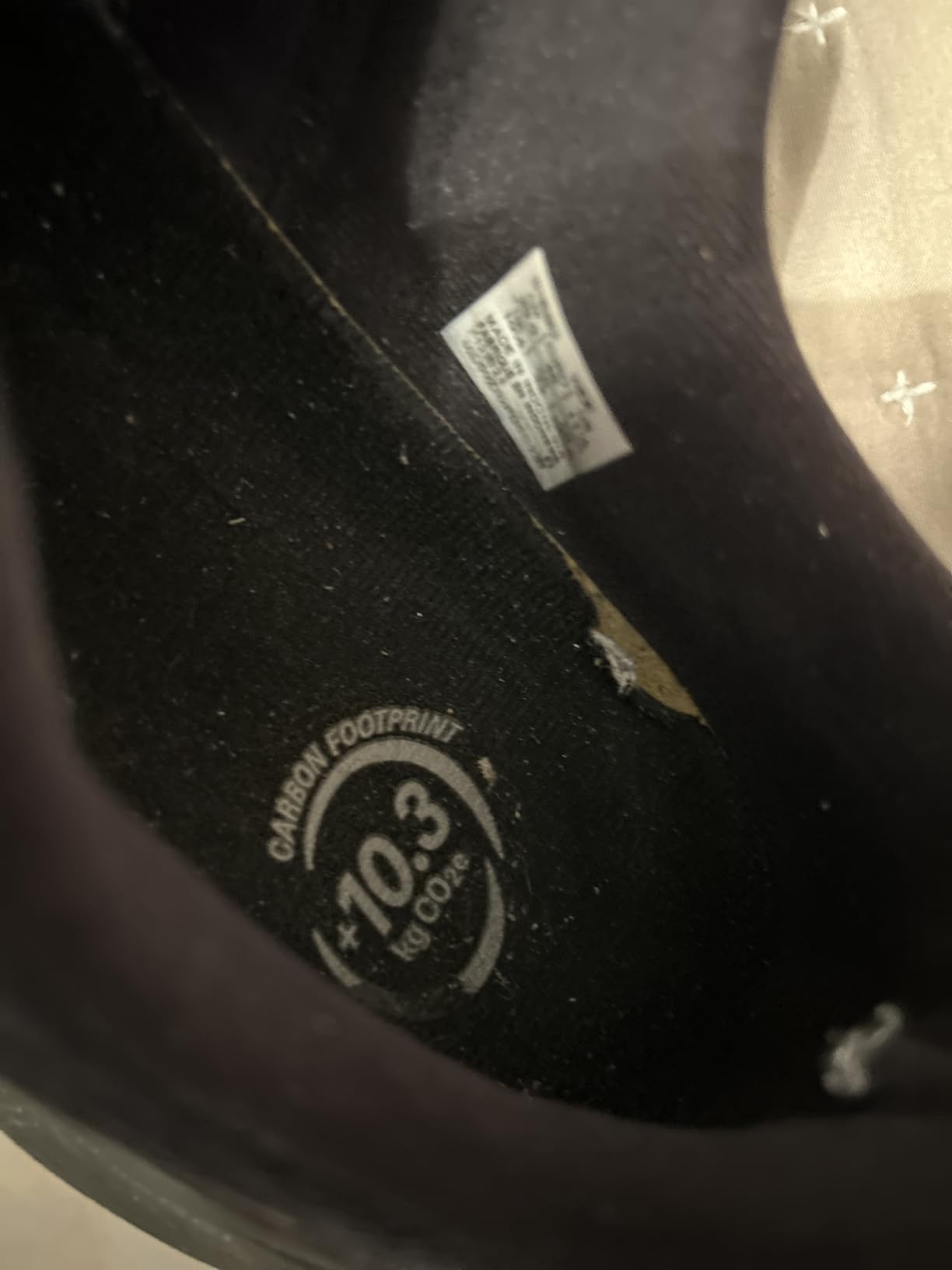
Quick Specs at a Glance
- Price: $130
- Weight: 9.5 oz (men’s size 9, per ASICS official)
- Drop: 8mm
- Stack height: 36.5mm heel / 28.5mm forefoot
- Midsole: FF BLAST+ foam + PureGEL heel insert
- Upper: Engineered jacquard mesh (50% recycled content)
- Outsole: AHAR (Asian High Abrasion Rubber)
- Category: Stability daily trainer
- Width options: Standard (D) only — no wide available
- Tested: 12 weeks, 280 miles, 45 runs; running shoes for overpronators
First Impressions — Skepticism Warranted
The unboxing moment told me something immediately: the mesh felt noticeably thinner than the GT-2000 12 I’d run in previously. Lighter, yes — but in the way that made me wonder whether ASICS had traded durability for a better out-of-box weight. I’ve tested enough shoes to know that first impressions of a upper can predict the 200-mile reality.
The 3D GUIDANCE SYSTEM, on paper, represents a shift from rigid medial posts toward geometric stability — a wider base, beveled heel, forefoot flare — that’s meant to guide rather than force. It’s a more sophisticated approach, and I was cautiously optimistic. The proof would come on the road.
What struck me immediately was how the shoe felt snug across the midfoot. Not uncomfortably tight, but noticeably narrower than I expected from a brand I’ve run in for years. More on this in the fit section.
Fit & Sizing — Read This Before Ordering
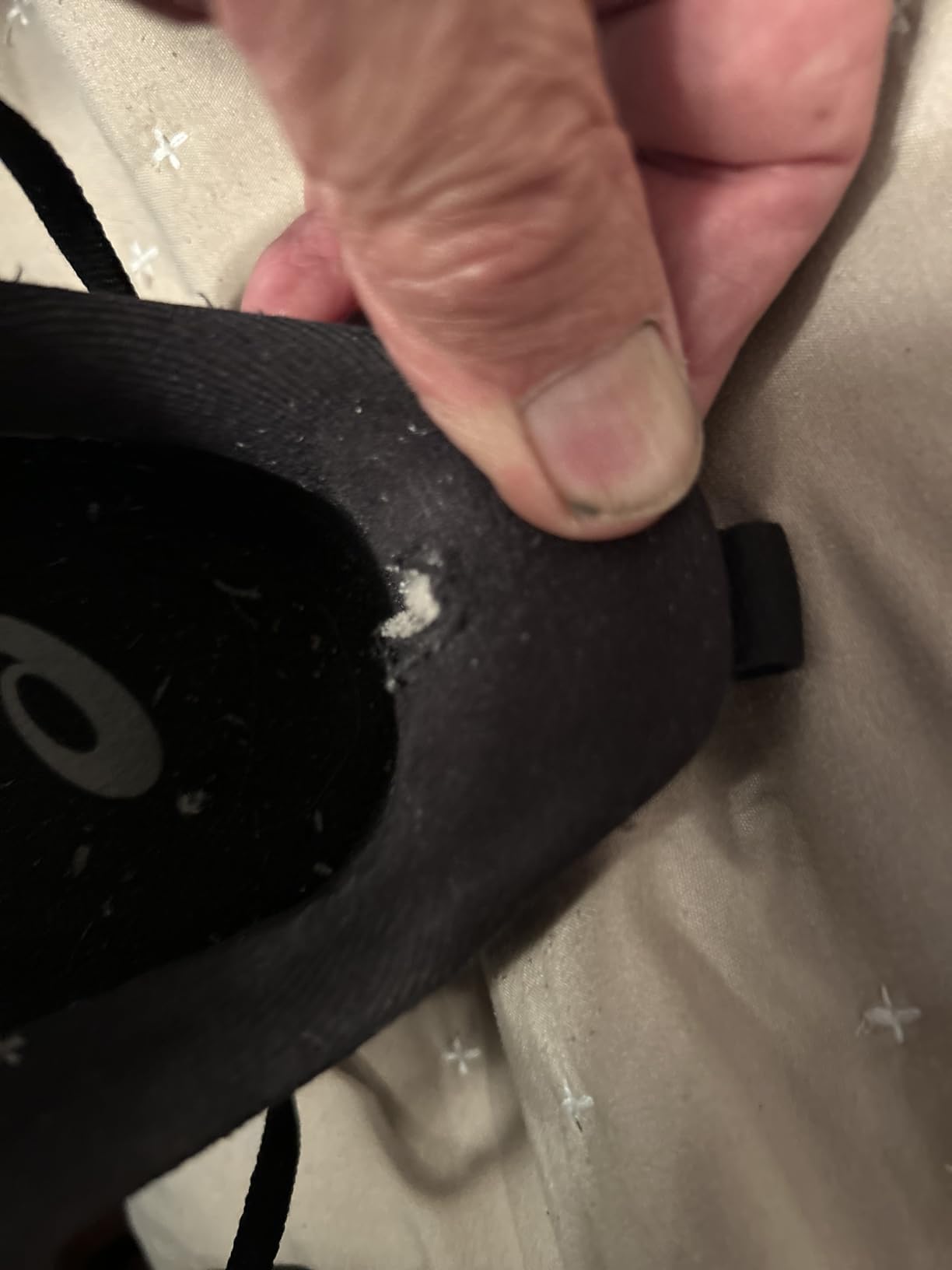
The GT-2000 13 runs narrow. This isn’t a flaw — it’s a design decision, and it has real implications for how the stability system functions. The snug midfoot lockdown creates better contact with the 3D Guidance geometry, which theoretically improves the shoe’s ability to redirect inward roll. For overpronators with average-width feet, this trade-off makes sense. For anyone with wider forefoot anatomy, it’s a dealbreaker the product page doesn’t mention.
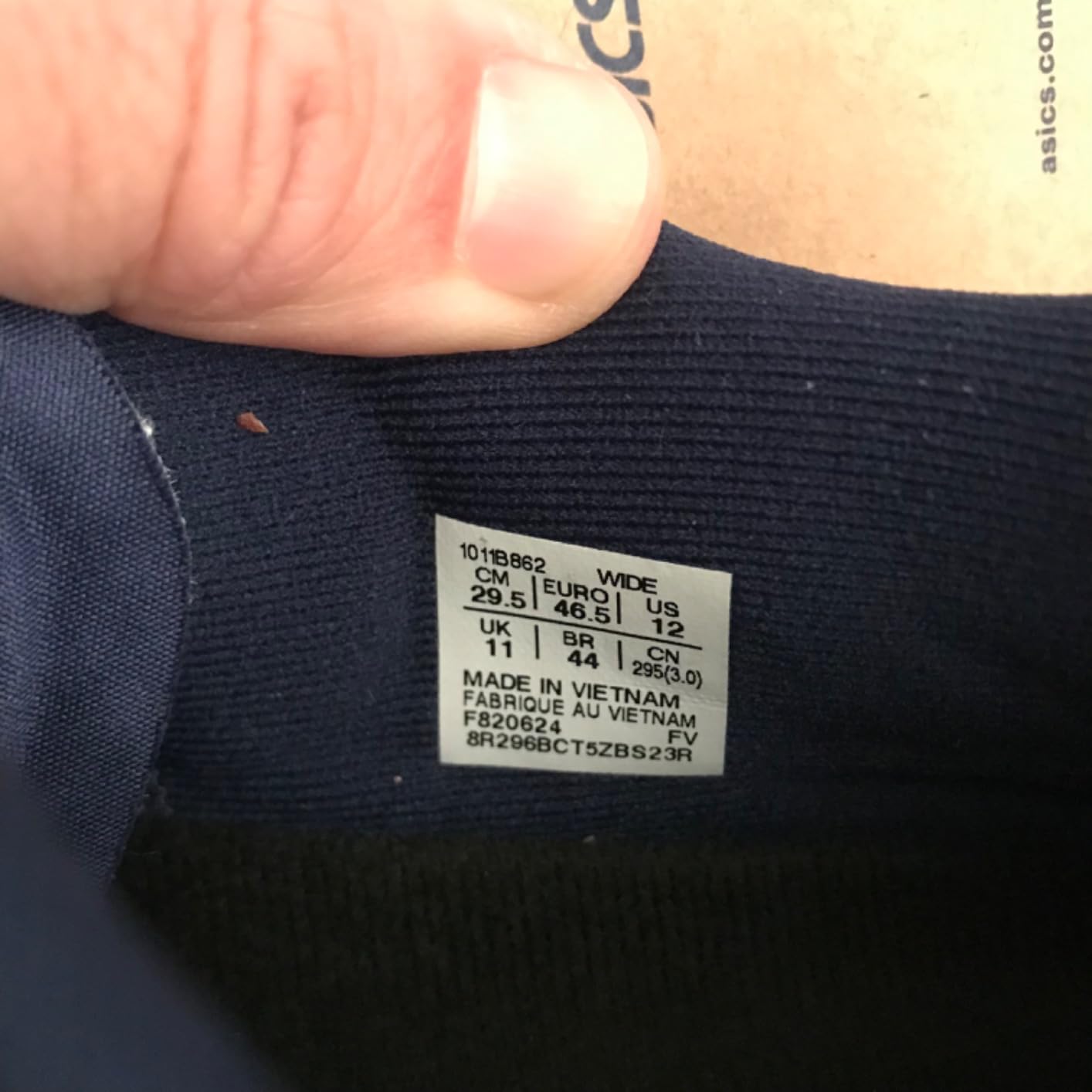
My usual size is 9D. In the GT-2000 13, that fit uncomfortably snug across the toe box — not painful, but enough that I sized up to 9.5 for the full testing period. Several people in my weekly running group had the same experience, and the consensus in the broader running community backs this up: plan on a half-size up unless your feet are genuinely narrow.
Two other fit details worth flagging before you buy: the tongue is thinner than previous GT-2000 versions and lacks the padding that prevents pressure points during longer efforts. And the laces — ASICS shortened them considerably. The pair on these measured 45 inches versus the 52.5 inches on my GT-2000 11s. Getting a secure knot required some creativity, and for runners who prefer extra security on long runs, replacement laces are worth considering immediately.
Stability Technology — What 3D GUIDANCE SYSTEM Actually Does
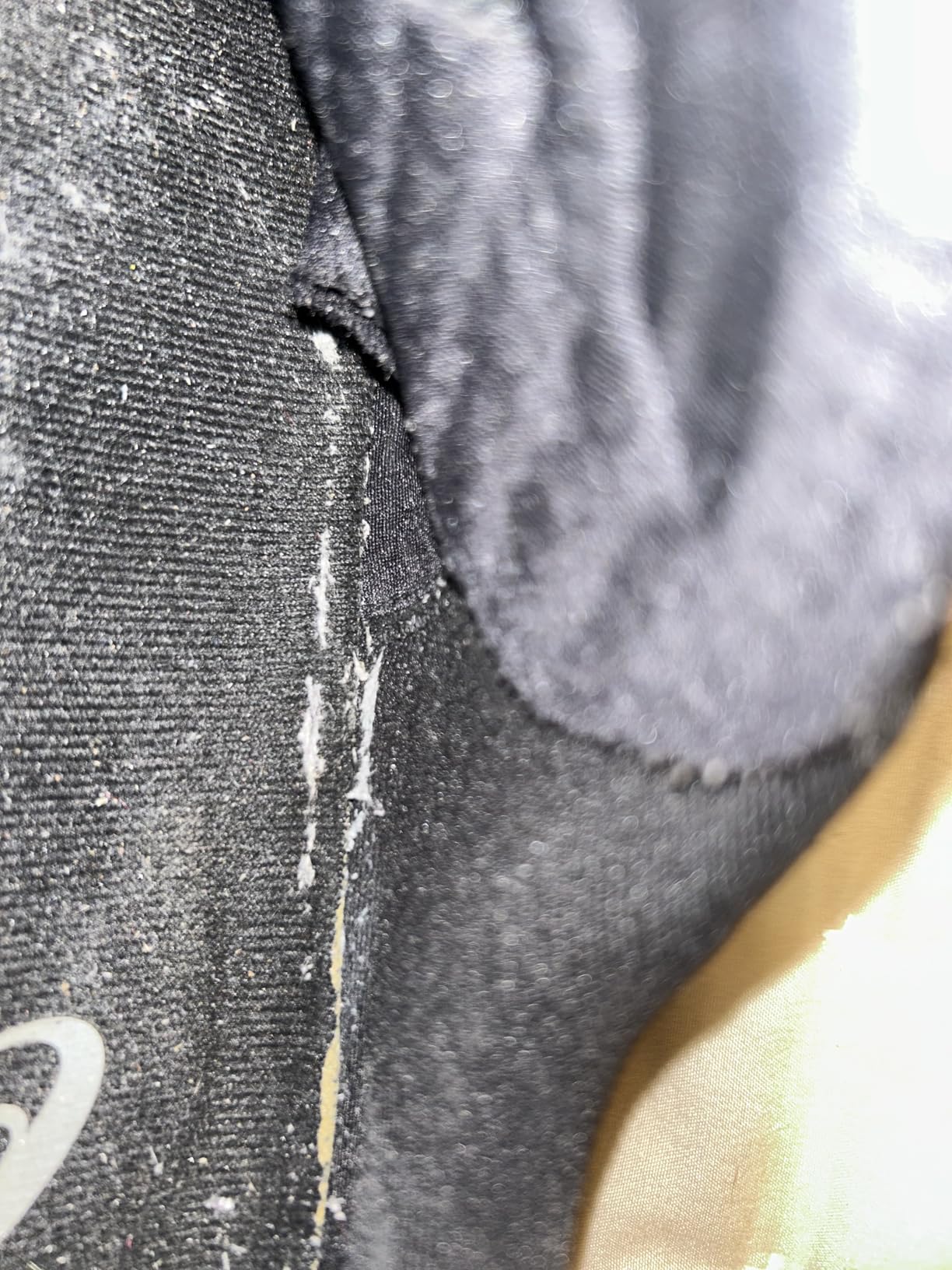
Here’s where my skepticism got a partial answer. The 3D GUIDANCE SYSTEM works — but it works quietly, which is both its strength and its limitation.
During easy base runs at 9:00 pace, I barely noticed any guidance at all. The shoe felt like a neutral trainer with slightly more structure. That changes during tempo work. At 6:45-7:15 pace, when my stride generates more force and my foot wants to roll inward more aggressively, the geometric support became perceptible — a subtle midstance correction that felt like the shoe redirecting rather than restricting. It doesn’t feel like anything is “pushing” your foot. It just… guides.
Compared to Brooks Adrenaline GTS guide rails, which I’ve run in rotation over the years, the GT-2000 13’s approach feels less intrusive but also less corrective for runners with significant overpronation. The Adrenaline provides more obvious medial support. Whether that’s better depends entirely on your pronation severity — for mild-to-moderate cases like mine, the quieter GT approach worked well. For ASICS Gel-Kayano 31-level stability needs, the GT-2000 13 will leave you wanting more.
Cushioning Feel — Great for 150 Miles, Then It Gets Complicated
The FF BLAST+ foam in the GT-2000 13 measures 18.5 HA on the durometer — significantly softer than the 24.5 HA in the GT-2000 12. That’s not a small difference; it’s measurable underfoot from the first run. The added PureGEL unit centrally under the heel provides additional landing absorption, and the combination created one of the more comfortable out-of-box experiences I’ve had in a stability trainer.
At easy paces, the plushness is genuinely welcome. Long runs at 8:30 conversational pace felt protective without feeling mushy. During tempo work, there’s decent energy return — not the snappiness of a pure performance foam, but enough to feel responsive at 6:45 effort.
The complication arrives around the 150-mile mark. That softer durometer, which felt like a feature at first, becomes relevant for longevity. Softer foam compresses faster, and by the 200-mile point, the midsole had noticeably less spring than those early runs. The shoe remained functional and stable — the 3D Guidance geometry doesn’t compress the same way foam does — but the cushioning quality I’d experienced in weeks one through six had diminished. This is the fundamental tension the GT-2000 13 doesn’t resolve cleanly: the comfort that makes it enjoyable short-term works against its durability long-term.
Real-World Performance Across Chicago Seasons
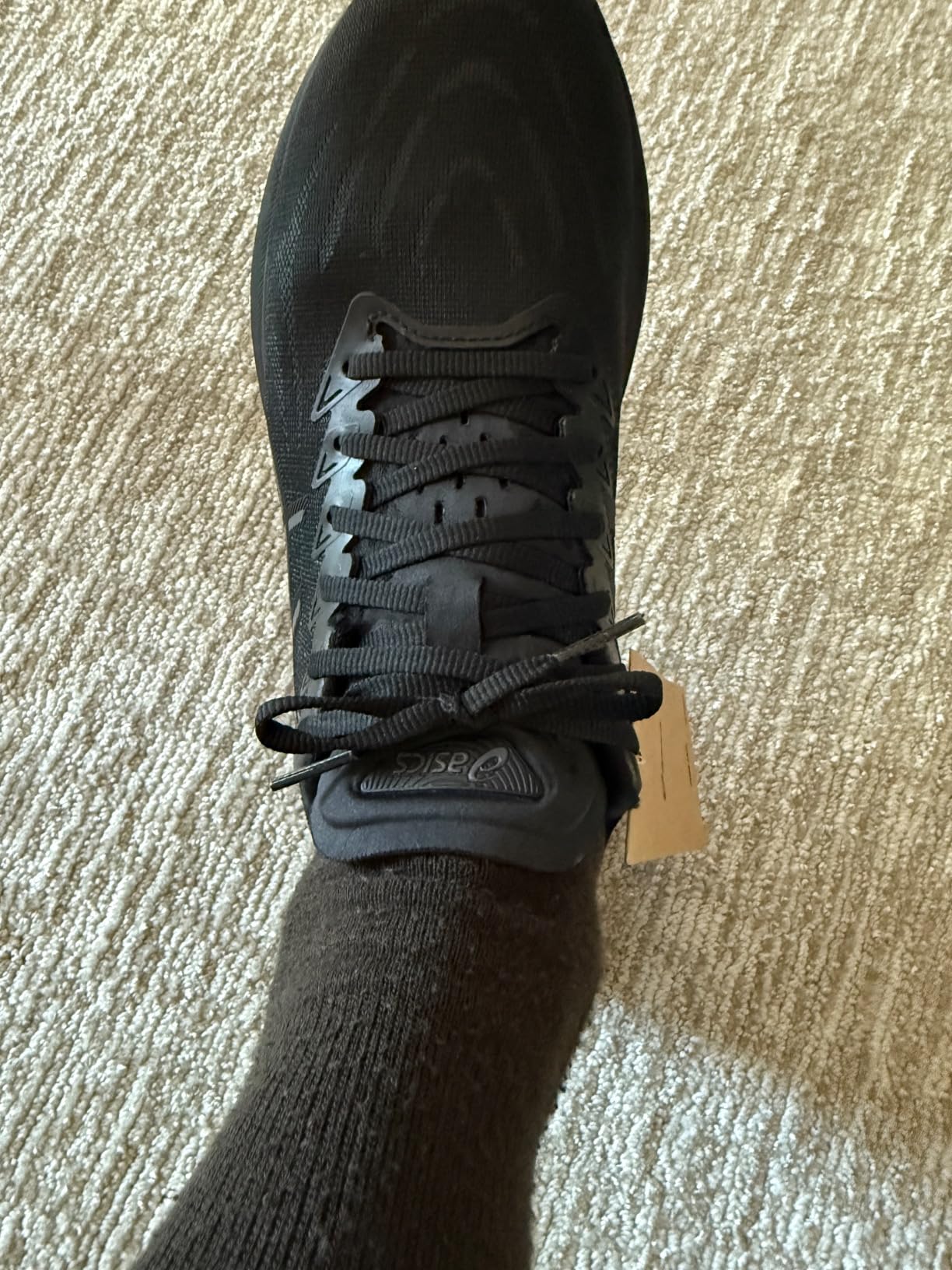
Testing in Chicago means testing in everything. Through December and January at 30-35°F, the GT-2000 13 performed well — materials stayed flexible, cushioning didn’t firm up the way some EVA foams do in cold, and the shoe was comfortable with appropriate cold-weather socks without being bulky.
The breathability story changes as temperatures climb. Above 70°F, the engineered mesh is adequate but not exceptional — definitely not as ventilated as more open-weave uppers I’ve tested. During a 10-miler in late spring at 78°F with moderate humidity, feet ran noticeably warmer than in some comparable trainers. It won’t overheat you in mild conditions, but if you live somewhere consistently hot and humid, it’s worth knowing.
Traction on dry pavement and hard pack was reliable throughout testing. Wet conditions exposed the AHAR rubber’s limitation: on painted crosswalks and smooth concrete during heavy rain, grip became tentative. Not dangerous, but not confidence-inspiring either. For the majority of road running situations, outsole traction is more than adequate. Wet surfaces at high speeds or on technical terrain are where the shoe shows its road-specific design boundaries.
Durability — The Real Conversation
At 0-100 miles: fresh, responsive, no concerns.
At 100-150 miles: still strong. The midsole began showing the first signs of compression, but nothing that affected run quality or stability. Upper looked clean.
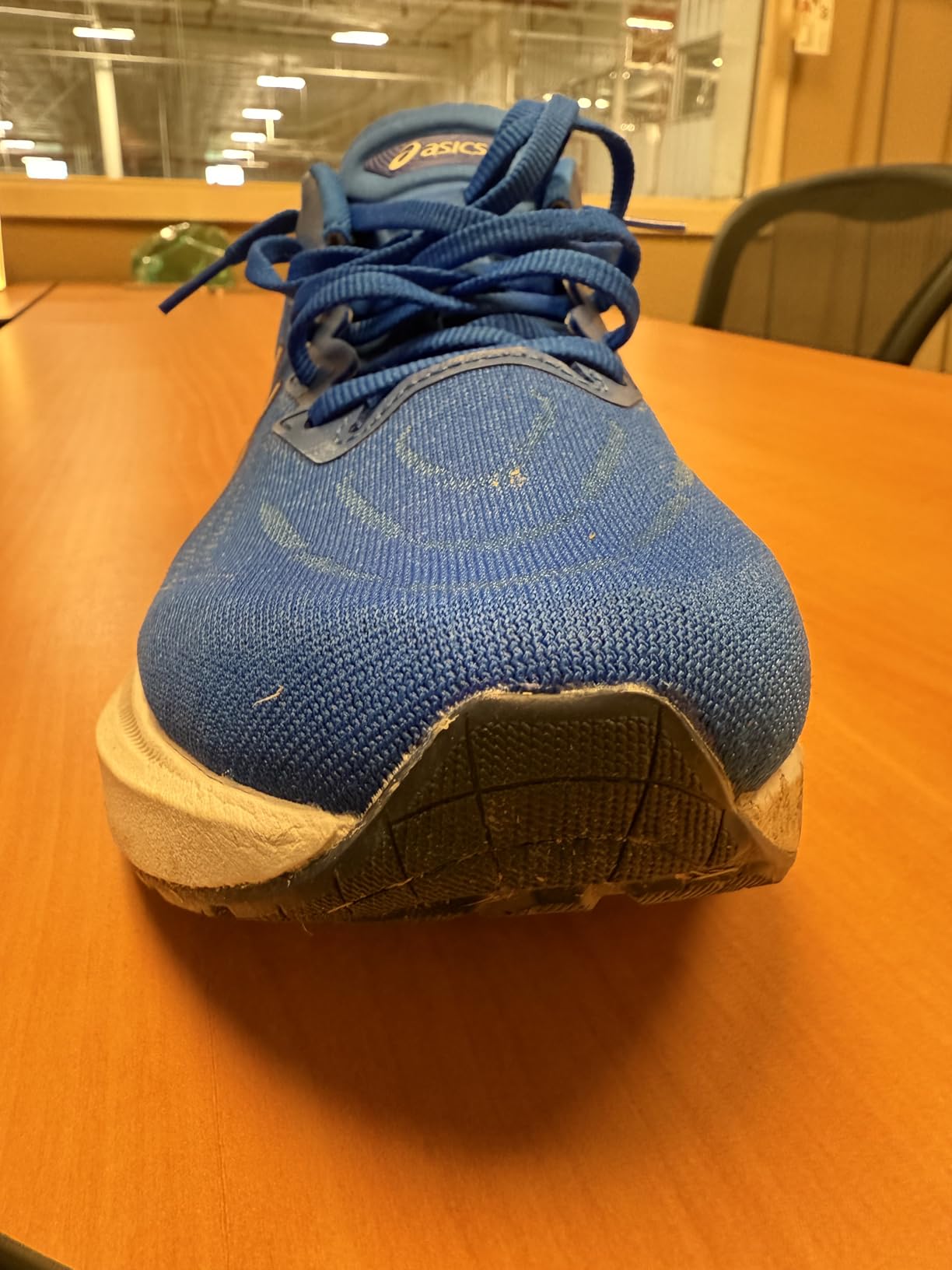
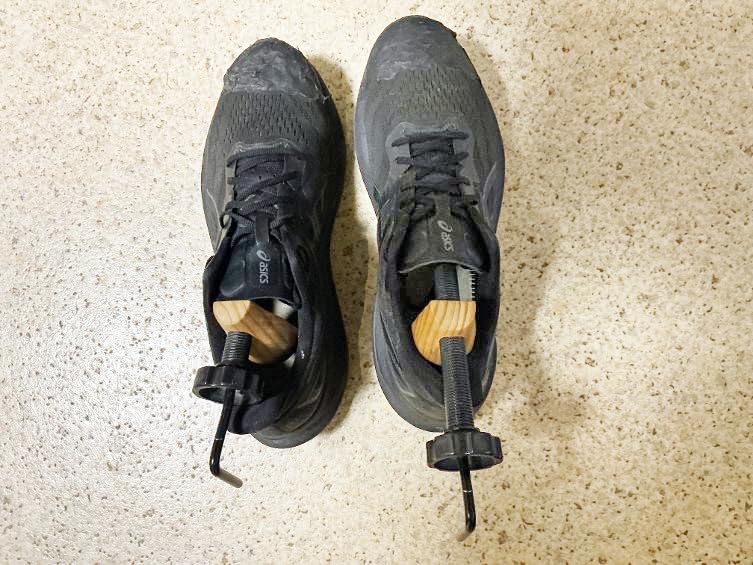
At 150-200 miles: midsole compression became consistently noticeable during longer efforts. More significant — the engineered mesh showed early stress near the toe box where the upper flexes most repeatedly. The AHAR outsole, by contrast, was holding up well with minimal visible wear.
At 200-280 miles: midsole responsiveness clearly diminished. The upper stress progressed. The shoe remained structurally sound and continued to provide stability, but the cushioning comfort from those early runs wasn’t there anymore. I’d moved these into a “lighter days only” rotation by the end.
Realistic lifespan for most runners: 250-350 miles, trending toward the lower end for heavier runners or those logging high weekly mileage. Some reviewers suggest 350-500 miles — that projection may hold for very light runners who rotate frequently, but I wouldn’t plan on it at 175 lbs running 20-30 miles per week.
How It Stacks Up Against the Competition
The GT-2000 13’s closest comparison is the Brooks Adrenaline GTS 23 ($140), and the choice between them comes down to what you prioritize. The Adrenaline provides more consistent width options, proven long-term durability, and more aggressive pronation control — but at 10.7 oz, it’s heavier, and its medial post system feels more intrusive than the geometric approach of the GT-2000. For runners who prefer the feel of guidance without the sensation of stability, the ASICS wins. For those needing more substantial correction or wide width options, the Brooks is the better choice.
The Saucony Guide 17 ($130) offers more cushioning volume and a wider fit at the same price point. It’s a better choice for runners who want plush protection over pronation guidance. New Balance makes the New Balance Fresh Foam X 860 V14 in multiple widths — another strong alternative for those who can’t fit the GT-2000’s narrower last. Within the ASICS lineup, the Gel-Kayano 31 is the step up for runners who need more substantial overpronation control and can tolerate the heavier weight and higher price.
For something from the same brand with less stability focus, the ASICS Gel-Cumulus 26 provides excellent daily trainer cushioning for neutral runners or mild underpronators.
Overall Assessment
Overall: 7.2/10
- Design & Upper: 7.5/10 — Clean, modern look with a lightweight feel; durability concerns at 150+ miles prevent a higher score
- Stability Technology: 8.0/10 — 3D GUIDANCE SYSTEM genuinely delivers non-intrusive guidance for mild-to-moderate overpronation
- Cushioning: 7.0/10 — Excellent initially; compression timeline limits long-term value
- Durability: 6.0/10 — Realistic 250-350 mile lifespan falls short of comparable stability shoes
- Value at $130: 6.5/10 — Reasonable price, but durability expectations significantly affect the value calculation
Who Should Buy This Shoe
| ✅ Right For You If | ❌ Look Elsewhere If |
|---|---|
|
|
Frequently Asked Questions
How does the GT-2000 13 fit compared to other ASICS shoes?
It runs noticeably narrower than most ASICS models I’ve tested. If you’re typically a size 9 in ASICS neutral trainers like the Gel-Cumulus 26, plan on 9.5 in the GT-2000 13 unless you have genuinely narrow feet. The midfoot lockdown is more aggressive than the brand average.
How does it compare to the GT-2000 12?
The 13 uses a softer FF BLAST+ formulation (18.5 HA vs 24.5 HA in the 12) — more comfortable initially but potentially more prone to compression over time. The upper is lighter but appears less durable at the toe box. The 3D Guidance refinements are incremental rather than revolutionary. If you loved the 12’s firmness and durability, the 13 may feel like a trade-off you didn’t ask for.
What’s the realistic mileage I should expect?
At my weight (175 lbs) and mileage (20-30 per week), I’d plan on 280-350 miles before performance noticeably degrades. Lighter runners under 150 lbs may get closer to 400. Heavier runners (200+ lbs) should expect the 250-300 range. I’d rotate out sooner rather than later — the midsole compression around 200 miles is real.
Is it appropriate for tempo runs and speed work?
For tempo efforts at 6:45-7:15 pace, yes — the shoe performs adequately and the stability system actually becomes more perceptible at faster paces, which is useful. For track intervals or anything under 6:30 pace, you’d be better served by a lighter dedicated tempo shoe. This is a daily running shoe, not a performance racer.
Does the 3D GUIDANCE SYSTEM work better than a traditional medial post?
Better is the wrong frame. Different is more accurate. Geometric guidance (GT-2000 approach) feels less intrusive and more natural than a rigid medial post — which is ideal for mild-moderate overpronators who want stability without the “corrective” sensation. For severe overpronators who need maximum control, a firmer posted shoe will provide more noticeable correction.
Can someone with neutral gait wear this comfortably?
Technically yes, but the narrow fit and stability geometry may feel restrictive without pronation to correct. Neutral runners tend to prefer the extra forefoot freedom that stability shoes sacrifice. Worth trying, but the Gel-Cumulus 26 or ASICS Novablast 5 would be more appropriate starting points.
Is the lace shortening a widespread issue or just one reviewer’s experience?
Multiple runner accounts confirm it. My laces measured 45 inches versus 52.5 inches on my GT-2000 11s. For runners with narrow feet or low-volume foot profiles, the standard length may work fine. Average and high-volume feet will want to pick up 54-inch replacements immediately — it’s a small fix that makes a noticeable difference in security.
How does it perform in cold weather specifically?
Better than I expected. The FF BLAST+ foam remained notably flexible at 30-35°F, which is not guaranteed with all running shoe foams. Cushioning feel didn’t change significantly from warm-weather runs. The mesh upper provides minimal insulation, so appropriate thermal socks matter below 40°F, but the midsole performance holds up through cold conditions.
The Bottom Line
After 280 miles and 12 weeks, the GT-2000 13 earns its 7.2/10 by delivering what it promises for the right runner — but the qualifier matters. The stability technology is genuinely sophisticated and non-intrusive. The initial comfort is among the best in the category. But the durability regression from previous GT-2000 generations and the narrow fit that excludes a meaningful portion of the stability shoe market mean this isn’t the right choice for everyone at $130.
If you’re a mild-to-moderate overpronator with average-width feet who runs 20-30 miles per week across two or three shoes, size up half a size, replace the laces, and you’ll likely be satisfied for 300+ miles. If you’re logging serious mileage, have wide feet, or need aggressive pronation control, your money does more work elsewhere.
Browse our full selection of running shoes at FootGearUSA to find the right match for your specific training needs.
Questions? Drop them in the comments — I’m around. Happy running.
Be the first to review “ASICS Men’s GT-2000 13 Running Shoes”
Related products
Running Shoes
Running Shoes
Hiking/Trekking Shoes
Running Shoes
Running Shoes
Running Shoes
Running Shoes
Reviews
There are no reviews yet.