
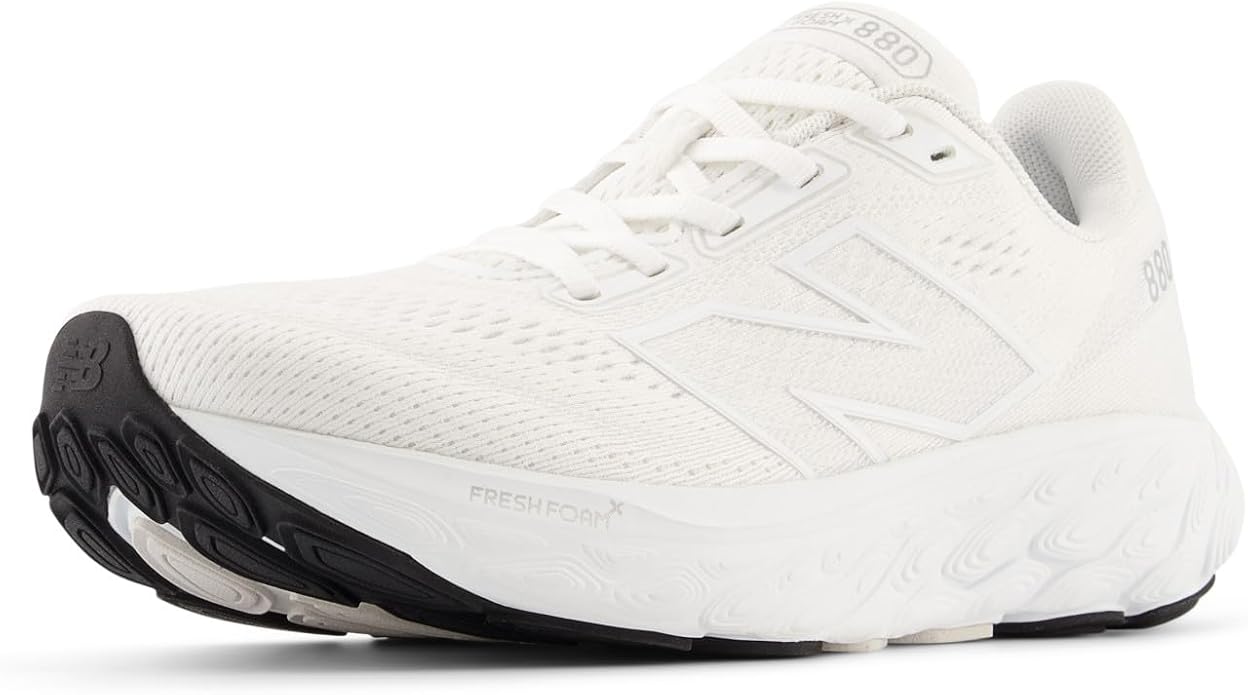
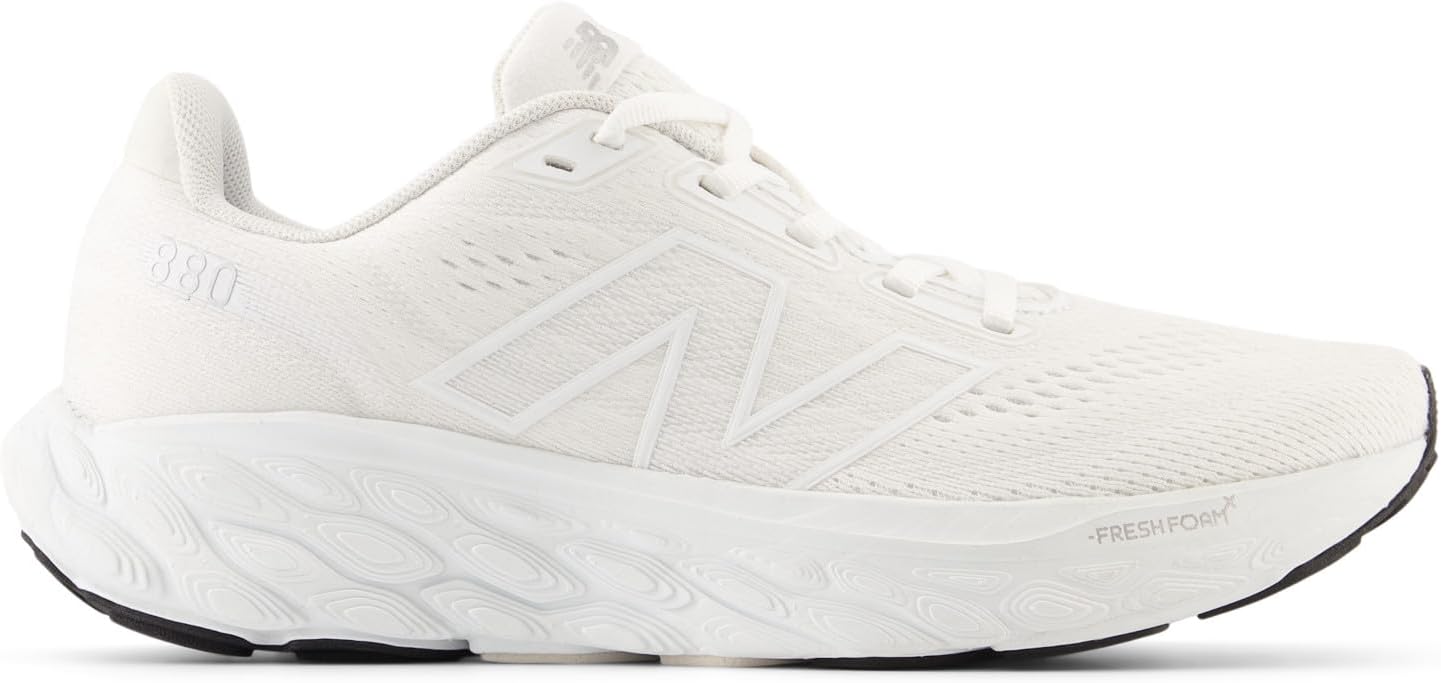
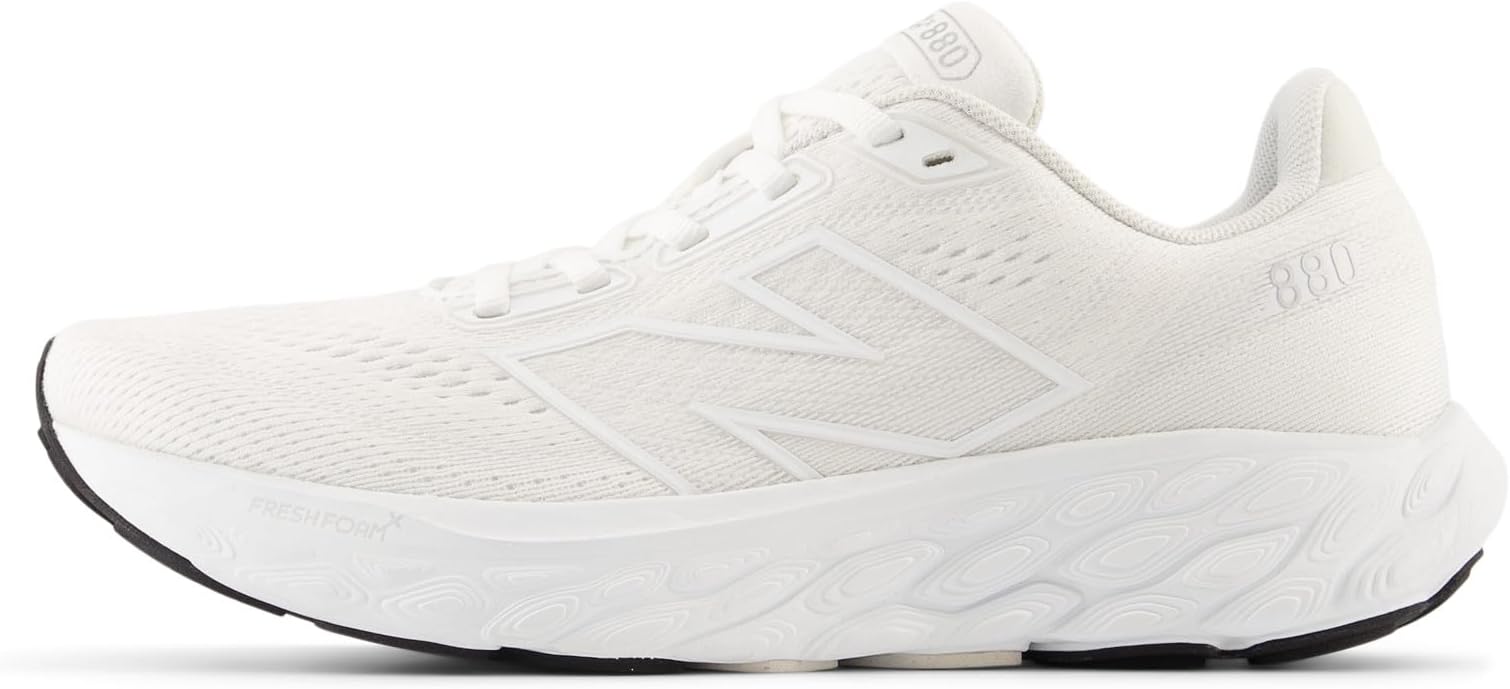
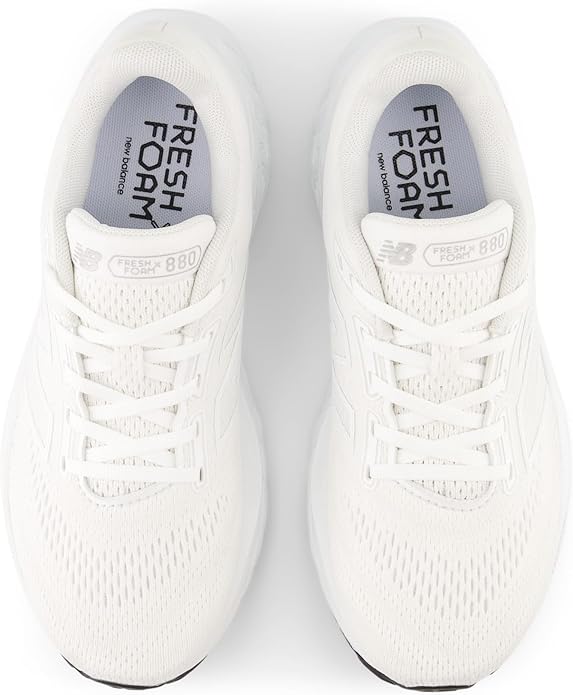
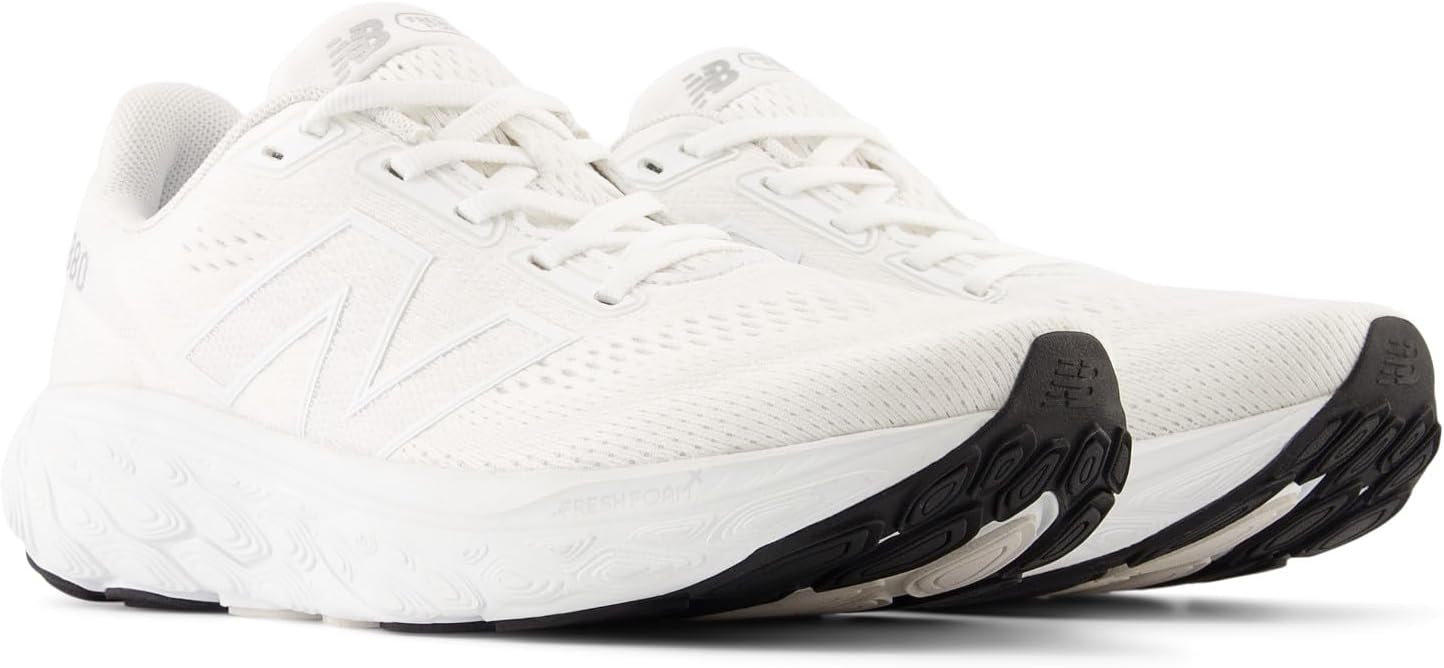
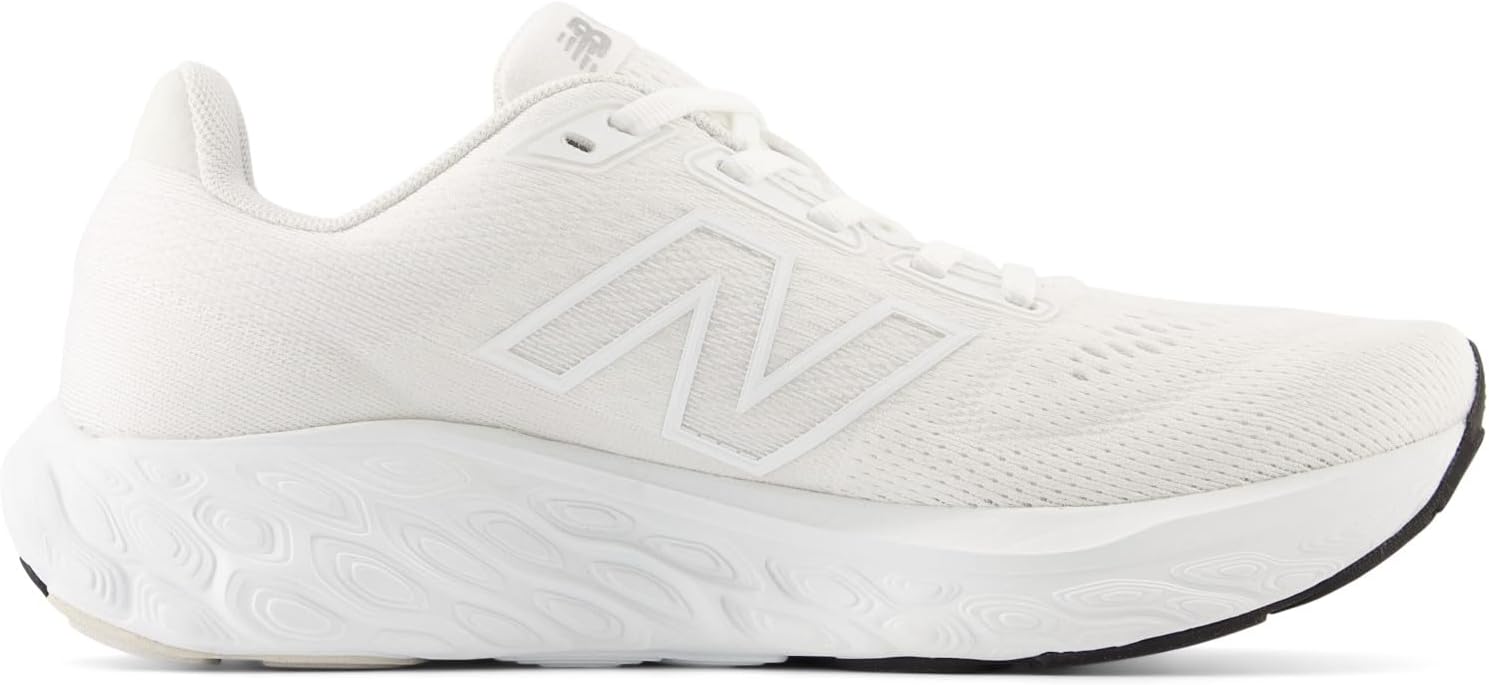
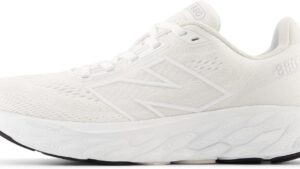
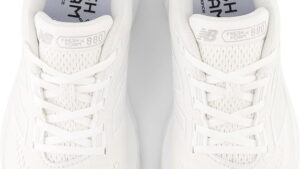
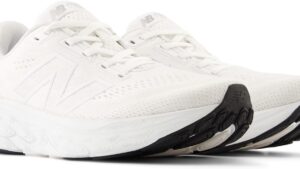
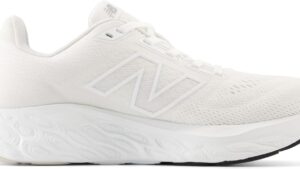
New Balance Womens Fresh Foam X V14
$129.61
- ⚖️ Weight: 7.6 oz (women’s size 8)
- 📏 Heel-to-toe drop: 8mm (down from 10mm in v13)
- 🧪 Midsole: Single-layer Fresh Foam X with 3% bio-based content
- 👟 Upper: 50% Synthetic, 50% Mesh, gusseted tongue
- 📐 Stack height: 35.5mm heel / 27.5mm forefoot (lab measured)
- 🏃♀️ Category: Neutral daily trainer
- 📏 Widths available: Standard (B), Wide (D), X-Wide (2E)
My friend Jen is not a person who oversells things. So when she grabbed my arm at our Saturday group run and said, “Seriously — the 880 V14 is actually worth the hype,” I stopped and paid attention. After logging 10+ years testing running shoes, I’ve developed a healthy skepticism for that exact sentence. But when the box arrived and I put in eight weeks — 180 miles, 45-plus sessions, everything from pre-dawn 5Ks to all-day city walks — I had to sit with the results. And they were better than expected.
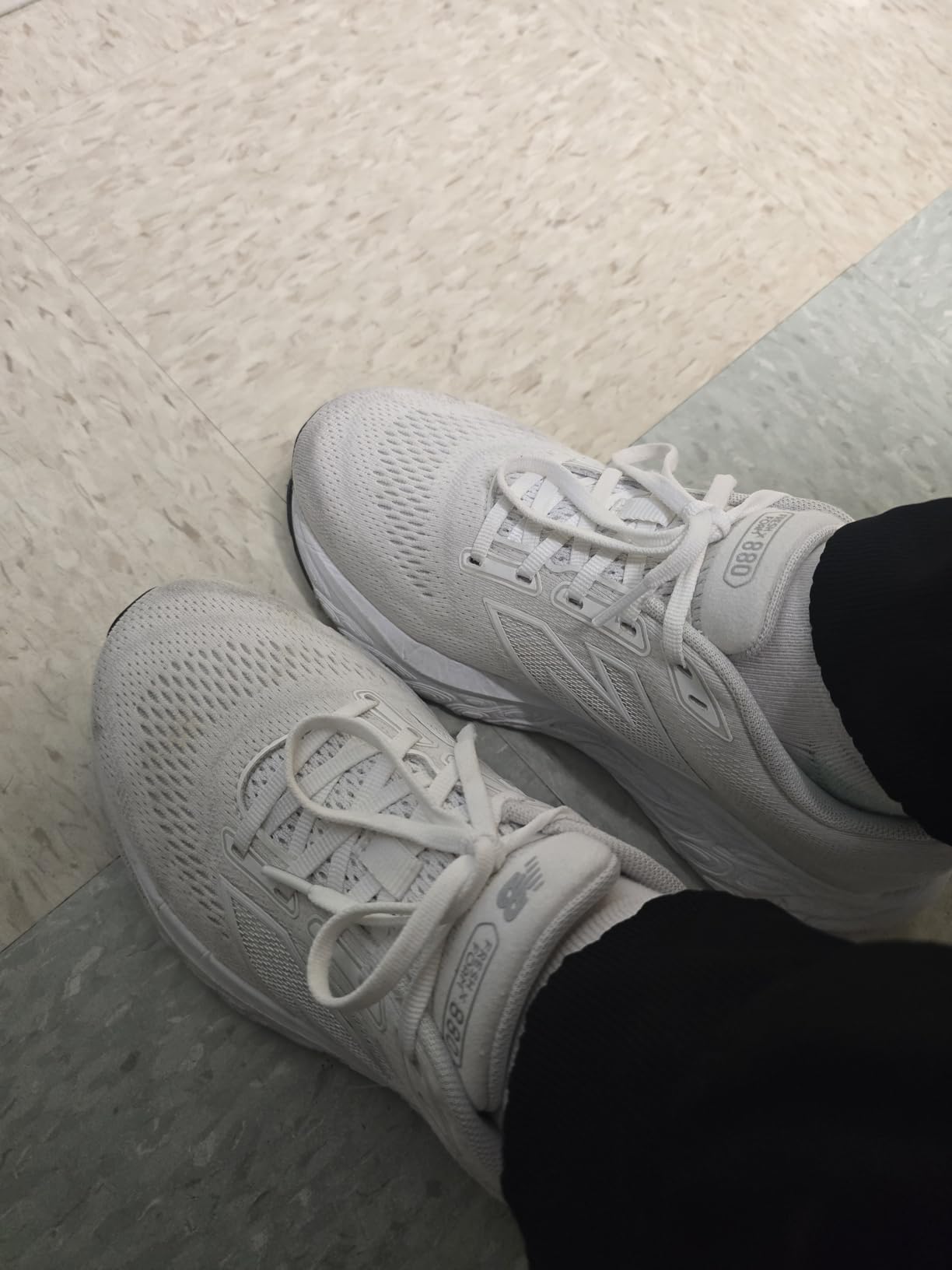
Design, Build Quality & Real-World Performance
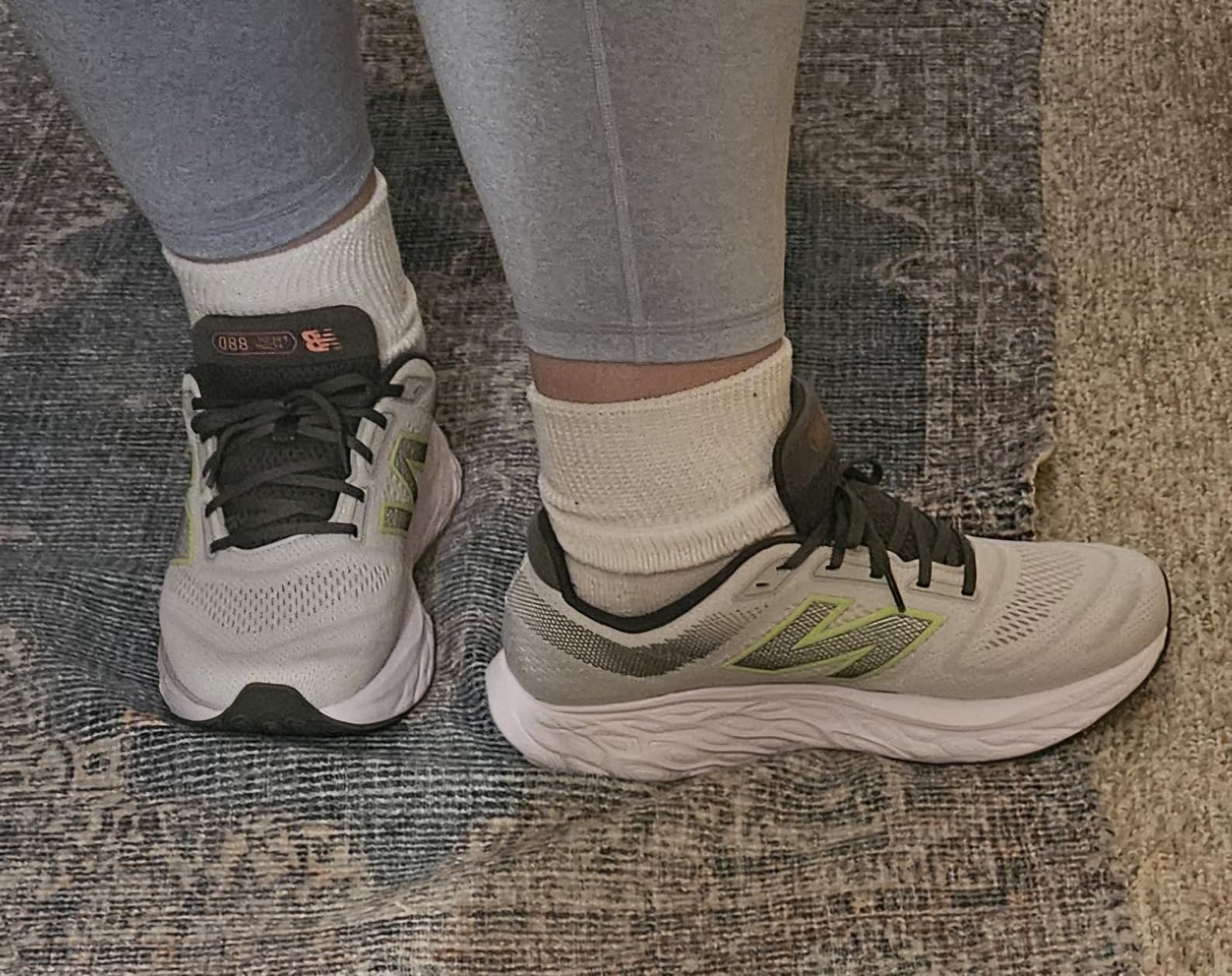
Upper Construction & First Impressions
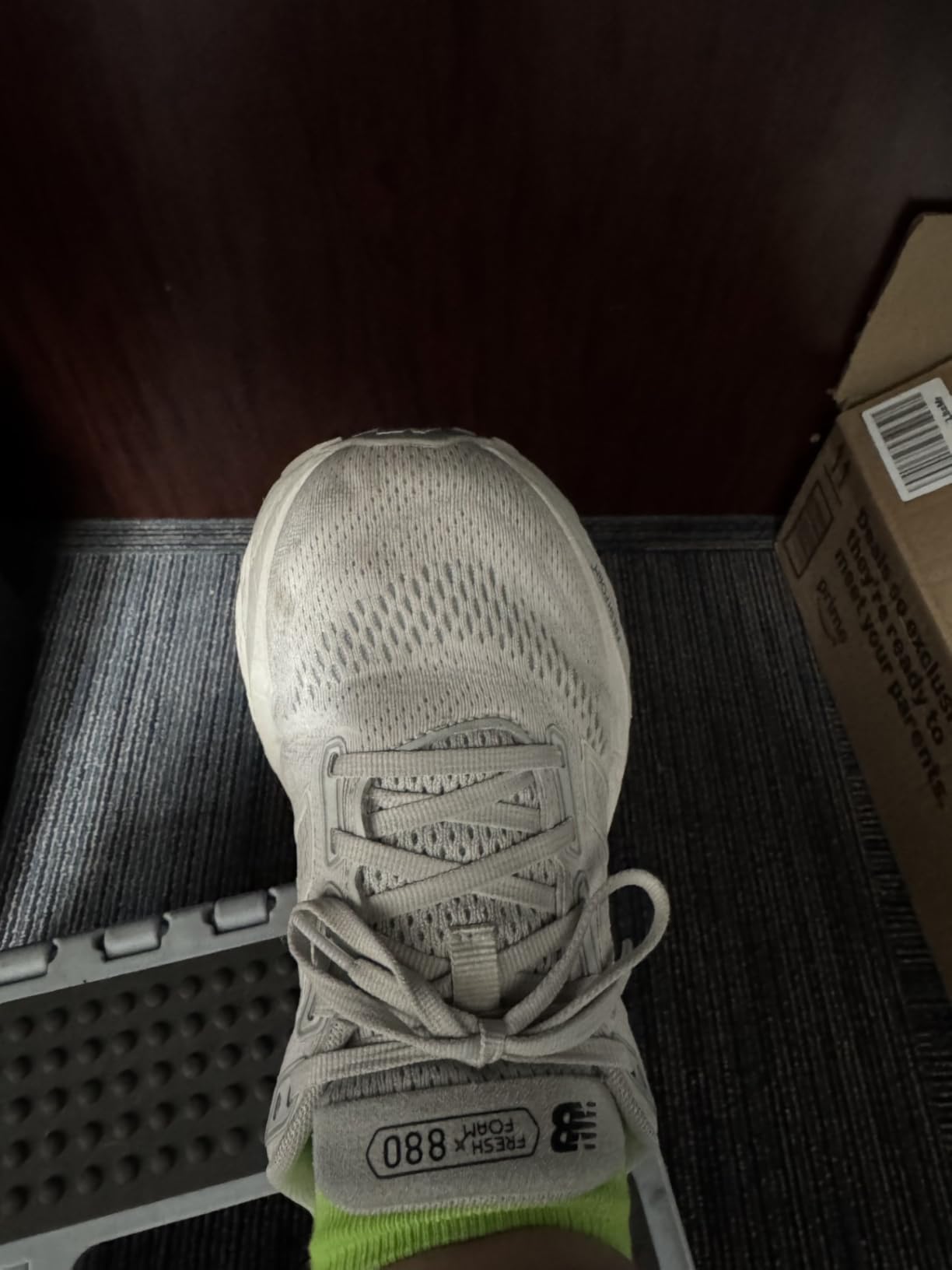
Out of the box, the v14 feels like New Balance took careful notes on every complaint from v13 owners. The synthetic-mesh blend on the upper threads the needle between structure and airflow — it holds your foot without squeezing, and it doesn’t have that papery flimsiness some lightweight uppers develop after a few months.
The gusseted tongue is a small detail that matters on longer runs. It stays in place rather than sliding sideways, which means one less mid-run adjustment. The heel counter has a semi-rigid construction that cups your heel without creating that pressure hot-spot issue you sometimes get with overly aggressive counters.
What struck me on the first run was how the shoe communicated without being bossy. The upper guided my foot without overcorrecting anything — a neutral chassis that felt genuinely neutral, not like a shoe pretending to be neutral while quietly pushing you toward midfoot striking.
The Fresh Foam X Difference & Daily Comfort
The v13 ran on a dual-layer setup — Fresh Foam midsole with a FuelCell foam insert up front. The v14 scraps that arrangement entirely and goes single-layer Fresh Foam X throughout. On paper that sounds like a downgrade. In practice, it’s not.
The new foam feels more consistent underfoot. There’s no boundary between two materials, no subtle seam your foot can sense when pressure shifts. During my usual 6-mile morning runs at around 8:15 pace, the cushioning stays lively rather than compressing and going dead. When I pushed tempo segments closer to 7:30, the foam held its character — supportive without turning to mush.
The bigger surprise was what happened off the track. I wore these for a full afternoon of errands that stretched into three hours of walking, including a trip to a hardware store where I stood on concrete for 45 minutes. My feet were fine. Not “good enough” — actually fine. For a shoe primarily marketed as a running shoe, that kind of all-day durability is genuinely useful.
On-the-Road Performance
The drop reduction from 10mm to 8mm turns out to be more noticeable than I expected — in a good way. On the v13, heel-toe transitions felt slightly pitched forward, like the geometry was nudging me into a particular gait. The v14 at 8mm feels more neutral. The heel-to-toe roll during my 8-10 mile weekend runs was smooth and unhurried, which matters when you’re eight miles in and want your form to stay consistent rather than fight the shoe.
Traction has been reliable across surfaces. I ran these in Seattle drizzle, on dry concrete in Phoenix, and on packed park trails. The NDurance rubber outsole with its pod-style placement grips wet pavement without drama. At 180 miles, the outsole shows even wear with no spotty breakdown, which suggests the rubber placement maps well to how most runners actually strike. That kind of wear pattern is a reasonable proxy for good biomechanical design.
Meeting Daily Training Demands
For runners logging 25-40 miles a week, the 880 v14 handles variety without complaint. Recovery runs at 9:00 pace: protective and forgiving, no bottoming out. Moderate efforts at 7:30: enough feedback to feel connected, not so firm it punishes you. Long runs pushing 8-10 miles: the cushioning doesn’t fade by mile 7.
Where it struggles is at the faster end. Push below 7:00 pace for any sustained effort and you start wanting more snap — more energy return that propels you forward. The shoe provides comfort and cushioning, but it’s not a performance platform for speed work. If your training schedule includes regular intervals or race-pace sessions, the v14 works fine as your easy-day shoe, but you’ll want something else for the quality workouts. The New Balance Women’s FuelCell Rebel V4 would be the natural NB companion for those faster sessions.
Honest Strengths and Honest Weaknesses
What consistently impressed me: the all-day comfort is not a marketing claim. I transitioned from morning runs to full work days to evening activities without any cumulative foot fatigue. The toe box gives my forefoot real room to spread at push-off, and several running partners with wide feet who tried them reported the same. The arch support felt legitimately engineered rather than just a foam bump in the insole.
What genuinely annoyed me: the laces. They’re made from a smooth, slippery material that resists staying knotted. On three separate long runs I had to stop and re-tie. It’s a fixable problem — replace the laces with a flat cotton or waxed cord pair — but for a $140 shoe it’s an odd oversight.
The second issue is subtler. At 150+ miles, I noticed the heel area beginning to show compression under the foam. It hasn’t affected comfort yet, but it’s a signal. For runners hitting 50+ miles per week, that heel compression could become a real issue around the 400-mile mark.
Performance in Various Conditions
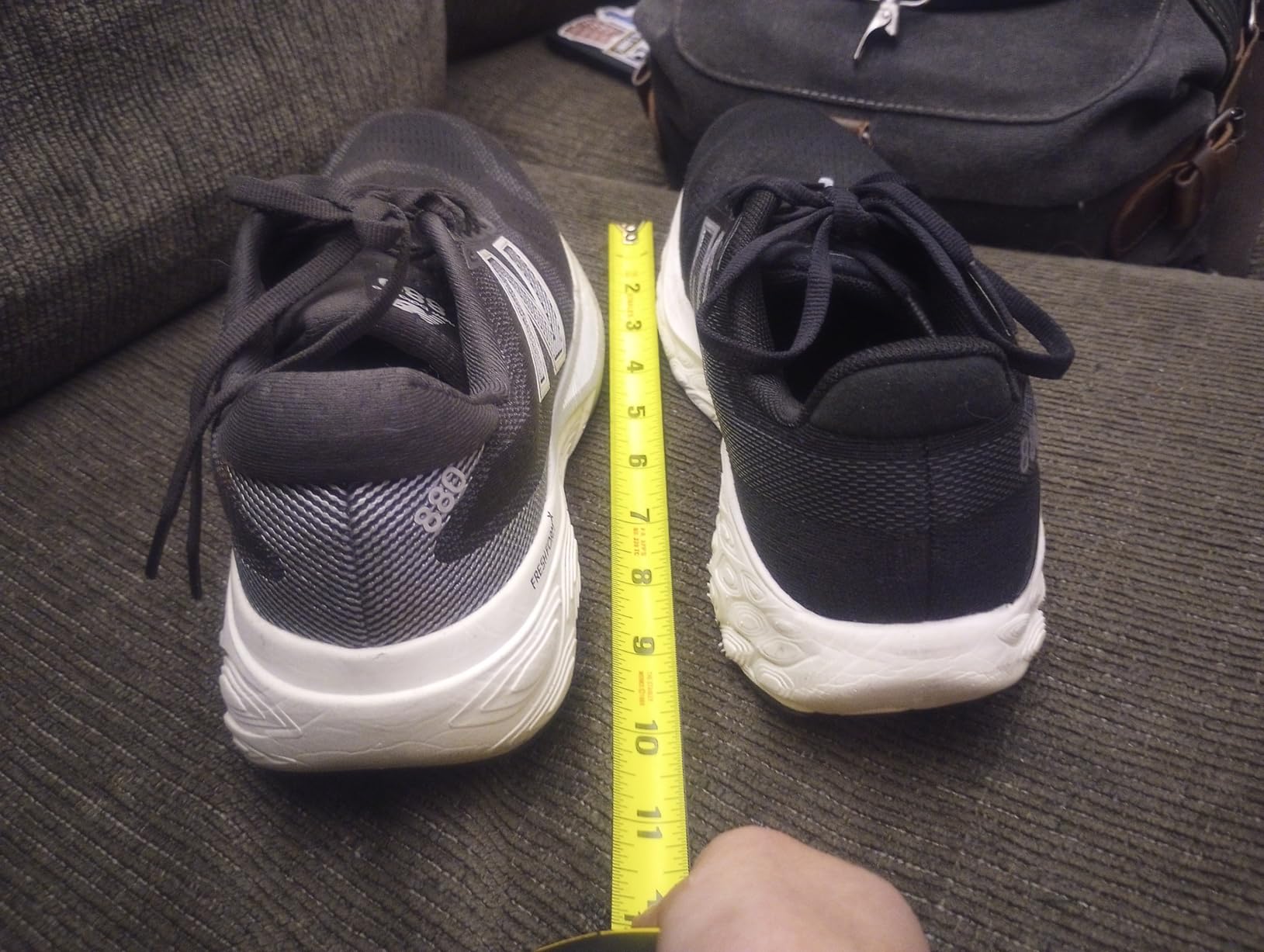
Hot and humid (85°F+): During a stretch of humid August running, the mesh upper breathed well enough to stay comfortable. Not premium breathability — you’ll notice heat on long efforts in high humidity — but functional for most conditions. My feet didn’t feel like they were steaming after a six-miler in Miami-level heat.
Early morning vs. evening: In cool 5 AM Seattle conditions, the foam felt firm and responsive. During warmer 6 PM runs in Phoenix, it softened slightly but maintained enough structure to feel stable through to the end. The foam character stays recognizable across temperature ranges, which isn’t always true of softer midsole materials.
Wet conditions: Portland drizzle and a run caught in a Texas thunderstorm both confirmed the outsole’s grip. The upper doesn’t repel water, but it dries in a reasonable window — it doesn’t stay soggy the way some synthetic uppers do. Not waterproof, but honest about what it is.
Long-term durability: Through 100 miles, the shoe felt essentially the same as day one. At the 150-mile mark, subtle heel compression appeared. Outsole wear is minimal and evenly distributed. For most runners running 30-35 miles per week, 400-500 miles of quality use is a reasonable expectation before replacement.
Does New Balance Deliver on Their Promises?
New Balance markets the 880 v14 as their most cushioned Fresh Foam experience and promotes the structural integrity of the upper. Both claims hold up to scrutiny, with caveats.
“Most cushioned Fresh Foam experience”: The single-layer Fresh Foam X is genuinely softer than previous 880 versions and noticeably more forgiving than most neutral daily trainers in this price bracket. Where the claim strains is the word “incredible” — the cushioning is excellent, not transcendent. I’d say it delivers about 85% of what the marketing suggests. That’s still a strong result.
“Structured and supportive upper”: Accurate. The gusseted tongue, heel counter, and midfoot structure all work together. There’s lockdown during tempo efforts without any restriction during easy mileage. It’s a well-designed upper that doesn’t call attention to itself — which is the right outcome.
Comparison to competitors at this price point: The ASICS Gel-Cumulus 26 Women’s offers comparable cushioning with a firmer feel; the v14 wins on weight by nearly a full ounce. Brooks Glycerin Stealthfit 21 goes plush but at $170, while the v14 provides competitive cushioning at $30 less.
My Overall Assessment
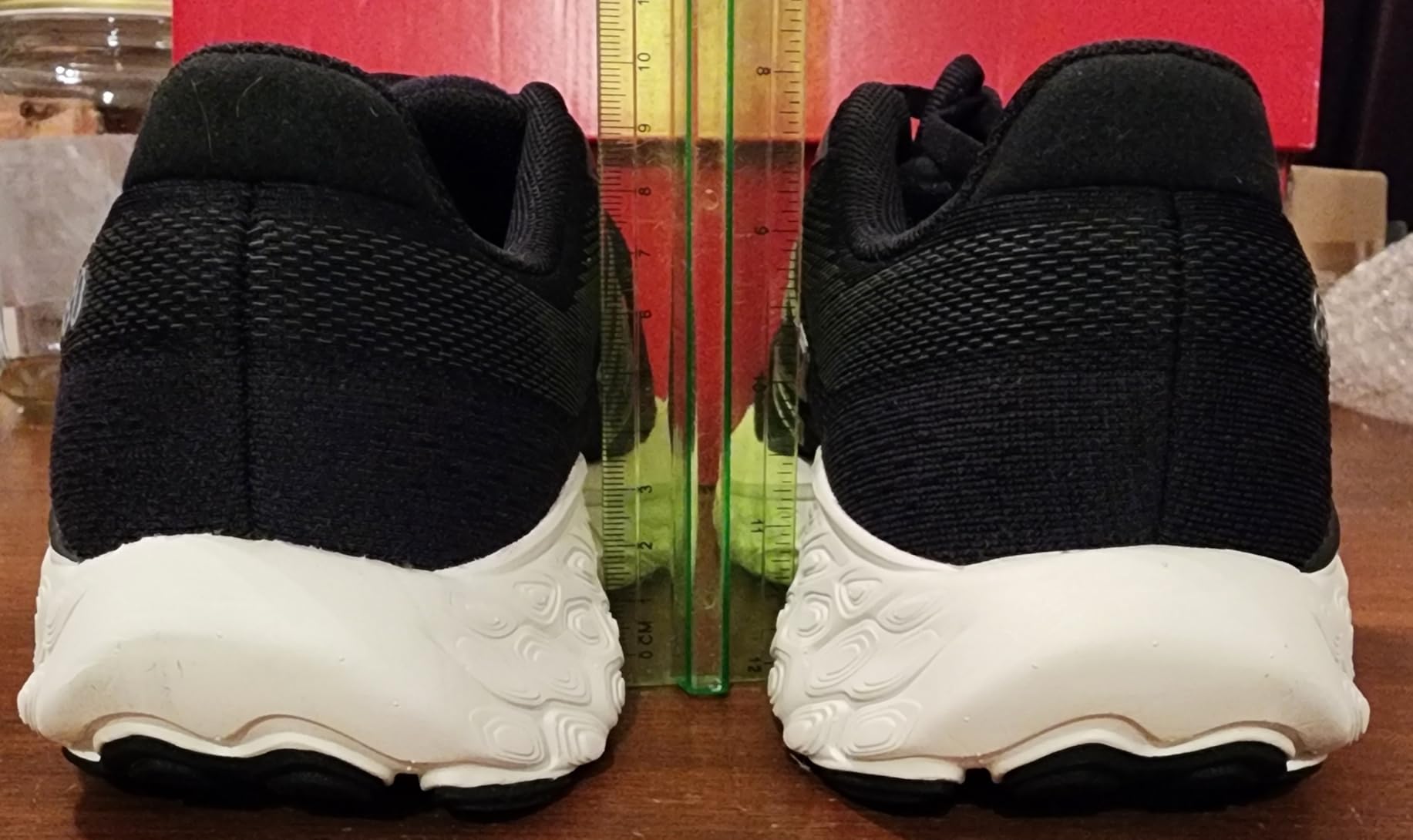
Category Breakdown
Eight weeks in, I’m giving the Fresh Foam X 880 V14 an 8.3/10 overall. Here’s how the numbers break down:
- Design & Aesthetics: 7.5/10 — Clean and modern, colorway options are limited
- Cushioning Quality: 9.0/10 — Excellent, consistent feel across paces and activities
- Versatility: 8.5/10 — Handles easy runs, moderate efforts, and all-day wear with equal competence
- Durability: 7.5/10 — Solid overall, heel compression bears monitoring at high mileage
- Value for Money: 8.0/10 — $140 is fair given the performance and build quality
What Other Female Runners Are Saying
The feedback from my local running group has been largely positive, with a few consistent themes. My friend Jen — who started this whole experiment — has logged over 200 miles in hers and still considers them her primary daily trainer. Another runner in our group, Amy (size 8.5 wide), specifically appreciated the wide-width availability; she said the standard width ran slightly snug for her, but the D-width fit perfectly.
The one repeated complaint mirrors my own: the laces. Multiple runners mentioned having to stop mid-run to re-tie. It’s a small thing until you’re 7 miles in and it becomes the only thing you can think about.
Is It Worth $140?
At $140 with an estimated 400-500 mile lifespan, you’re looking at roughly $0.28-$0.35 per mile. The ASICS Gel-Nimbus 27 Women’s runs $160 for a heavier shoe. The New Balance Women’s Fresh Foam X 860 V14 at the same price adds stability features if you need them. For neutral runners prioritizing lightweight cushioning, the 880 v14 sits in a strong position — competitive performance without a premium price tag.
Final Verdict
The Good and the Not-So-Good
| ✅ What Works | ❌ What Needs Work |
|---|---|
|
|
Who Should Buy the 880 V14?
✅ Right shoe if:
- You run 25-40 miles per week and want one reliable daily trainer
- You have wider feet or appreciate a roomy forefoot
- You want a shoe that transitions from morning run to full day activities
- You’re upgrading from the 880 v13 and want lighter, softer cushioning
- You’re a neutral runner not requiring motion control features
⚠️ Think carefully if:
- Your weekly mileage regularly hits 50+ miles — heel compression may appear sooner
- You run in consistently hot, humid conditions and want premium breathability
- You need speed work from the same shoe — the cushioning works against responsiveness
❌ Look elsewhere if:
- You need stability features — consider the Fresh Foam X 860 V14 or ASICS Gel-Kayano 31 Women’s
- You want maximum cushioning for ultramarathon training — look at the Altra Via Olympus 2
- You prefer a zero-drop or minimalist platform
- Budget is tight — the New Balance Women’s Fresh Foam Arishi V4 offers solid NB cushioning at a lower price point
My Honest Bottom Line
After 180 miles, what I can say with confidence is this: the New Balance Fresh Foam X 880 V14 does exactly what a good daily trainer should do — it shows up reliably, adapts to different training demands, and stays out of the way so you can focus on running. The foam upgrade from v13 is genuine. The weight reduction is noticeable. The all-day comfort is real.
The lace situation is annoying and should have been caught before production. The heel compression is worth monitoring if you’re a heavy weekly mileage runner. Neither issue is a dealbreaker, but both are worth knowing going in.
For most women runners looking for a dependable daily trainer that won’t demand much in return, $140 buys a shoe that earns its keep. Jen was right — though I’d like her to know I still verified it independently.
Pro tip: Replace the stock laces with flat wax-cord laces immediately. It costs $5 and removes the only consistent frustration. For new runners exploring the NB Fresh Foam lineup, the Fresh Foam Roav V1 is a lighter everyday option at a friendlier price.
Frequently Asked Questions
Q: How does the 880 V14 compare to the v13?
A: Noticeably better in two ways: lighter (approximately 1.5 oz less in men’s samples, proportionally similar for women’s) and softer underfoot thanks to the single-layer Fresh Foam X replacing the v13’s dual-layer midsole. The drop also decreased from 10mm to 8mm, which most runners will find produces a smoother heel-to-toe transition. If you ran the v13 and found it slightly heavy or firm, the v14 addresses both.
Q: Is this shoe good for long runs?
A: Yes, with a caveat on pace. Long runs at 8:00-9:30 pace are comfortable through 8-10 miles without cushioning fade. Push faster over extended distance and you may want more energy return than this foam provides. For training long runs at conversational pace, it’s a strong choice.
Q: Can I use the 880 V14 for tempo work?
A: For moderate tempo efforts around 7:15-7:45, yes — there’s enough ground feel and feedback to run comfortably without the shoe fighting you. For sustained work below 7:00 or speed intervals, I’d recommend a more responsive shoe. The foam prioritizes comfort over snap.
Q: Is the fit true to size?
A: Consistent finding across multiple testers and retailers: true to size. If you have wide feet or plan to run with thicker socks, the Wide (D) option is worth ordering in your normal size. The toe box runs a touch tighter than some NB models, so very wide-forefoot runners should specifically order the wide width.
Q: How does the 880 V14 handle hot weather?
A: Adequately. The mesh-synthetic blend breathes well enough for most runners in moderate heat. In high humidity (85°F+), your feet will warm up during longer efforts. It’s not the most breathable shoe in this price tier, but it’s not a heat trap either. For runners in consistently hot climates, try on a few options to compare.
Q: What’s the break-in period like?
A: Minimal. First run felt comfortable without the stiffness that requires deliberate break-in miles. After 20-30 miles, the upper softens slightly to conform to your foot shape. Fully settled by 50 miles.
Q: How long will these shoes realistically last?
A: Based on the wear patterns I observed at 180 miles, I’d estimate 400-500 miles for most women runners at moderate weekly mileage. Heavier runners or those logging 50+ miles per week should monitor heel cushioning compression, which began showing at 150 miles in my testing.
Q: What’s the deal with the slippery laces?
A: Real issue, worth acknowledging directly. The stock laces are smooth synthetic material that doesn’t grip knots well. Double-knotting helps but doesn’t fully solve it on longer runs. The straightforward fix: swap them for flat cotton or waxed athletic laces. Under $10, five minutes to replace, problem solved. It’s a frustrating oversight on a shoe this polished in every other area.
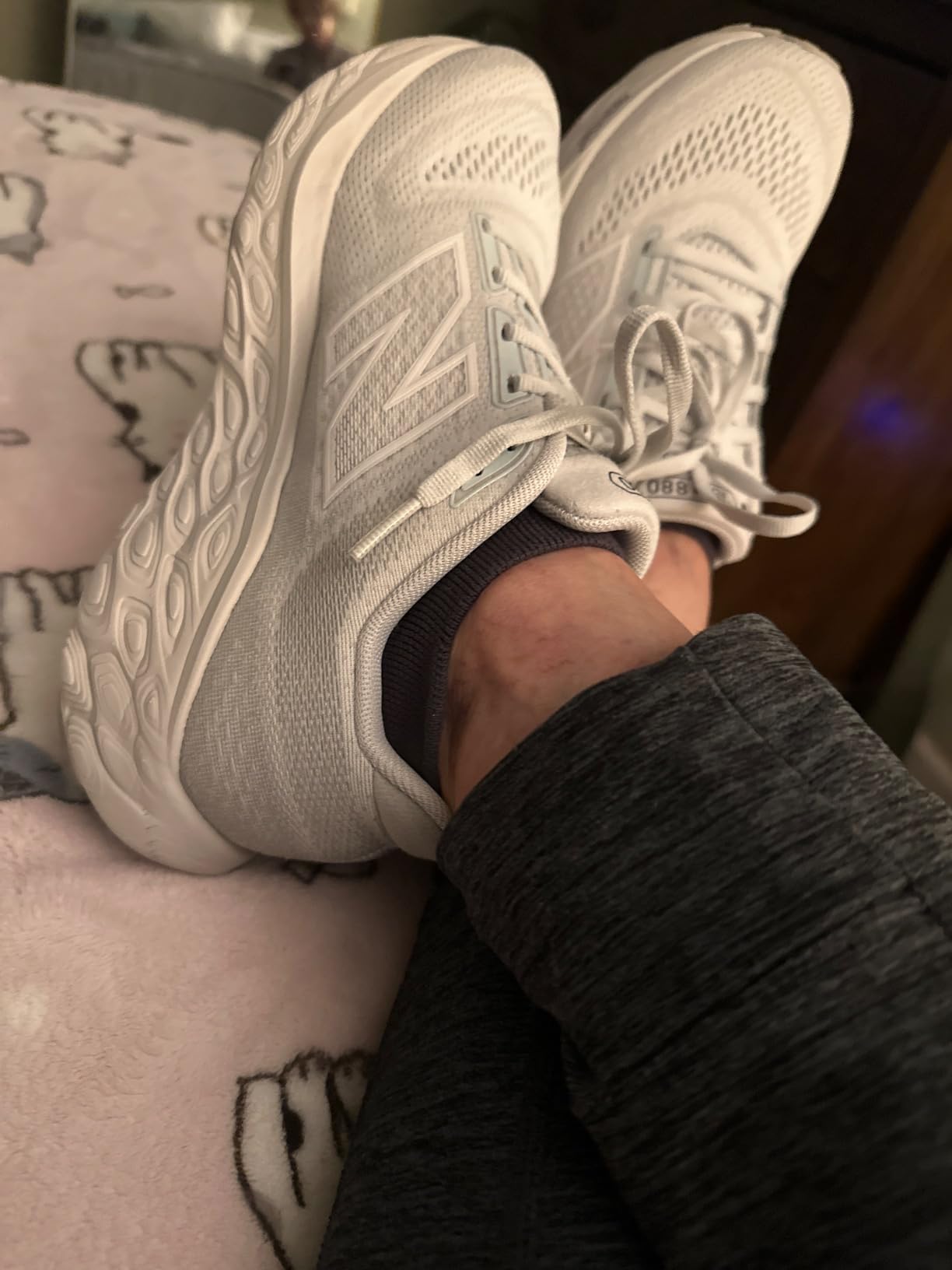
Review Scoring Summary
| 🔍 CATEGORY | 📋 ASSESSMENT | 💭 REASONING |
|---|---|---|
| 👥 WHO THIS SHOE IS FOR | ||
| Target Gender | Women | Women’s sizing, fit, and the tested colorway (white/silver) are explicitly women’s specific |
| Primary Purpose | Daily Running | 8mm drop, Fresh Foam X cushioning, and neutral platform are designed for daily training mileage |
| Activity Level | Active | Ideal for runners logging 25-40 miles per week; capable beyond running for full-day wear |
| 💰 VALUE POSITION | ||
| Budget Range | $100–$200 | $140 MSRP puts it in the mid-premium daily trainer tier with ASICS and Brooks competition |
| Primary Strength | Cushioning & Versatility | Fresh Foam X delivers consistent cushioning across easy to moderate paces and all-day wear |
| 🏆 THE SCORES | ||
| 😌 Comfort Score | 9.0/10 | Excellent all-day cushioning, accommodating fit, minimal break-in — consistent through 180 miles |
| 👟 Style Score | 7.5/10 | Clean athletic silhouette; limited colorway range compared to competitors in this tier |
| ⭐ Overall Score | 8.3/10 | Reliable daily trainer that delivers on cushioning and versatility — held back slightly by lace quality and heel compression under heavy mileage |
🎯 Bottom Line
- Best for: Neutral female runners logging 25-40 miles per week who want one reliable shoe for easy, moderate, and all-day wear
- Great for: Runners upgrading from the 880 v13 or anyone with wider feet needing a comfortable daily option
- Skip if: You need stability support, prefer a firmer more responsive ride, or run consistently in extreme heat
- Best feature: Single-layer Fresh Foam X cushioning — softer than v13, more consistent than dual-layer construction
- Biggest limitation: Slippery stock laces and emerging heel compression at high mileage
Be the first to review “New Balance Womens Fresh Foam X V14”
Related products
Running Shoes
Running Shoes

Running Shoes

Running Shoes
Running Shoes
Running Shoes
Hiking/Trekking Shoes
Reviews
There are no reviews yet.