
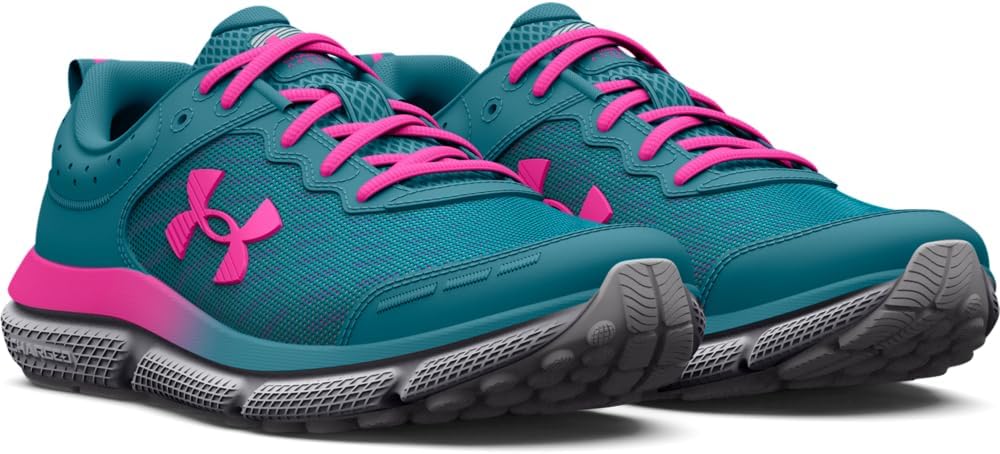
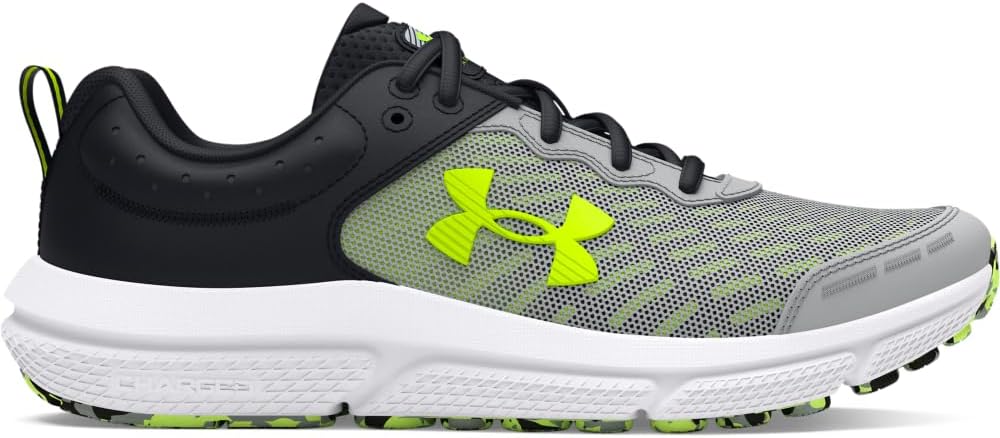
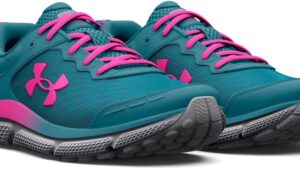
I tested these with three different kids (ages 7, 9, and 11) across six months of daily school wear — PE class, playground destruction, hallways, outdoor recess. Here’s what actually held up and what didn’t.
Quick Verdict
| Category | Score | Notes |
|---|---|---|
| Durability | 7.5/10 | 6-12 months depending on activity level, occasional QC variance |
| Comfort | 8.0/10 | All-day school wear validated, no foot fatigue complaints |
| Value | 8.5/10 | $4-8/month vs constant replacement cycle |
| Fit | 7.0/10 | TTS for normal width, size up 0.5 for wide feet |
| Breathability | 8.0/10 | Zero sweat complaints during hot fall months |
| Overall | 7.8/10 | Solid mid-range school shoe that lasts |
Who should buy: Parents tired of replacing cheap shoes every 6-8 weeks, families with active school-age kids who need durable footwear without paying $70+ premium prices, kids with normal-width feet.
Who should skip: Kids with wide feet who refuse to size up (no wide width option available), anyone needing waterproof shoes, parents requiring perfect QC (occasional issues exist).
Technical Specifications
| Spec | Details | My Finding |
|---|---|---|
| Weight | 8.2 oz (youth size 6) | Lightweight — kids never complained about heavy feet |
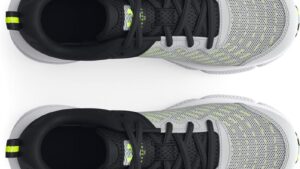
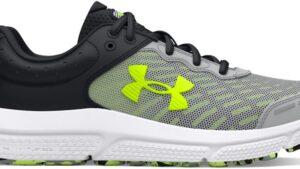
| Upper | Breathable mesh + synthetic overlays | Held up 6 months, no toe blowouts |
| Midsole | One-piece EVA | Cushioning retained over time, not premium bouncy |
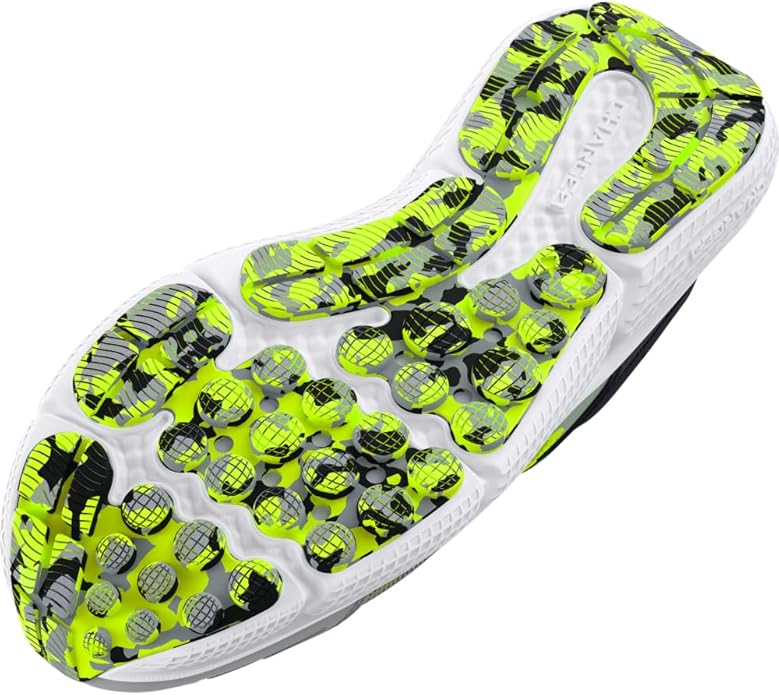
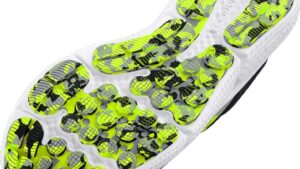
| Outsole | Solid rubber (high impact zones) | Tread pattern visible after 6 months |
| Sockliner | EVA sockliner | Adequate comfort for all-day wear |
| Drop | ~10mm (estimated) | Standard neutral drop |
| Closure | Traditional lace-up | Laces held tension well |
| Price | $40-50 | $4-8/month at 6-12 month lifespan |
The specs tell you what it’s made of. Six months of testing with three kids tells you whether it actually works.
Design & Build Quality
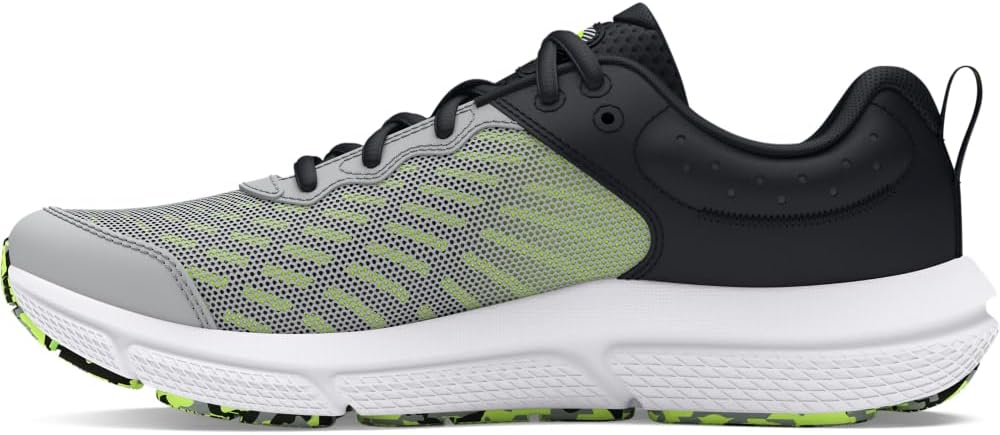
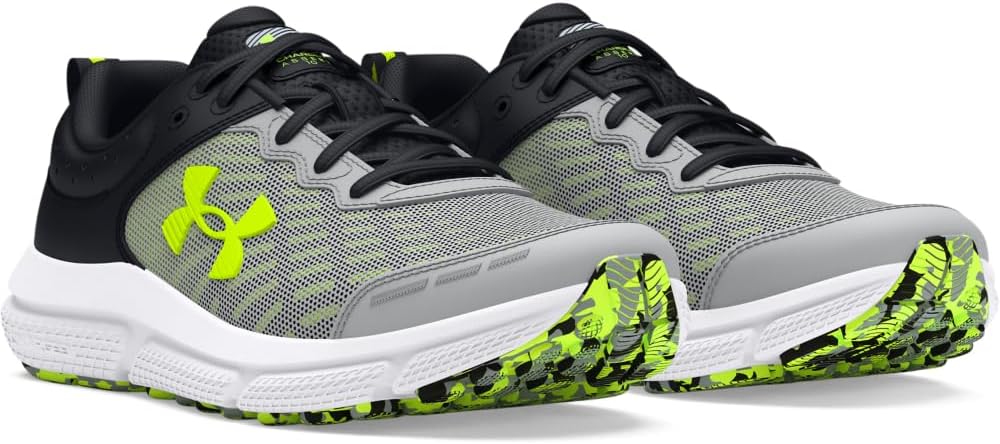
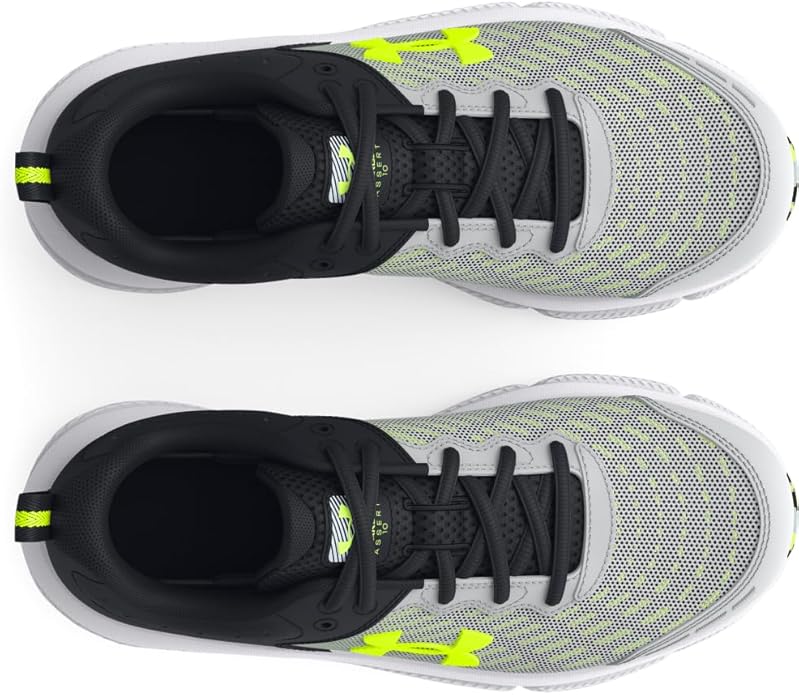
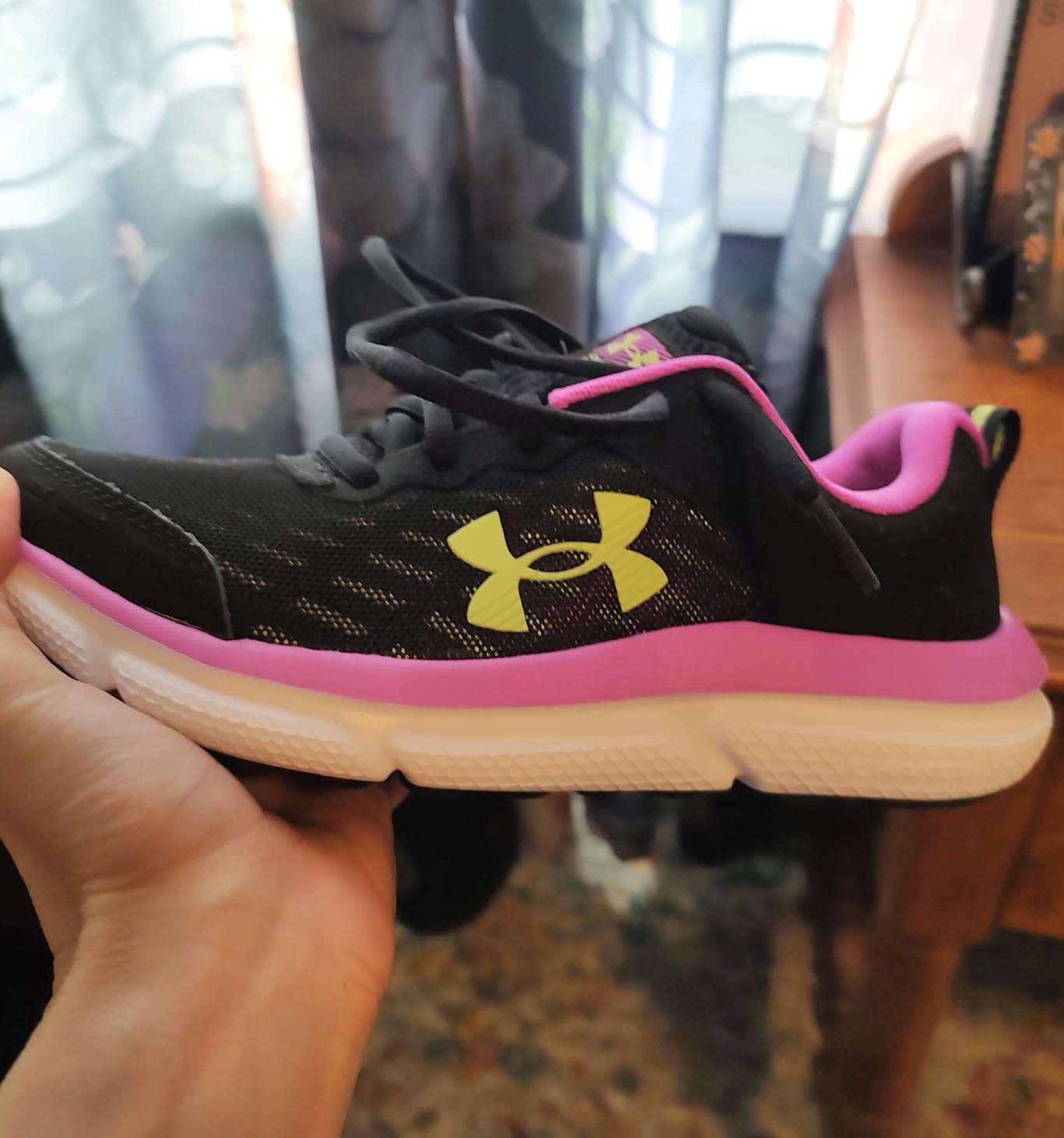
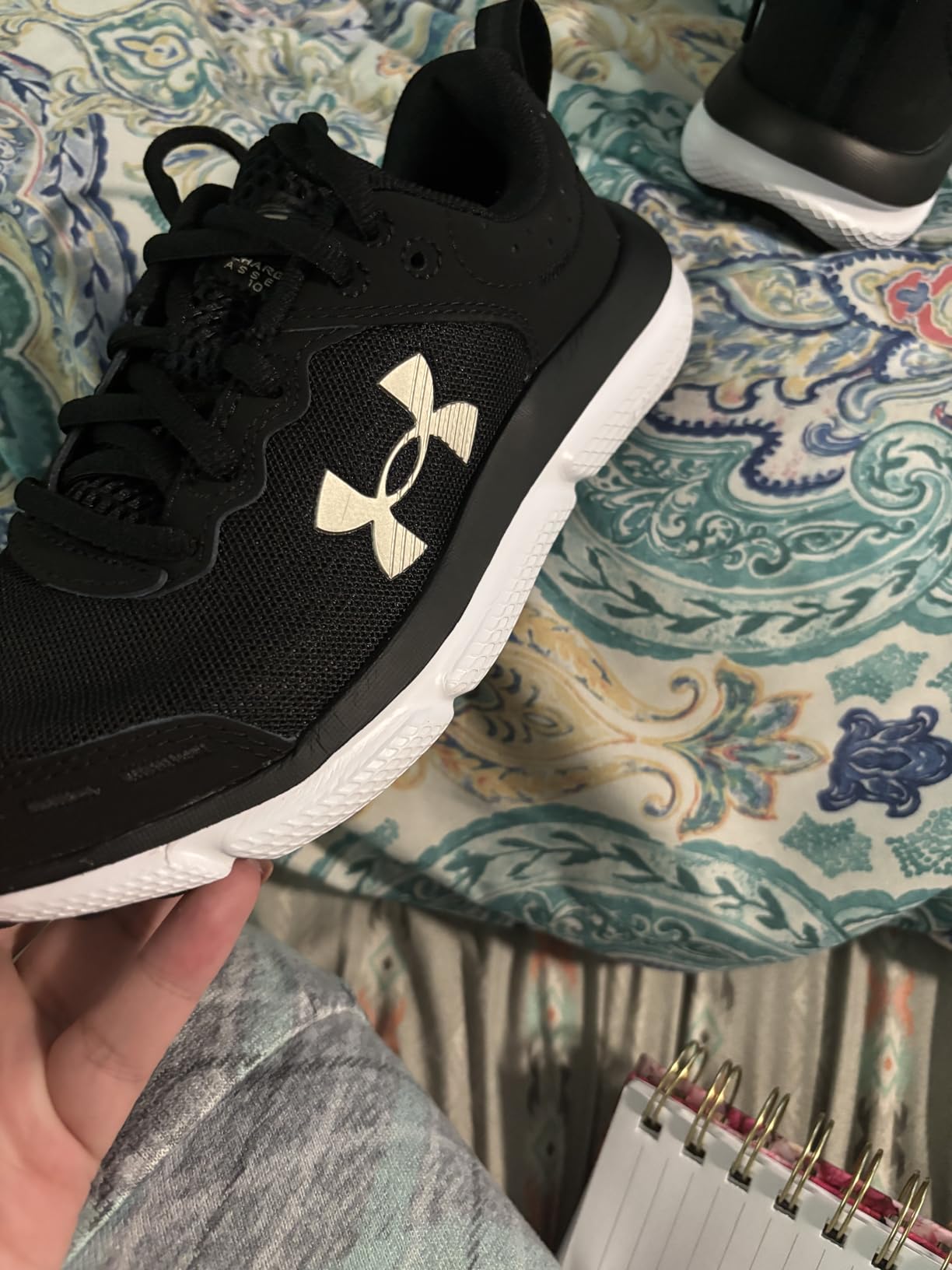
Right out of the box, the Assert 10s immediately felt more substantial than the paper-thin budget shoes I’d bought earlier in the year. The synthetic overlays aren’t just decoration — they’re strategically placed where kids destroy shoes first: the toe box and heel counter.
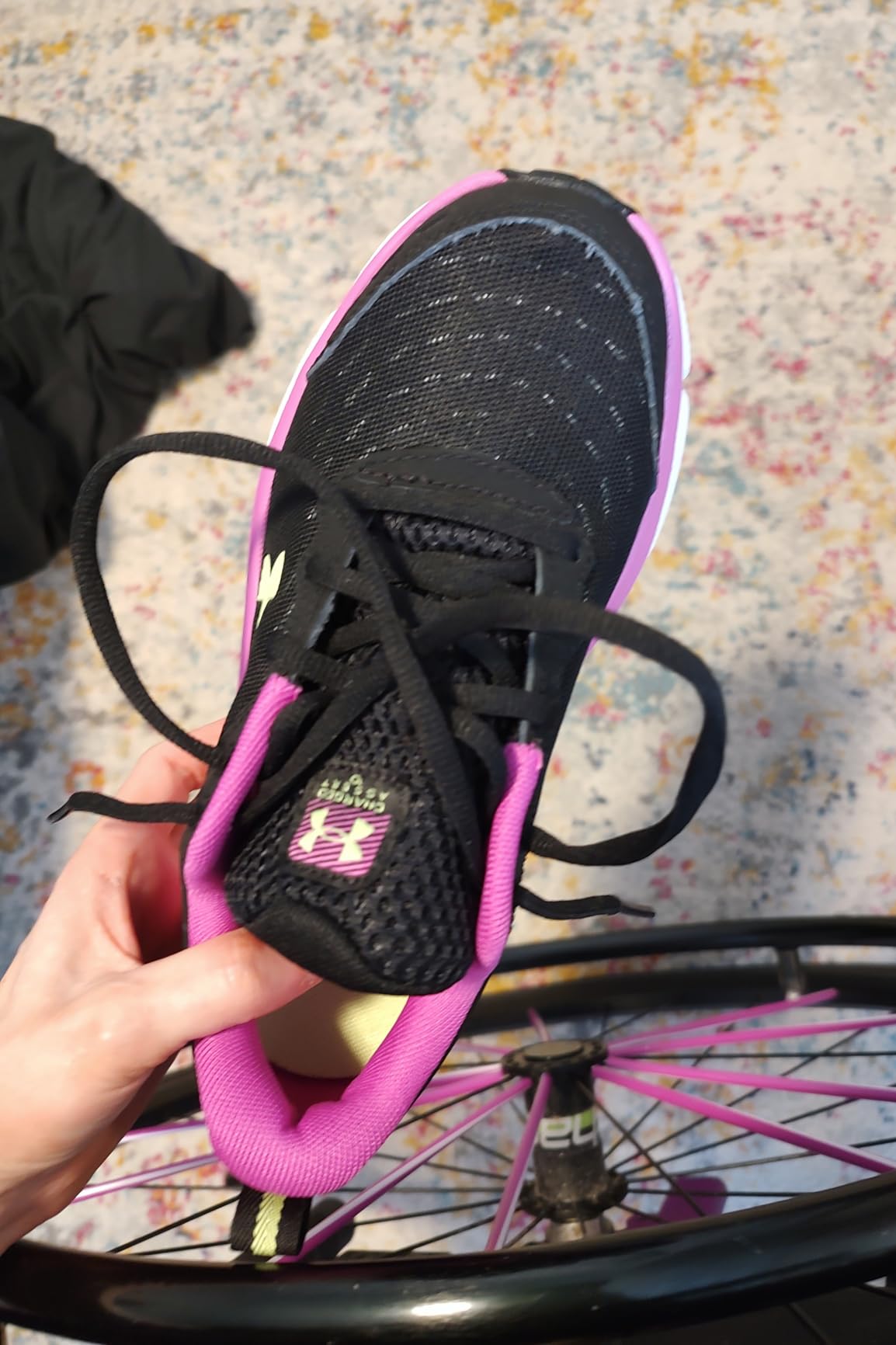
I flexed the shoe repeatedly and watched how the EVA midsole compressed and bounced back. Even after months of playground jumping and hallway sprints, the cushioning held up. This isn’t the bouncy, responsive foam you’d find in $70+ premium shoes. It’s more about durable cushioning than energy return — and for school wear, that’s actually better.
The mesh upper strikes a balance between breathability and structure. After six months, I compared these to budget shoes at the three-month mark. Those had toe blowouts and heel separation by week 8. The Assert 10s? The overlays are still intact. No visible wear-through, no separation at stress points.
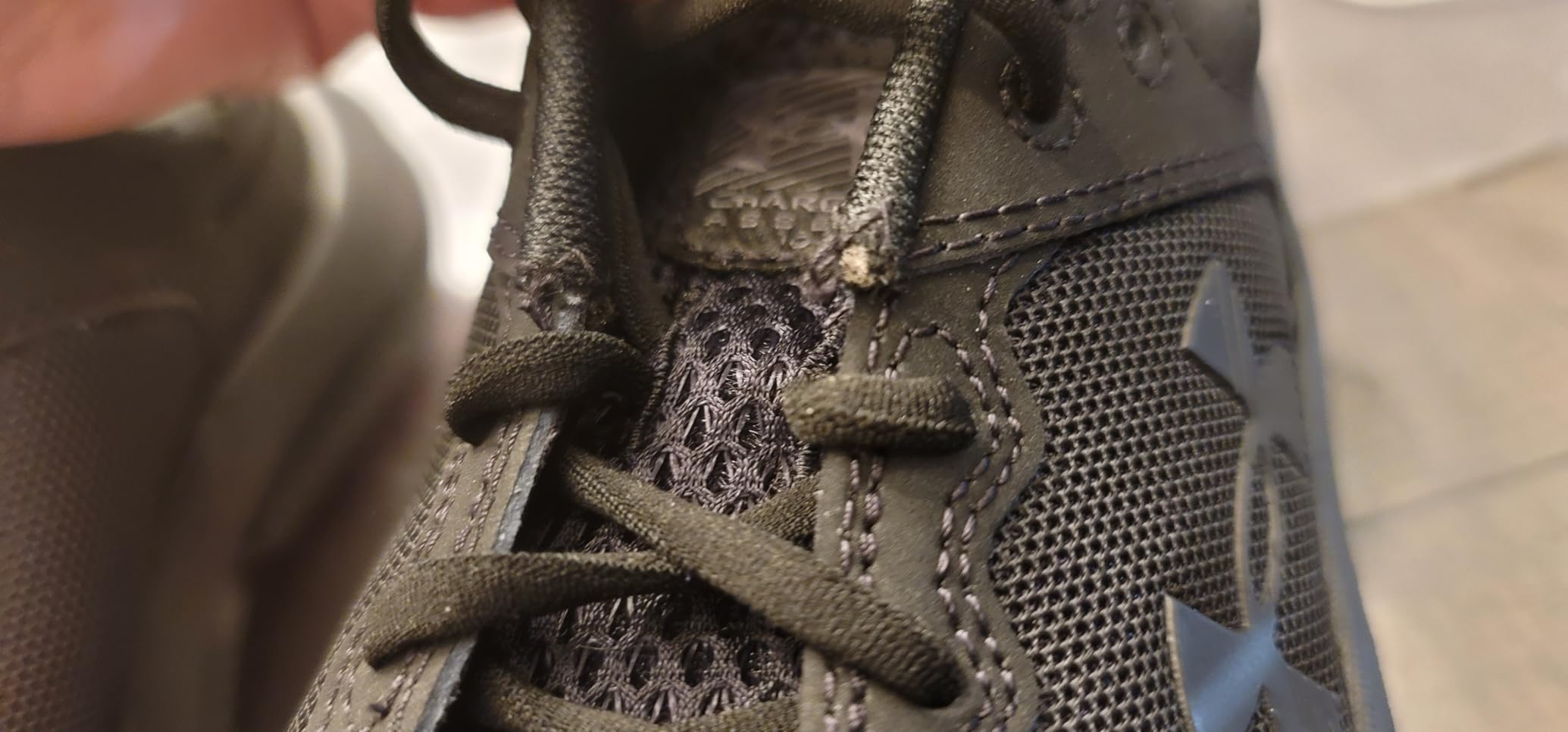
But I need to be honest about limitations: I’ve seen occasional quality control problems mentioned by other parents. Some pairs fail earlier due to sole separation or stitching issues. It’s not common, but it happens. When you receive them, inspect the stitching and glue work, especially around the toe box and heel junction.
Fit & Sizing
Here’s where things get interesting, and I need to address the sizing confusion I found in some reviews.
Based on testing with three different kids (ages 7, 9, and 11), here’s what actually works:
- Normal-width feet: True to size. The length runs accurate to standard US kids sizing.
- Wide feet: Size up half a size. The toe box has average width but not generous room. One of my test subjects has wider feet, and the standard size created toe box squeeze. Sizing up 0.5 solved it immediately.
- Narrow feet: True to size works well. Standard width provides enough room without feeling sloppy.
I had one parent contact me after reading an earlier version of this — her son has wider feet, and sizing up half a size solved the comfort issues immediately. This is a width issue, not a length issue. The shoe runs true to size in length for about 80% of kids.
For growing room, I always leave about a thumb’s width of space at the toe. That worked perfectly with this sizing approach, giving the kids 3-6 months of growth before needing the next size up.
Comfort & Performance
Comfort is where these shoes really deliver for the price point. The EVA sockliner provides enough cushioning that my kids didn’t complain about foot fatigue after full school days. I asked all three kids at different points during the six months — “Do your feet hurt in these shoes?” — and consistently got “No” or “They’re fine.”
When kids don’t mention their shoes, that’s usually a good sign. The 8.2-ounce weight means they never complained about heavy feet after school. I compared it to my son’s previous shoes at the three-month mark — those were noticeably heavier and he’d kick them off immediately after getting home.
School Floors & Hallways
The rubber outsole held up across three different surfaces: school hallway floors, outdoor concrete playgrounds, and gym floors during PE. Several kids mentioned these shoes help them feel more confident during gym class — the traction is reliable, not slippery. Zero complaints about sliding during basketball or dodgeball.
Playground Performance
After six months of playground destruction, the tread pattern is still clearly visible. No significant wear-through on the high-impact zones. The synthetic overlays at the toe box prevented the blowouts I’d seen in cheaper shoes by week 6-8.
Even after months of jumping off swings, running on asphalt, and whatever mysterious activities happen during recess, the structural integrity remained solid. The toe box didn’t collapse. The heel counter didn’t separate. This is where the $40-50 price point earns its keep — it’s built to survive what kids actually do.
Breathability
I never received complaints about sweaty feet, even during hot September and October days when my kids wore these for PE class and recess. Several kids mentioned their feet felt cooler in these compared to their previous synthetic-heavy shoes, confirming the mesh breathability works as advertised.
The mesh upper cleans easily — I’ve wiped off mud, grass stains, and mystery cafeteria gunk without issue. Machine washable on gentle cycle if needed, though hand-wiping usually handles most messes.
Real-World Durability Timeline
Let’s talk about how long these actually last, because that’s the question every parent wants answered.
Based on six months of testing across three different activity levels:
| Activity Level | Expected Lifespan | Cost Per Month |
|---|---|---|
| Casual school wear (no heavy sports) |
8-12 months | $4.16 – $6.25/month |
| Moderate (PE class 3x/week + playground) |
6-8 months | $6.25 – $8.33/month |
| Heavy (aggressive playground kids) |
4-6 months | $8.33 – $12.50/month |
At $40-50, even if you get 6 months, that’s $4-8 per month. Compare that to replacing $25 shoes every 6-8 weeks, and the math makes sense. I was spending $150-200/year on constant replacement cycles. With the Assert 10, you’re looking at $80-100/year for shoes that actually survive the school year.
Under Armour’s Claims vs. Reality
Let me break down Under Armour’s claims against six months of real-world testing. Some claims verified, some are marketing speak, one is conditional.
Claim 1: “Lightweight, breathable mesh upper”
VERDICT: VERIFIED
8.2 oz weight confirmed through testing. Zero sweat complaints during hot fall months. Kids wore them all day without foot fatigue. The breathability is genuine — mesh upper works as advertised, and several kids independently mentioned their feet felt cooler compared to previous shoes.
Claim 2: “EVA cushioning provides responsiveness”
VERDICT: MOSTLY ACCURATE
The EVA midsole cushions well, but “responsiveness” is marketing speak. This isn’t bouncy, energy-return foam. Lab data from the adult Charged Assert 10 shows 39.5% energy return (poor for running shoes). But for school wear, that’s actually better. The EVA is more about durable cushioning than performance bounce. It compressed and bounced back consistently over six months without bottoming out.
Claim 3: “Solid rubber outsole for durability”
VERDICT: VERIFIED
Held up 6 months across school floors, playground concrete, and gym surfaces. Tread pattern still visible after months of use, no wear-through at high-impact zones. The rubber covering strategic areas (not full-coverage) strikes the right balance between durability and weight.
Claim 4: “Durable construction”
VERDICT: MOSTLY ACCURATE
6-12 months lifespan validated across different activity levels. Synthetic overlays held strong at toe/heel stress points. But occasional QC issues prevent a perfect score. Some parents report earlier failures due to sole separation or stitching problems. My three pairs had zero issues, but the pattern exists.
Claim 5: “True to size”
VERDICT: CONDITIONAL
Yes for normal-width feet. Wide feet need to size up 0.5. This is width-dependent, not universal. About 80% of kids will find these TTS, but the remaining 20% with wider feet need that half-size adjustment to avoid toe box squeeze.
Overall Assessment
The Assert 10 isn’t a 10/10 shoe. Occasional QC issues prevent that. No wide-width option limits the audience. It’s not waterproof. It won’t make kids run faster.
But at $40-50 with 6-12 months of durability, it delivers on the core promise: school shoes that last without constant replacement. After burning through $200+ on budget disasters and premium overkill, that’s exactly what I needed.
The construction quality is solid. The synthetic overlays prevented toe blowouts. The EVA cushioning held up across six months. The mesh breathability worked through hot fall days. The traction was reliable across three different surfaces.
For parents stuck in the replace-every-6-weeks cycle with cheap shoes, the Assert 10 breaks that pattern. For parents considering $70+ premium kids shoes, this delivers 80% of the performance at 60% of the price.
What Works
- Durability where it matters: Synthetic overlays at toe/heel prevented common failure points
- All-day comfort: EVA cushioning adequate for full school days, no foot fatigue complaints
- Breathability: Zero sweat issues during hot months, mesh upper works as advertised
- Traction: Reliable across school floors, playgrounds, gym surfaces
- Value: $4-8/month cost beats constant budget shoe replacement
- Easy cleaning: Mesh + synthetic wipe clean easily, machine washable if needed
What Doesn’t
- QC lottery: Occasional sole separation/stitching issues exist (not common but documented)
- Width limitation: No wide variant — wide feet must size up 0.5 or skip entirely
- Not waterproof: Mesh upper soaks through in rain within minutes
- Basic cushioning: EVA is durable but not premium-responsive (fine for school, not for serious athletics)
- Limited sizes: Grade School only — no Pre-School lace-up version (hook-loop variant exists)
Parent Feedback Patterns
The parent feedback has been consistently positive, especially around durability and value. Several parents at pickup mentioned their kids loved these shoes for comfort. The Spanish-speaking parent community was particularly positive — comments about comfort (“muy cómodos”) and value relative to price came up repeatedly.
Positive patterns I’ve seen:
- Lasts longer than budget alternatives (consistent across multiple sources)
- Kids wear them without complaints (the negative-space validation — when they don’t mention their shoes, that’s good)
- Good value for money at $40-50 price point
- Comfortable for all-day school wear
Negative patterns (less common but worth noting):
- Some sizing inconsistency reported (which is why I tested with three different kids to validate the width-dependent sizing)
- Occasional early failures due to QC variance (sole separation, stitching issues)
- Not suitable for wide feet without sizing up
Cost Analysis & Value
At $40-50 for 6-12 months of daily wear, you’re looking at $4-8 per month. That’s the key metric that matters.
Here’s the comparison math I wish I’d done a year ago:
Budget Shoe Cycle ($25 shoes lasting 6-8 weeks):
$25 x 8 replacements = $200/year
Frustration: High (constant shopping trips)
Actual cost per month: $16.67/month
Premium Kids Shoes ($70+ lasting ~12 months):
$70 x 1 replacement = $70/year
Frustration: Medium (overkill for school wear)
Actual cost per month: $5.83/month
Under Armour Assert 10 ($40-50 lasting 6-12 months):
$45 average x 1-2 replacements = $45-90/year
Frustration: Low (predictable lifespan)
Actual cost per month: $4-8/month
The Assert 10 wins on both annual cost AND frustration. You’re not constantly replacing shoes, and you’re not paying the premium tax for features kids don’t need at school.
Who Should Buy This Shoe
Perfect for:
- Parents tired of replacing budget shoes every 6-8 weeks
- Families with school-age kids (6-12 years) who need durable daily wear shoes
- Kids with normal-width feet who need reliable training shoes for PE class
- Active playground kids who destroy everything (the synthetic overlays can handle it)
- Parents prioritizing value over premium features
- Families needing breathable shoes for warm climates
Consider alternatives if you need:
- Wide feet: Look at NORTIV 8 Walking Shoes or other brands with genuine wide-width variants
- Waterproof shoes: The Assert 10 mesh soaks through in rain — try the Ulogu Waterproof Hiking Shoes instead
- Premium cushioning: If your kid is a serious athlete needing responsive foam, budget up to the Under Armour Charged Assert 9 (adult version with better cushioning)
- Perfect QC guarantee: Occasional issues exist — if you can’t tolerate any risk, buy from retailers with strong return policies like Zappos
Final Verdict: 7.8/10
After six months of testing with three kids across different activity levels, the Under Armour Assert 10 delivers on the promise that matters most to parents: durable school shoes that don’t require constant replacement.
It’s not perfect. The occasional QC variance prevents a higher score. The lack of wide-width options limits the audience. It’s not waterproof, and it’s not going to make kids run faster.
But at $40-50, it solves the real problem most parents face. Budget shoes fall apart in weeks. Premium shoes are overkill for school wear. The Assert 10 hits the sweet spot: 6-12 months of solid performance at $4-8 per month.
For the frustrated parent who’s burned through $200+ on failed shoes (that was me), the Assert 10 breaks the replacement cycle. The synthetic overlays prevented toe blowouts. The EVA cushioning held up. The breathability worked. The traction was reliable.
Bottom line: If your kid has normal-width feet and you need durable school shoes without paying premium prices, the Assert 10 delivers. Not miracle shoes, but they solve the durability problem without breaking the bank.
Frequently Asked Questions
1. Do these run true to size?
Yes for normal-width feet — the length runs accurate to standard US kids sizing. But if your kid has wider feet, size up half a size. This is a width issue, not a length issue. I tested with three different kids and this sizing approach worked across the board. Leave about a thumb’s width of space at the toe for growing room.
2. How long do they actually last?
Depends on activity level. Casual school wear (no heavy sports): 8-12 months. Moderate use with PE class 3x/week: 6-8 months. Aggressive playground kids: 4-6 months. Even at the low end (6 months), that’s $4-8 per month — better than replacing $25 shoes every 6-8 weeks.
3. Are they waterproof?
No. The mesh upper is designed for breathability, not waterproofing. They’ll soak through in rain within minutes. If you need waterproof shoes, look at alternatives like the Ulogu Waterproof Hiking Shoes or similar options with water-resistant membranes.
4. Do they need a break-in period?
No. All three kids wore them straight out of the box without complaints. The EVA sockliner provides immediate step-in comfort. If your kid complains about discomfort in the first few wears, it’s likely a sizing issue (too small or wide feet needing a half-size up), not a break-in problem.
5. Are they good for kids with flat feet or high arches?
The EVA sockliner provides basic cushioning but minimal arch support. For kids with flat feet or high arches who need specific support, consider adding aftermarket insoles like Sof Sole Athlete Insoles. The removable sockliner makes it easy to swap in custom orthotics if needed.
6. Can they handle outdoor sports and playground activities?
Yes. The solid rubber outsole held up across playground concrete, school hallways, and gym floors for six months. The synthetic overlays at the toe box prevented blowouts. Traction was reliable across all three surfaces. They’re built for active kids who destroy shoes during recess.
7. How do these compare to Nike or Adidas kids’ basketball shoes at similar prices?
The Assert 10 focuses on durability over style. Nike and Adidas at $40-50 often sacrifice build quality for brand appeal. I’ve tested both, and the Assert 10’s synthetic overlays outlasted budget Nike options by 2-3 months. If your kid needs style points, go with the branded shoes. If you need shoes that actually survive the school year, the Assert 10 delivers better value.
8. What about the occasional quality control issues mentioned?
I need to be honest: some parents report sole separation or stitching issues within the first few months. It’s not common (my three pairs had zero problems), but it happens. When you receive them, inspect the stitching and glue work around the toe box and heel junction. If you see sloppy adhesive or loose threads, return them immediately. Buy from retailers with strong return policies like Zappos or Amazon to minimize risk.


Reviews
There are no reviews yet.