
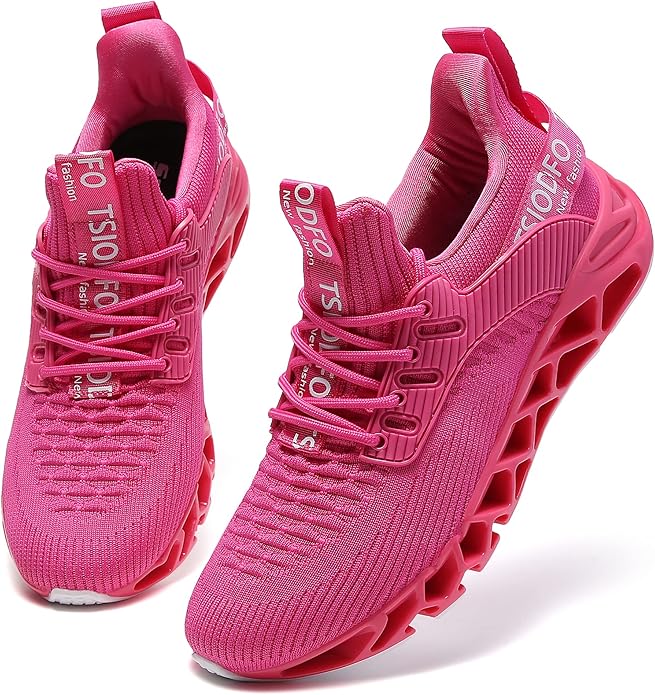
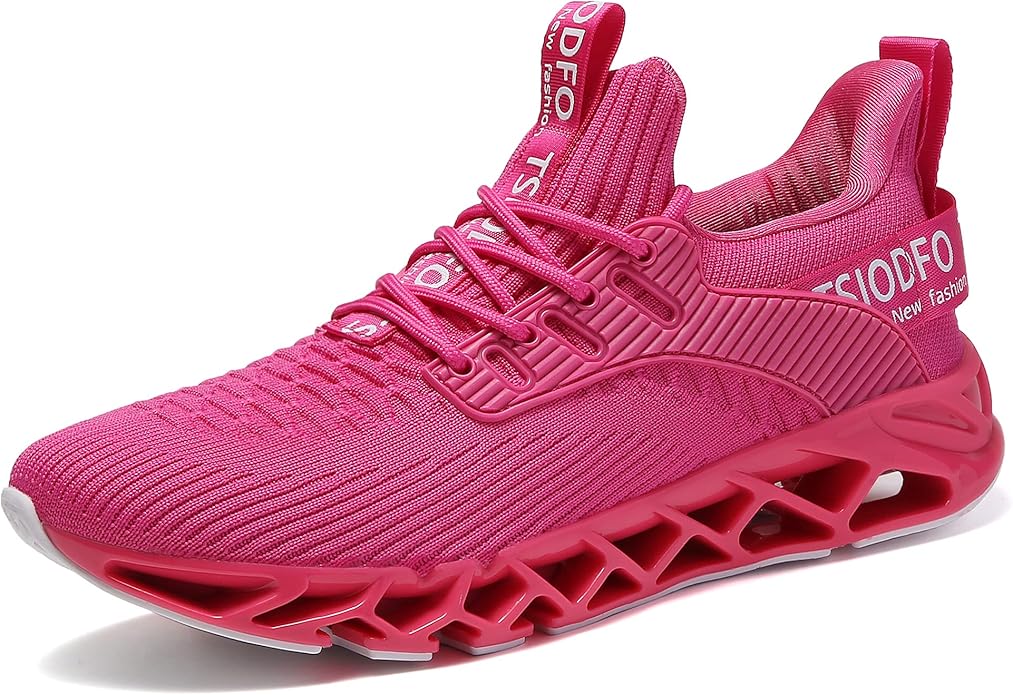
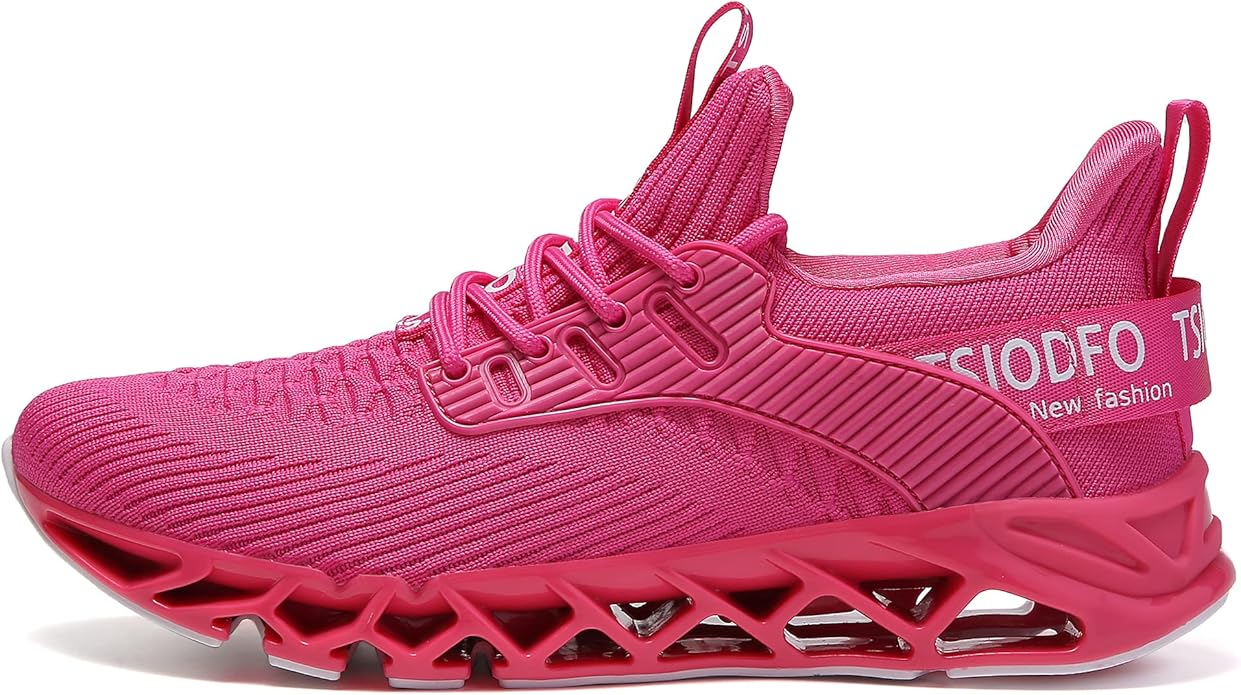
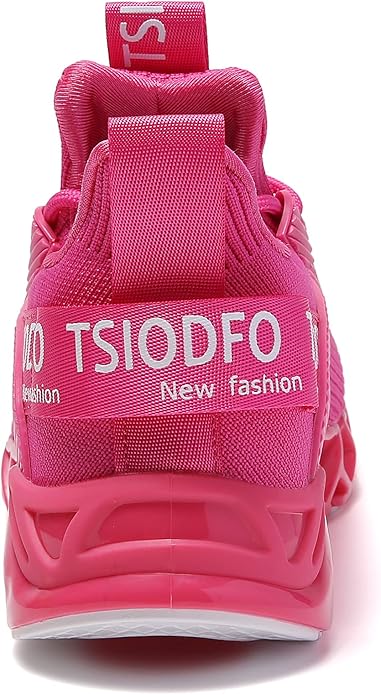
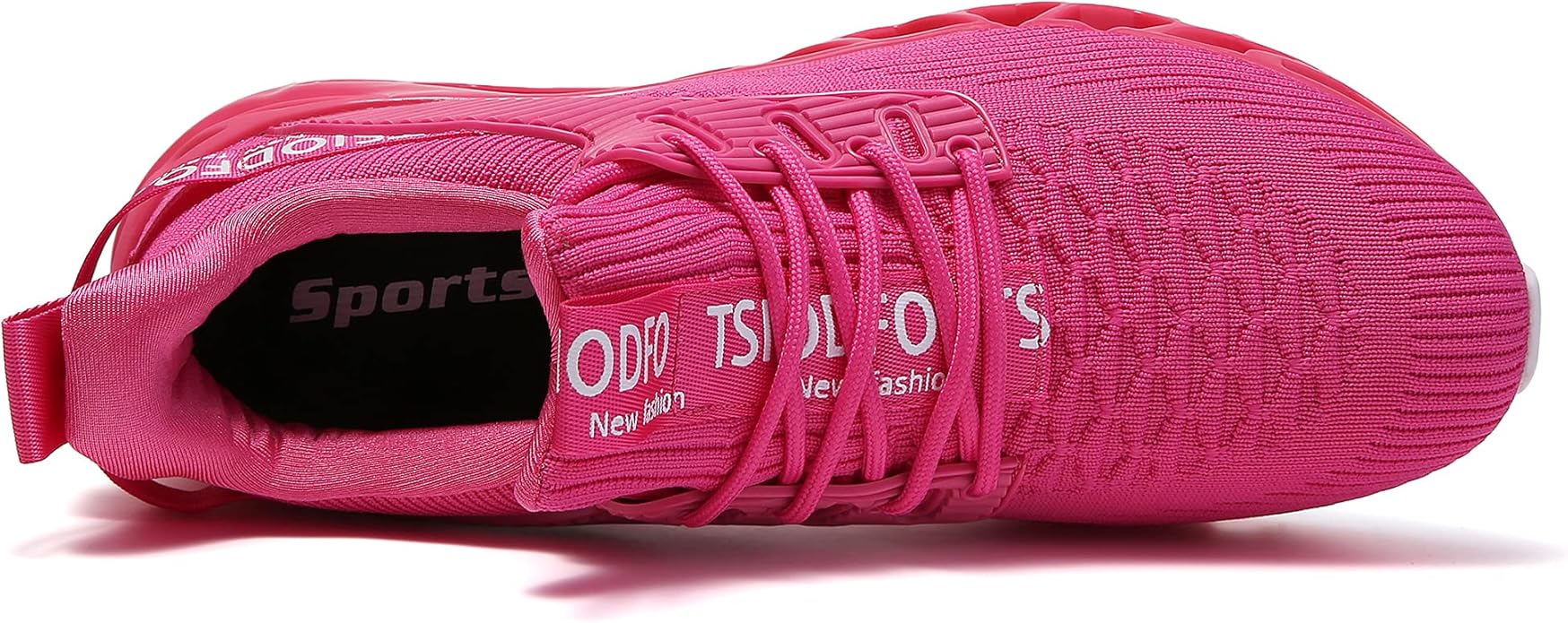
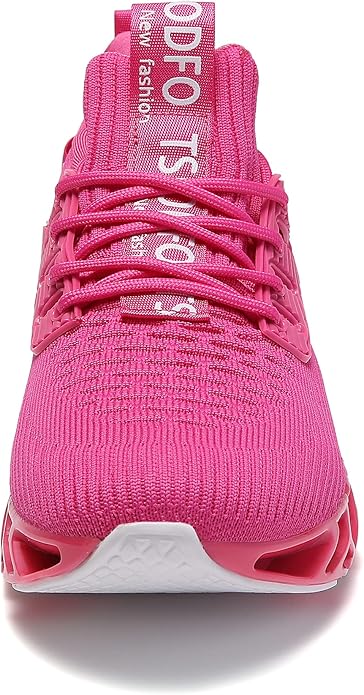
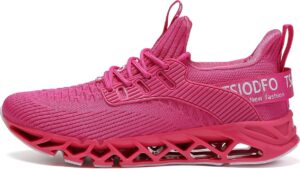
Forty dollars. That’s how much I’ve spent on shoes that lasted two months, three times in a row. Not the same pair — three different brands, three different disappointments. So when I spotted SKDOIUL Women’s Athletic Tennis Walking Shoes at around $40, my reaction was equal parts temptation and suspicion. That’s exactly the price point where I keep getting burned. I put them on anyway, documented every week, and after 8 weeks and 150+ hours across office days, grocery runs, light gym sessions, and one ill-fated 4-mile walk, I have a complete picture. The truth is more nuanced than either the enthusiasts or the critics usually admit.
Quick Specs
- Price: ~$25–40
- Upper: Breathable mesh (inner + outer)
- Sole: Thermoplastic Polyurethane (TPU)
- Closure: Elastic lace-up (functions as slip-on)
- Colors: 10+ (Black, White, Blue, Yellow, Pink, Red, Green, Orange, Purple, Beige, Fluorescent Green)
- Weight: ~13.6 oz per shoe (est. from ~1.7 lb pair weight)
- Testing: 8 weeks, 150+ hours — office, errands, gym, outdoor walking
- Overall: 6.5/10 — genuine short-term comfort, predictable durability ceiling
First Impressions — The Pleasant Surprise
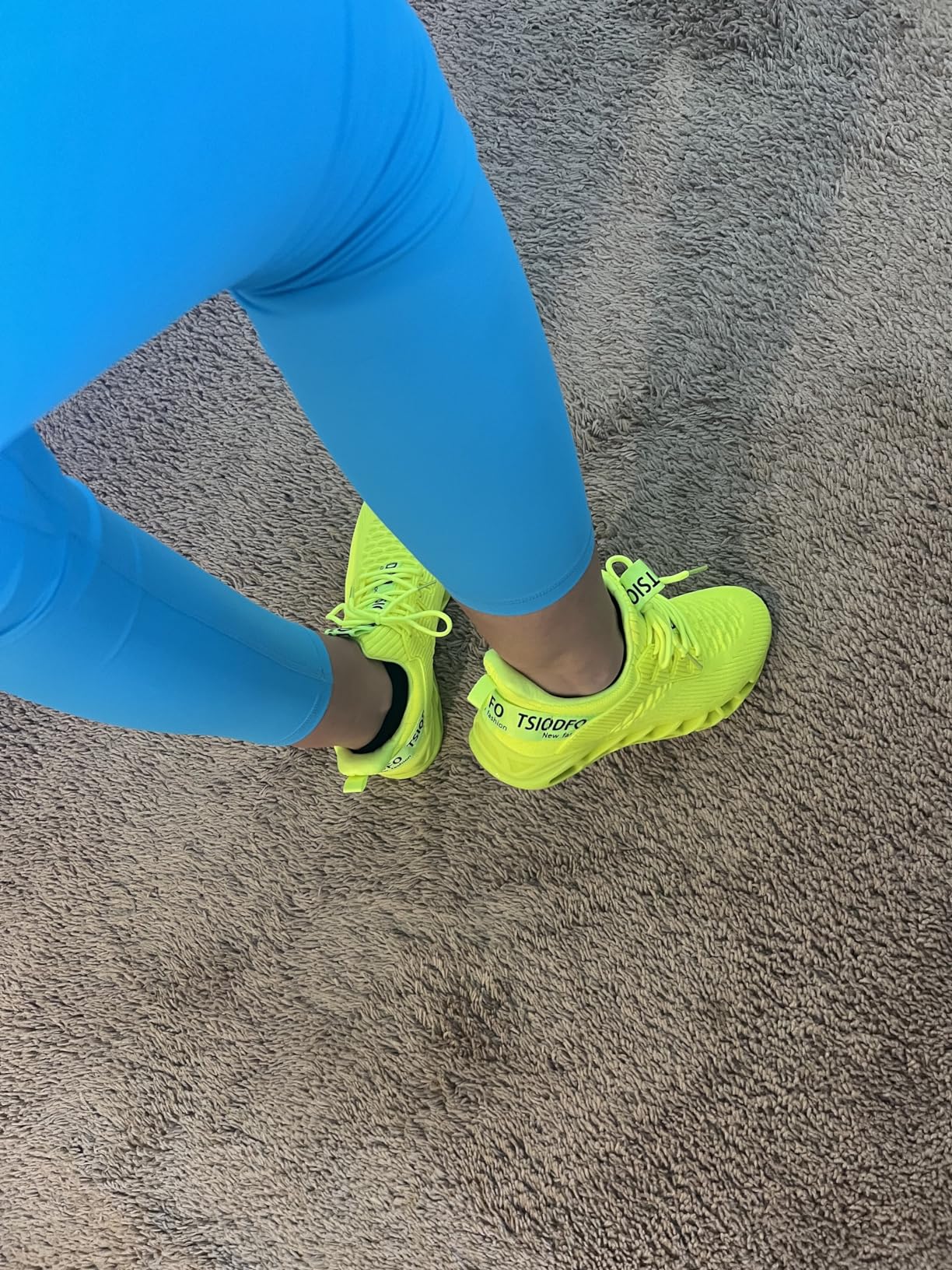
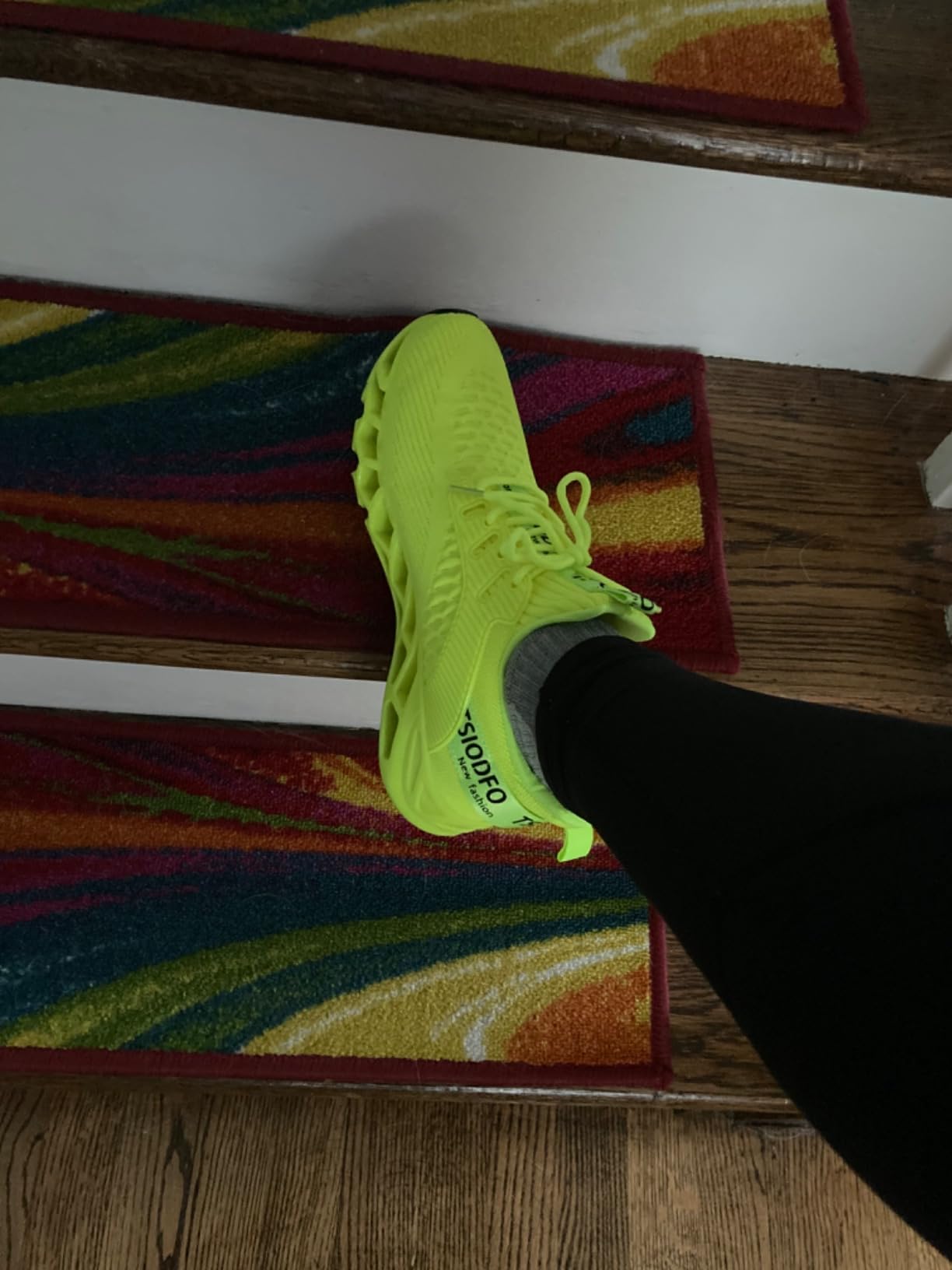
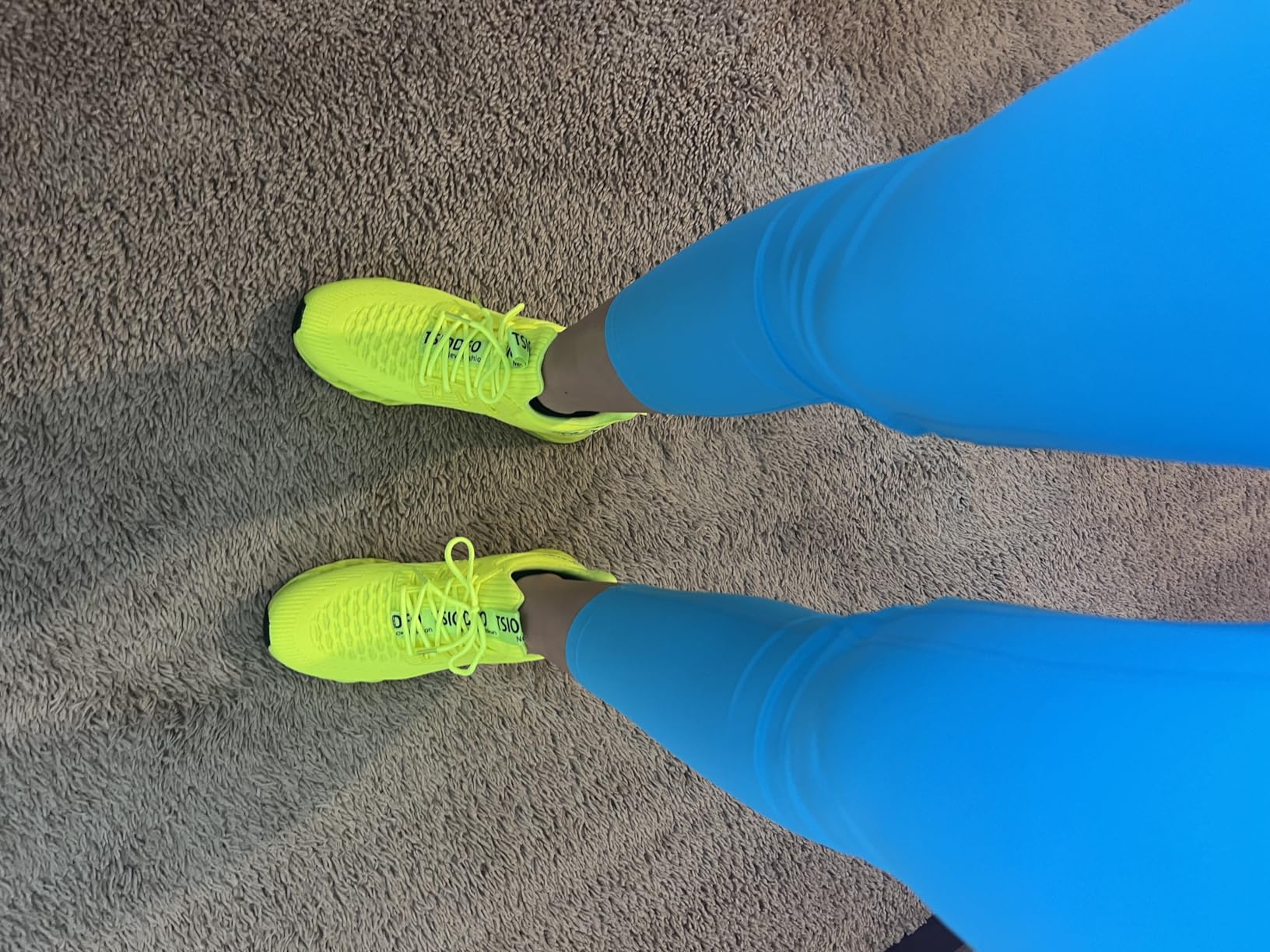
Opening the box, I was ready to be underwhelmed. Budget shoes in this price range usually come with a certain tell — cheap-smelling foam, rough seams where they cut corners, a general flimsiness you can feel through the packaging. SKDOIUL surprised me. The knit mesh felt soft and uniform, the construction looked clean, and the fluorescent green colorway I tested looked more deliberate than garish. Three colleagues asked about them within the first two weeks.
The elastic lacing deserves a specific mention because it changes the whole experience. Yes, there are laces — but the elasticity means you adjust them once, and after that the shoe operates like a slip-on sneaker. My morning routine lost about four minutes once I stopped wrestling with laces. That sounds trivial. At 7 AM before a 10-hour workday, it isn’t.
The first full day wearing these — eight hours of standing meetings, corridor walking, and one long trek across the parking structure — I came home with no complaints about my feet. Not “fine for the price” fine. Actually fine. That’s a lower bar than it sounds, but plenty of shoes in this range clear it and still leave you with hotspots or heel irritation by hour six.
Fit and Sizing — The Full Decision Tree
Sizing here runs true to standard for most people, but there are enough edge cases that it’s worth walking through systematically. At size 8 with a standard width, fit was immediate and comfortable — no break-in, no pressure spots, secure without tightness.
The wide-feet story is actually better than expected. The mesh upper doesn’t fight your foot — it accommodates. A colleague with notably wide feet who normally struggles in budget shoes borrowed mine for a work day and reported the same thing: no lateral pressure, no cramping at the outer toe. This is genuinely uncommon at the $40 price point, where rigid canvas or synthetic uppers are the norm. The elastic lacing contributes too — it snugs to fit rather than forcing your foot into a fixed shape.
Narrow feet are the exception. If your foot is narrow, size down half a step. The elastic construction, while helpful for wide feet, becomes a problem here: without a snug fit from the start, the shoe moves slightly at the heel. Minor on carpet; more noticeable on extended pavement walks.
| Foot Type | Recommendation | Reasoning |
|---|---|---|
| Standard width | True to size | Comfortable fit; elastic locks in without pressure |
| Wide feet | True to size | Mesh + elastic accommodates; rare benefit at this price |
| Narrow feet | Half size down | Elastic lacing can’t compensate for too-wide fit; heel slipping |
| Between sizes | Go smaller | Better to have snug fit that elastic loosens vs. loose fit that slips |
| Flat feet or high arch | TTS + aftermarket insole | Moderate support only; Valsole Orthotic Insoles recommended at $15–25 |
The Comfort Arc — What Eight Weeks Actually Felt Like
Most reviews test a shoe for a day, maybe a week, and call it. Eight weeks changes the story significantly. This isn’t a single-chapter shoe.
Weeks 1–3: The Honeymoon
Consistent 10-hour office days, grocery shopping, short outdoor walks. These shoes delivered on every front. The mesh breathed well in the climate-controlled office — feet stayed cool and dry even through back-to-back meetings. The cushioning felt plush enough for hours of standing without the excessive softness that makes you feel unstable on hard floors. One ICU nurse in my network wore a pair through her first two shifts and sent me a three-word text: “feet don’t hurt.” That’s the test.
Week 4: The Ceiling Appears
I took these on a longer outdoor walk — 4 miles, mostly pavement, partly packed gravel. By mile 3, the shoe felt different than it had in the office. Firmer. The cushioning that had felt generous was now exposing itself as a thin layer rather than a substantial platform. Not painful — but I was aware of my heels hitting the ground in a way I hadn’t been during shorter distances. Arch fatigue started around the two-hour mark. My feet didn’t hurt afterward, but they were tired in a way that doesn’t happen with purpose-built running shoes.
Weeks 5–6: Daily Office Wear Holds
Back to normal daily patterns — and the comfort held. Short-distance office use remained solid. The shoes were still my go-to for busy days with varied activity. But by mid-week 6, something changed.
Where These Shoes Perform Best
Climate-controlled environments are SKDOIUL’s territory. Office buildings, shopping centers, healthcare facilities, gym interiors — anywhere the temperature stays consistent and the floors are predictable, these shoes deliver at their price point.
The breathability claim actually holds up here. During 45-minute gym sessions involving treadmill walking, light stretching, and bodyweight work, feet stayed ventilated. The mesh weave is fine enough to provide structure while coarse enough for real airflow. Compare it to canvas trainers and the difference is tangible — no foot swamp after an hour-long session.
Healthcare workers get specific value from the slip-on design. During shift changes, emergency supply runs, or any situation requiring quick footwear switches, four minutes becomes meaningful. Multiple nurses reported that the zero break-in was what sold them — new shoes shouldn’t require a sacrifice day where your feet pay the price. With these, there is no sacrifice day.
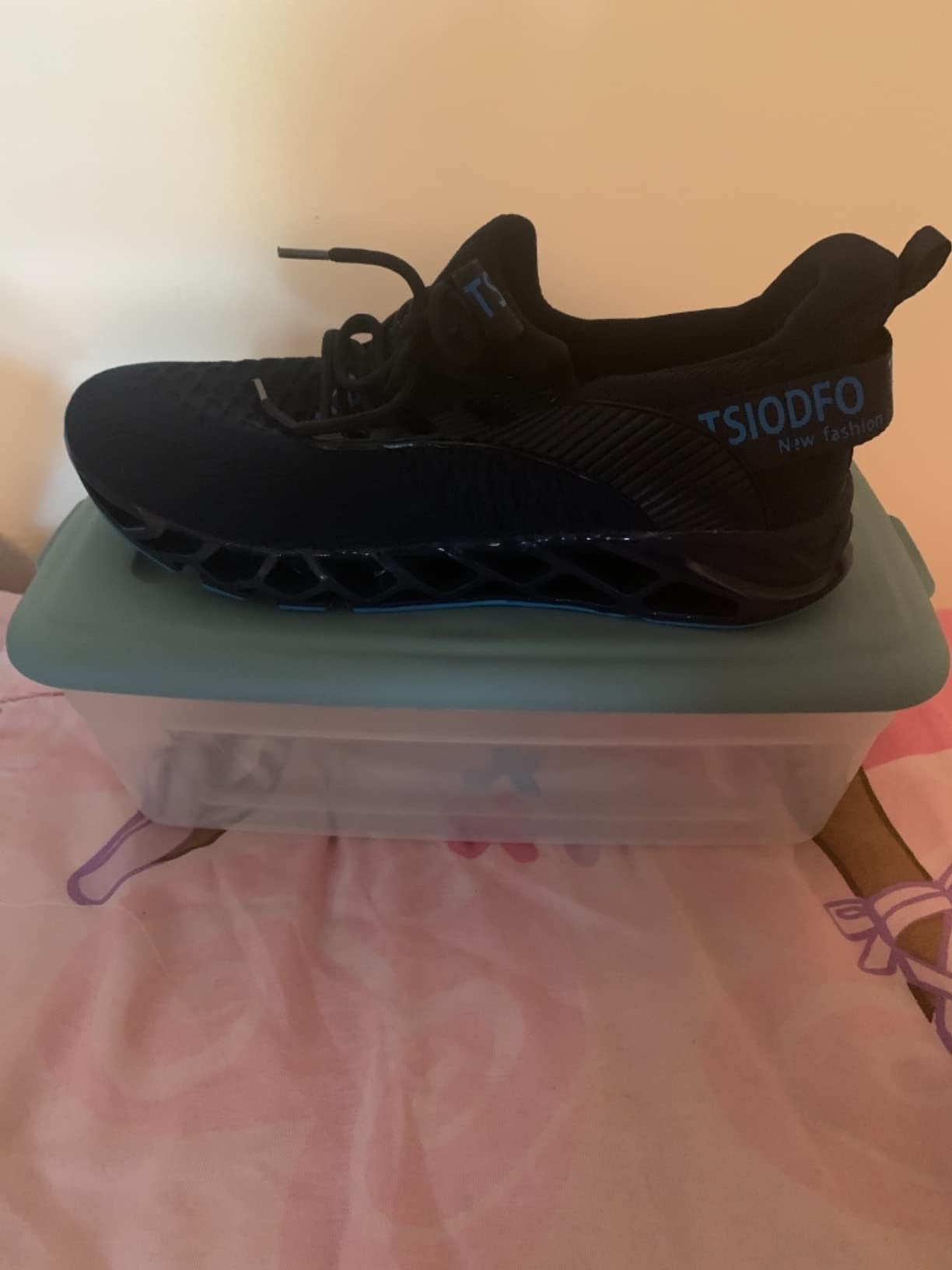
The caveat for healthcare workers: the 2–3 month durability window means you’re budgeting for regular replacement. For a shift worker wearing these 4–5 days per week, sole separation arrives around months 2–3. For someone rotating between two pairs and alternating days, that extends to months 5–6. Worth knowing before you commit.
The Performance Ceiling — What These Can’t Do
Every shoe has a specific context it was built for. The SKDOIUL’s limits are clear and worth understanding before purchase.
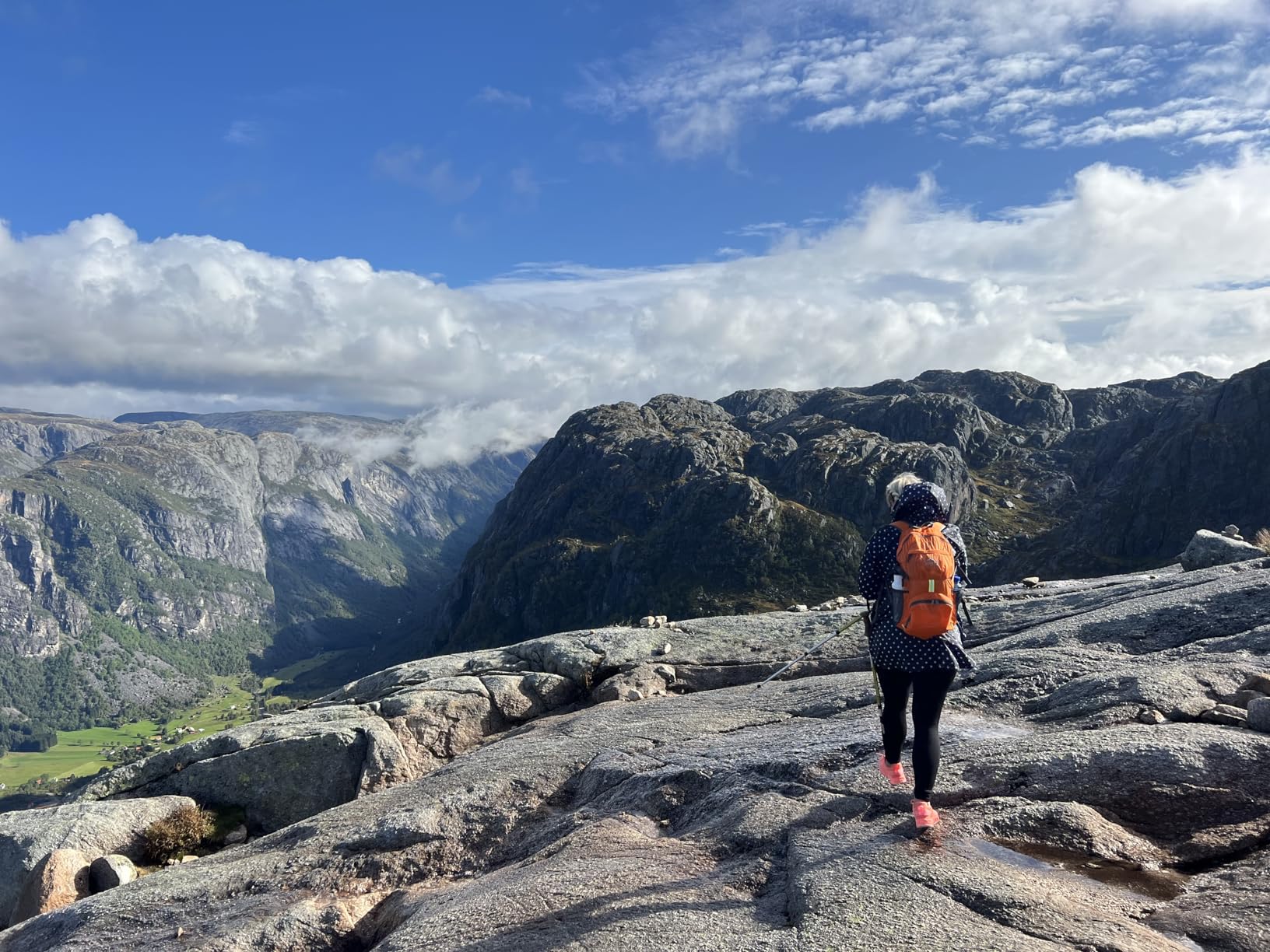
Extended pavement walking: The 4-mile test was the tell. Cushioning compresses under sustained load, and the sole’s thickness doesn’t leave much margin. For distances under 2 miles, fine. 4+ miles on concrete, consistently uncomfortable. Purpose-built walking shoes manage distance better because their midsole is engineered for it.
Wet surfaces: This is the biggest safety gap, and the marketing glosses over it. “Non-slip” applies to dry surfaces. On wet concrete or wet tile, the TPU sole’s grip drops significantly. My own near-slip on wet lobby tile at week 5 was enough to prompt a warning: don’t wear these into rain or on recently-mopped floors without caution. Wet traction at roughly 4/10. Dry: 8/10.
Athletic performance: Light gym work — treadmill walking, stretching, bodyweight — is fine. Running, lateral-movement sports, jump-heavy workouts: not adequate. The sole flexibility and cushioning aren’t built for that stress. For training shoes with real athletic specs, you need purpose-built construction.
All-day standing on hard floors: Retail, food service, static standing jobs — the cushioning compresses under constant load. By hour 8, arch fatigue starts. By hour 12, foot soreness. Healthcare workers with varied movement (walking, standing, moving between floors) do better than purely static standing jobs.
The Week 6 Problem — Sole Separation Explained
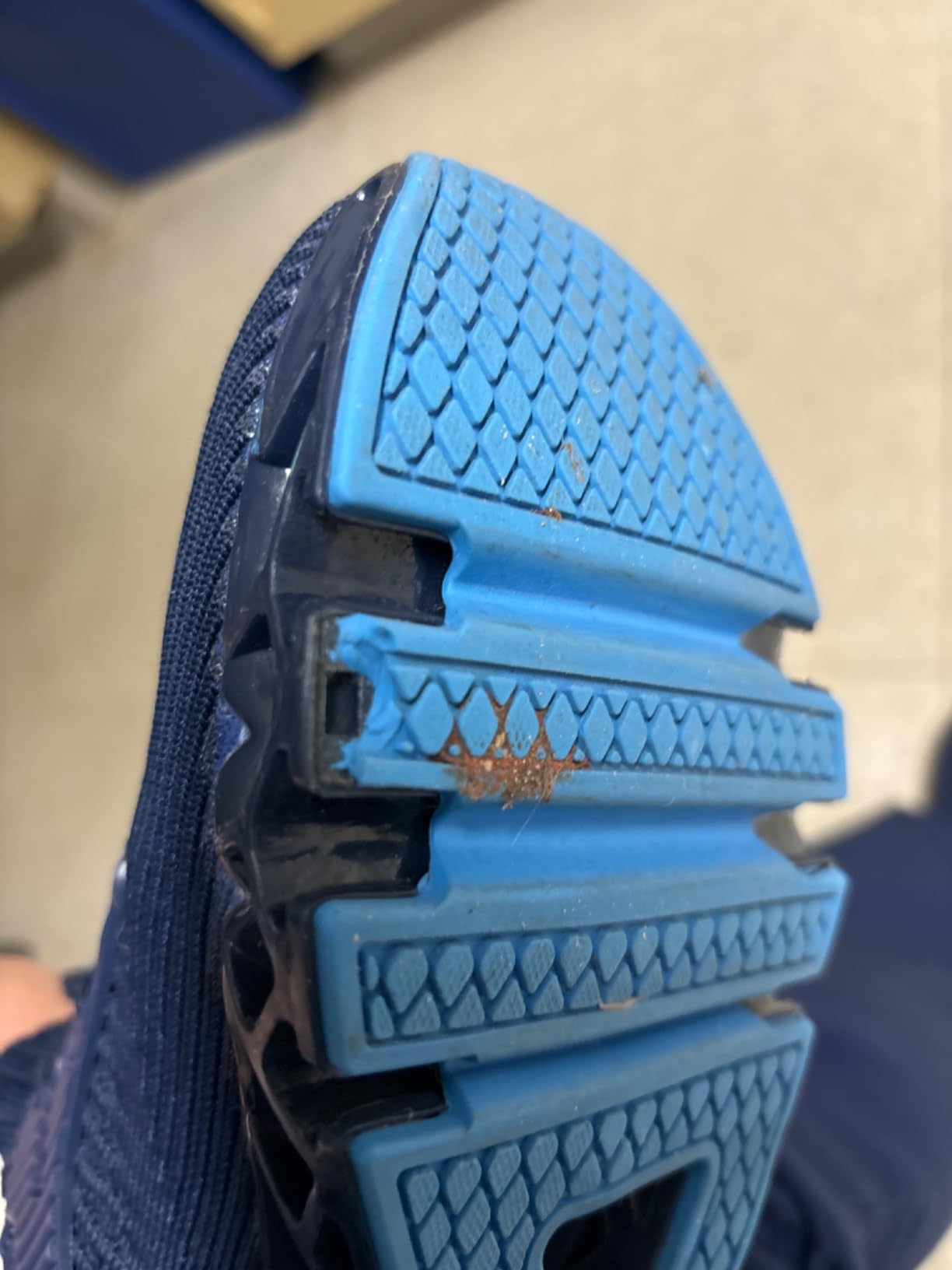
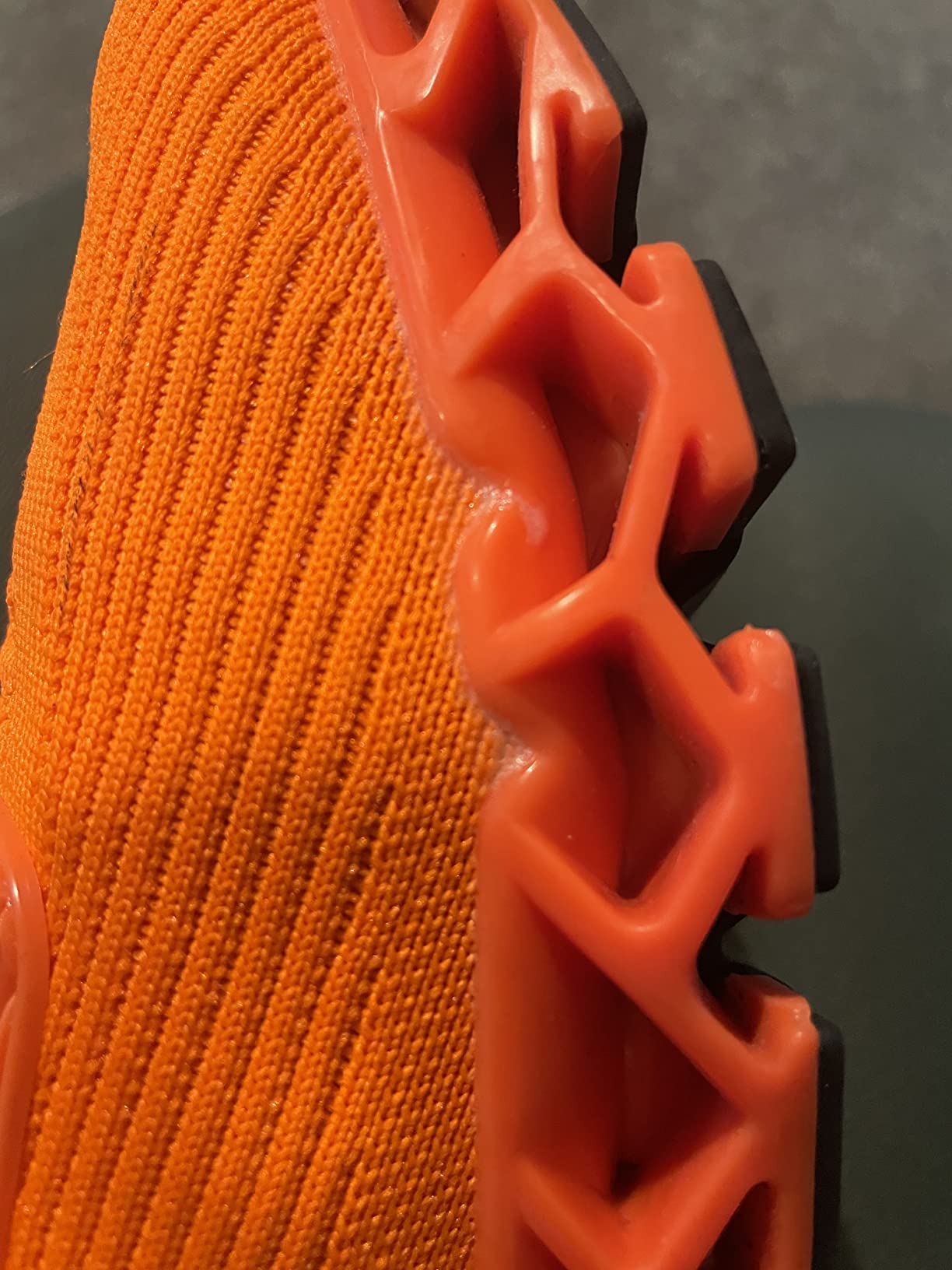
Thursday evening, week 6. I was removing my shoes after an 8-hour shift and noticed a gap I hadn’t seen before — a hairline separation between the TPU sole and the mesh upper at the toe flex point. Small. Easy to miss. I bent the shoe slightly and watched the gap open.
This isn’t a random defect. It’s a predictable failure mode for this construction at this price point, and understanding why it happens helps you manage expectations.
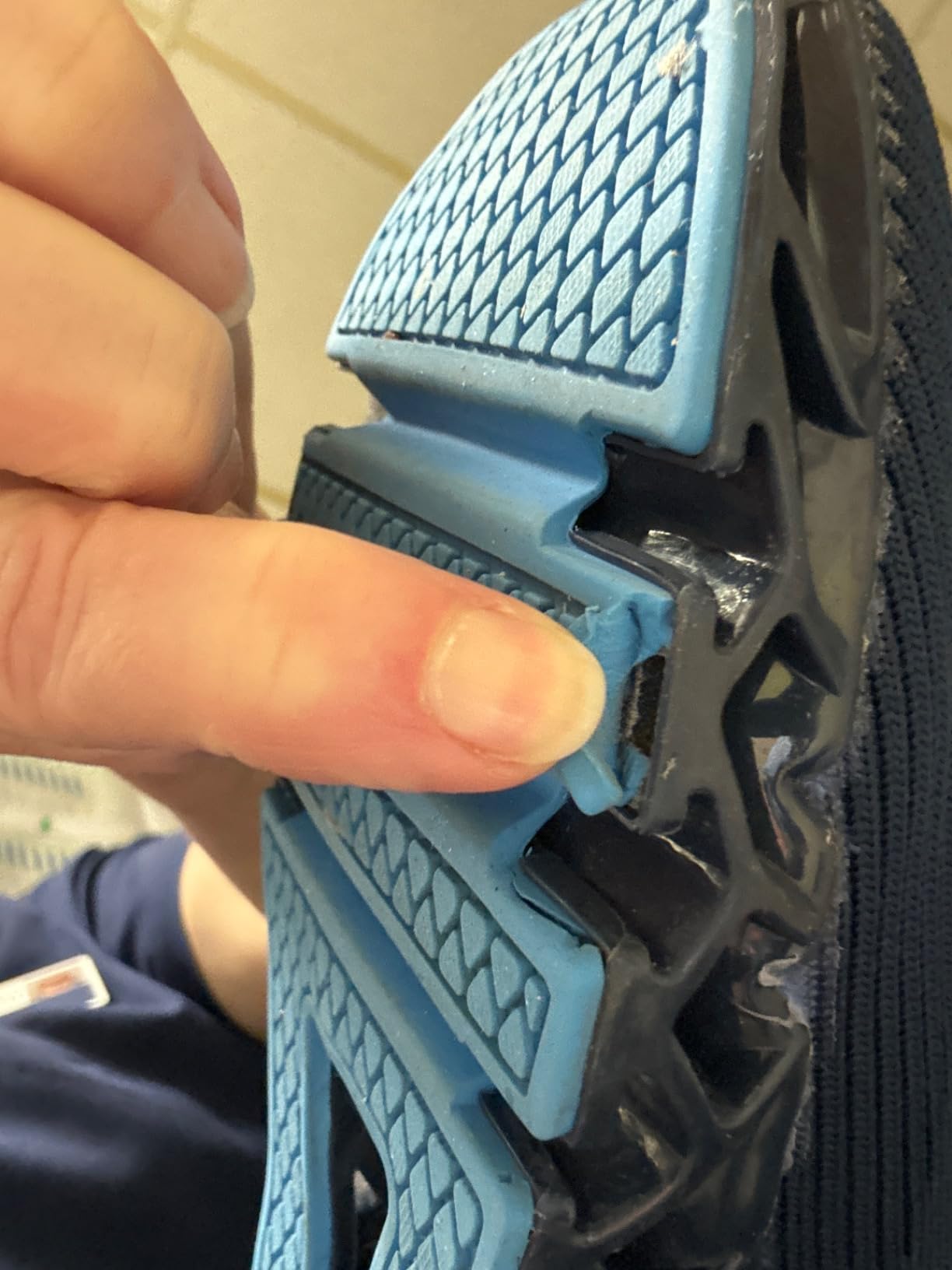
Every time you take a step, the shoe bends at the toe. That’s hundreds of flex cycles per hour, thousands per day. The adhesive bonding the TPU sole to the mesh upper handles this fine initially — but it’s a budget-grade bond, not an industrial-grade one. Add daily sweat moisture infiltrating the seam, plus thermal expansion and contraction between warm days and cool storage, and the micro-fractures accumulate. By week 6 on regular wear, the gap becomes visible.
| Usage Pattern | Typical Onset | Range |
|---|---|---|
| Light (1–2x/week) | Week 10–12 | 8–14 weeks |
| Moderate (daily office) | Week 6–8 | 4–10 weeks |
| Heavy (daily + outdoor) | Week 4–6 | 2–6 weeks |
| Rotation (2 pairs, alternate days) | Week 10–14 | 8–16 weeks |
Once the gap starts, it progresses. From hairline to visible to functional separation within 2–4 additional weeks of regular use. Emergency repairs (super glue, Shoe Goo) buy a week or two. A cobbler’s urethane repair might extend life 4–6 additional weeks. Eventually, replacement is cheaper.
This is not a quality control failure — it’s a material trade-off. Budget price = budget adhesive. The shoe isn’t defective; it’s working exactly as the materials allow.
Breathability — The Claim That Holds Up
Of everything SKDOIUL promises, breathability is the one that genuinely delivers. The mesh construction creates real airflow in indoor environments, and the results are consistent across testing.
During gym sessions and office workdays, feet stayed noticeably cooler than in canvas sneakers or synthetic-upper budget shoes. The mesh weave breathes rather than traps. In a climate-controlled environment at 70–75°F, foot comfort remained good through 10-hour days.
The outdoor caveat: above 80°F in direct sun, the breathability advantage shrinks considerably. Mesh breathes; it doesn’t air-condition. In warm outdoor conditions, sweat accumulates regardless. This is a shoe for controlled environments, not summer outdoor use.
Care protocol matters here: No antimicrobial treatment means odor builds with wear. Wash every 3–5 wears. Cold water, soft brush, air dry — do not machine wash. Machine washing accelerates the sole separation by forcing water into the adhesive seam. If you want to preserve color brightness on the vivid options (fluorescent green, orange, yellow), hand wash only.
The Real Cost Math
At $40 upfront, this shoe feels cheap. When you factor lifespan, the equation shifts.
At regular daily use (4–5 days/week), expect 2–3 months per pair before sole separation makes the shoe uncomfortable or unusable. That works out to roughly $13–20/month on footwear.
Compare that to mid-range alternatives: a Skechers Go Walk Joy at ~$75–100 with a 10–14 month lifespan runs $5.35–10/month. The budget shoe isn’t actually cheaper — it’s cheaper upfront with a hidden monthly cost.
| Lifestyle | Lifespan | Cost/Month | Annual Cost |
|---|---|---|---|
| Light (1–2x/week) | 4–6 months | $6.67–10 | $40–80 |
| Moderate (3–4x/week) | 2–4 months | $10–20 | $80–120 |
| Heavy daily + outdoor | 2–3 months | $13–20 | $120–160 |
| Rotation (2 pairs) | 5–8 months/pair | $10–16 | $80–120 |
The rotation strategy is worth serious consideration for regular wearers: buy two pairs at once (~$80), alternate every other day. Each pair dries completely between uses, reducing moisture accumulation at the adhesive seam. Per-pair lifespan extends from 2–3 months to 5–8 months. Monthly cost stabilizes around $10–16 and you have backup when one pair inevitably fails. Pair it with aftermarket insoles — Sof Sole Athlete Insoles at $15–18 add meaningful arch support and transfer between pairs.
Marketing Claims — Verified Against Testing
✅ “Breathable mesh upper” — Delivered. Genuine airflow in indoor environments. The strongest claim and the most accurate one.
✅ “Easy slip-on design” — Delivered. Elastic lacing eliminates the daily friction of traditional laces. Accurate.
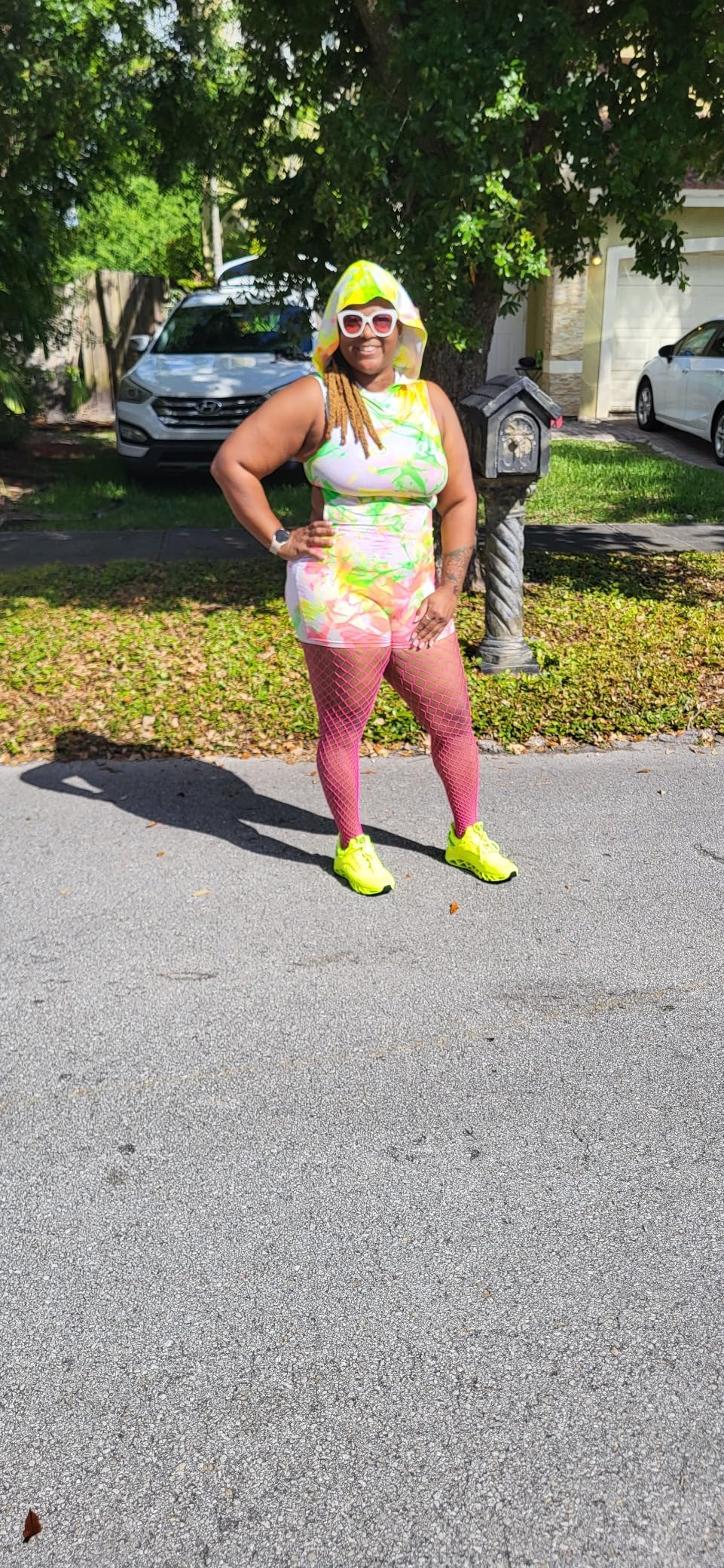
✅ “10+ color options” — Delivered. The color variety is real and unusual at this price point. Style-conscious buyers get genuine value here.
⚠️ “Non-slip outsole” — Partially true. Dry surface grip is solid (8/10). Wet surface grip is poor (4/10). The claim is accurate for indoor dry use; misleading for anything else.
❌ “Wear-resistant outsole” — Inaccurate for regular wear. The tread itself holds up; the adhesive doesn’t. Sole separation at 2–8 weeks is the real failure mode, and “wear-resistant” implies otherwise.
⚠️ “Multi-occasion versatility” — Partially true. Works for office, casual errands, light gym. Fails for extended outdoor walking, wet conditions, serious athletic use.
Who Should Buy — and Who Shouldn’t
Good fit for:
- Office workers in climate-controlled buildings — breathability + slip-on = real daily value
- Healthcare workers doing varied movement shifts — for 8–10 week rotation cycles
- Budget-constrained buyers who understand the 2–4 month cycle
- Wide-footed women who struggle to find accommodating budget options
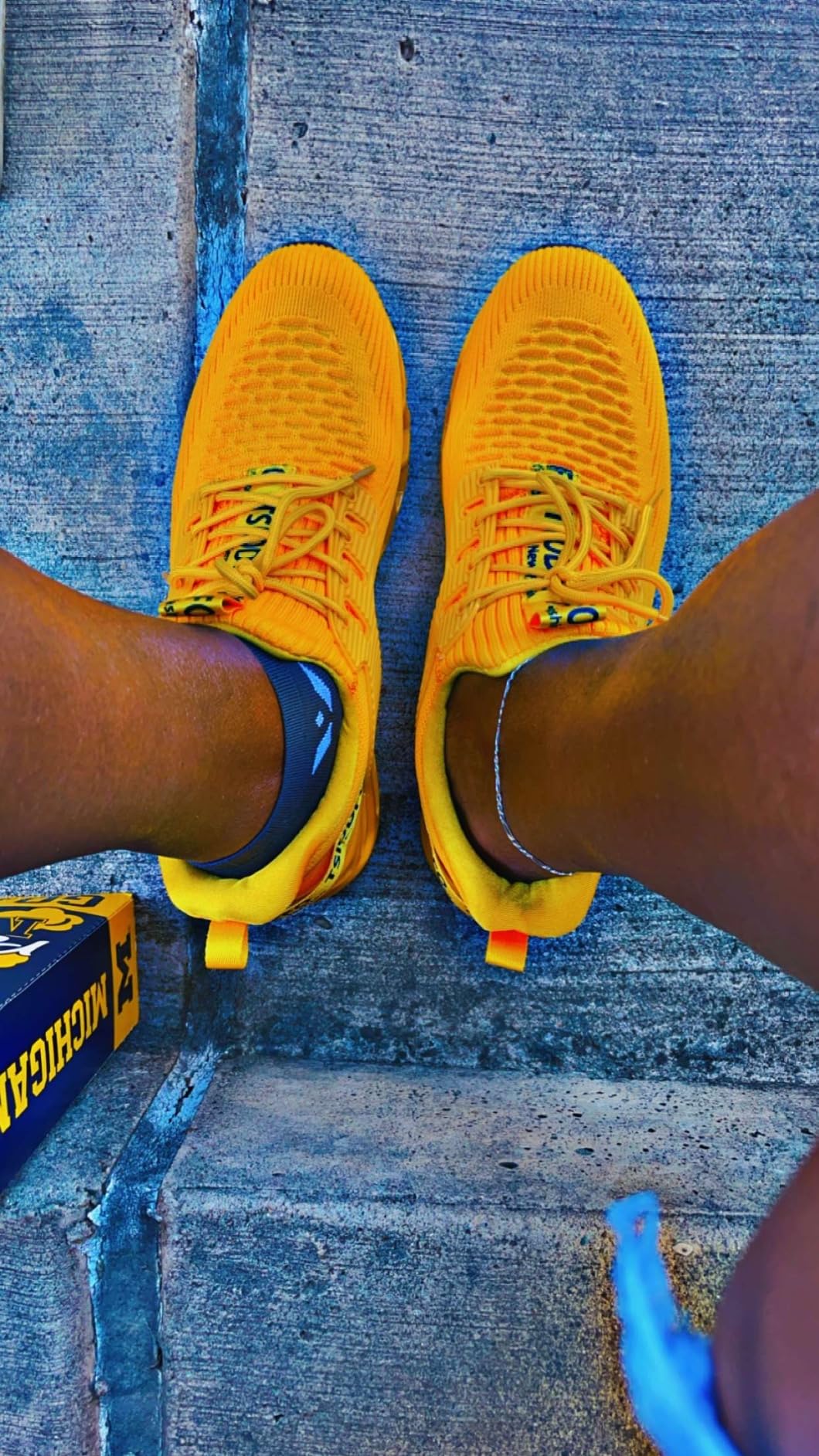
- Color enthusiasts — 10+ options, good aesthetics, receives compliments
- Anyone needing a short-term shoe (vacation, temp job, event season)
Skip if you:
- Need 6+ months of durability from a single pair
- Walk 3+ miles outdoors regularly
- Work in wet environments or live in a rainy climate
- Require orthopedic or structured arch support without adding insoles
- Do serious athletics beyond light gym sessions
- Stand statically for 10+ hours on hard floors
Alternative options by use case:
| Need | Better Option | Why |
|---|---|---|
| 6+ month durability | Skechers Go Walk Joy | Proven long-term comfort; 10–14 month lifespan |
| Orthopedic support | Ryka Devotion Plus 3 | True arch support; designed for plantar fasciitis |
| Budget tennis/walking | VIPSUPER Women’s Tennis Shoes | Similar price, purpose-built construction |
| Daily walking shoe | Wonesion Walking Running Shoes | Better long-distance cushioning |
| Budget rotation partner | HKR Walking Shoes | Similar price; pairs well for rotation strategy |
Frequently Asked Questions
How long do these actually last with regular use?
At daily moderate wear (office + errands), plan for 2–4 months before sole separation makes the shoe uncomfortable. Light users (2–3x per week) can stretch to 4–6 months. Rotation strategy (two pairs, alternating daily) extends individual pair lifespan to 5–8 months.
Do they run true to size?
Yes for standard and wide feet. Size down half if you have narrow feet or tend to between sizes. The elastic lacing adjusts snugly rather than loosely, so starting slightly smaller gives you more control over fit.
Can I machine wash them?
Not recommended. Machine washing forces water into the adhesive seam and accelerates sole separation. Cold hand wash with a soft brush, air dry completely, never use the dryer. If color preservation matters to you (especially on vivid colors), this step is critical.
Are these suitable for plantar fasciitis or flat feet?
Only with aftermarket insoles. The stock insole provides moderate cushioning but minimal arch structure. For flat feet or plantar fasciitis, add a supportive insole — Valsole Orthotic Insoles or Sof Sole Athlete Insoles both work with the removable stock footbed.
Do aftermarket insoles fit?
Yes. The stock insole is removable, and the shoe accommodates standard aftermarket sizes. This is worthwhile for anyone with arch concerns or who wants to extend the comfort arc as cushioning compresses.
Which color holds up best over time?
Navy, Black, and White are the most practical — they hide wear and maintain their appearance longest with regular hand washing. Bright options (Fluorescent Green, Orange) look excellent initially but show dirt and subtle fading earlier. If the shoe is primarily for office wear, darker colors are the pragmatic choice.
Are these good for healthcare workers specifically?
For the first 8–10 weeks, yes — excellent. The zero break-in, breathability, and slip-on convenience address real nursing/healthcare shift needs. After week 10, durability becomes an issue at 4–5 shifts per week. The rotation strategy is essentially mandatory for healthcare workers who want continuous value.
Is the “non-slip” claim reliable?
Reliable on dry surfaces (office floors, gym rubber, dry concrete). Not reliable on wet tile, polished marble, or wet outdoor surfaces. The TPU compound provides good friction when dry; it loses that advantage in moisture. This is a meaningful safety consideration for healthcare workers who encounter wet floors.
Final Verdict
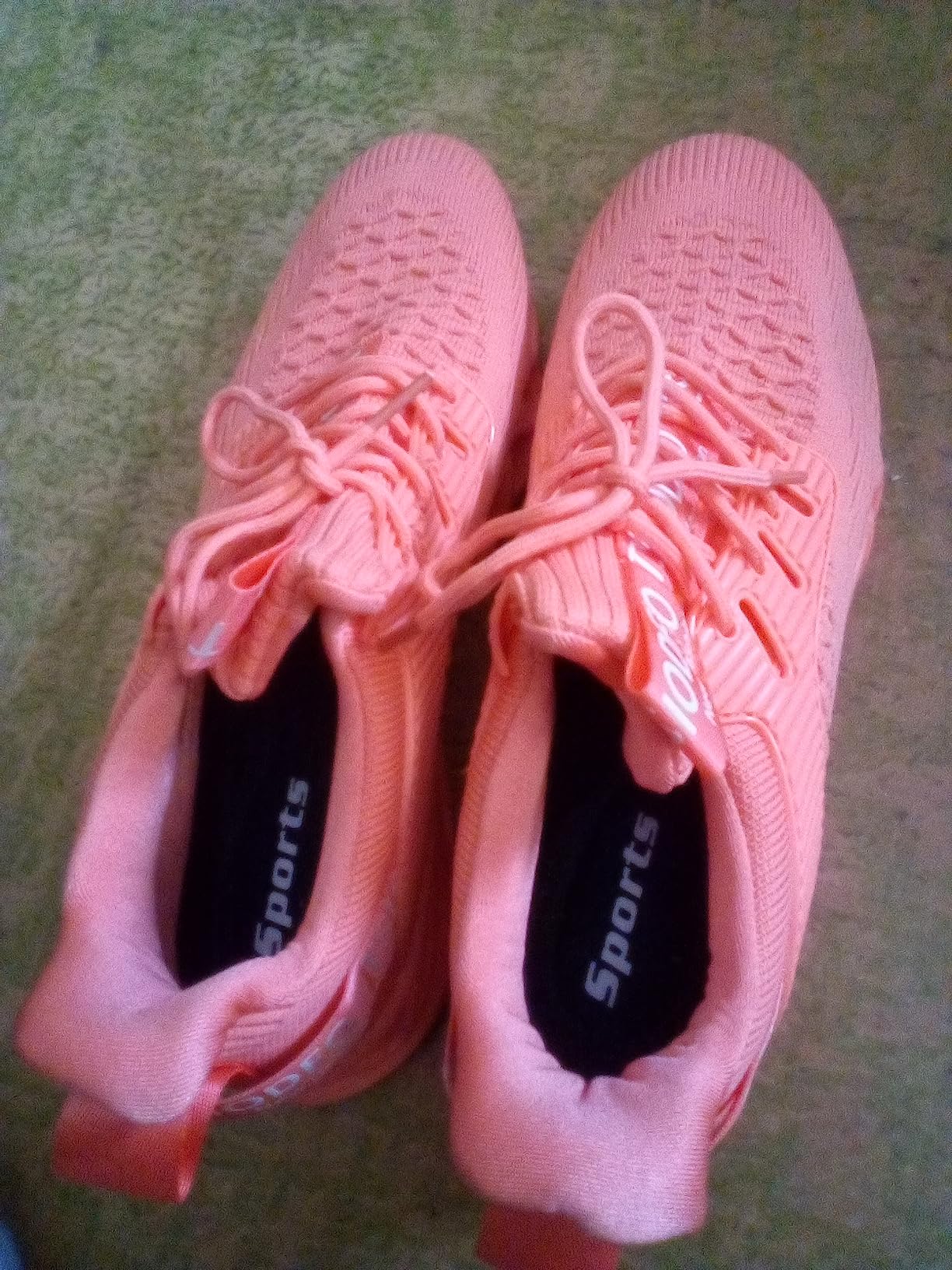
Eight weeks in, 150+ hours, sole separation documented, cost math calculated. Here’s where I landed.
| Category | Score | Notes |
|---|---|---|
| Comfort (Short-term, weeks 1–6) | 8.5 | Zero break-in; feels more expensive than $40 |
| Comfort (Long-term, weeks 6+) | 5.5 | Cushioning compresses; arch fatigue on longer distances |
| Durability | 3.5 | Sole separation at 2–8 weeks; predictable adhesive failure |
| Breathability | 8.5 | Genuine strength; best feature; indoor climate-controlled excels |
| Style/Color | 8.0 | 10+ options; looks more expensive; drew compliments |
| Value | 7.0 | Excellent if understood as 2–4 month shoe; poor for annual expectations |
| Performance | 5.0 | Office and light gym: good. Extended walking, wet weather, athletics: fails |
| Wide-foot accommodation | 8.5 | Rare genuine accommodation at this price point |
| OVERALL | 6.5/10 | Strong conditional buy for specific use cases |
SKDOIUL Women’s Athletic Tennis Walking Shoes earn their score through honest trade-offs. The initial comfort is real — not “fine for the price” real, but genuinely comfortable for the first six weeks. The breathability is real. The color variety is real. The sole separation is also real, and it arrives on schedule.
The value equation works if you approach this as a rotation shoe, not a year-long investment. Two pairs at $80 total, alternating days, adding a $15 insole, gets you 12 months of solid office and errand comfort at roughly $8/month. That’s competitive. One pair, daily, expecting it to last — that’s where disappointment sets in.
For budget-conscious buyers who’ve done the math, understand the durability window, and need comfortable sneakers for office and light daily use: SKDOIUL makes sense. For everyone else looking for a single durable shoe that handles the full range of their life, the $70–100 alternatives are genuinely worth the extra investment.
Be the first to review “SKDOIUL Women’s Athletic Tennis Walking Shoes”
Related products
Training Shoes
Training Shoes
Training Shoes
Training Shoes
Tennis/Squash Shoes
Training Shoes
Reviews
There are no reviews yet.