
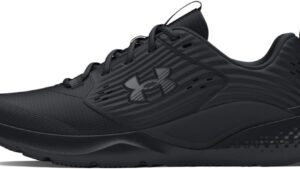
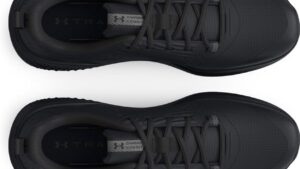
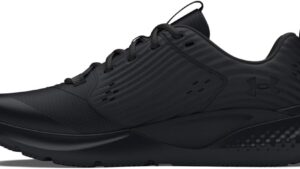
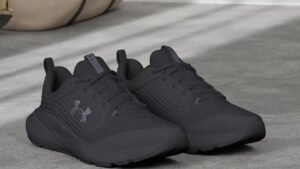
The shoe kept coming up. Three different guys at my nephew’s basketball conditioning session were wearing the Under Armour Commit 4 — not as a fashion choice, but because they’d landed on it after trying other options. Mike here, and after more than a decade coaching youth sports, I know that pattern: when serious athletes keep gravitating toward the same shoe across different contexts, it’s worth investigating. So I spent six weeks putting it through everything — HIIT circuits, heavy lifting, mixed conditioning, outdoor surfaces. Here’s what I found.
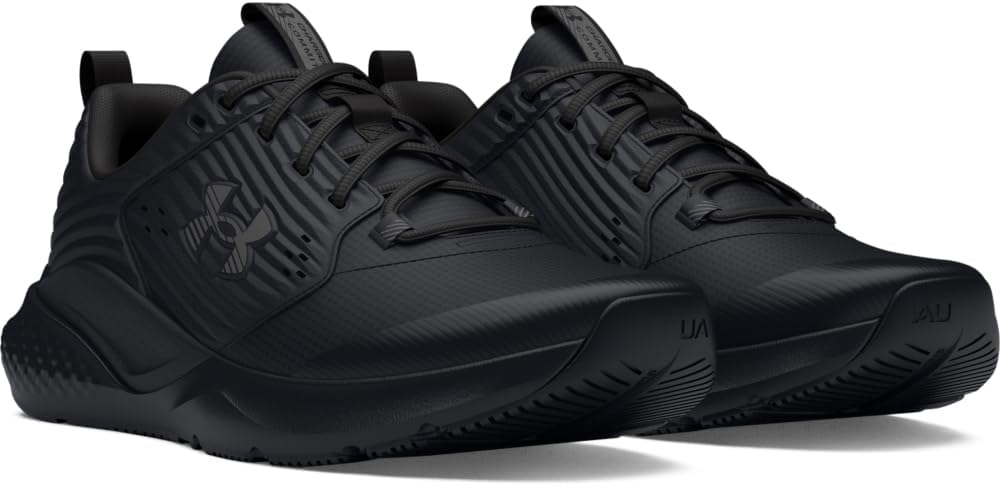
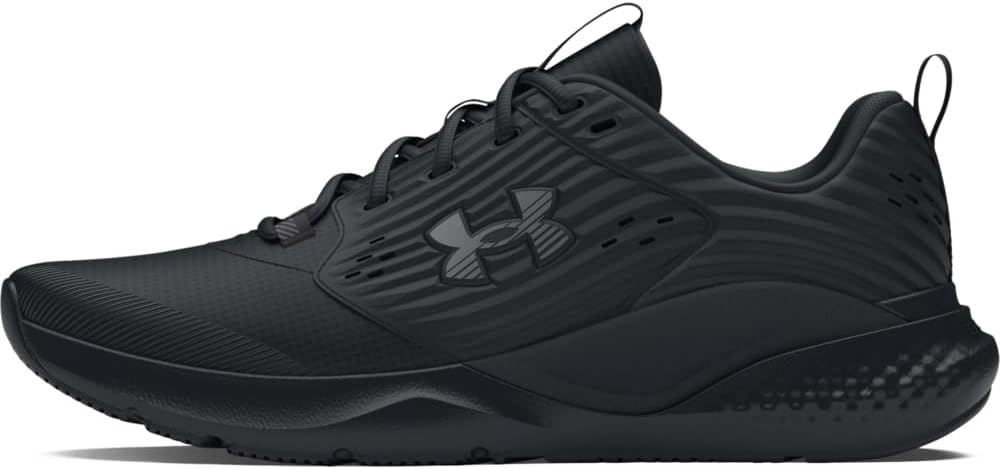
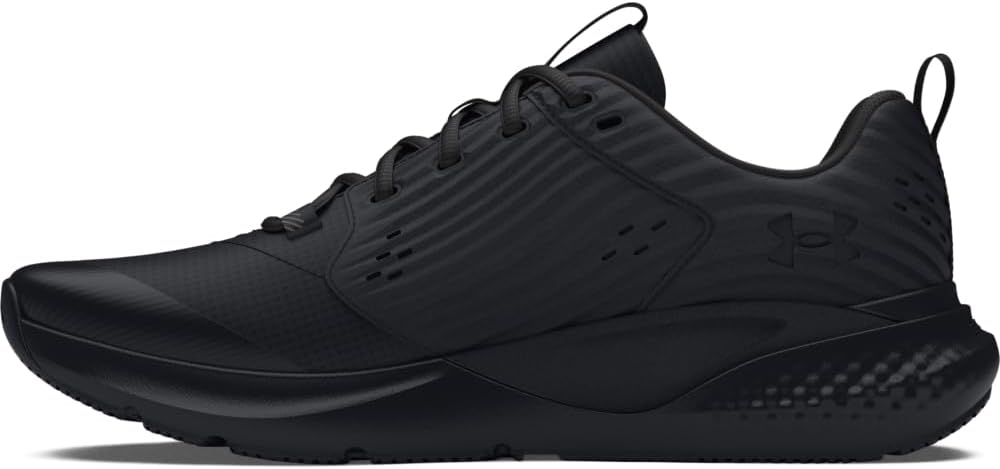
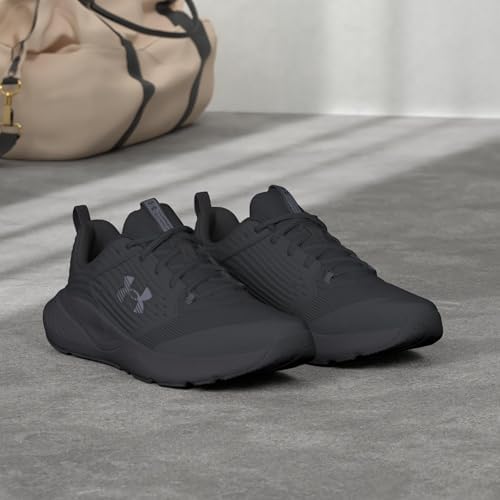
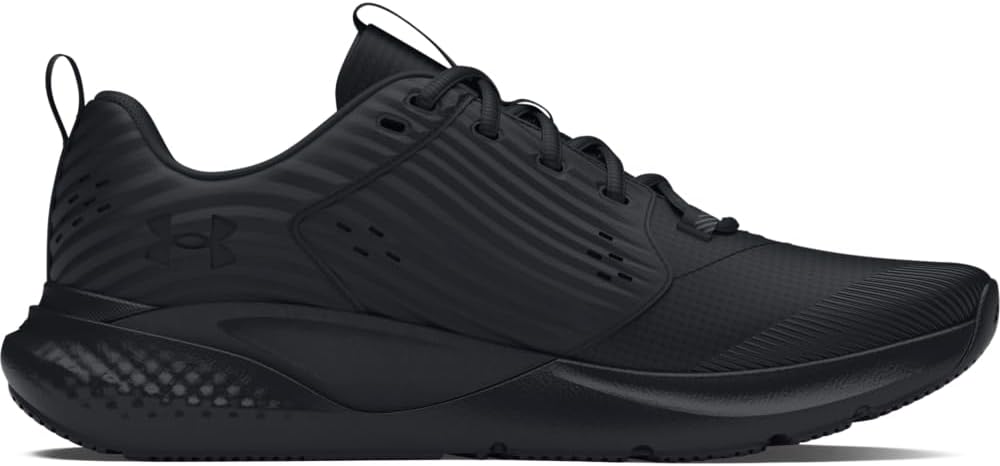
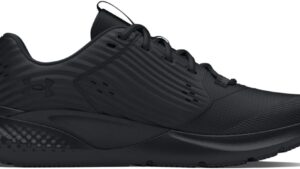
The Under Armour Men’s Charged Commit Trainer 4 is a dedicated cross-training shoe built for gym-based work. It doesn’t pretend to be a running shoe or a lifestyle sneaker. That clarity of purpose is either a strength or a limitation depending on what you need — and six weeks of testing helped me figure out exactly which camp I fall into.
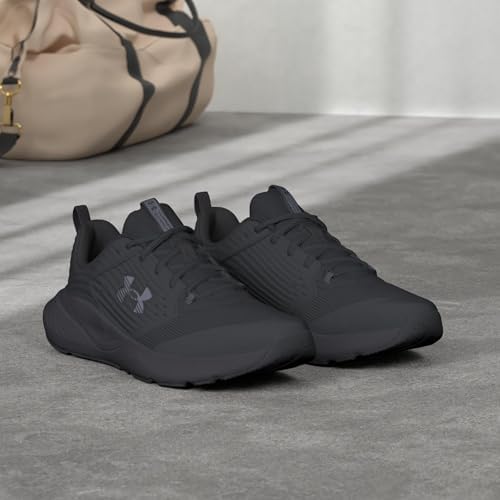
Technical Specifications at a Glance
| Spec | Detail |
|---|---|
| 💰 Price | ~$70–85 |
| ⚖️ Weight | 11.92 oz (men’s size 9) |
| 📏 Drop | 8mm heel-to-toe |
| 🧪 Midsole | Charged Cushioning® (proprietary UA foam) |
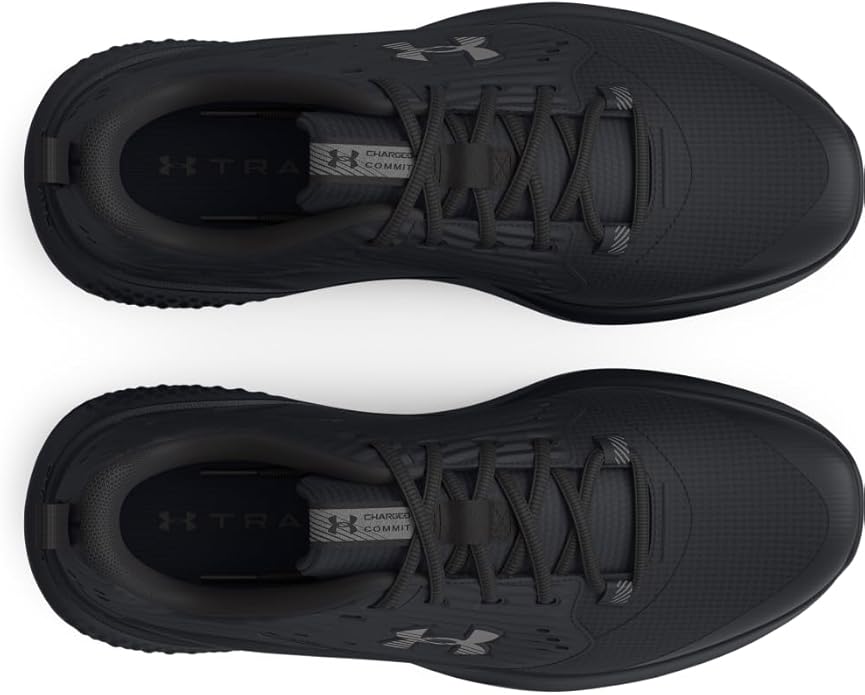
| 👟 Upper | Lightweight mesh + leather midfoot saddle |
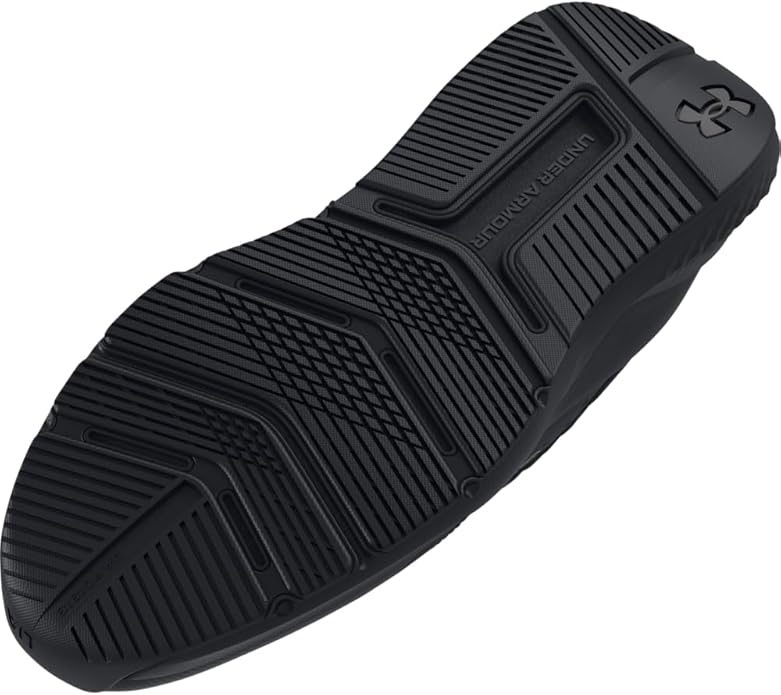
| 🔵 Outsole | Full rubber with flex grooves |
| 🎯 Best for | HIIT, weightlifting, circuit training |
At ~$70–85, the Commit 4 occupies a smart position in the budget cross-training category. The Nike Metcon 9 runs around $150, and while it’s an excellent dedicated lifting shoe, you’re paying a significant premium. The Commit 4 offers similar cross-training utility at roughly half the price.
Fit and Sizing: What to Expect
Length, Width, and the Narrow Caveat
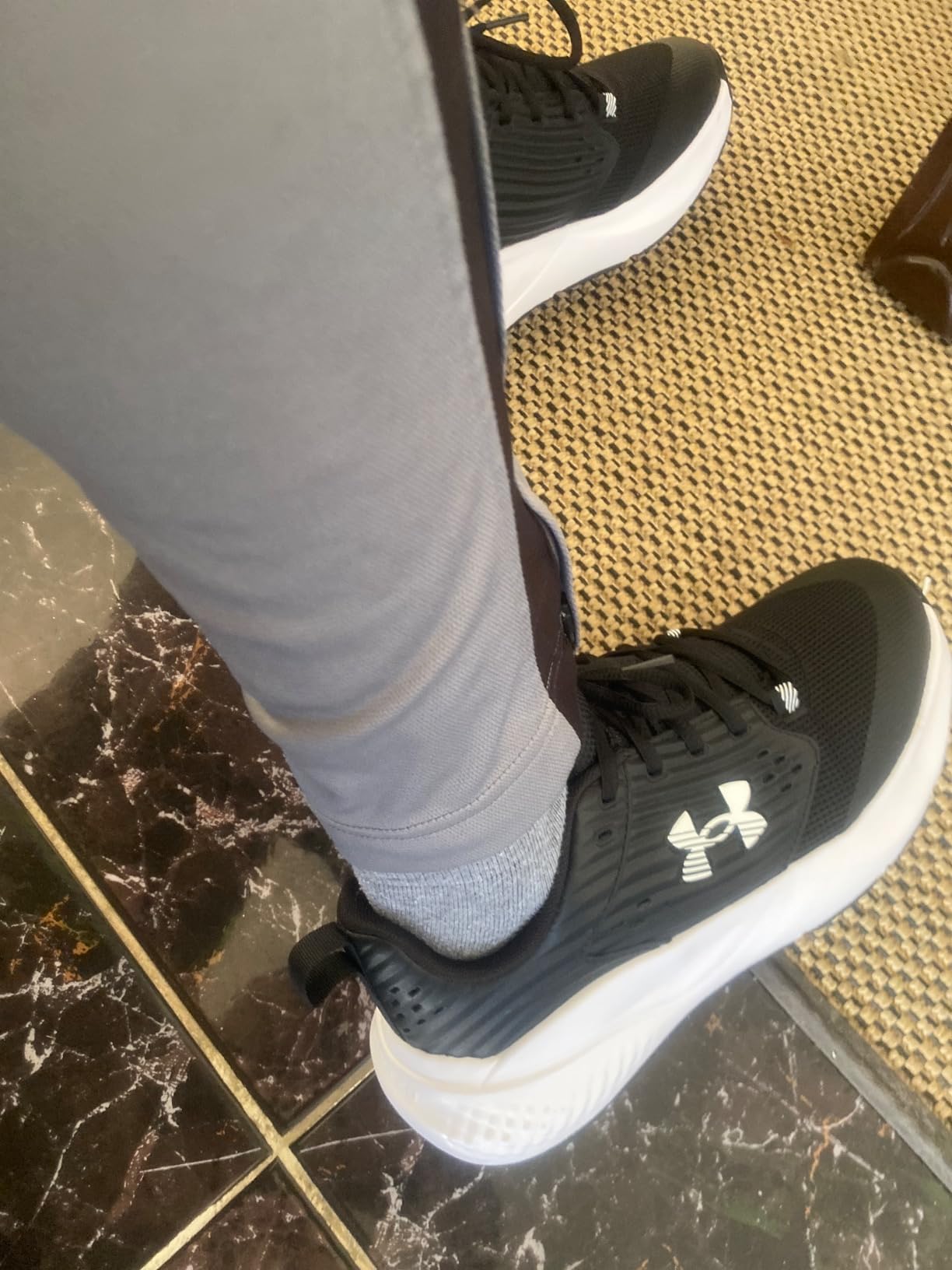
Length is true to size — I wear a 10.5 across most brands and the Commit 4 fit consistently. The width is where things get nuanced. These shoes run narrow compared to most athletic shoes, and that’s not a flaw — it’s a deliberate design choice for lateral support. For anyone with average to narrow feet, the fit is excellent. If you have wide feet or prefer generous toe box space, the standard version may feel snug from the first session. Under Armour does offer a 4E wide version, which addresses this directly.
At 180 lbs, the midfoot felt secure without constriction — the kind of fit where you’re aware the shoe is holding you, not fighting you.
Heel Security and Lockdown
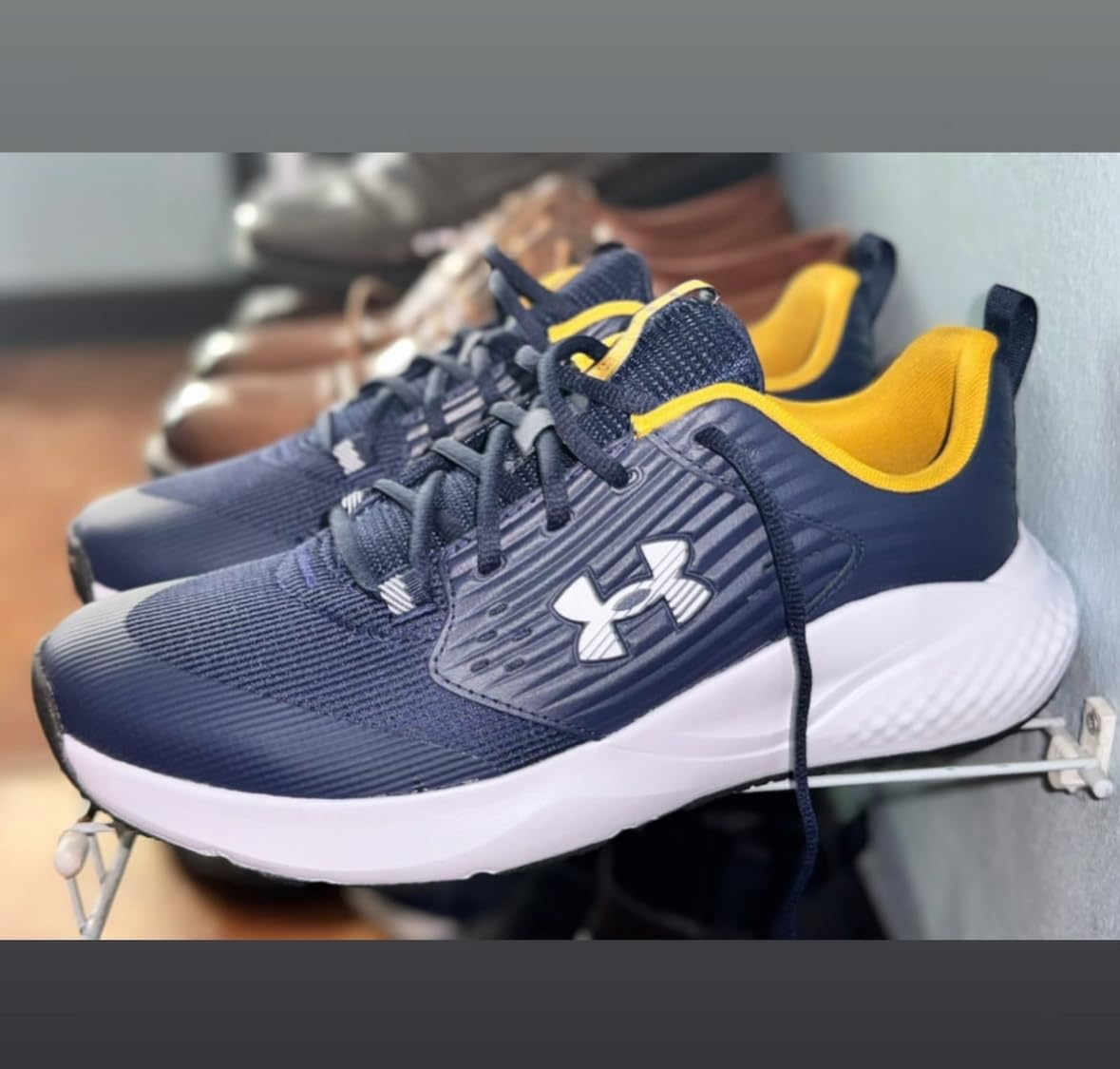
The heel counter works. During my first session — before the shoe had any break-in — I tested lateral shuffles and box jumps specifically looking for heel movement. None. The dual external heel counter hugs the back of the foot firmly without creating pressure points, and that security held through all 24 sessions. Standard tie laces distribute tension evenly; the tongue stayed centered without creeping during the entire testing period.
The Break-In Reality
Expect roughly 3–4 training sessions before the shoe reaches full comfort. The support structure is stiff initially — particularly the leather saddle — but that’s what you’d expect from a shoe designed to hold its shape under load. By session 5, the break-in was essentially complete and comfort was consistent from that point forward.
Build Quality: Tool for Work, Not Fashion
Upper Construction and Breathability
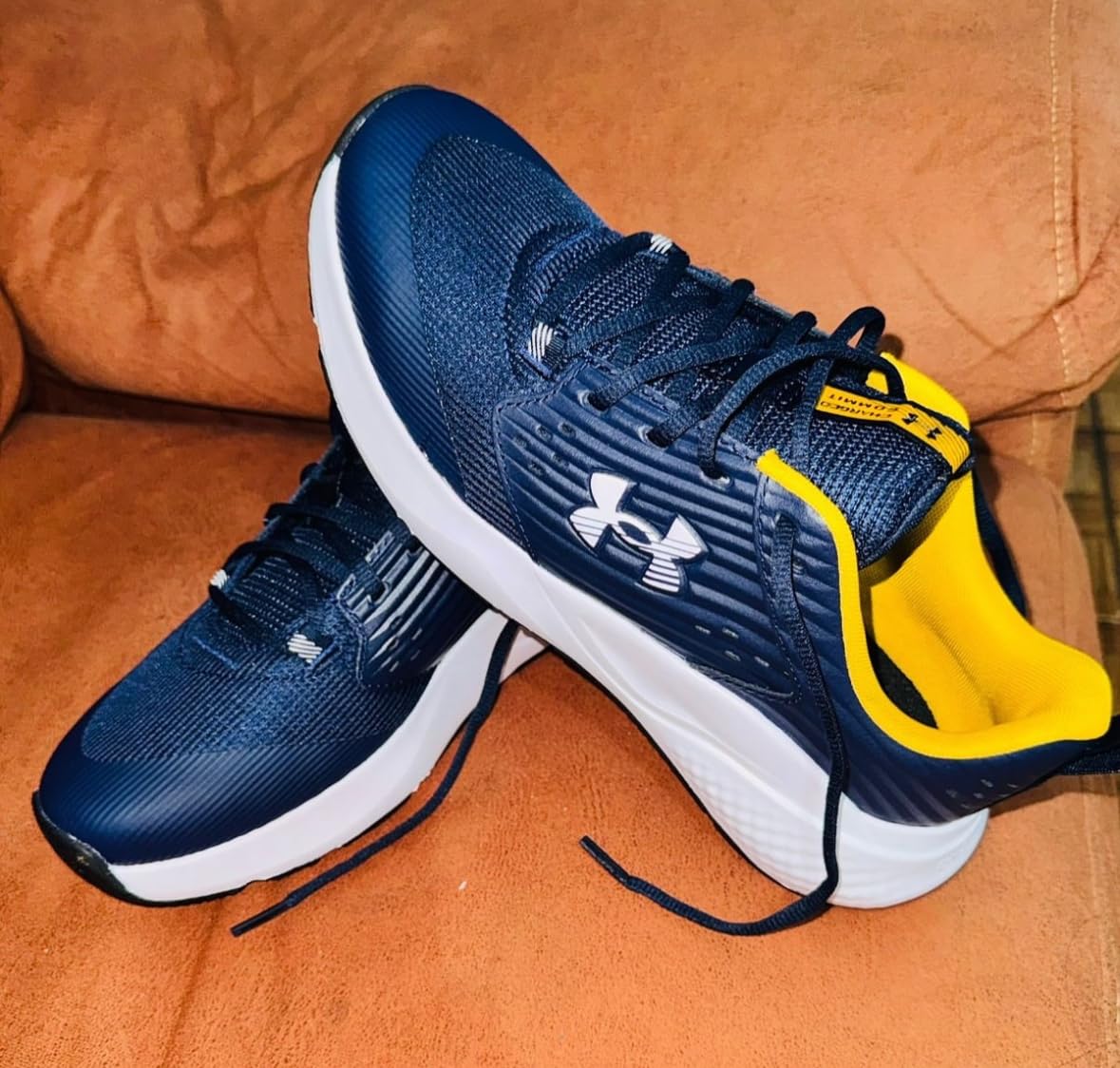
The engineered mesh upper balances breathability and structure better than most shoes in this price range. During 45-minute HIIT sessions where my heart rate was regularly above 160 BPM, my feet stayed noticeably dry. The textured overlay details aren’t decoration — they reinforce zones that take the most stress during lateral movement and rope climbing. After 24 sessions, I saw no signs of mesh separation or structural breakdown at any of those overlay contact points.
The comparison to the Under Armour Charged Speed Swift is useful here: the Speed Swift prioritizes lightweight and cushioning, while the Commit 4 prioritizes structure and control. Different tools for different jobs.
The Leather Midfoot Saddle: The Real Differentiator
Most cross-trainers address midfoot support with synthetic overlays or stitched panels. The Commit 4 uses leather, which provides a noticeably different feel — firmer, more consistent, and more durable under repeated stress. When I was performing lateral bounds at full speed, the saddle kept my foot exactly where I’d placed it at lace-up. No micro-shifts, no progressive loosening as fatigue accumulated.
This feature genuinely matters for heavier athletes. At 180 lbs, the forces involved in box landings and direction changes are meaningful. The saddle provides the kind of hold that cheaper trainers approximate but don’t match.
Charged Cushioning: Impact Meets Response
What Charged Cushioning Actually Feels Like
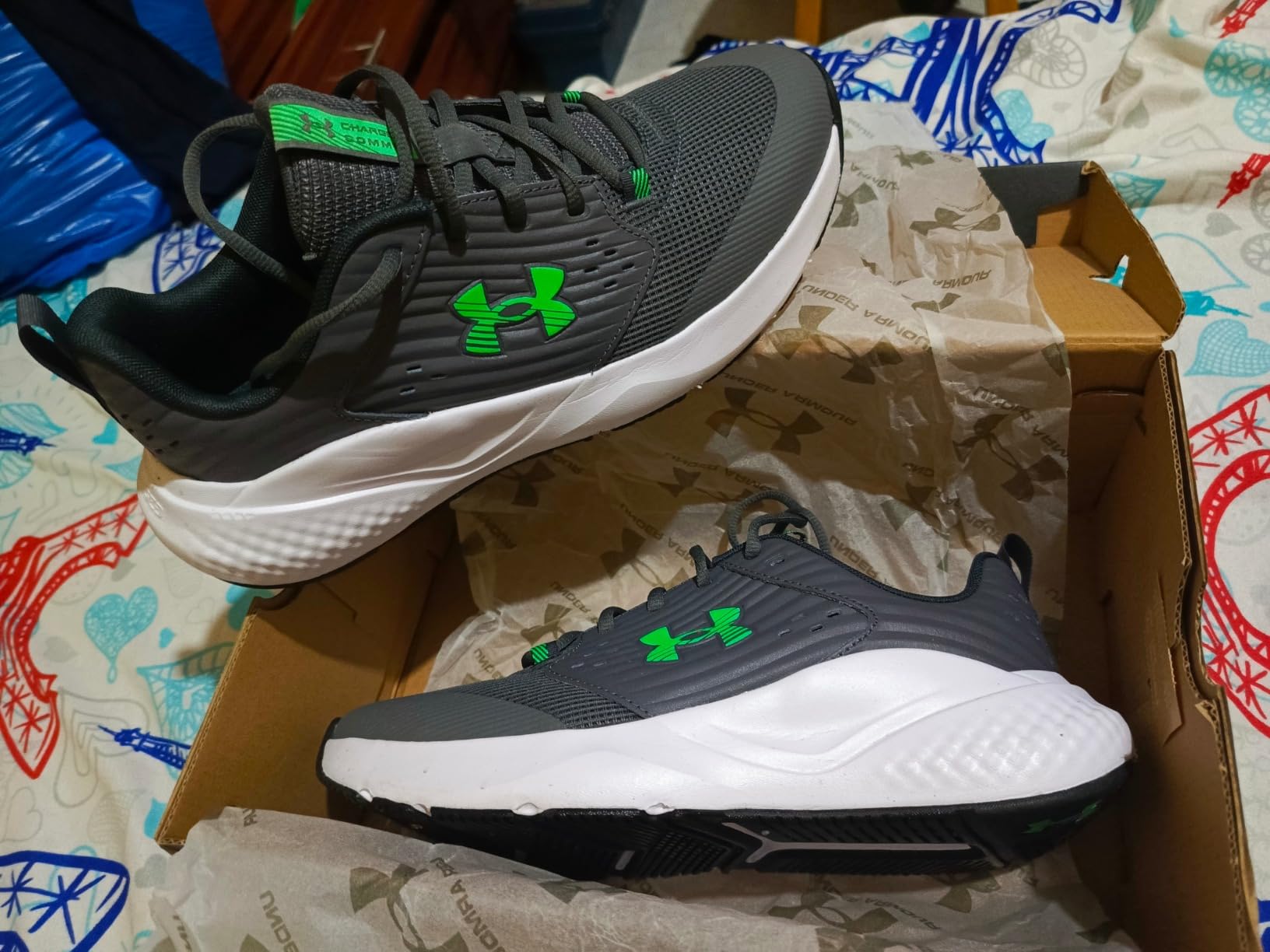
UA’s Charged Cushioning is firmer than what you’d find in most running shoes — intentionally so. During depth jumps and burpee sequences, the midsole absorbed landing impact without creating the sinking sensation that softer foams produce. The rebound wasn’t dramatic, but it was real: push into the ground, get something back.
For weightlifting, that firmness is exactly right. During heavy squats and deadlifts, I felt properly connected to the floor — not floating on foam, not fighting compression with every rep. The Adidas Amplimove Training shoes offer a softer platform that works for some training styles, but if floor feel during compound lifts is a priority, the Commit 4’s firmer setup is the better choice.
Durability of the Cushioning System
After 24 training sessions spanning six weeks, I found no noticeable compression or dead spots in the midsole. The foam maintained its initial response characteristics throughout. This is the critical long-term question with any training shoe, and the Commit 4 held up well within the testing window.
The 8mm Drop Explained
Eight millimeters is a thoughtful compromise for cross-training. Zero to four millimeters (barefoot-style) works for lifting but creates discomfort during repetitive jumping. Ten-plus millimeters (standard running shoes) gives comfort for forward movement but undermines stability during lateral and loaded work. The 8mm drop positions the foot naturally for squats and deadlifts while keeping jumps comfortable — I never felt the need to adjust my form to compensate for the geometry.
Multi-Surface Traction: Gym Floor to Concrete
The Outsole in Practice
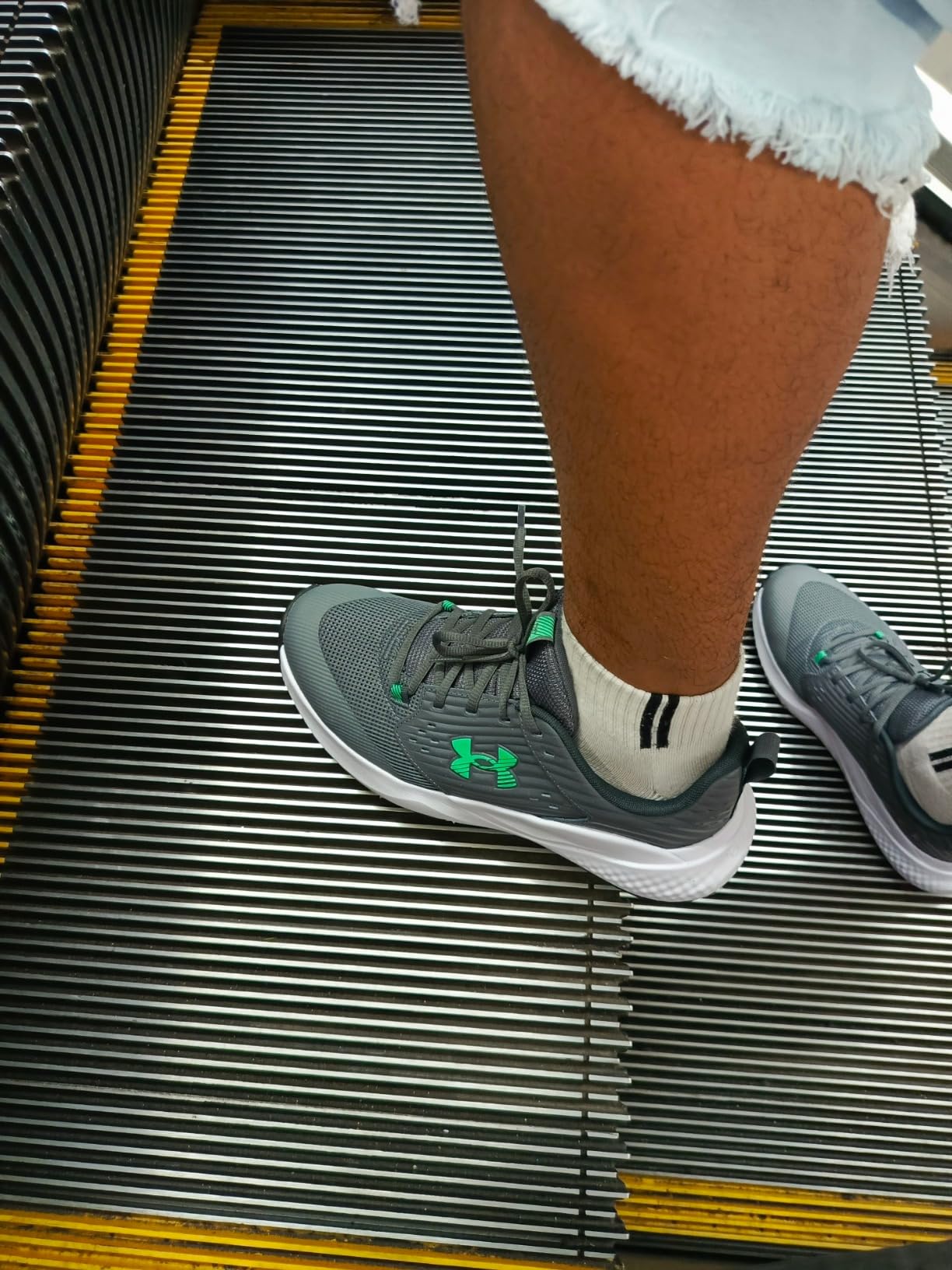
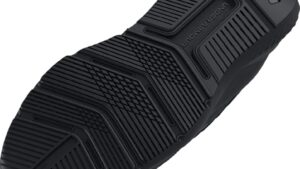
The full rubber outsole with strategically placed flex grooves performed reliably across every surface I tested. Rubber gym flooring, wooden basketball courts, outdoor concrete — traction held consistently across all three. The flex grooves specifically help during circuit training: they allow the shoe to bend naturally through lateral movements and agility drills rather than resisting the foot’s motion.
The outsole also proved durable. After 24 sessions on various surfaces, the high-wear zones showed minimal degradation. The tread depth remained functional with no signs of premature wear.
Lateral Movement and Direction Changes
Cross-training imposes lateral demands that pure running shoes aren’t designed for. During lateral lunges, side shuffles, and agility ladder work, the Commit 4’s platform stability was noticeable and reliable. The combination of the leather saddle, heel counter, and firm midsole meant that my foot stayed planted through direction changes without the shoe twisting underneath me.
HIIT Training: The Hardest Test
45-Minute Protocol Results
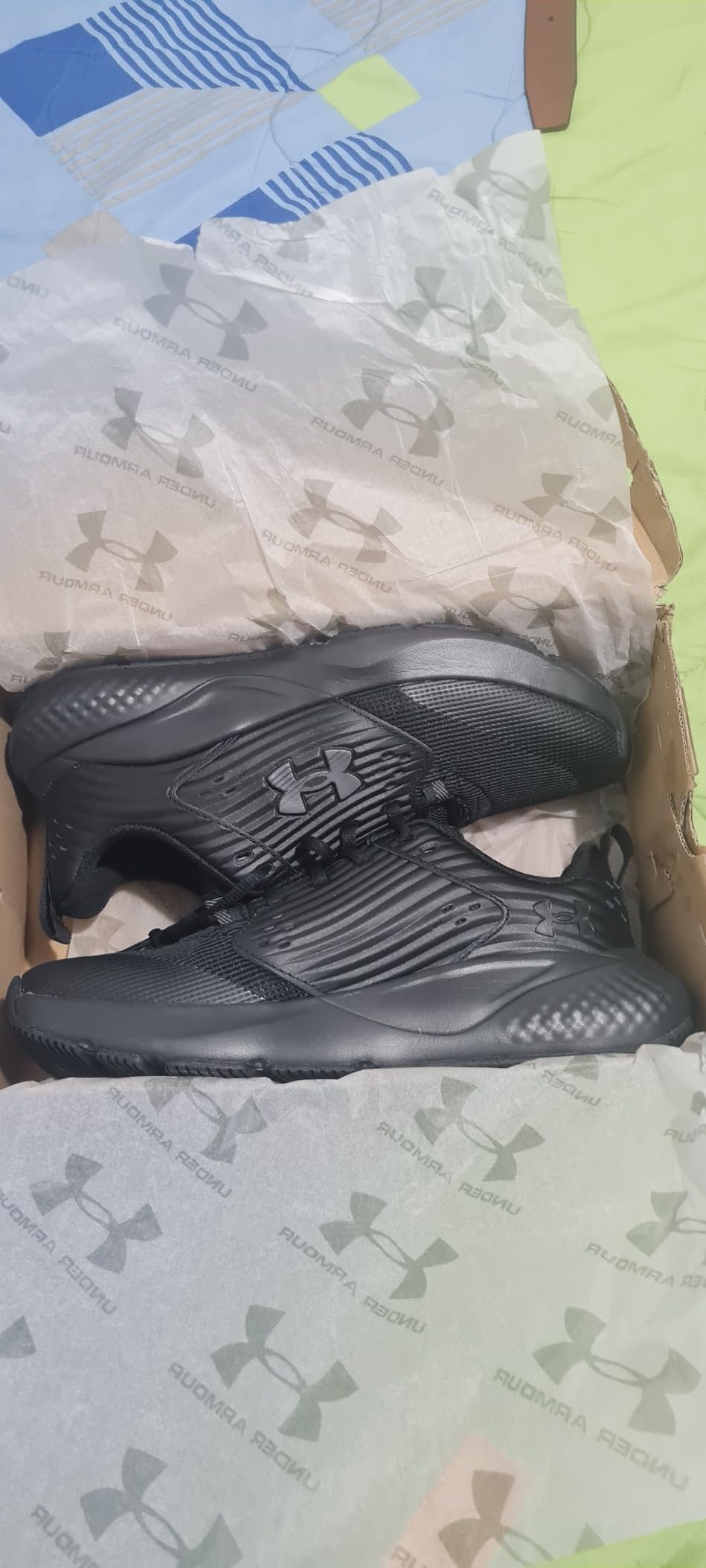
My HIIT sessions during this test period ran 45 minutes and combined cardio bursts with loaded strength work: burpees, mountain climbers, jump squats, box jumps, kettlebell swings, and rope climbs. The shoe had to manage explosive movements immediately followed by recovery periods and then more explosive work.
The mesh upper handled moisture management effectively throughout. After 40 minutes at sustained high intensity, my feet weren’t damp in any uncomfortable way. The Charged Cushioning provided enough rebound to make successive jumps feel natural rather than labored. Box jump landings felt controlled — the midfoot saddle kept my foot stable on contact, and the heel counter prevented the shoe from shifting during repeated impacts.
Transitions Between Activities
What impressed me most was how well the shoe handled transitions. From rope climbing (which demands grip and arch stability) to sprint intervals (which demand flexibility and traction) to kettlebell work (which demands planted stability) — no need to adjust my approach based on shoe limitations. The Commit 4 adapted to each activity rather than constraining it.
Weight Training Performance
Foundation for Compound Movements
The 8mm drop and firm Charged Cushioning platform created reliable conditions for heavy lifting. During squats — working up to my working sets at roughly 85% of max — I felt properly grounded without the instability that softer-foamed training shoes sometimes introduce. For deadlifts, the floor connection was direct and consistent, allowing me to feel tension build through the posterior chain rather than losing feedback through excessive cushioning.
The leather midfoot saddle proved particularly valuable during front squats, where the foot’s stability under load is crucial for maintaining an upright torso. The saddle’s consistent hold meant I could focus on the movement rather than compensating for foot drift.
Midfoot Support Under Load
At 180 lbs with significant external load added, shoes face real stress during compound lifts. The Commit 4 held its structure throughout. I tested alongside the Under Armour HOVR Rise 4, which offers more cushioning but noticeably less stability under heavy lifting loads. For serious strength work, the Commit 4 is the better-suited option within the UA lineup.
Does Under Armour Deliver? Brand Claims Tested
Claim: “Serious Training Shoes for Max Impact Absorption”
Verdict: ACCURATE. The Charged Cushioning absorbs impact effectively during plyometric work without creating the disconnected floor feel that undermines stability. The balance between protection and ground feedback is well-calibrated for cross-training.
Claim: “Leather Midfoot Saddle for Extra Support”
Verdict: ACCURATE. This isn’t packaging language — the saddle provides genuine, consistent midfoot lockdown. Its effect was most noticeable during lateral movements and box jump landings, where cheaper trainers would have allowed micro-shifts that compound into discomfort and instability over a long session.
Claim: “Lightweight Mesh Upper — Super-Comfortable and Breathable”
Verdict: MOSTLY ACCURATE. Breathability is excellent and confirmed under high-intensity conditions. The “super-comfortable” qualifier needs context: comfort is excellent after the break-in period, not before. First few sessions, the support structure feels stiff. After session 4–5, it’s genuinely good.
Claim: “Multi-Surface Traction and Flexibility”
Verdict: ACCURATE. The rubber outsole handled every surface I tested. The flex grooves enable natural foot motion without sacrificing grip. This claim held up consistently across the full testing period.
Detailed Performance Scoring
| Performance Category | Score (1-10) | Key Notes |
|---|---|---|
| Comfort | 8.2 | Excellent after break-in; stiff initially |
| Stability & Support | 9.1 | Outstanding midfoot lockdown via leather saddle |
| Cushioning | 8.5 | Firm and responsive — ideal for training, not max softness |
| Breathability | 8.8 | Mesh handles high-intensity sweating well |
| Traction | 8.7 | Reliable across rubber, wood, concrete |
| Durability | 8.4 | No degradation after 24 sessions |
| Versatility | 9.0 | Seamless across HIIT, lifting, circuits |
| Value for Money | 8.6 | Solid performance-to-price at $70–85 |
| OVERALL SCORE | 8.5 | Excellent cross-training performance for the price |
The Good and The Bad
| ✅ What Works | ❌ What Doesn’t |
|---|---|
|
|
Who Should Buy the Charged Commit Trainer 4?
This shoe works well for:
- Serious cross-trainers who split time between cardio and strength work
- Gym-goers who want one shoe for HIIT, circuits, and weightlifting
- Athletes who prioritize stability and control over maximum cushioning
- Anyone looking for solid training performance without paying $150+
- Heavier athletes (175+ lbs) who need reliable midfoot support during loaded movements
Consider alternatives if:
- You have wide feet (try the 4E version, or look at Reebok Energen Lux for a wider fit in the same price range)
- Maximum cushioning matters more than floor connection (the ASICS Gel-Kayano 31 prioritizes cushioning if that’s your preference)
- Running is 40%+ of your training volume
- You need immediate out-of-box comfort with no adjustment period
- Court sports like basketball are a primary use case (the Under Armour Lockdown 7 is purpose-built for basketball and will outperform here)
How It Compares to the Competition
The Commit 4’s most obvious comparison is the Nike Metcon series, which dominates the premium cross-training market. The Metcon 9 is an excellent shoe — particularly for barbell sport athletes — but at roughly double the price, you’re paying for brand prestige and incremental performance gains that most recreational cross-trainers won’t notice in practice.
The PUMA Softride Enzo 5 occupies a similar price point and emphasizes softer cushioning. If your training is predominantly cardio-focused with minimal heavy lifting, that softer platform might suit you better. If weightlifting and stability are priorities, the Commit 4’s firmer setup wins.
The PUMA Voltaic Evo is another budget cross-trainer worth mentioning — lighter, with less structure. The trade-off: less midfoot lockdown and lower lateral stability during heavy lateral movements.
Frequently Asked Questions
Are these shoes true to size?
Length is true to size for most users. Width runs narrow compared to standard athletic shoes. If you have wide feet or prefer extra toe room, consider going half a size up or checking the 4E wide version.
Can I use these for running?
Short answer: not ideally. The Commit 4 handles brief running segments within circuit training without issue, but it’s not built for sustained running. If your training is more than 30% running by volume, a dedicated running shoe will serve you better.
How long do these shoes last?
Based on construction quality and six weeks of intensive testing with no degradation, I’d estimate 8–12 months for users training 3–4 sessions per week. Rotating between two pairs significantly extends lifespan.
Are they good for weightlifting specifically?
Yes — one of their stronger use cases. The firm Charged Cushioning platform and 8mm drop create a stable foundation for compound lifts. The leather midfoot saddle prevents foot drift during loaded movements like front squats. For dedicated powerlifting, purpose-built lifting shoes offer more stability, but for general strength work within cross-training, the Commit 4 performs well.
What’s the break-in period like?
Three to five training sessions. The shoe doesn’t create hotspots or blisters — the break-in is more about the support structure softening and conforming to your foot’s shape. After the first week of regular training, comfort is consistent and good.
Can I use orthotics with these?
Yes. The sockliner is removable, which allows standard orthotic inserts. If you need enhanced arch support, the Valsole Orthotic Insoles are worth considering as an upgrade.
Are they good for HIIT training?
Excellent fit for HIIT. I tested them through 45-minute sessions at sustained high intensity with movement patterns ranging from burpees to box jumps to lateral drills. Breathability, cushioning rebound, and stability all held up well throughout.
How do they compare to other Under Armour training shoes?
The Commit 4 sits below the Under Armour HOVR Rise 4 in the UA lineup. The HOVR Rise 4 offers more cushioning and a more versatile platform for running-heavier training. The Commit 4 prioritizes stability and control for gym-based work at a lower price point.
Final Verdict
The Bottom Line After Six Weeks
The Under Armour Men’s Charged Commit Trainer 4 does what it’s designed to do: provide a stable, breathable, responsive platform for athletes who spend most of their training in a gym. The leather midfoot saddle is a genuine performance feature, not marketing. The Charged Cushioning hits the right balance between protection and floor feel for cross-training demands. The build held up to 24 intensive sessions without degradation.
The narrow fit is the most significant caveat, and it’s worth taking seriously if you have wider feet. The break-in period is real but brief. Neither issue is a deal-breaker — just something to plan for.
At $70–85, you’re not overpaying for brand recognition. The performance justifies the price, and the gap between the Commit 4 and significantly more expensive options like the Nike Metcon 9 is smaller than the price difference suggests for most athletes.
Overall: 8.5/10 — A well-built, purposeful cross-training shoe that delivers on its core promises at a fair price.
Who This Is For
Perfect match: Cross-trainers who want one shoe for HIIT, weightlifting, and circuit training — especially athletes who prioritize stability and control over plush comfort.
Look elsewhere if: You have wide feet and don’t want to size up, your training is running-heavy, or maximum cushioning is your primary requirement.
Be the first to review “Under Armour Men’s Charged Commit Trainer 4 Sneaker”
Related products
Training Shoes
Training Shoes

Training Shoes
Reviews
There are no reviews yet.