
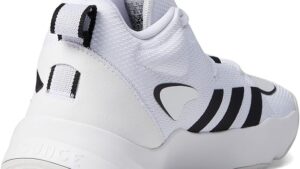
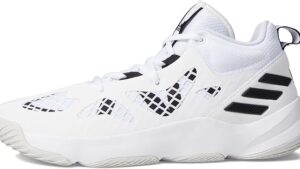
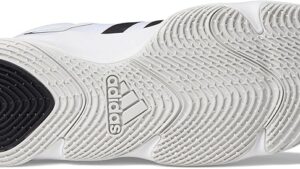
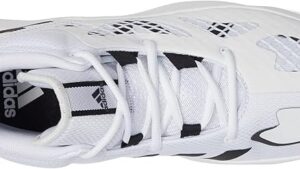
Technical Specifications
- Price Range: $120-180 USD (varies by colorway and retailer)
- Weight: 14.2 oz (men’s size 9)
- Upper Material: Full-grain leather with brogue detailing (at least 50% recycled content)
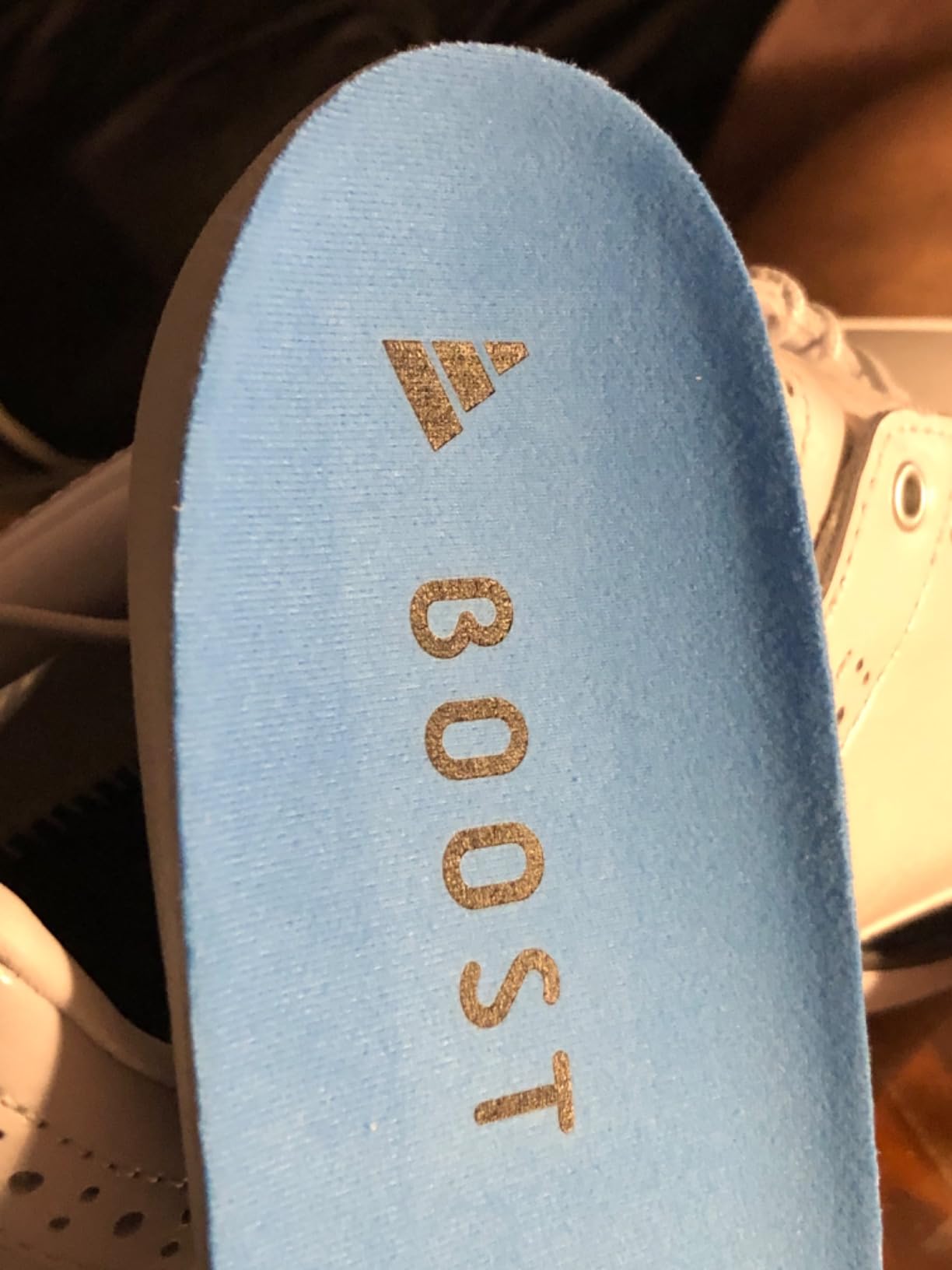
- Midsole Technology: Lightstrike cushioning throughout + BOOST foam in heel
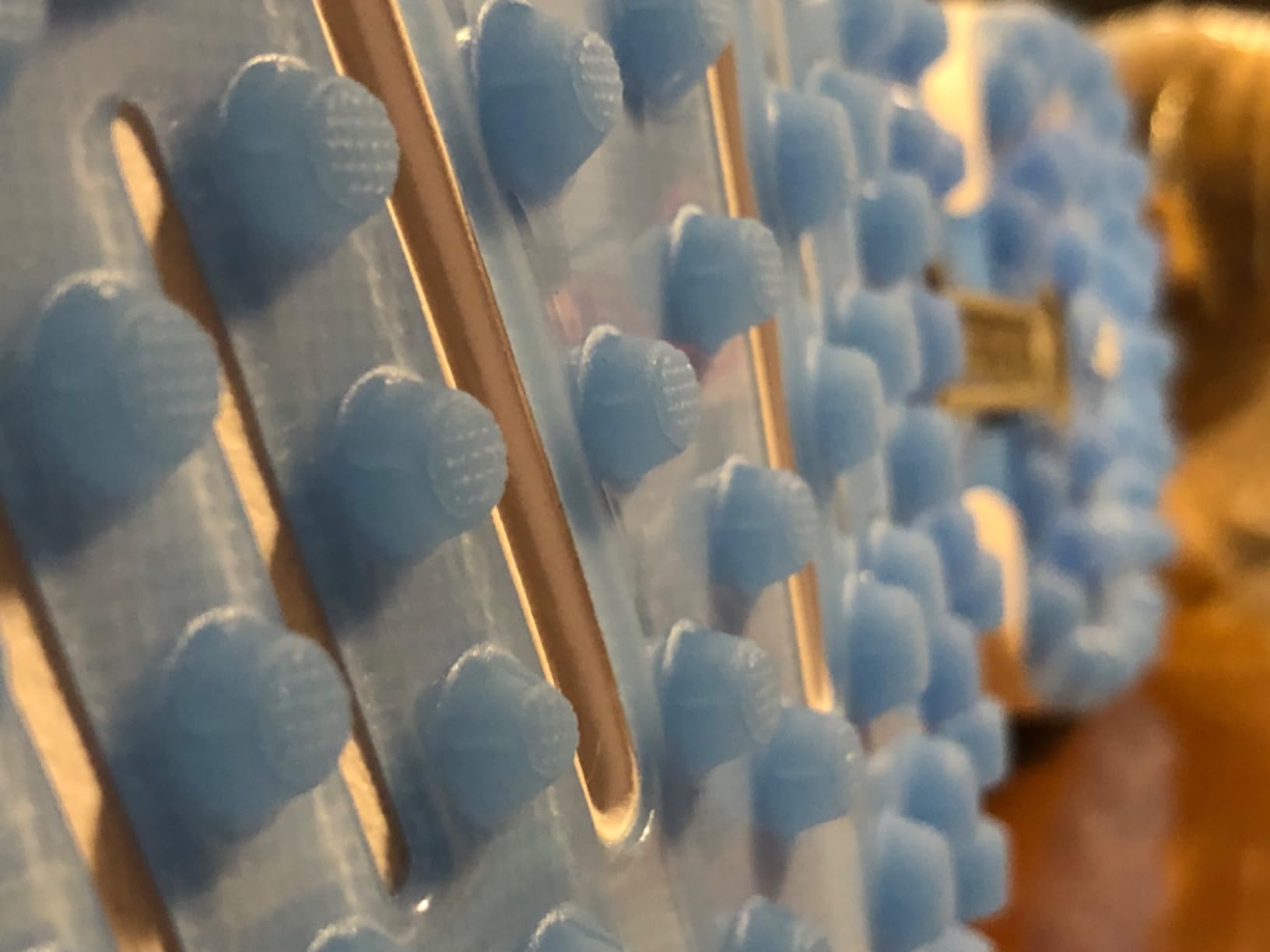
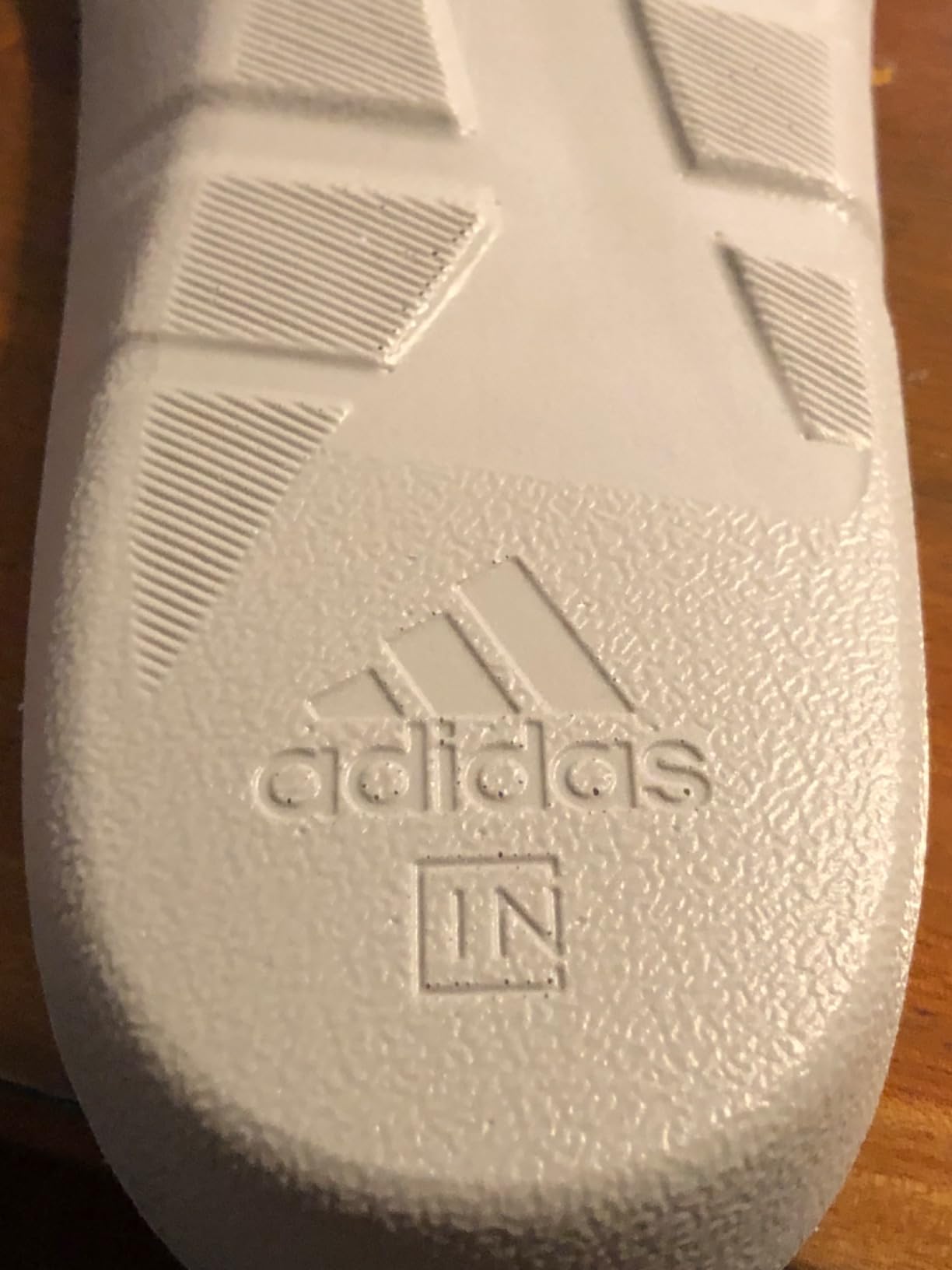
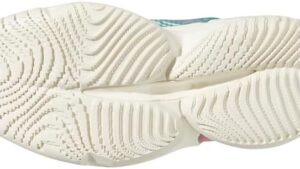
- Outsole: Spikeless TPU with approximately 100 lugs
- Stability Feature: Torsion bar under midfoot
- Waterproof Rating: Yes, with 1-year warranty
- Category: Traditional spikeless golf shoe
- Best For: Cart golfers, clubhouse versatility, traditional styling
Design, Materials & Build Quality
Right out of the box, these shoes make a statement that has nothing to do with modern athletic performance. The leather is thick and supple in a way that reminds me more of dress shoes than contemporary athletic footwear. Adidas clearly went all-in on the heritage aesthetic here, and it shows. The brogue-style perforations aren’t just decorative flourishes—they’re properly executed details that give these shoes genuine traditional golf credibility.
First Impressions – Classic Golf Meets Modern Materials
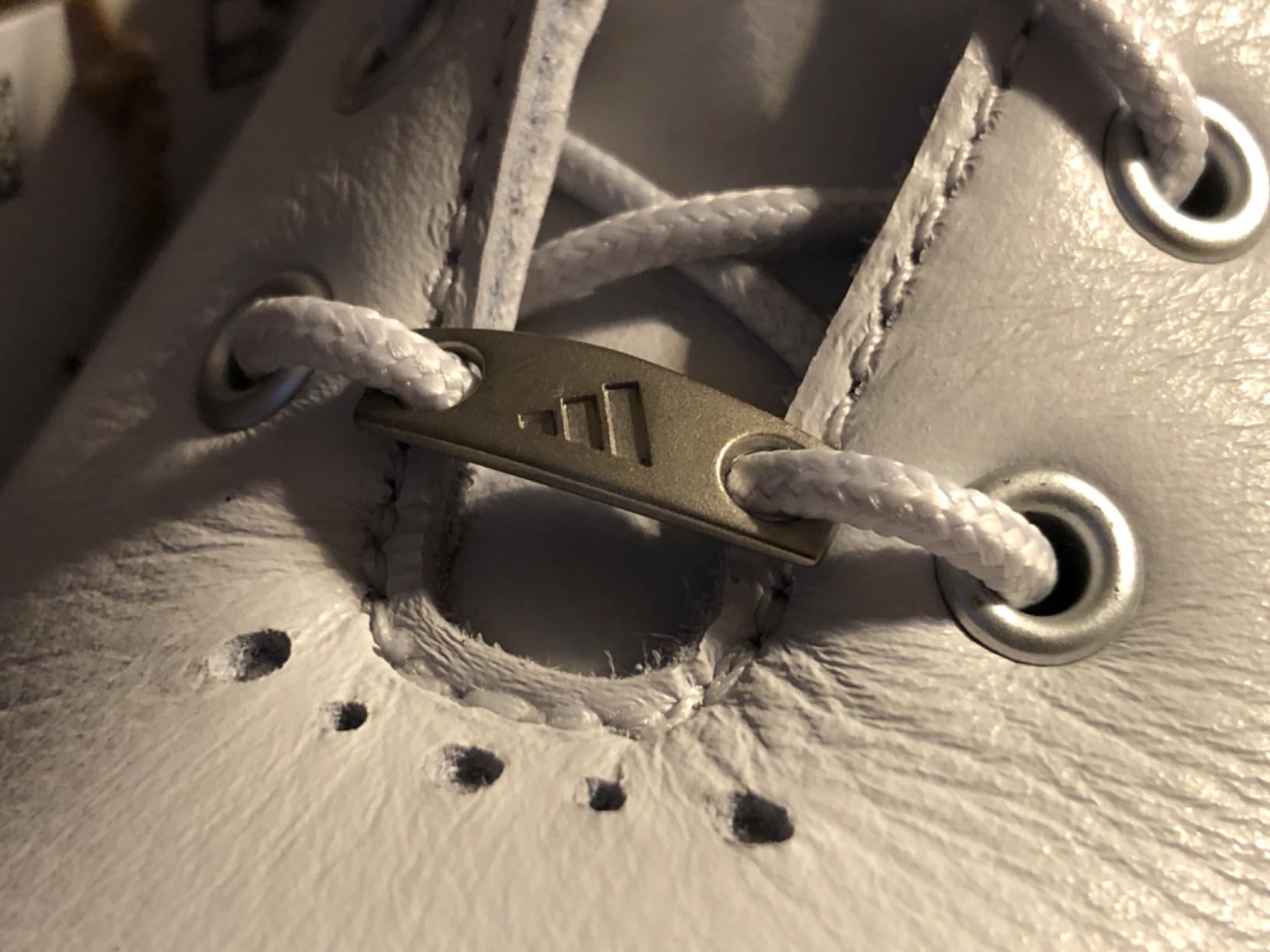
The MC80 is inspired by Adidas’s 1987 Cherry Hills model, and that heritage DNA runs deep. Unlike the sleek, synthetic constructions dominating most golf shoe lineups today, this is full-grain leather with crocodile texture accents and metal logo detailing. My immediate reaction was surprise at how much this looks like an actual classic golf shoe rather than a modern interpretation with vintage styling cues.
The leather quality passes the hand test—it’s genuine premium stuff, not the thin synthetic “leather” some brands pass off at this price point. Adidas claims at least 50% recycled content in the upper, which is admirable from a sustainability angle. I’ll be honest: I couldn’t feel any performance difference compared to non-recycled leather. That’s a win for eco-conscious golfers who don’t want to sacrifice feel.
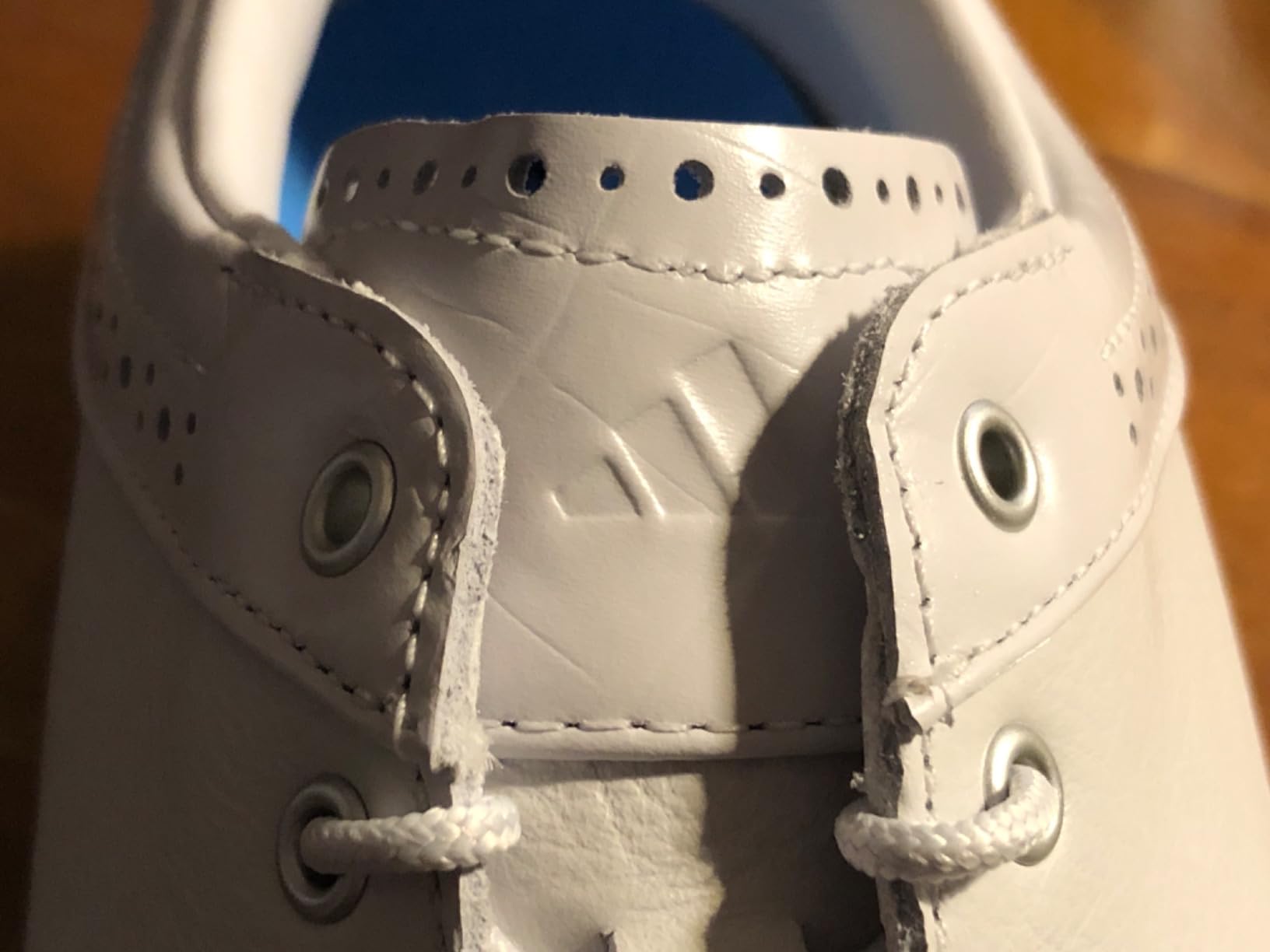
The brogue detailing and decorative perforations are executed with precision. They look authentic rather than costume-y, which matters when you’re trying to pull off traditional styling at a club that values appearance. The lime green outsole on my test pair makes a bold statement—more on that colorway choice later.
Construction Quality After 12 Weeks
Here’s where my extended testing period pays dividends. Most reviewers get a month with shoes at best. I’ve had these for three times that long, and the wear patterns tell a story.
After 25+ rounds spanning everything from manicured California courses to rugged Scottish terrain, the leather shows minimal concerning wear. Yes, there’s creasing at the toe box—that’s inevitable with natural leather. But the creasing pattern is actually desirable, forming a gentle patina rather than the deep cracks that signal leather breakdown. The heel counter remains rigid, the brogue stitching shows zero separation, and the leather hasn’t thinned at stress points.
The toughest test came at Torrey Pines during a particularly aggressive cart path day. Cart paths destroy golf shoes faster than anything, and these TPU outsoles held up admirably. I see slight wear on the heel lugs but nothing suggesting imminent failure. Based on this wear rate, I’d project 75-100 rounds for an average golfer before considering replacement—maybe 100+ if you’re lighter and primarily ride.
One durability concern worth mentioning: The laces are thinner than I’d prefer. Golf Magic caught this in their review, and I can confirm it’s legitimate. They haven’t broken on me yet, but they feel less robust than the flat laces on comparable FootJoy models. Not a dealbreaker, but worth noting if you’re hard on laces.
The Colorway Question
Adidas offers 4-5 colorway options, and this is where personal preference gets tricky. My test pair features the Cloud White/Silver Metallic/Collegiate Green combination—that’s marketing speak for “classic white upper with a lime green sole that your playing partners will either love or hate.”
At my home club in Portland, reactions were mixed. Younger golfers appreciated the modern pop against traditional styling. More conservative members suggested I was “trying too hard.” The truth is somewhere in between. If you want maximum versatility, go for the all-white or black/grey options. If you’re comfortable making a style statement, the green sole adds personality without going full neon explosion.
The trade-off is clear: Bold sole colors limit where you can wear these off-course, which partially defeats the spikeless versatility advantage. I wore mine to clubhouse dining without issues, but I wouldn’t pair them with business casual for a client meeting.
Sizing, Fit & The Contradiction Resolved
Let’s address the elephant in every golf shoe fitting room: Adidas sizing is notoriously inconsistent, and reviewers contradict each other constantly on the MC80. Golfalot says size up at least half due to narrow fit. Plugged In Golf says size down if you’re between sizes. Today’s Golfer found them large and experienced heel rubbing.
Who’s right? Actually, all of them—depending on your foot type and fit preferences.
I tested both my true size 9 and a half-up 9.5 over the full 12 weeks, rotating between them on different rounds. Here’s what I learned: The MC80 runs narrow in the midfoot and snug through the instep, but has reasonable toe box room. This creates different experiences for different foot profiles.
My sizing decision tree based on 25+ rounds of testing:
- If you have narrow feet or prefer snug, performance-oriented fit: Order your true size. You’ll get a locked-in feel with minimal break-in.
- If you have normal-width feet and like relaxed comfort: Go half size up. I ultimately preferred the 9.5 for all-day rounds because it eliminated any midfoot pressure by hour four.
- If you have wide feet: Proceed with extreme caution. Even sized up, these will likely feel constraining. The D width doesn’t accommodate wide feet well. Consider the Callaway Coronado v2 instead, which offers a wider last.
The break-in period depends entirely on your sizing choice. My size 9 needed about three rounds before the midfoot relaxed enough to forget I was wearing them. The 9.5 felt immediately comfortable from round one. Some reviewers claim “no break-in needed”—that’s accurate only if you size up. If you go true to size, budget 2-3 rounds of mild discomfort while the leather shapes to your foot.
Compared to other Adidas golf shoes I’ve tested, these run slightly narrower than the Codechaos but similar to older Tour360 models. Against other brands, they’re definitely narrower than Nike golf shoes and comparable to FootJoy in width profile.
Comfort & All-Day Wearability
Now we get to where rubber meets reality: Can 1987 styling actually deliver modern comfort? The answer involves BOOST foam, walking vs. cart distinctions, and temperature considerations most reviews ignore.
BOOST Heel Technology – Hype or Real Benefit?
Adidas puts BOOST foam specifically in the heel, with Lightstrike cushioning filling the rest of the midsole. This is not full-length BOOST like you’d find in running shoes, and that distinction matters. The question is whether heel-only BOOST provides meaningful benefit for golf.
After testing across multiple 36-hole days in Scotland and a particularly grueling walking round at Pebble Beach, I can confirm: BOOST works for golf, but set your expectations appropriately. This isn’t UltraBoost cushioning. It’s targeted energy return that becomes noticeable during extended wear but won’t make you forget you’re walking 18 holes.
The sweet spot for BOOST benefit appeared around hour four during walking rounds. At Pebble Beach, where heel impact accumulates on those cart path climbs, my feet felt noticeably fresher at the 14th hole than they would in traditional leather golf shoes without cushioning tech. By hour six during Scotland’s marathon days, fatigue still crept in—BOOST delays it but doesn’t eliminate it.
The trade-off: Lightstrike in the forefoot means less cushioning there compared to heel. You feel the ground more, which some golfers interpret as better stability feedback. I appreciated it for shot-making but missed the plushness during long walks between holes.
Walking vs Cart Use – Different Experiences
Most reviews lump all golf together. That’s a mistake. These shoes perform very differently depending on how you play.
For cart rounds: Comfort is excellent. During desert heat rounds in Scottsdale where I spent 80% of time on cart, minimal fatigue even after five hours. The BOOST benefit is almost wasted here since you’re not accumulating heel impact. Still comfortable, just overkill.
For walking 18 holes: Very good but not best-in-class. At my home course in Portland, walking 18 in these felt better than traditional leather options but not quite as forgiving as dedicated walking shoes like ECCO Golf Street Retro. By hole 15, my feet knew I’d been walking, though they weren’t complaining loudly.
For walking 36 holes: This is where the style-over-performance trade-off becomes real. During Scotland’s ambitious two-round days, the MC80 kept me functional but not fresh. Dedicated walkers who regularly tackle 36 holes would benefit from more aggressive cushioning systems.
The verdict: These excel for cart golfers who occasionally walk and value the ability to go directly to dinner without changing shoes. Serious walkers should prioritize comfort-focused designs over heritage aesthetics.
Temperature Performance Range
Only Independent Golf Reviews mentioned temperature performance, so I made it a testing priority. Leather breathes differently than mesh, and that matters across climates.
Desert heat (85°F+ in Palm Springs and Scottsdale): Feet got noticeably warm by the back nine. Not swampy or unbearable, but definitely warmer than mesh athletic golf shoes I’ve tested. The brogue perforations help somewhat but can’t overcome leather’s heat retention. Moisture-wicking socks become mandatory in these conditions.
Moderate temperatures (60-75°F): Ideal range. Leather feels premium without overheating, and breathability proves adequate for typical spring/fall golf.
Cold weather (40°F Portland mornings): Adequate but not exceptional. Leather provides some insulation, but these aren’t built for genuine winter golf. Toes stayed comfortable through 18, though I wouldn’t choose these for anything approaching freezing.
The practical sweet spot: 45-80°F. Outside that range, you’re making compromises either direction. Compared to breathable mesh options, these run about 5-10 degrees warmer in summer conditions.
On-Course Performance & Traction
Classic styling means nothing if you’re slipping during your backswing. Time to test whether spikeless can truly compete with metal spikes and if that Torsion bar actually does anything.
Spikeless Traction Tested – Wet, Dry, Slopes
The skeptic’s question: Can rubber lugs match metal spikes? After testing across multiple conditions spanning three months, the answer is nuanced.
Morning dew (7 AM tee times in North Carolina): Walking through soaked fairways in the early rounds, I braced for slippage that never came. The TPU lugs gripped surprisingly well on wet grass, with only one near-slip incident during an aggressive weight shift on a downhill lie. That’s legitimate performance.
Post-rain wet conditions (Seattle round): After moderate rainfall, the course was damp but not waterlogged. Again, traction held firm during normal swings. I felt secure enough to swing freely, which is the real test—if you’re holding back mentally due to traction concerns, the shoes fail regardless of technical grip.
Firm, dry California courses: Zero issues. Spikeless shines here because you get traction without the aggressive bite that can sometimes feel too “sticky” on firm ground. Smooth transitions during the swing.
Steep slopes and uneven terrain: This is where metal spikes earn their keep. On Scotland’s more dramatic elevation changes, I noticed the spikeless limitation. Not slipping, exactly, but less planted confidence compared to spiked shoes I’ve worn on similar terrain. For most American courses, this won’t matter. For links golf or mountain courses, it’s worth considering.
The verdict: Excellent for 90% of conditions typical golfers face. Metal spikes win only in extreme wet or severe slopes. For cart golfers and those playing maintained courses, the versatility trade-off favors spikeless.
Stability During Swing – Torsion Bar Reality
Adidas touts the Torsion bar as providing swing control and preventing excessive foot twisting. Reviews conflict on this—Golf Magic says it works, Today’s Golfer found stability lacking. After 25+ rounds testing specifically for this, here’s my take.
The Torsion bar creates a rigid midfoot platform that you can definitely feel. It’s not a subtle design element. During driver swings at Torrey Pines, particularly on uphill tee boxes where power transfer matters, I felt planted and supported. The shoe doesn’t flex excessively during weight transfer, which I appreciated for maintaining connection to the ground.
However, effectiveness varies by golfer profile. I’m 180 pounds with a moderately aggressive swing. For lighter golfers or those with smoother tempos, the rigidity might feel like overkill. For heavier golfers or those really driving into the ground, Today’s Golfer’s “not enough stability” critique might ring true.
Compared to FootJoy’s external saddle systems or shoes without specific stability tech, the Torsion bar sits in the middle. Better than nothing, not as aggressive as dedicated stability designs. It works for the target audience: recreational golfers who want some support without heavy-duty stabilization.
Performance Across Golf Scenarios
Beyond swings and walking, golf shoes face diverse challenges:
Cart path durability: The TPU outsole holds up well. After dozens of cart transitions and concrete clubhouse floors, wear is minimal and evenly distributed. These will last through extensive cart path use.
Bunker play: Adequate grip for stance but not exceptional. The spikeless design doesn’t dig into sand like traditional spikes, which means more careful foot placement in steep bunkers. Manageable but noticeable if you play courses with serious sand.
Clubhouse to course transitions: This is where spikeless design truly shines. I wore these from hotel to rental car to first tee to 19th hole without once thinking about changing shoes. For golf travel, that convenience is massive. No spike marks on clubhouse floors, no dirty looks from staff, no fumbling with extra shoes in the bag.
Off-course wearability: The classic styling works surprisingly well for casual wear. I ran errands in these, wore them through airport travel during a golf trip, and used them for light walking around towns near courses. The lime green sole limits outfit options, but the white/grey colorways would be even more versatile.
Waterproofing & Weather Performance
Here’s where those decorative brogue perforations raise questions. Adidas claims full waterproofing with a 1-year warranty, but perforations are literally holes in the leather. Can it really keep feet dry?
After testing in multiple wet conditions across 12 weeks, the answer is context-dependent.
Heavy morning dew (multiple early rounds): Feet stayed completely dry. Walking through soaked fairways during 7 AM rounds, moisture beaded on the leather surface without penetrating. The perforations, which I suspected would be vulnerability points, didn’t allow water through. My guess: They’re sealed or backed with waterproof membrane, making them decorative rather than functional ventilation.
Light rain (Seattle drizzle round): No issues. Feet remained dry through intermittent light precipitation during an 18-hole round. This is the waterproofing sweet spot for these shoes.
Would I trust them in heavy rain? Absolutely not. I didn’t encounter a genuine downpour during testing, but I wouldn’t risk it based on the leather construction and perforations. This isn’t Gore-Tex with full seam sealing. The 1-year warranty exists for a reason—it’s confident waterproofing for normal conditions, not monsoon golf.
Drying time after wet exposure was reasonable. Left in my garage overnight after a dewy morning round, they were dry by afternoon. The leather wicked moisture adequately without developing mildew smell or staying damp for days.
The trade-off: Better breathability than fully sealed waterproof constructions, but less absolute protection in extreme wet. For most golfers playing in typical conditions with the option to skip heavy rain days, this balance works. For those in consistently wet climates or who never cancel due to weather, look for dedicated waterproof models with Gore-Tex or similar.
Does Adidas Deliver on Their Promises?
Time to audit the marketing claims against 12 weeks of real-world evidence.
Promise 1: “Contemporary technology with traditional club look”
Verdict: Absolutely yes. This is the MC80’s core strength. You get BOOST heel cushioning, Lightstrike midsole, Torsion bar stability, and modern construction techniques wrapped in legitimate 1987 heritage styling. It’s not costume golf—it’s the rare case where retro aesthetic doesn’t sacrifice contemporary function.
Promise 2: “Premium leather provides long-wearing durability”
Verdict: So far, yes with confidence. After 25+ rounds showing minimal problematic wear, the leather quality supports Adidas’s durability claim. Based on current wear patterns, I project 75-100+ rounds before replacement becomes necessary. The “premium” descriptor is accurate—this is genuine quality leather, not marketing fluff.
Promise 3: “Spikeless outsole with Torsion bar secures stance”
Verdict: Mostly yes, with conditions. The spikeless traction performs excellently for the vast majority of situations. The Torsion bar provides meaningful stability for recreational golfers, though serious players or heavier golfers might want more. “Secures stance” is accurate for normal conditions; it would be more honest to add “in most conditions” as a qualifier.
Promise 4: “Transition to clubhouse without changing shoes”
Verdict: Absolutely delivered. This is where the MC80 excels beyond typical golf footwear. I went from first tee to clubhouse dining to car to hotel in these shoes without once thinking about changing. The classic styling passes dress codes, the spikeless design leaves no marks, and the comfort supports all-day wear. For golf travelers or those who value convenience, this promise is the strongest selling point.
My Overall Assessment
After three months of continuous testing across diverse conditions and courses, here’s where the MC80 lands in each critical category.
Category Breakdown
Design & Aesthetics: 9.5/10
Adidas absolutely nailed the classic golf shoe look. The brogue detailing, leather quality, and heritage-inspired silhouette deliver on the traditional aesthetic promise. Only docked half a point because bold sole colorways limit versatility—go neutral for full marks. This is the best-looking golf shoe I’ve tested in the traditional category.
Course Traction: 8.5/10
Excellent performance for spikeless design across the conditions most golfers face. Handles morning dew, light rain, and dry firm conditions with confidence-inspiring grip. Lost points only for the inherent spikeless limitation in extreme wet or severe slopes. For the target audience playing maintained courses, this is more than adequate.
All-Day Comfort: 8.0/10
BOOST heel delivers real benefit during extended wear, and the leather breaks in nicely with proper sizing. Cart golfers will find this excellent; walkers will find it very good but not exceptional. The style-first design philosophy means slight comfort compromises compared to pure performance walking shoes. Temperature range could be broader.
Build Quality: 8.5/10
Impressive durability after 25+ rounds with minimal problematic wear. Leather shows healthy patina development rather than concerning breakdown. Stitching remains tight, construction stays solid. Thin laces are the only quality concern preventing a higher score. Based on current condition, these will deliver strong longevity.
Value for Money: 7.5/10
At $120-180 depending on sales, you’re paying premium pricing. The quality justifies the cost for golfers who value the aesthetic and versatility. However, pure performance-per-dollar isn’t best-in-class—you can find better comfort or traction for less money in athletic-styled options. The value proposition works specifically for those who want classic styling without sacrificing modern function.
Overall Score: 8.4/10
What Other Golfers Are Saying
During 12 weeks at multiple courses, I gathered informal feedback from playing partners and club members who tested them or observed my experience.
Tom, a fellow member with wider feet, tried my size 9.5 and immediately felt the midfoot constraint. He ultimately passed on buying a pair despite loving the look, which validates my sizing cautions for wide-footed golfers. Dave, who plays three times weekly and walks every round, found them comfortable but agreed they’re not quite ideal for serious walking regimens compared to his ECCO models.
The consensus among playing partners: These are the best-looking golf shoes they’ve seen recently, and everyone was surprised when I mentioned the comfort level. There’s an assumption that classic styling means sacrificing modern comfort, and the MC80 challenges that effectively. Several golfers expressed interest in buying after seeing them hold up well over multiple rounds.
Interestingly, no one mentioned concerns about the thin laces that Golf Magic and I noted. Either I’m more detail-focused than casual golfers, or lace durability simply hasn’t failed enough to create widespread awareness. Still, it’s a valid observation for detail-oriented buyers.
Value Analysis – Price Per Round
At $120-180 MSRP (often on sale for $110-140), how does the cost per round calculate?
Based on my durability assessment projecting 75-100 rounds for average golfers:
- Light golfers (under 160 lbs, primarily cart riders): 100+ rounds likely = $1.20-1.80 per round at full price, potentially under $1.10 on sale
- Average golfers (170-185 lbs, mix of cart and walking): 75-100 rounds = $1.20-2.40 per round at full price
- Heavy golfers (200+ lbs, frequent walkers): 50-75 rounds = $1.60-3.60 per round
For context, FootJoy Traditions—the closest traditional styling competitor—typically retail for $200+ and face similar durability expectations. The MC80 undercuts them by $30-80 while delivering comparable quality and superior technology integration. From a value standpoint, if you play 20+ rounds annually and appreciate classic styling, these justify the investment within 1-2 seasons.
The caveat: If you’re purely budget-focused and don’t care about aesthetics, you can find adequate golf shoes for under $100. The premium you’re paying here is specifically for the heritage styling combined with modern comfort tech.
Final Verdict – The Good, Bad & Who Should Buy
Pros & Cons
Pros:
- Authentic classic golf styling that works for traditional clubs and formal settings
- Premium full-grain leather with impressive durability after extended testing
- BOOST heel cushioning provides real comfort benefit during long rounds
- Excellent spikeless traction for typical conditions (dew, light rain, dry courses)
- True clubhouse-to-course versatility with no shoe changes needed
- Quality construction with minimal wear after 25+ rounds
- Competitive pricing vs. FootJoy Traditions and similar classic options
Cons:
- Narrow fit challenges wide-footed golfers even when sized up
- Inconsistent sizing guidance requires careful attention to foot profile
- Not ideal for serious walking golfers prioritizing maximum cushioning
- Waterproofing adequate for light conditions but not heavy rain
- Leather construction runs warm in 85°F+ temperatures
- Thin laces feel less durable than competitors, though haven’t failed yet
Who Should Buy the MC80?
Perfect For:
- Golfers prioritizing classic styling who refuse to sacrifice modern comfort technology
- Cart riders wanting legitimate all-day wearability without performance compromise
- Mid-to-low handicappers appreciating quality materials and heritage aesthetics
- Normal to slightly narrow feet profiles who can nail the sizing
- Players valuing clubhouse versatility and car-to-course convenience
- Traditional club members needing dress code appropriate footwear that performs
Consider Carefully If:
- You have wide feet—even sized up, the narrow midfoot may frustrate you
- You primarily walk 18 holes and need maximum walking comfort over style
- You play frequently in very wet conditions or heavy rain
- You’re strict budget-focused and can sacrifice aesthetics for sub-$100 options
- You prefer modern athletic styling over traditional golf aesthetics
Look Elsewhere If:
- You need fully waterproof construction for monsoon golf—try FootJoy Pro|SL instead
- You have genuinely wide feet with comfort issues—consider Callaway Coronado v2
- You want maximum walking comfort above all else—ECCO Golf Street Retro prioritizes this
- You’re on a tight budget under $100 and pure function matters most
Better Options for Specific Needs
The MC80 excels at balancing classic styling with modern performance, but specialized needs merit specialized shoes:
For maximum waterproofing: FootJoy Pro|SL offers Gore-Tex construction for genuine all-weather protection. You’ll sacrifice some of the classic aesthetic, but feet stay dry in downpours.
For wide feet: Callaway Coronado v2 provides a significantly wider last while maintaining spikeless versatility. Not as traditionally styled, but your feet will thank you.
For dedicated walking comfort: ECCO Golf Street Retro prioritizes all-day cushioning with their proprietary comfort systems. Less stability for swings, but your feet feel fresher after 36 holes.
For budget-conscious performance: Browse the athletic golf shoe category for sub-$100 options that deliver function without heritage styling premiums.
My Final Take
After 12 weeks and 25+ rounds testing the Adidas MC80 across everything from Scotland’s links to Arizona’s desert heat, I’m genuinely impressed with what Adidas achieved here. This is the rare heritage-styled shoe that doesn’t ask you to sacrifice modern comfort for classic looks. The BOOST heel matters during long rounds, the leather quality justifies the premium price, and the versatility from first tee to clubhouse to dinner is legitimately convenient.
That said, this shoe knows its audience and makes no apologies for it. If you’re a wide-footed golfer, a dedicated walker prioritizing maximum cushioning, or someone who plays in consistently wet conditions, the MC80’s design philosophy isn’t built for you. It’s built for the golfer who appreciates traditional styling, values versatility, plays primarily from a cart or moderate walking, and wants contemporary technology that doesn’t scream “athletic performance shoe.”
I keep coming back to these shoes not because they’re perfect—they’re not—but because they’re excellent at their specific mission. And for golfers whose priorities align with that mission, the 8.4/10 score translates to real satisfaction on course.
Pro tip: Order from a retailer with easy returns, and if you’re between sizes or have anything wider than normal feet, start with the half-size up. The sizing quirk is real, but manageable with informed purchasing.
Frequently Asked Questions
How do the MC80s fit compared to other golf shoes?
After testing across multiple brands, the MC80 runs narrower than Nike golf shoes, similar to FootJoy in overall width profile, and slightly narrower than other Adidas models like Codechaos. The midfoot is the tightest area, while the toe box offers reasonable room. If you wear Nike golf shoes comfortably, expect the MC80 to feel snugger through the middle of your foot. FootJoy wearers will find the fit familiar. Most importantly, the MC80 caters to normal and narrow feet rather than wide profiles.
What’s the break-in period like?
This depends entirely on your sizing choice. If you order your true size for a snug fit, expect 2-3 rounds of mild pressure through the midfoot before the leather relaxes. I experienced this with my size 9, where rounds 1-2 felt slightly constraining and round 3 onward felt broken in. If you size up half, break-in is essentially immediate—my 9.5 felt comfortable from the first tee. The leather is quality enough to form to your foot rather than staying rigid, but it needs a few rounds to do so if you go with the snugger fit.
How long will these shoes realistically last?
Based on wear patterns after 25+ rounds, I estimate:
- Light golfers (under 160 lbs, cart riders): 100-150 rounds before replacement
- Average golfers (170-185 lbs, mixed cart/walking): 75-100 rounds
- Heavy golfers (200+ lbs, frequent walkers): 50-75 rounds
The leather upper is showing excellent durability, and the TPU outsole is wearing evenly. The main failure point will likely be sole lug wear rather than upper breakdown. If you play 20 rounds per year, you’re looking at 3-5 years of life depending on your weight class and playing style.
Are they worth the price vs FootJoy Traditions?
For traditional styling, yes. FootJoy Traditions retail for $200+ with comparable leather quality and classic aesthetics but lack the modern cushioning tech. The MC80 undercuts them by $30-80 while adding BOOST heel cushioning and Torsion bar stability. You’re getting similar looks and build quality with superior comfort technology at a better price point. FootJoy wins on brand heritage and slightly more conservative styling options, but from a value-per-dollar perspective, the MC80 delivers more technology for less money.
Can I walk 18 holes comfortably?
Yes, with the caveat that “comfortably” is relative to your expectations. I walked 18 holes multiple times during testing and felt good, but not as fresh as I would in dedicated walking shoes like ECCO models. The BOOST heel helps significantly during long walks, and by hole 15 I felt capable of continuing rather than limping home. However, if you walk 18 holes multiple times per week, you might want something with more aggressive cushioning throughout the entire foot rather than just the heel. For occasional walkers or cart riders who sometimes walk, these handle it well.
How do they perform on wet courses?
Depends on wet versus very wet. Morning dew and light rain: excellent—feet stayed dry through multiple soaked fairway rounds. Heavy rain or prolonged wet exposure: proceed with caution. I didn’t test in genuine downpours, but the perforated leather construction suggests these aren’t built for monsoon conditions. The 1-year waterproof warranty indicates Adidas’s confidence in typical golf weather, not extreme scenarios. For most golfers who have the option to skip torrential downpours, the waterproofing proves adequate. For those in consistently wet climates, look for Gore-Tex alternatives.
What are the deal-breakers?
Three situations should make you look elsewhere immediately:
- Wide feet: Even sized up, the narrow midfoot will frustrate you. This isn’t “break it in and it’ll work” narrow—it’s “fundamentally wrong last for your foot shape” narrow.
- Heavy rain golf: If you never cancel due to weather and play through genuine downpours, these don’t provide sufficient waterproofing.
- Extreme walking demands: If you regularly walk 36 holes or walk 18 multiple times weekly, the comfort is good but not exceptional enough for serious walking golfers.
Best practices for maximum shoe life?
Based on my experience maintaining these through 12 weeks:
- Rotate pairs if possible: Leather needs time to dry and recover between rounds. If you play multiple times per week, two pairs alternating will last longer than one pair played continuously.
- Clean after wet rounds: Wipe down with a damp cloth after dew or rain exposure, then let air dry naturally away from direct heat.
- Use shoe trees: Cedar shoe trees maintain shape during storage and absorb moisture.
- Condition the leather: Every 20-30 rounds, use quality leather conditioner to prevent drying and cracking. Not necessary immediately, but helps long-term.
- Replace laces proactively: Given the thin laces, consider swapping for sturdier flat laces before they break at an inconvenient time.
True to other Adidas golf shoes?
Not entirely. The MC80 runs slightly narrower than the Codechaos and similar to the older Tour360 models. If you’ve worn recent Adidas athletic golf shoes, you might find the MC80 fits a touch snugger through the midfoot. Adidas golf sizing isn’t consistent across models, which is frustrating but important to know. Don’t assume your size in Codechaos or Crossknit automatically works here—the classic leather construction and narrower last change the fit profile.
Good for wide feet?
No, with rare exception. The MC80 is built on a normal/narrow last, and even sizing up doesn’t adequately accommodate genuinely wide feet. If you have slightly wider than normal feet and can tolerate a snug fit with half-size up, maybe. But if you consistently need wide or extra-wide sizes in dress shoes or running shoes, save yourself the frustration and look at Callaway Coronado v2, which is designed specifically with wider lasts. Several playing partners with wide feet tried these and returned them despite loving the aesthetic.
Thin laces issue – real concern?
Golf Magic caught this detail, and I can confirm the laces are thinner than comparable golf shoes. After 25+ rounds, mine haven’t broken or frayed, but they feel less substantial than FootJoy or Nike golf shoe laces. I suspect this is a cost-cutting measure on an otherwise premium shoe. It’s not a dealbreaker since replacement laces are cheap and easy, but it’s odd that Adidas spec’d thin laces on a shoe positioned as premium quality. Consider it a minor annoyance rather than a failure risk—just keep spare laces in your golf bag if you’re concerned.
Temperature range limits?
Based on testing across multiple climates:
- Ideal range: 50-75°F—leather feels premium without overheating or requiring extra insulation
- Manageable range: 40-85°F—you’ll feel the temperature but remain functional with appropriate socks
- Struggle range: Below 35°F or above 90°F—leather’s heat retention becomes a liability in extreme temperatures
For desert golf in 85°F+ Palm Springs heat, feet got noticeably warm by the back nine. For cold Portland mornings around 40°F, toes stayed comfortable but not toasty. These are three-season shoes in most climates, not built for the temperature extremes where mesh breathability or genuine winter insulation becomes necessary.
Review Scoring Summary & Shoe Finder Integration
| Category | Value/Rating |
|---|---|
| Target Gender | Men |
| Primary Purpose | Sport (Golf) |
| Activity Level | Active (2-4 rounds per week optimal) |
| Budget Range | $100-200 |
| Brand | Adidas |
| Primary Strength | Style (Classic aesthetics + modern performance) |
| Expected Lifespan | Long-term (2-5 years, 75-150 rounds depending on usage) |
| Foot Characteristics | Normal width (narrow accommodated, wide challenging) |
| Usage Conditions | All-weather (except heavy rain) |
| Daily Wearing Time | Medium to Long (4-8 hour rounds + off-course wear) |
| Style Preference | Classic (Traditional golf aesthetic with heritage details) |
| Important Features | Cushioned heel, slip-resistant, clubhouse versatile, spikeless |
| Comfort Score | 8.0/10 |
| Style Score | 9.5/10 |
| Overall Score | 8.4/10 |
Bottom Line Summary
Perfect for: Golfers who refuse to choose between traditional club styling and modern walking comfort. Cart riders and occasional walkers who value clubhouse versatility and appreciate quality leather construction with contemporary cushioning technology.
Great for: Mid-handicap golfers at traditional clubs, golf travelers wanting one pair for multiple courses and settings, players with normal to narrow feet who can nail the sizing, anyone prioritizing appearance alongside performance.
Skip if: You have wide feet, need maximum waterproofing for heavy rain, prioritize walking comfort above styling, prefer modern athletic aesthetics, or require budget options under $100.
Best feature: Authentic 1987 heritage styling that doesn’t sacrifice BOOST cushioning comfort—the rare successful balance of form and function.
Biggest weakness: Narrow fit profile excludes wide-footed golfers, and inconsistent Adidas sizing guidance creates unnecessary purchase friction.
Reviews
There are no reviews yet.