
Forty dollars. That’s what I handed over for these ASHION basketball shoes at 11:47 on a Tuesday night, scrolling through deals half-asleep after a genuinely frustrating year of footwear. I’d already burned through $180 on two pairs of court shoes that fell apart faster than my jump shot — so when these popped up with those loud multi-colored graphics and a price tag that wouldn’t wreck my month, I figured the downside was already priced in. Mike here. I spent six weeks testing these across 18 court sessions, indoors and out, and here’s what I actually found.
Budget basketball shoes are a gamble. The ASHION Mens Basketball Shoes pay out for a specific type of player — and leave everyone else holding a bad hand. The high-top design delivers decent ankle support, the cushioning works for shorter sessions, and the colorways genuinely turn heads on court. But around week three, things start going sideways: insole bunching, eyelets showing stress, and traction that doesn’t hold up once you take them outside. If you play once or twice a week on a clean gym floor, you’ll probably be fine. If your basketball life is more serious than that, keep scrolling.
Technical Specifications
- 💰 Price: $35–45
- ⚖️ Weight: 14.2 oz (men’s size 9)
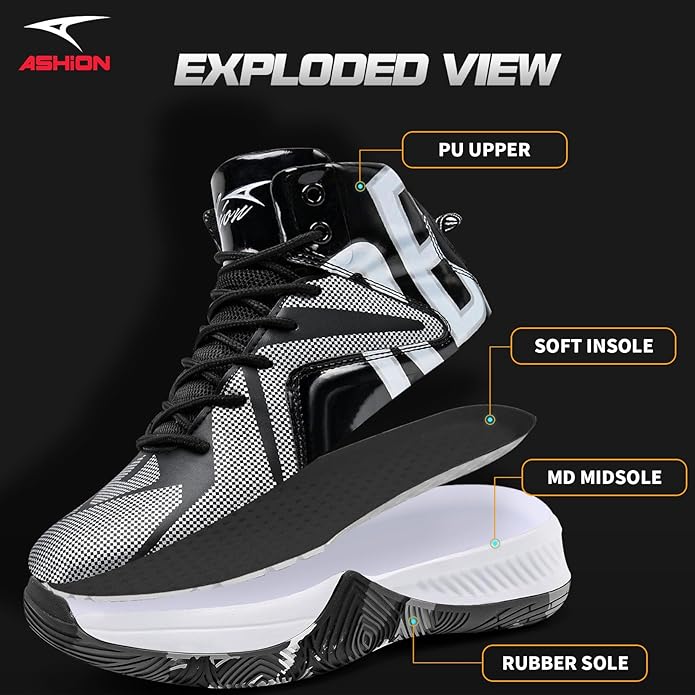
- 🧪 Midsole: MD foam with striped rubber damping
- 👟 Upper: Polyurethane (PU) with mesh panels
- 🏀 Category: Budget basketball / multi-sport
- 🎯 Best for: Recreational basketball, casual court play
At this price point, the ASHION sits below entry-level named brands like the Nike Ebernon Low ($65–75), which offers similar casual court credentials but with a more accountable upper construction. That gap matters when you start comparing durability timelines.
Design, Build Quality & First Impressions
Upper Construction & What You’re Actually Getting
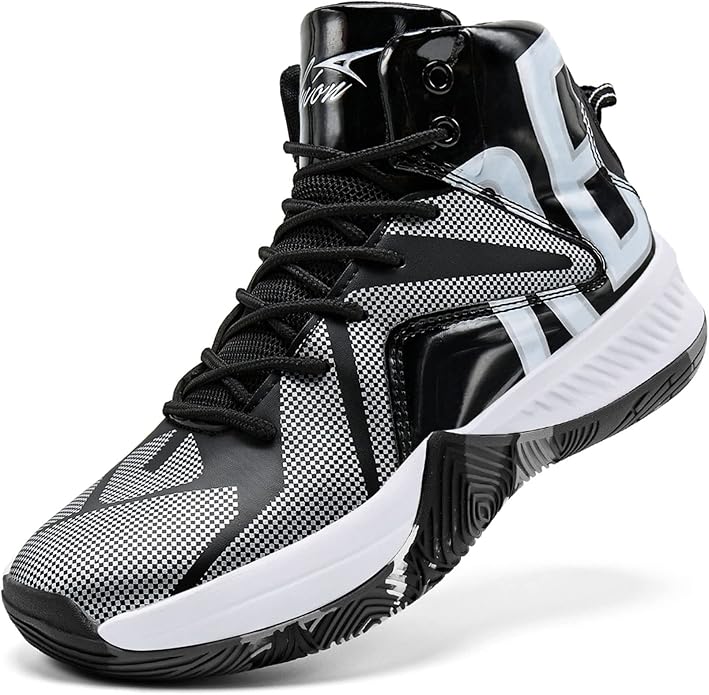
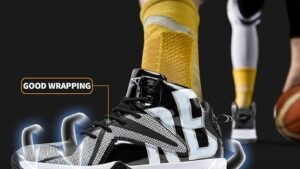
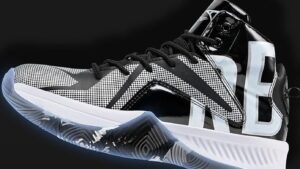
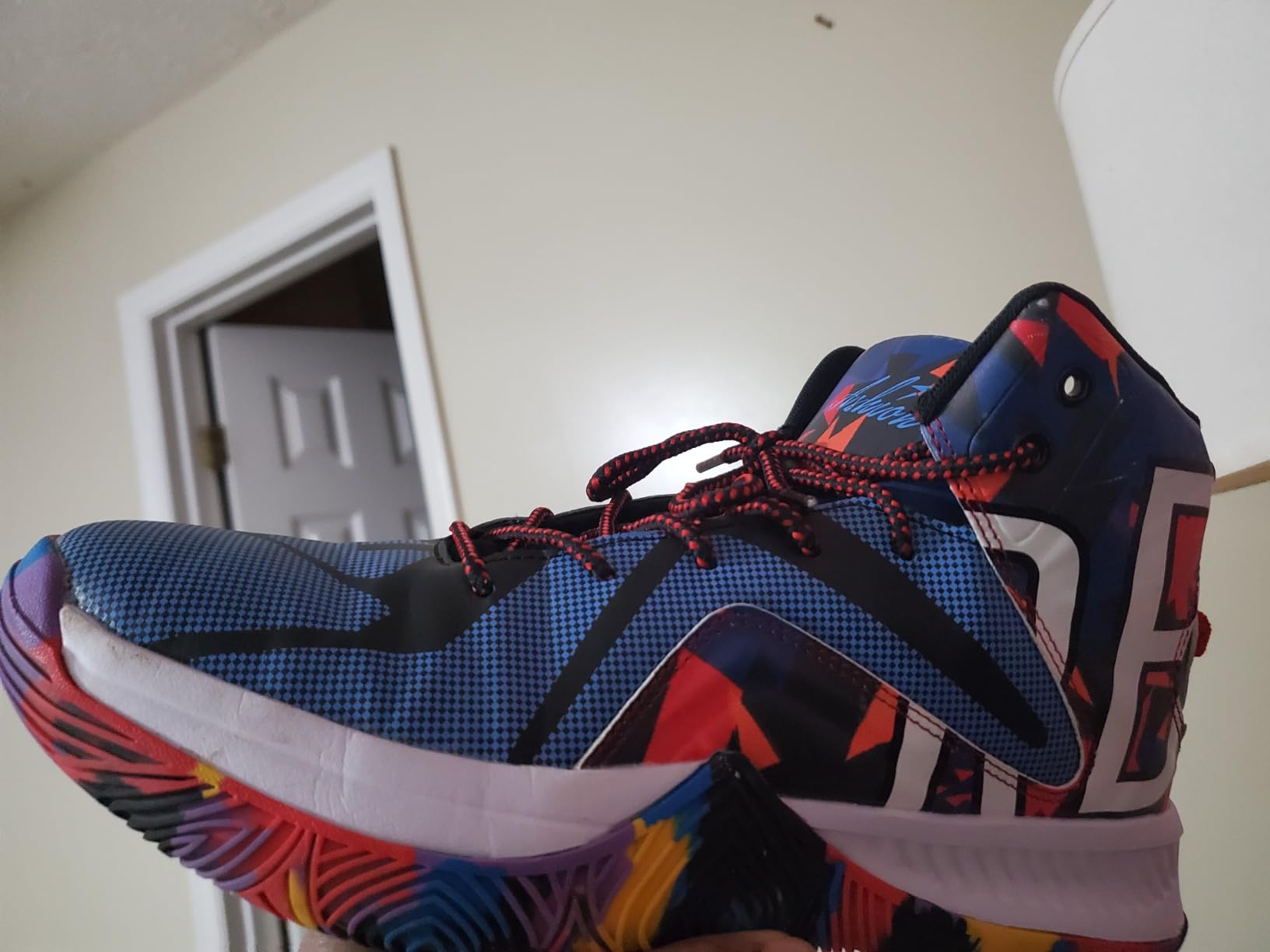
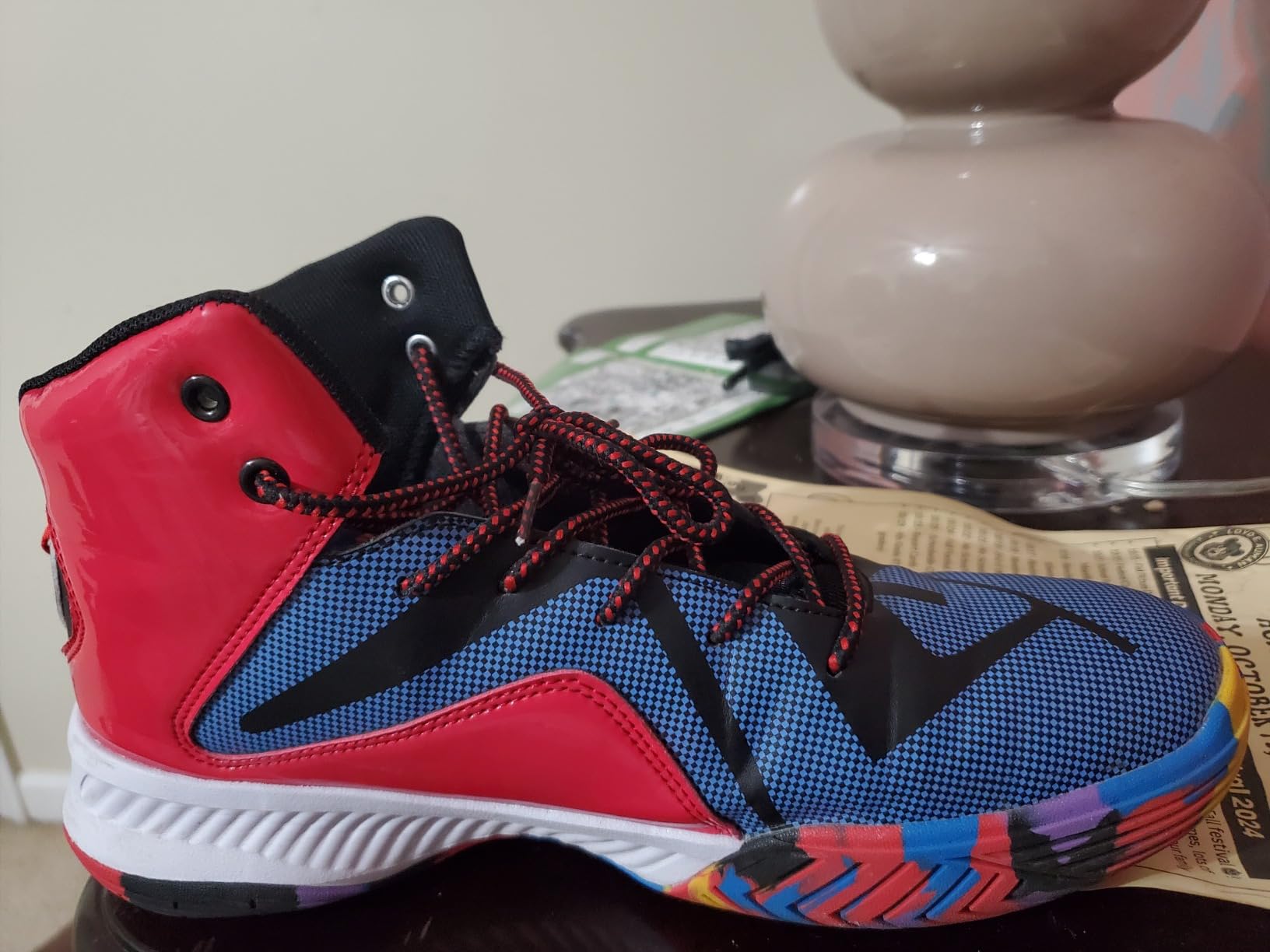
These arrived in a bag, not a box. Not a dealbreaker, but a preview of what the brand prioritizes. Out of that bag came a shoe with more visual personality than I expected — aggressive multi-colored graphics, a clean high-top silhouette, the kind of design that makes people ask questions in the locker room.
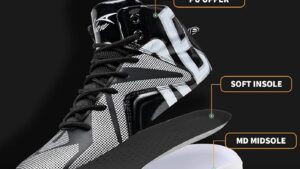
The upper is PU (polyurethane) with mesh panel inserts. ASHION’s listing calls this a “Durable Leather Upper,” which isn’t accurate — PU and leather behave very differently over time. PU is stiffer, doesn’t mold to your foot the same way, and breaks down faster under repeated flexing. It’s not unusual for budget shoes to use PU, but calling it leather sets expectations the material can’t meet.
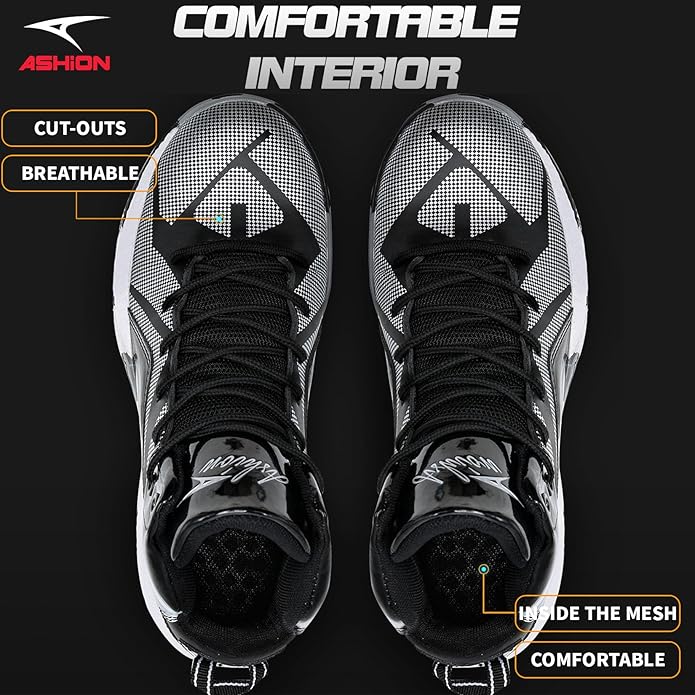
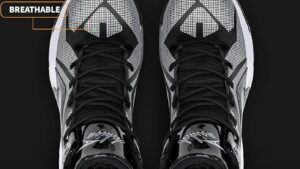
That said, the PU here felt more solid than I expected. Not premium by any stretch, but above the plastic-shell feeling I’d gotten from cheaper shoes I’d tried before. The mesh panels do offer some air circulation — noticeable during lighter warmup periods. During a full 45-minute game with real defensive effort, heat buildup became noticeable around the 30-minute mark. Not unbearable, but something to factor in if you run hot.
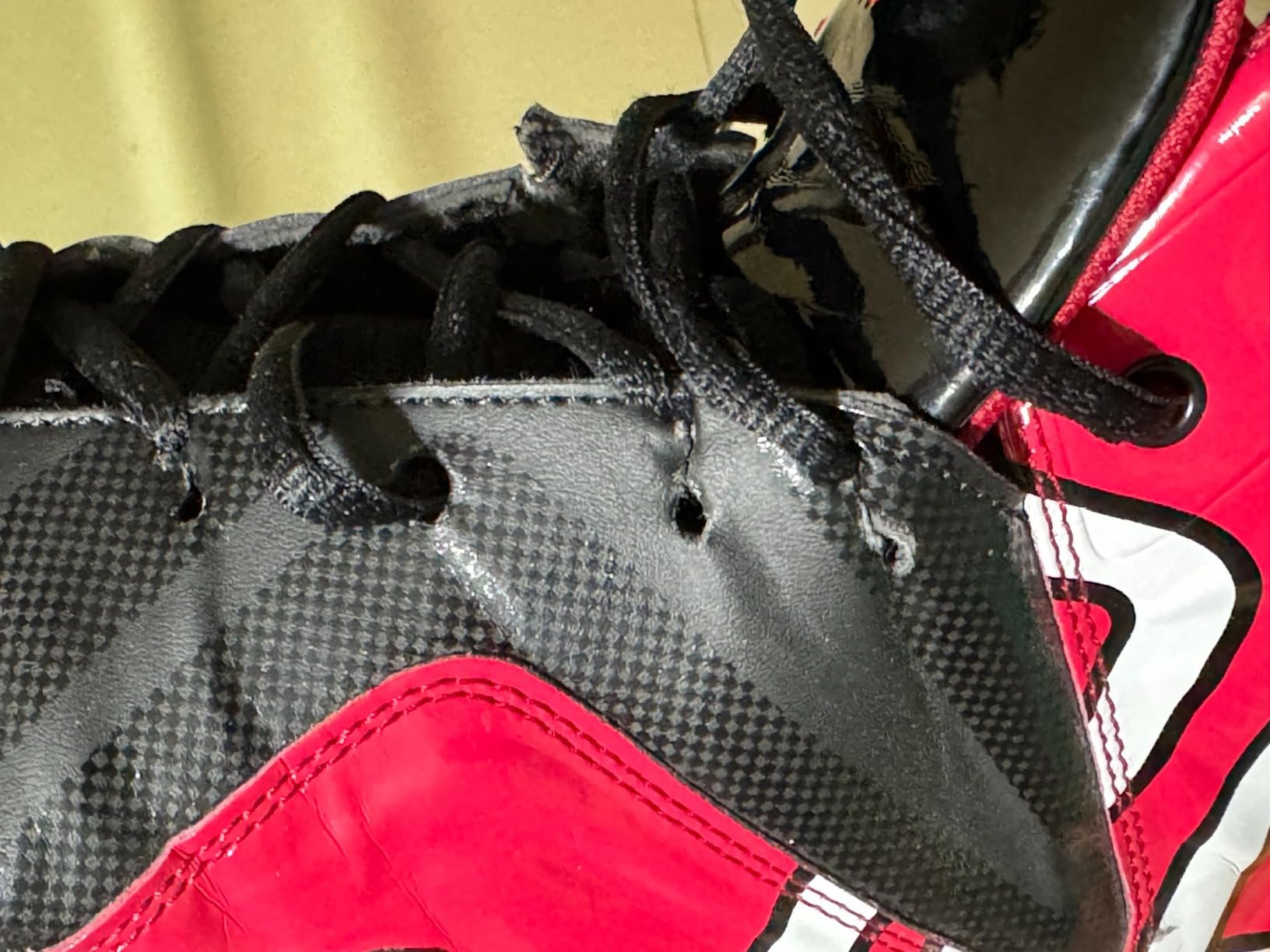
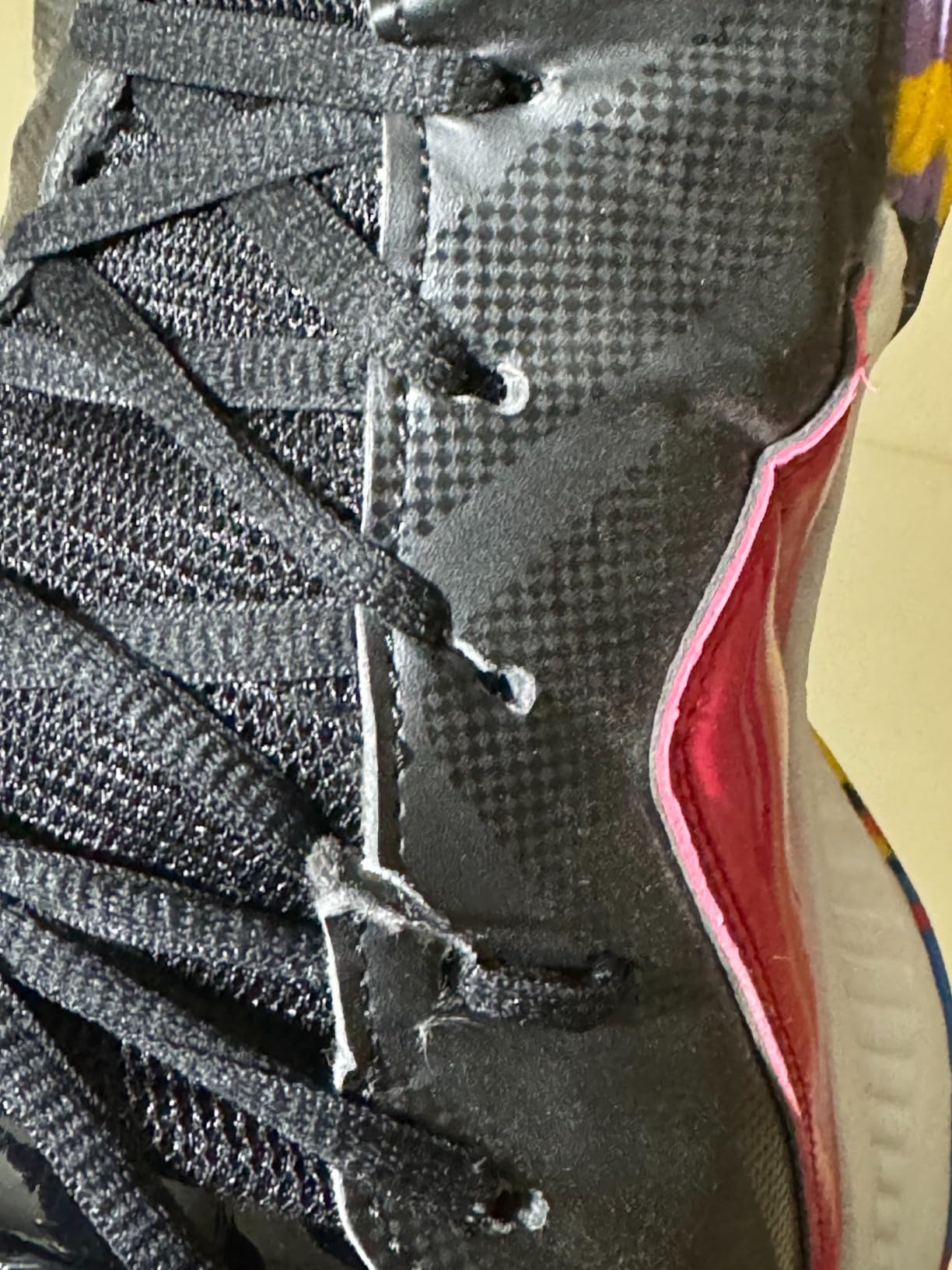
The lacing system was fine out of the box. The eyelets held up for the first couple weeks before stress marks started showing around week three. More on that shortly.
Court Feel & Cushioning Reality
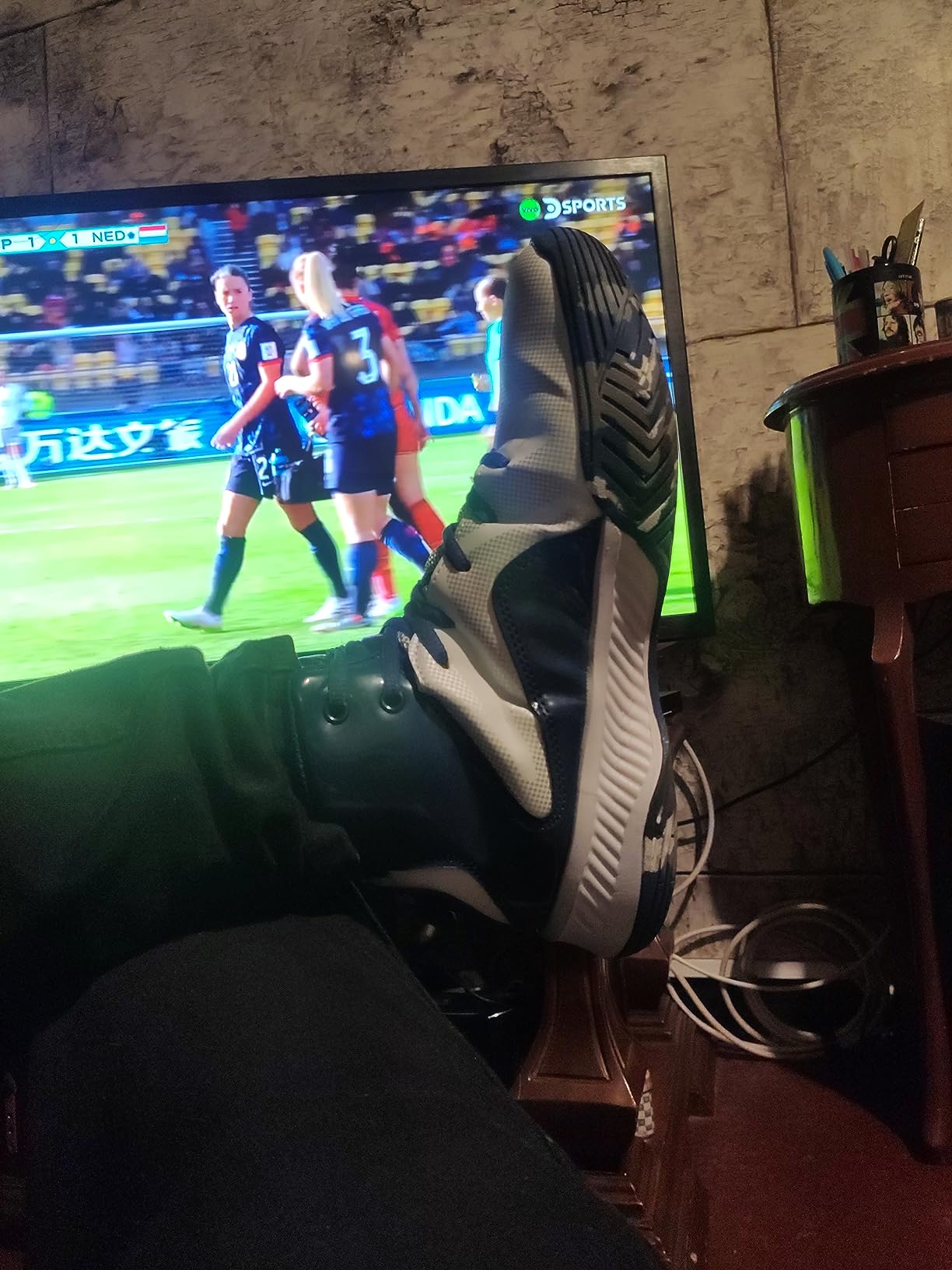
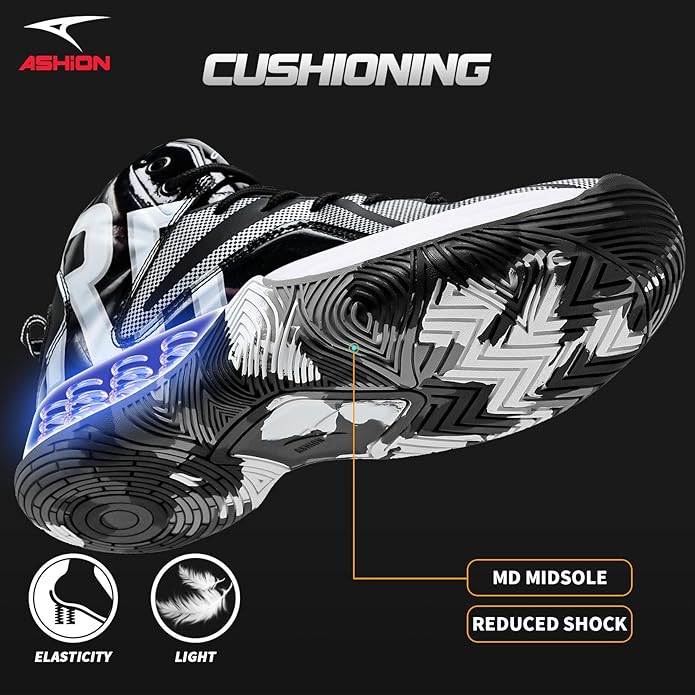
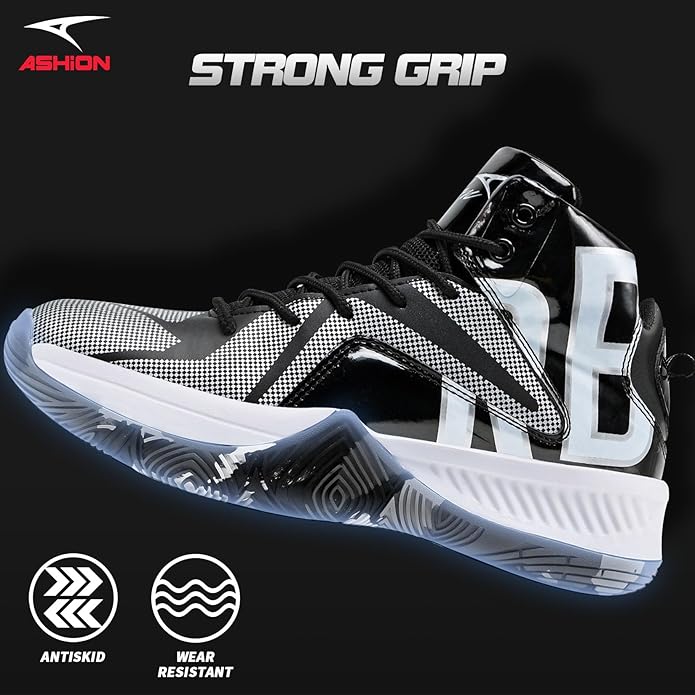
First pickup game in these, the MD foam midsole did its job. Crossovers felt stable, defensive slides were manageable, and the striped rubber sole provided decent grip on the clean gym floor at our local rec center. Nothing revelatory, but nothing to complain about for week one.
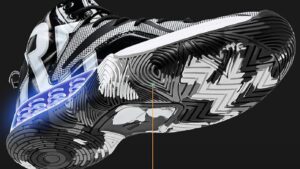
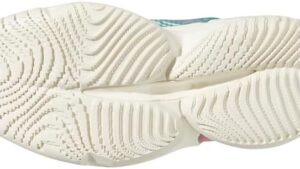
The “striped rubber damping sole” marketing language is a bit generous. What you actually get is a functional outsole with a herringbone-adjacent pattern that grips clean surfaces adequately. Calling it “damping” implies some kind of energy absorption system — the reality is standard foam cushioning that works for shorter sessions and starts to telegraph its limitations during anything over 45 minutes.
The wider-than-average toe box is a genuine win. Natural foot spread during quick direction changes, no pinching during defensive stance, comfortable across the whole foot for the first several sessions. Players with average to slightly wider feet will find this one of the better things about the shoe.
The Under Armour Lockdown 7 handles eyelet reinforcement notably better at a slightly higher price — worth knowing if lacing system integrity is a priority for you.
On-the-Court Performance
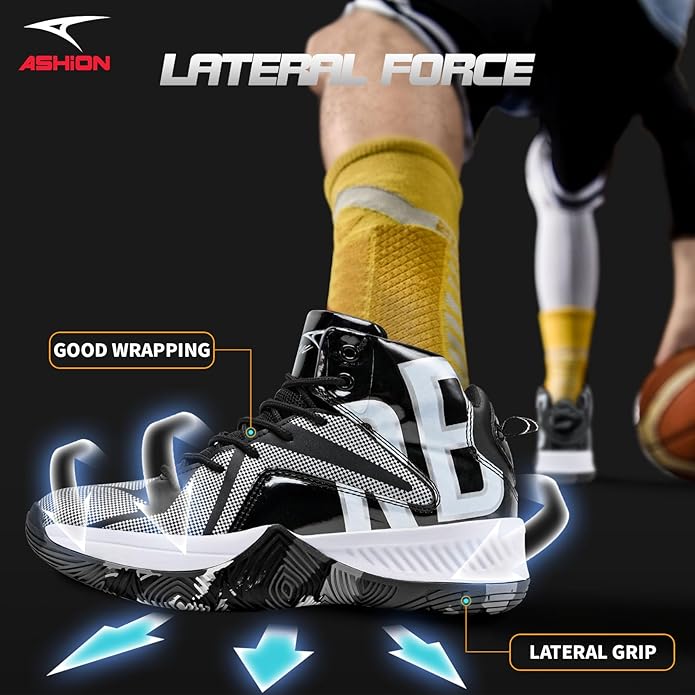
The first two weeks were the honeymoon. Sessions felt comfortable, the grip on clean hardwood was consistent enough, and the high-top collar provided the kind of basic ankle wrapping that helps recreational players feel a little more stable on cuts. I was pleasantly surprised — skeptical going in, starting to revise upward.
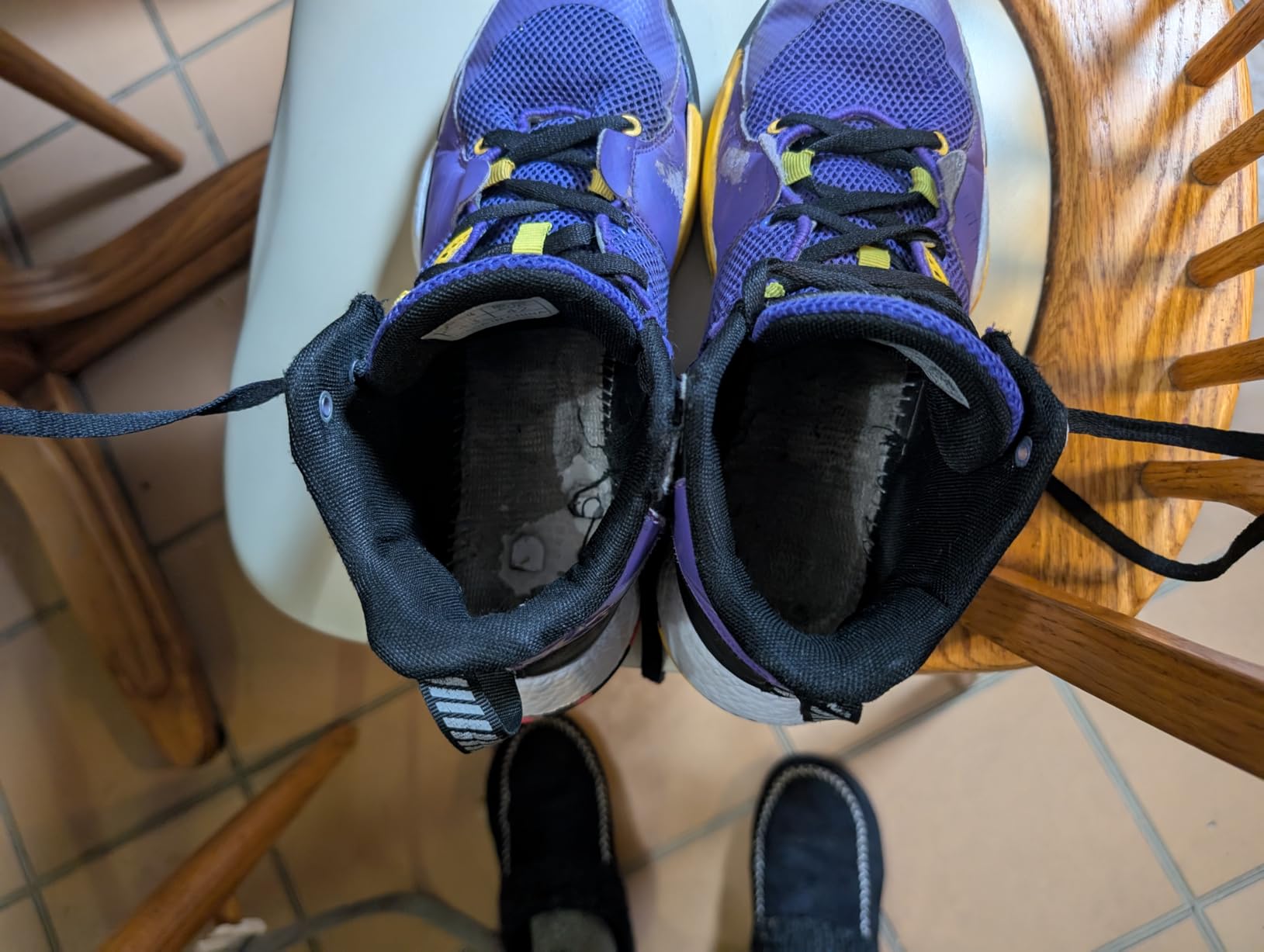
Week three changed things. The insole started lifting and bunching at the toe area. Not catastrophically at first — a slight discomfort you try to ignore. By the end of week three it was affecting how I moved, redistributing pressure in ways that made longer runs in the paint less comfortable. I added aftermarket insoles, which fixed the immediate problem but shouldn’t be a requirement for a shoe you just bought.
Around the same time, the eyelets started showing wear. The lace tension I could apply without worrying about tearing changed — I had to be more careful about how tight I cinched the shoe. Multiple reviewers flagged this same issue online within similar timeframes, which rules out bad luck. It’s a consistent construction weakness.
The ankle support from the high-top design is real but basic. Good enough for recreational play — the kind of light pick-and-roll defense and casual iso work you see in weekend leagues. Not the lockdown you’d need for competitive play or situations where ankle stability is genuinely critical. The collar wraps but doesn’t anchor.
Meeting Your Basketball Goals
For the casual once-or-twice-a-week player running half-court games at the gym, these hit the baseline: adequate cushioning for the session length, reasonable ankle wrapping, traction that holds on clean floors. The construction issues exist but don’t become disqualifying at low-use frequency.
For players going three or more times a week, the timeline math becomes a problem. If eyelets start failing at week two or three and you’re putting in more sessions per week, you’re accelerating toward the shoe’s ceiling faster than casual players. The basketball shoes category has options at $55–80 that hold up significantly longer under regular load.
Strengths and Weaknesses at a Glance
What works:
- True-to-size fit, comfortable break-in period
- Wide toe box for natural foot movement
- Colorway options that genuinely stand out on court
- Adequate cushioning for sessions under 45 minutes
- Basic ankle support from high-top design
- Price — accessible for casual players on tight budgets
What falls short:
- Eyelet integrity issues appear within 2–4 weeks of regular use
- Insole bunching at the toe area begins around week 3
- Heat buildup during intense play (30+ minutes)
- Traction drops significantly on dusty or outdoor courts
- “Leather upper” claim is inaccurate — it’s PU
- Quality control inconsistency reported across multiple reviewers
Performance in Various Court Conditions
Indoor Courts: Where These Belong
On clean hardwood or sport tile — the kind of surface you find at a well-maintained rec center or YMCA gym — these shoes perform competently for recreational play. Defensive slides felt controlled. Jump stops landed without slipping. Crossovers had enough grip to not feel dangerous.
The traction isn’t what you’d call reliable at the transition point between walking pace and explosive first step — there’s a moment where the grip feels like it’s catching up rather than already there. On a clean floor, that’s manageable. On anything less ideal, it becomes a liability.
Temperature management, as mentioned, becomes an issue past the 30-minute mark. The PU upper doesn’t breathe much, and the mesh panels are doing what they can but the ventilation design isn’t optimized for intensive play. Short game, light activity? Fine. Extended run in a hot gym? You’ll feel it.
Outdoor Courts: A Different Story
Eight outdoor sessions on concrete gave me a clear answer on this: the ASHION isn’t designed for regular outdoor use. The rubber compound, while functional on clean indoor surfaces, wears faster on abrasive concrete. Visible outsole wear patterns appeared on high-contact areas after those eight sessions — that pace of degradation would eat through the shoe’s lifespan quickly for anyone who primarily plays outside.
Traction on outdoor courts also became inconsistent in ways that weren’t just about surface wear. Dry, slightly dirty concrete — the reality of any outdoor court — created grip conditions the outsole rubber didn’t handle well. If outdoor ball is your primary format, look specifically at shoes marketed and built for outdoor durability. The Socviis Men’s Air Basketball is another option worth considering in a similar price range if indoor/outdoor versatility matters to you.
Does ASHION Deliver on Their Promises?
Let’s go through the specific claims:
“Striped Rubber Damping Sole” — Partial credit. The sole provides functional grip on clean indoor courts. “Damping” overpromises on cushioning quality. What you get is standard MD foam — fine at this price, not a cushioning system.
“Anti-slip and Durable” — Anti-slip partially holds indoors. Durable is where this claim breaks down hardest. Eyelet tearing and outsole wear appearing within 3–4 weeks of regular use doesn’t fit any reasonable definition of durable.
“Durable Leather Upper” — This is the most straightforward inaccuracy. The upper is PU, not leather. Leather and polyurethane age differently, flex differently, and signal different things about a shoe’s construction quality. Buyers deserve accurate material labeling.
“Comfortable Insole” — Initially true. The insole felt adequate for the first two weeks. By week three, the bunching issue made this claim conditional at best. If your use stays light enough that the insole doesn’t get stressed, it might hold. For anyone testing this under real court conditions, the degradation timeline is fast.
The Reebok Solution Mid occupies a similar price bracket with more transparent material specs and more consistent quality control — worth comparing if you want a budget basketball shoe without the marketing gaps.
My Overall Assessment
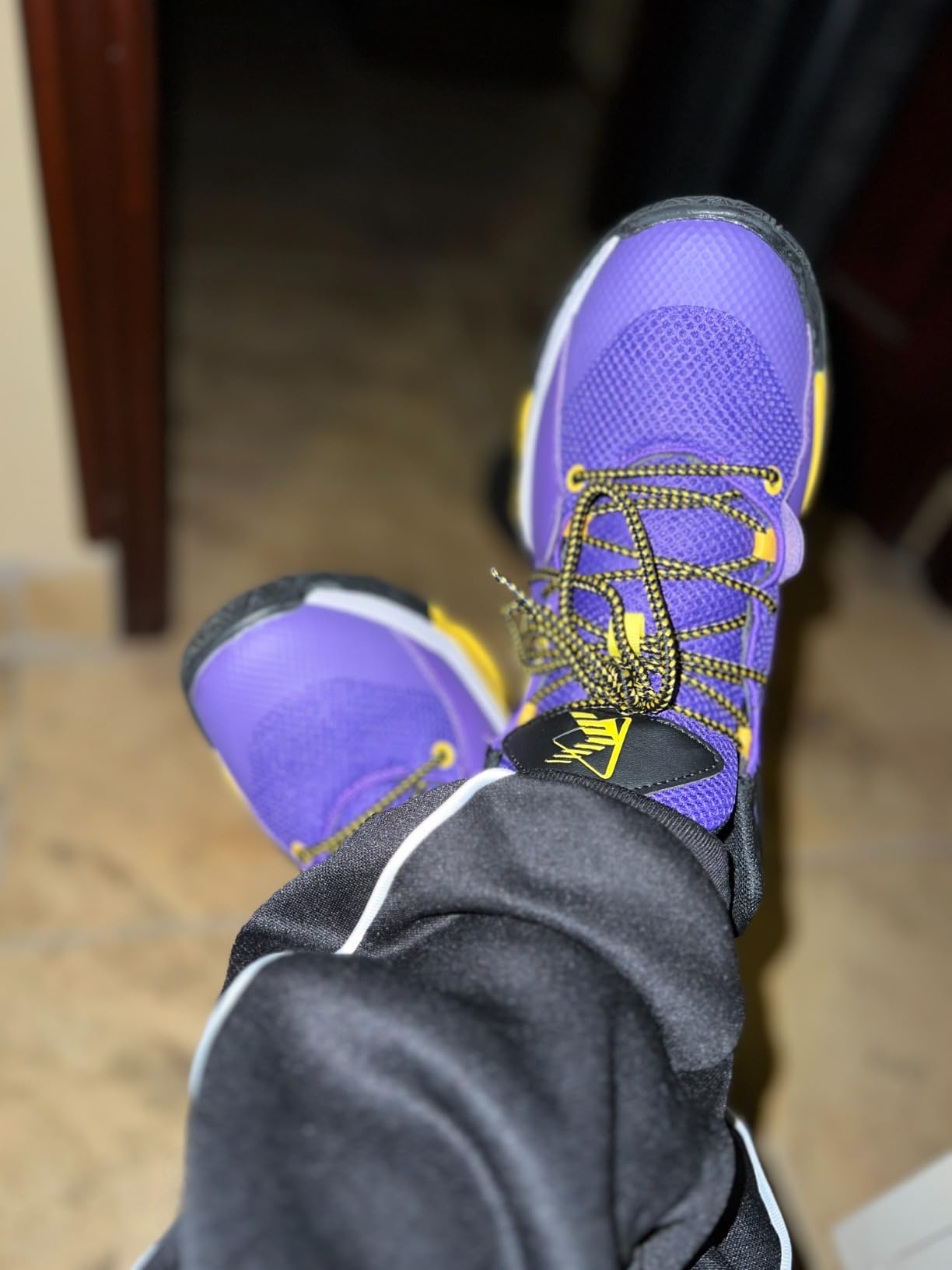
Detailed Scoring
Comfort: 6.5/10 — The first two weeks were genuinely comfortable. Wide toe box, soft initial cushioning, no hot spots. The insole bunching issue at week three is the reason this doesn’t go higher. For a shoe you’re wearing twice a week casually, the degradation might not hit you as fast.
Court Performance: 6.0/10 — Adequate for recreational play on clean surfaces. Traction works for basic moves, cushioning is sufficient for shorter sessions. The transition speed grip issue and outdoor performance gap keep the ceiling here.
Durability: 4.0/10 — The most important score in this review. Eyelet integrity failing at weeks 2–4, insole bunching at week 3, and visible outsole wear after 8 outdoor sessions — for any shoe, that’s a short timeline. For a shoe you’re planning to use regularly, it’s a significant problem.
Traction: 6.5/10 — Solid on clean indoor hardwood, unreliable outdoors or on dusty surfaces. The split between environments is wider than you’d want.
Value: 7.0/10 — At $35–45 for casual players who understand the limitations, the math works. 6–8 months of 1–2x/week use at this price is defensible. The value score drops fast if you’re using these more seriously.
Style: 7.5/10 — Legitimately the strongest category. The colorway options are visually bold in a way that genuinely differentiates these on court.
For players looking to step up from the ASHION’s budget tier, the Adidas Harden Vol. 6 offers BOOST midsole cushioning and dramatically better durability at a higher but still reasonable price point.
Final Verdict
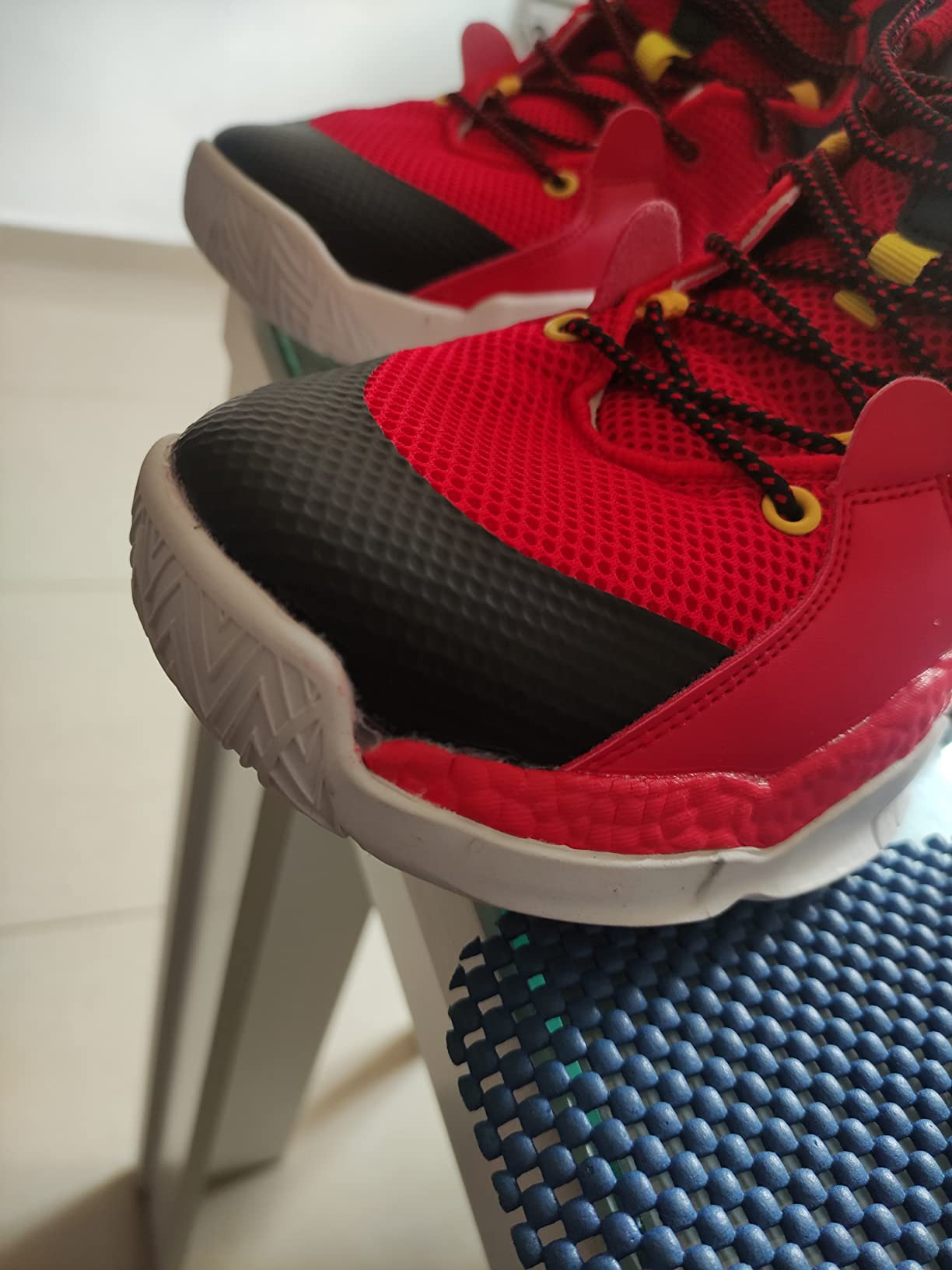
Overall: 6.0/10
These ASHION shoes aren’t a scam. They’re also not a hidden gem. They’re exactly what their price tag suggests: a functional budget basketball shoe with a real use case for a specific type of player, and a hard ceiling that becomes obvious quickly for anyone beyond that use case.
Buy these if:
- You play basketball 1–2 times per week on clean indoor courts
- You want a backup or secondary pair without spending $80+
- Style matters and you want something that stands out without a premium price
- You’re getting a teenager into basketball and they’ll outgrow the shoes before the construction fails — check the AND1 Kids Basketball line too if you’re shopping youth sizes
- Sessions are typically under 45 minutes on clean gym floors
Skip these if:
- You play three or more times a week in any setting
- Outdoor concrete courts are your primary surface
- Ankle support beyond basic high-top coverage matters for your play style
- You’ve had bad experiences with budget basketball shoes before and don’t want to repeat them
Better options at the next price tier: The AND1 Pulse 3.0 is a reasonable step up for players who’ve outgrown what ASHION can offer but aren’t ready to spend $100+. For serious recreational players who want real performance cushioning and support, the Nike LeBron Witness 7 at around $80–90 is a different category of shoe.
The old “buy once, cry once” logic applies here — but only if you’re actually the player who needs what ASHION can’t provide. For casual use, $40 gets you into basketball. Just don’t expect it to last.
Frequently Asked Questions
Q: How do ASHION shoes fit compared to Nike or Adidas?
A: True to size across the board. I wear a 9 in most basketball shoes and the ASHION fit the same with standard court socks. The toe box runs slightly wider, which most players will see as a positive — just note that very narrow feet might find the fit a little loose.
Q: Can you wear these on outdoor courts?
A: You can, but I’d limit it. After 8 outdoor sessions on concrete, visible outsole wear was already showing on high-contact areas. The rubber compound isn’t built for regular abrasive surface use. Occasional outdoor play is fine; making it your primary surface will shorten the shoe’s lifespan significantly.
Q: How long do ASHION basketball shoes typically last?
A: With regular use (3–4x/week), expect around 3–4 months before construction issues become performance problems. Casual use (1–2x/week) on clean indoor courts stretches this to 6–8 months. That lifespan math is worth doing before you buy.
Q: Do the lace eyelets really tear that quickly?
A: Unfortunately, yes — and it’s consistent enough to not be an isolated quality control issue. Both my pair and multiple Amazon reviewers experienced eyelet stress within 2–4 weeks of regular use. This changes how firmly you can lace the shoe without risking further damage.
Q: Are these good for wide feet?
A: The toe box is genuinely generous — one of the shoe’s real strengths. Most players with average to somewhat wide feet will find it comfortable. Very wide feet may feel constrained since the PU upper doesn’t stretch much, but the toe box shape itself is forgiving.
Q: How’s the ankle support for actual basketball?
A: Basic. The high-top collar wraps the ankle and provides more stability than a low-top, but this isn’t a basketball-engineered ankle system. For recreational weekend games, it’s adequate. For competitive play or anyone with a history of ankle issues, it won’t be enough.
Q: Can I use ASHION shoes for other sports?
A: Light cross-training and casual gym workouts are fine. The cushioning and traction work for lower-intensity activity. Running-specific use isn’t ideal — the shoe isn’t designed for forward-motion biomechanics. These are basketball shoes first, everything else a distant second.
Review Scoring Summary
| Performance Category | Score (/10) | Notes |
|---|---|---|
| Comfort | 6.5 | Strong initial fit; insole bunching undermines long-term comfort |
| Court Performance | 6.0 | Adequate for recreational indoor play; surface-dependent |
| Durability | 4.0 | Eyelet and insole failures within 2–4 weeks of regular use |
| Traction | 6.5 | Clean indoor courts: decent; outdoor/dusty: significant drop |
| Value for Money | 7.0 | Defensible for casual 1–2x/week players; poor for regular use |
| Style / Appearance | 7.5 | Bold colorways genuinely stand out; best category in the shoe |
| Overall Rating | 6.0 | Functional budget option for casual players only |
Be the first to review “ASHION Men’s Lightweight Basketball Shoes”
Related products
Basketball Shoes
Basketball Shoes
Basketball Shoes
Basketball Shoes
Basketball Shoes
Basketball Shoes
Basketball Shoes
Basketball Shoes
Adidas Unisex-Child Donovan Mitchell Issue 4 Basketball Shoes
Reviews
There are no reviews yet.