
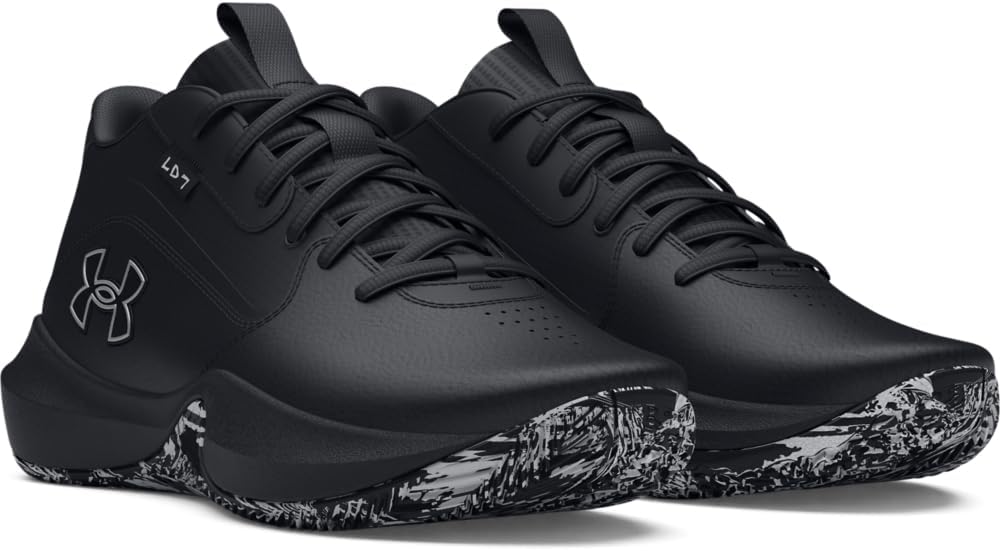
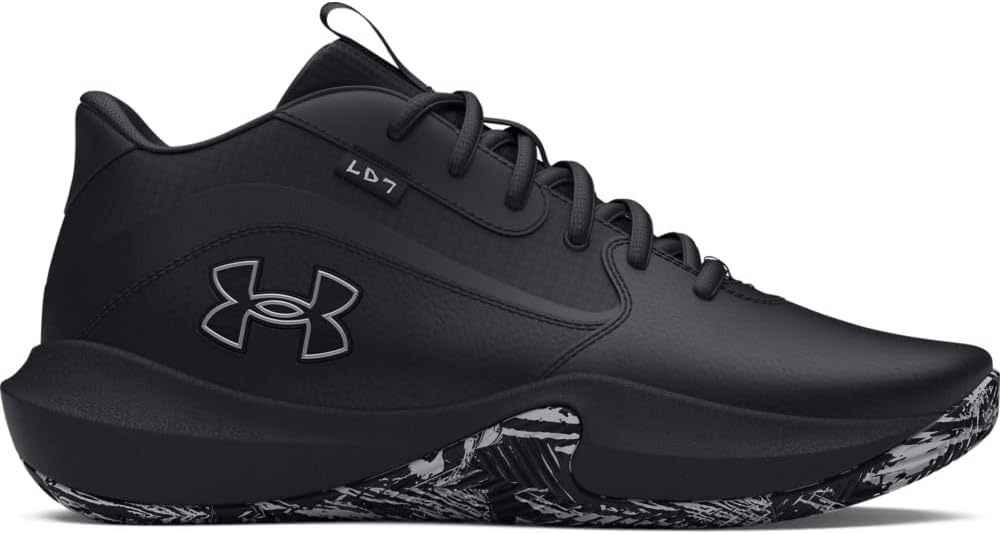
Forty-five dollars for a serious basketball shoe. My first reaction was skepticism — the kind you get when a shoe promises court-level performance but costs less than two tanks of gas. I’m Sarah, and I’ve spent the past decade testing footwear across pretty much every activity imaginable. Basketball shoes are a specific beast. You need grip that won’t betray you mid-cut, ankle support that holds up during a full game, and enough cushioning to walk out of the gym without your knees staging a protest. When I started hearing buzz about the Under Armour Lockdown 7 from players in my Tuesday night league, I decided to find out if this unisex basketball shoe could actually back up its price tag — or if budget really does mean budget.
Eight weeks later, 40+ court sessions in, here’s what I found.
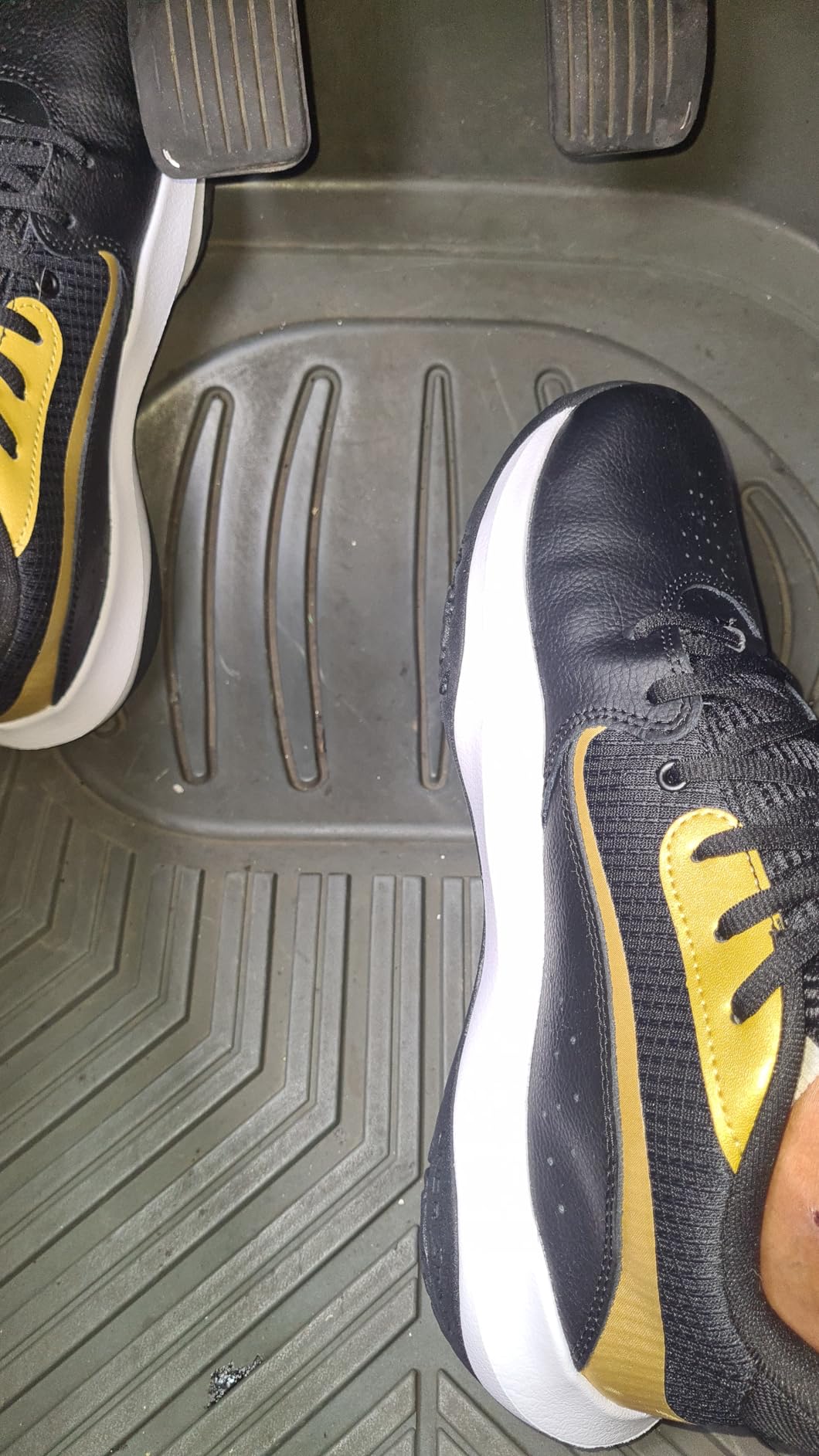
Quick Reference: Lockdown 7 Specs & Scores
- ⚖️ Weight: 12.3 oz (women’s size 8 / men’s size 6.5)
- 🧪 Midsole: EVA foam — lightweight, responsive
- 👟 Upper: Breathable mesh with leather & film overlays
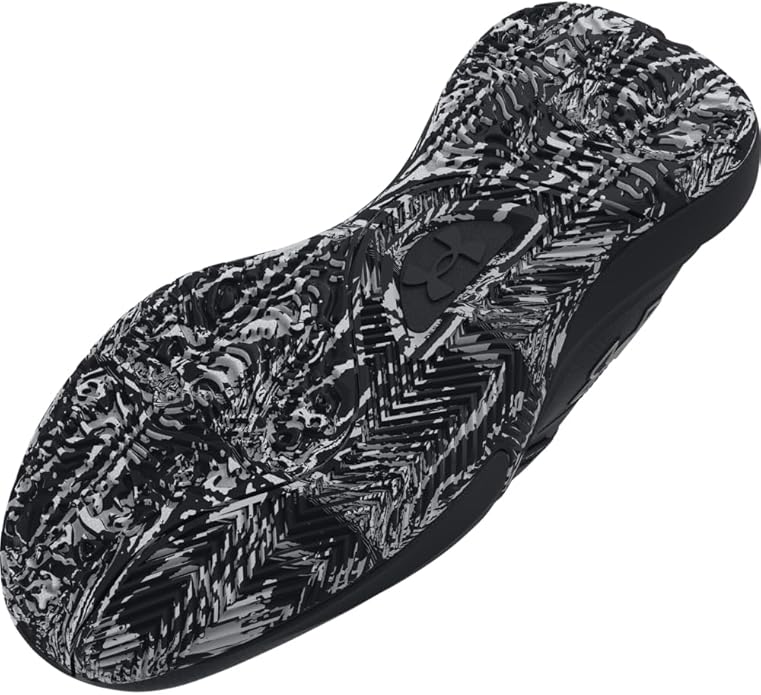
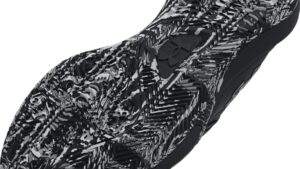
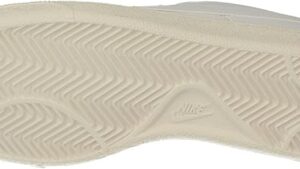
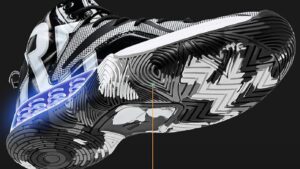
- 🔲 Outsole: Solid rubber with herringbone traction pattern
- 🏀 Category: Unisex basketball shoe (mid-cut)
- 🎯 Best for: Recreational to moderate competitive indoor play
- 🔒 Closure: Standard lace-up
| Category | Score | Notes |
|---|---|---|
| Design & Build Quality | 8.0/10 | Solid construction, clean colorways, looks more expensive than it is |
| Traction on Hardwood | 8.5/10 | Herringbone pattern grips clean indoor courts consistently |
| Lateral Support | 7.5/10 | Adequate for recreational play; mid-cut provides moderate ankle security |
| Comfort & Fit | 7.0/10 | Quick break-in; runs narrow; breathable but not premium-plush |
| Value for Money | 9.0/10 | Best-in-class for sub-$60 basketball footwear |
| Overall Rating | 7.8/10 | Excellent budget basketball option; honest about its limitations |
Out of the Box: Design That Doesn’t Look Like a Budget Shoe
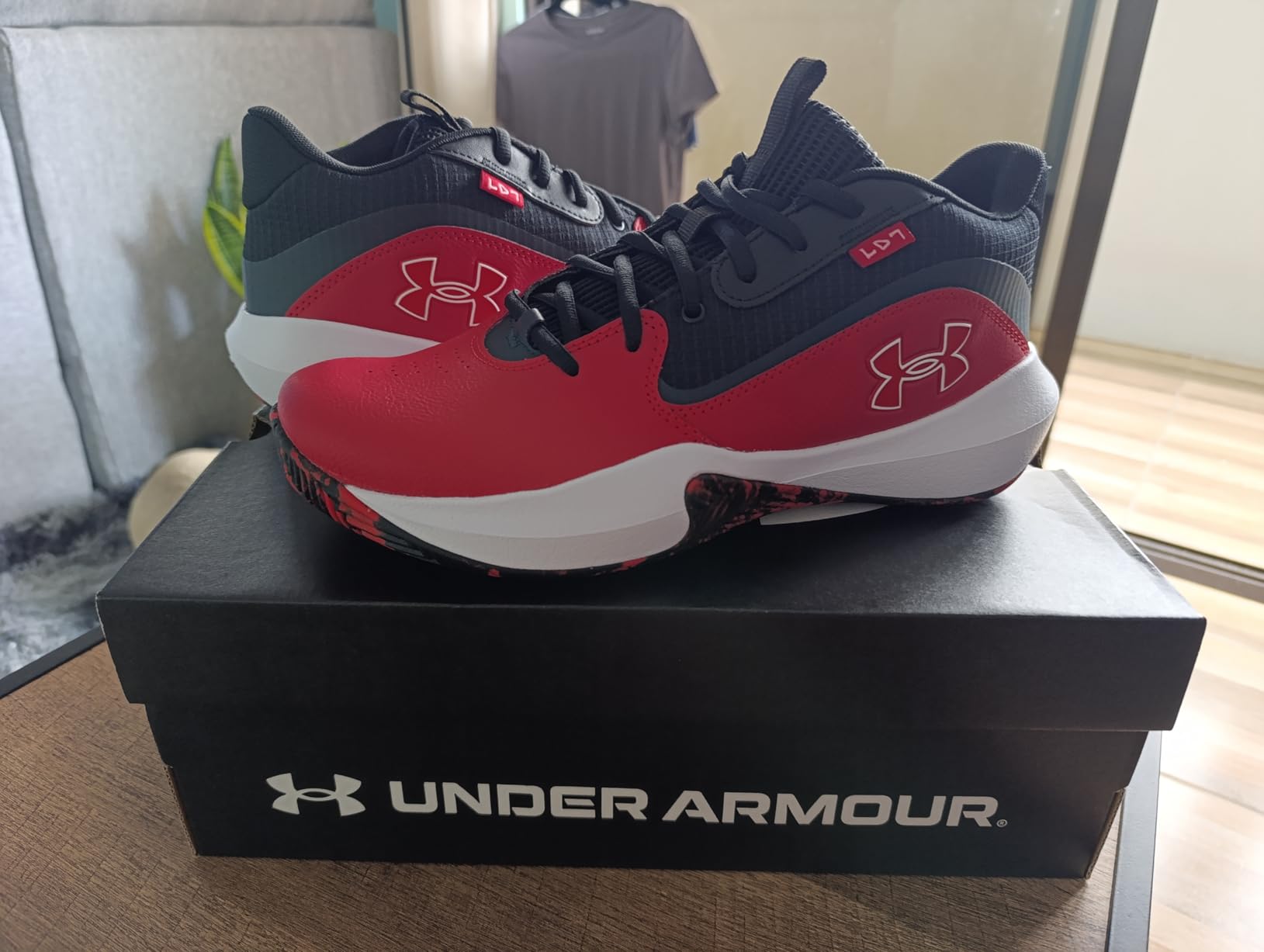
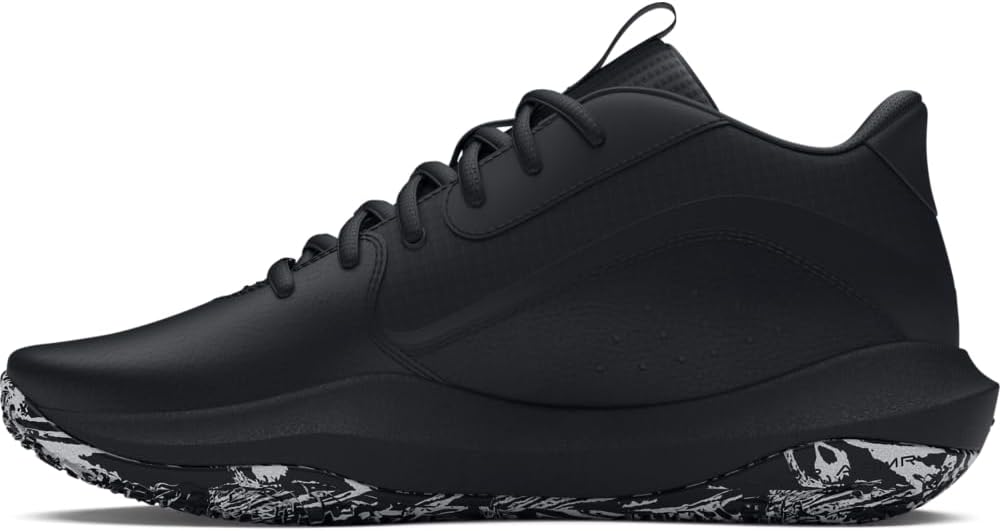
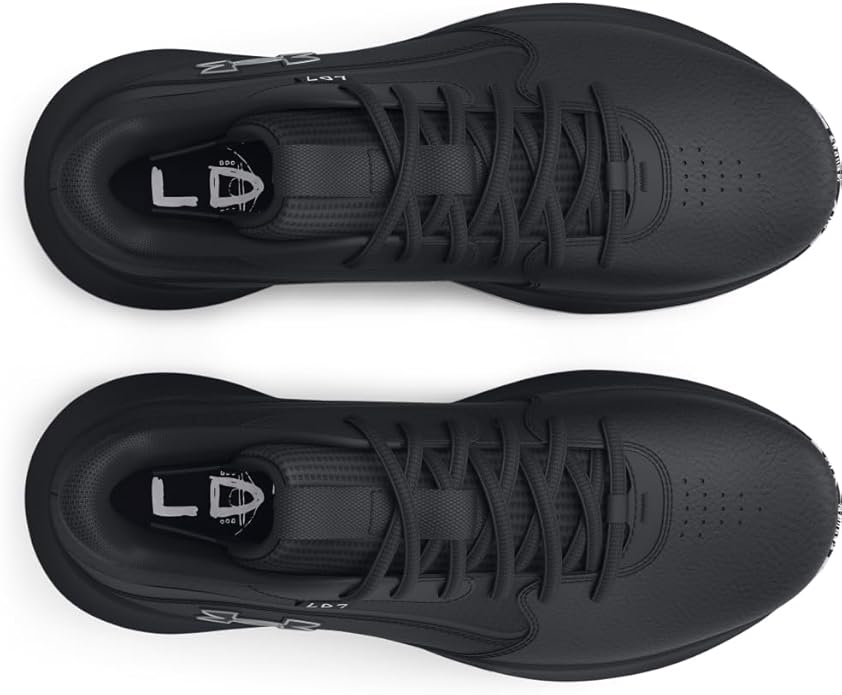
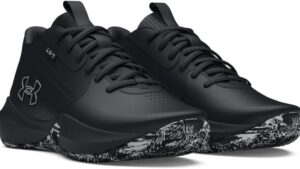
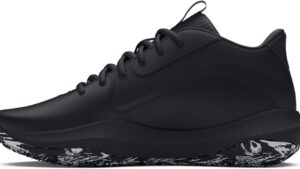
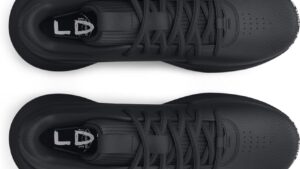
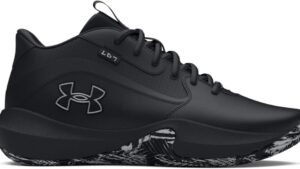
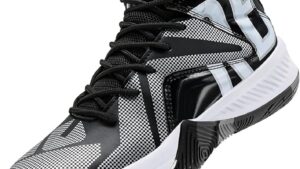
The black and metallic silver colorway I tested doesn’t announce “budget.” The silhouette is clean — a mid-cut profile that reads professional without being flashy. Nine colorway variants are available (red/black/white, blue calm atlantis, black/gray, black/metallic gold, and more), so players can actually pick something they want to wear, not just something they can afford.
The mesh upper has real texture to it. It’s not the flimsy knit you find on some lower-priced athletic shoes that pills after a few sessions. The leather and film overlays aren’t decorative — they sit at the lateral midfoot and toe areas where your foot actually stresses the material during cuts and pivots. After 40+ sessions, the stitching on those overlays showed no separation.
Build quality honestly surprised me. The eyelets are reinforced, the heel counter maintains its structure even after extended wear, and there’s none of the cheap-plastic feel that sometimes shows up in this price range. The tongue is on the thicker side — a minor quirk that some people find bulky with slimmer pants, but it contributes to a secure in-shoe feel.
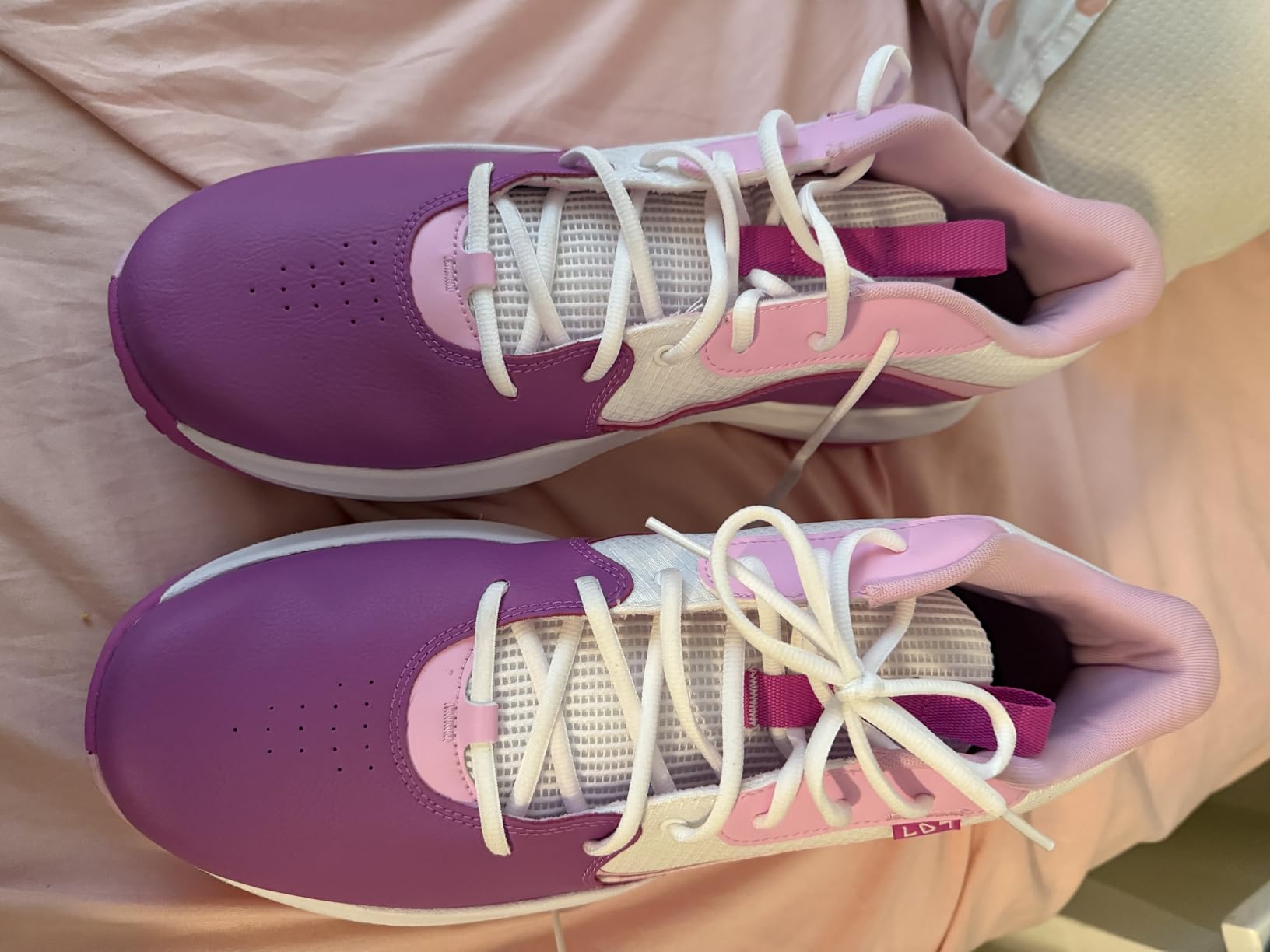
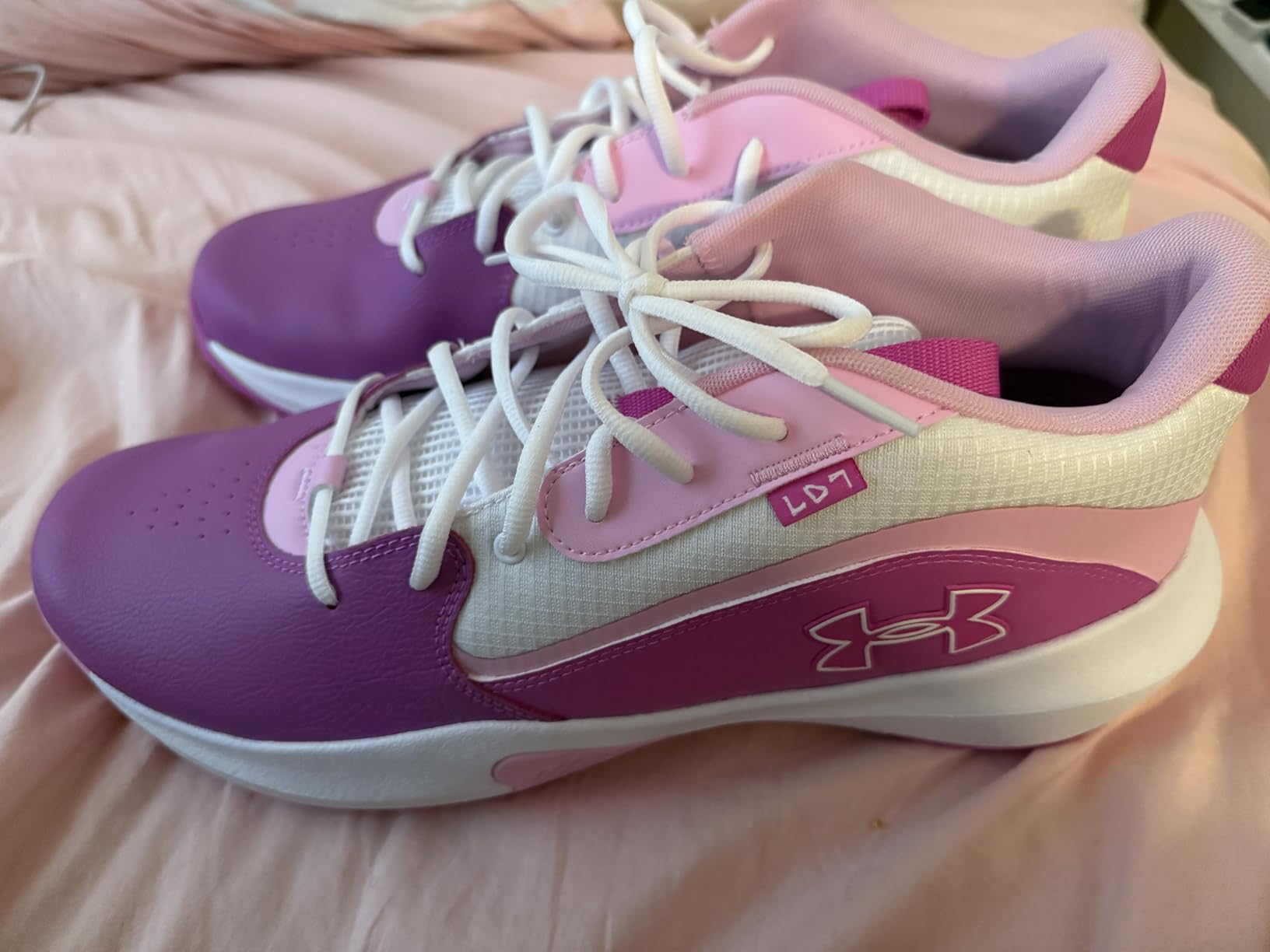
One note on color accuracy: the black/metallic silver reads true to product photos, but some colorways (particularly the lighter ones) photograph differently than they appear in hand. If you’re ordering online, read descriptions carefully rather than relying only on the image.
Getting the Right Fit: The Narrow Shoe Consideration
The Lockdown 7 runs narrow — not because something went wrong in manufacturing, but because that’s a deliberate design choice. For normal to average-width feet, it means a snug midfoot lockdown that genuinely helps during aggressive cuts. For wider feet, it means ordering a half size up is not optional — it’s necessary.
My feet are average width, size 8, and true-to-size worked perfectly. My friend Jessica, whose feet run wide, tried the same size and found the toe box uncomfortable after about 45 minutes of play. She sized up half a size and reported a much better experience, though the length felt slightly generous at first.
Break-in was faster than most basketball shoes I’ve tested. First session: supportive but a little stiff in the upper, as expected. By the third practice, the mesh had adapted enough to feel like a natural extension of my foot. My league teammate Maria, who has narrow feet, commented that she appreciated how snug the midfoot felt — she’d had problems with previous shoes shifting during lateral movements. This one didn’t move.
Sizing guidance summary:
- Average width: True to size, standard socks
- Wide feet: Size up 0.5 to 1 full size
- Narrow feet: True to size; thicker socks if any heel slip
- Break-in timeline: Practice-ready by session 2, game-ready by session 3–4
The heel counter stays firm and doesn’t cause Achilles irritation — something I test specifically because I’ve had issues with badly placed collars on cheaper shoes. The ankle collar padding is comfortable without being so thick it restricts mobility.
Where It Counts: Court Performance on Hardwood
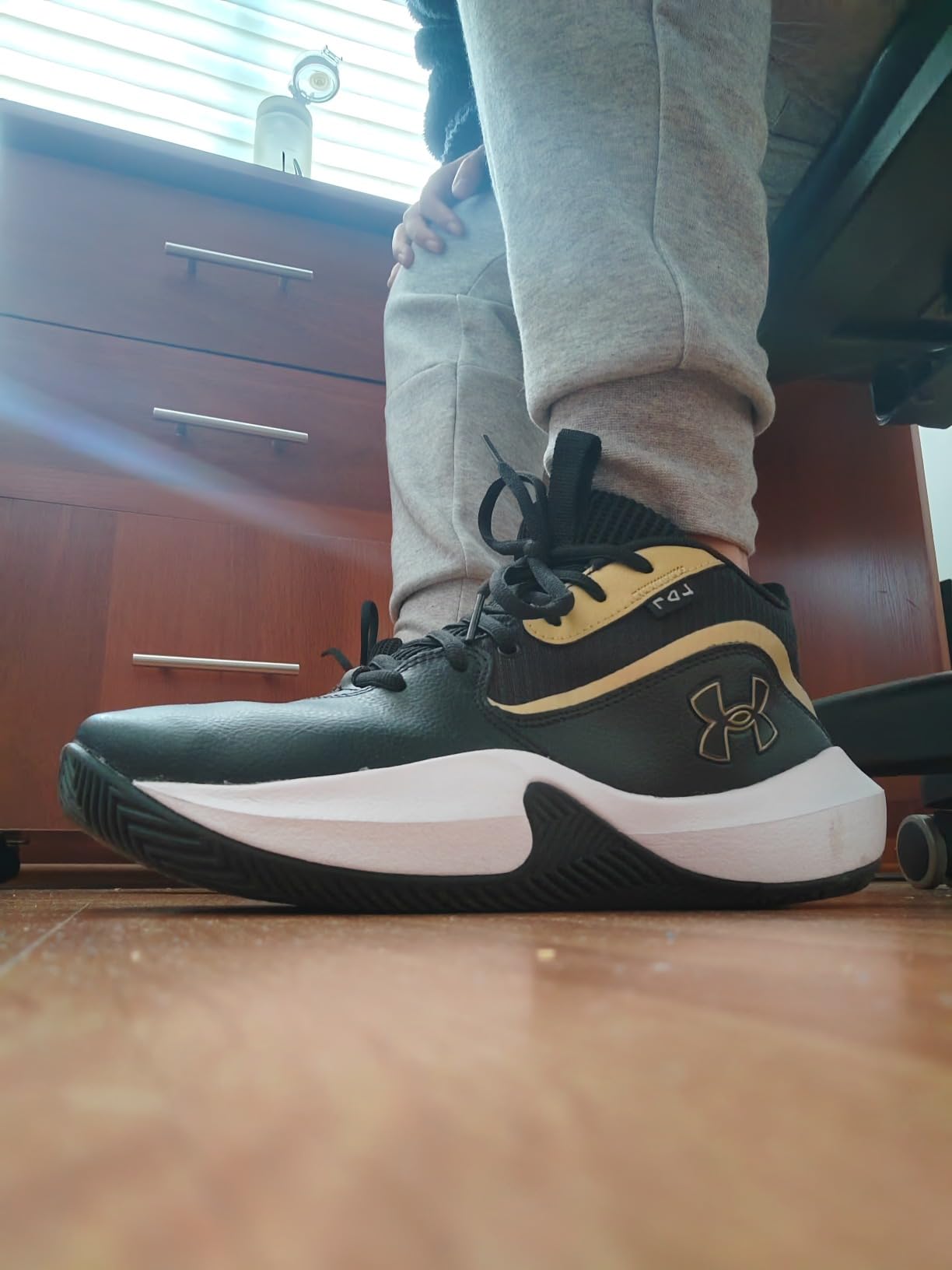
The herringbone pattern on this outsole is the real story. My first Tuesday night league game in the Lockdown 7s, I drove baseline on a defensive close-out and planted hard into a stop. The shoe gripped the hardwood without any of the micro-slide that lower-budget options sometimes produce. That confidence — knowing your shoe won’t betray you at the critical moment of a cut — is worth a lot.
Lateral movements feel controlled. During defensive slides, the shoe doesn’t roll or feel like it’s fighting the motion. When I planted for a jump shot, the base felt stable without being rigid. Under Armour’s EVA midsole delivers what they promise: lightweight responsiveness. It’s not the bouncy energy return of premium foam tech, but for recreational play, the court feedback is good. You feel the floor clearly, and your foot responds quickly.
I tested through several back-to-back game scenarios — two league games in one evening is about as demanding as my schedule gets. After three hours of total play time, my feet felt tired (as they should), but no hot spots, no significant pressure points, and my knees weren’t registering complaints. That matters for someone who teaches on their feet all day before showing up to play.
The mid-cut collar height is worth discussing specifically. It clears the ankle bone, giving moderate support for typical recreational movements — jump shots, defensive positioning, standard cuts. What it doesn’t do is provide the kind of high-ankle lockdown you’d get from a full high-top design. If you’ve had ankle injuries or tend toward rolling, factor that in.
Comparison context: I’ve played in Nike basketball shoes and tested Adidas Own The Game 3.0 at this price tier. The Lockdown 7’s traction on clean hardwood matches or edges out both of those alternatives. Where the Adidas wins is cushioning feel; where the Nike wins is ankle collar height. The Lockdown 7 sits in the middle: best traction, moderate cushioning, adequate but not maximum ankle support.
Indoor vs. Outdoor: Where the Lockdown 7 Excels and Stumbles
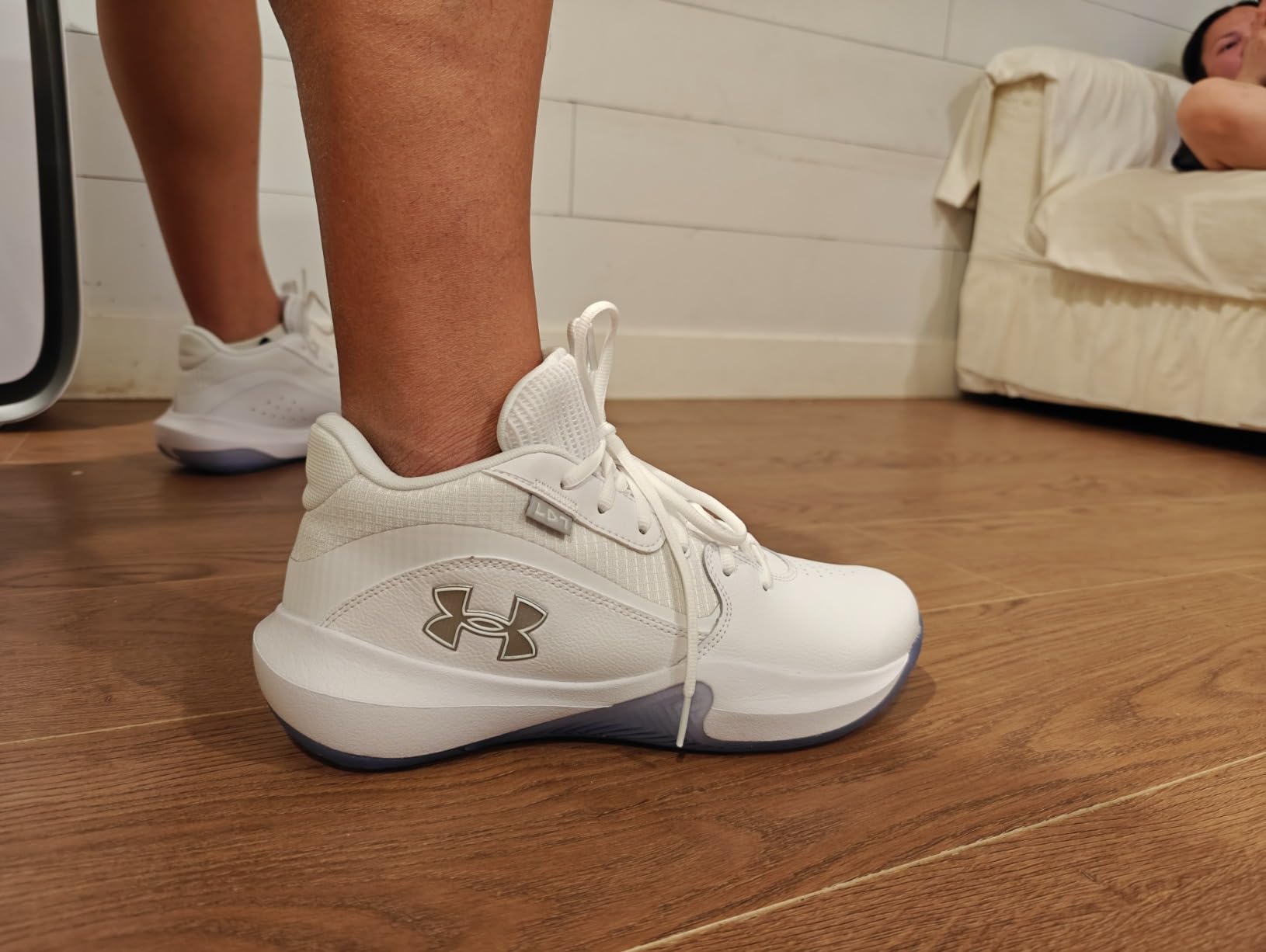
Indoor hardwood is where this shoe belongs. The herringbone pattern was designed for clean gym floors, and that’s where it performs at its absolute best — consistent grip through full games, corners, pivots, and stops. The rubber compound grips without squeaking excessively, which was a pleasant surprise.
Outdoors is a different conversation. I played three Sunday afternoon sessions on concrete and asphalt during my testing period. Traction was adequate for casual pickup, but the grip authority just isn’t the same. The pattern doesn’t adapt to rough surfaces the way dedicated outdoor rubber compounds do. More critically, outdoor concrete accelerates outsole wear noticeably faster than hardwood does.
Dusty indoor courts (the kind where you’re wiping your soles between quarters) performed better than I expected. The herringbone pattern sheds some surface dust rather than trapping it, so a quick wipe restores most of the grip. It’s not perfect, but better than flatter outsole designs.
Realistic durability estimates based on my testing trajectory:
- Indoor primary (80–90%+ court time): 150–200 sessions before traction significantly degrades
- Mixed indoor/outdoor (50/50): 100–150 sessions
- Outdoor primary: 80–100 sessions (not recommended as primary use)
At $50, those numbers translate to roughly $0.25–$0.50 per court session depending on use pattern — solid ROI for a recreational player. If you’re in a dedicated indoor court shoe situation, the Lockdown 7 makes an especially strong case.
Do the Manufacturer Claims Hold Up?
I test against what brands say, not just against other shoes. Under Armour makes four primary claims about the Lockdown 7. Here’s where they land after 8 weeks:
| Claim | Verdict | What I Found |
|---|---|---|
| Breathable mesh with leather & film overlays | ✅ Confirmed | Feet stayed comfortable across long sessions; mesh genuinely moves air |
| EVA midsole: lightweight & responsive ride | ✅/⚠️ Mostly | Lightweight: yes. Responsive: yes for recreational play. “Soft”: relative — firmer than premium foam tech |
| Herringbone traction for ultimate on-court control | ✅ Indoor | “Ultimate” is marketing stretch, but excellent for clean hardwood. Outdoor performance drops significantly |
| Durable rubber outsole | ✅ Confirmed | Minimal wear after 40+ sessions on hardwood; outdoor concrete accelerates wear |
The only claim I’d push back on is “soft” cushioning. EVA is decent but not plush. That’s not a criticism — lightweight and responsive matters more in basketball than pillowy cushioning — but readers expecting the plushness of Nike Air or Adidas Boost will notice the difference.
The Real Value Calculation
The budget basketball shoe market is crowded. Here’s how the Lockdown 7 compares to what I’ve tested at similar price points:
| Shoe | Price | Traction | Cushioning | Value Pick |
|---|---|---|---|---|
| UA Lockdown 7 | $45–60 | Excellent (indoor) | Adequate | ✅ Best budget traction |
| Nike Team Hustle D10 | ~$55 | Good | Slightly better | Better cushion, similar value |
| Adidas Own The Game 3.0 | ~$60 | Good | Better | More cushion, slightly more $ |
| AND1 Pulse 3.0 | ~$45 | Decent | Basic | Cheapest option, lowest quality |
Cost-per-session math for indoor primary use: $50 / 175 sessions = approximately $0.29 per game. That’s a legitimate recreational basketball shoe investment, not a gamble.
Where the Lockdown 7 loses is if you’re comparing against shoes in the $80–120 range — Nike Air Flight Mid and similar models bring significantly better cushioning technology and longer durability windows. But those shoes cost twice as much, and for players who average 20–30 games per season, the cost math doesn’t necessarily favor premium.
If you play primarily for fun, in a community league, on clean indoor courts, this is a smart $50 spend.
My Overall Assessment
What I Loved and What Could Be Better
| ✅ What Worked | ⚠️ What to Know |
|---|---|
|
|
Who Should Buy the Lockdown 7?
✅ Great fit if you’re:
- A recreational to moderate competitive player on a realistic budget
- Playing primarily on clean indoor hardwood courts
- An average-width foot — true to size will work perfectly
- Someone who wants a basketball shoe that also functions for gym workouts and casual wear
- New to competitive basketball and not ready to commit $100+ without knowing your usage pattern
- A women’s league player who needs dependable court shoes without breaking the budget
⚠️ Think carefully if you:
- Have wide feet — you can make it work by sizing up, but it’s worth trying on first
- Play 50%+ of your games on outdoor concrete or asphalt
- Prefer high-top ankle support — the mid-cut won’t satisfy that need
❌ Look at other options if you:
- Need wide-width specific basketball shoes — consider New Balance BB80 which tends to fit wider
- Play competitive basketball at a serious level requiring premium cushioning and support
- Want premium foam technology — consider the Under Armour HOVR Rise 4 for UA’s foam-based cushioning
- Play primarily on outdoor surfaces — a different outsole compound will last longer
Better Options for Specific Needs
- For better ankle protection at this price: look for high-top versions from Nike Women’s Basketball line
- For wide feet: New Balance BB80 V1 offers wider toe box options
- For premium UA cushioning: Under Armour HOVR Rise 4
- For outdoor durability: look for Continental rubber outsole models from Adidas
My Final Take
After 8 weeks in the Lockdown 7, I stand by a 7.8/10 overall. This is the best-performing budget basketball shoe I’ve tested in this price range for indoor court play. It doesn’t pretend to be a $120 shoe, and that honesty shows in how Under Armour designed it: lightweight, grippy, breathable, and durable enough for a full recreational season.
The narrow fit is the biggest variable. If that works for your feet, this is an easy recommendation. If you’re wide-footed, buy from somewhere with a solid return policy and size up — or go a different direction entirely.
Pro tip from 40+ sessions: rotate with another pair if you’re playing three or more times per week. It extends both shoes’ lifespans and gives your feet a break from the same pressure points. These aren’t training shoes you swap to mid-session — they’re performance sneakers that reward consistent, purpose-driven use.
Frequently Asked Questions
Q: Are Under Armour Lockdown 7s actually good for basketball, or are they just basketball-styled?
A: They’re legitimate basketball performers for recreational and moderate competitive play. The herringbone pattern grips clean hardwood well, the mid-cut design provides adequate lateral support, and the EVA midsole handles the typical demands of a league game. They’re not designed for elite competitive play, but for recreational players, they absolutely belong on a basketball court.
Q: Do the Lockdown 7s run true to size?
A: True to size for average-width feet — that’s the consistent experience across the players I tested with. If you have wider feet, size up half a size; the shoe runs notably narrow in the toe box. No half-sizes available in some colorways, so check availability before ordering.
Q: How does the traction hold up on outdoor courts?
A: Not as well as indoors. The herringbone pattern excels on clean hardwood, but outdoor concrete and asphalt surfaces both reduce grip effectiveness and accelerate outsole wear. For occasional outdoor pickup games, fine. As your primary outdoor court shoe, look elsewhere.
Q: What’s the realistic lifespan of the Lockdown 7?
A: Indoor primary use: 150–200 sessions before noticeable traction loss. Mixed indoor/outdoor (50/50): 100–150 sessions. Outdoor primary: 80–100 sessions. Based on my 8-week, 40+ session testing trajectory, the wear pattern is gradual and predictable — you’ll see it coming before performance drops significantly.
Q: How does the ankle support compare to other shoes in this price range?
A: The mid-cut design puts it comfortably ahead of low-tops for ankle support. The collar is padded without being restrictive, and the structure holds during lateral movements. For recreational play, it’s sufficient. It won’t replace a high-top if you have a history of ankle instability, but it’s more than a standard sneaker collar.
Q: How does cushioning compare to Nike or Adidas alternatives?
A: The EVA midsole is lightweight and responsive but doesn’t match Nike Air or Adidas Boost in plushness. Compared to Nike Team Hustle D10 or Adidas Own The Game at similar prices, the Lockdown 7 sits about even — maybe slightly firmer than both. For recreational play, this isn’t a dealbreaker. If you’re recovering from foot or knee issues, lean toward more cushioned options.
Q: Can I use these for other gym activities besides basketball?
A: Yes, well. They work well for court training, agility drills, casual strength training, and gym sessions. The training shoe overlap is real — the lateral support and flat-ish outsole translate to other athletic contexts. Avoid heavy outdoor running, though; they’re not designed for that.
Q: What colorways are available and which is easiest to match?
A: Nine colorways in total: red/black/white, blue calm atlantis, black/silver, black/metallic gold, varsity blue/academy/metallic gravel, black/gray, black/silt/distant gray, and a few others depending on retailer. The black/silver is most versatile — it reads clean on court and transitions easily to casual wear without looking like you just walked in from a game.
Q: Is there a low-cut version?
A: Yes — the UA Lockdown 7 Low (model 3027646) is also available. The low-cut trades ankle collar coverage for a slightly lighter weight and less restricted ankle mobility. If you prefer low-tops or play a style that prioritizes quick direction changes over ankle security, that version is worth looking at. The mid-cut tested here (model 3028512) is the more common and more protective option.
Q: Best practices for extending the life of these shoes?
A: Rotate with another pair if you play three or more times weekly. Wipe soles with a damp cloth between sessions to clear dust and maintain traction. Air dry completely — don’t stuff in a bag or locker. Avoid outdoor concrete use unless necessary. Replace when the herringbone pattern starts looking noticeably smooth in heel-strike and forefoot areas — that’s when traction has meaningfully degraded.
Review Scoring Summary
| 🔍 CATEGORY | 📋 ASSESSMENT | 💭 REASONING |
|---|---|---|
| 👥 WHO THIS SHOE IS FOR | ||
| Target Audience | Unisex, recreational players | Works for both men and women; design favors average-width feet; 40+ sessions confirmed practical unisex use |
| Activity Level | Recreational to moderate competitive | Tested across 2-3 hour league games; traction and support adequate for this level of play |
| Primary Use | Indoor court basketball | Outdoor performance is secondary; designed and optimized for hardwood |
| 💰 VALUE BREAKDOWN | ||
| Price Range | $45–60 | Budget tier; sub-$60 performance that justifies every dollar |
| Primary Strength | Value + Traction | Best-in-class herringbone grip for budget basketball shoes on indoor courts |
| Cost Per Session | ~$0.29/game (indoor) | $50 / 175 sessions = outstanding ROI for recreational players |
| 👟 FIT & FEEL | ||
| Foot Width | Narrow to average | Runs narrow by design; wide-foot players need to size up |
| Break-in Period | 2–3 sessions | Faster than most basketball shoes; game-ready quickly |
| Best Session Length | 2–4 hours | Comfortable for standard game/practice duration; not designed for all-day standing |
| 🏆 SCORES | ||
| 😌 Comfort Score | 7.0/10 | Quick break-in, breathable mesh; narrow fit is a genuine constraint for wide-foot players |
| 👟 Style Score | 8.0/10 | Clean design, 9 colorways, looks more premium than the price suggests |
| ⭐ Overall Score | 7.8/10 | Best budget basketball shoe for indoor hardwood play — honest, capable, well-priced |
🎯 Bottom Line
- Perfect for: Recreational players who want legitimate basketball performance without spending $100+
- Great for: Women’s league players needing dependable indoor court shoes 2–3 times per week
- Skip if: You primarily play outdoor, need wide-width accommodation, or want high-top ankle support
- Best feature: Herringbone traction on hardwood — the grip is genuinely impressive at this price
- Biggest limitation: Runs narrow, and outdoor durability doesn’t match indoor performance
Questions about fit, traction, or which colorway to pick? Drop them in the comments below — happy to help you figure out if this shoe makes sense for your game. 🏀
Be the first to review “Under Armour Unisex-Adult Lockdown 7 Basketball Shoe”
Related products
Basketball Shoes
Basketball Shoes
Basketball Shoes
Basketball Shoes
Basketball Shoes
Adidas Unisex-Child Donovan Mitchell Issue 4 Basketball Shoes
Basketball Shoes
Basketball Shoes
Reviews
There are no reviews yet.