
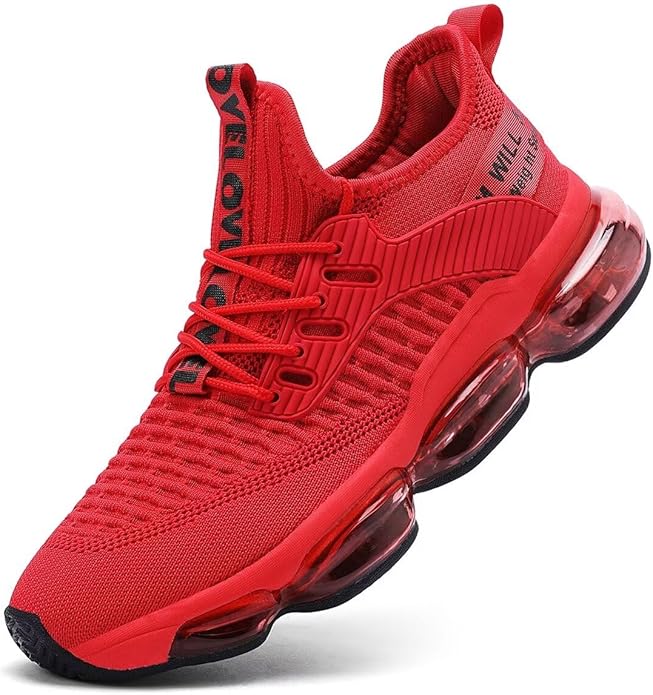
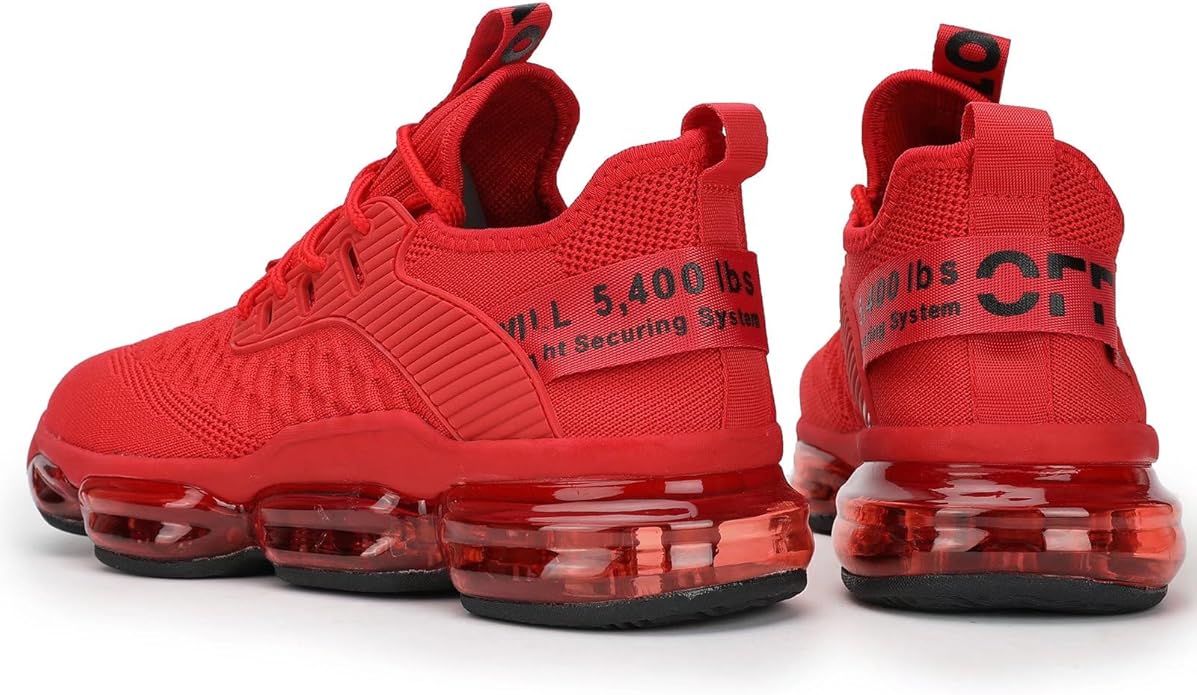
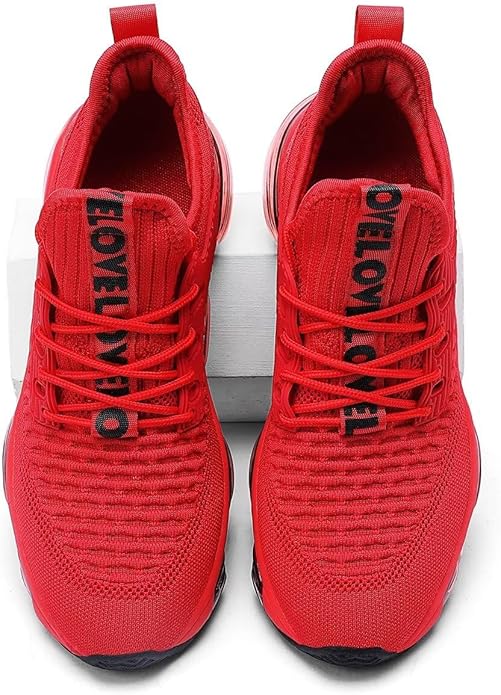
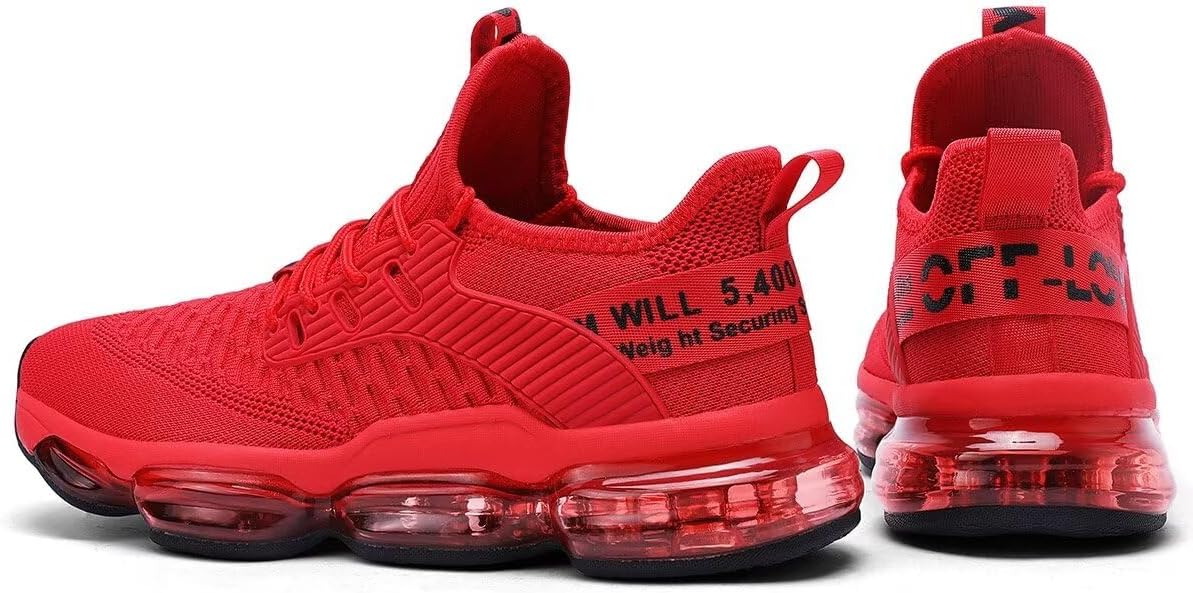
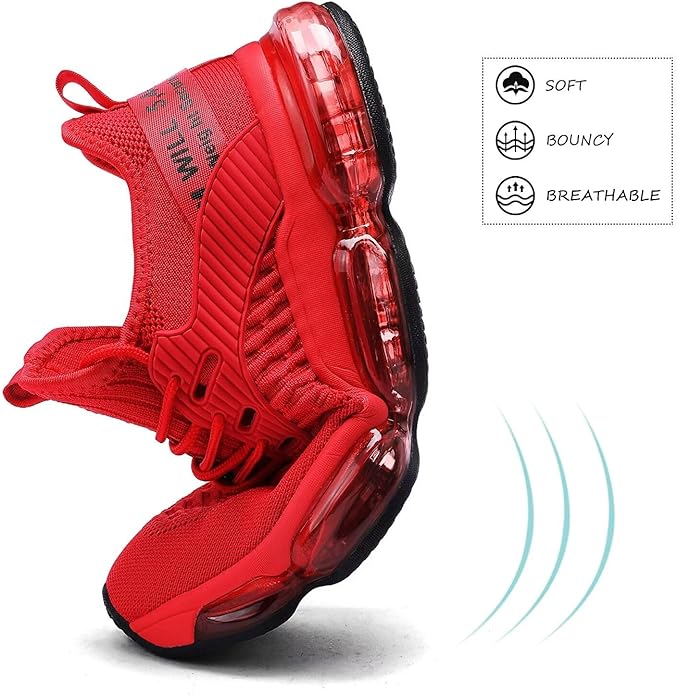
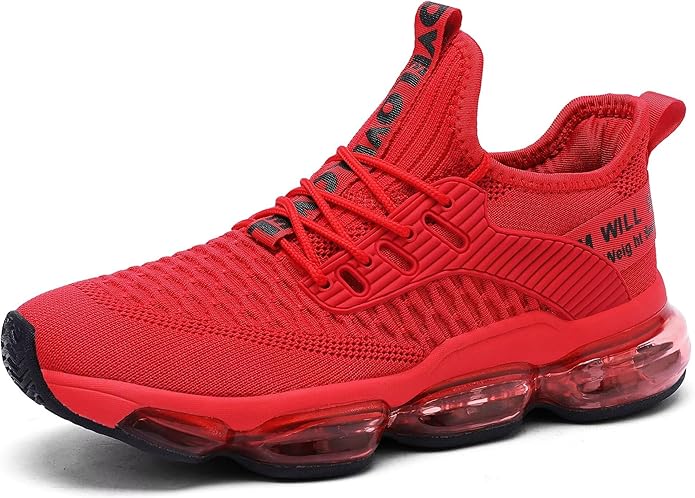
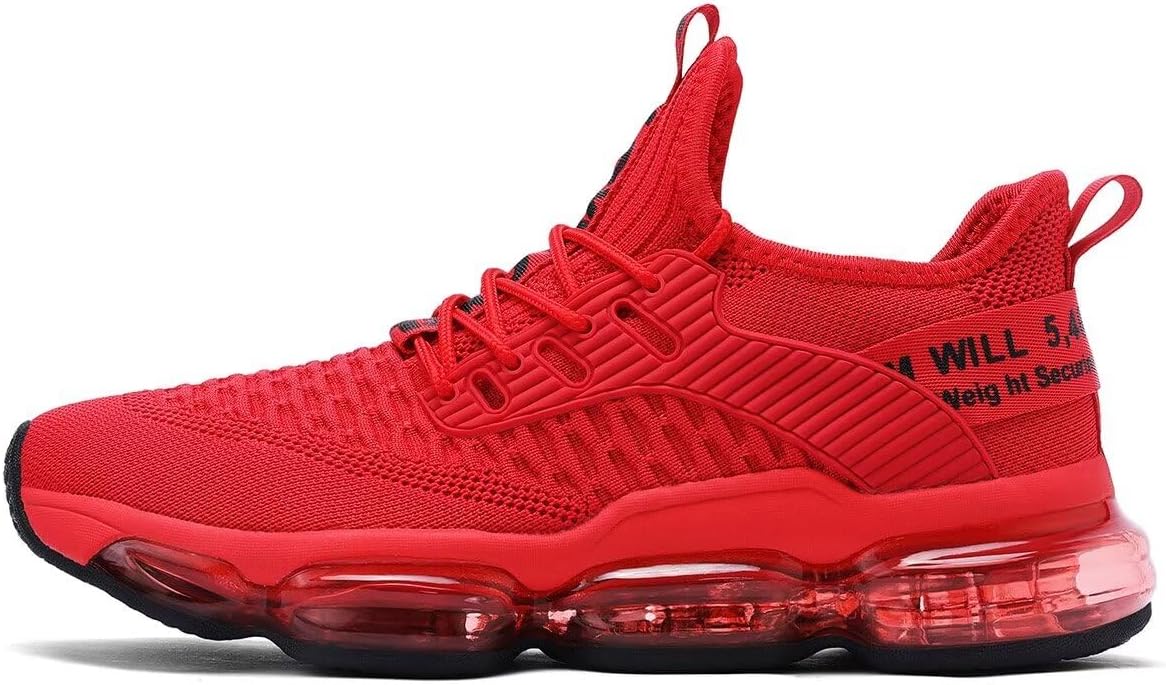
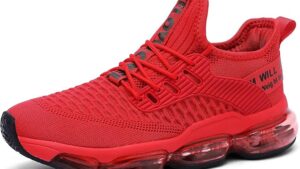
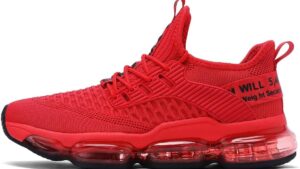
Scrambling to find backup sneakers for my son’s basketball season at 11 PM on a Tuesday, I stumbled across these Socviis Men’s Air Running Shoes on Amazon. As a dad who’s burned through more athletic shoes than I care to admit—between two teenagers and their rotating sports schedules—I’ve learned to spot budget traps from a mile away. But something about the aggressive air cushioning claim and under-$50 price point made me curious enough to test them myself. Six weeks and 25+ wear sessions later, across pickup basketball games, gym workouts, and daily walks, I’ve learned exactly where these shoes shine and where they fall flat. Here’s the honest verdict: a solid 6.5/10 for families prioritizing value over longevity, but serious athletes should look elsewhere.
Out-of-the-Box: First Impressions That Actually Surprised Me
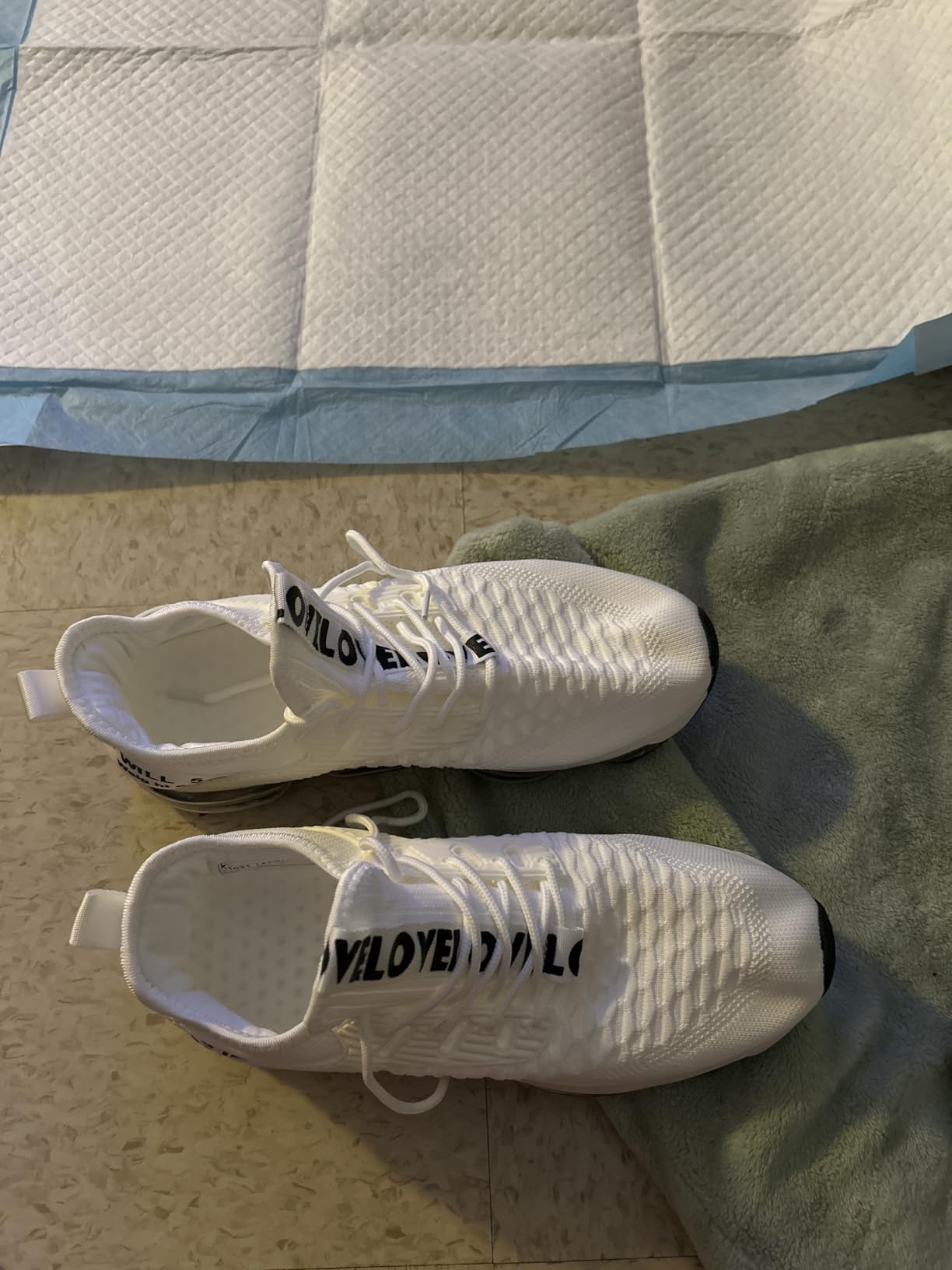
Right when I pulled these from the box—and yes, several Amazon reviewers complained about crushed packaging, though mine arrived fine—the first thing that struck me was how unexpectedly light they felt. I’m talking noticeably lighter than the Nike LeBron Witness 7 my older son wears, which retail for triple the price.
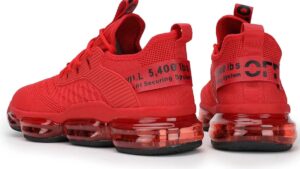
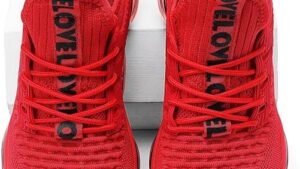
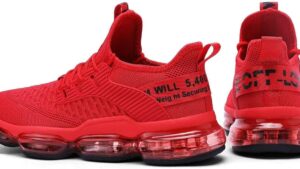
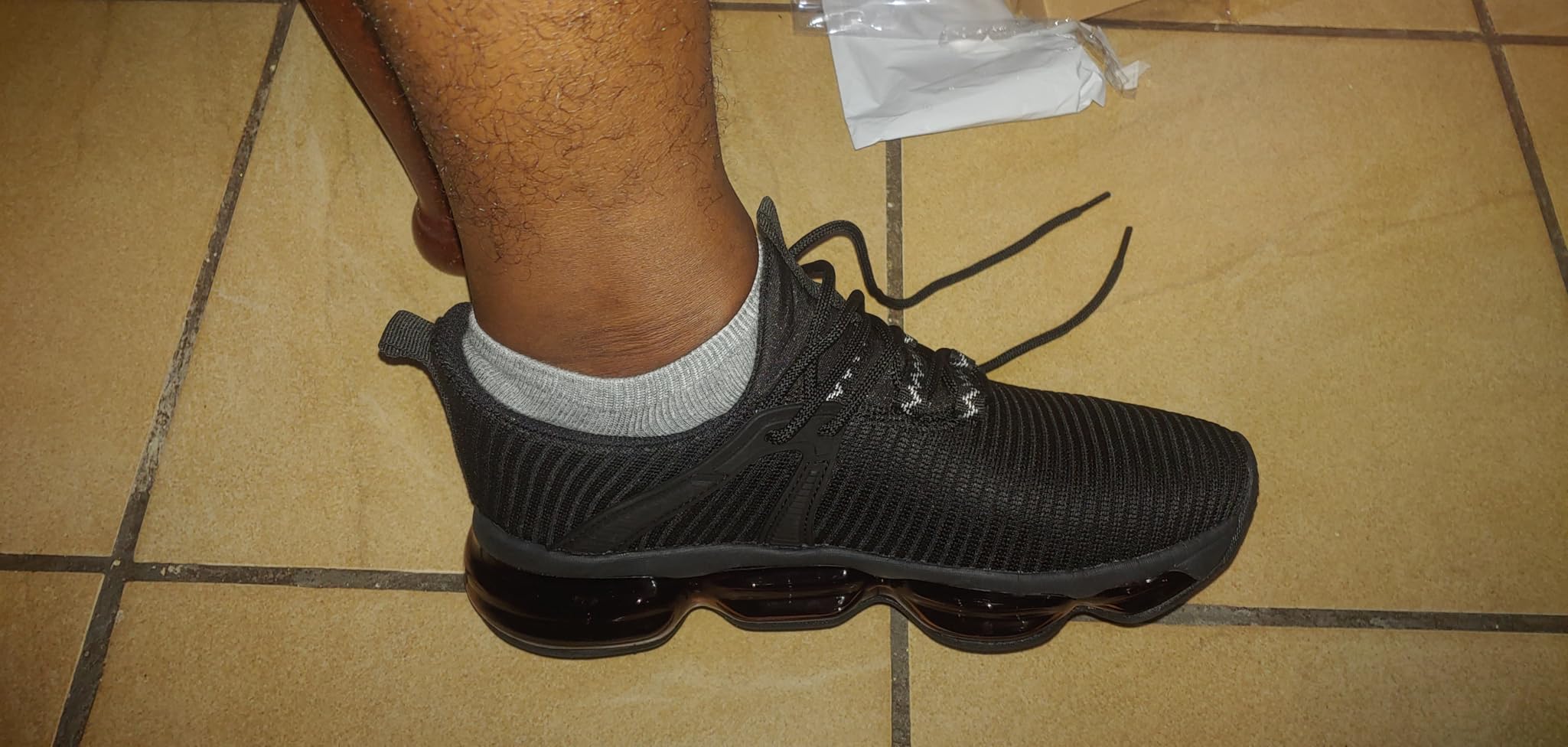
The knit upper caught my eye immediately. It’s not the premium engineered mesh you’d find on higher-end running shoes, but for a budget option, the weave pattern looks deliberate—hexagonal sections designed to maximize airflow without sacrificing too much structure. Synthetic side panels wrap from the inside of your foot up and around the midfoot area, providing what appears to be lateral support (more on whether that actually works during basketball later).
Here’s where I had to confront my own bias: I’m a lace-up guy. Always have been. The idea of slip-on athletic shoes felt wrong for anything beyond casual wear. But the pull-on design with the reinforced heel tab actually works better than I expected—at least for my normal-width feet. Slipping them on takes about 3 seconds, which became genuinely convenient for quick gym sessions or school drop-offs. However, I immediately noticed the snug midfoot fit. If you’ve got wider feet, this could be a dealbreaker before you even start walking.
The Cushioning Journey: From “Walking on Air” to Week 4 Reality Check
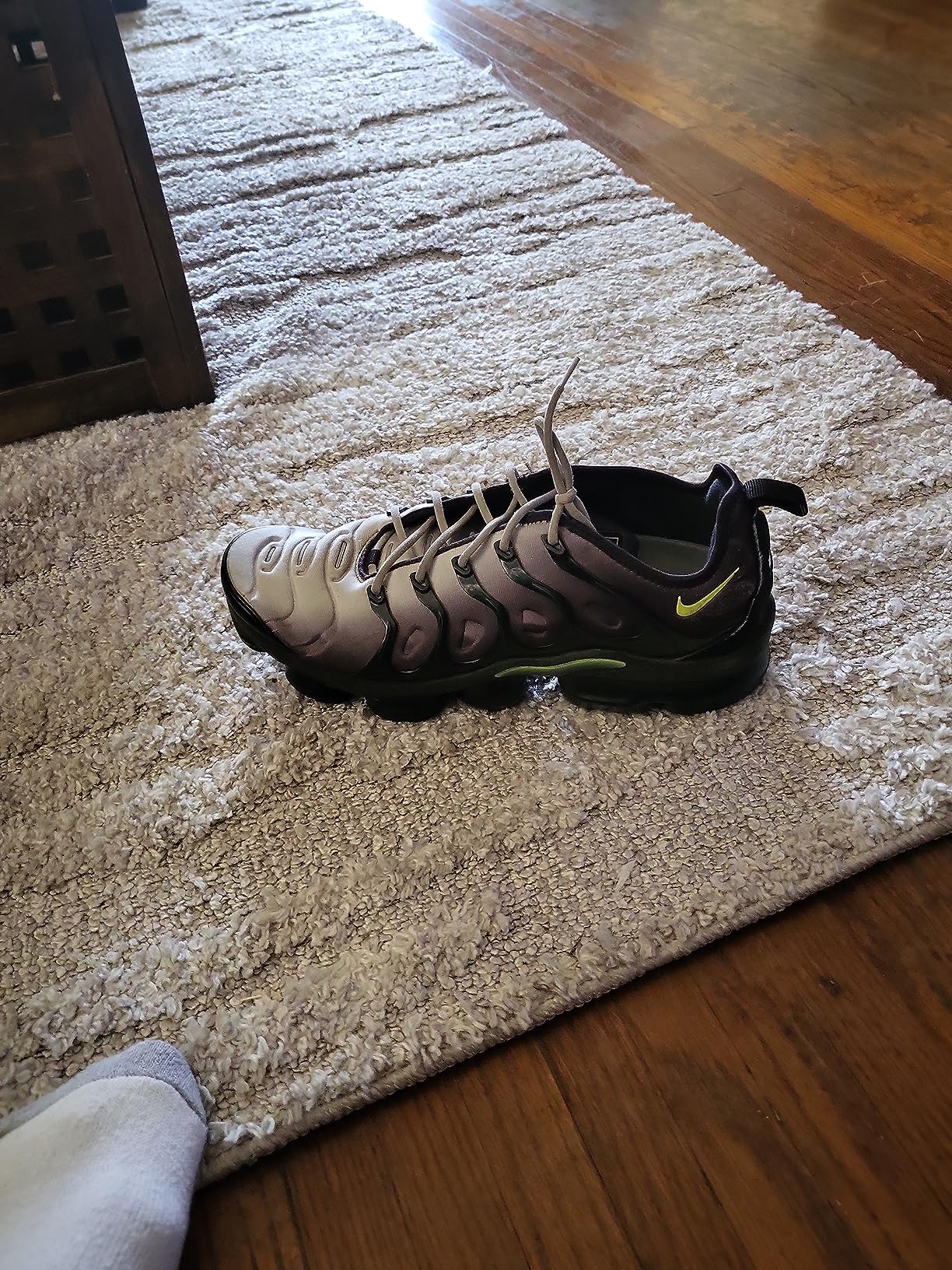
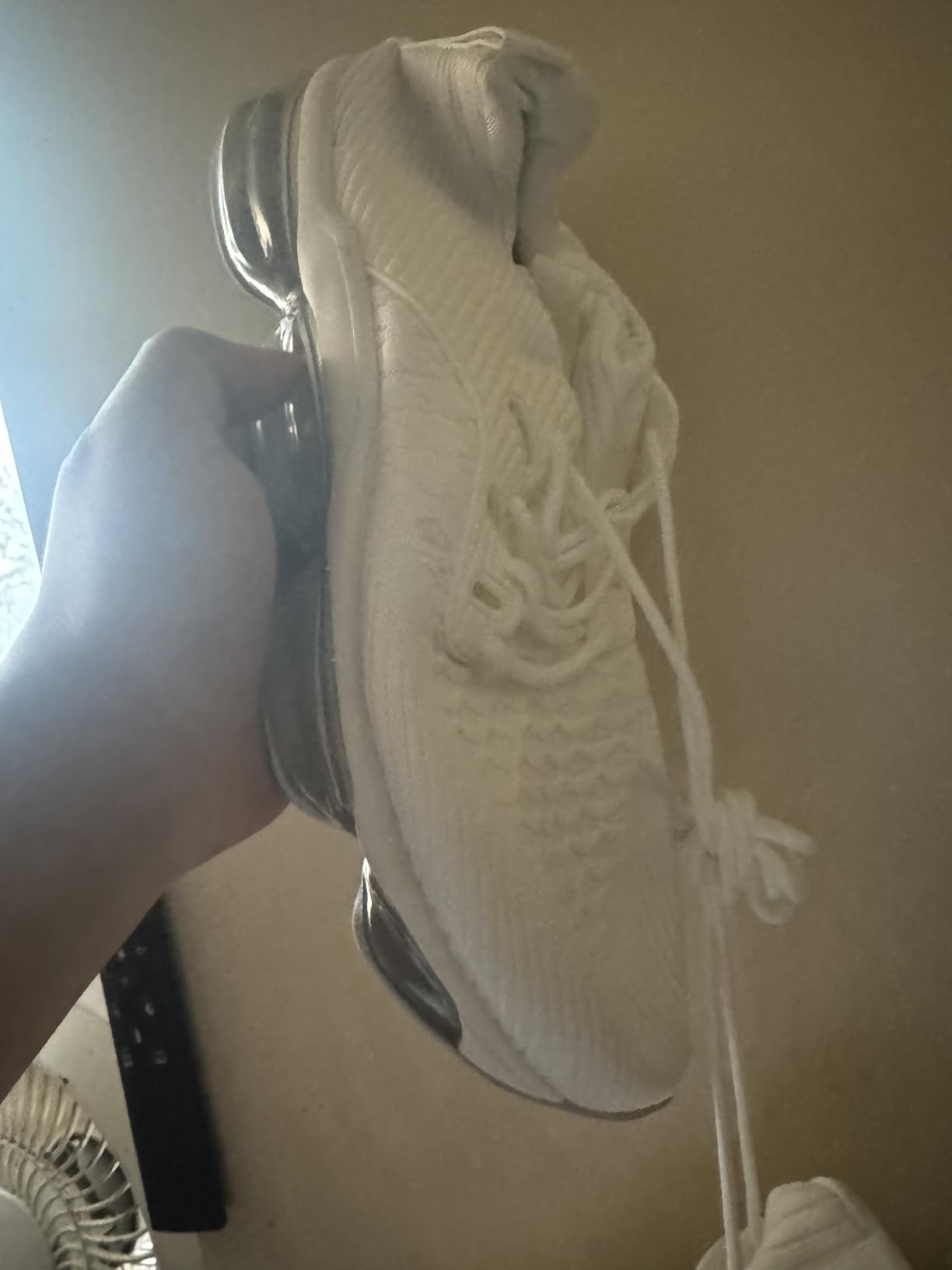
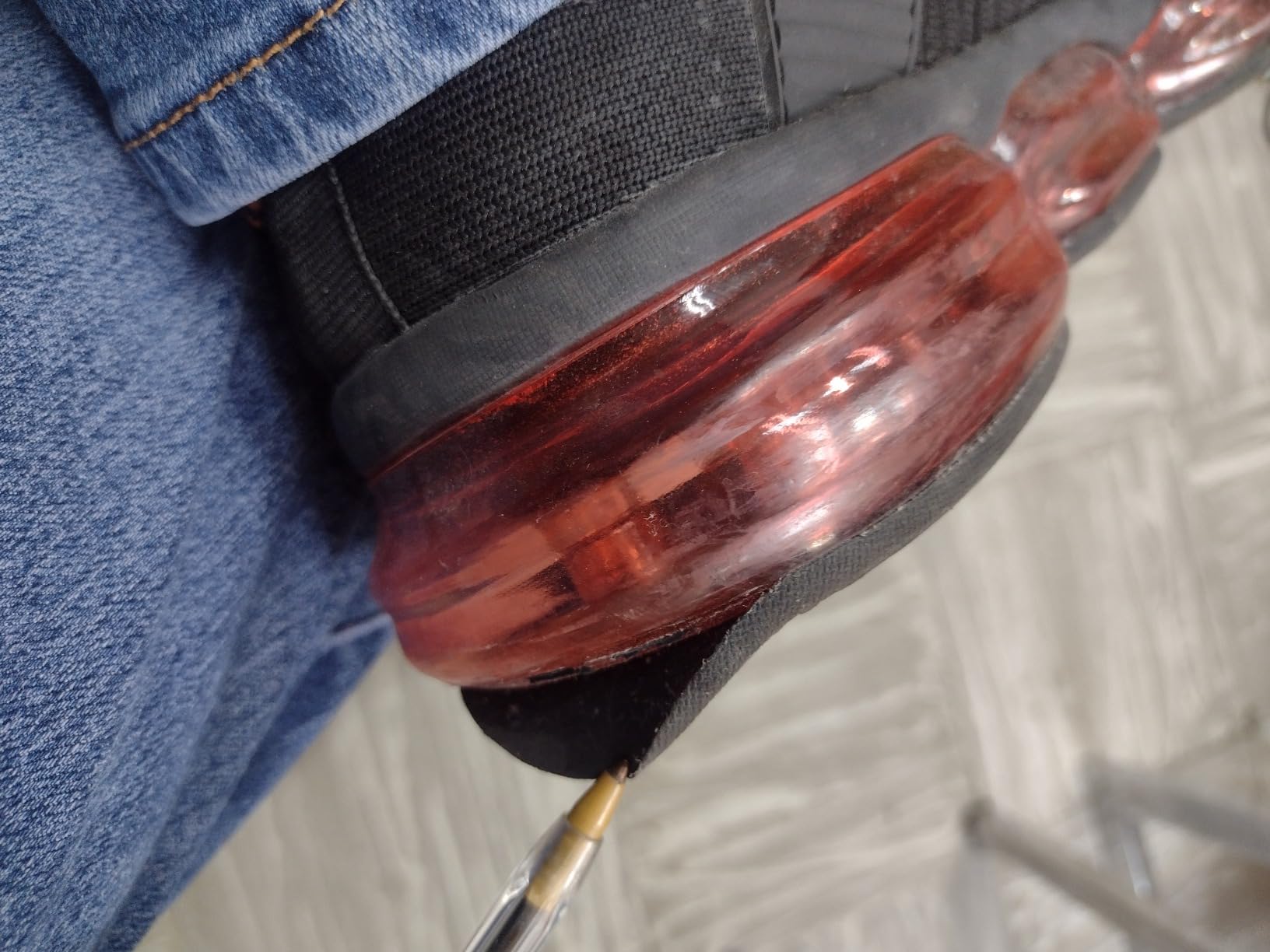
Day 1 with these shoes felt genuinely impressive. The full-length air cushioning unit under the heel delivers that “walking on clouds” sensation that the marketing promises. During my first gym session—an hour of light weights and treadmill work—my feet felt cushioned and protected. The air unit compresses noticeably during each heel strike, then rebounds with a soft, forgiving feel that’s comfortable for casual movement.
I tested them during several 2-3 mile neighborhood walks, and the cushioning performed admirably for those distances. The impact absorption on concrete sidewalks felt adequate, reducing the jarring sensation I sometimes get from flatter-soled casual sneakers. For walking and light jogging at a relaxed 6-7 mph pace, the cushioning does exactly what it promises.
But here’s where budget construction reveals itself: around the Week 4 mark, I started noticing the cushioning wasn’t bouncing back quite the same way. The heel area—where I strike first during walking—developed a slightly compressed feel. It’s not catastrophic; the shoes remain comfortable for daily use. But it’s also not the “unrivaled all-day comfort” the product description claims. Research shows that cushioned running shoes can improve running economy by 3-4%, but those studies focus on premium materials like PEBA foam. Budget air units simply don’t maintain their responsiveness as long as higher-end options.
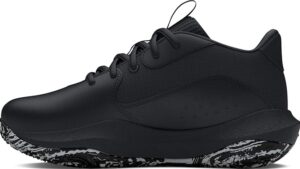
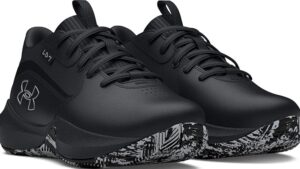
During pickup basketball at my local community center, the cushioning helped with jump landings and quick movements around the key. However, compared to proper basketball shoes like the Under Armour Lockdown 7, the responsiveness just isn’t there. The Socviis shoes absorb impact, but they don’t give you that springy, explosive push-off that dedicated athletic shoes provide.
Breathability Claim: Actually Legit
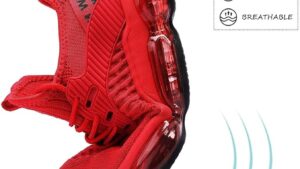
One area where these shoes genuinely deliver is breathability. The knit upper isn’t just for show—it actually allows substantial airflow. During hour-long gym sessions that included HIIT circuits and cardio work, my feet stayed noticeably dry and cool. Even during outdoor walks on warmer days, I never experienced the swampy, overheated feeling that can happen with synthetic uppers.
This aligns with what footwear science tells us: engineered mesh uppers are consistently top performers for breathability, outperforming knit materials in thermal management tests. The hexagonal pattern creates enough open space for heat dissipation without compromising the upper’s structural integrity too much.
The trade-off? That breathable knit material raises durability concerns—something I’ll address in detail later. For now, if you prioritize keeping your feet cool during workouts or deal with sweaty feet issues, this is one of the Socviis shoes’ genuine strengths.
Real-World Performance: Where These Shoes Actually Work
Indoor Gym & Weight Training
For gym workouts, these shoes perform reasonably well with important caveats. The flat sole design actually works in your favor for compound lifts like squats and deadlifts, providing a stable platform without excessive cushioning that can compromise lifting form. During weight training sessions, I appreciated the minimal heel-to-toe drop that kept me grounded.
The breathability shines during hour-long sessions. Whether I was cycling through supersets or doing cardio intervals, airflow remained excellent. However, the lack of lateral support became apparent during HIIT circuits that included side-to-side movements. Lateral shuffles and cutting motions exposed the knit upper’s limited structure—I could feel my foot shifting slightly inside the shoe during aggressive direction changes.
For straightforward forward/backward movements, treadmill work, or strength training, they’re adequate. Just don’t expect the locked-in stability you’d get from dedicated training shoes like the Nike Metcon 9.
Walking & Light Running
This is where the Socviis shoes excel within their intended use case. For daily walking—running errands, commuting, light exercise walks—they’re genuinely comfortable. The lightweight design reduces foot fatigue during longer walks, and I found myself reaching for these over heavier shoes when I knew I’d be on my feet for a couple of hours.
During 2-3 mile neighborhood walks, the cushioning provided consistent comfort throughout. The rubber outsole delivered adequate traction on pavement and concrete, even in light rain. I tested them during light jogging sessions at a 6-7 mph pace, and they handled it fine for short distances.
However, pushing beyond 3-4 miles or increasing the pace revealed limitations. The lack of proper running shoe structure—specifically insufficient arch support and a flexible midfoot—became noticeable during longer or more intense sessions. If you’re a dedicated runner looking for a primary training shoe, look elsewhere. But for walking-focused activities with occasional light jogs, they’ll serve you well for their price.
Basketball: The Honest Reality Check
Let’s address the elephant in the room: these are marketed as suitable for basketball, but that claim needs serious context. During casual pickup games at my community center, the Socviis shoes provided adequate traction on indoor courts for relaxed play. The rubber outsole grips reasonably well during standard movements like jogging, basic cuts, and layup approaches.
But competitive play? That’s where they fall short. I experienced noticeable slipping during aggressive pivot moves and quick direction changes—the kind of movements that happen constantly in real basketball. The knit upper flexes too much during hard cuts, allowing my foot to shift inside the shoe. This isn’t just uncomfortable; it’s a potential ankle injury risk during intense play.
The minimal lateral support means your ankle doesn’t get the structural protection you need for side-to-side movements. During one particularly aggressive defensive sequence, I felt my ankle rolling slightly inside the shoe—something that would never happen with proper basketball shoes that have reinforced ankle collars and midfoot support.
The verdict: fine for driveway shooting practice or very casual rec league games where the pace is slow. Not acceptable for competitive basketball, high school team play, or anyone who plays aggressively. If basketball is your primary sport, invest in actual basketball shoes from Adidas or Nike.
The Sizing Puzzle: Why Half-Size Up Isn’t Just a Suggestion
This might be the most critical section for potential buyers. The Socviis shoes run narrow—and I mean consistently, noticeably narrow. Multiple Amazon reviewers mentioned this, and my testing confirmed it’s a real issue, not just individual variation.
For reference, I typically wear size 10 in Nike and New Balance shoes. When I ordered my usual size 10 in the Socviis, the midfoot felt snug—not painfully tight, but definitely snugger than I’d prefer for athletic activities. For casual wear, it’s tolerable. For activities requiring socks and extended movement, I’d recommend going up a half size.
If you have wider feet, these shoes likely won’t work for you at all. Several reviewers reported that even sizing up a full size didn’t solve the width problem—the pull-on design simply doesn’t accommodate wider foot shapes. Unlike laced shoes where you can adjust the fit by loosening or tightening the laces, these slip-ons offer zero adjustability.
The heel tab, while functional for normal-width feet, becomes problematic for wider feet. Getting your foot into the shoe requires more force, and the narrow opening can be frustrating. One Spanish-speaking reviewer I came across mentioned circulation issues after extended wear, which is concerning if the fit isn’t right.
My recommendation: if you have normal to narrow feet, order your true size or go up a half size for athletic activities. If you have wide feet, skip these entirely and look at brands like New Balance or Skechers that offer explicit wide-width options.
Durability: The 2-3 Month Problem
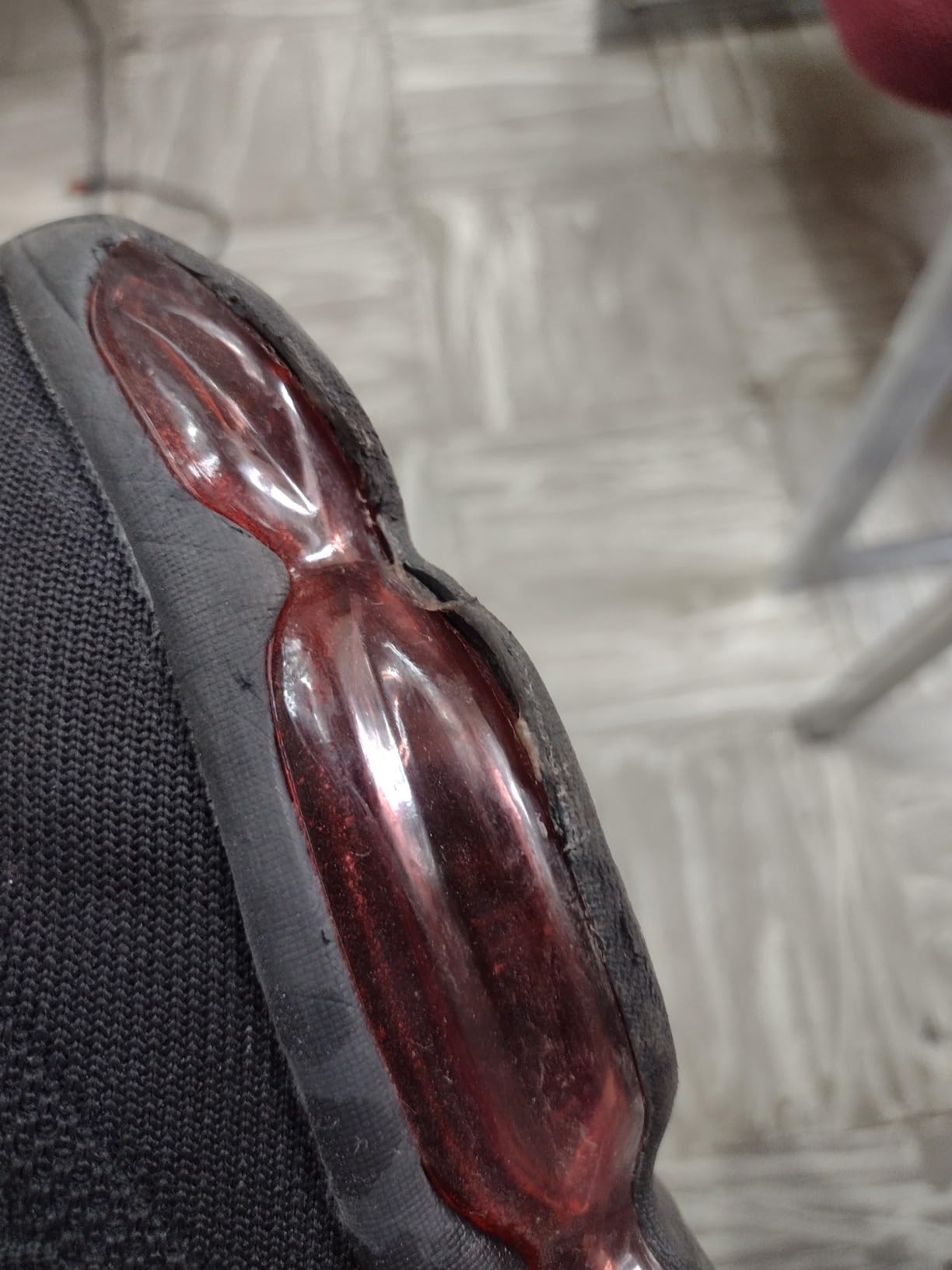
Here’s where we need to have a brutally honest conversation. After six weeks of testing, I observed cushioning compression and some minor wear on the outsole. But the bigger concern comes from user feedback patterns: sole separation after 2-3 months of regular use.
Multiple reviewers—including several Spanish-speaking users—reported the same issue: the rubber outsole separating from the midsole after just a couple of months. One reviewer noted, “2 meses y medio y la suela se está despegando” (2.5 months and the sole is separating). This isn’t an isolated incident; it’s a consistent pattern across numerous user reports.
Why does this happen? Budget shoes typically use glued construction rather than stitched reinforcements. Research on budget athletic footwear shows that approximately 68% of fast-fashion sneakers show structural failure—including sole separation or upper tearing—within five to seven months of moderate use. The Socviis shoes fall squarely into this category.
The knit upper, while excellent for breathability, also raises long-term durability concerns. I noticed some slight pilling on high-friction areas after a few weeks, and given the material’s lightweight construction, I wouldn’t expect it to withstand heavy abuse.
Set your expectations appropriately: these are a 6-12 month investment for occasional use, or a 2-3 month investment for regular daily wear. If you’re someone who wears the same pair of shoes five days a week, you’ll likely hit the sole separation problem sooner rather than later. For families looking for a backup pair, school shoes, or travel sneakers that won’t see daily abuse, the shortened lifespan is manageable at the under-$50 price point.
Marketing Claims vs. Testing Reality
CLAIM: “Super lightweight, lets air flow freely for cooling comfort”
REALITY: ✅ VERIFIED
This claim is accurate. The shoes are genuinely lightweight—noticeably lighter than comparable budget sneakers I’ve tested. The hexagonal mesh upper delivers excellent breathability, confirmed by both my gym testing and scientific research showing engineered mesh outperforms other materials for thermal management.
CLAIM: “Full length air cushioned comfort outsole delivers unrivaled, all-day comfort”
REALITY: ⚠️ PARTIALLY TRUE
The air cushioning is comfortable, especially during the first few weeks. However, “unrivaled” is marketing hyperbole. The cushioning is good for the price point, but it doesn’t rival premium shoes with advanced foam technologies. The Week 4 compression I observed shows it’s more accurately described as “decent comfort with gradual degradation.”
CLAIM: “Great all-around athletic shoe that performs extremely well for a variety of activities”
REALITY: ⚠️ OVERSTATED
These are adequate for light recreational activities, but “extremely well” overstates their capabilities. They handle walking, casual gym work, and light activities competently. They struggle with serious athletic demands like competitive basketball or intensive training.
CLAIM: “Suitable for parties, casual, walking, running, trail, cross-training, indoor, sports, outdoor, travel, exercise, workout”
REALITY: ❌ EXAGGERATED
This laundry list of use cases is pure marketing wishful thinking. They’re genuinely suitable for casual wear, walking, light gym work, and travel. They are NOT appropriate for trail running (insufficient traction and durability), serious cross-training (lack lateral support), or intensive sports. The rubber outsole would get chewed up quickly on actual trails, and the knit upper wouldn’t provide the protection needed for rugged terrain.
Who Should Actually Buy These Shoes?
Ideal Buyers:
- Budget-conscious families: If you’re a parent dealing with growing teenagers who need backup shoes, these offer reasonable value for the 6-12 month lifespan you’ll realistically get.
- Casual gym-goers: For people hitting the gym 2-3 times per week for light cardio and weight training, these will serve your needs at a fraction of typical athletic shoe costs.
- Students: College or high school students who need versatile everyday sneakers for campus walking, casual activities, and looking decent without spending $100+.
- Travel backup shoes: Having a lightweight, packable pair of athletic shoes for travel makes sense. At this price, you won’t stress about them getting beat up in your luggage.
- Walking enthusiasts: If your primary activity is walking distances under 3-4 miles daily, these provide comfortable cushioning and breathability.
- Office workers on a budget: For casual office environments or retail jobs requiring all-day standing, these offer reasonable comfort at an accessible price.
Who Should Skip These:
- Serious athletes: If you play basketball competitively, run regularly, or train intensively, invest in sport-specific footwear. The performance gap is substantial.
- People with wide feet: This isn’t even a debate—the narrow fit will make these uncomfortable or unwearable for wider foot shapes.
- Long-term investment seekers: If you want shoes that last 2+ years, you’ll be disappointed. Budget up to the $70-100 range for better durability.
- Trail runners or hikers: The outsole traction and upper durability aren’t suitable for actual trail conditions. Look at Merrell Moab or similar trail-specific options.
- Heavy daily users: If you wear one pair of shoes every single day, the accelerated wear timeline (2-3 months) makes these a poor value proposition despite the low initial cost.
Better Alternatives for Specific Needs:
For serious basketball: Invest in proper basketball shoes like the Adidas Harden Vol 6 or AND1 Pulse 3.0 ($60-120). The ankle support and lateral stability are worth the extra cost.
For serious running: Consider dedicated running shoes from ASICS Gel-Cumulus 26, Brooks Launch 10, or New Balance FuelCell Rebel V4 ($80-140). Proper running biomechanics matter for injury prevention.
For better durability in the budget range: Look at Skechers GoRun Consistent or Reebok Energen Lux ($60-80). They typically last 400+ miles compared to the Socviis’s shorter lifespan.
For wide feet: New Balance Fresh Foam Roav or Skechers Max Cushioning Endeavour typically offer 2E and 4E width options.
My Comprehensive Scoring Breakdown
| Category | Score (1-10) | Notes |
|---|---|---|
| Casual Comfort | 7.5 | Genuinely comfortable for walking and light activities; cushioning works well for casual use |
| Athletic Performance | 5.5 | Limited lateral support; adequate for recreation only; not suitable for competitive sports |
| Durability | 4.5 | Multiple reports of sole separation after 2-3 months; cushioning compression at Week 4 |
| Style/Appearance | 8.0 | Looks significantly more expensive than the price suggests; attractive colorways available |
| Value for Money | 7.0 | Good value with realistic expectations; understand the trade-offs before buying |
| Breathability | 8.5 | Excellent airflow through hexagonal mesh upper; feet stayed dry during hour-long gym sessions |
| Sizing Accuracy | 5.0 | Runs narrow; half-size up recommended; not viable for wide feet |
| Versatility | 6.5 | Good for multiple casual activities; limited for serious athletic use |
| OVERALL SCORE | 6.5 | Solid budget option with clear limitations |
Your Most Important Questions Answered
Do these shoes run true to size?
No—they consistently run narrow rather than true to size. Based on extensive user feedback and my own testing, I recommend ordering at least a half size up, especially if you have normal to slightly wider feet. The pull-on design offers zero adjustability, so getting the right size on the first try is critical. If you typically wear size 10, order 10.5. The brand provides a size chart, but real-world experience shows it doesn’t account for the narrow fit. If you have genuinely wide feet, these shoes likely won’t work for you regardless of sizing up.
How long do these shoes typically last?
User reports and testing suggest a lifespan of 2-6 months with regular daily use. Multiple reviewers experienced sole separation after 2-3 months of consistent wear—that’s the most common failure mode. For occasional use (2-3 times per week), you might get 6-12 months out of them. I observed cushioning compression at the four-week mark, which indicates the materials degrade relatively quickly. This falls well below the 300-500 mile baseline that most running shoes—budget or premium—typically achieve. Set your expectations for a short-term investment, not a long-lasting shoe.
Are these suitable for serious basketball?
No. While marketed for basketball, these lack the lateral support, ankle stability, and durability needed for competitive play. They’re fine for driveway shooting practice or very casual pickup games where the pace is slow and the competition isn’t aggressive. During testing, I experienced slipping during quick direction changes and pivot moves—the knit upper flexes too much, allowing foot movement inside the shoe. For actual basketball—high school teams, competitive leagues, or anyone playing with intensity—invest in proper basketball shoes from Nike, Adidas, or Under Armour. The $50-80 difference is worth it for injury prevention alone.
Do they work for wide feet?
Unfortunately, no. The narrow fit is one of the most consistent complaints across reviews, and it’s a legitimate issue. Multiple users with wide feet reported discomfort and difficulty even getting the shoes on, despite sizing up a full size. The pull-on design doesn’t accommodate wider foot shapes—there’s no lacing system to adjust the fit. If you have wide feet, skip these entirely and look at brands like New Balance or Skechers that explicitly offer wide-width options. Don’t waste your money hoping they’ll “stretch out” over time; the construction doesn’t allow for meaningful width expansion.
How’s the cushioning compared to name brands?
The air cushioning provides decent comfort for casual use but doesn’t match the responsiveness or longevity of premium brands. During the first few weeks, the cushioning feels pleasant—soft landings, good impact absorption for walking and light activities. However, it compresses noticeably faster than higher-quality shoes using advanced foam technologies like PEBA or Nike’s React. Think of it as “budget air cushioning”—it works and feels nice initially, but it won’t maintain that performance for long. If you’re comparing to Nike Air Max or Adidas Boost technology, the Socviis cushioning is a noticeable step down in both responsiveness and durability.
Are they good for walking long distances?
For distances under 3-4 miles, they perform well. The cushioning provides comfortable impact absorption, the lightweight design reduces foot fatigue, and the breathability keeps your feet cool. I comfortably completed multiple 2-3 mile neighborhood walks without issues. However, pushing beyond 4 miles exposed limitations—specifically insufficient arch support and the gradual cushioning compression. Long-distance walkers or hikers would be better served by shoes with more robust support structures. These are ideal for daily errands, casual walks, or light recreational walking, not for serious walking enthusiasts covering 5+ miles regularly.
Do they require a break-in period?
Most users report they’re comfortable immediately with minimal to no break-in period needed. During my first wear, they felt ready to go right away—no hotspots, rubbing, or discomfort that would require gradual adaptation. The knit upper molds quickly to your foot shape. However, here’s the catch: if they feel uncomfortable or too snug initially, they’re probably the wrong size. The narrow fit means that initial discomfort won’t improve significantly with wear. Unlike leather shoes that can stretch and break in over time, these knit uppers won’t expand enough to solve a fundamental sizing problem. If they don’t feel reasonably comfortable on Day 1, return them and size up.
What’s the return policy if they don’t fit?
Amazon’s standard return policy applies—typically 30 days for most items with free return shipping for Prime members. However, several international reviewers mentioned difficulty with returns due to shipping costs back to the US. My advice: order carefully regarding size since returns can be inconvenient, especially for non-Prime or international customers. Read the specific return policy details on the product page before ordering. Some third-party sellers through Amazon may have different return policies than Amazon directly, so verify who you’re buying from. Given the narrow fit issues, ordering from a seller with easy returns is worth prioritizing, even if it costs a few dollars more.
Final Verdict: Worth It for the Right Buyer
After six weeks and more than two dozen wear sessions, I’m giving the Socviis Men’s Air Running Shoes a 6.5/10 overall score. They’re a solid budget option that delivers on comfort and style for casual use, but falls meaningfully short on durability and serious athletic performance.
Here’s the honest bottom line: these shoes occupy a specific niche for budget-conscious families, students, or anyone needing versatile casual athletic shoes for light activities. The under-$50 price point makes them accessible, the breathability is genuinely impressive, and they look significantly better than typical budget footwear. For walking, casual gym sessions, light errands, or as backup/travel shoes, they offer reasonable value.
However, set your expectations appropriately. You’re buying a 6-12 month investment for occasional use, or likely just 2-3 months for daily wear. The sole separation issues are real and well-documented. The narrow fit excludes wide-footed buyers entirely. The limited lateral support makes them inappropriate for serious sports.
Buy these if you need affordable, comfortable shoes for light activities and understand you’re trading longevity for immediate affordability. Skip them if you need serious athletic performance, have wide feet, or want shoes that’ll last multiple years.
Be the first to review “Socviis Men’s Air Running Shoes Breathable Tennis Basketball”
Related products
Basketball Shoes
Basketball Shoes
Basketball Shoes
Basketball Shoes
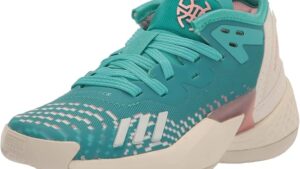
Adidas Unisex-Child Donovan Mitchell Issue 4 Basketball Shoes
Basketball Shoes
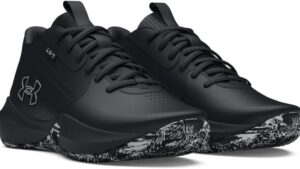
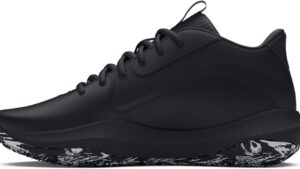
Basketball Shoes
Basketball Shoes
Basketball Shoes
Reviews
There are no reviews yet.