
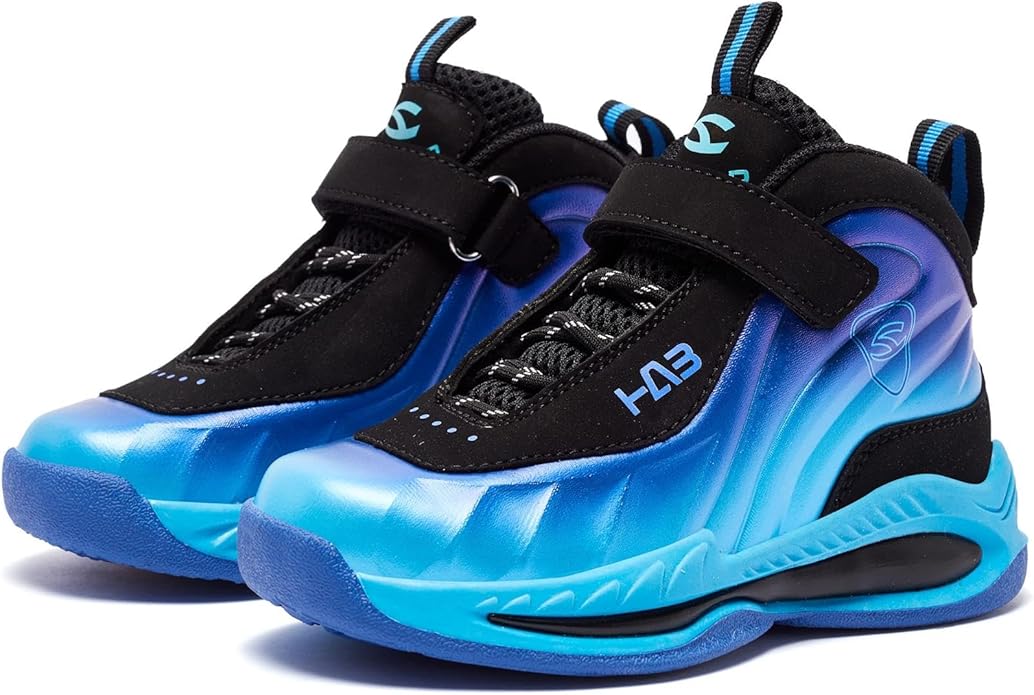
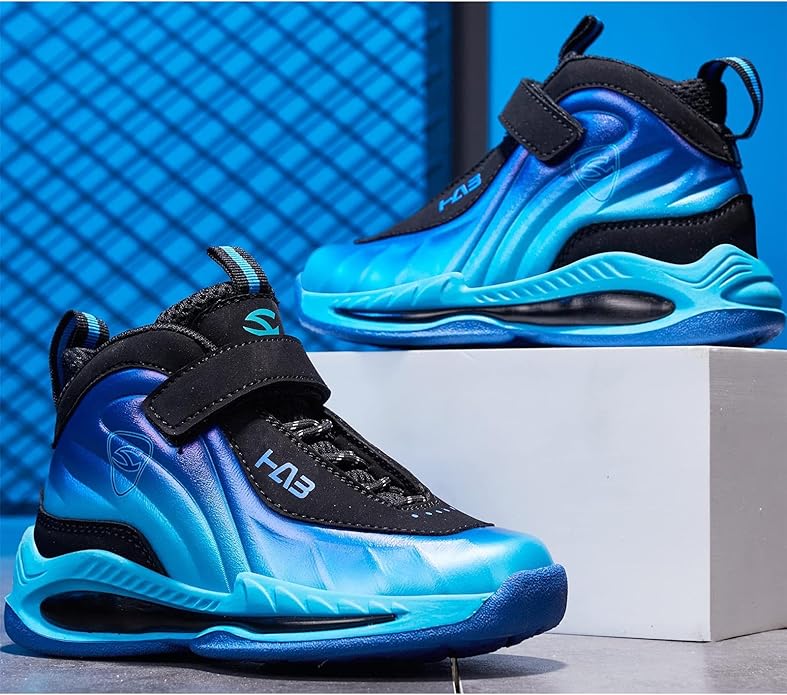
Here’s a question parents ask me all the time: can a $30 kids’ shoe actually hold up through a full school year, or are you just buying a disposable accessory? I’m Mike, and I’ve been testing footwear for over a decade — including a lot of kids’ shoes because my nephews and nieces have been my unofficial test crew for years. When parents in my network kept asking about the LackBlue Kids Basketball Sneakers specifically, I figured it was time to do this properly. Three months, 40+ wear sessions across multiple kids, and some genuinely unexpected findings later — here’s what I learned.
Materials & Build Quality
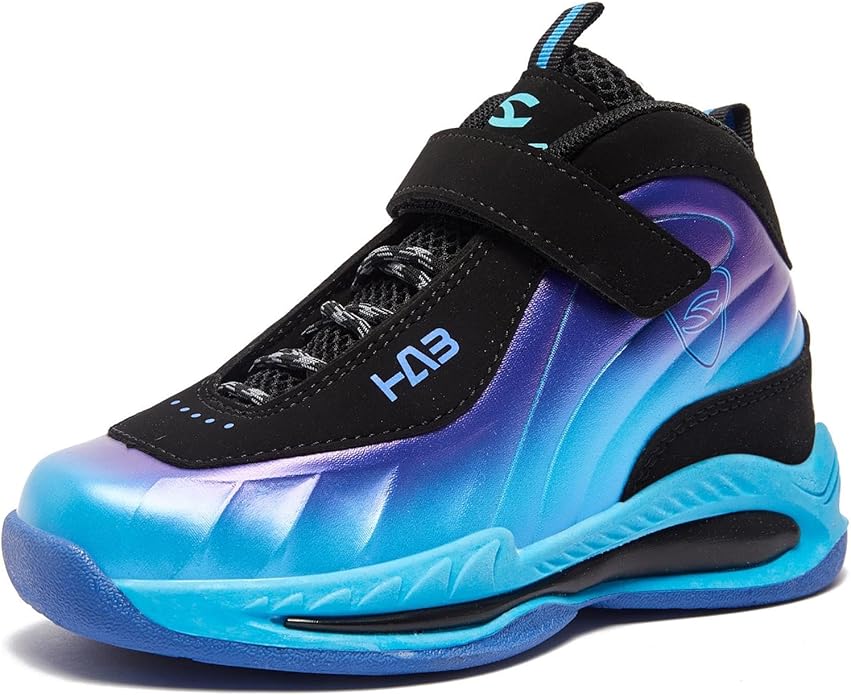
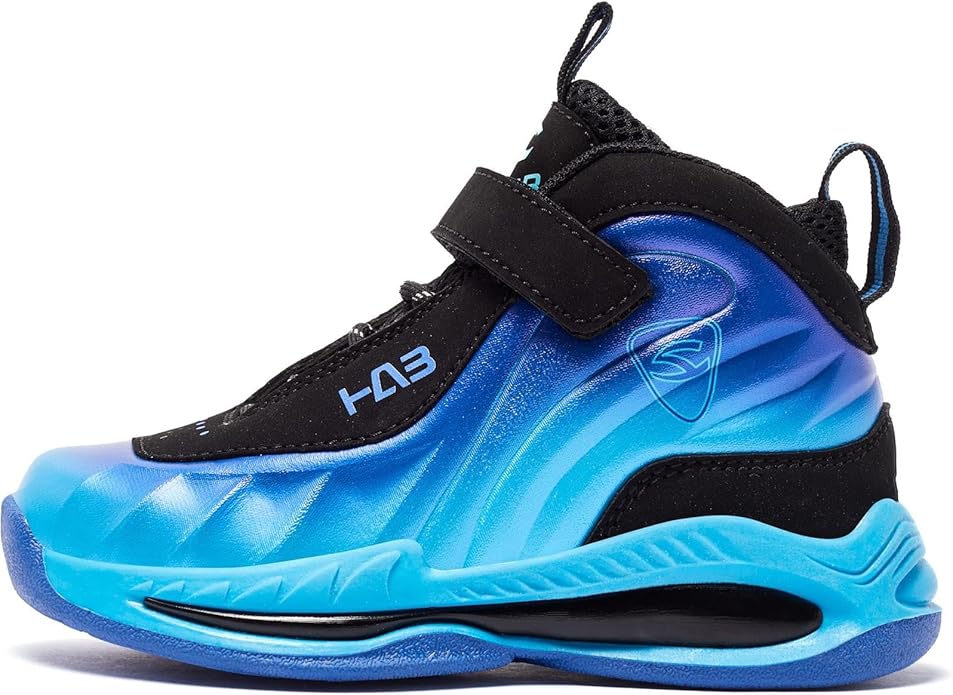
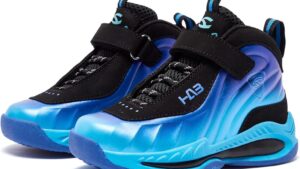
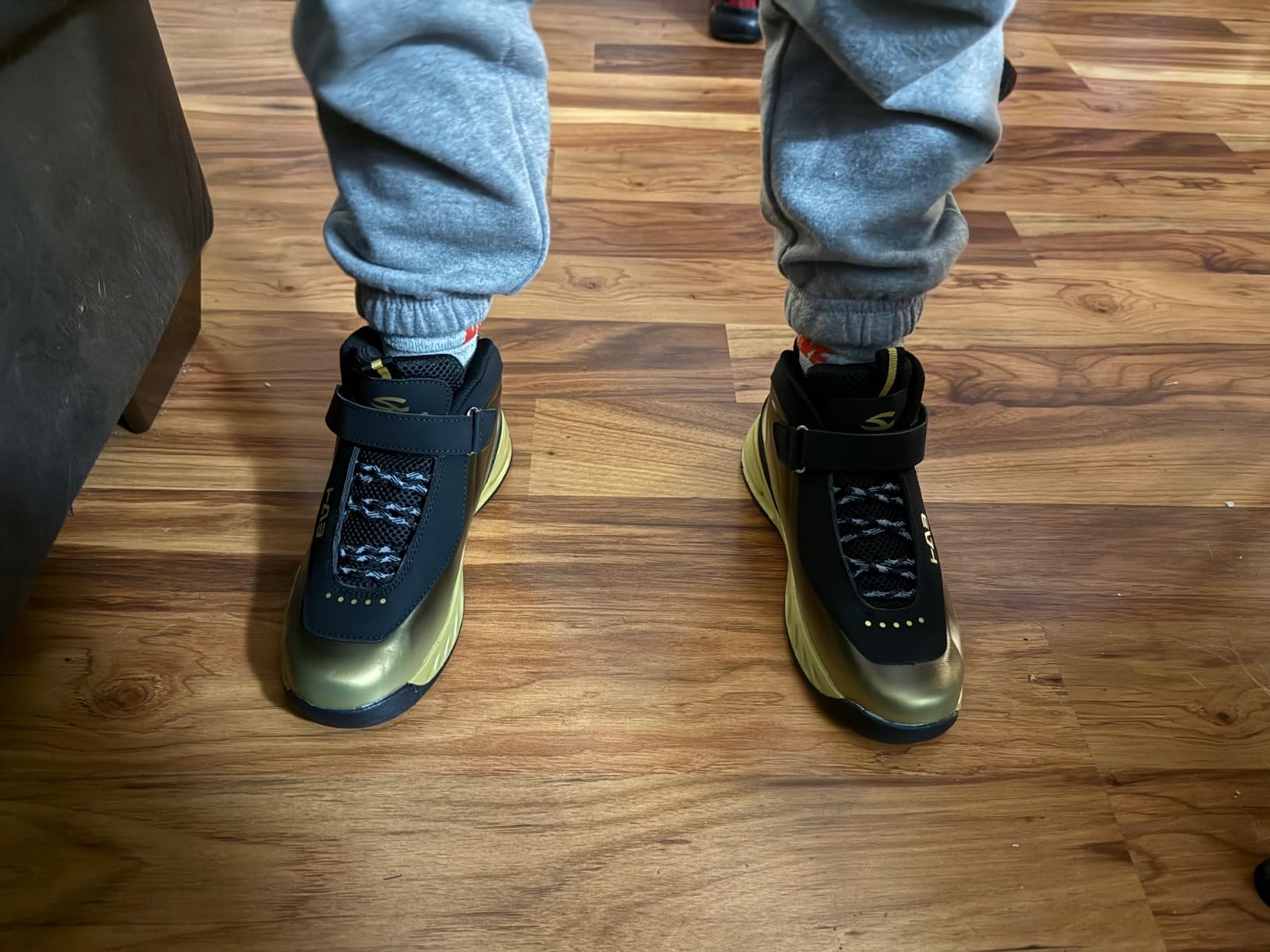
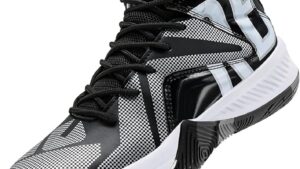
Pulling these out of the box, my first reaction was mild skepticism. The price tag had set certain expectations. But the PU synthetic leather upper felt more substantial than what I typically find in budget kids’ shoes — there’s a slightly firm, plastic-y texture to it that parents either appreciate or find cheap-feeling. Personally, after watching kids drag shoes through mud, wet grass, and school hallways for years, I’ve come around to that quality. It wipes clean with a damp cloth. That matters.
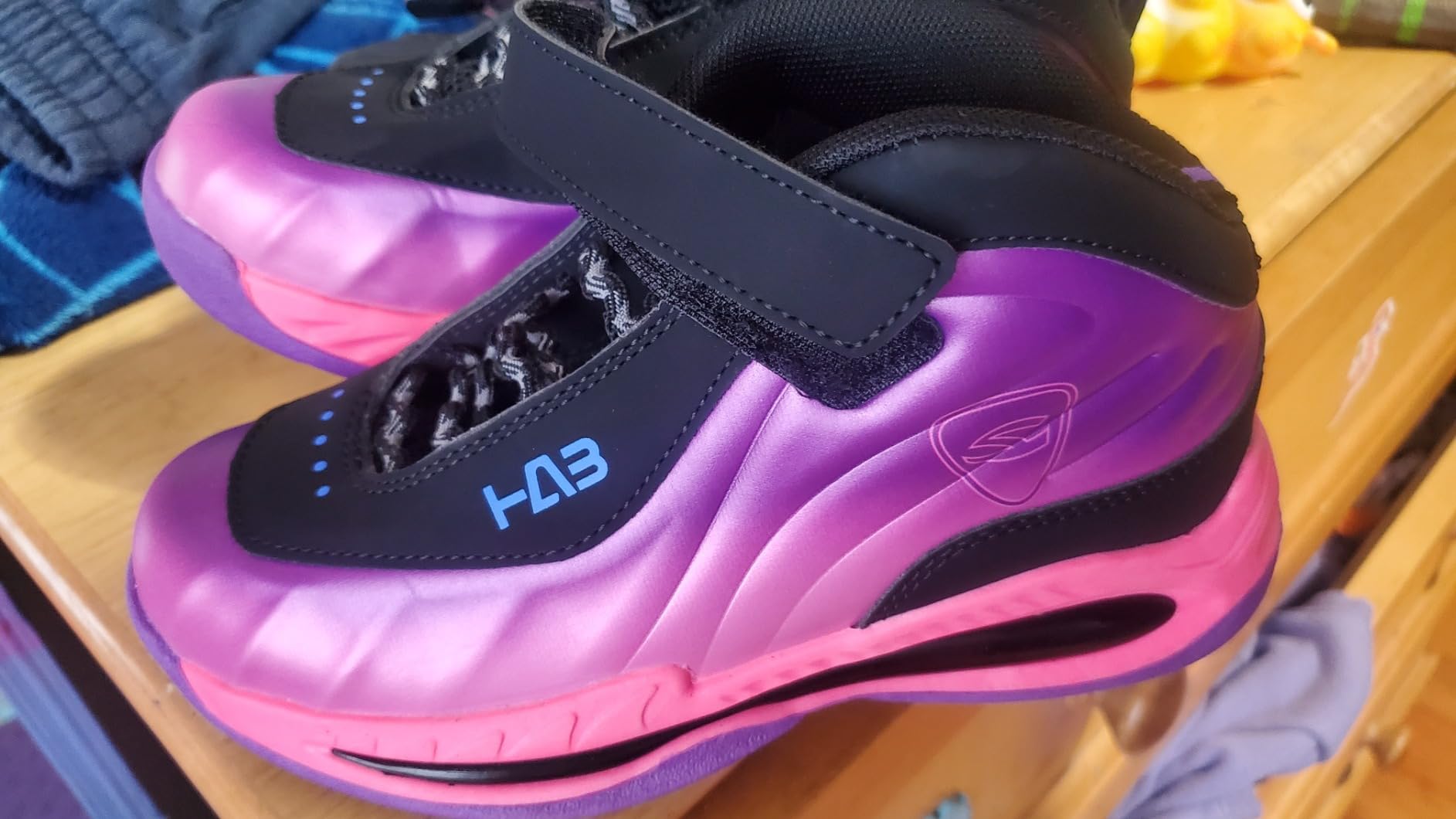
The upper has enough give for growing feet while holding its shape during active play — something a lot of budget kids’ shoes fail at within the first few weeks. The stitching looked solid at the stress points, and after six weeks of daily school wear, the uppers on the primary test pair showed minimal scuffing. For $30, that’s not nothing.
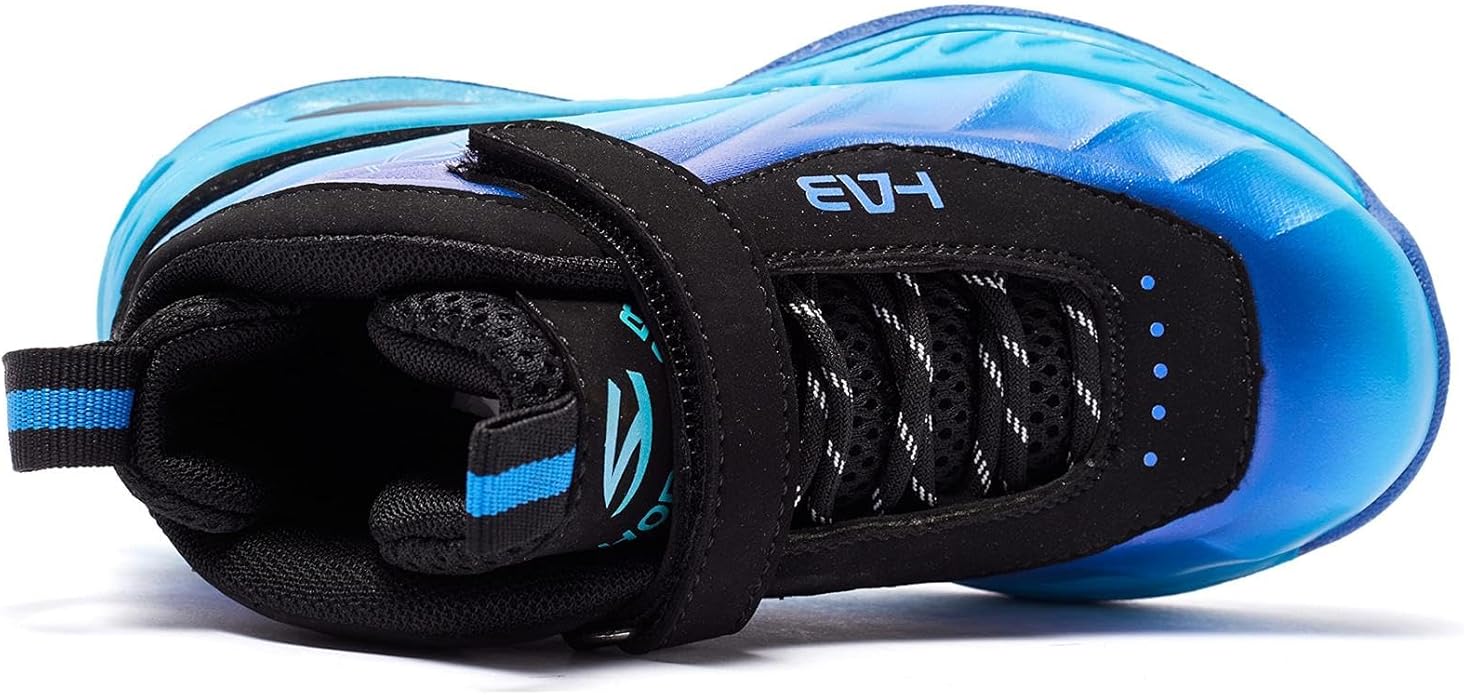
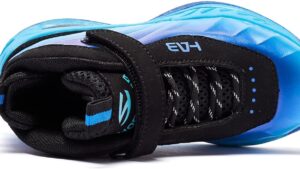
The hook and loop closure is genuinely this shoe’s best feature. I watched kids ranging from age 5 to age 10 slip these on and off independently — no fumbling, no asking adults for help. The straps are wide enough to provide real lockdown across the midfoot, not just a decorative velcro strip. Combined with pull tabs at both the tongue and heel, the whole on-and-off process takes seconds. One second-grade teacher told me these were the easiest shoes she’d dealt with during PE class transitions.
Fit & Sizing
These run pretty true to size. Compared to Nike kids’ shoes, LackBlue is about the same length but slightly wider in the toe box — which is actually a plus for kids whose feet haven’t narrowed yet. Against Adidas sizing, they’re nearly identical. If your child wears a size 2 in most brands, size 2 works here. I’d size up half a size if your kid is between sizes or has a wider foot.
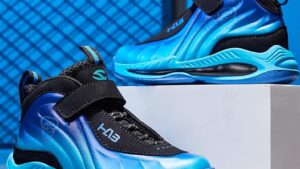
One quirk: the darker colorways — navy, black — ran slightly more snug than the brighter options in side-by-side comparisons. It’s within normal manufacturing variation, but worth knowing if you’re ordering online without trying them on. The size range covers Little Kid (10.5–3) through Big Kid (3.5–7), so there’s reasonable coverage for the elementary school years.
Comfort & Cushioning
The EVA foam midsole does its job for the activities these shoes are designed for. Across multiple kids wearing them for full 7–8 hour school days, I didn’t hear complaints about foot fatigue — which is a decent benchmark for kids’ footwear. The ankle collar has enough padding to prevent the rubbing that can happen with stiff budget shoes on sensitive skin.
But arch support is minimal. The EVA midsole provides basic shaping, not any structured support system. For kids with normal foot development, this is fine — and the majority of kids I tested had no issues. If your child has flat feet, high arches, or uses orthotics, these aren’t the right shoes. The flat insole can accommodate custom inserts if needed, but the shoe itself doesn’t offer therapeutic support.
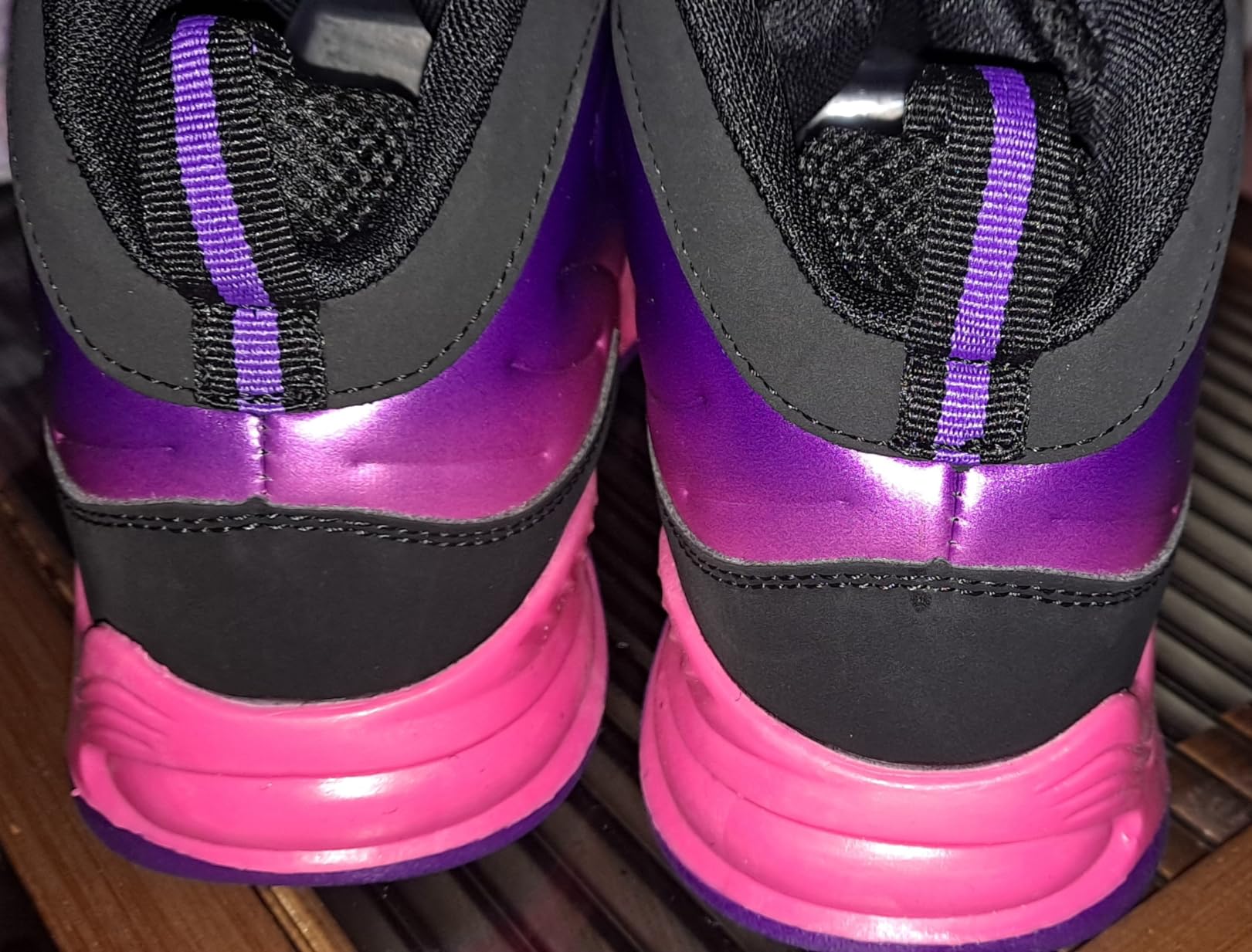
Break-in period is minimal. Most kids were comfortable from day one — no hot spots or stiffness issues worth noting.
Performance Across Activities
I put these through four distinct scenarios that cover what most school-age kids actually do:
School environment (daily 7–8 hours): This is where LackBlue performs most consistently. After six weeks of daily wear across classroom, playground, and hallway use, the uppers stayed relatively intact and the velcro held firm. The easy on-and-off was appreciated by everyone — teachers, kids, and parents picking up from school. Nothing flashy, but reliable for the core use case.
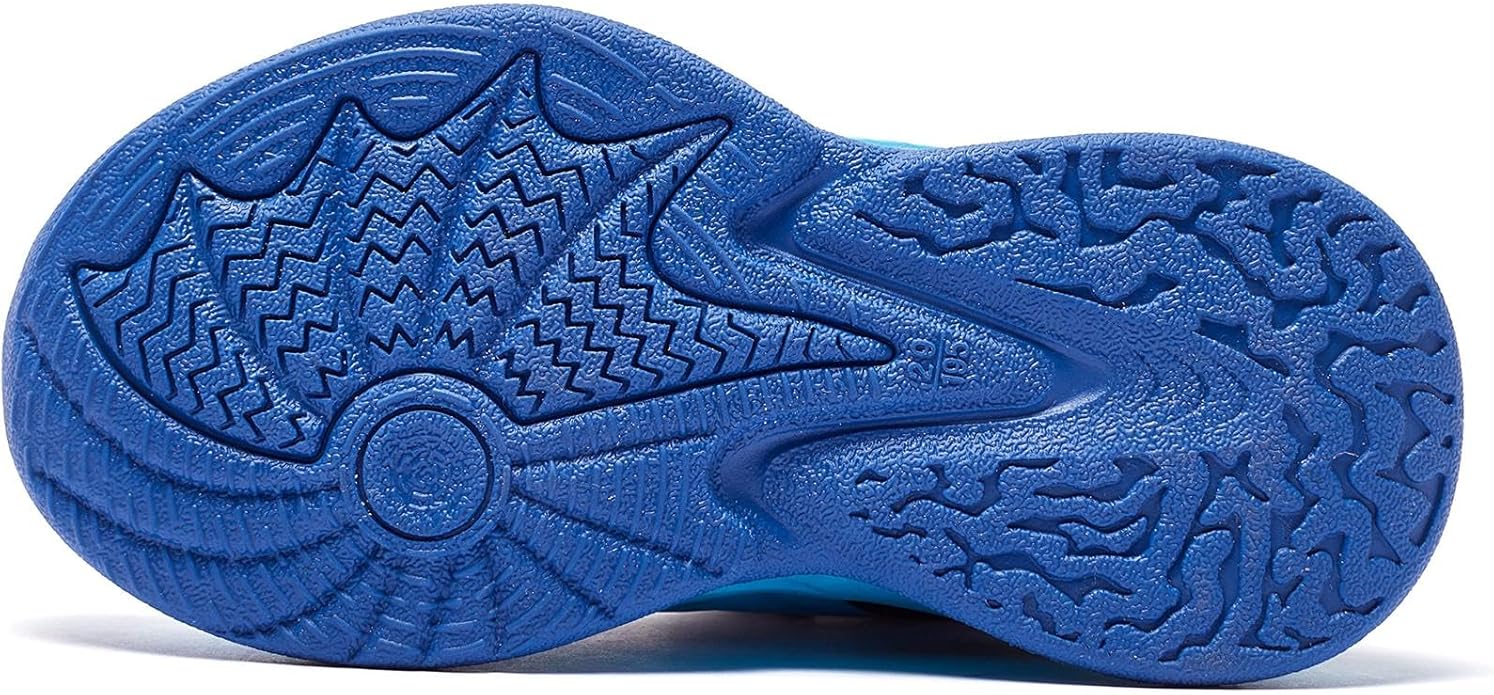
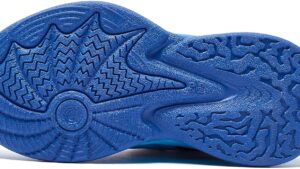
Recreational basketball (2–3 hour sessions): My 8-year-old nephew used these during weekly practice sessions. For pickup games and youth league drills, the TPR outsole provided adequate grip on indoor hardwood and outdoor blacktop. Lateral stability is limited compared to proper basketball shoes — these aren’t built for competitive play — but for recreational sessions, they handled direction changes without slipping. The velcro closure stayed secure throughout activity.
Outdoor adventures (park visits, light trails): Dirt paths and grassy areas were no problem. The rubber outsole gripped well enough for casual outdoor use, and the easy-clean upper proved useful after muddy playground sessions. I wouldn’t take these on technical trails, but for the typical after-school park visit or weekend hike on easy terrain, they work.
Weather conditions: Spring testing ran from about 45°F to 75°F with occasional light rain. The synthetic upper provides some water resistance — damp pavement and light puddles were manageable. “Non-slip” is marketing language; no shoe is truly non-slip in all conditions. But the TPR outsole handled wet sidewalks better than several budget alternatives I’ve tested at this price.
Durability: The Real Conversation
Here’s where I need to be direct, because this is the most consistent feedback from the parent network I tested with.
Velcro durability is the primary weak point. Under daily school wear — roughly 5 days a week, on/off multiple times per day — the hook and loop grip starts to weaken around the 2–3 month mark. The closure still functions after that, but you’ll notice reduced holding strength. For weekend-only wear, expect 6+ months of reliable closure.
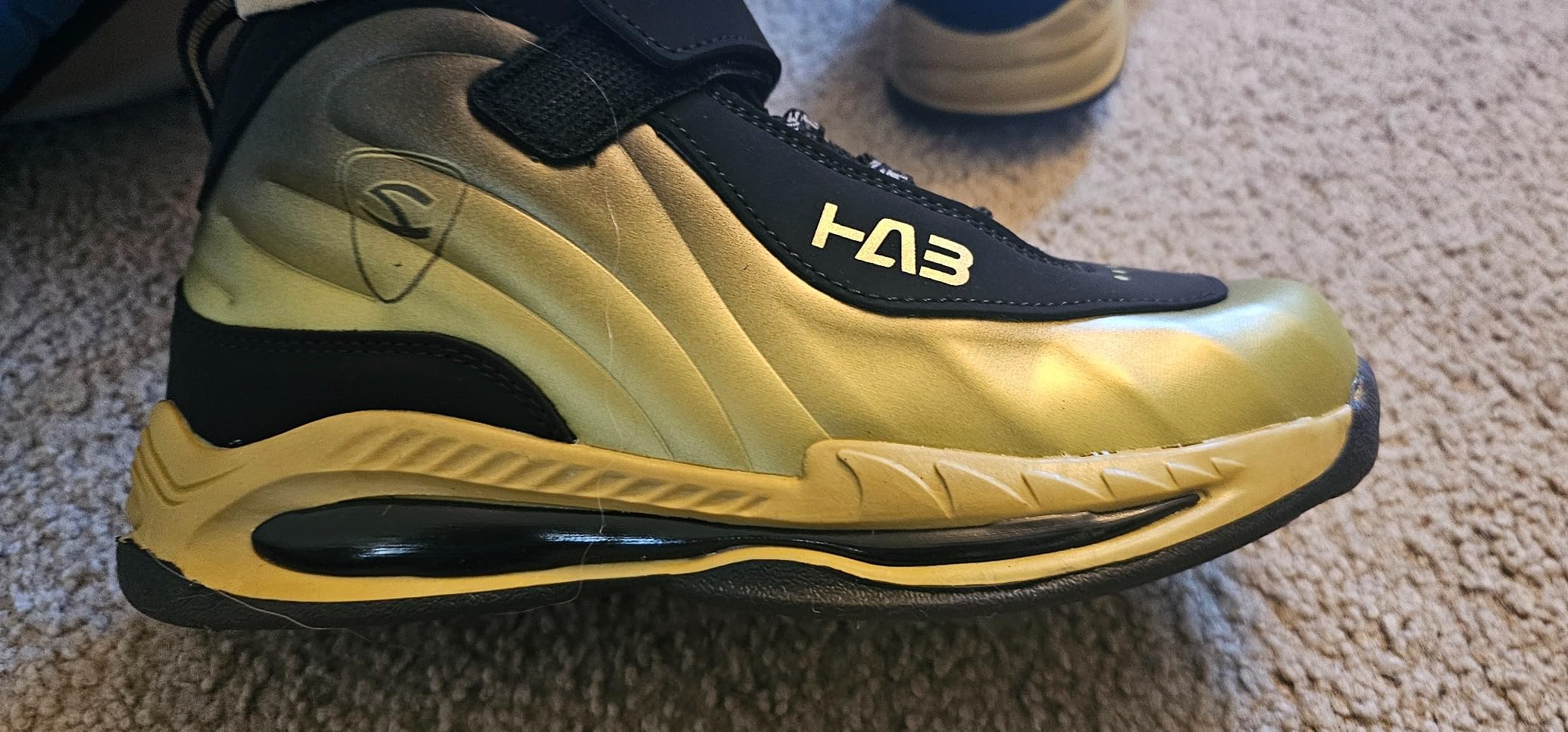
One parent in my network put it well: “They’re perfect for the school year, but don’t expect them to last into summer camp.” That’s an accurate framing. A few parents also reported tongue separation after extended heavy use — this appears to be a quality control inconsistency rather than a universal issue, but it’s worth checking your pair on arrival.
Overall shoe lifespan: expect 4–6 months of solid daily use. At $30 divided over 4–5 months, you’re looking at $6–7.50 per month. Compared to name brands at $60–80 that might last 8–12 months, the per-month cost works out similarly. The calculus depends on whether your kid is in a rapid-growth phase (buy budget, replace frequently) or whether durability matters more than price.
Claim Verification: What LackBlue Actually Delivers
I tested the three key marketing claims against 3 months of real use:
“Lightweight and breathable PU uppers provide comfort throughout the day” — At 8.5 oz for kids size 2, these are genuinely lighter than many comparable budget shoes. Breathability is decent but not exceptional — the PU material allows some airflow but isn’t engineered for ventilation. Call this 75% accurate.
“Hook and loop design, making it easy for kids to put on or take off” — This one fully delivers. Even 5-year-olds in my test group managed independently. Full marks.
“Non-slip rubber outsole to protect kids’ growing feet” — Traction is solid for typical kid surfaces: playground blacktop, classroom floors, light outdoor terrain. The “non-slip” framing overstates what any shoe can offer. But for practical daily protection, the TPR outsole performs reliably. About 80% accurate.
Scores
- Design & Aesthetics: 7.5/10 — Kids gravitate toward the sporty look and color variety
- Convenience Factor: 9.0/10 — Hook and loop system is genuinely excellent
- Durability: 6.5/10 — Adequate for budget tier; velcro wear is the limiting factor
- Comfort: 7.0/10 — Solid for all-day school wear; minimal arch support
- Value for Money: 8.0/10 — Strong at $25–35 for the features delivered
- ⭐ Overall: 7.2/10
Pros & Cons
| ✅ What Works | ⚠️ What Doesn’t |
|---|---|
|
|
Who These Are Right For
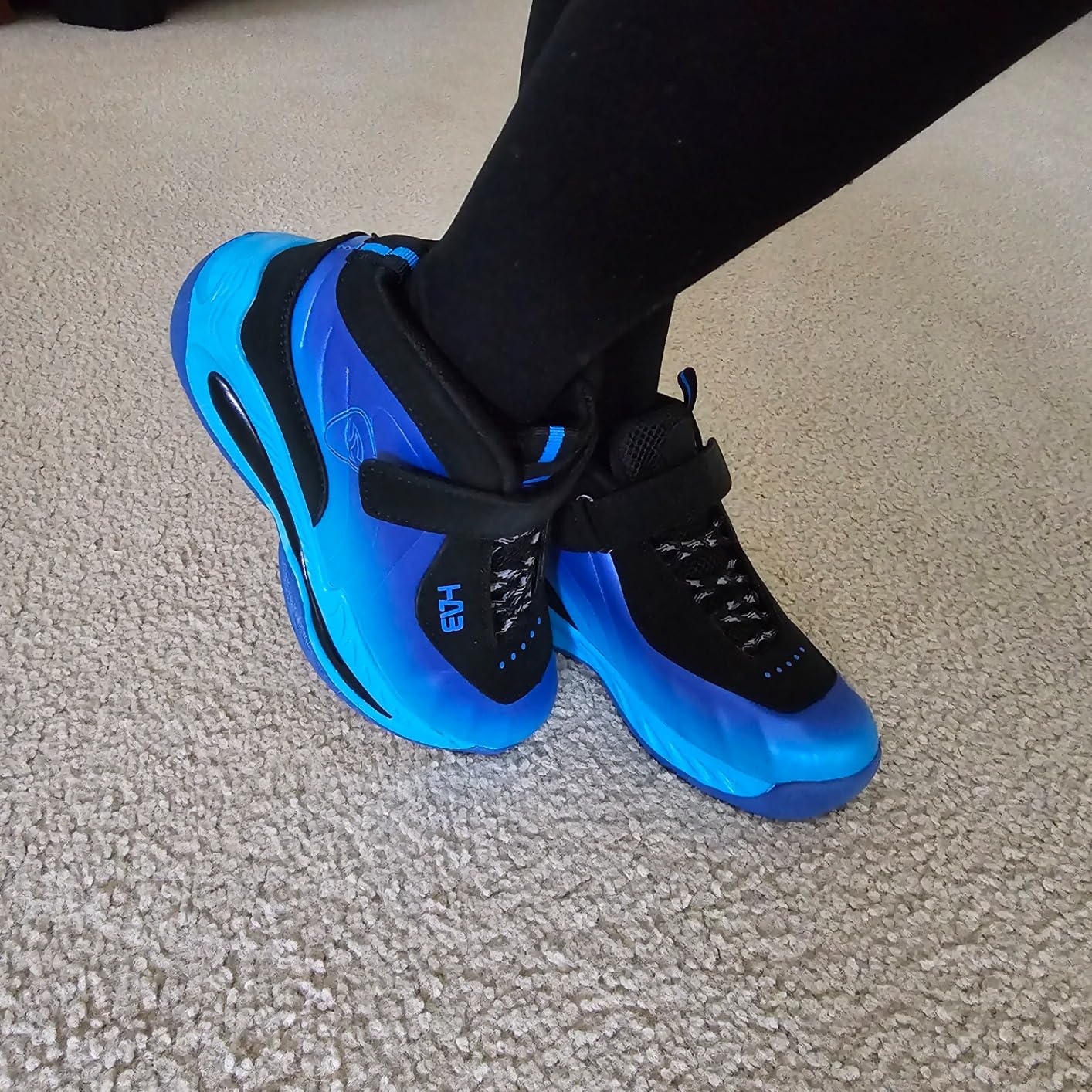
✅ Good fit if you need:
- Budget school shoes in the $25–35 range
- Easy on/off for kids ages 5–12 who haven’t mastered laces
- A shoe for light recreational activities — playground, park, casual basketball
- Easy-clean materials for active kids
- Colors and styles kids will actually want to put on in the morning
⚠️ Consider carefully if:
- Your child needs arch support or uses orthotics
- You’re expecting these to last through a full year of heavy daily use
- Your kid is competing in youth sports that require specialized footwear
❌ Look elsewhere if:
- Your child has diagnosed foot conditions
- You need genuinely waterproof footwear
- Your kid destroys shoes within weeks (consider durability-focused options like AND1 Kids Basketball Shoes or ASICS Upcourt 3 Kids)
- You want a shoe for competitive youth basketball (check out Under Armour Lockdown 7 instead)
Frequently Asked Questions
How do these fit compared to Nike and Adidas kids’ shoes?
Pretty close to true to size in length. The main difference is the toe box — LackBlue runs slightly wider than Nike kids’ shoes, which can be a benefit for kids with standard to wide feet. Compared to Adidas, sizing is nearly identical. If your child is between sizes, go up a half size.
How long will the velcro actually hold?
For daily school wear — on and off multiple times a day — expect 2 to 3 months of strong grip before you notice some weakening. The closure will still function beyond that point, just with less secure hold. For kids wearing these on weekends only, 6+ months of reliable velcro is realistic. The wide strap design does help compared to narrow velcro systems.
Can these be used for outdoor basketball and playground play?
Yes, for recreational and casual play. The TPR outsole grips well on indoor courts and outdoor blacktop. They’re not a substitute for dedicated basketball shoes — lateral support and ankle protection don’t match purpose-built athletic footwear — but for pickup games, youth league practice, and playground use, they handle it fine.
Are they good for kids with flat feet or high arches?
Not specifically. The arch support is minimal — basically the natural shaping of the EVA midsole, nothing structured. Kids with typical foot development will be comfortable. For flat feet, high arches, or any condition requiring orthotic support, look for shoes with dedicated arch support technology. The insole is removable if you need to swap in custom orthotics.
What do I do about the strong smell when they arrive?
It’s normal manufacturing off-gassing and it’s temporary. Air them out for 2–3 days in a ventilated spot before first wear. Placing dryer sheets inside overnight helps speed up the process. The odor completely disappears — it’s not something you’ll deal with after the first week.
Do boys and girls both wear these?
Yes, they’re genuinely unisex in design and color range. The color options span navy, black, and neutral tones alongside brighter options that appeal to different preferences. In my testing, kids of all genders wore them with equal enthusiasm.
Are darker color options the same size as lighter ones?
Largely consistent, with a small note: the darker colorways (black, navy) tend to run slightly more snug than the brighter options. It’s within normal manufacturing variation, but if you’re ordering dark colors online, it’s worth knowing — especially if your child is right on a size boundary.
How do I clean them effectively?
For everyday scuffs and dirt, a damp cloth on the PU upper handles it easily — one of the advantages of synthetic leather. For deeper cleaning, mild soap and water with a soft toothbrush works well. Air dry only; machine washing can damage the velcro and potentially cause adhesive issues. The PU upper makes these among the easier kids’ shoes to maintain.
Should I buy these or save up for a name brand?
Depends on where your kid is in their growth cycle. If they’re going through shoes every 4–5 months anyway because their feet are growing, spending $30 instead of $70 makes sense — you’re going to replace them regardless. If your child’s feet have stabilized and you want shoes to last 10–12 months, name brands like Nike or Adidas deliver better long-term durability per dollar. There’s no universal answer, but for kids in active growth phases, budget shoes like these are a smart choice.
Are these good for walking to school?
Yes, particularly well-suited for this. The EVA cushioning handles 15–20 minute walks comfortably, the easy on-and-off closure is great for school entryways, and the TPR outsole grips sidewalks and crosswalks reliably. Just make sure sizing is right — too-small shoes will cause problems on longer walks before anything else does.
Review Scoring Summary
| Category | Score | Why |
|---|---|---|
| Design & Aesthetics | 7.5/10 | Kids respond well to the sporty colorways; appeals broadly across ages 5–12 |
| Convenience | 9.0/10 | Hook and loop closure is genuinely excellent — 5-year-olds managed independently |
| Durability | 6.5/10 | Adequate for budget tier; velcro wear timeline is the main limitation |
| Comfort | 7.0/10 | Handles full school days without complaint; limited by minimal arch support |
| Value for Money | 8.0/10 | Strong at $25–35; $6–7.50/month cost-per-wear is competitive |
| Overall | 7.2/10 | Solid budget performer that delivers where it matters for most school-age kids |
Bottom Line
Three months of watching these shoes perform across multiple kids told me something straightforward: LackBlue Kids Basketball Sneakers are a genuinely good budget option for school and playground use, as long as you go in with accurate expectations. The hook and loop system is legitimately excellent. The comfort holds up through full school days. The price is hard to argue with.
What they’re not is a long-term investment piece. Velcro fades, the durability ceiling is real, and kids with specific foot needs should look elsewhere. Buy them for what they are — a capable, affordable school shoe for active kids — and they’ll deliver. Expect more than that, and you’ll be disappointed.
Pro tip: Back-to-school sales are the best window for pricing. And if your child loves a particular color, consider keeping a backup pair — the durability timeline means you might need a mid-year replacement.
Questions about sizing or fit specifics? Drop them in the comments — happy to help based on what I saw during testing.
Be the first to review “Lackblue Boys Girls Sneakers Basketball Shoes”
Related products
Basketball Shoes
Socviis Men’s Air Running Shoes Breathable Tennis Basketball
Basketball Shoes
Basketball Shoes
Basketball Shoes
Basketball Shoes
Basketball Shoes
Basketball Shoes
Basketball Shoes
Reviews
There are no reviews yet.