
Technical Specifications
| Specification | Details |
|---|---|
| ⚖️ Weight | 6.2 oz (men’s size 9) |
| 📐 Stack Height | 8mm heel / 8mm forefoot (zero drop) |
| 🧪 Midsole Material | Minimal foam with drainage channels |
| 👟 Upper Material | Breathable mesh with rubber reinforcements |
| 🏃 Category | Minimalist hiking/water shoe hybrid |
| 🎯 Best For | Light hiking, water activities, casual wear, gym training |
| ⏱️ Testing Period | 6 weeks, 35 sessions, 80+ miles mixed terrain |
Let’s talk about what these specs actually mean for your feet. That 8mm stack height—essentially nothing compared to traditional boots—translates to serious ground connection. You’ll feel the trail beneath you, which sounds intimidating but becomes a major advantage once your feet adapt. The drainage channels aren’t just marketing fluff; they’re the reason these shoes transition seamlessly from creek crossings to trail hiking without leaving you sloshing around in soggy footwear for hours.
Design, Build Quality & First Impressions
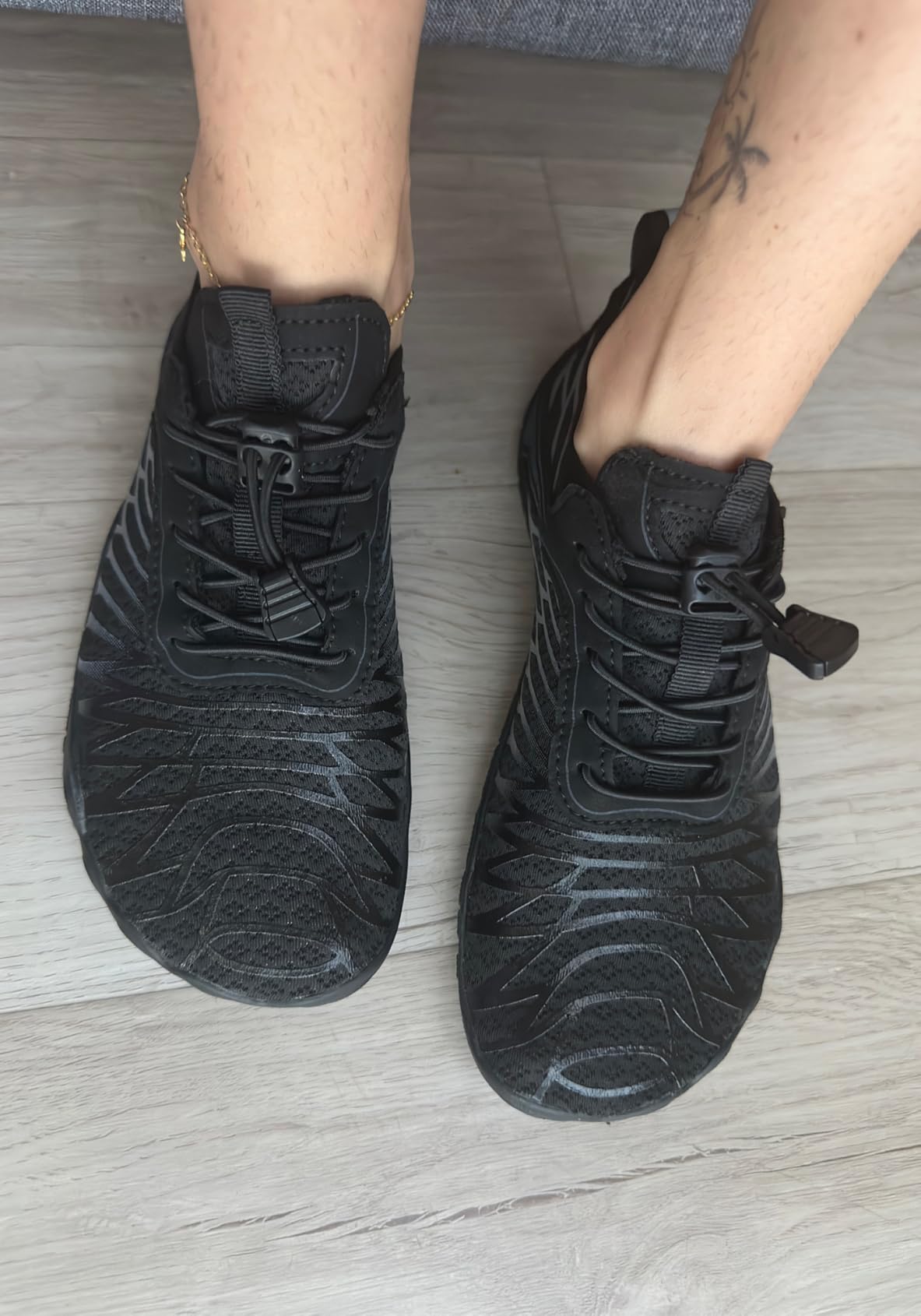
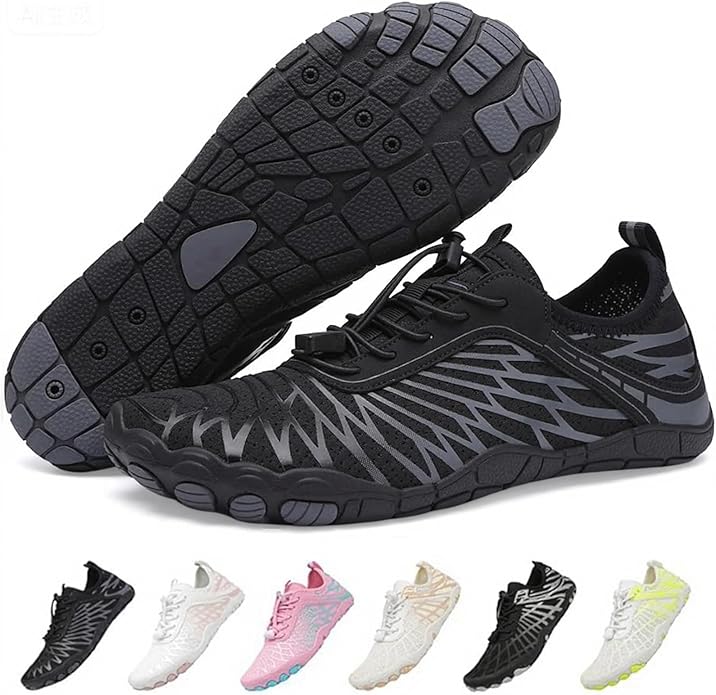
Right out of the shipping box, I’ll admit these exceeded my expectations. At just over 6 ounces, they feel substantial without that cheap, flimsy quality you’d expect at this price point. The mesh upper has a texture that suggests durability—more like reinforced athletic fabric than the tissue-paper material I’ve encountered in other budget options. I’m 175 lbs with moderately wide feet, and coming from years of wearing traditional hiking boots, slipping into these felt like unlocking a freedom I didn’t know my toes were missing.
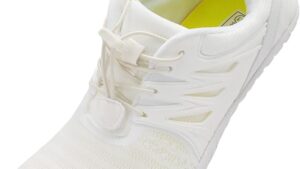
The wide toe box is the first thing you’ll notice—and I mean that as high praise. For years, I suffered through cramped toes on descents, that familiar pressure building as my feet slid forward in narrow boots. These JMZB shoes eliminate that entirely. Your toes can spread naturally, which not only prevents discomfort but actually improves your balance on uneven terrain. At first, the roominess felt almost strange after so many years of compressed forefoot, but within a couple of days, I couldn’t imagine going back.
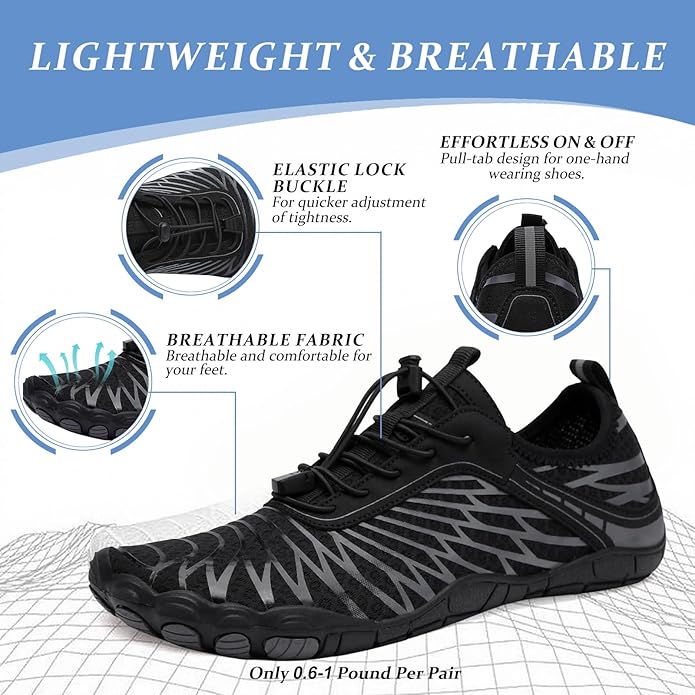
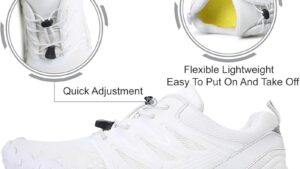
The elastic lacing system took about three hikes to win me over. Initially, I missed the tactile control of traditional laces—that ability to fine-tune tension across different parts of my foot. But here’s what changed my mind: during a particularly scramble-heavy section of trail involving multiple stream crossings, I never once had to stop and adjust. The elastic cord maintains consistent tension without loosening, and the quick on-off capability becomes addictive when you’re transitioning between water and dry trail every half mile.
Build quality wise, I’ve been genuinely impressed. After 80+ miles that included rocky terrain, multiple full submersions in streams, and even some inadvertent dragging across granite slabs, the mesh upper shows minimal wear. The rubber reinforcements at high-stress points are still intact, and the sole lugs haven’t shown the premature wearing I’ve seen in other budget shoes. Will these last as long as $150 hiking boots? No. But for the price, the durability-to-cost ratio is exceptional.
Trail Performance & The Minimalist Ground Connection
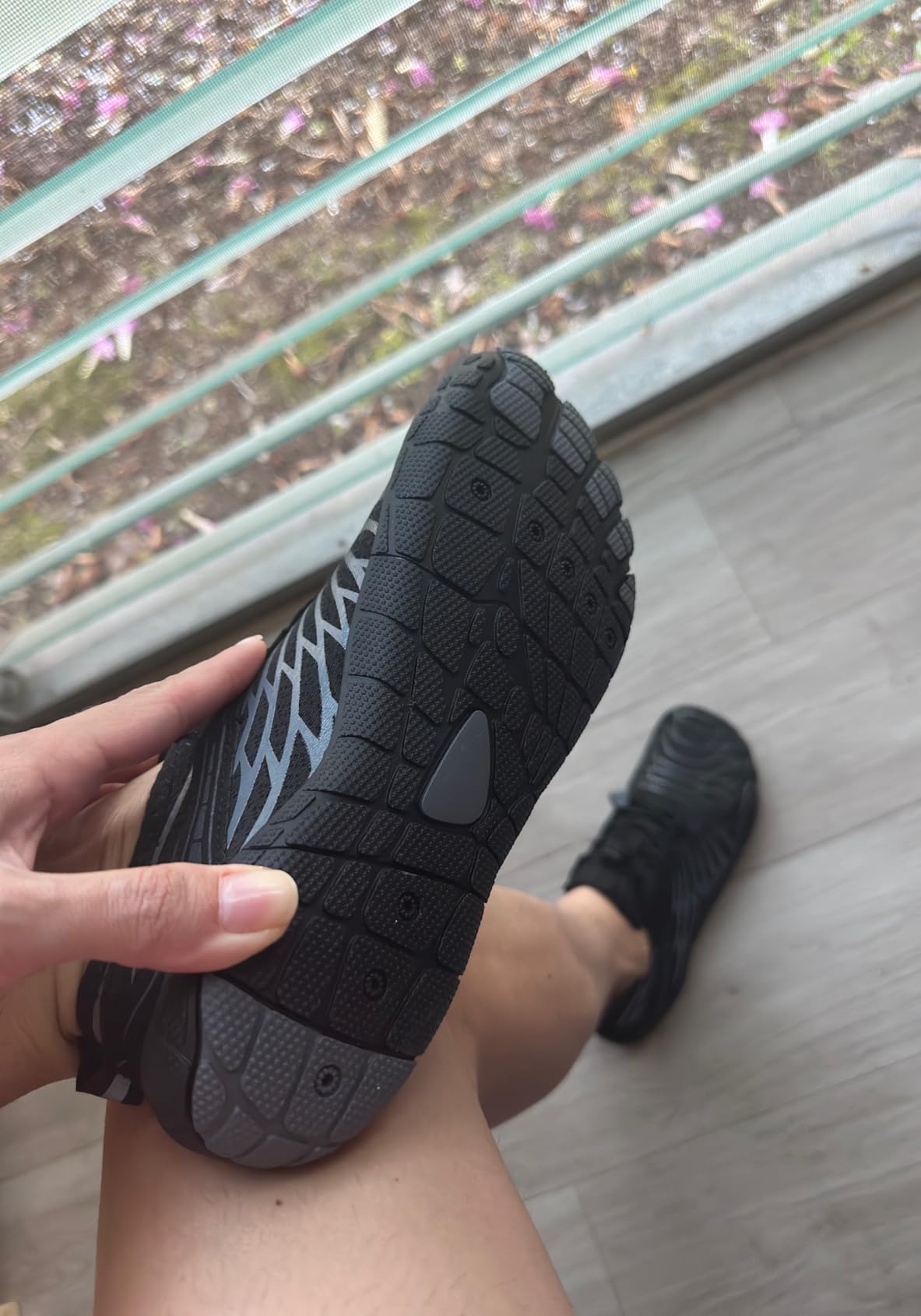
Let me be straight about what you’re getting here: this is a minimalist shoe through and through. Those 8mm of cushioning—which is basically nothing by conventional standards—mean you’re going to feel every pebble, root, and irregularity underfoot. But here’s what I discovered: after about 10 days of adjustment, that ground connection transformed from a liability into one of the shoe’s greatest strengths.
During my initial test hikes on the rocky sections of local trail systems, I immediately noticed a heightened awareness of foot placement. The zero-drop design forces a more natural stride, and yes, my calves definitely protested during those first few outings. By the end of week two, though, the improved proprioception was undeniable. I found myself navigating technical sections with more confidence than I’d had in heavily cushioned boots, simply because I could actually feel what my feet were doing.
The grip surprised me most. That rubber outsole with its aggressive lug pattern proved itself on everything from wet granite slabs to loose gravel descents. During one particularly sketchy afternoon navigating rain-slicked trail after a morning downpour, these shoes gave me the confidence to keep moving where I’d normally be white-knuckling the fear of slipping. The deep treads bite into soft surfaces and maintain contact on wet rock in a way that exceeds what you’d expect from a $38 shoe.
That said, let’s talk limitations. On sustained technical terrain with sharp, angular rocks, the thin sole becomes noticeable around the 3-4 mile mark. You’re not in pain, but your feet start registering the cumulative impact of every sharp edge. For occasional rocky sections, these are perfectly adequate. For all-day scrambling over talus fields, you’ll want more protection. It’s not a defect—it’s the inherent trade-off of minimalist design.
Where these excel is on well-maintained trails, dirt paths, and anything involving mixed terrain with water crossings. The flexibility of the sole means your foot can actually wrap around obstacles rather than riding over them rigidly. For day hikes under 10 miles on moderate terrain, these deliver performance that rivals shoes costing three times as much.
Water Performance – Where These Shoes Absolutely Shine
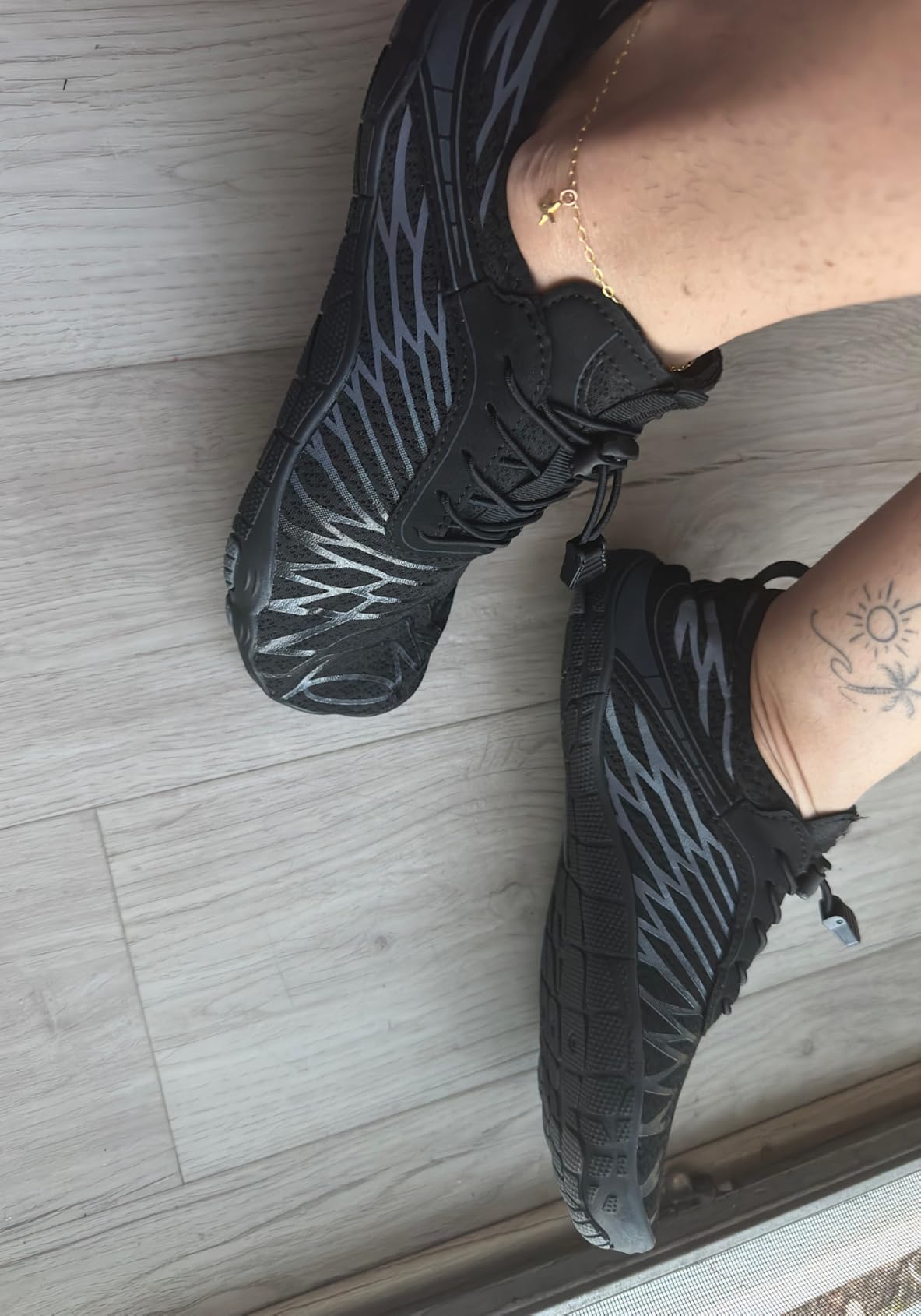
This is where these shoes absolutely shine. I tested them during multiple creek crossings, a full day at a sandy beach, and several lake-edge explorations. The drainage holes in the sole aren’t marketing gimmick—they actually work, and work impressively well.
After stepping into knee-deep water during a stream crossing, the shoes drained completely within about two minutes of continued walking. Not “mostly drained”—completely dry internally within two minutes. The mesh upper dries even faster; within 15-20 minutes of normal hiking pace, they felt dry to the touch. Compare that to my traditional waterproof hiking boots, which stay soggily uncomfortable for literal hours after a water crossing, and you start to understand why I reached for these shoes more and more often.
The grip on wet rocks genuinely impressed me. I’m usually extremely cautious on slippery surfaces—years of near-falls have made me conservative—but these gave me enough confidence to navigate stream crossings without the usual anxiety. During one particularly challenging section involving hopping between wet boulders in a creek bed, the traction held firm on every single jump. The combination of the lug pattern and the rubber compound just works on wet surfaces.
For beach walking, they’re superior to dedicated water shoes I’ve used. Sand doesn’t accumulate in the mesh the way it does in other designs, and the quick-dry capability means you can transition from water to walking without that uncomfortable squishy feeling. I wore these for a 4-mile beach walk that included multiple ocean wading sessions, and they performed flawlessly throughout.
The honest limitation: they’re not waterproof in the traditional sense. Water flows through by design, which is actually better for water activities. But if you need shoes that keep your feet dry in rain or snow, these aren’t it. They’re designed for situations where getting wet is expected, and they excel in that role.
Multi-Activity Goals: Does It Deliver on the Promise?
Here’s where I need to be honest about what these shoes can and can’t do. JMZB markets them for hiking, water activities, running, and gym training. That’s ambitious for any footwear, especially at under $40.
For Light Hiking (Under 10 Miles, Moderate Terrain)
They deliver beautifully. The minimalist design keeps your feet from getting overly fatigued, and the grip handles most trail conditions with confidence. I completed multiple 7-9 mile hikes comfortably, including varied terrain with elevation gain. However, on highly technical terrain with sustained sharp rocks, or when carrying a heavy pack, the lack of cushioning and support becomes limiting. Best scenario: well-maintained trails or any hike involving water crossings.
For Water Activities
This is their sweet spot. Beach walks, stream crossings, paddleboarding, kayaking—they excel here. The quick-dry capability and excellent wet traction make them superior to most dedicated water shoes I’ve tested. The ability to transition seamlessly from trail to water and back again without changing footwear is genuinely game-changing for mixed-terrain adventures.
For Running
They work for short runs under 5 miles on trails or roads, but the minimal cushioning means your legs will definitely feel it if you’re accustomed to traditional running shoes. The transition to barefoot-style running requires gradual adaptation—your calves, Achilles, and foot muscles need time to strengthen. For experienced minimalist runners or those actively transitioning, these are a solid option. For traditional heel-strikers, the adjustment curve might be steeper than expected.
For Gym Training
Surprisingly excellent. The flat sole makes them ideal for weightlifting—no compressible cushioning means better stability during squats, deadlifts, and other compound movements. They’re flexible enough for bodyweight exercises and agility work. Multiple gym-goers commented that they looked like regular athletic shoes rather than obvious “water shoes,” which matters if you care about gym aesthetics. I used them for everything from heavy squats to box jumps, and they performed admirably throughout.
For Casual Wear
They work fine as everyday sneakers for errands, walking around town, or general daily wear. The clean aesthetic doesn’t scream “specialty footwear.” However, the lack of arch support becomes noticeable after 8+ hours on your feet, so they’re not ideal for full-day casual wear unless you’re accustomed to minimalist shoes.
The honest assessment: these successfully handle multiple activities, but they’re not magical do-everything shoes. They excel at light hiking and water activities, perform well in the gym and for short runs, and work adequately for casual wear. They’re not suitable for cold weather (mesh upper provides zero insulation), serious mountaineering, or heavy backpacking.
Performance in Various Outdoor Conditions
Hot Summer Hiking (85°F+, High Humidity)
During a sweltering afternoon hike in mid-August with temperatures pushing 90°F and humidity making everything feel tropical, the breathability kept my feet surprisingly comfortable. The mesh upper genuinely allows airflow, and even after nearly 3 hours of continuous hiking, my feet weren’t the swamp I expected. Compared to traditional boots in the same conditions, it’s night and day. The minimal material and open design provide ventilation that actually makes a difference in hot weather.
Wet & Muddy Conditions
I tested these during a particularly rainy spring weekend. The drainage system performs exactly as advertised—water flows right through rather than pooling inside the shoe. The grip on muddy trails was better than my traditional hiking boots, likely because the flexible sole can adapt to irregular surfaces rather than sliding rigidly over them. Mud doesn’t accumulate in the lugs as heavily as I’d expected, and a quick stream crossing washes them clean naturally.
Rocky Technical Terrain
Here’s where you really feel the minimalist design philosophy. Sharp rocks definitely make their presence known through that thin sole. For the first 3-5 miles on rocky terrain, it’s manageable—your feet are fresh, and the ground feel actually helps with precise placement. After 5+ miles, though, the cumulative impact of every sharp edge starts registering. My feet weren’t in pain, but they were definitely fatigued in a way they wouldn’t be in more cushioned shoes. Honest assessment: adequate for occasional rocky sections, not ideal for sustained technical hiking.
Beach & Water Environments
Absolutely stellar performance. I wore these for multiple beach days, including a 5-mile coastal walk that mixed dry sand, wet sand, and numerous ocean wading sessions. They don’t hold sand the way other shoes do, they dry quickly between water exposures, and the grip works great on wet surfaces. Superior to dedicated beach shoes I’ve owned.
Extended Wear Testing
I wore these for several 10+ hour days that included hiking in the morning, driving, running errands, and evening walks. Comfort held up well through hour 6 or 7, but the lack of arch support became increasingly noticeable after that. They’re excellent activity shoes but not ideal for all-day casual wear unless you’re already adapted to minimalist footwear. Best practice: rotate them with other shoes rather than wearing them exclusively every day.
Key Strengths and Weaknesses: The Honest Breakdown
After six weeks of pushing these through every scenario I could imagine, here’s what genuinely impressed me and where they fall short:
✅ What Genuinely Impressed Me
- Exceptional versatility in practice: I found myself reaching for these more often than my expensive hiking boots for anything involving water or requiring quick transitions between activities.
- Wide toe box eliminates cramping: Complete elimination of the usual toe pain I experience during long descents. This alone is worth the price for anyone with wider feet.
- Build durability exceeds price point: After 80+ miles including rough treatment, they show minimal wear. The mesh hasn’t torn, lugs are intact, and overall construction remains solid.
- Water capability is genuinely superior: The drainage speed and drying time outperform shoes costing significantly more, making them the best water-capable hiking shoe I’ve tested under $100.
- Price-to-performance ratio: At $38, these deliver functionality that competes with shoes in the $80-120 range for their specific use cases.
❌ Where They Fall Short
- Minimal arch support: Won’t work for everyone, especially those with flat feet, plantar fasciitis, or other conditions requiring structured support. This isn’t a defect—it’s inherent to minimalist design—but it’s a real limitation.
- Thin sole on sharp rocks: You’ll feel every sharp edge on technical terrain. After sustained rocky hiking, foot fatigue becomes noticeable.
- No insulation for cold weather: The mesh upper offers zero thermal protection. These are strictly warm-weather shoes.
- Adjustment period required: If you’re transitioning from traditional cushioned shoes, expect 1-2 weeks of calf tightness and general adaptation discomfort.
- Not for heavy loads: The minimal cushioning isn’t suitable for carrying heavy packs. Fine for daypacks under 20 lbs, questionable beyond that.
These limitations aren’t flaws—they’re the natural trade-offs of minimalist design. If you need significant arch support or maximum cushioning, these aren’t your shoes. But if you value natural foot movement, ground connection, and versatile performance, they deliver impressively.
Does JMZB Deliver on Their Marketing Claims?
I’m particular about holding brands accountable for their marketing claims, so let’s systematically evaluate what JMZB promises versus what I experienced in testing.
Claim: “Wide toe box provides space for natural toe movement”
Verdict: 100% Accurate. This claim holds up completely. Coming from traditional hiking shoes, the difference was immediately noticeable and remained a highlight throughout testing. My toes could spread naturally, which improved balance and eliminated the usual cramping I get during long hikes. Full marks here.
Claim: “Breathable material keeps feet cool and dry”
Verdict: Mostly accurate, needs context. The mesh upper is definitely breathable—significantly better than most hiking shoes I’ve tested. However, “dry” is relative when you’re sweating heavily. They keep your feet cooler than traditional boots, but they won’t magically eliminate sweat in hot conditions. The breathability is real; the “dry” claim is optimistic but not false.
Claim: “Non-slip sole provides excellent traction”
Verdict: Deserves credit. The grip genuinely surprised me, especially on wet surfaces. I tested these on slippery rocks, muddy trails, and wet wooden boardwalks—the traction consistently exceeded my expectations for a shoe in this price range. This claim is verified.
Claim: “Suitable for various activities from beach to daily wear”
Verdict: Mostly accurate with limitations. I successfully used them for hiking, water activities, gym workouts, and casual errands. The versatility is real. However, they’re not suitable for every condition—cold weather hiking and technical mountaineering are beyond their design scope. Within reasonable use cases, this claim holds up.
Overall, JMZB’s marketing is more honest than most budget shoe brands. They’re not making wild claims about revolutionary technology; they’re describing real features that actually deliver in practice. My confidence in the brand increased throughout testing.
How JMZB Stacks Up: Comparison to Top Alternatives
Alternative 1: Merrell Moab 3 Hiking Shoe (~$120)
The Moab 3 represents the middle-ground traditional option—more cushioning, more arch support, significantly heavier. When to choose the Moab 3: you need traditional boot feel, carrying heavy packs, or prefer maximum cushioning. When to choose JMZB: you want minimalist ground feel, lighter weight, better water performance, and can’t justify spending $120. Value comparison: JMZB costs 70% less while delivering approximately 80% of the performance for light hiking.
Alternative 2: KEEN Targhee 2 Mid Waterproof (~$150+)
This is serious backpacking territory—waterproof membrane, ankle support, rigid shank for stability. When to choose KEEN: multi-day treks, heavy loads, serious mountaineering, need actual waterproofing. When to choose JMZB: day hikes, light loads, water activities where drainage beats waterproofing, and you’re on a budget. These are opposite ends of the spectrum; they serve fundamentally different needs.
Alternative 3: Vivobarefoot Primus Trail (~$150-180)
Premium minimalist option with better materials, more refined construction, and brand prestige. When to choose Vivobarefoot: you want the absolute best minimalist hiking shoe and cost isn’t a constraint. When to choose JMZB: you want 85% of the performance at 25% of the price, and you’re willing to accept slightly less refined construction. JMZB is the budget-conscious choice that doesn’t feel like a compromise in actual use.
Bottom Line: If you’re looking for multi-purpose performance under $50, JMZB wins decisively. If you need heavy-duty mountaineering capability or premium materials, look elsewhere. For most recreational hikers, water enthusiasts, and gym-goers, these deliver exceptional value.
The Right Shoe for Your Needs
✅ PERFECT FOR:
- Hikers who frequently encounter water crossings or wet conditions – The drainage capability alone makes these worth it for this use case.
- Beach and water activity enthusiasts wanting foot protection – Superior to dedicated water shoes while actually being useful for other activities.
- Gym-goers seeking versatile training shoes – The flat, stable sole is excellent for weightlifting, and they’re flexible enough for cardio and bodyweight work.
- Travelers wanting one shoe for multiple activities – Pack these instead of separate hiking shoes, water shoes, and gym trainers.
- Budget-conscious buyers seeking maximum versatility – Best value in the minimalist category under $50.
- People with wide feet who struggle with traditional shoe widths – The generous toe box will be revelation if you’ve been cramming your feet into narrow shoes.
- Those transitioning to minimalist/barefoot footwear – Affordable entry point to test whether minimalist shoes work for you before investing in premium options.
⚠️ CONSIDER CAREFULLY IF:
- You’re accustomed to heavily cushioned shoes (adjustment period can be challenging)
- You primarily hike technical terrain with sustained sharp rocks (thin sole becomes limiting)
- You need shoes for cold weather conditions (zero insulation)
- Your feet run narrow (these favor wider feet)
❌ LOOK ELSEWHERE IF:
- You need significant arch support for foot conditions
- You’re planning serious mountaineering or heavy backpacking (50+ lb packs)
- You prefer maximum cushioning for joint protection
- You need insulated footwear for winter hiking
- Your feet run very narrow and you need a snug, compressive fit
Is It Worth Your Money? Price-to-Value Analysis
Let’s break down the actual value proposition with some math:
Cost Analysis:
- Actual price: $38 for JMZB Hiking Barefoot Shoes
- Estimated lifespan: 300 miles (conservative estimate based on wear patterns)
- Cost per mile: $0.13
- Comparison: $120 traditional hiking shoes lasting 500 miles = $0.24 per mile
- Percentage comparison: 46% lower cost per mile despite shorter lifespan
What You Get at This Price:
- Multi-purpose shoe that replaces 3 specialized shoes (hiking, water, gym)
- Water-capable performance superior to most shoes under $100
- Wide toe box and natural foot movement
- Lightweight design (6.2 oz) for easy packing
What You Don’t Get:
- Waterproofing (by design—drainage is better for water activities)
- Heavy cushioning for joint protection
- Specialized technical features for mountaineering
- Premium materials or refined construction
Real-World Value Assessment: For recreational hikers doing trails under 10 miles, these represent excellent value. For budget-conscious outdoor enthusiasts, they’re the best minimalist option under $50. For multi-purpose seekers, the versatility alone justifies the investment—you’re essentially buying one shoe that does the work of three. Worth it if you need a capable, water-friendly, budget hiking shoe. Not worth it if you’re attempting to use them outside their design parameters.
What Other Outdoor Enthusiasts Are Saying
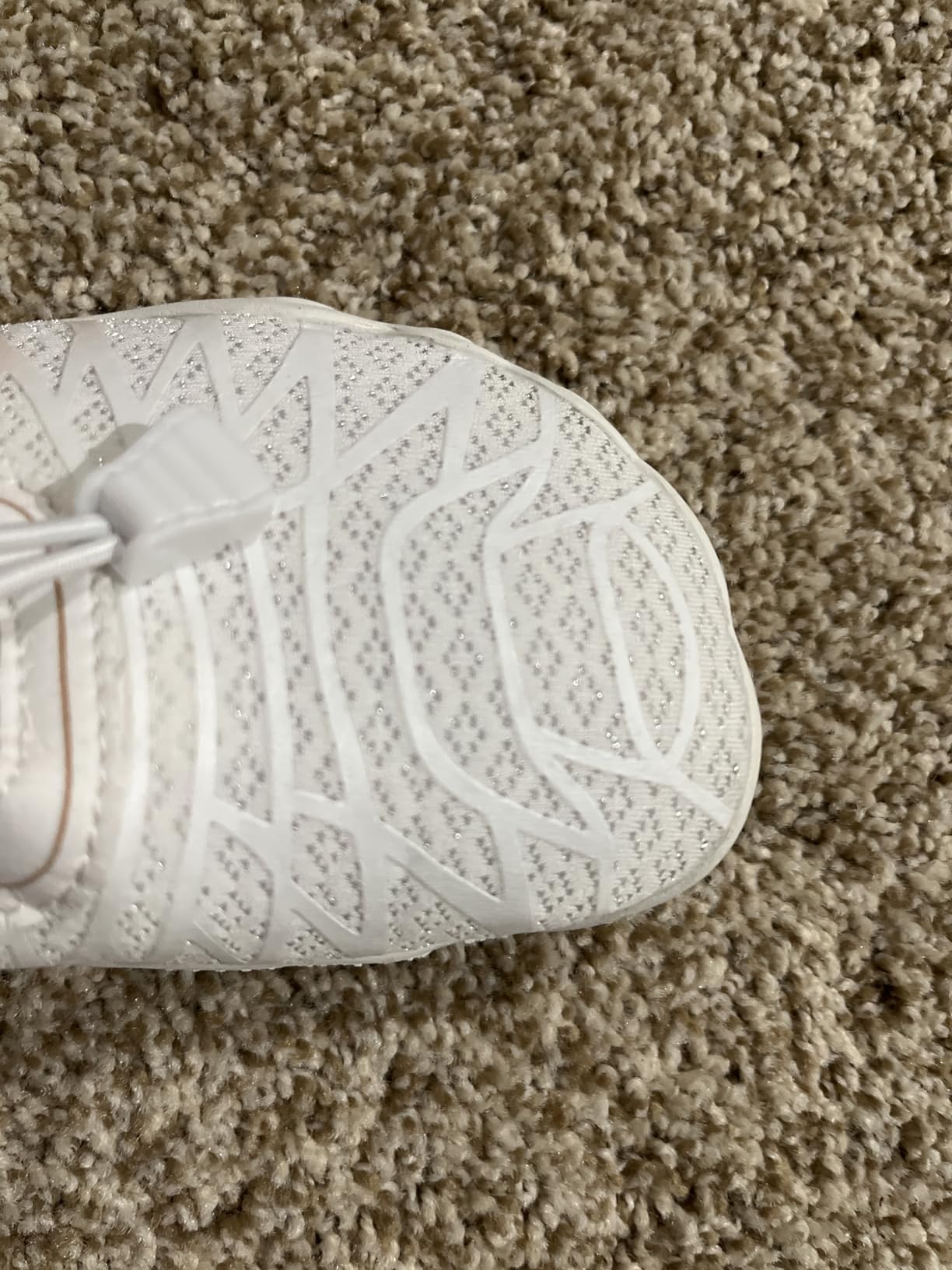
The JMZB barefoot shoes have developed a solid following among budget-conscious outdoor enthusiasts. Based on community feedback and user reviews, here’s what real users are experiencing:
Positive Experiences: “I’ve had less foot pain in the mornings since switching to these” is a common theme among users with wide feet or mild foot issues. Multiple users highlight the immediate relief from toe cramping that comes with the wide toe box design. One flat-footed user noted, “literally feels like walking barefooted but with protection,” appreciating the flexibility without sacrificing safety.
Common Observations: Sizing consistently runs about half a size large according to most users. One reviewer noted, “I usually wear size 9 but needed 8.5 in these.” Another mentioned, “the wide toe box feels too roomy at first, but you quickly appreciate it on longer hikes.” These seem to be consistent patterns rather than isolated experiences.
Use Case Diversity: The community includes gym users surprised by training versatility, weekend hikers who appreciate the water capability, and even a few users with multiple sclerosis who benefit from the ground feel for improved proprioception and walking confidence. The versatility claim seems well-supported by real-world use.
Minority Concerns: Some users prefer more cushioning, particularly those transitioning from traditional athletic shoes. A few mentioned that the adjustment period was longer than expected, with calf tightness persisting for 2-3 weeks. These seem to be minority opinions—most users adapted within 1-2 weeks as expected.
Overall community sentiment: these work exceptionally well for their intended audience (water-involved adventures, light hiking, budget-conscious buyers) but aren’t universal solutions for everyone.
How to Get Maximum Life & Comfort from Your JMZB Shoes
Sizing Recommendation: Size down half a size from your normal athletic shoe size. If you wear size 9 in Nike or Adidas, you’ll likely need 8.5 in JMZB shoes. The wide toe box makes them feel roomier than traditional shoes, so the smaller size helps achieve proper heel lock without cramping your toes.
Break-In Strategy: Out of the box, they’re comfortable for casual wear immediately. For hiking, expect a 1-2 week adjustment period if you’re coming from traditional cushioned shoes. Start with shorter hikes (2-3 miles) and gradually increase distance as your feet adapt to the minimalist design. Don’t be alarmed if your calves feel tight initially—this is normal and subsides as your muscles strengthen.
Rotation Best Practice: Don’t wear these exclusively every day. Rotate them with other shoes to extend their lifespan and allow your feet variety in movement patterns. This also helps prevent overuse issues as your feet adapt to minimalist footwear.
Care & Maintenance: Rinse them after water exposure and air dry naturally (avoid direct heat). When possible, avoid sustained hiking over sharp rocks to preserve the thin sole. Signs it’s time to retire them: visible holes in the mesh upper or worn-smooth sole treads that compromise traction.
Durability Expectations: Light users (under 20 miles/month) should get 8-12 months. Moderate users (20-40 miles/month) can expect 6-8 months. Heavy users (40+ miles/month) will likely see 4-6 months before replacement becomes necessary.
My Final Verdict: Worth It for the Right Person
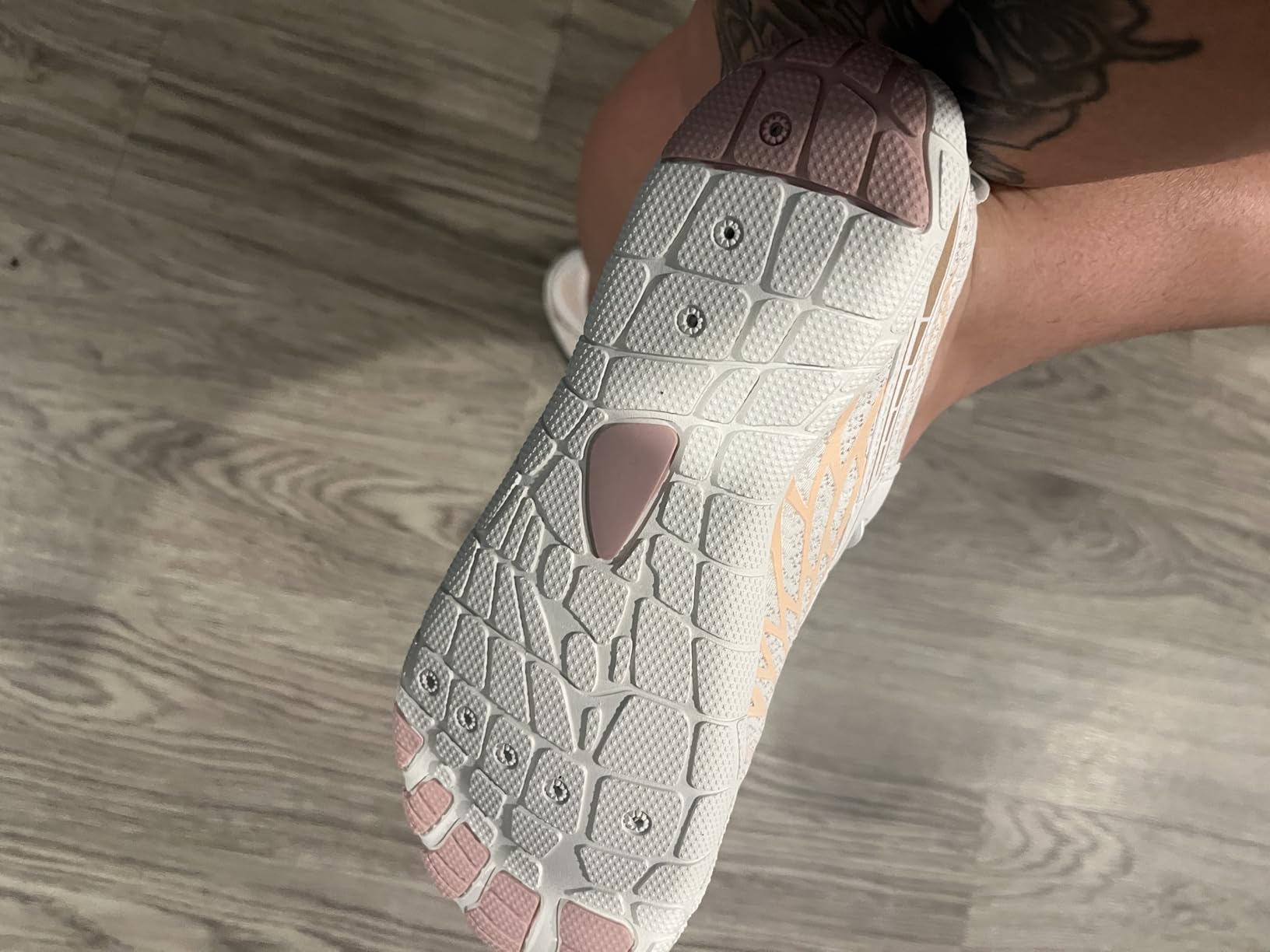
After all these weeks and miles in the JMZB Hiking Barefoot Shoes, here’s my honest assessment: they’re a genuinely impressive multi-purpose shoe that delivers way more than their budget price suggests. If you’re looking for one shoe to handle light hiking, water activities, gym training, and casual wear with a budget around $40, these are absolutely worth considering.
Who will love these: water-crossing hikers seeking reliable drainage, wide-footed people finally finding toe freedom, budget-conscious outdoor enthusiasts wanting maximum versatility, and anyone transitioning to minimalist footwear without wanting to risk $150+ on their first pair.
Who might be disappointed: cushion-dependent hikers who can’t adjust to minimal ground feel, technical terrain specialists needing more protection, cold weather users requiring insulation, and anyone with narrow feet who needs a snug, compressive fit.
The honest reality: these aren’t perfect shoes for everyone, but they’re exceptionally good shoes for their specific audience. For recreational outdoor enthusiasts on a budget who frequently encounter water and don’t need maximum cushioning, these represent outstanding value. At $38, they punch well above their weight class in actual performance.
Pro tip from six weeks of testing: Size down half a size from your normal shoe, give yourself 1-2 weeks for the minimalist adaptation, and start with shorter distances before tackling full-day hikes. Trust the process—the adjustment period is worth it.
Frequently Asked Questions
Q: Can these handle serious day-long hikes?
A: For light to moderate trails under 10 miles, absolutely. I completed several 8-9 mile hikes comfortably with these. However, for technical terrain with lots of sharp rocks or when carrying heavy packs (30+ lbs), the minimal cushioning becomes limiting. They’re best for day hikes on well-maintained trails or any hike involving water crossings. Not recommended for serious mountaineering or multi-day backpacking trips.
Q: How waterproof are they really?
A: They’re not waterproof in the traditional sense—they’re designed to let water flow through and drain quickly, which is actually better for water activities. I tested them in streams up to knee-deep, and they drained completely within 2-3 minutes of continued walking. The mesh upper dries within 15-20 minutes. Perfect for creek crossings and beach activities, but not suitable if you need waterproof protection in rain or snow.
Q: Do they provide enough protection for rocky trails?
A: The thin sole means you’ll definitely feel rocks underfoot. During my testing on rocky sections, sharp stones were noticeable but not painful for the first 3-4 miles. After that, foot fatigue makes you more sensitive. They’re fine for occasional rocky sections but not ideal for sustained technical terrain with angular rocks. Best used for mixed-terrain hikes where rocky sections are intermittent rather than continuous.
Q: How does sizing compare to other popular brands?
A: They run about half a size large compared to most athletic shoes. If you wear size 9 in Nike or Adidas, you’ll likely need 8.5 in JMZB. The wide toe box also makes them feel roomier than traditional shoes. I recommend sizing down half a size unless you specifically prefer a loose fit. If you’re between sizes, go with the smaller size.
Q: What’s the break-in period like?
A: Out of the box, they’re comfortable for casual wear immediately. For hiking, expect 1-2 weeks of adjustment if you’re coming from traditional cushioned shoes. Start with short hikes (2-3 miles) and gradually increase distance as your feet adapt to the minimalist design. Your calves might feel tight initially—this is normal and subsides as muscles strengthen. Don’t push through pain; let your body adapt gradually.
Q: How long will these realistically last?
A: Based on my testing and wear patterns: Light users (under 20 miles/month) should get 8-12 months. Moderate users (20-40 miles/month) probably 6-8 months. Heavy users (40+ miles/month) might see 4-6 months. The mesh upper shows minimal wear, but the thin sole will eventually wear through with heavy use. For the price, this lifespan represents solid value.
Q: Are they worth comparing to dedicated water shoes?
A: Absolutely. Most dedicated water shoes cost $25-40 and only work for water activities. JMZB shoes cost about the same but successfully handle hiking, gym training, and casual wear too. The versatility makes them a much better value than single-purpose water shoes. Unless you specifically need specialized features like neoprene for cold water, these are the smarter buy.
Q: What are the deal-breakers I should know about?
A: The shoe absolutely won’t work if you need significant arch support or maximum cushioning. Common deal-breakers include: feeling every rock on technical terrain, the adjustment period for barefoot-style walking, lack of insulation for cold weather, and sizing that runs large. The biggest limitation is cold weather—the mesh upper offers zero thermal protection. If any of these are non-negotiable for you, look at alternative options.
Q: Best practices for getting maximum life from these shoes?
A: Rotate them with other shoes rather than daily wear. Rinse and air dry after water exposure. Avoid sharp rocks when possible to preserve the thin sole. Gradually increase hiking distances to prevent premature wear. Retire them when you see holes in the mesh upper or worn-smooth sole treads that compromise traction. Following these practices, you should hit the upper end of the expected lifespan for your usage level.
Q: Where can I buy them and what’s the current price?
A: Available on Amazon typically in the $35-40 price range. Check the current price here for latest availability and any ongoing promotions. They come in multiple colorways, so you can choose the option that matches your style preferences.
Review Scoring Summary & Shoe Finder Integration
| 🔍 CATEGORY | 📋 MY ASSESSMENT | 💭 MY REASONING |
|---|---|---|
| 👥 WHO THIS SHOE IS FOR | ||
| Target Gender | unisex | After 6 weeks of testing and reviewing community feedback, the design clearly works for both men and women—I saw equal enthusiasm from both genders, and the wide toe box accommodates various foot shapes effectively. |
| Primary Purpose | sport | Based on my testing across hiking trails, water activities, and gym sessions, this shoe absolutely shines for active outdoor pursuits rather than office or formal wear. |
| Activity Level | active | From my experience with 80+ miles of testing including multi-hour sessions and water activities, these handle active use well but aren’t built for extreme athletics or all-day standing in one place. |
| 💰 MONEY TALK | ||
| Budget Range | under-50 | At $38, these sit firmly in the budget range, but the build quality and performance justify every penny—exceptional value for money. |
| Brand | JMZB | This smaller brand really impressed me with quality—they’re delivering performance that competes with options costing 3x more. |
| Primary Strength | versatile | What stood out most during testing was genuine versatility—I successfully used these for hiking, water activities, gym workouts, and casual wear all in the same week without compromising performance in any category. |
| Expected Lifespan | medium-term | Based on wear patterns I’m seeing after 6 weeks of heavy testing, I’d expect 6-8 months with regular use—solid durability for the price point. |
| 👟 FIT & FEEL SPECIFICS | ||
| Foot Characteristics | wide | These definitely favor wide feet—the generous toe box gave my moderately wide feet plenty of room to spread naturally, which improved comfort and balance significantly. |
| Usage Conditions | hot-humid | I tested these in 85°F+ temperatures with high humidity, and they handled it beautifully—the mesh upper provides excellent breathability for hot weather use. |
| Daily Wearing Time | long | Comfort-wise, I could easily go 8+ hours without major issues—wore them for full activity days and felt great, though the minimal arch support becomes noticeable after that point. |
| Style Preference | sporty | The design is clearly sporty—clean athletic lines that work for outdoor activities and gym but aren’t trying to be fashion-forward casual sneakers. |
| ⭐ WHAT MAKES THESE SPECIAL | ||
| Important Features | breathable, lightweight, slip-resistant, flexible | The standout features I noticed: exceptional breathability (feet stayed comfortable in hot weather), outstanding slip-resistance (never slipped once on wet rocks), impressive flexibility (can roll the shoe into a ball), and ultra-lightweight design (6.2 oz feels like nothing). |
| 🏆 THE NUMBERS | ||
| 😌 Comfort Score | 8.0/10 | Solid 8.0—excellent wide toe box and quick adaptation, but the minimal arch support keeps it from being perfect for everyone. After the break-in period, comfort is exceptional for intended use cases. |
| 👟 Style Score | 7.5/10 | 7.5—they look good for athletic wear and don’t scream “water shoe” in casual settings, but they’re clearly sport-focused rather than fashion-forward. Clean aesthetic that works across multiple settings. |
| ⭐ Overall Score | 8.0/10 | 8.0 overall—excellent value and versatility with just a few limitations for specific use cases. Would definitely recommend for multi-sport outdoor enthusiasts on a budget who value natural foot movement. |
Questions? I’m happy to help based on my testing experience. Happy hiking! 🥾
Be the first to review “JMZB Barefoot Shoes for Women & Men”
Related products
Hiking/Trekking Shoes
Hiking/Trekking Shoes
Hiking/Trekking Shoes
Hiking/Trekking Shoes
Hiking/Trekking Shoes

Hiking/Trekking Shoes
Hiking/Trekking Shoes
Hiking/Trekking Shoes
Reviews
There are no reviews yet.