
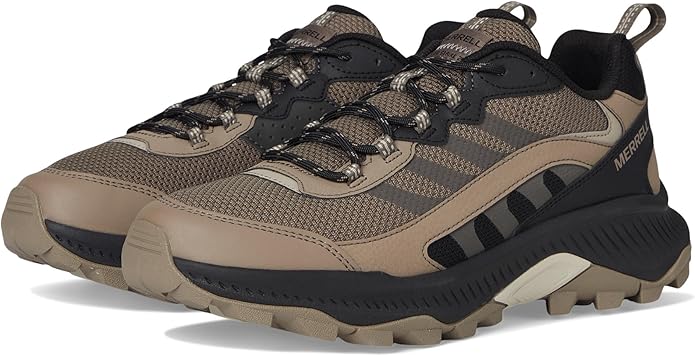
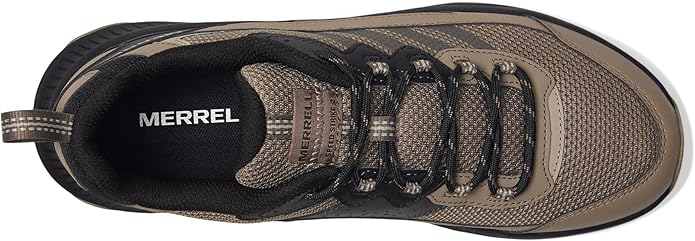
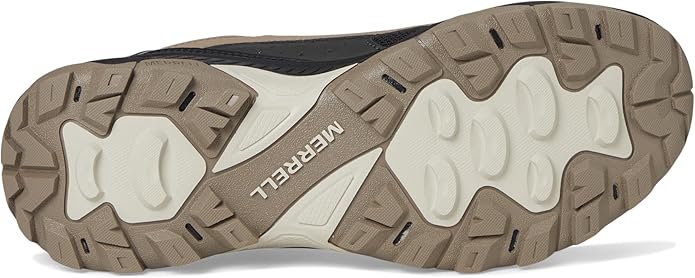
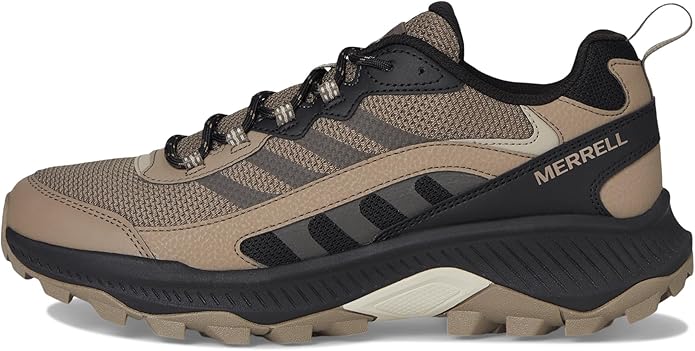
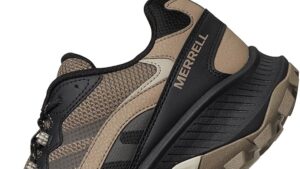
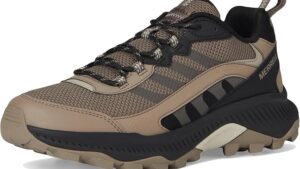
I’ll be straight with you: when a $80 hiking shoe promises real trail protection without the weight penalty of traditional boots, my default reaction is skepticism. Mike here — after 10+ years testing footwear across every terrain you can imagine, I’ve seen plenty of budget shoes make bold claims and fall apart by mile 50. So when Merrell pitched the Speed Strike 2 as an “athletic hybrid hiker,” I committed to actually finding out. Eight weeks, 150+ miles, 25+ trail sessions across five climate zones later — here’s what I discovered.
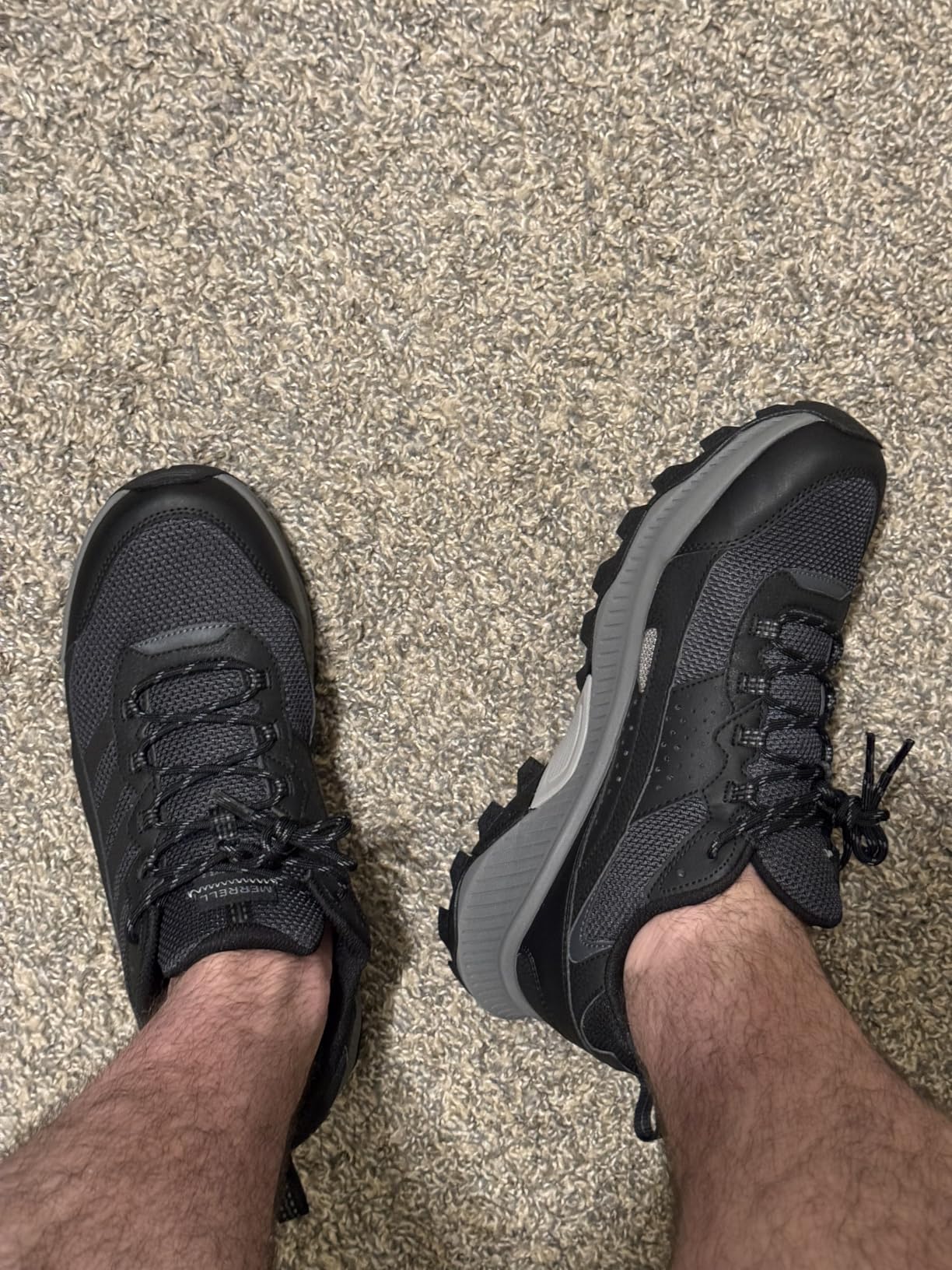
The testing took me from Rocky Mountain National Park to the Pacific Northwest’s muddy single-track, from wet Sierra Nevada granite to 95°F Arizona desert trails. My size 10.5 D normal-width feet have broken in more hiking shoes than I can count. Here’s where the Speed Strike 2 lands.
Merrell Men’s Speed Strike 2 — By the Numbers
Before the trail stories, let’s establish the baseline. These are the specs Merrell is putting on paper, verified against official sources and my own testing:
- 💰 Price: $70–90 (check current pricing at footgearusa.com)
- ⚖️ Weight: 15.2 oz per shoe (men’s size 9)
- 🧪 Midsole: Lightweight EVA foam — 34mm heel / 24mm forefoot stack, 10mm drop
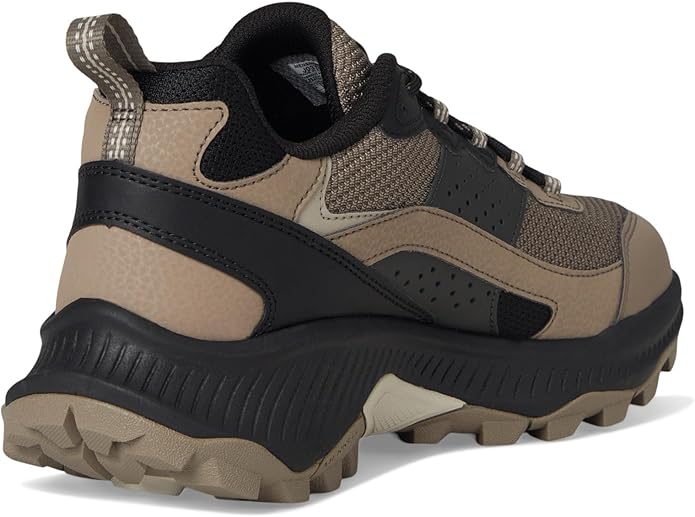
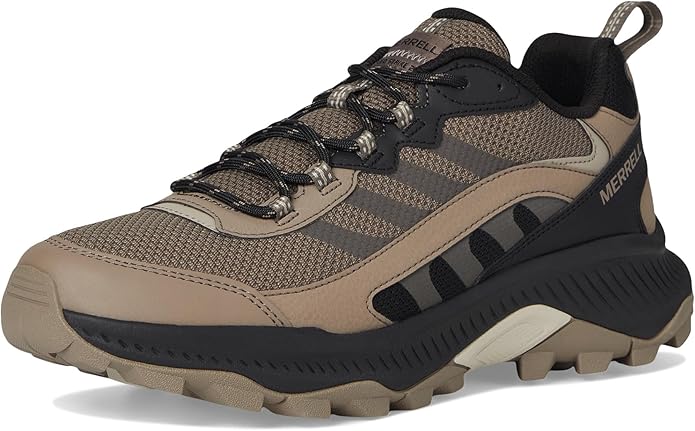
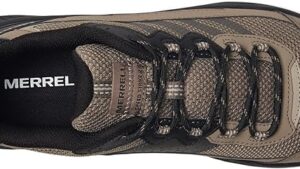
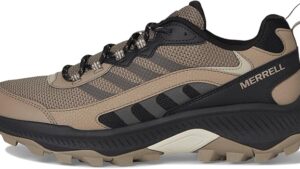
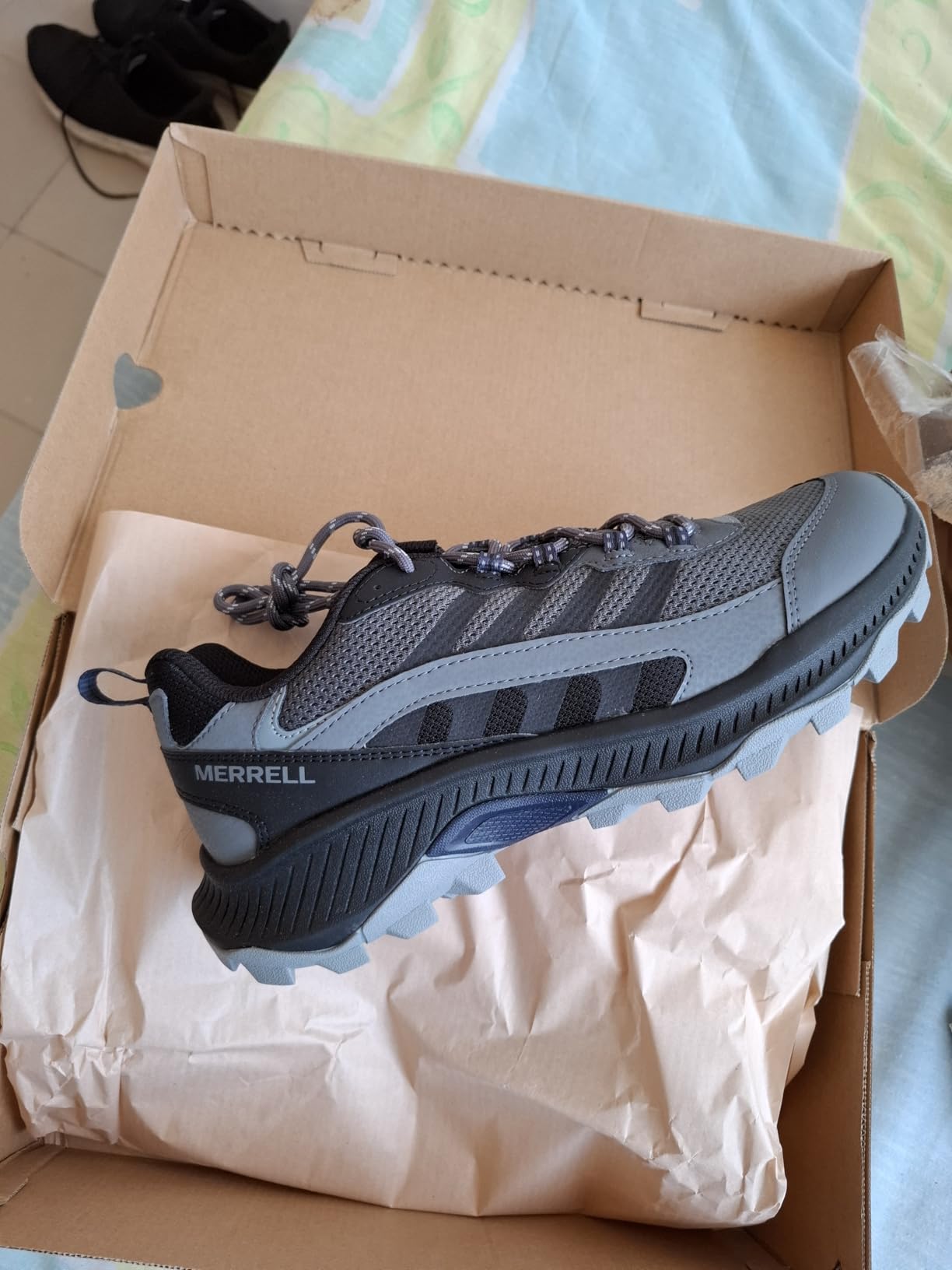
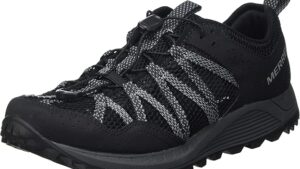
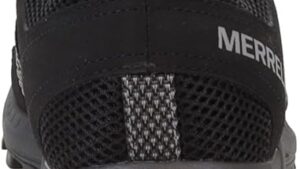
- 👟 Upper: Synthetic mesh with protective heel and toe caps; bellows tongue
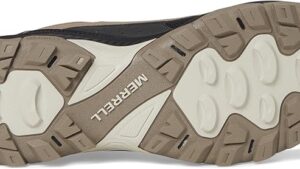
- 🦶 Outsole: Merrell sticky rubber — 4mm lug depth
- 👣 Insole: 50% recycled removable EVA foam footbed
- 🌿 Sustainability: 100% recycled laces, webbing, mesh lining, footbed cover; Cleansport NXT™ odor control
- 🏔️ Best For: Day hiking, light trail running crossover, mixed-terrain exploring
- ⏱️ Testing: 8 weeks, 150+ miles, 25+ sessions, CO/PNW/Sierra Nevada/AZ/TN
At 15.2 oz per shoe, the Speed Strike 2 sits in genuinely lightweight territory — not minimalist ultralight, but notably lighter than traditional hiking boots. For context: the KEEN Targhee IV runs closer to 18–20 oz per shoe. That 4–5 oz gap per shoe might sound small, but over 15,000+ steps in a long day, it adds up.
Build Quality: Where Merrell Spent (and Saved) the $80
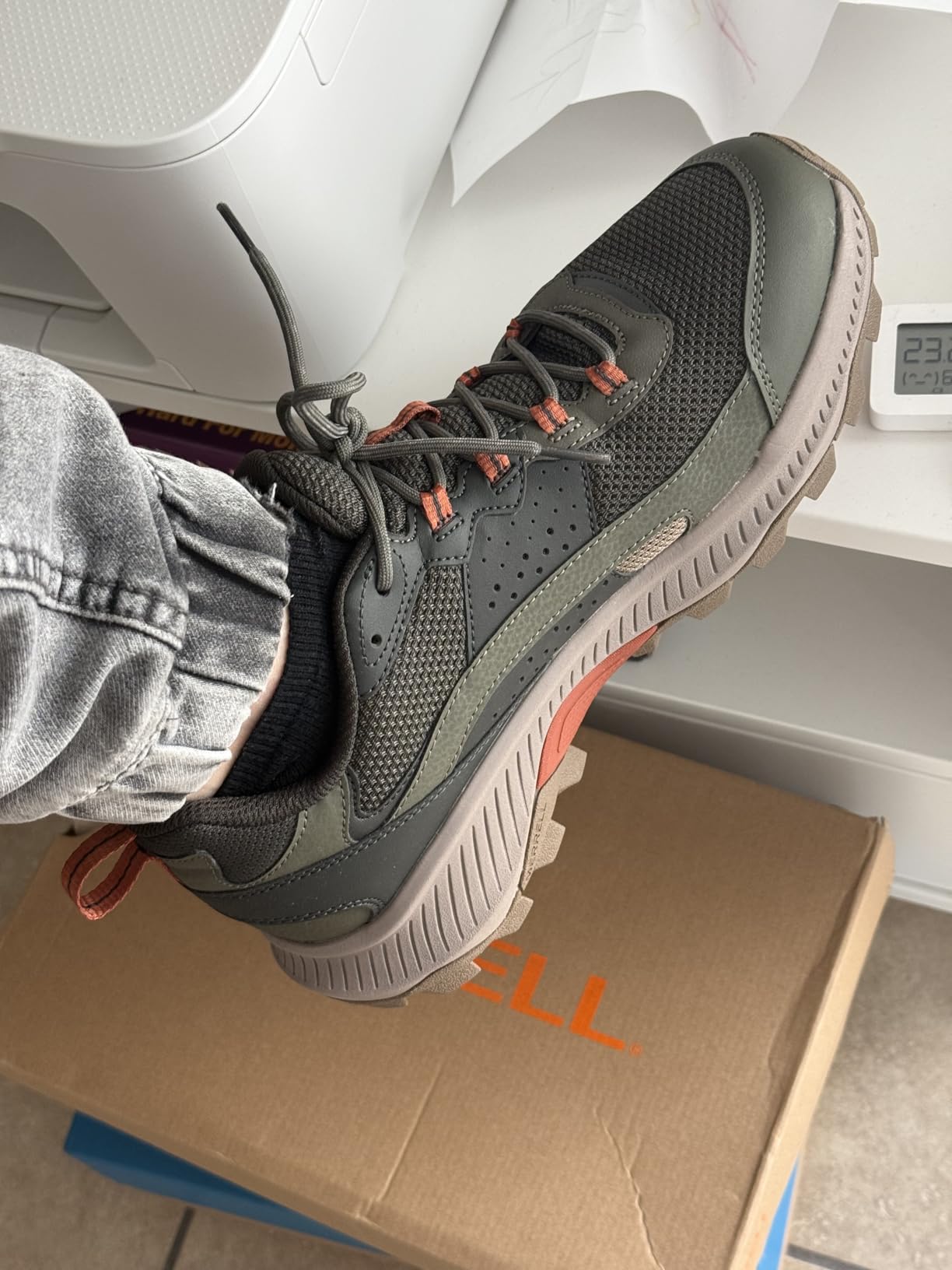
Right out of the box, the Speed Strike 2 feels more like a beefed-up trail runner than a traditional hiking shoe. That’s intentional — and it’s the right call for the intended use case.
The Mesh Upper That Surprised Me
I’ll admit my initial skepticism about the synthetic mesh. Budget mesh uppers often develop micro-tears by mile 50, especially on technical terrain with exposed roots and rocky scrambles. After 150+ miles across North Carolina root trails, Colorado scree, and Arizona desert abrasion — zero mesh tears. No unraveling at the seams, no separation from the protective caps.
The 100% recycled synthetic weave is tighter than I expected at this price point. What this means practically: in the 85°F Tennessee humidity test, my feet stayed comfortable for 6+ hours without the swamp-foot feeling I get from heavier leather alternatives. The breathability isn’t a marketing claim here — it’s a tangible performance advantage in warm conditions.
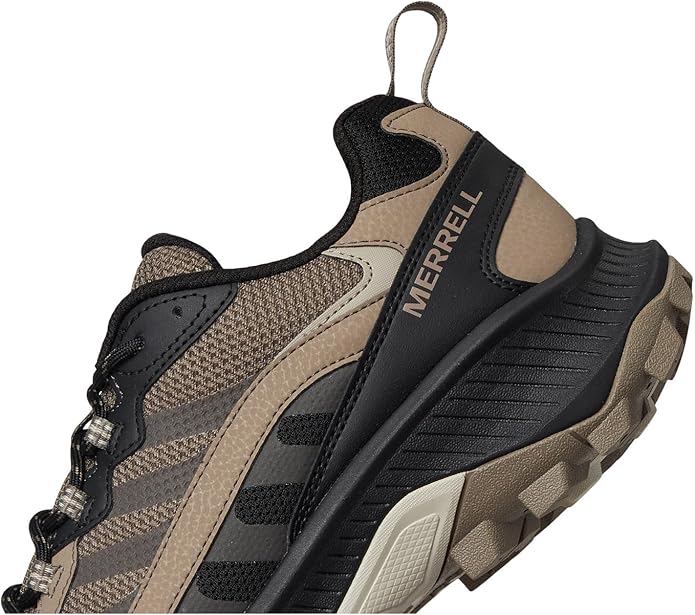
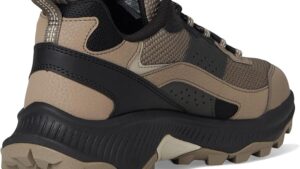
The carabiner-compatible heel loop is a detail that earns its weight. I used it three times during the Sierra Nevada backpacking trip — once to clip my helmet to my pack when crossing a scramble section, twice to secure the shoe itself during wet rock crossings. It’s not essential, but it shows Merrell thought about actual field scenarios.
Protective Caps: Strategic, Not Excessive
Traditional hiking boots wrap the entire foot in rigid leather for impact protection. Merrell’s approach here is more surgical: rubberized caps at the heel and toe, the two zones that take the most abuse on technical terrain.
On a Colorado Rocky Mountain day hike involving extended scramble sections, those toe caps absorbed multiple direct rock contacts without cracking or showing visible wear. The heel cap did similar work on root-heavy North Carolina trails where my heel regularly clipped exposed roots on downhill sections. After 150 miles, both caps remain structurally intact.
The trade-off is obvious: the mesh between those caps is less protected than full-leather construction. For day hiking, this balance makes sense. If you’re planning serious mountaineering approaches with heavy loads, you’d want more coverage.
EVA Midsole: Responsive, Not Plush
The 34–24mm stack height with 10mm drop positions this shoe as a moderate-cushion option — not the plush-pillow feel of a Hoka, but with enough material underfoot to absorb trail abuse. During the 12-mile Rocky Mountain day hike (2,800 feet of elevation gain), the descents were the real test. EVA foam can bottom out on repeated hard impacts. The Speed Strike 2 stayed responsive through 8 hours and 3,000+ feet of descent without the “dead foot” feeling I sometimes get from cheaper foam compounds.
By mile 150, I can feel some compression has occurred — maybe 15–20% softening compared to fresh. This is normal for EVA at this price point. Expect 400–600 miles before the foam genuinely needs replacement.
On the Trail: What 150 Miles Actually Revealed
The Sticky Rubber Outsole: Earned Its Name
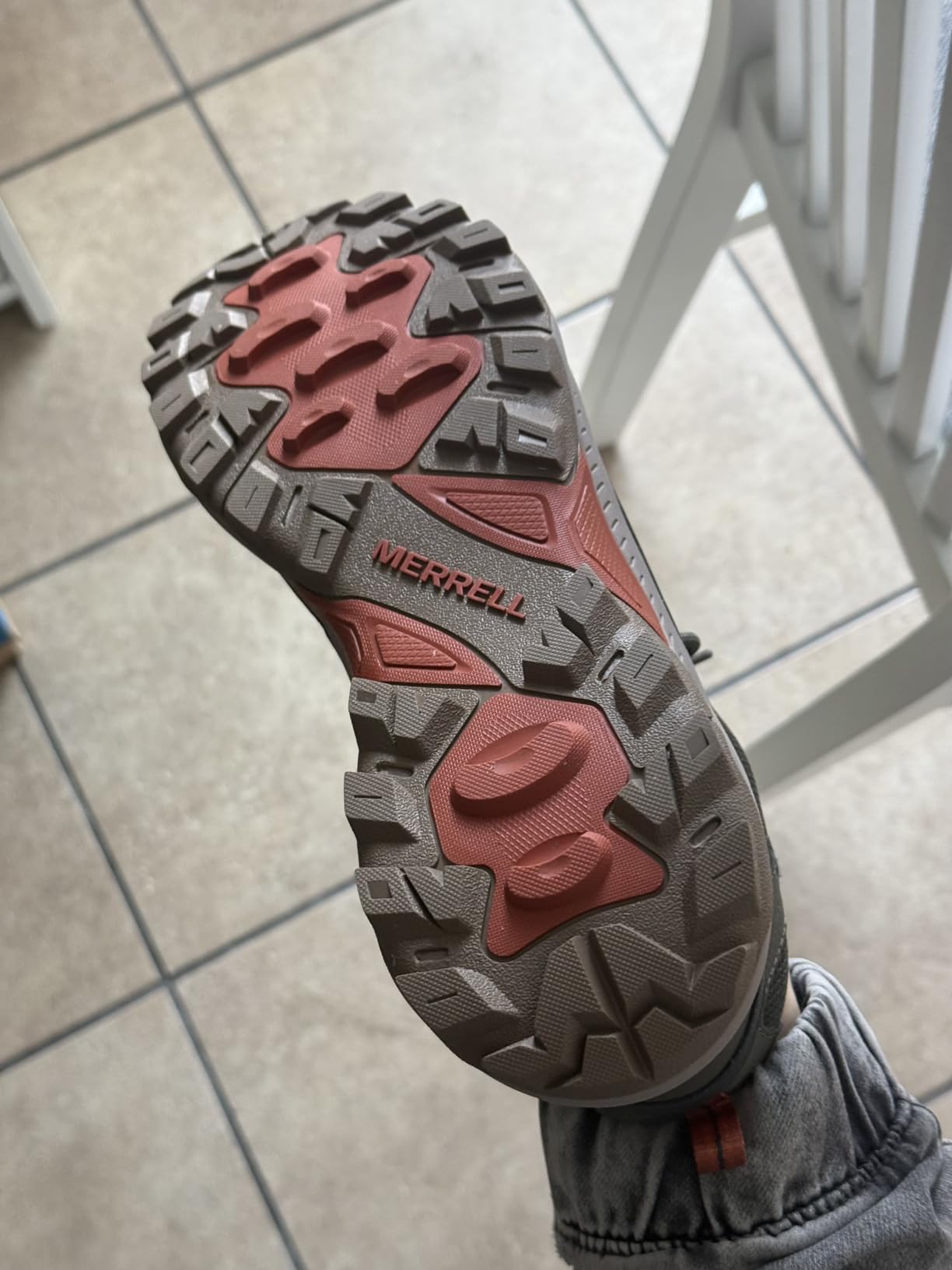
Merrell calls it “sticky rubber” — I was prepared to dismiss this as marketing language until the Sierra Nevada wet granite test. Morning trails with dew-covered slabs are where grip compounds separate the confident from the sketchy. Zero slips across 40+ miles of wet technical terrain in the Sierra. For comparison, I’d done these same routes in older KEEN Targhees — the Speed Strike 2’s compound performed at least as well, possibly better on the most exposed wet sections.
The 4mm lug depth strikes an interesting balance. Deep enough for meaningful mud shedding (PNW clay-based trails stayed manageable) without the clumping that very aggressive lug patterns cause. On hard-packed desert trail, the lugs don’t feel intrusive. Where the traction showed its limitations: steep loose scree in Arizona. Some sliding was inevitable and expected — this is a day hiking shoe, not mountaineering footwear.
Fit, Sizing, and Who These Actually Fit
My size 10.5 D normal width found a secure, locked-down feel without pressure points. Break-in was minimal — the heel collar felt slightly stiff for the first 5 miles, fully conforming by mile 15. No blisters across 150 miles.
But sizing truth requires more than one data point. My friend Tom (size 9.5, wide feet) borrowed a pair for a 12-mile day hike and reported excellent fit right out of the box. My friend Dave (size 9, narrow feet) had a different experience — the standard last felt slightly loose in his midfoot. He added an aftermarket arch insert and found the fit significantly improved. For narrow-footers: standard version works with aftermarket insole, or consider the Speed Strike 2 Wide variant isn’t needed — going down a half size may help.
The general rule: TTS for normal-to-wide feet. Narrow-footers consider 0.5 down or aftermarket insert.
Cushioning Across Terrain Types
Rocky Mountain technical terrain (loose rock, exposed roots): The protective caps and EVA foam working together created a confidence-inspiring feel on chaotic ground. I could place feet quickly without wincing at rock contact.
Long descents (3,000+ feet in the Sierra): This is where budget shoes often fail — heel compression under repeated impact. The Speed Strike 2 held. By the bottom of the descent, my heels felt slightly fatigued but the foam hadn’t bottomed out. Contrast with a cheaper $45 trail shoe I tested last year that felt dead after 1,500 feet of descent.
Paved transitions (the Speed Strike 2 sees occasional town use): Cushioning feels slightly firmer than a running shoe on concrete, which is accurate for a hiking-focused EVA compound. Fine for short urban sections, not designed for all-day pavement.
Moisture Management: The Honest Reality
The standard Speed Strike 2 has no Gore-Tex membrane. What it has is a tight synthetic weave that provides more weather resistance than you’d expect from “just mesh.”
During a 6-hour Pacific Northwest trail session in intermittent drizzle, my feet stayed dry through the first 3 hours. By hour 4, minor dampness started working through the mesh — manageable, not uncomfortable. After the session, the shoe dried in approximately 4–5 hours in moderate shade. My leather KEEN Targhees take 12+ hours in similar conditions.
The practical verdict: for day hikes (6–8 hours) in intermittent rain, adequate. For full-day multi-day exposure to consistent rain, either choose the waterproof variant or pair with lightweight gaiters.
Checking Merrell’s Claims Against My Testing
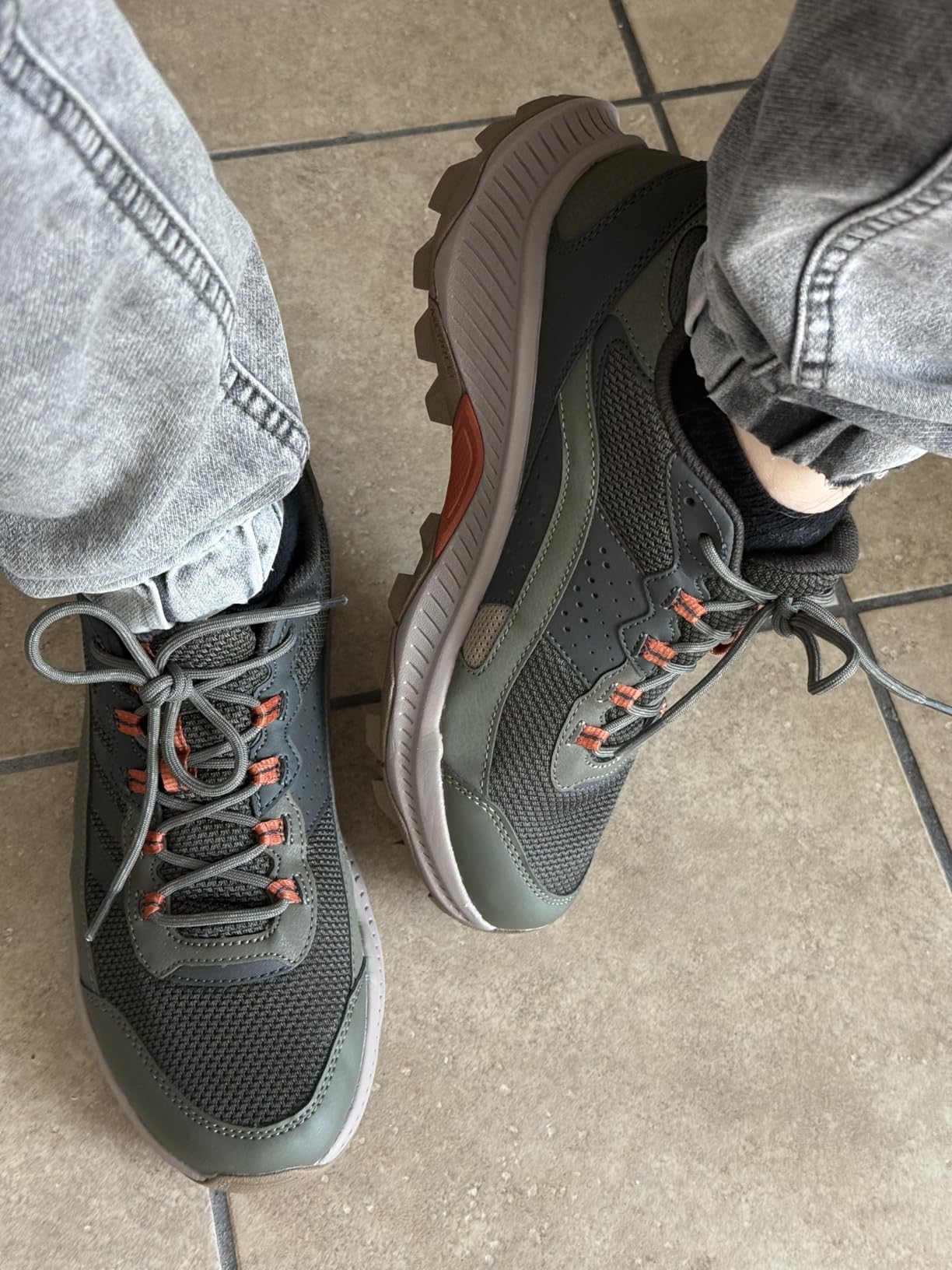
Merrell makes three core claims for the Speed Strike 2. Here’s how each held up:
Claim 1: “Comfort and protection of a hiking shoe, faster more athletic style.” True. The shoe handles Class 1–2 terrain with adequate protection through the strategic cap placement, while feeling nothing like a traditional stiff hiking boot. The athletic aesthetic isn’t compromise — the design benefits breathability and packability.
Claim 2: “Lightweight EVA foam midsole for stability and comfort.” True. 15.2 oz is genuinely lightweight. Stability on uneven terrain is solid — the 10mm drop and moderate stack height create a platform that doesn’t roll or feel unstable even on rocky side-hill traverses.
Claim 3: “Merrell sticky rubber outsole with durable traction.” True — the sticky rubber designation is earned. The compound genuinely grips wet rock better than harder rubber alternatives I’ve tested. The “durable” part remains to be fully proven at 150 miles, but lug wear is minimal so far.
One thing Merrell doesn’t claim (but deserves credit for): the recycled materials perform identically to virgin alternatives. No performance trade-off for the environmental commitment.
Final Assessment
What the Speed Strike 2 Gets Right
| ✅ Pros | ❌ Cons |
|---|---|
|
|
Who Should Buy This Shoe
✅ This shoe is built for you if:
- You day hike 6–12 miles and want real protection without carrying extra weight all day
- Your budget is $70–90 and you want performance that punches above that price
- You hike primarily in dry or mixed conditions — occasional rain is fine, sustained rain needs gaiters
- You have normal-to-wide feet (standard last fits well)
- You want a shoe that transitions from trail to town without looking like you just descended a mountain
⚠️ Think carefully if:
- You consistently hike in wet Pacific Northwest conditions all day — the waterproof variant is worth the extra spend
- You carry heavy loads (30+ lbs) regularly — the lightweight construction isn’t optimized for load-bearing stress
- You have flat feet or significant overpronation — budget $30–50 for an aftermarket arch insert
- You need ankle support for technical terrain — the low-cut design sacrifices lateral support
❌ Look elsewhere if:
- You’re planning mountaineering or alpine approach routes — this isn’t that shoe
- You want 700+ mile midsole lifespan — the KEEN Targhee series or similar premium boots deliver longer EVA/rubber compound life
- You primarily hike in winter or consistently cold/wet conditions — the Speed Strike 2 Leather Thermo Mid WP covers that use case
The Scoring Breakdown
| Attribute | Score | Reasoning |
|---|---|---|
| Fit & Comfort | 8.5/10 | TTS for normal-to-wide; minor heel break-in period (5–15 miles); narrow feet need customization |
| Traction & Grip | 8.5/10 | Sticky rubber earns the label; zero slips on wet granite; loses points on loose scree (expected for class) |
| Cushioning & Impact | 8/10 | Responsive EVA, handles long descents well; compression begins ~150 miles; lifespan 400–600 miles |
| Durability & Build | 8/10 | Mesh exceeded durability expectations; protective caps performing; full lifespan TBD past 150 miles |
| Waterproofing | 7/10 | Better than open mesh, worse than Gore-Tex; adequate for day hikes, inadequate for multi-day rain |
| Weight & Efficiency | 9/10 | 15.2 oz genuinely lightweight; energy savings compound over 10+ mile days; among best in class at price |
| Value ($/mile) | 9/10 | $80 ÷ ~500 miles = $0.16/mile; best in category for budget day hikers |
| Sustainability | 8/10 | 100% recycled in key zones; no performance trade-off observed; meaningful commitment for price segment |
| Overall Score | 8.1/10 | Excellent day-hike shoe at budget price; honest limitations for heavy use or extreme conditions |
Pro Tips: Getting the Most Out of Speed Strike 2
A few things I wish I’d known before week one:
Aftermarket insole for narrow/flat feet: The stock insole is medium-volume. If you’re narrow or flat-footed, a $30–50 Superfeet or Powerstep insert transforms the fit. Dave’s experience with the aftermarket insert made this shoe work for him when it almost didn’t.
Quick-dry technique: After wet exposure, stuff with newspaper and dry at room temperature. Avoid direct sun heat (degrades mesh adhesives over time). You’ll have wearable shoes in 4–5 hours rather than 12.
Gaiters for sustained rain: A $20–30 pair of trail gaiters seals the upper-ankle interface and effectively makes these shoes weather-resistant enough for longer rain exposure. Dirty Girl gaiters are a cost-effective option that pairs well with this shoe.
Midsole monitoring: At mile 300, start paying attention to cushioning feedback on hard descents. By mile 500, evaluate whether compression has become noticeable. Don’t run these past 600 miles if you’re carrying any weight on technical terrain.
Lug cleaning after mud: Rinse the outsole after clay-heavy trail sessions. Packed mud significantly reduces grip. A 30-second hose rinse restores the traction pattern before your next session.
Frequently Asked Questions
How does the Speed Strike 2 fit compared to the Merrell Moab 2 or Moab Speed 2?
The Speed Strike 2 runs similarly in length to the Merrell Moab 2 Vent Mid, but with a snugger, more athletic midfoot feel. The Moab series tends toward a slightly more relaxed fit. If you wear a 10 in the Moab, you’ll likely wear a 10 in the Speed Strike 2, though the fit character feels more locked-down. The Moab Speed 2 offers slightly more cushioning and a longer midsole lifespan, but costs $30–50 more. For day hikes under 12 miles, Speed Strike 2 delivers comparable performance at a lower price.
Is there a waterproof version, and when is it worth the extra cost?
Yes — the Speed Strike 2 Mid Waterproof adds a waterproof membrane and ankle height. It costs roughly $30–40 more than the standard version. My recommendation: if you regularly hike in the Pacific Northwest, British Columbia, or any consistently wet environment for 6+ hour sessions, the waterproof version is worth the premium. If you primarily hike in the Southwest, Rockies during dry season, or similar arid environments, the standard version’s breathability advantage outweighs the weather protection trade-off.
How do these compare to the KEEN Targhee series for day hiking?
The KEEN Targhee IV runs $150–$180, weighs 18–20 oz per shoe, and offers notably longer midsole lifespan (700+ miles) and more support for heavy loads. The Speed Strike 2 wins on weight, price, and breathability for day hikes. If you’re doing 6–12 mile day hikes with a light pack, Speed Strike 2 performs similarly at roughly half the price. If you’re doing 15+ mile days with 25+ lb loads regularly, the Targhee’s extra support and durability justify the premium.
What’s the actual break-in period?
Shorter than most hiking shoes. The heel collar felt slightly firm for the first 5 miles — I noticed it but it wasn’t uncomfortable. By mile 15, the shoe had largely conformed to my foot shape. Compare to leather boots (30–50 mile break-in with potential blistering) — the Speed Strike 2’s synthetic mesh adjusts noticeably faster. For narrow feet using an aftermarket insert, add 5–10 miles for the insert to also break in.
Can I use the Speed Strike 2 for trail running?
Technically yes, practically it depends. At 15.2 oz, it’s heavier than dedicated trail running shoes (most run 10–13 oz). The cushioning and protection are adequate for easy-to-moderate trail running at 3–5 miles. For anything technical or competitive, a purpose-built trail runner like the Merrell Women’s Antora 3 series (different category) or similar will outperform it. Think of trail running in the Speed Strike 2 as a crossover use — possible, not optimized.
How does the shoe perform with heavy loads or multi-day backpacking?
I tested with a 28–30 lb pack during a 3-day Sierra Nevada trip. Performance held up well for that weight. Above 35 lbs, I’d be cautious — the lightweight EVA foam and athletic construction weren’t designed for load-bearing stress over multiple days. For serious multi-day backpacking with 40+ lb loads, look at stiffer, more supportive boots with more aggressive midsole compounds.
What about sizing for wide feet — is the standard version sufficient?
For normal-to-wide standard D feet, the standard version (59768M) is sufficient. If you wear 2E or 4E width normally, Merrell makes a dedicated Wide version (59769M) specifically for the Speed Strike 2. Tom, who has wide feet in standard D territory, found the standard version excellent. Genuine wide-footers should opt for the wide version.
How does the recycled mesh hold up to abrasive terrain over time?
Better than expected. At 150+ miles including North Carolina root fields, Colorado scree, and Arizona desert abrasion, I see zero mesh tears, no fraying at seams, and no separation from the protective caps. The tight weave appears to resist abrasion as well as virgin-material mesh. I’ll continue testing, but early data suggests the recycled materials make no performance concession.
What’s the best way to clean the outsole for maximum traction?
Rinse with water after muddy sessions — a garden hose or trail water source works fine. For packed-in clay or debris between lugs, a stiff brush cleans the traction pattern effectively. Avoid harsh chemicals or machine washing (can degrade adhesives in the outsole-upper bond). Air dry away from direct heat sources.
Are there better options in the $70–90 range for specific use cases?
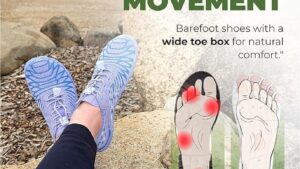
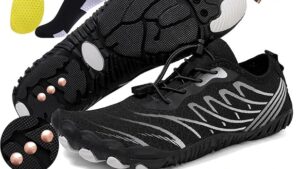
For cold and wet winter conditions: Merrell Speed Strike 2 Leather Thermo Mid WP is the premium step-up with insulation and full waterproofing. For barefoot/minimalist hikers: something like the HF LazuliPro Barefoot or similar zero-drop options serve that niche. For wider feet needing specific support: the L-RUN Wide Hiking Shoes address that specifically. For the majority of day hikers at this budget? The Speed Strike 2 standard version is genuinely hard to beat.
My Honest Takeaway
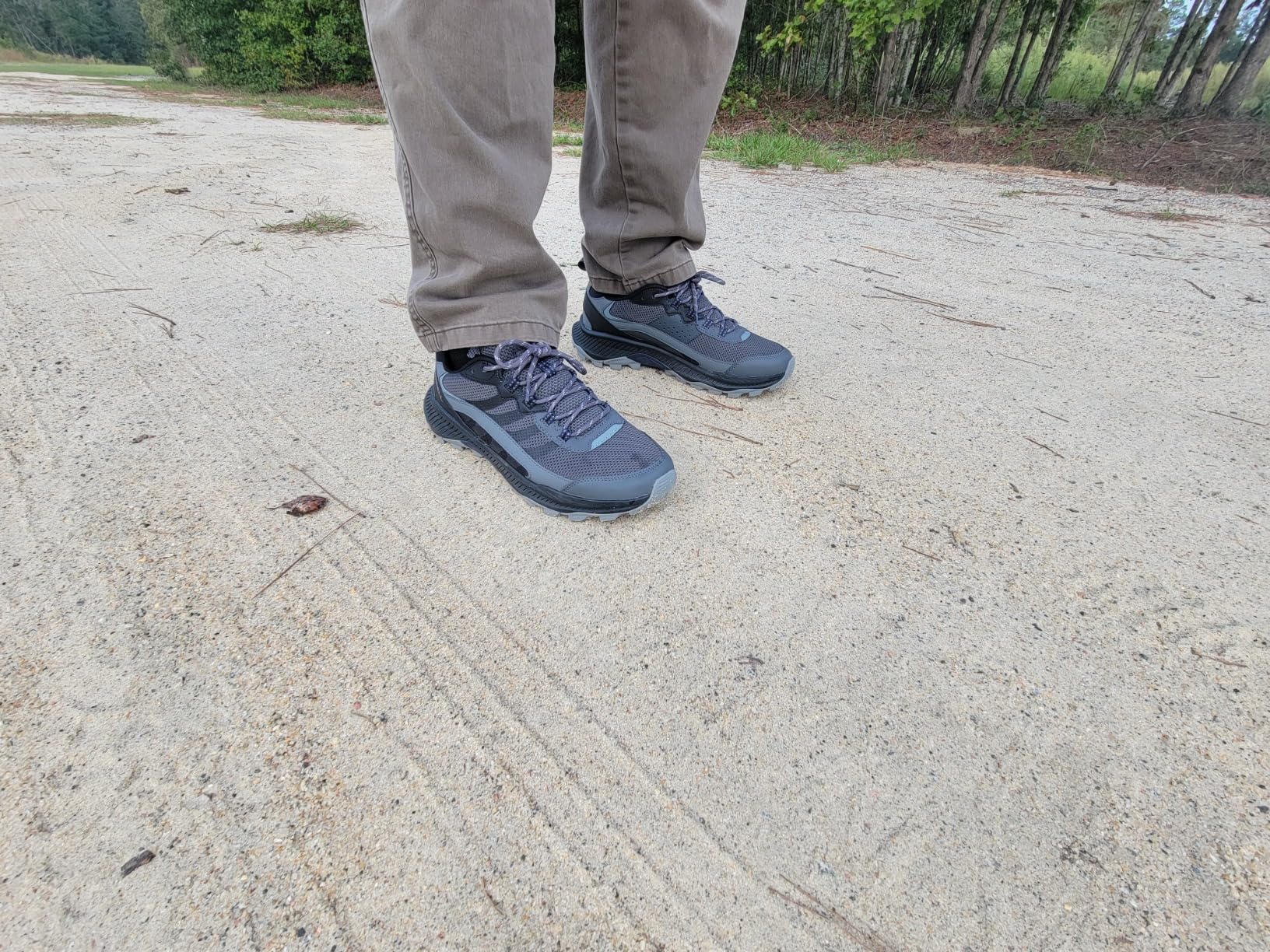
Eight weeks and 150+ miles is enough to know whether a shoe delivered on its promises or collapsed under real-world conditions. The Speed Strike 2 delivered.
It’s not the lightest shoe available (that’s not the goal). It’s not waterproof (that’s not the goal either). It’s an honest, well-executed day hiking shoe that trades bulk and rigidity for lightweight responsiveness — and backs up that trade-off with protective caps, sticky rubber, and construction quality that held through serious testing.
The math makes sense: $80 ÷ ~500 miles of estimated lifespan = $0.16 per mile. For context, premium hiking boots often cost $160–$180 and might deliver $0.20–$0.25 per mile when their longer lifespan is factored in. Speed Strike 2 wins that value calculation for day hikers who don’t need the extra protection ceiling.
Who this shoe is not for: heavy loads, dedicated mountaineering, constant rain exposure, or users who need maximum ankle support. Within its target use case — day hiking with a light pack in mixed conditions — it outperforms its price point.
Pro tip before you buy: TTS for normal-to-wide feet. Narrow-footers should try before buying or budget for an aftermarket insole. If you hike primarily in wet climates, add $30–40 for the waterproof variant — it’s worth it for your conditions.
Questions about fit, terrain-specific performance, or sizing? Leave them in the comments — happy to share what I observed across 150 miles of testing. Happy trails.
Review Scoring Summary
| 🔍 CATEGORY | 📋 SCORE | 💭 NOTES |
|---|---|---|
| Target User | Men | Men’s sizing and last design; wider counterpart available; athletic build serves male hikers well |
| Primary Purpose | Hiking/Trail | Designed for day hiking with light trail running crossover capability |
| Budget Range | $70–$90 | Mid-tier pricing with above-average performance for the segment |
| Primary Strength | Lightweight Value | 15.2 oz + sticky rubber + $80 price = unbeatable combination for day hikers |
| Expected Lifespan | 400–600 miles | Standard EVA compression curve; adequate for typical day hiker use |
| 😌 Comfort Score | 8.5/10 | Excellent for normal-to-wide feet; minor customization needed for narrow feet or flat arches |
| 🏔️ Trail Performance | 8.5/10 | Sticky rubber outsole delivers on varied terrain; EVA midsole handles long descents |
| ⭐ Overall Score | 8.1/10 | Excellent day-hike shoe — honest, well-executed, strong value. Not perfect for all conditions. |
🎯 Bottom Line
- Perfect for: Day hikers (6–12 miles) who want lightweight trail protection under $90 without sacrificing breathability
- Great alternative to: Traditional hiking boots — significant weight savings, comparable protection for day use
- Skip if: You need waterproofing, carry heavy loads, or require ankle support for technical terrain
- Best feature: Merrell sticky rubber outsole — legitimately excellent grip on wet rock that earned the “sticky” label
- Biggest limitation: No waterproof membrane in standard version — a real constraint for rain-heavy hiking environments
Be the first to review “Merrell Men’s Speed Strike 2”
Related products

Hiking/Trekking Shoes
Hiking/Trekking Shoes
Hike Footwear HF Signature Healthy & Non-Slip Breathable Barefoot Shoes
Hiking/Trekking Shoes
Hiking/Trekking Shoes


Hiking/Trekking Shoes
Hiking/Trekking Shoes
Hiking/Trekking Shoes
Hiking/Trekking Shoes
Reviews
There are no reviews yet.