
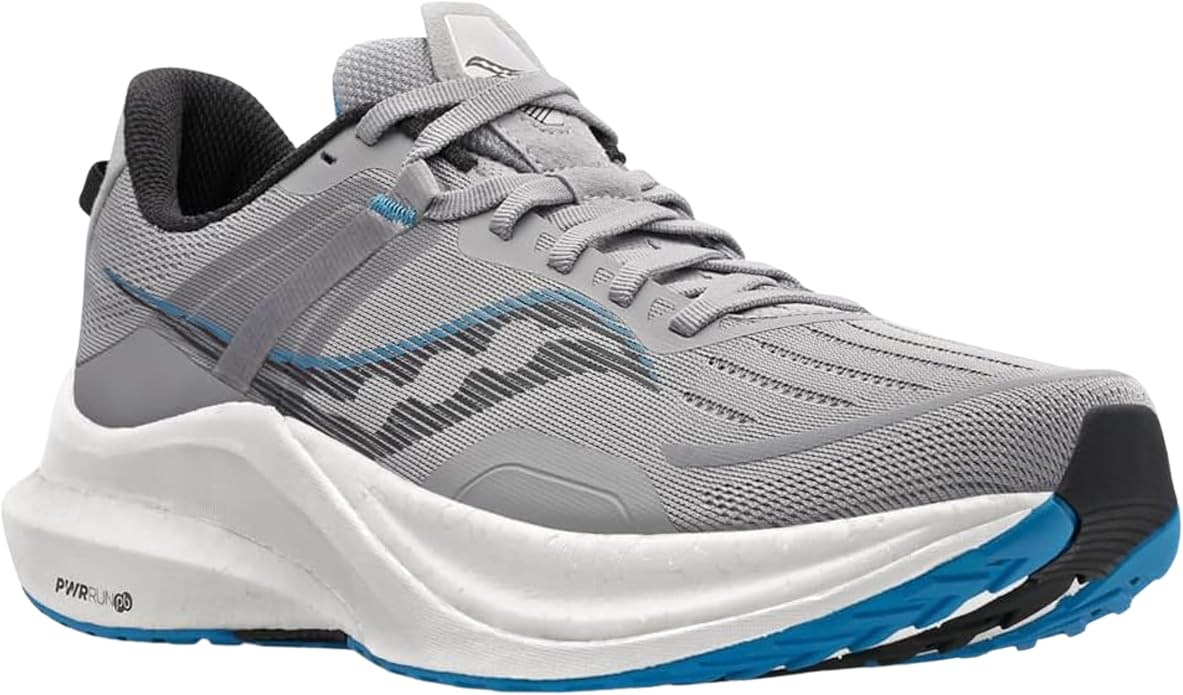
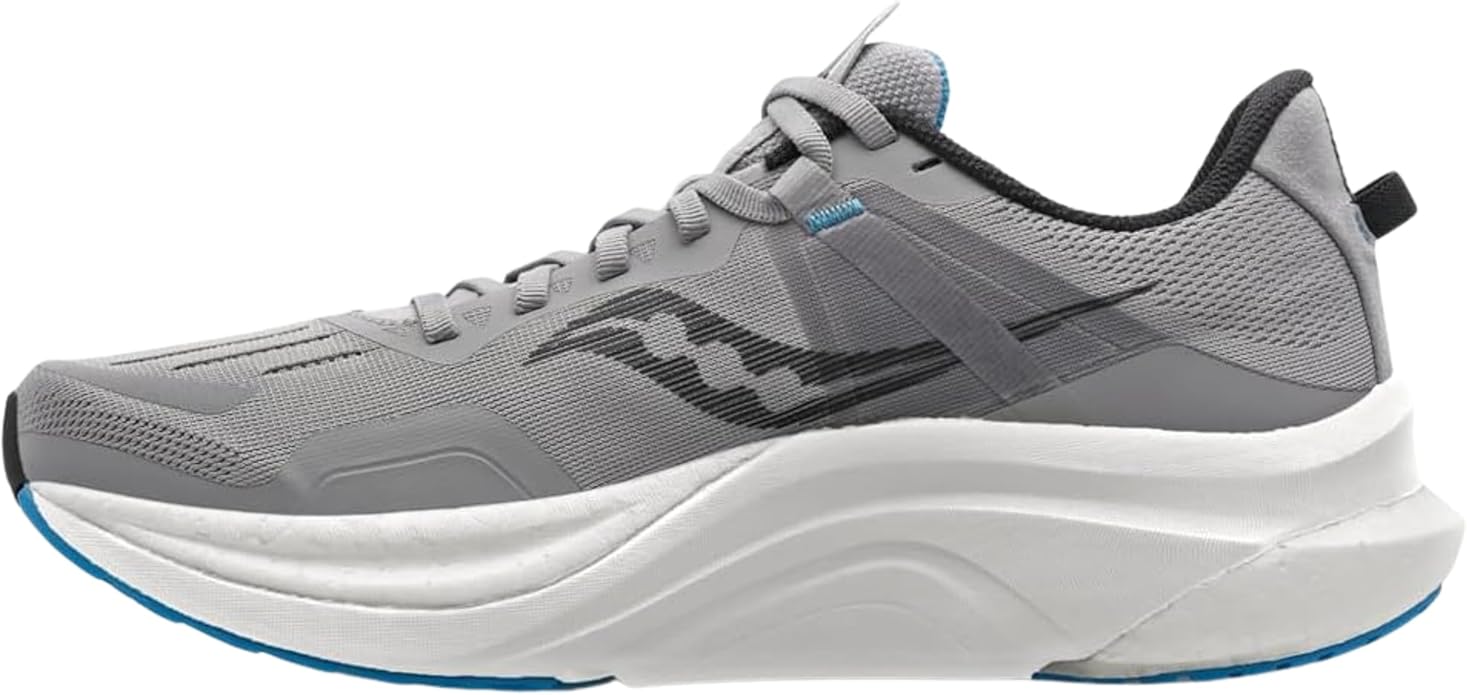
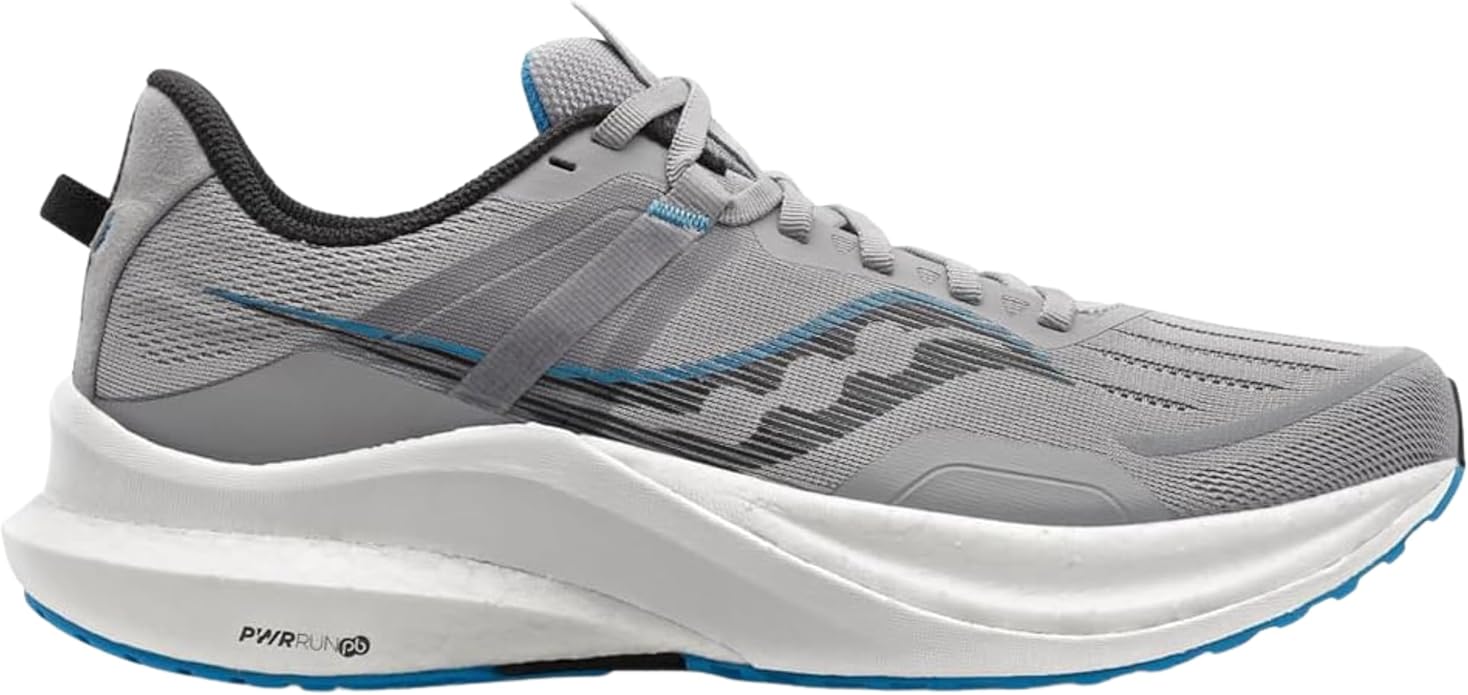
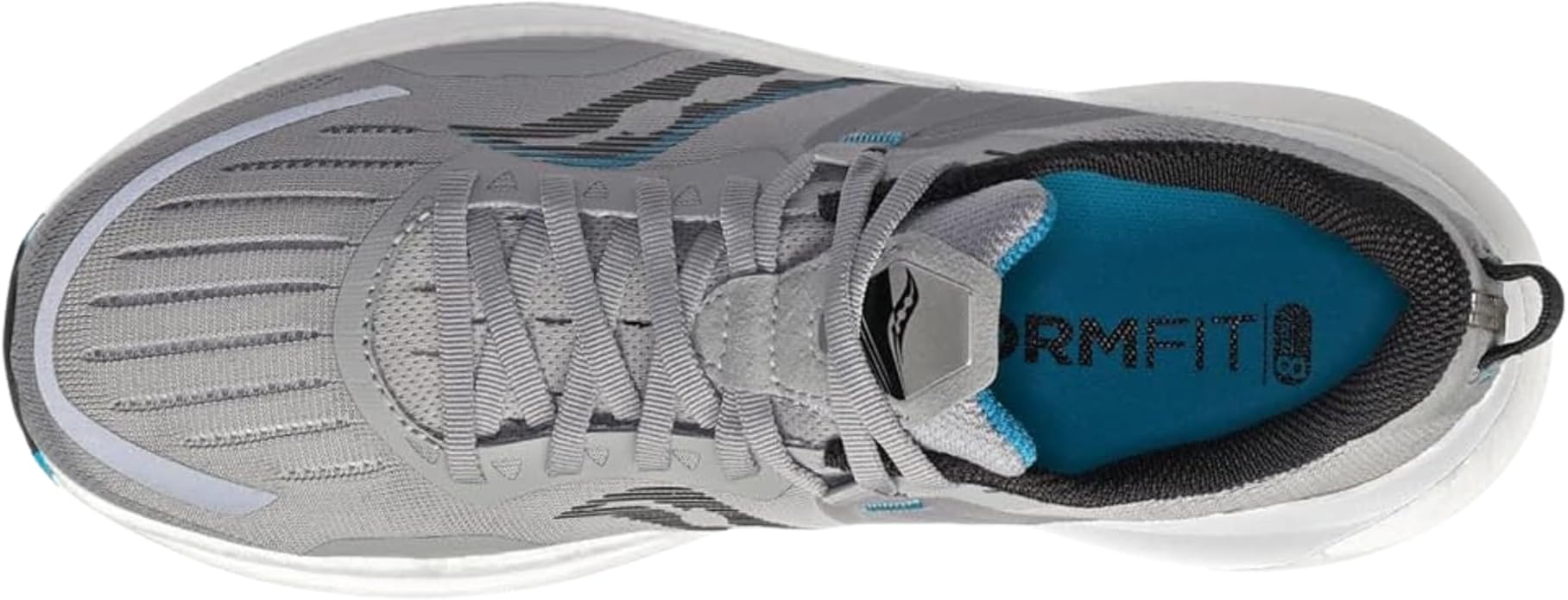
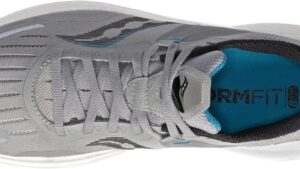
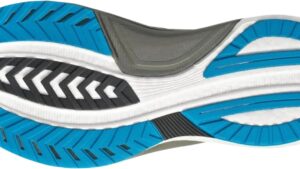
Saucony Men’s Tempus Sneakers
$79.99
- ⚖️ Weight: 8.9 oz / 252g (Men’s size 9)
- 📏 Heel-to-toe drop: 8mm
- 📐 Stack height: 36.5mm heel / 28.5mm forefoot
- 🧪 Midsole: PWRRUN PB foam core + PWRRUN Support Frame (dual-density)
- 👟 Upper: Lightweight mesh with fused overlays and internal gusset
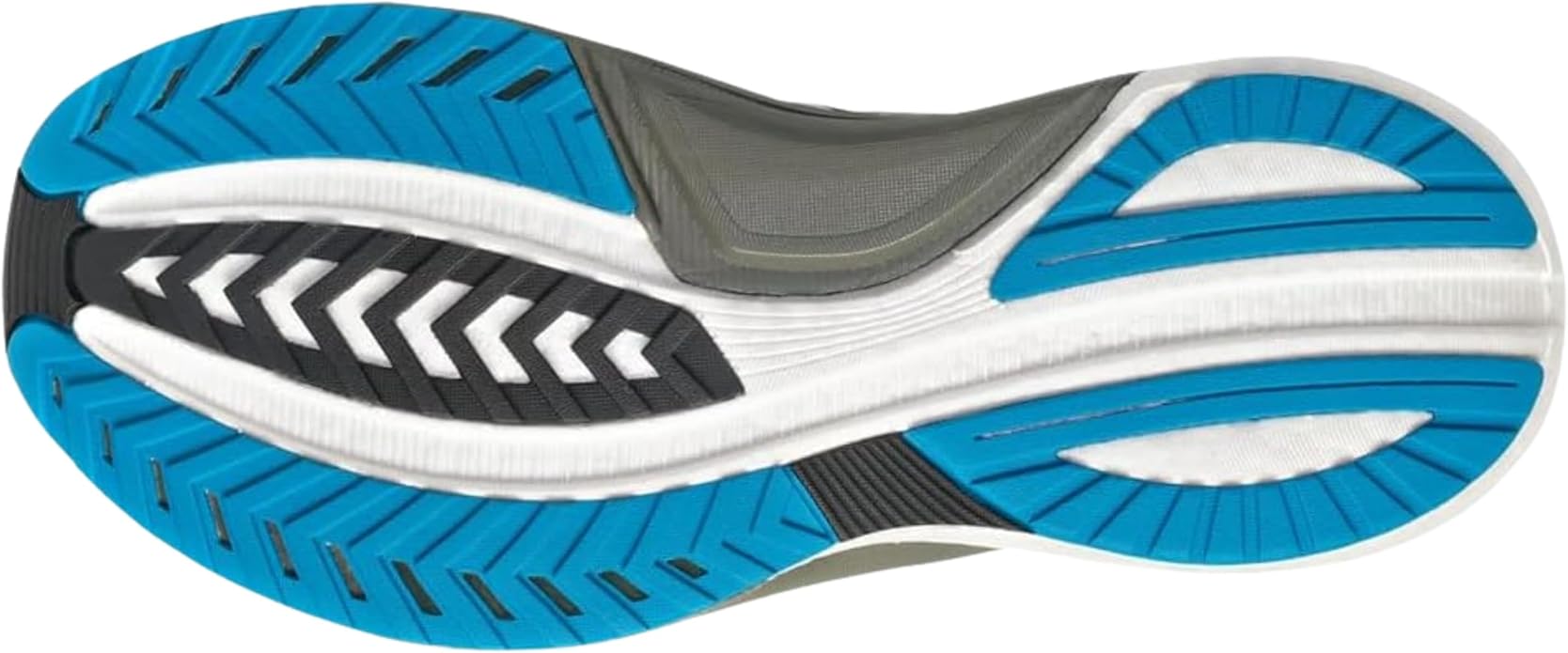
- 🏃♂️ Outsole: Carbon rubber
- 🎯 Category: Performance stability running shoe
I almost returned these shoes after the first run. The support frame felt aggressive, almost punishing — nothing like the Guide series I’d been training in for years. Forty-eight hours and a short easy run later, something clicked. Six months and 400+ miles after that initial skepticism, I’m writing this with a 10K PR on the scoreboard and some genuine concerns about long-term durability. That’s the Saucony Tempus in a sentence.
Who Needs to Know About the Support Frame Before Buying
Upper Construction and the Snug Reality
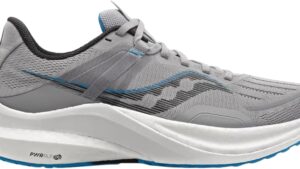
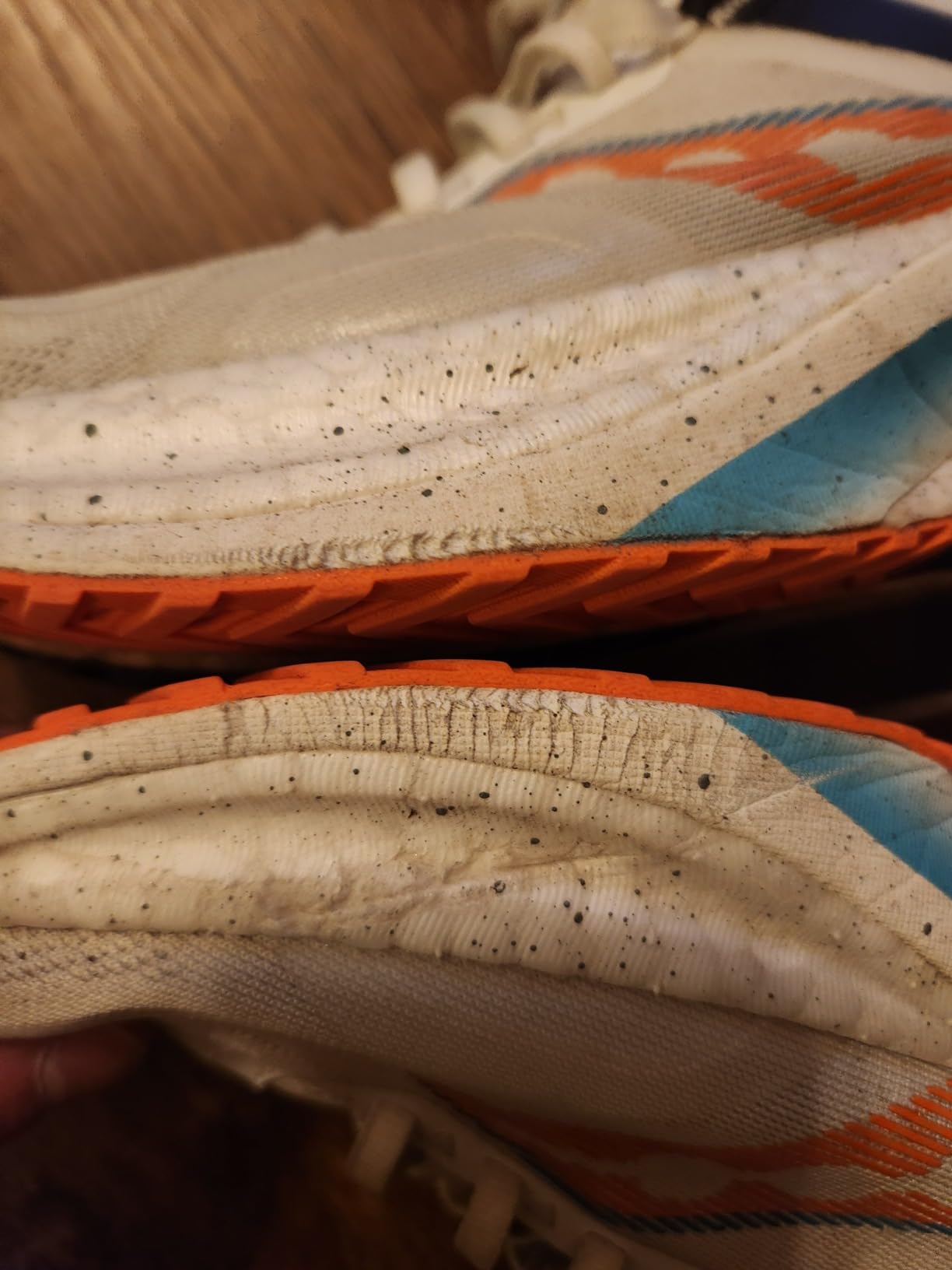
The upper catches you off guard right out of the box. It’s cut like a racing flat — lightweight mesh reinforced with thin fused overlays and an internal gusset that keeps the whole structure locked down. The ankle collar sits notably higher than on most stability shoes, and the heel counter has a precision-fit quality that eliminates any heel slippage.
My size 10 feet landed in a sock-like embrace that took two or three runs to stop noticing. Coming from years in the Saucony Guide series, the contrast was stark — Guide models have that roomy, well-padded collar that feels forgiving; the Tempus doesn’t care about forgiveness, it cares about lockdown.
For narrow to standard feet, the fit becomes almost surgical after break-in. For wide feet, this isn’t the shoe — and no half-size adjustment changes that. The narrow construction is intentional, built for racing performance, and it delivers on that promise at the cost of foot-shape inclusivity.
Midsole Design: Where “Sitting Into” the Shoe Actually Makes Sense
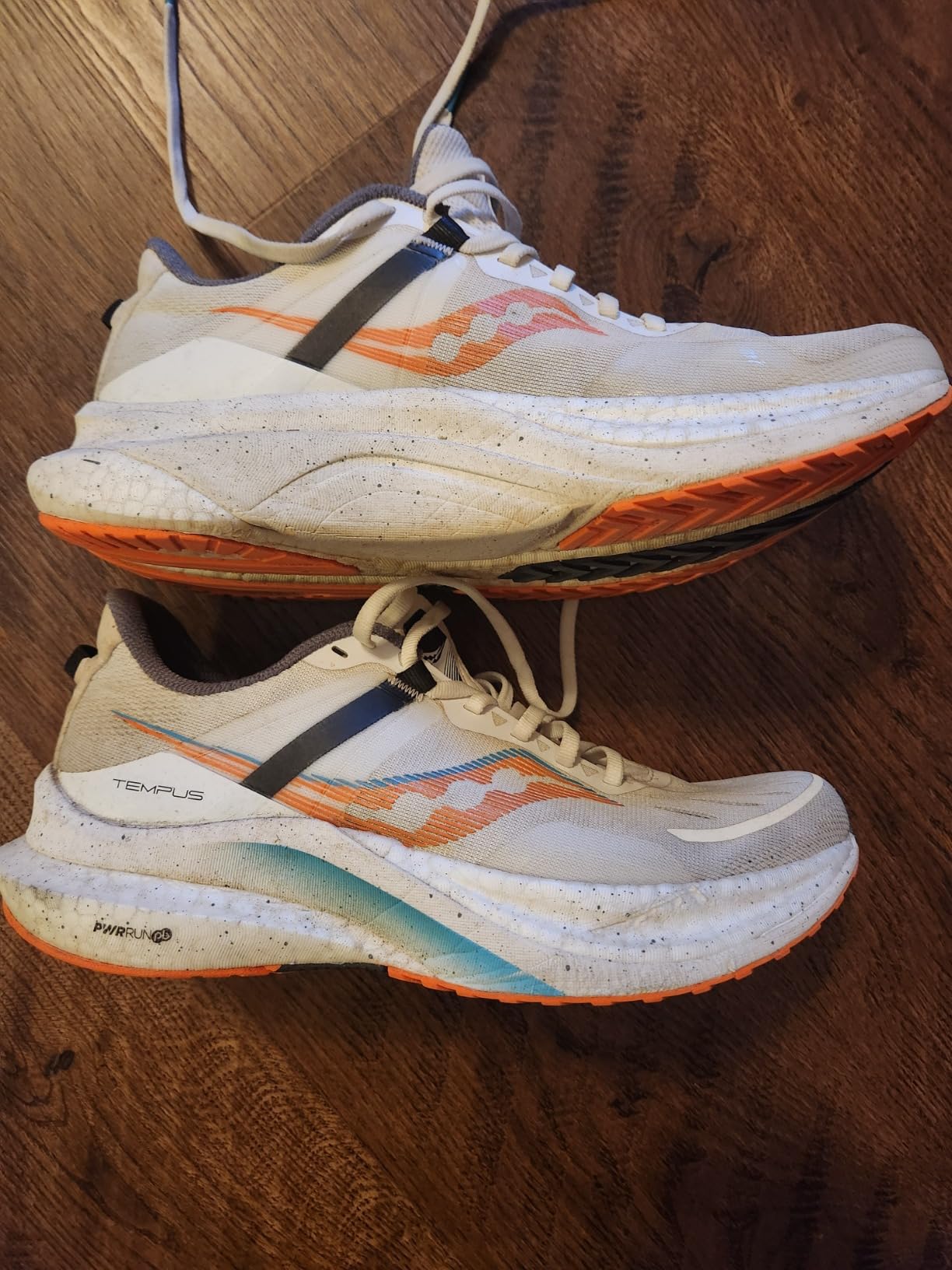
The midsole design looks different from any stability shoe I’ve tested. Instead of a dense wedge of firmer foam on the medial side — the traditional medial post approach — the Tempus wraps a stiff PWRRUN frame around a softer PWRRUN PB core. Your foot doesn’t ride on top of the platform; it settles into it.
Visually, you can see the dual-density structure at the midsole edges. The firmer PWRRUN material runs along both the medial and lateral sides from heel through forefoot, creating guidance without the rigid, one-sided feeling of older stability designs.
Cushioning System: PWRRUN PB Delivers, With a Caveat
The Feel in Real Running
PWRRUN PB is the same foam Saucony uses in the Endorphin Pro racing line. Putting it in a stability trainer was a deliberate move, and on first contact it’s immediately obvious you’re dealing with different material than standard EVA. The foam compresses smoothly on landing and kicks back with genuine snap — not the delayed, plush response of maximum cushion shoes like the ASICS Gel-Nimbus 27, but a quicker, more energetic return.
On my first easy 5-miler, I kept bumping up the pace without meaning to. The shoe just… encouraged it.
The 20-Mile Test
The real proof came on a 20-mile long run in Colorado. By mile 16 in a traditional stability shoe, I typically feel impact fatigue creeping into my arches and knees. At mile 16 in the Tempus, I was running the same pace I started with and my feet felt like they had miles left in them. The foam doesn’t collapse or “bottom out” the way conventional midsoles do when you’re grinding through long efforts.
Worth noting: this cushioning quality held from mile zero through approximately mile 200-250 of total use. After that, subtle changes — the toe-off felt slightly less snappy, the landing slightly heavier. Not dramatically different, but a reviewer paying attention could track it. By mile 300+, the degradation became more obvious, and that connects directly to the durability discussion below.
Responsiveness Across Paces
Most cushioned stability shoes feel sluggish when you push the pace. The Tempus doesn’t. During tempo sessions at 6:45/mile, the platform felt alive, not like I was fighting through soft foam to generate push-off. During 5K-pace efforts around 6:10-6:15/mile, the energy return was working with my stride rather than absorbing momentum. That responsive quality across paces — easy to race — is genuinely rare in this category.
Stability System: The Breaking-In Moment That Changes Everything
First Run Skepticism
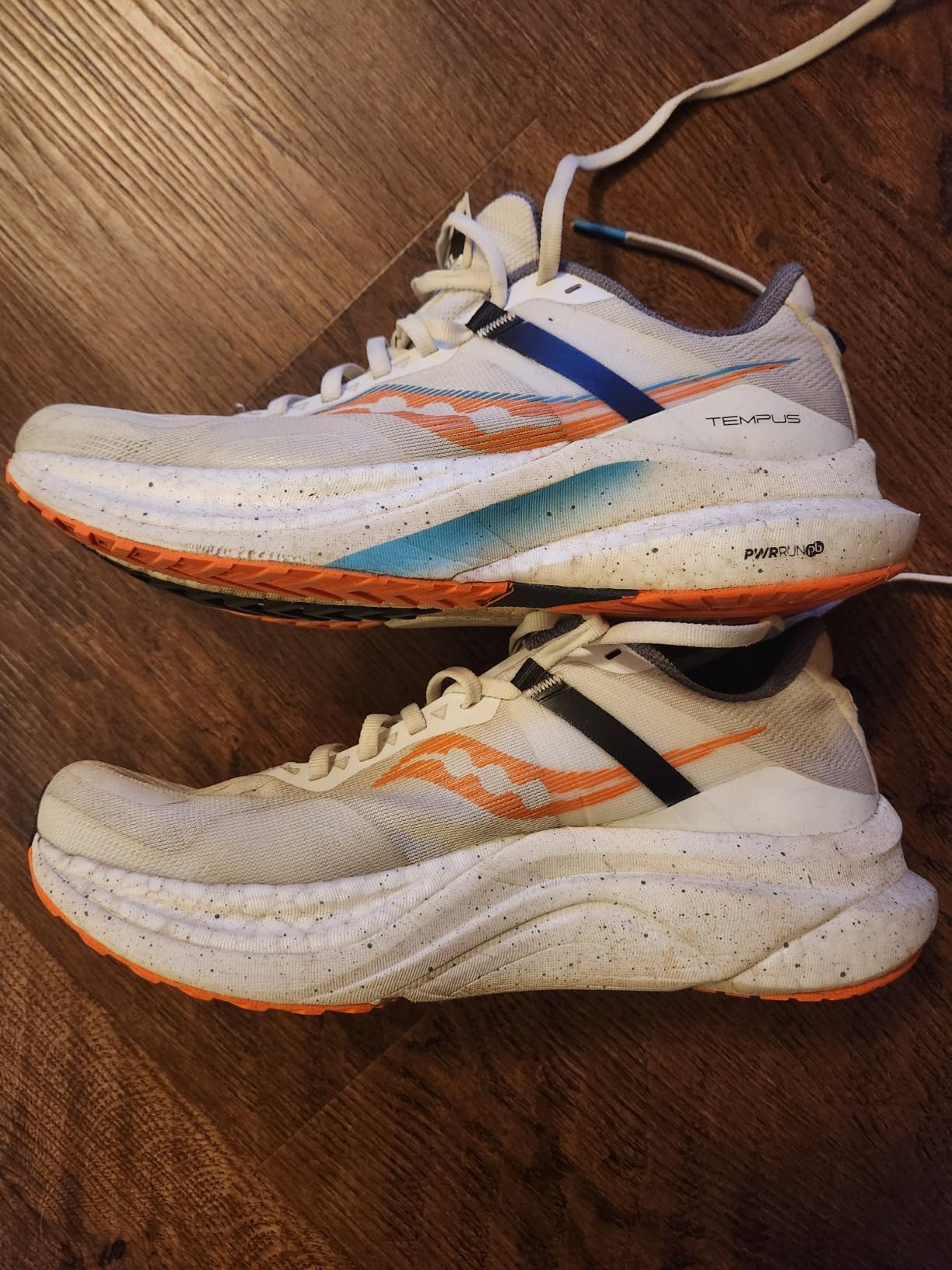
Here’s what no marketing copy tells you: the PWRRUN Support Frame feels aggressive on run one. The arch engagement was more pronounced than I expected, more controlling than the subtle medial posts I was used to. After that first 5-miler, I genuinely considered returning them. Not because something was wrong — looking back, nothing was — but because my feet weren’t adapted to this design language yet.
I gave it two more easy runs instead of returning.
When It Clicks
Run three was different. The support frame had either softened slightly with use or my foot had learned to settle into the cradle naturally — probably both. Instead of feeling pushed and guided, I felt held and supported. The arch engagement was there, but it felt organic rather than mechanical. My foot was sitting into the midsole rather than perching on top of it.
By week two, I stopped thinking about the support frame entirely, which is exactly the point. Good stability technology disappears when you’re running.
Performance Under Overpronation Pressure
As a mild overpronator, my biggest concern with any stability shoe is fatigue-related form breakdown — the knee tracking issues and ankle roll tendency that surface when you’re tired at mile 14 of a long run. During a 16-mile training run in this shoe, neither happened. The frame guided without restricting, and my gait held consistent even when my legs were telling a different story.
At faster paces, the stability system became less about guidance and more about a confident foundation. During the local 10K where I PR’d, I didn’t feel the support frame at all — just a stable, planted platform that let me push without second-guessing footing.
On-Road Performance: From Easy Miles to a PR
Easy Run Behavior
The 8mm drop and PWRRUN PB cushioning work well at conversational pace. The shoe doesn’t feel punishing or race-aggressive when you slow down — you get cushioned, comfortable miles without the foam feeling squishy or unstable. Some performance-focused stability shoes struggle at easy paces, feeling either too stiff or too bouncy. The Tempus sits in a comfortable middle ground.
Tempo and Threshold Work
This is where the shoe earns its performance stability label. At 6:45/mile threshold pace, the lightweight construction (8.9 oz official) reduces the energy tax that heavier trainers impose, and the PWRRUN PB keeps the turnover efficient. I never felt like I was fighting the shoe to maintain effort — the platform worked with the running mechanics, not against them.
The 10K Race
I wore the Tempus to a local 10K and ran a PR. I’d be cautious about over-attributing any single race result to a shoe — fitness matters more — but the platform contributed. The combination of secure lockdown, responsive foam, and controlled stability meant I could focus entirely on effort rather than managing shoe feel. When stability technology works correctly, it becomes invisible at race pace, and that’s exactly what happened here.
Real-World Conditions: Three Cities, Three Tests
Phoenix, Arizona (95°F+ / High humidity): The mesh upper earns its keep in extreme heat. During 90-minute sessions in August afternoon heat, my feet stayed reasonably comfortable. The lightweight construction reduces heat retention compared to padded trainers. At 180 lbs, I generate significant heat output during hard efforts — even with that caveat, the breathability held up better than I expected.
Colorado (Variable / Altitude): No significant performance degradation at altitude. Cushioning felt consistent, gait mechanics unaffected. The dry conditions here were ideal for the outsole’s design. Morning cold-weather runs: the foam responded normally, no stiffness on cold starts.
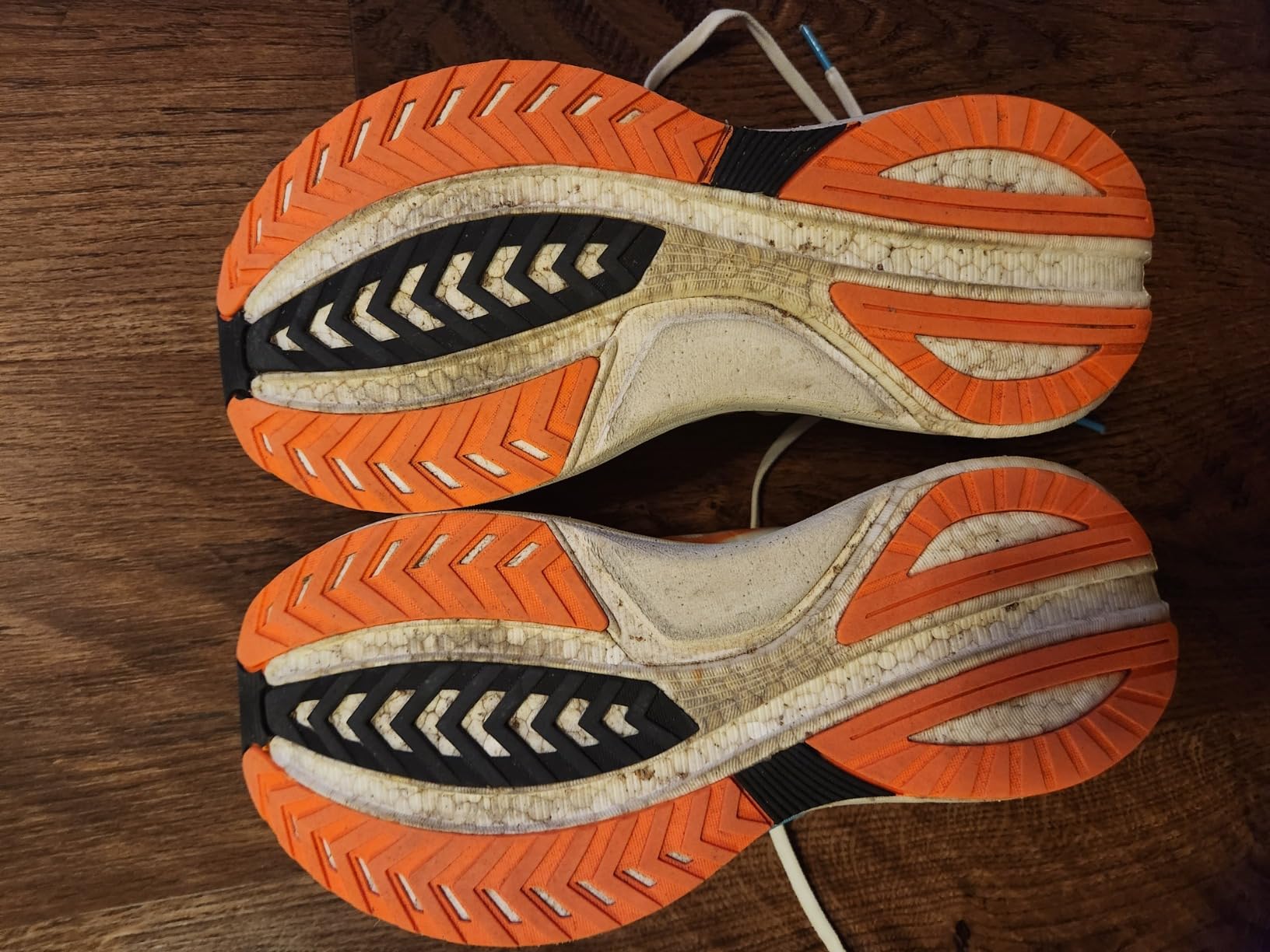
Seattle, Washington (Drizzle / Wet pavement): This is where I need to be direct. During an 8-mile run in light rain, the traction was genuinely concerning. The exposed PWRRUN PB foam on the outsole edges has minimal grip characteristics when wet, and the carbon rubber pattern isn’t aggressive enough to compensate. I slowed down significantly and still felt less secure than I’d like. The Tempus is a dry-surface shoe — designing around this limitation is not optional.
Durability: The 300-Mile Line
The Timeline
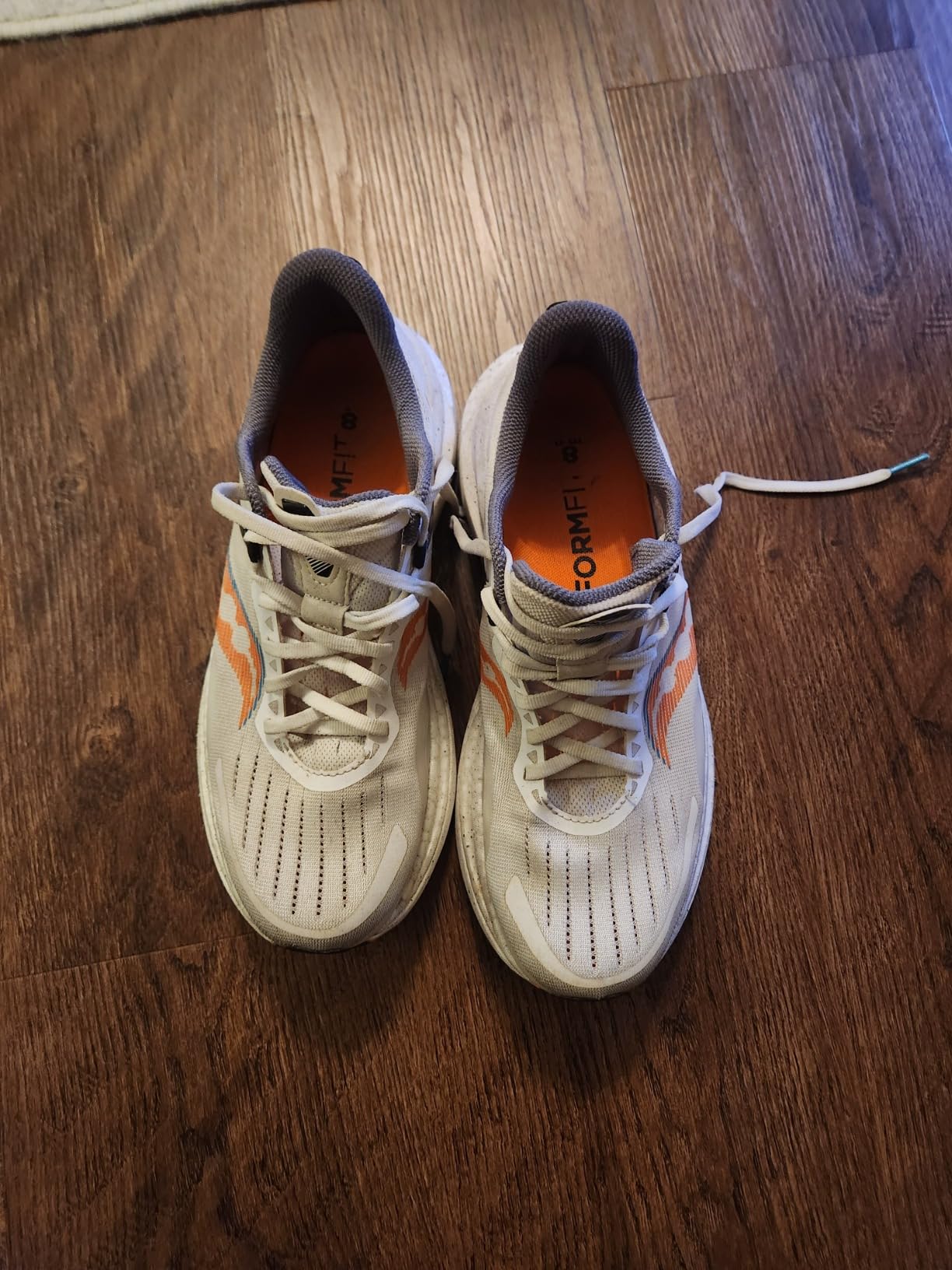
Miles 0-200: Exceptional. Cushioning fresh, outsole intact, upper holding form. No concerns.
Miles 200-300: Subtle. The foam response starts changing — less snappy, slightly heavier. Still performance-capable, but the degradation process has begun.
Miles 300+: Visible. The PWRRUN PB foam at the outsole edges — where it’s exposed for cushioning purposes — shows wear markings and, in my pair, early-stage separation from the rubber base. By month 4 (approximately 350 miles), small sections were peeling.
The Weight Variable
This is the finding I think most reviews skip: durability is not consistent across runner weights. Running group members under 160 lbs are still running in their Tempus pairs well past 400 miles with no separation issues. My buddy James (6’2″, 195 lbs) reported the same foam separation pattern as me, at a similar mileage point. The PWRRUN PB foam is impact-sensitive — more mass through the midsole accelerates compression fatigue and outsole edge wear.
If you weigh 160 lbs or less: durability will likely extend to 400-450 miles. If you’re 180+ lbs: plan for 280-350 miles before outsole integrity becomes a concern.
Value Math
At $159.95 divided by 300 miles (heavy runner estimate): approximately $0.53/mile. The Brooks Adrenaline GTS typically delivers 500+ miles at $140, coming out to roughly $0.28/mile. Performance-wise, the Tempus outclasses the Adrenaline in cushioning responsiveness and weight. Durability-wise, the math flips.
Saucony’s Claims vs. What Testing Found
| Claim | Reality | Verdict |
|---|---|---|
| “Max energy return” (PWRRUN PB) | Genuinely responsive through ~250 miles; degradation follows | ✅ Accurate (with mileage caveat) |
| “Support that feels natural” | After 2-3 run breaking-in period: yes, organic feel confirmed | ✅ Accurate (after adjustment) |
| “Lightweight stability shoe” | 8.9 oz confirmed — competitive weight for category | ✅ Accurate |
| “For overpronators” | Effective for mild-moderate; insufficient for severe overpronation | ✅ Accurate (mild-moderate only) |
| Implied durability / performance lifespan | Foam separation at ~300 miles for heavier runners; significant caveat | ❌ Undersold the weakness |
| Fit for all runners | Narrow, prescriptive construction — explicitly not for wide feet | ⚠️ Partially accurate (narrow foot only) |
Overall Assessment
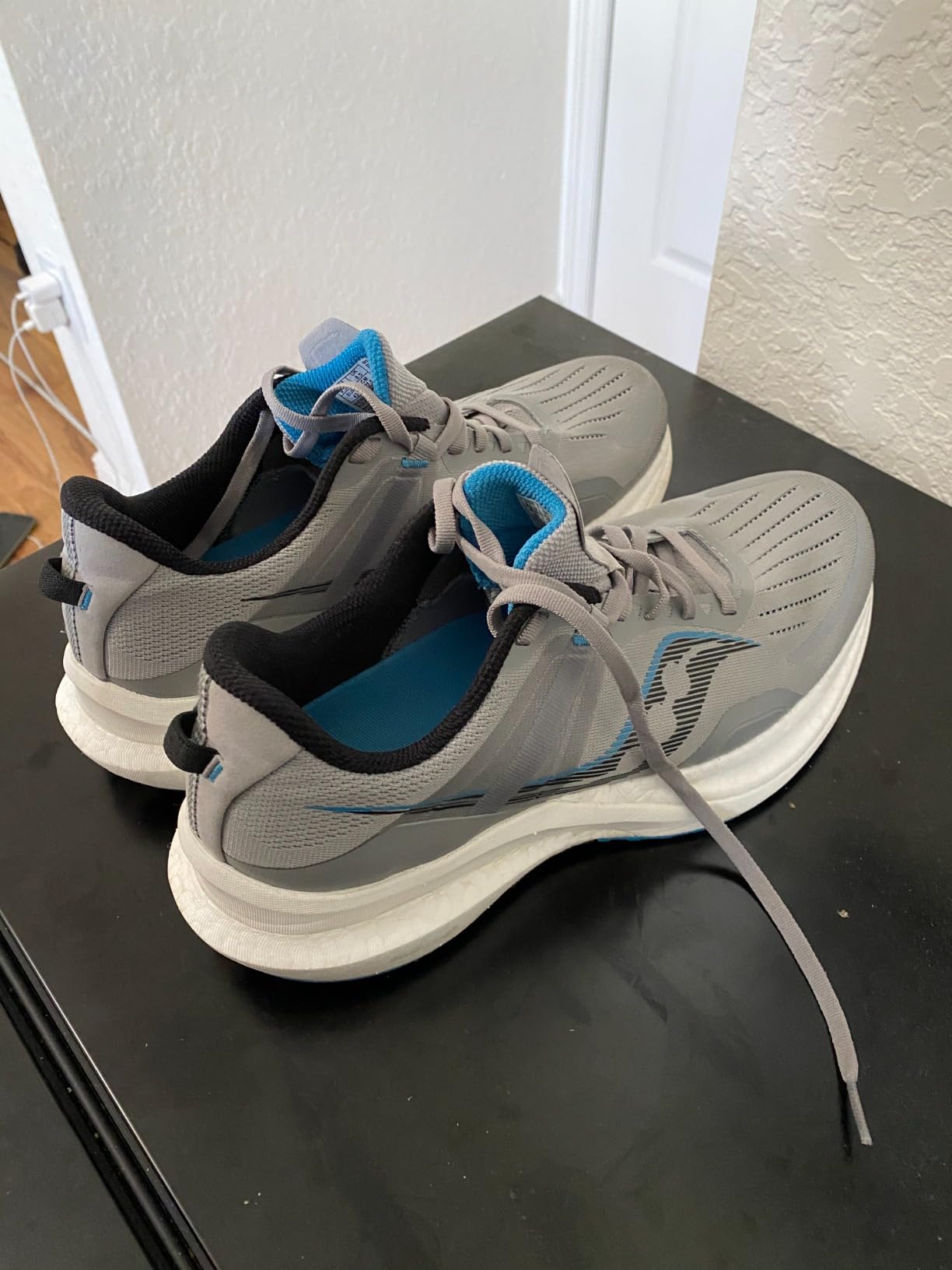
Score Breakdown
After 400+ miles across six months:
| Category | Score | Reasoning |
|---|---|---|
| Design & Build | 8.5/10 | Consistent construction quality; prescriptive fit limits range |
| Cushioning | 9.2/10 | PWRRUN PB delivers genuine energy return; best in category when fresh |
| Stability Performance | 8.8/10 | Organic-feeling support frame; effective pronation control; natural under load |
| Responsiveness | 8.7/10 | Proven at race pace; no sluggishness from easy to threshold |
| Durability | 5.5/10 | Outsole foam separation ~300 miles; worse for 180+ lb runners; major weakness |
| Wet Traction | 4.5/10 | Poor on wet pavement; safety concern; dry surfaces only |
| Value | 7.2/10 | Strong for lighter racing runners; poor for heavier or high-mileage athletes |
| Overall | 7.8/10 | Strong performance offset by durability and fit constraints |
The 7.8 doesn’t tell the full story — this shoe’s context-specific score ranges from 8.5+ for a light racing overpronator to 6.5 or lower for a heavy runner logging daily miles. Know your profile before you buy.
Pros and Cons
| ✅ Strengths | ❌ Limitations |
|---|---|
|
|
Who Should (and Shouldn’t) Buy the Tempus
✅ Strong Fit If:
- You’re a mild-to-moderate overpronator looking for responsive, not just stable
- You weigh under 170 lbs — durability holds up well in this range
- Racing or tempo work is your primary focus (5K to half marathon)
- You run in dry climates — Phoenix, Denver, Southwest — where traction isn’t a variable
- Narrow to standard feet; you prefer a lockdown fit
⚠️ Think Carefully If:
- You’re in the 170-185 lb range — durability may meet your needs, but track it carefully
- You need a versatile all-distance trainer from easy recovery to race day
- You’re transitioning from a roomy stability shoe — the adjustment period is real
❌ Look Elsewhere If:
- You’re over 185 lbs — the durability math works against you at $159.95
- You have wide feet; the Under Armour Charged Assert 9 or Brooks Adrenaline offer better fit accommodation
- You run in wet climates regularly — safety concern, not just discomfort
- You need severe motion control; the Support Frame handles mild-moderate overpronation, not severe
- Budget is the primary concern — durability-to-price ratio favors alternatives
Alternatives Worth Considering
- Better durability at similar price: Saucony Guide 16 or Brooks Adrenaline GTS 25
- More motion control: ASICS Gel-Kayano 31 (heavier, but built for severe overpronators)
- Lighter budget option: Nike Downshifter 12 for casual stability needs under budget
- Trail variant with better grip: Altra Lone Peak 8 for off-road running
Pro tip on rotation
If you want to keep the Tempus in your lineup without burning through pairs, rotate it with a higher-durability daily trainer. Use the Tempus for quality sessions — tempo runs, race efforts, anything at threshold or faster — and let a more robust shoe handle easy recovery miles. You’ll likely extend the useful lifespan by 100+ miles this way and keep buying from authorized Saucony retailers for warranty coverage if premature wear appears.
Frequently Asked Questions
Q: Are the Saucony Tempus good running shoes?
A: For the right runner, genuinely excellent. If you’re a mild-to-moderate overpronator under 170 lbs focused on faster training and racing, the Tempus competes with any stability shoe on the market. For heavier runners or those needing daily-driver durability, the limitations are significant enough that alternatives make more sense.
Q: What are the Saucony Tempus best for?
A: Racing and tempo work. The PWRRUN PB foam and Support Frame combination delivers responsive stability that performs at 6:15/mile without the sluggishness of traditional stability designs. They’re effective from 5K distances up through half marathons — I’d consider them for a full marathon only with extensive prior training miles in them.
Q: Do the Saucony Tempus run narrow or wide?
A: Narrow, by design. The lightweight mesh upper with internal gusset creates a prescriptive, sock-like fit optimized for racing lockdown. If you need a wide toe box or prefer roomy uppers, this shoe isn’t the answer — no sizing adjustment compensates for the fundamental construction.
Q: Do the Saucony Tempus run true to size?
A: True to size for standard/normal feet. The fit feels snug relative to traditional stability shoes, but that’s the construction, not a sizing error. If you’re coming from a roomy trainer and find the Tempus snug, going up half a size may help in length, but the width constraint is structural.
Q: Are the Saucony Tempus good for overpronation?
A: Yes — for mild to moderate overpronation. The PWRRUN Support Frame provides effective, organic-feeling guidance that helped my gait stay consistent even through late-run fatigue. For severe overpronation requiring heavy medial support, a traditional motion control shoe will provide more correction than the Tempus is designed to deliver.
Q: How long do the Saucony Tempus last?
A: Weight-dependent. Under 160 lbs: expect 400-450 miles before significant wear. 170-180 lbs: plan for 300-380 miles. 185+ lbs: the outsole foam separation appears earlier — 250-320 miles is a realistic expectation. The upper and midsole cushioning hold well; it’s the exposed PWRRUN PB foam at the outsole edges that fails first.
Q: Saucony Tempus vs. Brooks Adrenaline GTS 25 — which is better?
A: Different tools for different jobs. The Tempus is lighter, more responsive, better for speed work and racing. The Adrenaline is more durable, more versatile, better for all-distance training and heavier runners. Under 170 lbs with a racing focus: Tempus. High weekly mileage or 180+ lbs: Adrenaline makes more financial sense.
Q: How does the break-in period feel for the Saucony Tempus?
A: Immediate comfort is fine — no blistering or hot spots. The support frame, though, takes 2-3 runs to stop feeling aggressive. Don’t judge this shoe on run one. The arch engagement that feels overpowering initially settles into a natural, organic feel by run three or four. Give it 25-30 miles before making any final assessment.
Review Scoring Summary
| 🔍 CATEGORY | 📋 ASSESSMENT | 💭 REASONING |
|---|---|---|
| 👥 WHO THIS SHOE IS FOR | ||
| Target Gender | Men | Men’s sizing, construction, and performance focus confirmed through testing |
| Primary Purpose | Running — Stability | Performance running shoe built specifically for overpronating runners seeking speed |
| Activity Level | Very Active | Designed for serious training loads — tempo, race prep, long runs up to 20 miles |
| 💰 MONEY TALK | ||
| Price Range | $100-200 | $159.95 MSRP — premium range; performance justifies for lighter runners |
| Brand | Saucony | Innovative stability tech; reputation backed by Endorphin racing line heritage |
| Primary Strength | Responsiveness + Stability | Rare combination — most stability shoes sacrifice energy return for control |
| Lifespan | Medium-Term | 280-450 miles depending on runner weight — below category average for price |
| 👟 FIT & FEEL | ||
| Foot Width | Narrow to Standard | Prescriptive racing fit; not suitable for wide feet regardless of size |
| Best Conditions | Dry Climate | Traction inadequate on wet pavement — dry conditions required |
| Daily Wear Time | Medium (1-3 hours) | Excellent for focused training; snug fit less suited for casual all-day wear |
| 🏆 THE NUMBERS | ||
| 😌 Comfort Score | 9.2/10 | PWRRUN PB cushioning is exceptional — no foot fatigue through 20-mile runs |
| 👟 Style Score | 7.5/10 | Modern technical aesthetic — performance-focused, not lifestyle |
| ⭐ Overall Score | 7.8/10 | Exceptional when conditions align (light runner, dry climate, speed focus); limited otherwise |
🎯 Bottom Line
- Buy if: Mild overpronator, under 170 lbs, racing or tempo-focused, dry climate, narrow feet
- Skip if: Heavy runner (180+ lbs), wide feet, wet climate, need daily-driver durability
- Best feature: PWRRUN PB cushioning — the most responsive foam in a stability shoe I’ve tested
- Biggest weakness: Outsole foam separation around 300 miles, particularly for heavier runners
- Worth adding: Sof Sole Athlete Insoles if you need additional arch support customization
Questions about your specific running profile? Drop them in the comments — happy to help narrow down whether the Tempus fits your training. Happy running.
Be the first to review “Saucony Men’s Tempus Sneakers”
Related products
Running Shoes
Running Shoes


Hiking/Trekking Shoes
Running Shoes
Running Shoes
Running Shoes

Running Shoes
Running Shoes
Reviews
There are no reviews yet.