
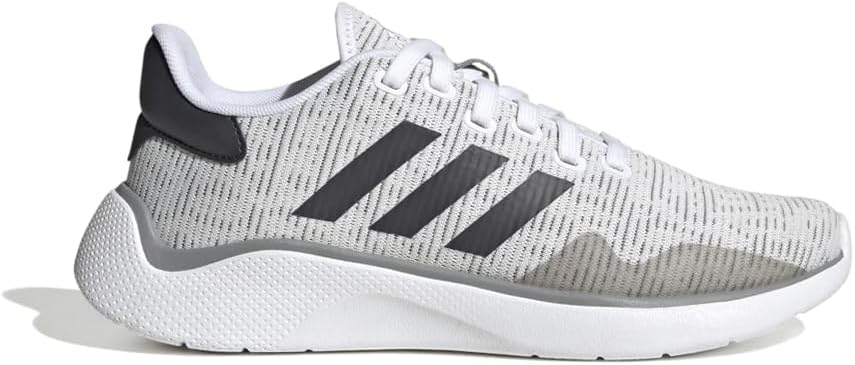
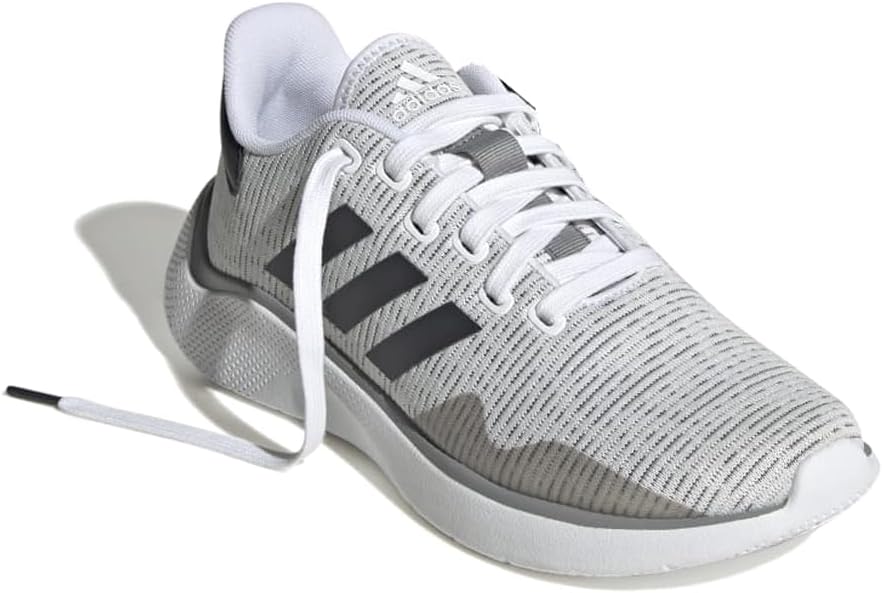
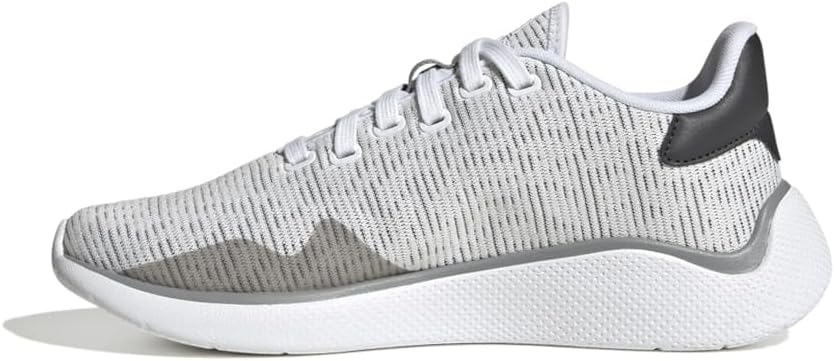
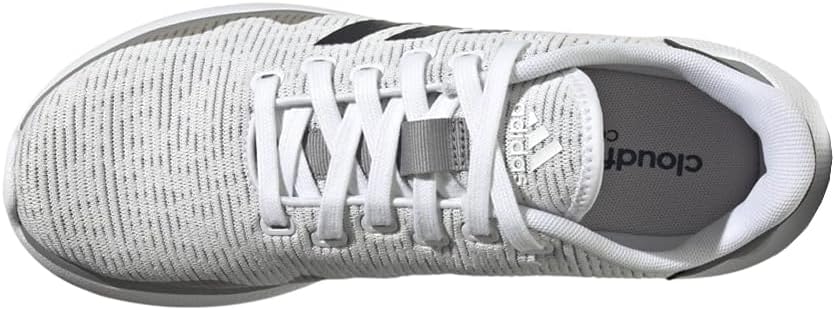
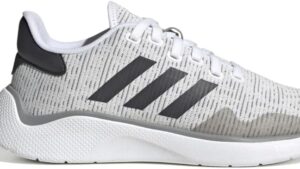
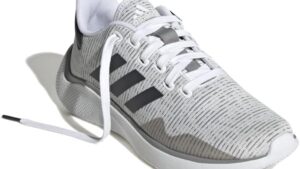
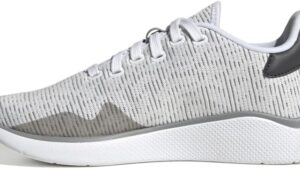
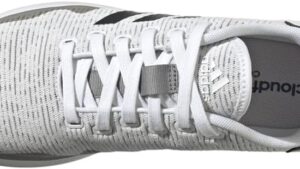
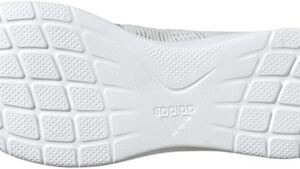
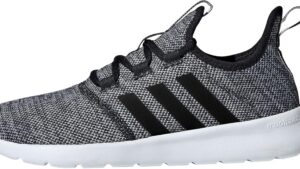
adidas Womens Puremotion 2.0 Lace Up Sneakers Shoes
- ⚖️ Weight: 8.2 oz (women’s size 8)
- 🧪 Midsole: CloudFoam with memory foam sockliner
- 👟 Upper: Knit synthetic mesh — at least 50% recycled content
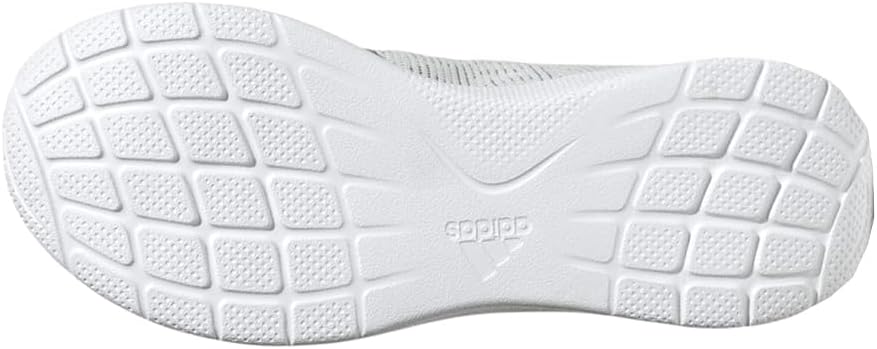
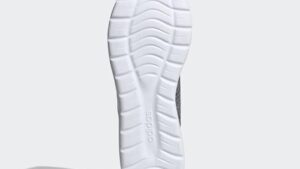
- 👢 Outsole: Flexible synthetic rubber
- 📐 Heel height: ~1 inch
- 🎯 Best for: Daily wear, light workouts, errands
Running from back-to-back meetings to the gym to picking up groceries — it’s a lot to ask of one pair of shoes. Sarah here. When a colleague slid a pair of Adidas Women’s Puremotion 2.0 across the break room table and said “these will handle everything,” I was skeptical. I’ve tested footwear for over a decade, and “handles everything” is usually code for “mediocre at everything.” So I gave them four months and made them earn it. Here’s what actually happened.
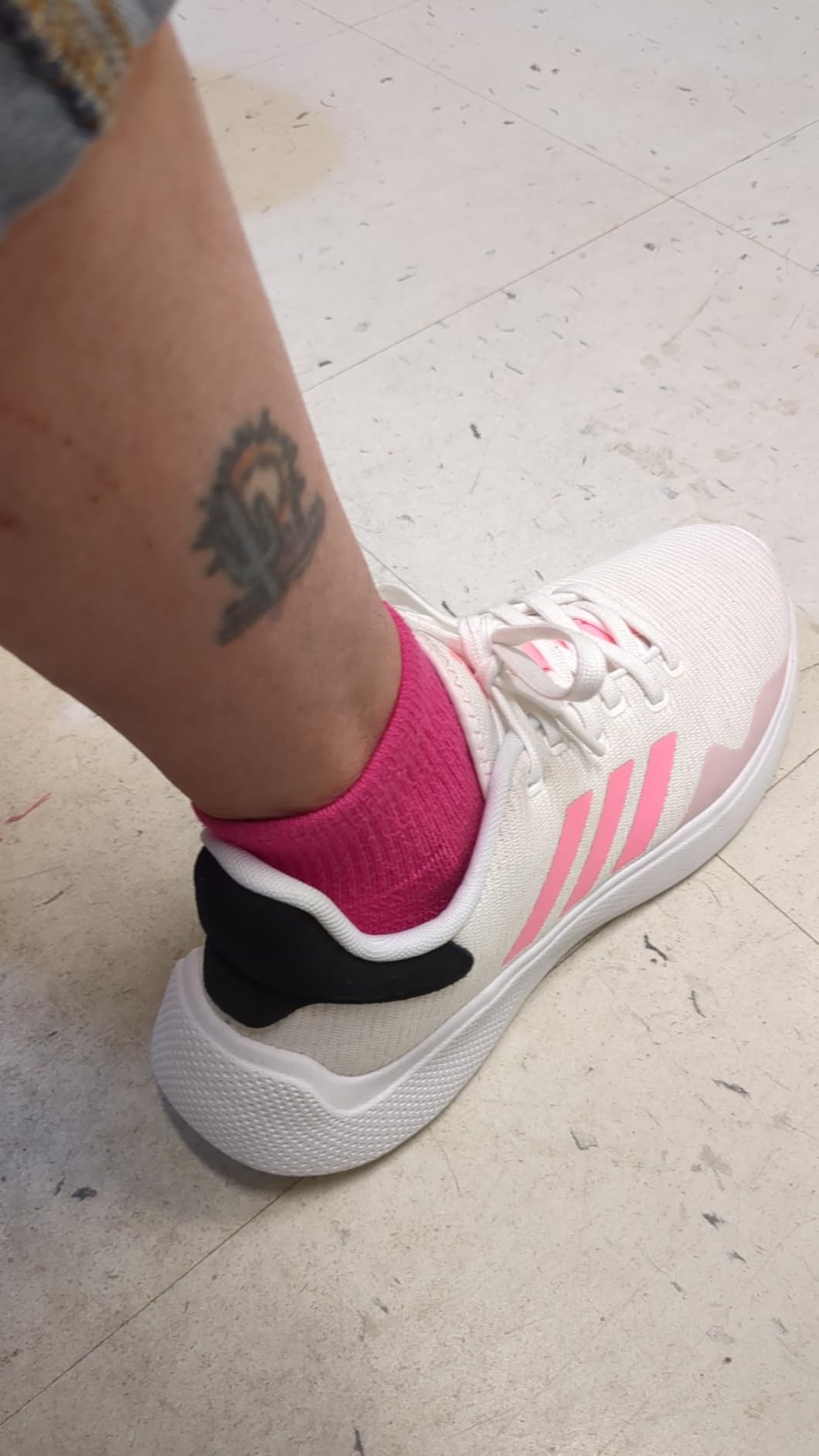
Construction and First Impressions
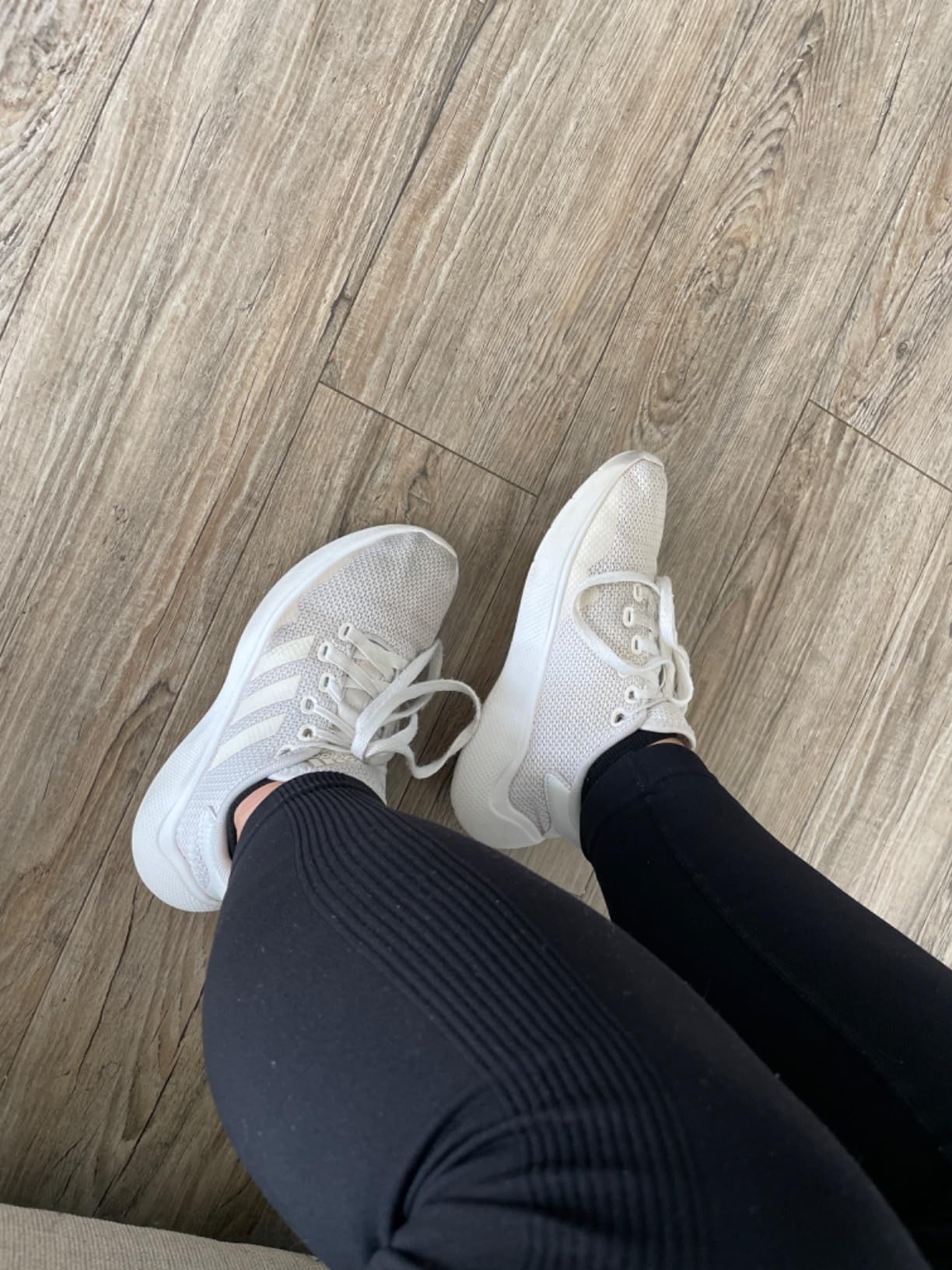
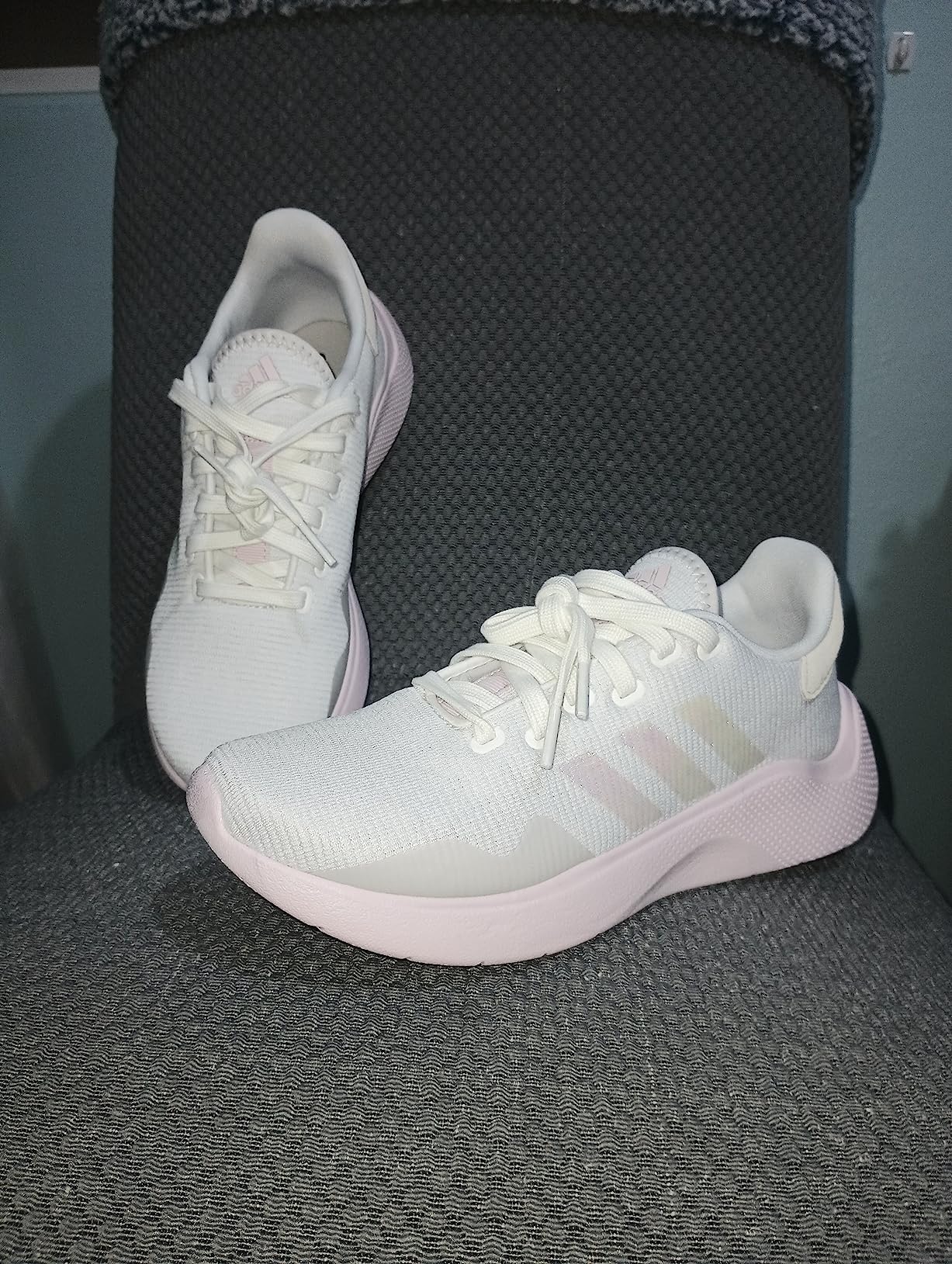
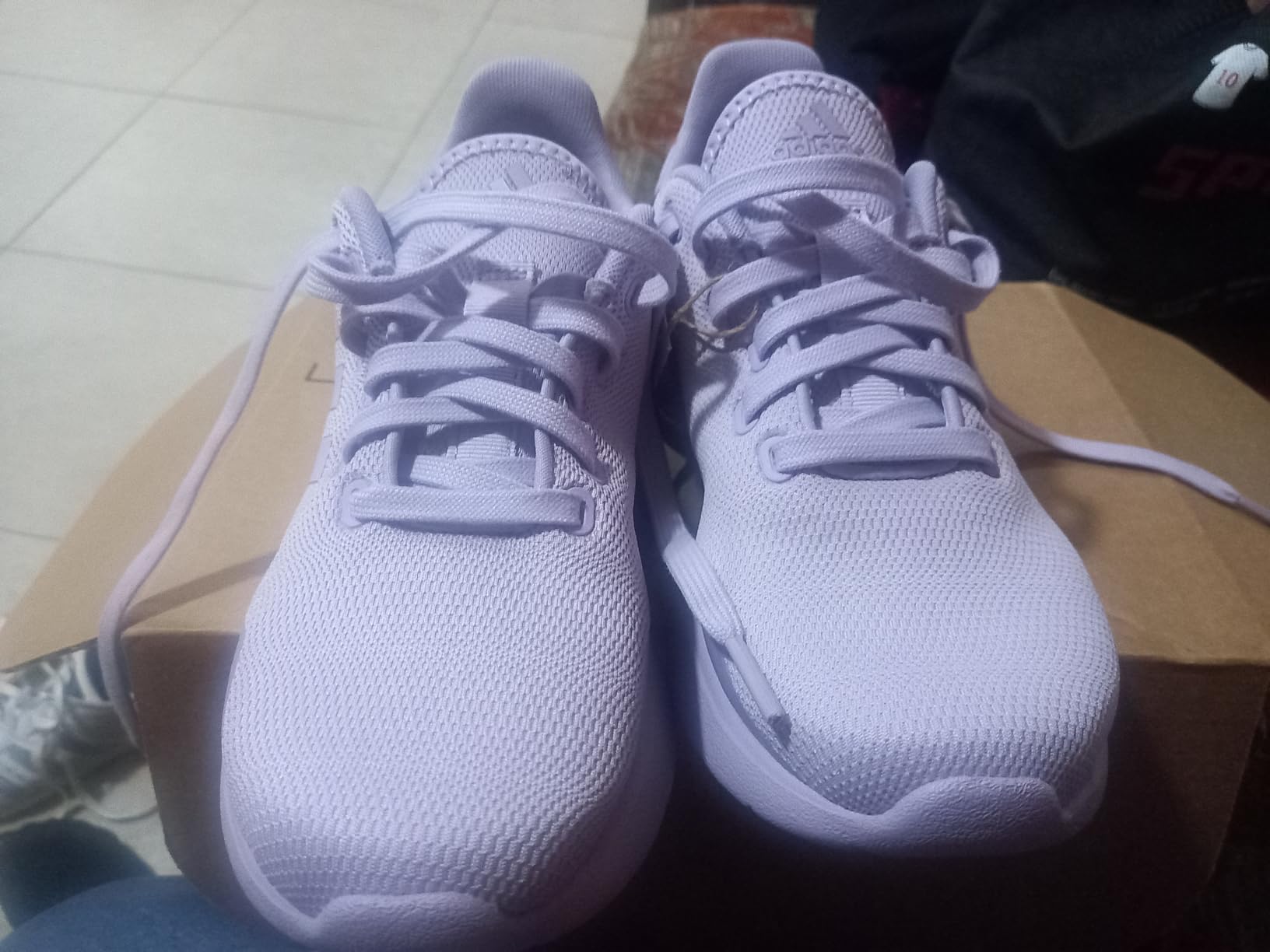
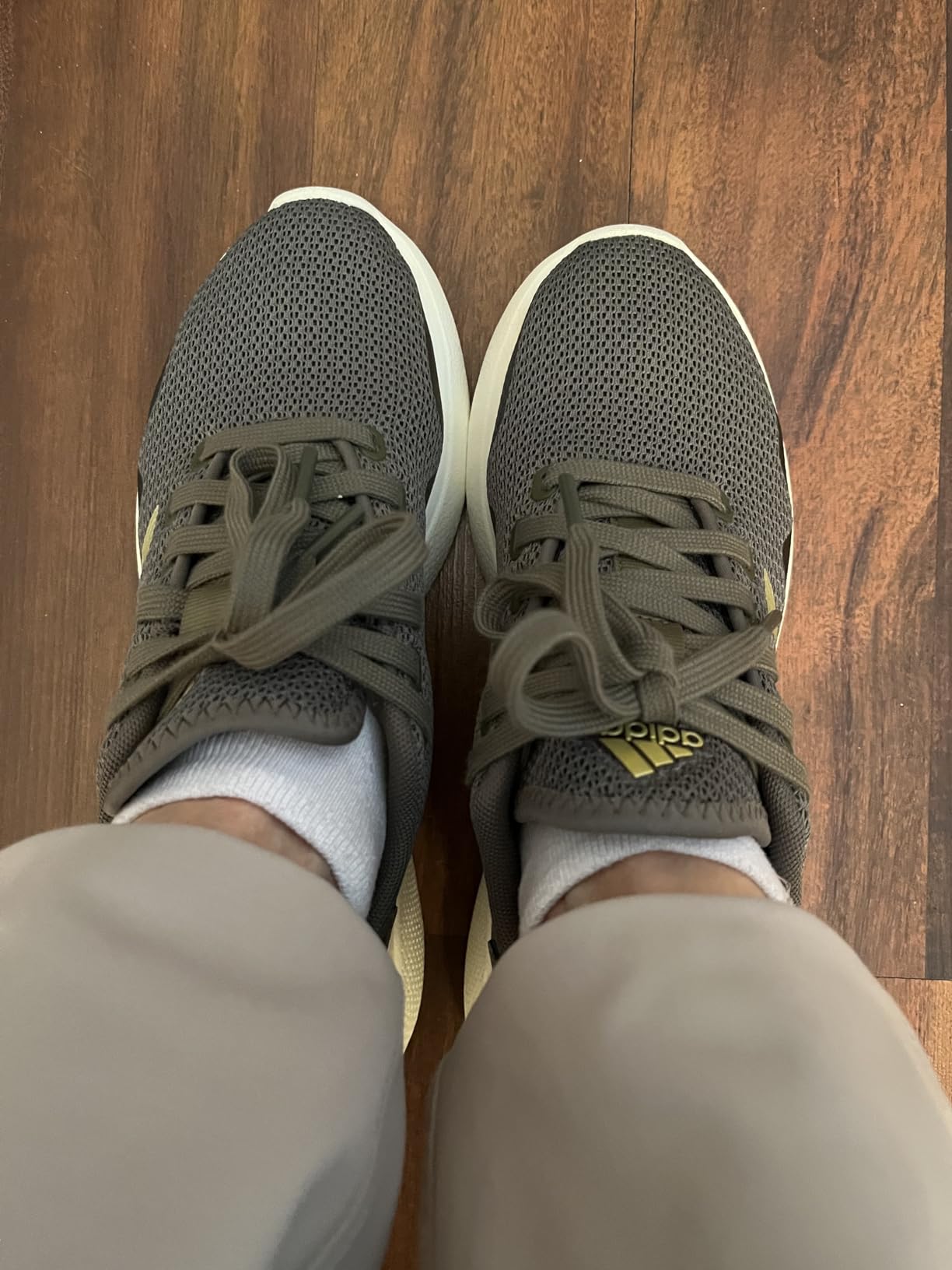
Pulled these out of the box expecting that familiar budget-shoe flimsiness. That’s not what I got. The knit upper has genuine substance — structured enough to support the foot, flexible enough that it gives when you need it to. The three-stripe branding is tastefully integrated, not slapped on, which means these read as lifestyle sneakers rather than discount athletic shoes.
Build quality held up across four months of daily rotation. The synthetic overlays that reinforce key stress points have stayed intact, and the knit hasn’t bagged out or stretched in ways that would affect fit. That said, the light grey colorway I tested picks up dirt more readily than I’d like for a shoe worn outside regularly — a practical point worth knowing before ordering online.
The shoe is noticeably lightweight at 8.2 oz. Not “running shoe light,” but light enough that you’re not dragging your feet through a long day. Combined with that immediate step-in feel when you first put them on, the initial impression is strong.
Fit, Comfort, and the CloudFoam Question
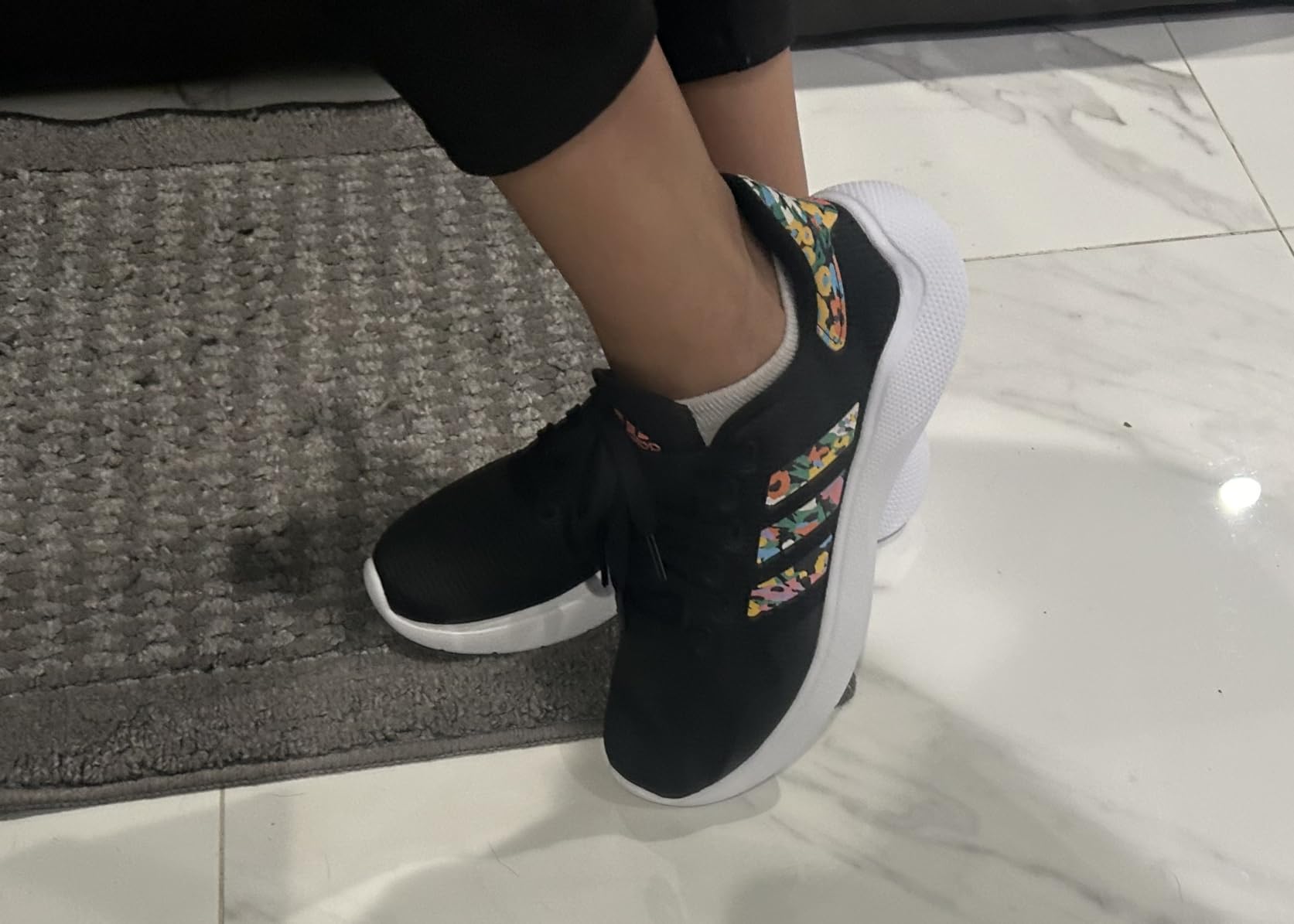
The CloudFoam midsole is the headline feature, and it earns its billing — with a caveat I’ll get to. My first real test was a full conference day, about ten hours of standing, walking between sessions, and sitting in hard chairs. By 4 PM most shoes have made their opinions known. These hadn’t. That’s not nothing.
What I think people underestimate is how the memory foam sockliner contributes. It’s not just a comfort gimmick — there’s a genuine layering effect where the CloudFoam handles the macro cushioning and the memory foam sockliner fine-tunes the fit to your specific foot shape. After a few wears, there’s a slight molding quality that makes them feel custom-fitted in a small but real way.
Sizing runs true. I’m a size 8 in Nike Air Max, and size 8 in the Puremotion 2.0 fits identically — plenty of toe room, secure midfoot. Coming from New Balance, where I also wear an 8, these run slightly narrower. The knit upper compensates somewhat — there’s enough lateral give that feet that normally need a half-size accommodation tend to find room. If you’re planning to use custom insoles like Sof Sole Athlete Insoles, size up a half.
The knit upper’s flexibility also serves a specific practical function: foot swelling. After a long day, most shoes start to feel tighter. Here, the knit material gives slightly instead of fighting your foot, which makes a real difference in comfort at hour ten versus hour two.
The Breathability Reality
Living in Houston means humidity is a constant test variable. In July and August, most synthetic shoes turn into sweat traps by midday. The Puremotion 2.0 held up well enough that I noticed — because I usually notice when they don’t. The knit construction allows enough airflow to prevent the “feet feel like they’re in a plastic bag” situation that plagues closed synthetic shoes.
I also tested these during a visit to Miami in August. Outdoor farmers market, humid, direct sun. Same result: feet stayed reasonably comfortable. Not “trail shoe breathable,” but competitive for a synthetic lifestyle shoe at this price.
Where breathability hits a wall: serious wet weather. The knit upper absorbs moisture in rain, and the rubber outsole on wet floors — gym or otherwise — becomes cautious footing at best. My friend Lisa, who trains regularly, reported that the outsoles felt slippery on her gym’s hardwood floors after a few weeks of use. That tracks with my experience on wet tile.
Performance Across Real-World Activities
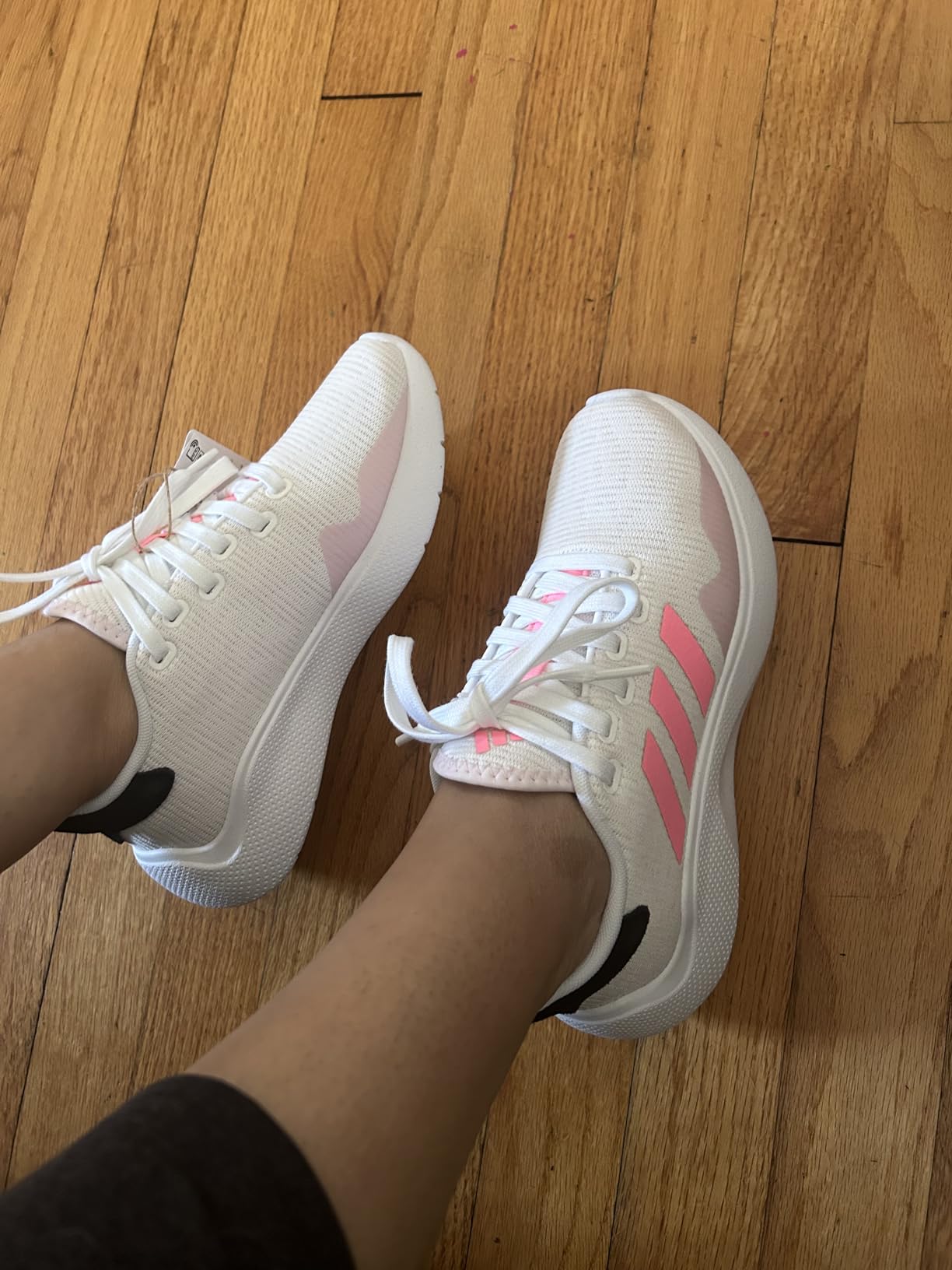
Four months of actual use across a pretty scattered set of activities: treadmill walks, elliptical sessions, grocery runs, playground supervision with my nieces, conference days, casual neighborhood walks, and a few very short jogs.
For light cardio work — treadmill walking, elliptical, yoga-adjacent fitness classes — these handle it well. The cushioning absorbs the repetitive impact without transmitting it to the knees, and the weight doesn’t create the “my shoe is fighting me” fatigue that heavier training shoes can produce. But I wouldn’t extend that endorsement to serious lateral movement drills or heavy lifting sessions. The outsole lacks the grip and the midsole lacks the stability for activities that demand real lateral support. These aren’t running shoes despite the “running” in the product description — and that matters if you’re buying them with performance expectations.
Where they genuinely shine is the daily life category: long walks, standing-heavy days, multi-stop errands. A weekend that included a farmers market, a grocery run, and three hours of playground time left my feet feeling fine — which isn’t always the case. The CloudFoam’s consistency through extended low-to-moderate activity is its best quality.
What surprised me was finding myself reaching for these over more specialized shoes on hybrid days. When the morning involves a gym session and the afternoon involves six hours of running around, having one shoe that’s adequate for both without being actively bad at either is more useful than I expected.
How Long Will These Actually Last?
After 150+ hours of wear across the testing period, the picture is mixed but not alarming. The upper has maintained its shape well — no significant stretching, no loose knit, no delamination on the overlays. The CloudFoam shows minimal compression; you’re not sinking deeper into a worn-out midsole at the end of the day.
The outsole is a different story. I’m seeing tread wear at heel strike and toe-off, which is normal, but at a pace that suggests heavy daily users will outpace the outsole’s lifespan. Community reports echo this: users who wear these 5-6 days a week for gym and daily activities mention sole integrity concerns at the 6-8 month mark. Light users — two to three wears per week — report 12-18 months of solid performance. Moderate daily casual wearers fall in the 8-12 month range. The upper outlasts the outsole, which is probably the right order of things but means the shoe’s practical lifespan is outsole-limited.
One practical note: rotating with a second pair extends the life of both significantly. These pair well with a more structured shoe for the days that demand it.
Testing Adidas’ Claims — Honestly
Let’s go through the marketing language against the testing data.
“Cushioning that’s nonstop” — I’d put this at roughly 85% accurate. For lifestyle use, the CloudFoam is genuinely consistent: it doesn’t flatten by evening, it doesn’t create hotspots, and the memory foam sockliner maintains its shape well. Where it falls short is athletic activities that demand cushioning system response beyond simple impact absorption. These aren’t built for that, and calling it “nonstop” creates expectations that the design can’t meet for runners.
“Flexible and breathable” — Close to 90% accurate. The knit upper delivers on both counts. I tested these in conditions where other synthetic shoes failed the breathability test, and these held their own. The flexibility is genuine — no break-in stiffness, no pinch points.
“Sleek and sporty look for your daily routine” — This one’s accurate without much qualification. I’ve worn the grey colorway with leggings, with jeans, with casual work attire. None of those combinations looked off. They thread the needle between too athletic and too casual in a way that makes them genuinely versatile.
The one area where I’d pump the brakes: the “running” designation on the product name. These are lifestyle shoes that are used for light activity, not serious running shoes. For light jogging under 2-3 miles at a comfortable pace, they’re adequate. For any kind of regular running training, look elsewhere — they lack the energy return and support structure that distance running demands.
Strengths, Weaknesses, and Who Cares
What held up after four months:
- Immediate comfort — no adjustment period, wearable from the first hour
- CloudFoam consistency — still performs at 150+ hours
- Breathability — competitive for synthetic at this price
- Build quality — upper held its shape through daily use
- Versatile styling — genuinely works across multiple settings
- True-to-size fit — reliable sizing guidance
What needs honest acknowledgment:
- Outsole traction on wet or polished surfaces — Lisa’s experience isn’t an edge case
- Lace length — my workout buddy Rachel found double-knotting difficult; the laces run short
- Light colorways show dirt quickly — functional issue for regular outdoor use
- Durability ceiling for heavy users — outsole wear accelerates with intensity
- Limited athletic ceiling — this has to be repeated because the “running” label is genuinely misleading
My Overall Assessment
Category Breakdown
After four months across a genuine range of activities:
- Design & Aesthetics: 8.5/10 — Versatile, understated, works well across casual and semi-professional contexts
- All-Day Comfort: 8.8/10 — The CloudFoam + memory foam combination is the shoe’s standout quality
- Breathability: 8.0/10 — Above average for synthetic; solid in humid conditions
- Versatility: 8.2/10 — Genuinely transitions well between settings; traction limitation holds this back slightly
- Value for Money: 7.5/10 — Good at $65; durability concerns for heavy users create a caveat
- Overall: 7.8/10
The Value Math
$65 across an estimated 300 wear sessions works out to roughly $0.22 per wear for a casual user — genuinely competitive with similar lifestyle sneakers. Against the Adidas Cloudfoam Pure, which sits at a similar price point, the Puremotion 2.0 offers better upper construction and comparable cushioning. Against Adidas’ own Swift Run 1.0, these trade some of the sportier aesthetic for more comfort emphasis.
For context on alternatives: if traction is a dealbreaker concern for gym use, the Skechers Summits series offers better grip on polished surfaces. For durability-first buyers who are harder on footwear, consider stepping up in price rather than replacing these every 8 months. The New Balance 574 sits in a similar casual lifestyle lane with better durability reputation, though at a higher price point.
Final Verdict: Who Should — and Shouldn’t — Buy These
✅ Strong Buy If:
- You need all-day comfort for work, errands, and casual activities
- Light gym sessions are on your schedule — elliptical, treadmill walking, basic cardio
- You’re shopping at the Adidas quality tier with a budget around $65
- Breathability in warm or humid conditions matters to your daily context
- Normal-width to slightly-wide feet; the knit gives enough to accommodate
⚠️ Think It Through If:
- Your gym sessions involve serious lateral movement, jumping, or heavy lifting — traction and stability are real limitations
- You’re outdoor-heavy and concerned about outsole longevity
- You’re particularly hard on footwear and want maximum durability from a $65 shoe
❌ Look at Other Options If:
- Running training is your primary use — these aren’t built for it regardless of the label
- You need waterproof for frequent wet conditions
- Slip-resistant soles are a workplace requirement
- Specialized arch support for plantar fasciitis or similar foot issues is a priority
My Take After Four Months
These are honest lifestyle shoes that deliver what lifestyle shoes should: comfortable daily wear, attractive styling, and enough versatility to handle light activity without dedicating a separate pair of shoes to it. They’re not pretending to be performance footwear, and the price is appropriate for what they are.
A couple of practical tips from the testing period: replace the laces. Standard oval athletic shoelaces in a longer length solve the double-knotting problem Rachel mentioned. If you’re adding custom insoles, go up a half size to avoid a cramped fit. And if you care about keeping them looking clean, order the darker colorways — grey shows everything.
At $65 for a shoe that earns regular use, that’s a reasonable investment for the right buyer.
Frequently Asked Questions
How does the sizing compare to other popular brands?
True to standard sizing in my experience. If you’re a Nike size 8, you’re a Puremotion 2.0 size 8. Coming from New Balance, these run slightly narrower — consider the knit’s stretch before sizing up. Against most Adidas lifestyle shoes, these fit consistently within the same size.
Is there a break-in period?
No. This is one of the genuinely distinctive things about the CloudFoam + memory foam combination: it works from the first wear. By the third time you put them on, there’s a slight personalization from the memory foam sockliner, but there’s no stiff adjustment period to push through.
What’s the realistic lifespan?
Depends entirely on use intensity. Light wearers (2-3x/week) can expect 12-18 months. Daily casual users hit 8-12 months before the outsole tread starts to show real wear. Heavy daily users who are also doing active gym sessions: plan for 6-9 months. The upper outlasts the outsole — that’s typically where the functional life ends.
Can I actually run in these?
Short answer: light jogging at an easy pace, yes, up to a couple of miles. Anything resembling a running training schedule — regular mileage, speed work, distance building — no. They lack the energy return, heel-to-toe transition, and structural support that real running shoes provide. The “running” in the name refers to the aesthetic inspiration, not the intended use.
Are they good for the gym?
For cardio machines — treadmill walking, elliptical, stationary bike — yes. For heavy lifting, serious lateral movement drills, or court sports, the traction and lateral stability fall short. Use purpose-built training shoes for demanding gym work.
How do they handle rain and wet conditions?
Brief puddle encounters: manageable. Extended wet conditions: avoid. The knit upper absorbs water rather than repelling it, and the outsole’s traction degrades meaningfully on wet surfaces. These are not wet-weather shoes in any practical sense.
Are the online photos accurate for color?
The grey colorway in particular runs lighter in person than product photos suggest — closer to light grey or off-white than mid-grey. If you have color-specific expectations, order from retailers with easy return policies or search for user-submitted photos rather than studio shots.
How do these compare to similar Adidas models?
Against the Cloudfoam Pure, the Puremotion 2.0 wins on upper construction quality and breathability — the knit is more substantial than the Pure’s upper. Versus the Adidas Run 72, these are more comfort-focused with less retro-aesthetic. For most casual daily users, the Puremotion 2.0 offers the best all-day comfort within Adidas’ accessible price range.
What’s the best way to extend the lifespan?
Rotate with a second pair if wearing them heavily — the CloudFoam benefits from recovery time. Air dry; the memory foam sockliner doesn’t appreciate machine washing cycles even if the upper can handle it. Replace the factory laces with longer oval-style laces early. Store away from direct heat.
Is the $65 price worth it?
For casual daily users who need comfort and versatility without a premium price tag: yes. You’re getting a well-constructed Adidas lifestyle shoe at a price that makes the cost-per-wear math favorable. For serious athletes or users who need specialized support, spend more on footwear built for your actual activity rather than settling for a lifestyle shoe that will disappoint you in that role.
Review Scoring Summary
| 🔍 Category | 📋 Assessment | 💭 Testing Basis |
|---|---|---|
| Target User | Women — active daily lifestyle | Women’s-specific fit, tested for work/errands/light gym across 4 months |
| Primary Use | Casual daily wear | Excels in extended daily use; limited for athletic training |
| Activity Level | Moderate | Handles light gym + daily wear; not built for intensive training |
| Budget Range | $50-100 | $65 street price — solid mid-range Adidas quality |
| Primary Strength | All-day comfort | CloudFoam + memory foam combo stood out across extended wear sessions |
| Key Limitation | Athletic capability ceiling | Not designed for running, intensive training, or wet conditions |
| ⭐ Scores | ||
| Design & Aesthetics | 8.5/10 | Versatile styling across casual settings; tasteful branding |
| All-Day Comfort | 8.8/10 | 12-hour conference day performance was genuinely impressive |
| Breathability | 8.0/10 | Above average for synthetic; Houston summer testing confirmed |
| Versatility | 8.2/10 | Transitions between settings well; wet traction limitation noted |
| Value for Money | 7.5/10 | Good value for casual users; durability caveat for heavy daily use |
| ⭐ Overall | 7.8/10 | Excellent lifestyle shoe for the right buyer; honest limitations acknowledged |
Questions? Drop them in the comments. I read and respond. Stay comfortable out there.
Be the first to review “adidas Womens Puremotion 2.0 Lace Up Sneakers Shoes”
Related products
Running Shoes
Running Shoes
Running Shoes
Running Shoes
Running Shoes
Running Shoes


Hiking/Trekking Shoes
Reviews
There are no reviews yet.