
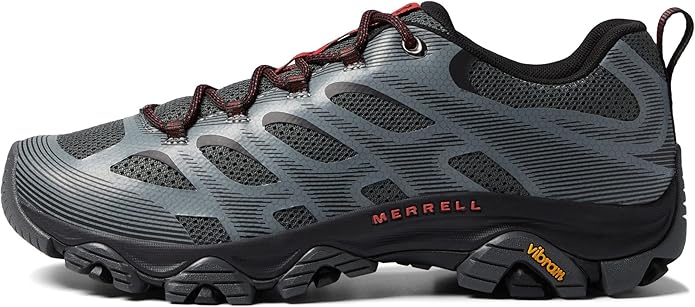
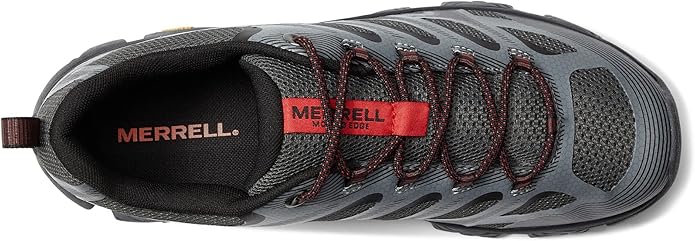
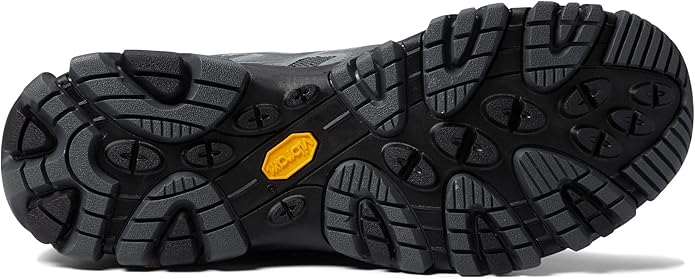
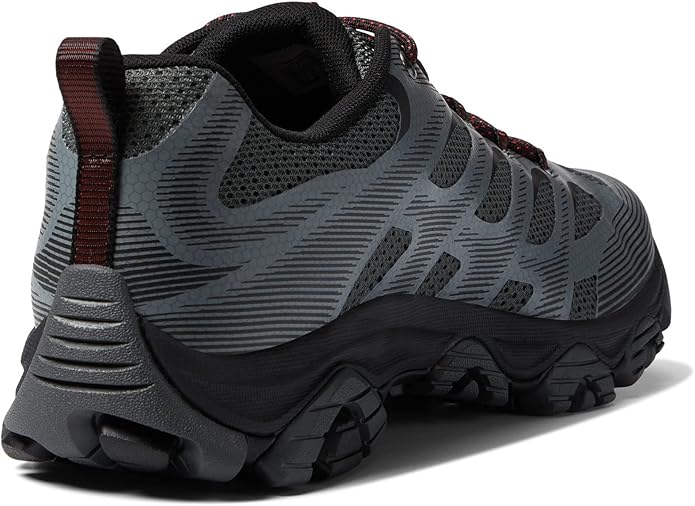
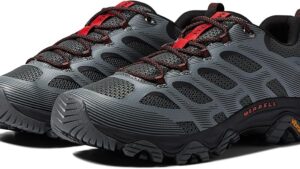
The Moab line has been Merrell’s golden standard for a reason — I’ve recommended it to more hikers over the past decade than I can count. So when the Moab 3 Edge showed up as a lighter, synthetic alternative to the classic leather-heavy formula, I approached it the way I approach any shoe that messes with a proven recipe: skeptical. Twelve weeks, 150+ trail miles, and some genuinely surprising findings later, here’s what actually happened.
Technical Specifications
- 💰 Price: $120 (MSRP)
- ⚖️ Weight: 15.2 oz (men’s size 9)
- 🧪 Midsole: Lightweight EVA foam + Merrell Air Cushion heel
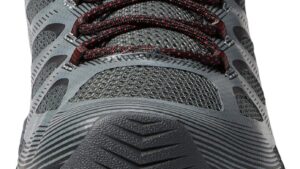
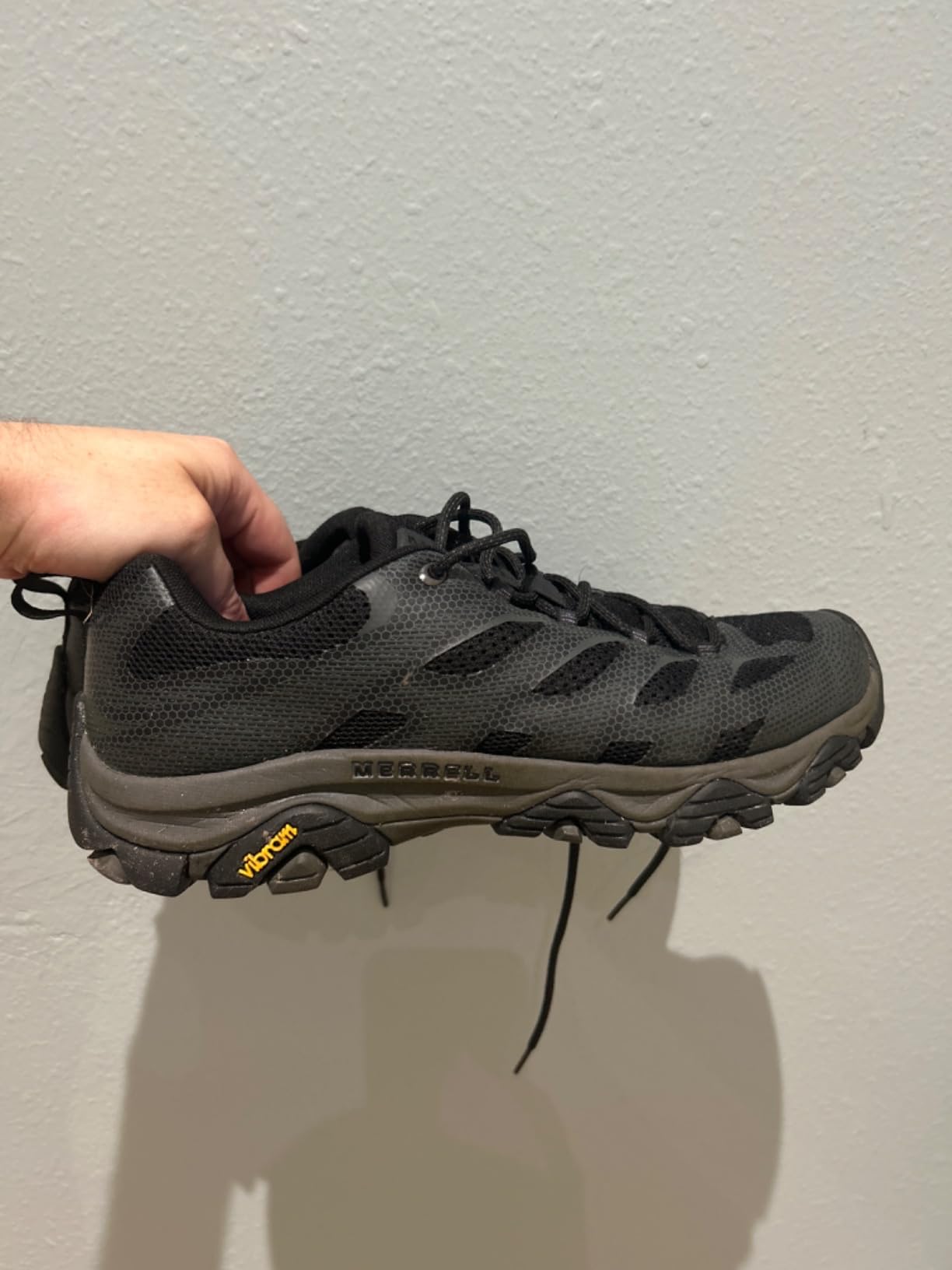
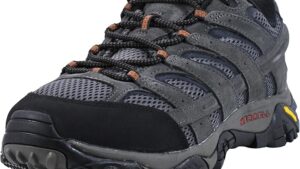
- 👟 Upper: Mesh and TPU with protective rubber toe cap
- 🦶 Insole: Kinetic Fit BASE removable contoured
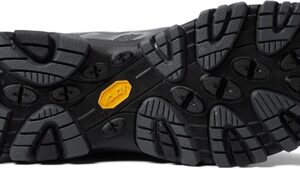
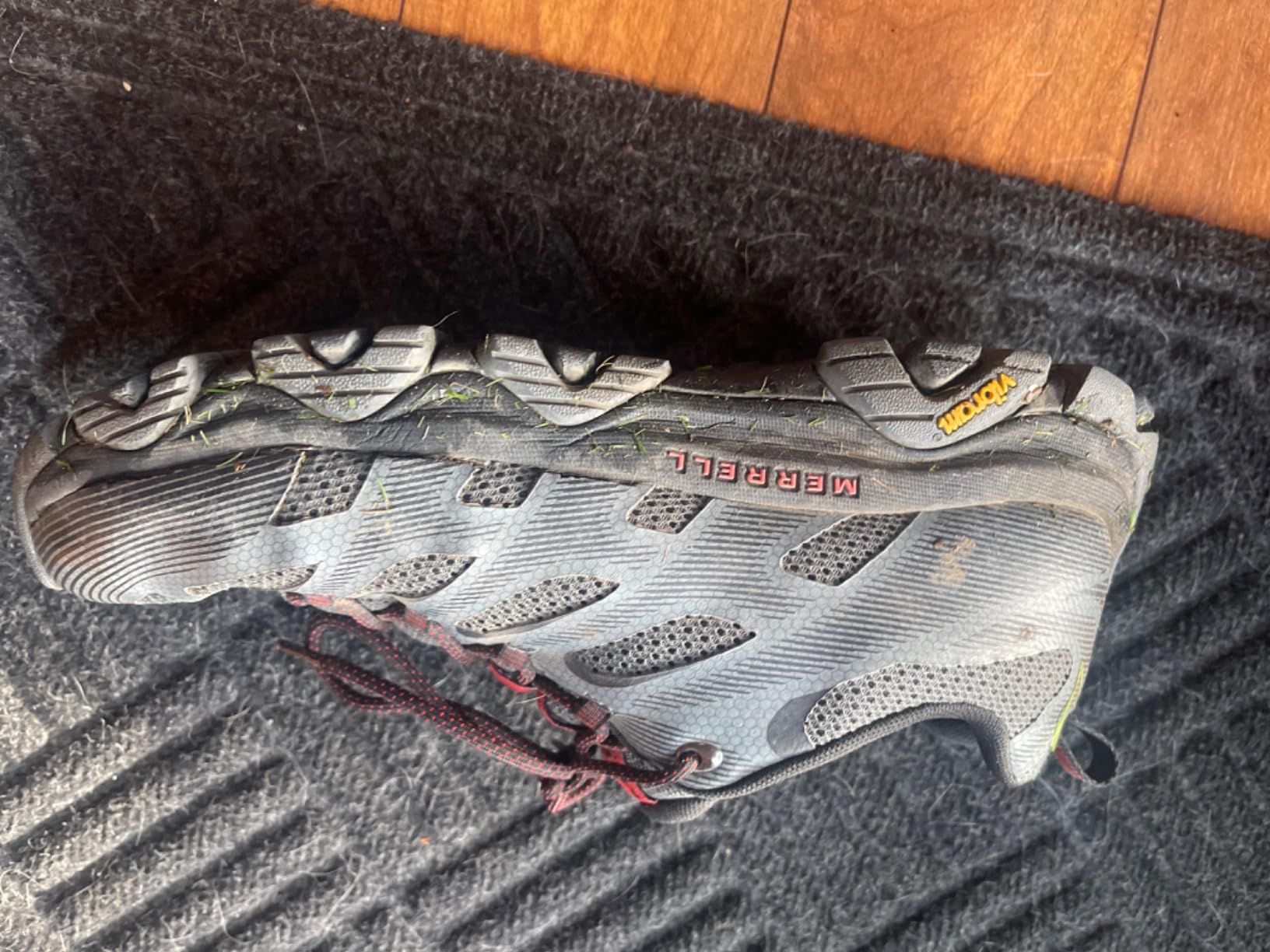
- 👣 Outsole: Vibram TC5+ rubber, ~5mm lug depth
- 📐 Drop: 11.5mm
- 🥾 Category: Day hiking / Light backpacking
- ⏱️ Tested: 12 weeks, 150+ trail miles, Blue Ridge to Shenandoah
Design, Build Quality & First Impressions
Upper Construction & What Changes With the Edge
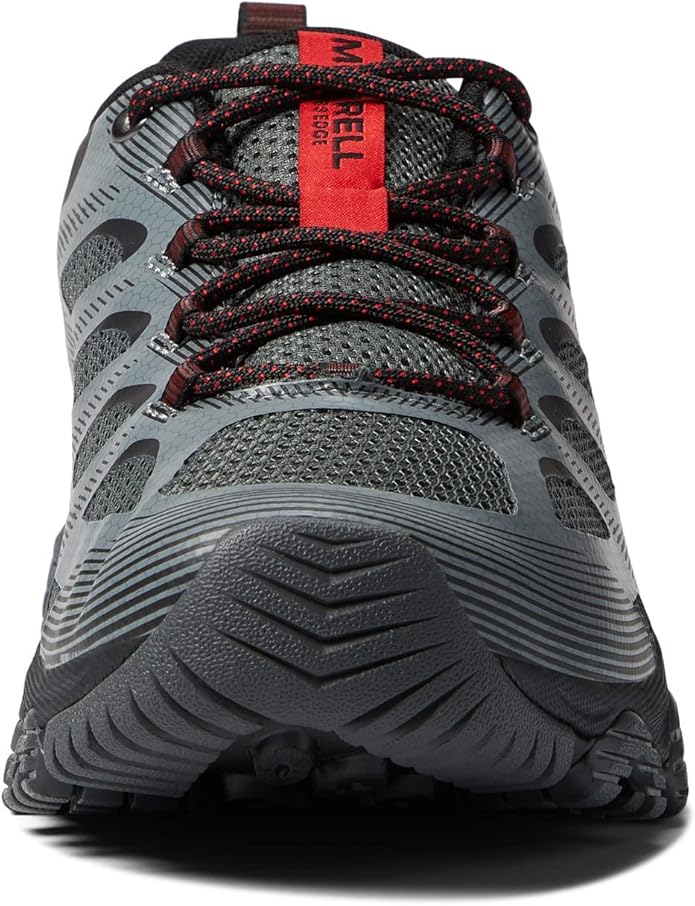
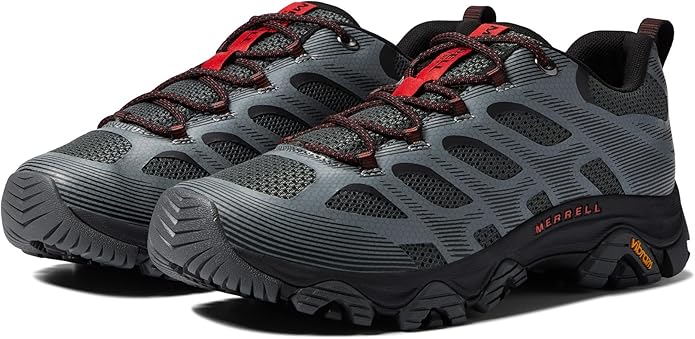
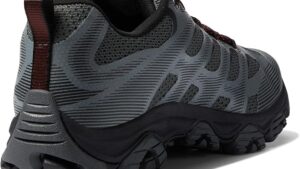
Pull these out of the box and the weight difference hits immediately. Compared to the leather-heavy Merrell Moab 2, the Edge feels almost athletic — the mesh and TPU upper drops noticeable grams and the shoe breathes from the first step. The bellows tongue is a genuine design win; during rocky scrambles on the White Mountain loop, debris stayed out consistently. Lace-up lockdown is solid with no heel lift even on steep descents.
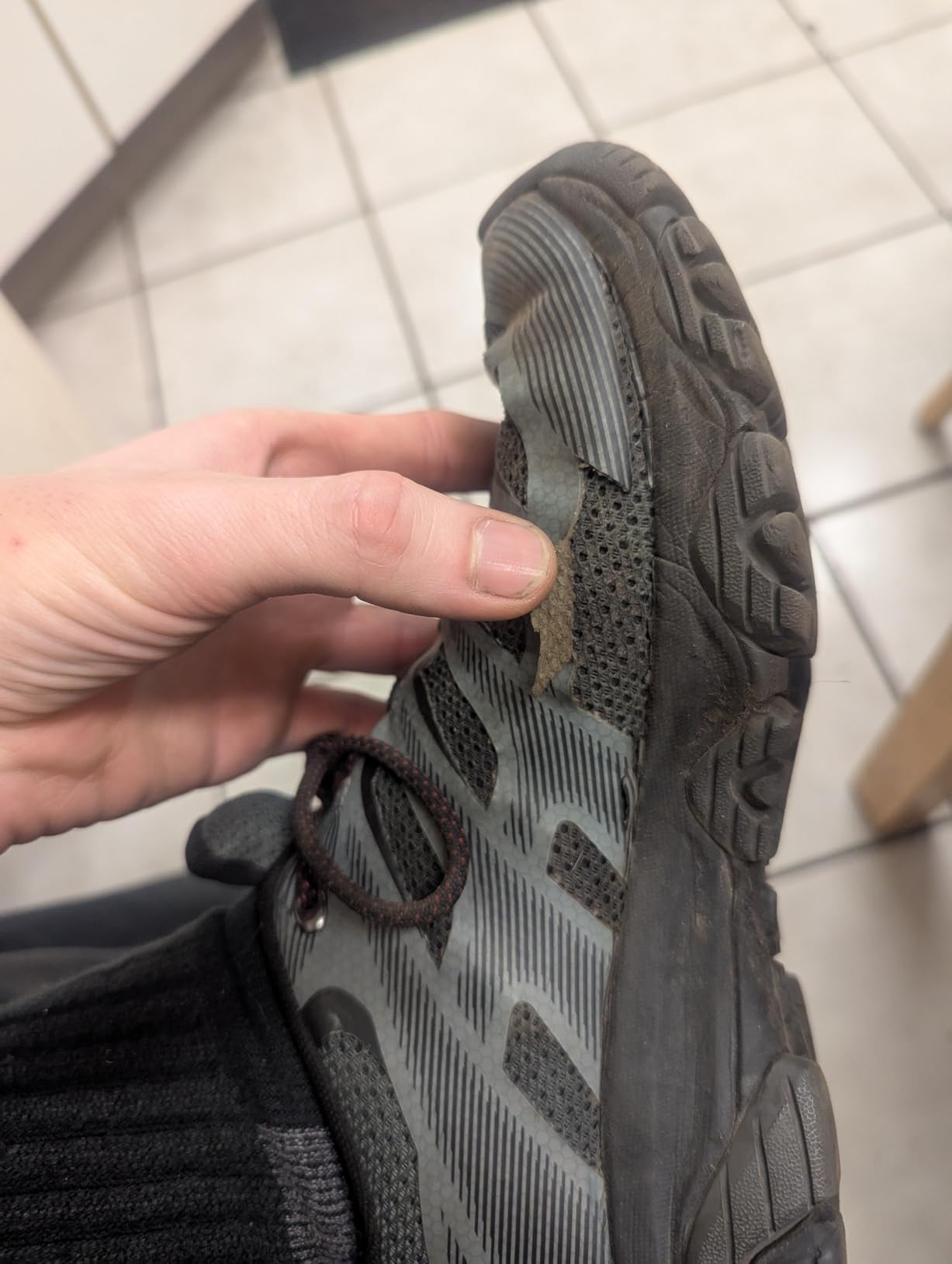
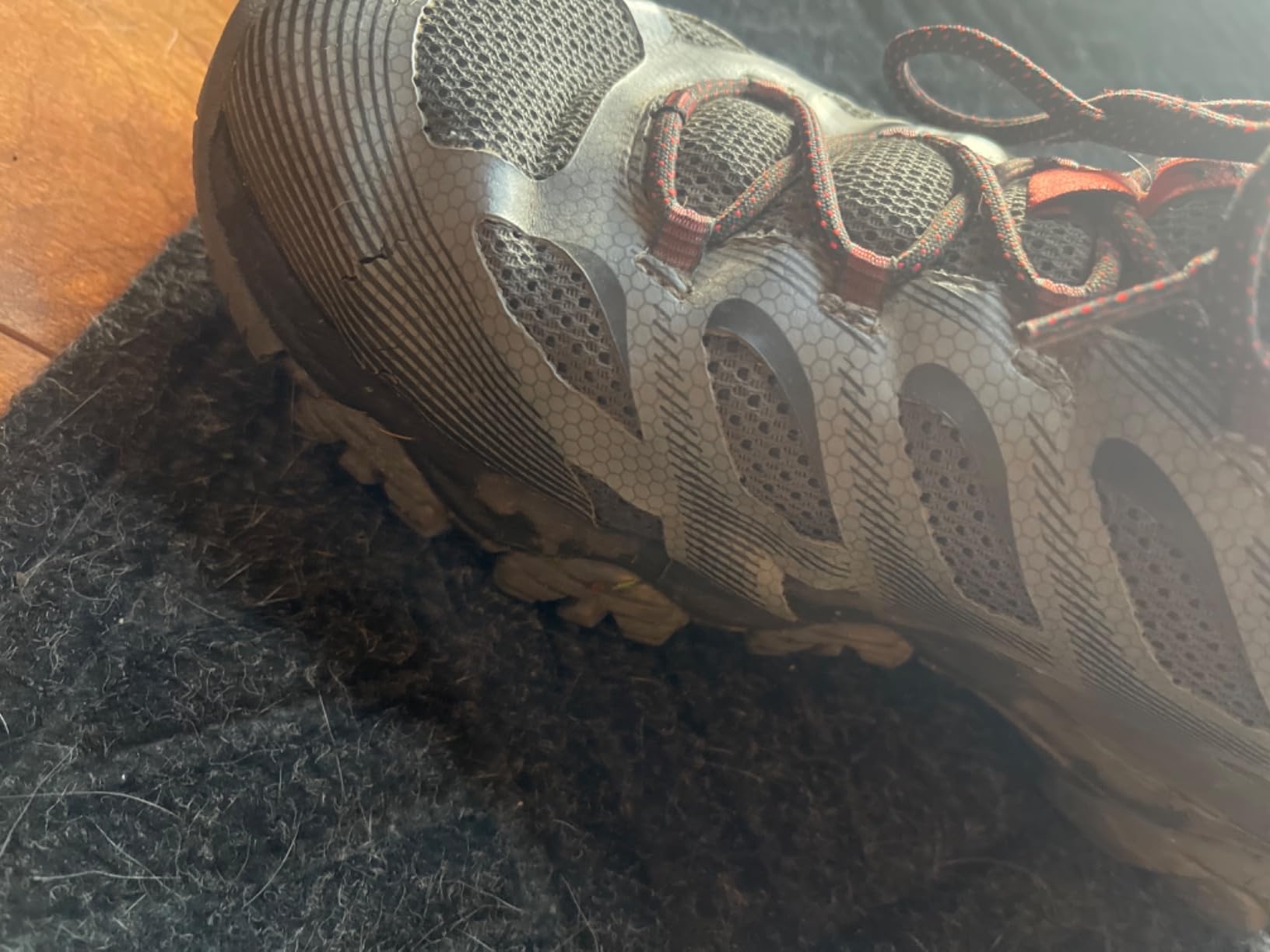
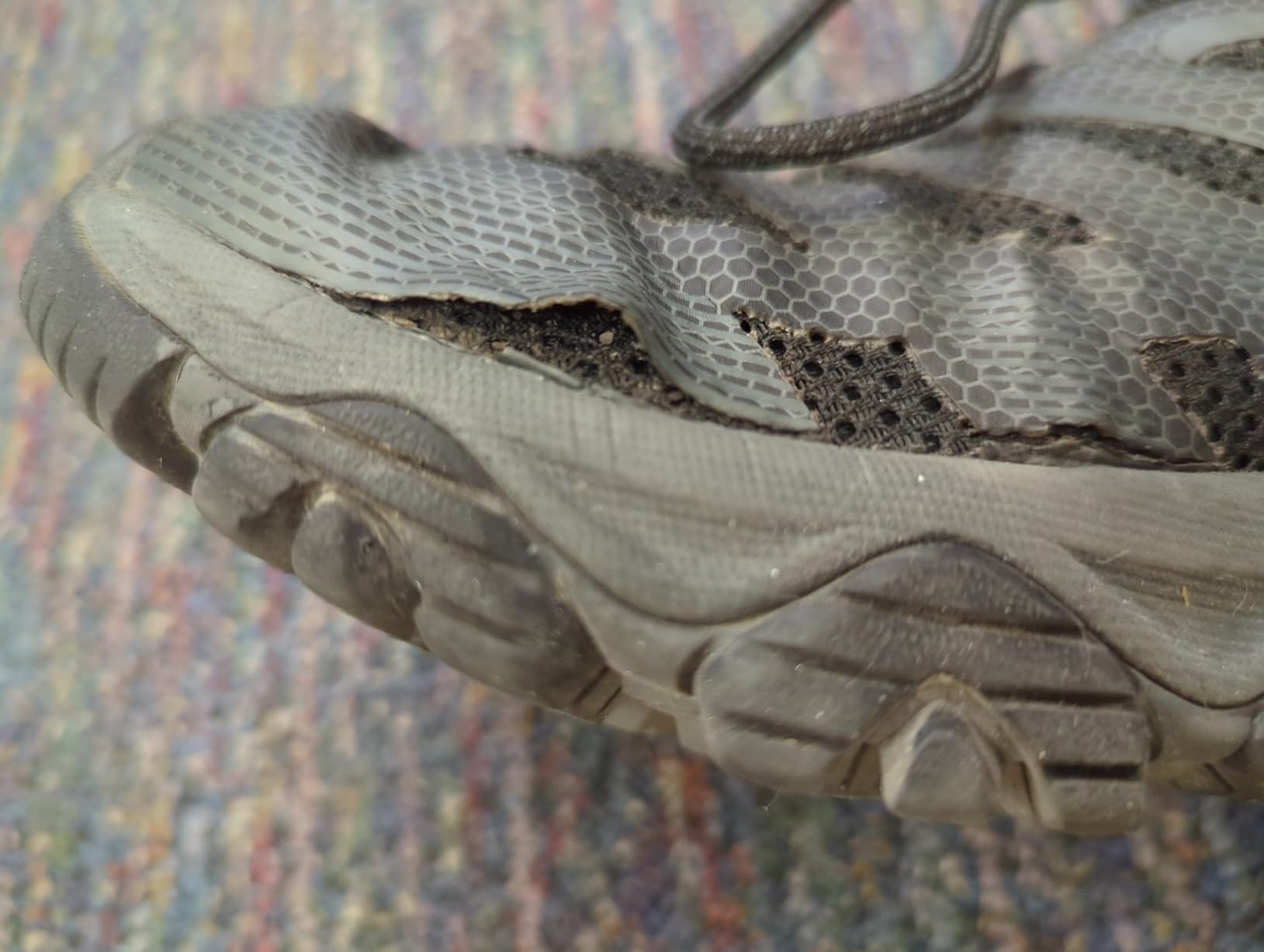
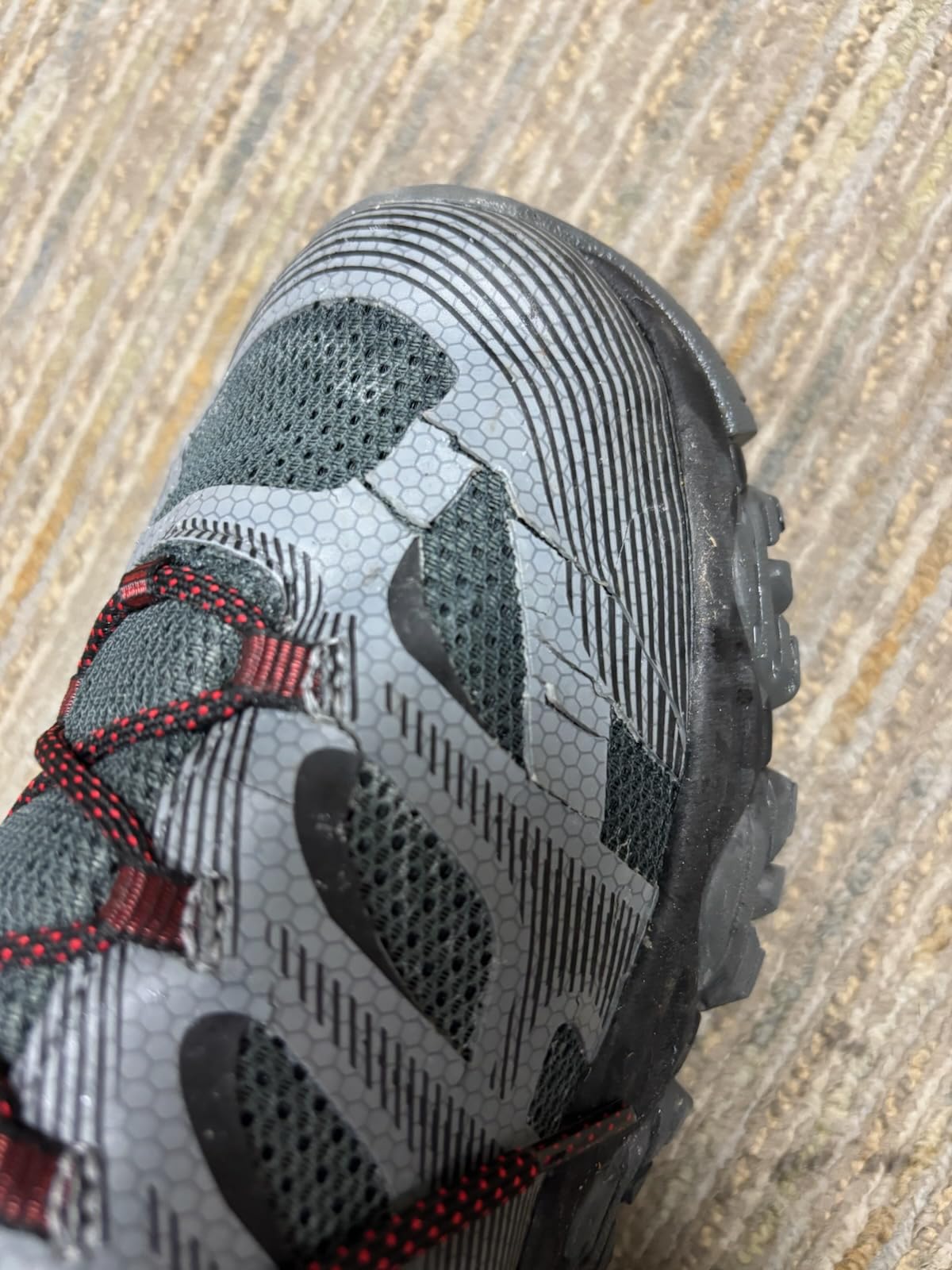
But I have to be straight about what I saw in the first month of testing: the thin TPU overlay coating started showing stress cracks around the flex zones. Not catastrophic cracking — not yet — but exactly the kind of early fatigue that signals how the next few months will go. By week 8 I had separation beginning at the point where the coating meets the mesh at the medial midfoot. The protective toe cap, by contrast, has held up without issue. Rock strikes are handled without drama.
The breathable mesh lining is the real thing. During humid 85°F hikes in the Blue Ridge, my feet ran noticeably cooler than in leather alternatives. That’s not marketing language — it’s a tangible difference on a sweaty August afternoon.
Cushioning & Support
Here’s where the Moab 3 Edge genuinely earns praise. The Kinetic Fit BASE insole — which I initially assumed would be one of those generic foam insoles hiking brands throw in for spec sheet reasons — is actually responsive. During the first 5-mile shakedown on moderate terrain, arch support felt natural and didn’t require the usual 20-30 miles of break-in adjustment. At 180 lbs, that matters.
The EVA midsole with Air Cushion heel carried me through 6-hour sessions without the foot fatigue I typically get in thinner-soled shoes. I pushed these through everything from fire road walking to technical single track, and the cushioning held up. The molded nylon arch shank provides just enough lateral control for loose scree crossings — not stiff, but not sloppy either.
The complication: around mile 100, I started noticing early signs of sole separation at the upper-midsole junction. For a shoe at $120 and positioning itself against serious hiking shoes, that’s a timeline that should give any regular hiker pause.
On-Trail Performance
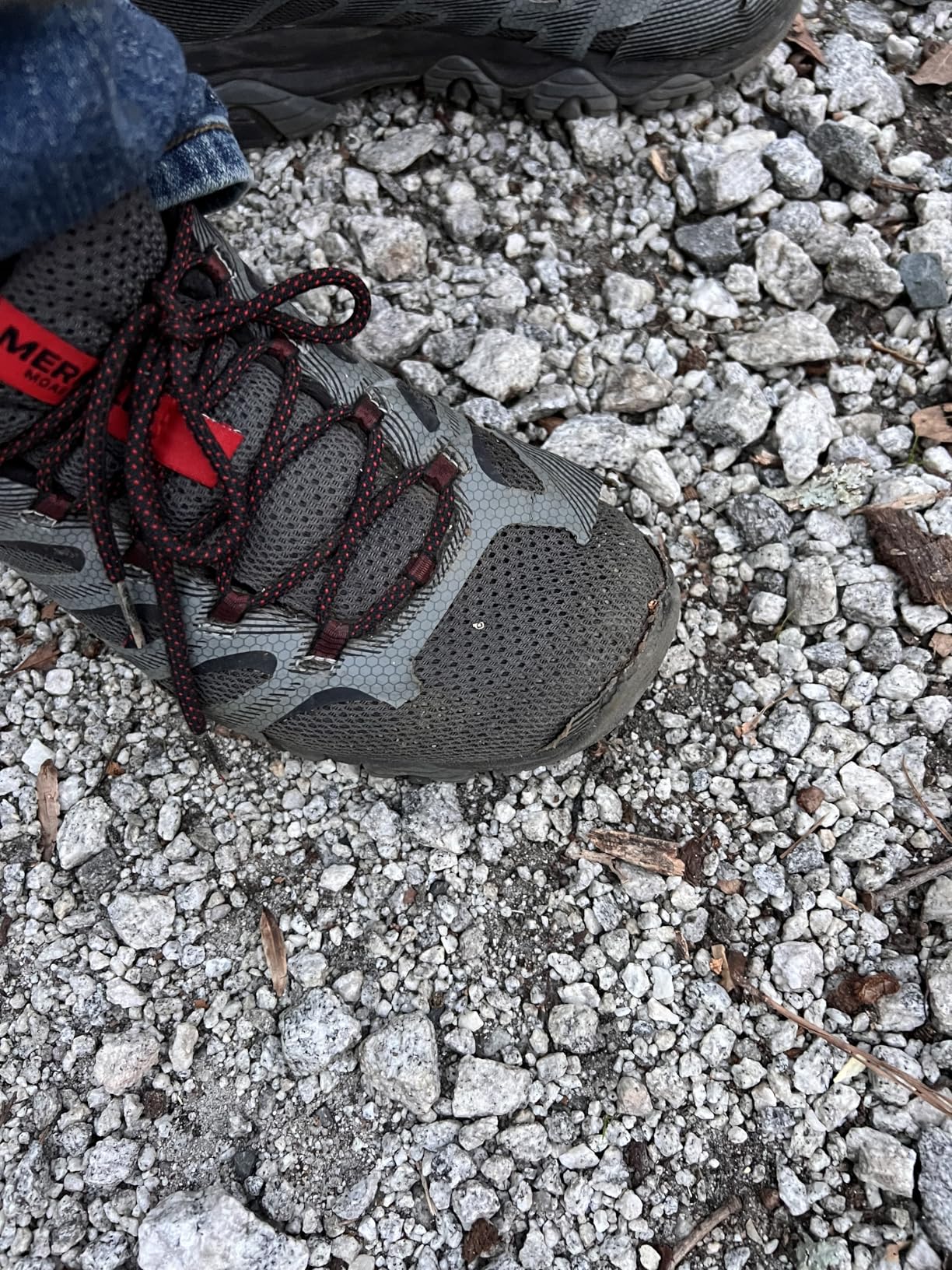
The Vibram TC5+ outsole is the unambiguous highlight of this shoe. During wet rock crossings in Virginia’s Shenandoah — the kind where you’re picking your way across slick granite — the grip never faltered. I ran the sole across muddy sections, loose gravel, and dry rocky switchbacks without a single slip. The lug pattern bites without being so aggressive that it becomes a mud magnet.
Waterproofing is where the Moab 3 Edge falls completely flat, and I need to be clear about this because the shoe’s appearance creates a false impression of protection. During creek crossings that were maybe 2 inches deep, water came through the mesh almost immediately. I tested this three times on different hikes thinking I was somehow doing it wrong. I wasn’t. The Edge is a non-waterproof variant — there’s no membrane — and any moisture on the trail will reach your socks within seconds. If you’re shopping for a waterproof hiking shoe, this isn’t it.
With a 25lb pack on a 12-mile day hike, foot support and comfort stayed consistent. The lightweight construction paid off in reduced lower-leg fatigue compared to heavier boots. That’s a legitimate benefit for longer days.
Testing Across Conditions
I put these through every condition I could find across 12 weeks of wearing these as my primary hiking shoe:
Dry rocky terrain: Strong. Granite slab traction is excellent, the toe cap absorbs strikes cleanly, and the sole compound doesn’t slip on dry rock faces. This is the shoe’s home court.
Wet conditions: Weak across the board. Beyond the waterproofing failure, once the mesh saturates it takes a long time to dry out. Six-plus hours with wet feet is a real misery situation — this is a dry-weather shoe that should be marketed as one.
Hot weather (90°F+): Genuinely impressive. During August hikes in North Carolina, my feet ran cool compared to leather boots or even synthetic alternatives with less mesh coverage. If your trails are mostly dry and hot, this is actually a meaningful feature.
Pack weight variations: With 15 lbs, no issues. At 30 lbs for an overnight, the shoe’s lateral stability showed some limits — acceptable on well-maintained trails, but not a boot replacement for heavier loads.
Durability over time: By month 3, the cosmetic deterioration was bad enough that I’d only wear these on trail — the coating breakdown gives a worn-out appearance that doesn’t match the $120 price tag. Functional performance held, but just barely.
Does Merrell Deliver on Their Promises?
When a brand makes specific claims, I test them directly. Here’s where the Moab 3 Edge lands:
“Over-deliver on performance, versatility, and durability”: Performance and versatility are solid — I’ll give them that. Durability is where the math breaks down. The first 8 weeks were encouraging; by week 12, the coating degradation put me in “concerned” territory. Call it 70% delivered on the full claim.
“Breathable mesh lining”: Confirmed. This is one of the few claims that exceeds expectations.
“Vibram TC5+ rubber sole”: Confirmed. Vibram’s reputation holds here — traction quality is consistent across all terrain types I tested.
“Out-of-the-box comfort”: Confirmed. Zero break-in required, which is genuinely unusual for a hiking shoe at this construction level.
Any implied weather protection: Failed. The shoe’s styling suggests moisture resistance it simply doesn’t have. Non-waterproof is fine — just say it clearly.
Four of five major claims hold. The one that doesn’t is the durability promise, which unfortunately happens to be the most important one for a shoe at this price point.
My Overall Assessment
Category Breakdown
After 12 weeks and everything I put these through, I’m landing at 6.5/10 overall:
- Design & Aesthetics: 7/10 — Clean modern look that deteriorates faster than the price tag justifies
- Trail Traction: 8.5/10 — Vibram TC5+ is the real deal across wet and dry surfaces
- Comfort: 8/10 — Outstanding from day one; arch support and cushioning are legitimate strengths
- Durability: 4/10 — Coating failure timeline is too short for a $120 shoe
- Weather Protection: 2/10 — Not a waterproof shoe; fails any real moisture test
- Value for Money: 5/10 — At full retail, the lifespan doesn’t justify the price
What Other Hikers Are Saying
The feedback from my hiking group confirmed what I experienced. Tom — 6’1″, 200 lbs, serious weekend hiker — said it plainly: “the comfort is great but they look like garbage after 2 months.” Dave, who’s been in Merrell hiking boots for years, was more measured but arrived at the same conclusion: “the quality control seems completely different from the Moab 2.” Across 6-7 people with regular hiking mileage, the comfort praise was consistent. So was the durability frustration.
Is It Worth the Price?
At $120, the math is uncomfortable: divide that by an estimated 300-mile lifespan for a moderate hiker and you’re paying $0.40 per mile. The Moab 2 — at a similar price point — delivers noticeably better durability and a lower cost-per-mile over time. The Edge’s main advantage is lighter weight and superior breathability, but neither of those justifies the shorter lifespan.
If you find these under $80, the calculation changes. At that price, the comfort and traction are worth the trade-off in longevity for casual use. At $120, it’s a harder sell.
Final Verdict
The Good and The Bad
| ✅ Pros | ❌ Cons |
|---|---|
|
|
Who Should Buy the Moab 3 Edge?
✅ PERFECT FOR:
- Casual day hikers who prioritize immediate comfort and won’t log heavy annual mileage
- Wide-footed hikers who struggle to find hiking shoes with a comfortable toe box
- Hot, dry climate hikers where breathability matters more than weather protection
- Those planning light use — under 100 miles per year
⚠️ CONSIDER CAREFULLY IF:
- Budget is tight but you find these at $75-80 — at that price, the trade-offs are more acceptable
- You only hike a handful of times per year and appearance durability isn’t a priority
❌ LOOK ELSEWHERE IF:
- You log 200+ trail miles annually — the lifespan won’t hold up
- Your trails involve any wet crossings or regular rain
- You’re a longtime Merrell fan expecting the build quality of the Moab 2
- You need a shoe that looks respectable after 6+ months of real use
Better Options for Specific Needs
- Better durability at a similar price: Merrell Moab 2 or Salomon X Ultra 3
- Similar comfort with longer lifespan: Keen Targhee III or Hoka Anacapa
- Reliable waterproofing: Merrell Moab 3 GTX or Columbia Newton Ridge Plus
My Final Take
The Moab 3 Edge is a comfortable shoe that trades long-term durability for day-one feel and breathability. That’s a legitimate trade-off — just not one that earns a $120 price tag. At under $80, it makes sense for casual hikers who want immediate comfort, a roomy fit, and solid dry-terrain traction without worrying too much about the next two years.
Pro tip: if you buy these, treat them as a dry-weather hiking shoe and apply a TPU protection spray when you see the first coating stress. And stick to authorized Merrell retailers — the warranty situation with grey-market sellers on this model is a known headache.
Frequently Asked Questions
Q: How does the Moab 3 Edge fit compared to other hiking brands?
A: In my testing and from the hikers I compared notes with, the Edge runs true to size — same as the standard Moab line. If you’re in a size 10 across most hiking footwear, start there. The toe box skews roomy, which is a genuine benefit for wide feet but neutral for standard widths.
Q: Is there a break-in period?
A: No, and this is actually one of the shoe’s best attributes. Out of the box, my first 5-mile hike felt like I’d been wearing them for weeks. By your second hike they’re fully settled — you’re not conditioning these, you’re just hiking.
Q: How long will these realistically last?
A: Based on my wear and the hikers in my group: light hikers doing under 50 miles annually might see 2+ years, mostly because they’re not stressing the coating. Moderate hikers at 100-200 miles per year should plan for 12-18 months. If you’re putting in 300+ miles, the coating degradation accelerates and you’ll likely be shopping for a replacement within 8-12 months.
Q: Are these worth more than the Moab 2?
A: Straightforward answer: no. The Merrell Moab 2 delivers similar all-day comfort with better long-term durability at roughly the same price. Unless you specifically need the Edge’s lighter weight and increased breathability, the Moab 2 is the smarter buy.
Q: What are the actual deal-breakers?
A: Three situations where I’d tell you to look elsewhere without hesitation: if you hike in wet conditions regularly, if you need the shoe to look decent after 6+ months, or if you’re planning more than 200 miles of use annually. The coating failure isn’t just cosmetic — it eventually compromises whatever marginal weather resistance the mesh might otherwise provide.
Q: Can they handle multi-day backpacking?
A: For lightweight overnight trips (under 30 lbs total pack weight) on maintained trails, yes — the support held fine during my 30-lb overnight test. For anything heavier or more technical, I’d want a more structured hiking boot or the waterproof Moab 3 variant. The Edge’s lateral stability has limits under load.
Q: How bad is the wet weather performance?
A: Bad. Even shallow crossings — I’m talking 2 inches of water — soak through immediately. Once wet, the mesh dries slowly, and walking 4-6 hours with soaked feet is exactly as unpleasant as it sounds. These are dry-weather hiking shoes. Market them that way, buy them that way.
Q: Any tips for making them last longer?
A: A few things that help: rotate with another pair so the TPU coating gets rest between hikes, avoid creek crossings and standing water (this extends their usable life significantly), clean debris from the seam areas after each hike to prevent abrasion-driven separation, and apply a shoe protector spray at the first sign of coating stress. Think of these as dry-condition tools, not all-terrain workhorses.
Be the first to review “Merrell Men’s Moab 3 Edge Hiking Shoe”
Related products
Hiking/Trekking Shoes

Hiking/Trekking Shoes
Hiking/Trekking Shoes

Hiking/Trekking Shoes
Hiking/Trekking Shoes


Hiking/Trekking Shoes
Hiking/Trekking Shoes
Hiking/Trekking Shoes
Reviews
There are no reviews yet.