
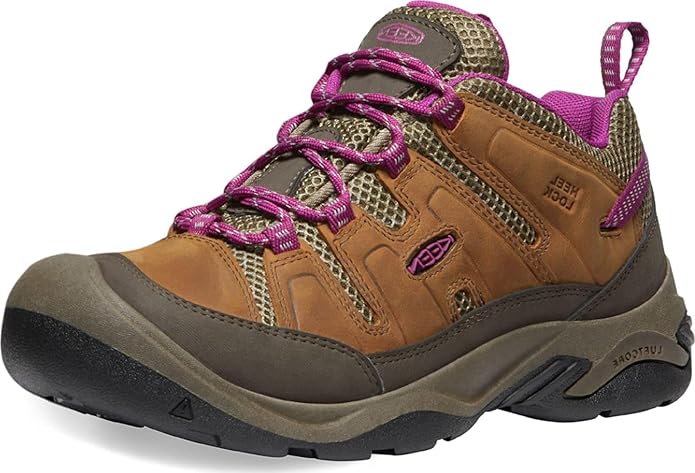
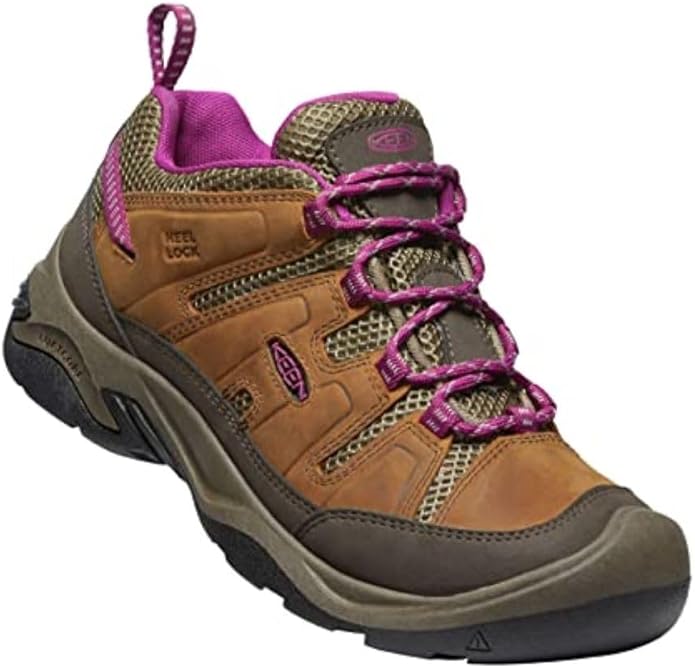
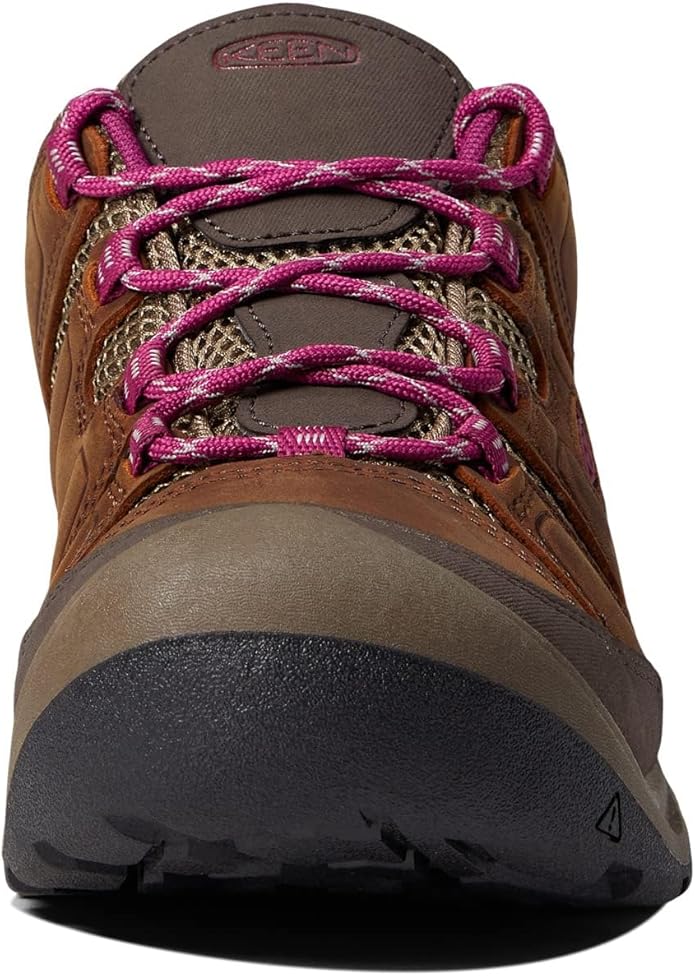
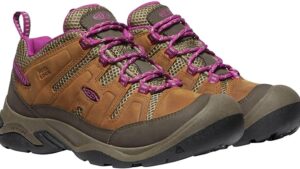
Let’s be real: most shoes that promise to do everything end up mediocre at most of it. So when I started testing the KEEN Women’s Circadia Vent — a shoe marketed for hiking, daily errands, and work use all in one package — I went in with appropriate skepticism. I’m Sarah, and I’ve been reviewing footwear for over a decade. Versatility claims are my least favorite marketing language. After four months and fifty-plus sessions ranging from muddy Pacific Northwest trails to Seattle grocery runs, here’s what I actually found.
Quick Specs
| Spec | Details |
|---|---|
| 💰 Price | $110–140 (check current price at FootGearUSA) |
| ⚖️ Weight | 12.5 oz per shoe (women’s size 8) |
| 🧪 Midsole | KEEN LuftCore — air-injected foam core inside higher-density foam |
| 👟 Outsole | KEEN.FUSION non-marking rubber, 5mm multi-directional lugs |
| 🏔️ Upper | LWG-certified waterproof leather + performance mesh |
| 🦶 Fit | KEEN Original Fit — generous forefoot space (runs wide) |
| 🔒 Heel System | Heel-capture system + Achilles notch |
| 📐 Drop | ~16mm (0.63 inch heel-to-toe) |
| 🌱 Sustainability | LWG-certified tannery leather, Eco Anti-Odor (natural) |
| ⏱️ Testing Period | 4 months, 50+ wear sessions |
Design and First Impressions
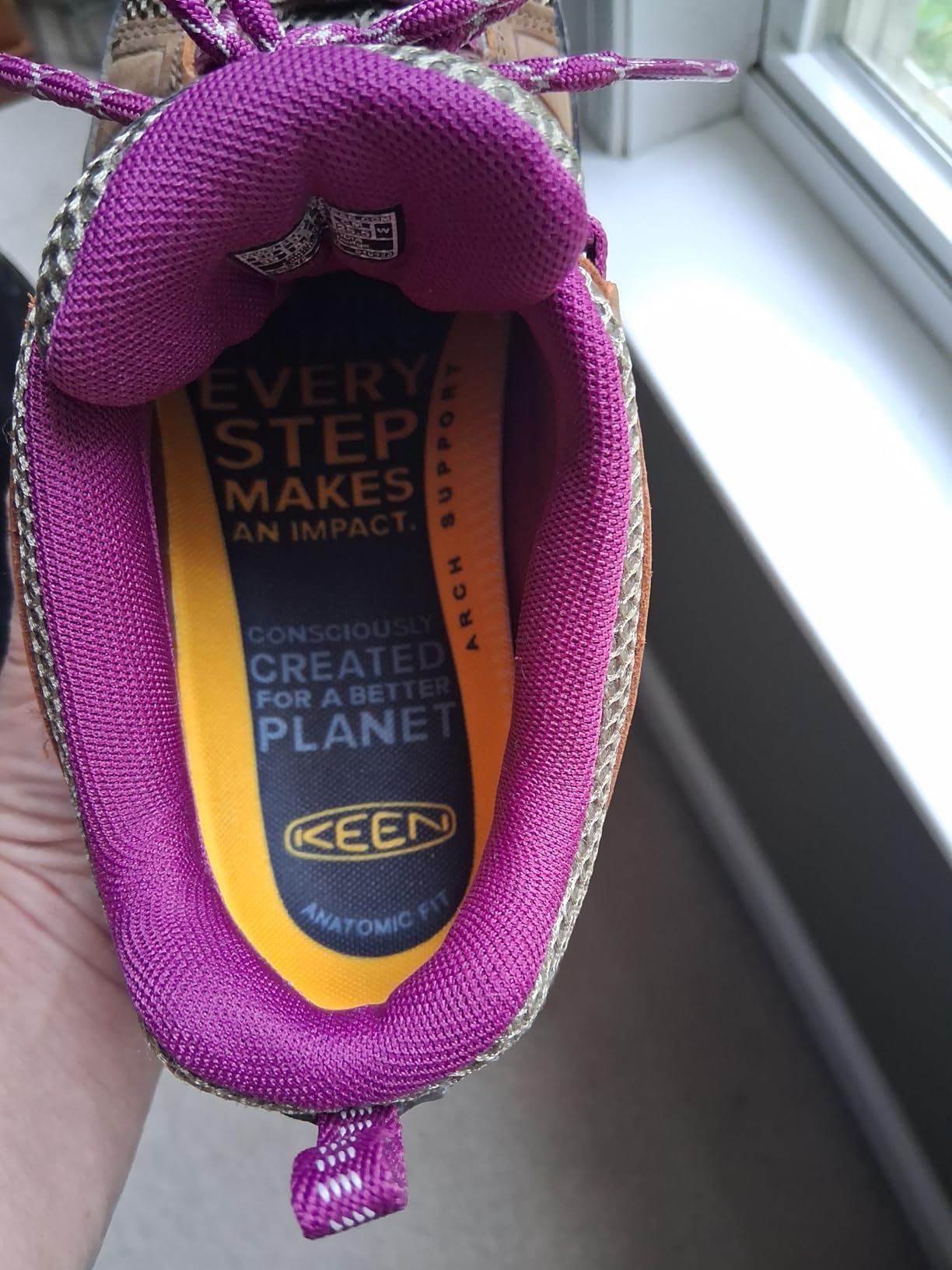
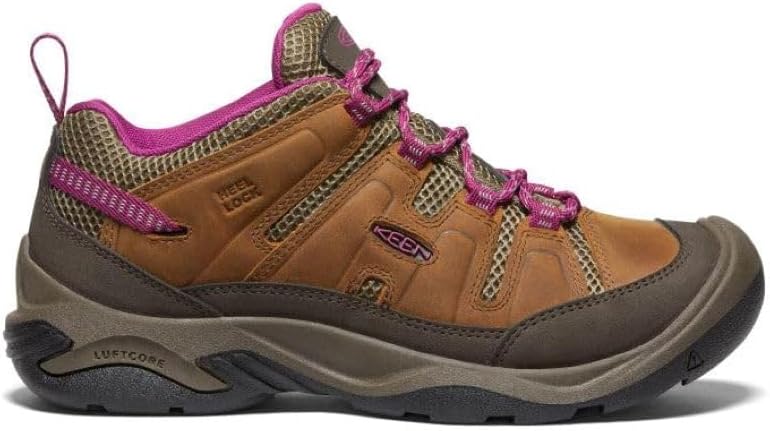
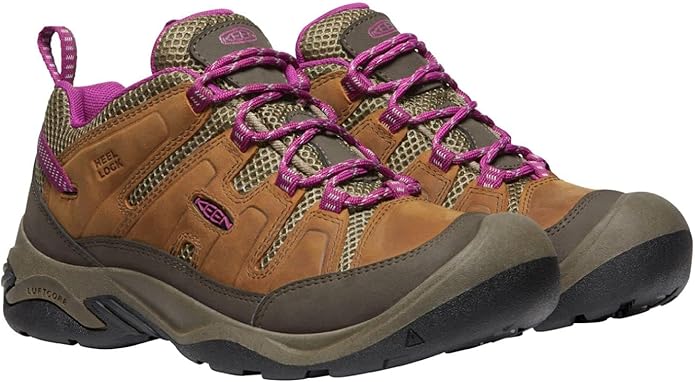
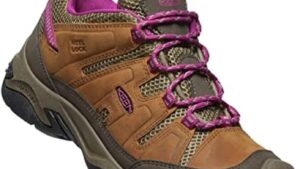
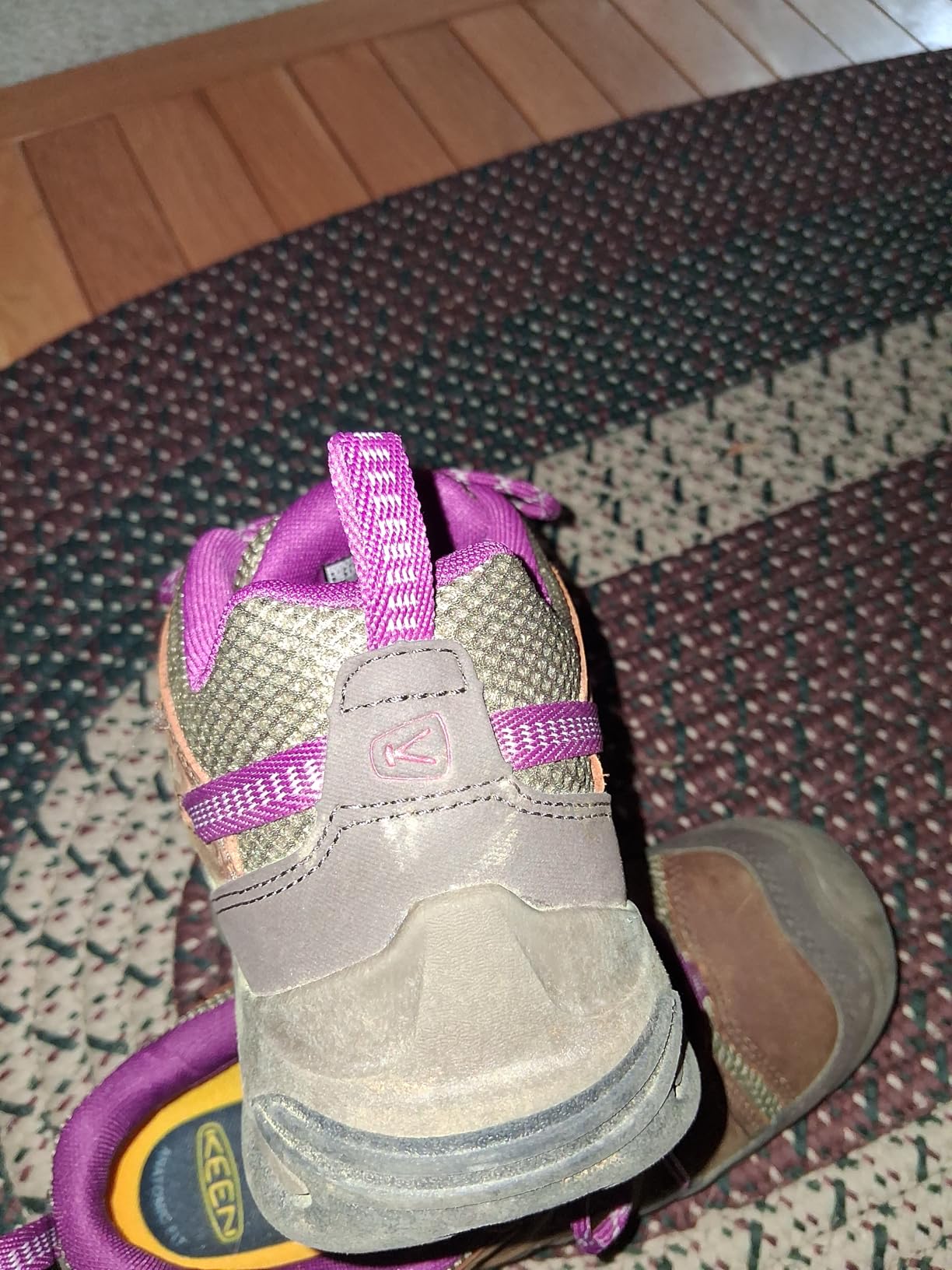
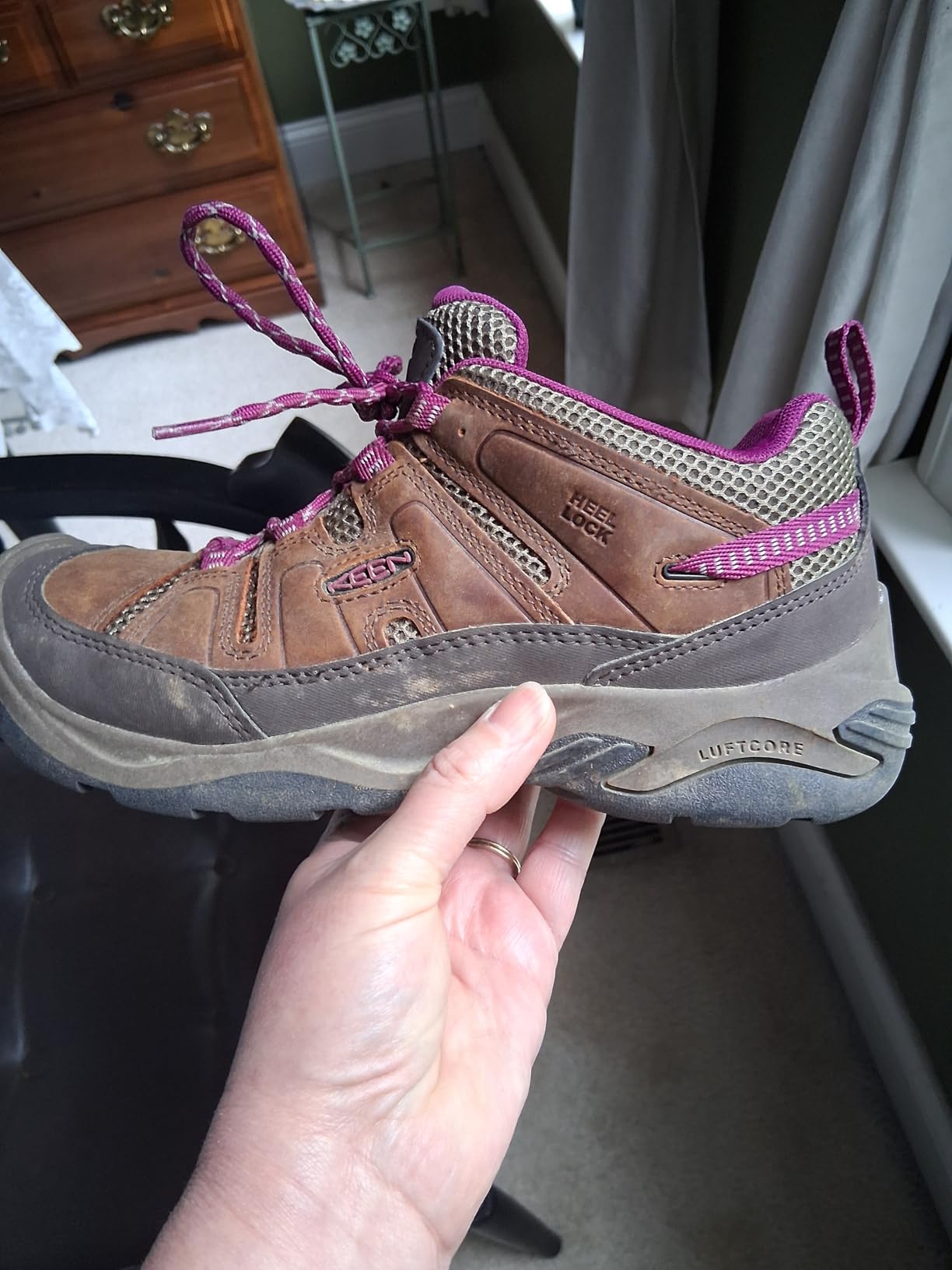
Nobody would mistake the Circadia Vent for a casual sneaker. This is a hiking shoe that looks exactly like a hiking shoe — and that’s fine. The Syrup/Boysenberry colorway I tested threads an interesting needle between earthy trail aesthetic and something a bit more feminine, which I appreciated. The leather upper has real weight to it — substantial enough to inspire confidence, but it doesn’t feel like you’re strapping on work boots.
Those mesh vent panels along the sides caught my attention right away. They’re not decorative cutouts stuffed with fake mesh. They actually breathe, which I’d learn to appreciate come August in the Columbia River Gorge.
The Elephant in the Room: That Toe Box
I’ll address this upfront because it’s the single most important thing to know before buying.
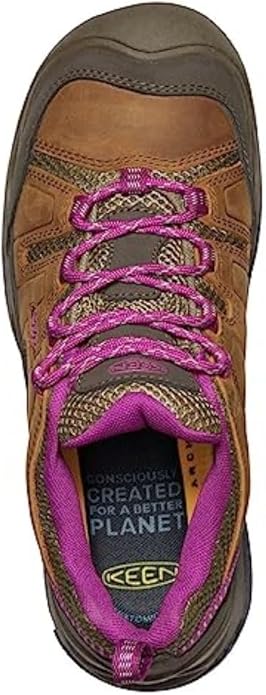
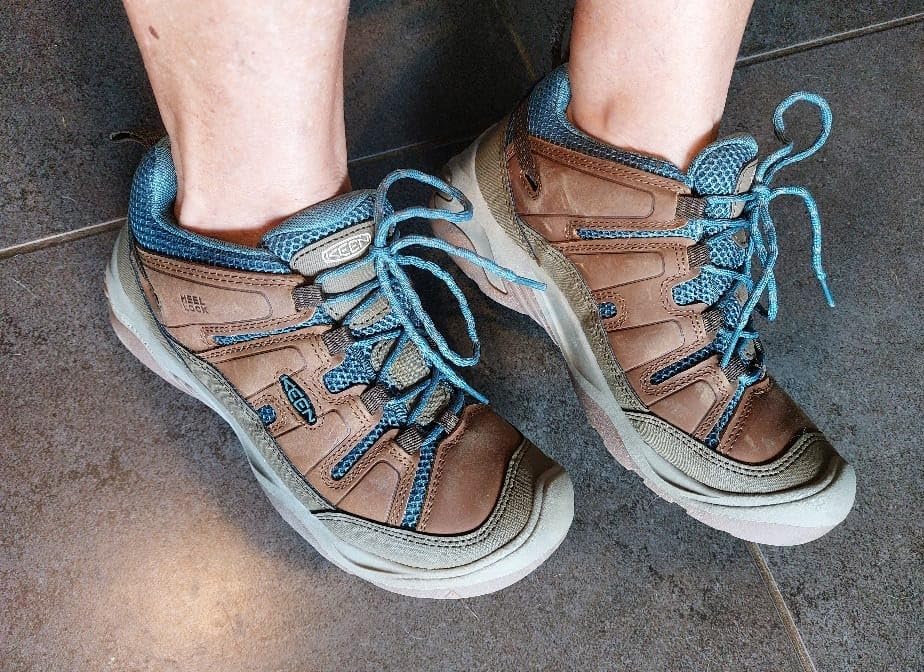
KEEN built the Circadia Vent around their Original Fit — which means a wide, roomy forefoot designed to let toes spread naturally. I ordered my usual size 8 and the length was spot-on. But the width? My normal-width feet had significantly more lateral space than I expected. “Swimming” is the word that came to mind. Several women in my regular hiking group had the same experience ordering online, so it wasn’t just me.
Here’s the thing: that’s not a flaw. For women with wider feet, bunions, or anyone who typically struggles to find a comfortable hiking shoe, this toe box is a genuine game-changer. My friend Rachel, who has wider feet, tried mine on and immediately went home to order a pair. Meanwhile, Lisa (narrower feet) handed them back after twenty seconds and said they felt like she’d borrowed someone else’s shoes.
The practical takeaway: if you’re buying online, do it somewhere with a real return policy. If you have normal or narrow feet, consider going down half a size.
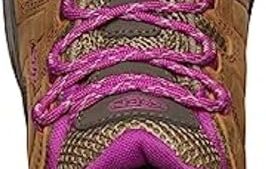
The lacing system operates on a speed-lace webbing setup — once I figured out the right tension distribution, the heel lockdown improved considerably. It’s still not as secure as some hiking shoes I’ve worn with more traditional lacing, but it’s workable.
How It Actually Performs on Trail
Dry Trails: This Is Where It Shines
On dry terrain, the Circadia Vent earns its keep. During a fall day hike up Rattlesnake Ledge — which involves plenty of rocky scrambling sections and loose gravel — the traction felt confident and predictable throughout. Those 5mm lugs in KEEN’s FUSION rubber outsole bite into dirt and rocky surfaces with authority. I never felt like I was guessing where my foot would land.
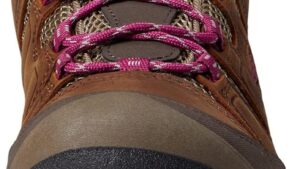
The toe protection is genuinely impressive. The rubber toe cap has absorbed more accidental rock strikes than I can count — roots, trail markers, random stones I didn’t notice until my foot found them. Zero impact transfer. This is one area where KEEN’s design philosophy pays real dividends.
Wet Conditions: A More Complicated Story
Pacific Northwest hiking comes with a lot of damp. Light drizzle and wet-packed trails? The grip held well. But on a particularly soggy November hike where wet rocks and mud were unavoidable, the traction lost some of its confidence. It was never dangerous — I didn’t slip — but I had to think more carefully about foot placement than I would with a more aggressive lug pattern.
Worth knowing: moisture eventually found its way in through the mesh panels during extended wet exposure. The leather upper resists light water, but the vent panels aren’t waterproof — they can’t be, by design. If you need full waterproofing, that’s the KEEN Women’s Circadia Waterproof (different shoe). Don’t confuse the two.
Hot Weather: The “Vent” Name Delivers
On an August afternoon hike through the Columbia River Gorge with temperatures above 85°F and humidity to match, my feet stayed notably cooler than they would in traditional hiking boots. The mesh panels actually move air. By the end of a three-hour climb in those conditions, I had none of the hot spots or overheating that I’d normally expect. For anyone hiking in warm climates or summer months, the breathability advantage here is real and meaningful.
Cushioning: The Honest Assessment
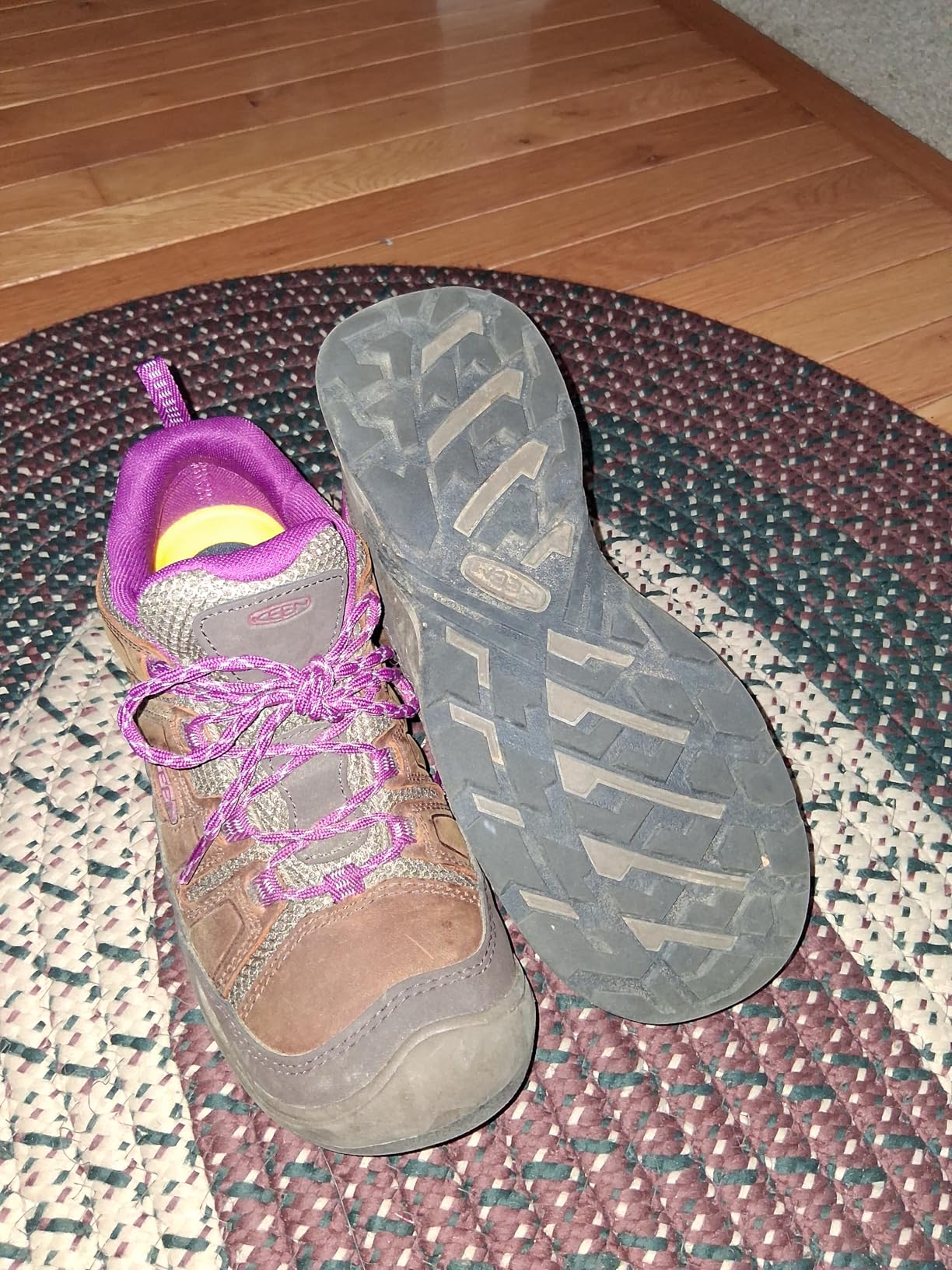
KEEN’s LuftCore technology embeds an air-injected foam core inside higher-density foam — the idea being enhanced cushioning without added weight. In practice, the cushioning feels adequate for the first several miles. On an 8-mile day hike in Olympic National Forest, my feet were definitely registering the accumulated impact more than I’d hoped by the tail end.
If you’re coming from a heavily cushioned trail runner, you’ll notice the difference. This isn’t a marshmallow underfoot — it’s functional, decent cushioning. For day hikes in the 4-8 mile range, it holds up fine. For a weekend backpacking trip where I was wearing these 10+ hours daily, foot fatigue crept in earlier than I’d like.
Multiple friends who tested the Circadia Vent reported the same pattern: comfortable for moderate outings, cumulative fatigue on longer ones. If cushioning is your priority for all-day wear, this shoe won’t fully satisfy you.
Performance by Condition
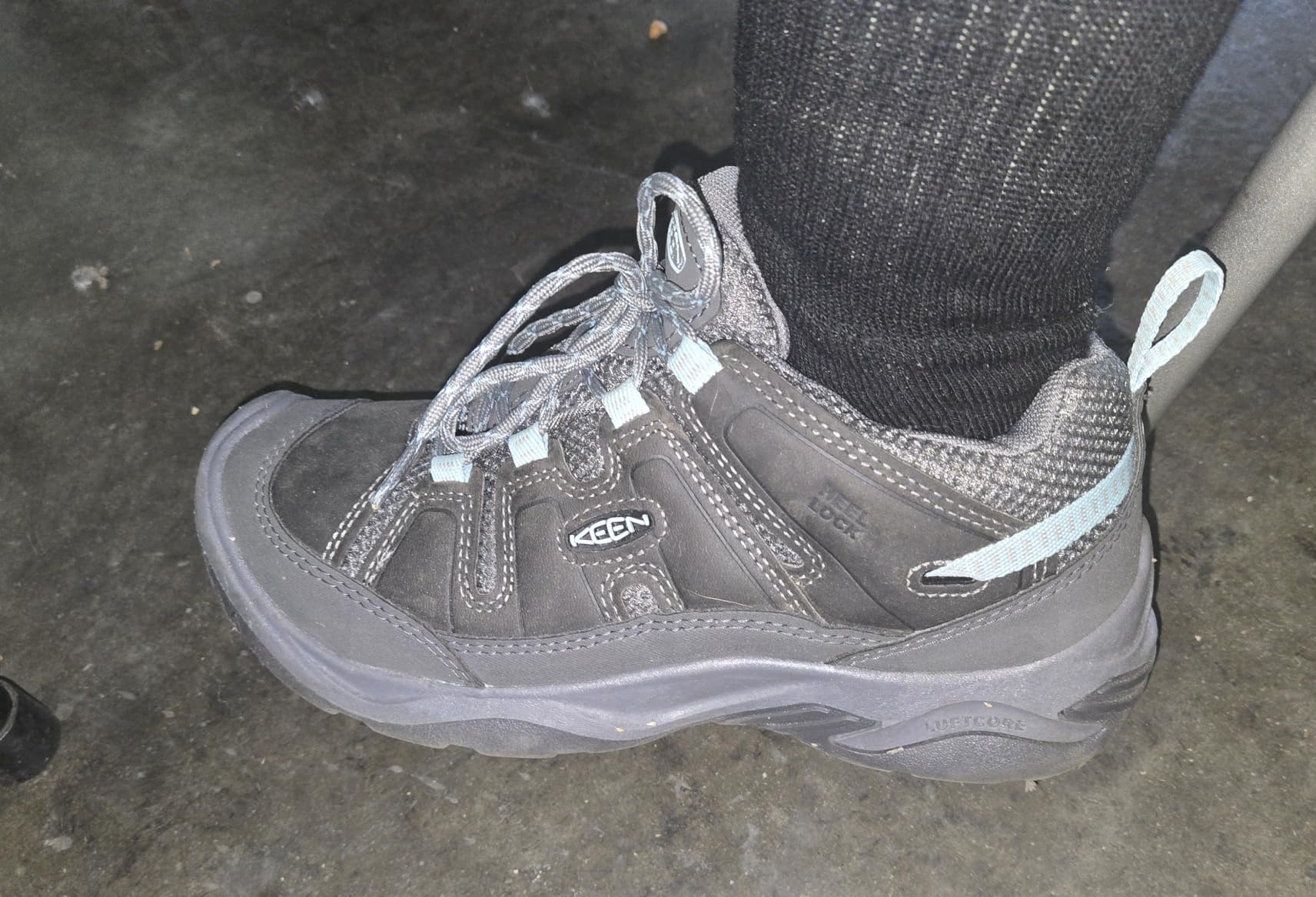
Dry trails, moderate conditions: Excellent. Grip confident, breathability working, toe protection reliable. This is where the shoe operates at its best.
Wet weather and rain: Functional with caveats. Light precipitation is fine. Extended wet exposure reveals the mesh panels as moisture entry points. Not waterproof — plan accordingly.
Summer heat: A genuine strength. The vent design pays off here in ways that matter for comfort over time.
Daily wear (Target runs, dog walks, standing at the sidelines): Surprisingly capable. They definitely look like hiking shoes, but the comfort window for 2-4 hour daily wear is solid. Several people in my outdoor community wear these as their go-to errand shoes.
Backpacking and multi-day use: I’d be cautious. Day-hike territory works well. Consecutive 10+ hour days with pack weight starts to reveal the cushioning limits. There are better options for serious backpacking trips.
What KEEN Claims vs. What I Found
Let’s run through the marketing language directly:
“All-day comfort”: Partially accurate. For moderate use (4-6 hours), the comfort is solid. For genuinely extended wear — standing all day, long hiking days — the footbed starts to ask for a break. I’d put this claim at about 70% delivered.
“KEEN Original Fit gives generous space for toes”: Completely accurate. So accurate it’s a problem for some buyers. The toe box is wide. Very wide. This is the shoe’s defining characteristic — transformative for wide-footed women, problematic for everyone else.
“Grippy rubber helps give you traction”: True on dry surfaces. Adequate-to-modest in wet conditions. Not misleading, but the wet limitation deserves more prominent disclosure than it gets.
“LWG-certified leather / Eco Anti-Odor”: Both substantiated. The leather comes from a Leather Working Group certified tannery, which represents verified environmental standards in the tanning process. After four months of regular use, no odor issues to speak of.
The Durability Question
My personal pair has held up well across 50+ sessions. But I can’t ignore what I’ve seen in the broader community: multiple women I know have experienced sole separation issues, with two in my hiking group dealing with it within six months of purchase. One friend who works as a veterinary technician — on her feet 9-10 hours daily — loves the comfort but has concerns about how long they’ll hold up under that workload.
The pattern in online reviews confirms this isn’t isolated. At $110-140, quality control concerns affect the value calculation. If you get a well-made pair, the value is reasonable. If you’re one of the unlucky ones, it’s frustrating.
Realistic Lifespan by Use Pattern
Based on my testing and community feedback:
- Light use, moderate intensity: 12-18 months
- Regular hiking, average weight: 8-12 months
- Heavy daily use (work shoes, 8+ hours daily): ~6 months before concerns emerge
Who Should Buy the Circadia Vent
| ✅ Buy These If… | ⚠️ Skip These If… |
|---|---|
|
|
Better Alternatives for Specific Needs
- Need standard width with good quality control: Merrell Women’s Moab 3 is the frequent comparison — more consistent sizing, slightly less breathability
- Need maximum wet-weather traction: Look at Oboz Bridger or Vasque Breeze — more aggressive outsoles for genuinely slippery terrain
- Need maximum cushioning: Altra Lone Peak category offers significantly more cushioning underfoot
- Need wet-weather waterproofing AND KEEN fit: Consider the KEEN Circadia Waterproof instead — same fit, sealed construction
My Verdict: 7.2/10

| Category | Score | Brief |
|---|---|---|
| Design & Aesthetics | 7.5/10 | Solid hiking aesthetic, nice colorway choices |
| Trail Traction | 7.0/10 | Confident on dry terrain, adequate in wet |
| Breathability & Weather | 6.5/10 | Excellent breathability; waterproofing confusion hurts |
| Durability | 6.0/10 | QC inconsistency concerns at the price point |
| Value for Money | 6.5/10 | Good value if you get a solid pair; risk otherwise |
| Overall | 7.2/10 | Excellent for the right foot, limitations elsewhere |
The Circadia Vent is a genuinely good shoe for a specific buyer. That wide toe box is transformative for women who need it — and breathability in hot conditions is a real differentiator. But the quality control inconsistencies and the sizing challenges for normal-width feet are genuine limitations, not minor quibbles.
My practical advice: buy from somewhere with a real return window. If the fit works for your feet and you’re primarily day hiking in mixed or warm conditions, you’ll likely be happy with these. If you need all-day cushioning, technical trail performance, or reliable wet-weather grip, keep looking.
Pro tip: If you have normal-width feet and want to try them anyway, go down a half size. And budget for a quality aftermarket insole if you’re planning extended wear — the stock footbed is fine, not exceptional.
Frequently Asked Questions
How does the Circadia Vent fit compared to Merrell or Nike?
The length runs true to size. The width is significantly more generous than most hiking shoes on the market. Compared to Nike athletic shoes, expect to go down about a half size if your feet are standard width. Against Merrell Moab 2 Vent or the Merrell Moab 3, the KEEN toe box is notably wider. Women with average or narrow feet consistently find the Circadia too roomy.
What’s the break-in period?
Minimal. These don’t require a painful break-in the way that traditional leather boots do. Out of the box they’ll feel roomy — possibly too roomy. After two or three moderate hikes, they settle into their shape. By 20-30 miles of use, you’ll know definitively whether the fit works for your feet.
What’s the realistic lifespan?
It varies more than it should at this price point. With lighter use and moderate hiking, 12-18 months is achievable. Regular hiking from an average-weight wearer: 8-12 months is a reasonable expectation. For heavy daily work use (standing 8-10 hours), some users report durability concerns emerging around 6 months. Quality control inconsistency affects this more than it should.
Are these worth it compared to the Merrell Moab 3?
If the wide toe box is what you need, yes. The Circadia Vent offers superior breathability and significantly more forefoot room than the Moab 3. If your feet are standard width and you prioritize consistent quality and wet-weather grip, the Moab 3 is probably a safer investment.
What’s the difference between Circadia and Circadia Vent?
This trips up a lot of buyers. The Circadia Vent (this shoe) has performance mesh vent panels and is NOT waterproof. It prioritizes airflow. The standard Circadia is built with a waterproof construction for wet-weather use. If you need to keep water out, make sure you’re ordering the waterproof version — the KEEN Circadia Waterproof — not the Vent.
Can these handle backpacking trips?
Day hikes in the 6-10 mile range, absolutely. For multi-day trips with pack weight and 10+ hours of daily wear, I’d be cautious. The cushioning starts to show its limits under sustained loading over multiple days. Better suited to day adventures and urban versatility than extended backcountry use.
What are the biggest red flags to know before buying?
Three main ones: the toe box is very wide (verify your foot width before ordering), quality control inconsistency means some pairs develop sole separation within a year, and the product naming confusion between Circadia vs Circadia Vent leads people to accidentally buy the wrong version for their needs.
How do I get the most life out of these?
Rotate them with another pair so they can dry fully between uses — moisture accelerates material breakdown. Treat the leather periodically with an appropriate conditioner. Consider upgrading to an aftermarket insole for better longevity and cushioning. If you notice any early-stage delamination at the sole, contact KEEN directly — they do have a warranty process, and the earlier you report, the better.
Bottom Line
- Best feature: Wide toe box for women who need it + genuine breathability in heat
- Biggest limitation: Sizing challenges for normal-width feet + quality control inconsistency
- Best use case: Day hiking in warm/dry conditions, mixed with casual daily wear
- Skip if: You need wet-weather waterproofing, all-day cushioning, or a narrower fit
- Verdict: 7.2/10 — excellent for the right buyer, limited for everyone else
Still have questions? Drop them below — happy to help you figure out whether these are the right shoe for your specific needs and foot type.
Be the first to review “KEEN Women’s Circadia Vent Hiking Shoe”
Related products
Hiking/Trekking Shoes
Hiking/Trekking Shoes
Hiking/Trekking Shoes


Hiking/Trekking Shoes
Hiking/Trekking Shoes
Hiking/Trekking Shoes
Hiking/Trekking Shoes
Hike Footwear HF Signature Healthy & Non-Slip Breathable Barefoot Shoes
Hiking/Trekking Shoes
Reviews
There are no reviews yet.