
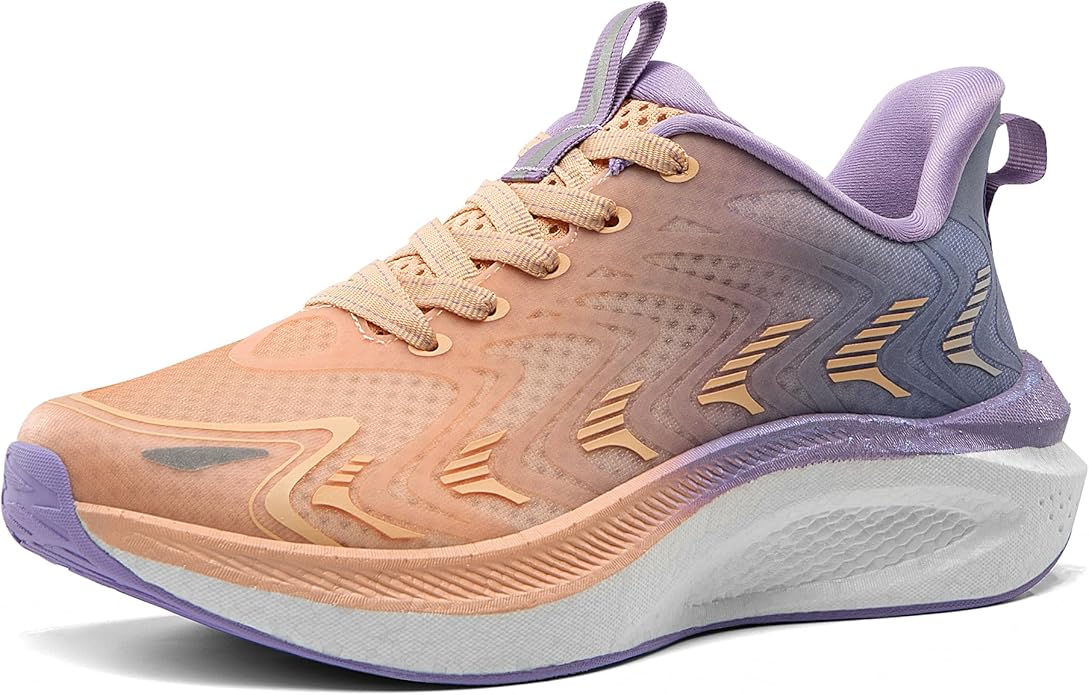
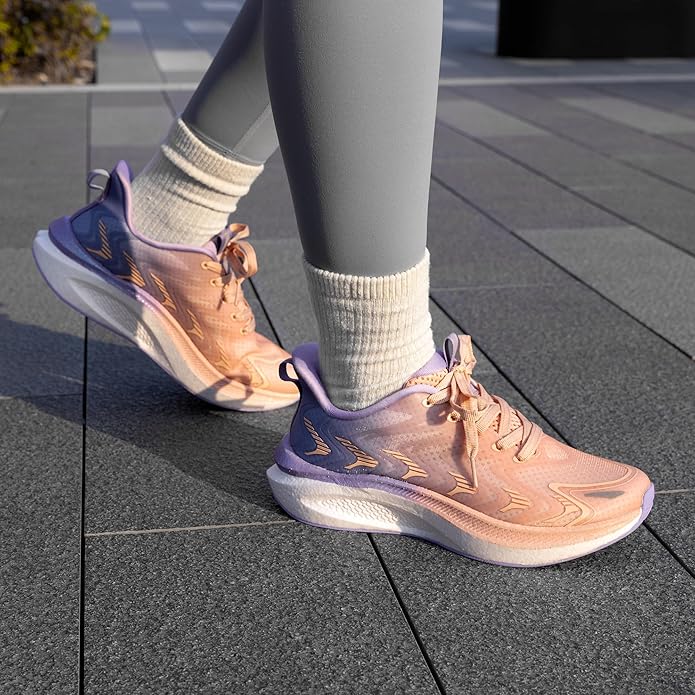
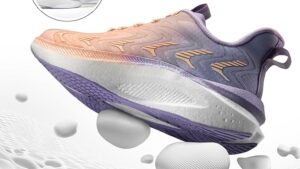
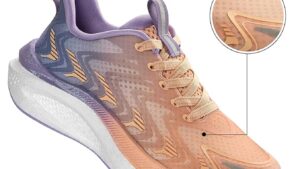
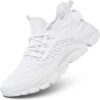
ALLSWIFIT Women’s Running Walking Tennis Shoes
$26.99
- Weight: 8.2 oz (women’s size 8)
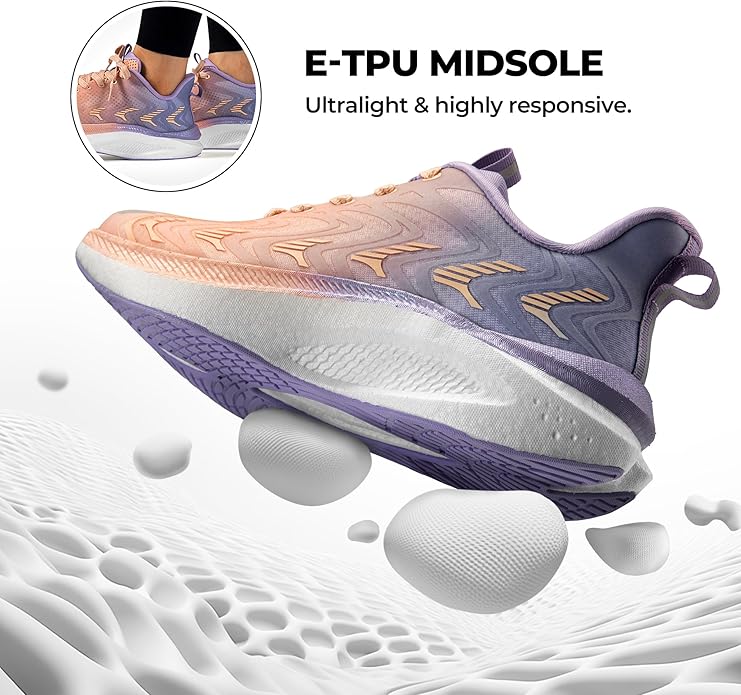
- Midsole: E-TPU (Expanded Thermoplastic Polyurethane) responsive foam
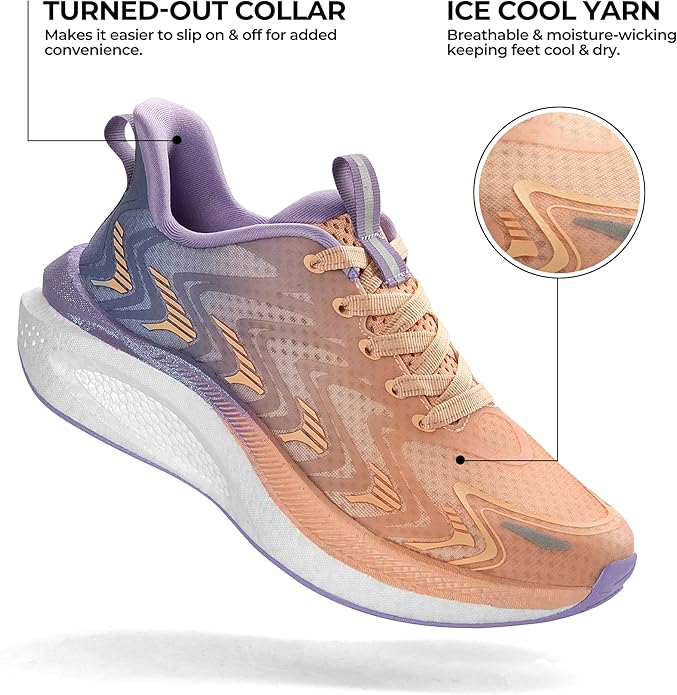
- Upper: Ice-cool yarn mesh with TPU overlays
- Inner lining: Foam + Polyurethane footbed
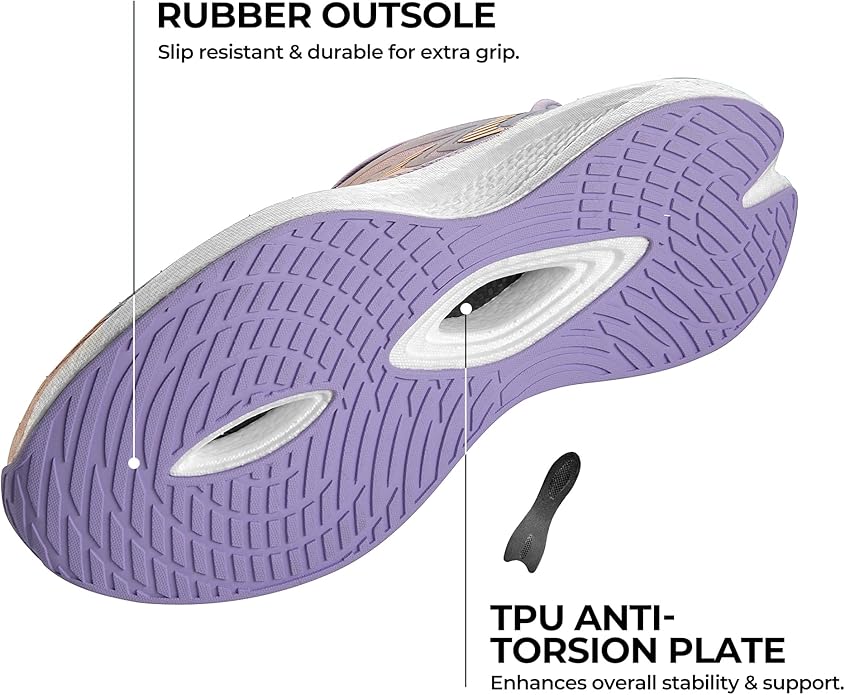
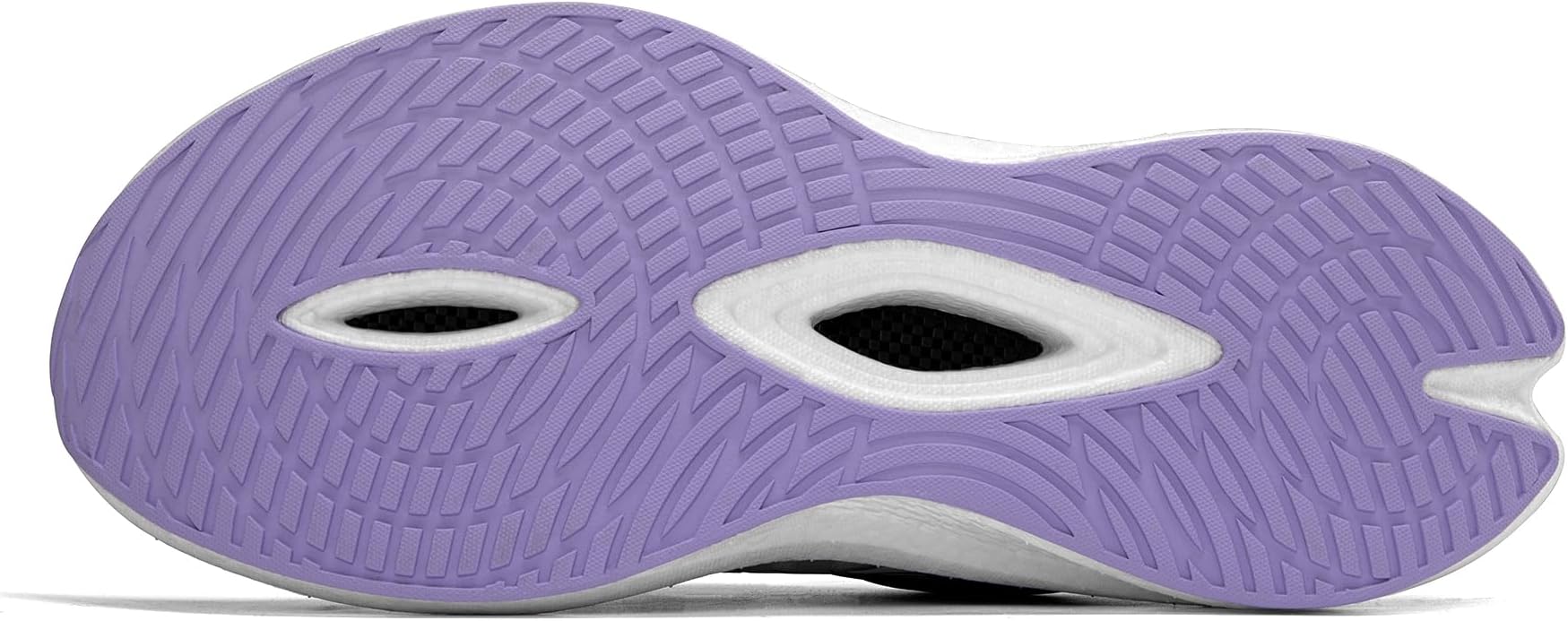
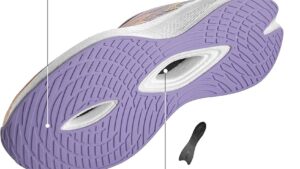
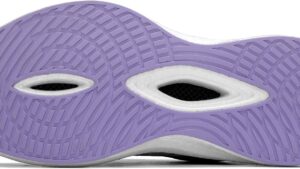
- Outsole: Full rubber (RB+E-TPU+TPU construction)
- Closure: Lace-up with slip-on heel entry design
- Stability: TPU anti-torsion plate
- Best for: Walking, light gym work, healthcare workers, casual daily wear
Thirty-five dollars. That’s what the ALLSWIFIT Women’s Running Walking Tennis Shoes cost — roughly what most of us spend on a decent dinner out. Sarah here, and after spending a decade-plus putting shoes through their paces across every activity I could think of, I went into this test with healthy skepticism. Budget shoes often promise a lot and deliver… fine. Six weeks and 40-plus hours of wear later, I’ve got a more interesting story to tell than I expected.
First Impressions — Unboxing and Build Quality
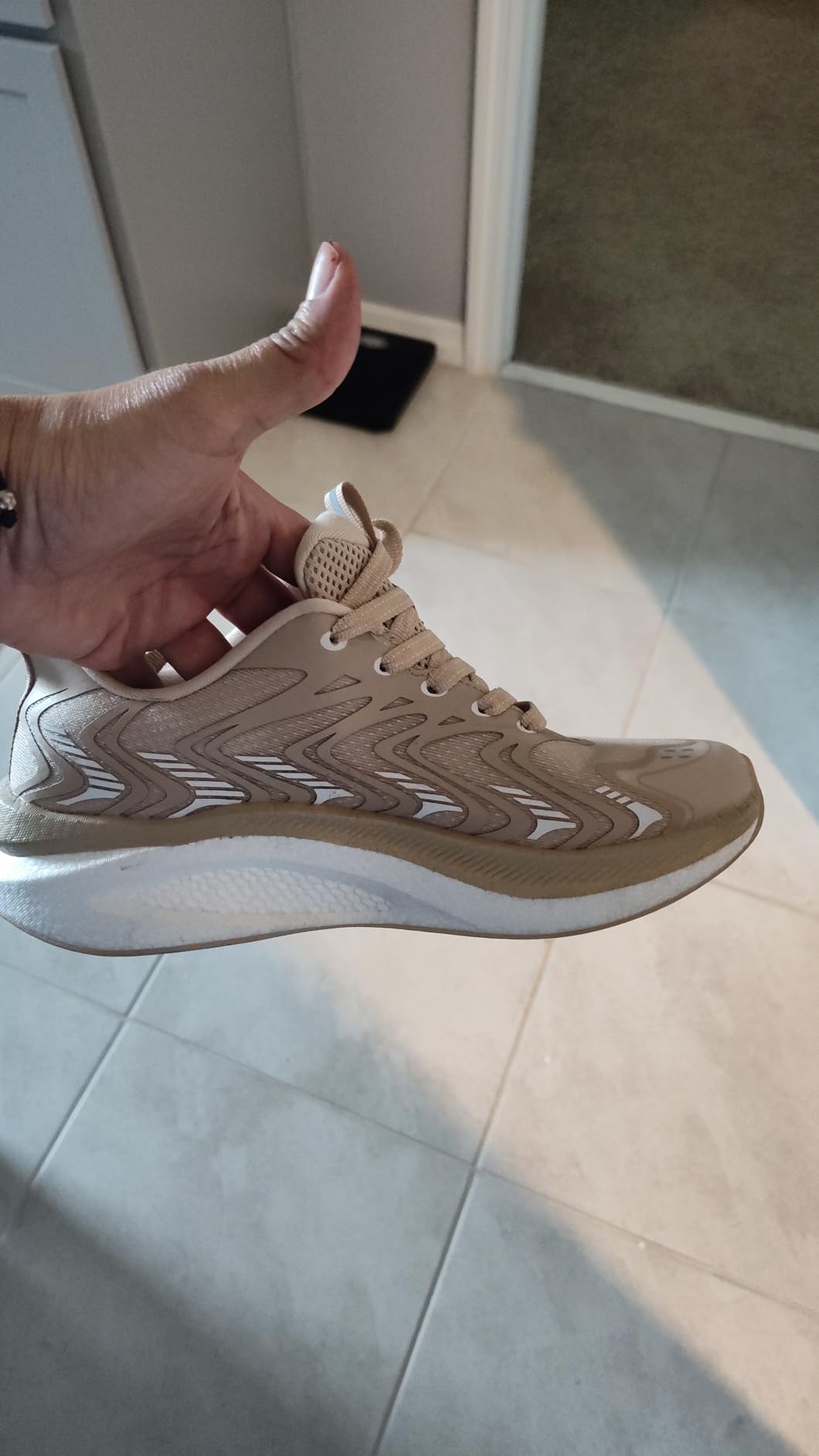
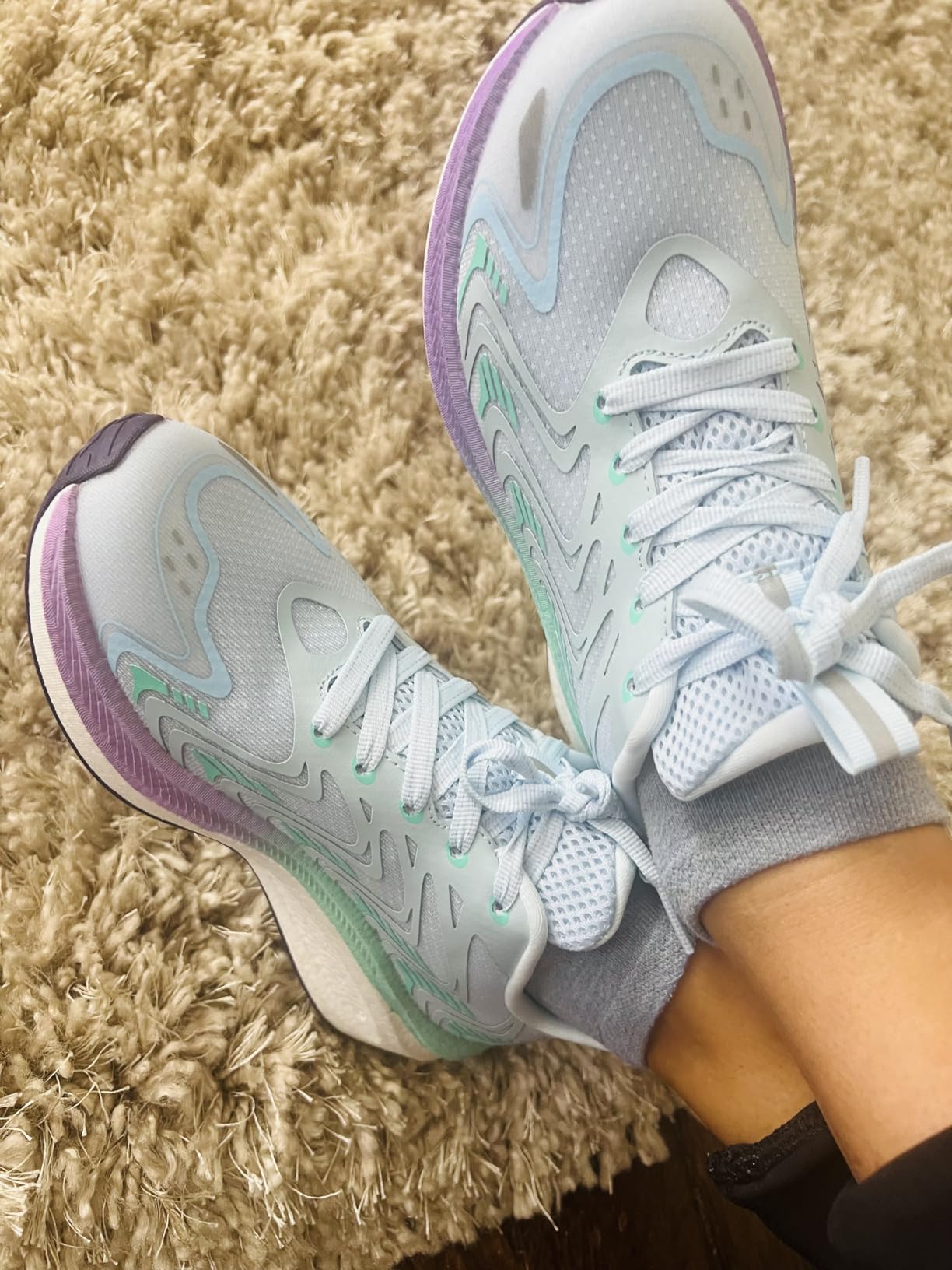
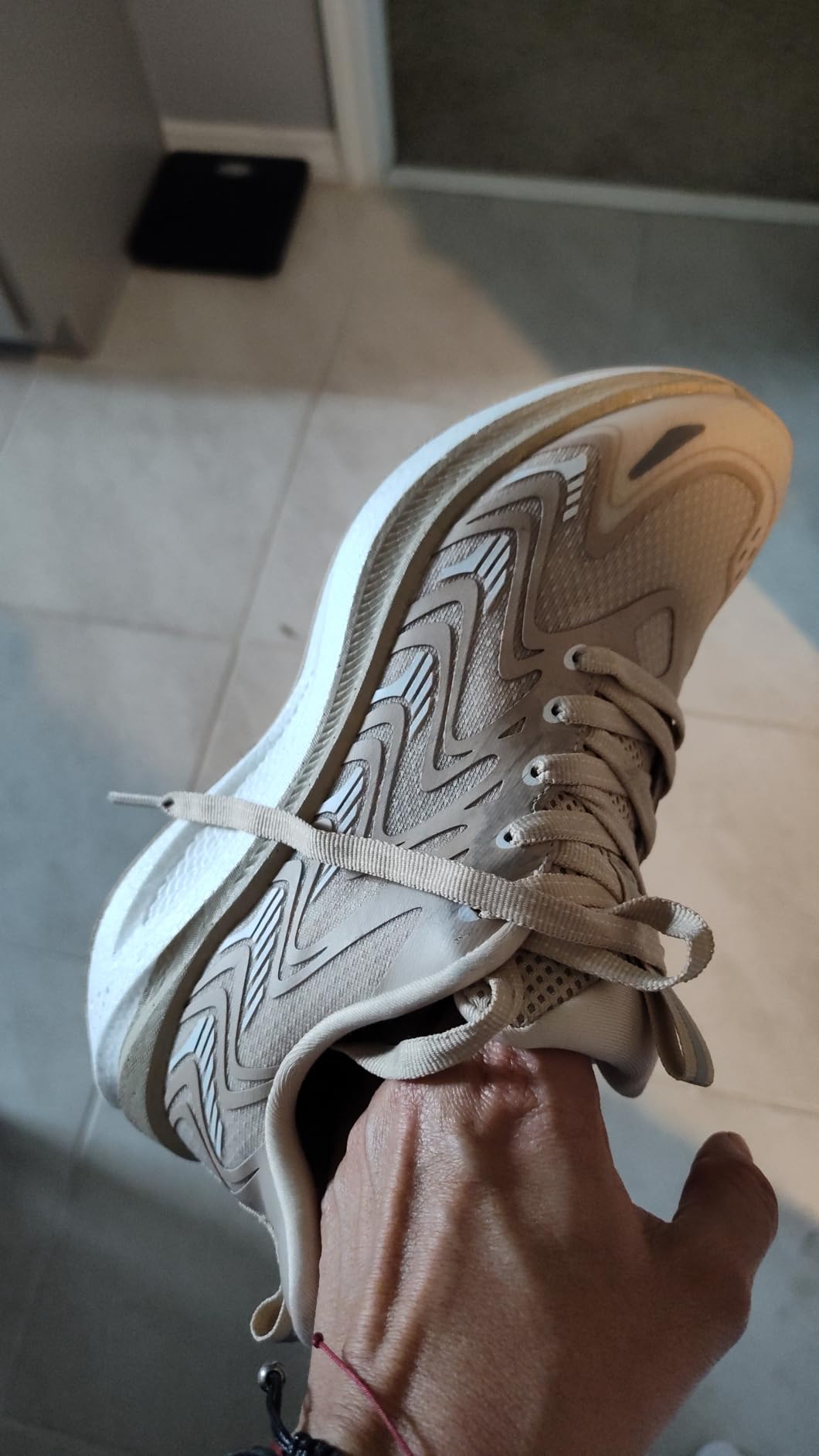
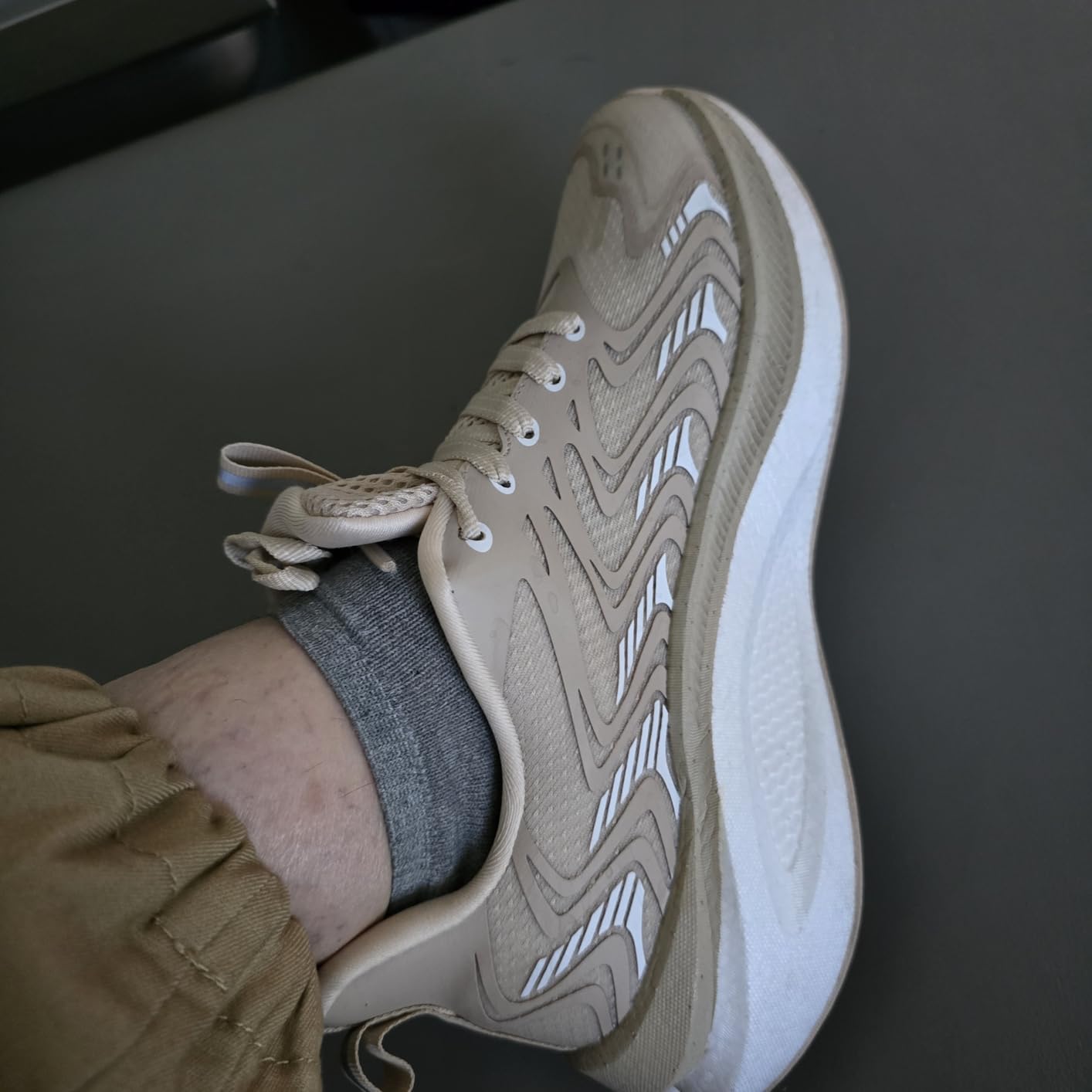
Right out of the box, these feel lighter than a $35 price tag usually promises. Picking them up, the weight surprised me — at 8.2 oz, they sit comfortably in lightweight territory, comparable to many shoes that cost two or three times more. The mesh upper has a knitted, almost sock-like texture that immediately reads as breathable rather than plasticky.
Looking at construction, the seam lines are clean, the TPU overlays sit flush against the mesh without peeling edges, and the sole unit feels cohesive. Nothing about the build screams “this will fall apart in a month” — though I’ll revisit durability honestly after six weeks.
The E-TPU midsole is worth understanding because it’s not the same as the basic EVA foam you find in many budget shoes. Expanded TPU beads are steam-fused to create a structure with roughly 55% energy rebound compared to EVA’s 37%. That’s not marketing fluff — you can feel the difference on day one. Pressing the midsole between my fingers confirmed the springier, denser feel vs. the deadened compression of typical budget foam. First morning walk around my apartment: there was actual bounce underfoot, not just cushioning-that-happens-to-exist.
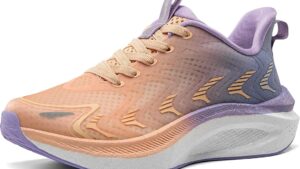
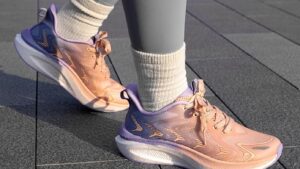
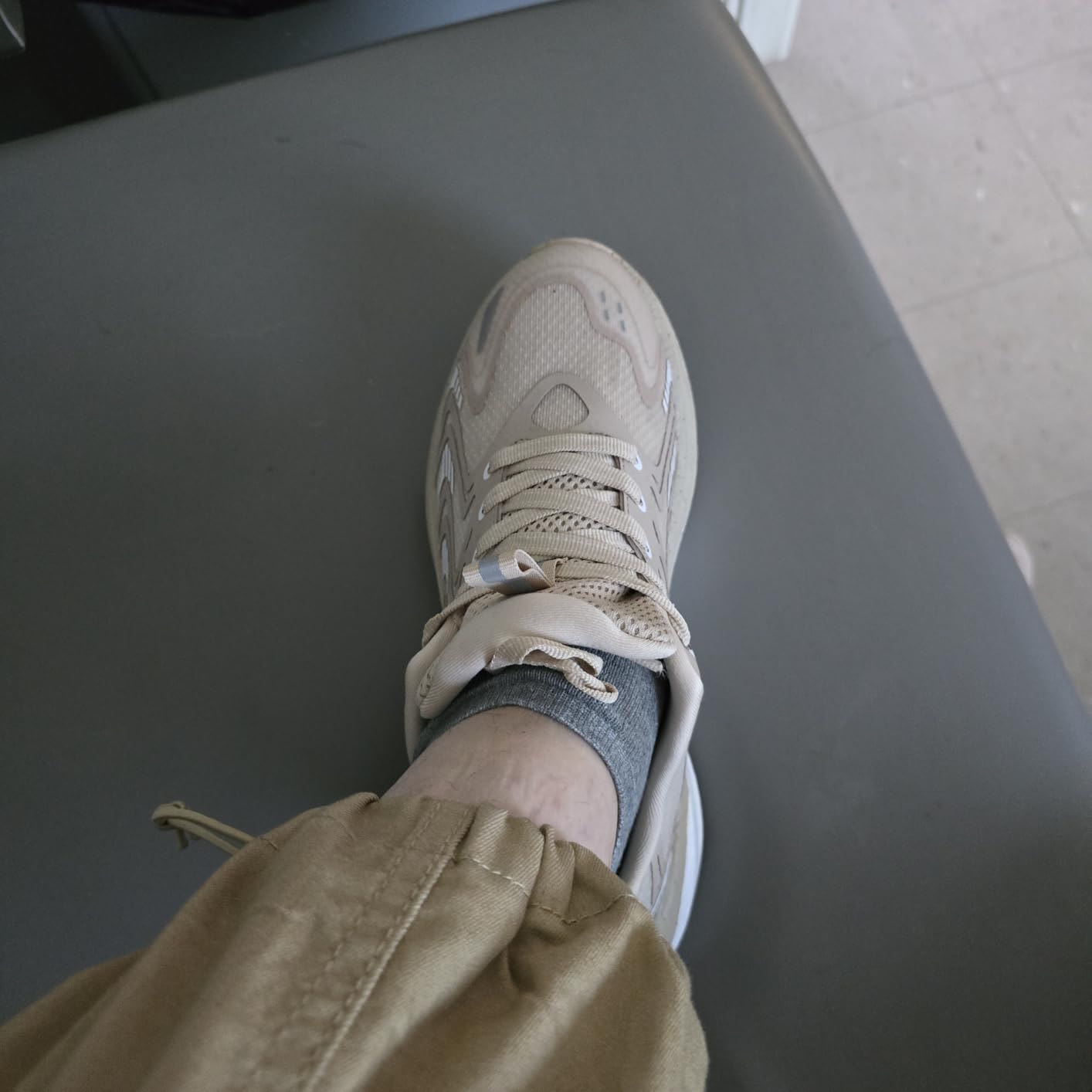
The pink colorway held its look through six weeks of regular wear — no fading, no scuffing on the mesh. A few honest notes on budget manufacturing reality: the lace aglets are functional but not premium, and the tongue stitching is basic. Neither affects performance, but up close you’re not confused about what you paid.
Comfort and Daily Wearability
My main event for testing comfort was a full-day errand run — Target, grocery store, a 2-mile neighborhood loop with a friend, all back-to-back. About six hours total on my feet. By hour four with most shoes, I know which ones I should have left at home. These weren’t one of those.
The foam and polyurethane footbed does have a plush quality to it. Whether you call it memory foam or not, the underfoot sensation on day one genuinely fits the “walking on clouds” description that a few reviewers threw around. The arch support is adequate for normal arches — I have a medium arch myself and found the built-in structure comfortable without needing extras.
Breathability was the other standout. During a HIIT class about three weeks into testing — genuinely sweaty, warm studio, 45 minutes of movement — my feet came out comfortable and dry-feeling. The ice-cool yarn upper wasn’t just cooler to touch than synthetic alternatives; it actually moved moisture and air well enough to matter during exercise. On my morning walks in July-level heat (we were pushing 85°F most mornings), the ventilation did real work.
Two caveats for specific buyers: if you have high arches, you’ll likely want to drop in a quality aftermarket insole like the Sof Sole Athlete Insoles for better support. And heavier users should know the footbed compresses faster than it does for lighter runners — by week four I was noticing the initial plushness had settled into something firmer.
Multi-Activity Performance — Where It Earns Its Price and Where It Doesn’t
Let’s go activity by activity, because this shoe performs very differently depending on what you’re asking it to do.
Walking: This is where the ALLSWIFIT genuinely excels. Casual neighborhood strolls, power walks, long shopping days, all-day errands — I’d rate walking performance a 9 out of 10 without hesitation. The E-TPU bounce feels natural under walking gait, the lightweight construction means no leg fatigue from the shoe itself, and the ventilated mesh keeps things comfortable through extended time on foot.
Light gym work, yoga, Pilates: Solid, around 8 out of 10 for this use case. The TPU anti-torsion plate in the midfoot makes a noticeable difference during lateral movements — I could feel the midfoot stability during Pilates side work and yoga balance poses in a way I didn’t expect from a sub-$40 shoe. This isn’t robust athletic court stability, but for a casual fitness class, it contributes meaningfully.
Running: Here I want to be genuinely straight with you. For light jogging and run-walk intervals, these work fine. But I tested them on a 5-mile run, and by mile three the cushioning was compressing under impact in a way I couldn’t ignore. At 150 lbs, I felt my heel sinking more than I’d want for sustained running — the midsole just isn’t engineered for that kind of repetitive loading. If your runs are under two miles and at an easy pace, you’ll manage. If you’re logging serious distance or training for a race, these aren’t your shoe. Dedicated running shoes with proper midsole stacking are worth the investment.
Tennis: The product name includes “Tennis,” but competitive court use isn’t where these live. Casual lateral movement? The torsion plate helps. Quick direction changes on a hard court? You want a purpose-built court shoe. These are better classified as versatile sneakers that can handle light multi-sport activity, not athletic court shoes.
Real-World Conditions — Surfaces, Weather, and One Honest Quirk
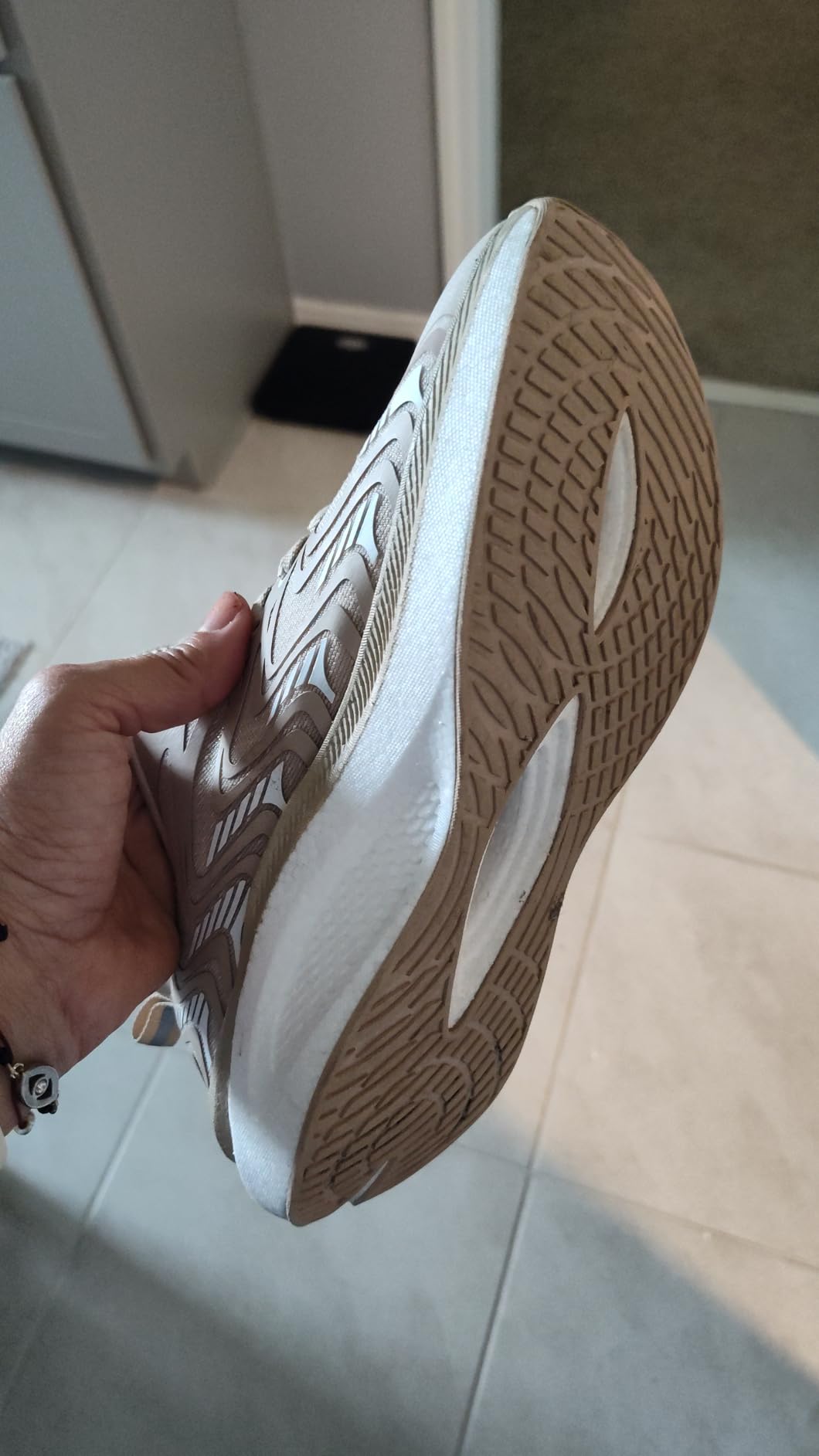
I walked on gym rubber floors, dry concrete sidewalks, light gravel paths, and wet pavement during my six weeks. On all of them, the rubber outsole gave me confident footing — no slipping, no unexpected slides. Right after a summer afternoon shower, I walked about half a mile on wet sidewalk and felt secure the whole way.
The breathability in summer conditions deserves to be underscored. For hot-weather walkers, especially in humid climates, the ice-cool yarn upper genuinely works. I’d call this the shoe’s strongest practical feature — not because other budget shoes can’t be breathable, but because this one actually delivered on what the marketing promised in a real, tangible way.
Now, the honest quirk: there’s an occasional suction-cup sound on very smooth, polished floors — think hospital corridors with high-gloss surfaces, or some retail stores. It’s intermittent, not constant, and not a safety issue. But if you work in healthcare or an office environment with hard polished floors, you should know this going in. The Skechers Ghenter Bronaugh Work Shoe is specifically designed for healthcare floor environments if that’s a dealbreaker.
One gap I want to flag: cold-weather performance is untested. All my testing happened in summer conditions. TPU foam handles cold better than EVA (stays roughly 4% firmer vs EVA’s 28% stiffness increase in cold), but this is a warm-weather-optimized shoe by design.
Sizing and Fit — Read This Before You Order
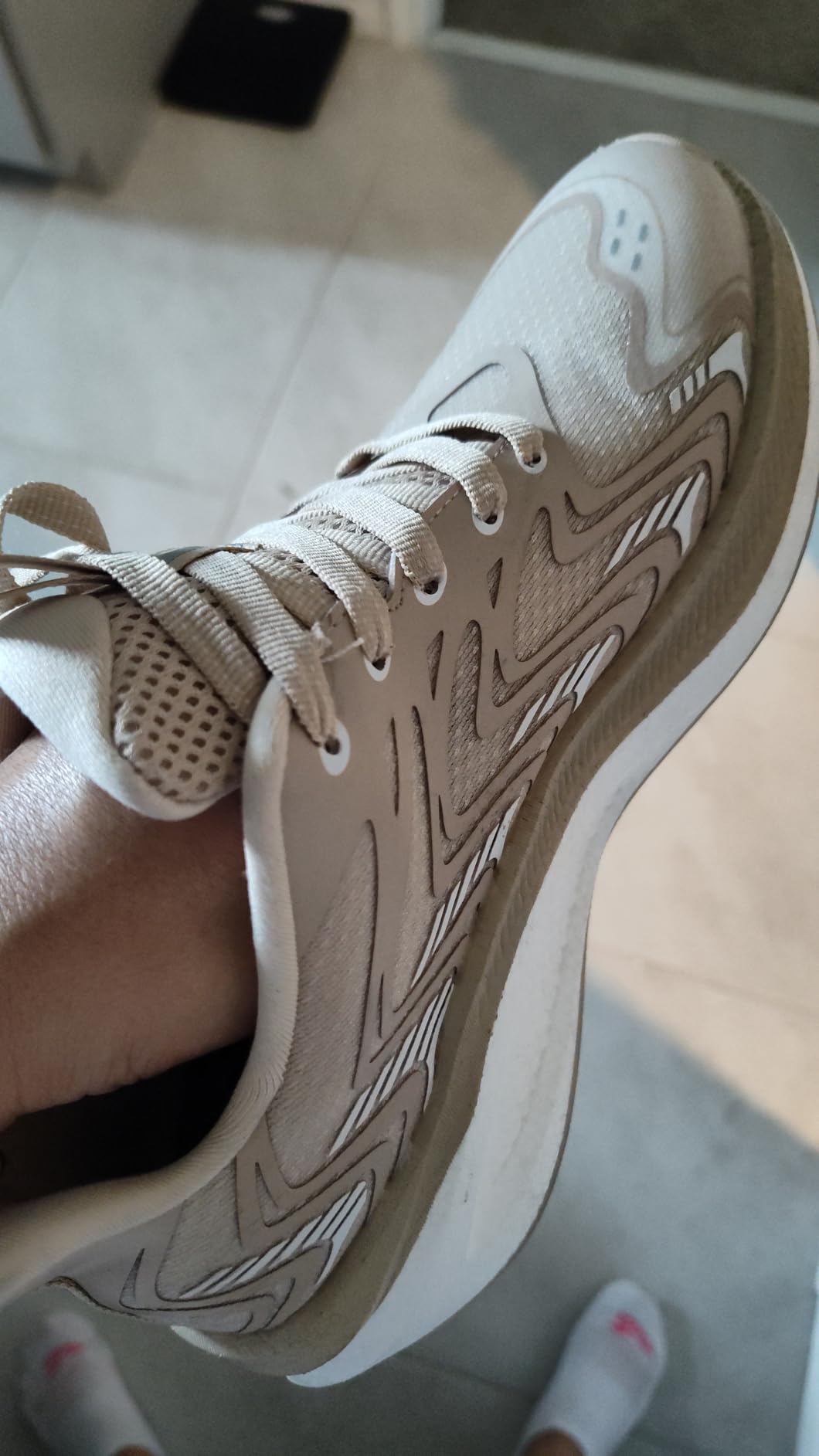
This is probably the section that will save you from a return. These shoes run approximately a half size small. I wear a solid size 8 in most brands, ordered 8.5, and the fit was exactly right — proper toe room, snug midfoot, nothing sloppy.
Here’s the breakdown by foot type:
Normal-width feet: Half size up is the call. Don’t second-guess it.
Wide feet: Consider a full size up. The toe box runs narrower than brands like New Balance or Skechers, so sizing up gives your toes genuine room without cramping. If you’re regularly in wide-width options, look at the Jackshibo Wide Toe Box Shoes as an alternative designed specifically for wider feet.
Narrow feet: True size may actually work here, which is the reverse of the usual guidance. The last runs narrow enough that narrow-footed wearers can sometimes skip the size-up.
Flat feet / low arch: The built-in support is adequate for mild underpronation. Severe overpronators may want a motion-control shoe instead.
Break-in period is essentially zero. Out of the box, day one comfort was immediate — no blistering, no stiff-upper breaking-in process. By day three they felt completely natural.
Do the Brand Claims Hold Up?
I ran each major claim through six weeks of real testing. Here’s where they stand:
| Brand Claim | Verdict | What Testing Showed |
|---|---|---|
| E-TPU midsole — ultralight responsive comfort | Mostly true | Bounce is real and noticeable vs. flat budget foam. Compression shows up under sustained running load. Delivers about 80% of the claim. |
| Ice-cool yarn upper — breathable moisture-wicking | Confirmed | Strongest-performing claim. Feet stayed comfortable during sweaty HIIT and 85°F outdoor walks. Genuinely impresses for this price. |
| TPU anti-torsion plate — stability support | Partial | Felt during yoga and Pilates lateral movements. Not robust enough for competitive sport use, but adds real value for casual fitness. |
| Full rubber outsole — slip-resistant durability | Mostly true | Solid grip on most surfaces including wet pavement. Suction sound on smooth polished floors is the edge-case exception. |
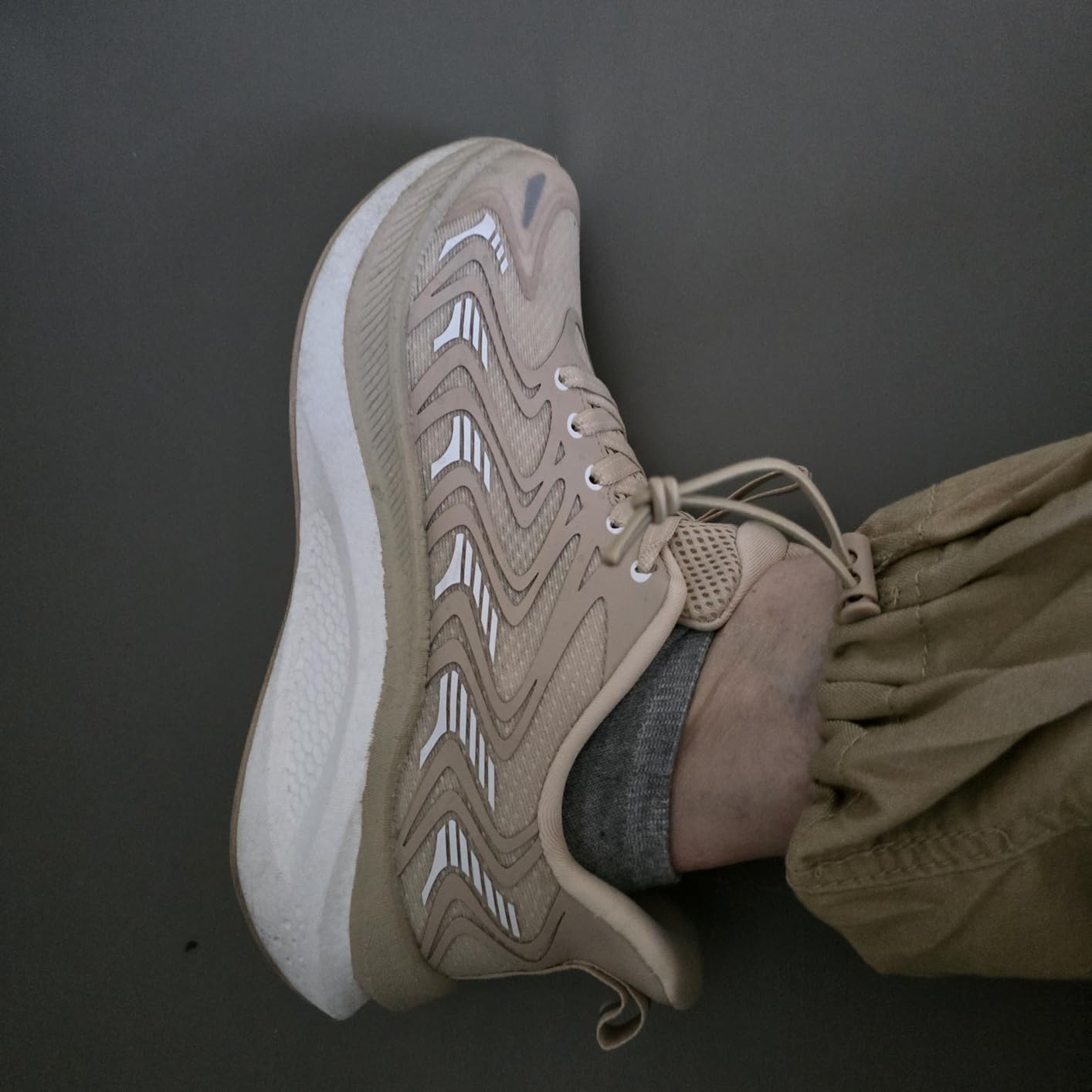
| Slip-on heel design — easy entry comfort | Confirmed | Works as advertised. No heel slippage while wearing; easy to put on without a shoe horn. |
My Overall Assessment
After six weeks across the full range of daily use, here’s how the ALLSWIFIT scores in my personal breakdown:
- Design and Aesthetics: 8.0/10 — the pink colorway looks considerably more expensive than $35; the sporty silhouette works for gym-to-errands without looking out of place
- Walking Comfort: 9.0/10 — genuinely the standout strength; I did a 6-hour errand day and my feet were still happy at the end
- Versatility: 7.5/10 — excellent for walking and light fitness; limited for serious running or court sports
- Durability: 6.0/10 — no structural failures at 6 weeks, but cushioning compression is beginning and long-term (6+ month) wear is an open question
- Value for Money: 9.5/10 — exceptional; few shoes at this price deliver this level of day-to-day comfort
- Overall: 7.8/10
The 6.0 on durability deserves context. The shoe is structurally intact — stitching holds, upper shows no delamination, outsole has no concerning wear patterns after six weeks of regular use. The durability concern is specifically about cushioning longevity: the footbed that felt so plush on day one has compressed noticeably, and projecting forward to the 4-6 month mark based on that trajectory raises questions. Healthcare workers doing 12-hour shifts in these should plan for a replacement cycle of 3-4 months.
Final Verdict
The Good and The Not-So-Good
| What Worked Well | What to Keep in Mind |
|---|---|
|
|
Who Should Buy These
Great fit for:
- Women who walk daily and want comfortable, breathable training shoes without a premium price tag
- Healthcare workers, teachers, retail staff — anyone on their feet for long shifts who needs all-day comfort on a budget
- Casual fitness enthusiasts doing walking, yoga, HIIT classes, or light gym work
- Hot-climate or summer walkers who prioritize breathability
- Anyone wanting a stylish everyday option without spending $100+
Think carefully if:
- You have very wide feet (size up, or consider the Wonesion Walking Running Shoes as a wider alternative)
- You do regular jogging of more than two or three miles at a pace
- You work in environments where floor noise is a real problem
Look elsewhere if:
- You’re training for any race distance and need proper midsole support
- You need maximum durability — something like the Nortiv 8 Women’s Walking Shoes or Binham Walking Shoes offer better long-term wear at a similar price
- You play competitive tennis or need lateral court stability
- You have high arches that require specialized orthotic support
Better Alternatives for Specific Needs
- For budget running shoes with better midsole depth: New Balance Fresh Foam Arishi V4 — more structured for actual running, though it costs more
- For proven durability in the casual walking space: Skechers Summits have a longer track record at slightly higher price
- For a lightweight slip-on with similar energy return: Aleader Energycloud Slip-On is in the same comfort category
- For platform-cushion cloud comfort: Project Cloud Platform Sneakers offer a different take on cushioned daily wear
- For Dr. Scholl’s durability level: Dr. Scholl’s Time Off Sneaker — proven brand history for everyday comfort durability
My Bottom Line
For $35, the ALLSWIFIT Women’s Running Walking Tennis Shoes deliver something rare: genuine comfort that doesn’t feel like a compromise. If you need a casual daily shoe for walking, light fitness, or long shifts on your feet — and you’re not asking it to double as a serious running or court sport shoe — this is genuinely worth the price. Order a half size up, and if your arches are on the higher side, budget for an insole upgrade. The value math works out to about $0.20 per day over six months of comfortable daily wear, which is a hard number to argue with.
Frequently Asked Questions
Do ALLSWIFIT shoes run true to size?
No — they run approximately a half size small. Order a half size up from your normal size. If you normally wear an 8, order an 8.5. Wide-footed wearers should consider a full size up.
Are ALLSWIFIT shoes good for running?
For light jogging and run-walk intervals, yes — they handle it reasonably well. For sustained distance running (5+ miles, regular training), the midsole doesn’t provide enough cushion depth under repetitive impact loading. Invest in dedicated running shoes for serious mileage.
Can these handle all-day wear for healthcare workers?
They’re well-suited for all-day comfort on feet — walking comfort scored 9.0/10 in testing, and multiple nurses rate them highly for 12-hour shifts. The caveat: the cushioning does compress over time, so expect a replacement cycle of 3-4 months for heavy daily shift use.
What makes E-TPU different from regular EVA foam?
E-TPU (Expanded Thermoplastic Polyurethane) is steam-molded from tiny beads to create a structure with around 55% energy rebound, versus standard EVA foam’s 37%. In practical terms, it has more spring underfoot, maintains its cushioning better in cold temperatures, and is generally more durable. The trade-off is that it can be heavier than lighter-grade EVA, though at 8.2 oz these shoes are still in the lightweight range.
How breathable are these shoes really?
Very — the ice-cool yarn upper was the standout performer in hot-condition testing (85°F+ outdoor walking, sweaty HIIT class). Feet stayed noticeably cooler and drier than in typical synthetic mesh shoes. This claim holds up fully in real-world use.
What about durability concerns?
At six weeks, the structure (upper, outsole, lacing) shows no concerning wear. The durability question mark is around cushioning longevity — the footbed has compressed noticeably from its day-one plushness. Long-term durability past 6 months is unknown. Outsole wear on rough concrete surfaces is the other variable to watch.
Is the suction sound on floors a big problem?
It’s intermittent, not constant, and only happens on very smooth polished surfaces. Most users won’t encounter it regularly. If you work in hospital corridors or polished-floor offices daily, it’s worth knowing about — but for the majority of everyday environments, it’s a non-issue.
Can I put custom orthotics in these?
The insole is not confirmed as removable based on available product information. If you rely on full custom orthotics, test carefully — the footbed may not accommodate them without removing the existing insole first. For arch support upgrades rather than full orthotics, a slim insert like the Sof Sole Athlete Insoles can sit on top of the existing footbed.
Are these suitable for wide feet?
At true size, the toe box runs narrower than brands like New Balance or Skechers. Sizing up half a size helps considerably. For significantly wide feet or those who normally buy wide-width options, a full size up or a wider-specific model is the safer choice.
How do these compare to HOKA for all-day standing comfort?
Several nurses in the review community compare them favorably to HOKAs for 12-hour shift comfort, which is a meaningful data point. The cushioning character is different — HOKAs have a maximum stack height, these have a springier, more responsive feel. For walking and standing, the comfort gap is smaller than the $100+ price gap would suggest. For actual running performance, HOKAs remain in a different category.
Be the first to review “ALLSWIFIT Women’s Running Walking Tennis Shoes”
Related products
Running Shoes
Running Shoes
Running Shoes
Running Shoes


Hiking/Trekking Shoes
Running Shoes

Running Shoes
Running Shoes
Reviews
There are no reviews yet.