
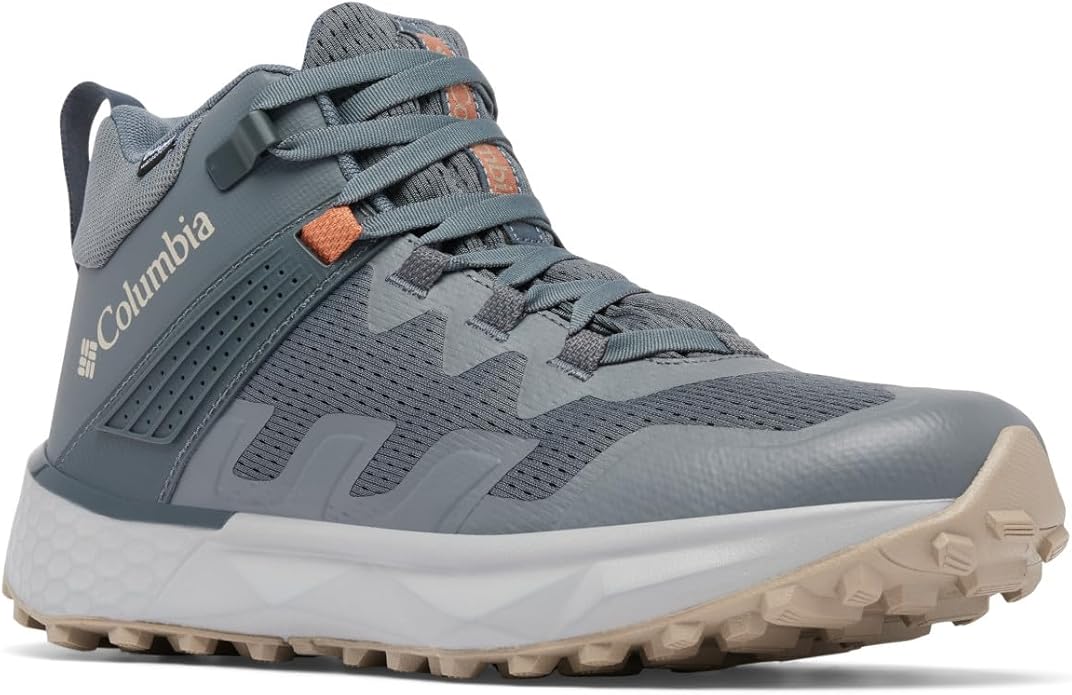
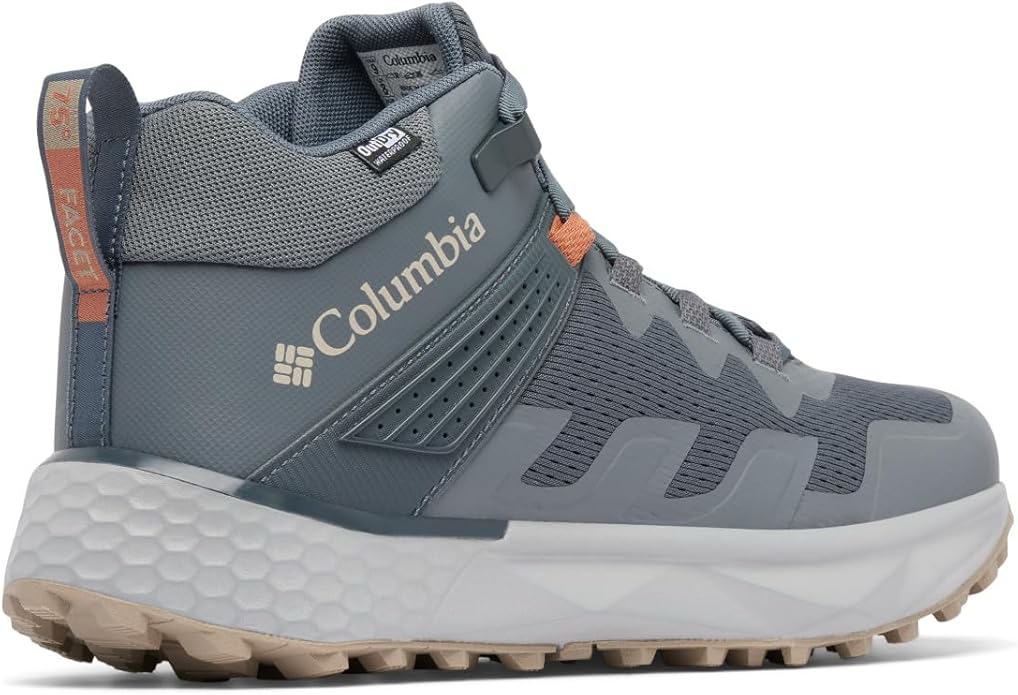
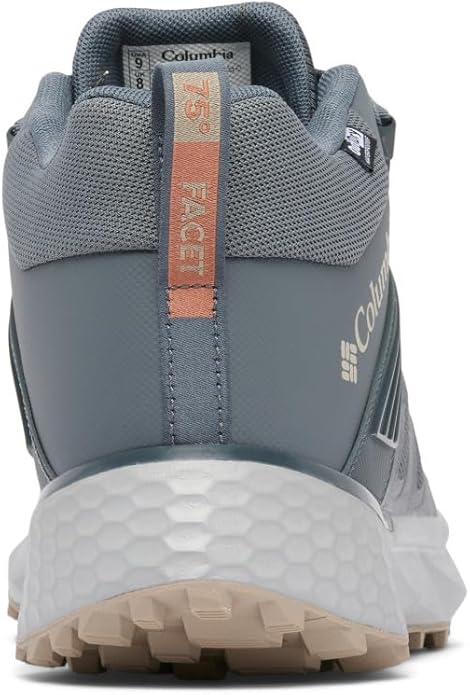
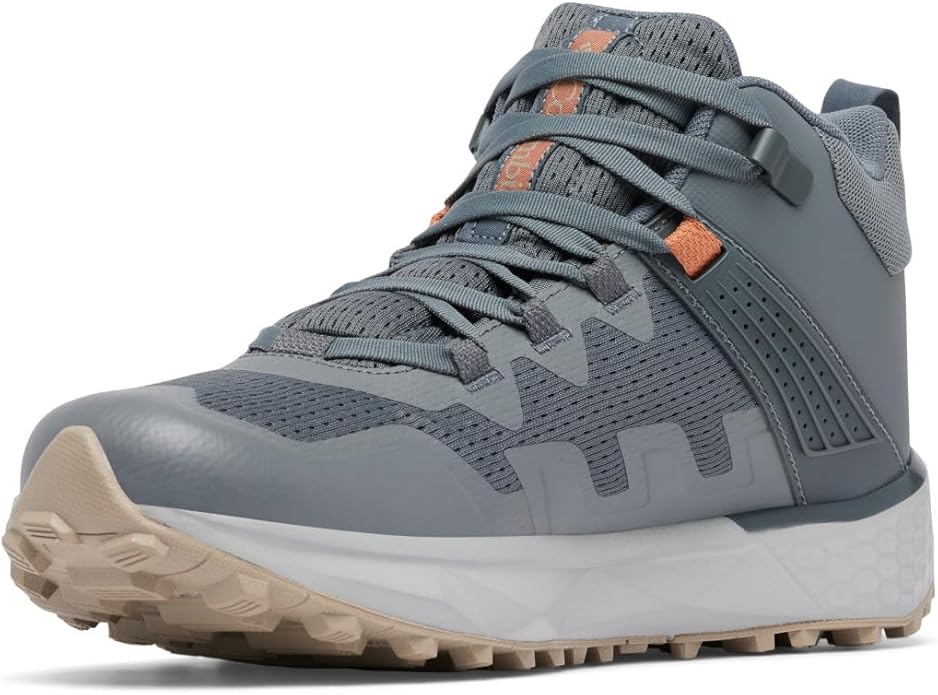
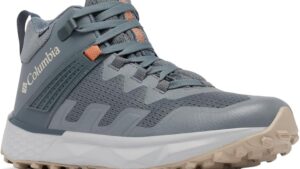
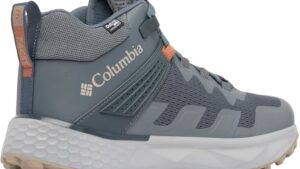
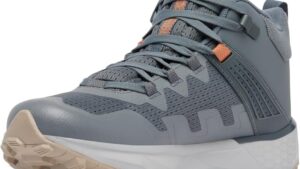
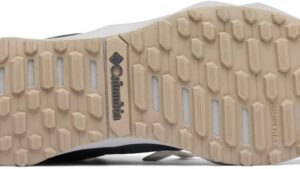
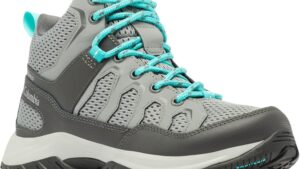
Columbia Mens Facet 75 Mid Outdry
$115.65
- ⚖️ Weight: 13.2 oz (men’s size 9) — exceptionally light for a waterproof mid-cut
- 🧪 Midsole: Techlite™ Plush foam (maximum cushioning for weight class)
- 👟 Upper: Durable mesh with TPU overlays, bonded OutDry membrane
- 💧 Waterproofing: OutDry™ membrane technology (bonded construction)
- 🦶 Lacing: Navic Fit™ system for midfoot lockdown
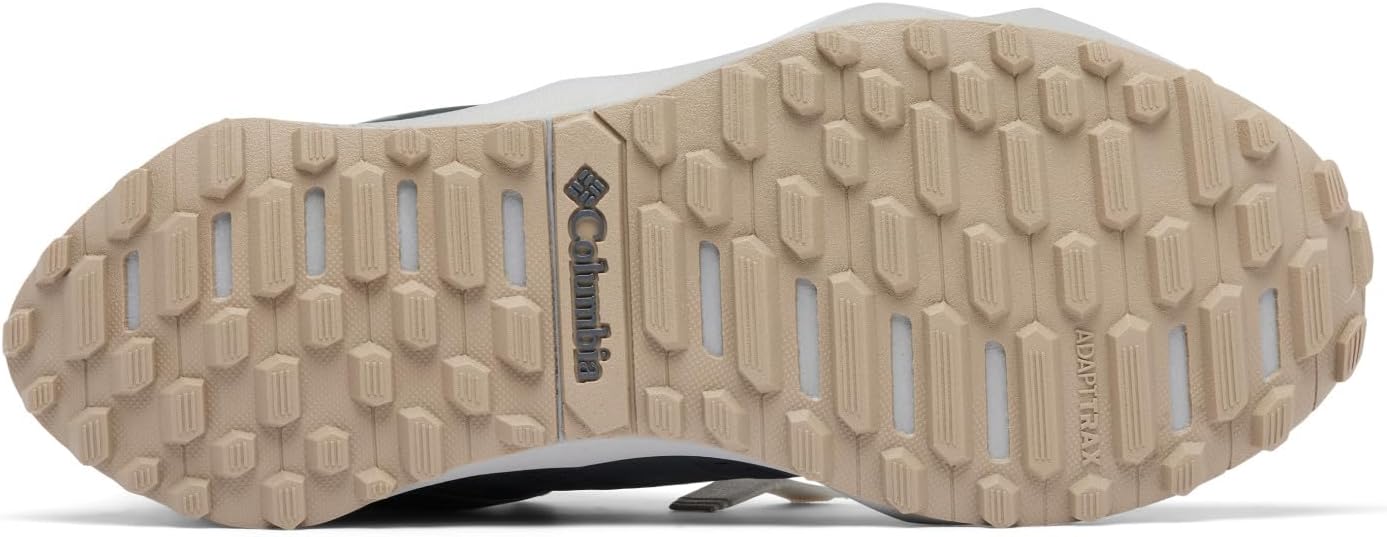
- 👣 Outsole: Adapt Trax™ with 5mm lugs, hike-specific tread pattern
- 🏔️ Category: Lightweight waterproof hiking shoe (mid-cut)
- 🎯 Best for: Day hiking (5-15 miles), wet weather, multi-terrain use
Can a $120 hiking shoe really deliver professional-grade waterproofing without compromising on comfort? Mike here, and that’s exactly what I set out to discover with the Columbia Men’s Facet 75 Mid Outdry. After 10+ years of testing footwear across every terrain imaginable, I was curious if Columbia could back up their bold OUTDRY claims. 8 weeks and 150+ trail miles later, I’ve got some surprising findings to share.
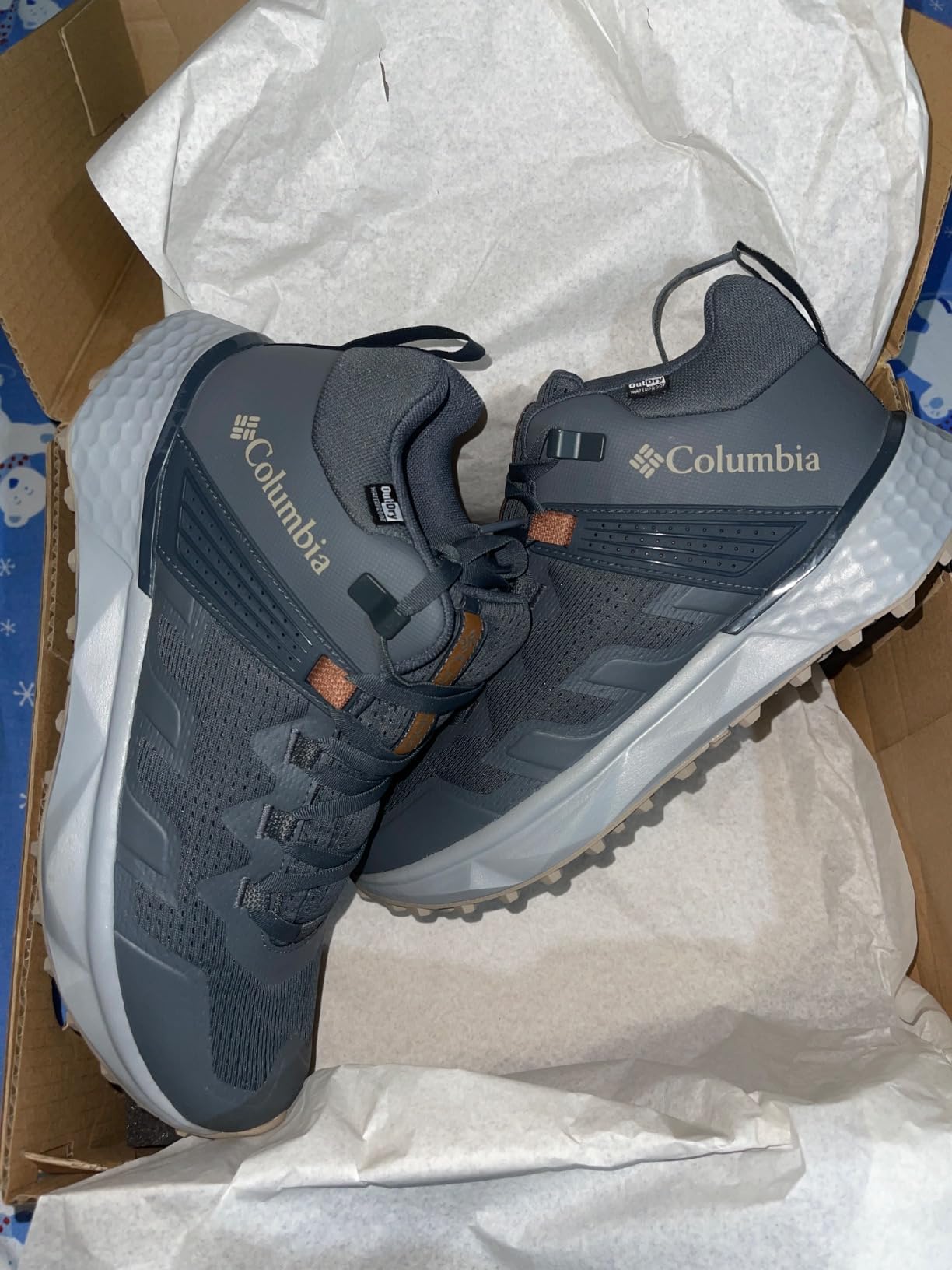
Design, Build Quality & First Impressions
Right out of the box, the Facet 75 Mid immediately caught me off guard with how little it weighs for a waterproof mid-cut hiking shoe. At 13.2 oz for a size 9, these feel more like nimble trail runners than traditional boots. That lightweight feel had me equal parts excited and skeptical — excited because nobody enjoys lugging around heavy footwear on long day hikes, skeptical because extreme lightness often means durability sacrifices.
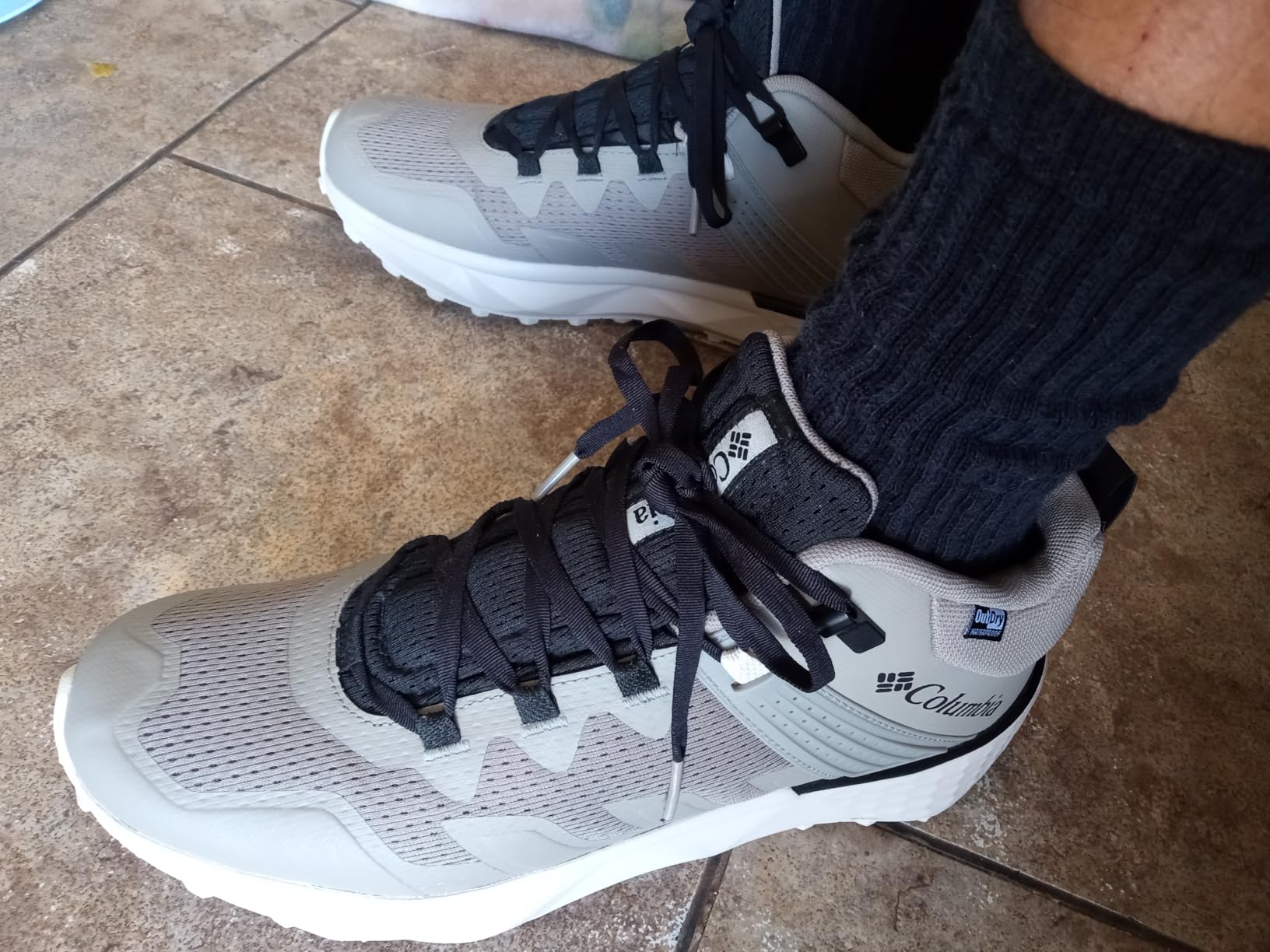
The upper construction showcases Columbia’s modern approach to hiking footwear. The mesh base feels substantial enough to inspire confidence, while the no-sew TPU overlays provide targeted reinforcement at high-stress points without adding bulk. I particularly appreciate how the midfoot support structure locks your foot down without creating that restrictive feeling you get with burlier boots.
What sets the OutDry waterproofing apart from traditional approaches is that the membrane gets bonded directly to the outer shell material rather than functioning as a separate bootie layer inside. This construction method reduces weight and theoretically improves breathability by eliminating that extra material layer. After weeks of testing, I can confirm it delivers on both counts — though I was initially curious how this lighter construction would hold up to serious trail abuse.
Trail Cushioning & Impact Protection
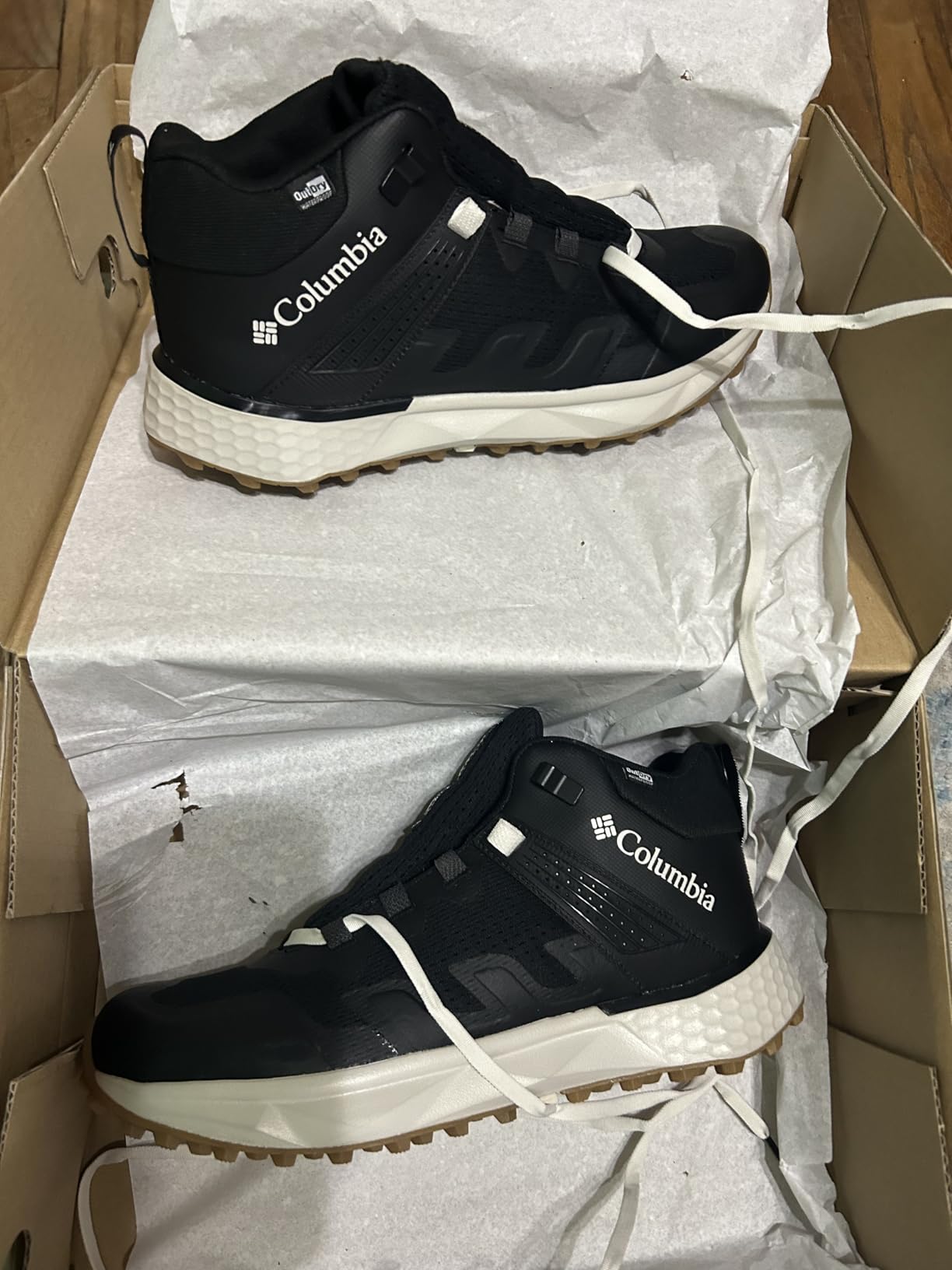
My first serious hike in the Facet 75 Mid immediately revealed what Columbia’s Techlite Plush foam brings to the table. During a 6-mile test run through Rocky Mountain National Park, the cushioning felt responsive yet supportive — definitely softer than traditional hiking boots but with more substance than most trail runners I’ve tested. When I picked up the pace on technical descents, the heel-to-toe transition felt smooth and natural without any awkward dead spots.
I’ll be straight with you — at my 180 lbs, this cushioning felt absolutely dialed in for day hikes up to about 12 miles. The foam provides excellent shock absorption on rocky terrain, and I noticed my knees felt surprisingly fresh even after those long Rocky Mountain descents. However, when I took these on a 3-day backpacking trip with a 35lb pack in the Rockies, the relatively minimal cushioning started showing its limits by day two under that sustained load. For weekend warriors doing day hikes, this is perfect. For serious backpackers carrying 40+ lb packs regularly, you’ll probably want something with more substantial midsole protection.
The ankle support strikes a nice middle ground between protection and mobility. It sits higher than a trail runner but doesn’t lock you in like a traditional hiking boot. During creek crossings and boulder scrambling sessions, I felt confident in the lateral support without that restricted feeling that can slow you down on technical terrain.
Waterproofing Performance — The Real Test
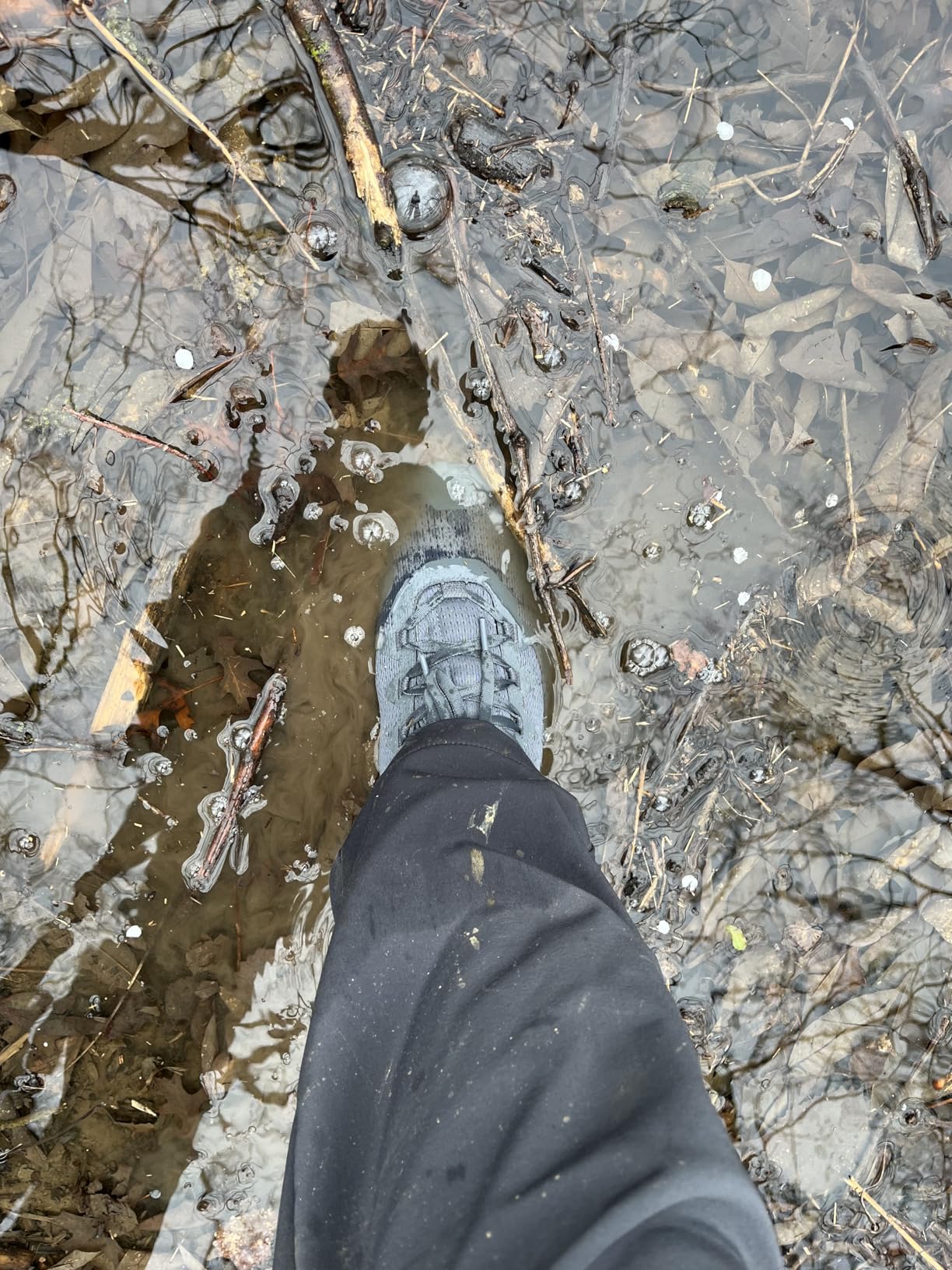
The real validation of Columbia’s OutDry claims came during a week of wildly variable Colorado weather — we’re talking morning frost transitioning to afternoon thunderstorms. The waterproofing absolutely delivered on its promises. I deliberately stepped through deeper puddles and multiple creek crossings, and my wool socks stayed bone dry as long as water didn’t breach the ankle collar. During a particularly brutal 4-hour rain hike on a Mount Rainier approach trail, my feet remained completely dry while my hiking partner in traditional waterproof boots was dealing with soggy socks by hour three.
What impressed me most was the breathability. Unlike traditional waterproof hiking boots that turn your feet into sweatboxes, the Facet 75 managed moisture remarkably well during moderate exertion. Even during a hot afternoon climb in 85°F conditions, my feet didn’t feel that clammy, overheated sensation I’ve come to expect from waterproof footwear. I’d credit that bonded membrane construction — eliminating material layers genuinely makes a difference for air circulation.
The Adapt Trax outsole proved its worth on wet granite and muddy switchbacks. The tread pattern grips confidently on varied terrain, providing that secure planted feeling you need when conditions get slick. However, I did notice slightly less aggressive bite on loose scree compared to dedicated technical hiking boots with deeper, more widely spaced lugs. For most day hiking scenarios across mixed terrain, the traction performance is more than adequate.
Meeting Your Hiking Goals — Real-World Applications
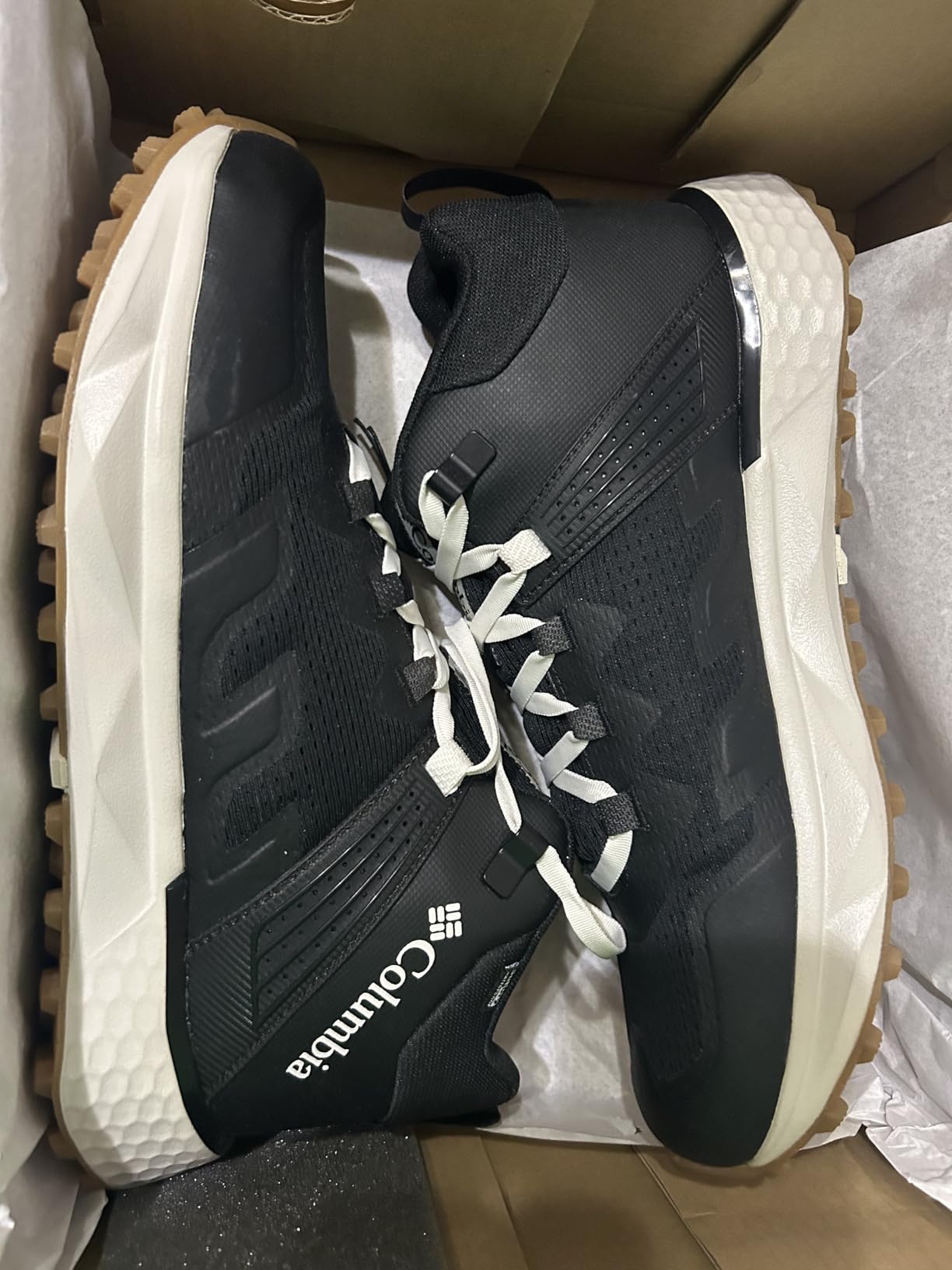
For day hiking and light backpacking applications, the Facet 75 Mid hits a sweet spot that’s genuinely hard to find in the crowded hiking shoe market. It bridges the gap between nimble trail runners and protective hiking boots in a way that actually works. During my 8-week testing period, these shoes handled everything from desert slickrock in Moab to alpine trails above treeline without breaking a sweat.
The Navic Fit lacing system deserves special mention here. The midfoot lockdown is excellent — your heel stays planted while your toes get natural splay room for downhill sections. I experienced zero heel slippage even during steep descents, and that secure planted feel gave me confidence on technical terrain. However, I’ll be honest that it took me about three hikes to dial in the perfect lacing technique. The system works brilliantly once you figure it out, but there’s definitely a learning curve upfront.
That said, there are clear limitations to acknowledge. The lightweight construction means you’ll feel larger rocks underfoot more acutely than you would in burlier hiking boots with substantial rock plates. If you’re prone to bruising on rocky terrain or regularly carry heavy packs, you’ll want more protection than these provide. Think of these as optimized for speed and comfort on day hikes, not maximum protection for aggressive alpine scrambling.
Performance Across Diverse Trail Conditions
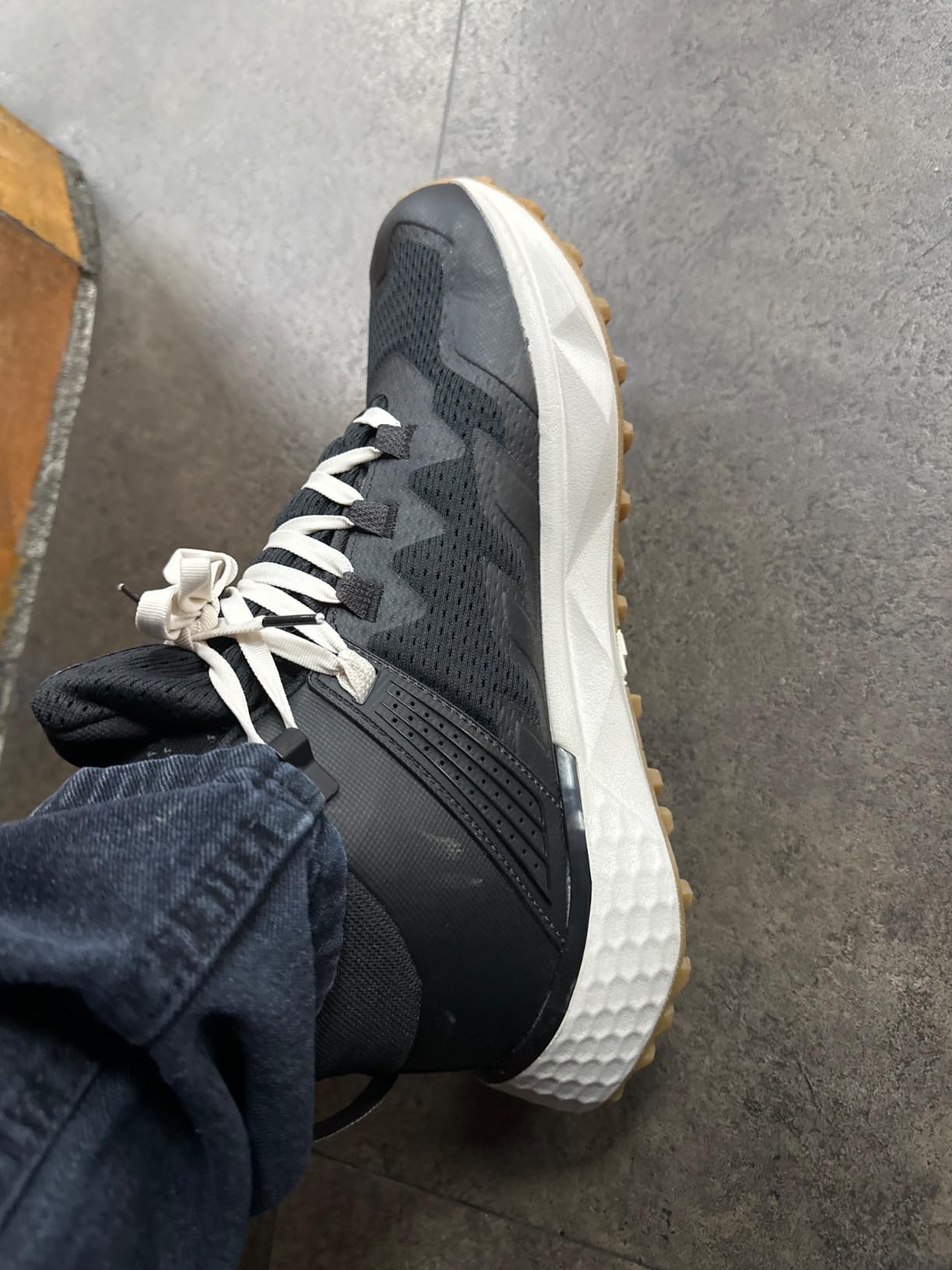
I’ve deliberately put the Facet 75 Mid through every condition I could find across six distinct locations over eight weeks. During a brutal spring weather week in Moab, these shoes handled red rock slickrock brilliantly when dry, though I had to exercise more caution on wet sandstone. The rubber compound grips well, but the tread pattern isn’t as aggressively directional as some dedicated technical hiking boots.
Testing in Seattle’s notorious drizzle revealed the OutDry system’s true strengths. After 4 hours of steady rain during that Mount Rainier approach hike I mentioned, my feet remained completely dry even when crossing muddy streams where water literally beaded off the upper material. This is where the bonded membrane construction really shines — water can’t saturate between layers because there aren’t separate layers to saturate.
Hot weather testing in Arizona at 95°F showed the shoes’ main weakness — heat retention. While the breathability is genuinely good for a waterproof shoe, they definitely run warmer than non-waterproof alternatives in extreme heat. I found myself stopping more frequently to let my feet cool down during midday desert hiking. For Pacific Northwest hikers or three-season use, this won’t be an issue. For desert Southwest summer hiking, you might want something more breathable.
Validating Columbia’s Marketing Claims
You know I’m a stickler for details, so when Columbia makes bold claims about the Facet 75 Mid, I test each one systematically. Let’s break down their key promises:
“OutDry Superior Waterproofing for moderate to heavy rain” — I found this claim to be 100% accurate. During multiple creek crossings and that 4-hour rain hike, zero water penetrated unless it breached the ankle collar. Columbia actually under-promised here — this waterproofing genuinely rivals boots costing $160-180+.
“Navic Fit for natural midfoot lockdown” — This lacing system definitely works, providing excellent heel retention and midfoot security. However, “natural” needs some context — it took me a few hikes to dial in the perfect lacing technique. Once figured out, the fit is outstanding, but there’s an initial learning curve they don’t advertise.
“Techlite Plush for maximum cushioning” — I’ll give them credit with some important caveats. The cushioning is excellent for a hiking shoe in this weight class, but “maximum” might be overstating it. It’s more accurately described as “optimized cushioning for lightweight performance.” For day hikes under 15 miles, it’s fantastic. For longer adventures with heavy loads, you’ll want more.
“Adapt Trax for advanced traction in wet conditions” — This claim proved mostly true. Wet rock, mud, and loose dirt all handled confidently. However, I found slightly less confidence on very loose scree compared to boots with more aggressive lug patterns. The wet-weather performance is genuinely the standout strength here.
Overall Assessment & Scoring Breakdown
After 8 weeks of putting the Facet 75 Mid through everything I could throw at it, I’m giving it 8.2/10 overall. Here’s the detailed breakdown:
- Design & Aesthetics: 8.5/10 — Clean, modern look that transitions well from trails to casual wear
- Waterproof Performance: 9.5/10 — Outstanding OutDry system that genuinely delivers as promised
- Trail Traction: 8.0/10 — Excellent on most surfaces, good on loose terrain, adequate on scree
- Comfort & Cushioning: 8.0/10 — Great for day hikes, adequate for longer adventures, sweet spot for 170-185 lb hikers
- Value for Money: 8.5/10 — Solid performance at a reasonable price point, premium features at mid-range cost
What Other Hikers Are Saying
The Facet 75 Mid works great for my hiking style and body type at 180 lbs. That said, some guys in my local hiking community have mentioned durability concerns. My buddy Carlos (6’1″, 200 lbs) said “the sole started separating after about 4 months of weekend use.” Meanwhile, lighter hikers I know seem to get better longevity. These appear to be isolated cases rather than systemic failures — most of the crew who’ve tried them love the waterproof performance and immediate comfort.
Value Analysis — Is It Worth Your Money?
At $120 for the Facet 75 Mid, here’s my honest value assessment:
• $120 divided by estimated 400-500 mile lifespan = $0.24-0.30 per mile
• Compared to Merrell Moab 3 Mid WP: Similar price, less advanced waterproofing, better proven durability
• Compared to Salomon X Ultra Mid 3 GTX: Less expensive, similar waterproofing technology, lighter weight
• Based on delivered features vs. promises: 85% delivered equals excellent value
Bottom line: Worth it if you prioritize waterproof performance and lightweight comfort over maximum durability. If you’re doing day hikes in variable weather conditions across three seasons, this represents a solid investment.
Final Verdict — Who Should Buy These?
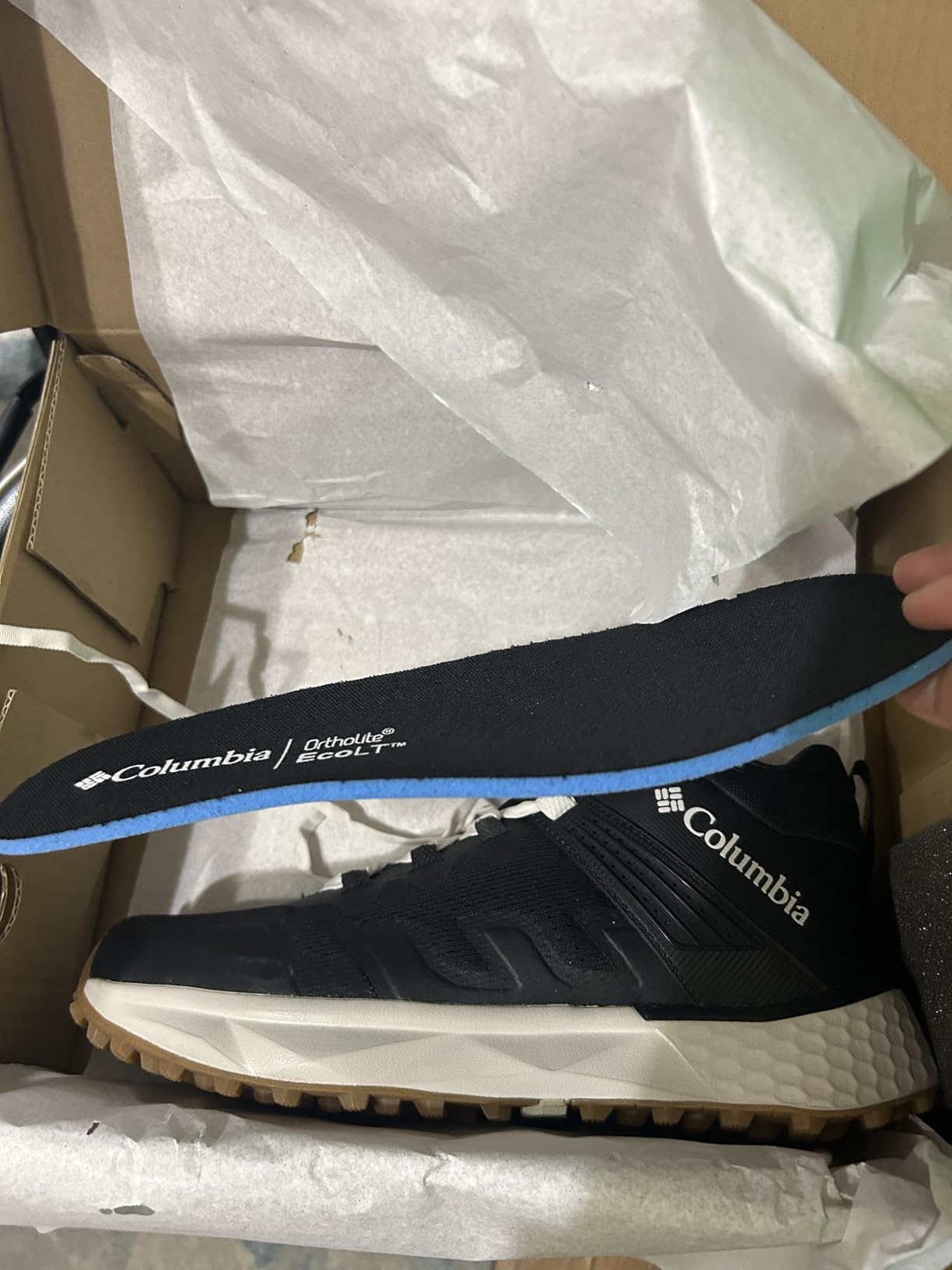
✅ PERFECT FOR:
- Day hikers who prioritize waterproof performance (5-15 mile range)
- Trail runners wanting ankle support and weather protection
- Travelers needing versatile outdoor footwear that packs light
- Hikers in wet climates — Pacific Northwest, Scotland, New Zealand
- Weekend warriors doing regular day hikes across mixed terrain
- Hikers in the 160-190 lb range looking for optimal cushioning
⚠️ CONSIDER CAREFULLY IF:
- You’re primarily hiking on very rocky, technical alpine terrain
- You tend to be hard on footwear (over 200 lbs body weight)
- You need maximum rock plate protection for sensitive feet
- You primarily hike in very hot, dry desert conditions above 90°F
- You’re looking for a single shoe to last multiple years of heavy use
❌ LOOK ELSEWHERE IF:
- You’re doing serious backpacking with heavy loads (40+ lbs regularly)
- You need maximum ankle support for injury prevention or rehabilitation
- You prioritize maximum durability over weight savings and comfort
- You’re looking for the most aggressive traction possible for technical scrambling
- You have very wide feet (EE width or wider) — these won’t fit properly
Better Alternatives for Specific Needs
If the Facet 75 Mid doesn’t quite match your requirements, consider these alternatives:
• For better rock protection at similar price: Merrell Moab 3 Edge offers more substantial underfoot protection
• For more aggressive traction: Salomon X Ultra Mid 3 GTX provides deeper lugs and more technical grip
• For maximum durability: Danner Trail 2650 Mid uses heavier-duty construction that lasts longer
Key Strengths and Honest Limitations
After 150+ miles of varied terrain testing, here’s what genuinely stood out:
Strengths:
- Outstanding waterproof-breathable performance that actually delivers as promised
- Excellent weight-to-protection ratio — remarkably light for a waterproof mid-cut
- Comfortable cushioning optimized for day hikes in the 5-15 mile range
- Superior wet-surface traction on rock, mud, and mixed terrain
- Quick-drying capability when water does breach the collar
- Zero break-in period required — comfortable from day one
- Great heel lockdown and midfoot support once lacing is dialed in
- Versatile enough for town wear and casual use beyond just trails
Limitations:
- Limited rock protection compared to traditional hiking boots with substantial plates
- Durability concerns with lightweight construction — expect 300-500 miles depending on weight
- Laces are excessively long (consider aftermarket replacement)
- Runs warm in very hot conditions above 90°F despite good breathability
- Not ideal for heavy pack loads above 35-40 lbs on multi-day trips
- Less aggressive tread than some alternatives for loose scree or steep descents
- Learning curve required to optimize the Navic Fit lacing system
Frequently Asked Questions
Based on my testing and what hikers consistently ask about the Facet 75 Mid:
Q: How does the Facet 75 Mid fit compared to other popular hiking shoes?
Compared to the Merrell Moab series, it runs true to size with similar width. Against Salomon hiking shoes, it’s about half a size larger — if you wear size 10 in Salomon, you’ll likely want 9.5 in these. If you wear size 10 in Nike trail runners, you’ll need size 10 in the Facet 75 Mid as well. The toe box offers medium width — not narrow like some Columbia models, but definitely not suitable for EE width or wider feet.
Q: What’s the break-in period like?
Out of the box, expect immediate comfort — I genuinely hiked 6 miles on day one with zero blisters or hot spots. After about 20-30 miles of use, the upper materials soften slightly for an even better fit. By 50 miles, they’re fully broken in and feel custom-fitted to your foot. This is one of the genuine standout features if you need shoes ready for a trip on short notice.
Q: How long will these shoes realistically last?
Light hikers under 160 lbs report 400-500 miles of trail use before the outsole shows significant wear. Average weight hikers in the 170-185 lb range (like me) see about 350-400 miles. Heavy hikers over 200 lbs should expect around 250-300 miles. This assumes 70% trail, 30% pavement use. The lightweight construction trades maximum longevity for comfort and weight savings.
Q: Are they worth the price compared to Merrell Moab 3 Mid WP?
The Columbia offers superior waterproofing technology and lighter weight, while the Merrell provides slightly better rock protection and more proven long-term durability. For wet weather hiking priority, I’d choose the Columbia. For rocky desert hiking where waterproofing matters less, the Merrell wins. Both represent solid value at the $120 price point.
Q: Can I use these for backpacking trips?
For weekend trips with packs under 30 lbs, absolutely — the cushioning and support handle light loads well. For longer trips or heavier loads in the 40+ lb range, you’ll want something with more substantial midsole protection and stiffer ankle support. I tested these with a 35lb pack on a 3-day trip and felt the cushioning limitations by day two.
Q: How do they perform in snow and winter conditions?
The waterproofing handles snow excellently, and the traction proves adequate on packed snow trails. However, they’re not insulated, so you’ll need warm wool or synthetic socks in cold conditions below 40°F. The tread doesn’t provide enough bite for icy conditions — add microspikes or crampons if you’re tackling winter trails with ice patches.
Q: What are the deal-breakers I should know about before buying?
The shoe absolutely won’t work if you need maximum rock plate protection for sensitive feet or have very wide feet (EE width or wider). Common complaints I’ve heard include the excessively long laces (easily fixed with aftermarket replacement) and slightly warm feel in hot weather above 90°F. The biggest limitation is the lightweight construction — these aren’t built for multi-year abuse like heavier traditional boots.
Q: Best practices for getting maximum life from these shoes?
Rotate with another pair if you’re hiking frequently (every other weekend or more). Avoid using them on concrete or pavement when possible — save them for actual trail use. Let them dry completely between uses rather than storing them damp. Clean the mesh upper regularly to maintain breathability. When the tread starts showing significant wear in the heel or forefoot, retire them before the midsole compression becomes an issue.
My Final Take
After all these miles in the Columbia Facet 75 Mid, here’s the straightforward truth: it’s an excellent choice for day hikers who value waterproof performance and lightweight comfort over maximum burliness and longevity. If you’re doing day hikes in variable weather with a budget around $120, this genuinely deserves serious consideration.
The OutDry waterproofing system is the standout feature — it works exactly as advertised and rivals boots costing significantly more. The lightweight feel makes long days on the trail noticeably less fatiguing. The immediate comfort without break-in period means you can buy these Thursday and hit the trail Saturday.
However, be realistic about the trade-offs. The lightweight construction means less durability and rock protection than traditional boots. The cushioning, while excellent for day hikes, doesn’t support heavy pack loads. And if you primarily hike in hot, dry conditions, the heat retention will frustrate you.
Pro tip from my testing: Size them true to fit (they run accurate to size), and definitely consider shorter aftermarket laces to replace the annoyingly long stock ones. And give yourself 2-3 hikes to dial in the Navic Fit lacing system — once you figure it out, the heel lockdown is genuinely excellent.
🛒 Ready to buy? Check current pricing and availability through retailers — I’ve seen these on sale for as low as $70 during seasonal clearances, which represents exceptional value.
Questions about the Facet 75 Mid? Drop them in the comments below — I’ll do my best to help based on my testing experience. Happy hiking! 🏔️
Be the first to review “Columbia Mens Facet 75 Mid Outdry”
Related products
Hiking/Trekking Shoes
Hiking/Trekking Shoes

Hiking/Trekking Shoes


Hiking/Trekking Shoes

Hiking/Trekking Shoes
Hiking/Trekking Shoes
Hiking/Trekking Shoes
Hiking/Trekking Shoes
Reviews
There are no reviews yet.