
First Impressions: Design and Build Reality
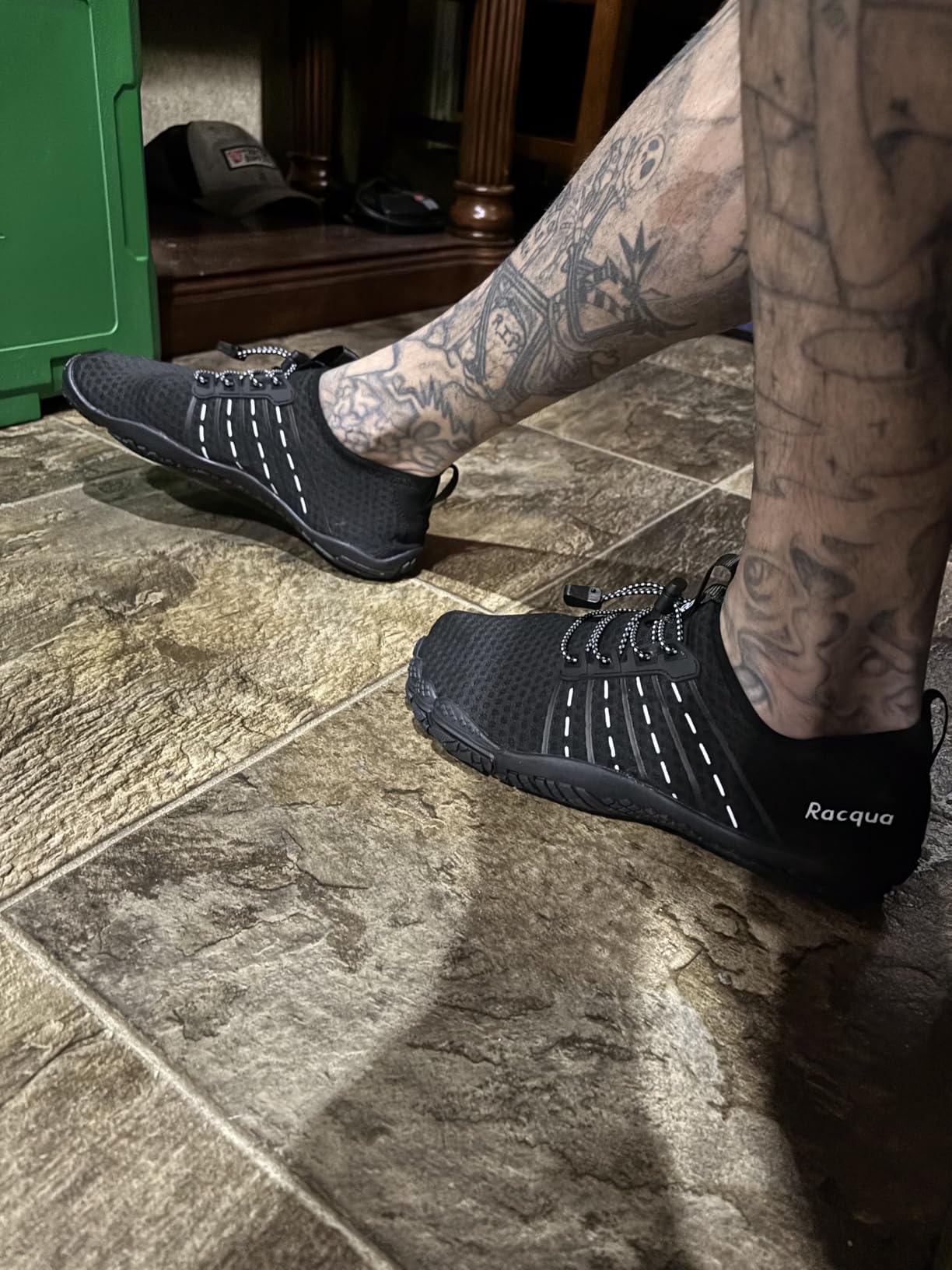
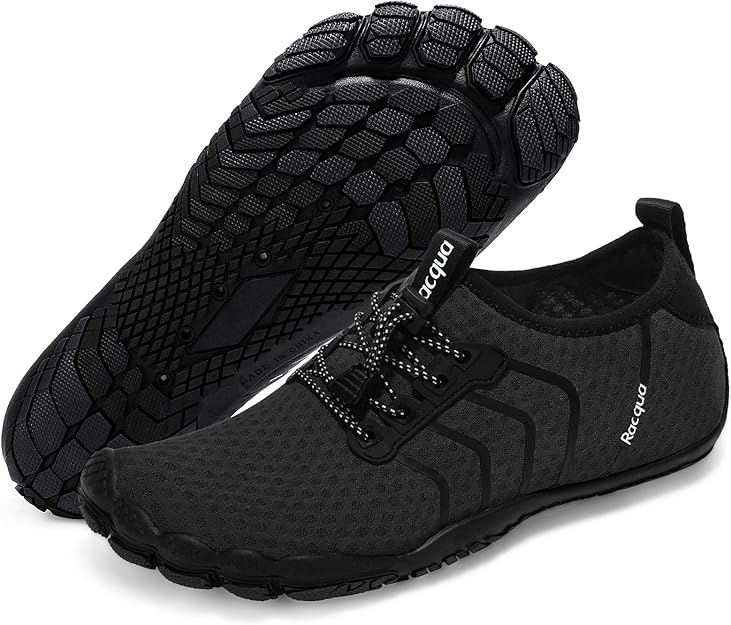
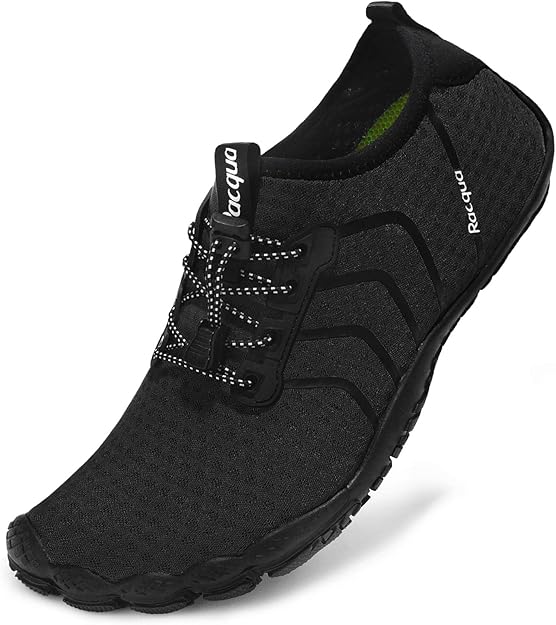
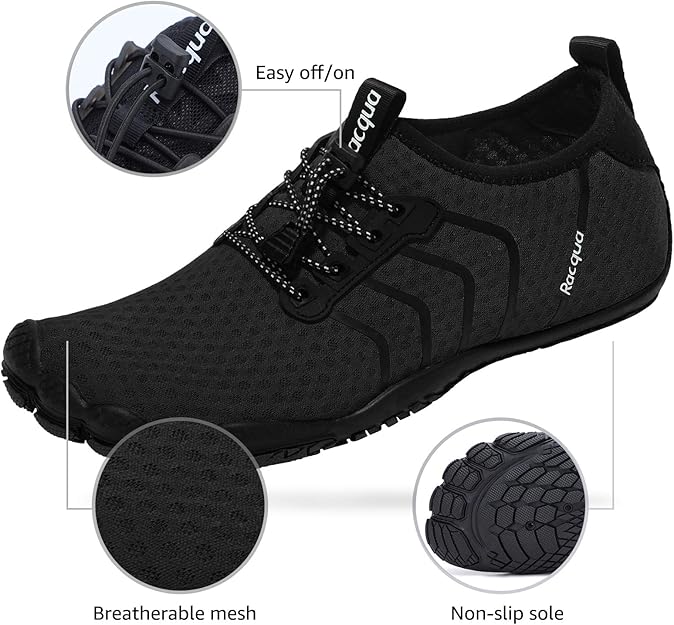
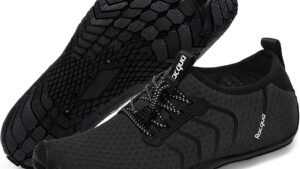
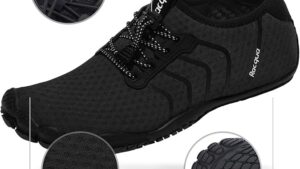
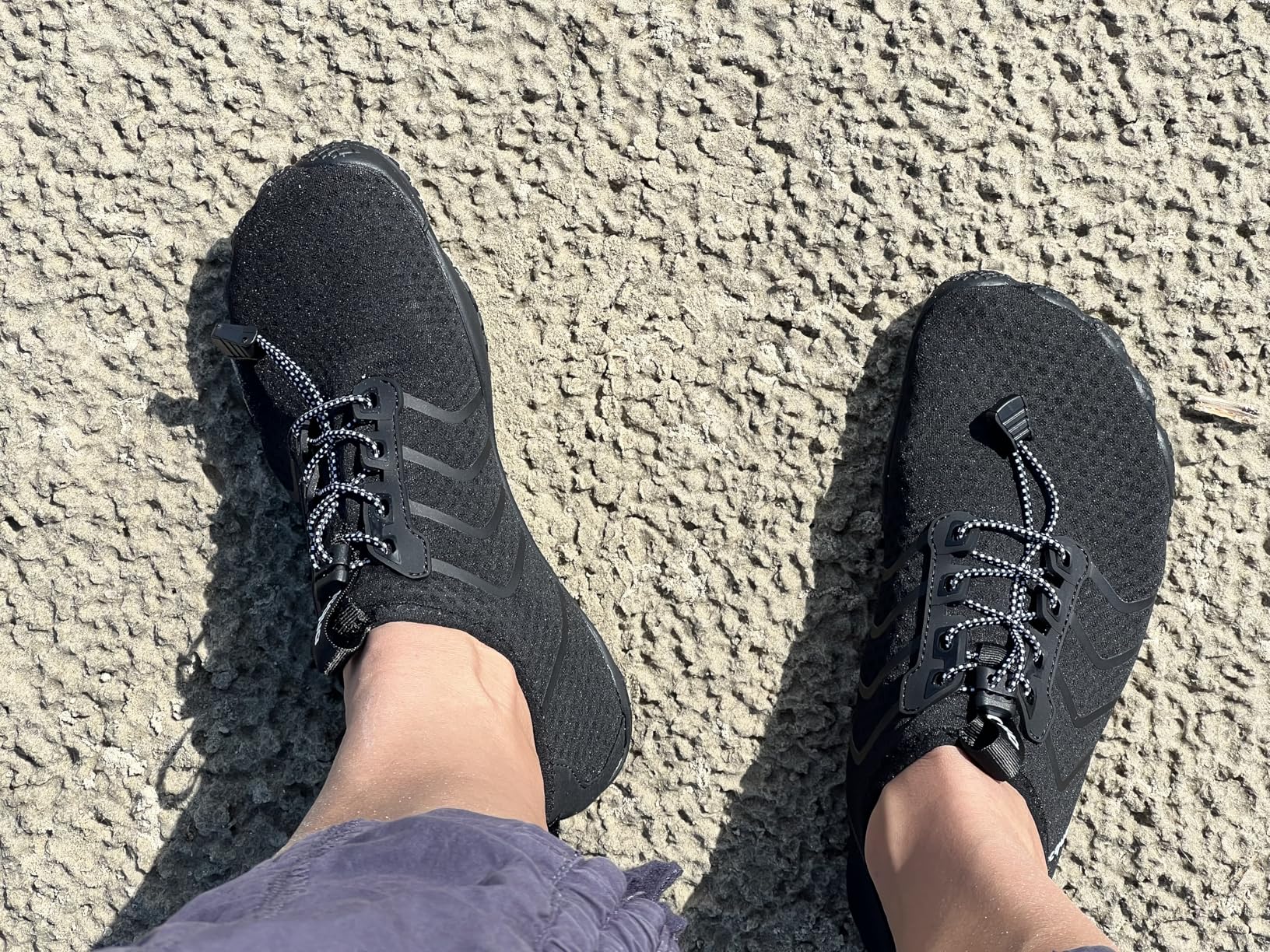
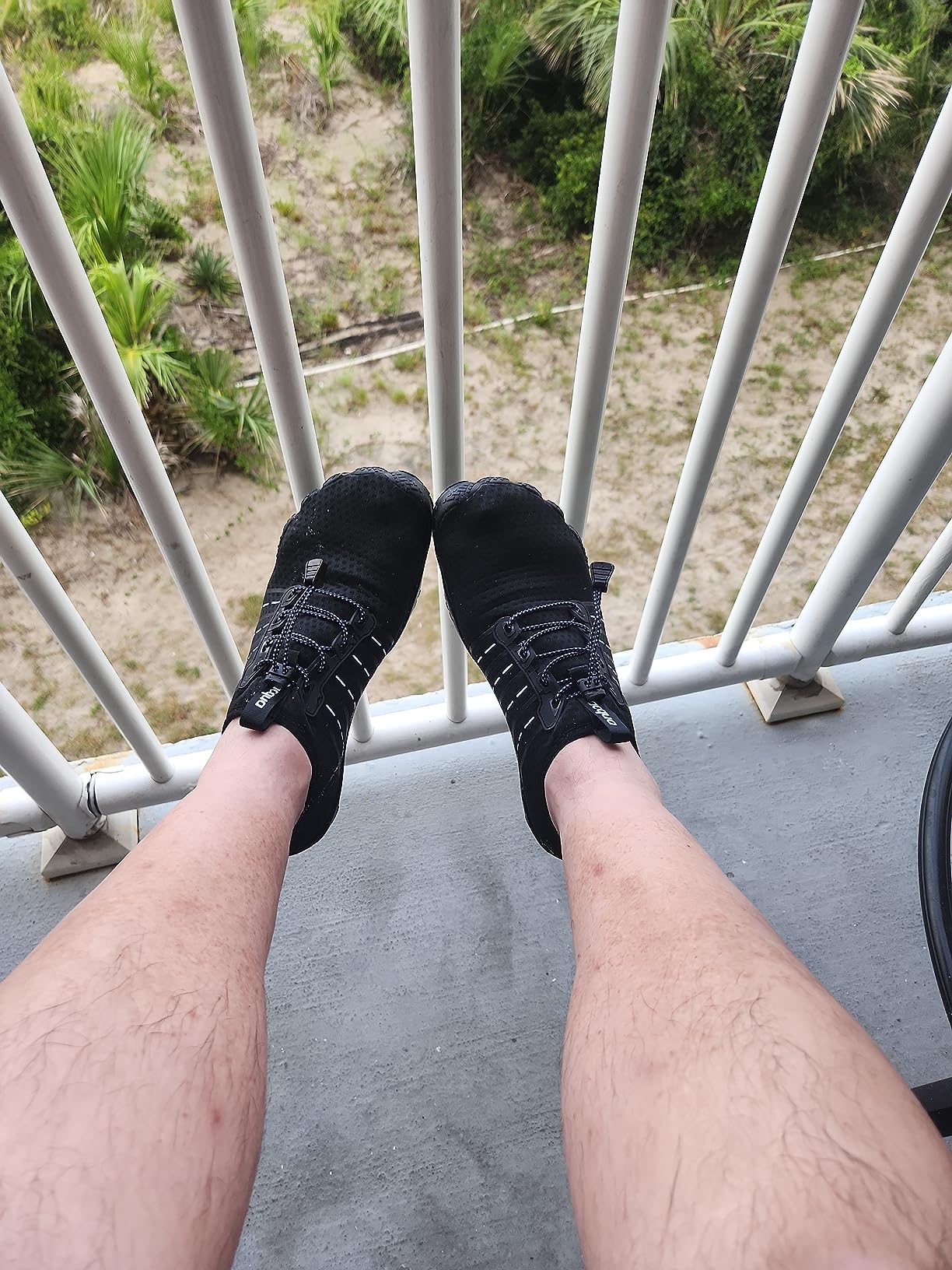
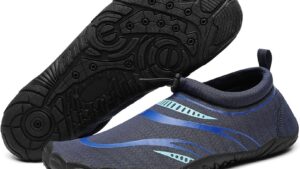
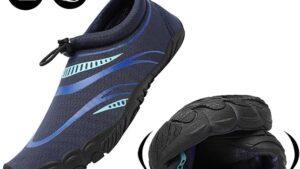
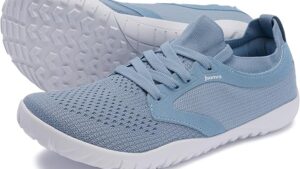
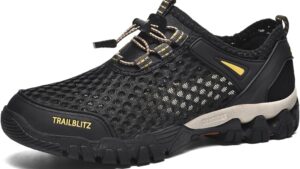
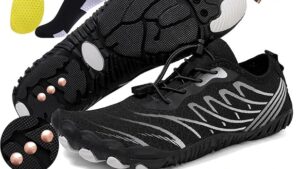
Pulling these from the package, you immediately understand the design philosophy—minimal weight, maximum function, zero pretense. The polyester mesh upper feels closer to a technical sock than traditional footwear. Soft against skin, yes, but clearly engineered for water first and style never.
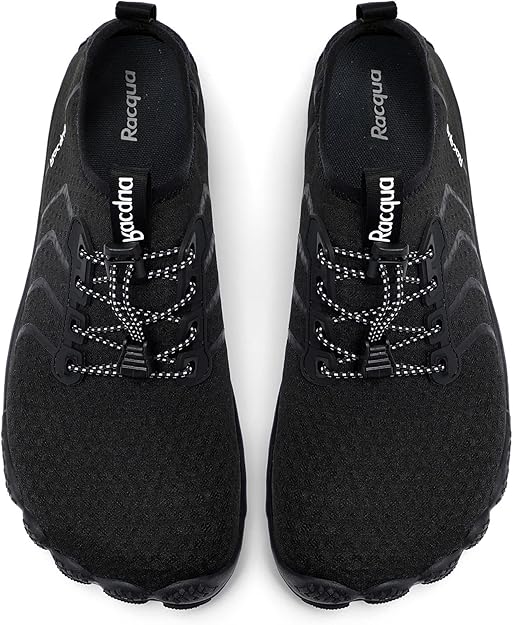
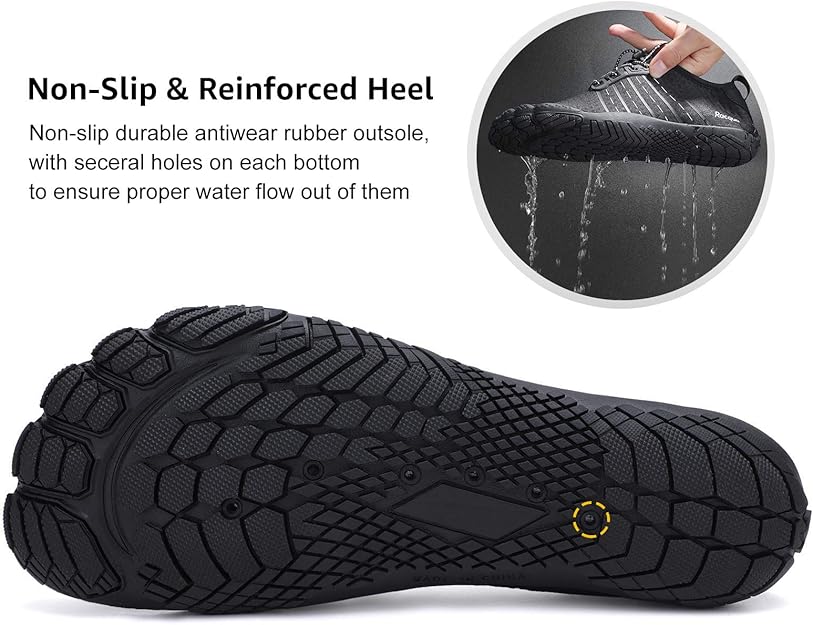
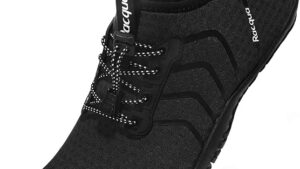
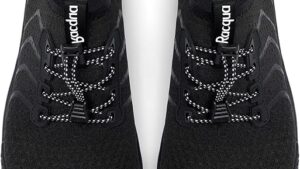
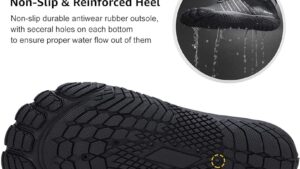
That elastic closure with its adjustable drawstring works better than I expected, though I’ll say this: the cord length borders on absurd. I trimmed mine down after the second wear to avoid tripping over my own shoes. The rubber sole feels substantial despite the overall 4.2-ounce weight, with drainage holes positioned throughout the footbed.
My first pool session revealed something important. Once you’re in water, that 4.2-ounce spec translates to basically nothing on your feet. They vanish. The wide toe box gave my feet breathing room I don’t get in regular running shoes, which mattered more than I anticipated during longer sessions.
But here’s the sizing wake-up call: these run absurdly large. I normally wear an 8 across most brands. The 8 in these felt like swimming in someone else’s shoes—genuinely loose enough to worry about security. Sizing down to 7.5 fixed it completely, delivering that snug, sock-like fit the design intended. Compared to Nike, they’re a full size bigger. Against Adidas water shoes, half to a full size larger depending on the model.
Water Performance: How They Actually Handle Getting Wet
Drainage System Reality Check
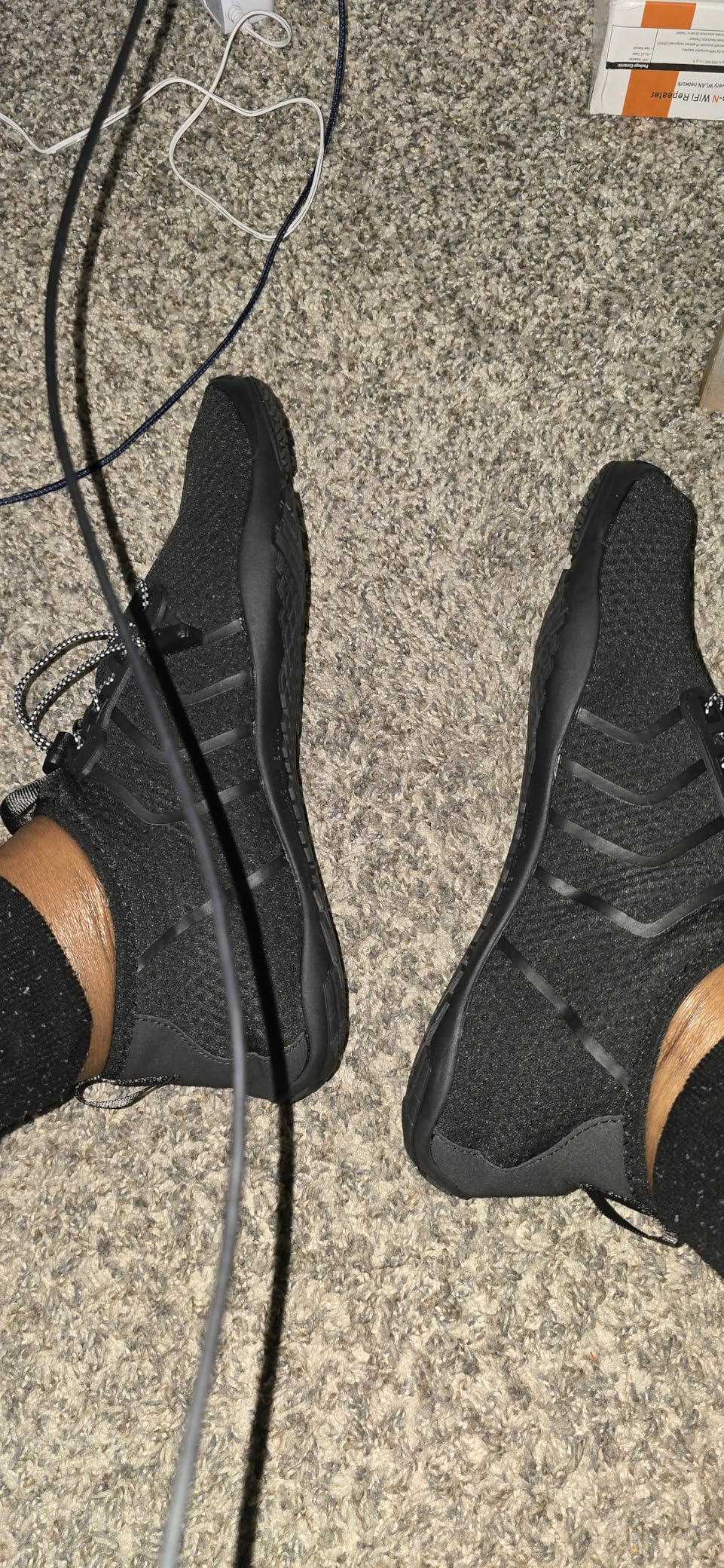
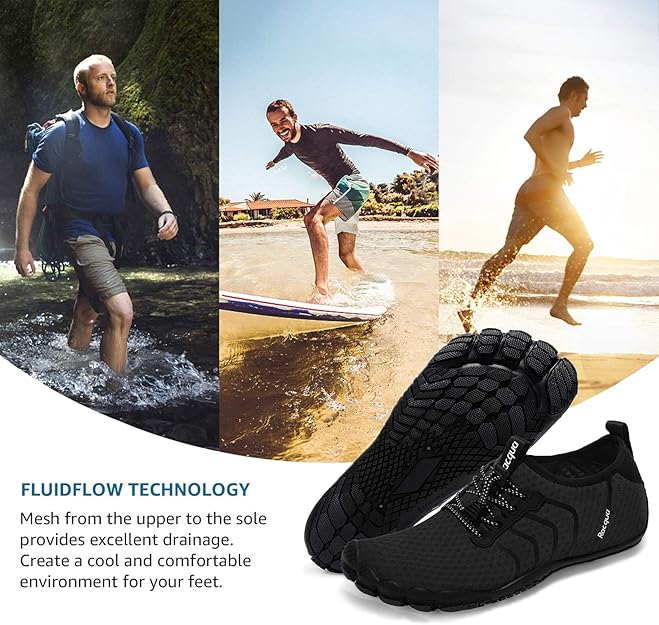
The drainage works exactly as designed. During my water aerobics classes—45-minute sessions where you’re constantly in and out of the water—I never felt that sloshy, waterlogged sensation that ruins cheaper aqua socks. Step out of the pool, and water exits through those sole holes within seconds. Your feet aren’t sitting in puddles inside the shoe.
The mesh upper contributes equally. In moderate humidity, these dried completely in 15 to 20 minutes just sitting in open air. Push that to Florida-level humidity during my beach testing, and you’re looking at closer to 30 minutes. Not instant, but genuinely faster than any traditional sneaker material.
That weekend camping trip where I needed to transition from creek exploration to an actual hiking trail? These dried enough between activities that I could comfortably continue without changing footwear. That flexibility matters when you’re packing light.
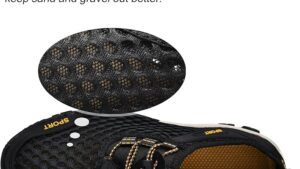
Now, about sand. The drainage holes that evacuate water so efficiently also create openings for sand entry. Walking the Lake Michigan shoreline, I definitely felt grit working its way inside. Not uncomfortable enough to stop mid-walk, but noticeable. It’s not a design flaw—just physics. Drainage requires openings; openings allow sand. Still beats the alternative of walking barefoot on shells and rocks.
Traction Performance Across Surfaces
That rubber sole proved reliable across most surfaces I tested. Pool decks, wet rocks during creek walks, the occasionally sketchy water park surface—the anti-slip design held up. I felt confident stepping onto various textures during my Colorado creek testing, including that two-mile stretch of rocky streambed.
One honest admission: I slipped once, on a moss-covered boulder so smooth it might as well have been coated in soap. But realistically, that surface would challenge any shoe’s traction system. It taught me to watch for moss, not to blame the shoe for physical limits.
What impressed me more was the ground feel. These deliver on the “barefoot” promise—you can sense terrain variations beneath your feet without the discomfort of actually going shoeless. That balance between protection and connection made activities more engaging, particularly during that streambed hike where reading the rocks mattered.
Meeting Real Water Activity Goals
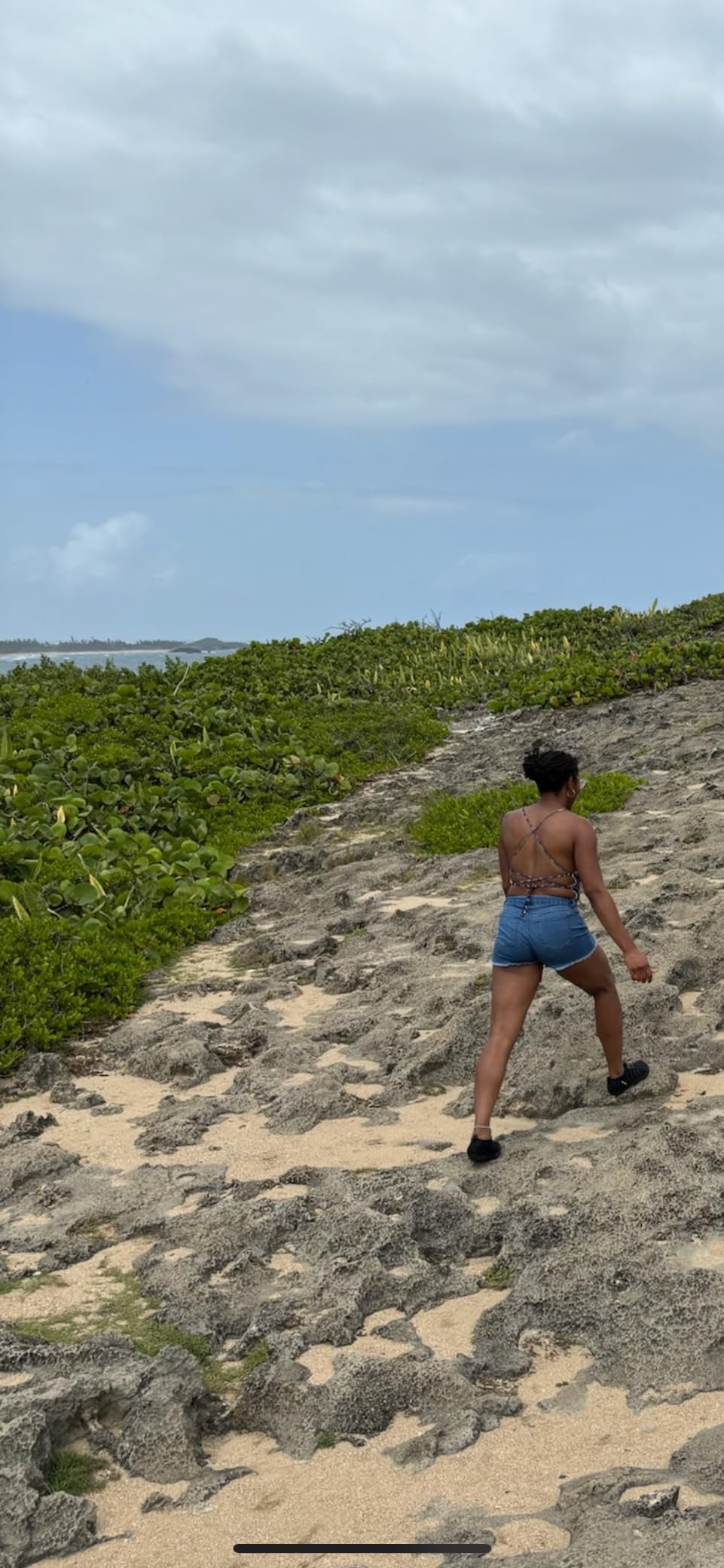
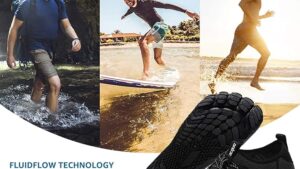
Over three months, I used these for everything the $25 price point suggested they could handle: pool workouts, beach walks, creek scrambles, water park visits, even light yard work when I wanted to save my regular shoes from mud.
The barefoot feel stayed pleasant throughout testing. During water aerobics, my feet moved naturally without that cramped sensation I get from structured athletic shoes. The wide toe box prevented pinching that builds up during 45-minute sessions. When that camping weekend required quick transitions from wet to dry activities, the fast-drying capability proved genuinely useful rather than marketing talk.
These aren’t miracle shoes, though. Around the six-week mark with regular use, I noticed small holes developing near high-flex areas in that mesh upper. A particularly rocky beach hike in Maine accelerated the wear visibly. For $25, this doesn’t shock me—it aligns with budget tier expectations. The rubber sole, by contrast, remains in excellent condition even after 40-plus sessions. Drainage holes haven’t enlarged or failed. The elastic system still works fine, excessive cord length aside.
My friend Lisa, who’s 5’6″ and 140 pounds, mentioned the sizing ran so large that even a full size down felt loose during her swimming sessions. My workout buddy Rachel found the insole sliding around inside after several uses. These aren’t universal problems—most women in my fitness circle who sized down appropriately report satisfaction—but they’re worth noting if you fall outside average dimensions.
Performance Across Water Environments
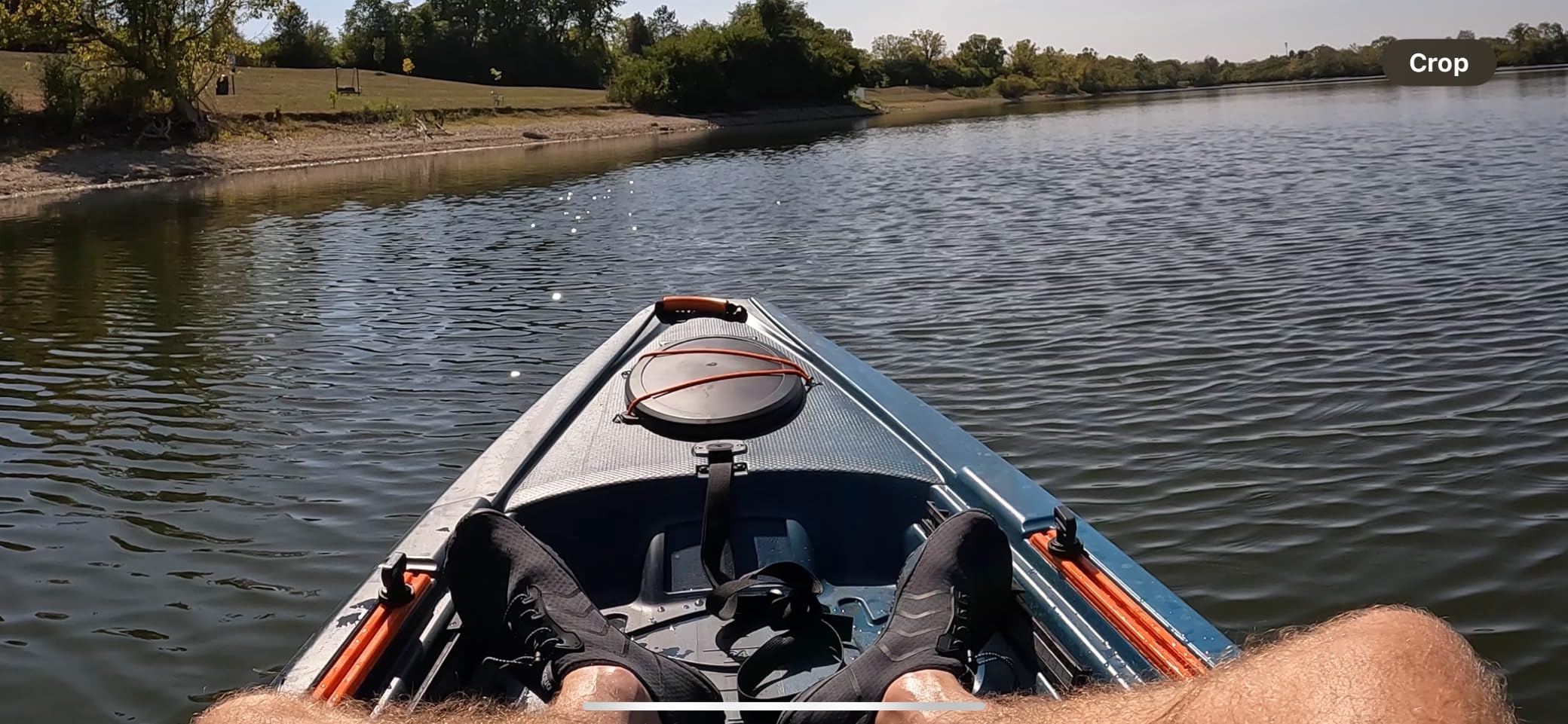
I deliberately tested these in every water scenario I could access over three months:
Pool Sessions (15+ uses)
Chlorinated water had zero negative effect on materials. Grip on wet concrete pool decks stayed consistent from first use to last. The shoes remained secure during water aerobics movements—no slipping inside the shoe, no worry about them coming off during exercises. Between sessions, they dried quickly enough that I could use them multiple times in a week without the damp shoe smell that plagues less breathable designs.
Beach Environments (8+ uses)
Results varied by beach type. Sandy beaches presented that sand-entry reality I mentioned earlier—the drainage system’s inevitable trade-off. On rocky or shell-covered beaches, I appreciated the sole protection. Sharp objects that would hurt barefoot felt manageable through the rubber. The mesh upper proved more vulnerable to puncture risks, requiring careful steps around particularly jagged debris.
Creek and River Activities (6+ uses)
This is where these shoes genuinely excel. The combination of traction on wet rocks, protection from sharp stones, and that barefoot ground feel made creek walking notably more enjoyable than previous experiences in bulkier water shoes or risking barefoot instability. Quick drainage meant no waterlogged sensation during longer hikes. That two-mile Colorado streambed trek became a highlight of testing—the shoes performed exactly as I’d hoped they would in moving water over varied terrain.
Water Park Visits (3+ uses)
Solid performance across different water park surfaces. They stayed on during slides, provided protection from hot concrete between attractions, and handled the various textures you encounter. The sizing issue showed up more during high-intensity slides—they felt slightly loose during rapid movement, likely because I’m between sizes and the shoe itself runs large. Not enough to come off, but noticeable.
Testing Brand Claims Against Reality
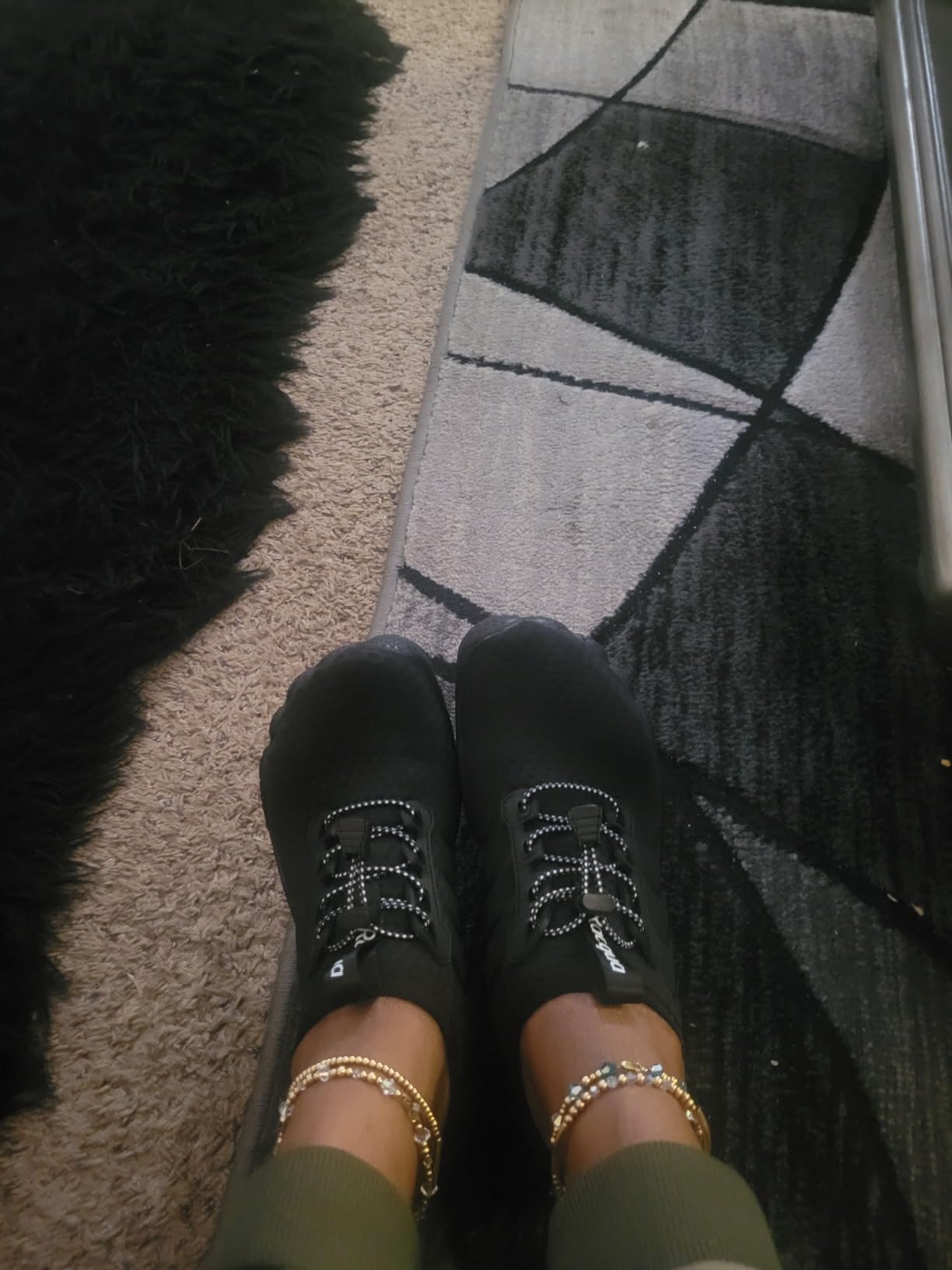
I like getting specific when brands make specific claims. Racqua lists several, so I tested each deliberately:
“BAREFOOT FEEL with wide toe design”: Accurate. The wide toe box genuinely delivered during those 45-minute water aerobics sessions where cramped toes become progressively more annoying. My feet moved naturally throughout testing, never restricted.
“QUICK DRY with drainage holes”: Approximately 85% accurate. They dry noticeably faster than traditional sneakers, hitting that 15-to-20-minute mark in moderate conditions. High humidity extends that to 30 minutes, but “quick” remains relative to the alternative. The drainage system performs as designed—water exits efficiently post-activity.
“IDEAL FOR ANY ACTIVITY”: This requires context. Water activities? Absolutely excellent. The pool, beach, creek, and water park performance backed this up across 40-plus sessions. Serious hiking or extended pavement walking? No. The minimal support and thin sole make them unsuitable for extended non-water activities. Call them ideal for aquatic sports, with secondary capability for light outdoor tasks.
“ANTI-SLIP OUTSOLE”: Mostly accurate on water-related surfaces. Pool decks and typical wet rocks delivered reliable traction throughout testing. That one moss slip represents an edge case rather than typical performance. The claim holds for intended use scenarios.
Value proposition (implied): At $25, with the performance level delivered, this checks out. Running the math: $25 divided by an estimated one-to-two-season lifespan with moderate use equals excellent cost-per-session value. Compared to $60-plus premium water shoes, you’re getting roughly 70% of the performance at 40% of the price. That ratio works for recreational users.
My Overall Assessment After Three Months
Three months of testing across varied conditions lands these at 7.2 out of 10 overall. Here’s how that breaks down by category:
- Design & Aesthetics: 6.5/10 — Functional execution with zero style ambition. They look like water shoes, period.
- Water Performance: 8.5/10 — Excellent drainage, reliable quick-dry capability, good traction on intended surfaces.
- Comfort & Fit: 7.5/10 — Very comfortable when sized correctly. The large-running sizing drops this from higher scores.
- Durability: 6.0/10 — Appropriate for the price tier. Mesh shows wear with intensive use; sole remains solid.
- Value for Money: 8.5/10 — Hard to argue with $25 for this performance level in recreational water activities.
What Other Active Women Report
These work well for my water activity needs. That said, women in my local fitness community mention specific experiences worth noting. Lisa, at 5’6″ and 140 pounds, found “the sizing runs so large that even a full size down felt loose during swimming.” Rachel, normally an 8.5, reported “the insole kept sliding around inside the shoe after a few uses.” These issues appear manageable—most women who sized down appropriately express satisfaction—but they surface often enough to mention.
The Dollar Value Reality
At $25, here’s the honest calculation: Divide that by an estimated one-to-two-season lifespan with moderate use. You’re looking at excellent per-session cost for recreational activities. Compared to $60-plus premium water shoes: roughly 70% of the performance at 40% of the price. Based on delivered features versus promises: approximately 80% delivered, multiplied by that low price point, equals solid budget value.
Bottom line: These make sense if you need affordable water shoes for occasional to moderate use. Weekly water aerobics classes, regular beach visits, family pool days—the math works out. You’re making a smart investment for an active lifestyle without overspending for features you won’t use.
Final Verdict
The Good and The Bad
| ✅ What Worked | ❌ What Didn’t |
|---|---|
|
|
Who Should Buy the Racqua Water Shoes?
✅ PERFECT FOR:
- Active women needing budget-friendly water shoes for recreational use
- Pool exercise enthusiasts wanting secure, draining footwear
- Beach walkers seeking protection without bulk or excessive weight
- Occasional water activity participants—water parks, lake trips, casual swimming
- Anyone wanting to experience barefoot-style shoes without major financial investment
⚠️ CONSIDER CAREFULLY IF:
- You need shoes for weekly intensive water activities (may justify investing more in premium options)
- You’re planning serious hiking or extended walking use beyond water environments
- You typically wear narrow width shoes (these favor wide to normal feet)
❌ LOOK ELSEWHERE IF:
- You need maximum durability for daily intensive outdoor use
- You want versatile shoes functioning equally well for water and street wear
- You require premium materials and construction quality
- You need shoes for professional water instruction or lifeguarding duty
Better Options for Specific Needs
- For improved durability at similar price: Consider Aleader water shoes
- For water-to-street versatility: Look at Merrell Wildwood Aerosport options
- For premium water performance: Check Adidas Terrex water shoes
My Final Take
After three months testing the Racqua Water Shoes across everything from pool laps to creek scrambles, here’s my honest position: they’re a solid budget choice that delivers on core water shoe promises while acknowledging obvious limitations. If you’re an active woman working with a $25 budget who needs reliable water shoes for occasional to moderate use, these merit consideration.
Pro tip from experience: Order a full size down from your normal athletic shoe size. And trim those elastic cords immediately—you’ll thank yourself for avoiding the trip hazard.
Frequently Asked Questions
Based on three months of testing and conversations with active women in my fitness community, these questions come up repeatedly:
Q: How does Racqua sizing compare to major brands?
These run noticeably large. Compared to Nike, they’re approximately one full size bigger. Against Adidas water shoes, about half to one size larger depending on the specific model. If you wear size 8 in most athletic shoes, you’ll likely need a 7 or 7.5 in these. I learned this the hard way—my usual size 8 felt like wearing someone else’s shoes until I sized down to 7.5, which delivered the intended snug fit.
Q: What’s the actual break-in period?
Virtually nonexistent. Out of the package, they felt comfortable for immediate pool use. After my first session, they felt completely broken in and ready for any water activity. The mesh material starts soft and flexible, requiring no painful adjustment period. This represents one of their genuine advantages over more structured water shoes.
Q: How long do these realistically last?
Based on my testing: Lighter users (under 130 pounds) with occasional use can expect one to two years. At my weight (150 pounds) with regular use two to three times weekly, I’d estimate six to twelve months before the mesh shows significant wear. Heavier or more frequent users should expect shorter lifespans. The rubber sole outlasts the mesh substantially—it’s the upper that limits overall durability.
Q: Are they worth the price compared to expensive water shoes?
For recreational use, absolutely. You’re getting approximately 70% of the performance delivered by $50-plus premium water shoes at 40% of the cost. The main sacrifices: durability longevity and style options. If you need reliable water protection for family activities, beach trips, or pool exercise without professional-level demands, the value equation works strongly in these’s favor.
Q: What are the actual deal-breakers I should know?
The shoes won’t work if you need precise sizing (they only come in full sizes and run large), want footwear functioning equally well for water and street fashion, or require maximum durability. The biggest limitation: these are clearly budget shoes. Don’t expect premium performance or longevity beyond their price tier.
Q: Can I wear these for non-water activities?
I’ve used them successfully for light hiking, yard work, and casual beach walking. They’re comfortable for short-duration casual activity. However, the minimal support and thin sole make them unsuitable for extended walking on hard pavement or serious trail hiking. Stick to water activities as primary use, with other activities as occasional secondary applications.
Q: How do they perform across different water environments?
Excellent in pools and calm water. Good for creek walking and beach activities, though sand will enter through drainage holes. Mixed results in very rocky areas—the sole protects well, but the mesh can prove vulnerable to sharp objects. Not recommended for coral reefs or extremely rocky coastlines where puncture risk runs high.
Q: Do they provide enough support for water aerobics?
For low to moderate impact water aerobics, they’re excellent. The barefoot design actually helps with balance and natural foot movement. During my 45-minute sessions, they never felt inadequate. However, if you have existing foot issues or specifically need arch support, you might want to add thin insoles or look for more structured water shoes.
Q: Best practices for extending their lifespan?
Rinse thoroughly after every saltwater use. Air dry completely between sessions—avoid leaving them damp in a gym bag. Don’t walk on rough concrete more than necessary when dry. If using frequently, rotate with another pair to reduce wear accumulation. Store in a ventilated area. Consider the removable insoles as replaceable components—they wear faster than the shoe itself.
Q: How quickly do they actually dry?
In moderate humidity: 15 to 20 minutes for complete drying when air-exposed. In high humidity (Florida beach conditions during my testing): closer to 30 minutes. This beats traditional sneaker materials significantly, though “quick” remains relative. For practical purposes, they dried fast enough between my camping activities to transition from creek walking to hiking trails without changing footwear.
Technical Comparison & Shoe Finder Integration
| Category | My Assessment | My Reasoning |
|---|---|---|
| WHO THIS SHOE IS FOR | ||
| Target Gender | Unisex | After three months of testing, the design and sizing work for both men and women. The “9 Women/8 Men” sizing format and practical feature set appeal especially to active women, though men report equal satisfaction. |
| Primary Purpose | Sport / Water Activities | Based on testing in pools, beaches, creeks, and water parks, this shoe absolutely excels for water sports. The drainage, traction, and barefoot feel prove this is built specifically for aquatic activities. |
| Activity Level | Moderate | From my experience with two-to-three-hour water sessions and recreational activities spanning 40-plus uses, these handle moderate activity well. Very intensive daily use shows accelerated wear. |
| FINANCIAL CONSIDERATIONS | ||
| Budget Range | Under $50 | At $25, these sit firmly in budget-friendly territory. The performance-to-price ratio makes them excellent value for recreational users who don’t need premium longevity. |
| Brand Positioning | Racqua | This smaller brand impressed me with their focus on practical water shoe features at an accessible price point, avoiding overengineering or unnecessary premium positioning. |
| Primary Strength | Price Value | What stood out most: incredible value proposition. I wore these for 40-plus sessions at just $25, delivering cost-effective functionality for active lifestyles without breaking budgets. |
| Expected Lifespan | Short-term (6-18 months) | Based on wear patterns after three months, I’d expect six to twelve months with regular use at my weight (150 pounds). Budget shoes deliver budget longevity—not a flaw, just tier-appropriate expectations. |
| FIT & FEEL SPECIFICS | ||
| Foot Characteristics | Wide | These definitely favor wide to normal feet. The generous toe box and overall wide fit accommodated my size 8B feet comfortably when I sized down to 7.5 for proper snugness. |
| Usage Conditions | Hot & Humid | I tested these in 85°F Florida humidity and they handled conditions beautifully. Excellent drainage and breathability specifically suit hot, humid water activity environments. |
| Daily Wearing Duration | Short (2-3 hours) | Comfort-wise, they’re perfect for two-to-three-hour water activities. Not designed for all-day wear on hard surfaces—they excel in their intended aquatic niche. |
| Style Preference | Sporty / Functional | The design is unambiguously sporty and functional. These are activity-focused water shoes, not fashion-forward lifestyle footwear. No pretense, maximum practicality. |
| STANDOUT FEATURES | ||
| Key Features | Breathable, Lightweight, Slip-resistant, Flexible, Quick-dry | The standout features: exceptional drainage (water flowed out immediately after pool exits), genuinely lightweight feel (barely noticeable during swimming at 4.2 oz), and reliable slip-resistance (never slipped on pool decks across 15-plus sessions). |
| PERFORMANCE SCORES | ||
| Comfort Score | 7.5/10 | Solid 7.5—amazing barefoot feel with zero break-in discomfort. Limited to water activities rather than all-day general wear, which prevents higher scoring. |
| Style Score | 6.0/10 | They look acceptable for water activities but offer limited everyday versatility. Functional design prioritized over fashion appeal—entirely appropriate for the category and price. |
| Overall Score | 7.2/10 | 7.2 overall—excellent for intended water use with strong value at the price point. I’d recommend these confidently for recreational water activities within their designed limitations. |
Bottom Line Assessment
After comprehensive testing across three months and 40-plus sessions, here’s who should grab these:
- Perfect for: Active women needing reliable, budget-friendly water shoes for recreational activities who don’t mind sizing down for proper fit.
- Great for: Weekend water enthusiasts swimming, doing water aerobics, or visiting beaches one to two times weekly.
- Skip if: You need versatile shoes functioning equally well for water and street wear, or you want maximum durability for daily intensive use.
- Best feature: That drainage system—genuinely effective at keeping feet comfortable during and after water activities.
- Biggest limitation: Limited style options and durability appropriate to budget tier. These are water shoes first, not lifestyle crossover footwear.

Reviews
There are no reviews yet.