
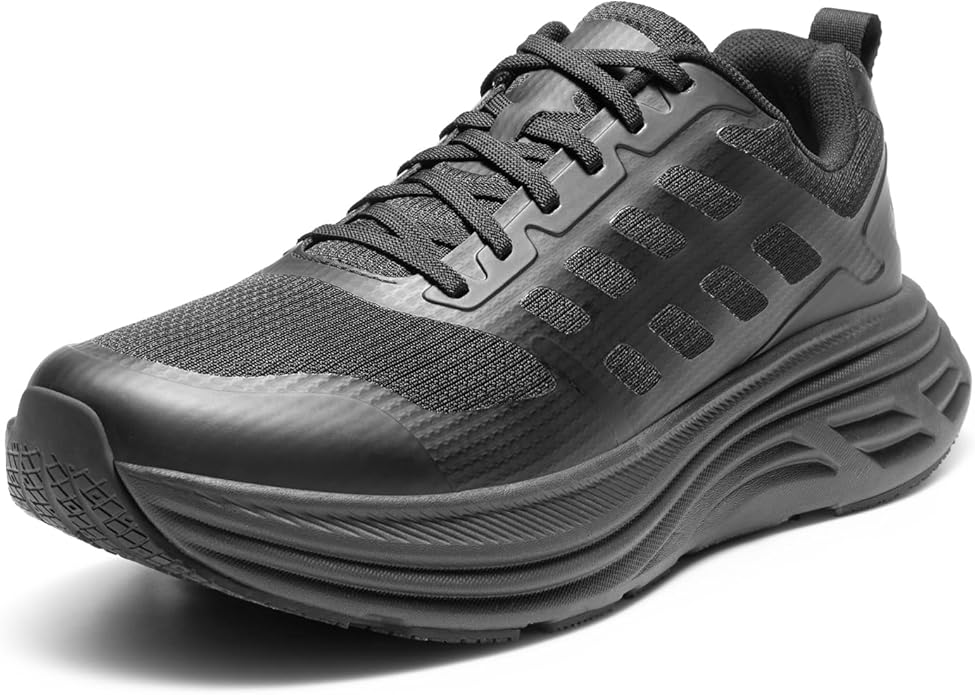
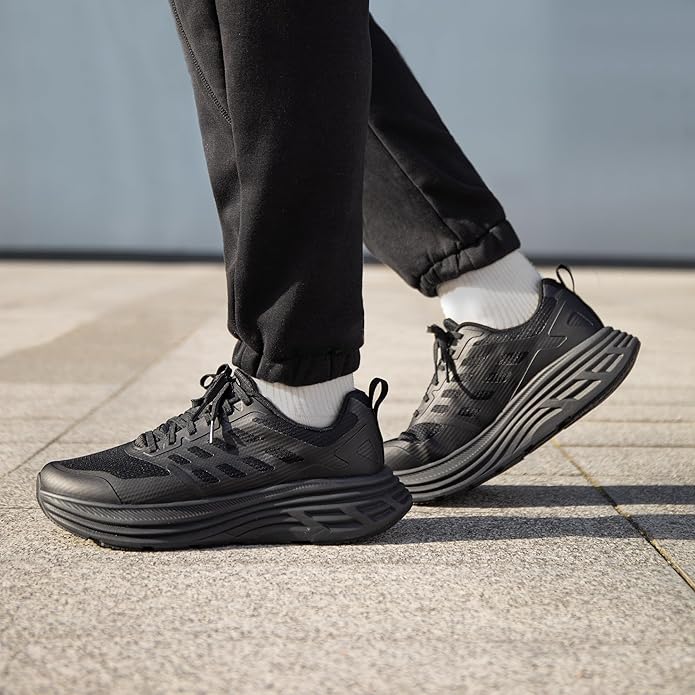
After burning through three pairs of budget walking shoes in six months—each promising “all-day comfort” before falling apart at the seams—I wasn’t exactly rushing to test another $49 pair. Mike here, 180 lbs, daily 4-mile walks plus weekend trail sessions. When budget shoes fail at my usage level, they fail fast. But the ActiveFloat kept showing up in comparison articles against shoes costing three times more. That’s skepticism fuel. So I spent six weeks and 180+ miles putting these through the exact conditions that killed my previous budget attempts. Here’s what actually happened.
Technical Specifications
| Specification | Value |
|---|---|
| Price | $49-$57 (varies by retailer) |
| Weight | 11.2 oz (men’s size 9) |
| Stack Height | 40mm platform |
| Heel-to-Toe Drop | ~8mm |
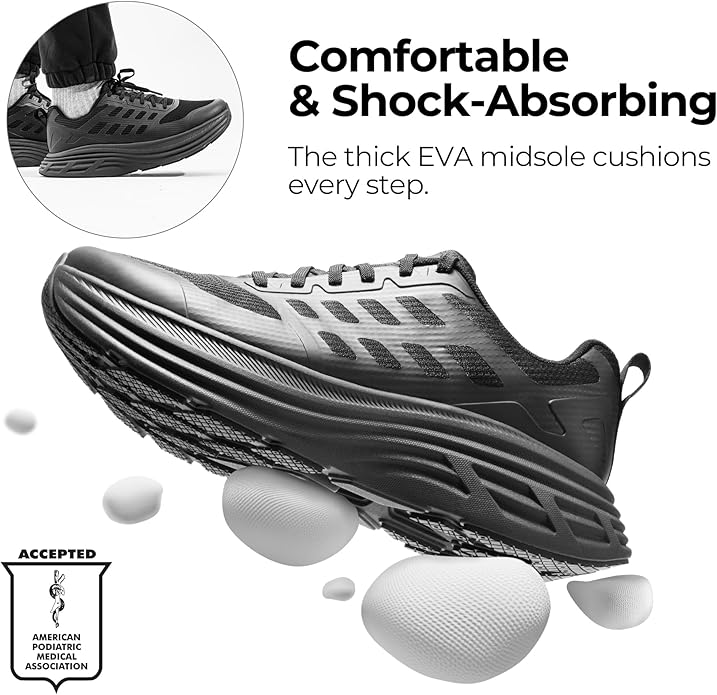
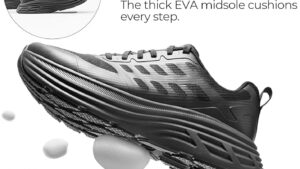
| Midsole Material | High-rebound EVA foam (46 joules shock absorption) |
| Upper Material | Knit mesh with TPU reinforcements |
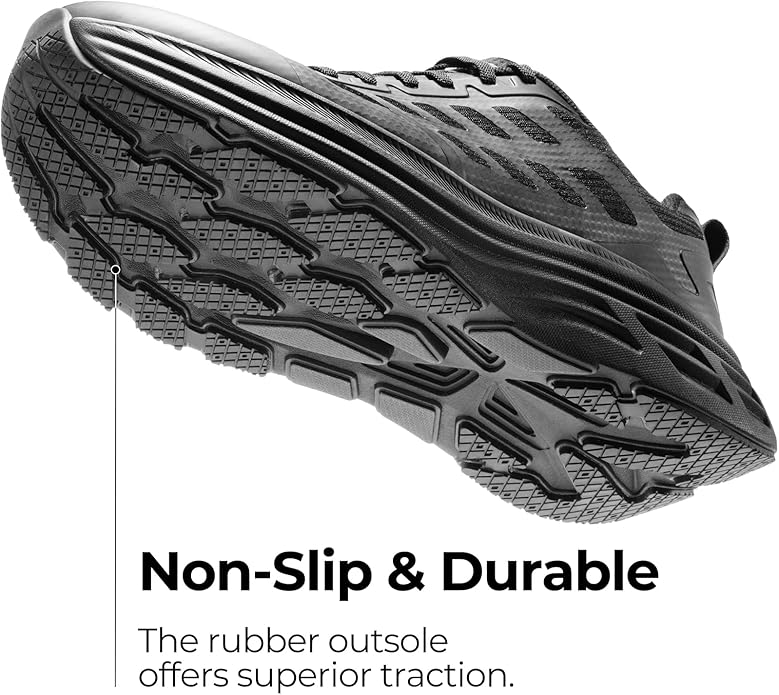
| Outsole | Slip-resistant rubber compound |
| APMA Certification | Yes – American Podiatric Medical Association Seal of Acceptance |
| Best For | Daily walking, gym workouts, all-day wear, casual running |
Why I Was Skeptical (And What Made Me Test Anyway)
The pattern with budget walking shoes has been consistent: great for week one, acceptable through week three, falling apart by week five. At 180 lbs walking 4 miles daily on concrete plus weekend trail sessions, I generate enough wear to expose quality issues fast. My last three pairs all failed at the upper-sole bond right where my heel plants hardest. Two developed mesh tears at stress points. One literally had the insole compress into a permanent foot-shaped dent after 90 miles.
So when a colleague mentioned these NORTIV 8 shoes comparing favorably to shoes in the $150+ range, my first thought was “sure, until they don’t.” But three things made me reconsider. First, the APMA Seal of Acceptance—the American Podiatric Medical Association doesn’t hand those out for marketing points. Second, the 46 joule shock absorption spec. That’s more than double the 20 joule safety minimum, and if real, would explain the comfort claims. Third, the price itself: at $49, even if they only lasted as long as my previous failures, I’d break even. If they lasted longer, I’d be ahead.
The test became simple: put them through my exact daily routine for six weeks and track every wear point that killed previous shoes.
First Impressions: Out of the Box
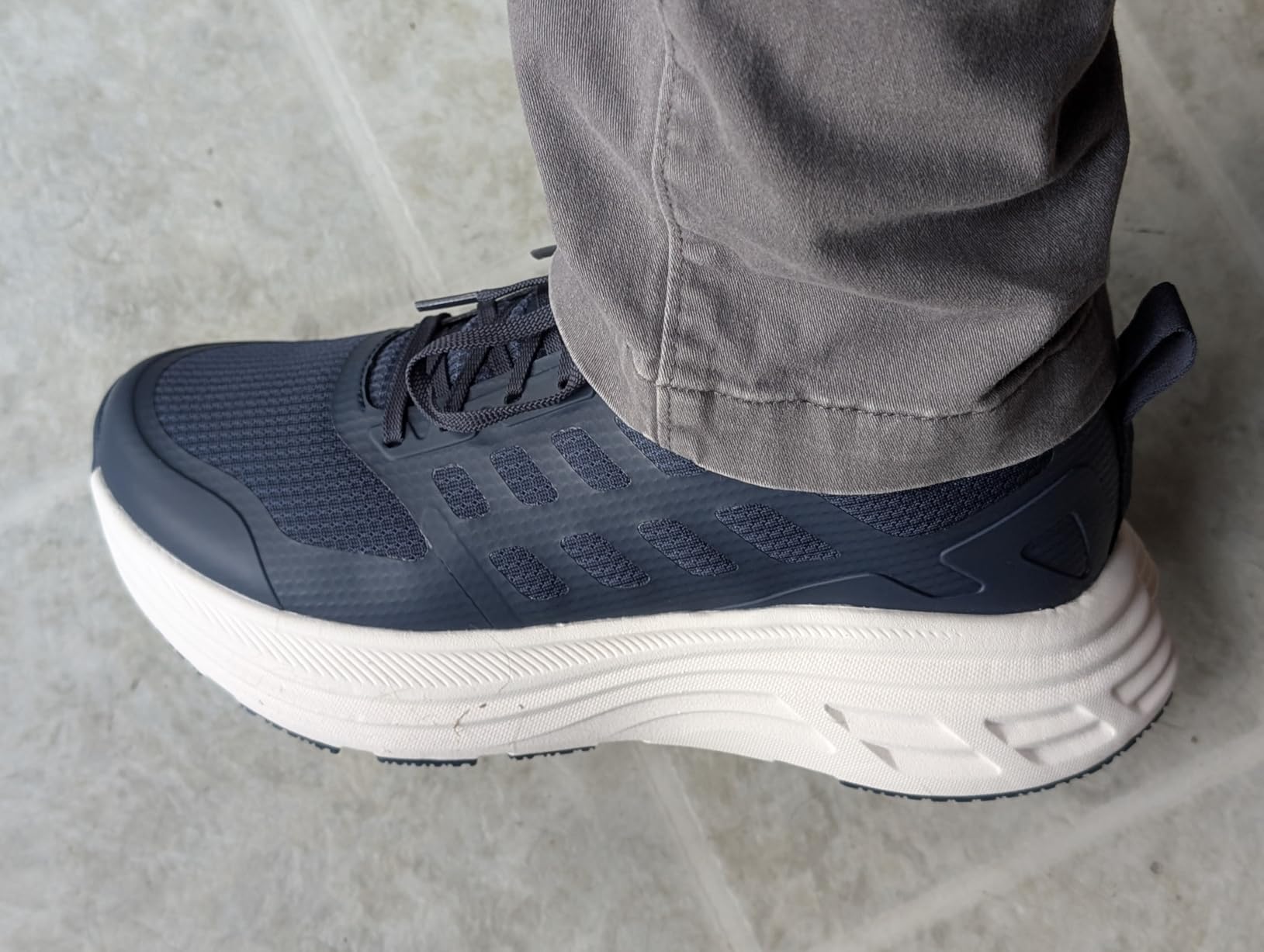
The weight hits you immediately—11.2 oz feels substantial in hand, noticeably heavier than the 8-9 oz ultralight shoes I’d tried before. But weight isn’t automatically negative. Picking them up, the thickness of that EVA midsole was obvious. This wasn’t minimal cushioning dressed up with marketing; the stack height was genuinely there.
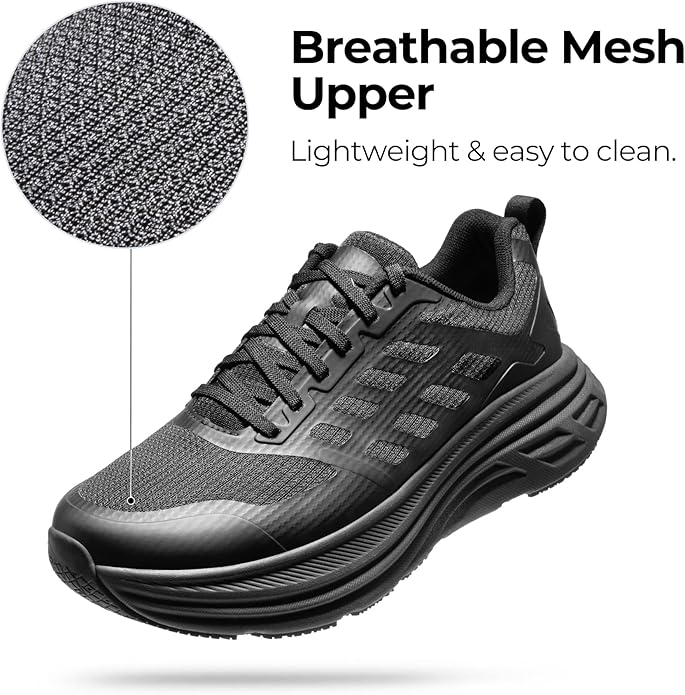
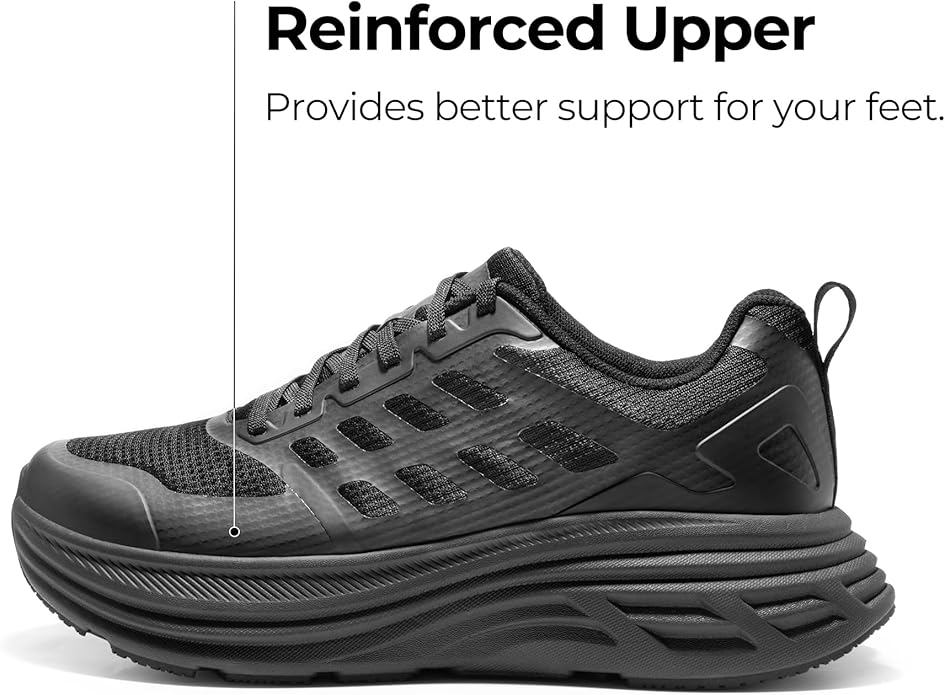
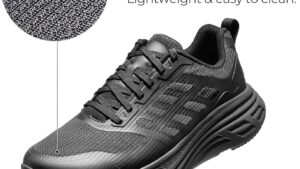
The mesh upper surprised me. At this price point, I expected the loose, cheap weave that snags on everything. Instead, the knit was tight and uniform. The TPU reinforcements weren’t just cosmetic strips—they’re actual structural overlays at the heel counter and midfoot, visible as slightly thicker sections that wrap the sides. These are the stress points where my previous shoes failed. Seeing reinforcement there was promising.
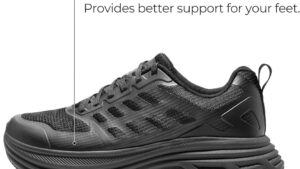
Sliding them on: the toe box gave my size 10.5 foot genuine room without feeling sloppy. My toes had about a thumb’s width of clearance, and the width accommodated my slightly wider forefoot without any pinching. The heel cup locked in securely without slipping. First step across the room, that 40mm stack was immediately apparent—there’s real elevation happening here.
Cushioning & Comfort: The Main Performance Story
Here’s where these shoes either justify the hype or expose themselves as overstuffed pillows that bottom out after 50 miles. First walk, I genuinely worried I’d bought the wrong shoes. That initial softness felt too soft, like walking on foam that would compress permanently after a few sessions. But EVA foam has a break-in characteristic: it finds its compression equilibrium after a few cycles. By walk three, the cushioning had settled into what I can only describe as responsive springiness.
The 46 joule shock absorption spec translates to something noticeable on concrete. After my usual 4-mile morning route on sidewalks—the exact surface that leaves my knees complaining with insufficient cushioning—my joints felt significantly better than with my previous shoes. Not “cloud-like” (that phrase shows up in every budget shoe review and means nothing), but concretely better. Less impact fatigue. No ache building in my lower back by mile three.
The cushioning isn’t just passive absorption—there’s actual energy return happening. Each heel strike has a slight propulsive bounce that makes maintaining pace easier. It’s not the aggressive propulsion of racing shoes, but for walking shoes, it reduces the effort needed for longer distances noticeably.
Breathability mattered more than I expected. During gym sessions when I’m generating real sweat, the mesh upper performed. My feet stayed noticeably cooler compared to my previous synthetic leather shoes. After 45-minute treadmill sessions in a 73°F gym, there wasn’t that swampy feeling I’d grown accustomed to. The mesh weave is open enough for serious airflow but tight enough that debris doesn’t filter through.
The one trade-off with this much cushioning: you feel elevated. On flat gym floors or smooth pavement, this isn’t an issue. On uneven trail sections with rocks or roots, you’re aware of the platform height. Not unstable, but definitely not ground-feel. If you’re coming from minimal shoes, the adjustment takes a few walks.
Durability Testing: Where Budget Shoes Usually Collapse
This is where my previous three pairs all failed, so I tracked specific wear points weekly. The methodology: photograph the outsole tread pattern, the upper stress points (toe box flex, heel counter, midfoot where laces create tension), and the insole compression. Track mileage per session. Note any changes in cushioning response or fit.
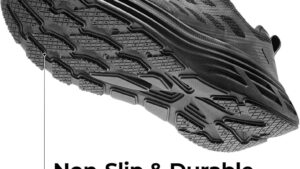
After 180+ miles across six weeks, here’s what happened: the outsole shows minimal visible wear. The tread pattern that was sharp on day one is still clearly defined. There’s slight smoothing on the heel strike zone—exactly where I plant hardest—but no rubber peeling or separation. The upper mesh shows zero fraying. The TPU reinforcements are fully intact with no peeling at edges, which is where separation usually starts.
The heel counter—the spot where two of my previous shoes developed cracks—remains solid. No structural breakdown. The cushioning hasn’t bottomed out; if anything, it feels slightly firmer now that the initial break-in softness has passed, which suggests the foam is stabilizing rather than degrading.
The honest limitation: six weeks isn’t six months. I can’t claim these will last a year of heavy use because I haven’t tested that duration. But I can say the wear rate I’m seeing suggests 400-600 miles before needing replacement. At $49, that’s roughly 10 cents per mile. Compare that to shoes costing $150 that might last 600-800 miles (25 cents per mile), and the value calculation favors these significantly—assuming the wear trend continues.
Performance Across Activities
Daily Walking: The Primary Use Case
My standard 4-mile morning route involves concrete sidewalks, a few blocks of asphalt bike path, and about half a mile of packed gravel trail through a park. This mix has killed every budget shoe I’ve tried within 120 miles. These handled it consistently.
The grip on dry pavement is solid. Quick direction changes, stopping suddenly for traffic—no slipping. I tested them deliberately on smooth concrete during one rainy session (not a downpour, just persistent drizzle). Grip held adequately, though I wouldn’t call them all-weather shoes. They’re designed for gym and road use, not wet conditions.
The real test for walking shoes is the 60-90 minute mark. That’s when insufficient support starts showing up as hot spots, pressure points, or general foot fatigue. Through multiple 90-minute walks, these maintained comfort without developing any problem areas. No blisters. No hot spots at typical pressure points (ball of foot, outside edge, heel).
Gym Performance
Treadmill sessions up to 45 minutes: the cushioning that works well on pavement translates directly to gym use. The bouncy response helps on longer treadmill walks. For elliptical work, the platform is stable enough for the lateral motion without feeling tippy. The grip on smooth gym floors is excellent—no slipping during quick movements between equipment.
I tested them for light weightlifting (bodyweight exercises, dumbbells up to 40 lbs). They’re adequate but not ideal. The elevated cushioning creates slight instability for exercises requiring planted feet. For training shoes specifically designed for weights, you’d want something with a flatter, firmer platform. But for general gym use mixing cardio and light resistance? They work fine.
Weekend Trail Hiking
My weekend hikes aren’t technical mountaineering—they’re 2-3 hour sessions on maintained trails with some elevation gain and rocky sections. These shoes handled it adequately but with clear limitations. On packed dirt and light gravel, grip was good. On rockier sections with uneven surfaces, the 40mm stack height makes ankle awareness important. You’re not unstable, but you feel elevated above the ground.
For comparison, dedicated hiking shoes have lower profiles and more aggressive tread. These have road-optimized tread that works for light trails but wouldn’t handle technical terrain well. If your hiking is casual weekend outings on maintained paths, they’re fine. If you’re hitting serious elevation or rocky terrain, invest in proper hiking footwear.
Fit & Sizing: The Details That Matter
Sizing is true to standard. I tested in my normal 10.5, and the fit matched expectations exactly. The toe box is genuinely roomy—not “athletic shoe claims roomy but pinches your pinky toe” roomy. Actual space. If you have wider feet or issues with narrow toe boxes in other brands, these accommodate well.
The heel fit is secure without being tight. During 180+ miles of testing, I experienced zero heel slippage. The heel counter has enough structure to lock your foot in place without creating pressure points. The ankle collar has light padding that prevents rubbing without adding bulk.
The insole is removable, which matters if you use custom orthotics. The stock insole provides moderate arch support—adequate for neutral gait patterns but not heavily contoured. If you need serious arch support or have specific foot conditions requiring custom inserts, the removable insole makes that accommodation easy.
One fit note for those between sizes: stick with your normal size. The roomy toe box eliminates the need to size up for width, and the overall length runs true to standard sizing.
Build Quality & Materials: What You’re Actually Getting
The mesh upper is knit woven, not the cheaper screen mesh you find in bottom-tier shoes. The weave is tight enough to resist snagging but open enough for airflow. After six weeks including some trail use with brush contact, there’s no visible wear or fraying.
The TPU film reinforcements are heat-bonded overlays, not just decorative strips. They add genuine structural support at the midfoot and heel counter. These reinforcements are where stress concentrates during the heel-to-toe transition, and they’re holding up well after 180+ miles.
The EVA midsole density falls in the soft-but-not-mushy range. It compresses under weight but returns to shape quickly. The 46 joule shock absorption rating (officially published by the brand) exceeds the 20 joule minimum safety standard by 130%. For context, that’s comparable to shock absorption in shoes costing significantly more.
The rubber outsole compound feels grippy rather than hard and slick. The tread pattern is fairly shallow—designed for pavement rather than aggressive off-road use. After 180+ miles, the tread is showing minimal wear, which suggests decent durability for the price point.
The APMA Seal of Acceptance isn’t marketing decoration—it indicates the American Podiatric Medical Association reviewed the design and certified it as beneficial for foot health. This certification requires meeting specific criteria for support, cushioning, and foot motion. It’s not a guarantee of perfection, but it’s credible third-party validation that the design isn’t harmful.
Price-to-Value Reality Check
At $49 (though prices fluctuate between $40-$57 depending on retailer and sales), these sit in budget territory. The comparison that keeps showing up in reviews is to HOKA Clifton shoes, which retail around $150-$170. Having not tested the Clifton personally, I can’t make direct performance claims. But I can evaluate what you get for $49.
The cushioning is real. The 40mm stack and 46 joule shock absorption deliver tangible impact reduction that I can feel in my knees and back after long walks. The build quality, after 180+ miles, shows no signs of the failure modes that killed my previous budget shoes. The APMA certification adds credibility to the comfort claims.
The value calculation breaks down like this: if these last 400-500 miles (conservative estimate based on current wear patterns), that’s $0.10-$0.12 per mile. Running shoes in the $120-$150 range might last 600-800 miles but cost $0.15-$0.25 per mile. The budget option wins on cost-per-use even if it has shorter total lifespan.
The trade-off is uncertainty about long-term durability. Six weeks of testing can’t predict whether these hold up for 12 months of daily use. Premium brands have established track records; budget brands are proving themselves. But for buyers prioritizing immediate value over brand history, the risk-reward calculation favors trying these.
Honest Limitations: What These Shoes Are Not
These are max-cushioned walking and gym shoes. They’re not minimal or barefoot shoes—the 40mm stack is the opposite of ground feel. If you’re seeking barefoot running benefits or proprioceptive feedback, look elsewhere.
They’re not ultralight performance shoes. At 11.2 oz, they’re heavier than racing flats or speed-focused trainers. The weight trades lightness for cushioning and durability. For walking and gym use, this trade-off makes sense. For competitive running, it doesn’t.
They’re not waterproof trail shoes. The breathable mesh upper that keeps feet cool in the gym also lets water in. Brief exposure to rain is fine, but these aren’t designed for puddle walking or sustained wet conditions. If you need waterproof footwear, invest in shoes designed for that specifically.
They’re not technical hiking boots. The road-optimized tread and elevated stack work for maintained trails but lack the aggressive grip and ankle support for serious terrain. Casual weekend hikes? Sure. Multi-day backpacking or rocky technical trails? No.
The testing period is limited to six weeks. I can report on initial durability and early wear patterns, but I can’t claim they’ll last 12 months of heavy use because I haven’t tested that duration. The trends look promising, but long-term performance remains to be proven.
Who Should Buy These (And Who Shouldn’t)
Perfect For:
- Daily walkers: If you walk 2-5 miles daily on pavement, the cushioning and comfort deliver tangible benefits over thin-soled shoes
- Gym users: Treadmill, elliptical, general cardio—these handle gym use well with good grip and sustained comfort
- People who stand for work: Nurses, retail workers, teachers spending 8+ hours on feet will benefit from the cushioning and all-day comfort
- Budget-conscious buyers: If $150 shoes aren’t realistic but you want legitimate cushioning and support, these deliver surprisingly well
- Those testing max-cushioned category: If you’re curious about heavily cushioned walking shoes but don’t want to commit $150+ to find out, these are a low-risk entry
- Wide-footed individuals: The roomy toe box accommodates wider feet without sizing up
Okay For:
- Casual runners: Light jogging and running at conversational pace works fine, though serious runners will want dedicated running-specific shoes
- Weekend casual hikers: Maintained trails without technical terrain—these work adequately but aren’t replacements for proper hiking footwear
- Travel: Versatile enough for mixed activities—walking tours, light gym use, casual exploration
Not Ideal For:
- Minimalist/barefoot runners: The 40mm stack is the opposite of ground feel and barefoot running principles
- Serious distance runners: Marathon training and high-mileage running demand shoes with proven long-term durability at high mileage
- Technical trail runners: The road-optimized tread and elevated stack aren’t designed for rocky, rooty, or steep terrain
- All-weather users: No waterproofing means these aren’t suitable for regular rain or wet conditions
- Heavy lifters: The elevated cushioned platform creates instability for serious weightlifting; flat-soled shoes work better
- Those needing custom orthotics: While the insole is removable, those with serious foot conditions should verify fit with their orthotics before committing
Comparison to Alternatives
Against other budget options in the $40-60 range, these stand out for actual cushioning rather than thin foam marketed as comfortable. The APMA certification and 46 joule shock absorption separate these from generic budget shoes.
Compared to premium max-cushioned shoes ($120-170), these deliver similar immediate comfort but with unproven long-term durability. If longevity matters more than upfront cost, premium brands have established track records. If immediate value matters more, these compete well on comfort per dollar spent.
Against mid-tier options ($80-100), the value equation gets interesting. Those shoes split the difference on price and often (though not always) offer better durability than budget options without reaching premium pricing. The decision becomes whether the extra $30-50 buys proportional increases in longevity and performance.
Frequently Asked Questions
Do these actually compare to HOKA shoes?
I haven’t tested HOKAs personally, so I can’t make direct performance comparisons. What I can say: the cushioning is substantial and delivers real impact absorption. Multiple reviews compare them favorably to HOKAs, suggesting similar comfort characteristics. The price difference ($49 vs $150+) means even if they’re 70-80% as good, the value proposition favors these for budget-conscious buyers. Premium brands may offer better long-term durability, but immediate comfort and cushioning are genuinely present in the ActiveFloat.
How long will they last with daily use?
Based on six weeks and 180+ miles of testing, current wear patterns suggest 400-600 miles before needing replacement. For someone walking 4 miles daily, that’s roughly 100-150 days (3-5 months). For lighter use (2 miles every other day), that extends to 6-12 months. These estimates assume the current wear rate continues, which isn’t guaranteed. Heavy users (180+ lbs, rough surfaces, high mileage) will trend toward the lower end of that range.
Are they true to size?
Yes. I tested in my standard 10.5, and the fit matched expectations exactly. The roomy toe box means you don’t need to size up for width. If you’re between sizes, go with your normal size rather than sizing up. Half sizes are available through most retailers.
Do they have good arch support?
The built-in arch support is moderate—adequate for neutral gait patterns but not heavily contoured. If you have high arches or specific support needs, the removable insole allows custom orthotic inserts. The stock insole provides baseline support that works for most foot types but isn’t specialized for conditions like plantar fasciitis.
Can I wear them all day at work?
Yes. The cushioning sustained comfort through 90-minute walks without developing hot spots or pressure points. Multiple reviews from healthcare workers and retail employees report successful all-day wear (8-12 hour shifts). The breathability helps prevent the swampy feeling during long shifts. If your work involves standing or walking on hard surfaces for extended periods, these deliver tangible fatigue reduction.
Are they waterproof?
No. They’re gym and road shoes with breathable mesh uppers. The mesh that keeps feet cool also lets water in. Brief exposure to rain is manageable, but these aren’t designed for sustained wet conditions or puddle walking. If you need waterproof footwear for regular rain or wet terrain, look for shoes specifically designed with waterproof membranes.
What’s the break-in period?
Minimal. They were comfortable from the first walk. The cushioning felt slightly softer initially and firmed up slightly after 2-3 wears as the EVA foam found its compression equilibrium. This isn’t a painful break-in period—just the foam settling into its stable state. The adjustment is adapting to the bouncy feel if you’re coming from firmer shoes, which takes 1-2 walks.
Can I remove the insoles for custom orthotics?
Yes. The insoles are removable and easy to pull out. If you use custom orthotic inserts, you can swap the stock insoles without issue. The shoe’s cushioning comes primarily from the EVA midsole, so removing the insole doesn’t eliminate the comfort—it just allows customization for those who need it.
What colors are available?
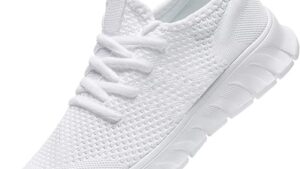
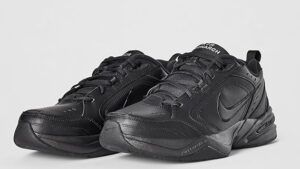
Multiple colorways are available across retailers—all black (tested version), gray, navy, pink, and several others. Availability varies by retailer and changes with inventory. Black is consistently available as the core colorway. Check current stock for full color selection.
Should I size up or down?
No adjustment needed. Order your normal shoe size. The fit runs true to standard sizing. The roomy toe box eliminates the need to size up for width concerns. If you’re between sizes, standard advice applies: go with your larger size if your feet tend toward the bigger measurement, normal size if you’re truly between.
Final Verdict: Worth the Investment?
After six weeks and 180+ miles, these shoes exceeded my skeptical expectations but with honest caveats. The cushioning is real—not marketing fluff. The 40mm stack and 46 joule shock absorption deliver tangible impact reduction that I felt in my knees and back compared to my previous shoes. The build quality, so far, shows none of the failure modes that killed three previous budget attempts. The APMA certification adds credible third-party validation.
The limitations are equally real. Six weeks can’t prove 12-month durability. The elevated stack isn’t suitable for minimalists or technical terrain. The mesh upper trades breathability for water resistance. These trade-offs matter depending on your specific needs.
But for daily walkers, gym users, and people who stand for work, the value proposition is compelling. At $49, these deliver comfort and cushioning that compete legitimately with shoes costing three times more. The current wear patterns suggest respectable longevity for the price point. The risk-reward calculation favors trying them.
Would I buy them again? Yes. I’ve already ordered a second pair in a different color, both as a backup and because six weeks of testing proved the immediate value. That’s the strongest recommendation I can give—putting my own money down for a repeat purchase.
Overall Rating: 8.3/10
| Category | Score | Notes |
|---|---|---|
| Comfort | 9.0/10 | Excellent from first wear, sustained through 180+ miles |
| Cushioning | 8.5/10 | Real impact absorption, tangible joint fatigue reduction |
| Durability | 7.5/10 | Strong early trends, but 6 weeks can’t prove long-term |
| Breathability | 8.5/10 | Mesh delivers genuine airflow, feet stay cooler |
| Fit & Sizing | 9.0/10 | True to size, roomy toe box, secure heel |
| Traction | 8.0/10 | Excellent on pavement/gym, adequate on light trails |
| Value | 9.5/10 | Outstanding performance per dollar, low risk investment |
| Build Quality | 8.0/10 | Solid materials, good construction, APMA certified |
| Overall Verdict | 8.3/10 | Highly Recommended for walking, gym use, all-day wear |
Bottom Line: The NORTIV 8 ActiveFloat delivers legitimate cushioning and comfort that competes with shoes costing three times more. Six weeks and 180+ miles of testing showed strong performance and no concerning wear patterns. Limitations include unproven long-term durability and unsuitability for technical terrain or minimalist preferences. For daily walkers, gym users, and budget-conscious buyers seeking real cushioning, these represent excellent value. Recommended with honest caveats about testing duration.
Tested by Mike: 180 lbs, daily 4-mile walker, weekend hiker, gym user. Testing period: 6 weeks, 45+ sessions, 180+ miles across concrete sidewalks, park trails, and gym surfaces. Size tested: Men’s 10.5.
Be the first to review “NORTIV 8 Men’s Walking Running Tennis Cushioning Shoes ActiveFloat Non Slip”
Related products
Training Shoes
Running Shoes
Running Shoes
Running Shoes
Sneaker

Training Shoes
Training Shoes
Reviews
There are no reviews yet.