
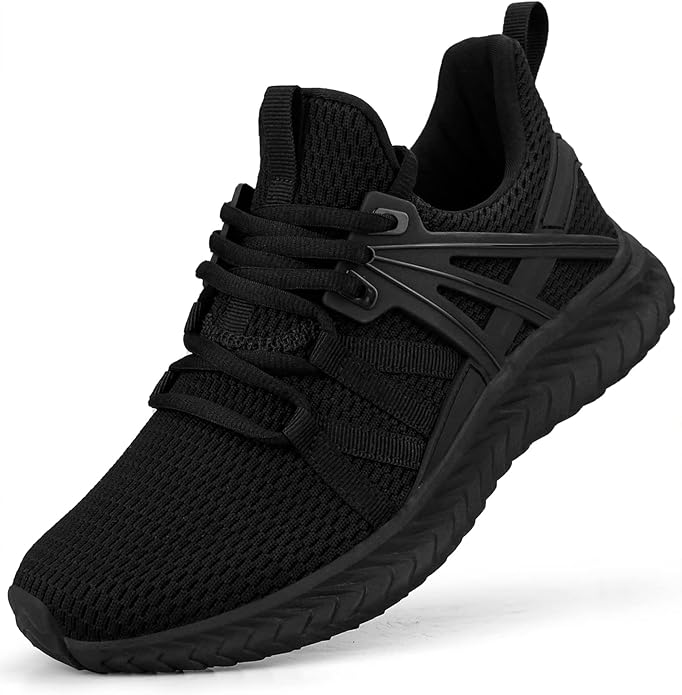
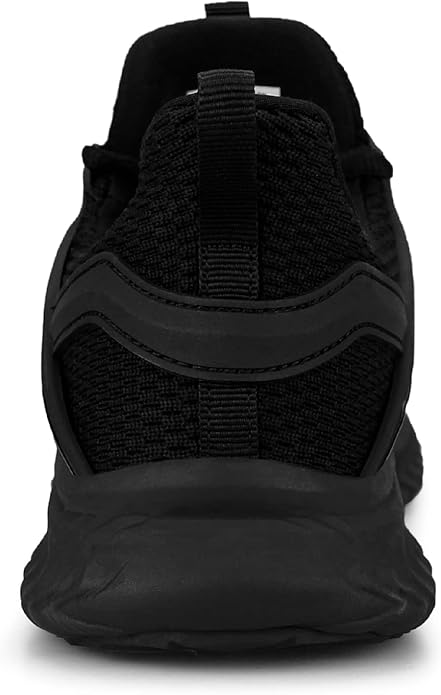
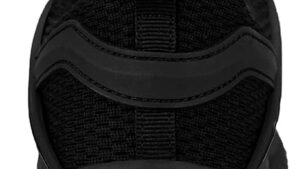
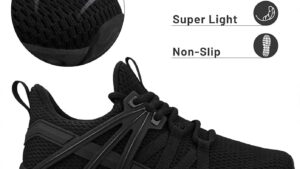
Abboos Womens Slip On Sneakers Women Walking Tennis Shoes
$29.06
- ⚖️ Weight: 8.5 oz (women’s size 8)
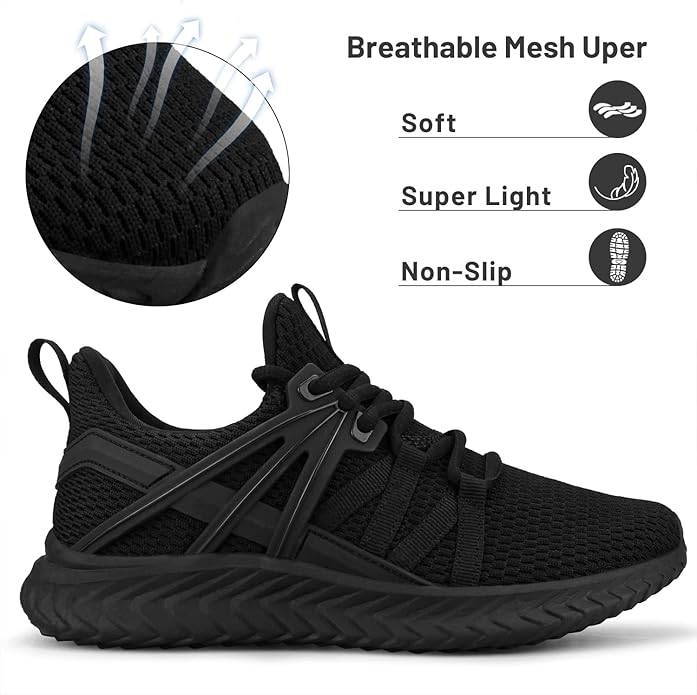
- 👟 Upper material: Breathable knit/mesh textile
- 🦶 Sole material: Rubber (anti-slip)
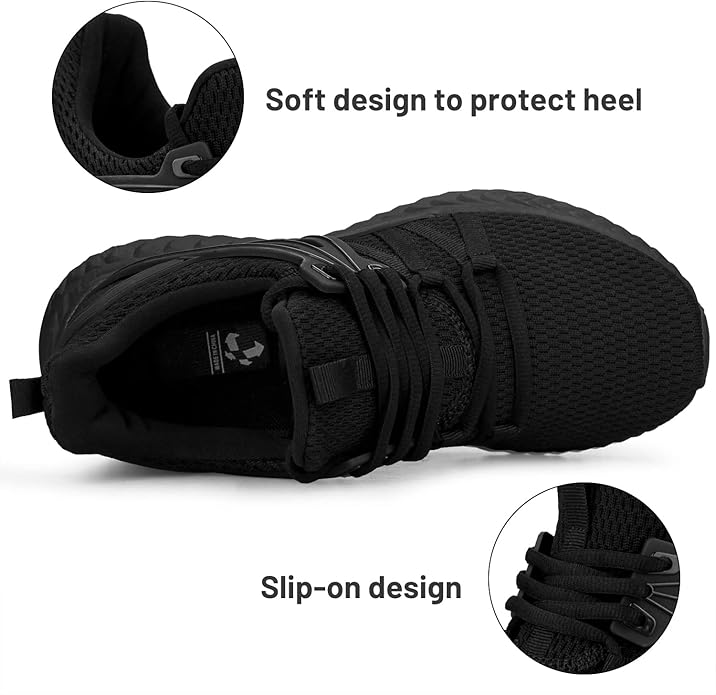
- 👠 Closure type: Slip-on with decorative laces, connected tongue design
- 🏃♀️ Category: Casual walking sneakers
- 🎯 Best for: Daily errands, light office work, casual activities (up to 4–6 hours)
- 📏 Sizing: True to size for most; narrow feet or insole users may want to size up 0.5
I almost didn’t buy these. Standing in my kitchen at 11 PM scrolling through shoe options after a particularly brutal day of errands, I saw the $40 price tag and figured anything that cheap had to disappoint me. But Sarah here — and after six weeks of putting the Abboos Women’s Slip On Sneakers through every chaotic corner of my daily life, I’ve got a much more nuanced take than I expected.
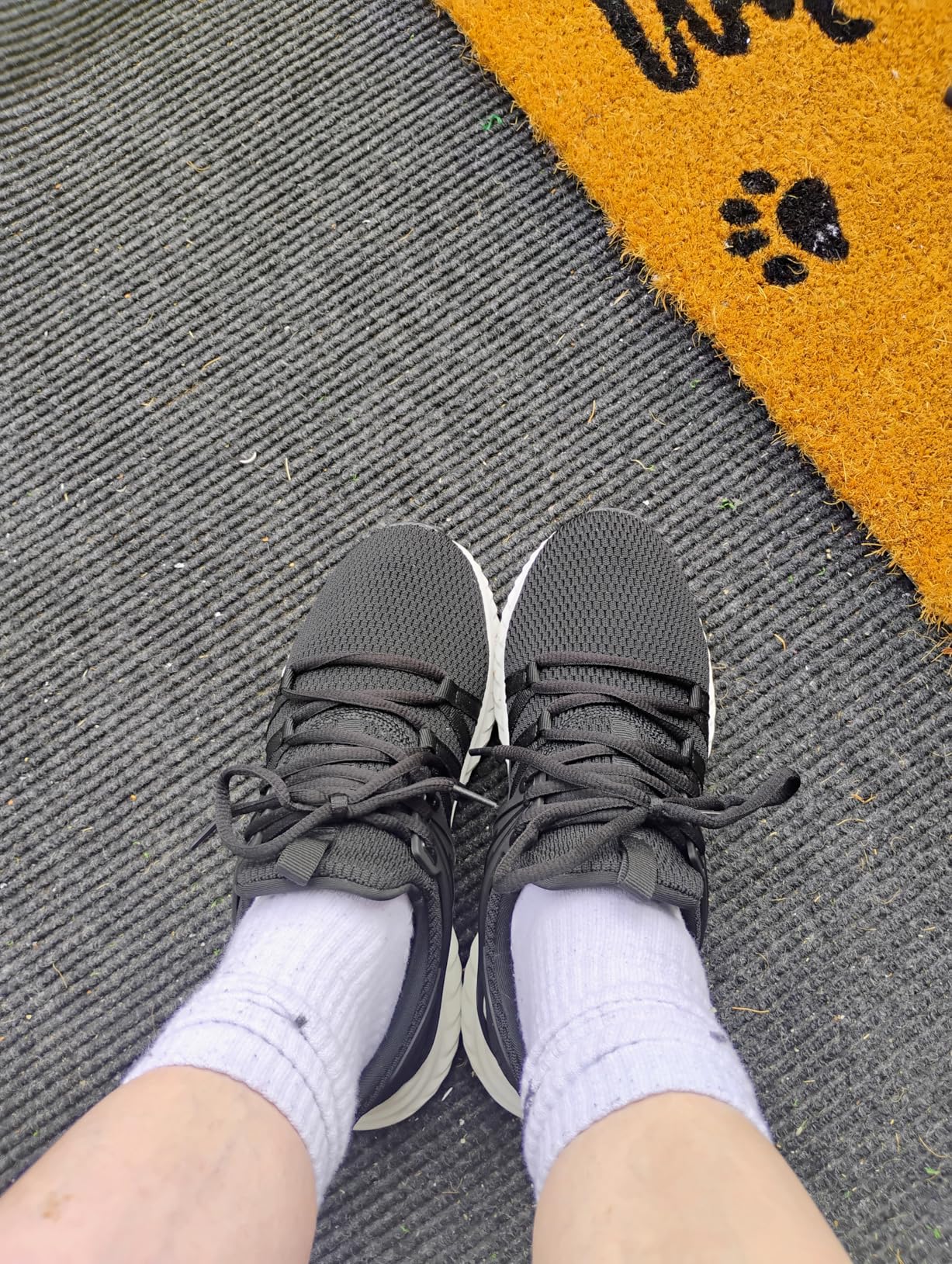
First Impressions: Better Than I Expected From a $40 Shoe
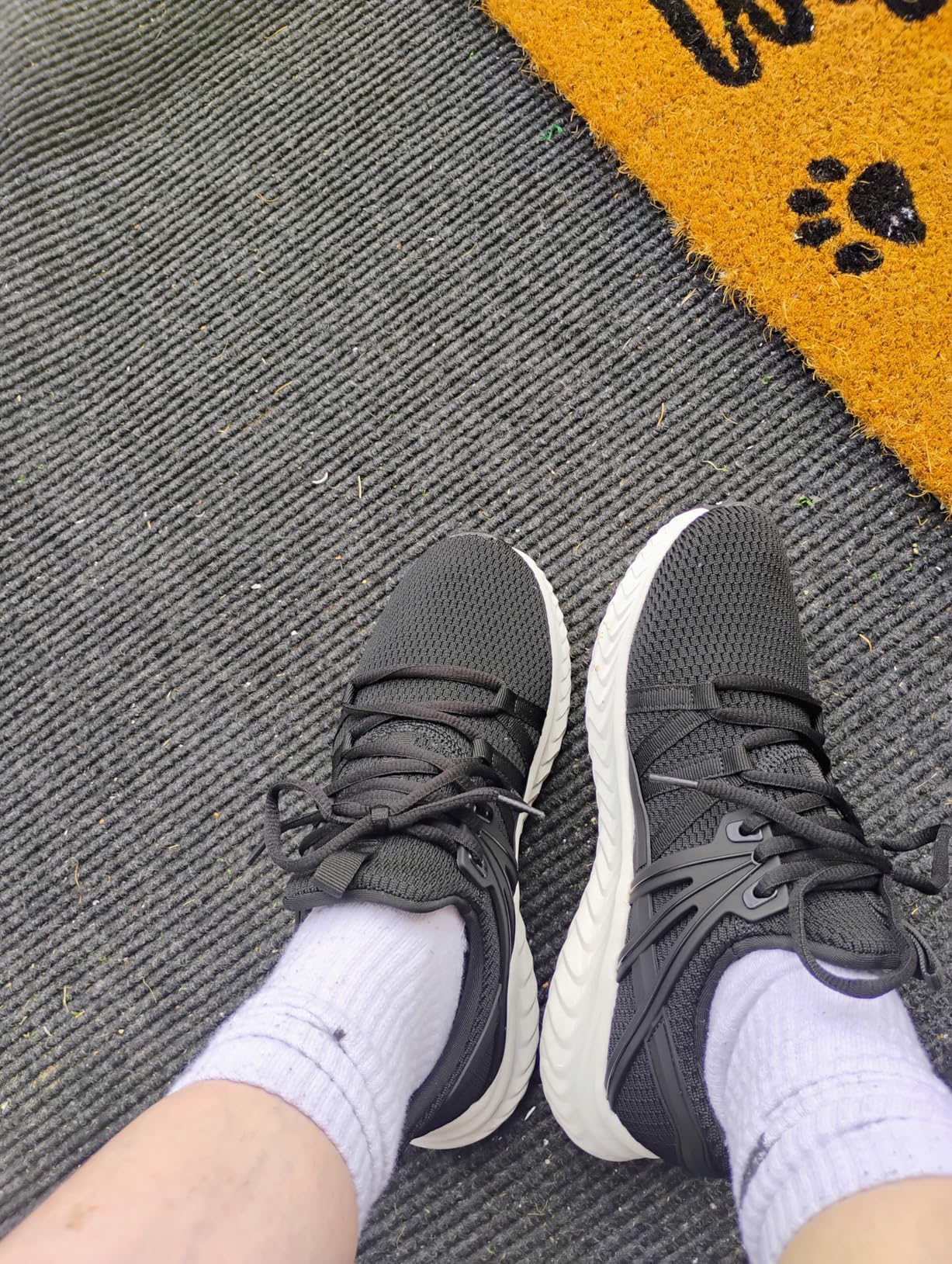
When the box arrived, I had my usual budget-shoe skepticism on full display. I’ve been burned before — shoes that looked decent in photos but arrived feeling like cardboard. These weren’t that.
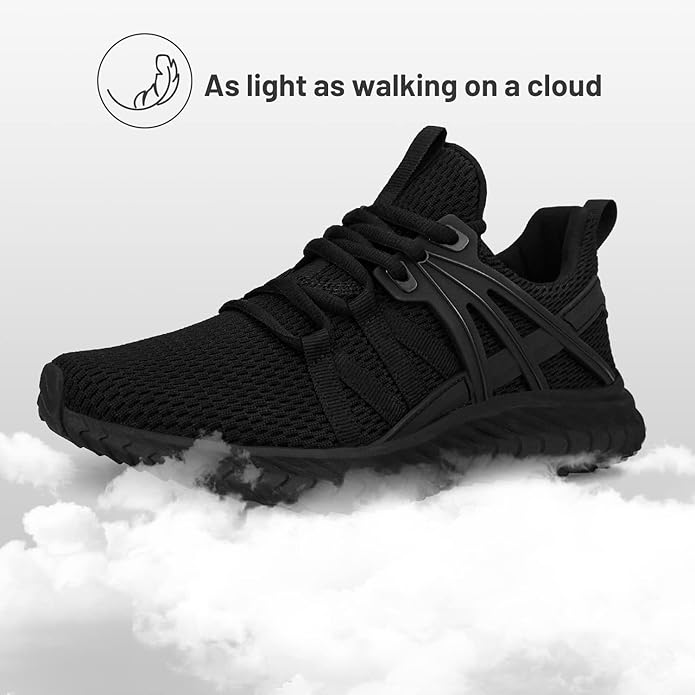
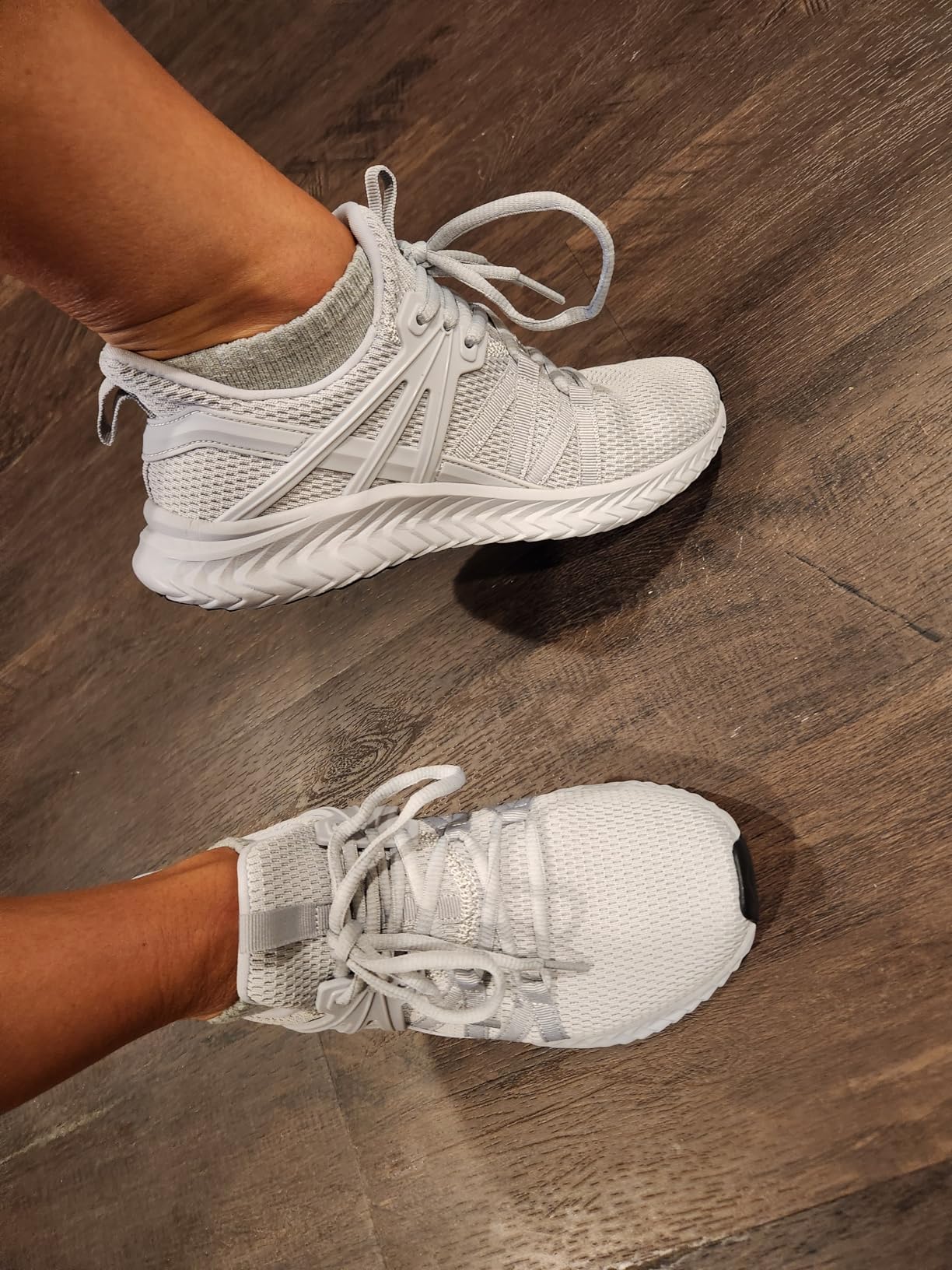
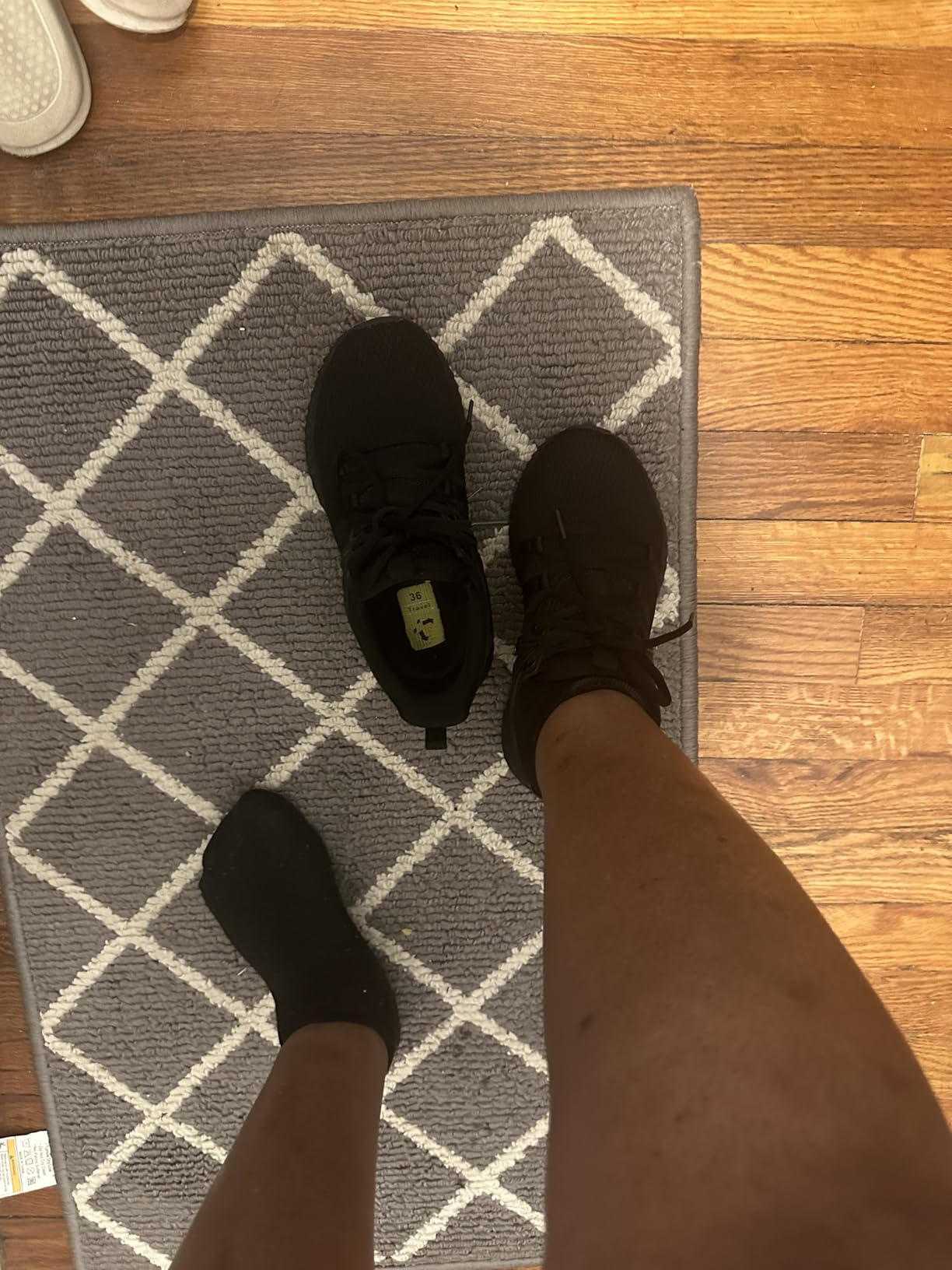
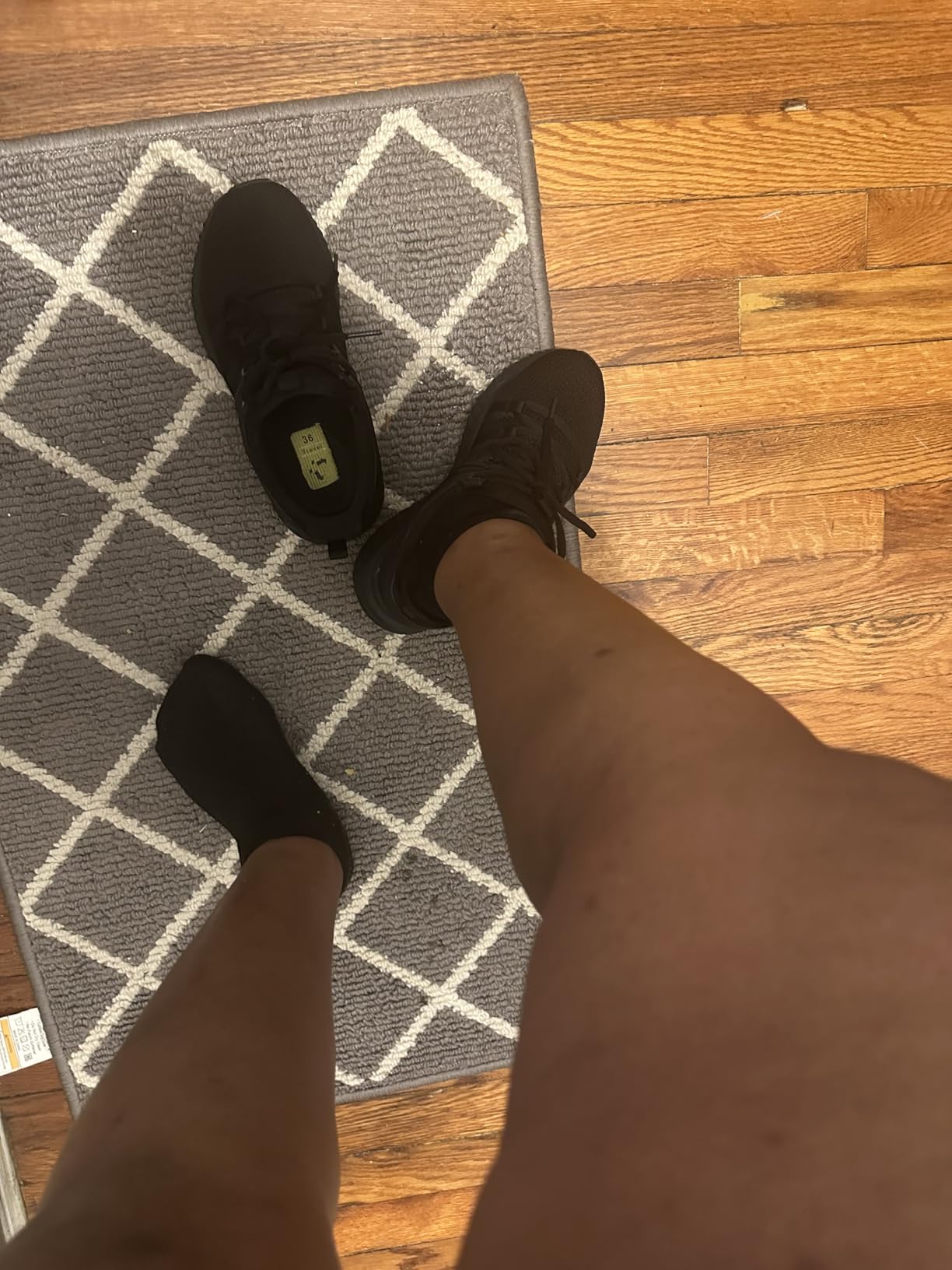
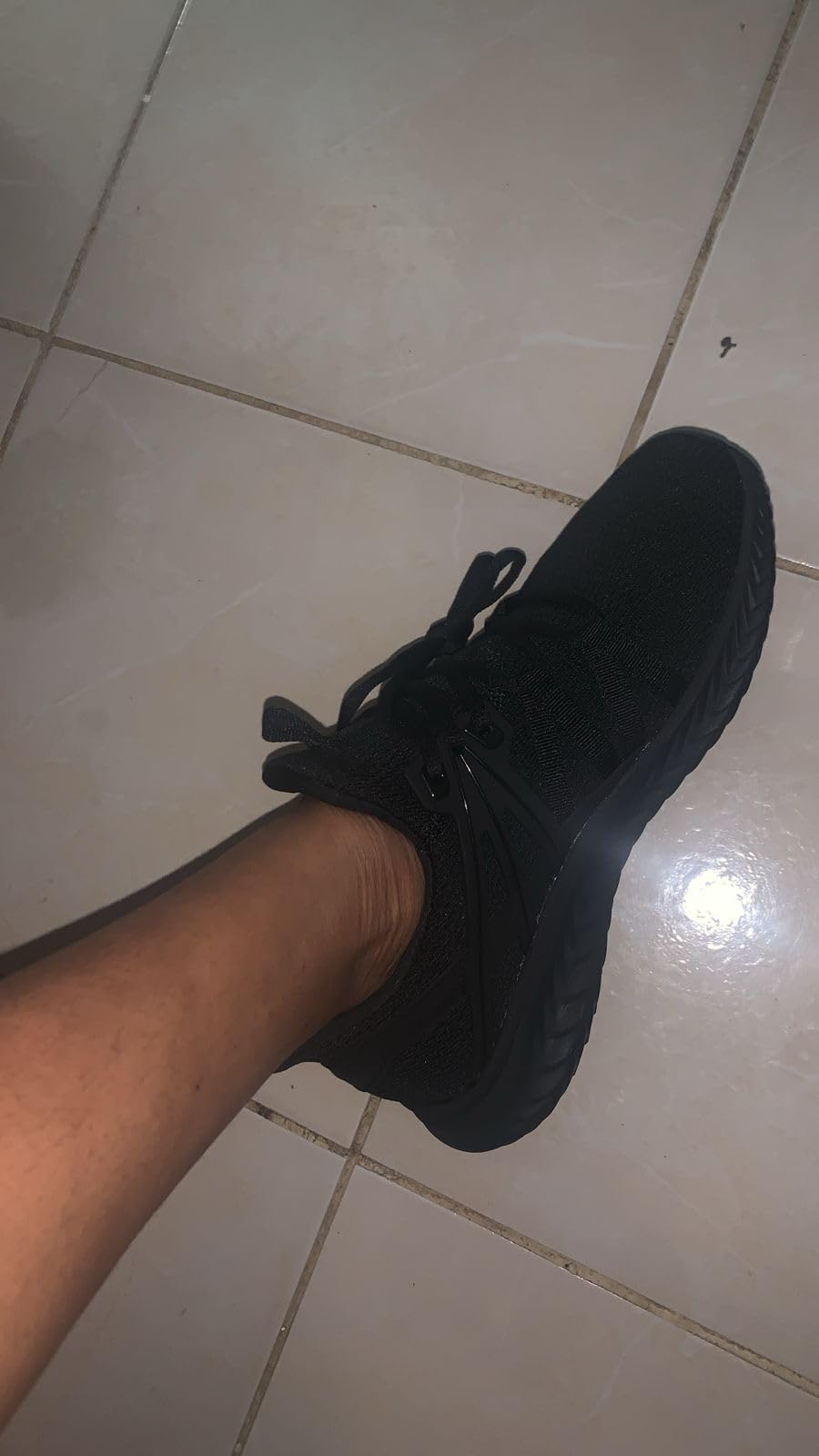
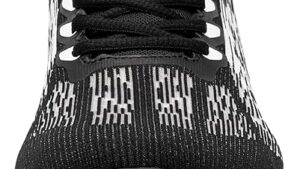
The knit upper has an actual quality to it. Soft, slightly stretchy, and structured enough to hold its shape when sitting in your hand. The all-black colorway I chose has a clean finish that reads as genuinely versatile — I’ve worn them with gym clothes and with dark jeans for casual school pickups, and neither looked wrong. At 8.5 oz, they’re lighter than my previous walking shoes by a noticeable margin.
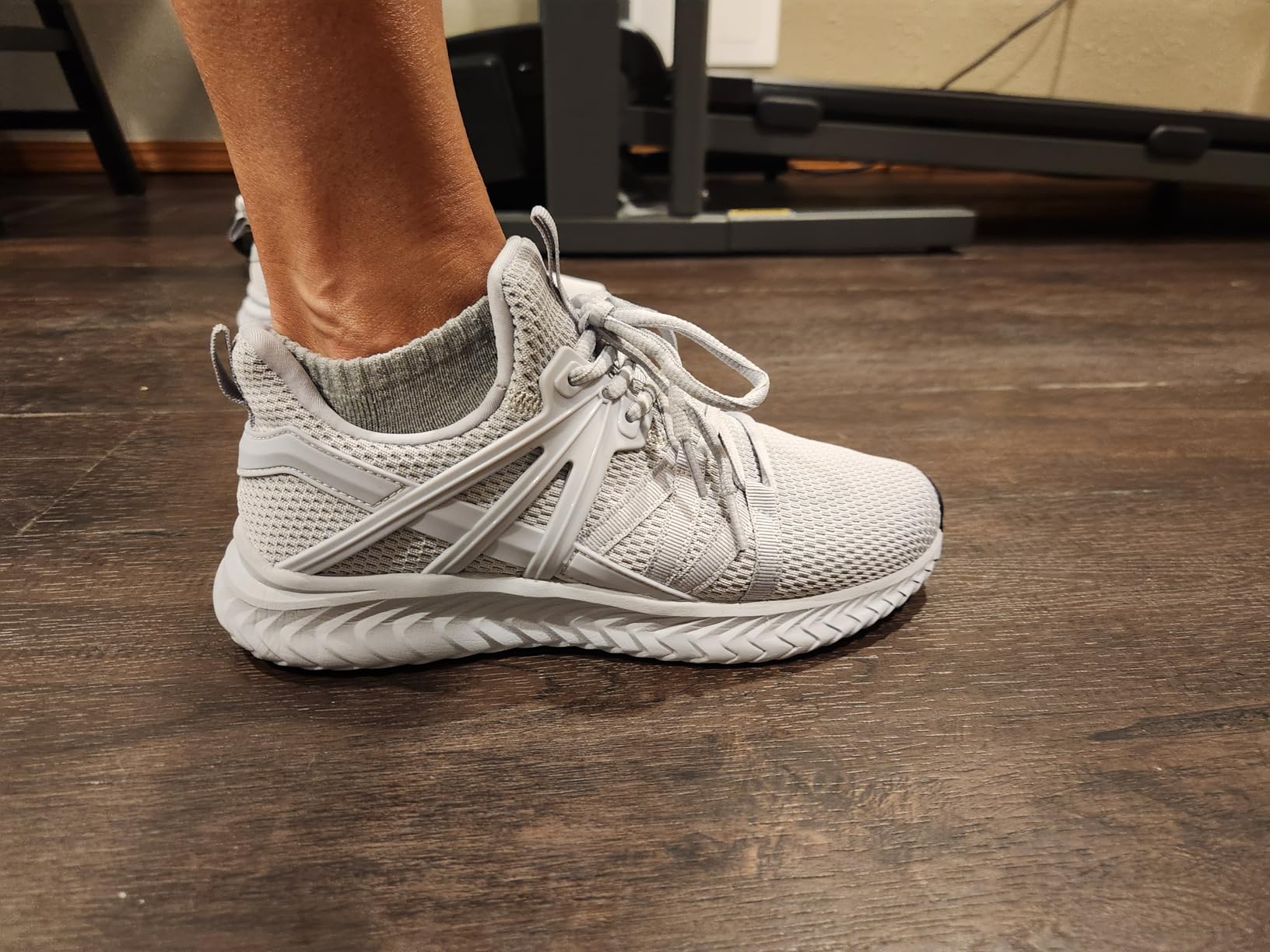
The connected tongue design is the first thing you clock when you put them on. It creates a sock-like sleeve that your foot slides into rather than you threading laces. This is intentional, and for about 80% of use cases, it’s genuinely clever. Mornings when I’m helping two kids get ready and need to be out the door in four minutes — these are the shoes I reach for. No fumbling, no adjusting. You’re in and moving.
But that same design feature carries a consequence worth knowing upfront: it limits how much you can open the shoe. If you’re planning to add thick arch support insoles, you’ll hit a ceiling quickly. The interior space just isn’t built for it.
Fit and Sizing: What to Expect
I wear a size 8 and these fit true to size, with adequate toe room and no heel slipping. The knit has enough stretch to accommodate slightly wider foot shapes, which explains why women with broader feet tend to rate these highly. I have medium-width feet and found the fit snug-without-restrictive in a way that felt intentional.
If you’re between sizes, there’s a split here: go true to size if you’re planning to wear them as-is, or size up half a size if you’re adding insoles. About 15% of reviewers report them running a touch large, which seems to be a narrow-foot issue more than a universal one. People with wide feet, in my experience and from the community consensus, tend to find them either TTS or even accommodating.
Comfort: The Part That Gets Complicated
Here’s what I want to be straight with you about, because most reviews I’ve seen either oversell these shoes or dismiss them without nuance.
The initial comfort is genuinely exceptional. Hours one through four, these feel like something that costs twice as much. The insole has a plush, memory foam-like quality that doesn’t feel hollow or flat. Walking on tile floors, concrete hallways, and pavement? Smooth and cushioned. My feet felt light and unbothered.
At the four-to-five-hour mark, something shifts.
It’s not sudden, and it’s not dramatic. But the cushioning that felt so supportive starts to feel like softness without structure — and there’s a meaningful difference between those two things. My arches, which were perfectly happy through a morning of errands, started reporting for duty around hour five of a particularly long Saturday. Grocery run, kids’ soccer observation, a lap through a big-box store, and then back for another round of standing at the kitchen counter — by evening, my feet were telling a story about what happens when you ask budget shoes to carry you through a marathon day.
The Arch Support Reality
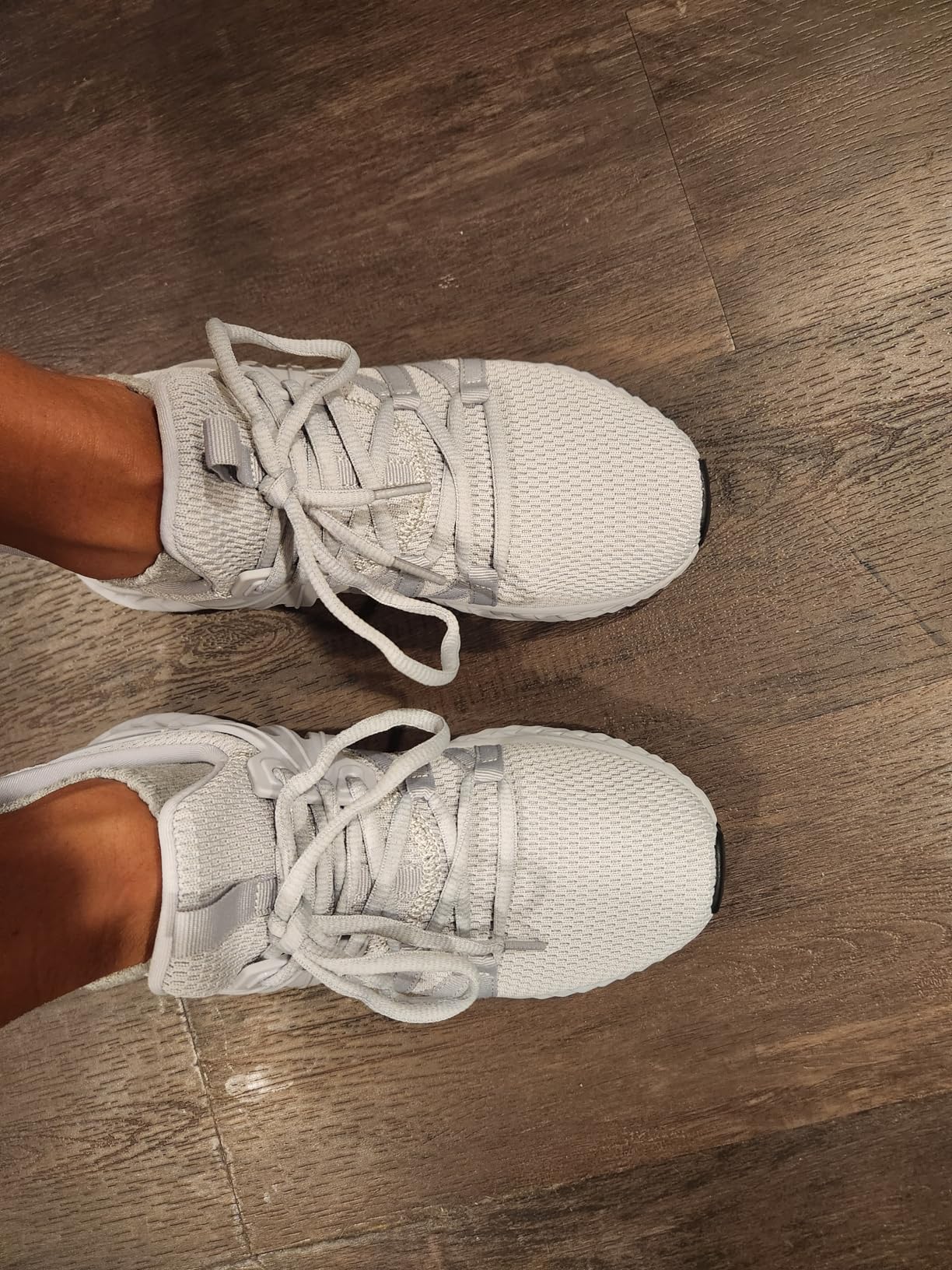
The support score I gave these is 4.5 out of 10, and I want to explain why that’s a different kind of criticism than “these shoes are bad.” The arch support gap is a category reality for sub-$50 slip-ons — it’s not unique to Abboos. The shoe doesn’t have a built-in arch that lifts and stabilizes your midfoot through long hours. What it has is cushioning, which handles impact but doesn’t address the structural support your foot asks for across extended use.
For most people wearing these 3–5 hours at a stretch, you’ll never notice. It’s the 8–10 hour use cases that expose the limitation.
Three nurse friends of mine tried these based on my early impressions. All three liked them for shorter shifts. Two added Sof Sole Athlete Insoles and found the combination workable for medium-length shifts. The third, who works 12-hour days on concrete hospital floors, eventually switched to a more structured option — something like the Skechers Ghenter Bronaugh work shoe, which is specifically built for that kind of extended standing.
That’s not a knock on Abboos. It’s context.
Performance Across My Real Life
Office Days
For typical office work — four to six hours of standing in meetings, walking between desks, the usual rhythm of a workday — these performed well. The lightweight build means your feet don’t feel pulled down, and the professional-enough all-black look works in most business-casual settings. Several colleagues asked what brand I was wearing, which for a $40 shoe felt like a small victory.
On my longest office day during testing (roughly ten hours, with a lot of walking between building wings), the arch fatigue kicked in noticeably by hour seven. Not debilitating, but present. If your days routinely run that long and involve significant standing, you’ll want to either pair these with thin supportive insoles or consider a more structured shoe like the Skechers Go Walk Joy, which has genuine built-in arch support for extended wear.
Outdoor and Weather Conditions
Dry conditions: no complaints. Walking on concrete, asphalt, tile — the rubber sole provides adequate grip and I never felt unstable on dry ground. The breathability claim also genuinely holds up outdoors; in Texas heat, my feet stayed cooler in these than in most shoes I’ve tested. The knit upper actually earns its marketing language here.
Wet conditions: more caution warranted. During a light rain day in week three, I slipped twice on wet pavement — not badly enough to fall, but enough to slow me down and make me more deliberate. The rubber sole has reasonable friction on dry surfaces but doesn’t maintain that grip consistently when water gets involved. For anyone working in environments where floor safety matters — wet tile, outdoor walkways in rain — these are not the right shoe. That’s not a failure of expectation management, it’s a genuine safety note.
At the Gym and Light Workouts
For the kind of gym use I do — treadmill walking, light strength training, occasional yoga class — these held up fine. The flexible upper moves naturally with your foot during lower-body exercises, and the lightweight build doesn’t create fatigue during standing circuits. The training shoe community would tell you these aren’t designed for lateral support, and they’d be right: anything involving significant side-to-side movement (step aerobics, lateral lunges, court sports) will expose the lack of midfoot structure.
But yoga? Treadmill walking? Casual weight work? These hold up fine, and I wore them for several sessions without issues.
What the Brand Claims vs. What I Found
“Breathable and Lightweight” — This one’s accurate. The 8.5 oz weight is genuinely below average for this category, and the knit upper delivers real airflow. No hot spots, no dampness issues, feet stayed comfortable temperature-wise even on long outdoor days.
“Comfortable Insole” — True with a significant qualifier. The short-term comfort is excellent. The long-term comfort drops off after the 4–5 hour mark due to insufficient arch support. The marketing doesn’t distinguish between these two, which sets some buyers up for disappointment.
“Anti-slip” — Mixed. Dry surfaces: works well. Wet surfaces: I wouldn’t rely on these in any situation where slip resistance actually matters for safety. The brand’s claim is technically defensible for typical dry-ground use but misleading if someone interprets it as all-surface grip.
“Suitable for All Occasions” — This one stretches reality. These are excellent casual sneakers for moderate-length activities. They’re not suitable for serious athletic performance, extended healthcare work without insole additions, or wet-condition environments where traction is critical. Adjust your expectations accordingly and you’ll likely be satisfied.
My Overall Assessment After Six Weeks
Performance Scores
| Category | Score /10 | Notes |
|---|---|---|
| Initial Comfort | 8.5 | Cloud-like first impression; excellent for first 4 hours |
| Long-term Comfort | 6.0 | Comfort cliff at 4–5 hours; arch support insufficient for extended wear |
| Style & Versatility | 8.0 | Clean, minimalist design works across casual and semi-professional contexts |
| Ease of Use | 9.0 | Connected tongue slip-on design is genuinely excellent for busy mornings |
| Durability | 7.0 | Good for price point; some minor wear after 6 weeks of daily use |
| Value for Money | 8.5 | Excellent feature set for ~$40 when used within intended scope |
| Breathability | 9.0 | Knit upper genuinely earns this claim; standout strength |
| Arch Support | 4.5 | Category limitation; add-on insoles can help but don’t fully resolve |
Overall Rating: 7.2/10 — “Excellent value within realistic expectations”
The 7.2 reflects a shoe that delivers authentically on several important promises — breathability, lightweight feel, ease of use, style versatility — while being limited by a structural constraint (arch support) that matters progressively more the longer you wear them. At $40 for casual use, the value proposition is genuinely strong. Beyond casual use, it falls short.
Who Should Buy This Shoe (and Who Shouldn’t)
These Are the Right Shoes If You Are:
- A busy mom who needs shoes ready in under 30 seconds in the morning
- An office worker whose days run 5–7 hours of light activity
- Someone with wider feet who struggles to find accommodating casual footwear
- A woman wanting something professional-looking for under $50
- Looking for a gym shoe for light cardio and walking, not competitive sports
- Planning to add thin arch support insoles — these have room for slim ones
- An occasional wearer who prioritizes comfort for shorter stretches
Consider Alternatives If You:
- Need built-in arch support without modifications (look at Skechers Go Walk Joy or orthopedic-focused options)
- Work in healthcare or food service where true slip-resistance is required
- Regularly wear shoes for 10+ hours without adding insoles
- Want dedicated training shoes for lateral movement or dynamic workouts
- Have plantar fasciitis or significant foot structural concerns
- Need maximum durability for intensive daily use beyond 6 months
Other Options Worth Considering
If the arch support gap is your main concern, Skechers Go Walk Joy delivers structured cushioning for extended wear at a similar price point. For women with wide feet who want something more minimalist, Joomra Wide Barefoot Shoes and Somiliss Wide Toe Box Sneakers offer zero-drop designs with a broad toe box. If you’re specifically looking for canvas casual options, Hello Basics Canvas Sneakers are worth comparing. And if you regularly walk longer distances and want better dedicated walking shoe support, that category steps up in arch engagement significantly.
Adding orthotic insoles is also a viable middle path — some women buy these Abboos shoes specifically to use as a base and add their own insoles. Just remember the connected tongue design limits you to thinner insole profiles.
Frequently Asked Questions
Do these run true to size?
For most women, yes. I wear a size 8 and found the fit accurate. Where it gets complicated: narrow-footed women sometimes find them slightly generous and prefer sizing down half a size. Anyone planning to add insoles should consider sizing up 0.5 to give the insole room to work.
Can I actually add my own insoles for arch support?
You can add thin insoles — gel arch supports or slim foam inserts work. Thick orthotics are difficult because the connected tongue design limits how much you can open the shoe and how much vertical space is available. Some women size up half a size specifically to accommodate insoles, but this changes the overall fit. If you need substantial orthotic support, a shoe with traditional lacing gives you more flexibility.
How long will these shoes hold up?
For casual daily wear (3–5 hours/day), expect 6–12 months of good performance. Healthcare workers using them for long clinical shifts report 3–6 months before comfort noticeably degrades. Occasional wearers can stretch these well past a year. The knit upper and rubber sole have held up through my six weeks with no visible deterioration, though the insole cushioning has softened somewhat with continuous use.
Are they actually slip-resistant?
On dry surfaces: yes, adequately. On wet pavement or wet tile: no. I slipped twice on wet pavement during my testing, and that’s a meaningful data point if your environment involves rain, spills, or wet floors regularly. Don’t trust these in kitchens, healthcare environments with wet floors, or outdoor conditions where traction is a safety requirement.
What about the chemical smell when they first arrive?
It’s real and it’s common with budget footwear. Give them 24–48 hours to air out — either outdoors or in a well-ventilated space. It dissipates within a few days of normal use and doesn’t linger. Not alarming, just something to plan for if you’re ordering for immediate wear.
Can I machine wash these?
Technically possible on a gentle cold cycle, but I’d recommend hand washing with mild soap instead. The knit upper can hold up to light machine washing, but repeated cycles risk distorting the structure and accelerating insole breakdown. Spot cleaning and hand washing will get you more life from them.
Will these work for concrete-heavy jobs?
For shifts under 5–6 hours: yes, with some caveats. For longer shifts: you’ll feel the arch fatigue and likely need to add insoles. If you’re standing on concrete for 8–12 hours regularly, these need supplementation to be comfortable past the halfway point of your day.
What colors are available?
The most consistently stocked colors are black, navy, gray, and white. Seasonal and limited colors appear periodically. Black is the most versatile for pairing with varied outfits and tends to stay available across sizes.
Final Verdict
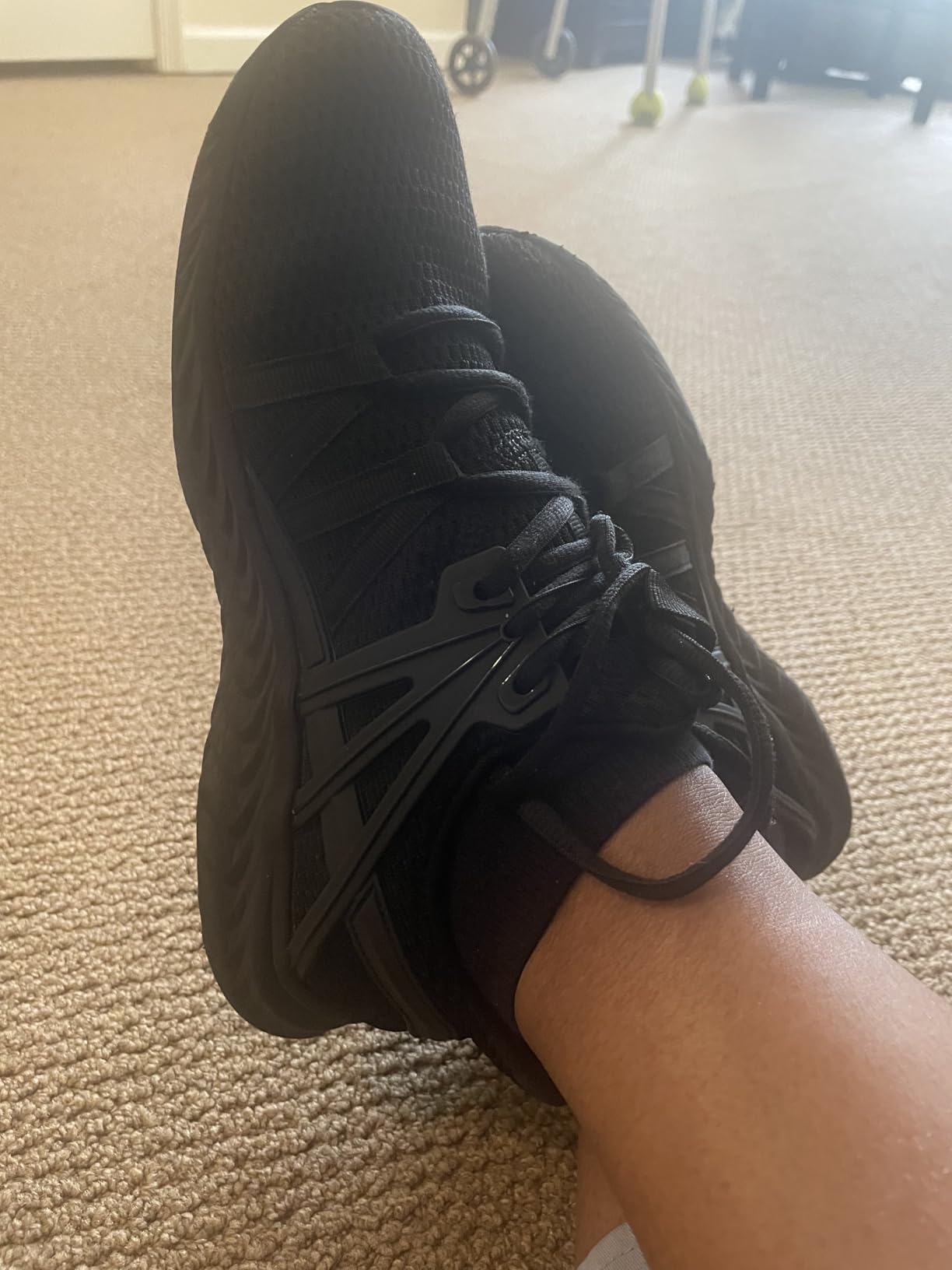
That skeptical late-night purchase turned out to be more right than I expected — just not in a simple way.
Six weeks in, the Abboos Women’s Slip On Sneakers have earned a place in my regular rotation for the right situations. Busy mornings when I’m running behind schedule. Office days that won’t stretch past six hours. Treadmill sessions where I want something light and comfortable. Weekend errands where style matters and the walk isn’t marathon-length.
Where they fall short is also clear: extended wear without insole support, wet-surface environments, and anything involving significant athletic demand. Go in knowing those limitations, and this shoe delivers real value at its price point.
Be the first to review “Abboos Womens Slip On Sneakers Women Walking Tennis Shoes”
Related products
Tennis/Squash Shoes
Training Shoes
Sneaker

Training Shoes
Training Shoes
Training Shoes
Reviews
There are no reviews yet.