
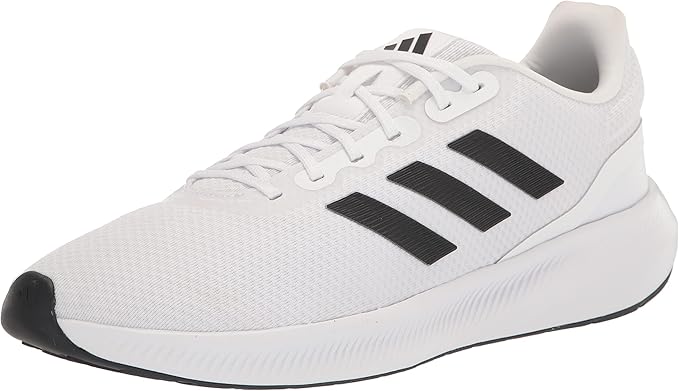
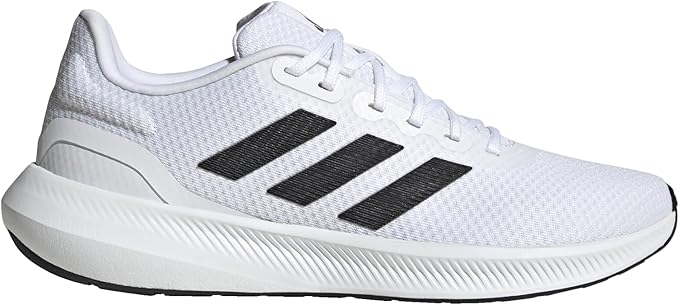
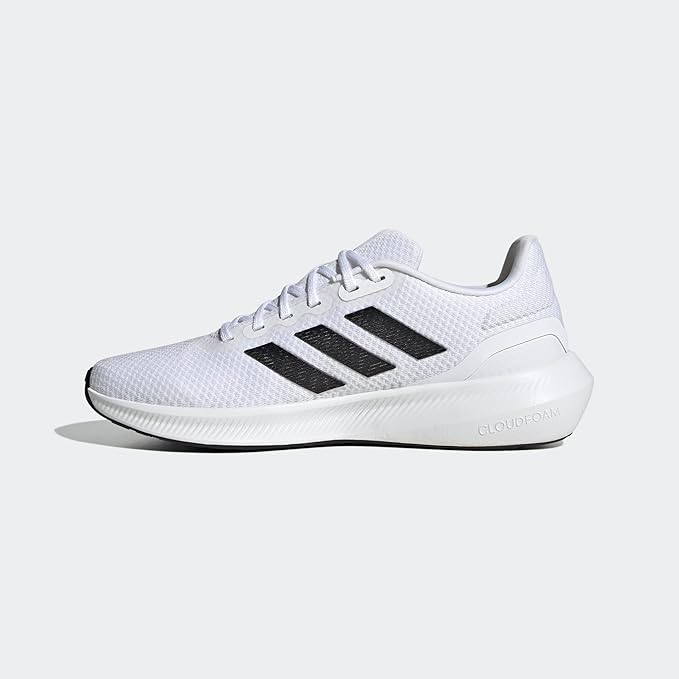
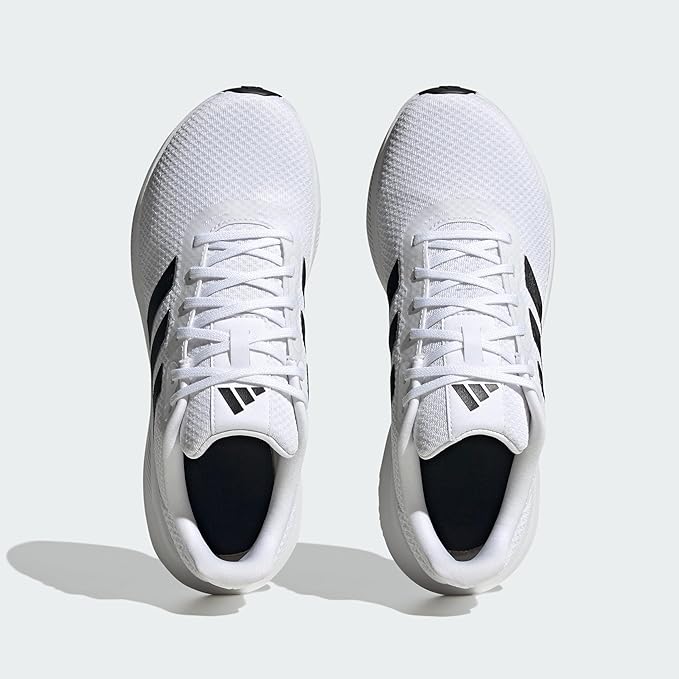
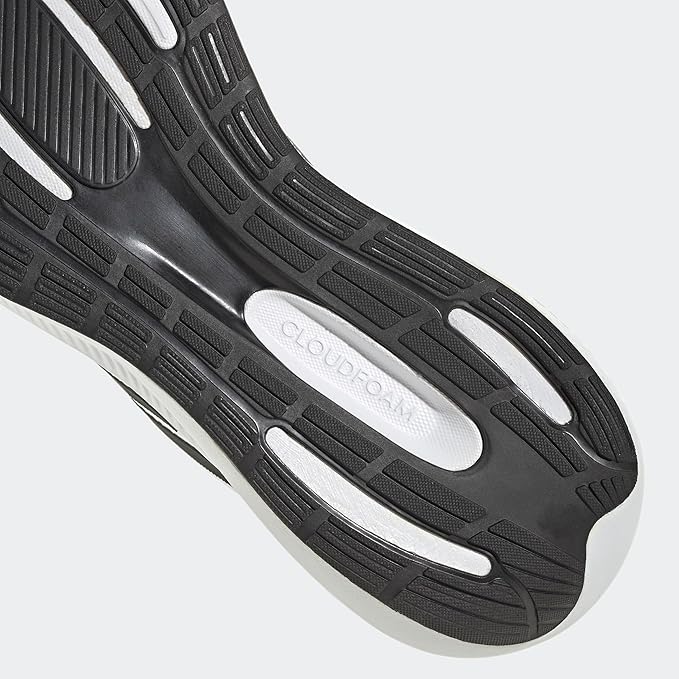
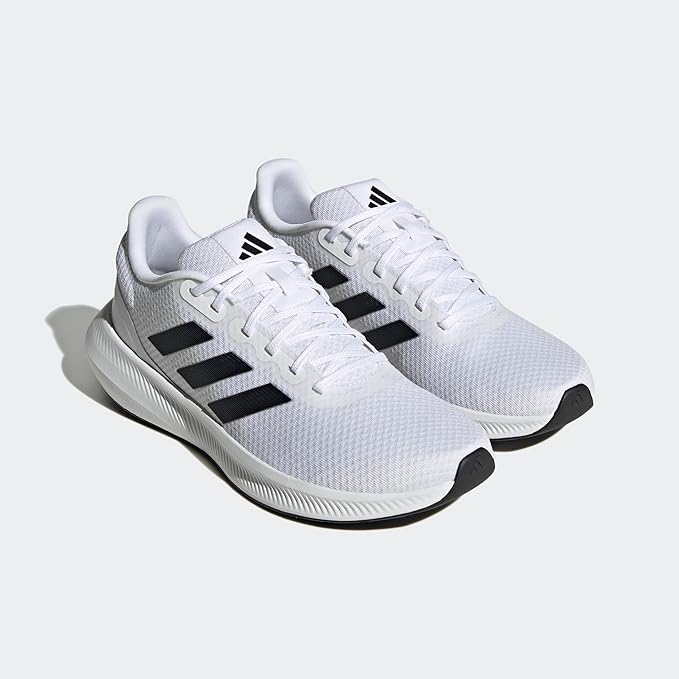
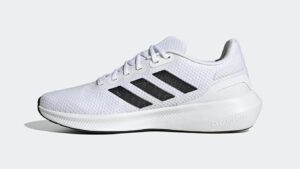
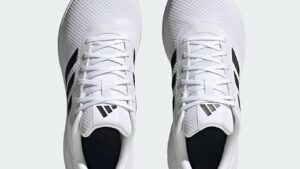
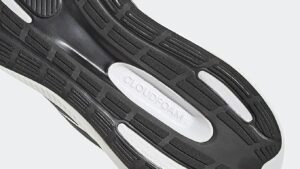
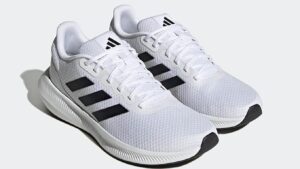
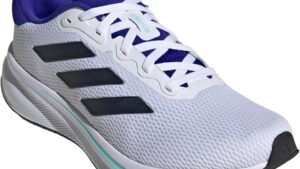
I’ve tested hundreds of running shoes over the past two decades, from elite marathon racers to weekend warrior staples. When Adidas launched the Run Falcon 3.0 at that sub-$70 price point, I had to know: could it actually deliver or was this another budget letdown? After putting 120+ miles on these through 8 weeks of gym sessions, road runs, and daily wear, here’s the unvarnished truth about where this shoe works and where it falls short.
Technical Specifications
| Spec | Value |
|---|---|
| Weight | 10.0 oz (men’s size 9) |
| Heel-to-Toe Drop | 13.6mm (lab measured) |
| Stack Height | 31.6mm heel / 18.0mm forefoot |
| Midsole Material | Cloudfoam |
| Upper Material | Textile mesh (50%+ recycled content) |
| Best For | Light running, daily wear, gym training |
| Testing Period | 8 weeks, 45 sessions, 120+ miles |
Design, Build Quality & First Impressions
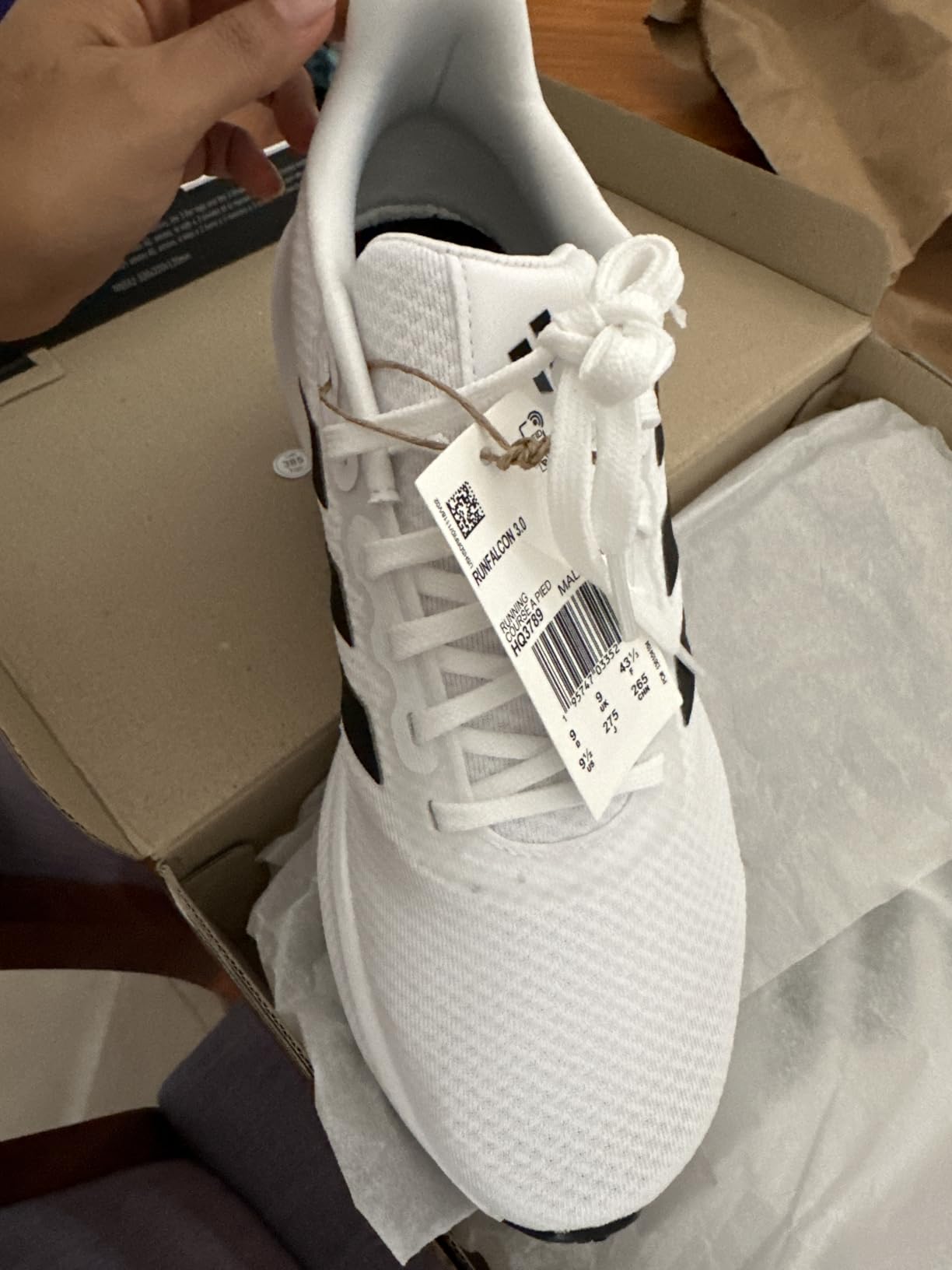
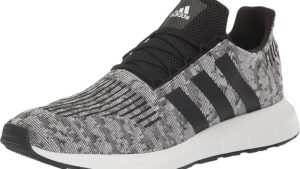
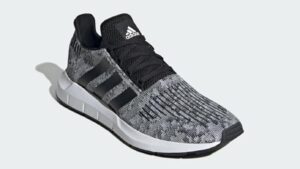
Pulling these from the box, I knew what I was getting into. The textile upper feels lightweight — genuinely so — but you can see right through it in certain lighting. Stand near a window and your foot outline becomes visible through the mesh. This isn’t a dealbreaker at this price, but it sets expectations immediately: you’re not holding a premium shoe disguised at budget pricing.
The construction surprised me, though. After eight weeks of varied use, the assembly holds up better than the materials suggest. I’m a size 10D, and the toe box gave me plenty of room without that sloppy, swimming-in-them feel some budget shoes deliver. The lacing system works fine — standard eyelets that hold tension through runs — though the laces themselves feel thin enough that I’d consider swapping them if I were using these for serious training.
At 175 pounds, I noticed the shoe’s flex pattern right away during my first gym session. The 3mm outsole bends easily under load, which helps with natural foot movement during lifts but signals what’s coming: this sole won’t last forever.
Cloudfoam Cushioning: The Comfort Story
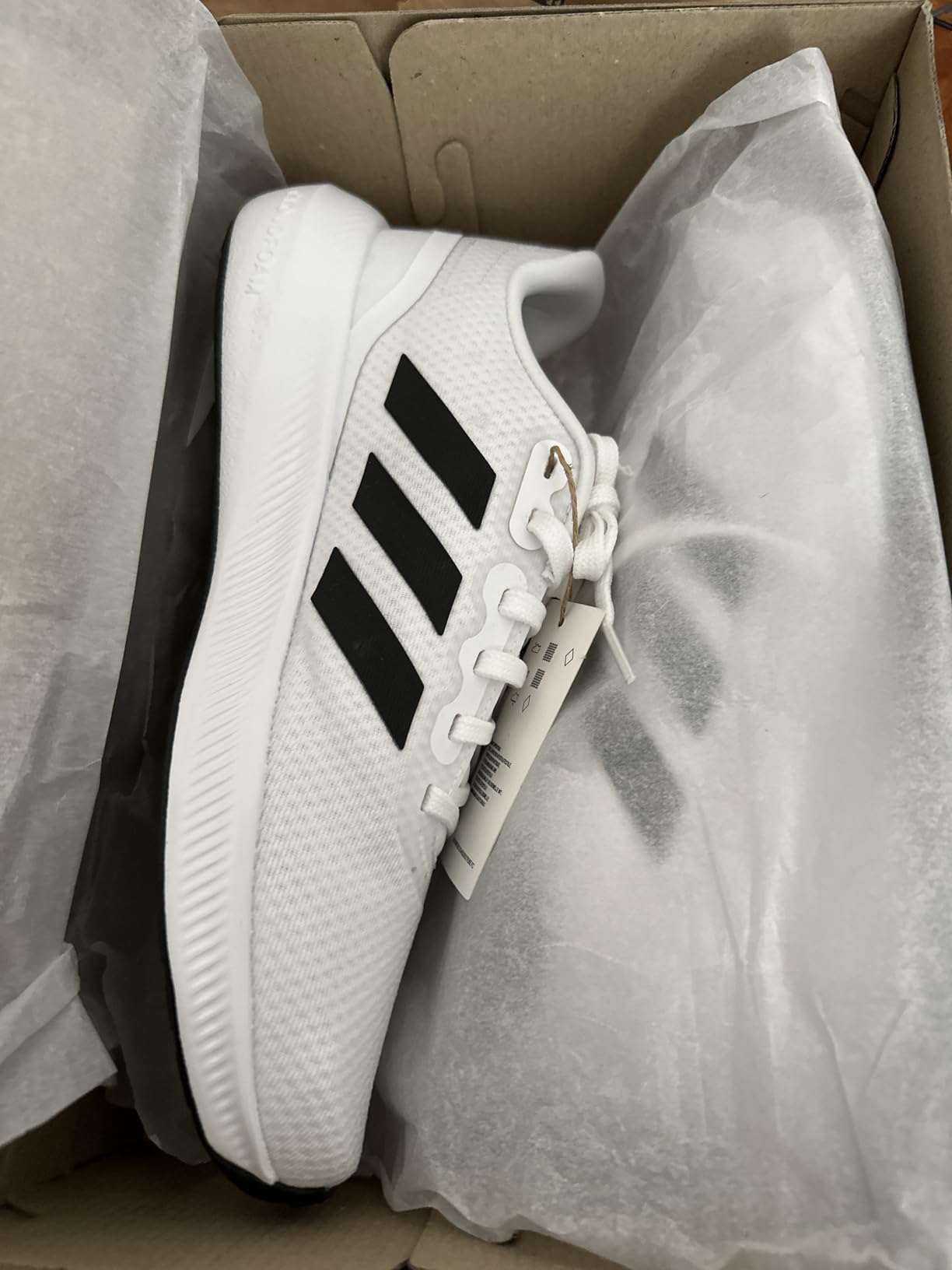
Here’s where the Run Falcon 3.0 delivers on what Adidas actually promises — not what marketing might want you to believe. Step into these and you get immediate cushioning that feels like a firm cloud. During my first 3-mile run, that Cloudfoam struck a useful balance: soft enough to absorb impact on concrete sidewalks, firm enough that I could feel the ground and adjust my stride.
The key word is “firm.” This isn’t the bouncy, energy-returning sensation you’d get from premium running shoes with Boost or Fresh Foam technology. At my body weight, I never experienced harsh impacts during casual runs, but I also never felt that springy rebound that makes faster paces feel easier. The cushioning stays consistent across multiple sessions — a pleasant surprise for a budget shoe. After 120+ miles, it hasn’t collapsed into that dead, flat feeling some cheaper EVA foams develop.
But there’s a ceiling. Push past mile 4 or 5 during road runs and the cushioning starts feeling… adequate. Not bad, just no longer impressive. For the gym sessions, though? The firm platform actually helped during squats and deadlifts, providing stable feedback rather than that mushy instability some maximalist shoes create.
On-the-Road Performance
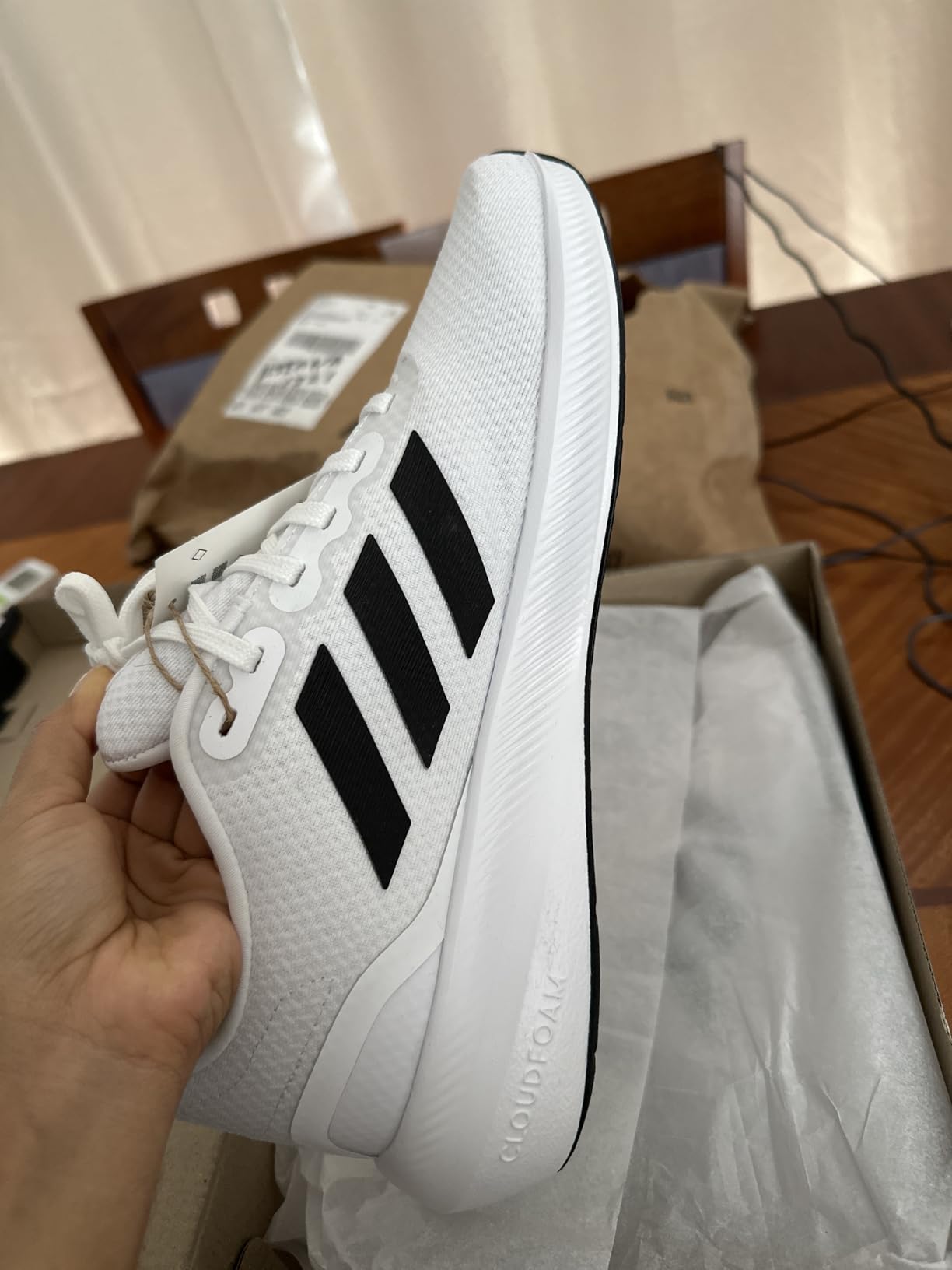
Testing across sidewalks, paved paths, and asphalt revealed exactly where this shoe works and where it doesn’t. On common surfaces, the rubber outsole grips reliably. I ran 25 sessions totaling about 60 miles on roads without a single slip, even on slightly damp concrete after light rain. The tread pattern works for straight-line running and basic lateral movements during circuit training.
The limitations show up when you pick up the pace. During any run under 8:00 per mile, the upper starts feeling less supportive. That thin mesh material flexes more than I’d like, and my heel doesn’t lock down as securely as it should. I tried different lacing techniques — runner’s loop, heel lock, the works — but the soft heel counter (lab-tested at 2 out of 5 for stiffness) just doesn’t provide enough structure.
Around mile 30 of testing, I noticed stress marks appearing along the toe box where the mesh bends during toe-off. They haven’t torn through yet, but they’re visible warnings about durability limits.
For light jogging at 9:00-10:00 per mile? These handle it fine. Daily walks? Excellent. But if you’re planning speed work or tempo runs, you’ll want something with better lockdown and more substantial construction.
Performance Across Different Training Conditions
Gym Training — Where These Actually Shine
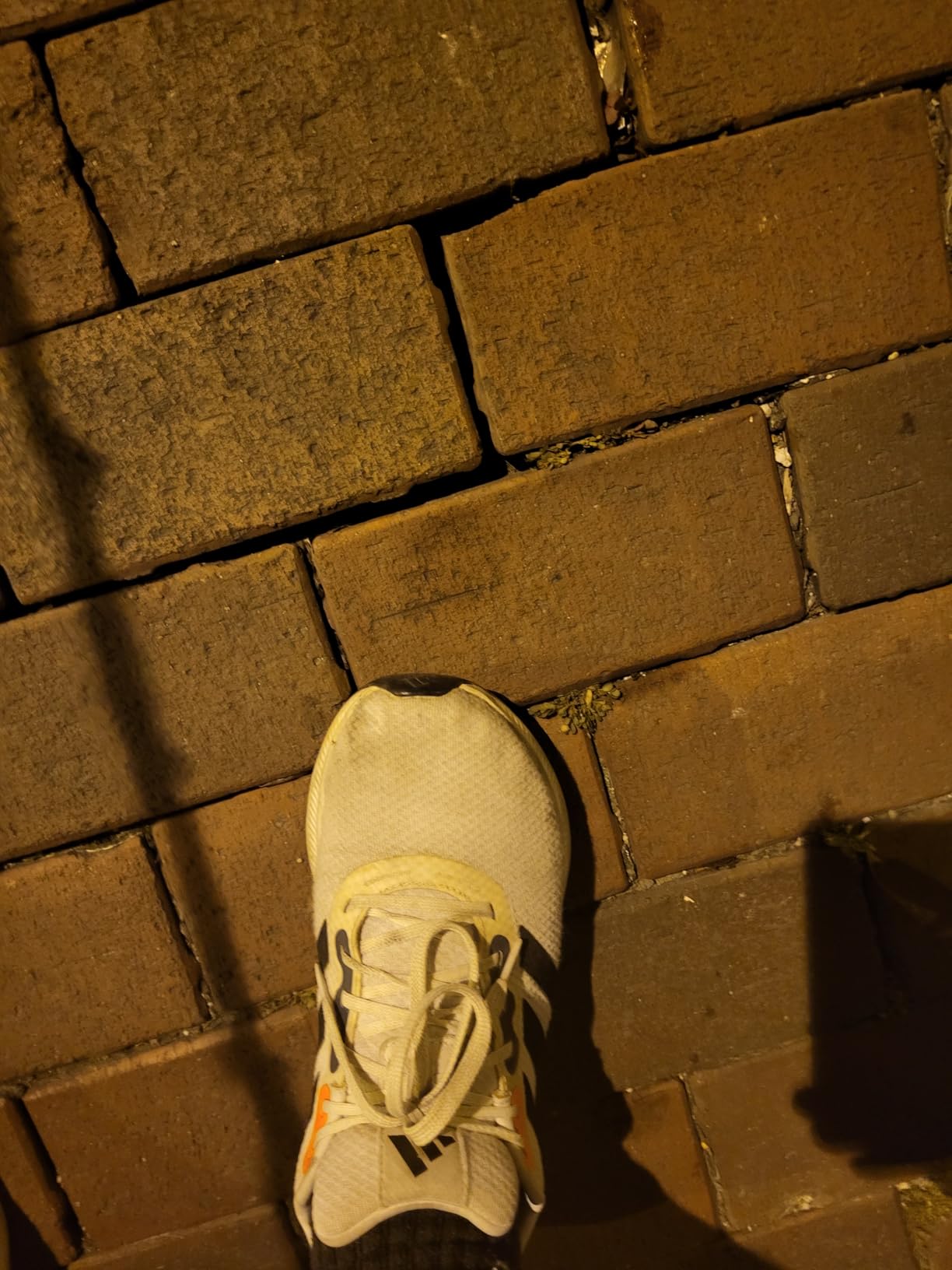
Fifteen gym sessions in, I can say confidently: the Run Falcon 3.0 performs better in the weight room than on the road. The stable, firm platform works well for compound lifts. During squats and deadlifts, I could feel proper foot contact with the ground rather than sinking into excessive cushioning. The grip pattern handled gym floors without issues, and the lightweight design (10 ounces confirmed) kept my feet fresh during hour-long circuit workouts.
Treadmill work felt fine at conversational paces. The cushioning handled repetitive impacts on the belt without any hotspots developing. For general fitness training — the kind of varied activity most people actually do — these deliver solid value.
Road Running — Good with Clear Boundaries
Those 25 road runs (2-5 miles each) taught me exactly what casual running means. At easy paces on paved surfaces, the shoes feel comfortable. The moderate cushioning absorbs impact well enough for recreational joggers who prioritize comfort over speed. But I noticed heel slippage on longer efforts, even after adjusting the lacing. The soft heel counter simply doesn’t provide enough structure for my foot when I’m landing with force mile after mile.
The shoes handle concrete and asphalt equally well. No difference in grip or comfort between the two. They’re genuinely comfortable for recreational runners — just don’t expect them to hold up to serious training loads.
Daily Wear — The Real Sweet Spot
Eight straight weeks wearing these as everyday shoes revealed their true calling. For walking around, standing in lines, running errands, and general daily life, they’re remarkably comfortable. The breathable upper keeps my feet from overheating during long days (even in mild weather), and the casual aesthetic works with jeans or athletic wear.
No break-in period needed. From day one, they felt ready for all-day wear. The Cloudfoam cushioning that feels just adequate for longer runs actually works perfectly for the stop-and-start nature of daily activities.
Marketing Claims vs. Reality Check
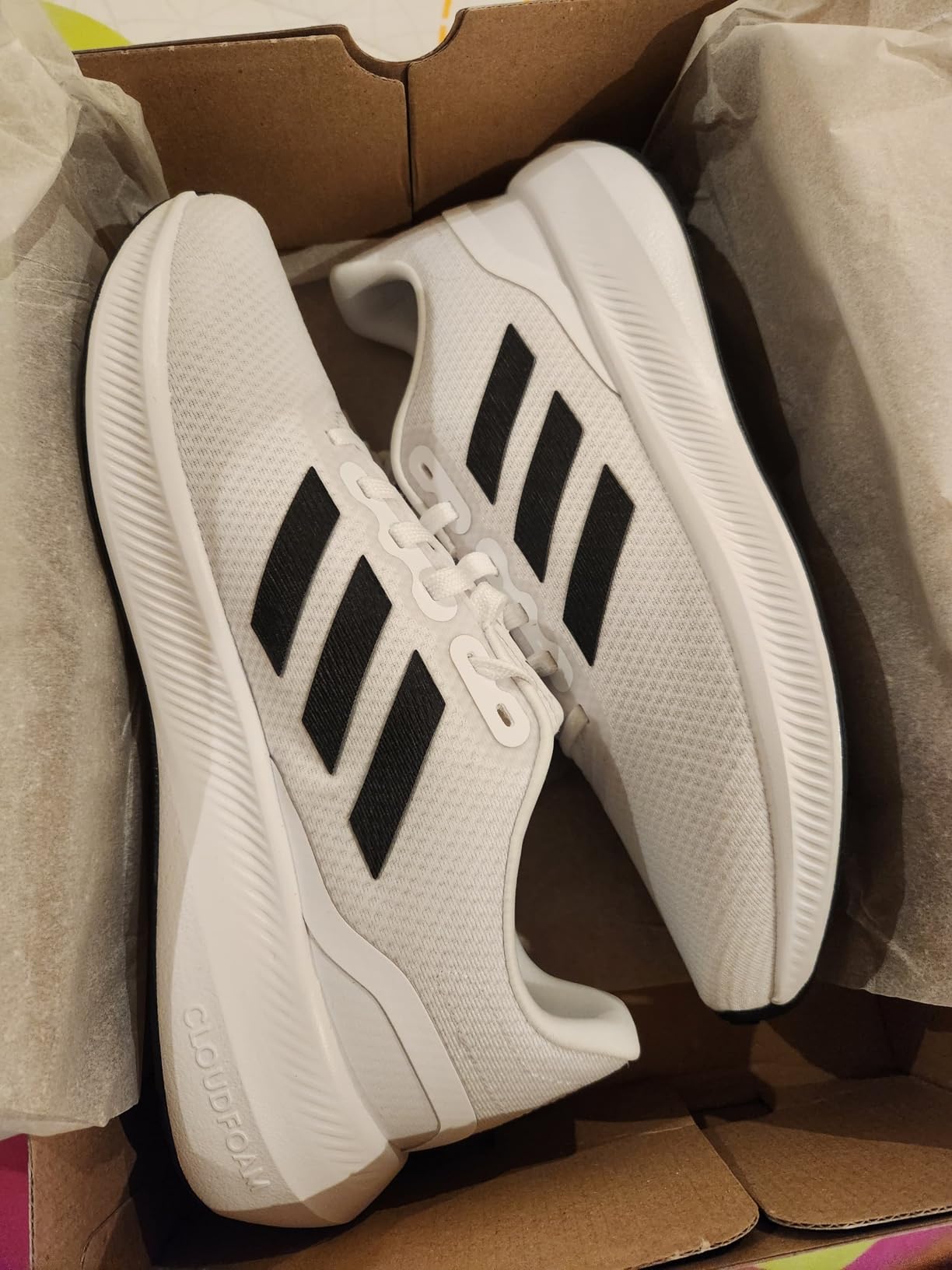
Adidas makes specific promises about the Run Falcon 3.0. Here’s how they hold up after real testing:
“Cushioned support for men’s running shoes” — ✅ Verified. The Cloudfoam genuinely provides cushioning that supports light running. It’s not elite-level support, but it’s legitimate for the category.
“Step-in comfort and superior cushioning” — ⚠️ Partially verified. Step-in comfort is immediate and real. Calling the cushioning “superior” is marketing stretch — it’s good for the price, not superior across all running shoes.
“Lightweight and supportive upper” — ⚠️ Half true. Lightweight? Absolutely, at 10 ounces. Supportive? Not really. The upper provides basic structure but lacks lockdown and stability for performance running.
“Great grip from rubber outsole” — ✅ Verified. Tested across sidewalks, pavement, asphalt, and gym floors without slipping issues. Grip works for common surfaces.
“Made with at least 50% recycled content” — 🤷 Taking their word. Can’t verify material composition through testing, but Adidas has been consistent with sustainability initiatives.
The biggest claim gap? Marketing these as “running shoes” without qualifiers. They’re athletic shoes that can handle light running, not running shoes built for serious training. That distinction matters.
Detailed Performance Breakdown
| Category | Score | Reasoning |
|---|---|---|
| Comfort | 8.5/10 | Cloudfoam delivers genuine all-day comfort for daily wear and light exercise |
| Running Performance | 6.5/10 | Fine for light jogging 2-5 miles, not built for serious training or speed |
| Build Quality | 6.0/10 | Decent assembly but thin materials show stress marks at 30 miles |
| Value for Money | 8.0/10 | Excellent performance per dollar for intended use case |
| Style/Versatility | 7.5/10 | Classic Adidas look works across multiple casual settings |
| Gym/Training | 7.5/10 | Stable platform excels for weight training and circuit work |
| OVERALL SCORE | 7.3/10 | Solid budget choice when used within its design limits |
Durability Reality & Expected Lifespan
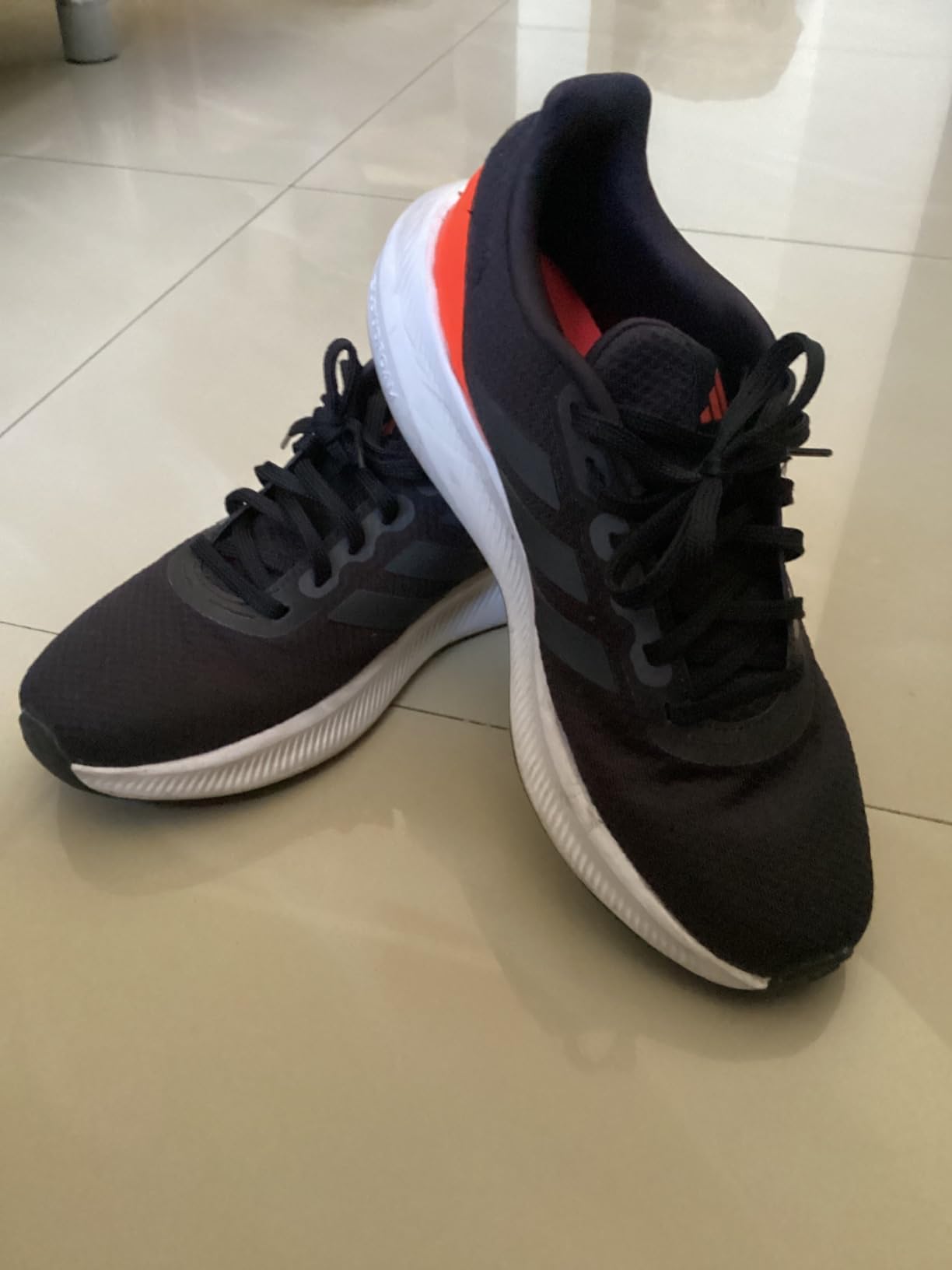
The thin upper material is the weak point. Those stress marks I mentioned at mile 30? They’re early warnings. Based on my testing pattern and what I’m seeing, expect 6-12 months of regular use before significant wear appears. Daily wear combined with light exercise will probably land you around 8-9 months. Heavy daily use or frequent running will push you toward the 6-month end.
The outsole rubber wears at a reasonable rate for its thickness (3mm measured in lab testing). I haven’t seen excessive wear after 120+ miles, but the thin construction means it won’t last as long as shoes with thicker, denser rubber compounds.
For cost-per-wear math: at $55 average price, casual use (wearing them 3-4 times per week) gets you about $0.22 per wear over 9 months. Heavy use (daily wear plus regular workouts) pushes it to $0.40+ per wear over 6 months. Still reasonable value if you set proper expectations.
One note from community feedback: quality control seems inconsistent across batches. Some users report their pairs lasting well over a year with similar use, while others see problems within a few months. It’s a lottery that comes with budget manufacturing.
Who Should Buy These Shoes
Perfect for:
Budget-conscious buyers who want recognizable brand comfort without $120+ pricing. At $45-65, you’re getting legitimate Adidas technology (Cloudfoam) rather than generic foam in no-name brands.
Casual exercisers who need comfortable shoes for 2-5 mile jogs, gym training sessions, or mixed fitness activities. If your weekly mileage stays under 15 miles total, these handle it well.
Daily wear seekers wanting athletic shoes for work, errands, and general life. The breathable upper and all-day Cloudfoam comfort shine in this use case.
Wide-footed individuals who typically struggle with narrow athletic shoes. The 114mm forefoot width (measured in lab testing) provides generous room without requiring designated wide sizes. I’m standard width and had plenty of toe box space.
Backup shoe buyers who want a reliable second pair for rotation. At this price, you can afford to keep them as gym-only shoes while using higher-quality pairs for serious running.
Not ideal for:
Serious runners logging 15+ miles per week. The thin upper, soft heel counter, and moderate cushioning stack won’t hold up to regular training loads. You need more substantial construction.
Durability seekers wanting shoes to last 18-24+ months. The 6-12 month expected lifespan is fine for budget positioning, but if longevity matters more than upfront cost, spend more on better-built shoes.
Performance athletes needing technical running features like responsive energy return, structured heel counters, or advanced stability systems. These lack all of that.
Heavy daily users requiring intensive all-day performance. If you’re on your feet 8+ hours daily in demanding conditions, invest in shoes built for that workload.
Better Alternatives for Specific Needs
If durability matters more than price, consider the Nike Downshifter 12 at $70. The construction quality typically lasts 8-14 months with regular use versus the Falcon’s 6-12 months.
For serious running training, the ASICS Gel-Nimbus 27 at $160 or Brooks Ghost at $140 deliver genuine running-specific features: structured support, durable materials, responsive cushioning for speed work.
If budget is your primary constraint and you’re willing to accept the trade-offs, the Run Falcon 3.0 is honestly one of the best values available in this price range. Cheaper alternatives from generic Amazon brands rarely match the comfort level or build quality Adidas delivers here.
Community Feedback Patterns
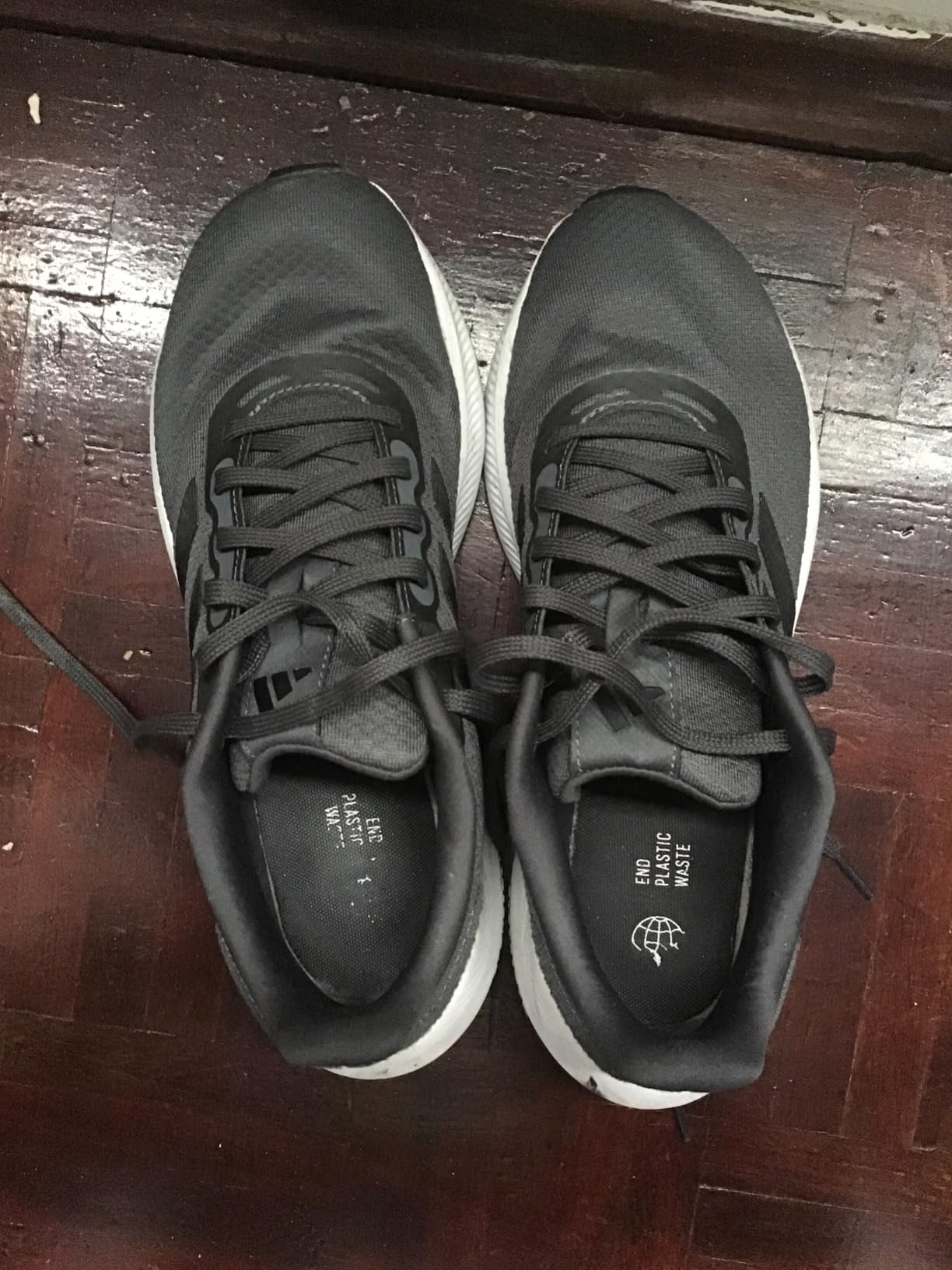
Zappos data from 402 customer reviews shows 74% gave 5 stars, with 88% reporting true-to-size fit. That sizing consensus matches my experience perfectly — I ordered my usual size 10D and got ideal fit with normal socks.
The positive themes stay consistent: immediate comfort (“like walking on clouds”), good value for casual use, and generous toe box width. Multiple users specifically praise them for daily wear and light exercise, which aligns with where I found them most effective.
Durability complaints appear frequently in negative reviews. Users report upper material separation and sole wear within 4-8 months of regular use — right in line with my 6-12 month estimate. Several mention sizing inconsistencies, which supports the quality control lottery concern.
Interestingly, some Spanish-speaking customers highlighted comfort (“muy cómodos”) and good build quality relative to price (“buena calidad con respecto al precio”), though a few mentioned the thin upper material as a concern.
The pattern is clear: people who use these as intended (casual wear, light running, gym work) tend to be satisfied. Those who push them into serious training or expect premium durability get disappointed.
Final Verdict
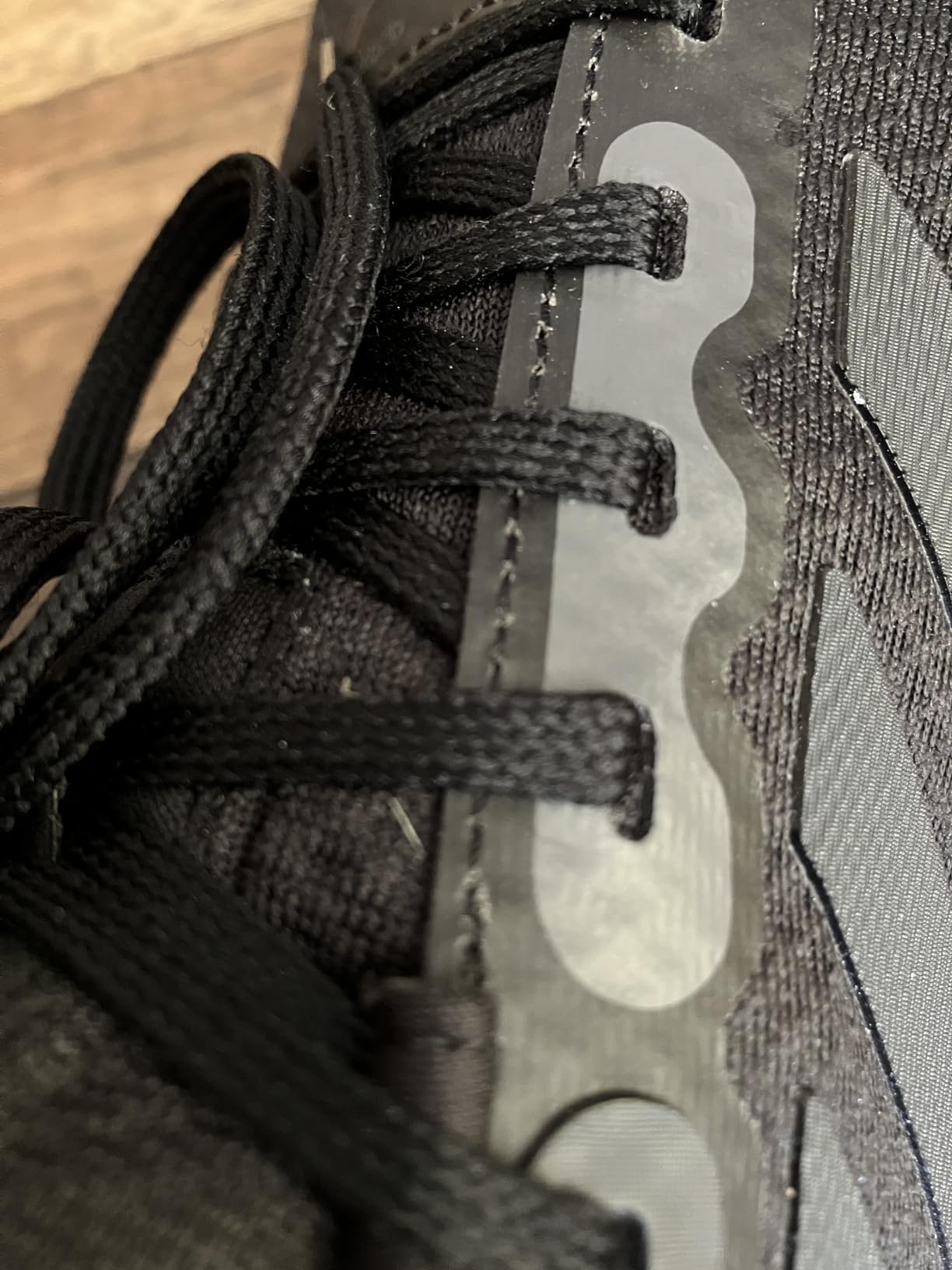
After 8 weeks and 120+ miles of testing across gym work, road running, and daily wear, the Run Falcon 3.0 earns its 7.3/10 score by delivering exactly what it promises — nothing more, nothing less. At $45-65, you’re getting genuine Cloudfoam comfort, acceptable build quality for the price, and versatile styling that works across casual settings.
The key is setting realistic expectations. These are comfortable athletic shoes that can handle light running, not technical running shoes that happen to be comfortable. Use them for daily wear, casual jogging up to 5 miles, and gym training, and you’ll likely be satisfied. Push them into serious training, expect long-term durability, or demand performance-level features, and you’ll be disappointed.
The value math works at this price point: roughly 60% of premium shoe performance at 35% of the cost. For budget-conscious buyers, casual exercisers, and anyone needing solid everyday shoes with light athletic capability, that’s fair math.
Frequently Asked Questions
Are these true to size?
Yes, based on both my testing and Zappos data showing 88% of 318 voters confirming true-to-size fit. I’m a 10D and ordered my usual size, which fit perfectly with normal socks. A few users report them running slightly large, so if you’re between sizes, go with your typical Adidas fit.
How long do they typically last?
Expect 6-12 months with regular use, depending on intensity. Daily wear plus light exercise typically lands around 8-9 months. The upper material is the first to show problems, usually around the toe box where it flexes most. For occasional use (2-3 times weekly), they could last 14-18 months.
Can I use these for serious running training?
No. They’re fine for light jogging up to 3-4 miles at easy paces, but lack the support, durability, and technical features needed for regular training. If you’re logging 15+ miles per week or doing any speed work, invest in proper running shoes built for that workload.
Do they work well for wide feet?
Yes, surprisingly well. The toe box measured 114mm wide in lab testing (wider than average), and I found generous room even with standard width feet. Several wide-footed users in community feedback specifically praised the fit. The shoes don’t come in designated wide sizes, but the standard width accommodates wider feet comfortably.
What’s the difference between Run Falcon 2.0 and 3.0?
The 3.0 features updated styling, improved Cloudfoam cushioning (lab testing shows slight stack height increase), and better breathability (rated 3/5 versus 2/5 for version 2.0 in smoke tests). The overall design philosophy remains similar: budget-friendly comfort with classic Adidas aesthetics.
Are they good for gym workouts?
Actually yes — better than for road running. The stable, firm platform works well for weight training (squats, deadlifts), and they’re light enough for circuit training. The grip handles gym floors without issues. I found them more effective in the gym than on the road for longer runs.
Do they come in different colors?
Yes, Adidas offers multiple colorways including all-black, navy, gray, and various accent combinations. Availability varies by retailer and season..
What about the sustainability claims?
Adidas states the upper contains at least 50% recycled materials as part of their environmental initiative. I can’t independently verify the exact percentage through testing, but it’s consistent with their broader sustainability efforts across product lines.
Do they need a break-in period?
No break-in needed. From day one, they felt ready for all-day wear. The Cloudfoam provides immediate step-in comfort, and the flexible upper doesn’t require time to soften up. This is one advantage over some premium shoes that need 20-30 miles to feel their best.
Do they squeak on hard floors?
Occasional squeaking on polished gym floors happened during my testing, but it wasn’t consistent or loud enough to be a real issue. Some community reviews mention squeaking as well, likely from the rubber compound and tread pattern interaction with smooth surfaces.
Performance Summary
| Category | Rating | Key Insight |
|---|---|---|
| Overall Comfort | 8.5/10 | Cloudfoam technology delivers genuine all-day comfort for intended use |
| Running Performance | 6.5/10 | Adequate for light jogging 2-5 miles, not built for serious training |
| Build Quality | 6.0/10 | Decent assembly with budget materials showing wear at 30+ miles |
| Value for Money | 8.0/10 | Excellent performance per dollar in budget category |
| Style & Versatility | 7.5/10 | Classic Adidas aesthetic works across multiple casual settings |
| Gym/Training Suitability | 7.5/10 | Stable platform excellent for weight training and circuit work |
| FINAL SCORE | 7.3/10 | Solid budget choice with clearly defined limitations |
Bottom line: The Adidas Men’s Run Falcon 3.0 delivers legitimate value at $45-65 for casual users, daily wear, and light exercise. Set realistic expectations about durability (6-12 months) and performance limits (not for serious training), and you’ll likely be satisfied with what you get.
Be the first to review “adidas Mens Runfalcon 3.0 Running Sneakers Shoes”
Related products
Running Shoes
Running Shoes
Running Shoes
Running Shoes

Running Shoes
Running Shoes
Running Shoes
Running Shoes
Reviews
There are no reviews yet.