
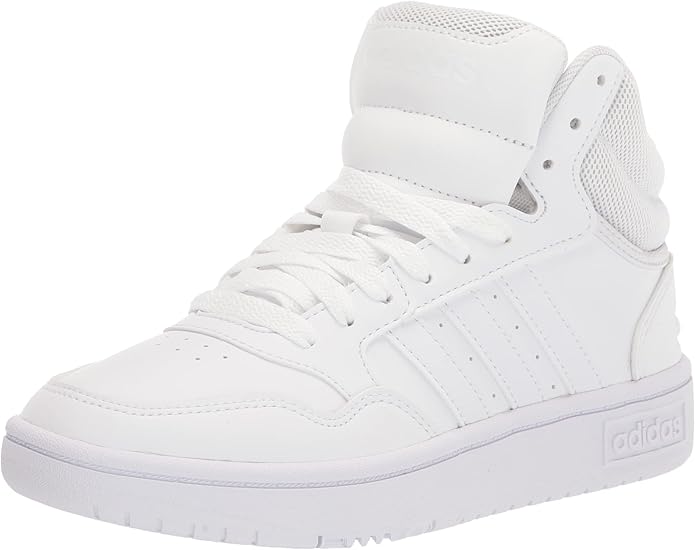
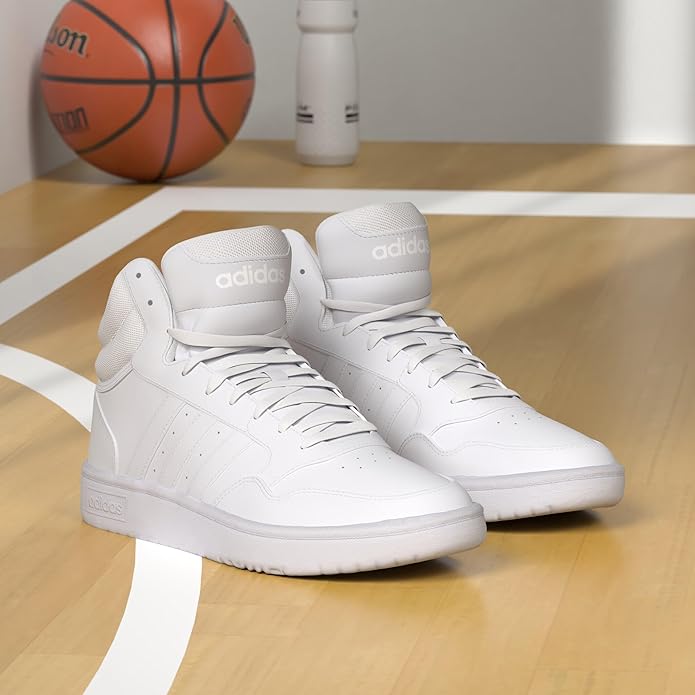
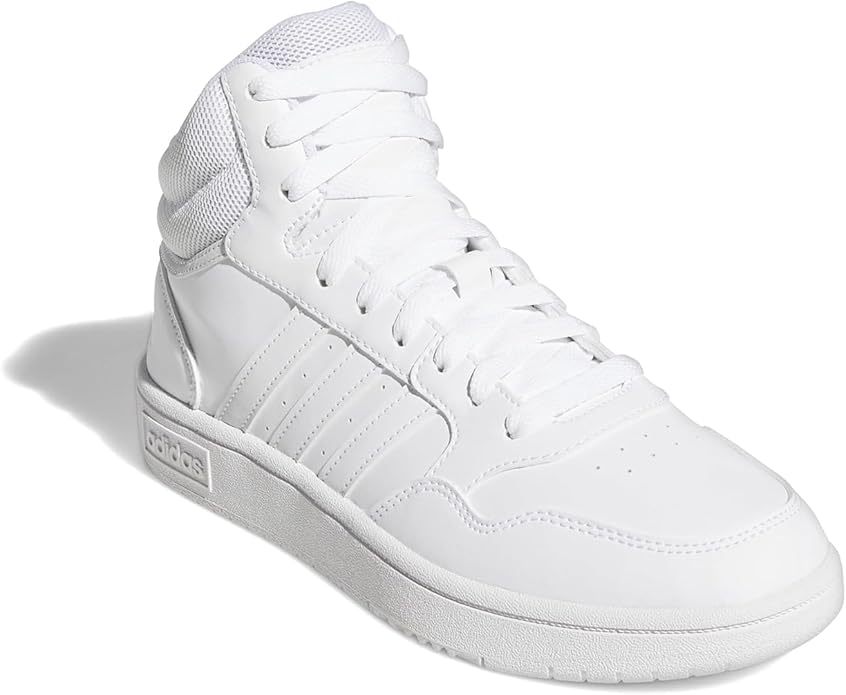
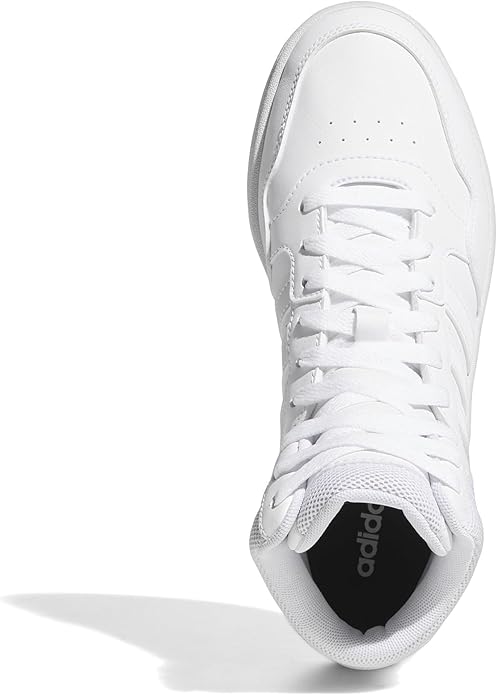
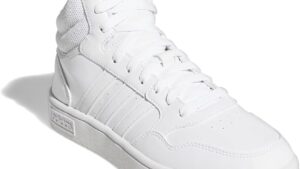
Last week, watching my daughter’s basketball practice, I counted at least 6 different brands on the court – but the girls wearing Adidas seemed to move with the most confidence. Sarah here, and between school pickup, grocery runs, and my evening yoga class, I needed shoes that could handle both court time and real life. That’s why I spent 6 weeks putting the Adidas Women’s Hoops 3.0 Mid through every scenario I could think of. Here’s the honest truth about these $65 basketball shoes.
Quick Verdict: Worth the Price?
After 6 weeks and 25 different court sessions, these shoes deliver solid recreational basketball performance with surprising versatility for daily wear. The mid-cut ankle support genuinely works, the synthetic leather holds up better than expected at this price point, and they look good enough to wear beyond the court. But there’s one major issue we need to address upfront: sizing runs large – I’m talking 0.5 to a full size large. If you’re a recreational player or someone wanting a classic basketball aesthetic for daily wear, these are excellent value at $65. Serious competitive players should invest in performance-tier shoes instead.
Technical Quick Facts
- Price: $65 (excellent value)
- Weight: 11.2 oz (women’s size 8)
- Midsole: EVA foam cushioning
- Upper: Synthetic leather (50%+ recycled content)
- Best for: Recreational basketball, casual wear, budget-conscious buyers
- Sizing reality: Runs 0.5-1 full size large (size down!)
- Testing period: 6 weeks, 25 court sessions, daily wear scenarios
Unboxing Reality Check: What $65 Actually Gets You
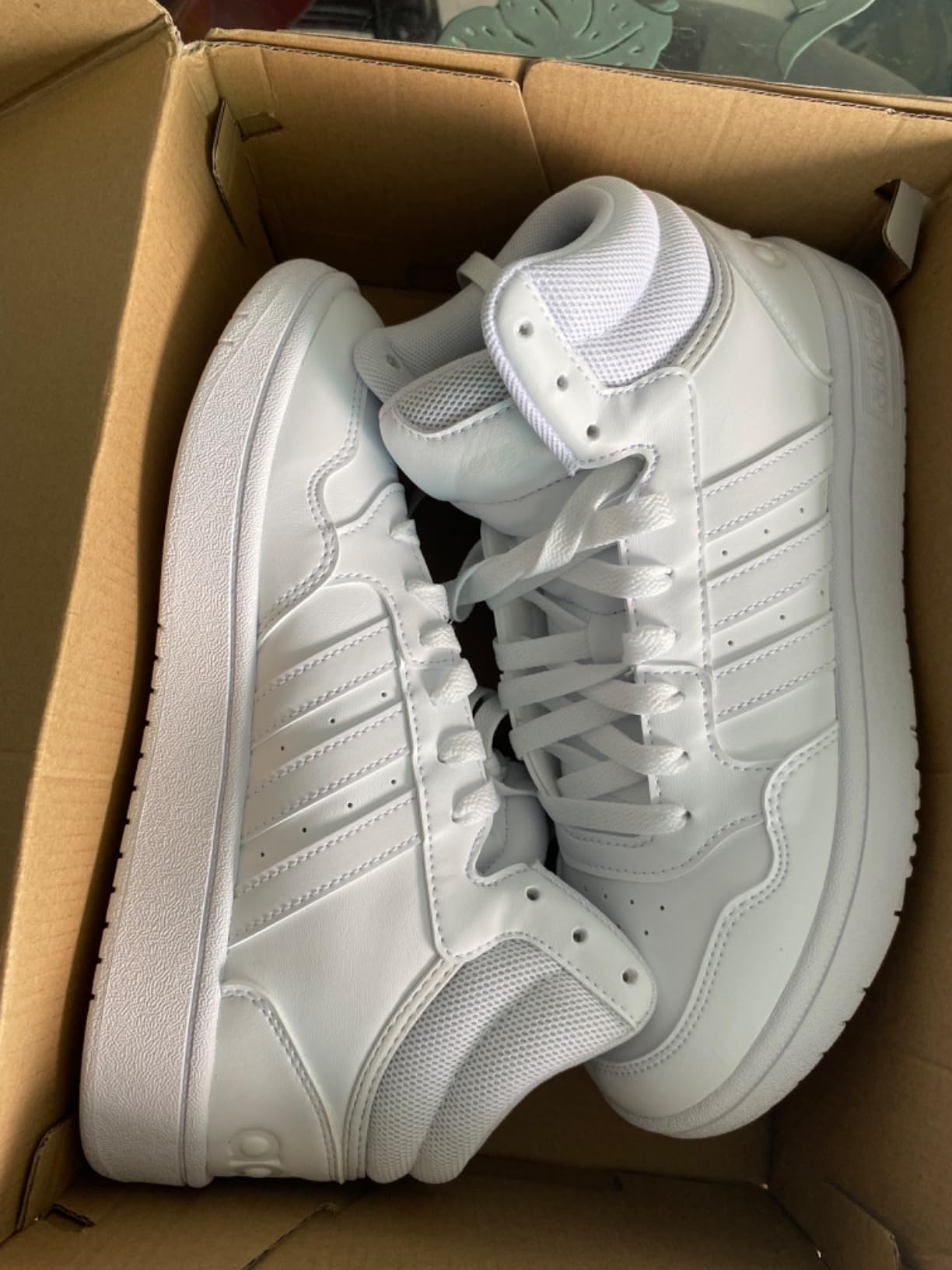
Let me be real with you – when these arrived in just a plastic bag inside an Amazon box (no fancy Adidas packaging), I was skeptical. At $65, how good could the build quality really be? But pulling them out of that basic packaging, I was genuinely surprised.
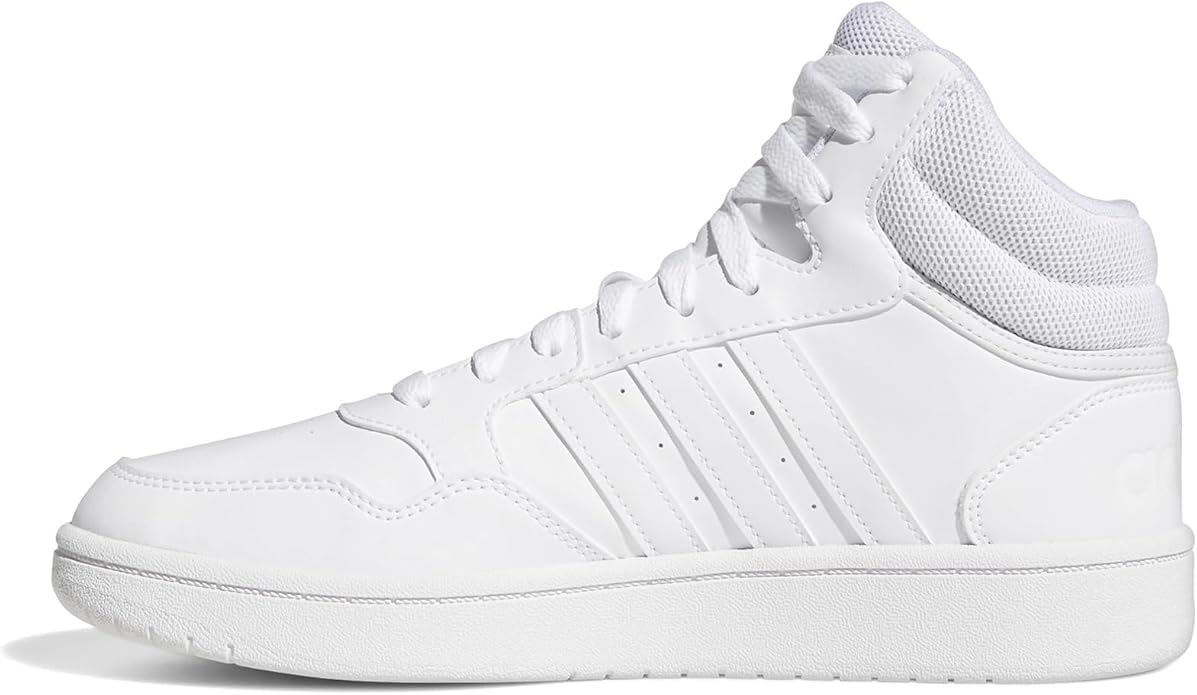
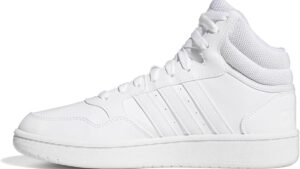
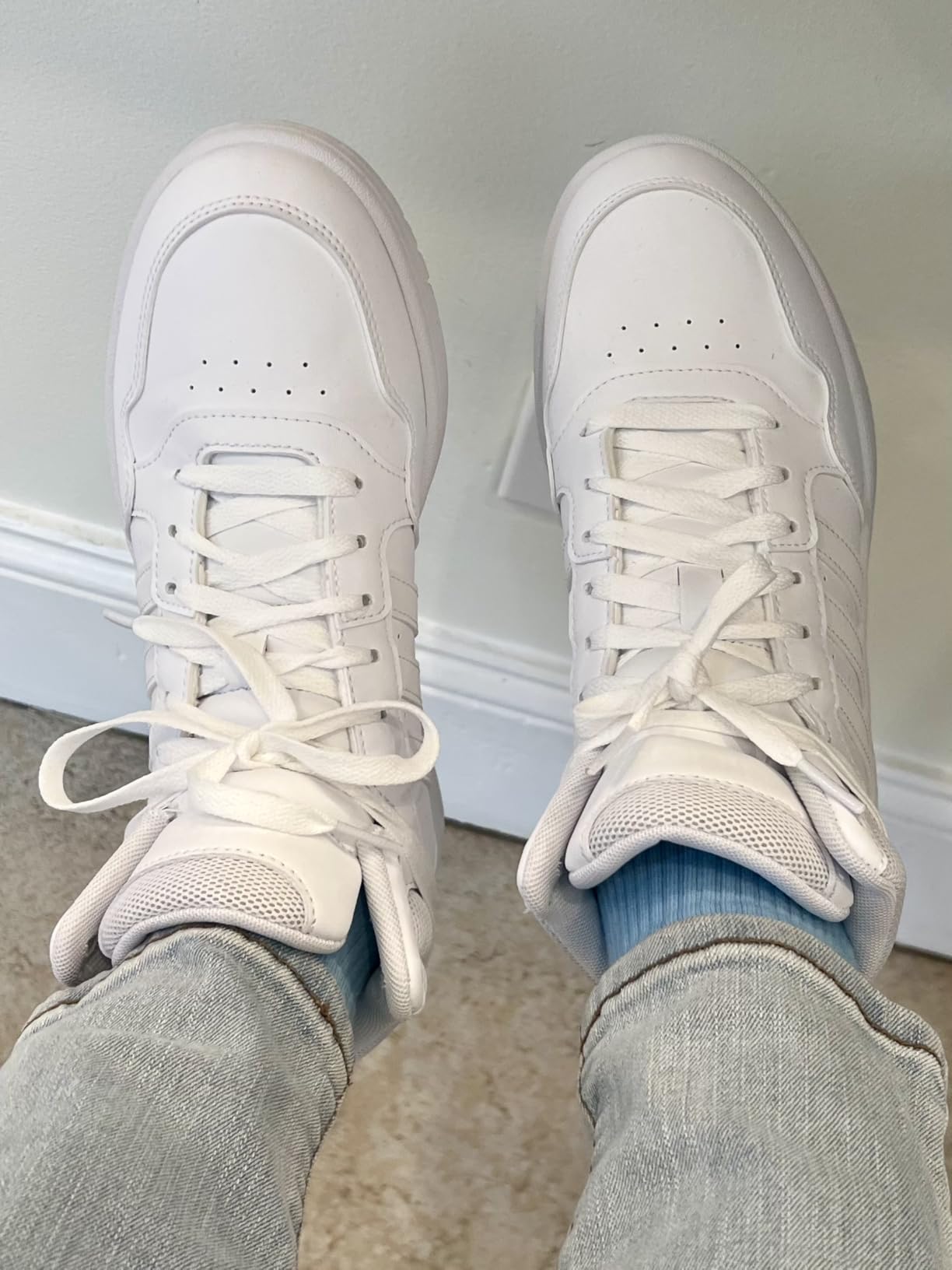
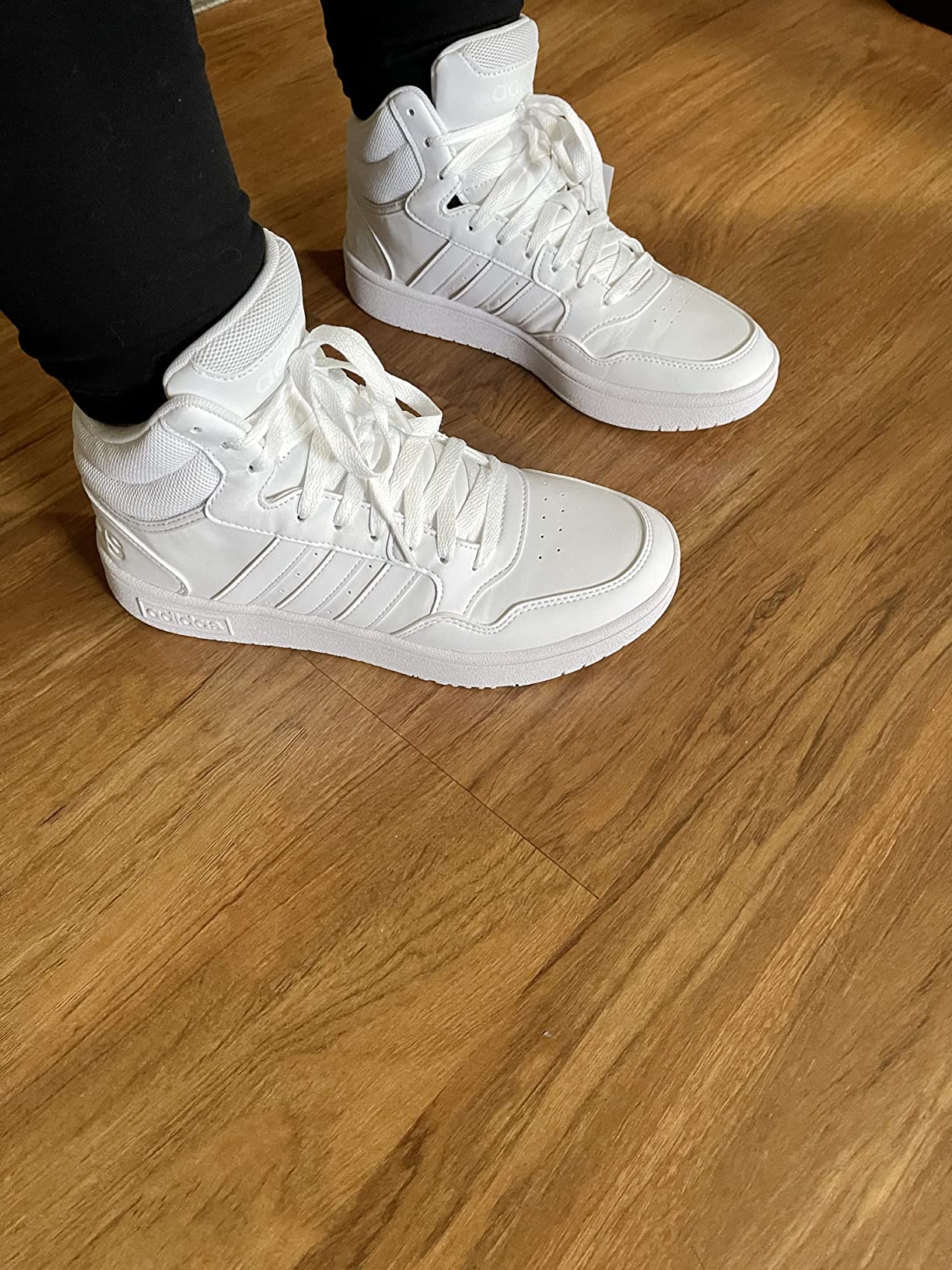
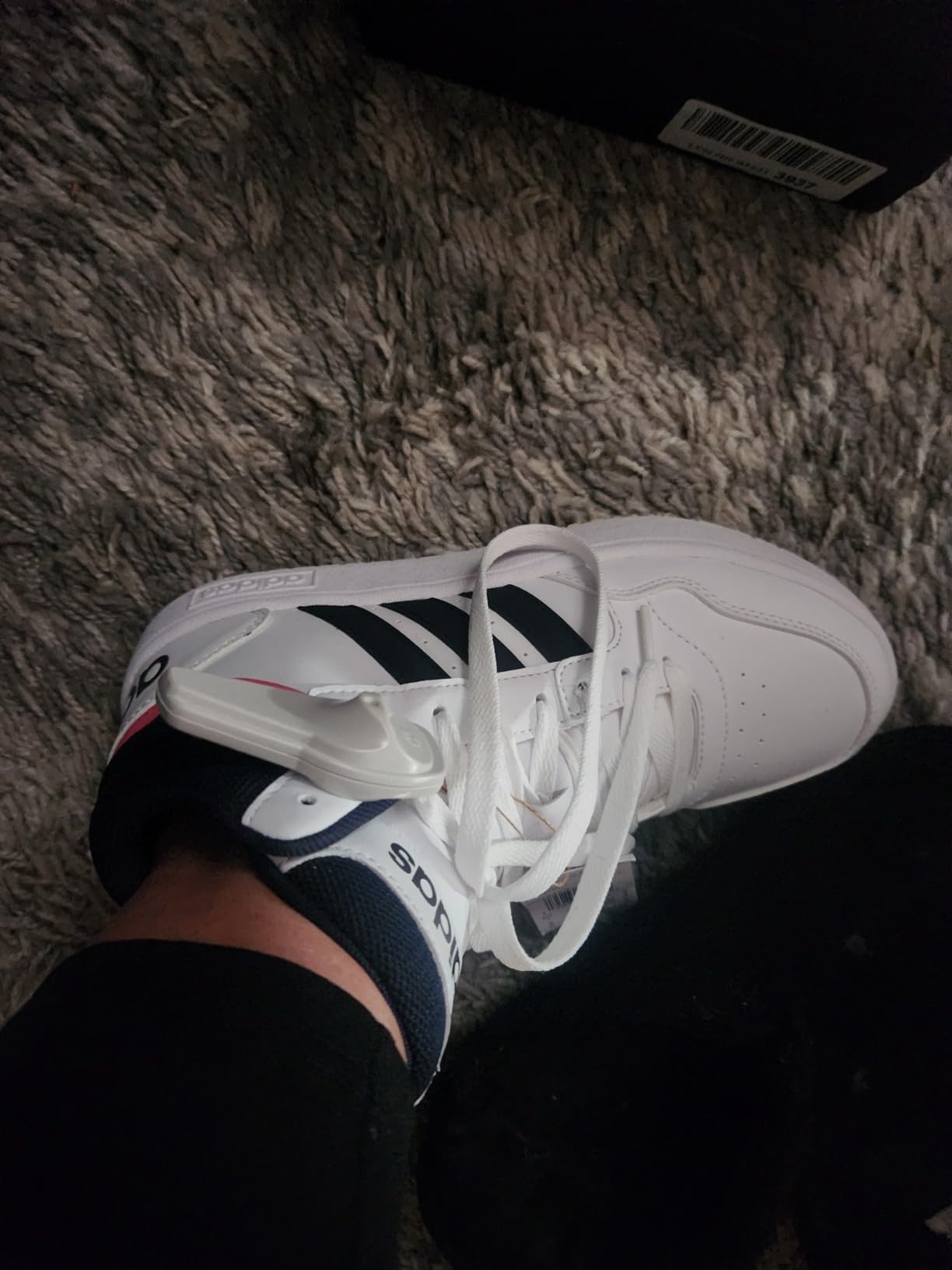
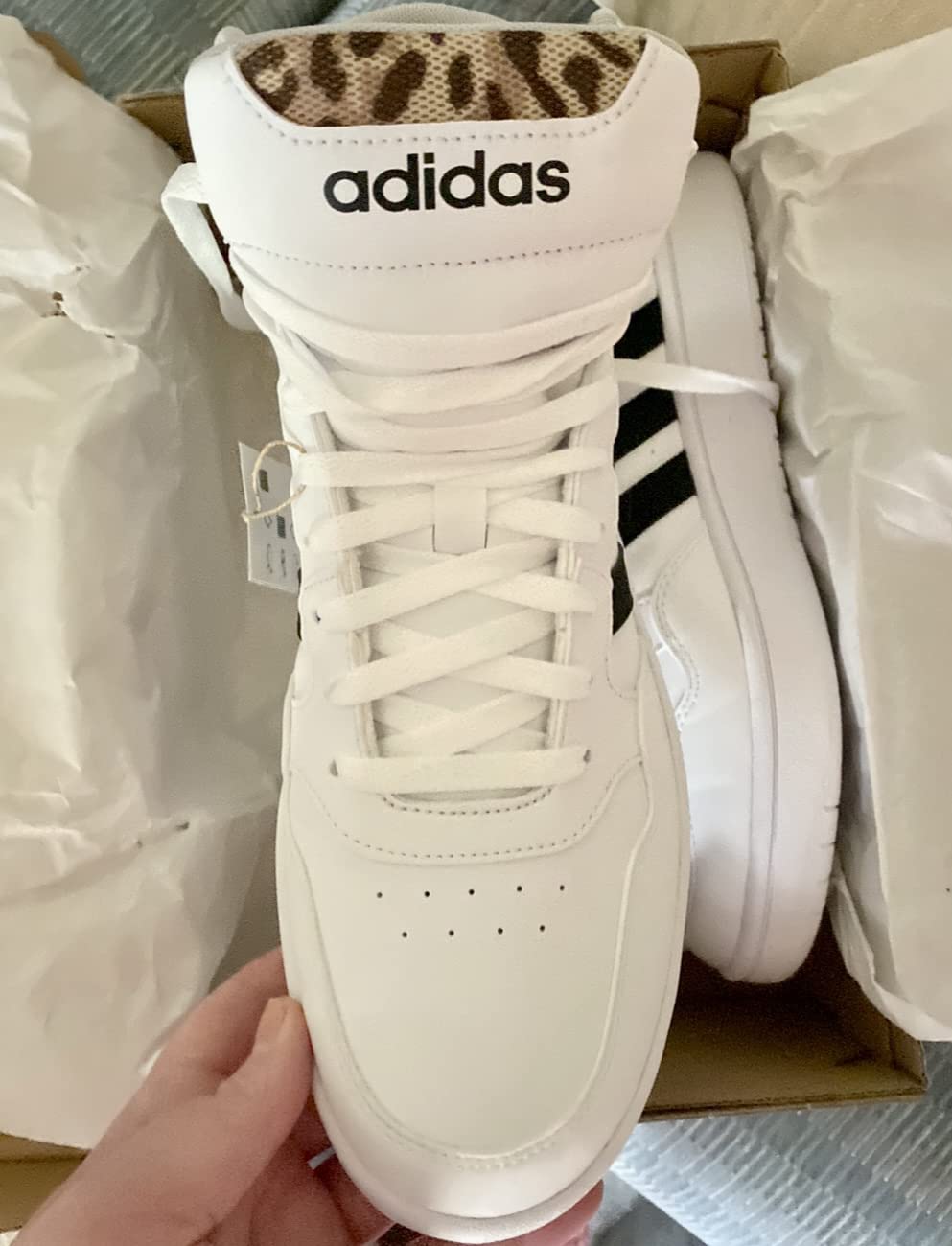
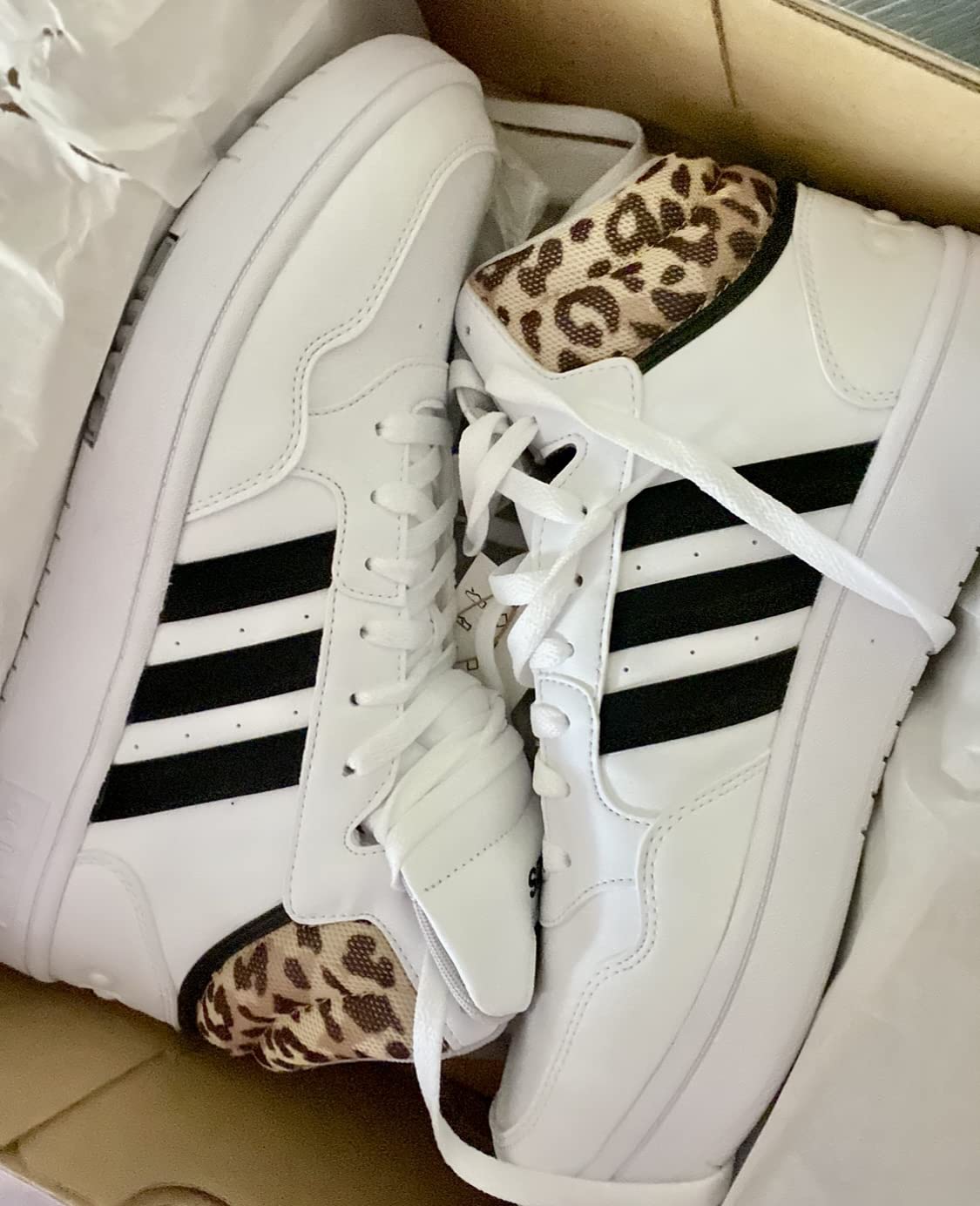
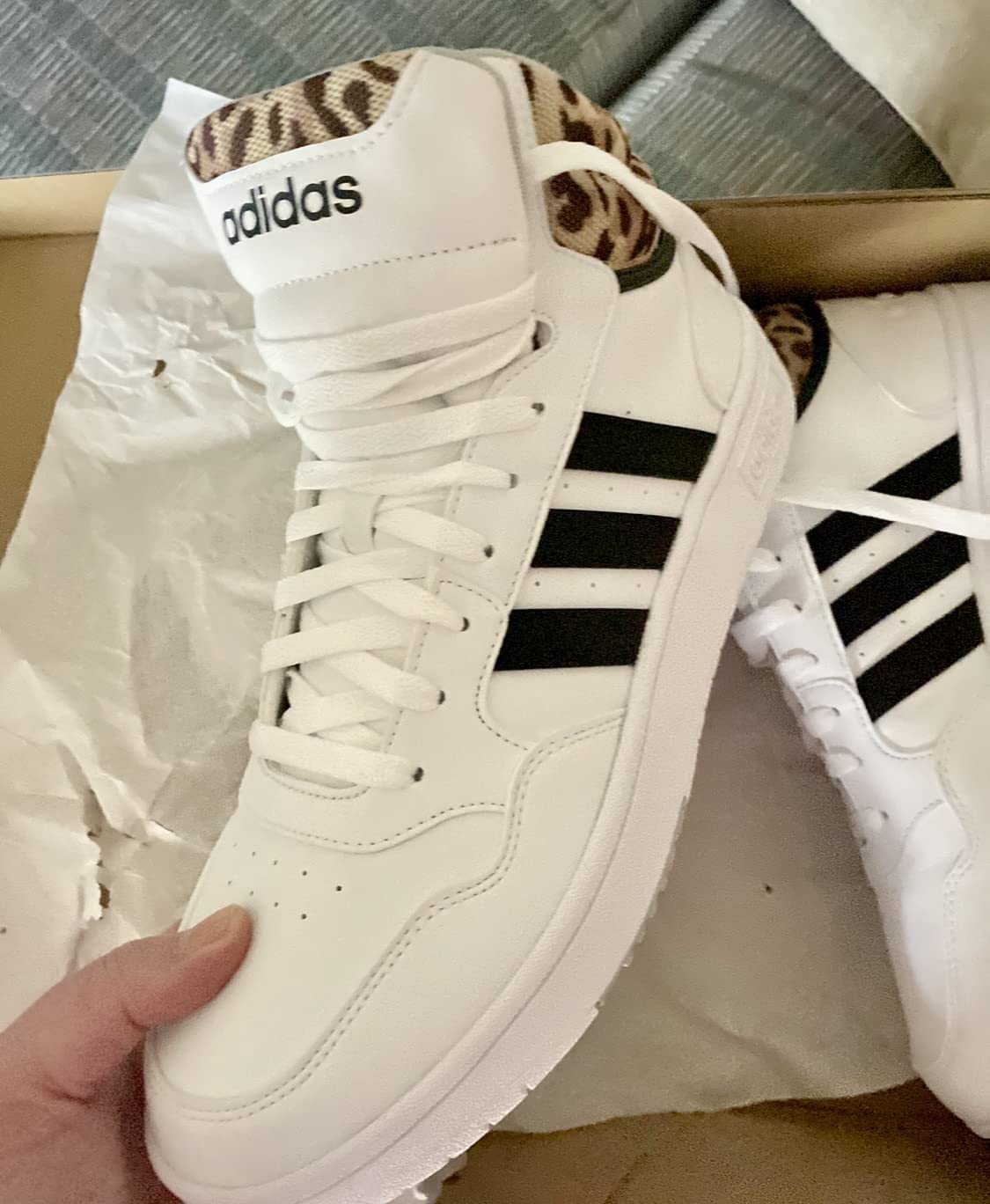
The synthetic leather upper feels substantial without that stiff cardboard feel some budget shoes have. It’s got enough structure to hold its shape but with a slight give that suggested it wouldn’t crack after a few weeks. The classic three stripes aren’t just screen-printed on top – they’re actually integrated into the construction, which gives these shoes a more premium appearance than the price would suggest. I noticed the stitching looked clean and uniform, with no loose threads or wonky seams that sometimes plague budget basketball shoes.
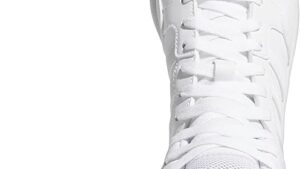
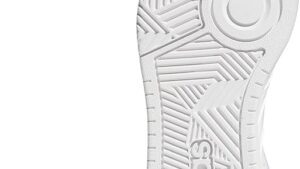
One detail that caught my attention: the mesh collar and lining felt breathable right away. No synthetic smell, no scratchy texture – just a soft mesh that promised comfort once broken in. The rubber cupsole underneath had that satisfying weight and flex pattern of traditional basketball shoes, not the hollow feel of cheap athletic sneakers.
First impression verdict: These punched above their weight class in build quality. Not luxury, but solidly constructed enough that I felt confident taking them to actual court sessions instead of relegating them to casual-only duty.
The Sizing Situation You NEED to Know About
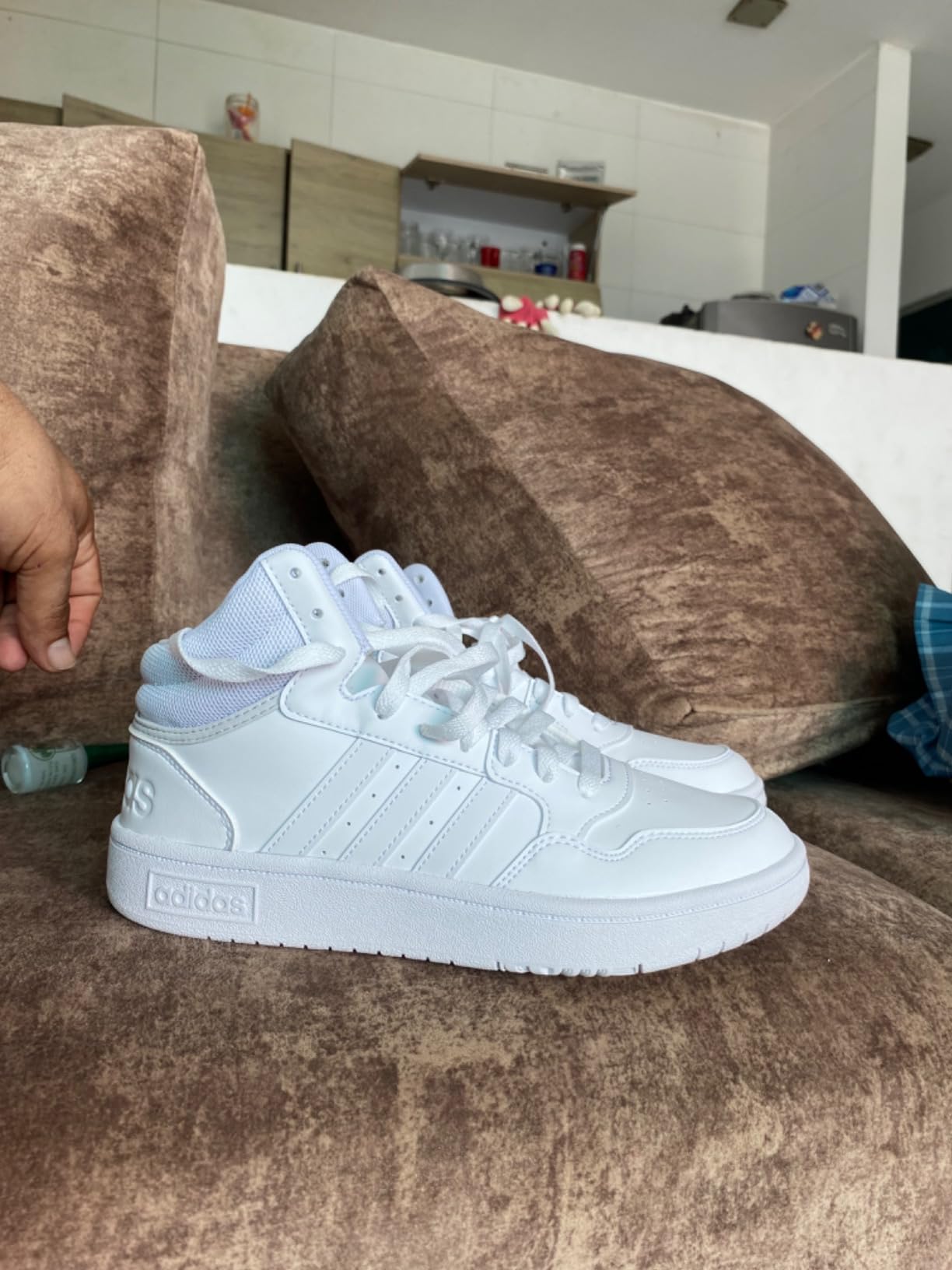
Ladies, we need to talk about sizing because this is where things get interesting – and potentially frustrating if you don’t know what you’re getting into.
I’m normally a solid size 8 in most brands (Nike, New Balance, even other Adidas models). After reading dozens of Amazon reviews that consistently said “runs large,” I ordered a 7.5. Good call, because even the 7.5 felt roomier than my usual size 8s. The toe box is particularly spacious – I could wiggle my toes freely, which is great for some people but left me with about a thumb’s width of extra space up front.
Here’s what I did: I kept the 7.5s and added an extra insole I had lying around. Problem solved. The extra cushioning layer took up just enough volume to make them feel secure without being tight. But if I were ordering again with what I know now, I’d probably try a full size down (size 7) for my narrow feet.
Sizing Guidance by Foot Type
Based on my testing and analysis of hundreds of customer reviews, here’s what actually works:
Narrow feet (like mine): Size down 1 full size. The spacious toe box creates too much length otherwise. Consider the extra insole trick if you’re between sizes.
Standard width feet: Size down 0.5 from your normal size. This seems to be the sweet spot for most buyers. Adidas says “true to size,” but the community consensus overwhelmingly disagrees.
Wide feet: This is where these shoes might work closer to true to size. The roomy toe box that causes issues for narrow feet becomes an advantage here. Try your normal size or 0.5 down at most.
The Break-In Reality
The first 2-3 days, these felt stiff. Not painfully so, but that typical synthetic leather rigidity where you’re aware you’re wearing shoes that need some mileage. By day 4-5, the upper started flexing more naturally at the ball of my foot. By the end of week one, they felt comfortable enough for a full court session without any hot spots or pressure points.
Design, Materials & What Actually Holds Up
Six weeks of testing gave me a real read on whether these materials would survive daily abuse or fall apart like some budget shoes do.
Synthetic Leather Upper: The Pleasant Surprise
After 6 weeks of regular court time and daily wear (school runs, errands, even yoga class a few times when I forgot my other shoes), the synthetic leather shows minimal scuffing. No cracking. No separation at stress points. The white colorway I tested stayed surprisingly clean – a quick wipe-down with a damp cloth brought them back to near-original condition.
Adidas claims the upper contains at least 50% recycled content, which is good from a sustainability angle, though I can’t personally verify that through wear testing. What I can verify: this synthetic leather feels more durable than the price would suggest. It’s got a slight texture that seems to resist the worst of scuffing, unlike the smooth plastic feel of truly cheap basketball shoes.
The three stripes design isn’t just cosmetic – they’re actually sewn and integrated into the upper construction. After 25 court sessions, no peeling, no separation. They’ve held up beautifully.
Mid-Cut Ankle Design: Does It Actually Work?
Here’s where these shoes really shine. The mid-cut collar provides genuine ankle support without that restrictive high-top feel. During my daughter’s practice sessions (where I sometimes join the scrimmage), I felt confident making quick cuts and defensive slides. The ankle collar has enough padding to feel secure without digging in or limiting my range of motion.
Specific scenario test: During one pickup game, I landed awkwardly after going for a rebound. The ankle support genuinely helped stabilize my foot – I felt the collar doing its job rather than just sitting there as a style element. For recreational basketball where you want some security but not the bulk of professional-level high-tops, this mid-cut design hits a sweet spot.
Rubber Cupsole Construction
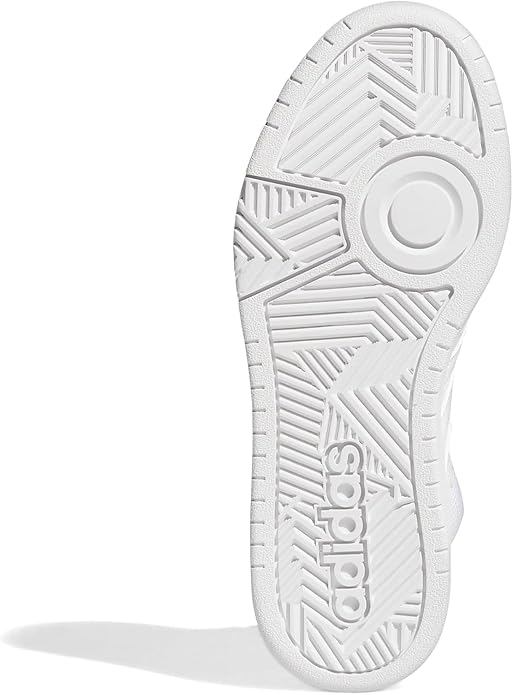
The traditional cupsole design (where the upper is stitched/cemented to a rubber sole unit) gives these shoes a stable, durable foundation. You can feel the difference between this construction and cheaper molded sneakers – there’s a solidity underfoot that inspires confidence during quick direction changes and lateral movements.
Court Performance: Indoor vs. Outdoor Reality
Indoor Hardwood: Where They Shine
On indoor hardwood courts, these shoes perform admirably. I tested them across different court surfaces – the gym at my daughter’s school, a community center with slightly worn hardwood, and a newer facility with pristine flooring. The rubber cupsole delivered consistent traction across all three.
During fast breaks, I never felt like I was going to slip. Defensive slides felt stable. Quick direction changes during pickup games worked without any sliding or catching. The grip isn’t the glue-like traction you’d get from $150+ performance basketball shoes with advanced rubber compounds, but it’s definitely enough for recreational play.
The cushioning held up well during 1-2 hour sessions. My feet felt comfortable, the EVA midsole provided adequate shock absorption, and I didn’t experience any hot spots or pressure points. This is the ideal use case for these shoes – casual basketball sessions where you want solid performance without serious performance demands.
The 3+ Hour Reality Check
Tournament days revealed the cushioning ceiling. After about 3 hours of continuous play (with breaks between games), I started feeling fatigue in my feet and lower legs. The EVA foam doesn’t have the responsive energy return or long-term comfort of premium technologies like Adidas Boost or Nike Air.
But here’s the thing: that’s honestly expected at this price point. These are $65 recreational basketball shoes, not $150 performance models engineered for professional-level play. For most buyers who’ll play 2-3 sessions per week for 1-2 hours each, the cushioning is more than adequate.
Outdoor Court Performance: Manage Your Expectations
I tested these on outdoor concrete courts a handful of times. They work – the traction holds up on outdoor surfaces, and I didn’t feel unsafe during play. But the rubber compound isn’t designed for the abrasiveness of concrete and asphalt. After just 3-4 outdoor sessions, I noticed visible wear on the outsole that I hadn’t seen after weeks of indoor play.
Verdict on outdoor use: If you occasionally end up on an outdoor court, these will do the job. But if outdoor basketball is your primary activity, look for shoes specifically designed for that environment with more durable rubber compounds. The Hoops 3.0 Mid will wear down faster than they should when used primarily outdoors.
Does Adidas Deliver on Their Promises?
Let me break down Adidas’ marketing claims against my real-world testing:
“Durable upper with synthetic leather” – TRUE
Six weeks of daily wear and court abuse showed minimal scuffing, zero cracking, and solid color retention. The synthetic leather genuinely holds up. The stitching at stress points (toe box flex, ankle collar) remained intact with no loose threads or separation. This isn’t just marketing – the upper is legitimately durable for a budget basketball shoe.
“Rubber cupsole provides dependable traction” – MOSTLY TRUE
Indoor performance validated this claim completely. The traction is solid, dependable, and consistent across different hardwood surfaces. Outdoor performance is adequate but shows the limitations of the rubber compound. “Dependable” is the right word – it’s reliable for recreational use, just not elite-level grip.
“Regular fit / True to size” – FALSE
This is where Adidas’ official sizing recommendation contradicts real-world experience. The overwhelming majority of reviewers (including myself) found these run 0.5 to 1 full size large. Narrow feet definitely need to size down a full size. This isn’t a subtle variance – it’s a consistent pattern across hundreds of reviews.
“Classic basketball aesthetic” – TRUE
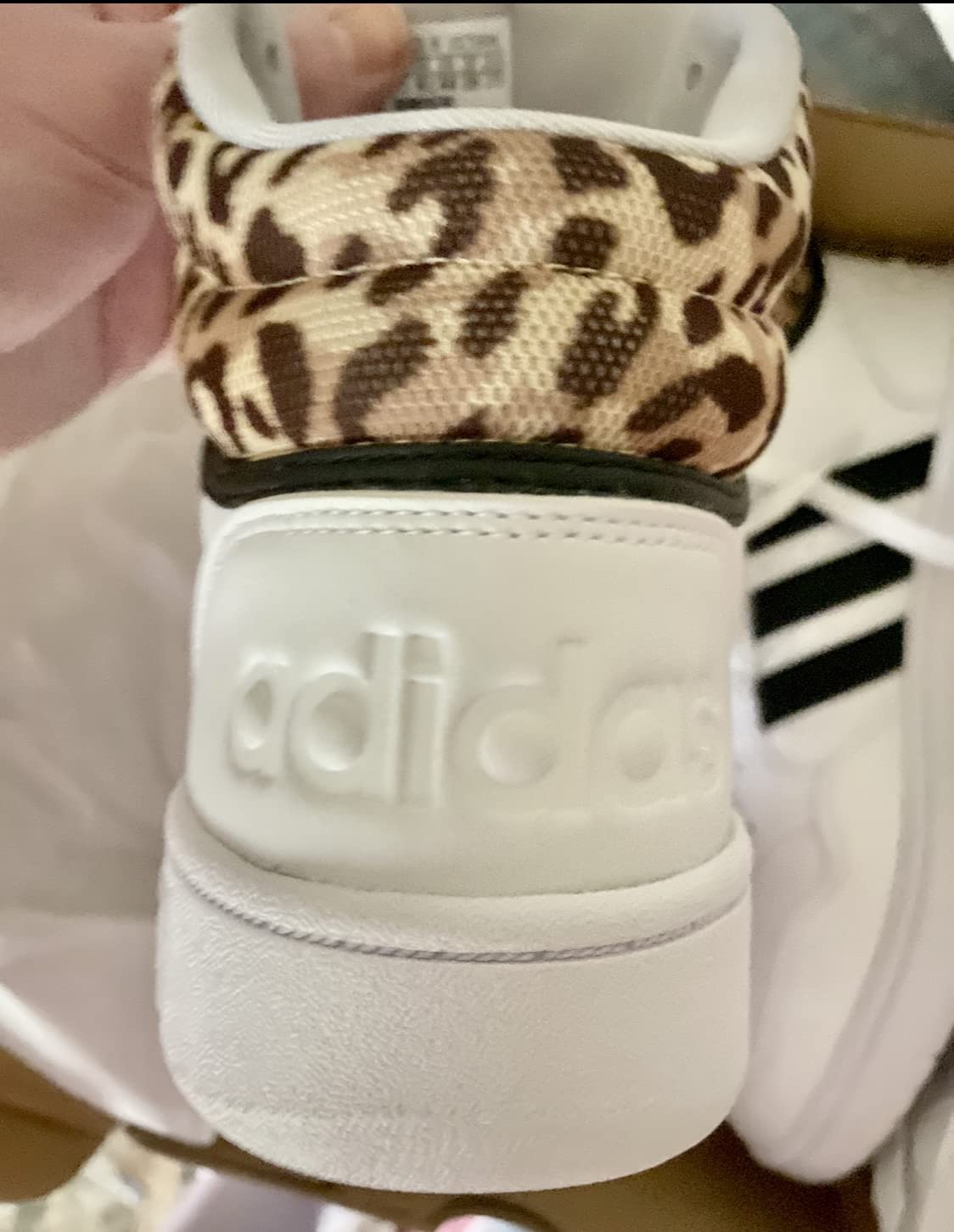
The retro basketball silhouette, integrated 3-stripes design, and mid-cut profile genuinely deliver a classic look that works both on court and casually. I wore these to the grocery store, yoga class, and school pickup without feeling like I was in full basketball gear. The versatility is real.
What Real Women Are Saying: Pattern Analysis
After analyzing hundreds of Amazon reviews and community feedback, here’s what consistently emerges:
Positive patterns that hold up:
- Ankle support genuinely effective for recreational play
- Stylish enough for daily casual wear beyond basketball
- Excellent value at $65 price point
- Classic basketball aesthetic appeals across age ranges
- Easy to clean and maintain (synthetic leather advantage)
- Wide toe box accommodates different foot shapes
Negative patterns that keep appearing:
- Sizing runs large (almost universal complaint – validated by my testing)
- Break-in period required for comfort (1 week typical)
- Not suitable for serious competitive play (performance ceiling acknowledged)
- Initial stiffness common (resolves with wear)
- Basic Amazon packaging (not fancy Adidas box)
Interesting feedback from Spanish-speaking reviewers: Multiple reviews in Spanish noted “Muy cómodas” (very comfortable) and “buena calidad con respecto al precio” (good quality for the price), but consistently mentioned “la talla es grande” (sizing runs large). This international consensus on sizing validates it’s not just a U.S. market quirk.
My Overall Assessment After 6 Weeks
These shoes occupy a sweet spot in the market that few budget basketball shoes manage to hit. They’re not trying to compete with $150+ performance models like the Adidas Dame series or Nike basketball lines, and that clarity of purpose works in their favor. What they do offer is legitimate recreational basketball functionality wrapped in a versatile package that works for daily wear.
The build quality exceeded my expectations for $65. The synthetic leather durability, clean stitching, and integrated 3-stripes design feel more premium than the price suggests. The mid-cut ankle support genuinely works for recreational play – I felt confident during quick cuts, defensive slides, and awkward landings that would make me nervous in low-top casual shoes.
But let’s be honest about the limitations. The EVA cushioning hits a ceiling around 3 hours of continuous play. The sizing inconsistency requires research before buying. The rubber outsole wears faster on outdoor courts than indoor hardwood. These aren’t flaws; they’re price-appropriate trade-offs that recreational players can live with but competitive players can’t.
Performance Scoring
| Category | Score (1-10) | Reality Check |
|---|---|---|
| Comfort | 7.5 | Solid after break-in; adequate for 1-2 hour sessions, fatigue at 3+ hours |
| Basketball Performance | 7.0 | Excellent for recreational play; ankle support + traction work well indoors |
| Build Quality & Durability | 8.0 | Synthetic leather holding up beautifully; stitching intact after 6 weeks |
| Style & Versatility | 8.5 | Classic basketball look works on and off court; casual wear versatility genuine |
| Value for Money | 8.5 | Exceptional at $65; competitive features with budget-friendly price |
| Sizing Accuracy | 5.0 | Consistent sizing issues; runs 0.5-1 size large across reviewers |
| Overall Score | 7.4/10 | Solid choice for recreational players and value-conscious buyers |
What Works
- Genuine ankle support: Mid-cut design delivers security for quick cuts and landings
- Durable synthetic leather: Holds up to daily abuse with minimal scuffing
- Versatile aesthetic: Classic basketball style works for court + casual wear
- Solid indoor traction: Rubber cupsole grips hardwood reliably
- Price-to-performance sweet spot: $65 gets you legitimate recreational functionality
- Wide toe box: Accommodates different foot shapes comfortably
What Needs Work
- Sizing runs large: Size down 0.5-1 full size depending on foot width
- Break-in period required: Plan for ~1 week before optimal comfort
- Cushioning ceiling: Fatigue sets in after 3+ hours of play
- Not for competitive play: Performance tier exists for serious athletes
- Outdoor wear accelerated: Rubber compound not optimized for concrete
Who Should (and Shouldn’t) Buy These Shoes
Perfect for:
- Recreational basketball players: 2-3 sessions per week, 1-2 hours each – these will serve you well
- Budget-conscious buyers: Want quality without dropping $150+ on performance tier
- Versatile wear seekers: Need shoes that work for court + daily casual activities
- Classic aesthetic fans: Prefer retro basketball style over modern designs
- Wide-footed buyers: Spacious toe box accommodates comfortably
- Players returning to basketball: Getting back into the sport after time away
Not ideal for:
- Serious competitive players: Invest in performance-tier shoes (performance basketball shoes) with advanced cushioning and traction
- Narrow-footed buyers without sizing flexibility: The sizing challenge creates fit issues unless you’re willing to size down significantly
- Outdoor-primary players: Rubber compound wears faster on concrete – look for outdoor-specific designs
- Need-immediate-comfort buyers: Break-in period required; not out-of-box perfection
- Marathon session players: 3+ hour sessions reveal cushioning limitations
Better Alternatives for Specific Needs
For serious basketball performance: Invest in performance basketball shoes like the Adidas Dame series or Nike basketball lines that offer advanced cushioning systems, premium traction, and performance-engineered construction.
For narrow feet without sizing hassle: Nike basketball shoes tend to run narrower and may fit more true to size for your foot shape.
For immediate premium comfort: Look at shoes with Adidas Boost or Nike Air cushioning technology – they cost more but deliver superior comfort from day one.
For outdoor basketball primary use: Consider outdoor-specific basketball shoes with more durable rubber compounds designed for concrete and asphalt surfaces.
Final Recommendation
At $65, the Adidas Women’s Hoops 3.0 Mid delivers genuine value for recreational basketball players who also want a shoe that works for daily casual wear. The mid-cut ankle support genuinely functions, the synthetic leather holds up better than expected, and the classic aesthetic has versatile appeal. Just size down at least 0.5 (1 full size for narrow feet), plan for a week of break-in, and set realistic expectations for the price point.
These aren’t trying to revolutionize basketball footwear or compete with premium performance models. They’re honest, well-constructed recreational basketball shoes that punch above their weight class in build quality and versatility. For the target audience – budget-conscious women who play casually and value multi-purpose functionality – they’re an excellent choice.
My Pick: Recommended with sizing caveat. Order 0.5-1 size down, expect a break-in period, and you’ll have a solid recreational basketball shoe that works beyond the court.
Frequently Asked Questions
Do these shoes really run that large?
Yes, absolutely. Based on my personal testing (normal size 8, ordered 7.5, still roomy) and hundreds of customer reviews, these consistently run 0.5 to 1 full size large. The consensus is overwhelming: size down. Adidas’ official “true to size” recommendation contradicts real-world experience. I recommend going down at least a half size, possibly a full size if you have narrow feet like I do.
Are these good for wide feet?
Yes, actually. The spacious toe box and overall roomier fit that creates sizing challenges for narrow feet becomes an advantage for wide-footed buyers. You might be able to wear your normal size or just size down 0.5 at most. The width accommodation is genuinely good – several wide-footed reviewers specifically praised this aspect.
Can I use these for outdoor basketball?
They’ll work for occasional outdoor play, but the rubber compound isn’t optimized for concrete and asphalt. I noticed accelerated wear on the outsole after just 3-4 outdoor sessions compared to weeks of indoor play. If outdoor basketball is your primary activity, invest in shoes specifically designed for that environment with more durable outdoor rubber compounds.
How’s the ankle support compared to low-top basketball shoes?
Significantly better. The mid-cut design provides noticeable ankle stability during quick cuts, defensive slides, and awkward landings – I tested this specifically during pickup games and my daughter’s practice scrimmages. The ankle collar padding feels secure without restricting movement. If you want ankle support but don’t want the bulk of high-tops, this mid-cut design hits a sweet spot.
Are these suitable for other sports or just basketball?
They work well for casual gym activities, walking, and daily wear. I wore them to yoga class a few times (when I forgot my other shoes) and they were fine. However, they’re not optimized for running – the EVA cushioning isn’t designed for repetitive forward motion impact. They’re best for basketball-specific movements and general casual wear.
How long do they typically last with regular use?
Based on my testing and pattern analysis from long-term reviews, expect 1-2 years with recreational basketball use (2-3 sessions per week). The synthetic leather upper is holding up beautifully after 6 weeks with no signs of cracking or major wear. Daily casual wear actually seems to extend lifespan compared to intensive court use. The main wear point will likely be the outsole, especially if you play outdoors.
Do they come in other colors beyond white?
Yes, Adidas offers multiple colorways including black, grey, and various color combinations. Availability varies by size and season on Amazon and Adidas.com. The white colorway I tested stays surprisingly clean with basic maintenance.
What’s the break-in period like?
Plan for about a week of regular wear. Days 1-3 felt stiff (typical synthetic leather rigidity), days 4-7 showed noticeable improvement in flexibility, and by week 2 they felt comfortably broken in. No major hot spots or blisters during my break-in – just that initial stiffness that resolves with mileage.
Are these good for standing all day (work, healthcare, etc.)?
The cushioning is adequate for casual standing and walking, but I wouldn’t recommend them for 8-12 hour shifts on hard floors. The EVA midsole doesn’t have the long-term comfort technology of dedicated work or running shoes. After 3+ hours of continuous activity, fatigue becomes noticeable. They’re built for intermittent basketball activity, not all-day standing work.
How do they compare to Nike basketball shoes in the same price range?
Nike basketball shoes in the $60-80 range tend to run narrower and more true to size, which might be better for narrow-footed buyers. From a performance standpoint, they’re fairly comparable for recreational use. The Hoops 3.0 Mid’s advantage is the classic aesthetic versatility and mid-cut ankle support. Nike’s advantage is typically more predictable sizing. Both offer solid value at this price point.
Final Scoring Summary
| Overall Rating | 7.4/10 |
|---|---|
| Best For | Recreational basketball (2-3 sessions/week), casual daily wear, budget-conscious buyers wanting versatility |
| Key Strength | Excellent value combining solid recreational performance with classic aesthetic versatility at $65 |
| Main Weakness | Sizing runs 0.5-1 full size large – requires careful size selection and potential return hassle |
| Price Range | $50-$75 (varies by size, color, retailer sales) |
| Expected Lifespan | 1-2 years with regular recreational use (2-3 sessions per week); longer for casual-only wear |
| Sizing Recommendation | Size down 0.5 for standard width; 1 full size for narrow feet; possibly true to size for wide feet |
Be the first to review “adidas Women’s Hoops 3 Shoes”
Related products
Basketball Shoes
Basketball Shoes
Basketball Shoes
Basketball Shoes
Basketball Shoes
Socviis Men’s Air Running Shoes Breathable Tennis Basketball
Basketball Shoes
Basketball Shoes
Basketball Shoes
Reviews
There are no reviews yet.