
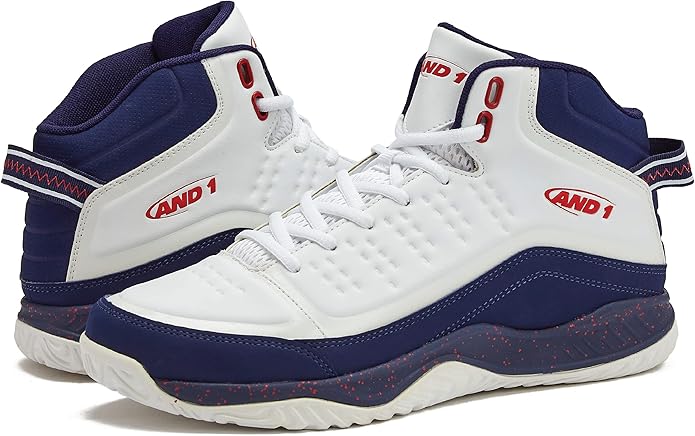
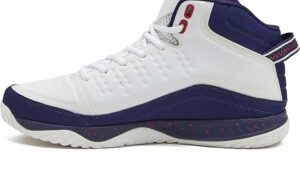
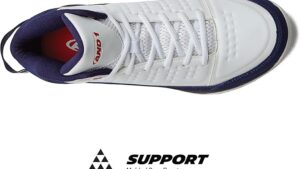
AND1 Pulse 2.0 Men’s Basketball Shoes
$29.95
- 💰 Price: $50
- ⚖️ Weight: 14.2 oz (men’s size 9)
- 🧪 Midsole material: Injection molded phylon
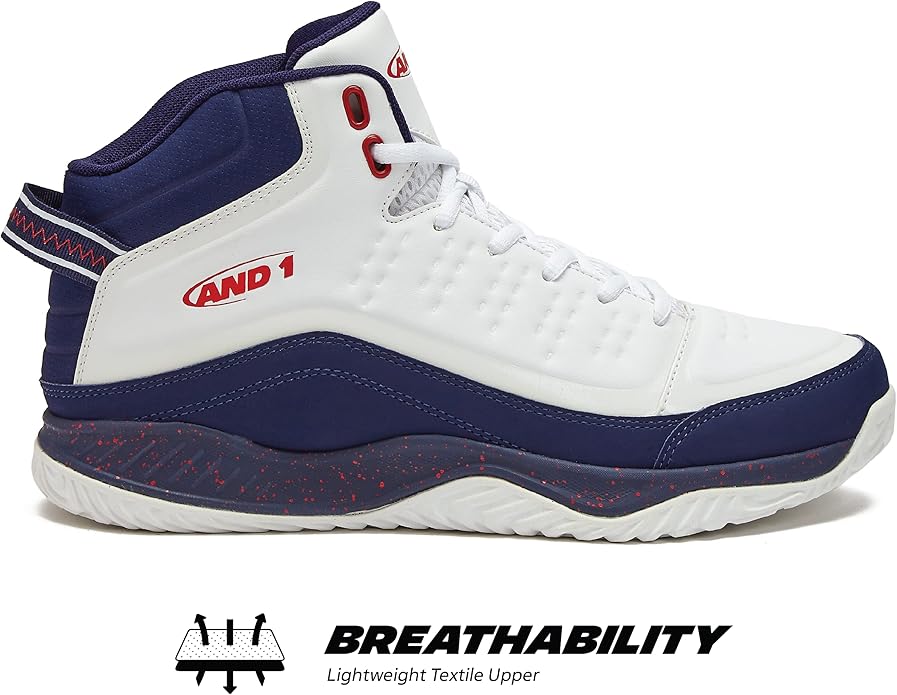
- 👟 Upper material: Synthetic leather with air mesh tongue
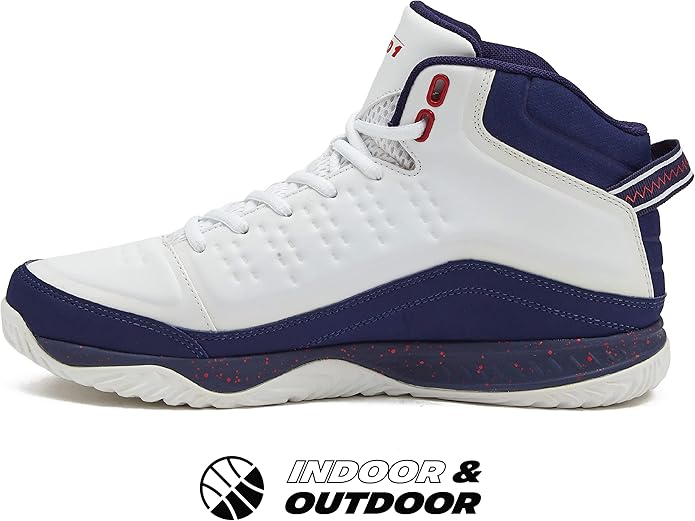
- 🏀 Category: Mid-top basketball shoes
- 🎯 Best for: Recreational basketball, casual wear, budget-conscious players
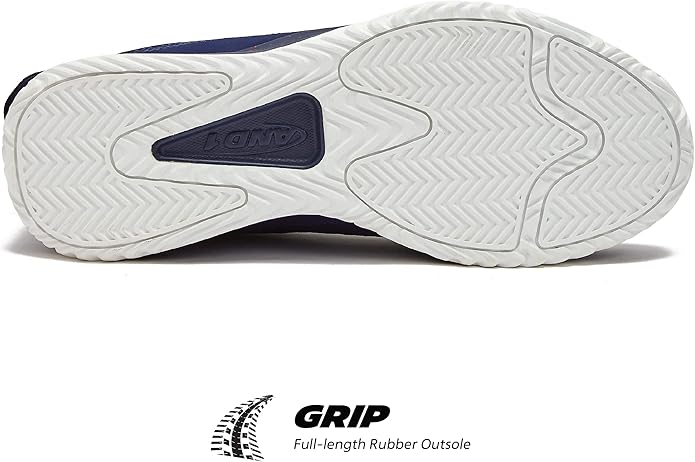
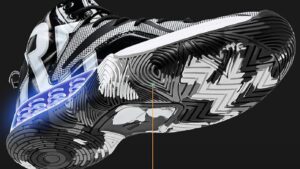
- 🔧 Special features: Metal speed laces, rear pull loop, full-length rubber outsole
Six pairs of basketball shoes falling apart during the same pickup run should have been a warning sign. Mike here — twenty years of running courts in gyms, parks, and community centers. I’ve watched shoes die in every imaginable way. When my nephew’s $30 pair literally split at the sole during warm-ups, the obvious move wasn’t a $150 Nike upgrade. It was something functional and honest about what it is. That search led me to the AND1 Pulse 2.0. Eight weeks, 24 court sessions, and 45 total hours later — here’s the unfiltered read on what these $50 mid-tops actually deliver.
First Impressions — Design, Materials, and What $50 Actually Buys
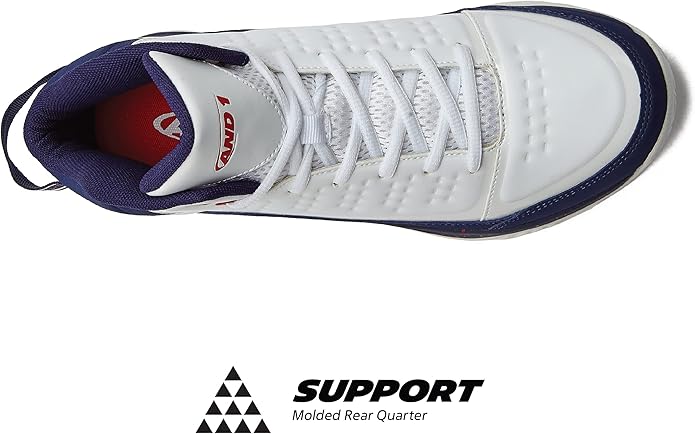
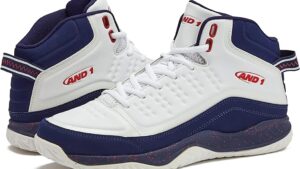
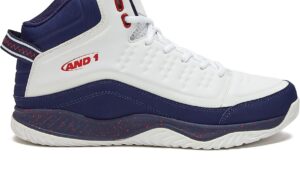
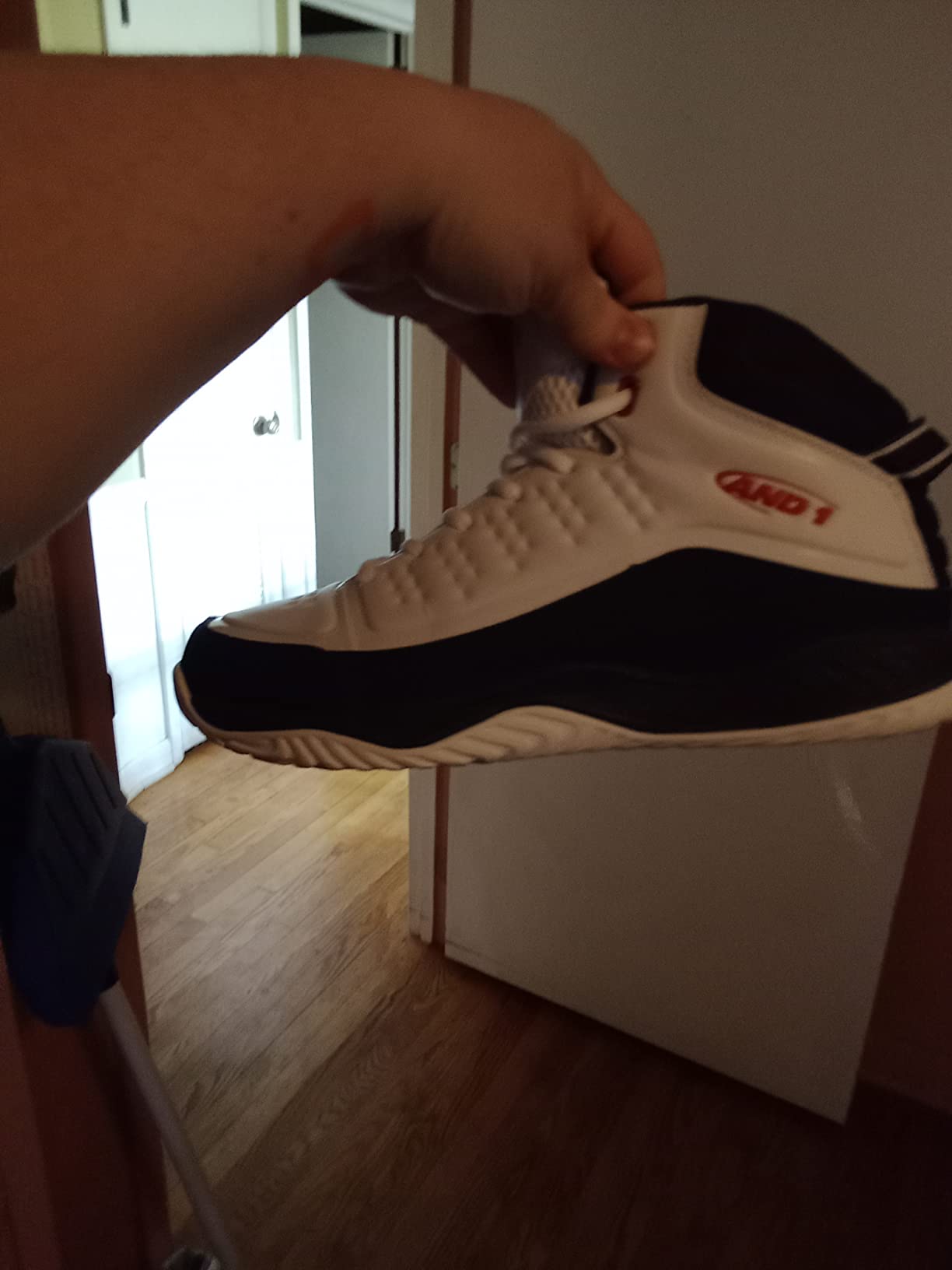
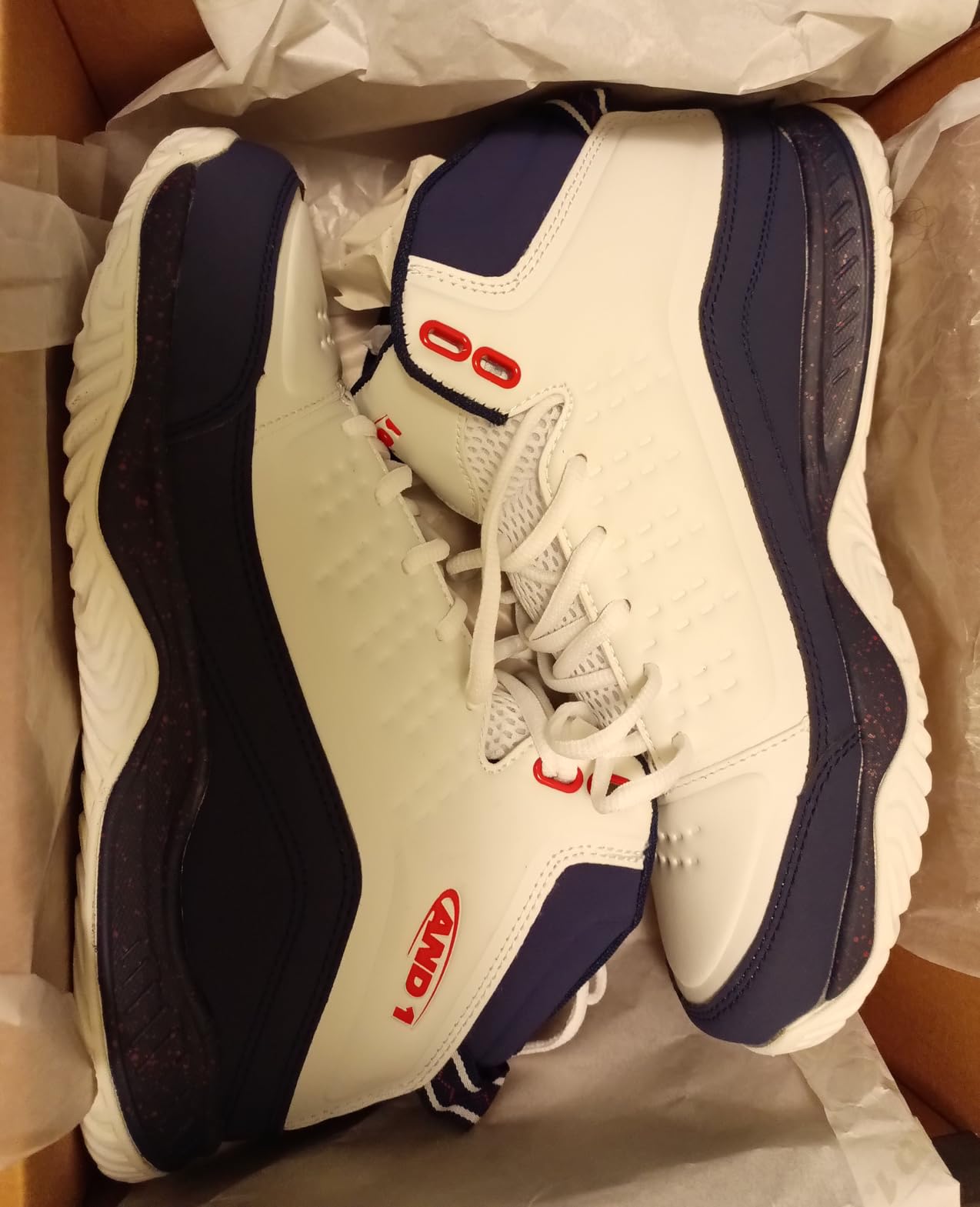
Pull these out of the box and your first read is: classic basketball shoe. The white/navy/red colorway is clean in a throwback way — that early-2000s silhouette where the shoe looks exactly like a basketball shoe should. Minimal branding, structured mid-top cut, synthetic leather upper. Nothing complicated. Nothing trying to be premium.
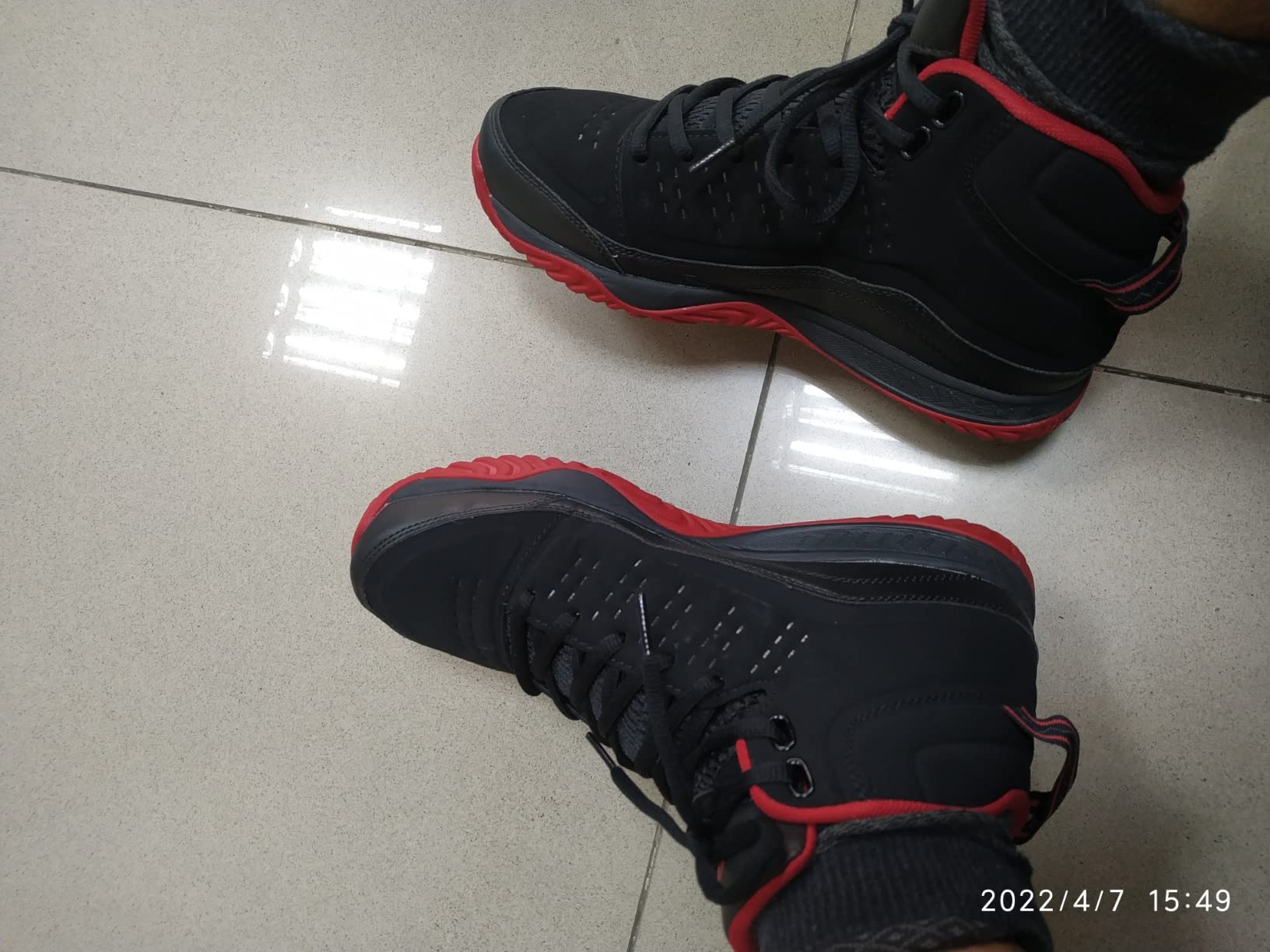
The materials feel appropriate for the price. Not a disappointment, not a surprise — just adequate in the specific way $50 footwear is adequate. The phylon midsole has noticeable cushioning underfoot. The metal speed laces were the first genuinely positive detail — they hold tension well, adjust without fuss, and give the lacing a more refined feel than standard laces at this tier. The air mesh tongue is there for breathability, though what it delivers in hot gym conditions is a longer conversation.
Fit, Sizing, and the Break-In Nobody Mentions
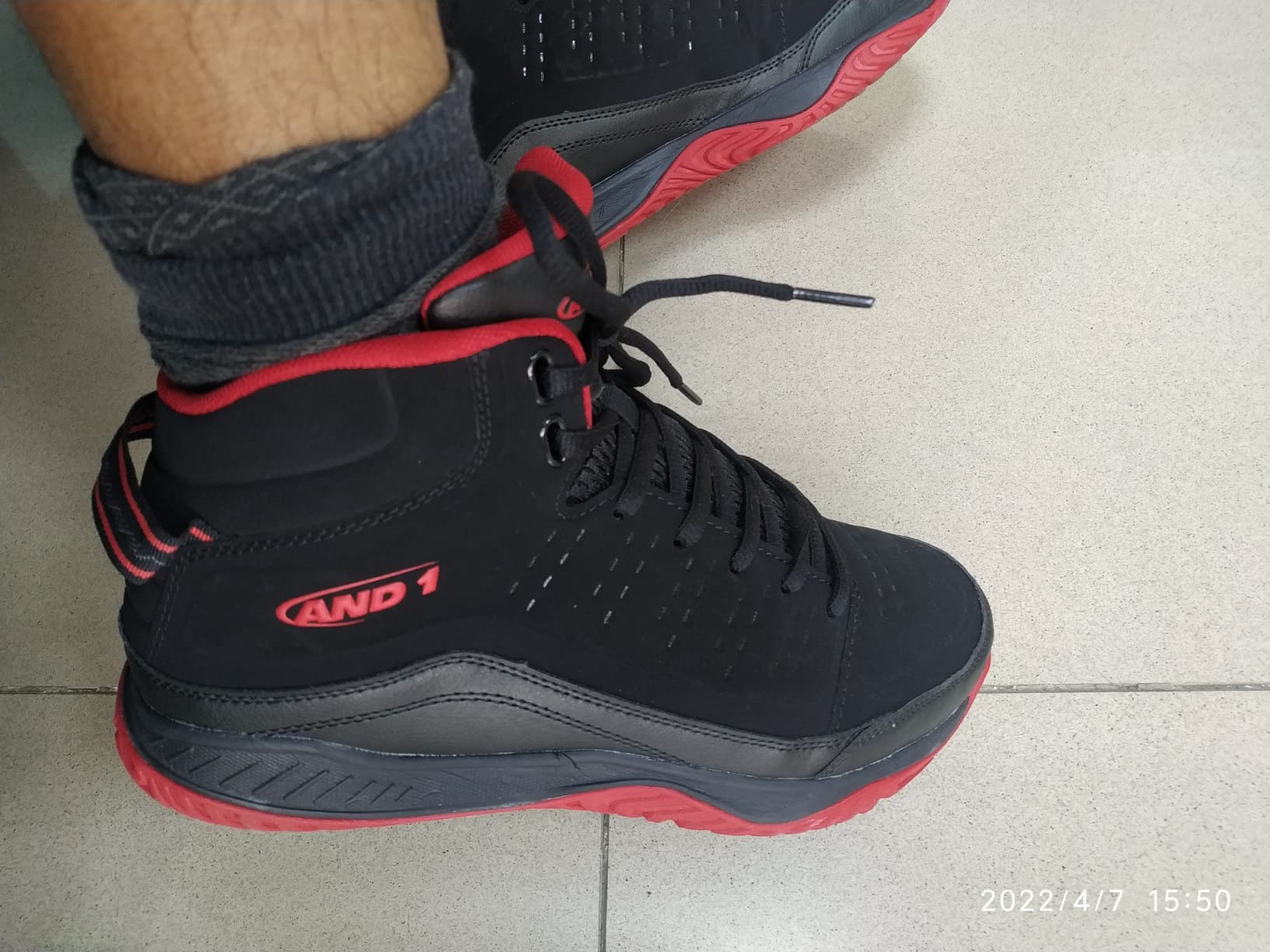
Standard-width feet land at true-to-size. That’s the consistent finding across my testing and across user reports. But there’s a detail that matters: the toe box runs narrow. Players with wider feet will feel that compression fairly quickly. If you’re a D-width or wider, size up half a size. Standard widths can stay put.
The break-in period is real and nobody seems to warn you about it. The synthetic leather is genuinely stiff for the first three or four sessions. Not unbearable — but noticeably firm at the forefoot, enough that players expecting immediate comfort may question whether the shoes fit at all. By session five or so, the leather has relaxed enough that movement feels natural. Just budget for that adjustment window.
Eight Weeks on the Court — What the Testing Actually Showed
The Mid-Top Promise Evaluated
That ankle collar is doing real work. Lateral cuts, hard stops, landing off jump shots at 185 lbs — the mid-top provides noticeably better stability than low-top shoes. That’s not a marketing claim, that’s what I felt session after session during defensive slides and rebounding situations. The comparison matters: this isn’t premium basketball lockdown — but the gap over low-tops is genuine and consistent.
The metal speed laces contributed meaningfully to that security. No mid-session retying, no slippage during lateral pushes. Foot stays planted. Heel counter holds through the kind of hard cuts that test mid-tier shoes. For recreational pickup — 30-45 minute runs on indoor courts — performance is genuinely respectable.
Where the cushioning starts showing its limits: around the 45-minute mark of intense play, at my body weight, the phylon begins letting the court through. Not sudden — more like a gradual increase in hardwood feedback underfoot. For lighter players or shorter sessions, this threshold is later. But at 185 lbs playing intense recreational basketball, it’s a real consideration.
The Week Three Problem — A Timeline Worth Documenting
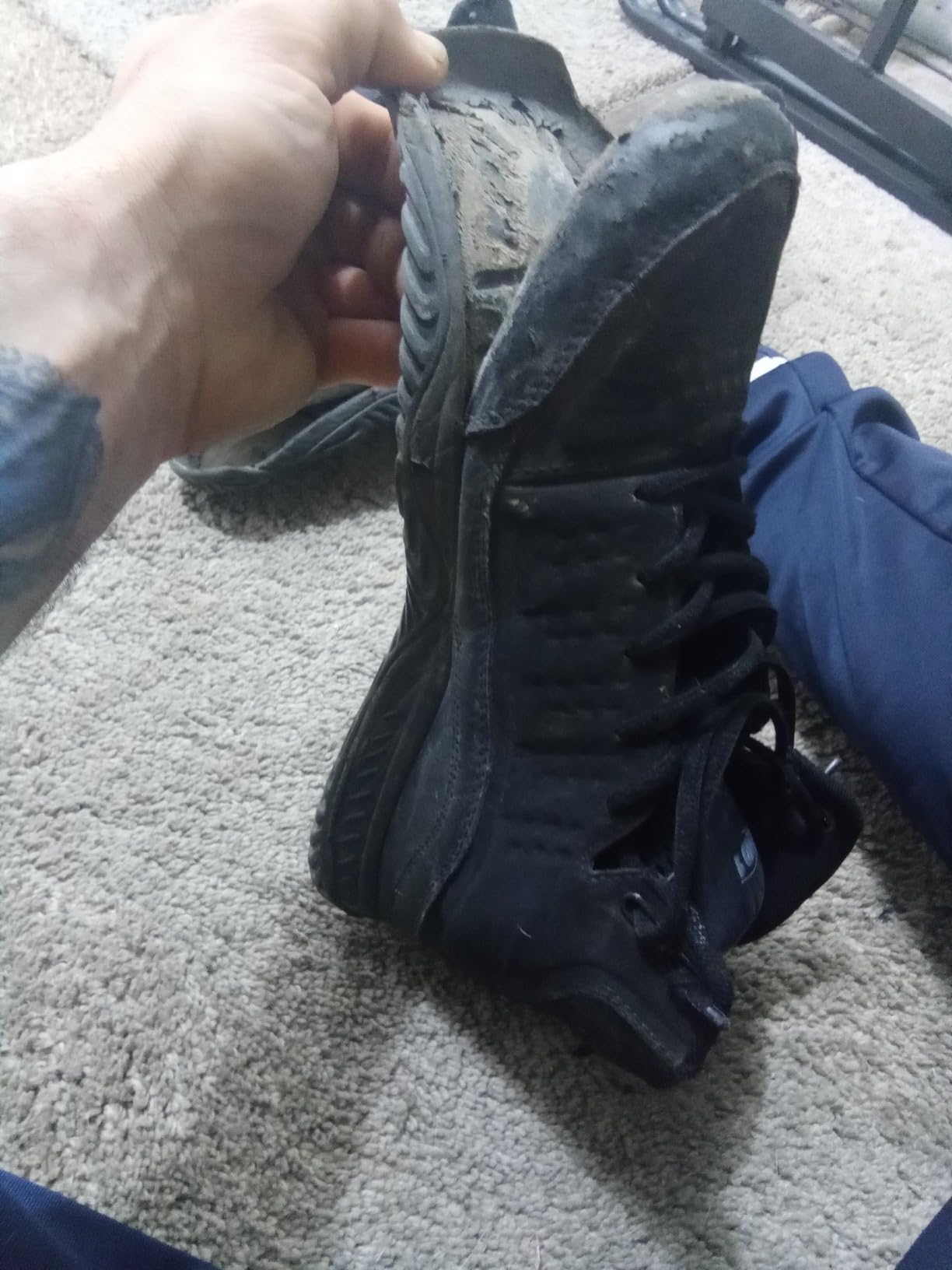
Three weeks in. Playing three times weekly on indoor courts. Standard recreational use, nothing extreme. Stress marks appeared at the front of the shoe where the upper bonds to the sole.
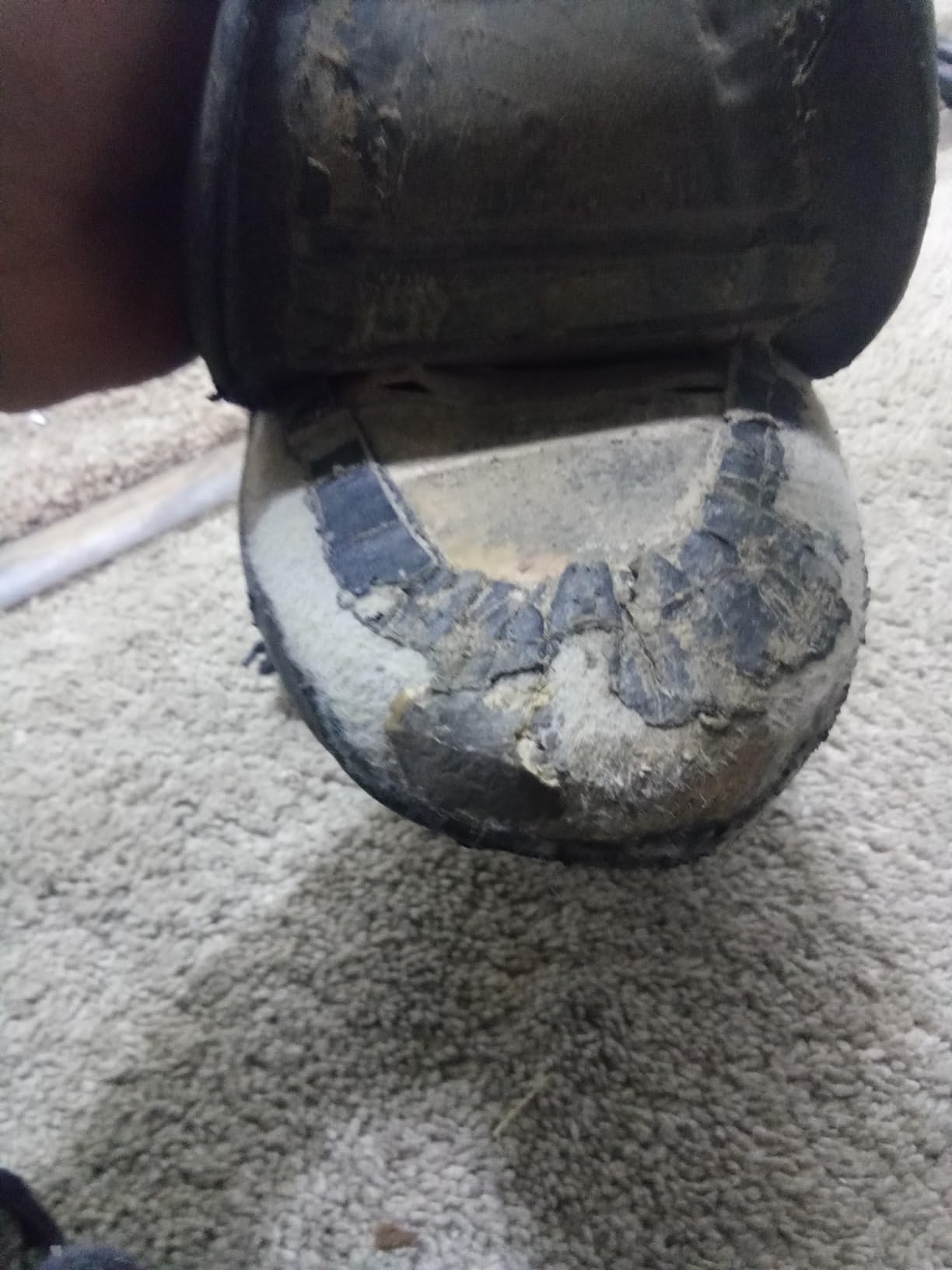
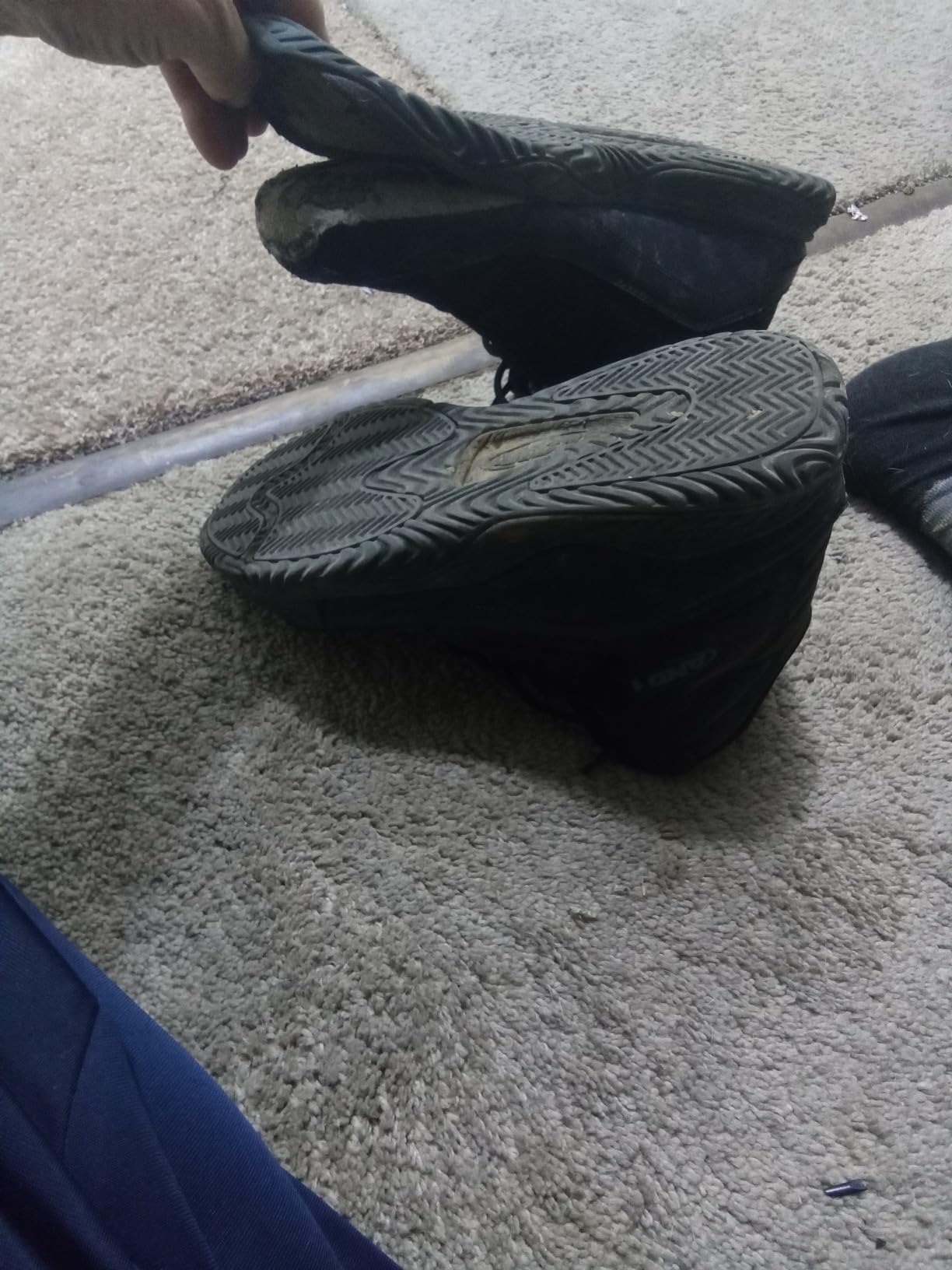
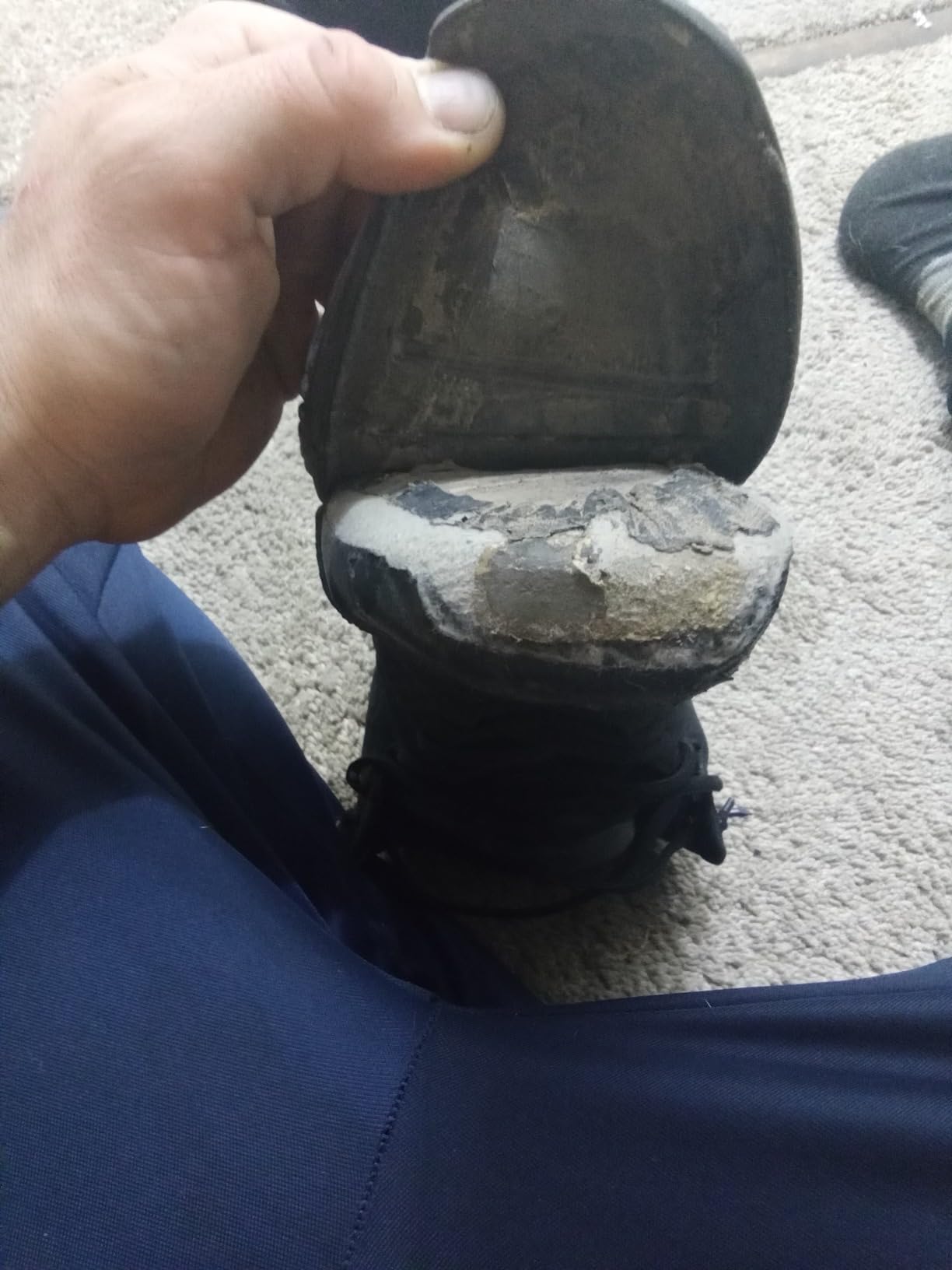
By week five, that stress had progressed to visible early separation at the toe box junction. Multiple user reports — including Spanish-language reviews where buyers described the shoes as damaged in two weeks of regular play (“se dañaron en solo 2 semanas”) — confirm this isn’t an isolated variance. The adhesive at the upper-to-sole junction, specifically at the forefoot stress point, is the construction weakness at this price point. Whether your specific pair follows this exact timeline varies by QC batch, your weight, and play intensity. But the underlying construction constraint is consistent enough to document and plan around.
Different Conditions, Different Results
Indoor Hardwood — Where These Shine Brightest
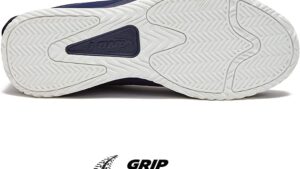
On clean indoor courts, the full-length rubber outsole does its job. Quick cuts trigger reliable grip. Defensive slides don’t slip. Direction reversals hold. For 30-45 minute recreational sessions on maintained gym floors, the traction is dependable and the ankle support earns its design intent. This is the use case the shoe is built for — and within it, performance is solid for the price.
Outdoor Concrete — Where the Marketing Claim Doesn’t Hold
AND1 markets the Pulse 2.0 for “indoor or outdoor” play. Three outdoor sessions on concrete courts told a different story. The wear patterns after three sessions on rough surfaces were significantly more pronounced than expected — noticeably more than what a dedicated outdoor basketball shoe would show after comparable use. The thin outsole and synthetic leather construction weren’t built for the abrasion of outdoor concrete. If you’re splitting time between gym and outdoor courts, your lifespan budget is getting spent faster than the marketing suggests.
Summer Heat and Breathability
Temperature matters more than expected. In gyms hitting 75-80°F during summer, the air mesh tongue’s breathability limitations become genuinely uncomfortable. Fall and winter gym conditions? The ventilation is adequate. Summer pickup in an un-air-conditioned gym? Warm feet throughout. The tongue does more than nothing — but these run noticeably warmer than shoes with engineered mesh uppers or extensive perforation. Seasonal context affects this shoe’s experience meaningfully.
Does AND1 Mean What They Say? Checking the Claims
AND1 markets the Pulse 2.0 as “high performance” footwear that’s “built to last” with “superior traction.” Let’s be honest about each of those.
“High Performance”: For recreational basketball played once or twice a week on indoor courts — adequate performance. Ankle support is functional, traction is reliable, the shoe does what basketball shoes are supposed to do at a basic level. For competitive play, intensive training sessions, or 3+ sessions weekly, “high performance” overstates what the construction can sustain.
“Built to Last”: This is the claim with the widest gap from reality. Stress marks at week three, visible separation beginning at week five, under standard recreational conditions — three times weekly on indoor courts. “Built to last” implies durability that the adhesive quality and construction simply don’t provide. The user data backs this up across languages and markets.
“Superior Traction”: On clean indoor courts: functional, reliable, adequate. Not superior in any meaningful comparative sense. On outdoor surfaces: the outsole wears faster than expected. “Indoor-adequate traction” is the honest version of this claim — and indoor-adequate is genuinely useful, it just doesn’t match the marketing language.
My Assessment After Eight Weeks
After eight weeks, I have a specific kind of mixed feeling — not confusion, just a clear picture of what this shoe is and isn’t. On the positive side: ankle support is genuine, indoor traction is functional, the fit is accurate for standard widths, and the metal speed laces are a real differentiator within this budget tier. At $50 with large sizes available (14+), it makes basketball accessible in a way that matters.
On the other side: the durability trajectory is too consistent across user experiences to treat as random QC variance. The construction method at this price point appears to set a hard ceiling on lifespan under regular basketball use. Players who go in with that understanding — who are buying a short-term, recreational shoe rather than a lasting investment — get real value. Players expecting 12 months of functional basketball wear will be disappointed.
Detailed Scoring
| Performance Category | Score (1-10) | Notes |
|---|---|---|
| Court Traction | 7.5 | Reliable on indoor hardwood; thins out on outdoor concrete |
| Ankle Support | 7.0 | Mid-top collar provides real stability — genuine upgrade over low-tops |
| Cushioning | 6.0 | Adequate for sessions under 45 minutes; phylon limit reached for heavier players |
| Durability | 4.0 | Stress marks week 3, early separation week 5 under regular play — major weakness |
| Comfort | 6.5 | Good after break-in; narrow toe box limits wider feet |
| Style / Appearance | 7.0 | Classic basketball aesthetic — works on and off the court |
| Value for Money | 6.5 | Good for short-term recreational use; cost-per-session math evens out at 3 months |
| Overall Score | 6.2 | Viable budget option with defined limitations |
Final Verdict — Who This Shoe Works For
| ✅ Good Match | ⚠️ Not the Right Fit |
|---|---|
|
|
The Cost-Per-Session Reality
At 3 months of twice-weekly play (24 sessions total): $50 ÷ 24 = $2.10 per session. Entry-level Nike basketball shoes at $80-100 typically handle 12 months of comparable use — call it 48 sessions at roughly $1.67-2.08/session. Cheaper upfront, roughly break-even over time. For youth players cycling through sizes every six months anyway, or for backup pairs that don’t see heavy rotation, the AND1 math is genuinely reasonable. For a primary pair that gets serious use, the economics shift quickly.
What to Consider Instead
Durability priority: the jump from $50 to $80-100 buys significantly better construction from established basketball brands. Look at entry-level lines from Nike, Adidas, or Under Armour — the adhesive quality and material bonding at those price points are meaningfully better. For wide feet, New Balance basketball options or Adidas models with roomier toe box geometry address the fit problem directly. Maximum cushioning needs? Shoes with proper foam stacks rather than phylon at this thickness.
If you’re looking for cross-training use rather than dedicated basketball, training shoes designed for gym floors often deliver better durability across mixed activities. The Pulse 2.0’s construction optimizes for basketball movement patterns — which is exactly right for its intended purpose, but limits its durability outside that lane.
Frequently Asked Questions
How long do the AND1 Pulse 2.0 basketball shoes actually last?
Based on my testing and consistent user reports: for regular basketball use (2-3x per week), expect stress marks around week three and visible sole separation beginning around week five. For casual or light use — once weekly or less, primarily as a casual sneaker or occasional pickup game shoe — 3-6 months is achievable. The lifespan depends on play intensity, your body weight, and whether you’re primarily on indoor or outdoor surfaces. Outdoor use burns through the lifespan budget significantly faster.
Do these run true to size?
Generally yes, for standard-width feet. The consistent finding across my testing and user reports is true-to-size for D-width and narrower. The catch: the toe box is narrow, so if you have wider feet or like extra toe room, size up half a size. If you’re between sizes, go up rather than down. Multiple user reports confirm this sizing pattern across markets.
Are these good for outdoor basketball?
AND1 markets them for indoor/outdoor use, but the construction tells a different story. Three outdoor sessions on concrete produced wear patterns significantly more pronounced than expected — the thin outsole isn’t designed for rough abrasion. If indoor courts are your primary venue with occasional outdoor use, acceptable. If outdoor concrete is your main environment, look at shoes specifically designed for outdoor durability. The synthetic upper also takes more surface damage from outdoor play than the indoor-optimized construction handles well.
How does the ankle support compare to low-top basketball shoes?
The comparison is genuine and favorable. The mid-top collar provides real lateral stability that low-top shoes don’t deliver — tested across cuts, defensive slides, and landing situations. It’s not the level of support from high-top dedicated basketball shoes or premium mid-tops like the Under Armour Lockdown 7, but the upgrade over low-tops is meaningful and consistent across sessions.
Can these work for sports beyond basketball?
Yes, with context. The ankle support and indoor traction translate reasonably to volleyball, badminton, and similar court sports. For casual gym use or light cross-training, the stability is an asset. Avoid using them for running — the construction and cushioning spec aren’t designed for forward-propulsion mechanics. For serious gym training, dedicated training footwear will serve better under repeated sessions. As a daily sneaker, the classic aesthetic holds up well.
Are there better basketball shoes available at around $50?
Options are genuinely limited at exactly $50 for dedicated basketball shoes. Fila and Champion have budget lines worth comparing for durability at similar price points. If you can extend the budget to $70-80, the construction quality jump from Nike or Adidas entry-level basketball lines is meaningful — better adhesive, better materials, better lifespan. At exactly $50, the AND1 Pulse 2.0 is competitive within its tier.
How do they handle in hot gym conditions?
Summer temperatures in the 75-80°F range expose the breathability ceiling. The air mesh tongue provides some ventilation — more than a solid synthetic tongue would — but it’s limited. Fall and winter indoor play is fine thermally. Peak summer in gyms without air conditioning: warm feet are part of the experience. If you play year-round in warm conditions, this is a real consideration in the buying decision.
Are these appropriate for youth players?
Actually, one of the stronger use cases for these shoes. AND1’s youth basketball options share similar design principles with the adult Pulse 2.0 — and for growing players who size up every 6-8 months, the budget construction becomes far less relevant. A young player outgrowing their shoes before the adhesive fails is getting full value. Add the large size availability (useful for adults too), and the Pulse 2.0 makes particular sense as a youth basketball option where frequent replacement is expected anyway.
Be the first to review “AND1 Pulse 2.0 Men’s Basketball Shoes”
Related products
Basketball Shoes
Basketball Shoes
Basketball Shoes
Basketball Shoes
Basketball Shoes
Basketball Shoes
Basketball Shoes
Basketball Shoes
Reviews
There are no reviews yet.