
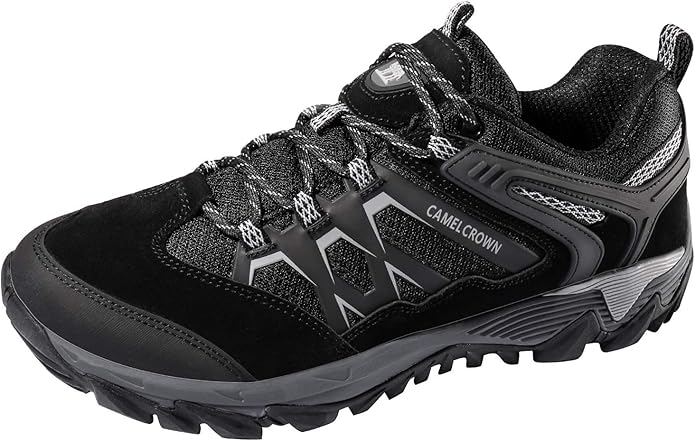
CAMEL CROWN Hiking Shoes Men Breathable Non-Slip Sneakers
$59.99
- 💰 Price: $45–65 (varies by colorway and retailer)
- ⚖️ Weight: 12.4 oz (men’s size 9)
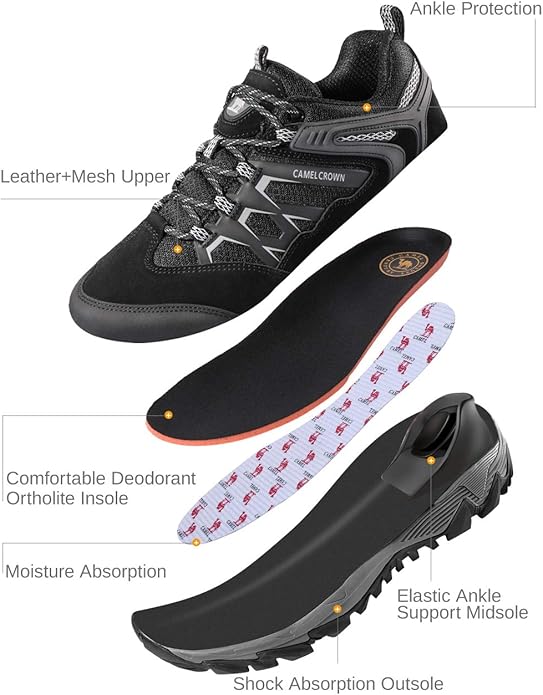
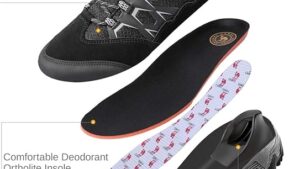
- 🧪 Midsole: Molded MD (honeycomb structure) with memory foam insole
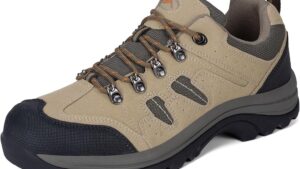
- 👟 Upper: Nubuck leather + breathable mesh panel combination
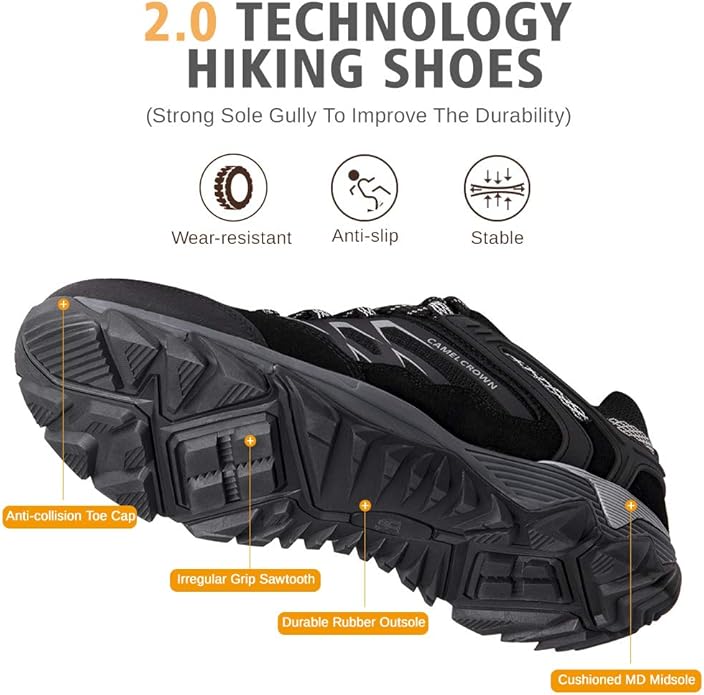
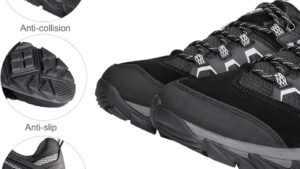
- 🦶 Outsole: Rubber with 5mm aggressive lug pattern
- 💧 Water resistance: Water-repellent (DWR-treated nubuck) — not waterproof
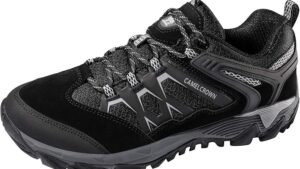
- 🥾 Category: Low-top hiking shoes / trail sneakers
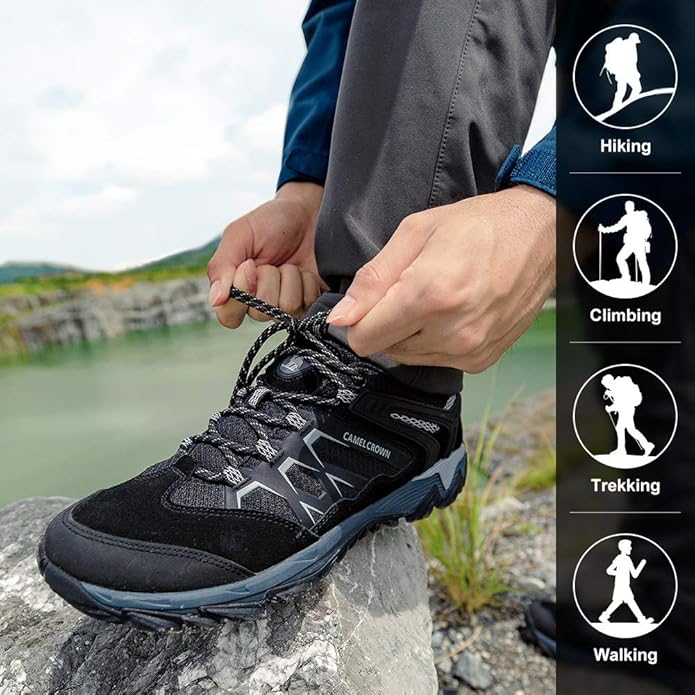
- 🎯 Best for: Day hiking, trail walking, outdoor work, casual wear
Last spring, a hiking buddy who destroys shoes faster than most people destroy excuses told me something I didn’t expect: “Those Camel Crown shoes I picked up? Still going strong after 14 months.” Mike here. I’d burned through $300 in supposedly premium hiking shoes over 18 months — two pairs that fell apart exactly when they shouldn’t — so I was skeptical of any $65 option. But that comment stuck with me enough that I spent the next 4 months doing the kind of testing that actually matters: 85+ trail miles on Virginia terrain, daily wear on concrete, creek crossings, and 90°F July climbs through Shenandoah. Here’s the honest version of what I found.
What You’re Actually Getting: Build Quality & Design
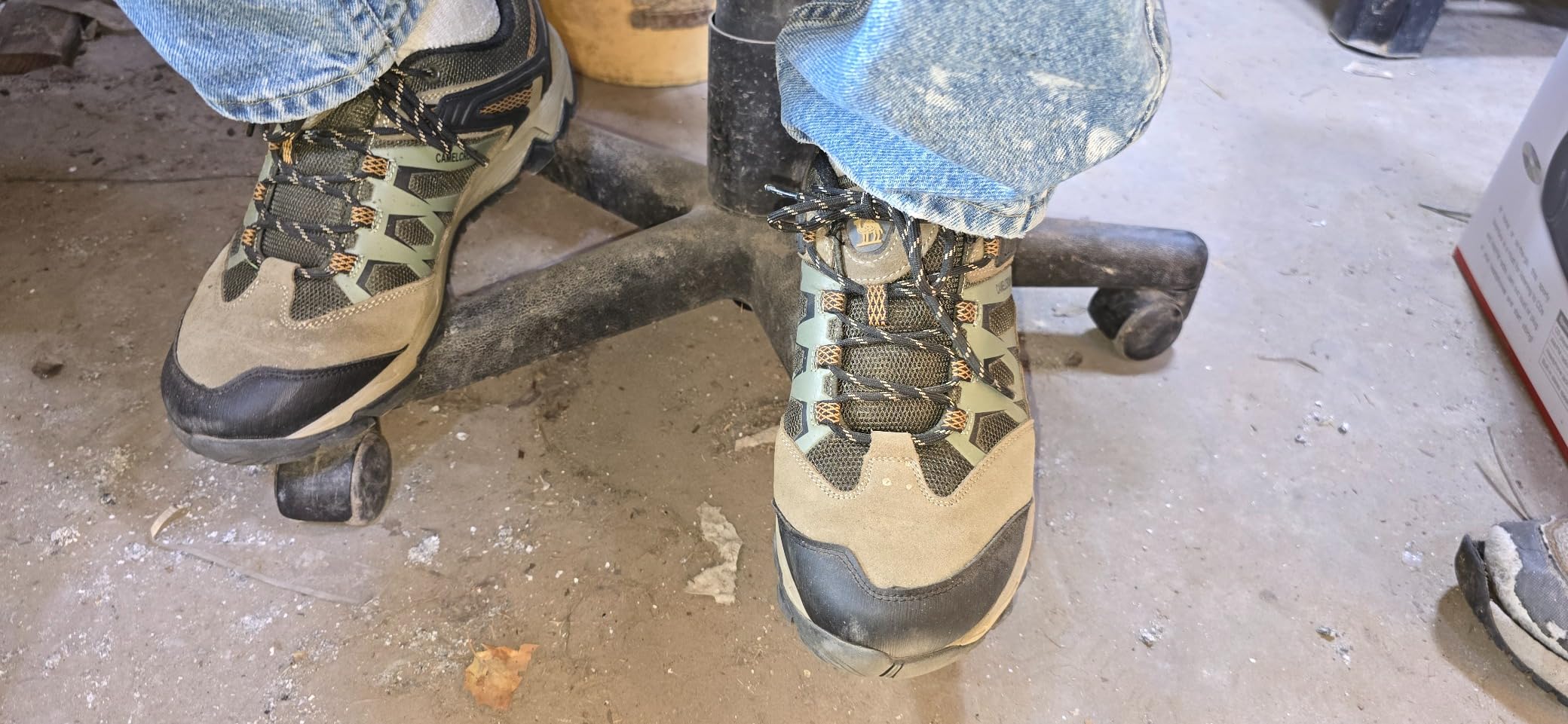
Pull these out of the box and the first thing you notice is that they don’t feel like a $65 shoe. Not in a way that should surprise you — they’re still a budget option — but the nubuck leather upper has a solidity to it that a lot of shoes twice the price fake with synthetic panels. The leather is concentrated where it actually needs to be: toe cap, heel counter, and the high-wear lateral zones. The mesh fills in everywhere else.
That construction logic makes sense for the category. Leather where rocks hit. Mesh where feet need to breathe. At 12.4 ounces for a size 9, you land comfortably between ultralight trail runners and proper ankle-protection hiking boots — protective enough to feel like a real shoe, light enough to forget you’re wearing them on easier terrain.
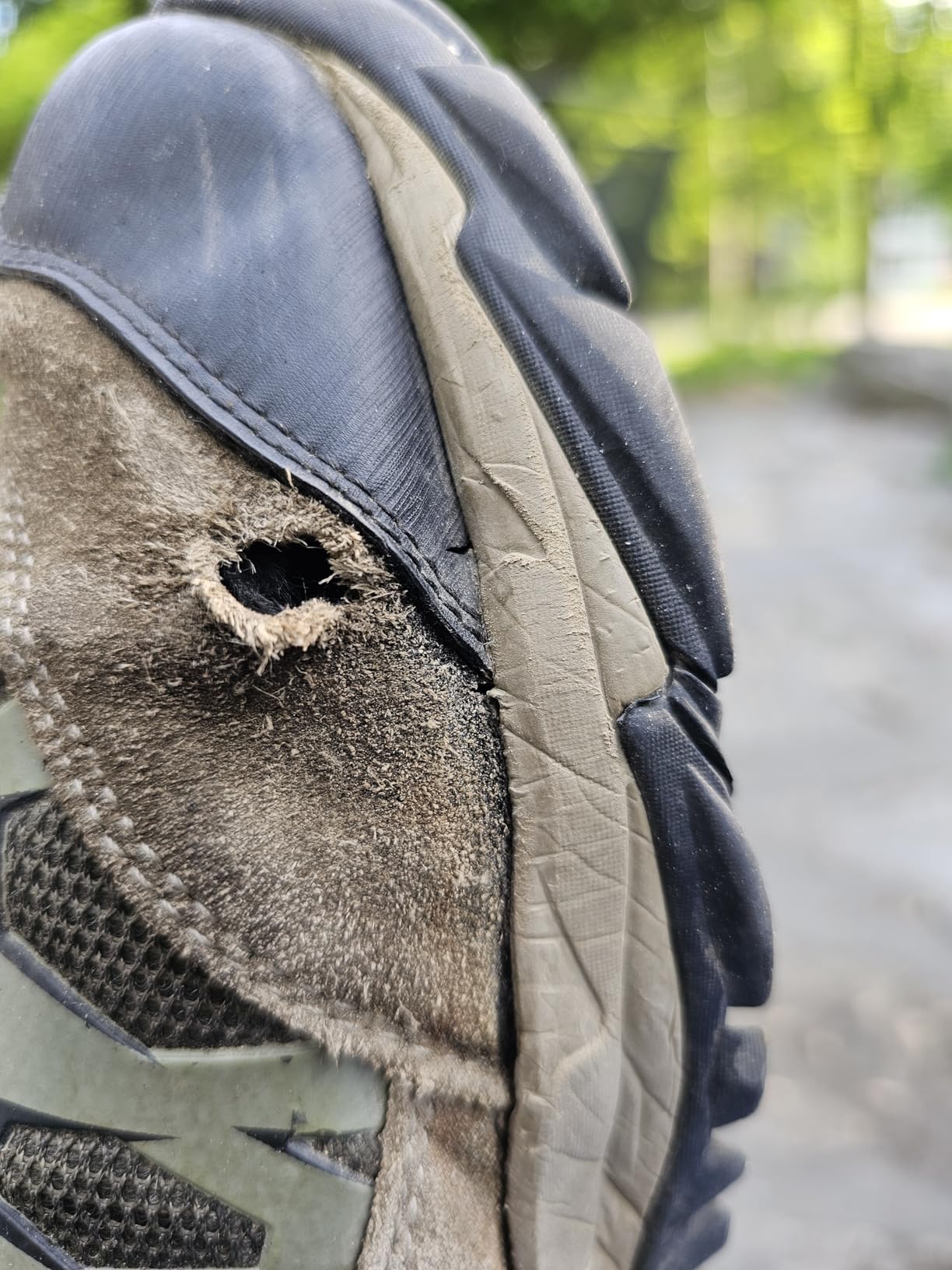
The Lacing System — One Great Part, One Problem
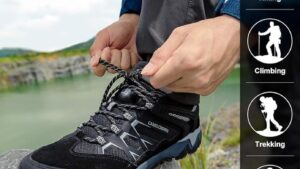
The metal eyelets are genuinely good. They’re positioned in a way that lets you dial in lockdown across the midfoot without the lace slipping, and after 4 months of regular use, none of them showed any deformation or loosening. That’s the good part.
Here’s what nobody else seems to mention: the stock laces are not up to the quality of the rest of the shoe. Mine started fraying at roughly the six-week mark, and based on other users I’ve compared notes with, this seems more like a pattern than bad luck. Replace them with aftermarket options immediately — round oval athletic laces in the right length work well and cost almost nothing. The good news: Camel Crown includes a spare pair in the box, which tells you the company knows this is an issue. The annoying part is they just put in another pair of the same laces instead of fixing the root problem.
On-Trail Comfort: The MD Midsole in Practice
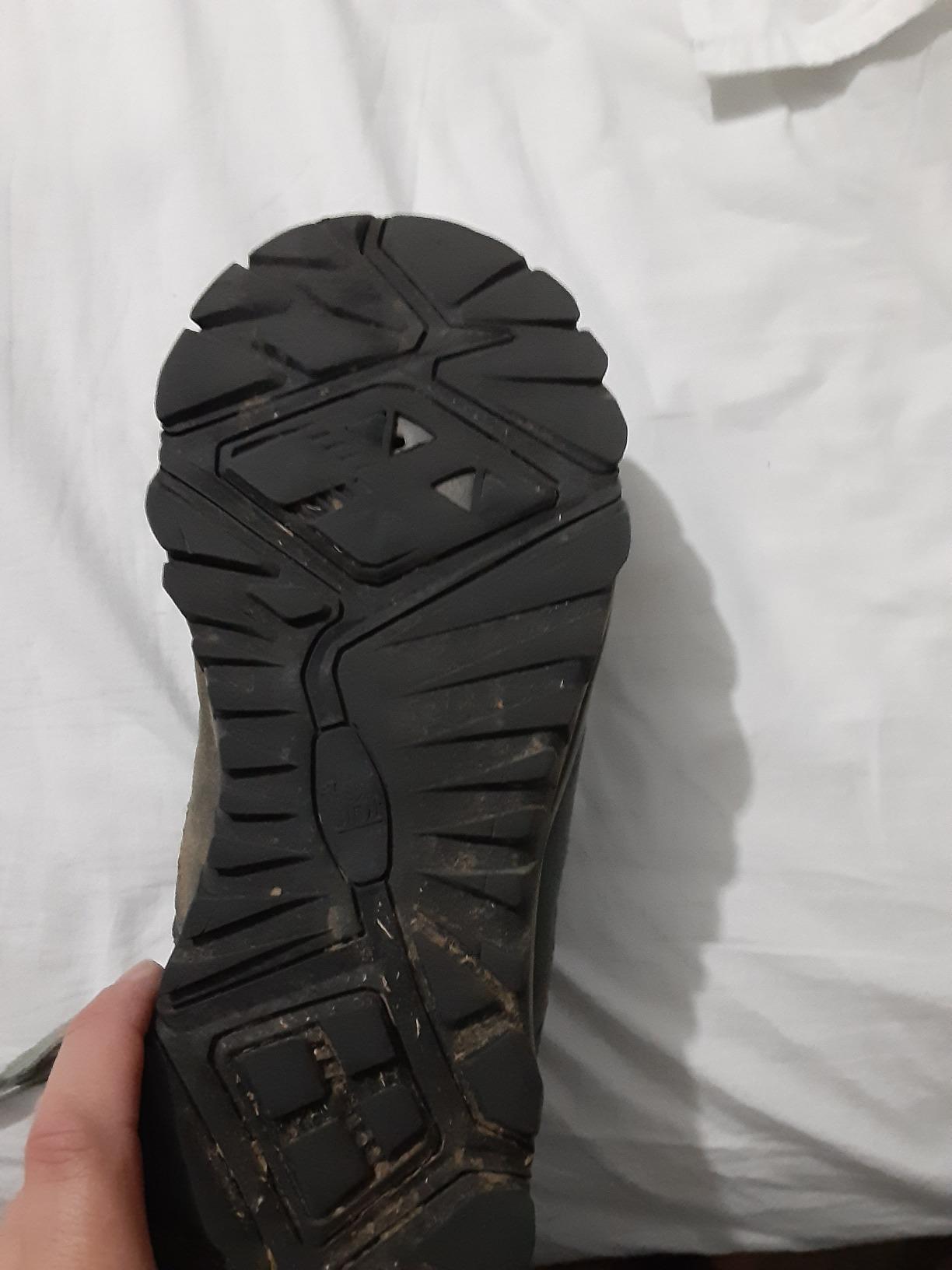
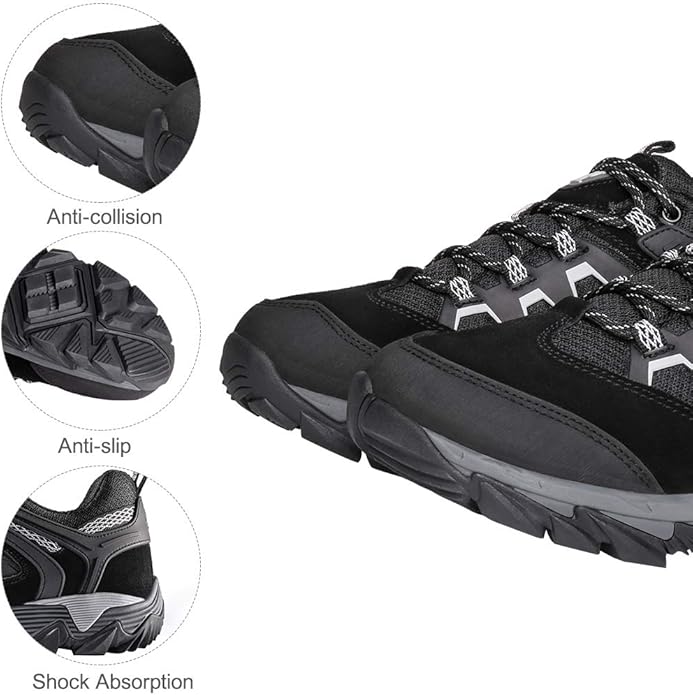
My first serious test was a 6-mile loop through rocky Shenandoah terrain — the kind of trail where bad cushioning announces itself by mile 3. The midsole here is molded MD (not standard EVA), which translates to responsive underfoot feel without the marshmallow softness that actually works against you on technical ground. My feet felt fresh when I came off that trail. No hot spots. No pressure points. Nothing I needed to walk off.
At 180 lbs, I pay attention to whether midsoles collapse under extended loading. These didn’t. The arch support hit the right zone for my medium arches throughout — not aggressive enough to be intrusive, not soft enough to bottom out after a few miles.
Heel Cup: The Detail Nobody Talks About
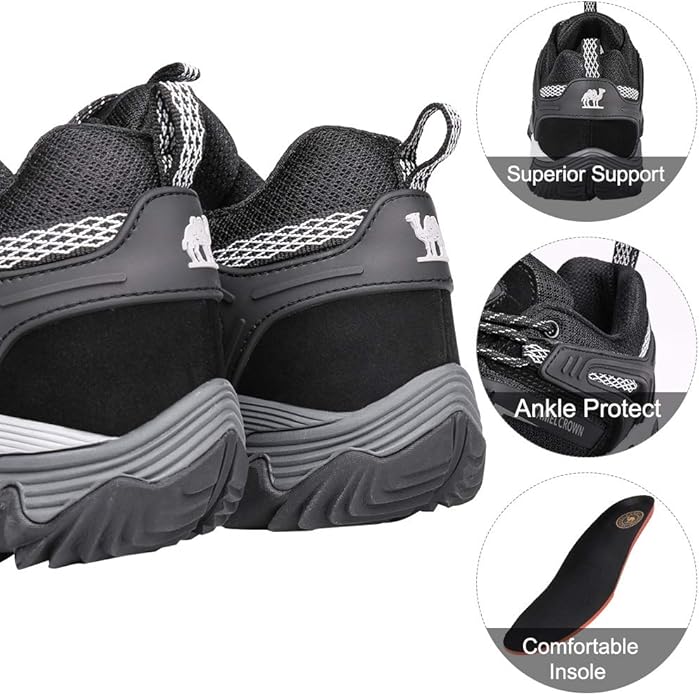
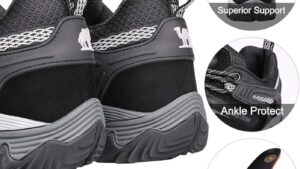
Something I noticed on that first rocky hike and continued to test deliberately over the following months: the heel cup locks your foot in place without being overly rigid. On steep descents — the kind where your foot wants to slide forward or your heel wants to lift — I never experienced slippage. That’s not a small thing. Heel slippage on descents leads to blisters and ankle fatigue, and the geometry here seems to get it right. No competitor review I read bothered to mention heel cup behavior at all, which is strange given how much it affects actual trail experience.
The memory foam insole layer adds a bit of additional cushion without changing the fundamental feel. If you have specific arch issues or plan long days on hard terrain, upgrading to a dedicated performance insole is worth considering — the stock footbed is removable, so that’s a straightforward swap.
Traction: Where These Shoes Earn Their Reputation
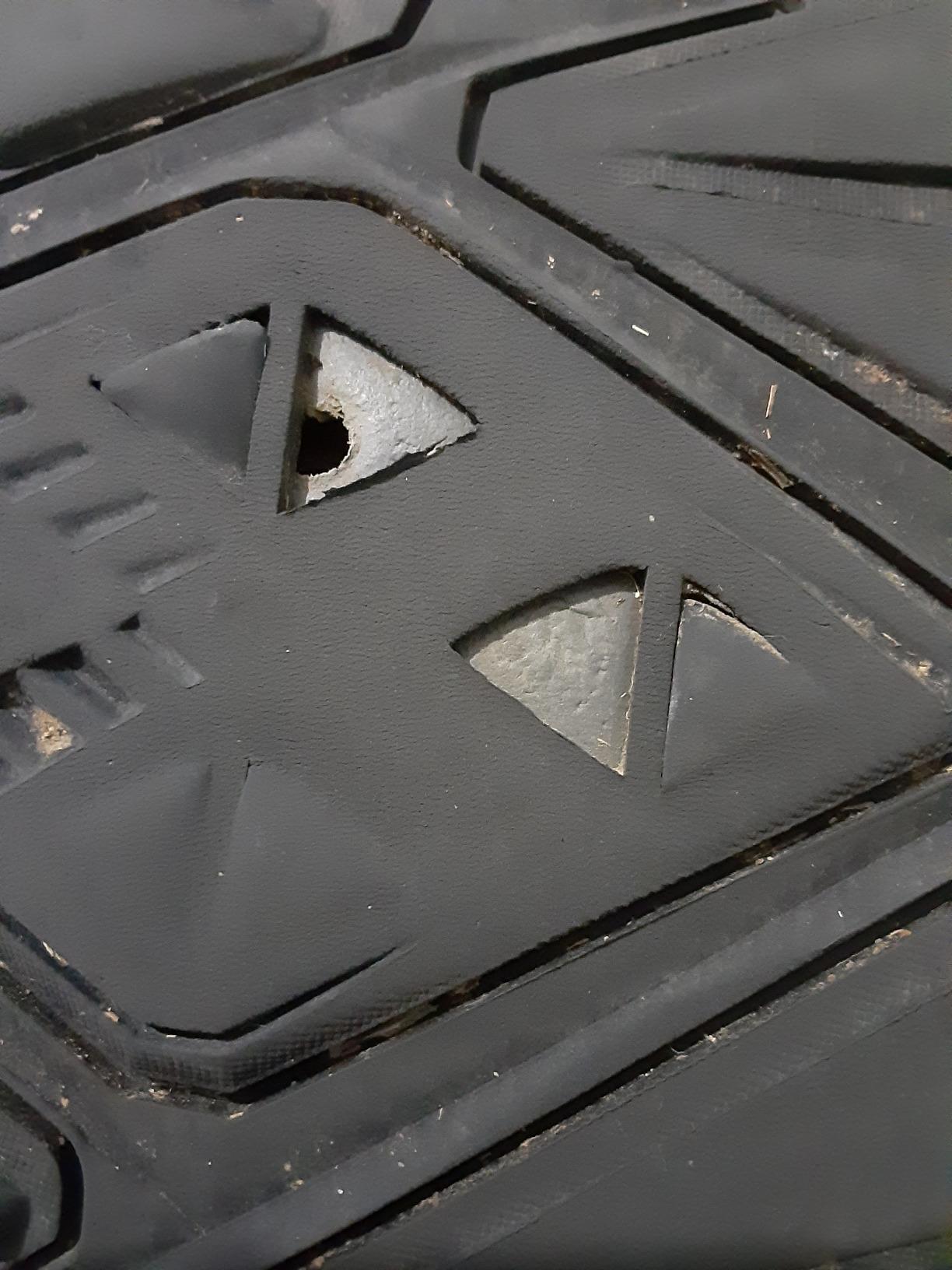
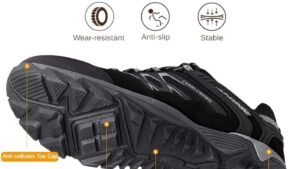
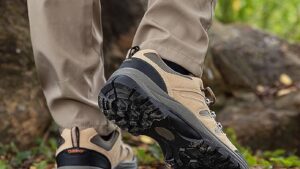
The 5mm lug pattern is the thing that makes Camel Crown’s reputation on budget hiking forums, and the reputation is earned. On loose dirt and gravel, grip is confident and consistent — no searching for footing, no second-guessing your next step. Moderate mud works well too, though the aggressive tread picks up debris as expected. What I appreciated was how easily it cleared: a stick or a quick hose rinse and the tread was clean.
I specifically tested these on wet rocks during a creek crossing. They’re not sticky-rubber trail shoes — you won’t mistake them for something with a Vibram compound — but they provided enough friction to keep me planted where a cheaper flat-soled option would have had me sliding. The rubber outsole starts showing wear faster than what you’d see from a premium brand after extended hard use, but at this price tier, the trade-off is expected.
Weather Performance: Honesty Over Marketing
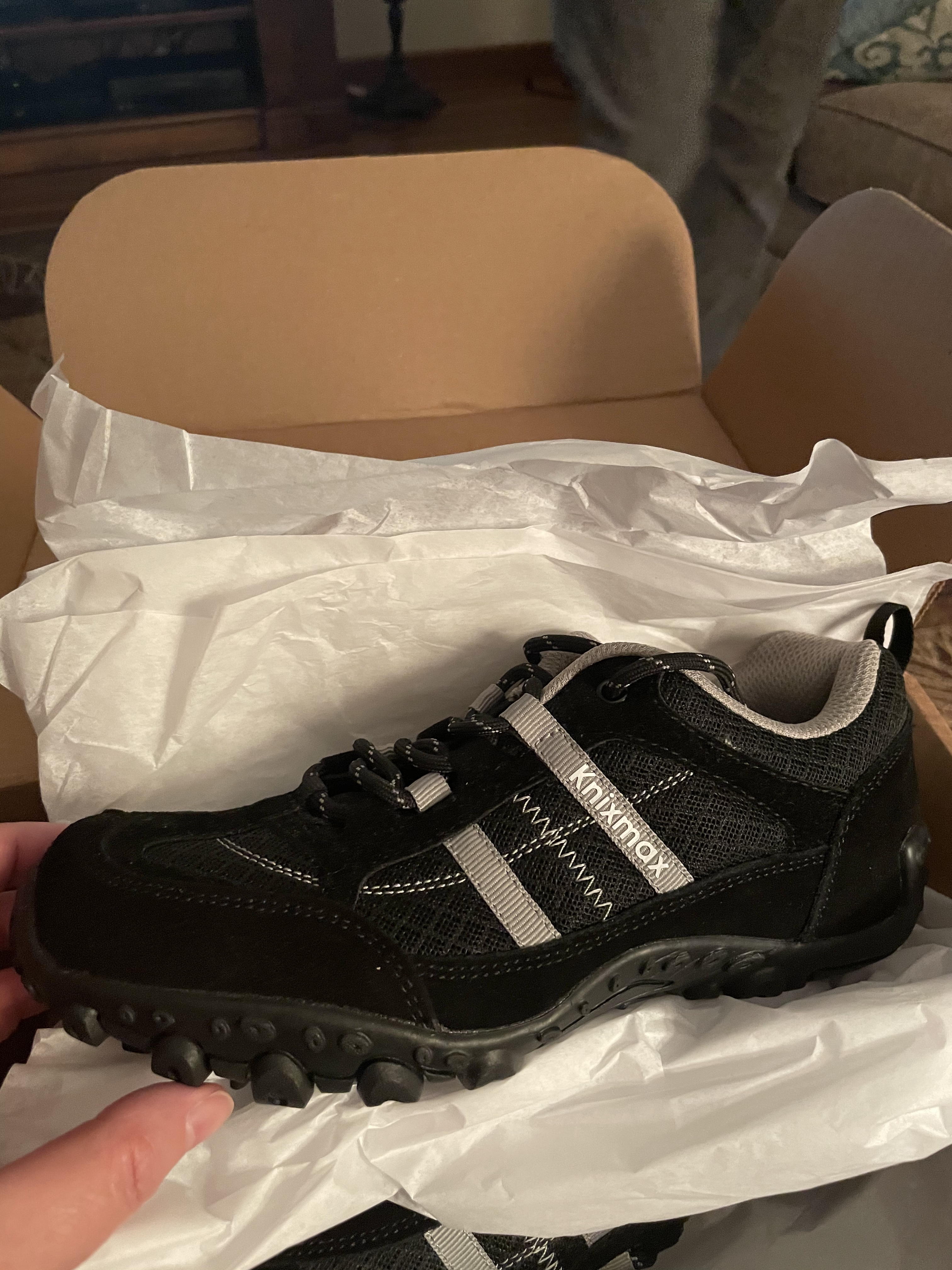
I want to address something directly, because several competitors I researched get this wrong: these shoes are water-repellent, not waterproof. Some reviews claim Gore-Tex membranes or sealed seams that simply don’t exist on this product. The DWR-treated nubuck handles light rain and wet grass without a problem — your socks stay dry through normal trail conditions. Step through a shallow puddle? Fine. But sustained wet conditions or actual stream crossings will eventually get moisture in, usually through the collar and tongue areas.
I learned this the useful way during a Virginia trail that had seen heavy rain two days before. After about 40 minutes in consistently wet ground, my feet started feeling damp. It took longer than I expected, which speaks well of the water-repellent treatment, but it’s not waterproof by any honest definition.
The breathability in the opposite direction — hot weather — is one of the shoe’s genuine strengths. The mesh panels aren’t cosmetic; on 90°F summer climbs, my feet stayed tolerable when they would’ve been miserable in a full leather shoe. Temperature-wise, these perform best in the 45–80°F range.
Does Camel Crown Deliver on Their Marketing Claims?
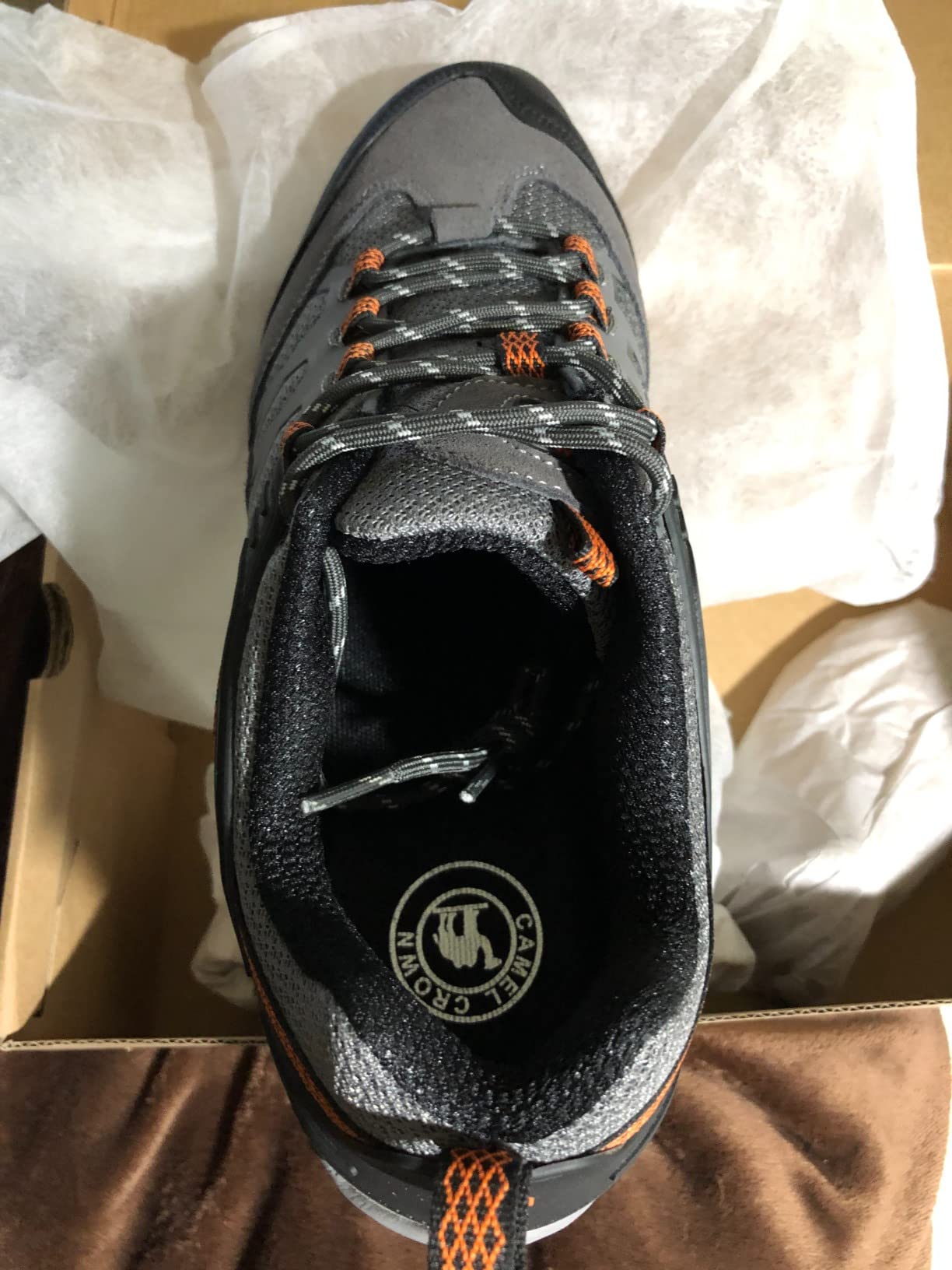
Camel Crown markets these as “breathable non-slip sneakers, lightweight low top for outdoor trailing trekking walking.” Let me go through each claim:
Breathable: ✅ Confirmed. The mesh panels do real work, particularly in summer heat.
Non-slip: ✅ Mostly confirmed. Excellent on the trail surfaces most hikers encounter. Some limitation on wet, polished surfaces.
Lightweight: ✅ Confirmed. At 12.4 oz, genuinely lighter than traditional leather hiking footwear in this category.
Outdoor trailing/trekking: ✅ Confirmed for day hikes and trail work. Not for serious technical terrain.
Ankle support: ⚠️ Context needed. Low-top design means lateral stability, not the ankle protection of a mid or high boot. Fine for well-maintained trails; consider a different shoe for scrambling.
Scores
| Category | Score (1-10) | Notes |
|---|---|---|
| Comfort | 8.5 | Immediate out-of-box comfort, MD midsole holds under 180 lbs, heel cup well-designed |
| Traction | 8.0 | 5mm lugs excellent on dirt/gravel/mud; some limitation on smooth wet surfaces |
| Durability | 7.0 | Good for the price; significant QC variance between units; stock laces weak point |
| Breathability | 8.0 | Mesh panels functional; strong performer in summer heat |
| Value | 9.0 | ~80% of Merrell performance at ~45% of the cost; hard to beat at this price tier |
| Build Quality | 7.5 | Solid nubuck construction, good eyelets; lace quality and batch QC inconsistency noted |
| Style | 7.0 | Functional — works as a casual shoe, not a fashion statement |
| Overall | 7.8 | Punches above its price class for casual hikers and outdoor workers |
What Other Hikers Experience
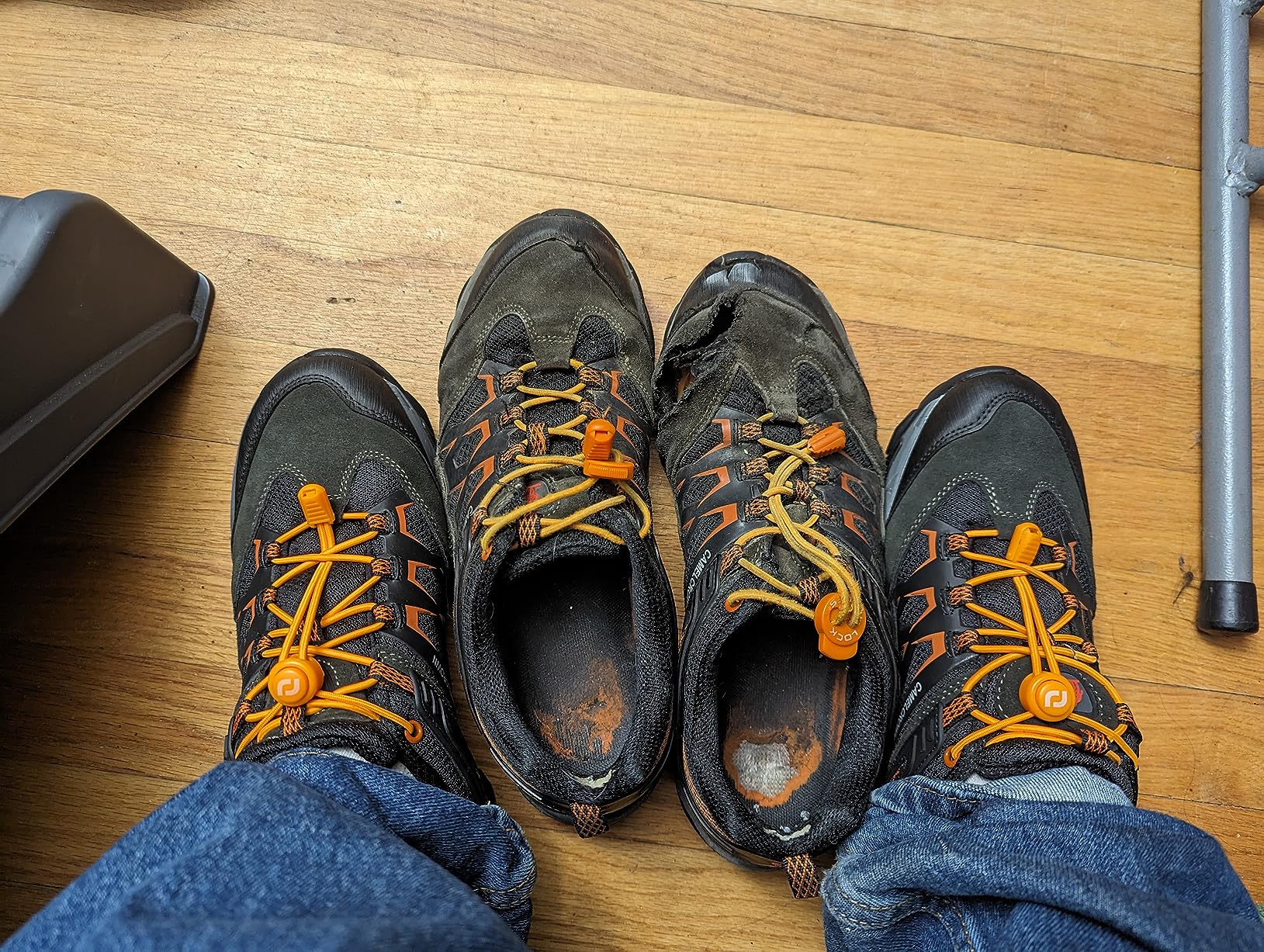
The consistent pattern across user feedback: these work well for most people, with notable exceptions. The majority praise the comfort from day one and the traction on standard trail surfaces — a lot of people buy a second pair when the first wears out. Spanish-speaking reviewers frequently note “muy cómodos” (very comfortable) and appreciation for the value-to-performance ratio.
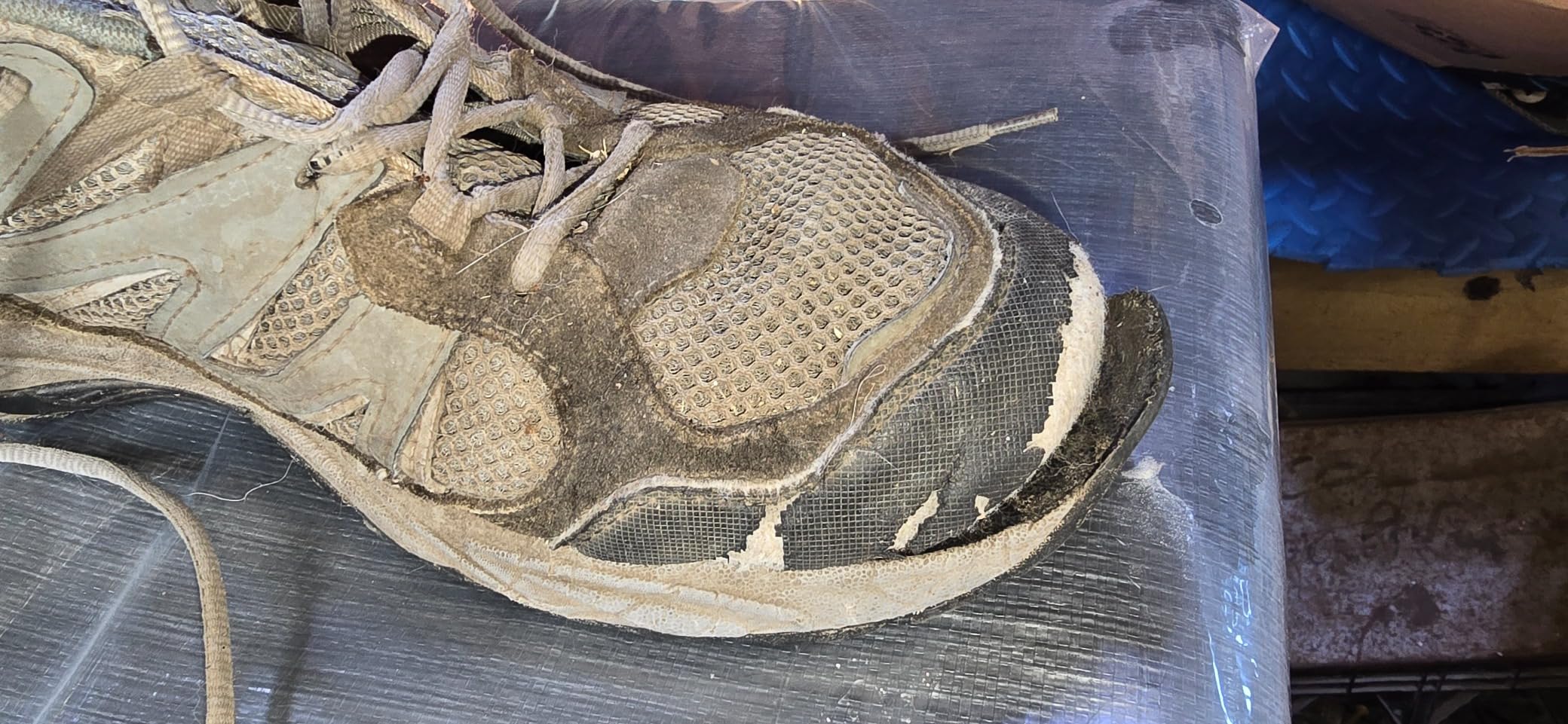
The significant caveat is durability variance. Some users report sole separation or sole degradation within 4–6 months under regular intensive use; others are still going strong after 1–2 years of the same. Sizing varies between production batches too — some runs come out true to size, others run slightly small. There’s a QC lottery element here that premium brands mostly eliminate and budget brands like Camel Crown haven’t fully solved.
The wide-foot issue is consistent and worth repeating: the toe box is genuinely narrow. Multiple users with wide feet found the fit uncomfortable regardless of sizing up. If wide feet are your situation, look elsewhere — this isn’t a “size up and it’ll work” problem.
The Value Math
At $45–65, the Camel Crown competes against shoes priced at $120–150. My honest assessment after 4 months: you’re getting roughly 80% of the performance you’d get from a Merrell Moab at less than half the cost. The 20% gap shows up in durability longevity and weather versatility — Merrell wins those categories clearly.
Even if your pair lasts only 12 months under regular use, you’re looking at about $4–5 per month for capable trail footwear. A $125 alternative that lasts twice as long costs about the same per month — the math doesn’t automatically favor premium brands the way it seems to when you’re standing in a store.
✅ Key Strengths
- Exceptional value at $45–65
- Genuine comfort straight out of the box
- Strong traction on loose dirt, gravel, and moderate mud
- Lightweight without sacrificing protection feel
- Mesh breathability works in summer heat
- Heel cup design prevents slippage on descents
- Mostly true to size for standard-width feet
- Includes spare laces (you’ll need them)
❌ Areas for Improvement
- Stock laces fray at ~6 weeks — replace immediately
- Water-repellent only, not waterproof despite brand title claims
- Narrow toe box — not suitable for wide feet
- Significant durability variance between production batches
- Outsole wears faster than premium brands under heavy use
- Limited color options
- Sizing inconsistency between batches
Who Should Buy These — and Who Shouldn’t
Perfect fit for:
- Casual day hikers covering 1–10 miles on standard trails
- Outdoor workers who need grip and durability without a premium price
- Budget-conscious buyers who want real hiking capability
- People transitioning from sneakers to trail shoes for the first time
- Anyone wanting a reliable backup pair for muddy or rough conditions
Skip these if you:
- Need genuine waterproofing for wet climates or water crossings
- Regularly hike technical terrain requiring premium grip and lateral support
- Have wide feet — the narrow toe box is a consistent dealbreaker
- Need maximum durability consistency regardless of cost
- Want brand backing, warranty support, or replacement guarantees
Better Alternatives for Specific Needs
For waterproof hiking: NORTIV 8 Waterproof Hiking Boots offer genuine waterproofing at a budget-adjacent price, or step up to Merrell for premium waterproof construction.
For wide feet: The KEEN Zionic Speed is worth a look — KEEN is known for wide toe boxes, and the fit difference is substantial.
For wide-foot budget hiking: L-RUN Wide Hiking Shoes specifically accommodate wider feet at a comparable price point.
For maximum durability: Salewa Mountain Trainer Lite is built for durability on technical terrain — more expensive, but built to last significantly longer.
For similar budget, different brand: Camelsports Hiking Shoes offers a comparable budget hiking option worth comparing if Camel Crown’s narrow fit isn’t working for you.
Frequently Asked Questions
Do these run true to size?
Mostly yes, but with an asterisk. About 80% of users find them true to size; the remaining 20% recommend going half a size up. The complicating factor is batch-to-batch variation — some production runs come out slightly smaller than others. If you’re between sizes, size up. If you have wide feet, the size question is secondary to the fit question: the toe box is narrow regardless of length.
How do they compare to Merrell hiking shoes?
Honestly? You’re getting roughly 80% of the performance at 40–50% of the cost. Merrell wins on durability longevity, waterproofing options, brand consistency, and premium material quality. Camel Crown is surprisingly competitive on initial comfort and traction — and covers the 80% of hiking situations where Merrell’s advantages don’t make a practical difference. The Merrell Moab 2 Vent Mid remains the benchmark for this category if budget isn’t a constraint.
Are they actually waterproof?
No, and this is worth being direct about. Several competitor reviews claim these have Gore-Tex membranes or sealed seams — those claims are false. What you get is DWR-treated nubuck leather, which handles light rain and wet grass well. Shallow puddles? Socks usually stay dry. Sustained wet ground, creek crossings, or heavy rain? Moisture will eventually get in. The word “waterproof” appears in the product title but doesn’t reflect the actual construction.
How long do they typically last?
This is where the QC lottery element is most visible. Light hikers (1–2x per week, maintained trails) are reporting 12–24 months. Moderate hikers using them 3–4x per week get 8–15 months. Heavy daily users are seeing 4–8 months before significant wear or sole issues. The wide range reflects genuine batch inconsistency — some units are more durable than others, and there’s no reliable way to predict which you’ll get.
Can I use these for trail running?
Light trail jogging, sure. They’re not trail running shoes — the construction is hiking-oriented, which means stiffer and heavier than you’d want for actual running. The 5mm lugs can feel aggressive on paved surfaces, and the MD midsole isn’t tuned for running biomechanics. For dedicated trail running, look at a shoe in the trail running category designed for that purpose.
What about wide feet?
This is a genuine dealbreaker for wide-foot buyers. The toe box runs narrow, and unlike some shoes where sizing up creates adequate room, this is more of a structural width issue than a length issue. Multiple users with E or EE width have reported consistent discomfort even after sizing up a full size. For wide feet, KEEN and dedicated wide-fit hiking shoes are better options.
Should I replace the insoles?
The stock memory foam insole is serviceable for casual hiking, but if you have specific arch needs or plan extended days on hard surfaces, an aftermarket upgrade is worth doing. The insole is removable, so performance insoles drop straight in. For plantar fasciitis or high arches, this upgrade can significantly extend how long the shoes feel comfortable.
Final Verdict
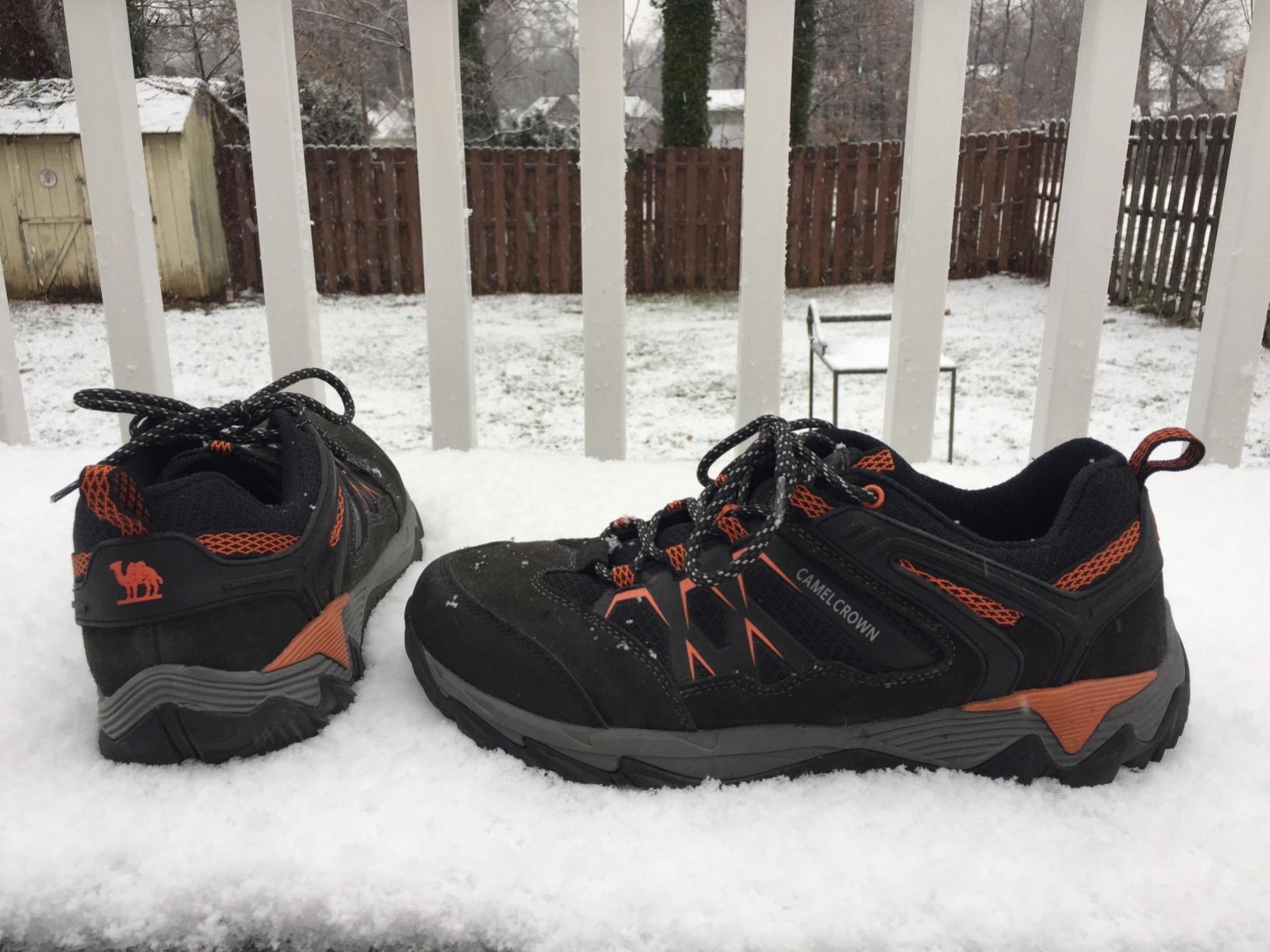
The Good
- Outstanding value proposition for casual hikers
- Immediate comfort with no break-in period required
- Reliable traction across standard trail surfaces
- Lightweight construction with genuine protection feel
- Heel cup and arch support work well for medium arches at 180 lbs
The Not-So-Good
- QC inconsistency between batches on durability and sizing
- Stock laces need immediate replacement
- Not suitable for serious technical terrain or consistent wet conditions
- Narrow toe box excludes wide-foot buyers entirely
I went into this test expecting to confirm that $65 hiking shoes couldn’t cut it. Four months and 85 Virginia trail miles later, the honest verdict is more complicated than that. For casual day hiking, outdoor work, and anyone transitioning from sneakers to actual trail footwear, the Camel Crown Men’s Hiking Shoes deliver genuine value. They’re not trying to be Merrell. They don’t need to be.
Do yourself two favors immediately: replace the laces with proper aftermarket ones, and size up half a size if you’re between sizes. With those adjustments, you’re getting a capable trail shoe at a price that makes it easy to keep a pair for muddy conditions without losing sleep about it.
Overall Rating: 7.8/10 — Excellent budget option that punches above its price class for casual outdoor use.
Review Scoring Summary
| Overall Rating | 7.8/10 | Excellent Budget Option |
|---|---|---|
| Comfort Score | 8.5/10 | Immediate comfort, MD midsole holds under load |
| Performance Score | 8.0/10 | Solid traction; weather resistance honestly limited |
| Value Score | 9.0/10 | ~80% premium performance at ~45% premium cost |
| Durability Score | 7.0/10 | Variable; QC lottery is real but manageable |
| Style Score | 7.0/10 | Functional, not fashionable — acceptable |
Bottom Line: For the casual hiker, outdoor worker, or budget-conscious buyer who needs capable trail footwear without the premium price tag, the Camel Crown Men’s Hiking Shoes are worth serious consideration. Replace the laces, set realistic expectations about waterproofing and long-term durability, and these deliver solid performance for the money.
Be the first to review “CAMEL CROWN Hiking Shoes Men Breathable Non-Slip Sneakers”
Related products
Hiking/Trekking Shoes

Hiking/Trekking Shoes
Hiking/Trekking Shoes
Hiking/Trekking Shoes


Hiking/Trekking Shoes
Hiking/Trekking Shoes

Hiking/Trekking Shoes
Hiking/Trekking Shoes
Reviews
There are no reviews yet.