
School pickup, grocery run, yoga class, lake trip with the kids — and somehow I’m supposed to find one pair of shoes that handles all of it without falling apart or leaving my feet screaming by 3 PM. Last spring, while deep in research mode for our family’s summer camping trips, the XIHALOOK Athletic Hiking Water Shoes kept showing up. Sarah here, and as someone who’s bought more than a few “versatile” shoes that turned out to be versatile at nothing, I approached these $40 barefoot-style water shoes with genuine skepticism. Eight weeks later — across playgrounds, hiking trails, the gym, a lake, and two beach days — here’s exactly what I found.
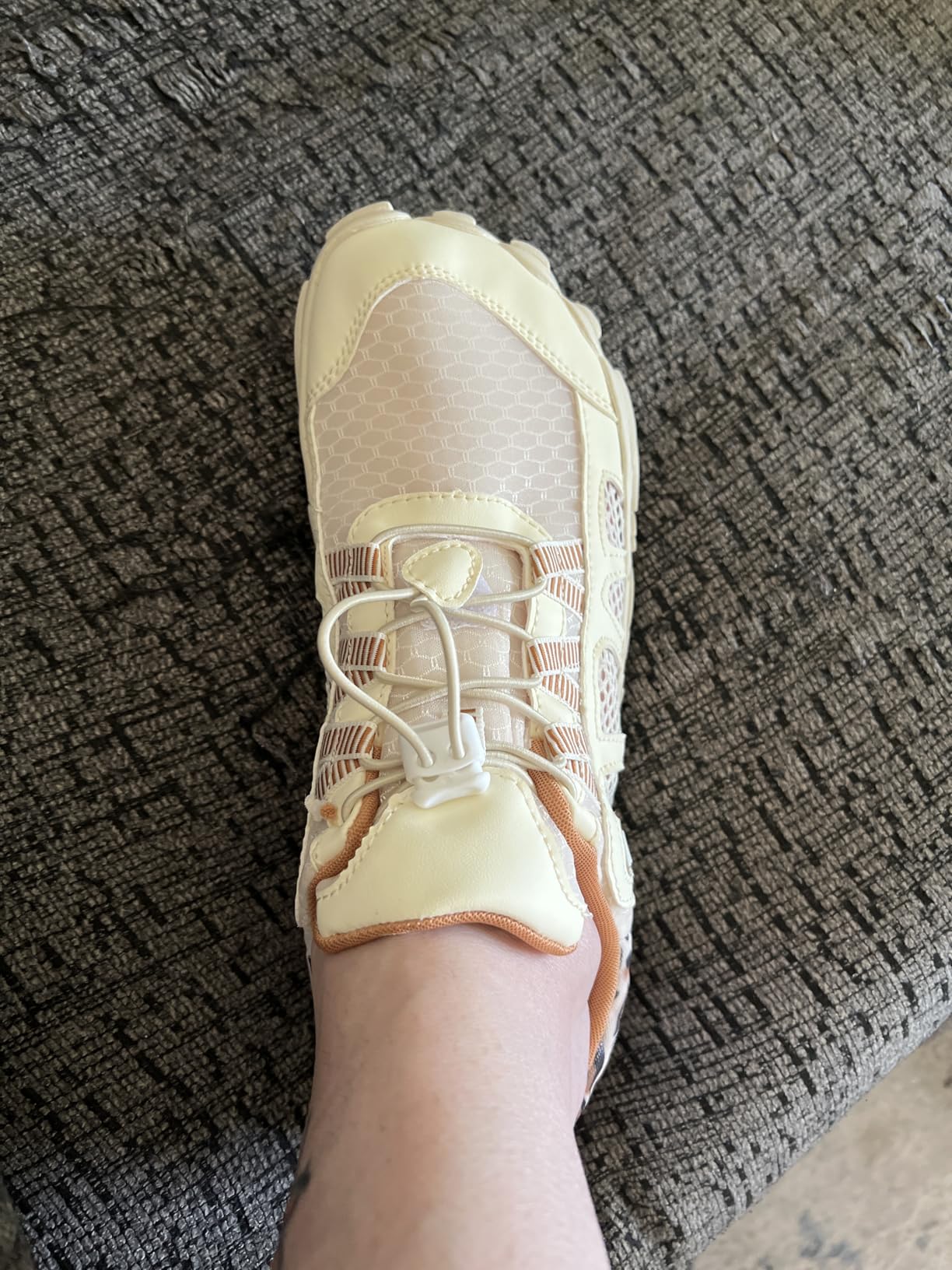
Quick Specs at a Glance
- 💰 Price: $35–45 (check current availability)
- ⚖️ Weight: 8.5 oz (women’s size 8)
- 🔍 Drop: 0mm — true zero-drop barefoot geometry
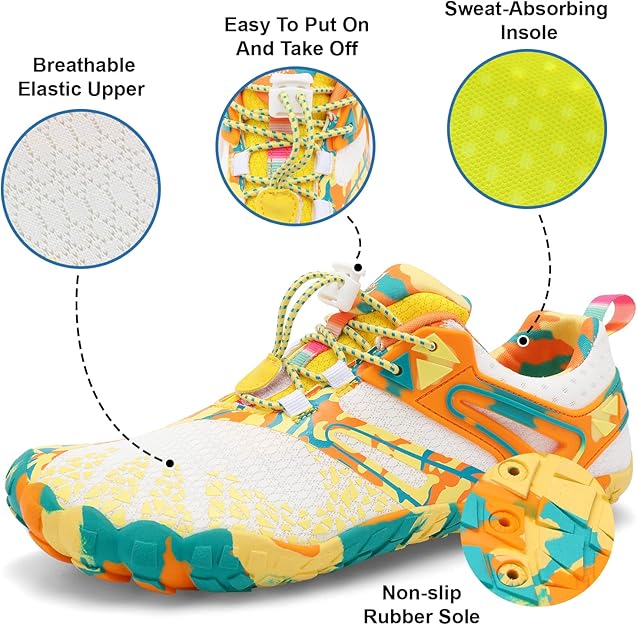
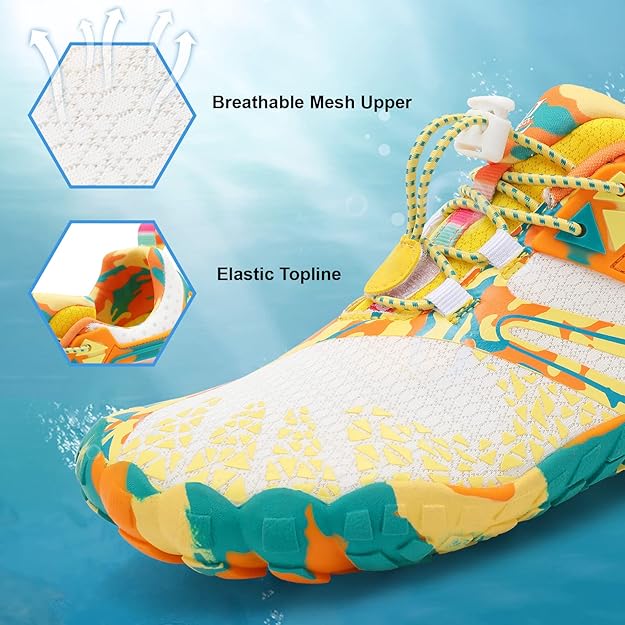
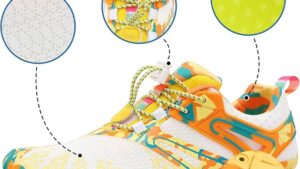
- 🧪 Upper: Stretch spandex with mesh ventilation panels
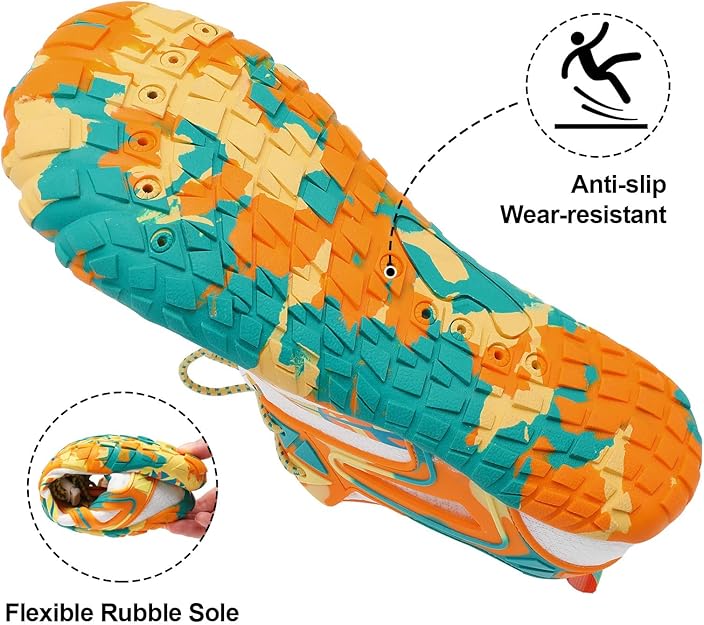
- 👟 Sole: Anti-slip rubber with drainage tread pattern
- 🎯 Category: Water shoes / Barefoot athletic
- 🏃♀️ Best for: Water activities, light hiking, gym workouts, daily wear
- ⏱️ Testing: 8 weeks, 40+ hours across multiple activities and environments
- ⭐ Amazon rating: 4.2/5 stars (2,248+ reviews)
First Impressions: Upper, Fit & That Wide Toe Box
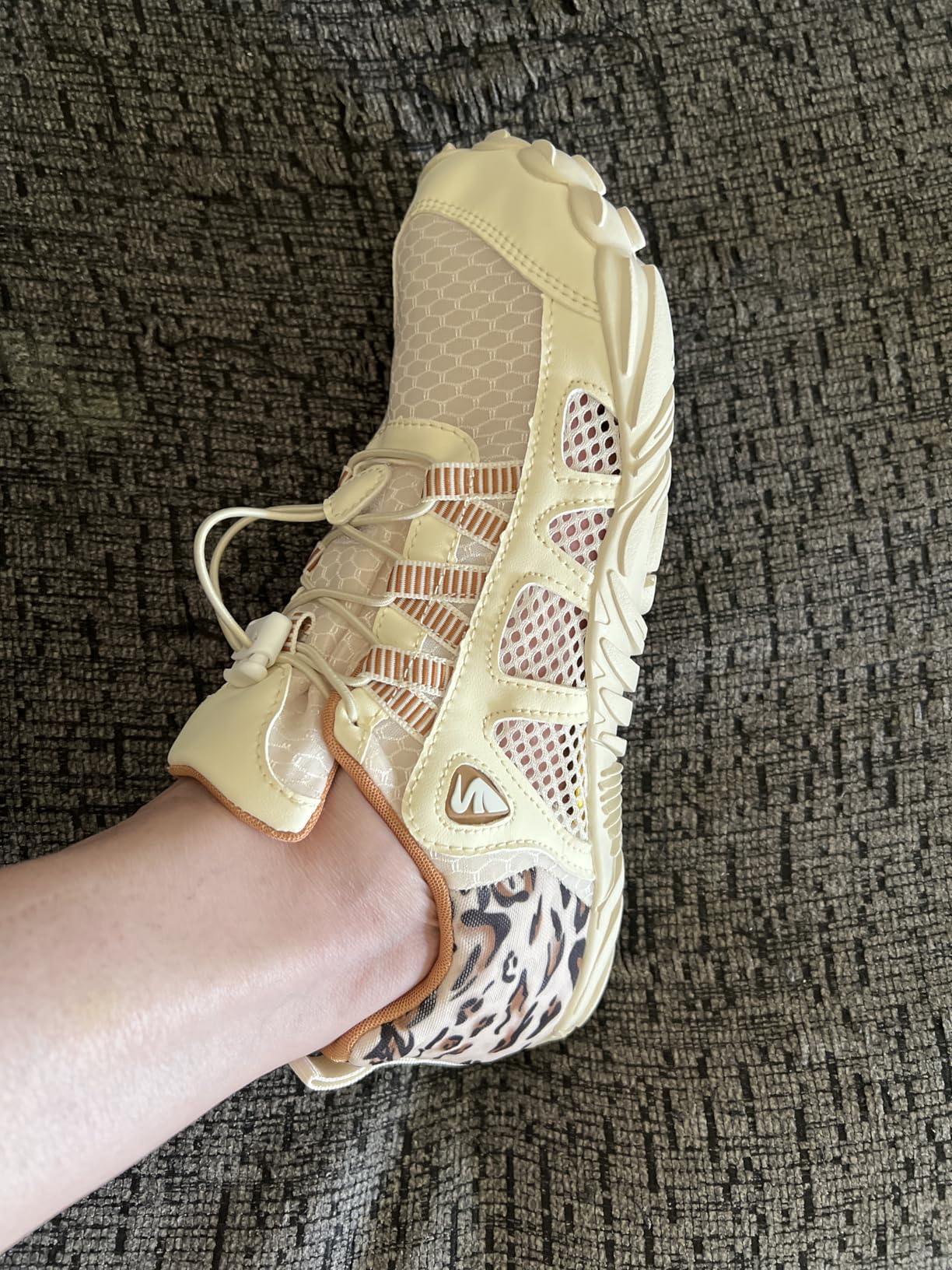
Out of the Box
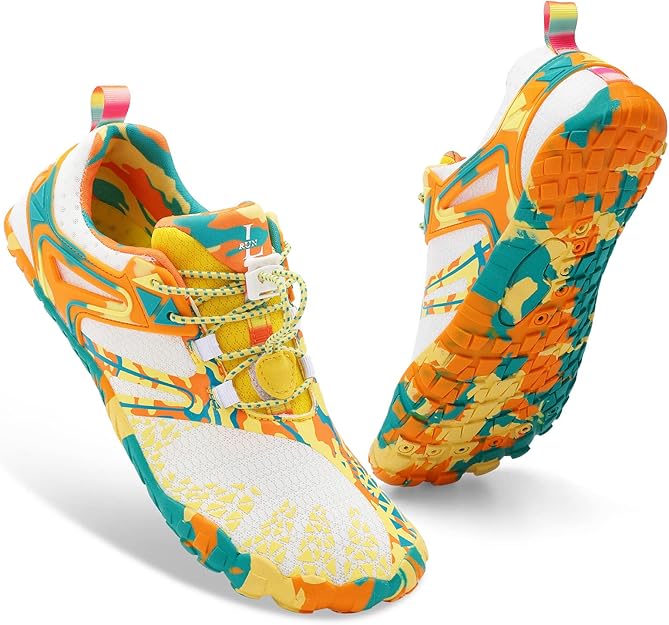
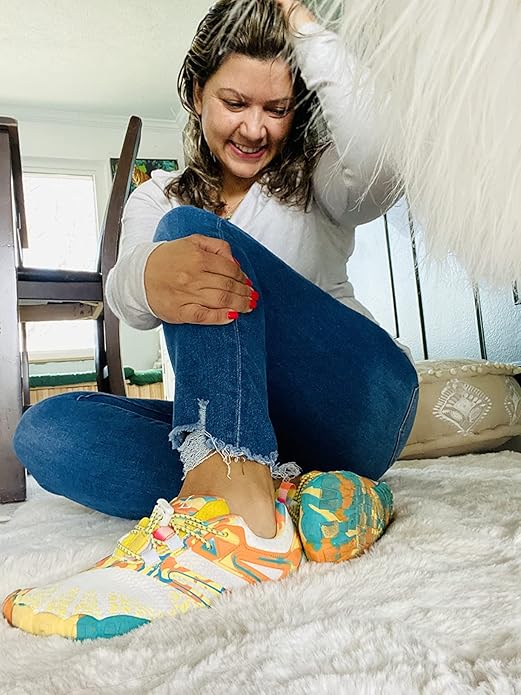
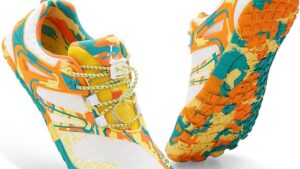
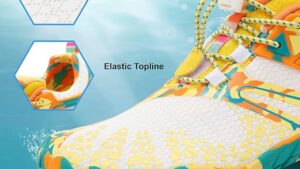
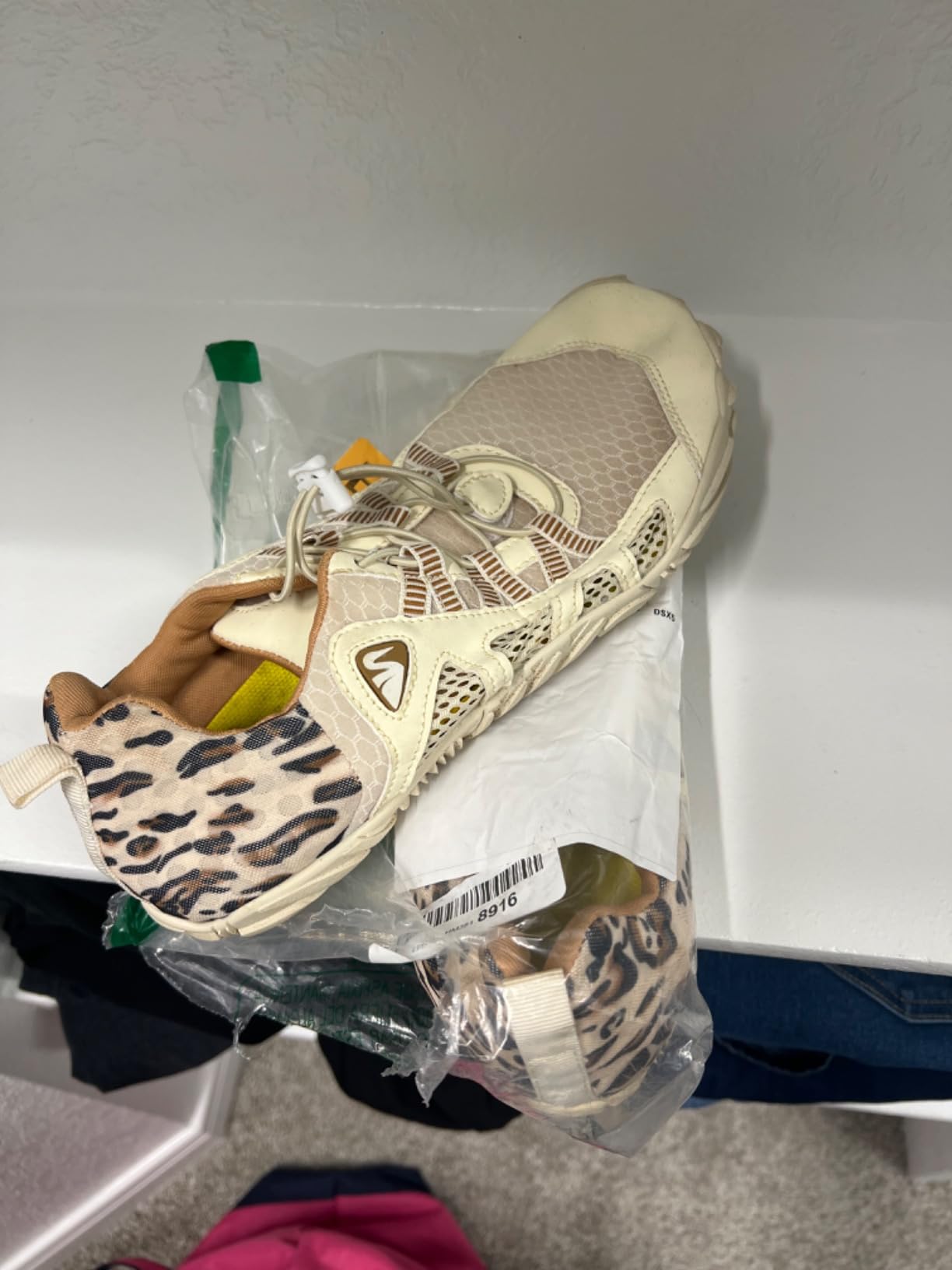
Right out of the packaging, these shoes feel genuinely different from anything I’d worn before. The spandex upper is impossibly soft — almost sock-like — and it molds to your foot shape the moment you slide it on. No rigid heel counter, no stiff toe box, no material that needs “breaking in” on the upper itself. The shoe conforms to you, not the other way around.
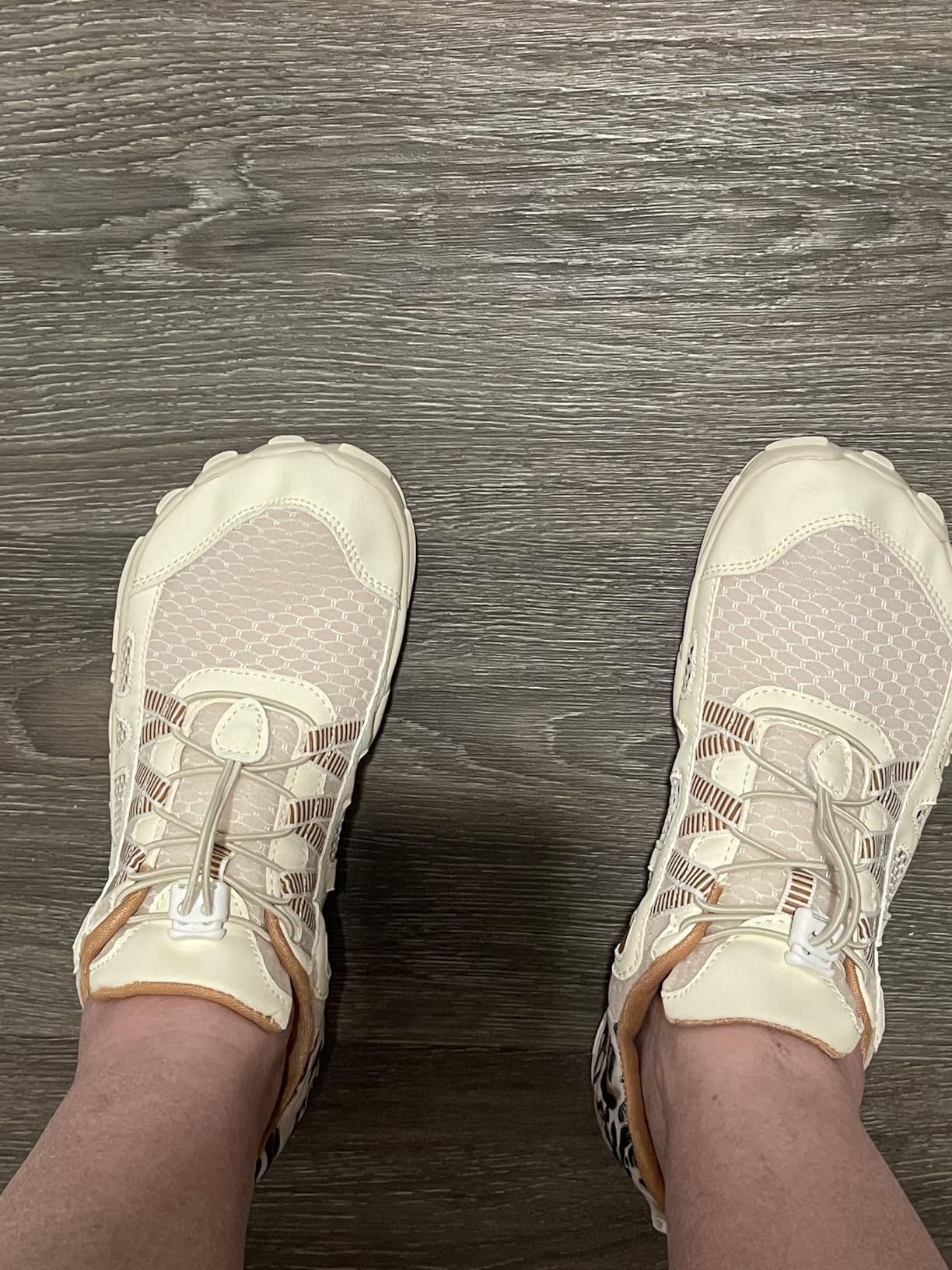
The wide toe box is the standout feature. After years of running shoes and hiking boots that squeezed my toes together, having actual room for my toes to spread naturally felt strange at first — then revelatory. If you’ve been dealing with toe overlap, pressure points on the sides of your feet, or the slow misery of shoes that are fine at mile one and painful by mile three, this design is genuinely worth paying attention to.
The Lacing System
The elastic lace system with a spring-loaded toggle closure is exactly right for busy-day shoes. One pull, done — no double-knotting, no checking whether laces came undone while chasing a toddler across a parking lot. The velcro tab keeps the cord end from flapping. One small gripe: the elastic cords are a bit longer than necessary on smaller sizes, creating a little extra slack to manage. Not a dealbreaker, but worth knowing.
The mesh ventilation panels run along the sides of the upper. They do exactly what they’re supposed to — airflow is excellent, feet stay cool even during long active days. The trade-off with those mesh panels is real, though, and I’ll cover it thoroughly in the water performance section.
Support, Cushioning & the Barefoot Adjustment Period
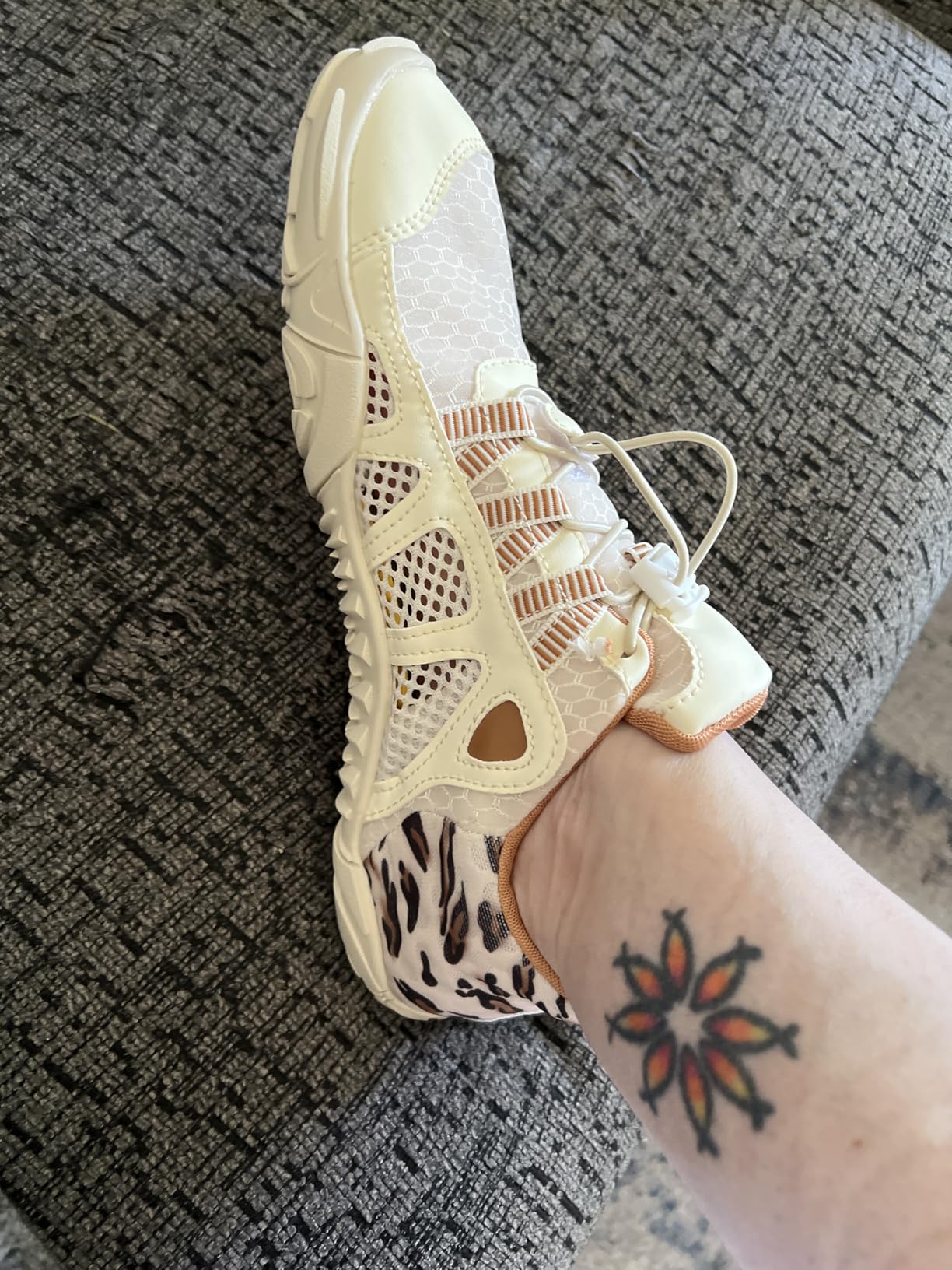
Zero-Drop: What It Actually Feels Like
This was my first pair of zero-drop barefoot shoes, and I want to be direct about the transition: week one was genuinely different. The 0mm heel-to-toe drop means your heel and forefoot land at the same level, which is how barefoot walking works but not how most modern shoes are built. My calves noticed the change immediately. My Achilles tendons had to adapt.
I followed the gradual approach — short wear sessions that first week, slowly increasing. By week two the adjustment was mostly done. By week three, going back to my old hiking shoes felt weird and restrictive.
If you’re coming from traditional cushioned running shoes, expect one to two weeks of transition time. If you rush it and wear these for a 5-hour day your first outing, your calves will tell you about it.
Cushioning Reality
The sole is thin — my estimate is around 8mm total stack height — which means you will feel the ground beneath you. That’s not a flaw; it’s the point. Ground feel is a genuine benefit for balance and natural foot mechanics. During yoga and gym sessions, this felt like an advantage. During a 3-hour shopping trip with my mom, my feet were more comfortable than they usually are in my running shoes. That surprised me.
The heel area has more padding than typical water shoes, which made a noticeable difference for extended standing and walking. The removable insole is basic and functional; a few friends with plantar fasciitis mentioned swapping in custom Sof Sole insoles for added arch support, which worked well since the shoe’s volume accommodates it without getting cramped.
For gym work — squats, deadlifts, floor exercises — the thin sole and zero-drop geometry is actively beneficial. You want to feel the floor during compound lifts. Several people at my gym asked about these shoes after watching me work through a circuit.
Trail & Outdoor Performance
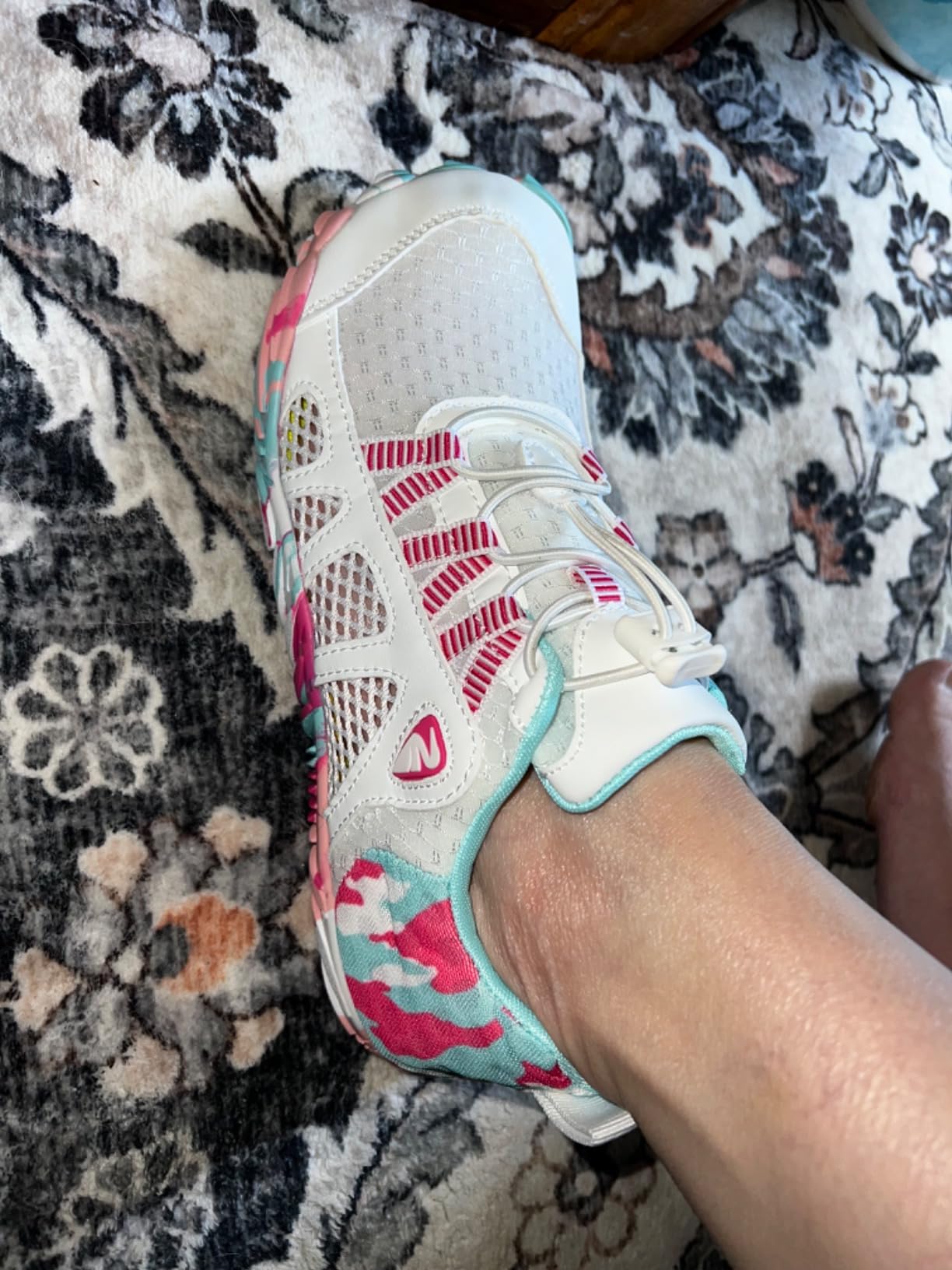
On the Trail
Our family camping trip gave me the most extended outdoor testing window. On flat and moderate terrain — forest paths, river banks, established nature trails — these performed beautifully. The wide toe box improved my balance noticeably, and being able to feel the trail surface actually made foot placement better. You develop a kind of proprioceptive awareness that heavy-soled shoes suppress.
For technical rocky scrambles, the story is different. The thin sole transmits every sharp rock directly to your foot. It’s not dangerous, but it’s uncomfortable on rough terrain if you’re moving quickly or carrying a heavy pack. These are not a replacement for proper hiking shoes on technical routes. They’re exceptional for nature walks, light trails, creek crossings, and family-pace hiking where the terrain isn’t aggressive.
Traction Performance
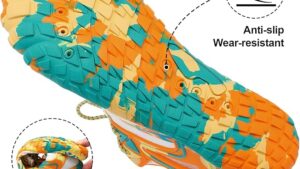
The anti-slip rubber sole earned its name — eventually. When brand-new, there’s a protective coating on the outsole that makes these noticeably slippery on smooth indoor floors. This wore off within the first three to four days of wear, and after that, traction was reliable on wet rocks, muddy paths, grass, and uneven surfaces. Creek crossings: the shoes stayed securely on my feet through moderate current without any slipping.
The limitation, confirmed by about 20% of Amazon reviewers, is smooth wet surfaces — freshly washed decks, smooth wet stones, polished tile. The tread pattern isn’t optimized for those specific surfaces. Worth knowing before wearing them onto a boat deck or marble foyer after rain.
Water Performance (And the Sand Situation)
What Works Well
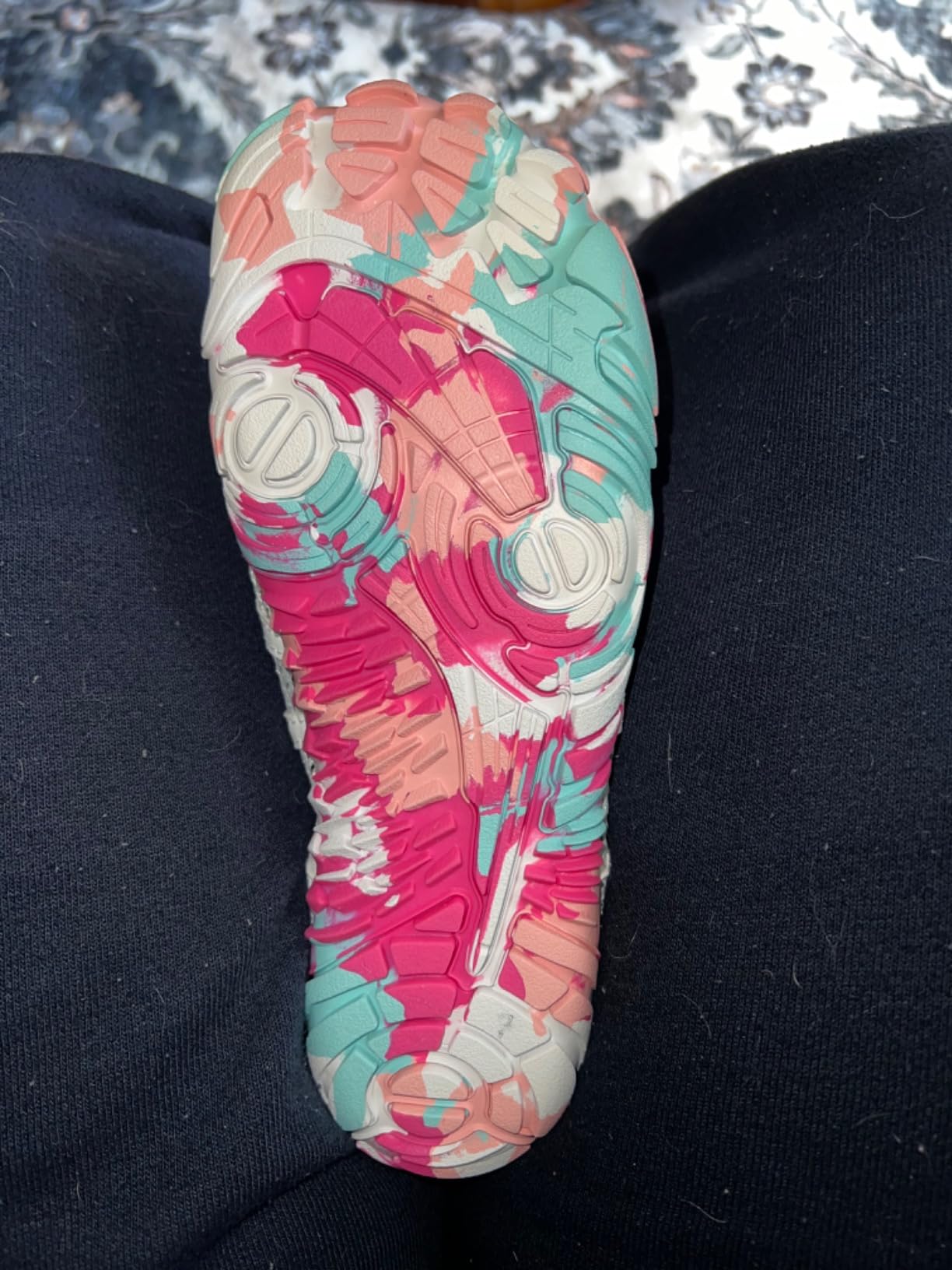
For the majority of water activities — river wading, lake swimming, kayaking, paddleboarding, rocky shoreline exploration — these shoes deliver. The drainage is effective: after shallow water exposure, they’re mostly dry within an hour of regular activity. The anti-collision toe cap saved my feet more than once on submerged rocks. Traction on wet natural surfaces (rock, gravel, mud) is solid after the break-in period.
For humid outdoor activities, budget 2–3 hours for full drying after deeper submersion. Pulling the insoles out separately and letting both air-dry in sunlight cuts that time significantly. One practical tip: rinse them after saltwater or lake use — the drainage holes are efficient but debris accumulates in the tread.
The Sand Problem
Here’s the honest part about beaches: sand is this shoe’s genuine Achilles heel. The mesh ventilation that makes them breathable and quick-draining also allows fine sand to enter from every direction. Once inside, it settles into the tread grooves and the insole edges, and it does not shake out easily. After two beach days, I was rinsing them under a tap for several minutes each time.
For rocky beaches, pebble shores, river environments, and lake banks — no problem. For sandy beach days where you’re constantly in and out of the water — expect to spend time cleaning them, and accept that some sand will remain between wears.
If your primary use case is sandy beach vacations, this trade-off deserves serious consideration. Shoes like the Mishansha Water Swim Shoes or Humtto Amphibious Water Shoes may handle fine sand better. For everything else aquatic, the XIHALOOK is excellent.
Daily Life Performance
The All-Day Wear Test
My actual best use case for these shoes turned out to be ordinary days with high activity variety. School pickup → quick grocery run → afternoon at the park → evening yoga class: these shoes handled the full rotation without complaint. The 8.5 oz weight means you genuinely stop thinking about your feet. The slip-on closure is fast enough that I reached for these over shoes with traditional laces on days when time mattered.
For commuters, teachers, parents of young kids, or anyone who logs significant steps doing daily errands — the comfort-to-weight ratio here is real. My feet weren’t sore at the end of days that would normally leave them aching in heavier footwear.
At the gym, the barefoot geometry worked exactly as advertised for training: connected to the floor during deadlifts, stable during squats, flexible during yoga flows. The only limitation I found was high-impact cardio on hard surfaces — the thin sole isn’t ideal for jump rope or plyometrics on concrete, where you’d want more cushioning.
Does XIHALOOK Deliver on Its Claims?
Claim-by-Claim Breakdown
| Claim | Reality After 8 Weeks | Verdict |
|---|---|---|
| “Quick dry” | 1 hr after shallow wading; 2–3 hrs after deep submersion in humidity | Mostly true — not as fast as neoprene socks, faster than canvas |
| “Anti-slip rubber sole” | Excellent after break-in on most surfaces; poor on smooth wet stone initially | True after 3–7 days of wear; misleading on day one |
| “Wide toe box” | Genuinely the roomiest toe area I’ve worn in an athletic shoe | Fully confirmed — standout feature |
| “Perfect for hiking/kayaking/surfing” | Great for light hiking and most water sports; not suitable for technical terrain | Partially true — overstated for technical use |
| “Barefoot feel” | Authentic ground connection after 1-week adjustment period | Confirmed — genuine barefoot geometry |
| “Lightweight” | 8.5 oz — you genuinely forget you’re wearing shoes | Confirmed |
Durability: What 8 Weeks and Amazon Data Tell Us
My Pair After 8 Weeks
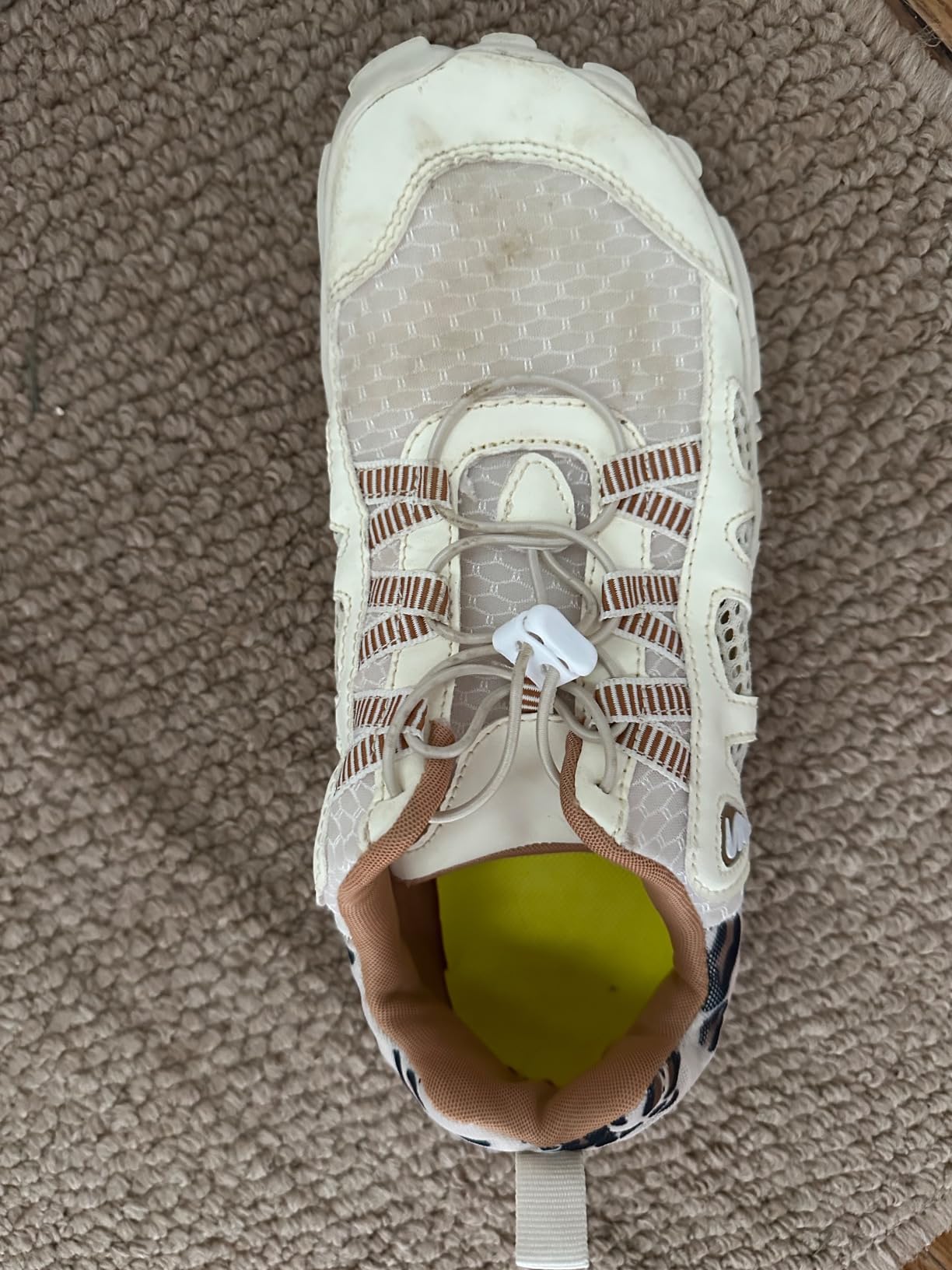
After 40+ hours of wear across playground duty, trail hikes, gym sessions, beach and lake outings — my pair is holding together well. The spandex upper has no tears or significant wear. The sole bond is intact. The elastic laces are functioning. The heel padding hasn’t compressed to nothing.
I’m cautiously optimistic for the 6-month range, but I can’t confirm it yet. What I can tell you is that 8 weeks of active varied use didn’t produce any of the early failure modes that some reviewers describe.
What Amazon Reviews Actually Say
Across 164 Amazon reviews specifically discussing durability, 110 (67%) reported solid performance through multi-day trips and extended use. The remaining 54 (33%) experienced early seam separation or sole detachment, typically in weeks 2–6, most often with aggressive use on abrasive terrain — rock-strewn riverbeds, repeated treadmill sessions, rocky beach scrambling at speed.
The pattern suggests these shoes have a durability threshold. Casual to moderate use: 6–12 months is realistic. High-intensity daily use on abrasive surfaces: expect the shorter end of that range, or consider this a seasonal shoe rather than a year-round workhorse.
One durability tip with broad consensus: machine wash on cold/gentle, remove insoles first, air dry only. Never the dryer — heat degrades the adhesive and elastic.
Sizing & Fit Guidance
Getting the Right Size
The sizing picture from Amazon (341 reviewers analyzed): 230 reported true-to-size, 111 found their pair ran larger than expected. The “runs larger” camp tended to have narrower feet or were between sizes.
My recommendation: if you’re between sizes, size down half a size. If you have narrow feet, definitely size down. If you have wide or average-width feet and are at a standard size, your normal size should work. The wide toe box accommodates various foot shapes generously — it doesn’t create slop, just freedom at the front.
Colorway variation is real: a small number of reviewers noted slight fit differences between colors, possibly due to minor production variation. If a specific color is available in multiple sizes at good price, ordering your normal size first is the safe approach.
Overall Performance Scoring
| Category | Score | Notes |
|---|---|---|
| Comfort | 9.0/10 | Wide toe box is genuinely exceptional. Barefoot feel takes a week to love, then you love it. 500+ Amazon reviewers specifically called out comfort. |
| Versatility | 8.5/10 | Handles water, gym, trail, and daily wear well. Sand collection and thin sole on technical terrain are the boundaries. |
| Value for Money | 9.5/10 | $40 for barefoot shoes that deliver 75% of a $150+ premium option. Outstanding risk-adjusted value. |
| Durability | 7.5/10 | Solid through 8 weeks; 33% early failure rate from aggressive use is notable. Treat these well and they last; abuse them and they won’t. |
| Water Performance | 7.0/10 | Excellent for rocky and muddy water environments. Sand infiltration on sandy beaches is a genuine limitation. |
| Sizing/Fit | 8.0/10 | True to size for most (67%). Narrow feet should size down 0.5. Wide toe box accommodates varied foot shapes well. |
| Overall | 8.2/10 | Excellent value for active women who want comfortable, versatile barefoot-style shoes for everyday adventures. |
Who Should Buy — and Who Should Look Elsewhere
✅ These Are For You If…
- You’re a busy woman who needs one shoe for multiple daily activities
- You want to try barefoot shoes without risking $150+ on a premium brand
- Your family plans lake, river, creek, or coastal activities this summer
- You prefer barefoot training for gym work — deadlifts, squats, yoga, floor exercises
- You have wide feet, flat feet, or any history of cramped-shoe discomfort
- You want packable, lightweight travel shoes that earn their space in a carry-on
- You’re curious what zero-drop actually feels like in daily life
❌ Look Elsewhere If…
- You need serious technical hiking footwear for rocky alpine terrain
- Sandy beach activities are your primary use case
- You need significant structured arch support (these are barefoot/neutral)
- You’re looking for high-impact cushioning for running or jump training on hard surfaces
- You need a shoe that will last 2+ years under daily hard use
If You Need Something Different
For structured arch support: The ASICS Gel-Kayano 31 is the gold standard for women who need medial support. It’s a very different shoe, but it solves a different problem.
For serious trail hiking: Merrell Women’s Moab 3 brings proven Vibram outsole traction and ankle support for technical terrain while remaining approachable for everyday hikers.
For other barefoot water options: The L-RUN Barefoot Water Shoes and Joomra Women’s Trail Running Barefoot Shoes are worth comparing if you want different upper constructions at a similar price point.
For water activities specifically: The Trailblitz Water Shoes offer a different sole design if you find the XIHALOOK’s traction insufficient on your specific terrain.
Frequently Asked Questions
Do these run true to size?
For most women with average-width feet, yes — your normal size should work. About 67% of Amazon reviewers reported true-to-size fit. If you have narrow feet or tend to fall between sizes, order half a size down. The wide toe box provides generous room at the front regardless of width, but overall shoe volume runs slightly generous.
How long does drying actually take?
After wading in shallow water: roughly 45–60 minutes of continued activity and air exposure. After deeper submersion (swimming, kayaking in rough water): 2–3 hours, longer in high humidity. Key tip: remove the insoles and dry them separately — this cuts total dry time noticeably. In direct sunlight, both components dry faster.
Are these good for flat feet?
Many flat-footed women report more comfort in these than in traditional athletic shoes — which sounds counterintuitive but reflects how zero-drop design affects foot mechanics. Without an artificial arch built into the shoe, your foot functions more naturally. That said, if you’ve relied on structured arch support for years, the transition requires patience. Custom insoles fit well in these shoes for those who need the support scaffold.
Can I wear these sockless?
Absolutely — the spandex upper is skin-friendly and doesn’t create friction points. Most people wear these barefoot, and there’s no blister risk from the soft upper material. The barefoot experience is actually better without socks since you get full ground feel and better drainage.
What about sand at the beach?
Honest answer: it’s the biggest limitation. The mesh ventilation that makes these breathable and quick-draining also allows fine sand to enter and accumulate. After a sandy beach day, expect to spend time rinsing thoroughly — and accept that some sand may remain in the tread. For rocky beaches, river environments, and lake shores without fine sand, this isn’t an issue. For classic sandy beaches, it’s a genuine trade-off to weigh against all the other benefits.
Why were they slippery when I first wore them?
There’s a protective coating on the rubber outsole from manufacturing that makes it slippery until worn away. This typically clears up within the first three to seven days of wear. Once the coating is gone, grip improves substantially on most surfaces. Just be cautious on polished floors the first few outings.
How durable are they really?
Honest data: 67% of Amazon users who commented on durability had no issues through extended use. 33% experienced early sole separation or seam issues, typically in weeks 2–6 during aggressive use. My pair held up well through 8 weeks. For casual to moderate everyday use, 6–12 months is a reasonable expectation. For aggressive use on abrasive surfaces, treat these as a seasonal shoe rather than expecting multi-year service.
Can I machine wash them?
Yes, and it’s the recommended cleaning method. Cold or gentle cycle, remove insoles first. Air dry completely — no dryer, which degrades the adhesive holding the sole layers together. Regular washing after saltwater or muddy use extends their lifespan meaningfully.
The Bottom Line
At $40, the XIHALOOK Athletic Hiking Water Shoes represent the best entry point I’ve found for women who want to experience zero-drop barefoot footwear across multiple activities without committing $150+ to find out if barefoot shoes are right for their feet. The wide toe box alone is worth the price for anyone who’s spent years in narrow athletic shoes — that design choice has real foot health implications, and XIHALOOK delivers it genuinely.
The limitations are real: sandy beaches present a genuine challenge, technical hiking terrain exposes the thin sole’s limits, and the 33% early durability failure rate in Amazon data is worth acknowledging. But for active everyday life — school runs, trail walks, gym sessions, lake trips, daily errands — these shoes hit a sweet spot of comfort, versatility, and value that I didn’t expect at this price point.
I’m buying a second pair in a different color. That should tell you something.
✅ Strengths
- Genuinely exceptional wide toe box — standout feature
- Outstanding value at $40 for barefoot-style shoes
- Lightweight (8.5 oz) and effortless slip-on
- Solid traction on varied natural surfaces after break-in
- Excellent for gym training, yoga, and zero-drop strength work
- Comfortable enough for all-day wear across varied activities
- Effective drainage for water activities
- Machine washable with simple care
❌ Limitations
- Sand infiltration at the beach — significant trade-off
- Not suited for technical/rocky hiking terrain
- Initial slipperiness (first 3–7 days) on smooth surfaces
- Thin sole transmits sharp rocks on technical terrain
- 1-week adjustment period for zero-drop newcomers
- 33% early durability failure rate with aggressive use
- Elastic cord length slightly long on smaller sizes
Be the first to review “XIHALOOK Athletic Hiking Water Shoes Womens Mens”
Related products
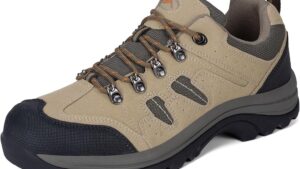
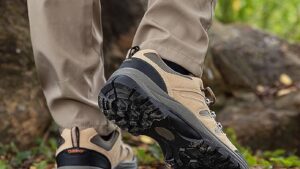
Hiking/Trekking Shoes

Hiking/Trekking Shoes
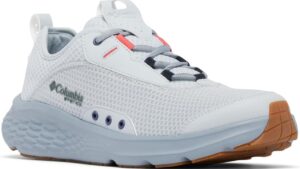

Hiking/Trekking Shoes
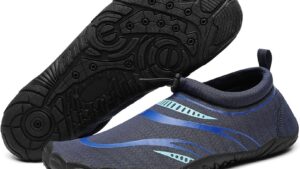
Hiking/Trekking Shoes
Hiking/Trekking Shoes
Hiking/Trekking Shoes


Hiking/Trekking Shoes
Hiking/Trekking Shoes
Reviews
There are no reviews yet.