
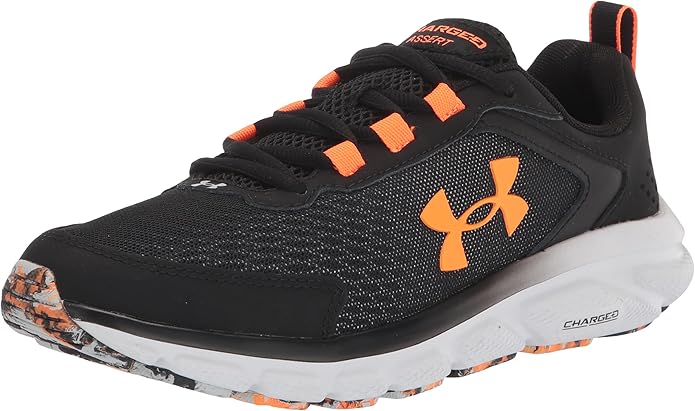
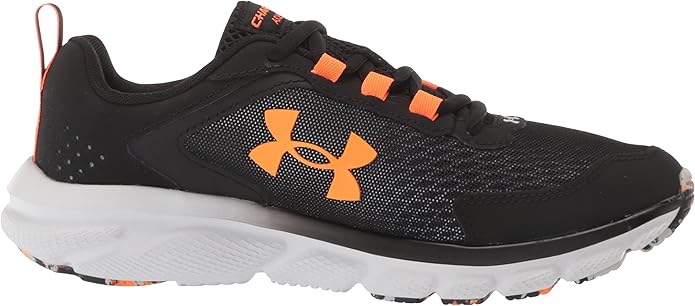
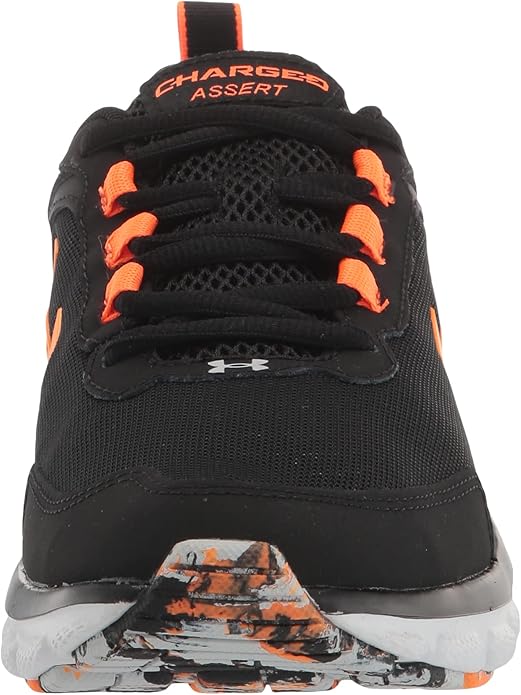
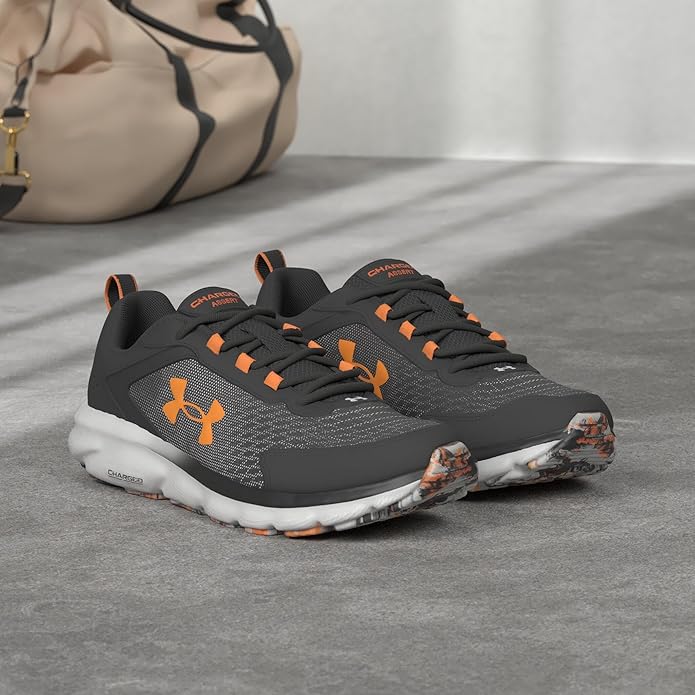
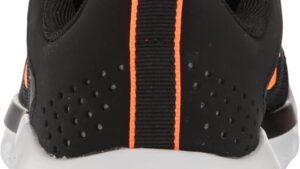
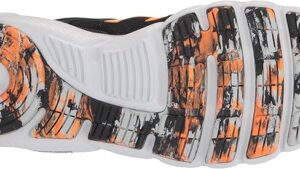
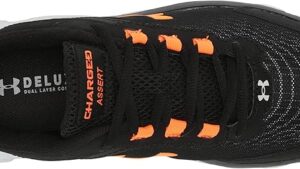
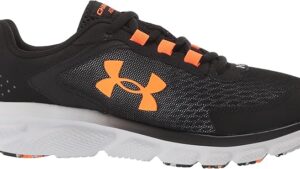
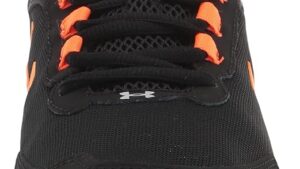
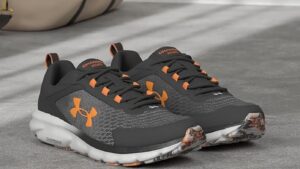
Last week at my gym, I watched my training partner’s budget running shoes literally fall apart mid-workout—the sole starting to separate right there on the deadlift platform. Got me thinking: can you actually find a shoe under $70 that handles both running and lifting without turning into a liability after a few weeks? I’m Mike, and after testing hundreds of shoes over the past decade, I approached the Under Armour Charged Assert 9 with practical skepticism. Six weeks later—45+ miles of running and 18 gym sessions through Texas summer heat—here’s what this $65 trainer actually delivers.
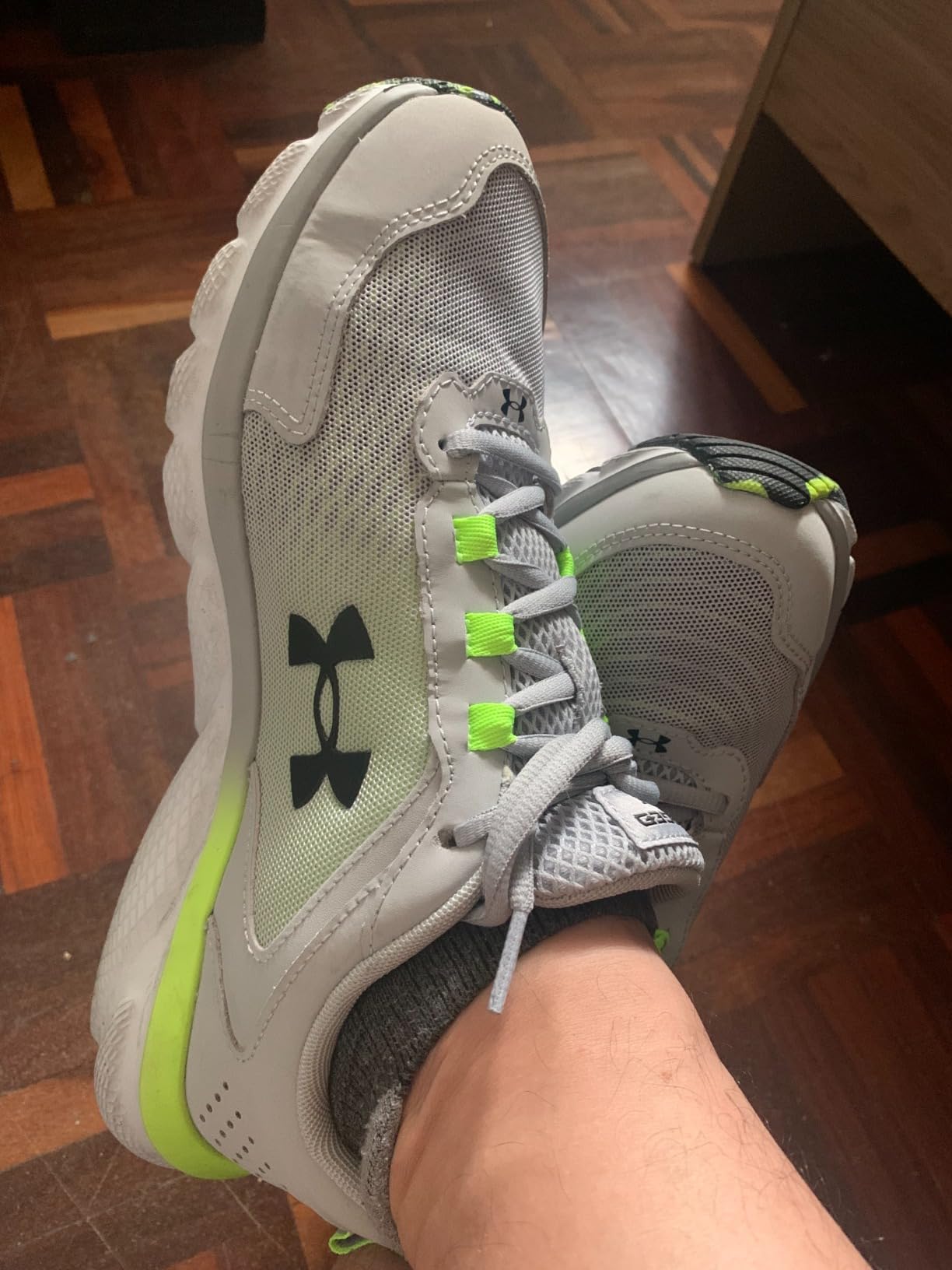
Technical Specifications & First Impressions
| Specification | Details |
|---|---|
| Price | $65-70 |
| Weight | 10.2 oz / 290g (men’s size 9, lab measured) |
| Drop | 10.9 mm (lab measured, brand claims 10mm) |
| Heel Stack | 34.0 mm total (includes outsole + midsole + insole) |
| Forefoot Stack | 23.1 mm total |
| Midsole | Charged Cushioning® (compression molded EVA foam) |
| Upper | Lightweight mesh with leather overlays |
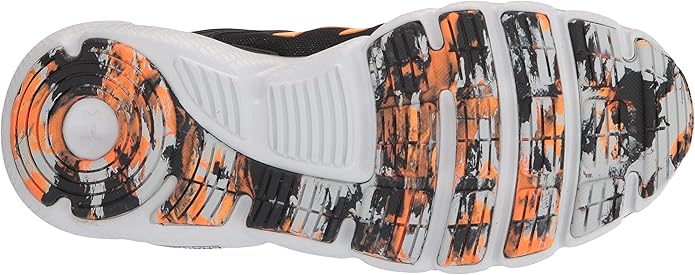
| Outsole | Solid rubber, high-impact zone coverage |
| Best For | Daily training, gym workouts, casual running (not marathon training) |
| Testing Period | 6 weeks, 45+ miles running, 18 gym sessions |
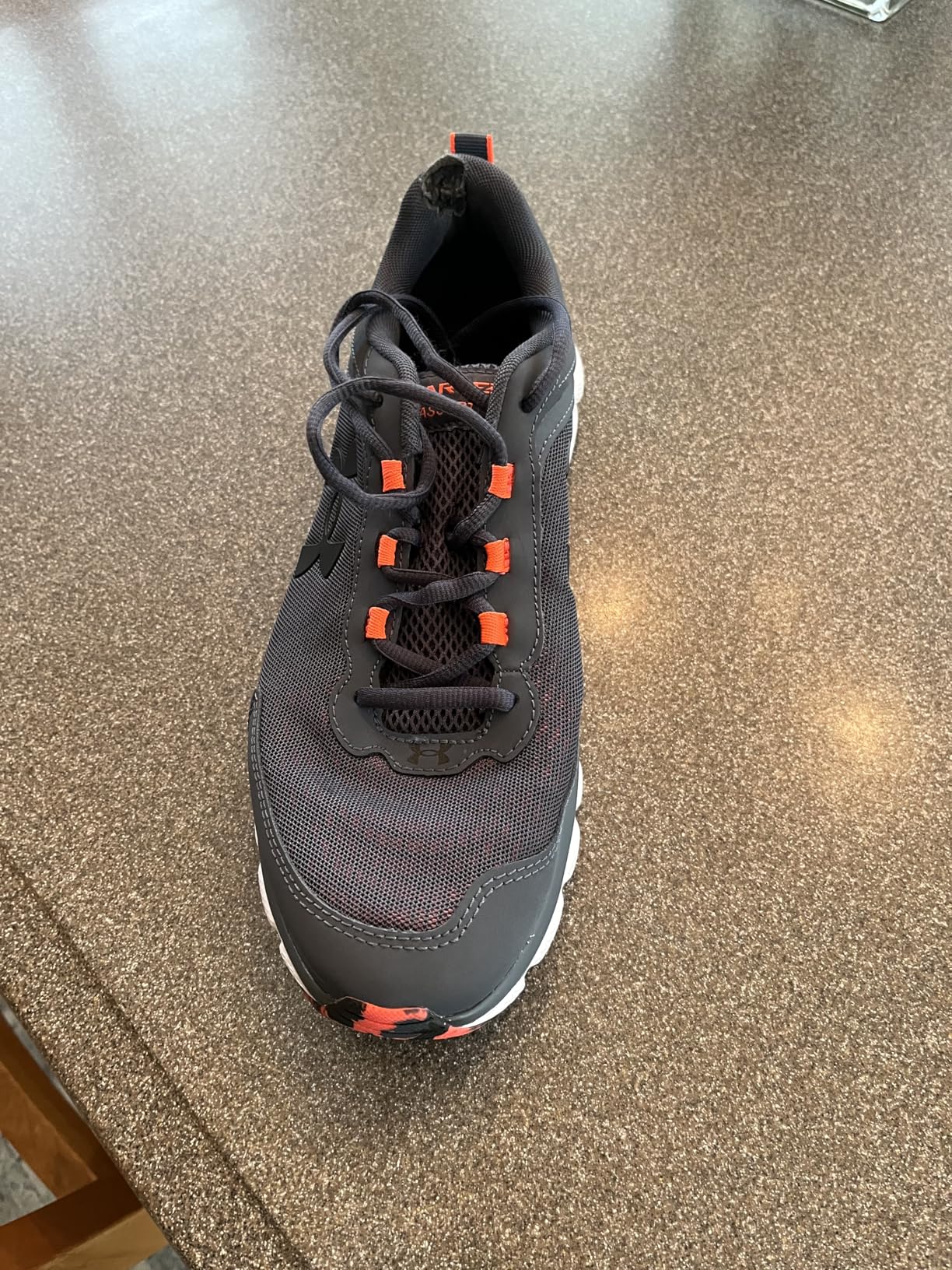
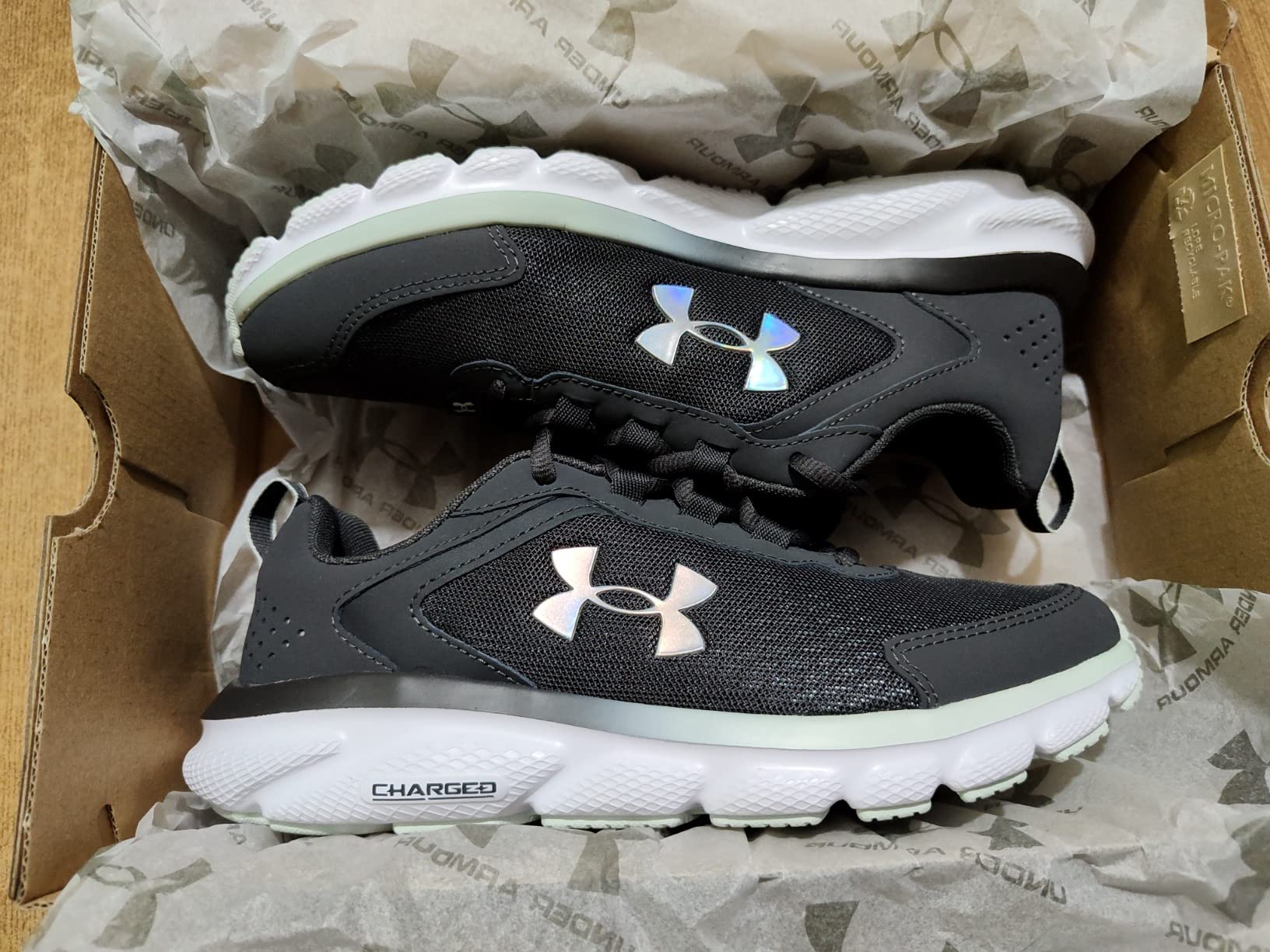
Pulling these out of the box, the construction quality immediately stood out. The mesh upper isn’t that ultra-thin material some budget shoes use—it’s got substance to it. That 3-color digital print across the upper isn’t just decorative; the leather overlays sit exactly where you need midfoot lockdown. At 180 lbs, I’m the kind of tester who exposes weak construction fast. These felt solid from day one.
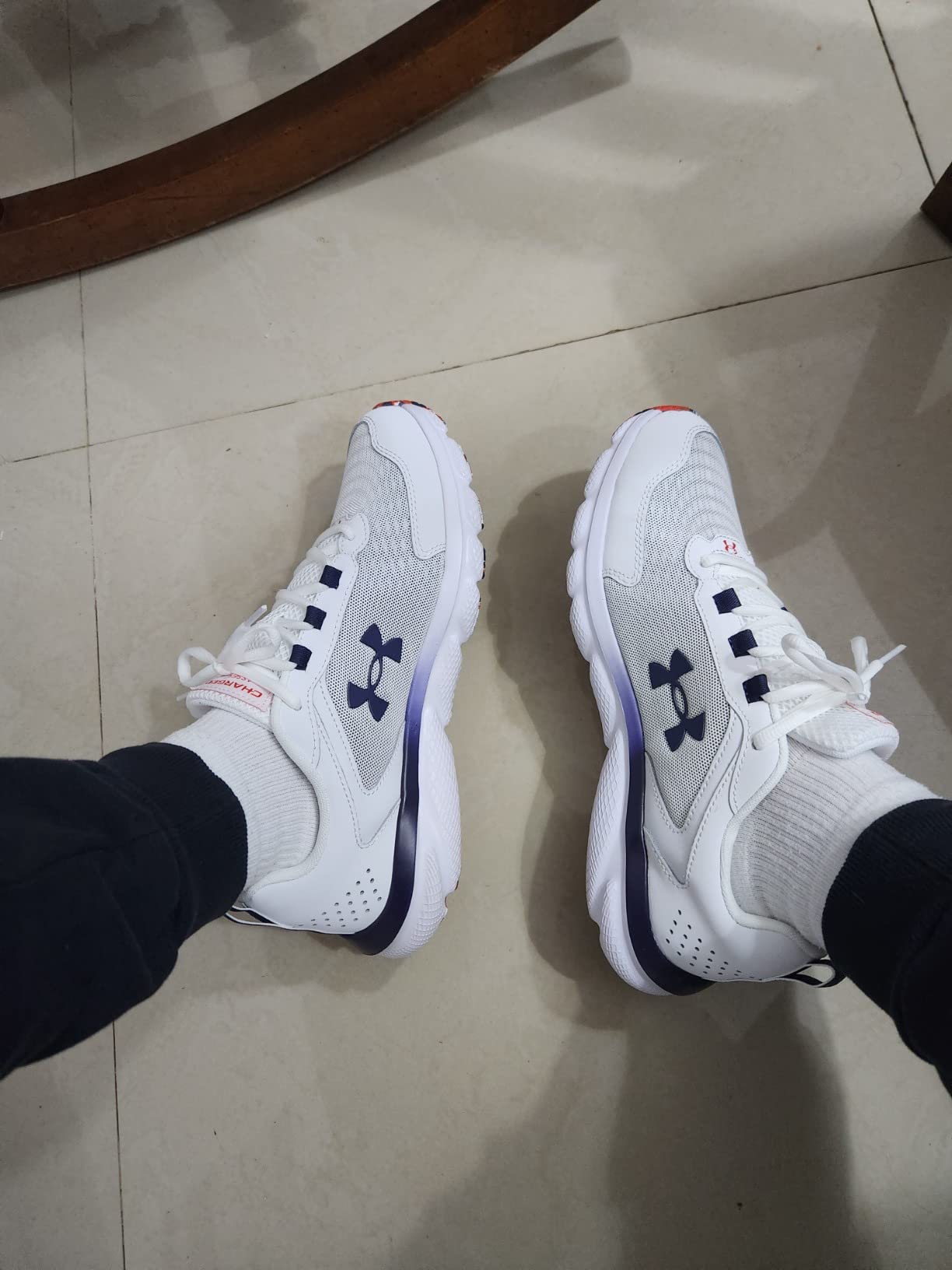
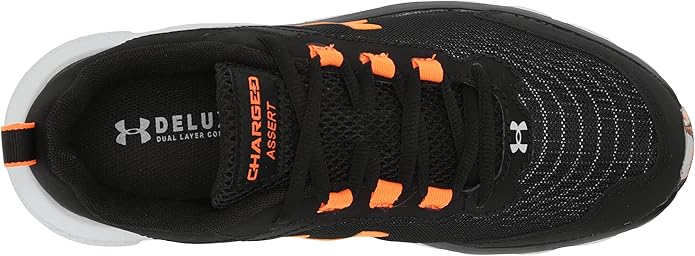
My first 3-mile run? Comfortable from step one. No break-in drama, no hot spots, none of that “give it a week” nonsense some shoes require. The EVA sockliner delivered that soft step-in feel Under Armour promises. What surprised me—the toe box gives your feet breathing room without feeling sloppy. The lacing system locked everything down with zero pressure points.
Charged Cushioning — What It Actually Feels Like
Under Armour’s Charged Cushioning uses compression molded EVA foam. During my typical 7:30-pace runs, the midsole felt responsive without that dead-bouncy sensation cheaper foam gives you. At my 180 lbs, the 34mm heel stack provided legitimate protection during heel strikes—I could feel the cushioning absorb impact on concrete without bottoming out.
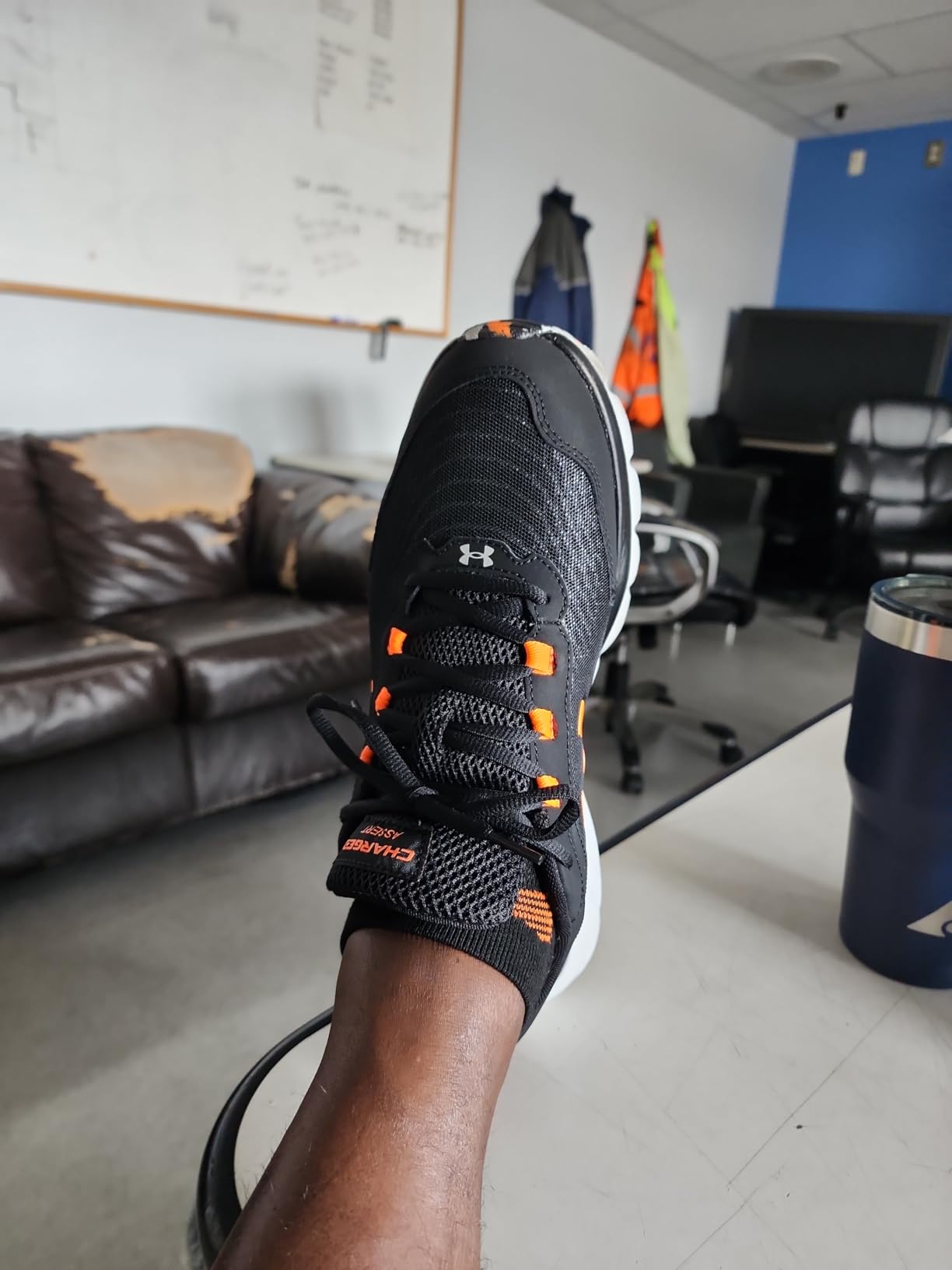
Lab testing measured the midsole at 27.8 Shore A hardness—that’s firmer than average (category average is 20.4). In practice, this firmness worked two ways. For gym work? Perfect. During squats and deadlifts, I wanted a stable platform, not marshmallow compression. The firm base let me feel grounded, and lateral movements during box jumps felt secure.
But here’s the trade-off I noticed around the 6-mile mark on longer runs: the cushioning started feeling noticeably firmer. Not painful, just less forgiving. For my typical 3-5 mile training runs, the Charged Cushioning handled everything I threw at it. Push past 6-7 miles though, and you start wishing for a bit more plushness. That firmness that makes these great gym shoes becomes the limiting factor for distance work.
Materials, Build Quality & The Durability Paradox
The mesh upper features a multi-layer engineered design. Lab smoke tests rated breathability at 3/5—technically below average because there are no ventilation holes and the layered construction restricts passive airflow. Yet during 45-minute gym sessions in 85°F+ Texas heat, my feet stayed surprisingly cool. The difference? Real-world movement creates airflow that static lab tests can’t replicate.
Walking around in these casually, you might notice less air circulation than truly ventilated shoes. But during actual training—whether running or lifting—body movement pushes air through the mesh weave effectively enough. It’s context-dependent breathability, not excellent across all conditions.
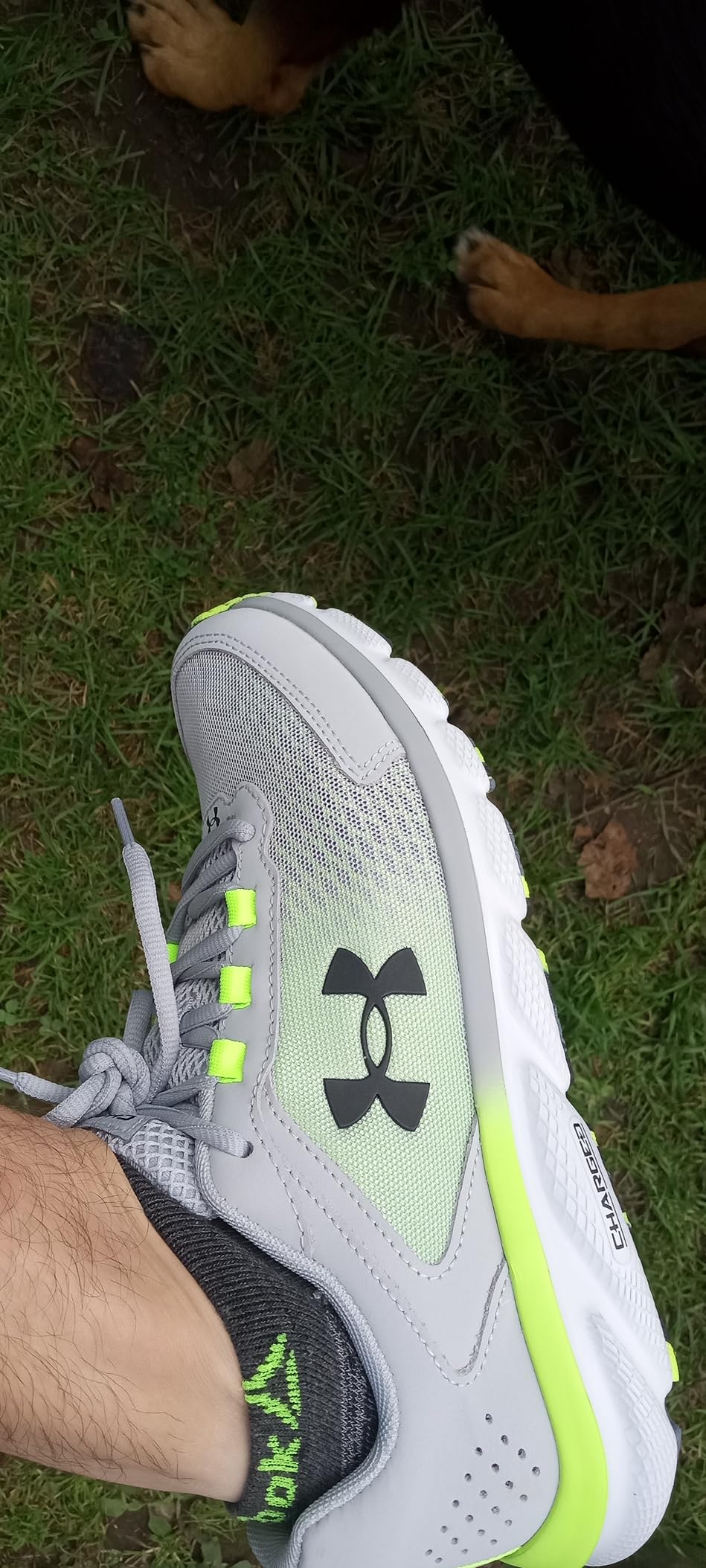
The leather overlays do real work. They’re not decorative—positioned at the heel counter, lacing box, and toe cap to provide structure where the mesh alone wouldn’t cut it. During lateral movements and quick direction changes in CrossFit-style workouts, that midfoot lockdown eliminated any slop or instability.
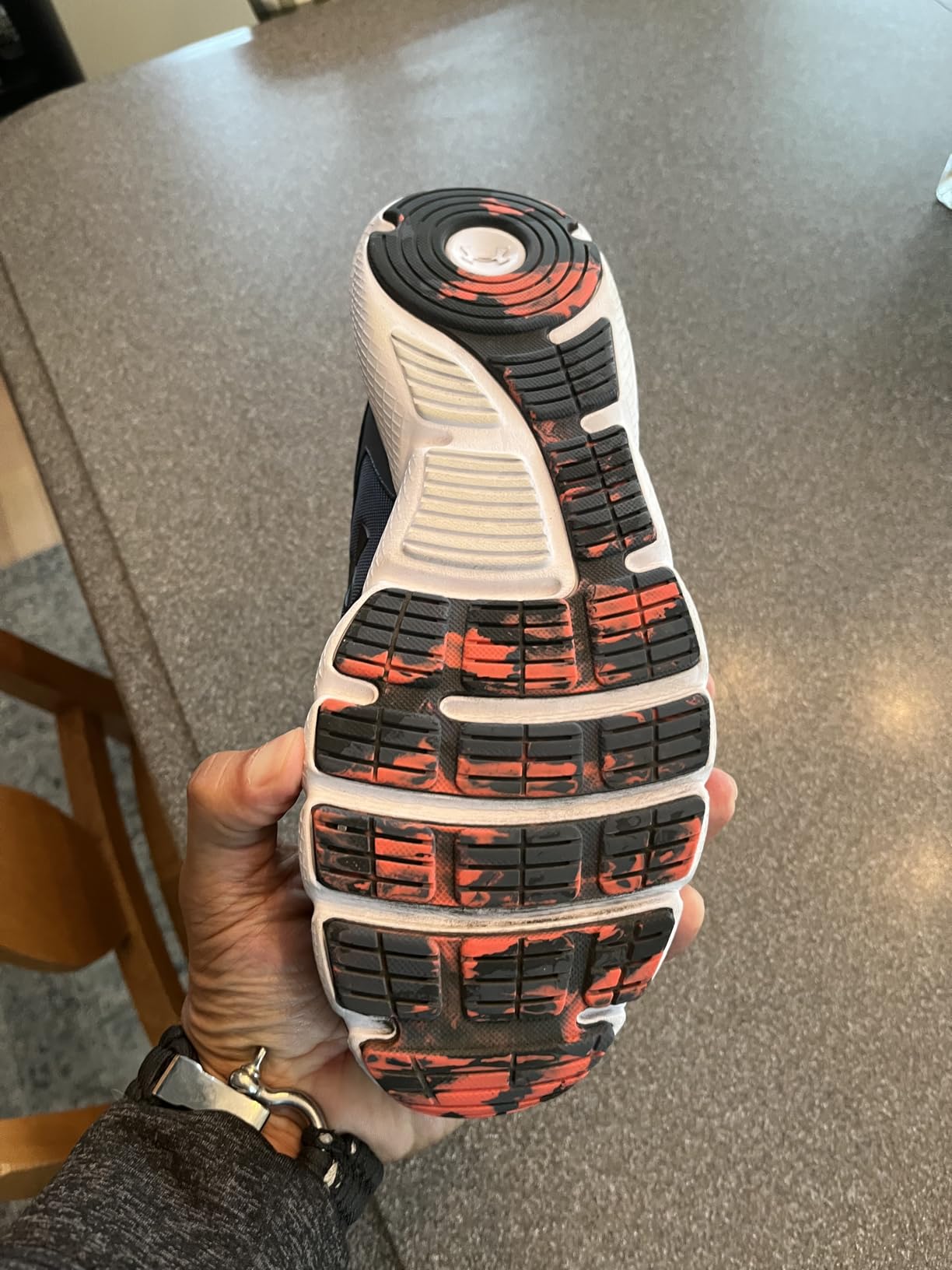
Now here’s where things get interesting—the durability paradox. The outsole tested at an impressive 86.0 Shore C hardness (category average is 79.2), with a remarkable 4.9mm thickness. That’s one of the thickest outsoles lab testing has measured in road running shoes. After 6 weeks of heavy use across concrete, asphalt, and gym floors, the outsole shows minimal wear. This rubber will last.
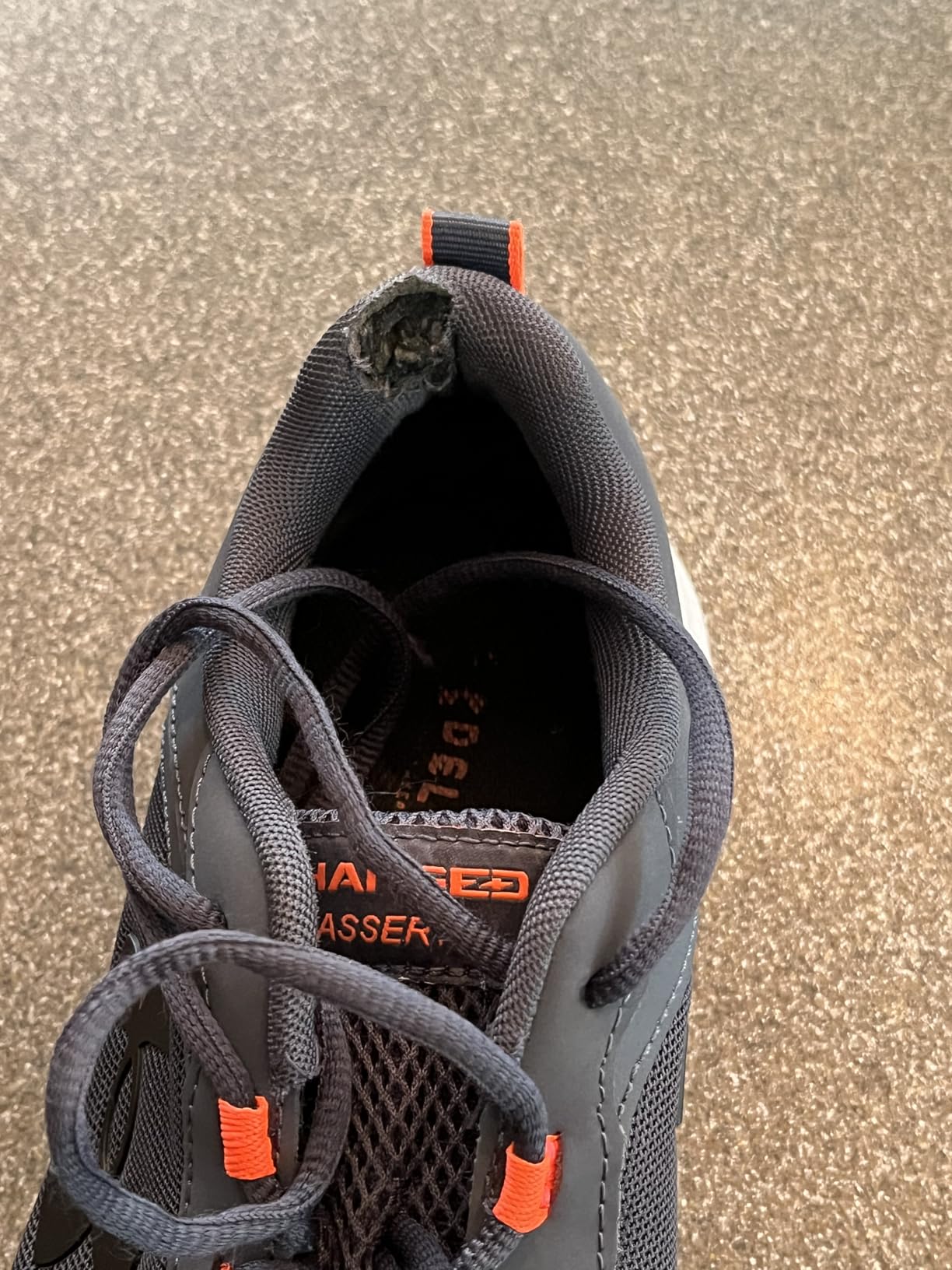
But the upper? Lab abrasion testing (Dremel test) gave it a disappointing 1 out of 5 rating. The reinforced toe cap holds up well, but the rest of the mesh is vulnerable. After my 6-week test, I haven’t seen any separation or holes yet. However, based on lab predictions and user reports, I’d expect to see toe mesh wear appearing around the 3-6 month mark under consistent use. The outsole will outlast the upper—an unusual failure pattern that defines this shoe’s lifespan.
Fit, Sizing & Toebox Reality
True to size worked perfectly for my standard-width feet. Community feedback shows 88-90% of users found these TTS, which is strong consensus. The fit feels secure through the midfoot—those leather overlays lock you in without creating pressure points.
Here’s the nuance though: lab measurements show the toebox at 99.4mm at its widest point (above average), but narrows to just 74.7mm at the big toe junction (below average). For my feet, this worked fine. But if you’re particularly wide at the big toe area, you might feel some squeeze there despite the shoe being generally wide. Wide-footed runners—consider going up half a size.
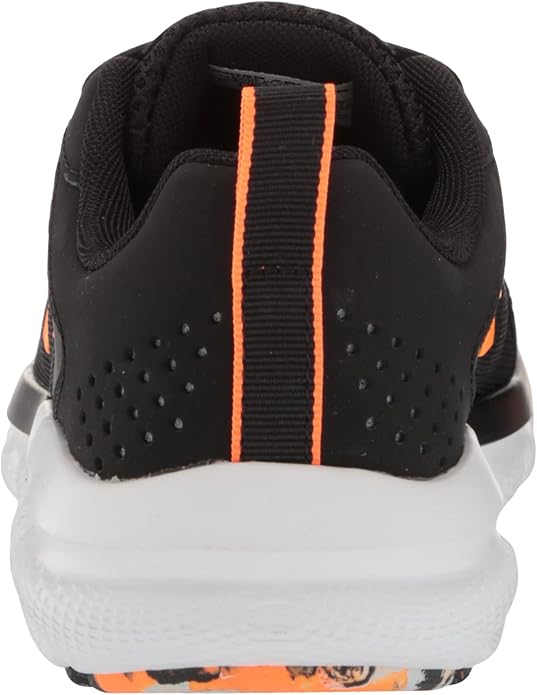
The heel counter tested at 2/5 for stiffness—it’s pliable, which makes the shoe beginner-friendly and comfortable for all-day wear. During my testing at moderate paces (7:30/mile), I didn’t experience any heel slippage. Lab reviewers noted slippage can occur during faster tempo work, easily fixed with a runner’s knot if needed. The flexible heel counter is part of what makes these so comfortable immediately out of the box and versatile enough for both running and casual wear.
Performance Across Real-World Activities
Road Running (3-5 Miles)
This is where the Charged Assert 9 hit its sweet spot. For my typical weekday 3-5 mile maintenance runs, everything worked. The 34mm heel stack provided sufficient cushioning for heel strikes, the 10.9mm drop felt natural, and the 10.2 oz weight didn’t slow me down. Traction on dry asphalt and concrete was confident—the solid rubber outsole gripped without any slipping.
Temperature handling surprised me positively. Running in Texas during summer months (85°F+ temperatures), the mesh upper kept things manageable. Not cool exactly, but I avoided the swampy-feet sensation some less breathable trainers create.
Longer Runs (6+ Miles)
Here’s where the firmness trade-off appeared. Around the 6-mile mark on an 8-mile weekend run, I started noticing the cushioning feeling less forgiving. My heel strikes felt more direct, the forefoot had less bounce back. It’s not that the shoe failed—it just stopped feeling as comfortable. For recreational runners sticking to 5K distances or shorter training runs, you won’t hit this ceiling. But if you’re building toward a half marathon or consistently logging 8+ mile runs, you’ll want something with softer, thicker cushioning.
The forefoot stack of 23.1mm is below category average (26.3mm). If you’re a midfoot or forefoot striker, you’ll feel this limitation sooner than heel strikers. These are clearly designed with heel strikers in mind.
Gym & Cross-Training Excellence
This is where the Charged Assert 9 exceeded my expectations and outperformed most budget running shoes. The firm midsole that limits long-distance running comfort becomes an asset for weightlifting and explosive movements.
During squats and deadlifts, I felt planted. The 111.3mm forefoot width created a stable platform, and the firm midsole didn’t compress under load. Lateral movements during box jumps and burpees? The leather overlays provided excellent midfoot support, and the flexibility (lab measured at just 17.7N to bend 90°—top 10% most flexible) allowed natural foot movement without feeling stiff.
The gym floor traction worked flawlessly—solid grip on both wood and rubber surfaces, even when things got sweaty. The combination of flexibility for movement plus firmness for stability makes these legitimately capable cross-trainers, not just running shoes that happen to work in a gym.
Weather & Surface Limitations
Wet conditions? Avoid them. Water goes straight through the mesh upper—no resistance whatsoever. I learned this quickly when I misjudged a puddle. Within seconds, my sock was soaked. There’s zero water resistance here. On wet pavement, the traction also degraded noticeably. These are strictly fair-weather trainers.
Treadmill running worked great. The cushioning felt consistent, the solid rubber outsole provided good belt grip without excessive traction that can cause stumbles, and the breathability helped during indoor sessions.
Does Under Armour Deliver on Marketing Claims?
Claim: “Lightweight mesh upper delivers complete breathability”
Reality: Partially accurate. Lab testing shows restricted airflow (3/5 rating), but real-world use with movement creates adequate breathability. It’s good, not excellent. During active use, it performs better than the lab rating suggests.
Claim: “Charged Cushioning for ultimate responsiveness & durability”
Reality: “Ultimate” oversells it. The cushioning is responsive and durable for daily training at this price point, but premium shoes still feel more responsive. It’s very good for $65, but let’s not pretend it competes with $150 trainers.
Claim: “Durable leather overlays for stability”
Reality: Completely delivers. The midfoot lockdown from leather overlays is excellent and provides genuine stability during both running and lateral movements. This claim is accurate.
Claim: “Solid rubber outsole covers high impact zones for greater durability”
Reality: Exceeds expectations. The outsole tested at 86.0 Shore C hardness with 4.9mm thickness—exceptional durability. After 45+ miles, high-wear areas show minimal degradation. The rubber placement is smart and effective. This outsole will outlast the upper significantly.
Overall Assessment & Scoring
After 6 weeks of comprehensive testing across running, gym work, and varied conditions, the Under Armour Charged Assert 9 earns solid marks as a budget trainer that delivers legitimate value. At $65, you’re getting performance that competes with shoes costing $90-120, with some intelligent compromises.
| Category | Score | Comments |
|---|---|---|
| Comfort | 7.5/10 | Excellent for daily training and gym work; firmness limits long-distance comfort |
| Durability | 7.0/10 | Exceptional outsole (9/10), poor upper mesh (4/10); lifespan 6-12 months |
| Performance | 8.0/10 | Excellent gym/cross-trainer; solid daily trainer for 3-5 mile runs; versatile |
| Breathability | 7.0/10 | Context-dependent; good during activity, adequate when static; hot weather capable |
| Value | 9.0/10 | Outstanding performance per dollar; competes with $90-120 shoes at $65 |
| Fit & Sizing | 8.0/10 | True to size for most; some wide feet need +0.5; secure midfoot lockdown |
| Versatility | 9.0/10 | Genuinely excels at multiple activities; best budget gym/running combo tested |
| Overall Rating | 8.0/10 | Strong Buy for Multi-Activity Training |
Key Strengths
- Outstanding value proposition at $65—delivers 80-85% of premium shoe performance
- Exceptional gym/cross-training capability with firm, stable platform
- Outsole durability exceeds price point expectations (86.0 HC hardness, 4.9mm thickness)
- True versatility—handles running, lifting, HIIT, daily wear effectively
- Comfortable immediately with no break-in period required
- Solid traction on dry surfaces across multiple floor types
- Lightweight feel (despite 10.2 oz) due to flexibility and responsive midsole
Key Weaknesses
- Cushioning firms up noticeably after 6-mile mark—limits long-distance comfort
- Upper mesh vulnerable to wear (1/5 Dremel rating)—expect toe holes at 3-6 months
- Zero water resistance—mesh soaks through immediately
- Breathability good but not excellent—context-dependent performance
- Below-average forefoot stack (23.1mm)—not ideal for midfoot/forefoot strikers
- Narrow at big toe junction (74.7mm)—may pinch very wide feet
Who Should Buy the Under Armour Charged Assert 9
Perfect for:
- Recreational runners logging 3-5 mile training runs 3-4x per week
- Gym enthusiasts needing versatile shoes for lifting, HIIT, and cardio in one package
- Cross-trainers who split time between running and strength training
- Budget-conscious athletes seeking name-brand performance under $70
- Heel strikers who value stable, firm cushioning over plush softness
- Beginners who need an affordable, durable first pair for varied activities
- Anyone prioritizing gym performance with running capability as secondary benefit
Not ideal for:
- Distance runners training for half marathons or marathons (cushioning too firm for 10+ miles)
- Midfoot or forefoot strikers (insufficient forefoot stack at 23.1mm)
- Runners in frequently wet climates (zero water resistance)
- Athletes needing maximum cushioning for joint issues (firm 27.8 HA midsole)
- Very wide feet, especially at big toe area (narrow at 74.7mm junction)
- Speed work or racing focus (better options exist for tempo/interval training)
- Those expecting premium durability throughout (upper will wear before outsole)
Better Alternatives for Specific Needs
For serious distance running: Consider the Brooks Ghost series or ASICS Gel-Nimbus for more advanced cushioning technology and higher stack heights.
For midfoot/forefoot strikers: The Saucony Axon 2 offers better forefoot stack (21.8mm) with similar budget pricing around $65.
For maximum plush cushioning: Nike Air Winflo 9 delivers softer midsole feel at $70, though sacrifices some gym stability.
For wet weather: Look at Gore-Tex versions from Salomon or trail-focused shoes with water-resistant treatments.
For very wide feet: New Balance Fresh Foam or ASICS Gel-Kayano lines offer genuine wide-width options with better big-toe room.
Value Assessment & Real Cost Analysis
At $65-70, the Charged Assert 9 delivers exceptional value. Compared to Nike Revolution ($70) and Adidas Duramo ($65-70), these provide superior gym versatility and comparable running performance. The firm midsole that some might see as a weakness for running becomes a significant advantage for cross-training.
Durability reports suggest 6-12 month lifespans depending on usage intensity. Heavy daily users (running + gym 5-6x/week) report 6-8 months before upper mesh failure. Moderate users (3-4x/week) see 10-12 months. Gym-only users with minimal running can push beyond 12 months since the outsole holds up exceptionally well.
Cost breakdown:
- Heavy use (6 months): $10.83/month
- Moderate use (10 months): $6.50/month
- Light use (12 months): $5.42/month
Compared to premium trainers at $140-160 lasting 12-18 months, you’re looking at $7.78-13.33/month. The Charged Assert 9 actually delivers better value if you’re replacing them before the upper fails completely.
Final Recommendation
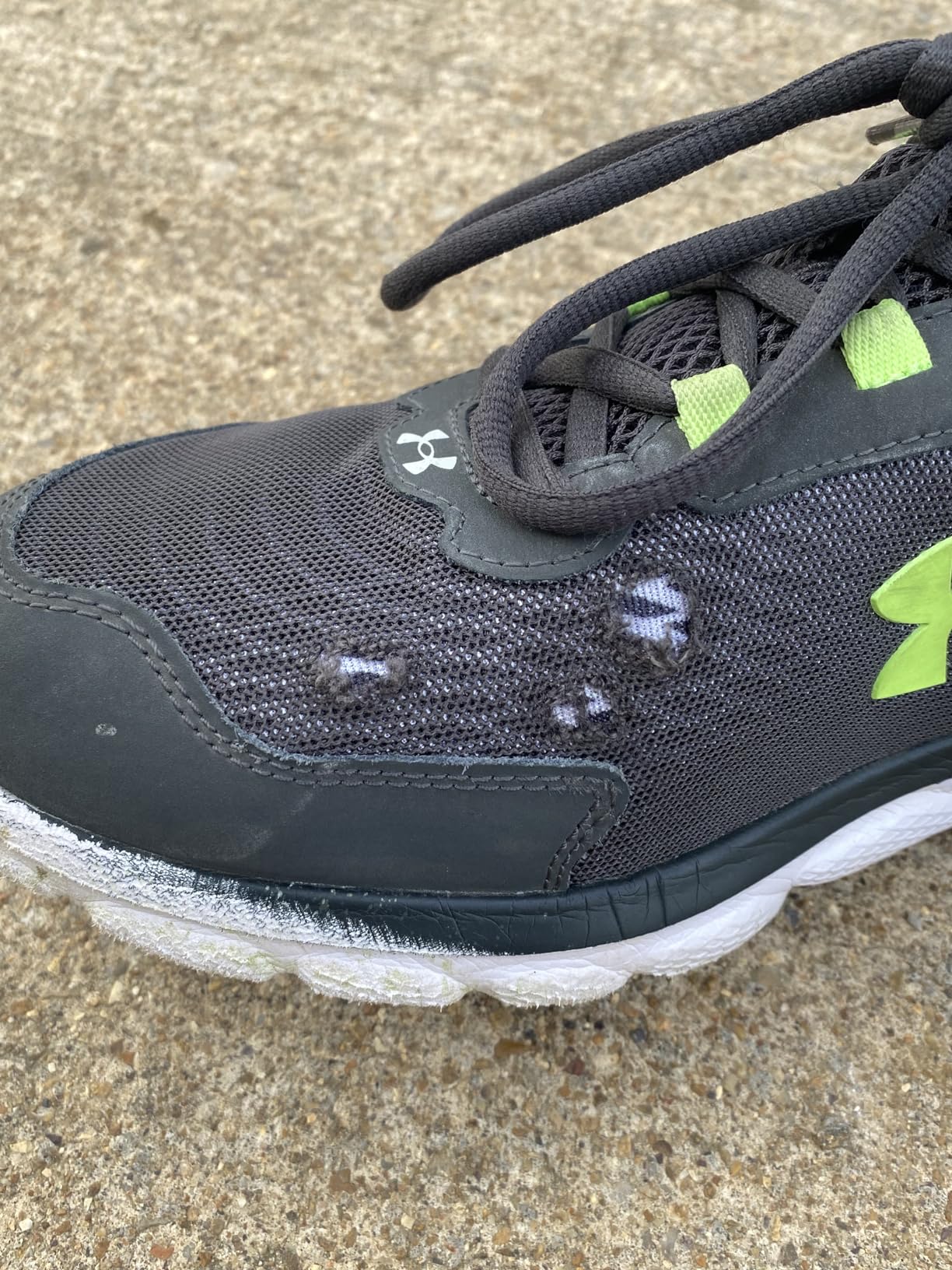
The Under Armour Charged Assert 9 earns a solid 8.0/10 for delivering genuine performance at an accessible price point. This isn’t a compromised budget shoe—it’s an intelligently designed multi-activity trainer that makes smart trade-offs.
The firm midsole that limits marathon potential becomes the reason these excel in the gym. The durable outsole that will outlast the upper means you get reliable traction for the shoe’s entire lifespan. The breathability that tests low in labs works fine during actual training.
If you’re a recreational runner who also lifts, does HIIT, or values versatility over specialization, these punch well above their $65 weight class. Just understand you’re getting 6-12 months of solid performance, not a multi-year investment. For many athletes, that’s exactly the right value equation.
At $65, they deliver 80-85% of what shoes costing twice as much provide, with better gym capability than most pure running shoes. That’s a win.
Check current pricing and availability: Under Armour Charged Assert 9 at FootGearUSA
Frequently Asked Questions
Do the Under Armour Charged Assert 9 run true to size?
For most users, yes—88-90% of buyers found these true to size. I tested them true to size (TTS) and the fit worked perfectly with standard-width feet. However, if you have particularly wide feet, especially at the big toe area, consider going up half a size. The toebox measures 99.4mm at its widest but narrows to 74.7mm at the big toe junction, which can create some squeeze for wider feet.
How long do these shoes typically last?
Based on testing and user reports, expect 6-12 months depending on usage intensity. Heavy daily users (5-6x/week running + gym) see 6-8 months before mesh wear appears. Moderate users (3-4x/week) get 10-12 months. The outsole will outlast the upper—the limiting factor is mesh durability (rated 1/5 in lab abrasion tests), not the exceptional outsole (86.0 HC hardness). At $65, that works out to $5.42-10.83 per month of use.
Are these good for treadmill running?
Absolutely. The cushioning and flexibility work excellently on treadmills. The solid rubber outsole provides good traction on treadmill belts without being so aggressive it causes stumbling, and the breathability helps during indoor sessions where there’s less airflow than outdoor running.
Can I use these for CrossFit or gym workouts?
Yes—this is actually where they excel. The firm midsole (27.8 Shore A hardness) provides a stable platform for lifting, the 111.3mm wide forefoot prevents lateral rollover during cuts and jumps, and the flexibility (top 10% most flexible in lab tests) allows natural foot movement during squats and deadlifts. I felt planted and secure during compound lifts. The lateral stability from leather overlays handled burpees and box jumps without any slop. These are legitimately capable cross-trainers, not just running shoes you can wear to the gym.
How do these compare to Nike or Adidas at similar prices?
The Charged Assert 9 competes favorably with Nike Revolution ($70) and Adidas Duramo SL ($65-70). Better gym versatility than both, similar running performance for daily training distances. The firm midsole is more stable for lifting than Nike Revolution’s softer foam. Compared to Adidas Duramo, the Charged Assert 9 has superior outsole durability (86.0 HC vs Adidas’ softer rubber) but similar upper mesh vulnerability. The key advantage is genuine multi-activity capability—most budget running shoes sacrifice gym performance for cushioning.
Are they machine washable?
While Under Armour doesn’t officially recommend machine washing, multiple users report successful gentle cycle washes with cold water and air drying. Given the mesh upper’s vulnerability to wear, I’d hand wash with mild soap and air dry to extend lifespan. The materials hold up to regular cleaning, which is important for shoes you’ll use for sweaty gym sessions.
Do these work for people with flat feet?
The neutral design works for many flat-footed runners, but these don’t provide significant arch support. The insole is removable (not glued down), so you can replace it with custom orthotics if needed. The firm midsole can actually benefit some flat-footed users by providing a stable platform. However, if you need serious motion control or structured arch support, look at Under Armour’s stability models or consider adding aftermarket insoles.
What’s the best way to prevent the heel slippage mentioned in some reviews?
The heel counter is pliable (rated 2/5 for stiffness in lab tests), which makes these comfortable but can cause slippage during faster-paced running. During my testing at moderate paces (7:30/mile), I didn’t experience issues. If you do notice slippage during tempo work or faster intervals, use a runner’s knot (also called heel lock lacing)—this pulls the heel area tighter without affecting midfoot comfort. The pliable heel counter is actually a feature for all-day comfort and versatility, but faster runners may need the lacing adjustment.
Can I run in wet weather with these shoes?
No—avoid wet conditions. These have zero water resistance. Water goes straight through the mesh upper within seconds. I tested this unintentionally by hitting a puddle, and my sock was immediately soaked. The multi-layer mesh construction provides no waterproofing. Additionally, traction degrades on wet pavement. These are strictly fair-weather trainers. If you run in frequently wet climates, look at Gore-Tex versions from other brands or trail shoes with water-resistant treatments.
Review Scoring Summary
| Overall Rating | 8.0/10 |
|---|---|
| Comfort | 7.5/10 |
| Durability | 7.0/10 |
| Performance | 8.0/10 |
| Breathability | 7.0/10 |
| Value for Money | 9.0/10 |
| Fit & Sizing | 8.0/10 |
| Versatility | 9.0/10 |
| Recommendation | Strong Buy for Multi-Activity Training |
Be the first to review “Under Armour Mens Charged Assert 9 Marble Running Shoe”
Related products
Running Shoes
Running Shoes
Hiking/Trekking Shoes
Hiking/Trekking Shoes
Running Shoes
Running Shoes
Running Shoes
Reviews
There are no reviews yet.