
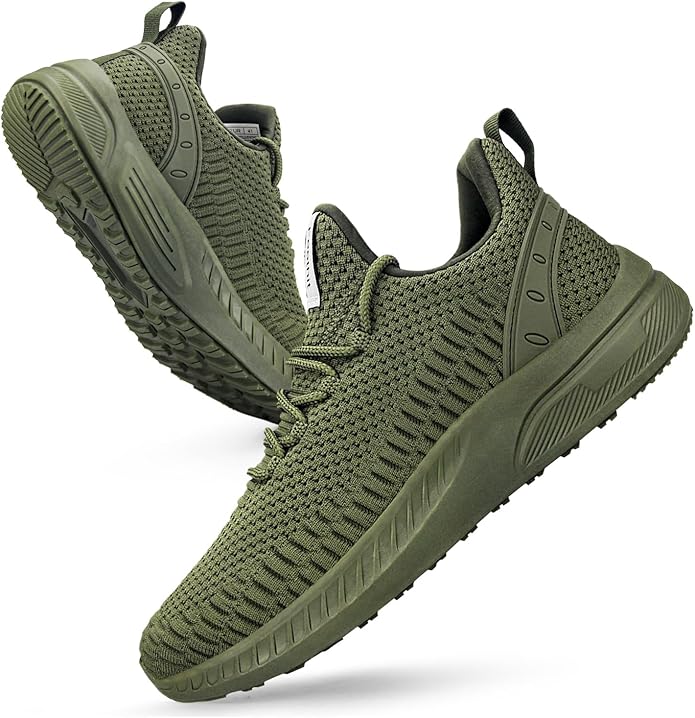
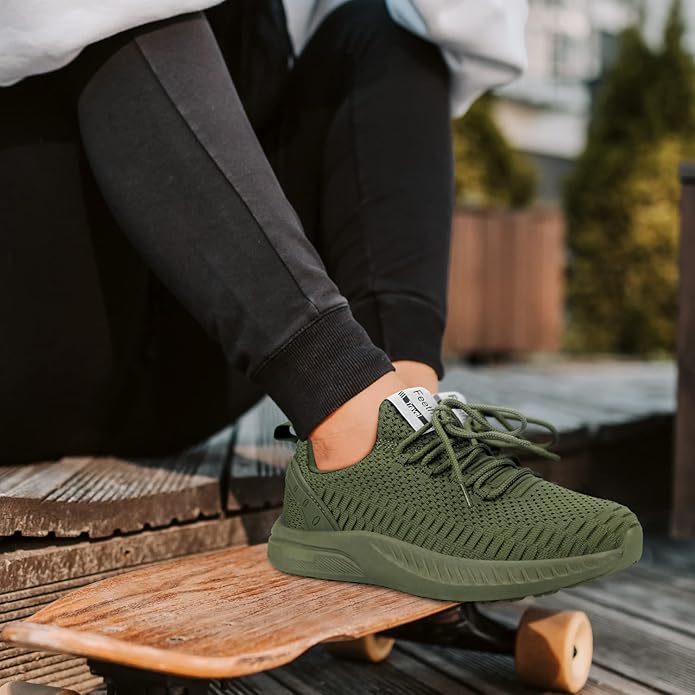
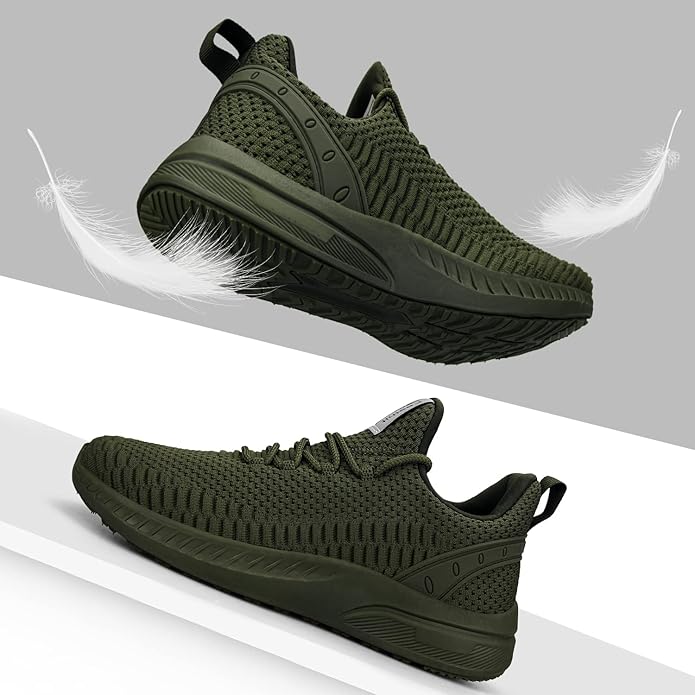
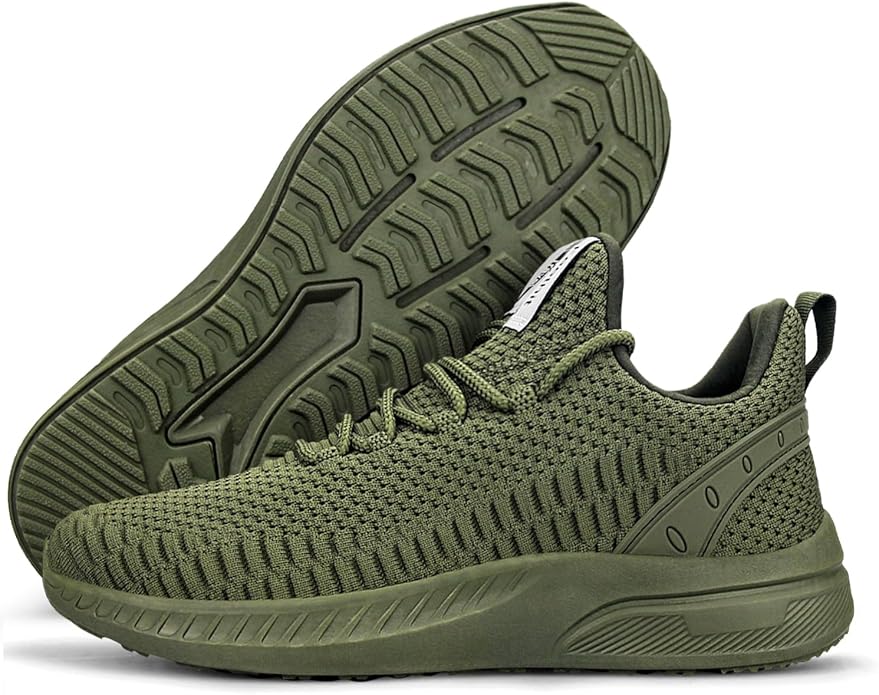
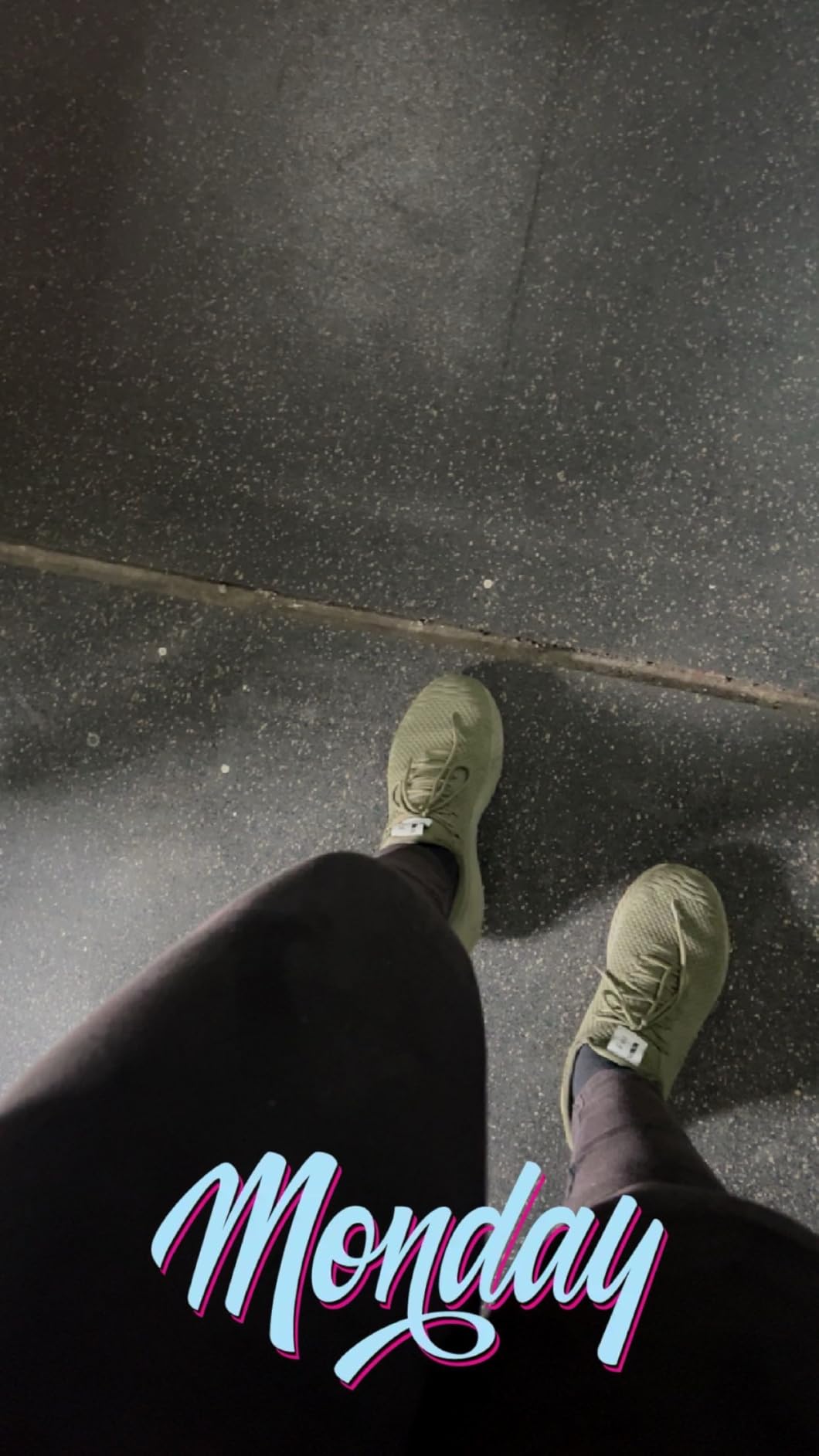
It started at the hospital break room. My coworker — a charge nurse who’s been on her feet for 12-hour shifts for six years — slid her feet out of a pair of olive green sneakers and said, “I’m telling you, $35 and I haven’t thought about my feet once today.” I’m Sarah, and as someone who tests budget footwear for real-life situations, that was all it took. I spent the next six weeks putting these Feethit Women Tennis Running Shoes through everything I throw at shoes: work days, errands, evening walks, and light gym sessions. What I found was more honest — and more complicated — than any single rating can capture.
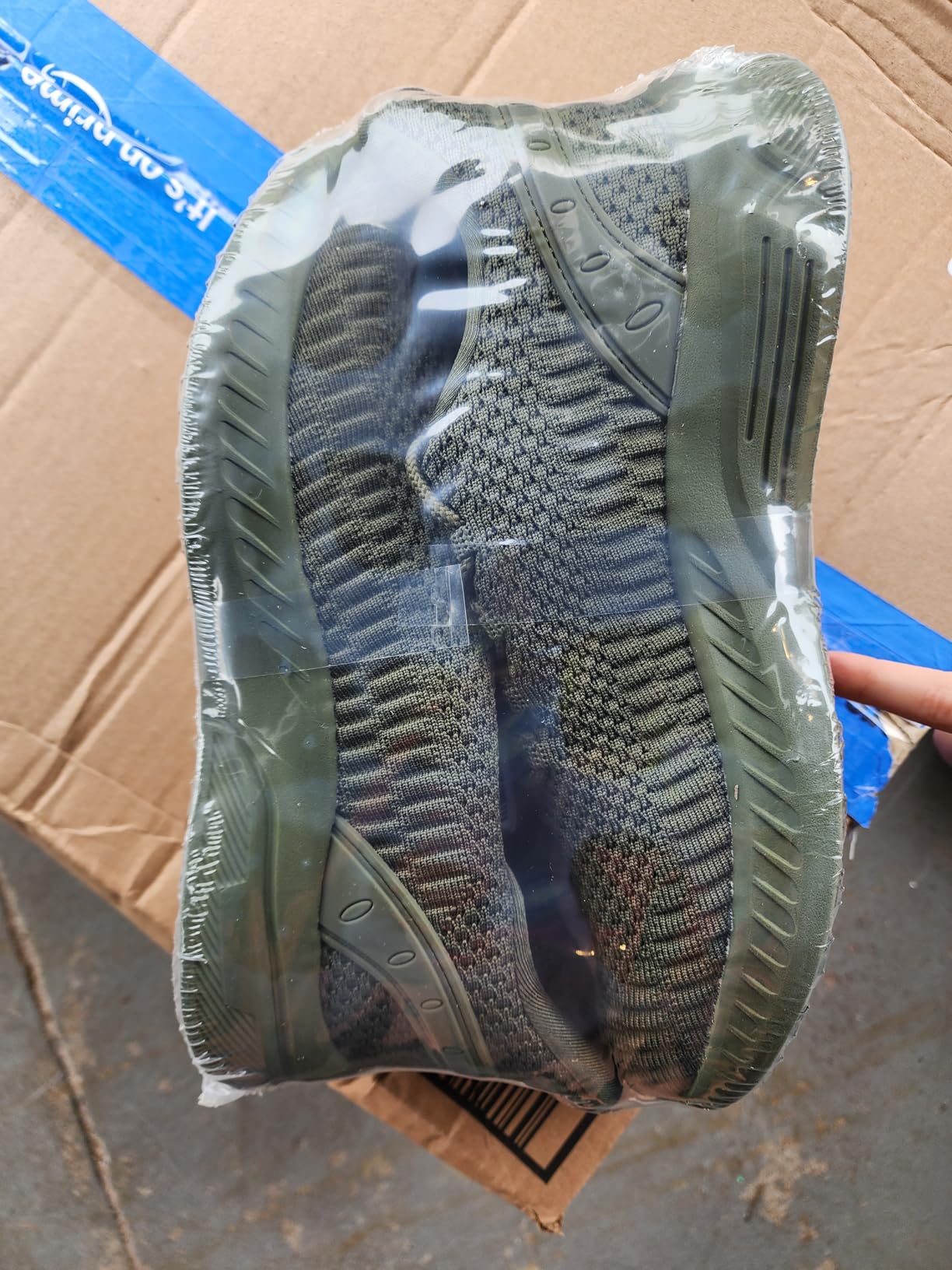
Quick Specs at a Glance
- 💰 Price: $28–40 (varies by colorway)
- ⚖️ Weight: 6.53 oz (women’s US 6.5, OutdoorGearLab measured)
- 🧪 Midsole: EVA foam (marketed as “high elasticity rubber”)
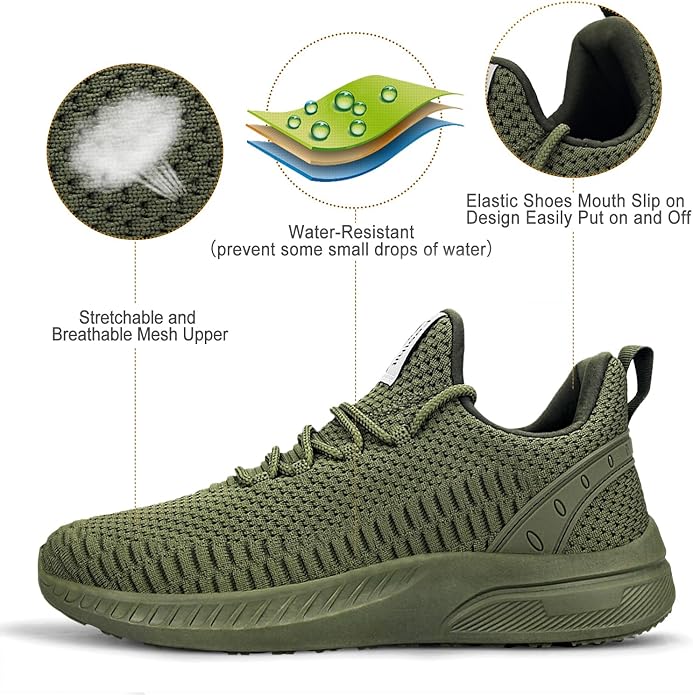
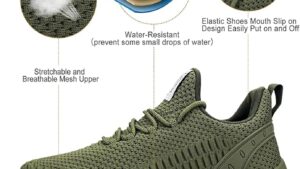
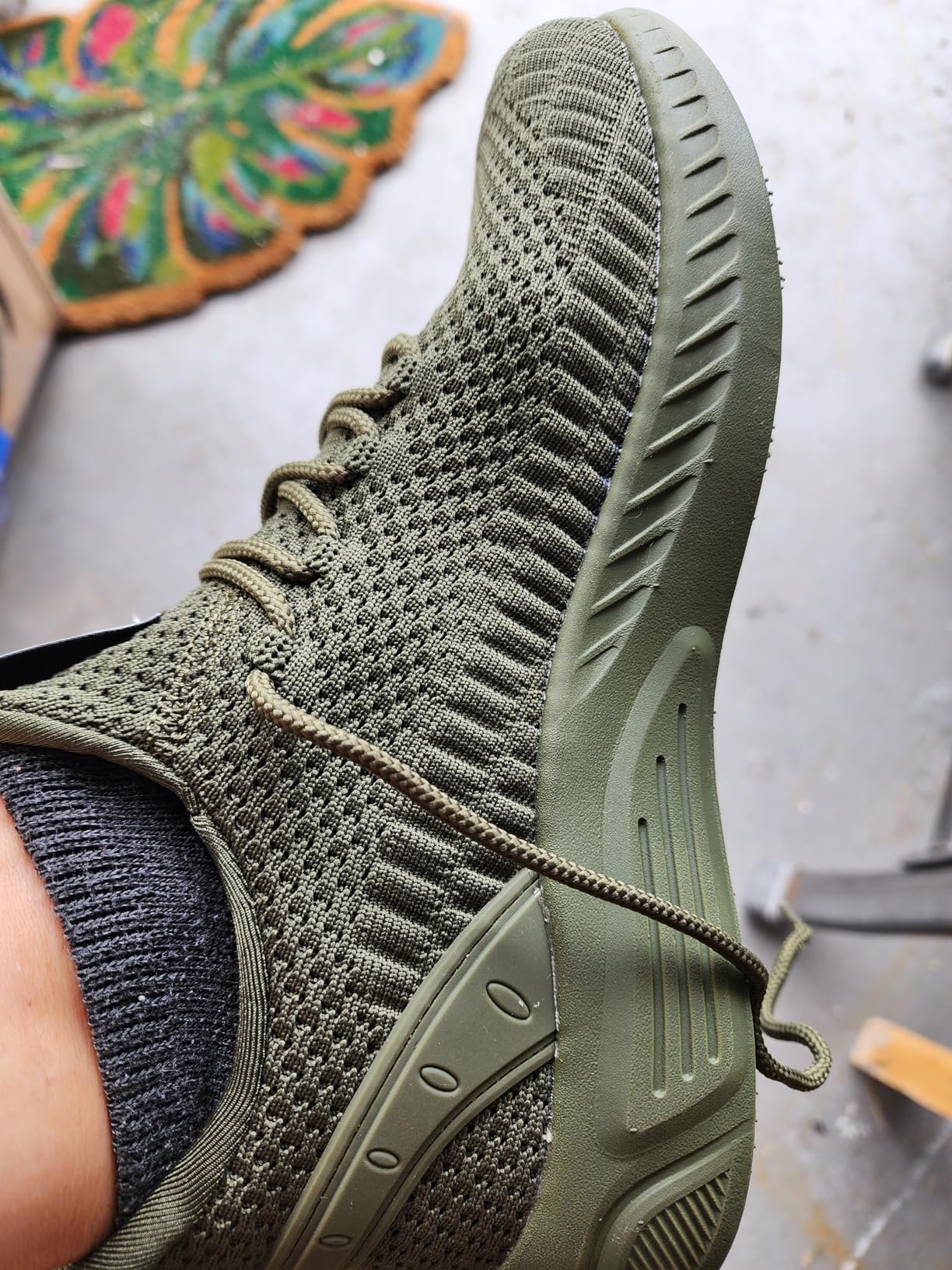
- 👟 Upper: Knit mesh (breathable, stretchy, single-piece construction)
- 🔒 Closure: Pull-on with decorative laces (NOT true step-in hands-free)
- ✅ Best for: Daily casual wear, 8-hour work shifts, light walking
- ❌ NOT for: Running, actual tennis, high-impact activity, wet outdoor surfaces
- 🎨 Colors: Olive green, black, white, navy, and others
- 📏 Sizing: Women’s 5.5–11 (inconsistent — see below)
- 🧺 Machine washable: Yes (cold gentle cycle)
The Sizing Situation: What No One Is Telling You Clearly
Before anything else — comfort, breathability, durability — we need to talk about sizing, because this is where I see women make expensive mistakes.
Feethit’s official website says these “run slightly large” and suggests sizing down half a size. That’s clean, clear advice. The problem is it doesn’t match what I actually found after reviewing dozens of customer reports across Amazon and Walmart. The reality is closer to a 50/50 split: roughly half of buyers find them true to size, while the other half find them noticeably large — sometimes by a full size or more.
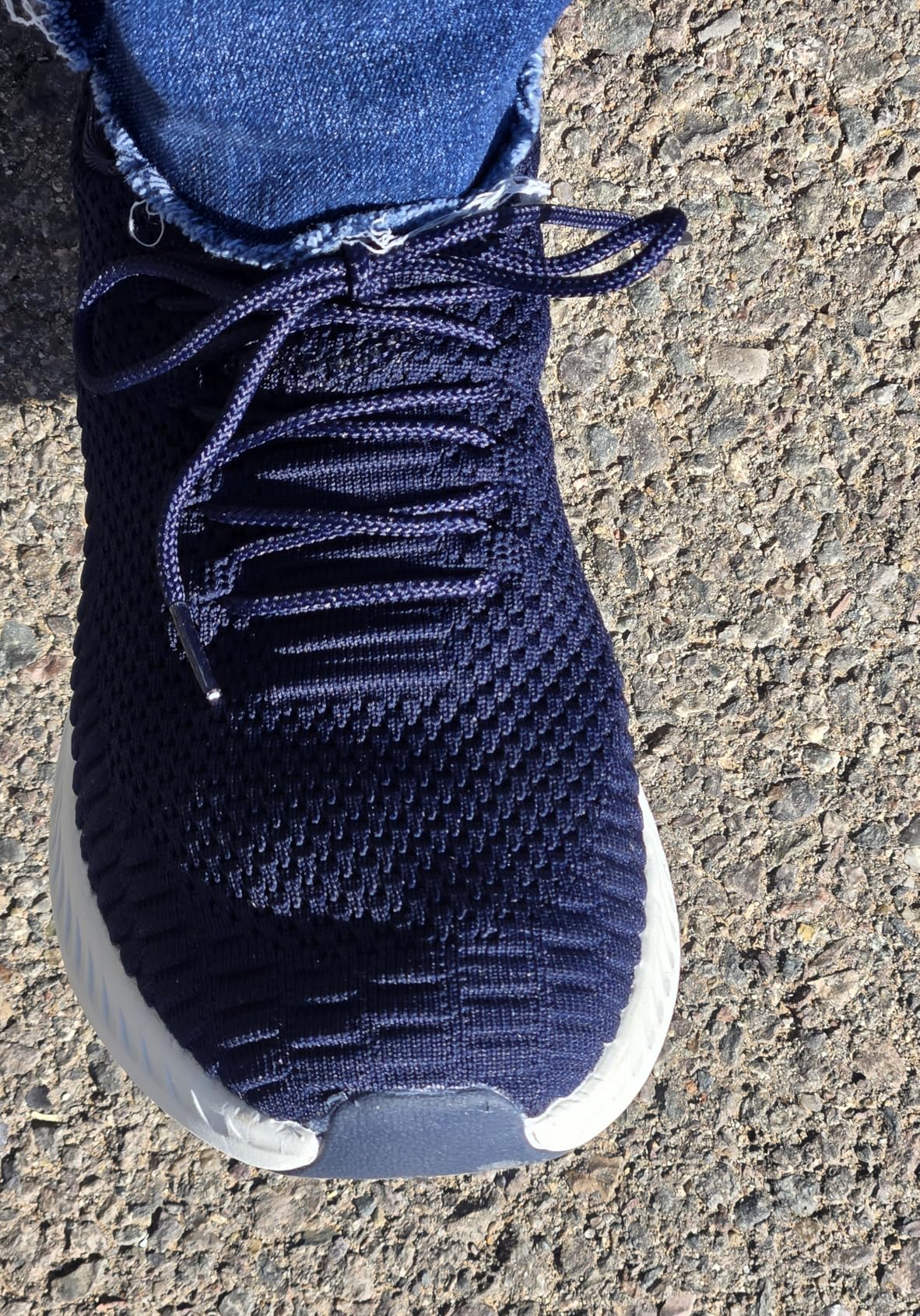
I tested two colorways during my six weeks. The olive green pair in my normal size 8 fit true to size with a slightly roomy toe box — comfortable, not sloppy. A different colorway I ordered later in the same size ran about half a size bigger, causing mild heel slippage until I learned to pull the collar properly. Same brand, same model number, different batches.
OutdoorGearLab’s tester, who wore a women’s 6.5, found her pair ran true to size. LimTeam reported some buyers receiving sizes that felt “about two sizes bigger” than expected. Both experiences are real — because the inconsistency is real.
What I’d recommend: order your standard size from Amazon or Walmart (both offer hassle-free returns). Do not order based on the brand’s blanket “size down” recommendation alone — some colorways run true, others run large. Wide-foot buyers should generally size up 0.5 for toe box comfort regardless. Narrow-footed users typically find their usual size works well.
The good news about the wide toe box: it genuinely accommodates various foot shapes, and that room is a feature on long work days when feet swell.
Comfort on the Clock: An Honest Hour-by-Hour Account
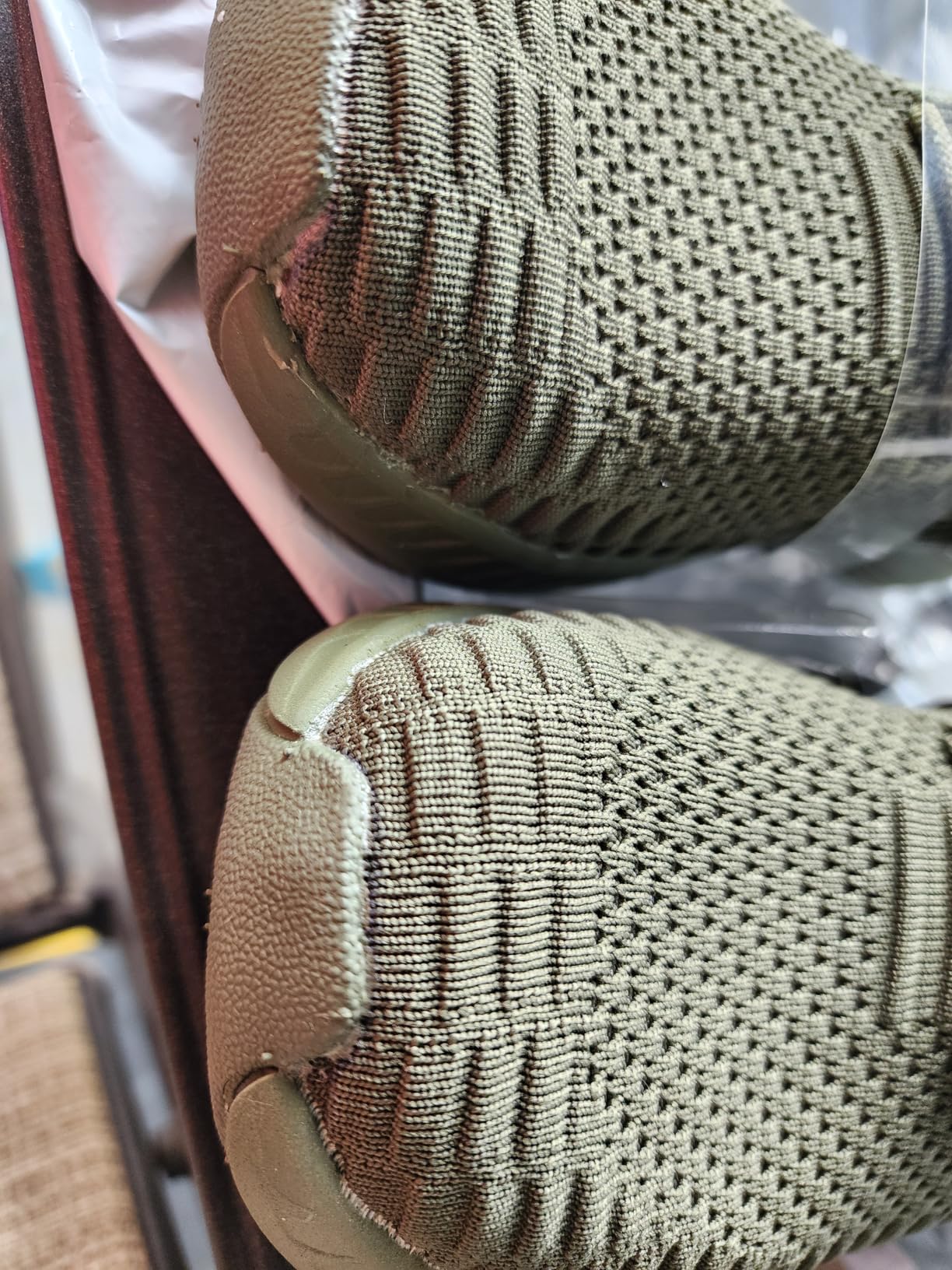
The word everyone uses for these shoes is “comfortable,” and it’s accurate — just not the whole story. Here’s what comfortable actually means, broken down by the hour:
Hours 1–4: These things feel like barely wearing shoes. At 6.53 oz per shoe, the weight difference from a heavier running shoe is immediately noticeable. The mesh upper molds gently around your foot without grip points. I wore them for a full Saturday of errands — grocery store, pharmacy, coffee shop, hardware store — and forgot I had them on until I got home.
Hours 4–6: Still comfortable, but the EVA midsole isn’t plush — it’s firm and responsive. You feel the floor more than you would in a cushioned shoe. For most women doing indoor work (retail floors, hospital corridors, office hallways), this is fine. For those who already have foot fatigue issues or work on concrete in warehouses, this is where you’ll start noticing.
Hours 6–8+: The support ceiling becomes clear. The arch support is minimal by design — these are lightweight casual shoes, not orthotic footwear. My coworker who inspired this whole test? She has neutral arches and said 12 hours was fine. My friend with mild flat feet found the same shoe fatiguing after hour six. The arch structure underneath you just isn’t there for everyone.
The breathability throughout all eight hours was genuinely the shoe’s strongest consistent quality. Even on warm days in an office without great air circulation, my feet stayed dry. The mesh construction does what it claims.
Design and Build: The Honest Construction Picture
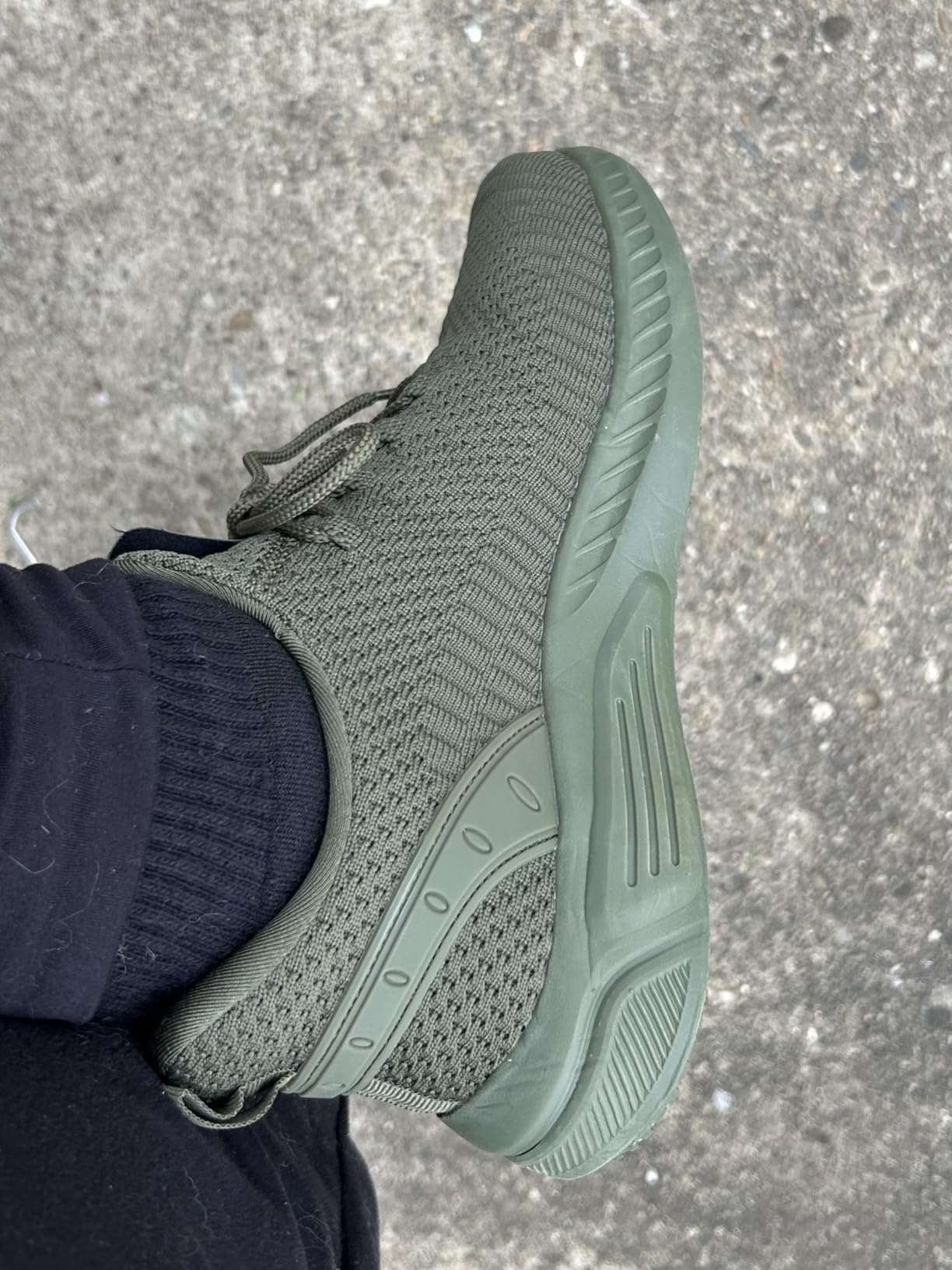
The Upper: What “Mesh Flyknit” Actually Means Here
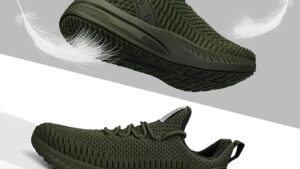
The single-piece knit upper is the shoe’s defining construction choice. It’s a medium-weight mesh — not the gossamer stuff that frays in a month, but also not structured enough to provide any midfoot support. Think of it as a sock with a rubber bottom. That design gives you three things: low weight, natural breathability, and a forgiving fit that adapts to foot shape.
The trade-off is structural support and longevity. At six weeks of 40+ hours of wear, I could see early stress patterns forming around the toe box — not holes, not tears, but the visual evidence that this material is working hard. Based on multiple user reports, expect mesh to begin showing real wear around months 3–4 under daily intensive use.
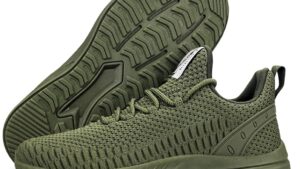
The olive green colorway I tested has a refined look that honestly reads as business-casual in the right context. The reflective brand logo on the tongue is prominent enough to feel like a design choice rather than discreet branding — take that as you will.
The Pull-On Reality
Let me clear something up: these are marketed as “slip-on” shoes, but they’re actually pull-on shoes. There’s a difference, and it matters.
A true slip-on lets you step in without any hand interaction — like a loafer or a clog. These require pulling the heel collar down and guiding your foot in with your hand. OutdoorGearLab’s testers found them “difficult to put on,” and I understand why if you try to force the step-in entry. The correct technique: pull the heel tab, slide your foot in, and the stretchy collar snaps around your heel. Once you learn this, it takes about ten seconds.
The benefit of this design — and it’s a real benefit — is that the heel doesn’t slip once you’re wearing them. The collar keeps your foot secure through actual movement, unlike some true slip-ons that shuffle around during walking.
Still, if you genuinely need hands-free entry (back issues, limited mobility, nursing shoes you can kick off between patients), know what you’re actually getting before you order. Products like the Jackshibo Slip-On Walking Shoes or Konhill Women’s Slip-On Loafers offer different entry experiences worth comparing.
The Sole: Traction Truth
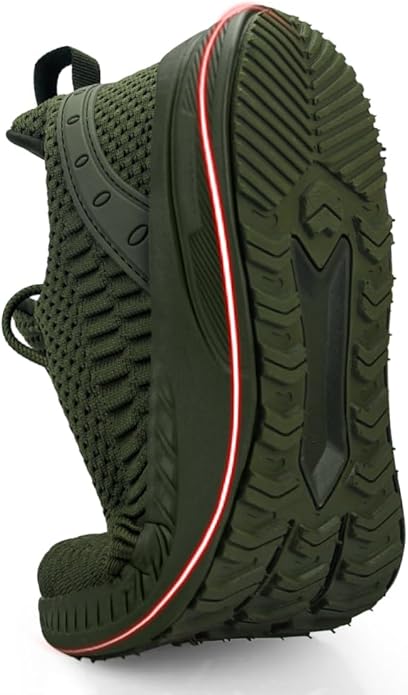
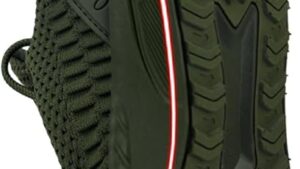
The rubber outsole does a workable job on dry surfaces. Indoor hardwood, dry tile, carpeted areas — fine. What it does not do is perform well on wet surfaces. OutdoorGearLab found the traction “mediocre on concrete and tile in dry conditions” and significantly worse when wet. I had one near-slip on a freshly mopped hospital floor section.
For healthcare workers or servers who encounter wet flooring regularly, these are not appropriate safety footwear. For that specific need, look at dedicated work shoes like the Skechers Ghenter Bronaugh Work Shoe, which is built to actual slip-resistance standards.
For dry retail, office, and casual outdoor use on pavement, the traction is sufficient.
The Support Gap (and the Fix Nobody Talks About)
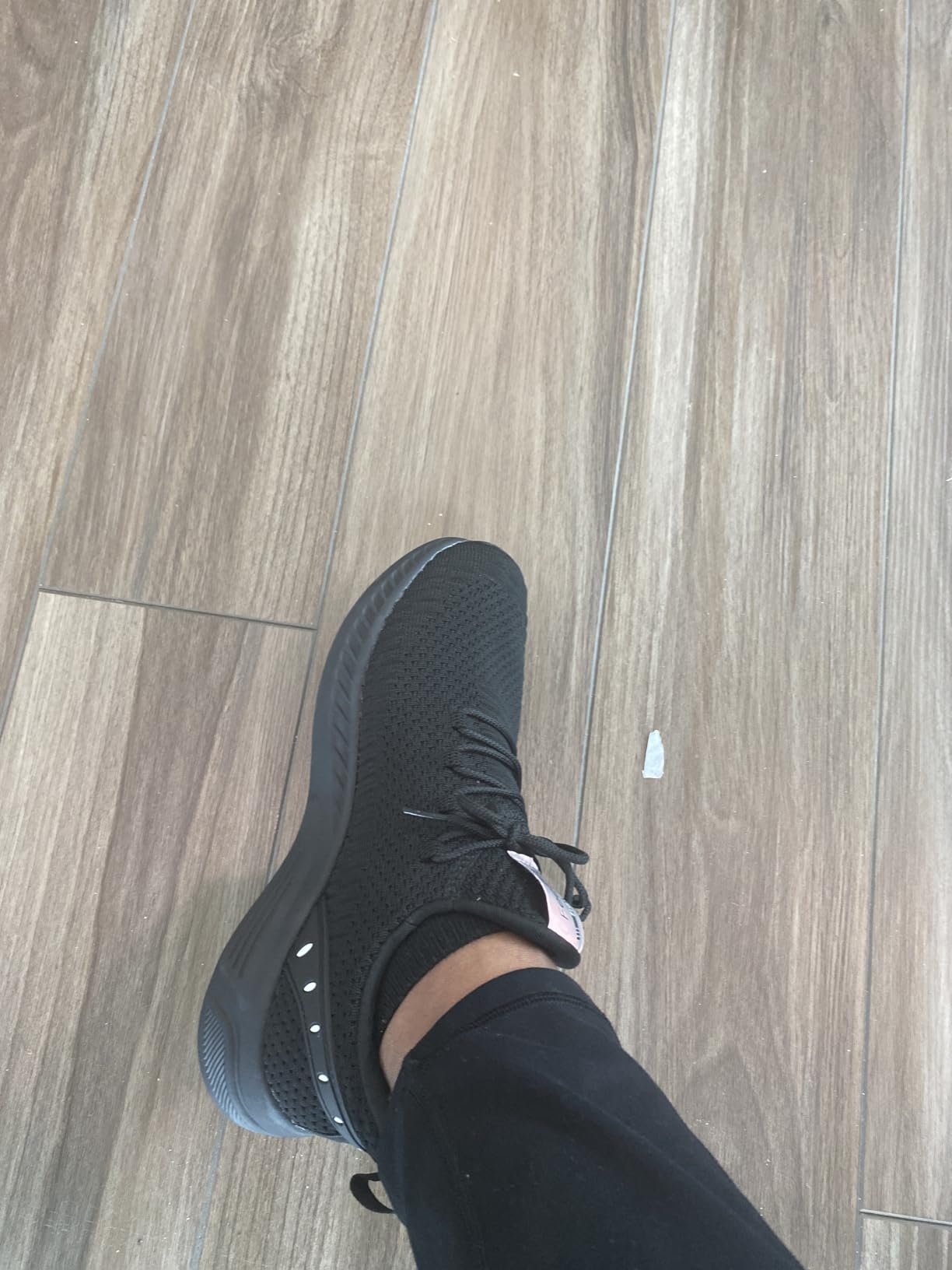
The original listing does not mention this, but the insole in these shoes is removable. Completely. Not glued, not stitched — just sitting there, ready to be swapped.
This changes the calculus for the shoe’s biggest weakness. The stock insole provides basic cushioning and almost no arch support. On a firmness scale, it’s a 4/10 for arch users who need structure. But once I popped it out and inserted a pair of Sof Sole Athlete Insoles, the shoe transformed. Arch support jumped to roughly 8/10 for my foot profile. The cushioning became noticeably better under the metatarsals.
Here’s the math on this: $35 shoe + $15–20 aftermarket insoles = $50–55 total. Compare that to a comparable comfort shoe with built-in arch support at $90–120. You’re getting 80–85% of the comfort for 50–60% of the price, with the added flexibility to swap insoles based on your needs as they change.
People who specifically need this upgrade:
- Flat feet or low arches
- High arches requiring cushioned support
- Anyone standing more than 8 consecutive hours
- History of plantar fasciitis
People who can skip the upgrade and use the stock insole:
- Neutral arches
- Casual wear, not intensive standing
- Rotating these with other supportive shoes
You can also explore Valsole Orthotic Insoles for a heavier-duty support option if your needs are more specific.
Durability by Use Intensity
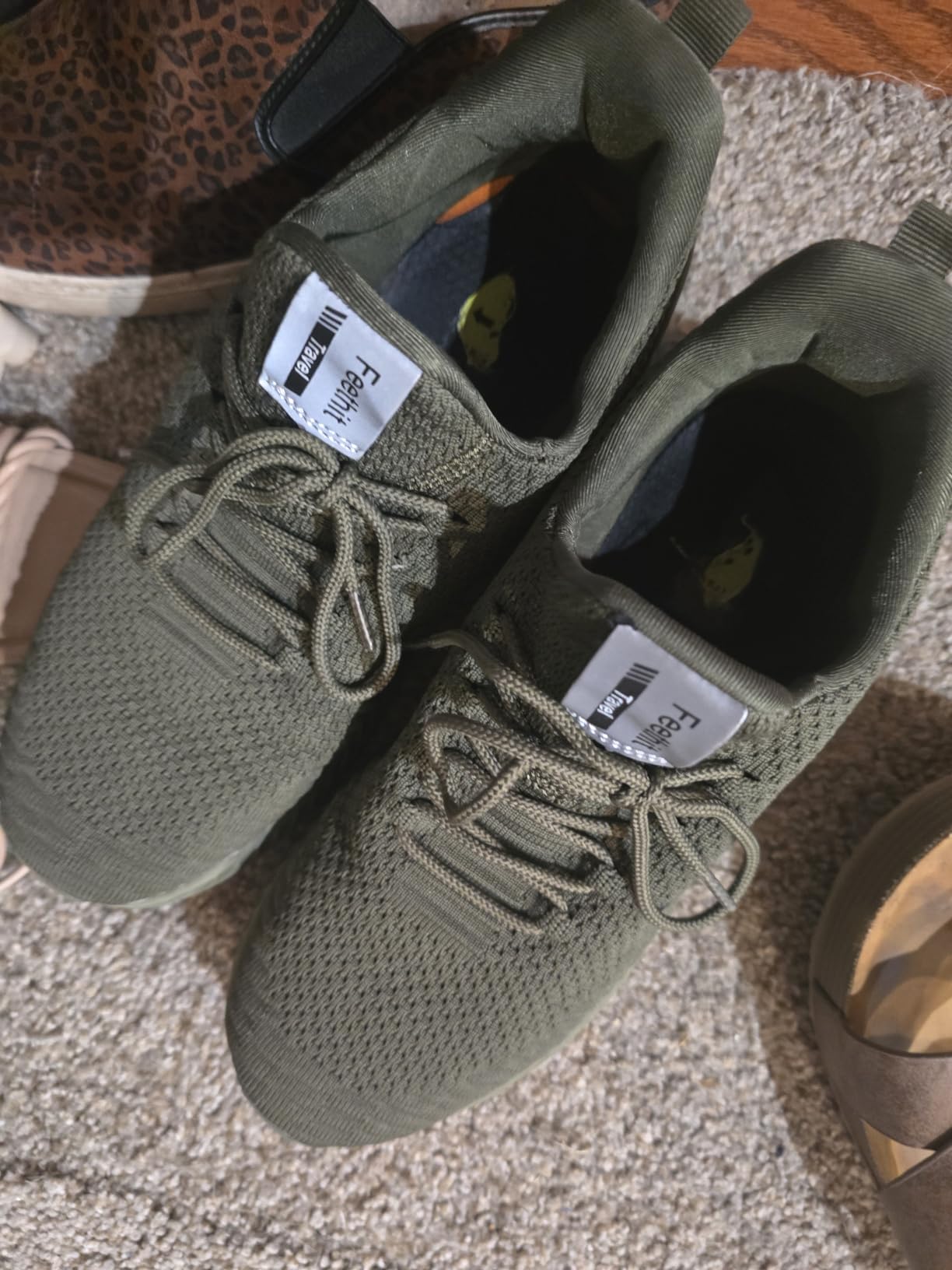
At six weeks and 40+ hours of testing, the shoes were intact and functional. The mesh showed early stress patterns near the toe box, the outsole had modest surface wear, and the heel cup remained firm. Based on that trajectory and a significant amount of user data across retail platforms, here’s what realistic durability looks like:
Casual rotation wear (1–2 days per week): 12–18 months. This is the sweet spot for value. At $35 over 15 months, you’re paying about $2.30/month.
Regular work use (5 days/week, 6–8 hour shifts): 6–9 months. At $35 over 7 months, that’s roughly $5/month. A $120 supportive work shoe lasting 18 months runs about $6.70/month. Value still holds.
Intensive daily wear (8+ hours, demanding physical environments): 3–4 months. At $35 every three months, you’re at $11–12/month. This is where the math starts to turn. If you’re in a physically demanding job with hard surfaces, a more durable shoe may actually be cheaper over a year.
What held up well: the heel cup and collar structure (no slippage), the sole adhesion, and the lacing system (decorative, but not a failure point). What showed wear first: the outer mesh surface around flex points, and outsole tread depth.
The machine washability was a genuine surprise. After washing at week four (cold, gentle cycle), the shoes came out looking almost new. For anyone who works in environments where shoes get visibly dirty — kitchens, clinics, outdoor retail — this is a meaningful practical advantage.
The “Tennis Shoe” Claim: Let’s Be Honest
These are named “tennis running shoes.” Neither of those descriptors is accurate in any technical sense.
For running: the EVA stack is too thin, the cushioning ceiling appears around mile two for any runner above 150 lbs, and there’s no heel-to-toe drop designed for forward momentum. Dedicated running shoes have a reason for their engineering.
For tennis: actual tennis shoes require lateral stability, court-specific outsole patterns, and reinforced toe boxes for the drag that comes from the sport. These have none of that. A shoe like the ASICS Gel-Challenger 13 is built for actual court play — the Feethit is not.
What these actually are: casual sneakers with a marketing name that doesn’t match the shoe’s capabilities. That’s not a condemnation — plenty of people don’t need actual tennis shoes. But buying these expecting tennis or running performance will lead to disappointment and possibly injury from the lack of lateral support.
Who These Are Actually Made For

✅ These Will Work Well If You Are:
- Healthcare workers or retail staff doing dry-surface walking on shift (neutral arches, up to 10 hours)
- Busy moms or students who need one comfortable shoe for daily life without the price tag
- Travelers looking for a packable, lightweight, machine-washable casual shoe
- Anyone building a budget rotation — these as your “Wednesday shoe” extend the life significantly
- Women who need a wide toe box without paying premium prices for the accommodation
❌ Skip These If You Are:
- A runner — these are not training shoes
- Anyone who needs genuine non-slip footwear for wet or oily work environments
- Wide-footed women who’ve struggled with even “wide” options — the toe box is generous in the front but the overall width is still narrow
- Anyone expecting zero-adjustment step-in convenience
- Those with significant arch issues who won’t add insoles and need immediate built-in support
If you need something with serious built-in cushioning for all-day standing, the Skechers Go Walk Joy offers noticeably more midsole at a similar price point. If your primary need is a comfortable women’s walking shoe for lighter daily use, the HKR Women’s Walking Shoes and NORTIV 8 Women’s Walking Shoes are worth comparing.
My Overall Scores
Overall Rating: 7.2/10
Frequently Asked Questions
Final Verdict
Six weeks in, here’s what I actually know: these shoes are excellent at one thing, adequate at several others, and genuinely bad at a couple of claims.
The one thing they nail is lightweight breathable comfort for women in casual service environments. If you’re a nurse on dry floors, a retail employee, a student walking a lot, or someone who needs a comfortable shoe for daily errands without spending $100 — this is a legitimate option. At $35, it’s hard to be disappointed.
The complications: sizing is a lottery that requires a free-return retailer to navigate, arch support needs supplementing if you’re on your feet intensively, the non-slip claim fails on wet surfaces, and the “tennis running” name is marketing fiction.
Buy them, try them, and order from a retailer that won’t charge you to return them if the size is off. That’s the honest recommendation.
| Category | Score (1-10) | Notes |
|---|---|---|
| Comfort (casual/neutral arch) | 8.5 | Strong all-day feel up to 8 hours, no break-in |
| Breathability | 8.5 | Genuinely keeps feet cool; strongest consistent feature |
| Style/Appearance | 7.5 | Clean silhouette, multiple colorways, prominent logo |
| Durability (casual use) | 6.5 | 6–9 months regular work; 12–18 months rotation |
| Value for Money | 8.5 | $35 price point; cost-per-month competitive even at shorter lifespan |
| Fit/Sizing Consistency | 5.5 | Batch variance real; requires free-return retailer to manage safely |
| Traction | 6.0 | Adequate dry; poor wet — not safety footwear |
| Overall Rating | 7.2 | Strong for specific niche; honest limitations clearly documented |
Be the first to review “Feethit Women Tennis Running Shoes”
Related products
Running Shoes
Running Shoes
Running Shoes


Hiking/Trekking Shoes
Running Shoes

Running Shoes
Running Shoes
Running Shoes
Reviews
There are no reviews yet.