
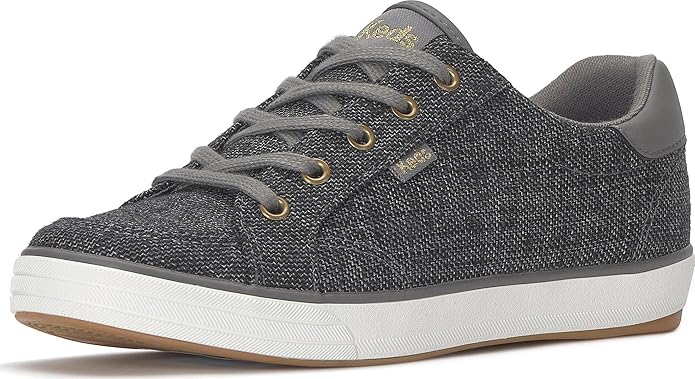
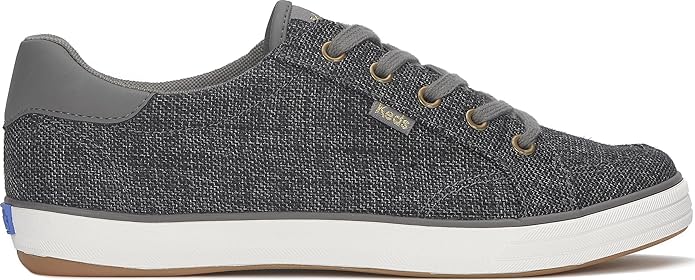
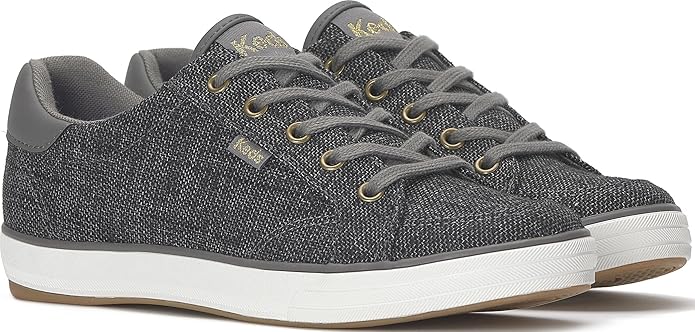
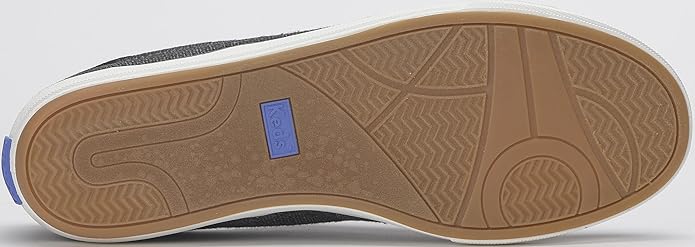
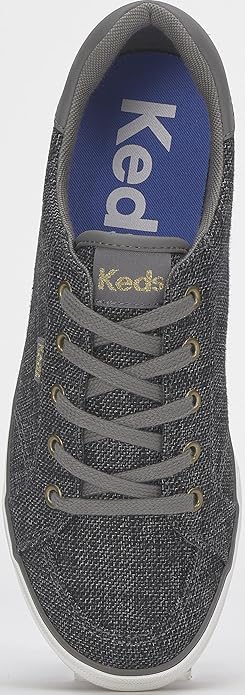
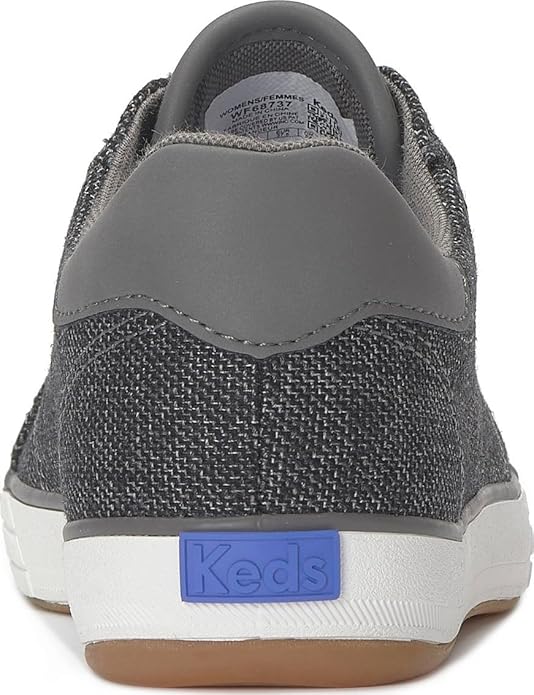
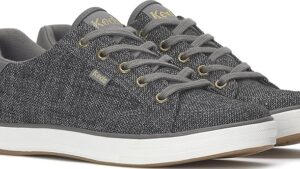
Keds Women’s Center III Sneakers
$39.97
- ⚖️ Weight: 8.2 oz (women’s size 8)
- 🧪 Upper: 100% Cotton canvas
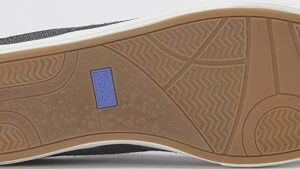
- 👟 Sole: Synthetic rubber (PU)
- 💤 Footbed: Softerra memory foam (10% recycled PU)
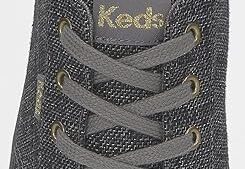
- 🔒 Closure: Lace-to-toe for customizable fit
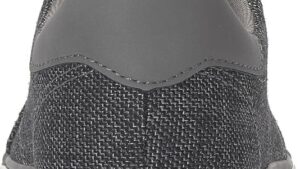
- 🦺 Collar: Padded, ankle-cradling
- 🌬️ Lining: Soft, breathable jersey lining
- 🏃♀️ Category: Lifestyle / casual sneaker
- 🎯 Best for: Daily wear, casual outings, light walking
Last Tuesday morning, coffee in hand and scrolling half-awake through my phone, I spotted an ad for the Keds Women’s Center III Lace Up Sneaker. Sarah here — between school pickups, grocery runs, and my weekly yoga class, comfortable shoes aren’t a luxury, they’re survival. The $60 price tag caught my attention. So did the “already-broken-in comfort” claim. I’ve been burned by that promise before. So I ordered a pair, committed to eight solid weeks of real-mom testing, and here’s what actually happened.
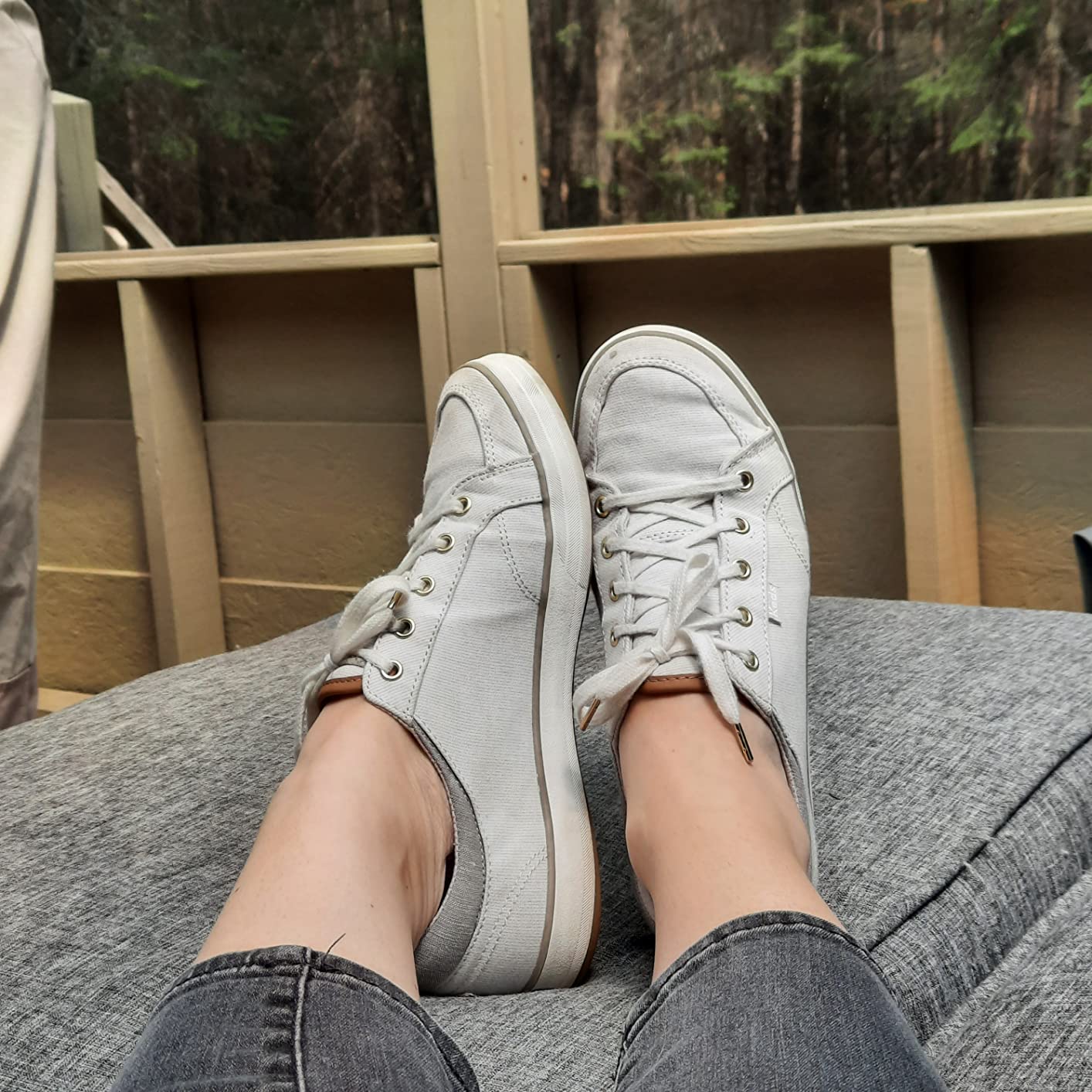
First Impressions: Design, Build, and the Unboxing Moment
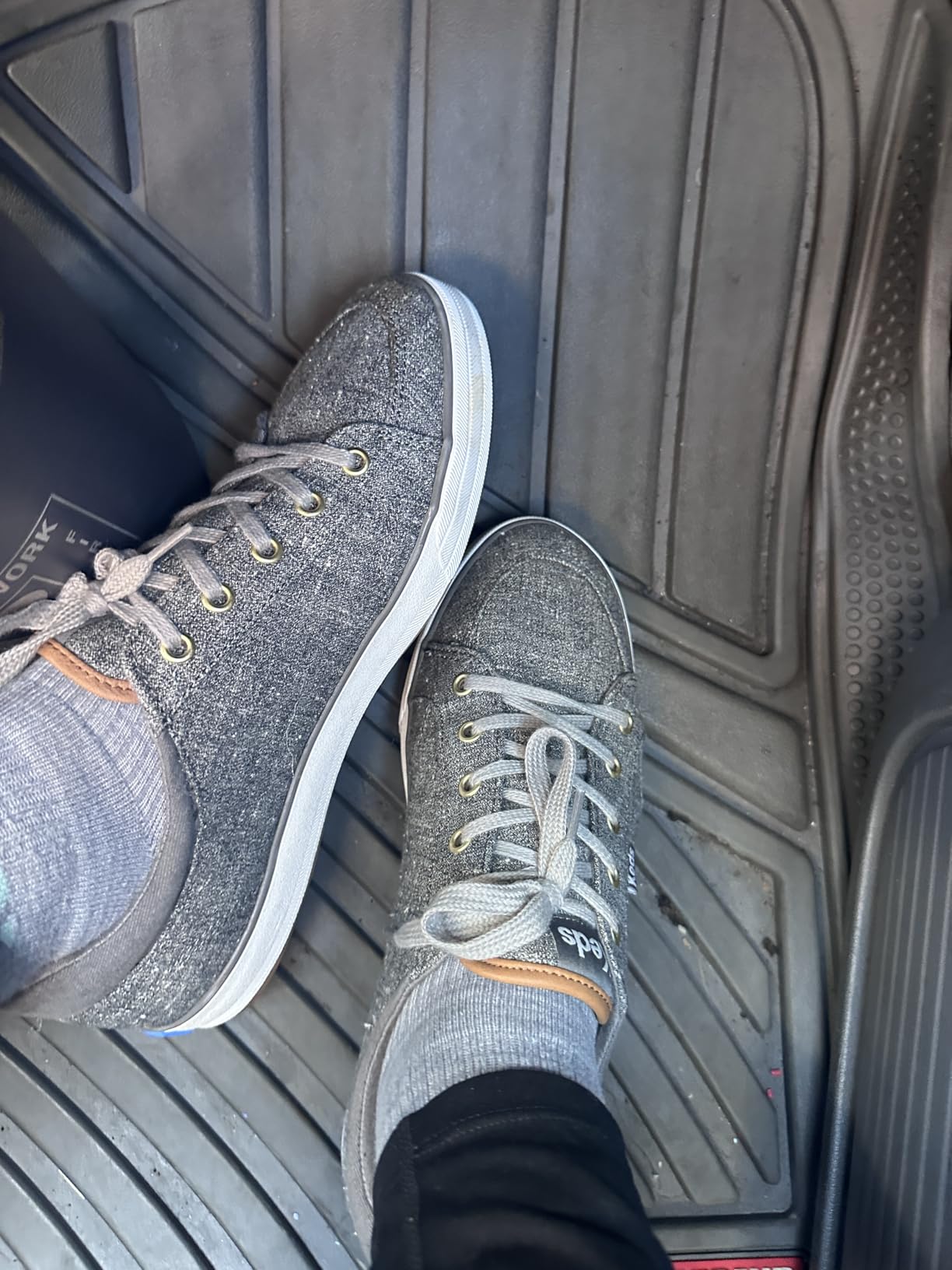
Opening the box, the first thing I noticed was how light these things are. 8.2 ounces. That’s barely there. The cotton canvas upper has this softness to it — not stiff like a fresh pair of court shoes, more like something that’s already been through a wash cycle in the best possible way. There’s a pre-broken-in quality that’s rare at this price.
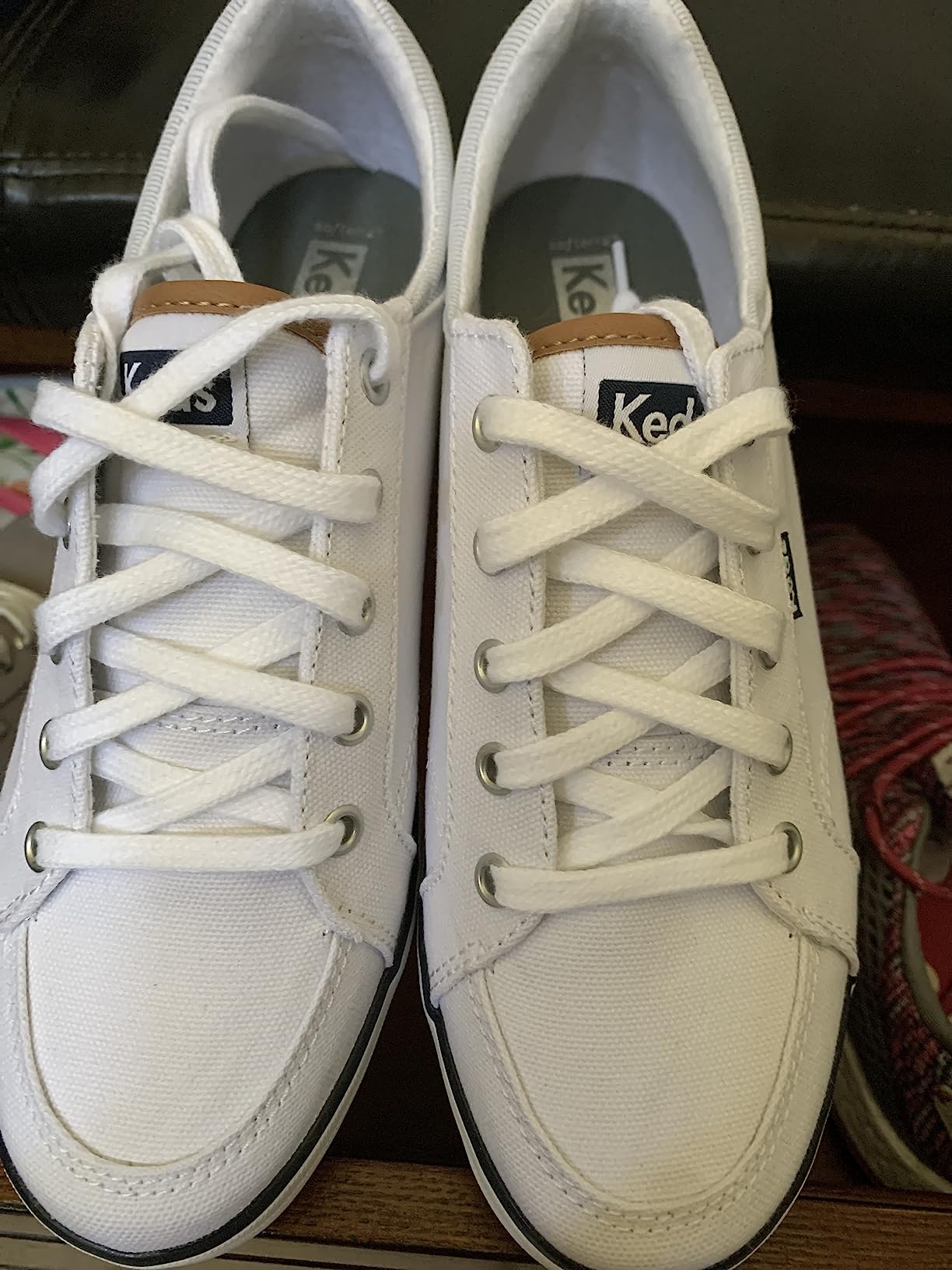
The rounded toe shape is exactly right. Not so narrow that my toes protest, not so chunky that it ruins a casual outfit. It just looks clean. The lace-to-toe design runs all the way up, which means you can actually dial in how snug the fit feels — useful if you’re between sizes like I am, or if you want a looser feel on hot days versus a more secure feel when you’re chasing kids at the playground.
That padded collar around the ankle? Immediately plush. No break-in, no rubbing, nothing. I slipped them on, tied the laces, and wore them straight to school pickup. No socks drama, no blister anticipation — just comfortable shoes from minute one.
The Memory Foam Footbed: The Whole Point
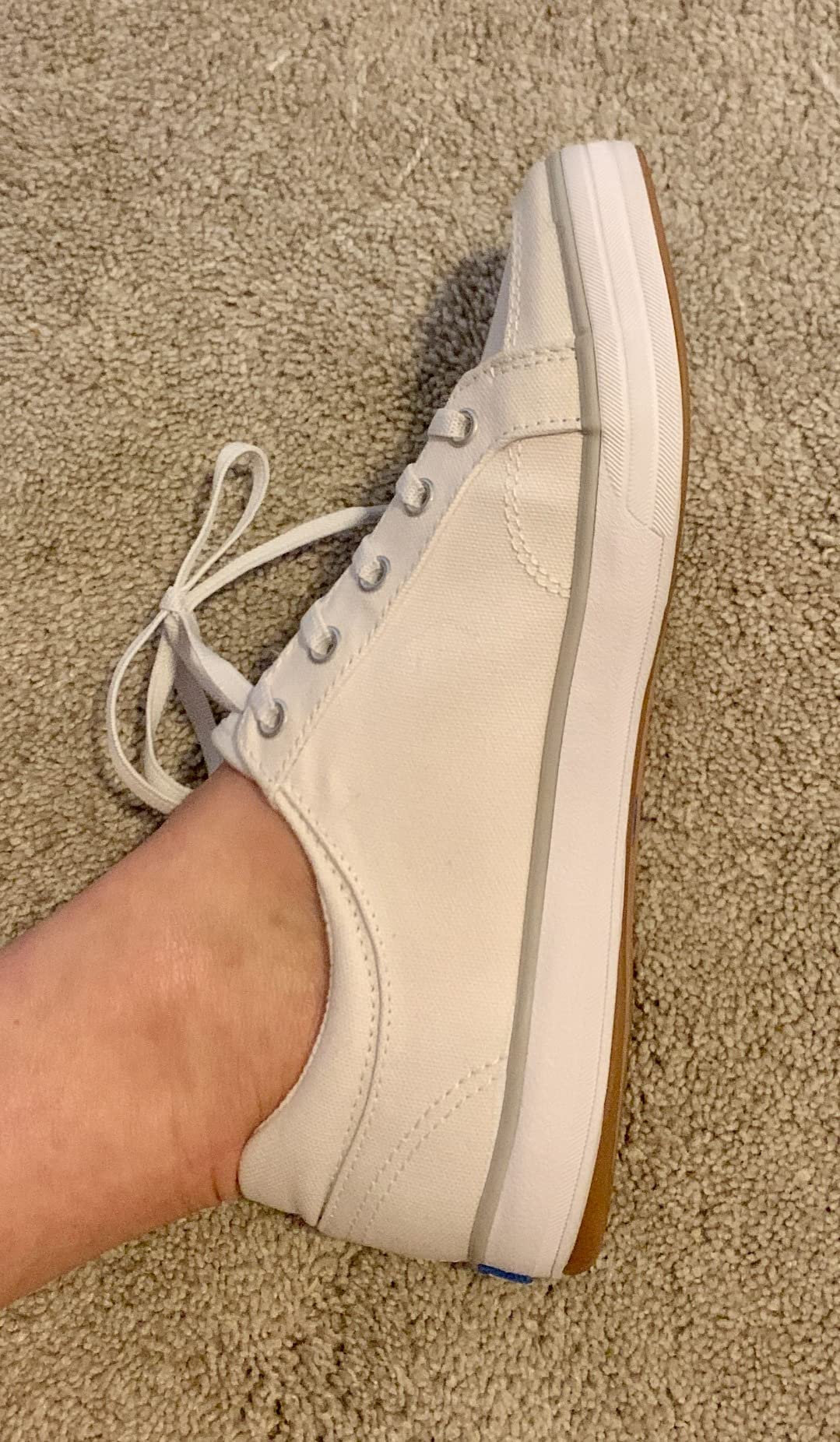
Here’s the thing about memory foam in a $60 sneaker: it’s either genuinely good or it’s marketing noise. The Softerra foam in these is genuinely good. On my first full day — a Target run, playground supervision with two kids, and a lunch meeting after — my feet felt supported for the entire stretch. The foam has just enough give to feel cushioned without that unstable, sinking feeling cheap foam gives you. It holds structure.
What surprised me most was how it responded to heat and humidity. We’re talking mid-August in the southeast. The jersey lining kept things breathable and dry even when I was on my feet for hours. No swampy feet, no overheating. That’s not nothing for a cotton canvas shoe.
Within the first several wears, I noticed the foam molding slightly to my foot shape. Nothing dramatic — but by week two, these just felt like *mine* in a way that takes most shoes a month to achieve.
On-the-Ground Performance: Eight Weeks of Real-Life Testing
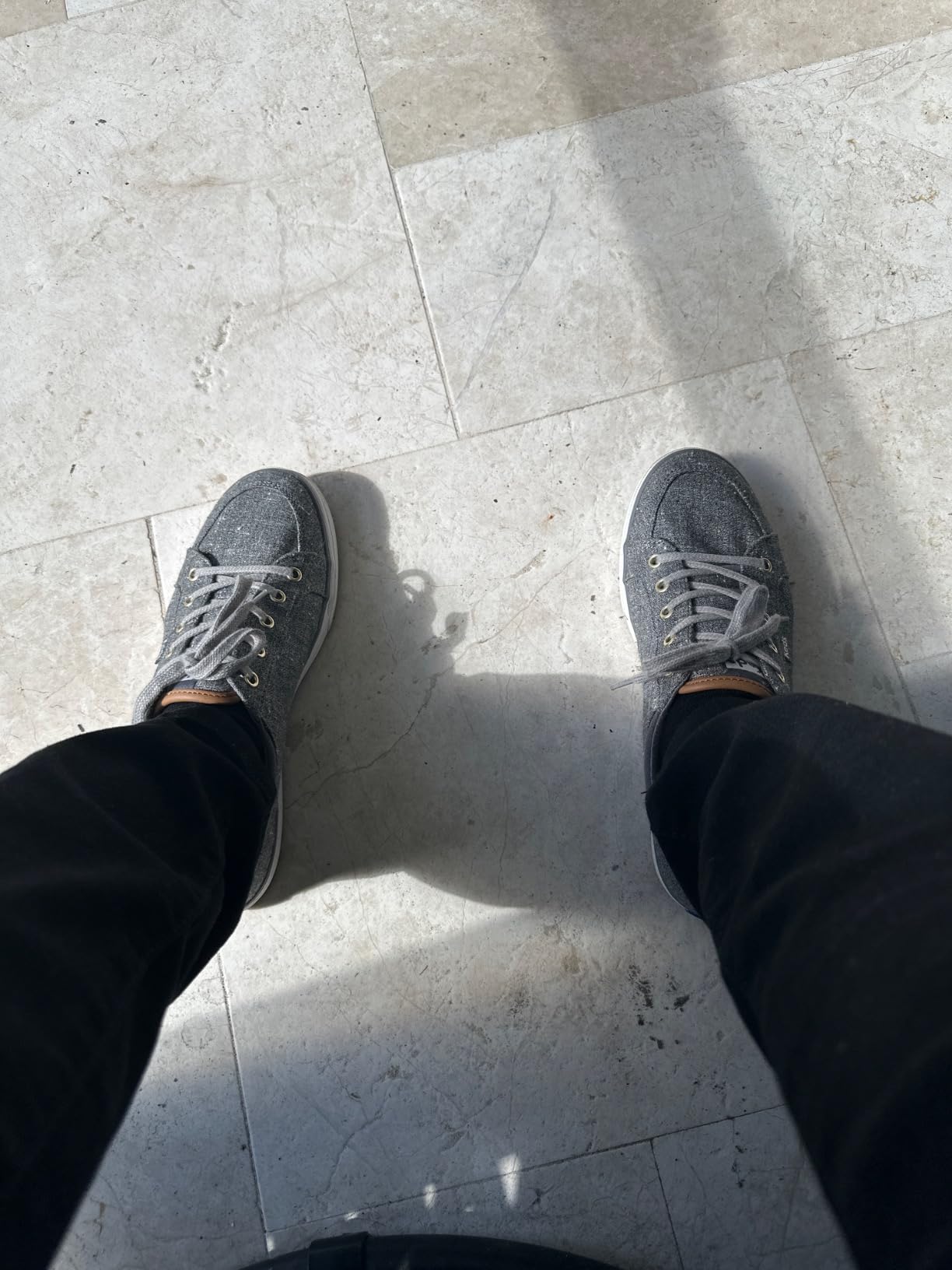
Over eight weeks I threw these at everything a busy mom’s schedule demands.
Grocery stores and errands: Hard floors, extended standing, pushing a cart for 45 minutes — no issues. The flexible rubber outsole gives you real ground feel, which I actually like. You’re not walking on a platform divorced from the surface; there’s a tactile awareness that makes it feel more natural.
Playground supervision: Multiple mornings standing on blacktop and asphalt, sometimes light movement chasing a kid or two. Comfort held up consistently. No cumulative foot fatigue bleeding into the rest of my afternoon.
Humid August afternoons: This is where a lot of casual sneakers fail. I ran multiple multi-hour errand sessions in peak humidity. The canvas breathes well, the jersey lining wicks away any moisture, and my feet stayed comfortable. That’s a real win.
September outdoor markets: Cooler weather, longer walks across festival grounds. The canvas proved versatile — warm when the temperature drops without being stifling. I did notice on lighter colorways that the canvas holds onto dust and scuff marks more than leather would. Worth thinking about when you pick your color.
Indoor environments — malls, doctor’s offices, restaurants: Perfect. These are genuinely quiet on hard floors (no squeaking, no clunking), stylish enough that you don’t feel underdressed at a sit-down lunch, and comfortable enough for extended waiting room standing. That combination is harder to find than it sounds.
Light neighborhood walks: Adequate for casual distances. But I’ll be clear: if you’re a regular walker doing 5+ miles, these are not your shoe. The flexible sole and lifestyle-oriented cushioning have limits.
Fit and Sizing: What You Need to Know
I’m typically between a 7.5 and 8, and the 8 fit well — my toes had natural room without any slipping. The lace-to-toe design helped me fine-tune the fit when I switched between thicker socks and no-show socks. Over 45+ sessions, fit was consistently reliable. No shift, no heel slippage.
Women with wider feet: be careful here. The toe box suits normal-to-narrow feet. Some colorways come in wide widths, but even the wide version may still feel snug if your feet are genuinely wide. A few customers report sizing up 0.5 worked fine; others found it still didn’t solve the width issue. If you can, try in-store or verify the return policy before committing.
The Durability Reality
Here’s where I have to be straight with you, because this matters.
My 8-week test showed zero sole separation. The shoes looked worn but structurally fine. But eight weeks is not the full story.
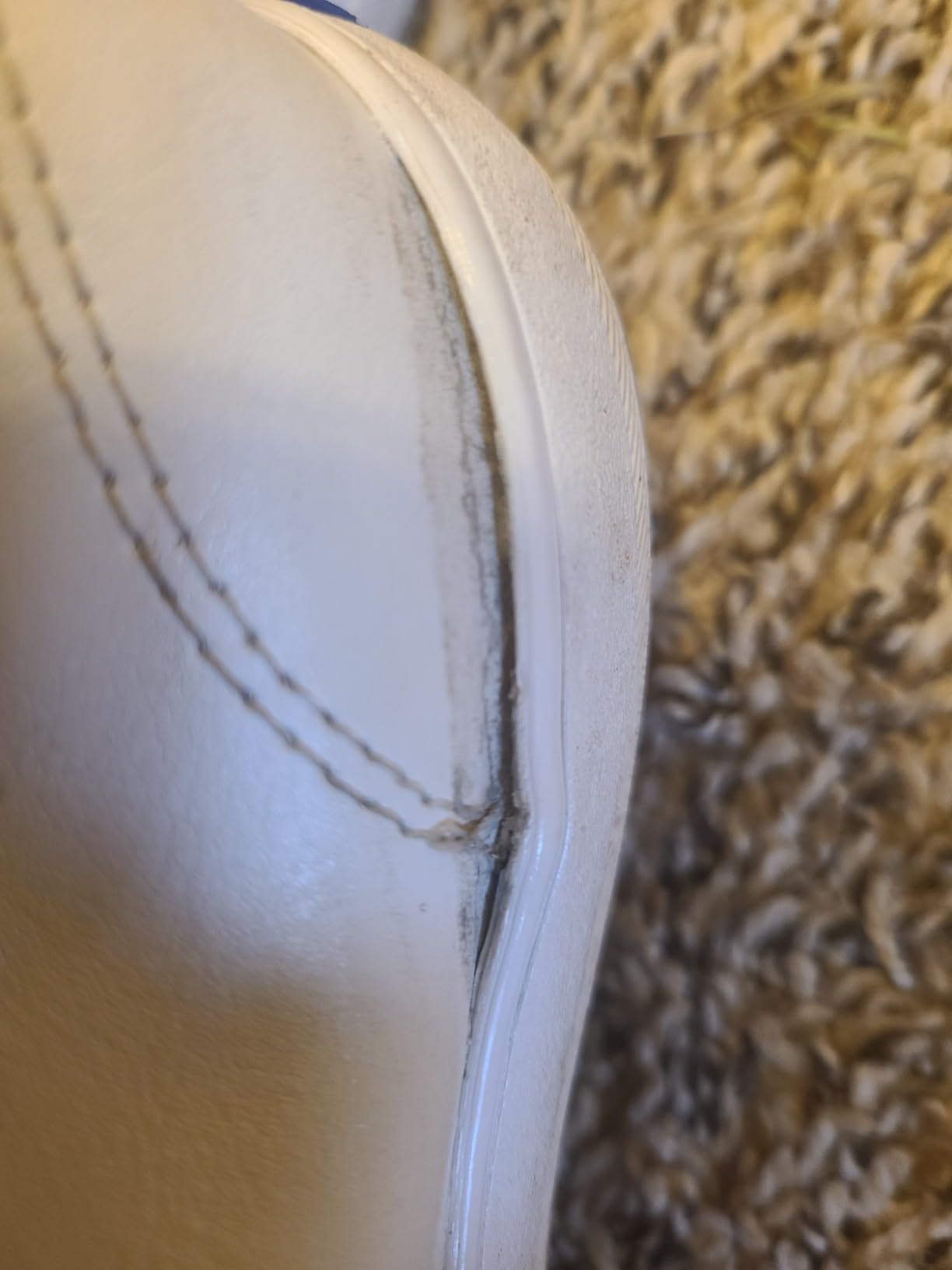
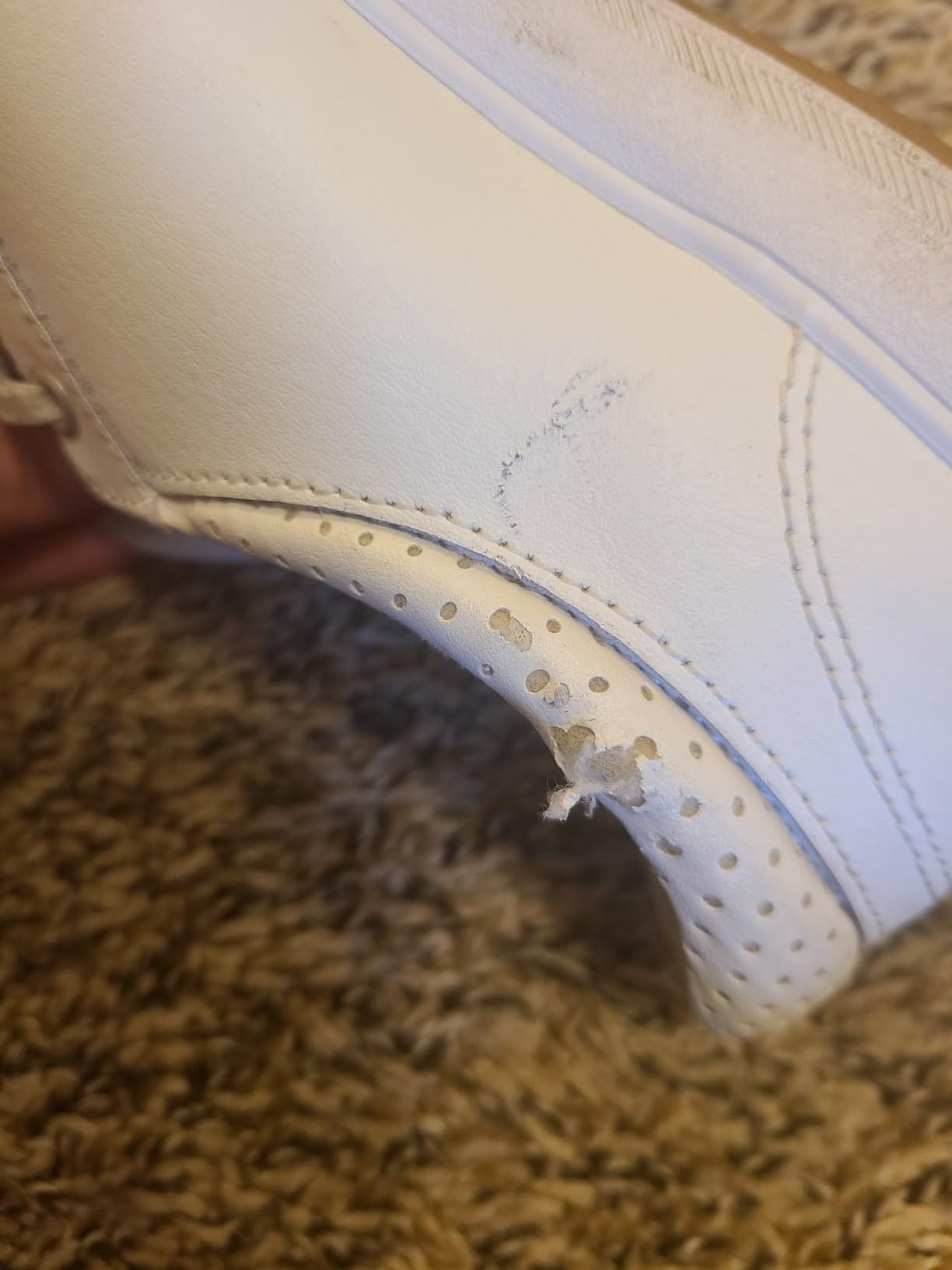
Multiple customers report consistent sole separation at the 2-6 month mark of regular wear. This isn’t one or two outliers — it’s a pattern that shows up repeatedly across different purchase dates and colorways. The failure point appears to be the adhesive bond between the upper and sole, particularly at the toe box and heel. Once that bond weakens, you’re essentially done with the shoe.
I scored durability 4.2/10 based on this pattern. That’s not a casual number — it reflects the real risk you’re taking on past the first few months.
⚠️ Durability Reality Check
The comfort is outstanding. The durability concern is real and documented across multiple customers at 2-6 months of regular wear. Sole-to-upper separation is the primary failure mode. Plan accordingly — these are excellent short-term shoes, not long-term investments.
Does Keds Deliver on the Marketing Claims?
Let’s go claim by claim.
✅ “Already-broken-in feel straight out of the box” — Absolutely true. No adjustment period, no suffering through stiffness. This is the shoe’s biggest strength.
✅ “Memory foam footbeds” — Confirmed. Softerra foam is genuine, responsive, and comfortable across the full 8-week test. Not a gimmick.
✅ “Goes-with-everything style” — Fair assessment. The rounded toe and clean canvas profile work with jeans, dresses, leggings, and casual work outfits alike. The classic design won’t look dated next season.
⚠️ “Flexible-yet-supportive rubber outsole” — Flexibility is real; long-term support of the sole attachment is the problem. The “supportive” part breaks down when the adhesion fails at months 2-6.
❌ Long-term durability at $60 — Not delivered. At $60, most buyers reasonably expect 12+ months. The 2-6 month failure window is a significant mismatch.
What Other Women Are Saying
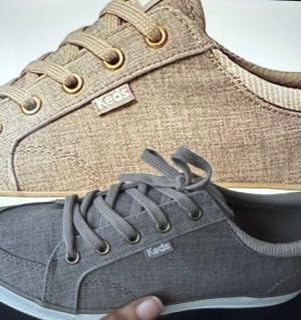
The feedback pattern is remarkably consistent. Women love the immediate comfort — the zero break-in time comes up again and again. Healthcare workers mention them for standing shifts. Busy moms appreciate the versatility. Spanish-speaking customers echo the same positives: “muy cómodos” (very comfortable), though the same durability issues cross languages.
The durability pattern is also consistent on the downside — and that consistency is exactly what makes it credible rather than just a few unlucky units.
Wide-foot feedback is mixed. Half report that sizing up half a size solved the fit issue; the other half found it still wasn’t enough. That split is the honest state of affairs.
My Overall Scores
Value Assessment: The Real Cost Math
At $60, these look like a deal. And honestly, for the first three months, they are. You’re getting premium-level immediate comfort, zero break-in frustration, and genuinely versatile styling at a price that doesn’t sting.
But run the full math and the picture changes. If the sole separates at four months of regular wear — which the documented pattern suggests is common — you’re looking at $15 per month. A more durable canvas casual sneaker at $90 that lasts 12 months runs $7.50 per month. At the extremes, a $60 shoe lasting only two months hits $30 per month — worse value than many mid-tier options.
The honest framing: these are “comfort consumables,” not long-term footwear investments. If your timeline is 3-6 months — think vacation, pregnancy, a specific season — the value equation works well. If you need a daily driver for a full year, you’ll save money buying something built for that.
✅ The Good
- Outstanding memory foam comfort from the first minute
- Genuinely zero break-in period required
- Versatile styling that adapts to multiple outfits and occasions
- Breathable cotton canvas performs well in heat and humidity
- True to size for standard-width feet, good lace-to-toe adjustability
- Lightweight at 8.2 oz — barely noticeable on foot
- Spot washable; some users report cold gentle cycle works
❌ The Challenges
- Sole separation at 2-6 months is a documented, consistent pattern
- Cotton canvas retains dirt and scuff marks, especially on lighter colorways
- Too narrow for women with wide feet, even after sizing up
- Limited traction on wet surfaces — not recommended in rain
- Not suited for serious walking distances or any athletic use
- Durability inconsistency — some units fail earlier than others
Who Should Buy the Keds Women’s Center III?
Buy these if:
- You need comfortable shoes for a defined short-to-medium period (vacation, pregnancy, a seasonal rotation)
- Immediate comfort without break-in time is your top priority
- You have standard or narrow-width feet in sizes 6–10
- You want a versatile everyday sneaker that works with most of your wardrobe
- You understand these are a “comfort consumable” and not a durability investment
Skip if:
- You need shoes to hold up reliably for 12+ months of regular wear
- You have wide feet — even wide variants may not solve the toe box issue
- You walk long distances regularly or need athletic support
- Wet-weather performance matters to your daily routine
- Durability is a hard requirement, not a nice-to-have
Better Options for Specific Needs
If durability is the dealbreaker, the Keds Women’s Champion Lace-Up has a longer-standing reputation among classic canvas options. If you want something with more structural support and a longer expected lifespan, the New Balance Women’s 574 brings suede/mesh construction with a more robust sole bond at a comparable price range. For women who want premium canvas casual styling, the Keds Women’s Pursuit is another option worth comparing. For a more budget-friendly canvas option with similar lifestyle focus, the Hello Basics Canvas Sneakers offer an even lower entry point. If retro sneaker style is the priority alongside a longer wear window, the Lucky Step Women’s Retro Fashion Sneakers and Adidas Breaknet Sleek both bring that classic aesthetic with different construction approaches. The Vans Asher Women’s is another classic canvas option with a well-tested sole bond.
For plantar fasciitis or custom orthotics users: check whether the Softerra footbed is removable before purchasing. The standard Keds warranty (which typically excludes outsole wear) means sole separation likely won’t be covered. If orthotics are a requirement, the Sof Sole Athlete Insoles may be worth pairing with a shoe that has a confirmed removable footbed.
For running shoes or performance-oriented footwear, the Center III is genuinely the wrong tool for the job — look at purpose-built training shoes instead. If you’re on your feet all day for work, the Skechers Summits offers similar memory foam comfort with a more proven durability track record for all-day wear. The Adidas X_PLR Path is another women’s casual option with Cloudfoam cushioning that runs a bit longer before showing wear patterns.
Frequently Asked Questions
Do the Keds Women’s Center III run true to size?
Yes, for most women. I wore my standard size 8 and it fit with natural toe room. The consensus across customer feedback is consistent: true to size for standard width. Women with wide feet should try sizing up 0.5, but know that wide variants may still feel snug in the toe box — the width limitation is structural.
How long do the Keds Center III last?
Based on my 8-week test plus customer pattern data: 3-6 months of regular wear before sole separation commonly occurs. My test showed no failure, but I couldn’t test beyond 8 weeks. The reported failure mode is adhesive bond breakdown at the sole-upper junction, particularly at the toe box. Plan for 3-6 months; treat 12+ months as a positive exception.
Are these good for walking or exercise?
Casual walking only. I tested light neighborhood walks and all-day errand scenarios successfully. But for serious walking workouts, long distances (5+ miles), or any athletic activity, these are the wrong shoe. The flexible lifestyle sole and memory foam cushioning aren’t designed for that kind of repetitive impact. Look at purpose-built athletic footwear for those needs.
Can you machine wash the Keds Center III?
Keds officially recommends spot washing and air drying. Some customers report cold gentle machine wash cycles without damage — but I’d treat that as use-at-your-own-risk. Machine washing may accelerate the adhesive weakening that leads to sole separation. Spot clean with mild soap for better longevity.
Are there wide width options?
Some colorways are available in wide. But customer feedback is split: half report that wide sizing solved the fit issue after also sizing up 0.5; the other half say wide still feels too narrow at the toe box. If wide feet are a significant concern, try before buying or choose a retailer with a generous return window.
Do they require a break-in period?
No, not at all. This is one of the genuine standouts. I wore them from the box directly to school pickup with zero discomfort. No blisters, no stiffness, no soreness. The Softerra foam makes this possible. It’s a legitimate differentiator compared to most canvas sneakers.
Are they suitable for plantar fasciitis?
The memory foam footbed may provide some comfort for mild plantar fasciitis. However, the Softerra footbed’s removability is unclear from available information — if it’s glued in, custom orthotics users won’t be able to substitute their own insoles. Confirm removability with Keds customer service before purchasing if custom orthotics are required.
What happens if the sole separates?
Keds’ standard warranty typically excludes outsole wear and adhesion issues. Once sole separation begins — usually starting at the toe box or heel — the shoes are effectively done. Some shoe repair shops can re-bond separated soles using contact cement, which may extend the life by another month or two, but it’s a temporary fix. Budget for replacement at the 3-6 month mark.
Final Verdict
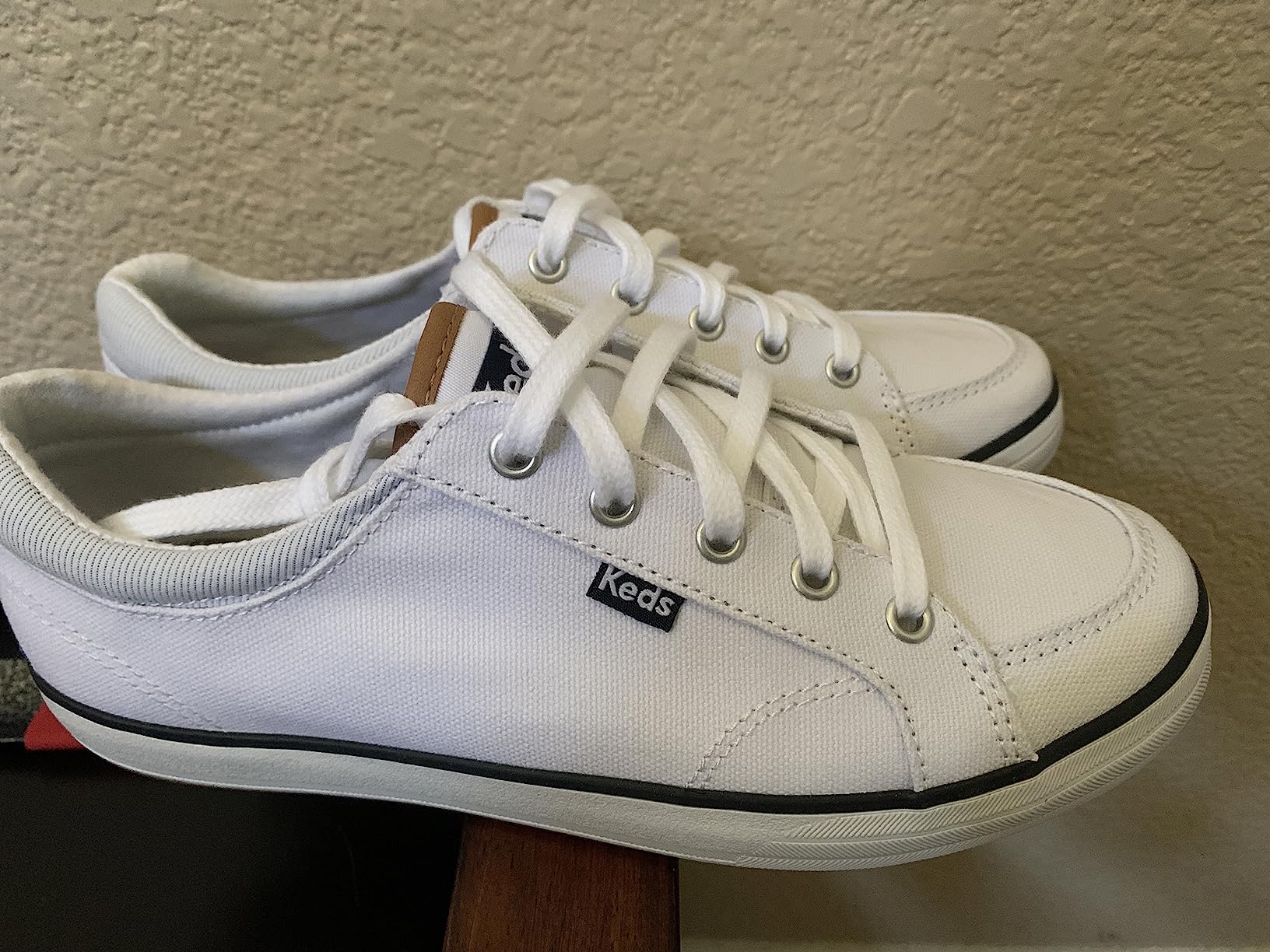
The Keds Women’s Center III is a shoe of contradictions. The comfort is outstanding — genuinely outstanding, 9.2 out of 10, worn-from-the-box outstanding. The durability is a documented problem that undermines everything else.
At $60 for 3-6 months of premium everyday comfort, these absolutely deliver on the promise they make. They’re not lying to you about comfort. But they are implicitly promising longevity that the sole adhesion doesn’t back up.
The right way to think about it: if you know going in that you’re buying 3-6 months of fantastic comfort — for a vacation, a season, a specific chapter of your life — then these are worth every dollar. But if you’re expecting a reliable daily driver that holds up through a full year, manage those expectations carefully or look elsewhere.
Eight weeks in, I’d buy them again — but I’d also have my next pair picked out before month five.
Overall: 7.2/10
Be the first to review “Keds Women’s Center III Sneakers”
Related products
Running Shoes

Sneaker
Sneaker

Sneaker
Reviews
There are no reviews yet.