
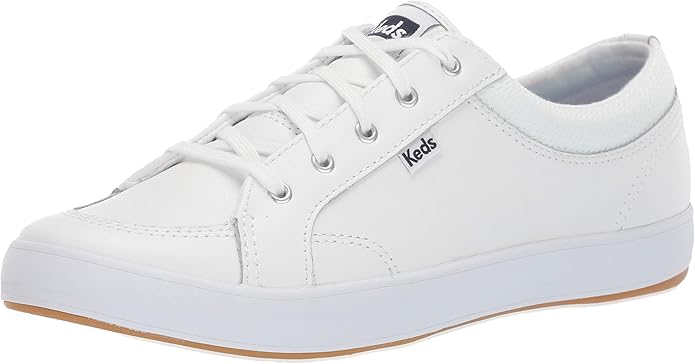
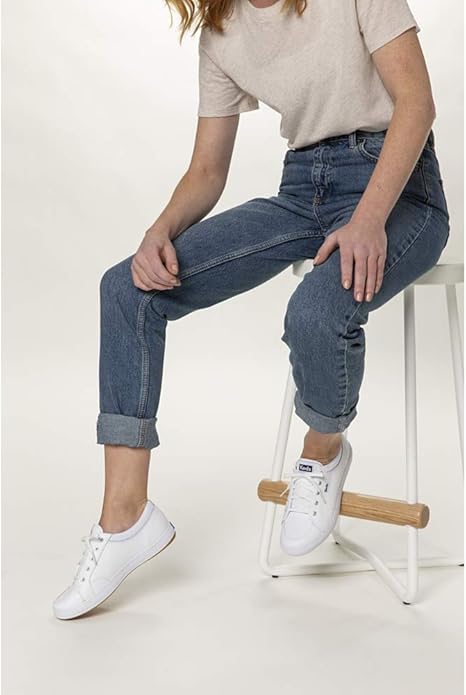

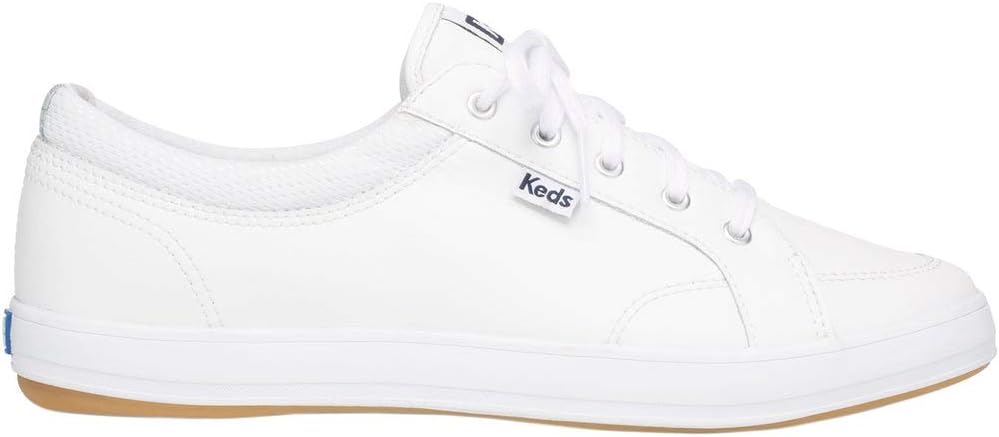
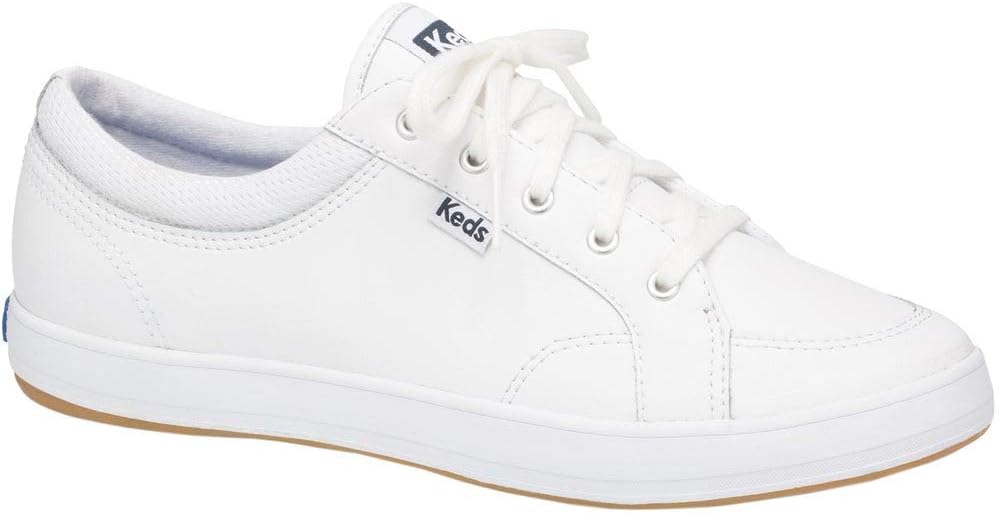

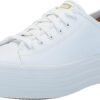
My friend Emma showed up to our Tuesday coffee catch-up wearing white sneakers I hadn’t seen before — clean, structured, almost too put-together for a Tuesday errand run. “Keds,” she said, before I even asked. Three months and a lot of miles later, I’m Sarah, and here’s what 40-plus wears across real life actually taught me about the Keds Women’s Center Lace Up.
Technical Specifications
- 💰 Price: $60–70
- ⚖️ Weight: 8.2 oz (women’s size 8, brand-stated)
- 🧪 Footbed: Dream Foam (standard variants) or Softerra memory foam (Center II — depends on which version you receive)
- 👟 Upper material: Leather (advertised) — though canvas is frequently received (significant QC issue)
- 🦶 Outsole: Rubber
- 👩 Category: Women’s lifestyle/casual sneakers
- 🎯 Best for: Daily errands, office-casual environments, casual wear
- ⏱️ Testing period: 3 months, 40+ wears across daily life scenarios
What the Keds Center Lace Up Actually Looks Like in Real Life
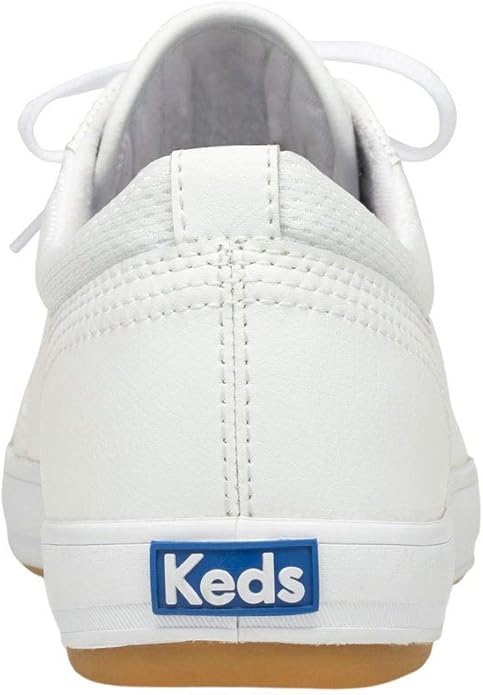
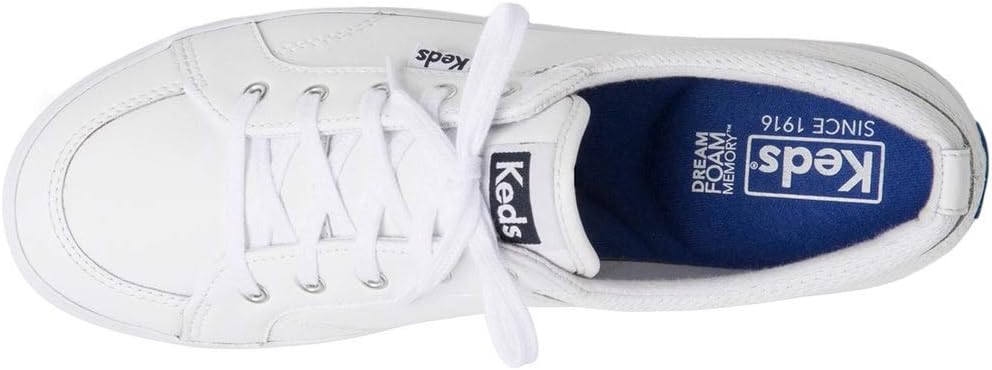
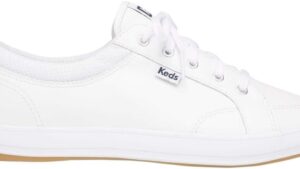
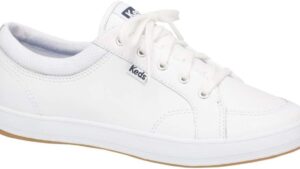
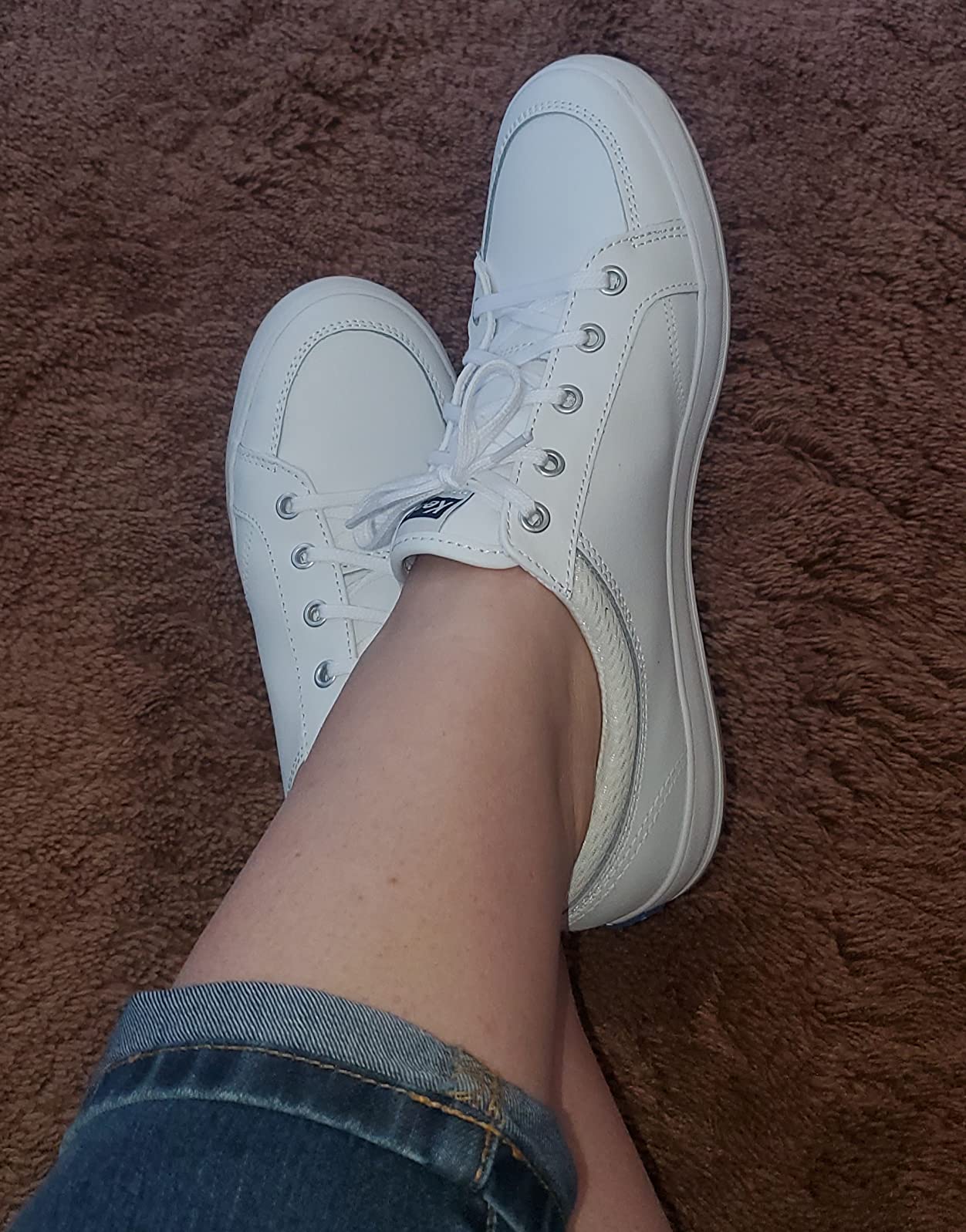
The first thing I noticed — genuinely before anything else — was how different this looks compared to the Keds most people picture. The Keds Women’s Champion Lace-Up Sneaker is the classic canvas model everyone recognizes: simple, flat, slightly sporty. The Center Lace Up is a different animal. The lace-to-toe design gives it a more deliberate structure, and the feminine last creates a silhouette that actually flatters the foot rather than just covering it.
At 8.2 ounces, it sits lighter than you’d expect given the build quality. I was carrying a bag of groceries the first day I wore them, and by the time I got back to the car I realized my feet had stopped complaining entirely — which is not something I say casually about shoes I’ve never worn before.
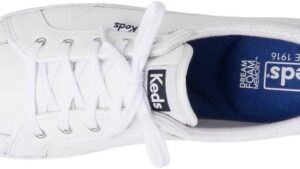
The padded collar around the ankle was the first confirmation that something was genuinely different here. Most casual sneakers at this price point have a collar that looks padded in photos and feels like cardboard by hour four. This one was soft from the first step.
The leather upper — when you receive the leather version, which I’ll address properly in a moment — has a clean, slightly substantial feel without being stiff. It responds to cleaning well. A damp cloth handles most scuffs. There’s something satisfying about a shoe that takes minor abuse without showing it.
One honest design note: the lace-to-toe setup means putting these on takes a few seconds longer than a slip-on. That’s not a complaint, just an adjustment if you’re used to pulling on shoes while running out the door. The payoff is that the fit feels more dialed-in throughout the day.
Three Months of Real-World Comfort Testing
The short version: the comfort is real. Not in a “well, it’s comfortable for a lifestyle sneaker” hedging way — genuinely comfortable, across extended wear.
I wore these to my daughter’s school field trip. Six hours on my feet: walking the botanical garden, standing in lines, navigating a cafeteria lunch that took twenty minutes longer than planned. By the time we loaded back onto the bus, the shoes had not called attention to themselves once. That’s the actual test for a foam footbed — not whether it feels good at hour one, but whether it’s still doing its job at hour five when every other thing on your body is negotiating a ceasefire.
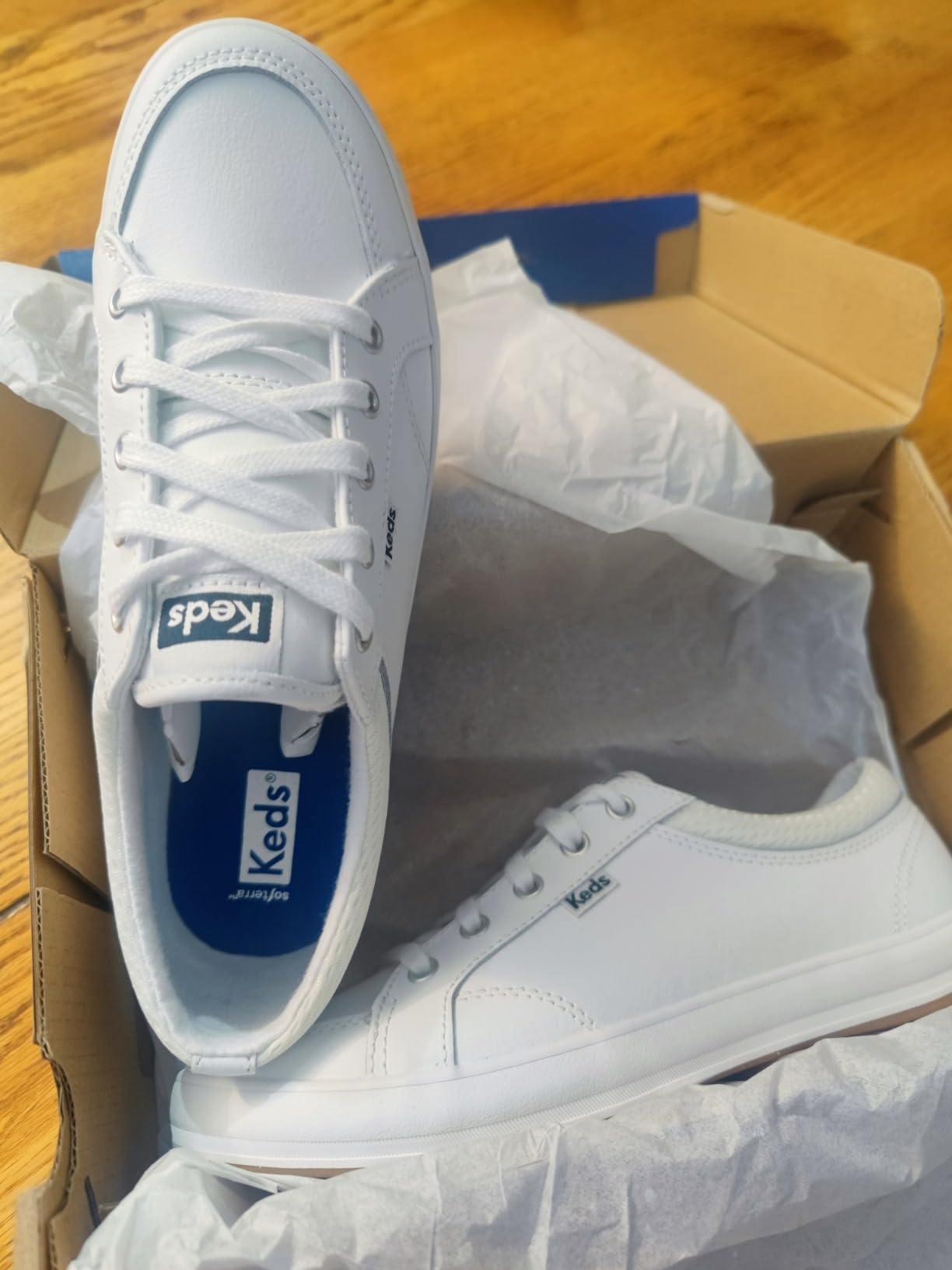
The Dream Foam footbed, when you receive it, hits a particular sweet spot. It’s not bouncy in an aggressive way, not flat in a punishing way. It absorbs impact without bottoming out. The heel cushioning specifically handled extended standing better than the price point typically promises.
The mesh lining earns every mention Keds gives it. Mid-July, picking up the kids from summer camp, wearing these with a sundress — my feet stayed dry in a way they wouldn’t have in a canvas or synthetic shoe. The breathability isn’t exceptional enough to wear these through a genuinely hot workout, but for daily civilian life in summer, it works.
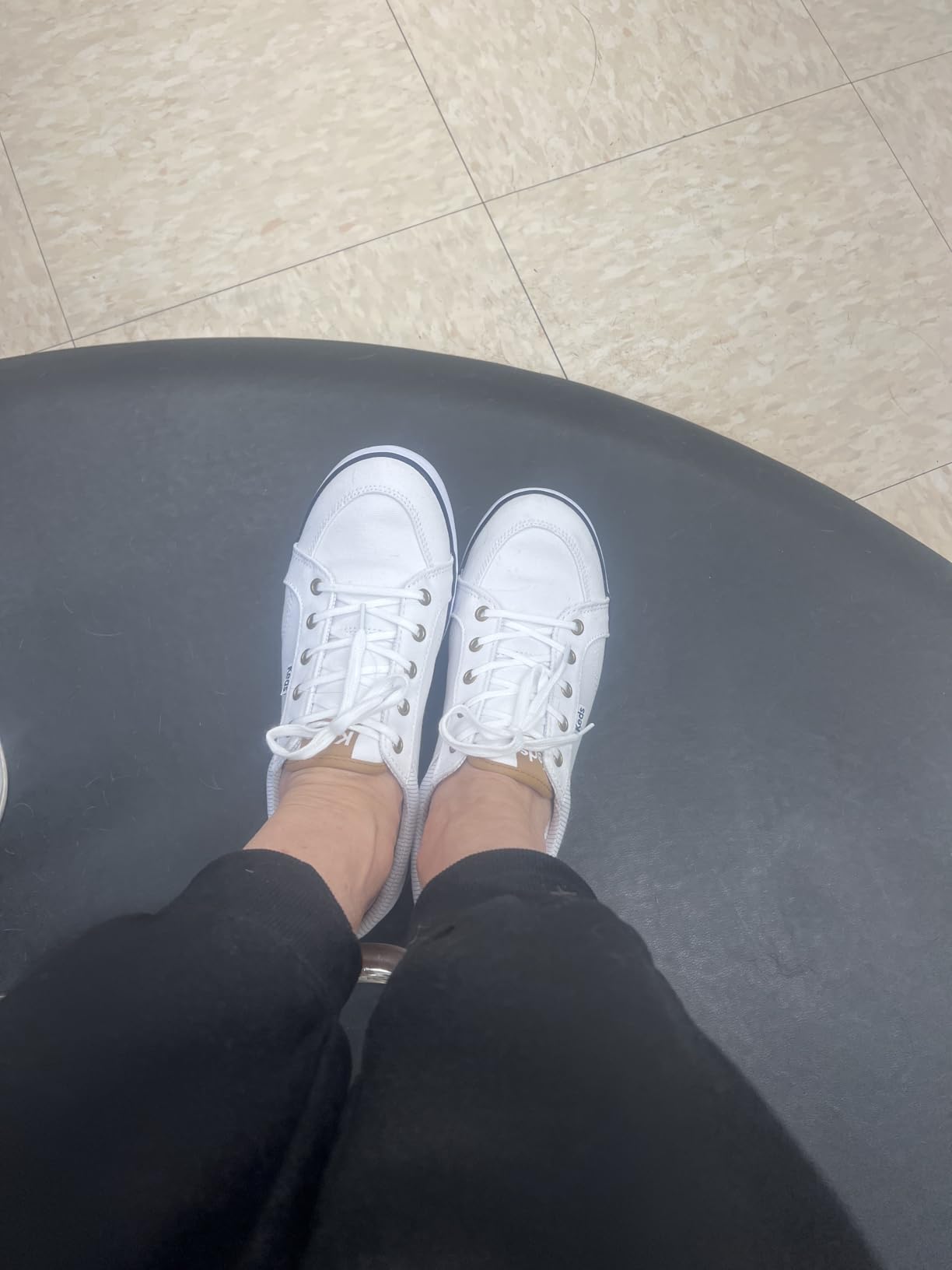
Style versatility is the other standout. I wore these with four distinct outfit types over the testing period:
- Jeans and a button-down for a school volunteer morning
- A midi skirt and blouse for an afternoon work meeting
- A summer dress at a family birthday gathering
- Joggers and a hoodie for the Saturday farmer’s market
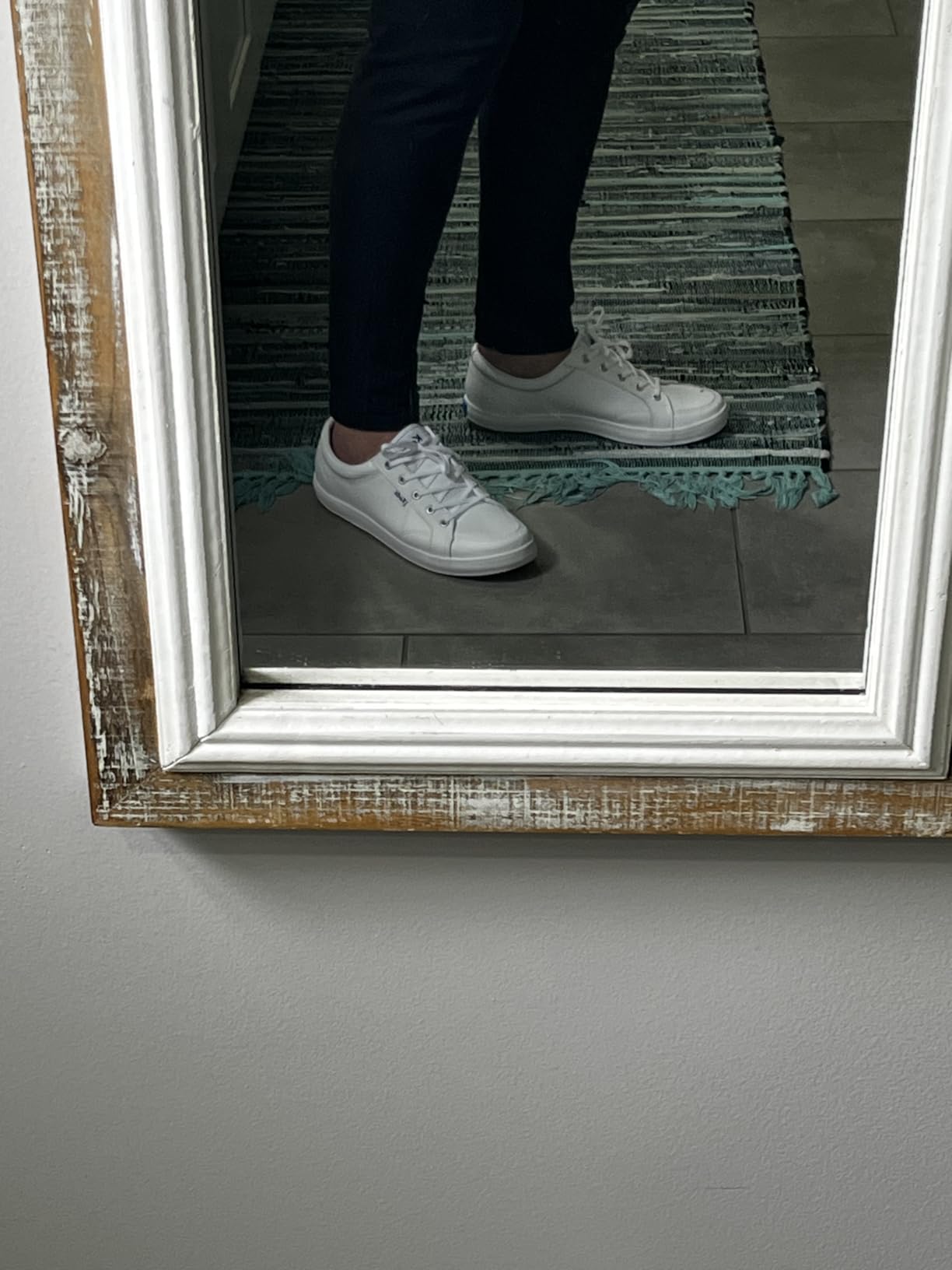
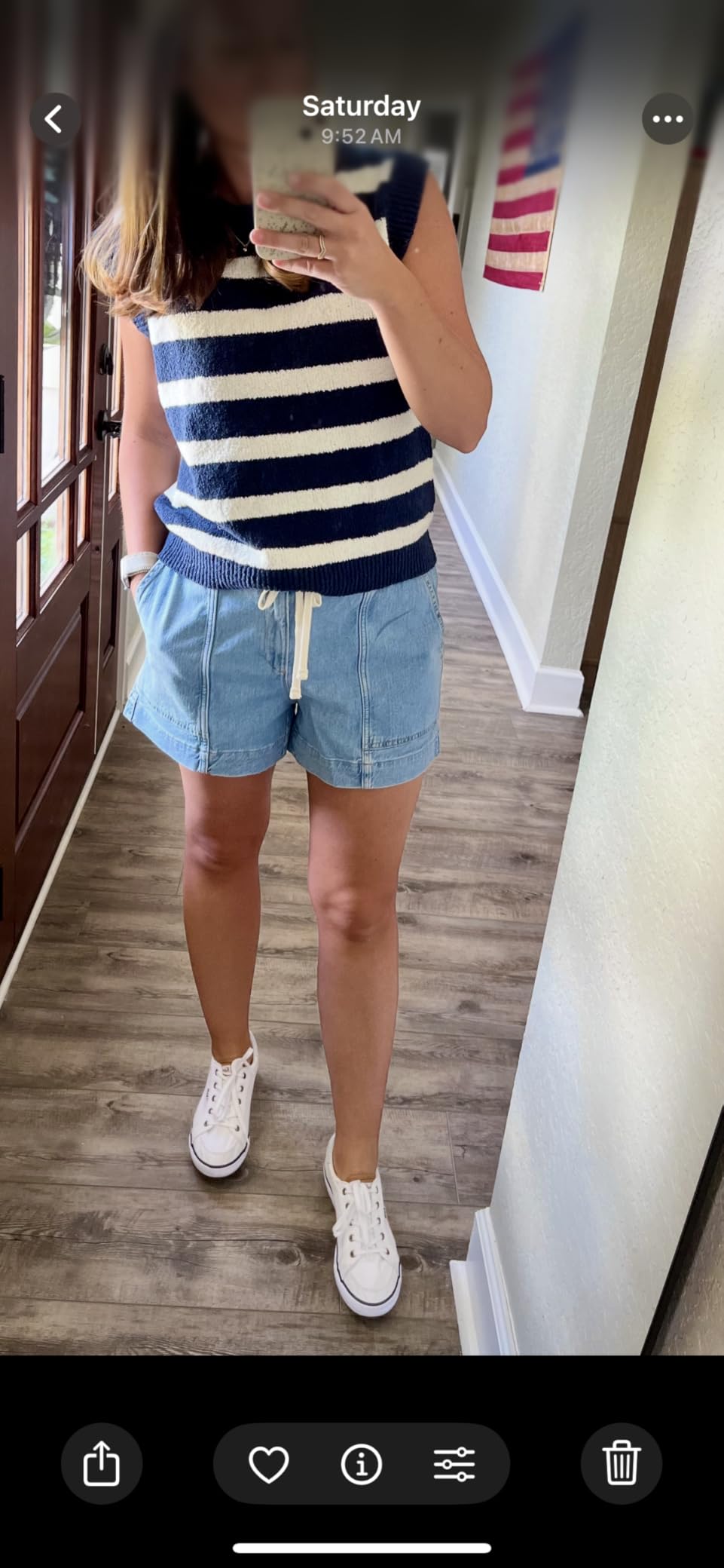
All four worked. The white leather reads as intentional rather than just white, which matters when you’re pairing with dressier outfits. Compared to the Keds Women’s Pursuit Lace-Up Sneakers or other canvas options in the lineup, the Center has more visual weight — it holds its own with a skirt in a way a flat canvas sneaker can’t quite pull off.
That’s the genuine upside. Which makes what I found later in the testing period that much more frustrating.
The Durability Timeline — Week by Week
Weeks one through eight were excellent. No complaints, no concerns, nothing I’d flag to a friend asking whether to buy these. The leather cleaned easily, the sole gripped normally on sidewalks and indoor surfaces, the footbed stayed consistent.
Week eight: the metal eyelets started showing a black staining pattern. Not a sudden discoloration — more of a gradual darkening that I noticed when relacing after cleaning. The staining transfers to the laces themselves, which starts looking dingy even when the rest of the shoe is clean. I replaced the laces around week nine with a flat-lace pair from VSUDO Flat Shoe Laces. Fresh laces helped the appearance, but the eyelet issue was still there.
At a $60+ price point, metal eyelet staining at eight weeks is a quality signal worth noting. It’s not a structural failure — the shoes still look acceptable at a distance — but it’s the kind of detail that separates a shoe built to last from one built to look like it will.

Week ten: the first stress signs appeared at the toe area, where the sole meets the upper. Not a separation — more like the early visual and tactile signal that the adhesive bond is beginning to load. I’d seen enough sole-failure patterns in testing to recognize this. I didn’t experience a full blowout during the three-month window, but what I observed is consistent with what dozens of other buyers report: sole separation typically develops between months three and six of regular use.
This is the honest durability picture: not “these fall apart immediately,” but also not “these last two years.” The experience is bifurcated. Some buyers report multi-year lifespans. Many others document sole failure at the four-to-six-month mark. The difference seems to be a combination of wear frequency, surface conditions, and — most critically — which production batch you received.
The Quality Control Problem
This section matters more than the comfort section, because it determines whether the comfort section even applies to you.
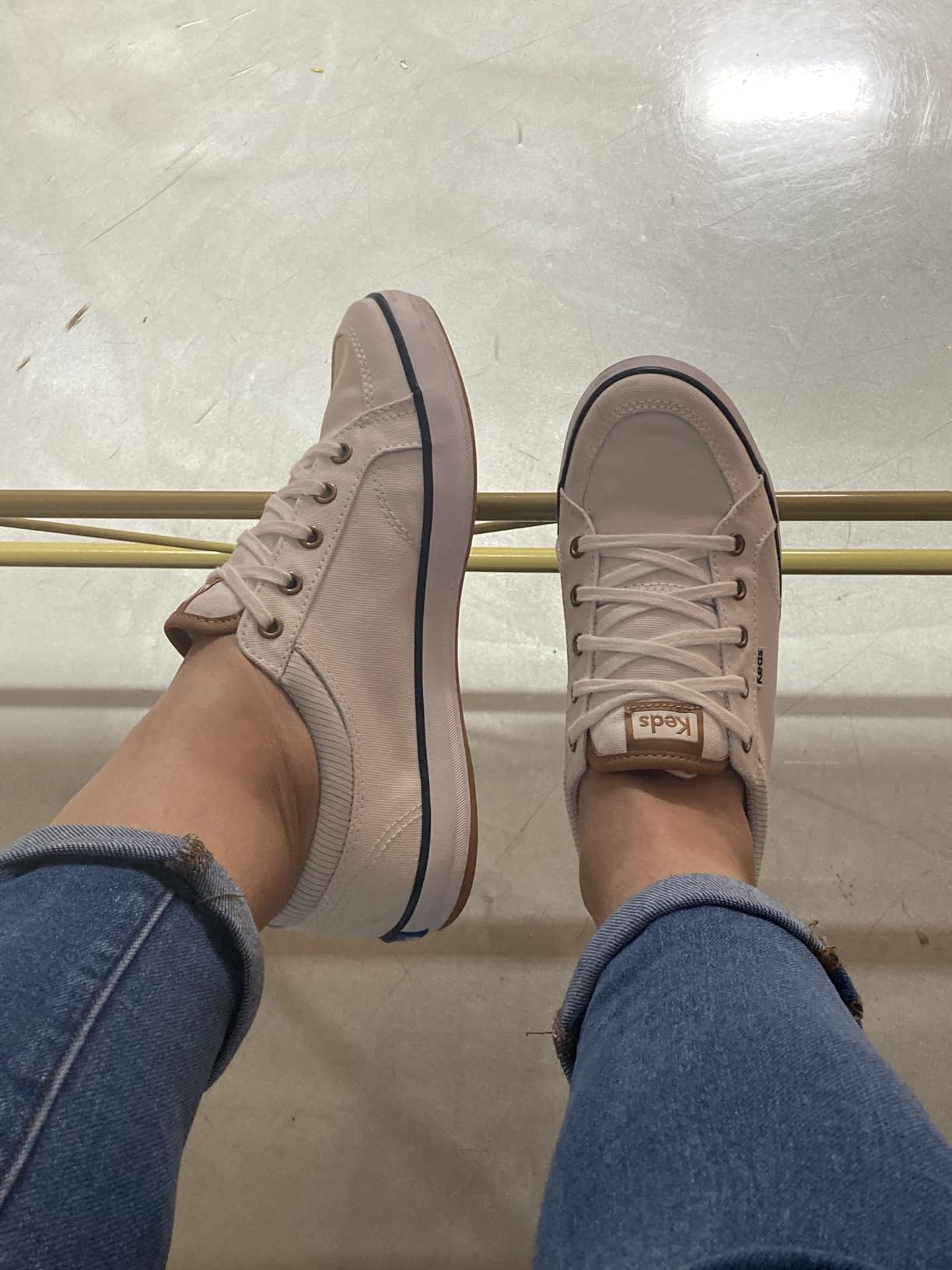
The Center Lace Up is sold as a leather upper sneaker. A meaningful percentage of buyers receive canvas instead. This isn’t a subtle difference — leather has a visual weight, a slight sheen, a response to cleaning that canvas doesn’t match. When you’re expecting leather and receive canvas, the shoe feels like a downgrade at the same price.
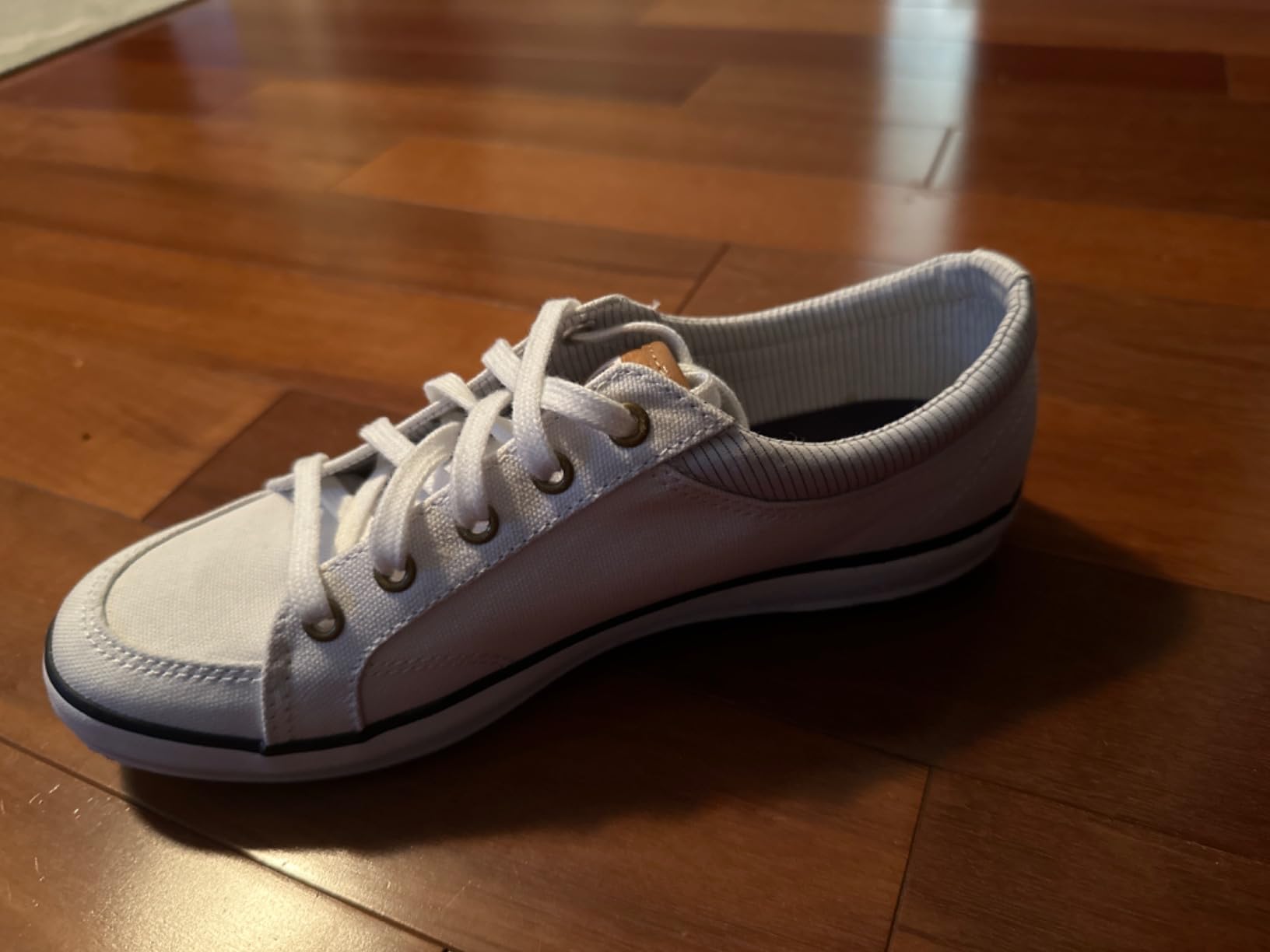
The footbed situation is similarly inconsistent. Some variants come with the Dream Foam footbed described in most product listings. Others — particularly the Center II Canvas — ship with a Softerra memory foam footbed. Both are comfortable options, but if you’re buying based on a specific review that mentions Dream Foam comfort, and you receive Softerra, the experience is different. Neither is bad, but the inconsistency at this price point is genuinely problematic.
Then there are the laces. Multiple buyers across Amazon reviews flag the included laces as short and low-quality. Mine lasted through the testing period but were clearly not premium materials — they showed fraying before the upper or sole did.
For a brand with 100+ years behind it, this level of production inconsistency is jarring. It’s not that the shoe is poorly designed. It’s that what you receive may not match what was designed.
Marketing Claims vs What Testing Found
Claim: “Dream Foam footbed for comfort”
Reality: When you receive the Dream Foam variant, yes — genuinely comfortable, validated through 40+ wears including extended standing. The Softerra version is also comfortable. The problem is that you can’t confirm which you’re getting before it arrives.
Claim: “Leather upper”
Reality: Inconsistent. Canvas versions exist in the product lineup and are frequently shipped even when the listing says leather. This is unacceptable at $60–70.
Claim: “Modern mesh lining”
Reality: True. The breathability is genuine and noteworthy in warm weather.
Claim: “Already-broken-in feel straight out of the box”
Reality: Completely accurate. Zero break-in period required — this is the single strongest product claim and the one Keds delivers on most consistently.
Daily Performance — Surfaces, Weather, and Activities
The rubber outsole performs appropriately on the surfaces this shoe is built for: sidewalks, indoor floors, light outdoor paths, parking lots. I didn’t slip or have a traction concern during three months of daily use. These are not a wet-surface shoe — the tread pattern isn’t aggressive, and I’d avoid them in rain or on wet stone.
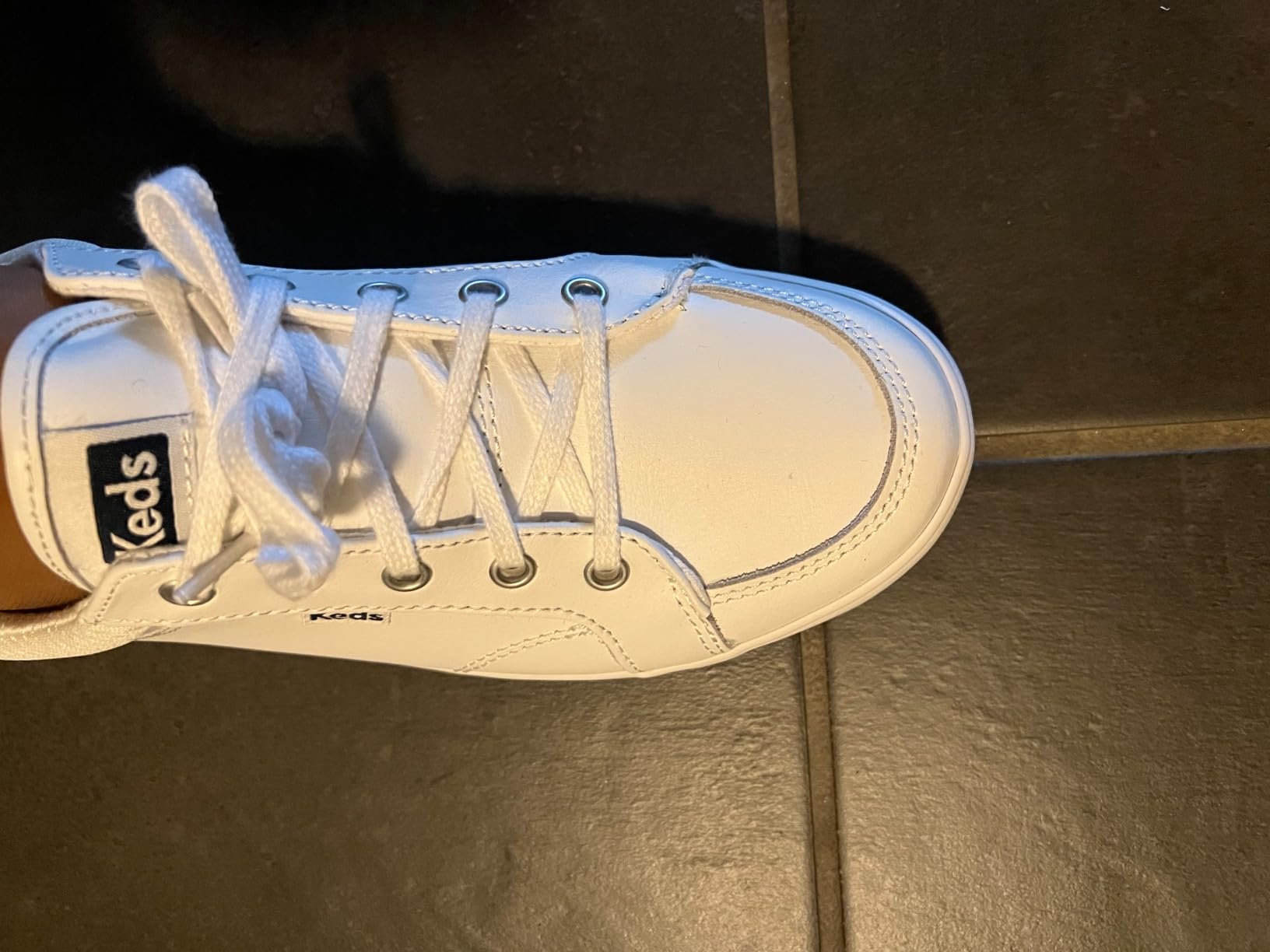
The leather upper (when you receive it) does offer minor moisture resistance from incidental contact — I caught a light drizzle during soccer pickup and my feet stayed reasonably dry. That said, “not water resistant” is the official product designation, so treat any water protection as a bonus, not a feature.
For gym use: fine for light activity, not designed for training. The footbed compresses under lateral movement and jump impact in a way that suggests this shoe’s structural sweet spot is walking and standing, not athletic use.
Who These Shoes Work For — and Who Should Look Elsewhere
Perfect for:
- Women who need immediate comfort with zero break-in — the out-of-box wearability is genuinely rare
- Office-casual environments where you want sneakers that read as intentional, not athletic
- Light to moderate daily wear (a few hours on your feet, not eight-hour shifts on concrete)
- People who are thoughtful about shoe care and aren’t putting these through punishing conditions
Skip if:
- You need shoes that hold up through a full year of regular use — the durability risk is too real
- Wide feet: the feminine last runs standard to slightly narrow; there’s limited forgiveness
- You need reliable arch support for plantar fasciitis or long standing shifts — adding Sof Sole Athlete Insoles helps, but the stock footbed isn’t a medical-grade support
- You can’t gamble on receiving the wrong materials — the QC variance is real and not fully predictable
Better alternatives by need:
For comfort + durability as a priority: Skechers Go Walk Joy covers similar casual comfort at a similar price with a more consistent construction quality track record.
For retro-inspired style at comparable cost: Lucky Step Women’s Retro Fashion Sneakers offers clean aesthetic options, and the PUMA Carina L is worth a look for anyone drawn to minimal clean lines.
For an honest canvas option without the leather-claiming QC issue: Hello Basics Canvas Sneakers is transparent about the material, which removes one frustration point. If the retro runner aesthetic appeals more than the classic Keds silhouette, the New Balance Women’s 237 V1 offers proven durability at a similar price tier.
Sizing and Fit
Order your normal size. The vast majority of buyers find these true to size, and my own experience confirmed that without any sizing adjustment needed.
The caveat: if you’re between sizes, the conventional wisdom leans toward sizing down slightly, since the fit has a bit of volume that can read as roomy on narrower feet. The feminine last means standard to slightly narrow widths are accommodated best; wide feet should size up half a step or be prepared for some lateral pressure that compounds over the day.
Lace tension is genuinely adjustable thanks to the lace-to-toe design — you can customize the fit more than you’d expect for a casual sneaker, which partly compensates for the variance in the last width. Ankle coverage from the padded collar is consistent and sufficient without being constricting.
Overall Assessment
The scoring reflects a shoe that has genuine strengths undermined by a quality control problem that’s been consistent enough to be a pattern rather than a fluke.
| Category | Score | Notes |
|---|---|---|
| Immediate Comfort | 9.0/10 | No break-in required; genuine cushioning through 6-hour extended wear |
| Style Versatility | 9.5/10 | Tested across 4+ outfit categories; works from casual to semi-formal |
| Build Quality | 6.0/10 | Eyelet staining at week 8; QC inconsistency across material and footbed |
| Durability | 5.5/10 | Sole stress signs at week 10; community pattern of 3–6 month failure |
| Value for Money | 6.5/10 | $0.42/wear at 3-month lifespan is poor; $0.08/wear at 2 years is excellent — QC determines which you get |
| Sizing Accuracy | 7.5/10 | Generally TTS; minor inconsistency, wide feet excluded by narrow last |
| OVERALL SCORE | 7.0/10 | Strong comfort and style undermined by inconsistent quality |
Frequently Asked Questions
Do these run true to size?
For most buyers, yes — order your normal size. If you’re between half sizes and prefer a snugger fit, size down slightly. The shoe has some volume in the toe box that reads as roomy on narrower feet. Wide feet are the main exception: the feminine last runs standard to slightly narrow, so wide-foot buyers may want to size up or look at a different model.
Will I actually get the leather version, or is canvas a real risk?
Canvas is a documented risk. The product listing says leather, but the Keds Center lineup ships multiple upper materials depending on colorway, variant, and production batch. Center III textile/fabric versions, Center canvas, and Center II chambray-outer versions all exist. If you receive leather and were expecting leather, great. If you receive canvas at $65, that’s frustrating and a legitimate QC concern.
How long do these actually last with regular wear?
The honest answer is: it depends on which QC batch you receive and how hard you wear them. Some buyers report two-plus years. The documented pattern from community reviews points to sole separation developing between months three and six for many regular users. My own testing showed early stress signs at the sole-upper junction at week ten. Budget for a shorter lifespan rather than a longer one to avoid disappointment.
What’s the difference between Dream Foam and Softerra, and which is better?
Dream Foam is Keds’ standard EVA-based foam footbed — lightweight, responsive feel, holds up reasonably well. Softerra (found in the Center II variant) is a memory foam formulation that molds slightly more to the foot’s shape. Both are comfortable; Softerra tends to feel more adaptive initially. The problem is that you can’t always predict which version you’ll receive, and product listings don’t always specify clearly.
Can I machine wash these?
Spot wash and air dry is the official recommendation — and honestly the right call. Machine washing may loosen the sole adhesive faster and accelerate the bonding issues that are already a known vulnerability. For cleaning the upper, a damp cloth handles most scuffs well. For a deeper clean, Gripexx Sneaker Wipes work on the leather surface without the water exposure risk.
Are these suitable for nurses or healthcare workers on long shifts?
Not as a primary work shoe. The comfort holds up through moderate daily wear — I’ve validated six-hour extended standing — but for dedicated 8-to-12-hour healthcare shifts on unforgiving hospital floors, you’d want a shoe with more midsole stack and a more robust durability rating. Pairing with quality shoe accessories like aftermarket insoles can extend comfort, but the underlying shoe isn’t built for clinical demands.
Should I replace the laces immediately?
A lot of buyers do. The included laces are on the thinner, lower-quality side and can look tired before the shoe itself deteriorates. If you want a fresh lace set from the start, Handshop Athletic Shoelaces are a popular upgrade. It shouldn’t be necessary at this price point — but it’s a known workaround worth having in your back pocket.
The Bottom Line
The Keds Center Lace Up does two things exceptionally well: it looks good with almost anything you own, and it feels comfortable without any break-in period. Those are genuine, non-trivial advantages in a crowded casual sneaker market.
The problem is the QC lottery. When you pay $65 for a shoe advertised as leather with a Dream Foam footbed, receiving canvas with a different insole — or watching the sole stress lines appear at week ten — changes the value math entirely. My recommendation: if you decide to buy, inspect carefully on arrival, test thoroughly within the return window, and don’t plan on these as a multi-year investment. Treat them as a stylish short-to-medium-term casual option and the 7.0/10 score makes sense. Approach them expecting the durability of something twice the price, and you may be disappointed.
Emma’s white Keds held up beautifully, by the way. She’s been wearing hers for eight months without issue. That’s either excellent QC luck, or evidence that some batches really do last. The variance is the story — and for now, it’s still a bit of a gamble.
Overall Score: 7.0/10
Be the first to review “Keds Women’s Center Lace Up Sneaker”
Related products

Running Shoes
Running Shoes
Sneaker
Running Shoes
Sneaker
Sneaker
Reviews
There are no reviews yet.