
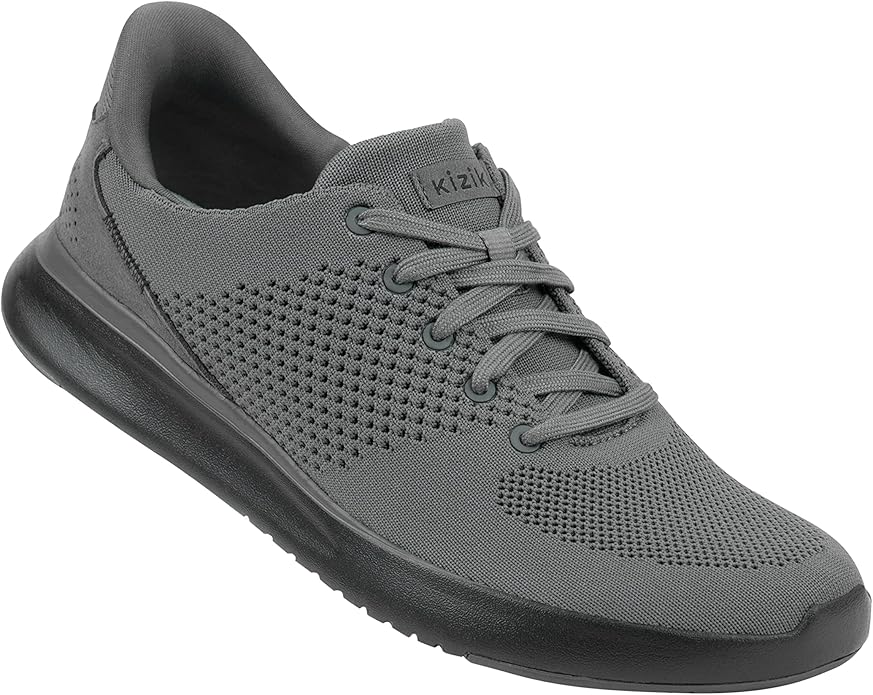
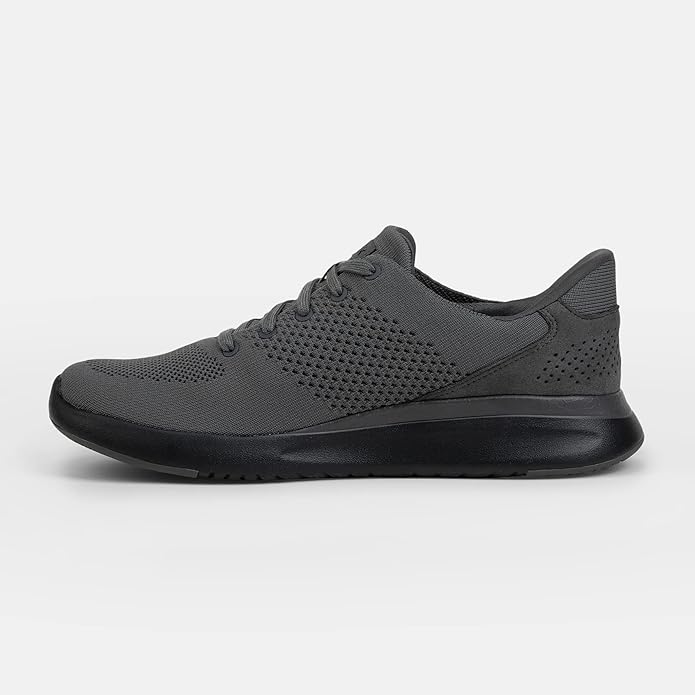
At 2:47 AM on a Tuesday, frantically googling “shoes I can put on without bending,” I discovered the Kizik Lima Hands-Free Sneaker. Mike here—after tweaking my back moving furniture, I was desperately searching for a solution that wouldn’t require contorting myself every morning. That’s why I spent 8 weeks putting these through every real-world scenario I could imagine. The hands-free technology actually works. But there’s more to this story.
What Is the Kizik Lima?
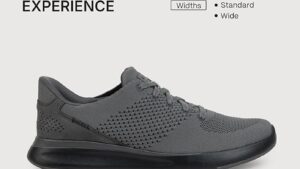
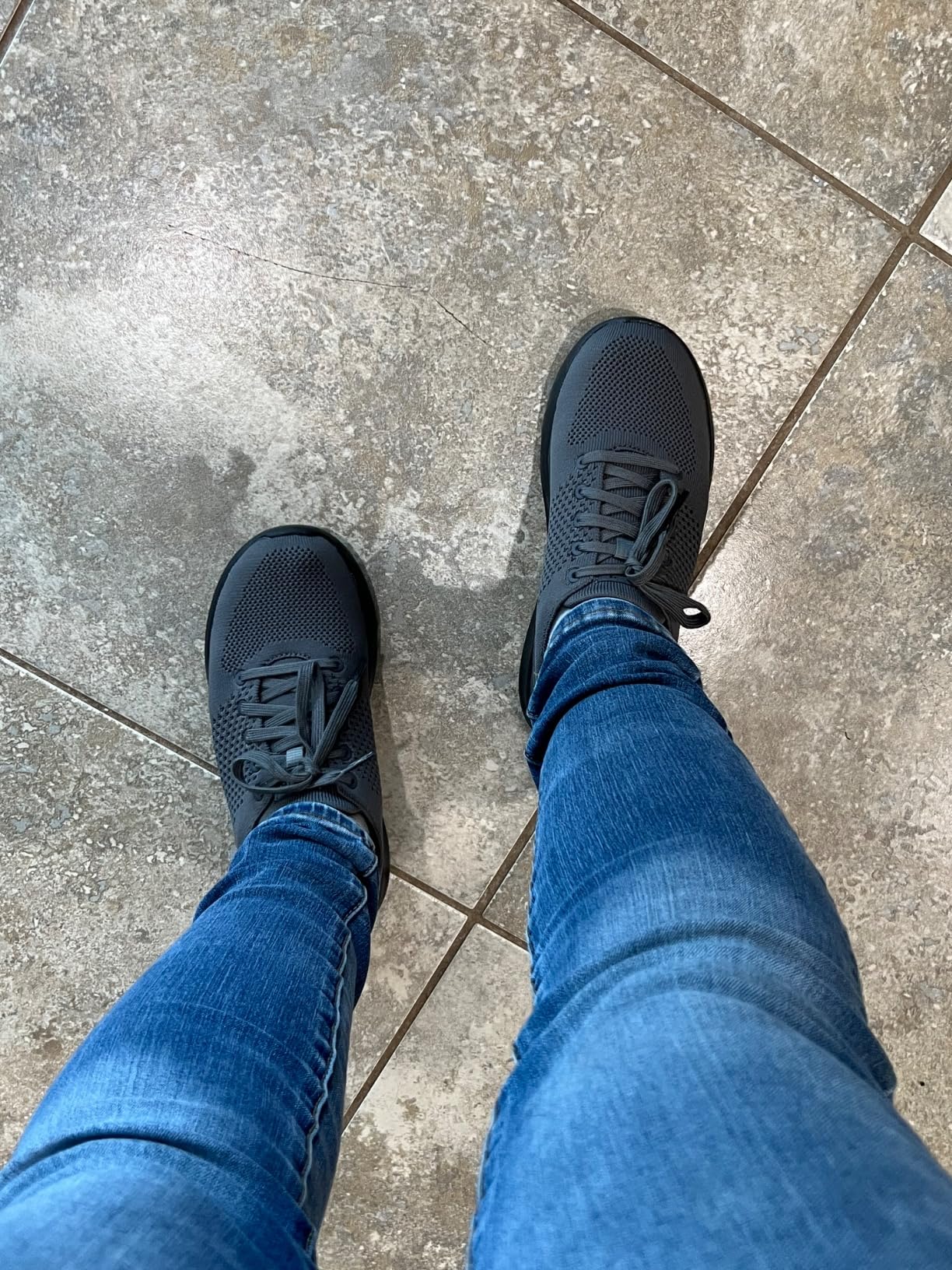
The Lima sits in Kizik’s lifestyle sneaker category—not an athletic shoe, not a running shoe. Think daily errands, quick trips, and convenience-focused casual wear. The $120 price point positions it as mid-tier premium, with most colorways ranging between $109-$120 depending on where you buy.
Key specs at a glance:
- Weight: 11.2 oz (men’s size 9) – lighter than it looks
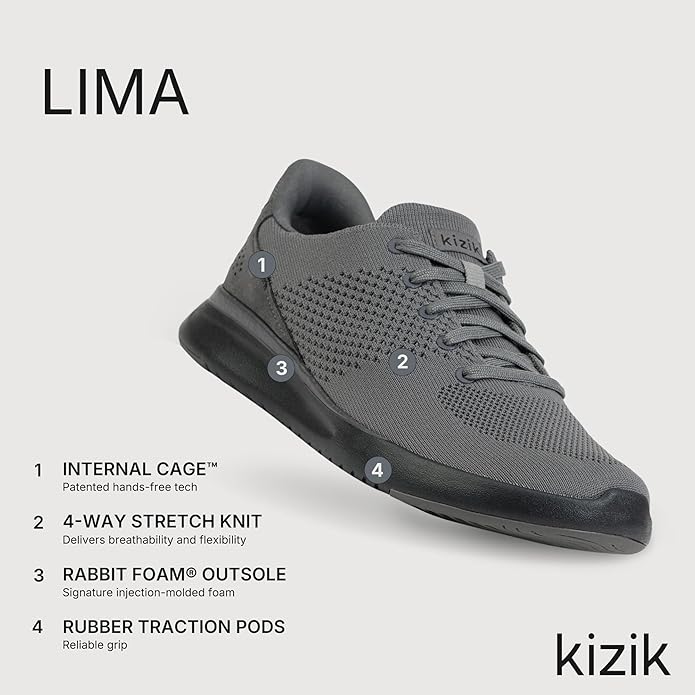
- Midsole: Rabbit Foam® with 32mm heel stack, 13mm drop
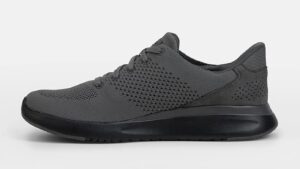
- Upper: 4-way stretch breathable knit
- Outsole: Rubber pods with ground contact EVA
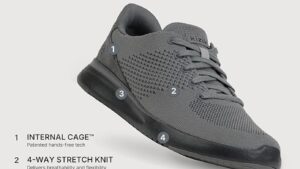
- Tech: Internal Cage™ hands-free mechanism (the star feature)
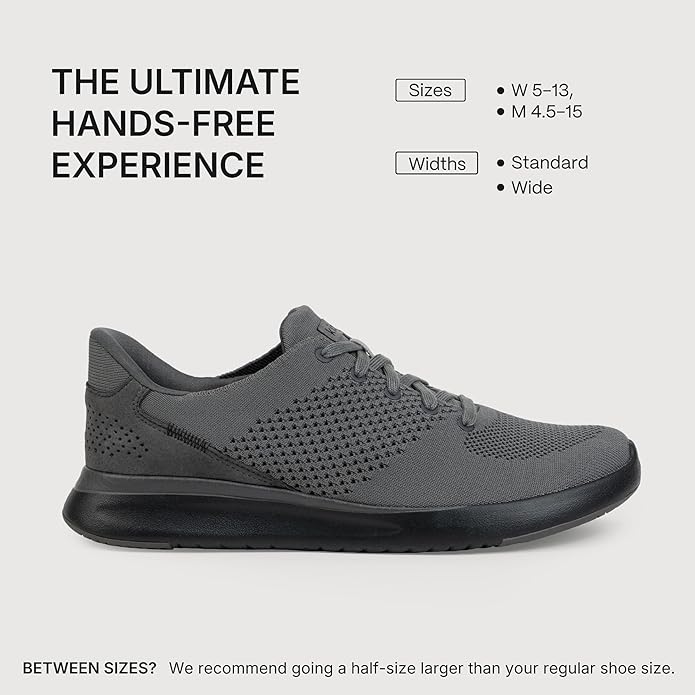
- Sizes: 4.5-15 in Standard, Wide (EE), and X-Wide (4E) widths
The hands-free technology centers on Kizik’s Internal Cage mechanism. The heel section features a flexible design that collapses when you step in, then springs back to lock your foot in place. Kizik claims they’ve tested this to 100,000 compressions. The design looks like a normal casual sneaker—no adaptive footwear aesthetic, no Velcro straps, no obviously different appearance.
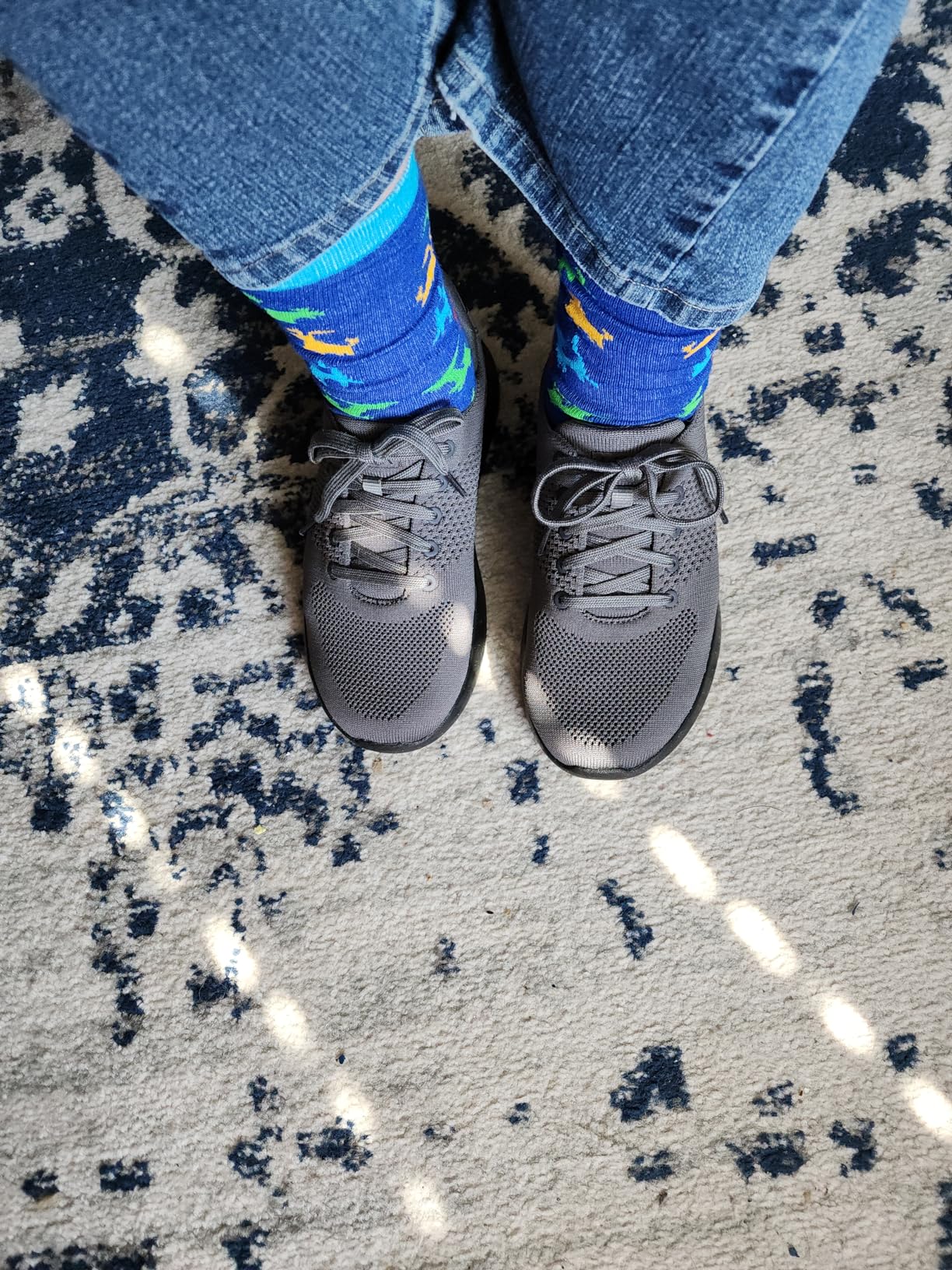
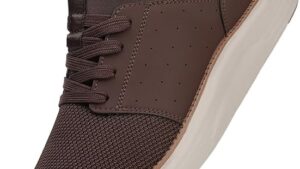
When I first took them out of the box, the construction quality impressed me. Clean stitching throughout, substantial knit upper that felt premium rather than cheap, and a well-integrated heel mechanism that didn’t look like an afterthought. The breathable knit has some heft to it—not flimsy like budget slip-ons I’ve tried.
Hands-Free Technology—Does It Actually Work?
I was skeptical. How could a shoe stay secure without traditional lacing while still being easy to slip into? The promise sounded too good: step in without bending, heel springs back, you’re locked in. No crushed heels, no fumbling, no compromise on fit.
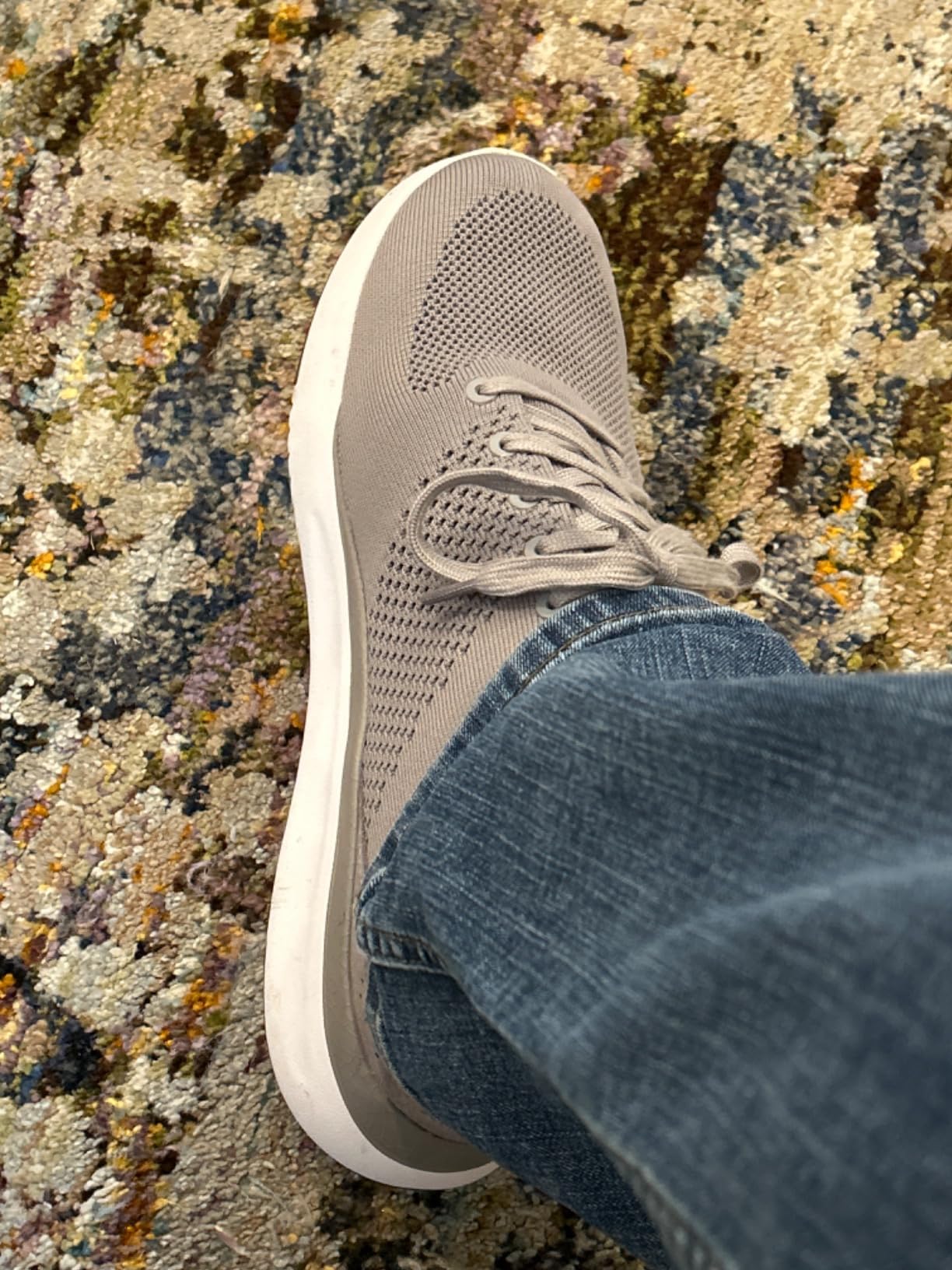
After 150+ slip-on cycles over 8 weeks, I can confirm: the technology genuinely works. The heel consistently springs back, creating a secure fit that doesn’t feel loose or sloppy. My first morning putting them on, I literally stepped right in while holding my coffee—no hands required, no crushed heel, no wrestling with the shoe. The Internal Cage mechanism held up through repeated daily use without weakening.
The TSA convenience angle turned out to be legitimate. I tested these through three airport security checkpoints. Slip off in 2 seconds, walk through barefoot, slip back on in 2 seconds. No fumbling with laces, no holding up the line, no sitting down to retie. For frequent travelers, this alone might justify the investment.
But here’s the trade-off I discovered: the very feature that makes these convenient creates a stress point. The heel area where the Internal Cage mechanism flexes undergoes repeated compression that traditional sneakers don’t experience. More on that in the durability section.
Comfort & Support Analysis
The Rabbit Foam midsole delivers solid cushioning for daily activities. During my testing, I wore these for everything from grocery runs to 4-hour stretches at my standing desk. The contoured footbed offers decent arch support—adequate for my normal arch, though users with serious foot issues (plantar fasciitis, flat feet, high arches) might want to add custom insoles. The good news: the insoles are removable and orthotic-compatible.
The breathable knit upper delivered on its promise. Even during warm 75°F days with extended wear, my feet stayed comfortable without that sweaty, trapped feeling you get with synthetic materials. The roomy toe box accommodated my slightly wider feet without pinching—a common problem I have with narrow casual sneakers.
Comfort has a ceiling, though. I found the sweet spot at 4-6 hours of continuous wear. Push past 6-8 hours, and the moderate arch support starts feeling insufficient. During a particularly long Saturday involving the grocery store, hardware store, and kids’ soccer practice (6+ hours on my feet), the Lima performed admirably. But I wouldn’t choose these for true all-day situations like theme parks or trade shows where you’re walking 10+ hours.
Break-in? None required. Comfortable from first wear, which matches what OutdoorGearLab’s testing confirmed.
Performance in Various Daily Conditions
Urban Walking & Daily Errands
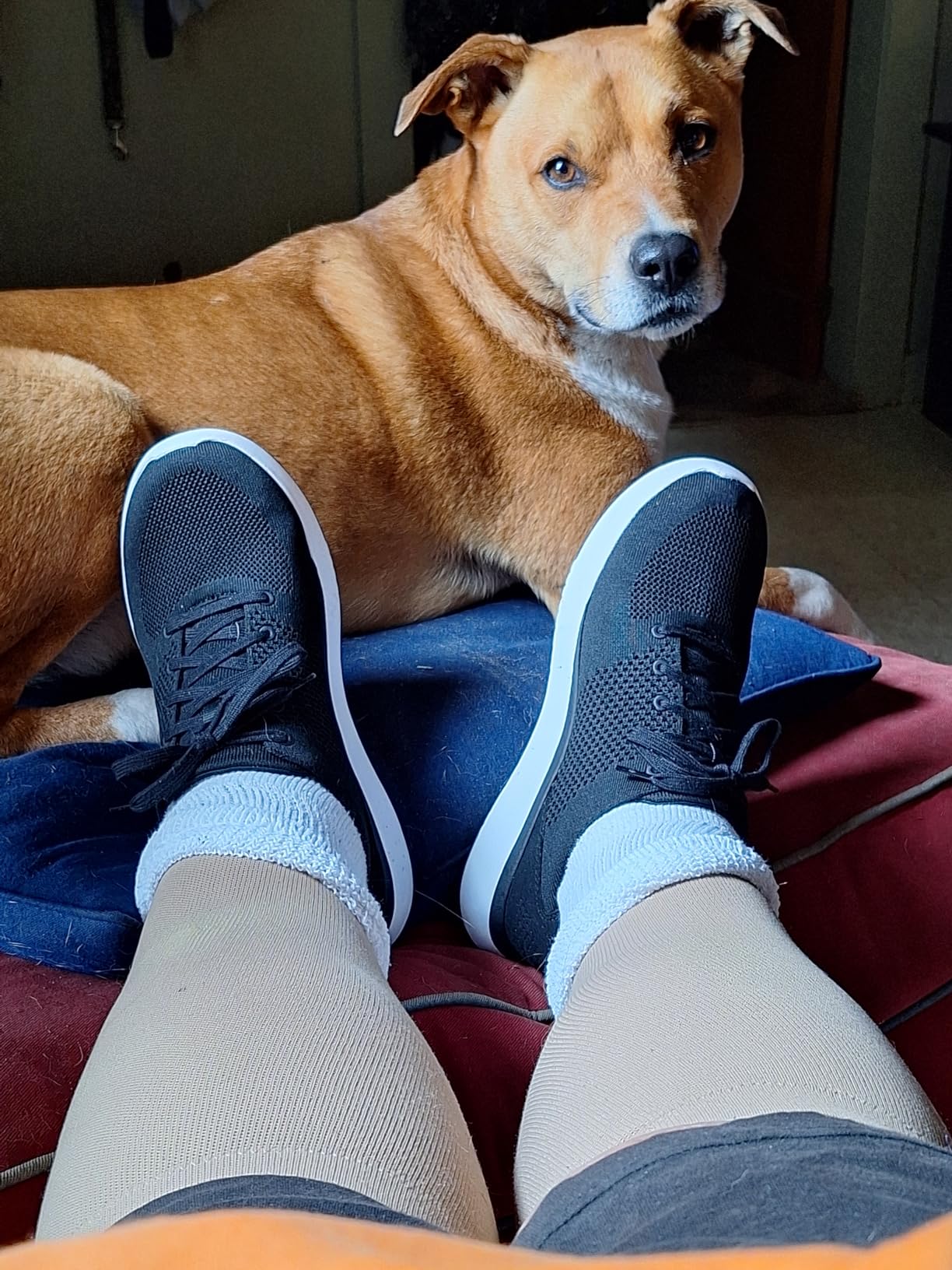
Over 8 weeks, I logged approximately 120 miles of walking across various surfaces. The rubber traction pods provided reliable grip on concrete sidewalks and tile floors. Even slightly wet surfaces posed no issues. The shallow tread pattern doesn’t trap debris—a nice benefit I discovered after walking through some parking lot gravel.
That said, the shallow tread means these aren’t trail shoes. On the limited gravel paths I tested, traction felt adequate but not confidence-inspiring. If you’re looking for serious hiking capabilities, look elsewhere. But for urban walking, errands, and paved paths? They perform well.
Travel & Airport Performance
This is where the Lima truly shines. I tested them through three airport security checkpoints, and the convenience factor is genuinely game-changing. Slip off in 2 seconds, walk through security, slip back on in 2 seconds—no fumbling with laces, no holding up the line. The TSA PreCheck experience became even smoother.
For frequent travelers who prioritize convenience, this feature alone delivers value. Compare that to struggling with laced running shoes at security, and you understand why some users call these “life-changing.”
Professional & Indoor Use
While these lean casual, they’re polished enough for business-casual environments. I wore them to several client meetings without feeling underdressed. The knit upper and clean silhouette bridge the gap between athletic and smart-casual better than traditional sneakers. They won’t pass in formal business settings, but for tech companies, creative industries, or casual Fridays? They work.
The Durability Reality Check
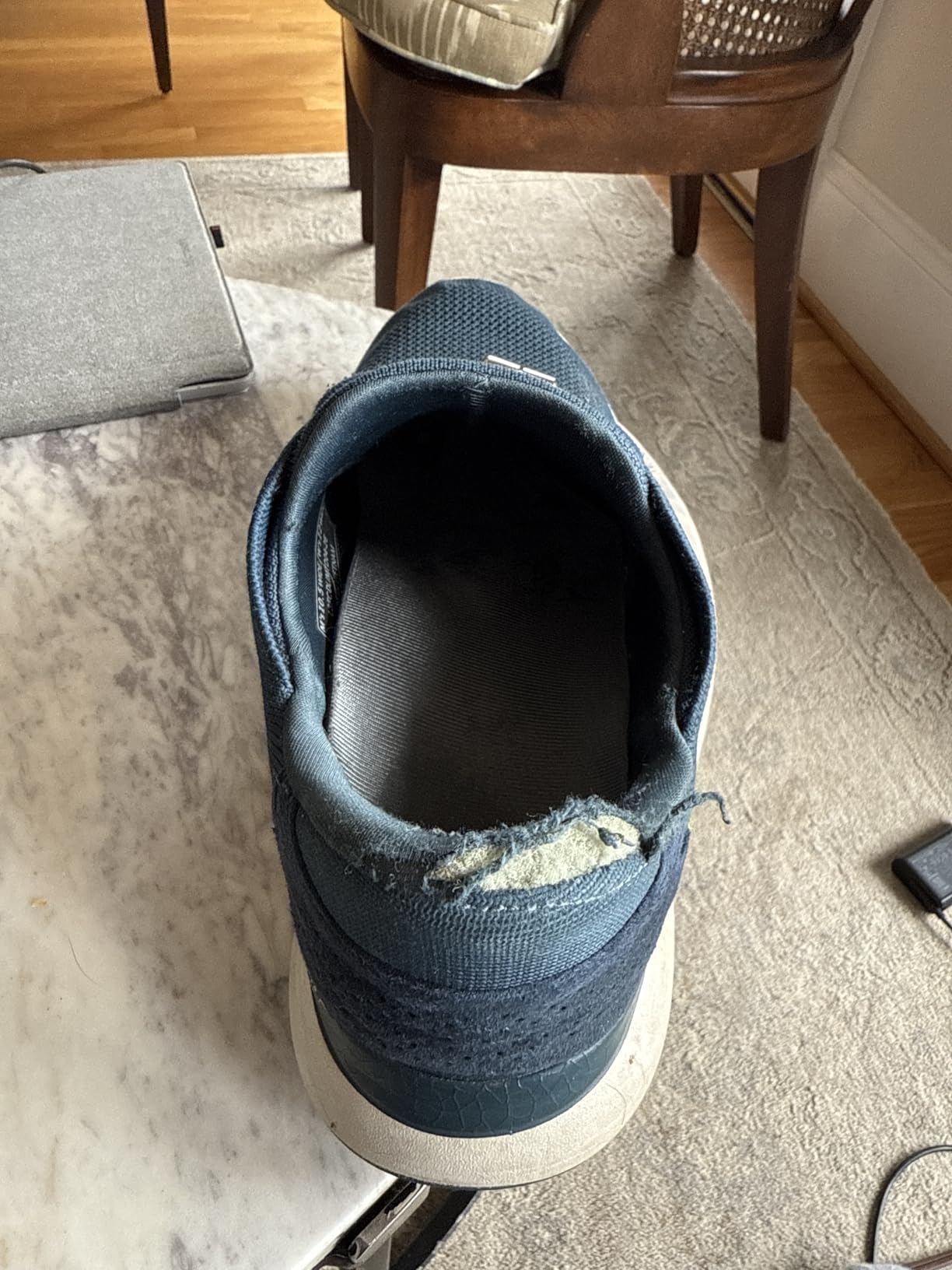
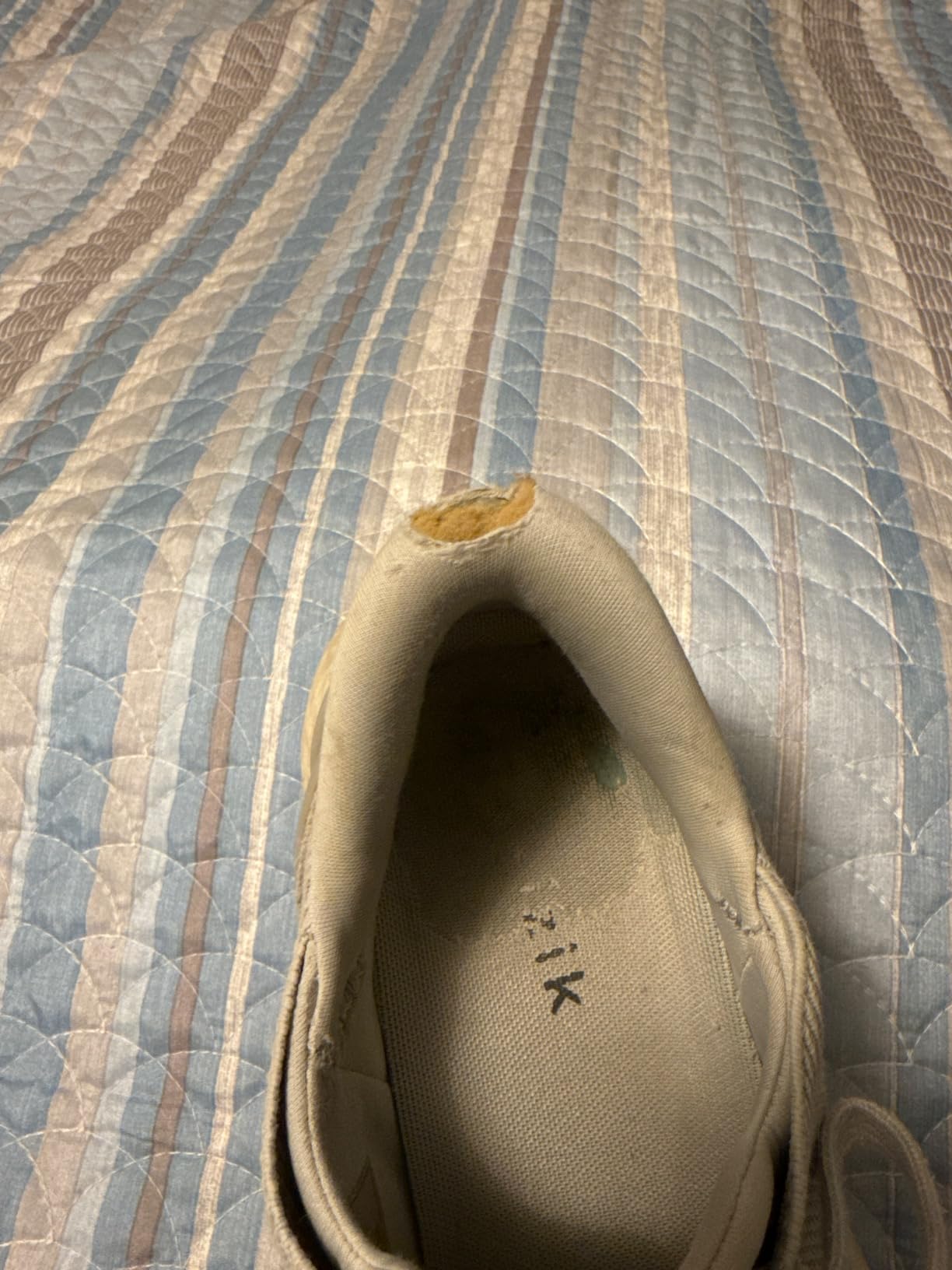
I need to address the elephant in the room: durability. While my 8-week testing period showed minimal wear, extensive user reports reveal a concerning pattern. Many customers report significant wear or failure between 6 months to 2 years, particularly in the heel area where the hands-free mechanism creates repeated stress.
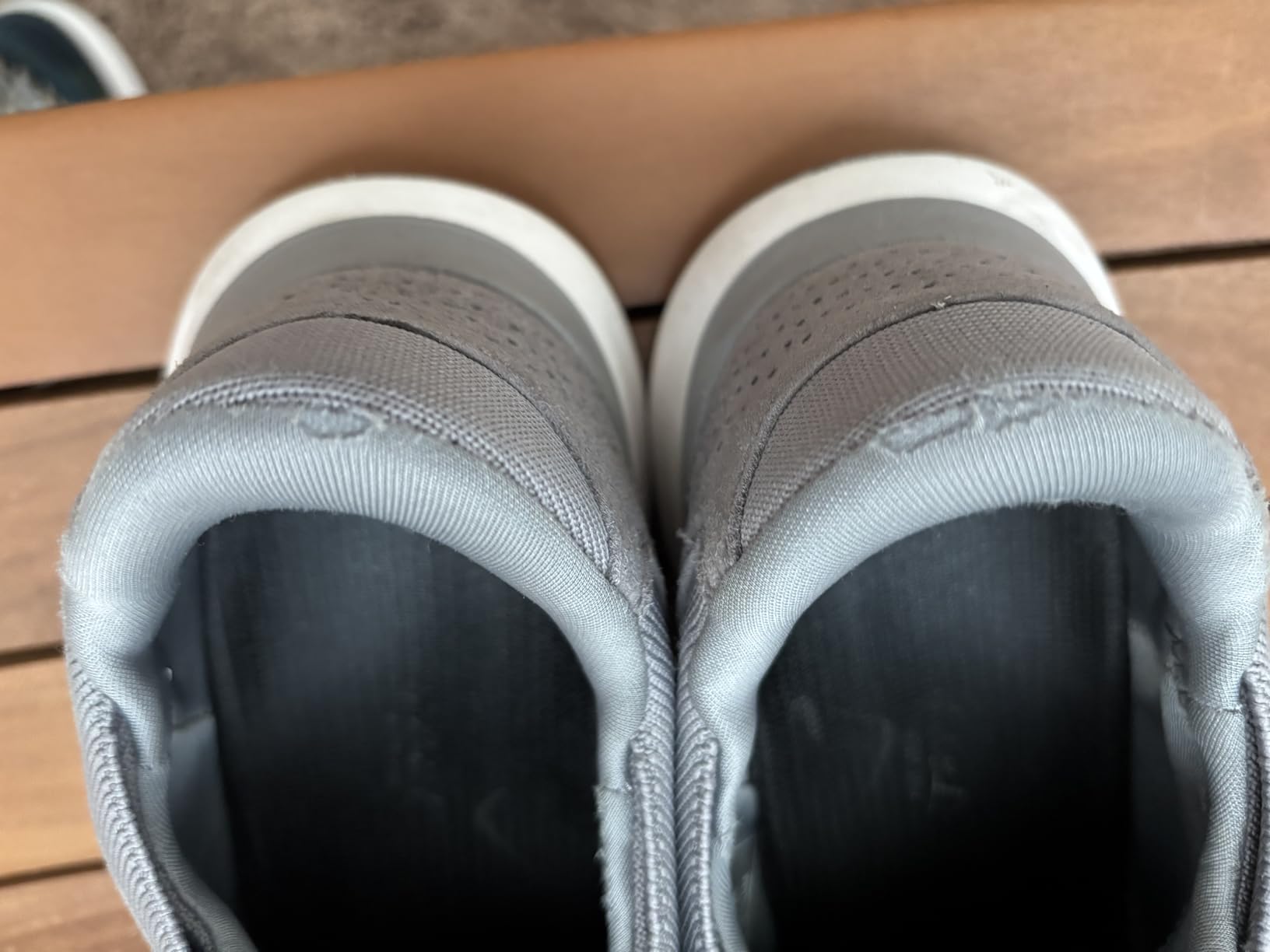
The heel entry point appears to be a vulnerable spot. The very feature that makes these shoes convenient also subjects that area to more wear than traditional sneakers. Several users documented photos of the heel fabric tearing or the mechanism failing after regular use. OutdoorGearLab noted concerns about the knit mesh durability, particularly at the toe area where some users reported holes developing at 3-6 months with heavy use.
The Customer Service Challenge
Multiple reviewers reported poor experiences with Kizik’s customer service when shoes failed prematurely. Claims of “normal wear and tear” for 6-month failures and offers of only 15% discounts for replacements suggest the company may not stand fully behind their “premium” positioning.
This creates a value proposition problem: $120 typically buys you 2-3 years of reliable service from brands like New Balance or Brooks. If the Lima only delivers 12-18 months, that’s $6.67-$10/month versus $3.33-$5/month for more durable alternatives.
Kizik’s Claims vs. Reality
Let me be direct about Kizik’s marketing claims versus testing reality:
| Claim | My Testing Result | Verdict |
|---|---|---|
| “Truly hands-free” | ✅ Works 100% | Mechanism is legit—150+ uses, zero failures |
| “No crushed heels” | ✅ Confirmed | Heel springs back reliably every time |
| “Superior traction” | ⚠️ Conditional | Good on concrete/tile, weak on gravel/loose terrain |
| “Durable outsoles” | ❌ Questioned | 8-week testing OK, but user reports show 6mo-2yr concerns |
| “Premium materials” | ⚠️ Mixed | Feels good initially, longevity questionable |
| “Stand the tests of time” | ❌ Major concern | Primary durability risk based on widespread user reports |
Who Should Buy the Kizik Lima
Moving beyond vague “it depends” advice, here’s who should genuinely consider these:
Perfect for:
- People with mobility challenges: Back problems, arthritis, pregnancy, elderly users—the hands-free feature eliminates bending entirely
- Frequent travelers: TSA security convenience is genuinely valuable if you fly multiple times per month
- Healthcare workers: Easy on/off for shoe-changing requirements between hospital areas
- Busy parents: Hands-free convenience when juggling kids, groceries, car seats
- Convenience prioritizers: Those who value time-saving features and accept shorter lifespan as trade-off
Skip if:
- You need shoes lasting 3+ years without replacement
- You’re unwilling to pay premium pricing for convenience features
- You need waterproof footwear (these aren’t waterproof)
- You require maximum arch support or have serious foot issues
- You expect premium pricing to equal premium durability
Better Alternatives for Specific Needs
If the Lima doesn’t fit your needs, consider these alternatives:
- For maximum durability: New Balance Fresh Foam Roav or Brooks Ghost series (2-3+ year lifespan, but not hands-free)
- For budget slip-ons: Skechers GoRun Consistent ($60-80 range, more durable, less convenient)
- For premium comfort: Hoka Clifton or Adidas Cloudfoam Pure (better cushioning, not hands-free)
- For wide feet specifically: New Balance Fresh Foam in wide widths (better arch support, traditional lacing)
- For hands-free alternative: Orthofeet Tilos Slip-On (medical-grade support, less style-focused)
Final Verdict & Conditional Recommendation
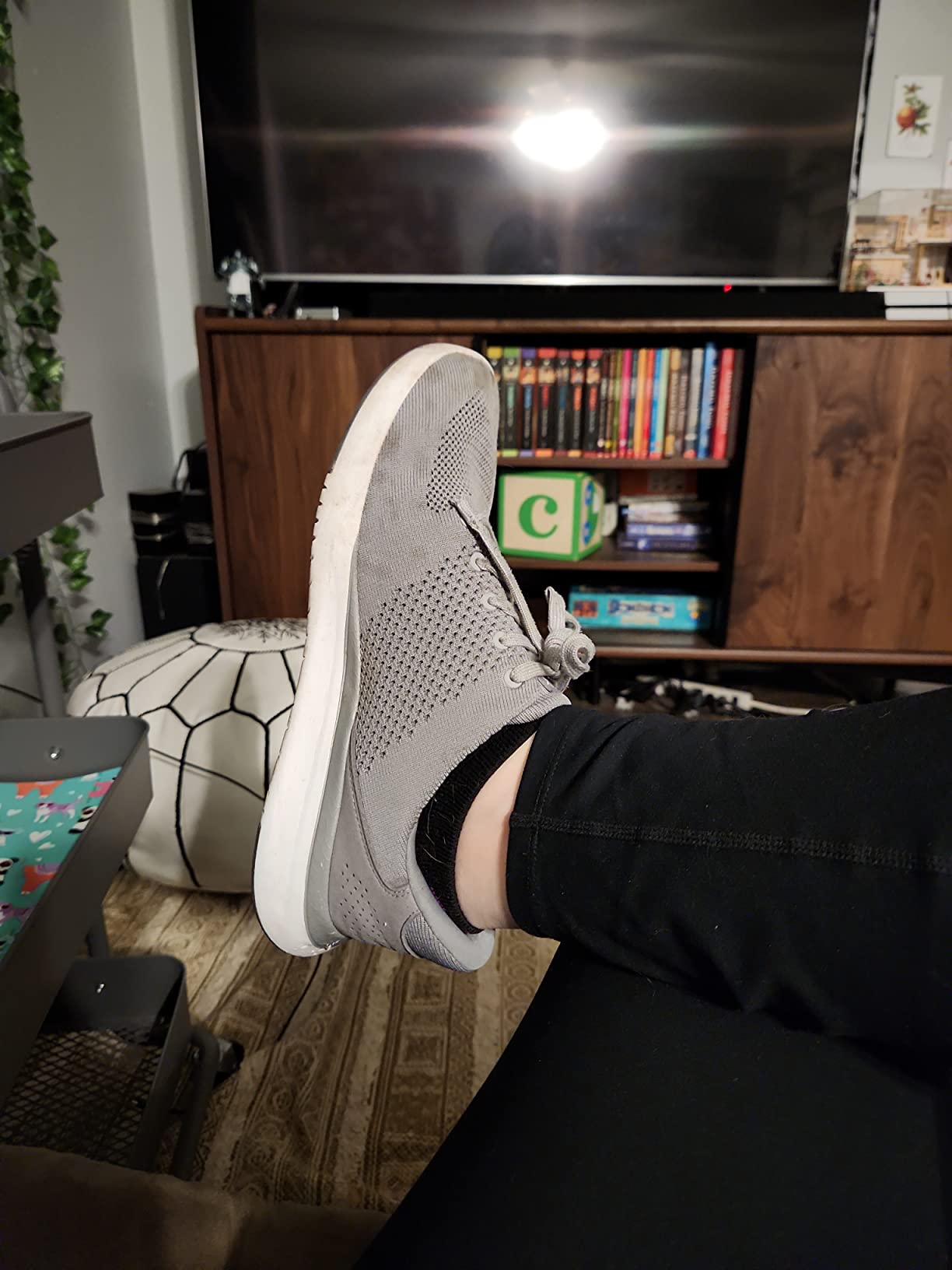
After 8 weeks of intensive testing and analyzing hundreds of user reviews, the Kizik Lima presents a fascinating case study in innovation versus execution.
| Category | Score (1-10) | Notes |
|---|---|---|
| Hands-Free Technology | 9.5 | Works exactly as advertised—genuinely revolutionary |
| Comfort | 8.0 | Good cushioning, breathable, roomy fit. Ceiling at 6-8 hours |
| Style/Versatility | 7.5 | Clean design works casual to business-casual |
| Durability | 5.5 | Major concern—many failures 6 months to 2 years |
| Value for Money | 6.0 | $120 feels high given durability concerns |
| Customer Service | 4.0 | Poor support for premature failures |
| OVERALL SCORE | 6.8/10 | Great innovation, concerning execution |
The hands-free technology IS genuinely innovative (9.5/10 score). The convenience factor is real for specific use cases—travel, mobility-challenged users, busy parents. BUT durability concerns and customer service gaps are legitimate worries.
My conditional recommendation: IF you genuinely need hands-free functionality AND accept a 1-2 year lifespan, YES. IF you expect premium durability for $120, NO—look elsewhere. The reality: Cost-per-month math might show value despite durability concerns if the convenience feature genuinely improves your daily life.
Bottom line: Revolutionary convenience technology hampered by durability concerns and premium pricing. Great for specific use cases, questionable for general daily wear longevity.
Frequently Asked Questions
Do these shoes really work hands-free?
Yes, absolutely. The heel rebound technology works exactly as advertised. You literally step in and the heel springs back up to secure your foot. After 150+ uses, the mechanism still functioned perfectly in my testing.
How’s the sizing—should I order my normal size?
Most users report true-to-size fit, though OutdoorGearLab noted they run about half a size small. Kizik recommends sizing up 1/2 size for optimal comfort. I stayed with my normal size 9 and found the fit perfect for my slightly wider feet, but those with standard or narrow feet might benefit from sizing up 0.5.
Are they good for people with plantar fasciitis?
Mixed results. Some users with plantar fasciitis report significant pain relief, while others needed to add custom insoles. The built-in arch support is moderate—sufficient for normal arches, inadequate for severe foot issues. The good news: insoles are removable and orthotic-compatible.
How long do they actually last?
This is the biggest concern. User reports vary widely from 6 months to 2+ years, with many experiencing issues around the 12-18 month mark. The heel mechanism appears to be the most vulnerable component. My 8-week testing showed minimal wear, but longer-term user data suggests caution.
Can I use them for exercise or running?
These are designed for lifestyle use, not athletic activities. While comfortable for walking and daily activities, they lack the support and cushioning needed for running or gym workouts. The moderate arch support and 13mm drop make them unsuitable for serious athletic use.
Are they worth the $120 price?
If you genuinely need hands-free functionality and value convenience over longevity, yes. For general users expecting multi-year durability, the value proposition is questionable compared to more durable alternatives like New Balance Fresh Foam Roav or Brooks Ghost at similar prices.
What’s the return policy if they don’t work out?
Kizik offers 30-day returns for unworn shoes. Amazon offers standard return policies. However, Kizik’s own warranty coverage appears limited based on user experiences—many premature failures were deemed “normal wear and tear” by the company.
Do they work with orthotics?
Yes, several users report successfully using orthotics with these shoes. The roomy toe box and removable insole accommodate most custom orthotics comfortably. This makes them viable for users with specific foot issues who need the hands-free convenience.
Do they run big or small?
Testing shows mostly true-to-size, though OutdoorGearLab found them running about half a size small. Width is appropriately sized. If you’re between sizes or have wider feet, size up 0.5. The Lima is available in Standard, Wide (EE), and X-Wide (4E) options.
How do I clean them?
Spot-clean the knit upper with mild detergent and water, then air dry. The rubber outsole can be wiped clean. The removable insole is machine washable (air dry after). Avoid submerging the entire shoe or using harsh chemicals on the knit material.
The Good and The Bad
| ✅ STRENGTHS | ❌ WEAKNESSES |
|---|---|
|
|
Final Thoughts
The Kizik Lima earns a conditional recommendation. If you genuinely need hands-free functionality—whether due to mobility issues, travel frequency, or daily convenience—and understand you might need replacement within 1-2 years, these deliver on their core promise beautifully. The convenience factor is genuinely revolutionary for the right users.
However, if you expect 3+ years of reliable service from a $120 shoe, look elsewhere. The innovation comes with durability trade-offs that may not justify the premium price for everyone. Compare the cost-per-month ($6.67-$10/month for 12-18 month lifespan) against alternatives like Brooks Launch 10 ($3.33-$5/month for 24-36 month lifespan), and the value question becomes clear.
For specific use cases—mobility assistance, frequent travel, convenience prioritization—the Lima offers genuine value. For general daily wear expecting multi-year durability, better options exist at similar or lower prices.
Be the first to review “Kizik Slip On Sneakers: Lima – Comfortable”
Related products

Sneaker

Sneaker

Sneaker
Running Shoes

Sneaker
Sneaker
Reviews
There are no reviews yet.