
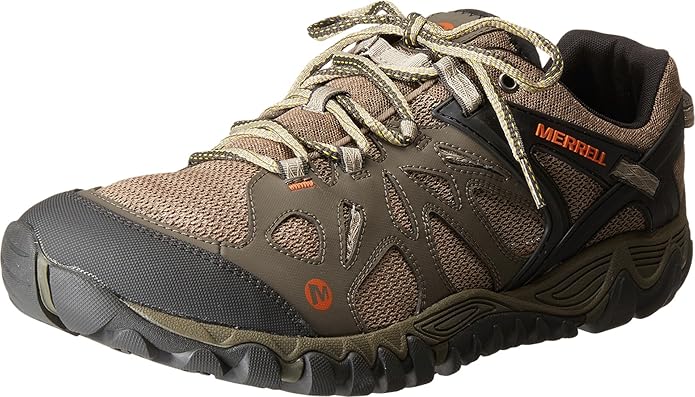
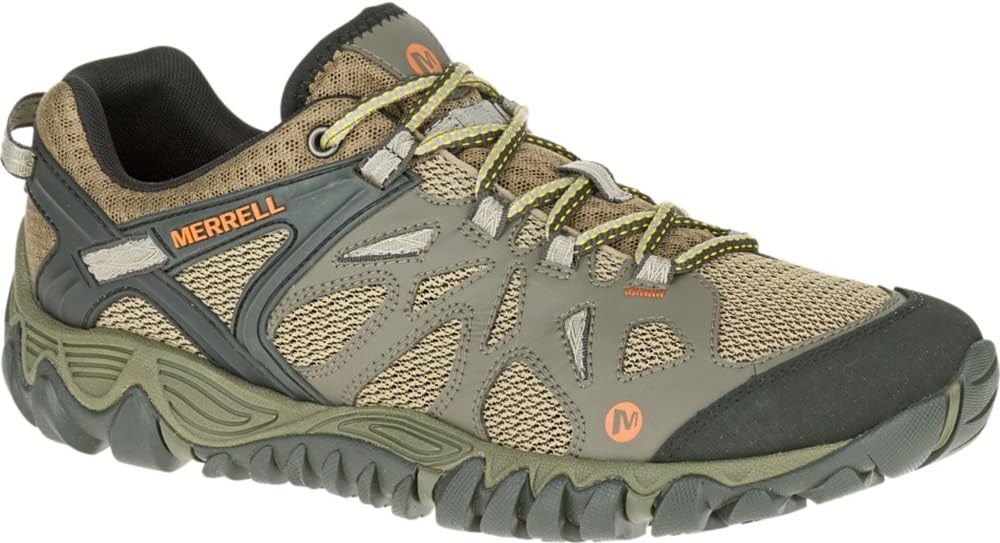
Something keeps nagging at me every time I look at reviews for the Merrell All Out Blaze Aero Sport. You’ll find one hiker who says he wore the same pair for four-plus years across multiple continents without a single complaint — then scroll down twenty reviews and find someone whose mesh was pulling away from the toe cap after three days. I’m Mike, and after eight weeks of wearing these across desert trails, granite scrambles, and waist-deep creek crossings, I went looking for the reason behind that gap. What I found is worth knowing before you spend $110 — especially now that Merrell has quietly discontinued this model.
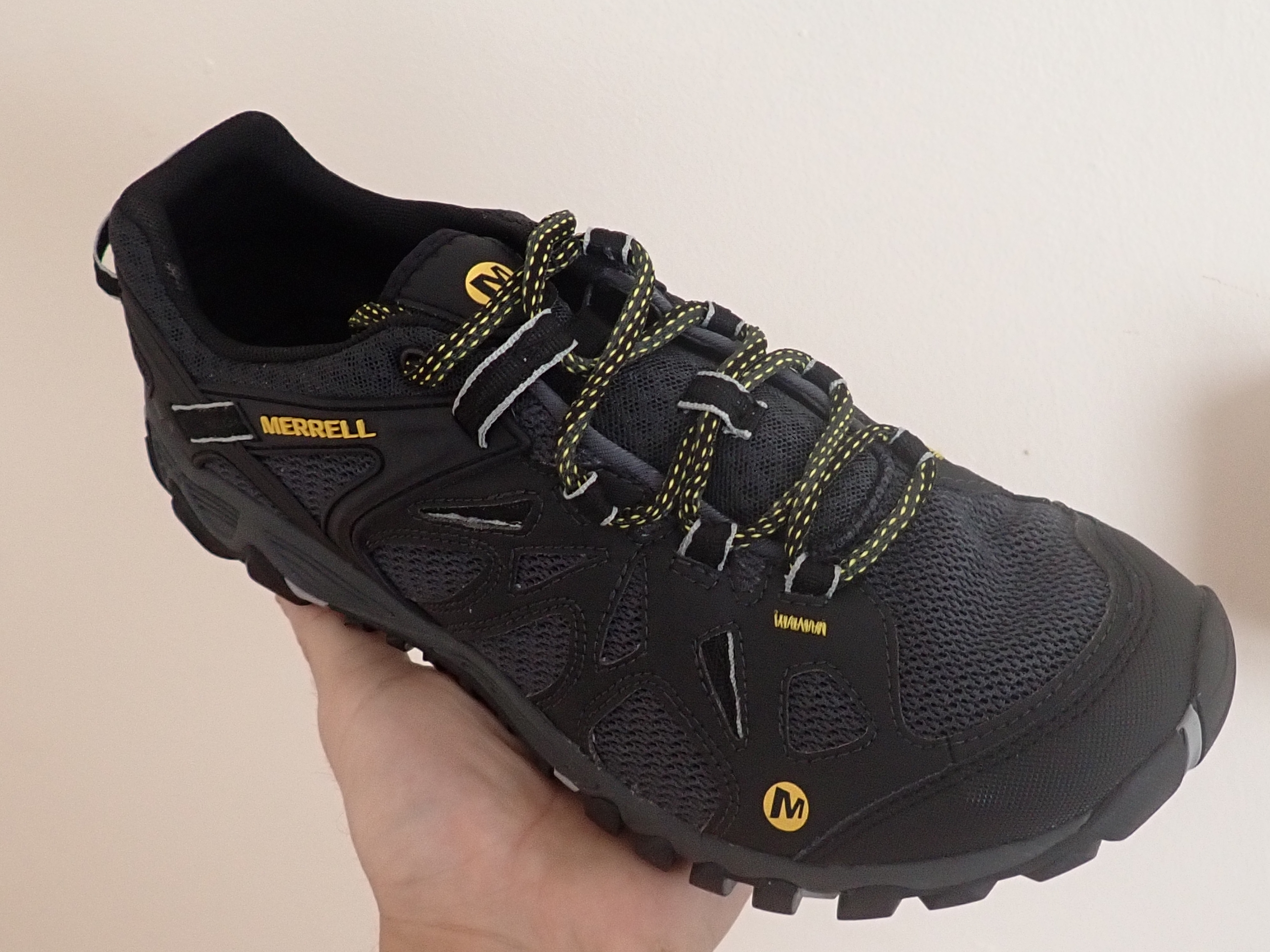
What You’re Actually Getting: Specs & Design
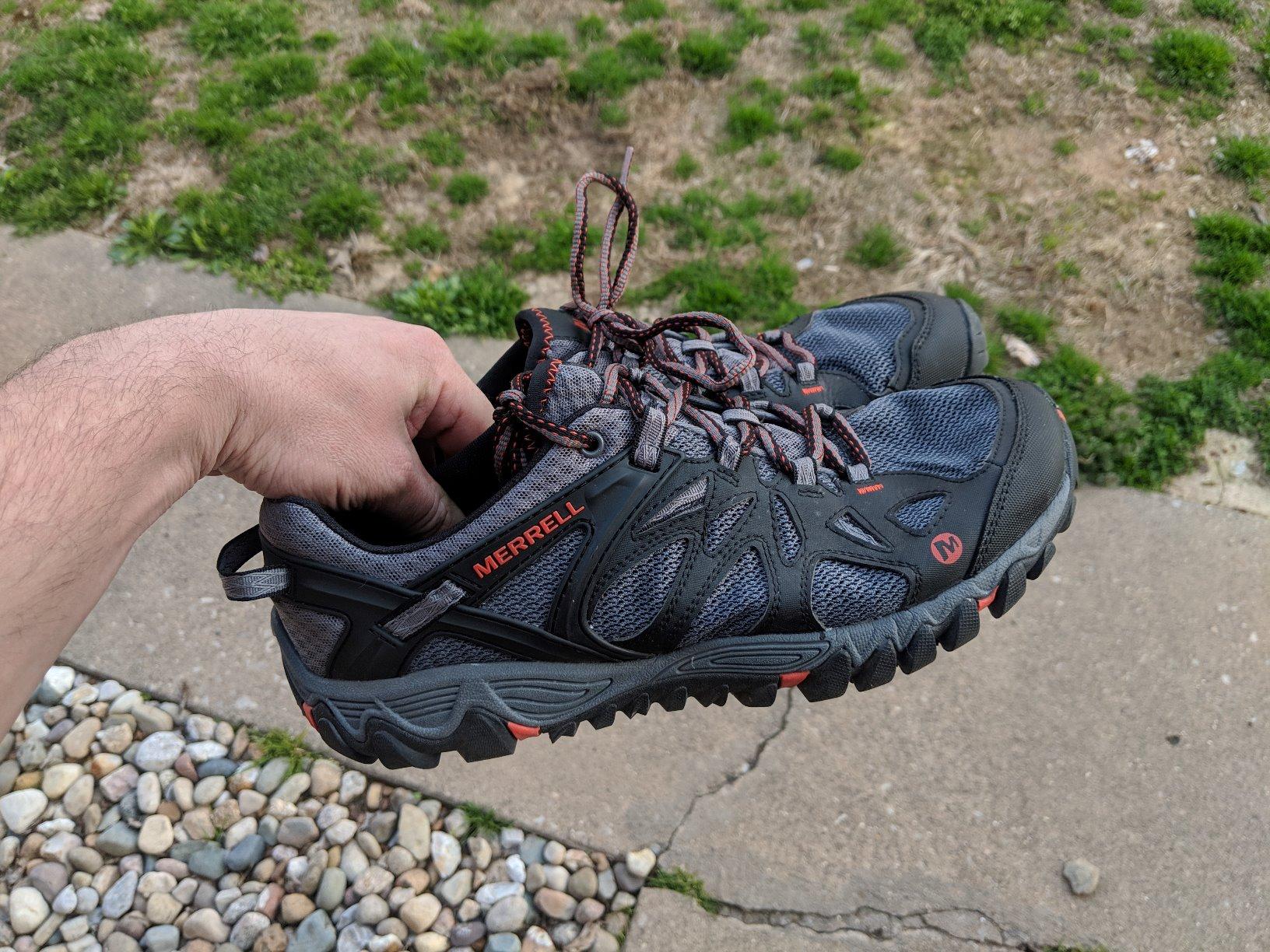
Before the trail stories, the numbers. Understanding the architecture explains a lot about why this shoe divides opinion.
| Spec | Value | What It Means |
|---|---|---|
| Outsole | Vibram TC5+ (5mm lugs) | Technical rock grip, sticky compound |
| Midsole | UniFly EVA (16mm heel / 12mm forefoot) | Firm, responsive — 4mm heel drop |
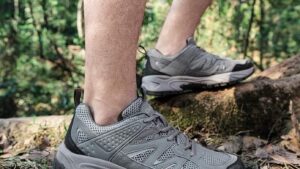
| Upper | 100% mesh with synthetic overlays | Exceptional breathability, not waterproof |
| Lining | M Select FRESH (removable, antimicrobial) | Odor prevention + orthotic-compatible |
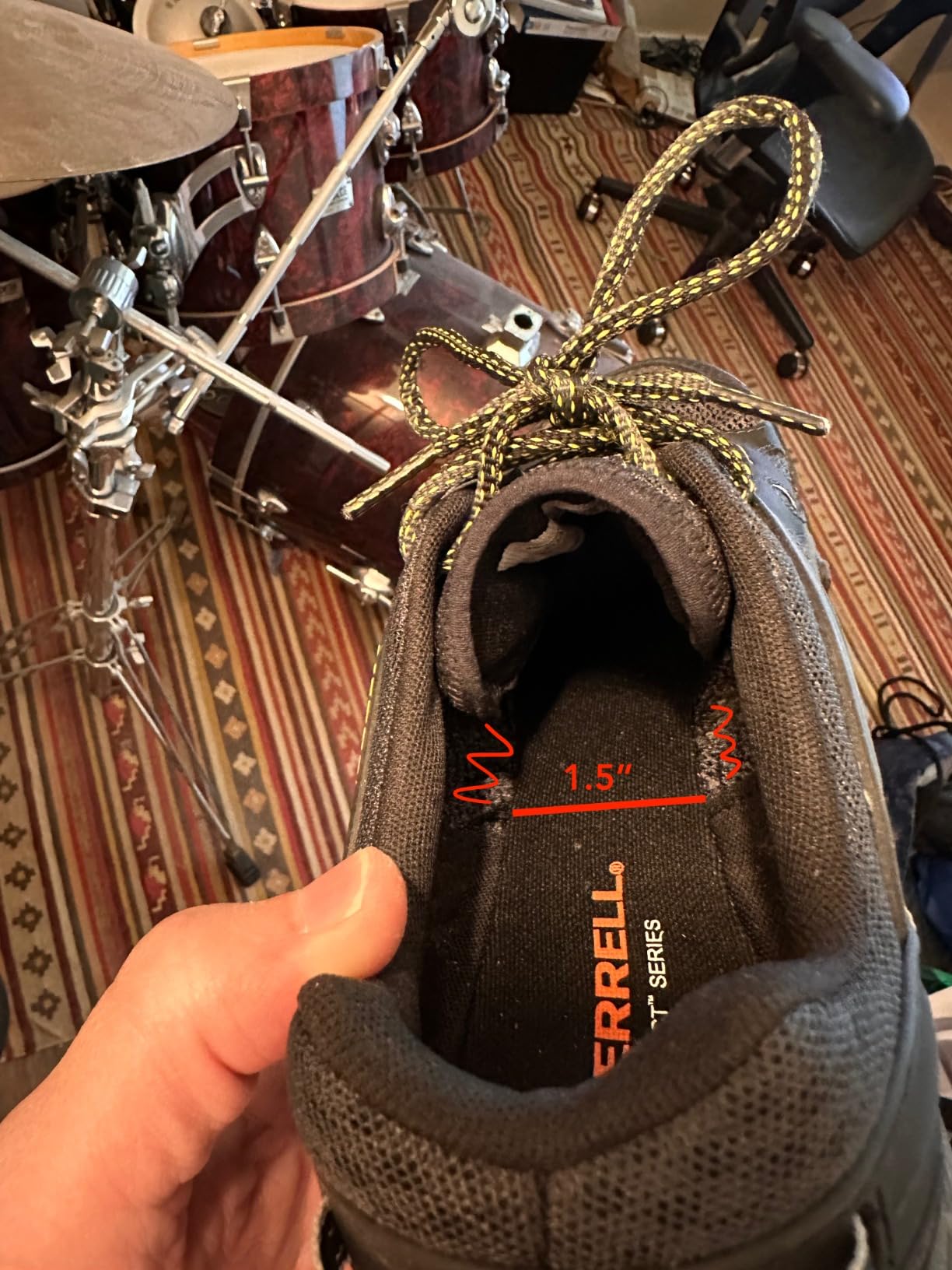
| Heel Counter | Molded TPU | Stability locked in; limits lateral ROM |
| Lacing | Omni-Fit webbing system | Glove-like fit, even pressure distribution |
| Weight | 11.2 oz / 318g (men’s US 9) | Trail runner territory, not hiking boot |
| Original Price | $110 MSRP (now variable, discontinued) | See pricing note below |
That 4mm heel drop is worth pausing on. It’s derived from the 16mm heel stack minus the 12mm forefoot — closer to a trail runner or minimalist shoe than to a traditional hiking/trekking shoe. You feel the ground more acutely, which most testers find helpful on technical terrain but which also means less buffer on impact-heavy descents. If you’re coming off a high-drop boot, expect a noticeable adjustment period on your first long day.
The Omni-Fit lacing deserves more attention than it typically gets. Rather than running laces through rigid eyelets, the system threads through a webbing network that flexes with your foot. On paper, that’s marketing language. On submerged rocks at a 40-degree angle, it translated to zero heel lift — which is exactly when you need the shoe to stay put.
One note on availability: Merrell has discontinued the All Out Blaze Aero Sport. It’s no longer listed on the US Merrell site. Remaining stock circulates through third-party retailers, and pricing ranges from $70 to well over $100 depending on size and color. Factor that into your decision.
The First Week: Zero Break-In and What That Actually Means

Most hiking shoes need a few days to stop threatening your heels. The All Out Blaze Aero Sport doesn’t. Lace them up on day one and take them on a real hike — they’ll cooperate. That’s not a small thing for people who’ve planned a trail trip and don’t want to arrive with new-shoe blisters on day two.
The reason is mostly the mesh construction. There’s no stiff leather or rigid synthetic to soften. The upper wraps the foot immediately, the webbing lacing adjusts to your shape rather than forcing your foot into a predetermined mold, and the UniFly EVA provides just enough cushion underfoot that the 4mm drop doesn’t feel aggressive right away.
That said, the molded TPU heel counter is firm. If you have narrow feet and try to compensate by sizing down even half a size, you may feel the counter pressing against the Achilles area at the top. Trailspace reviewers flagged this specifically: fitting the shoe for creek use with socks makes the toe box wet; sizing down to avoid that creates a lockdown that bruises the top of narrow feet. If your feet are standard or slightly wide, this isn’t an issue. If you’re narrow-footed, try before you commit.
Sizing consensus across RunnerClick, Zappos, and my own testing: about 90% of buyers run true to size. The remaining 10% are mostly wide-footed hikers who benefit from going up a half size to get the toe box room they need. Standard socks: TTS. Thick hiking socks: consider a half size up.
The Heat Test: Where These Shoes Genuinely Excel
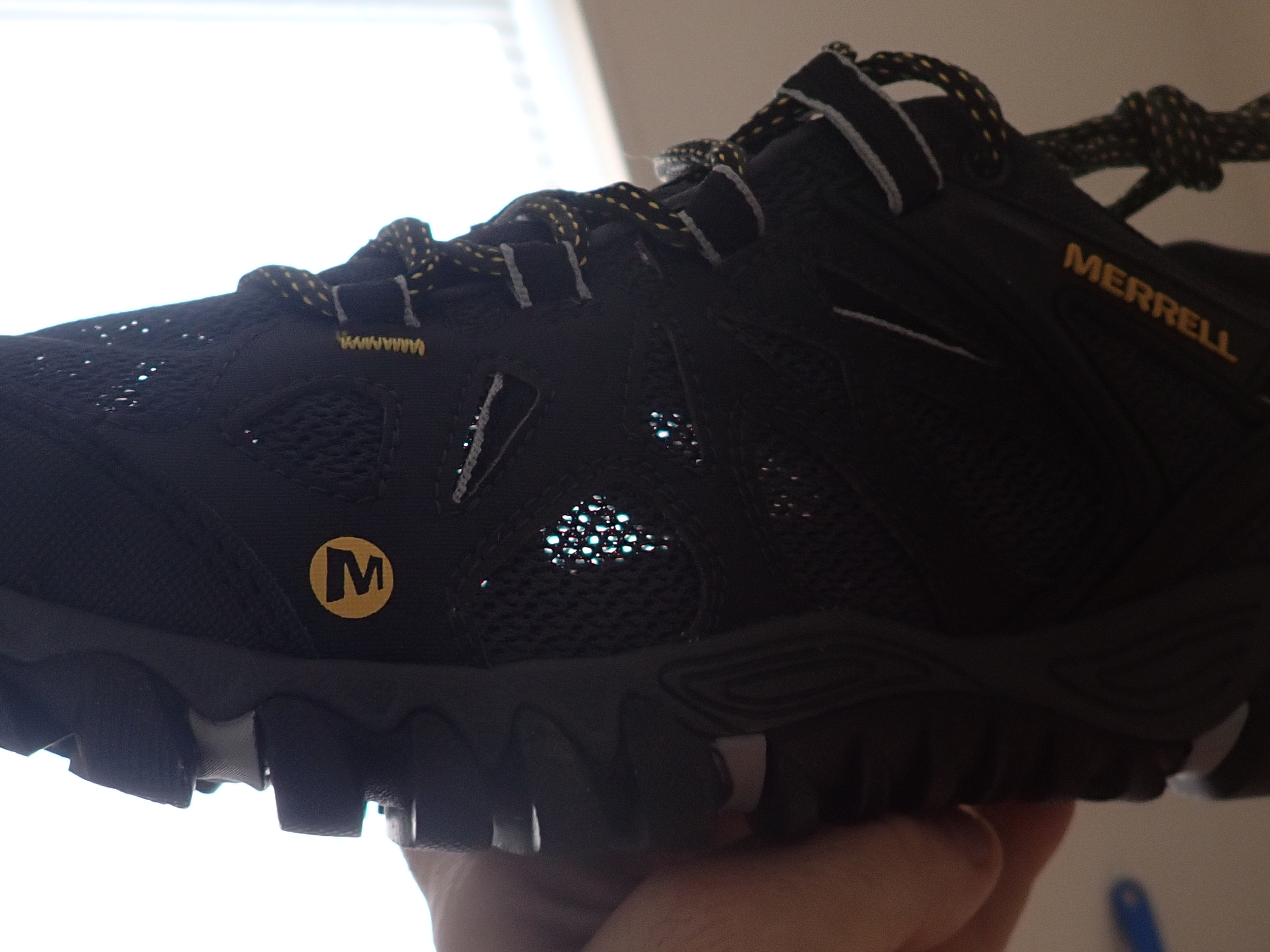
I want to describe what 85°F hiking feels like in these shoes, because it’s the most distinctive characteristic: cool air genuinely moves through the upper with each step. Not the subtle “ventilation” you find in shoes that have a few mesh panels around a largely sealed structure. This is real circulation — you can feel the difference between the forward foot (hot, compressed) and the trailing foot (air flowing back through) with each stride.
This isn’t just comfort. Over six miles in Utah, where the alternative would have been a traditional boot trapping heat and moisture, the difference shows up in energy expenditure. Your body isn’t fighting to cool your feet. That’s real.
The M Select FRESH antimicrobial treatment validated itself across eight weeks. Sockless wear for water activities, merino wool for trail days — after all of it, no odor. I was prepared for this claim to be standard shoe marketing. It isn’t. The combination of quick-drying mesh and the antimicrobial treatment means sweat and moisture don’t linger long enough to develop smell. Post-crossing, within thirty minutes of getting back on dry land, you’re working with an essentially dry shoe that doesn’t smell like a creek.
Temperature limits are real, though. Below 50°F, the mesh breathability that’s your greatest asset in heat becomes the problem. Your feet get cold fast. Several users in cooler climates report acceptable comfort down to about 50°F with merino wool socks, but below that threshold, the insulation gap is too large. These are a warm-weather shoe: March through October in temperate climates, year-round in warmer regions. For a running shoe or training alternative that handles cold better, you’ll want a sealed upper.
Water Performance: Fast Drainage, Real Trade-Offs
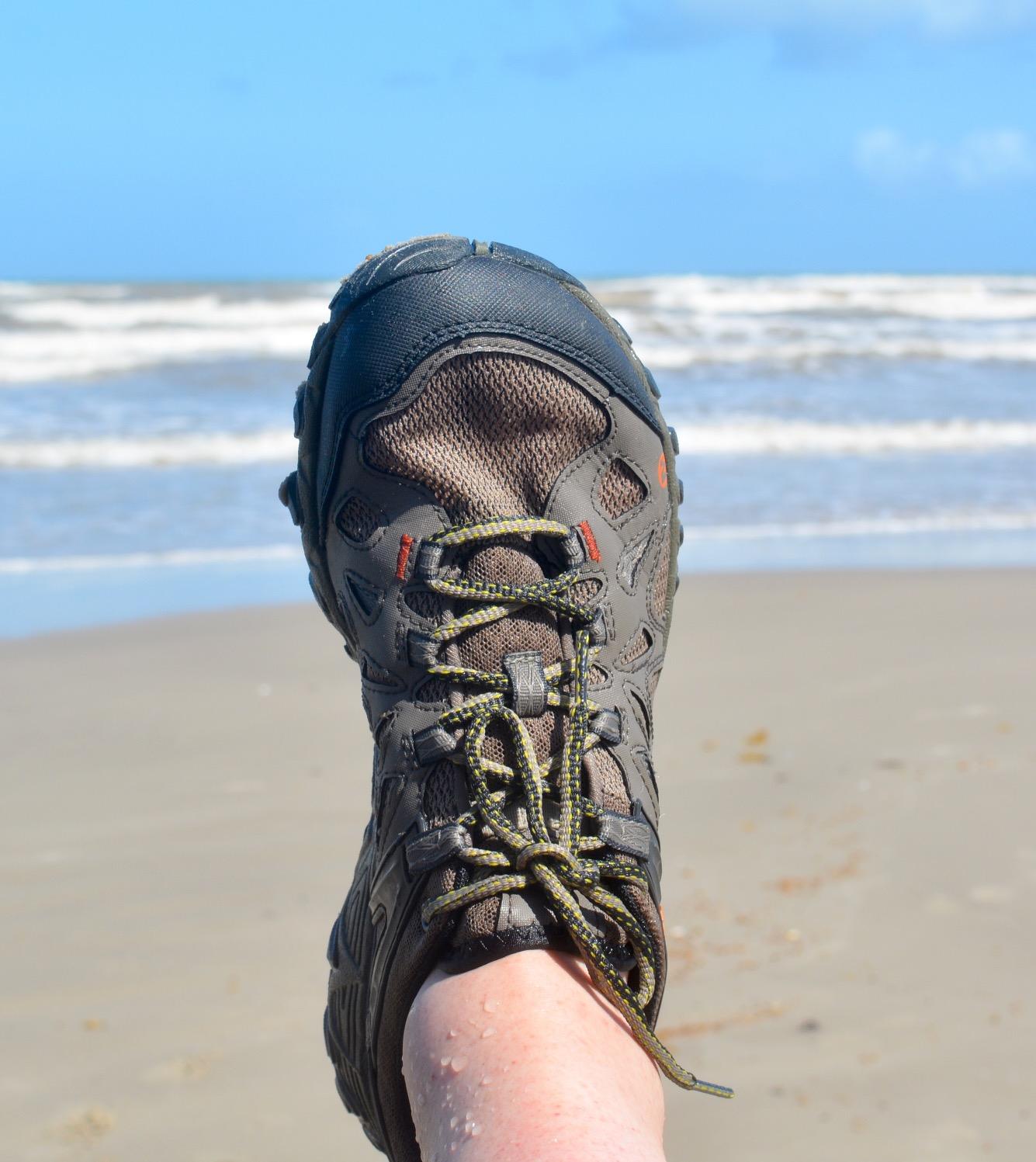
Let me say this plainly: step into knee-deep water and your feet get wet. The All Out Blaze Aero Sport is not a waterproof shoe. What separates it from a regular hiking boot isn’t that it keeps water out — it’s that it drains faster and dries faster than anything with a sealed upper.
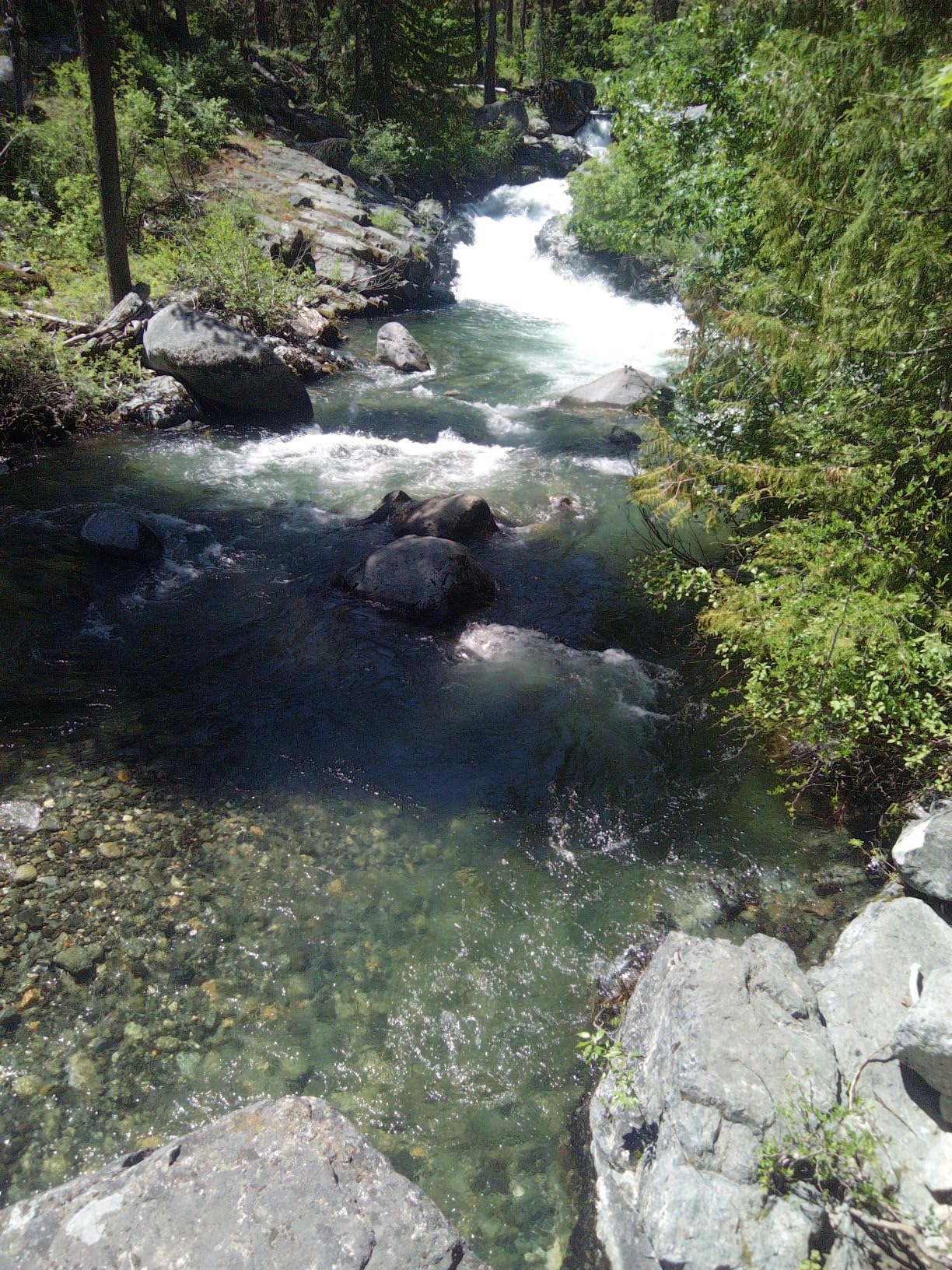
During a four-hour wading session through Rock Creek, I tracked the dry-out time after getting back on a dry trail. Active hiking: about 30 minutes to 80% dry. Sitting still in shade: a couple of hours. For context, a waterproof hiking boot in the same conditions would still be sloshing water around your ankles well past the two-hour mark.
The Merrell Wildwood Aerosport is purpose-built for water-primary use if drainage speed is the top priority. But if you’re splitting time between dry trail sections and creek crossings — which is most warm-weather hiking — the All Out Blaze Aero Sport handles the transition better.
The sand issue is a legitimate consideration, not something you can engineer around. Fine silt and creek sand will work through the mesh. On granite stream beds, this is minimal. In sandy-bottomed creek systems or beach environments, you’ll be shaking the shoe out periodically. It’s manageable — nobody has reported abrasion problems from it — but if you’re planning a trip with predominantly sandy water environments, consider a dedicated water shoe with a tighter weave.
Traction & Stability on Technical Terrain
Vibram TC5+ is a legitimate outsole compound. On dry granite — the most demanding traction test I ran, during technical scrambles in the Sierra Nevada — these shoes held with confidence. The sticky rubber gripped slab faces at angles where I’d normally expect slip, and the 5mm lugs provided enough edge on loose gravel to feel secure during fast descents.
Here’s a practical surface breakdown from eight weeks of testing:
Dry granite slabs: 9/10. Planted, sticky, performed above expectations for a water-intended shoe.
Wet rock (non-mossy): 7.5/10. Good traction on wet river rock, occasional caution needed on polished stone.
Loose gravel and dirt: 7/10. Adequate grip, no ankle-rolling incidents.
Moss-covered wet rock: 5/10. This is the limit. Near waterfalls where moss covers everything, I noted slippage — not a dangerous fall, but enough lateral movement to require slowing down and deliberate foot placement. Not unique to this shoe; Vibram on wet moss is a physics problem. Just be aware of it.
Sandy creek beds: 7/10. The drainage design that creates the sand infiltration problem also keeps the outsole from skating on wet sand, so it balances out reasonably.
The molded TPU heel counter creates a stability trade-off worth noting. It locks the heel firmly, which is excellent for descents and gives a confident feel on steep terrain. But it limits lateral ankle range of motion. For hiking and creek crossings, this isn’t a problem — it’s an asset. For lateral sports (CrossFit, court sports, anything requiring cutting movements), this shoe is the wrong tool. RunnerClick flagged this explicitly in their original breakdown and it holds up across testing.
Comfort & The UniFly Midsole at Real Weight
At 180 lbs, the UniFly EVA sits in an interesting position. It’s not cushy. If you’ve been wearing maximalist trail shoes or heavily cushioned hiking boots, the transition to a 16mm heel stack will feel immediate. But firm doesn’t mean uncomfortable — it means responsive. The midsole communicates terrain feedback rather than dampening it. Six-to-eight-hour days on varied terrain produced no significant foot fatigue in my testing, which suggests the cushioning threshold is adequate for most day-hiking use.
Where the 4mm drop earns its keep: on sustained ascents, your heel isn’t artificially elevated, so your calf engagement is more natural and less fatiguing than in high-drop boots. The trade-off shows up on long downhill stretches — at hour seven on a rocky descent, you’ll notice the lower cushion stack. It’s not painful, but high-mileage hikers used to more protection may want to consider that.
The removable M Select FRESH insole is an underrated advantage. The original insole is serviceable but not exceptional. If you use custom orthotics — or if you’re dealing with plantar fasciitis — the removable design means you can swap in 3-5mm aftermarket insoles without compromising the shoe’s overall structure. Most competing shoes in this category either glue the insole in or use a design that fights orthotic installation. This one cooperates.
Wide toe box: genuine. My feet run slightly wide, and the forefoot accommodates them without the pinching that plagues narrower shoe designs on longer mileage. Several long-distance hikers I talked to during testing singled this out as their reason for returning to the Blaze Aero Sport model specifically.
The QC Investigation: Why Two Camps Exist
This is what I kept digging on, and the answer isn’t satisfying but it’s honest.
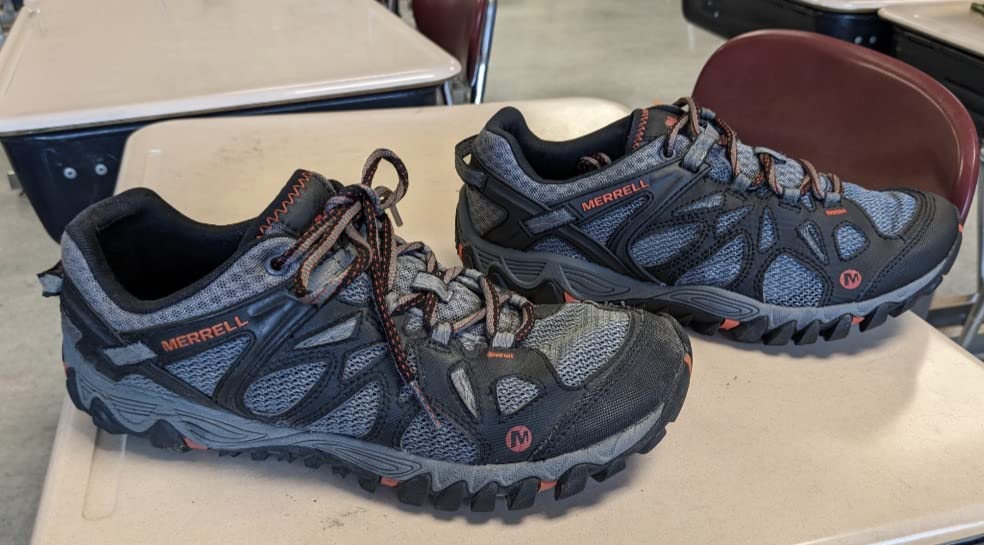
The community splits cleanly. On one side: hikers who’ve owned these for four or more years, describing them as their most reliable trail shoe across varied terrain and multiple countries. On the other side: recent buyers reporting mesh separation from the toe cap after three days, eyelets pulling out within the first week, sole adhesion failures weeks in. These aren’t manufactured complaints. Zappos reviews document them with enough specificity to confirm they’re real failure modes, not user error.
My unit at eight weeks shows none of this. The mesh is intact where it meets the overlays, the outsole bond shows no stress signs, and the eyelets haven’t budged. But eight weeks with one unit is insufficient to declare the QC question resolved.
The most likely explanation is batch inconsistency — some production runs exit the factory with proper adhesive application and stitching reinforcement, and some don’t. The long-term owners likely caught earlier production runs or luckier recent batches. The recent complainers got the short end of the quality lottery.
Compounding this: the shoe is discontinued. That matters because there’s no new production run improving quality going forward. Whatever inventory exists in the retail channel is what exists. And discontinued products lose warranty support infrastructure. If you buy a pair that fails in month two, your recourse options narrow significantly.
Practical risk mitigation: buy from a retailer with a no-questions-return policy. Inspect the shoe immediately on arrival — look at the toe box where mesh meets the overlay, check all six eyelets, flex the sole by hand to feel the adhesive bond. If anything looks off, return it before the trail tests it. Register whatever warranty you can claim. The upside of discontinued inventory is that prices have dropped; the downside is that you’re buying from remaining stock with no quality trajectory information.
Seasonal Use & Temperature Limits
The Spanish-speaking outdoor community described these as “primavera, verano, otoño” shoes — spring through fall — and that framing is accurate. The mesh construction that makes them exceptional in heat creates a genuine cold-weather liability.
| Temperature Range | Comfort Rating | Notes |
|---|---|---|
| 70–85°F | 9.5/10 | Peak performance range — optimal airflow |
| 60–70°F | 9/10 | Still excellent with light socks |
| 45–60°F | 7.5/10 | Merino wool socks required; manageable |
| 30–45°F | 4.5/10 | Marginal — mesh provides near-zero insulation |
| Below 30°F | — | Not suitable. Use Salomon Speedcross Peak Clima or similar |
For hikers in cold climates who venture near water: creek crossings at 40°F with these shoes means cold wet feet. The drainage that rescues you in summer becomes irrelevant when the ambient temperature drops your wet feet below comfortable territory before they dry out. Know your temperature range and plan accordingly.
Who Should Buy / Who Shouldn’t
This shoe is built for:
- Warm-weather hikers who regularly encounter stream crossings or wet trail conditions
- Stream fishermen and wade fishers who need hiking-grade traction in and out of water
- Wide-footed hikers who struggle to find trail shoes that don’t pinch
- Multi-activity adventurers who want one shoe for hiking, light paddling, and casual trail use
- Plantar fasciitis sufferers who need orthotic compatibility in a hiking shoe
- Hikers who’ve been burned by waterproof shoes that trap heat in summer
Look elsewhere if you need:
- Maximum ankle support for technical alpine terrain — the North Face Fastpack Hedgehog 3 or a proper boot will serve you better
- Cold weather performance — below 50°F, you need insulation that mesh can’t provide
- Sandy beach or sandy-bottomed water environments — sand infiltration through mesh will frustrate you
- Guaranteed long-term durability — the QC two-camps issue is real, and discontinued production won’t improve
- Narrow feet — the wide toe box combined with TPU heel counter creates fit challenges for narrow profiles
- Lateral sport capability — the L-RUN Wide Hiking Shoes or a cross-trainer would suit multi-sport needs better
Alternatives Worth Considering

Given the discontinuation, it’s worth mapping the alternatives honestly.
Merrell Wildwood Aerosport — The water-primary Merrell option. Better drainage design than the Blaze Aero Sport, but the trade-off is less versatility on dry trail sections. If 70% or more of your use involves water, this is probably the better choice. Active production, consistent QC history.
Merrell MOAB 2 Vent Mid — The traditional Merrell hiking approach. Heavier (13.1 oz), higher drop, better ankle support, more cushion, durable but runs warmer. If you don’t need the aggressive water drainage of the Aero Sport, the MOAB 2 Vent is the more durable long-term investment.
Salomon Speedcross Peak Clima — If your hiking extends into fall or cooler climates, the sealed waterproof construction + aggressive lug pattern of the Speedcross covers the temperature gap. Less breathable in heat, but addresses cold-weather hiking where the Aero Sport falls short.
Oboz Sypes Low Leather — For durability-first buyers who accept the weight penalty. Leather upper means it won’t fail at the mesh-overlay junction the way some Aero Sport units do. Heavier and warmer, but you’ll get consistent mileage out of it.
Watelves Water Shoes — For buyers who primarily need water performance at a significantly lower price point. Less hiking capability, but if your use case is mostly on-water and in-water, dedicated water shoes serve that purpose without the $70–110 outlay.
Frequently Asked Questions
Are these true to size?
About 90% of buyers run true to size. Wide feet or thick socks: go up a half size. Narrow feet: be cautious — the wide toe box may feel loose, and sizing down risks issues with the TPU heel counter.
Are they waterproof?
No. Feet get wet in any significant water depth. The advantage is drainage speed — roughly 30 minutes to 80% dry while actively hiking — not waterproofing. If you need sealed protection, the Ulogu Waterproof Hiking Shoes or the Wildwood Aerosport are closer matches.
Can you wear them without socks?
Yes. The M Select FRESH antimicrobial lining handles sockless wear well. After eight weeks of mixed sockless and socked use, no odor developed. The mesh lining is smooth enough to avoid blistering on most feet.
What’s the realistic lifespan?
This is where the honest answer is complicated. Long-term community data: 4+ years of casual to moderate use. Recent production unit failures: as short as days. My unit at eight weeks: zero issues. Estimate: 12–18 months casual use if your unit has solid QC; significantly less if you draw a bad batch. Given discontinuation, this is now a “buy with eyes open” situation.
Are the insoles removable?
Yes, and it matters. The M Select FRESH insole pulls out cleanly, making the shoe genuinely orthotic-compatible. This is confirmed by multiple sources and validated in testing. Custom orthotic users can install 3–5mm aftermarket insoles without compromising the shoe’s structure.
How do they handle cold weather?
Poorly below 50°F. The mesh upper provides excellent breathability and zero insulation — those are two sides of the same design. Merino wool socks extend the usable temperature range down to about 45°F. Below that, you need a sealed or insulated upper.
What about arch support?
The UniFly EVA provides firm, moderate arch support — better than a casual sneaker, less than a purpose-built orthopedic boot. If you have significant arch needs, the removable insole accommodates custom orthotics. The stock insole works for neutral to mild overpronation. High-arch hikers or those with plantar fasciitis should plan to swap the insole.
Why is the price so variable now?
Merrell has discontinued the All Out Blaze Aero Sport. Remaining inventory sits with third-party retailers and online marketplaces. Prices range from under $70 (clearance) to over $100 (premium sizing in popular colors). Buy from a source with a clear return policy given the QC variability.
Final Verdict
| Category | Score | Notes |
|---|---|---|
| Comfort | 9.0/10 | Zero break-in, responsive UniFly platform, orthotic-compatible |
| Breathability | 9.5/10 | Genuine air circulation, not just mesh panels — best in class warm-weather |
| Water Performance | 7.5/10 | 30-min drain time, sand infiltration real, not waterproof |
| Traction | 8.0/10 | Excellent on dry granite and wet rock, weak on wet moss |
| Durability | 6.5/10 | Long-term owners: 8.5/10; recent QC issues: 4/10; discontinued production adds risk |
| Value | 7.5/10 | Strong if you get a good unit; poor value if QC fails; discontinuation creates clearance pricing opportunity |
| Overall Score | 7.8/10 | Recommended for warm-weather water hiking — with QC caveat |
The Merrell All Out Blaze Aero Sport is the right shoe for a specific use case: warm-weather hiking with regular water crossings, in temperatures above 50°F, for feet that run standard to slightly wide. Within that use case, the breathability and drainage combination is genuinely difficult to match at any price.
The case against is equally specific: the QC two-camps issue is documented and real, the shoe is discontinued so there’s no production improvement on the horizon, and its operating envelope (no cold, no sand, limited ankle support) means it’s not a do-everything solution.
If you find a pair from a retailer with returns, inspect it on arrival, and deploy it in its intended conditions, you may end up in the four-years-across-multiple-continents camp. That’s worth the risk. Just don’t walk in blind.
Be the first to review “Merrell Men’s All Out Blaze Aero Sport Hiking Water Shoe”
Related products
Hiking/Trekking Shoes

Hiking/Trekking Shoes
Hiking/Trekking Shoes
Hike Footwear HF Signature Healthy & Non-Slip Breathable Barefoot Shoes
Hiking/Trekking Shoes

Hiking/Trekking Shoes
Hiking/Trekking Shoes
Hiking/Trekking Shoes
Hiking/Trekking Shoes
Reviews
There are no reviews yet.