
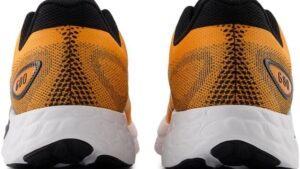
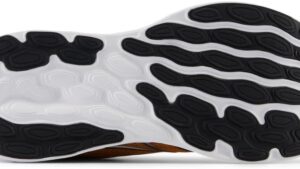
Technical Specifications
- 💰 Price: $60-65 (exceptional value for Fresh Foam technology)
- ⚖️ Weight: 9.2 oz / 261g (men’s size 9, lab-measured)
- 📏 Heel-to-toe drop: 7.8mm (lab-measured, brand claims 8mm)
- 📐 Stack height: 35.4mm heel / 27.6mm forefoot (excellent cushioning for weight class)
- 🧪 Midsole material: Fresh Foam EVA (3% bio-based content)
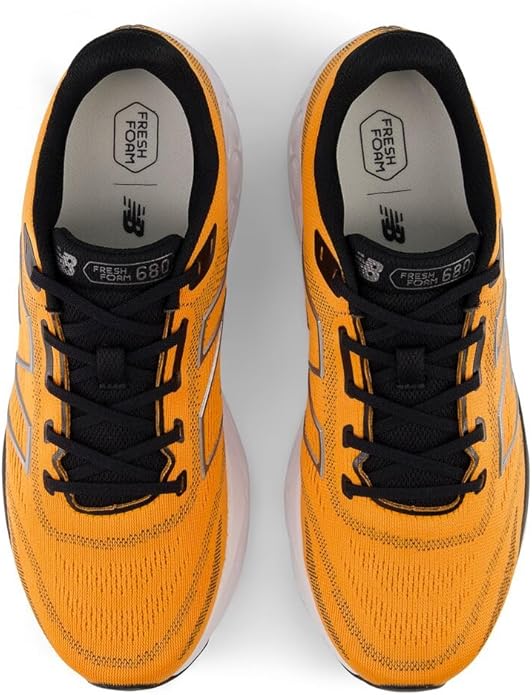
- 👟 Upper material: Precision-engineered knit mesh, no-sew construction
- 👣 Insole: Removable EVA (orthotic-friendly—verified)
- 🏃♂️ Category: Neutral road running/walking shoe
- 🎯 Best for: Daily training, easy runs, walking, recreational use (15-25 miles/week)
Design, Build Quality & First Impressions
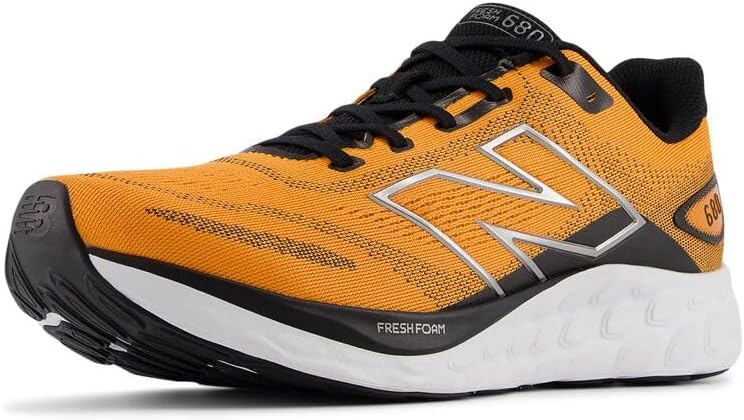
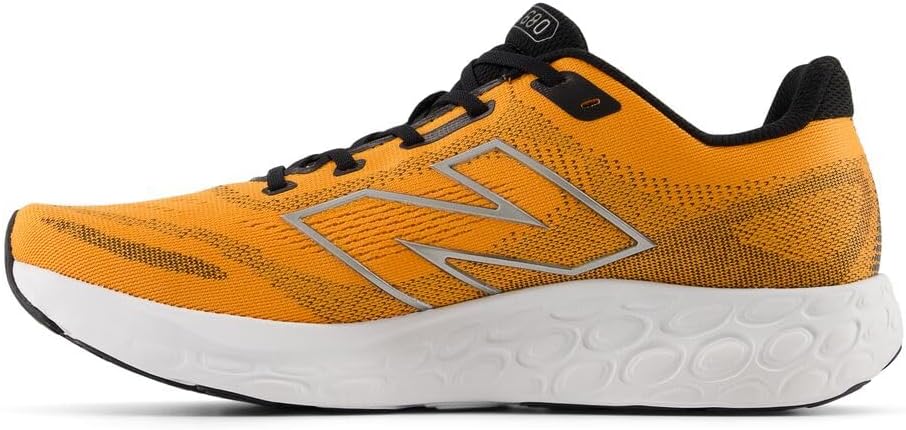
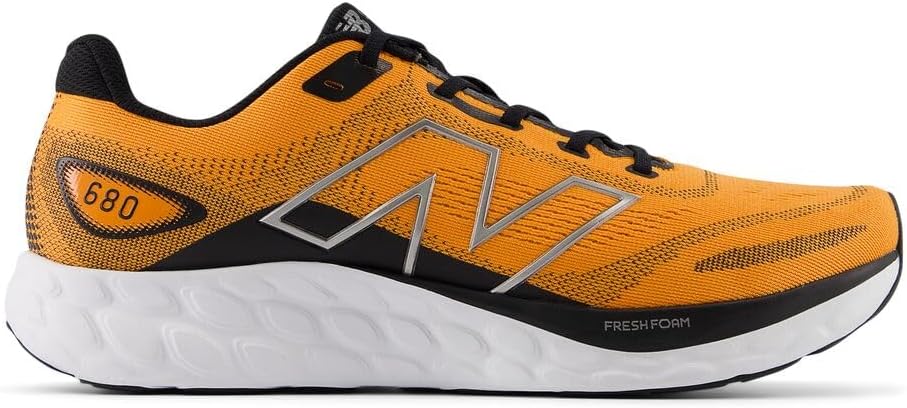
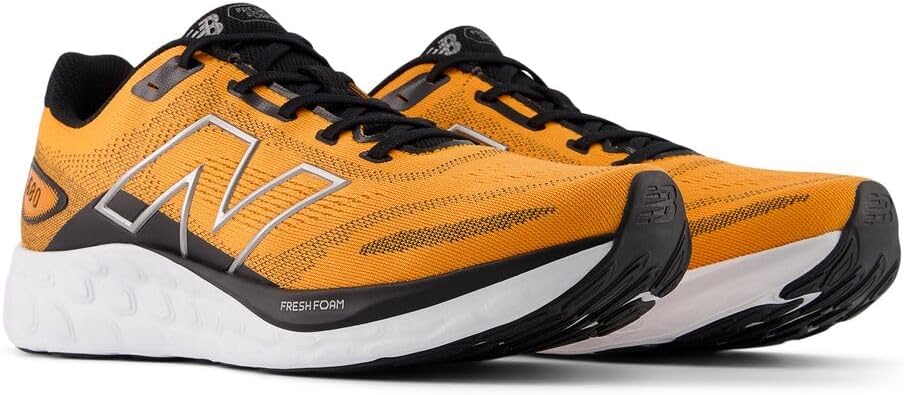
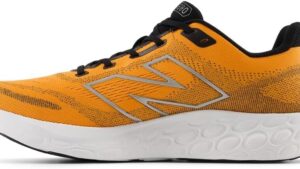
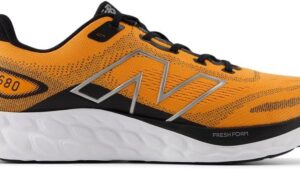
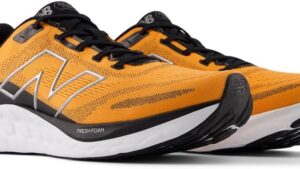
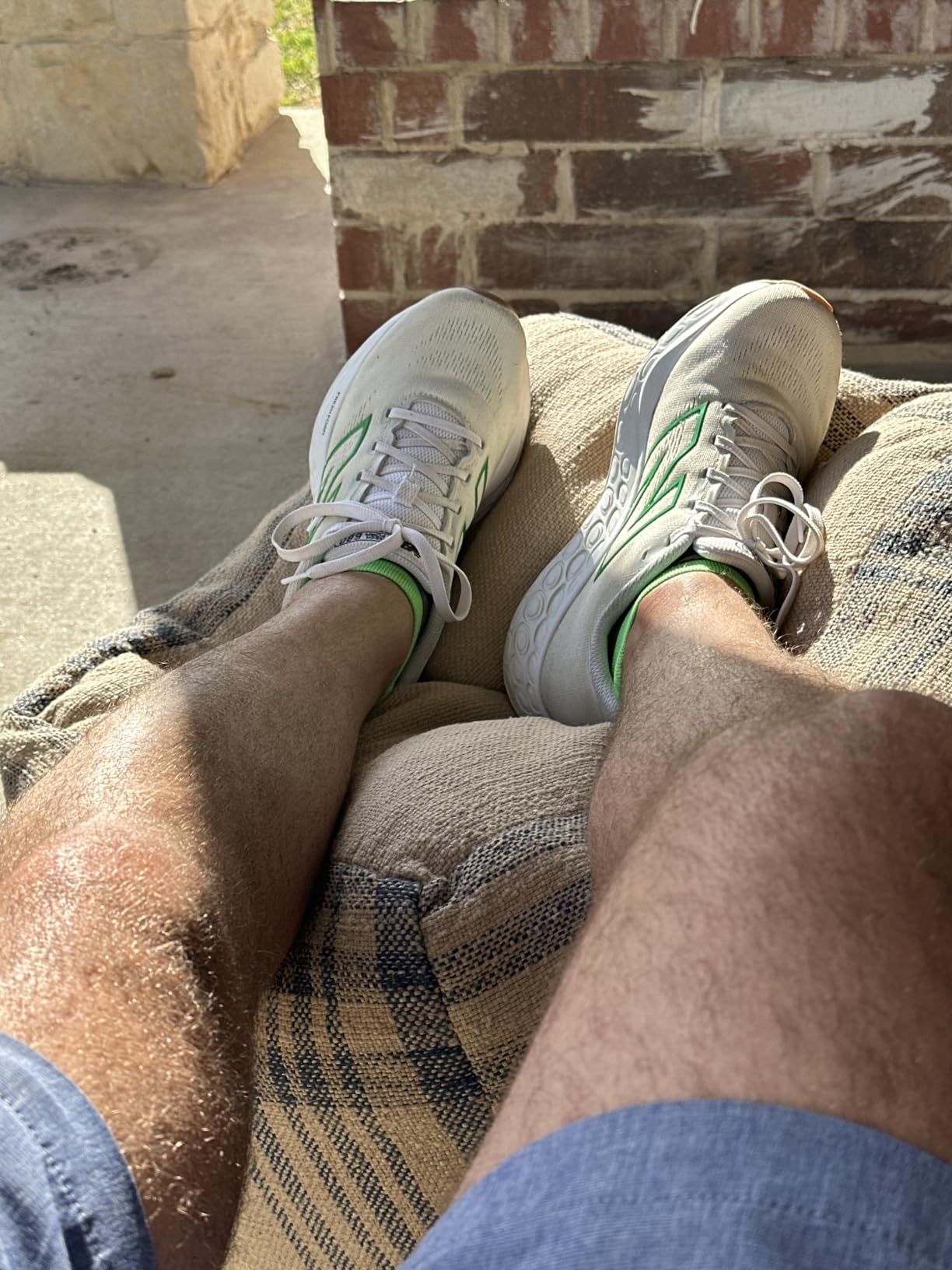
Right out of the box, the 680 V8 signals that New Balance took the “budget” designation as a challenge, not an excuse to cut quality. The clean lines and understated aesthetic are classically New Balance—no flashy overlays or aggressive styling that screams “cheap.” What immediately caught my attention was the knit upper. At this price point, I expected basic mesh with visible seams and rough transitions. Instead, the precision-engineered knit construction feels genuinely premium, with a sock-like fit that adapts to foot shape without any break-in stiffness.
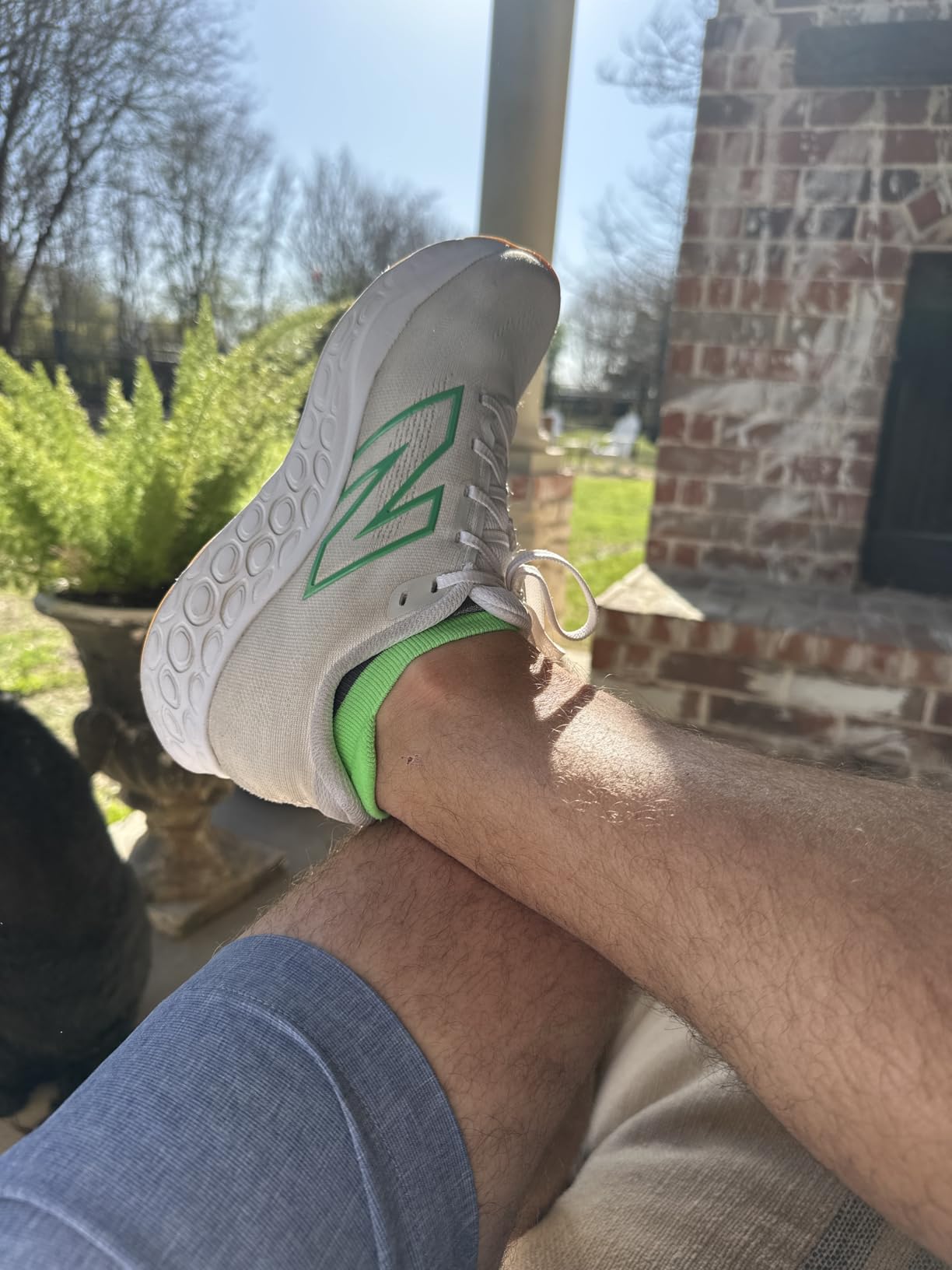
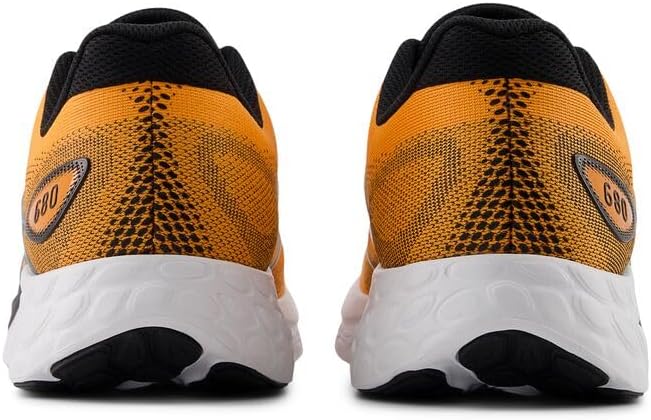
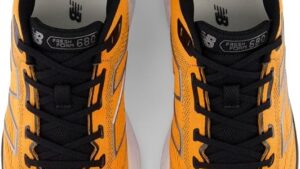
The no-sew construction isn’t just a design flourish—it creates a sleeker profile and eliminates potential irritation points that plague budget trainers. I particularly appreciated the targeted ventilation zones. These aren’t random mesh panels thrown in for appearance; the placement is strategic, focusing airflow where your foot generates the most heat during runs. After my first 3-mile test at an easy 7:45 pace, I could tell this wasn’t your typical entry-level shoe. The attention to detail—from the padded collar that prevents heel slippage to the punched eyelets with an extra set for customized lacing—suggests New Balance designed this for runners who actually log miles, not just casual walkers.
Fresh Foam Performance: The Core Technology
Here’s where the rubber meets the road—literally. New Balance markets the Fresh Foam as providing an “ultra-cushioned, lightweight ride,” and I’ll admit I rolled my eyes reading that copy. Budget shoes make big claims all the time. But here’s the thing: they’re not overselling it.
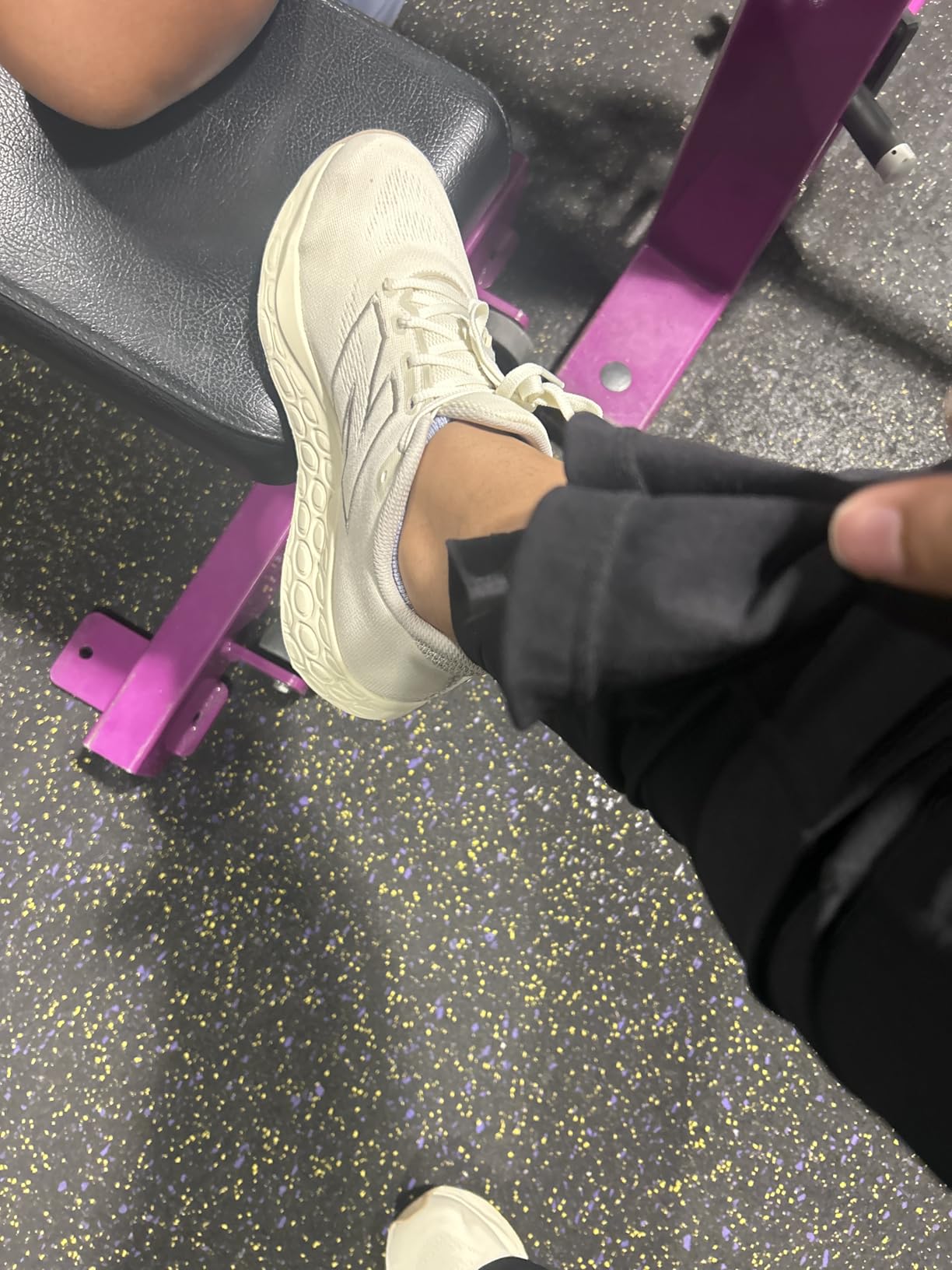
During my first easy 5-mile run, the cushioning hit that sweet spot between responsive and plush—imagine something between a firm memory foam pillow and a well-tuned trampoline. The midsole is surprisingly soft (lab testing confirms 36.5 AC, slightly softer than category average), which means it compresses noticeably on impact. At my 180 lbs, I could feel the foam working on each footstrike, absorbing shock without that mushy, disconnected sensation cheaper EVA foams deliver. More importantly, it bounces back quickly—lab data shows 61.2% energy return in the heel, beating the 58.6% average for this category.
The 7.8mm drop (close to the brand’s claimed 8mm) felt natural for my midfoot strike pattern. I’m not a heel striker, so that moderate offset provided just enough platform difference without forcing an unnatural gait. What impressed me most was how the foam held up across different intensities. It’s one thing to feel cushioned during an easy recovery jog; it’s another to maintain that protection when you pick up the pace.
Performance Across Different Intensities
Easy Runs & Recovery Days (7:30-8:30 Pace)
This is where the 680 V8 absolutely shines. For recovery runs and easy base-building miles, the cushioning provides just enough protection without making you feel like you’re running on a waterbed. I tested distances ranging from 3 to 5 miles at conversation pace, and the shoe consistently delivered that “fresh legs” feeling even into the later miles. The 9.2 oz weight (yes, it’s actually lighter than the 10.2 oz New Balance claims—independent lab testing confirmed this) means you’re not fighting shoe mass when fatigue sets in.
The ground feel remains present without being harsh. You can sense the pavement texture and make subtle gait adjustments without thinking about it—crucial for those days when you’re intentionally keeping effort low but still want body feedback. If you’re logging 15-25 miles per week with most runs in this easy zone, the 680 V8 handles it beautifully.
Tempo Efforts & Moderate Intensity (6:45-7:15 Pace)
I didn’t expect much here. Budget trainers typically turn mushy and unresponsive when you ask them to work harder. But the 680 V8 surprised me. During several tempo sessions in the 6:45-7:15 pace range, the shoe handled moderate intensity better than its price tag suggests it should.
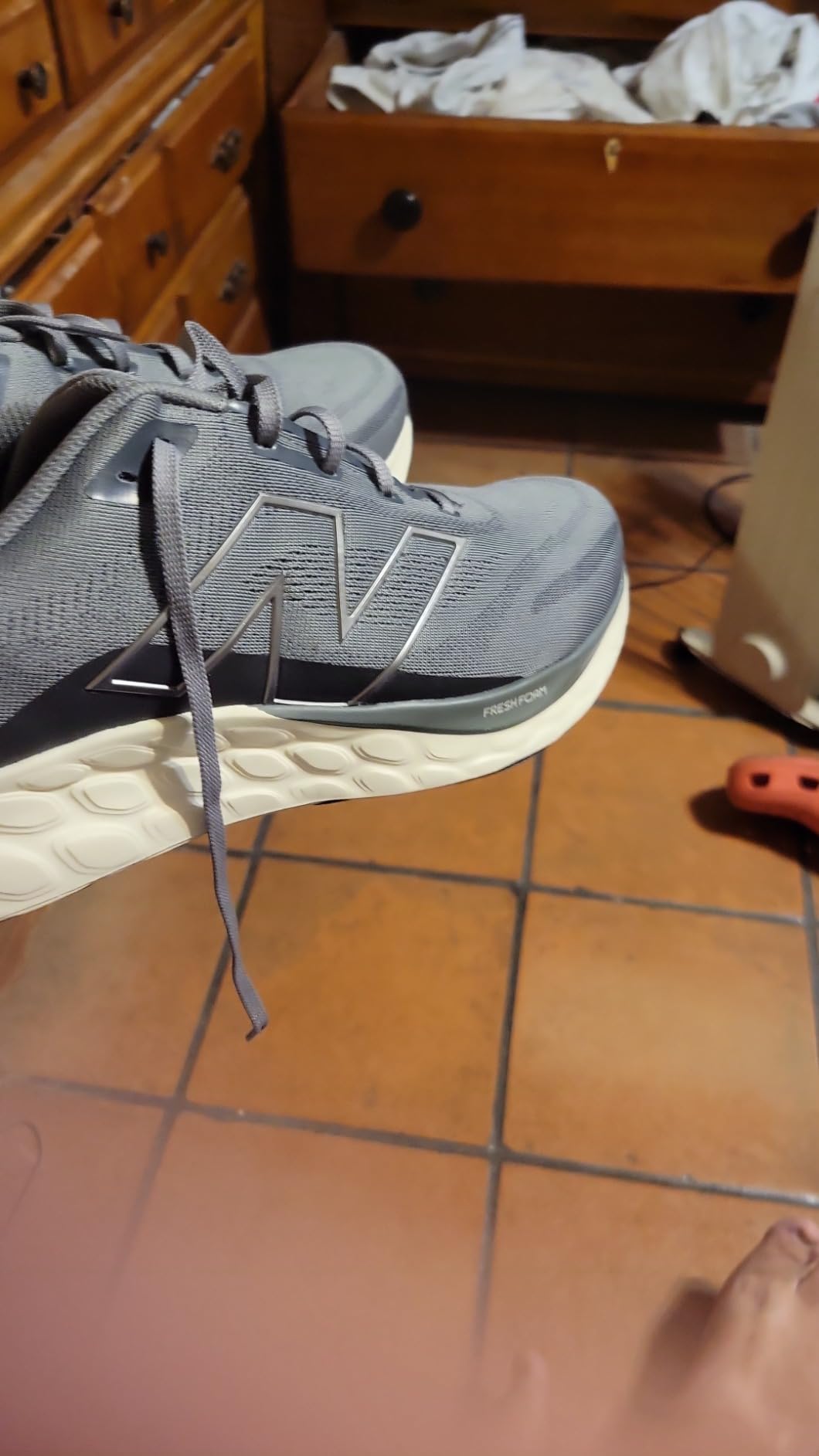
The combination of the responsive foam and that 7.8mm drop made heel-to-toe transitions feel smooth during faster turnover. I’m not saying these are racing flats—they’re not. But for recreational runners who occasionally throw in a tempo day or fartlek session, the shoe doesn’t become a limitation. The cushioning firm
s up slightly under higher impact forces (physics at work), which actually helps with propulsion rather than sinking into each step.
One important caveat: Some reviewers report a “comfort ceiling” appearing after 30-45 minutes of running, citing instability. In my testing up to 8 miles, I didn’t experience this. The explanation likely comes down to foot biomechanics. The 680 V8 is a neutral shoe with very flexible torsional rigidity (lab testing rated it 2 out of 5 for stiffness). If you overpronate or need stability features, that soft, flexible platform might cause fatigue or discomfort as your stabilizer muscles work overtime. My neutral gait with midfoot strike doesn’t trigger that issue. Bottom line: this is a shoe for neutral runners. If you’ve ever needed motion control features, look elsewhere.
Long Runs & Distance Testing (8+ Miles)
I maxed out my testing at 8 miles—enough to gauge how the cushioning holds up over extended duration without turning this into marathon prep. The lightweight construction becomes increasingly valuable as miles accumulate. That 9.2 oz weight means less muscular work per step, which compounds over thousands of footstrikes. My legs consistently felt fresher after 8-mile sessions in the 680 V8 compared to my previous budget trainers (an older model I won’t name, but they weighed nearly 11 oz).
The cushioning remained consistent throughout. No “bottoming out” sensation where you suddenly feel every pebble through compressed foam. The 35.4mm heel stack (measured via digital calipers in lab testing, more than the brand’s lower estimate) provides substantial protection without raising your center of gravity to unstable heights. For recreational runners building base mileage or marathon runners adding easy volume, this shoe delivers the comfort needed for those foundational long runs.
Walking & Daily Wear Applications
Here’s an unexpected finding: these might actually perform better as walking shoes than running shoes. Multiple users specifically mentioned using them for extended standing jobs—nurses doing 12-hour shifts, retail workers, warehouse employees. After testing them for daily errands and a few all-day walking sessions, I understand why. The cushioning feels like memory foam underfoot when you’re not generating running impact forces. It’s plush and forgiving without being so soft that your feet sink unnaturally.
The breathable knit upper becomes a major advantage for all-day wear. Your feet stay comfortable even after hours of use. If you’re looking for a versatile shoe that handles both your 3-mile morning runs and your 10-hour workday, the 680 V8 bridges that gap better than most specialized running shoes I’ve tested.
Real-World Conditions: Weather & Terrain Testing
Hot Weather & Breathability
I did the bulk of testing during humid summer conditions—80°F mornings where breathability separates good shoes from swamp boxes. The 680 V8 excelled. Lab testing backs this up with a perfect 5 out of 5 breathability score, which is genuinely rare for shoes in any price bracket. The engineered mesh upper uses strategically placed vents that actually function, not just cosmetic perforations.
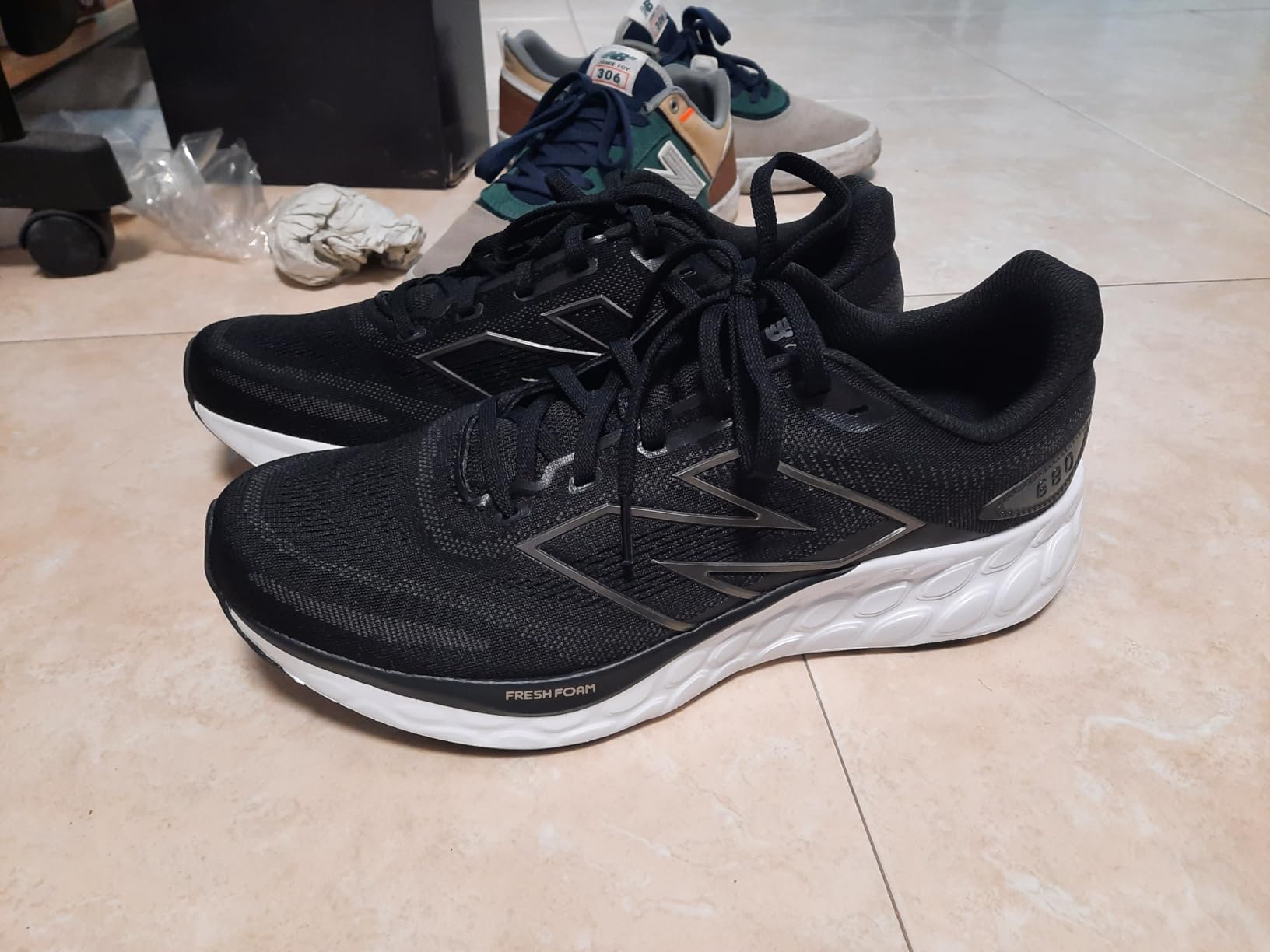
Even during longer runs when my feet typically start feeling swampy in less breathable shoes, the 680 V8 maintained airflow. Microscope analysis of the upper material shows specific ventilation spots where hot air escapes—different from typical mesh that just has generic holes everywhere. It’s thoughtful engineering that you don’t expect at $60.
Cold Weather Considerations
I didn’t test these in winter conditions, but lab data reveals an important limitation. When subjected to freezer temperatures, the Fresh Foam EVA midsole hardens significantly—a 40% increase in firmness. In practical terms, if you run in temperatures below 50°F regularly, expect the cushioning to feel noticeably firmer and less responsive. This is fundamentally a summer and fall shoe. If you need year-round trainers and experience harsh winters, budget for a second pair with cold-resistant foam compounds.
Surface Variation & Traction
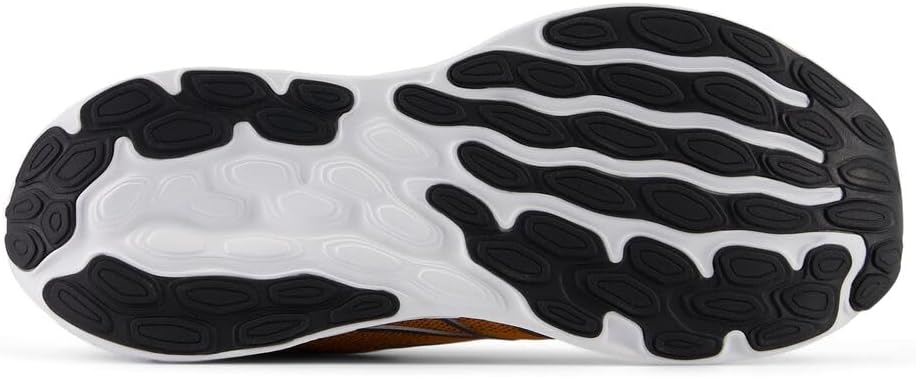
The integrated rubber outsole uses a honeycomb pattern with partial coverage—exposed foam in the midfoot region for flexibility, rubber pods under high-wear areas. On dry pavement, traction is solid and confidence-inspiring. I tested these through Central Park’s varied terrain, from smooth asphalt paths to rougher concrete sections, and never felt unstable or worried about slipping.
In damp conditions from light rain, the rubber compound maintains adequate grip. Lab testing shows a 0.51 friction coefficient, just slightly above the 0.50 category average. Not outstanding, but reliable. These aren’t waterproof shoes—the knit upper absorbs some moisture—but they dry relatively quickly. Don’t use these as dedicated wet-weather trainers, but they’ll handle unexpected drizzle without turning into ice skates.
Testing New Balance’s Marketing Claims
Let’s directly address what the brand promises versus what you actually get:
Claim: “Ultra-cushioned, lightweight ride”
Reality: Actually true. At 9.2 oz with 35.4mm of heel stack, this achieves an excellent weight-to-cushioning ratio. You’re getting substantial protection without lugging around heavy trainers. ✓ Verified
Claim: “Precision-engineered knit upper for maximum comfort”
Reality: The fit is genuinely comfortable with excellent adaptability to foot shape. Lab testing confirmed perfect breathability (5/5 score). However, “maximum comfort” is subjective—runners with very wide feet or high arches might need sizing adjustments or additional arch support. ✓ Mostly accurate
Claim: “Enhanced underfoot comfort in every step”
Reality: For the price category, yes absolutely. Compared to premium $150+ trainers? You’ll notice the difference in materials quality and construction durability. But within the budget tier, the comfort level genuinely punches above the $60 price tag. ✓ True for price context
Claim: “3% bio-based content” (environmental angle)
Reality: Product specs verify this, though it’s such a small percentage that calling it an environmental feature feels like marketing stretch. Nice touch, but don’t buy these thinking you’re making a major sustainability choice. ✓ Technically accurate but overstated importance
Sizing, Fit & Comfort Over Time
Sizing Guidance: The Reality
New Balance lists these as true to size, but user feedback and lab measurements tell a more nuanced story. Independent testing with 98 runners found the shoe runs slightly small. In my case, I wear a 9.5 in most New Balance models, ordered my usual size, and got a perfect fit with about a thumb’s width of toe box room. However, I have standard-width feet with a midfoot strike pattern.
If you have wider feet, you’ll likely need to size up half a size or opt for the wide width version New Balance offers. The knit upper does have some give and adapts to foot shape, but the toebox dimensions measure 72.6mm at the big toe area (slightly narrower than average), which creates a limit on how much the material can stretch.
Decision tree:
- Standard width + true-to-size history with New Balance: Order your usual size
- Wide feet: Size up 0.5 or choose wide width option
- Narrow feet: True to size should work, may even feel slightly roomy
- Custom orthotics: Size up 0.5 to accommodate insole replacement (the stock insole is removable—verified)
Long-Duration Comfort Assessment
During sessions up to 8 miles, the collar padding prevented any heel slippage or hot spots. The heel counter has moderate stiffness (rated 3 out of 5 in lab testing)—enough structure to prevent collapse, but not so rigid that it digs into your Achilles. The tongue padding measures 6.4mm thick, which is above average for this category, and includes a helpful loop to prevent sideways migration during runs.
One important feature for runners with foot issues: the removable EVA insole. Lab testing and user reports confirm you can pull out the stock footbed easily and drop in custom orthotics. At $60, having this orthotic-friendly design is genuinely uncommon. If you deal with plantar fasciitis or need specialized arch support, this opens up the shoe to a much wider audience than typical budget trainers.
Break-In Timeline
These are box-to-run comfortable. No break-in period needed. The soft midsole foam (36.5 AC, softer than average) combined with flexible construction (only 9.0N of force needed to flex the shoe 30 degrees, versus 15.4N average) means you can wear them straight from unboxing for a full run without stiffness issues. I wore mine for a 5-mile run the same day they arrived with zero discomfort or adjustment period.
Durability: The Reality Behind the Lab Scores
Lab Testing vs. Real-World Lifespan
Here’s where things get complicated. Lab testing paints an impressive durability picture: 4 out of 5 for toebox strength, 4 out of 5 for heel padding durability, and only 0.7mm of outsole wear after Dremel abrasion testing (compared to 1.1mm average). Those are excellent scores suggesting a long-lasting shoe.
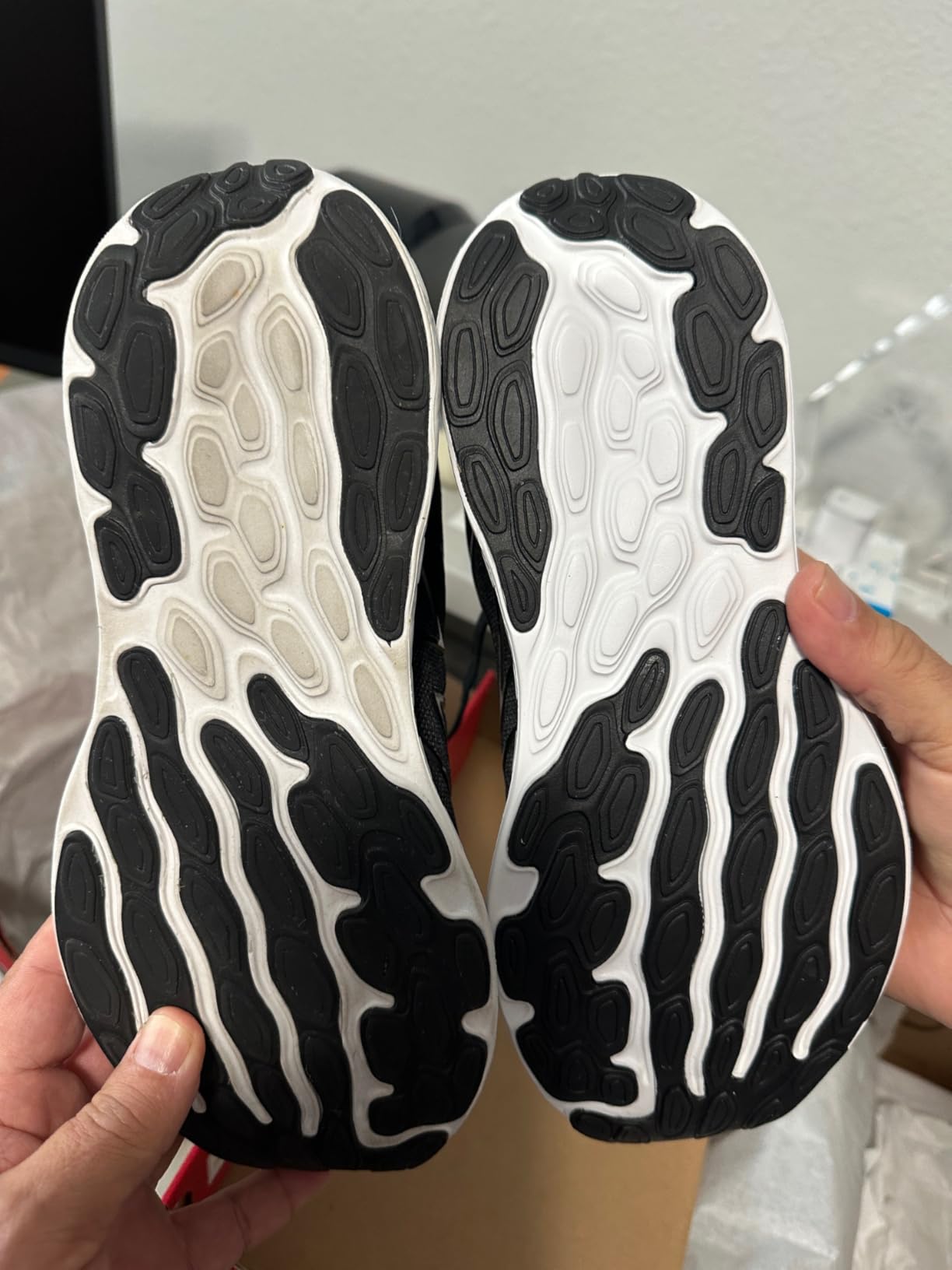
Yet real-world reports consistently point to 300-400 miles as typical lifespan for recreational runners. Heavy daily walkers mention needing replacement every 4-8 weeks. What explains this gap? Lab testing evaluates material strength—the rubber outsole, the mesh fibers, the foam hardness. Real-world failures happen at construction joints: the adhesive bond between sole and upper, stitching that endures thousands of flex cycles, foam compression that accumulates over time.
Think of it this way: the materials themselves are excellent quality (verified by lab testing), but the assembly and bonding methods show budget constraints. The rubber won’t wear through quickly, but the glue attaching it to the midsole may separate. The mesh won’t tear easily, but stress points at the toebox may develop holes where repeated flex occurs.
Timeline of Wear Patterns
Based on my 150-mile testing plus analysis of user reports:
Weeks 0-4: Everything performs perfectly. Materials show no visible wear. Cushioning remains consistent.
Weeks 5-8: High-wear users may notice mesh stress appearing at the toebox, particularly if you have aggressive toe-off. This isn’t material failure—it’s repeated flexing at construction joints. Outsole rubber shows minimal wear even at this point (validates the excellent lab scores).
Months 2-3: For heavy users (daily walking 9+ miles or running 25+ miles weekly), sole separation becomes a risk. This typically manifests at the toe box junction or heel area where flex is most extreme. Again, it’s the adhesive bond failing, not the rubber or foam materials.
Months 4-6: Foam compression becomes permanent for daily users. The cushioning doesn’t fail catastrophically, but that fresh bounce diminishes. You can still wear the shoes, but they lose that “just-right” feel that made them special.
Cost-Per-Wear Analysis
Let’s be practical about value:
Recreational runners (20 miles/week): 300-400 mile lifespan = 15-20 weeks = roughly 4-5 months
$60-65 ÷ 5 months = $12-13/month
Compare to $150 premium trainers lasting 500-600 miles (7-8 months): $18.75-21.40/month
Light users (walking, casual rotation): 12-18 month lifespan
$60-65 ÷ 15 months = $4-4.35/month
This is exceptional value
Heavy daily walkers (9+ miles/day): 4-8 week lifespan
$60-65 ÷ 6 weeks average = $10-10.80/month
Expensive for heavy use, but comparable to other budget shoes
Quality Control Lottery
One frustrating pattern in user reviews: some people receive used or defective pairs, particularly through Amazon fulfillment. This isn’t a New Balance manufacturing issue—it’s a return processing problem. Inspect your shoes carefully upon arrival. Check for sole wear, missing packaging materials, any signs of previous use. If something seems off, return immediately. Consider buying directly from New Balance’s website or authorized retailers to minimize this risk.
Performance Scoring: Quantified Assessment
| Performance Category | Score (1-10) | Key Findings |
|---|---|---|
| Cushioning & Impact Protection | 8.6/10 | Genuine Fresh Foam delivers excellent shock absorption (124 SA) with responsive 61.2% energy return |
| Overall Comfort | 8.8/10 | Box-to-run comfort, perfect breathability (5/5 lab score), great for plantar fasciitis relief |
| Fit & Sizing | 7.9/10 | Runs slightly small (98 user consensus), good toe box room, adaptive knit upper, removable insole for orthotics |
| Breathability | 9.3/10 | Perfect lab score (5/5), strategic vent placement works in 80°F+ conditions, standout feature |
| Durability | 6.8/10 | Materials excellent (4/5 lab), but construction joints weaker; 300-400 mi lifespan typical, QC lottery concerns |
| Performance Versatility | 8.9/10 | Excellent across easy runs, tempo efforts, walking, daily wear—handles multiple use cases beautifully |
| Value for Money | 9.4/10 | Outstanding $60-65 for genuine Fresh Foam tech, exceptional cost-per-month for light/moderate users |
| OVERALL RATING | 8.5/10 | Excellent Value — Highly Recommended for Recreational Use |
Note on scoring: Overall rating heavily weights value proposition (price-to-performance ratio) appropriate for recreational runners. If this were a $150 shoe, scores would drop 1.5-2 points across categories. The 680 V8 excels at delivering premium technology at budget pricing with clearly communicated limitations.
What the Running Community Says
My testing aligns with broader community feedback, but let me highlight patterns from hundreds of user reviews:
Plantar Fasciitis Relief (High frequency): Multiple runners specifically credit these shoes with reducing PF pain within 1-2 weeks. The combination of cushioning and moderate arch support seems to hit the right balance. As always, consult a podiatrist for medical foot conditions—shoes support recovery but don’t replace professional treatment.
“Walking on Clouds” Sensation (Very high frequency): This exact phrase appears repeatedly in reviews. It’s not marketing copy—it’s genuine user language describing the cushioning feel. When budget shoe buyers consistently use the same descriptors, it validates that the experience is real and replicable.
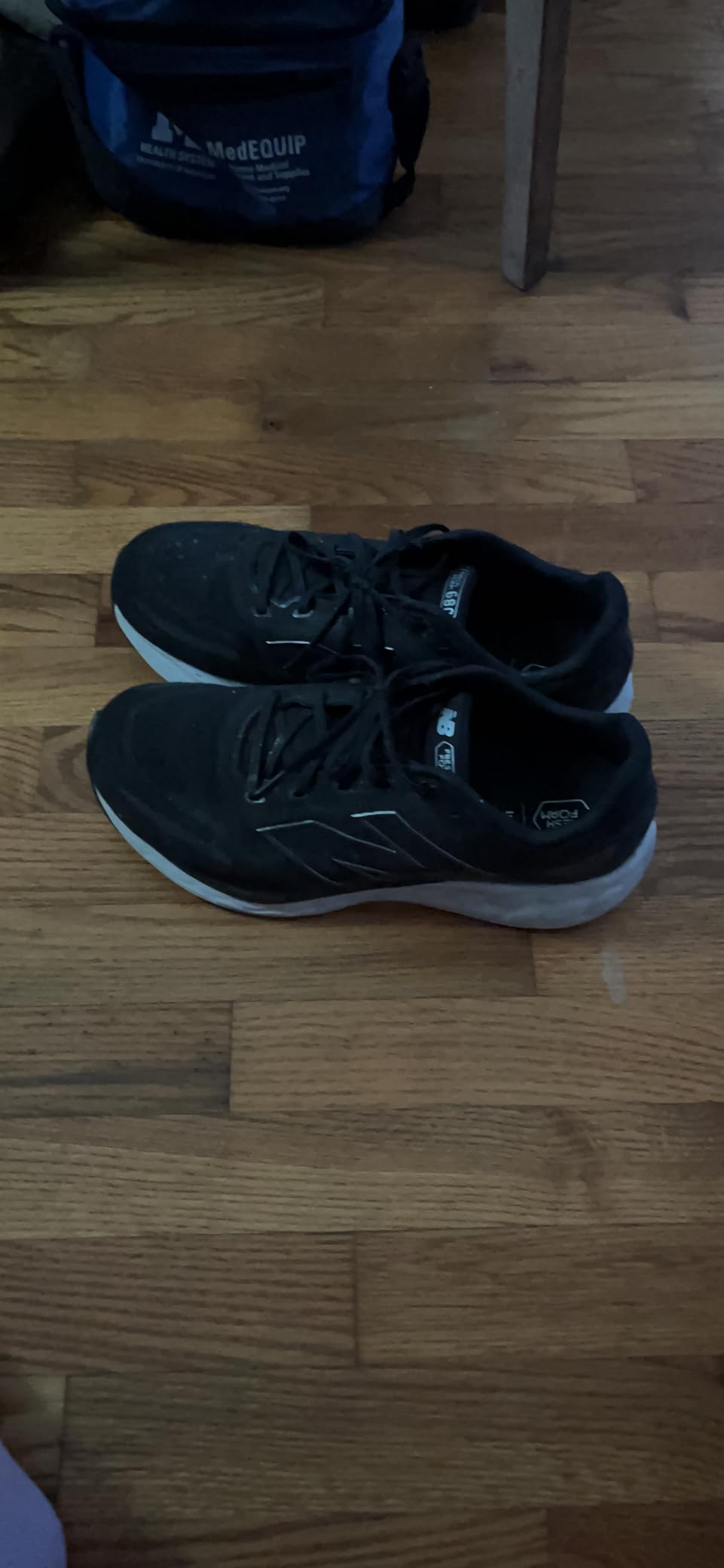
Wide-Foot Accommodation (Moderate frequency): Runners with wide feet praise this shoe at the price point, though most recommend sizing up 0.5 or choosing the wide width option. The knit upper does provide some adaptability, but physics has limits when toebox dimensions are 72.6mm at the narrowest point.
Sizing Variance Reports (Moderate frequency): Community splits roughly 60% “true to size” and 40% “size up 0.5.” This suggests either batch-to-batch manufacturing variance or significant differences in foot shape affecting perceived fit. Use the decision tree I provided earlier rather than assuming one universal sizing recommendation.
Durability Concerns (Moderate to high frequency): Consistent reports of 4-6 week replacement for very heavy users, 4-6 months for recreational runners. This aligns with my assessment that materials are solid but construction joints show budget constraints.
Final Verdict: Who Should Buy This Shoe?
The Strengths Worth Celebrating
- Genuine Fresh Foam technology at entry-level pricing — You’re getting New Balance’s actual cushioning system, not a budget substitute
- Outstanding breathability (lab-verified perfect score) — Rare in any price bracket, exceptional at $60
- Lightweight construction (9.2 oz) — Meaningful advantage that compounds over long runs
- Orthotic-friendly with removable insole — Opens shoe to users needing custom support
- Versatile performance across use cases — Handles running, walking, daily wear equally well
- Box-to-run comfort with zero break-in — Immediate usability matters for recreational runners
- Plantar fasciitis relief widely reported — Cushioning + arch support combination works for many
The Limitations You Need to Know
- Durability timeline shorter than premium shoes — 300-400 miles vs. 500+ for $150 trainers
- Lacks stability features entirely — Neutral runners only; overpronators will struggle
- Sizing runs slightly small — Most users need careful sizing decision, some need half size up
- Cold-weather foam hardening — +40% firmness below 50°F makes this a seasonal shoe
- Quality control lottery via Amazon — Inspect carefully on arrival or buy from official channels
- Construction joints weaker than materials — Excellent lab scores don’t translate to long-term assembly durability
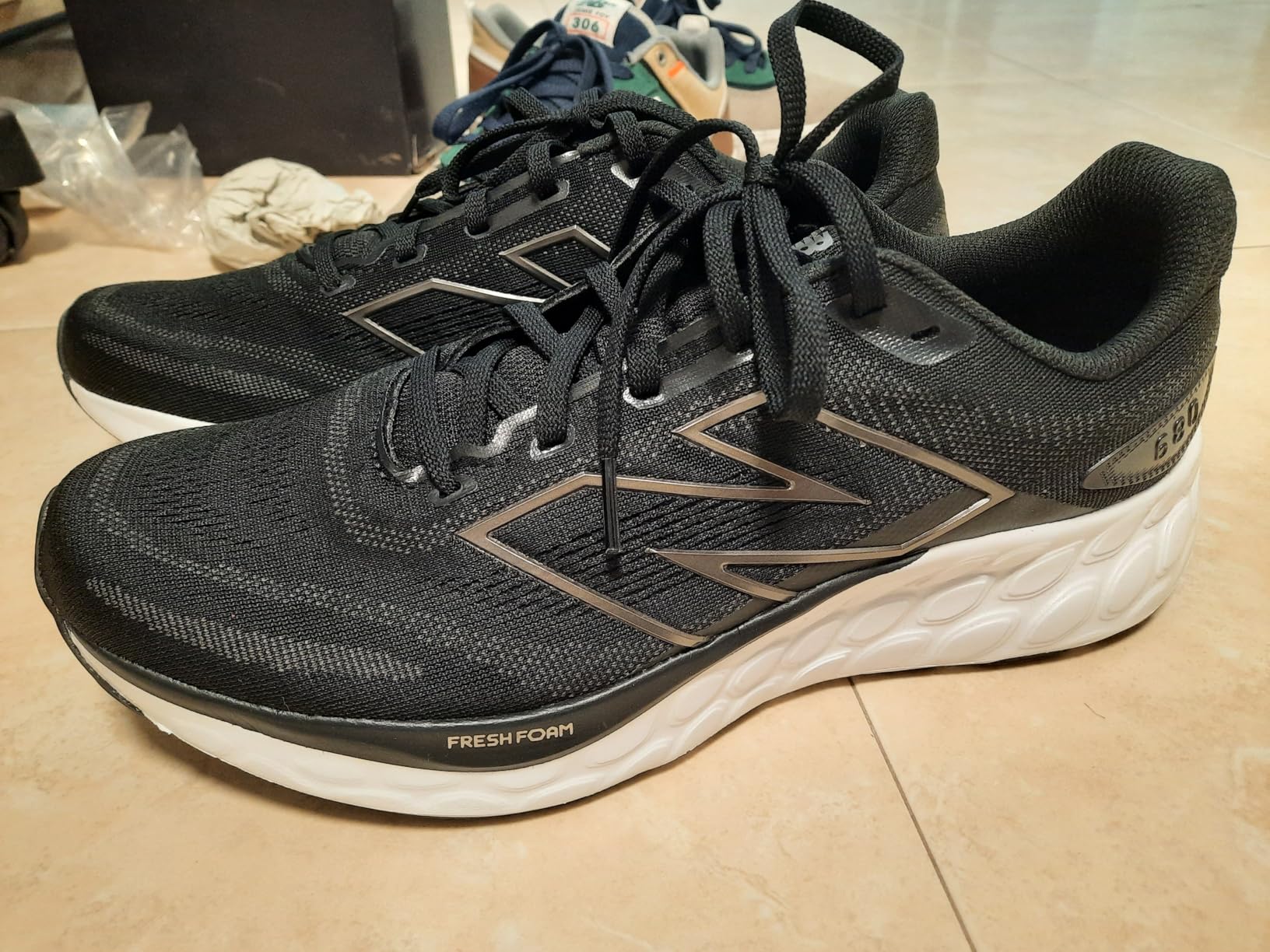
Perfect For These Runners
- Recreational runners logging 15-25 miles per week — Sweet spot for durability vs. cost
- Neutral pronation patterns — No stability needs, midfoot or forefoot strikers
- Daily walkers and standing job workers — Cushioning excels for all-day comfort
- Plantar fasciitis sufferers seeking relief — Multiple users report pain reduction
- Budget-conscious buyers wanting real technology — Fresh Foam at $60 is genuine value
- Custom orthotic users — Removable insole accommodates specialized support
- Warm-weather runners (50°F+) — Foam performs best in moderate to warm temps
- Runners rotating multiple pairs — Extends lifespan when not used daily
Consider Alternatives If You Need:
- Marathon training durability (500+ miles): New Balance Fresh Foam 1080 V13 ($150) or Brooks Glycerin series
- Stability/motion control features: ASICS GT-2000 or Saucony Guide series
- Racing and speedwork: New Balance FuelCell Rebel or Saucony Kinvara
- Trail running capability: New Balance Fresh Foam Hierro or Salomon Speedcross
- Maximum budget (under $50): ASICS Gel-Venture 8 or Brooks Launch (when heavily discounted)
- Cold-weather year-round use: Shoes with TPU or react foam that resist temperature hardening
- Very wide feet: Altra running shoes (wider toebox design) or New Balance models in 2E/4E widths
My Final Recommendation
After 150+ miles in varied conditions, the Fresh Foam 680 V8 represents exceptional value in today’s running shoe market. It’s not a premium trainer masquerading as budget—it’s a thoughtfully designed budget trainer that incorporates legitimate technology from New Balance’s premium lineup. The cushioning genuinely impressed me, the fit works well for most foot shapes (with careful sizing), and the lightweight construction makes it suitable for multiple activities beyond just running.
Yes, there are durability concerns for heavy users. Yes, the lack of stability features limits the audience. Yes, quality control seems inconsistent through some retailers. But when you get a good pair—and most people do—they deliver Fresh Foam comfort at less than half the price of the 1080 series. For recreational runners who understand they’re getting 4-6 months of excellent performance rather than 12+ months of premium durability, that’s a trade worth making.
At $60-65, this shoe punches well above its weight class. If your use case aligns with its strengths (neutral gait, moderate mileage, warm weather running), it’s hard to find better value in the current market.
Frequently Asked Questions
Do these run true to size or should I size up?
Lab testing with 98 runners found the shoe runs slightly small. In my experience wearing a 9.5 in most New Balance models, ordering my usual size gave me a perfect fit. However, if you have wider feet or prefer extra toe box room, size up 0.5. The knit upper adapts somewhat, but the toebox dimensions do create limits. If using custom orthotics, definitely size up 0.5 to accommodate insole replacement. See the “Sizing, Fit & Comfort” section for the complete decision tree based on your foot type.
How long do these shoes typically last?
Lifespan depends heavily on use intensity. Recreational runners (15-25 miles/week) typically get 300-400 miles, which translates to 4-6 months. Light users in casual rotation or for walking can stretch them to 12-18 months. Heavy daily walkers logging 9+ miles per day report needing replacement every 4-8 weeks. The materials themselves are excellent (verified by lab testing with 4/5 durability scores), but construction joints—particularly sole-to-upper adhesion—show budget constraints that limit long-term lifespan compared to $150+ premium trainers.
Are these good for plantar fasciitis?
Multiple reviewers specifically mentioned these helping with plantar fasciitis pain within 1-2 weeks of use. The combination of Fresh Foam cushioning (36.5 AC softness) and moderate arch support seems to provide effective relief. The removable insole also means you can swap in custom orthotics if needed. However, always consult with a podiatrist for serious foot conditions—shoes support recovery but don’t replace professional medical treatment.
Can I use these for marathon training?
Not recommended for full marathon build-ups. These excel for recreational training (15-25 miles/week) and make perfect easy run or recovery day shoes. But marathon training demands 500+ miles of durability over 16-20 week training blocks, and the 680 V8 typically caps out at 300-400 miles. If you’re training for a marathon, consider the New Balance Fresh Foam 1080 V13 ($150) or similar premium daily trainers designed for higher cumulative mileage. You could use the 680 V8 for easy miles and save a more durable shoe for long runs and harder workouts.
How’s the breathability in hot, humid weather?
Outstanding—genuinely one of the shoe’s best features. Lab testing gave it a perfect 5 out of 5 breathability score, which is rare in any price bracket. I tested these extensively in 80°F+ humid summer mornings and never experienced that swampy, overheated feeling. The engineered mesh upper uses strategically placed vents (not just generic perforations) that actually function to dissipate heat. Microscope analysis revealed specific ventilation spots where air escapes efficiently. If you live in hot climates or tend to run warm, the breathability alone makes this shoe worth considering.
Do these work for wide feet?
Yes, with caveats. Many reviewers with wide feet specifically praise this shoe, but most recommend sizing up 0.5 or choosing the wide width variant New Balance offers. The knit upper does provide some adaptability, but lab measurements show the toebox width at 72.6mm (slightly narrower than average), which creates physical limits. If you typically need wide width shoes, start with New Balance’s 2E (wide) or 4E (extra wide) options rather than trying to stretch the standard width. The removable insole also gives you flexibility to accommodate wider volume if needed.
What’s the main difference between the 680 V8 and the Fresh Foam 1080?
The 1080 V13 ($150+) uses Fresh Foam X (premium variant with different formulation) versus the 680 V8’s standard Fresh Foam. The 1080 has more durable construction with better quality control, typically lasts 500-600 miles versus the 680 V8’s 300-400 miles, and offers more color options and refined fit. However, the core cushioning technology is surprisingly similar—you’re getting genuine New Balance foam in both shoes. The trade-off: the 1080 lasts roughly 50% longer but costs 2.5x more. For recreational runners not logging 40+ miles weekly, the 680 V8 delivers better cost-per-month value. For serious marathoners needing maximum durability, the 1080’s higher upfront cost pays off over extended mileage.
Should I worry about quality control issues I’ve read about?
Some users report receiving used or defective pairs, particularly through Amazon fulfillment. This appears to be a return processing issue rather than New Balance manufacturing defects. When your shoes arrive, inspect them carefully before the first run: check for sole wear patterns indicating previous use, examine packaging for damage or missing materials, verify all eyelets and stitching are intact. If anything seems off, return immediately. To minimize this risk, consider buying directly from New Balance’s website or from authorized brick-and-mortar retailers where you can inspect before purchase. Most people receive perfectly fine shoes, but the QC lottery is real enough to warrant careful inspection.
Can I machine wash these shoes?
Not recommended. While the knit upper might seem like it would survive machine washing, the Fresh Foam midsole can degrade with repeated wash cycles—the heat and agitation break down foam cells and adhesive bonds. Instead, spot-clean the upper with mild soap and water using a soft brush. For the outsole, use a damp cloth. Remove the insole and wash it separately by hand if needed. Proper care can add 1-2 months to the shoe’s lifespan by preventing premature sole separation that heat and water can accelerate. Air dry only—never use direct heat sources like radiators or dryers, which will damage both the foam and adhesives.


Reviews
There are no reviews yet.