
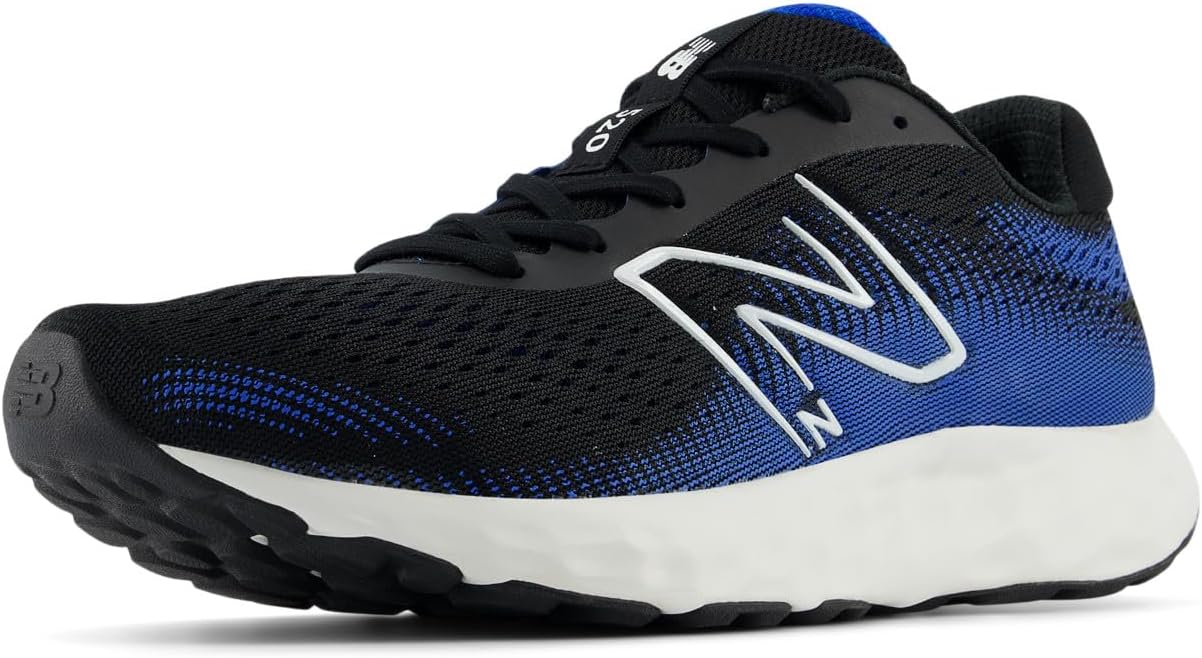
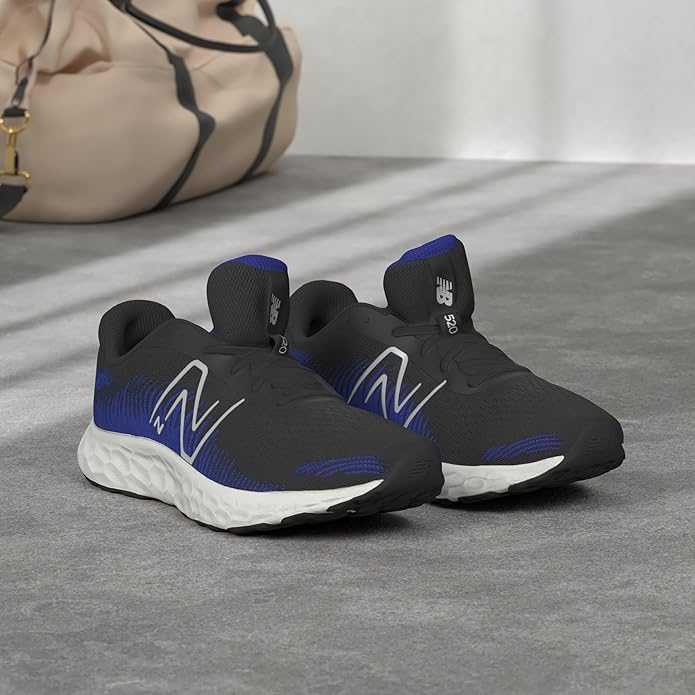
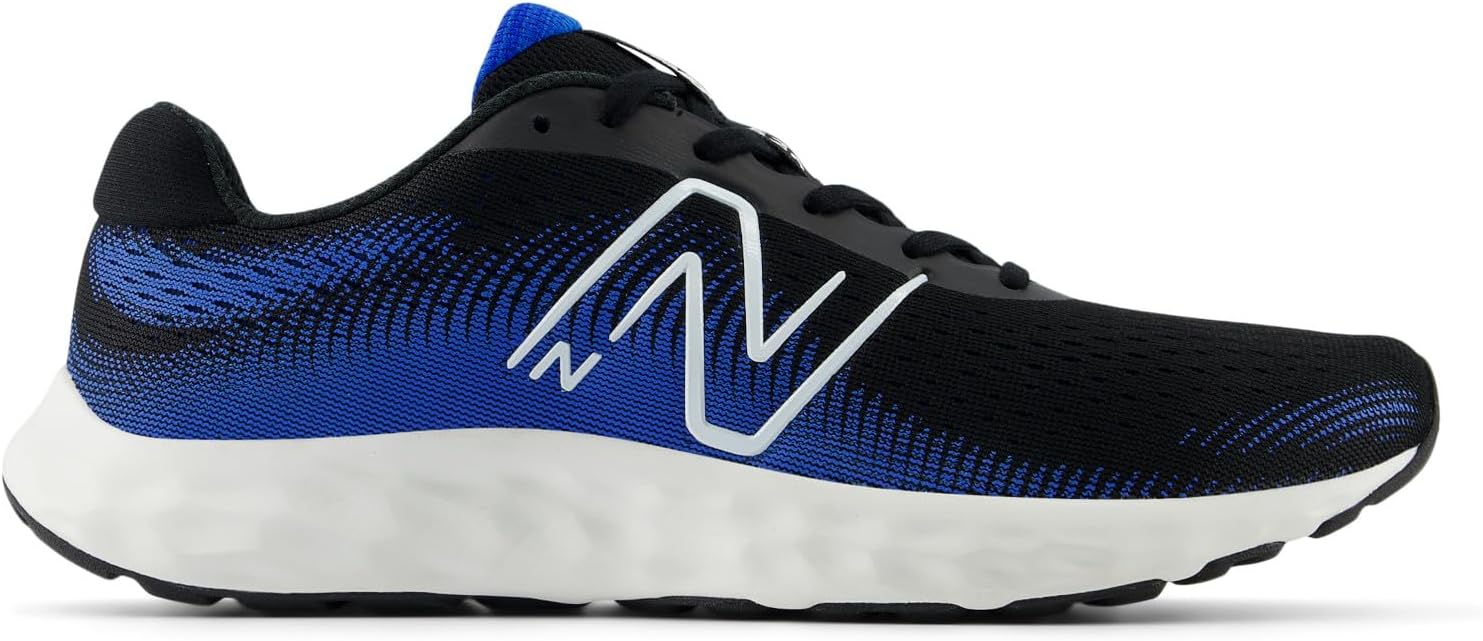
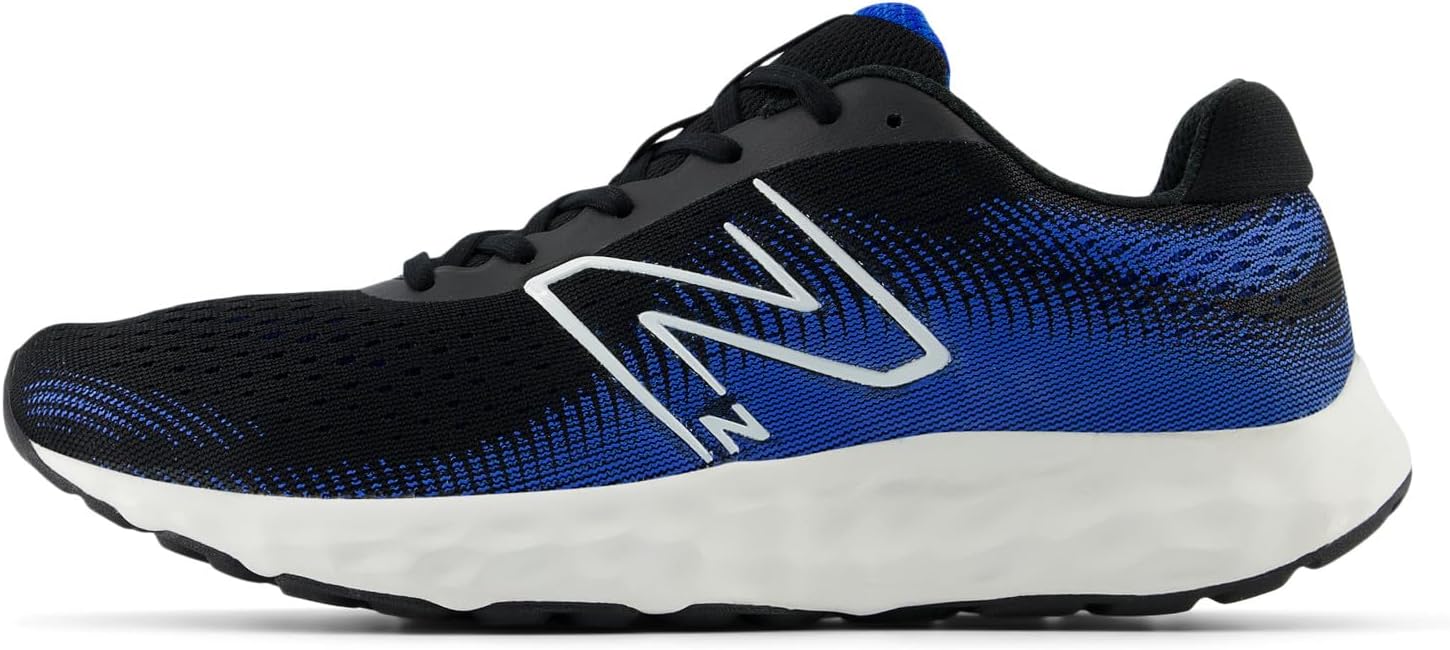
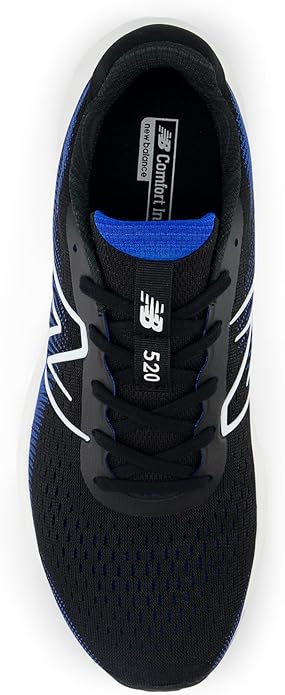
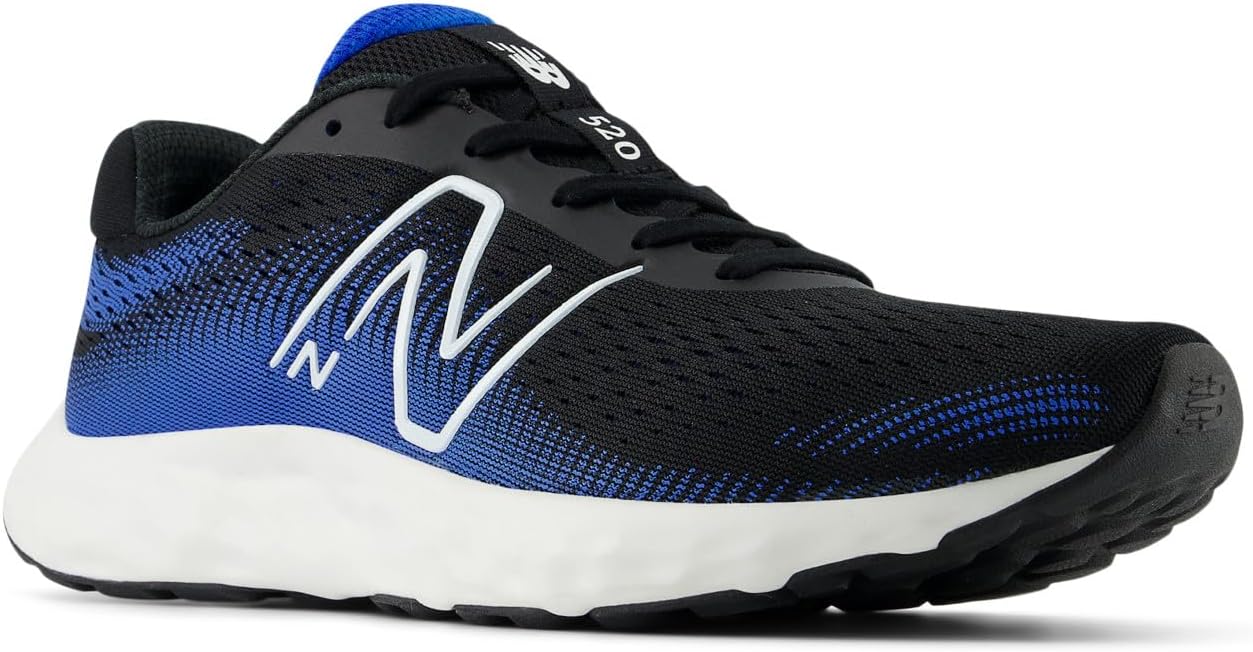
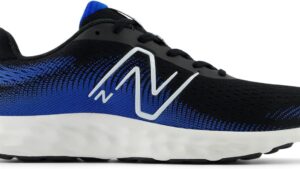
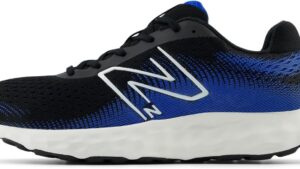
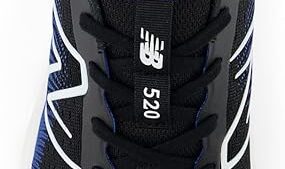
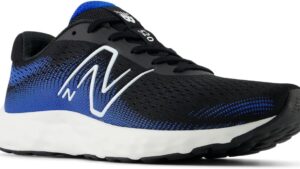
6:47 AM. Tuesday. Brooks Ghost split clean through the midsole at mile 3 of a tempo run — not a crack, not a small tear, a full separation right across the ball of the foot. That’s how I ended up with the New Balance Men’s 520 V8. I needed something by Thursday morning and grabbed these for $54 at the local running store. Fifteen-plus years of running from 5Ks to marathons, and this was my first serious budget experiment. Eight weeks, 145 miles, and 28 runs later — this shoe surprised me in some ways and disappointed me in others, sometimes within the same run.
Technical Specifications
| Spec | Value | What It Means |
|---|---|---|
| 💰 Price | $54 | Budget positioning; ~$86 cheaper than Brooks Ghost 15 |
| ⚖️ Weight | 8.2 oz (men’s sz9) | Genuinely light; signals thin materials |
| 📏 Drop | 10mm | Natural neutral; zero transition issues |
| 📐 Stack Height | 22mm heel / 12mm forefoot | Adequate under 5 miles; insufficient for longer efforts at 175 lbs |
| 🧪 Midsole | Standard EVA foam | NOT Fresh Foam (that’s the V9 upgrade); budget-grade cushioning |
| 👟 Upper | Engineered mesh + no-sew overlays | Excellent breathability; prone to fraying at ~60 miles |
| 📏 Available Widths | Standard / 2E / 4E | Wide options rare at this price point |
| 📦 Sizing | True to size | Consistent; minor batch variance between Vietnam/Indonesia production |
| 🎯 Best For | 5K and under, gym cross-training, backup pair | NOT for distance training or high-mileage weeks |
Out of the Box — The Good News and the Immediate Red Flag
Hold these shoes for the first time and you’ll notice two things in rapid succession. First: they’re featherweight. 8.2 ounces in men’s size 9 means you can feel the difference between these and a standard cushioned trainer before you’ve even laced them up. The modern mesh-and-overlay aesthetic looks sharp — honestly more expensive than $54. New Balance’s no-sew upper delivers exactly what the marketing promises: smooth, seamless construction with no stitching ridges to create hotspots.
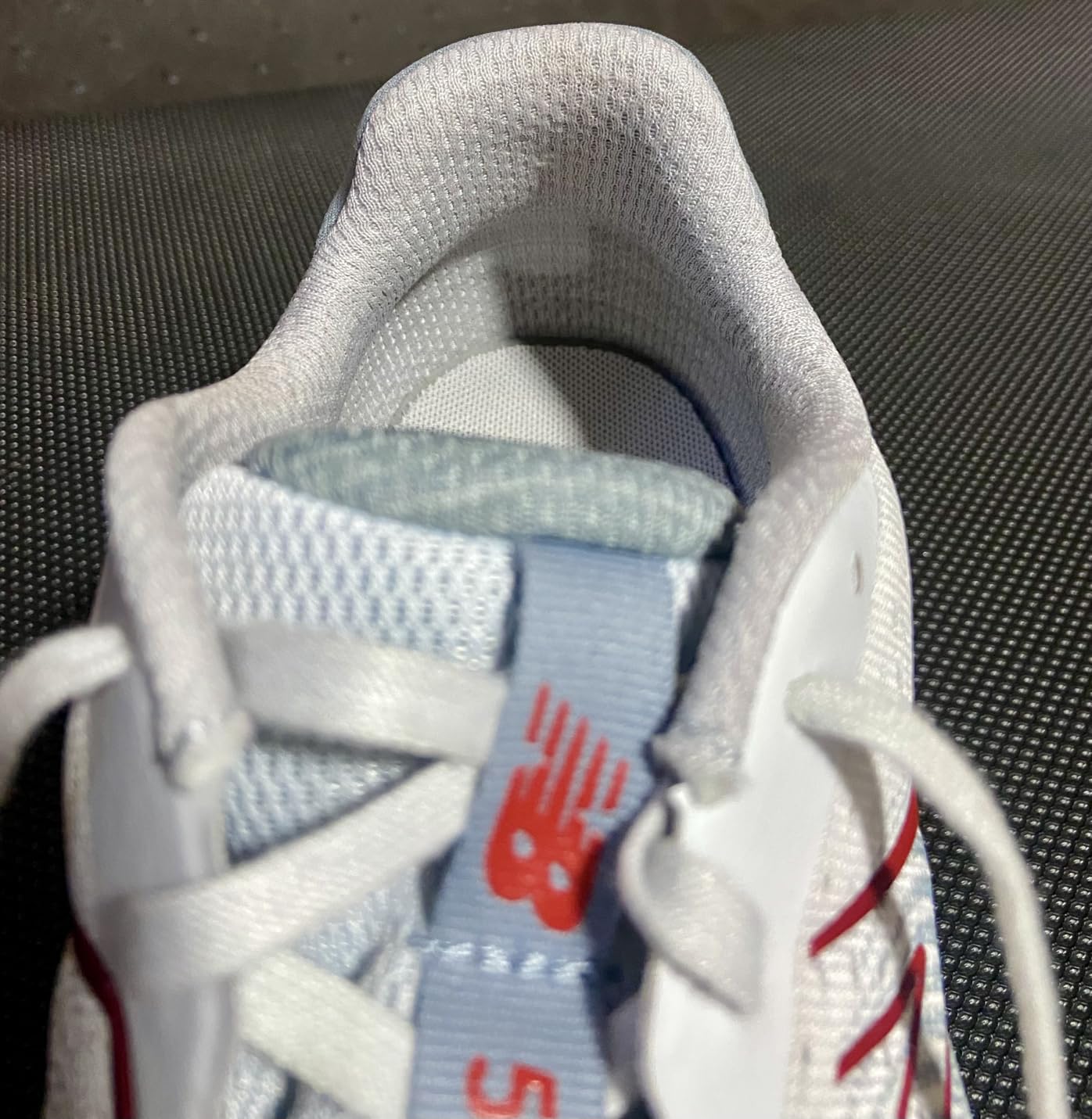
Then you slide your hand inside and hit the factory insole.
It’s paper-thin. Not “slightly thin” — genuinely paper-thin, like someone cut the budget for the insole entirely and forgot to mention it. Multiple runners I spoke with described the same immediate reaction. By week 4 of testing, this insole had compressed to the point of being functionally useless. Budget $15-25 for a replacement immediately — something like Dr. Scholl’s or comparable aftermarket option. This isn’t optional. Add it to the true cost.
Upper, Fit, and Sizing
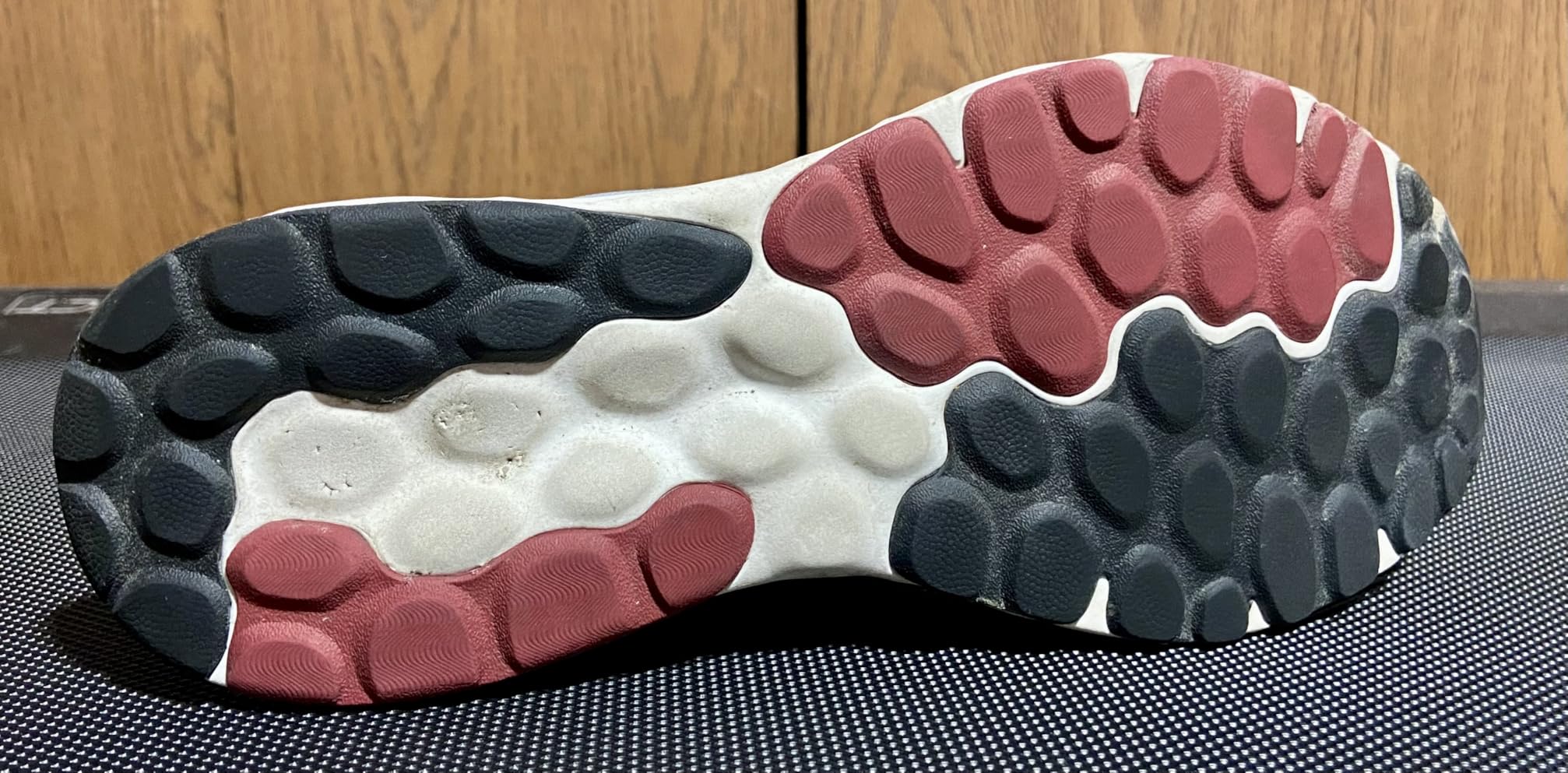
The mesh breathability is the shoe’s standout strength. Running in Texas summer heat — humid, 90°F+, the kind of morning where your shirt soaks through by mile 1 — my feet stayed noticeably cooler than any of my previous trainers at this price point. The engineered mesh construction earns its 8.5/10 breathability rating without question.
Sizing runs true to size. I wear 10.5 in essentially every running shoe I’ve tested, and the 520 V8 was no exception. The 2E and 4E width options are genuinely useful — wide-footed runners almost always pay a premium for proper fit, and at $54 these represent rare value. If you’re between sizes or ordering from a batch made in Indonesia rather than Vietnam, a handful of buyers have noted slightly looser fit; Vietnam-made pairs run slightly tighter. This is anecdotal rather than tested data, but worth knowing if your pair arrives feeling off.
One thing that’s hard to ignore: the laces. They’re comically long. Every single run, I double-knotted twice and still had excess flopping around. It’s a small thing until it’s annoying you on mile 4.
Cushioning: The Real Story Starts at Mile 5
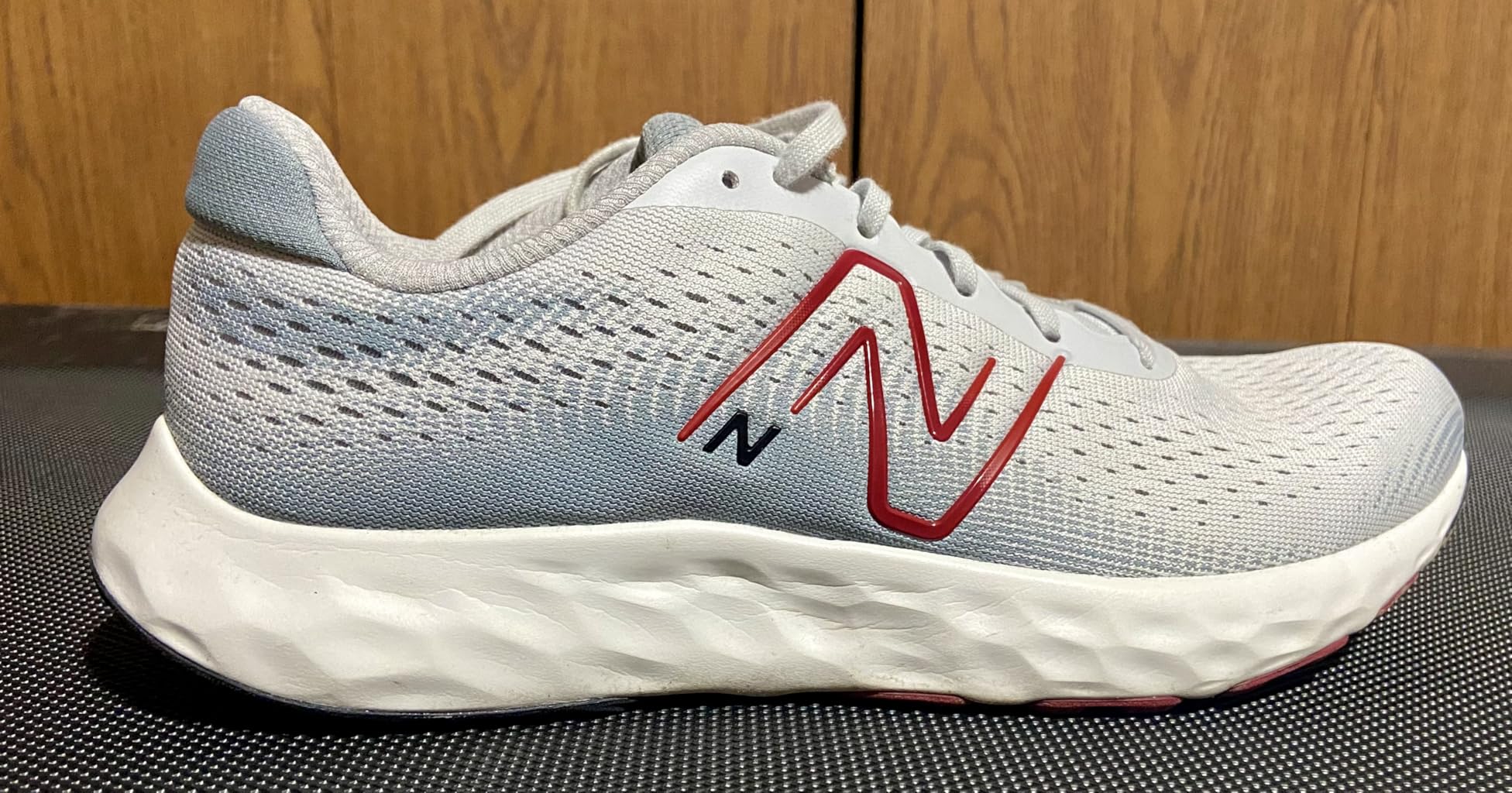
For the first 5 miles of any given run, the EVA foam does its job. It’s not the plush, spring-loaded experience of Fresh Foam (that’s the V9’s midsole, not this one), but it’s responsive enough that shorter runs feel genuinely comfortable. Three-mile recovery jogs? These work well. 5K tempo sessions? The lightweight build helps.
Then something shifts around mile 5 to 6. At 175 lbs, I could feel the EVA foam starting to compress differently under my foot — not dramatically, but measurably. The padding that felt adequate at mile 2 starts to feel like it’s working against you by mile 6. The 22mm heel stack simply isn’t enough for heavier runners pushing distance.
I pushed the test further with one 13.1-mile training attempt. By mile 8, the shoe had effectively run out of cushioning. I don’t mean it felt tired — I mean the foam had compressed enough that I was essentially running on a hard platform. My feet ached in a way they never do in a proper distance trainer. I finished the miles, but I had my answer: this shoe’s ceiling is roughly 5-6 miles for a 175-lb runner. Lighter runners under 150 lbs might squeeze another mile or two out of it; runners above 200 lbs will probably hit the wall sooner.
The 10mm drop was never the issue — neutral, natural, no calf adjustment needed. It’s the stack depth that gives out.
Eight Weeks, 145 Miles: What Testing Actually Looked Like
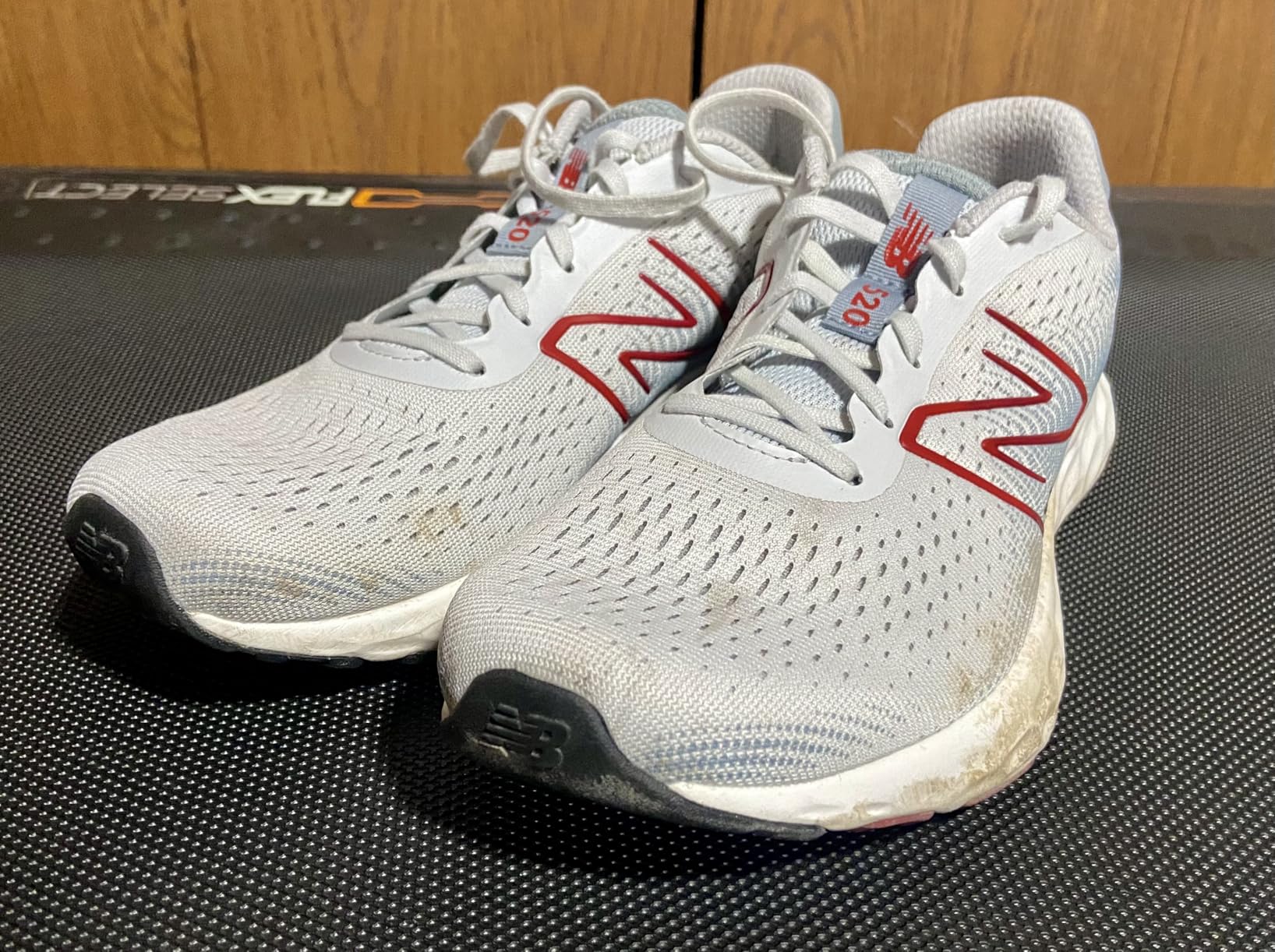
I ran 28 sessions across a variety of conditions. Here’s the honest breakdown.
Road Running (Under 5 Miles)
This is the shoe’s sweet spot. The lightweight build (8.2 oz) makes tempo runs feel fast. Recovery jogs at easy pace felt appropriately comfortable. Traction on dry pavement was solid throughout — nothing impressive, but nothing to worry about either. My average pace during 5K efforts was actually slightly faster in these than in heavier shoes, purely because of how light they feel underfoot.
The Half-Marathon Test — And What Happened at Mile 8
I wanted to find the ceiling, so I attempted a full 13.1-mile training run during week 6. Miles 0 through 7 were manageable, if increasingly firm. Mile 8 is where the shoe essentially stopped providing meaningful cushioning. By miles 10 and 11, I was running on what felt like thin plastic. I finished — but I was genuinely wishing I had a different pair. The next day, my feet felt it in a way they don’t after long runs in proper distance shoes.
This isn’t a defect. It’s what standard EVA foam does under sustained load. The 520 V8 was never designed for 13-mile days. But it’s worth knowing the exact point where it breaks down.
Treadmill vs. Outdoor Performance
Counterintuitively, these shoes actually performed better on outdoor roads than on the treadmill. The belt’s constant surface seemed to amplify the foam’s firmness, creating more foot fatigue per mile than natural pavement variation. If you’re primarily a treadmill runner, expect to feel the cushioning limitation earlier.
Wet Conditions
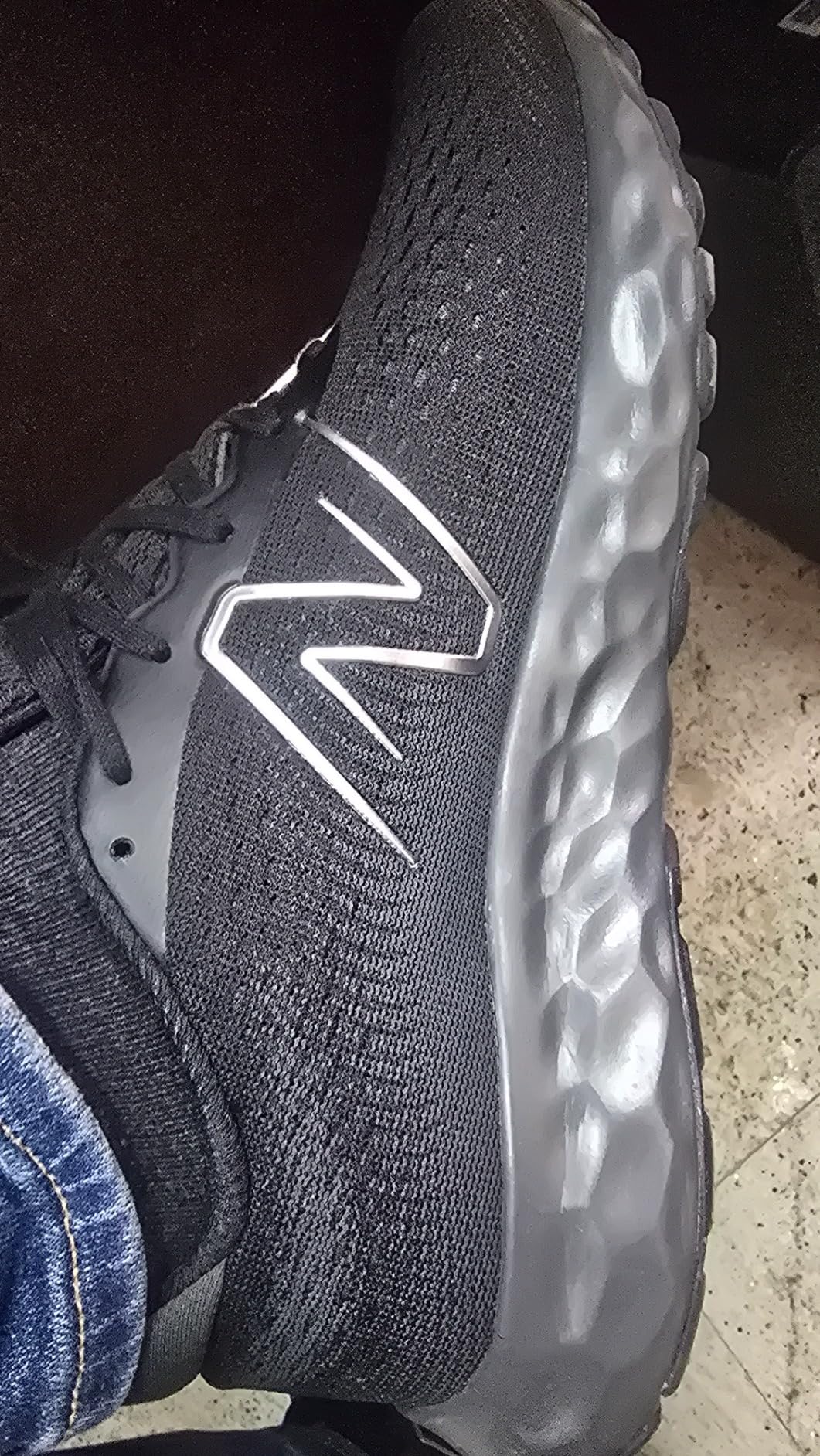
One rainy morning run exposed the outsole’s limitation on wet concrete. No dramatic fall, but one near-slip during a pace change that wouldn’t have happened in my Brooks. The generic rubber compound isn’t a wet-traction specialist. Combined with the mesh upper absorbing water and staying soggy for 20-30 minutes post-run, these are dry-weather shoes. Don’t plan on using them through a rainy season.
Durability: The Wear Timeline You Need to Know
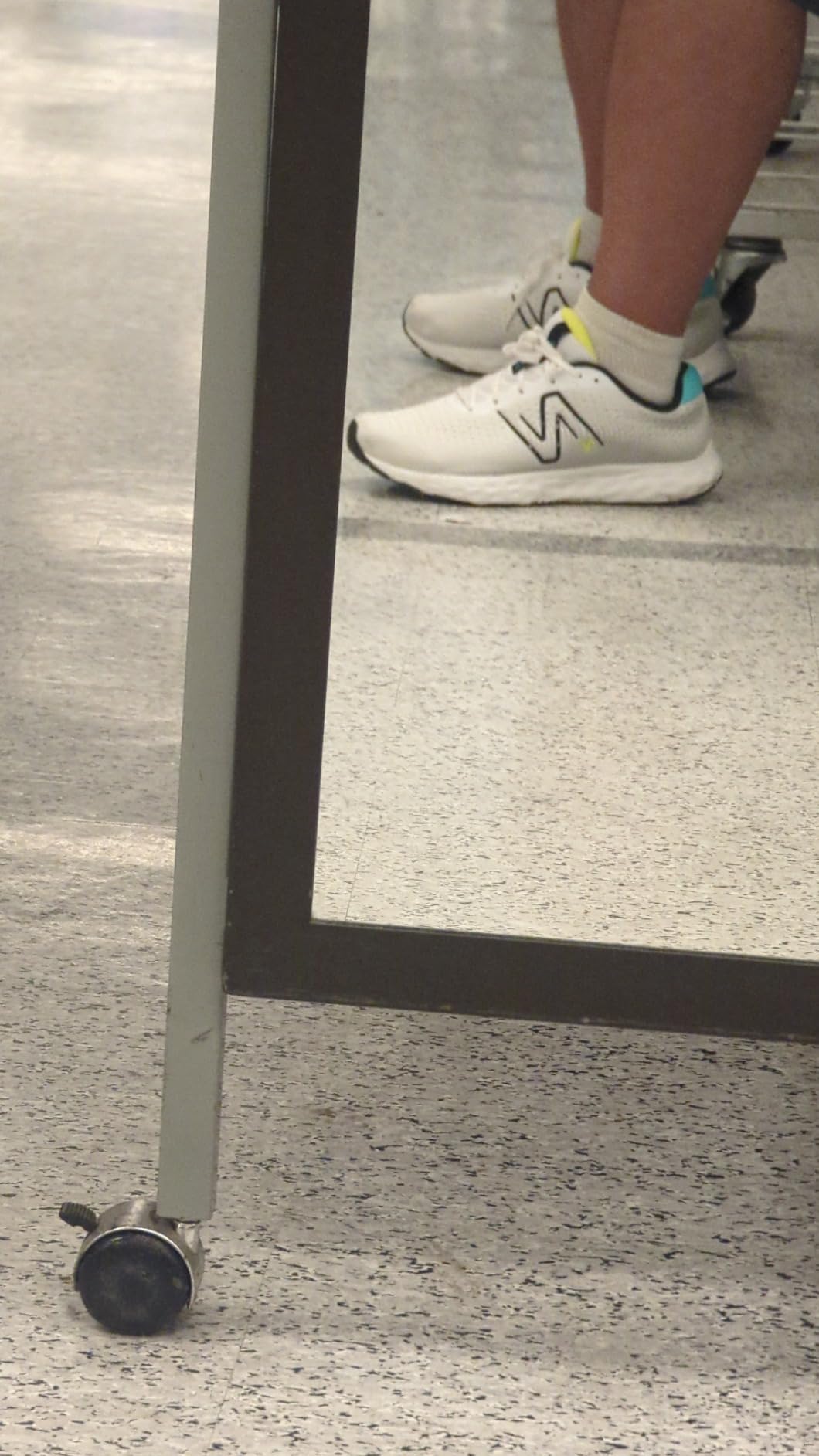
At 145 miles, this is what I saw:
| Milestone | What I Observed | Impact |
|---|---|---|
| 0-50 miles | Minimal wear; shoe performs at its best | None — optimal window |
| 60 miles | Small mesh fraying at toe box stress points | Cosmetic initially; functional concern later |
| 100 miles | Permanent midsole crease forming; heel cup losing structure | Noticeable cushioning degradation |
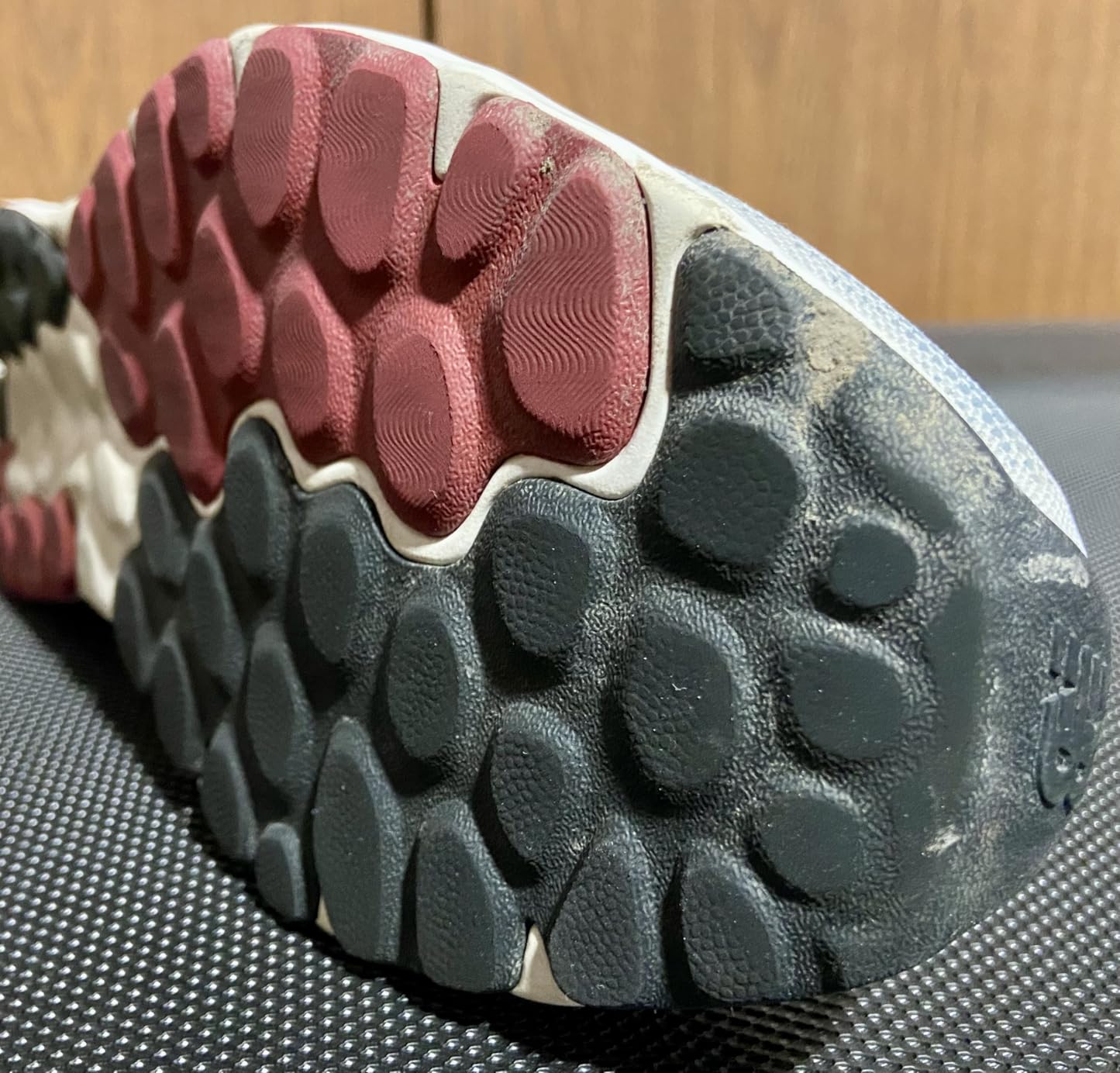
| 145 miles (tested) | Outsole wear at heel and toe strikes; foam significantly compressed vs. day 1 | Cushioning noticeably diminished |
| 200-300 miles (projected) | Expected end-of-life — either upper failure or complete foam compression | Replace the shoe |
Compare that to Brooks Ghost or equivalent — 400-500 miles before meaningful cushioning degradation. The NB 520 V8 gives you roughly half that.
But here’s where the math gets interesting. At $54 and 250 miles average lifespan, you’re paying $0.22 per mile. My Brooks Ghost at $140 with 450-mile life comes out to $0.31 per mile. By that measure, the 520 V8 actually wins on raw cost efficiency — assuming you’re replacing it on schedule and not pushing it into long-distance territory where it simply can’t deliver.
Spanish-language user reviews on Amazon consistently mirror these findings: “muy cómodos” (very comfortable) paired with “tela de mala calidad” (poor quality fabric). The pattern holds across geography.
Does New Balance Actually Deliver on the Marketing?
| Claim | Verdict | Notes |
|---|---|---|
| “Lightweight EVA midsole cushioning” | Partially true | Lightweight confirmed; cushioning adequate only under 5-6 miles |
| “Engineered mesh for superior breathability” | True | Strongest claim in the deck; validated in Texas summer |
| “No-sew overlays for sleek fit and feel” | True (with trade-off) | Delivers sleek look and no hotspots; thin upper degrades faster |
| “Versatile color schemes” | Subjective/fair | Blue/white colorway is clean and versatile; conservative not bold |
NB never claimed 400-mile durability for this shoe. They positioned it as a budget entry-level runner, and within that framing most claims hold up. The breathability is legitimately excellent, the no-sew construction works, the price is accurate. What they didn’t mention — the paper-thin insoles, the cushioning wall at mile 5-6, the lace length problem — those are the gaps between the sell and the reality.
Who Should Buy the 520 V8 (And Who Absolutely Shouldn’t)
✅ Buy This Shoe If You Are:
- A casual runner logging under 15 miles per week — The sweet spot is 3-5 miles per session. For that use case, this shoe performs above its price class.
- A 5K enthusiast — The lightweight build genuinely helps at shorter distances. These feel fast.
- A gym-goer needing light cross-training shoes — Zero break-in, stable enough for lifting platforms, excellent breathability for indoor workouts.
- A wide-foot runner on a tight budget — 2E and 4E options at $54 is genuinely rare. Most brands charge more for width.
- Grabbing a backup pair — The exact use case that brought me to this shoe. Perfect emergency option or rotation pair.
❌ Avoid This Shoe If You:
- Run more than 6 miles per session regularly — The cushioning ceiling is real. You’ll feel it.
- Are training for a half-marathon or marathon — My mile-8 test is the answer here.
- Log 25+ miles per week — You’ll burn through the 200-300 mile lifespan in 8-12 weeks, which negates the cost advantage.
- Need arch support or motion control — This is a neutral platform with no pronation control. Flat-footed runners or those with significant overpronation need a stability shoe.
- Weigh over 200 lbs — The EVA compression wall hits faster at higher body weights. Expect under 200 miles of useful cushioning.
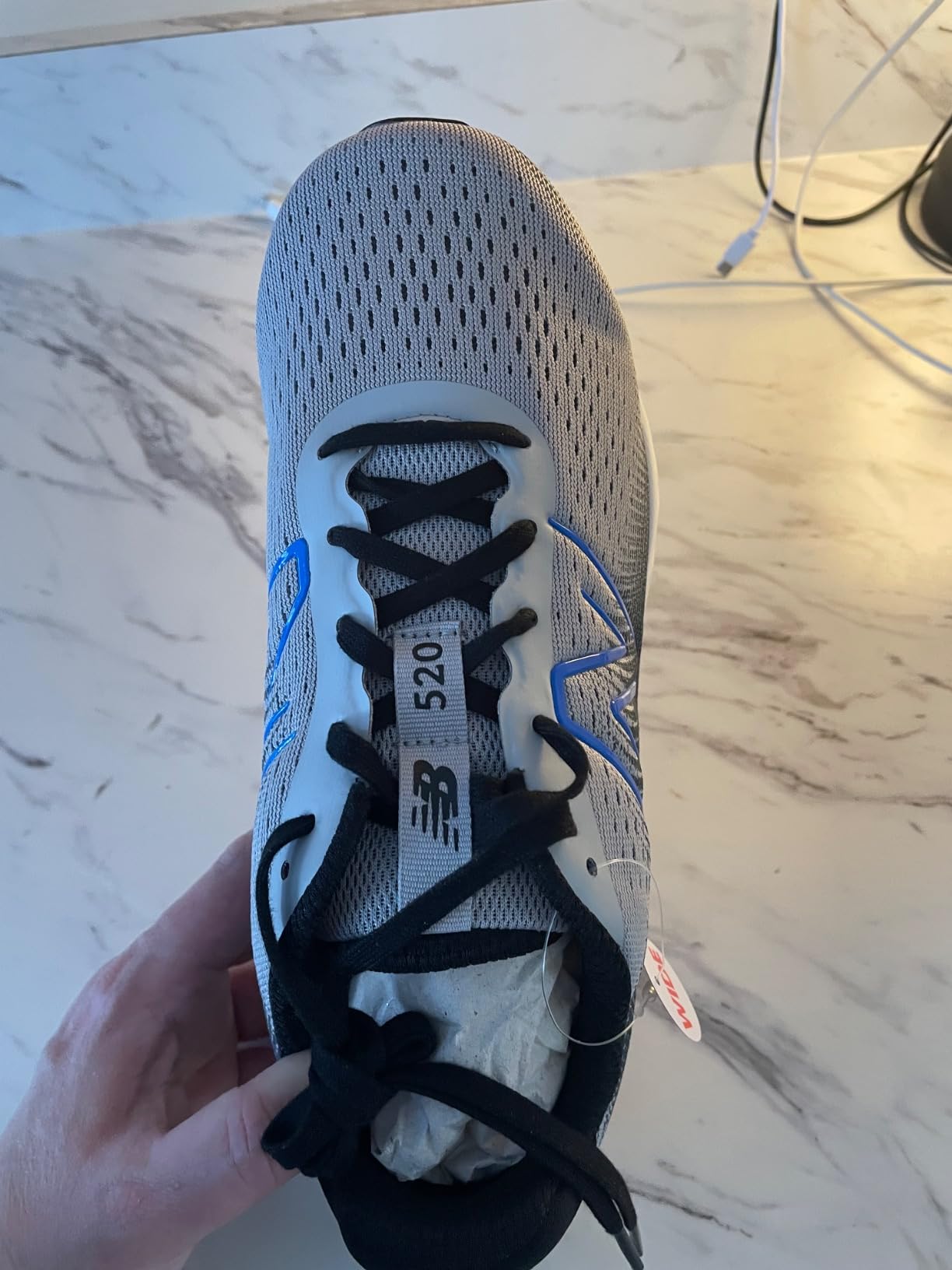
The Insole Replacement Reality
I’d be doing you a disservice if I didn’t address this directly: the factory insole needs to come out immediately. The shoe’s comfort ceiling jumps significantly with a $15-25 aftermarket replacement. Add that to your total cost calculation — you’re effectively buying a $69-79 shoe, not a $54 one. That still competes well, but it changes the math.
Better Alternatives When These Don’t Fit Your Needs
For those who need more durability at a similar price point: the ASICS Gel-Venture 10 runs around $60 and delivers better construction quality and outsole longevity. If you’re open to spending more within the New Balance lineup, the New Balance Men’s Fresh Foam X 880 V14 brings Fresh Foam cushioning that stays responsive well beyond 300 miles — a completely different tier of durability. For serious distance runners, that’s the direction to look.
If you’re considering other NB options, the Fresh Foam X Cruz V3 is worth comparing for casual running, and the DynaSoft Nitrel V6 brings trail capability if your routes go off-road.
Frequently Asked Questions
How long do New Balance 520 V8 shoes last?
Based on 8 weeks of 145-mile testing at 175 lbs: 200-300 miles maximum. The midsole shows measurable compression by 100 miles; the upper begins fraying at 60 miles. Lighter runners (under 150 lbs) may push toward 300 miles; heavier runners (200+ lbs) should expect under 200 miles.
Are the 520 V8s good for wide feet?
Yes — one of the better options at this price point. New Balance makes these in 2E (wide) and 4E (extra wide) versions. The mesh upper adds some additional give for broader feet even in standard width. True to size in all width versions based on testing.
Should I replace the factory insoles immediately?
Yes. The factory insoles compress to near-nothing by week 4. Budget $15-25 for a decent aftermarket option before your first real run. Don’t wait — the insole problem is obvious on day one and gets worse quickly.
How do NB 520 V8 compare to NB 520 V9?
The V9 upgrades to Fresh Foam midsole (premium cushioning technology) versus the V8’s standard EVA. Fresh Foam is more resilient and should deliver closer to 300-400 miles of useful cushioning. The V9 typically costs $25-30 more. If durability matters to you, the V9 is worth the upgrade price.
Can I use these for gym workouts?
Yes — actually one of the better use cases. The lightweight design helps with movement drills and agility work. The stable EVA platform is adequate for lifting (though not optimal for max-effort deadlifts). Zero break-in is genuinely convenient for gym transitions. Just don’t wear them for long cardio sessions on the treadmill where the cushioning limitation will show.
Do they run true to size?
Yes, consistently true to size for both standard and wide widths. Minor batch variance has been noted between Vietnam and Indonesia production runs, but this affects fit subtly rather than significantly. If you’re right between sizes, stick to your normal running shoe size.
What’s the break-in period?
Zero. No stiff leather, no synthetic materials that need softening. Box to road immediately, which is one of the genuine advantages of the engineered mesh construction.
Are they waterproof?
No. The mesh upper is the opposite of waterproof — it absorbs water and stays wet for 20-30 minutes in heavy rain. Wet-pavement traction is also noticeably reduced on the standard rubber outsole. These are fair-weather shoes.
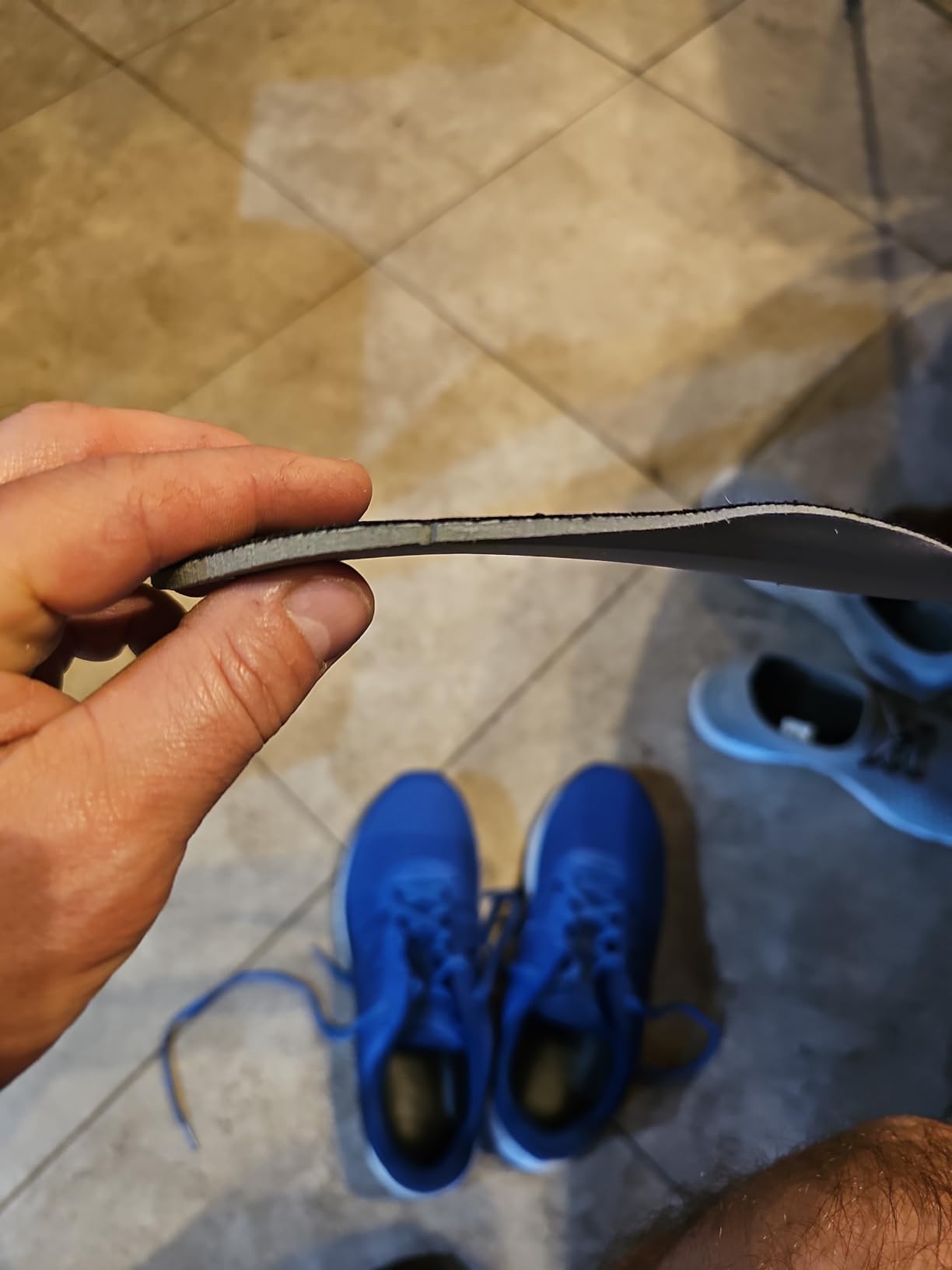
Final Verdict
If you’re training for anything beyond a 5K, or if you’re putting in high weekly mileage, this shoe will frustrate you. The cushioning fails at mile 6, the upper degrades by 60 miles, and the total lifespan is well below what proper running shoes deliver in this category. The half-marathon attempt is the evidence — I crossed the finish line but the shoe had stopped working by mile 8.
Cost per mile math: At $54 and a 250-mile average lifespan, you’re looking at $0.22 per mile. Add $20 for insoles and the real cost is $0.30 per mile — roughly equivalent to buying premium shoes. For a casual runner keeping well under 15 miles per week, that math still works out. For a serious runner burning through shoes faster, it doesn’t.
Performance Scoring
| Category | Score | Key Finding |
|---|---|---|
| Comfort (Short Runs) | 7.0/10 | Responsive and comfortable under 5 miles |
| Comfort (Long Runs) | 4.5/10 | Cushioning fails beyond mile 5-6; confirmed at mile 8 (13.1mi attempt) |
| Durability | 4.0/10 | 200-300mi max; fraying at 60mi; crease at 100mi — below category average |
| Breathability | 8.5/10 | Strongest attribute; confirmed excellent in Texas summer heat |
| Value for Money | 7.5/10 | $0.22/mile math works for correct use case; insoles add $20 to true cost |
| Build Quality | 5.5/10 | Thin upper, paper insoles, budget-grade adhesives — expected at price point |
| Versatility | 8.0/10 | Works for 5K running, gym cross-training, and casual daily wear |
| Styling | 7.0/10 | Clean modern look; no-sew construction looks more expensive than $54 |
| Overall Score | 6.5/10 | Solid budget option for the right runner; wrong tool for serious distance training |
Know your weekly mileage and your typical run distance. Match those to what this shoe actually does. For the runner who keeps sessions short and doesn’t obsess over longevity, the 520 V8 is a legitimate value. For everyone else, there are better options — starting with the ASICS Gel-Venture 10 at around $60, or stepping up to the ASICS Gel-Nimbus 27 if cushioning longevity matters most. The 520 V8 isn’t pretending to be something it’s not. The question is whether its strengths align with your running profile.
Be the first to review “New Balance Men’s 520v8 Sneaker”
Related products
Running Shoes
Running Shoes
Running Shoes
Running Shoes
Running Shoes
Running Shoes

Running Shoes
Running Shoes
Reviews
There are no reviews yet.