
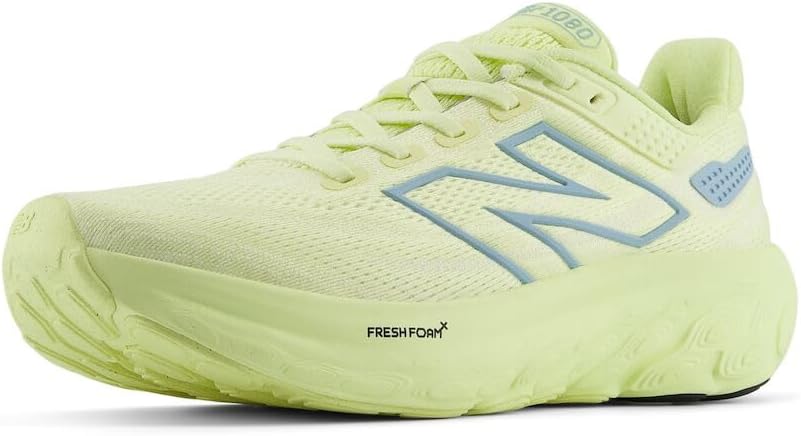
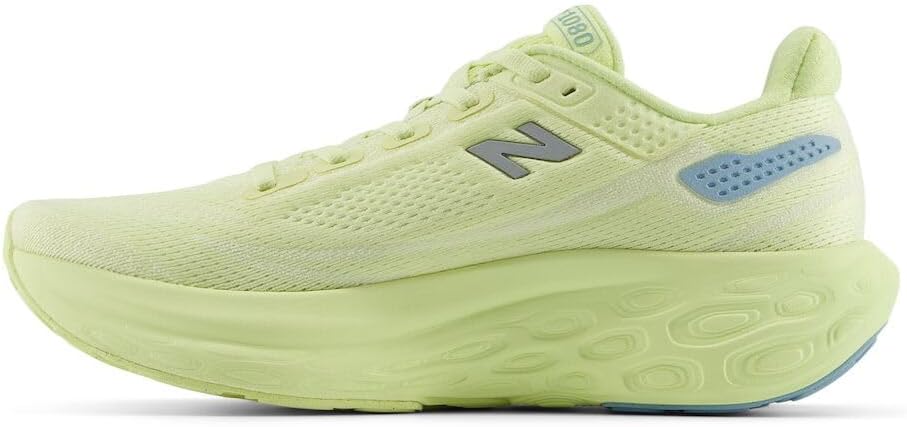
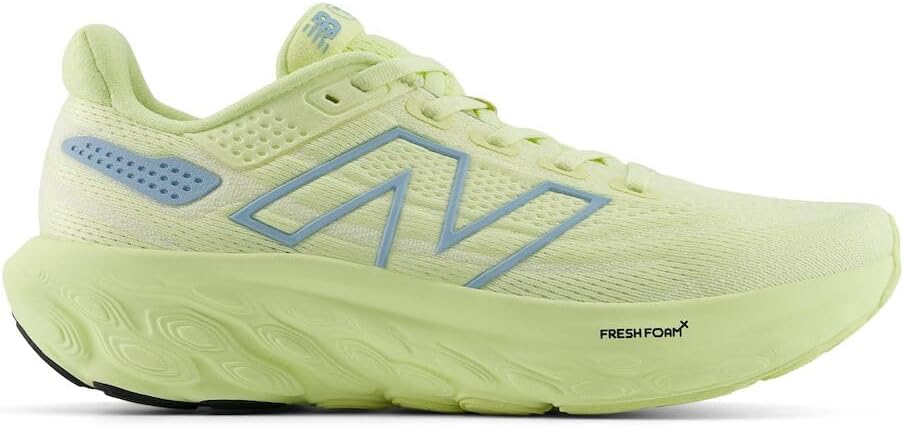
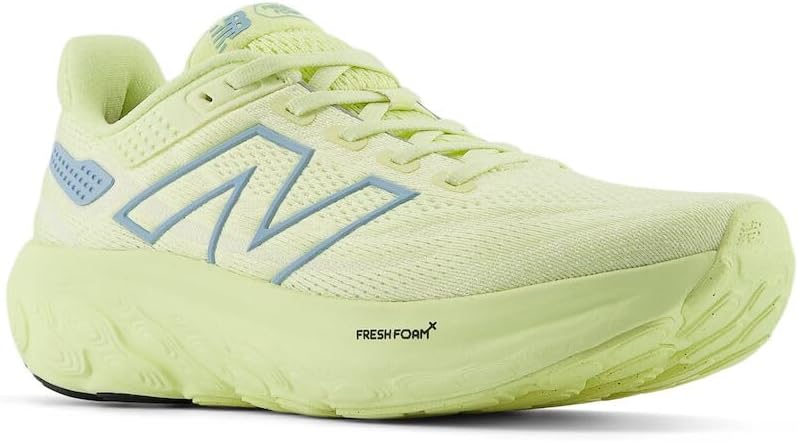
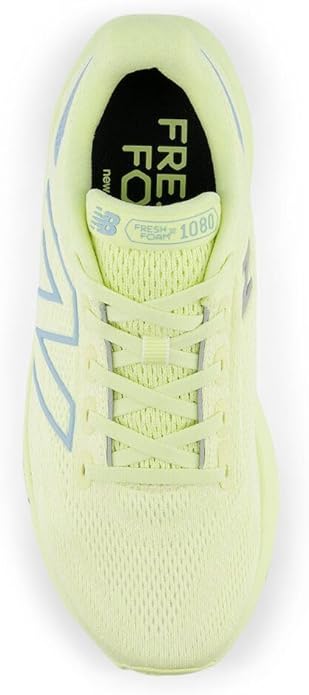
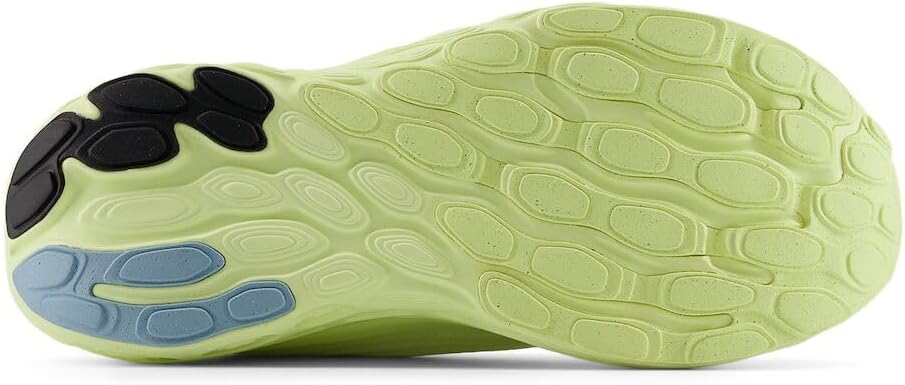
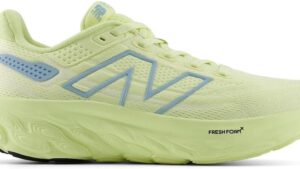
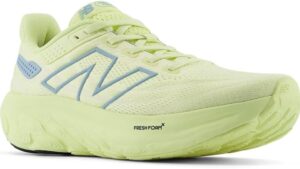
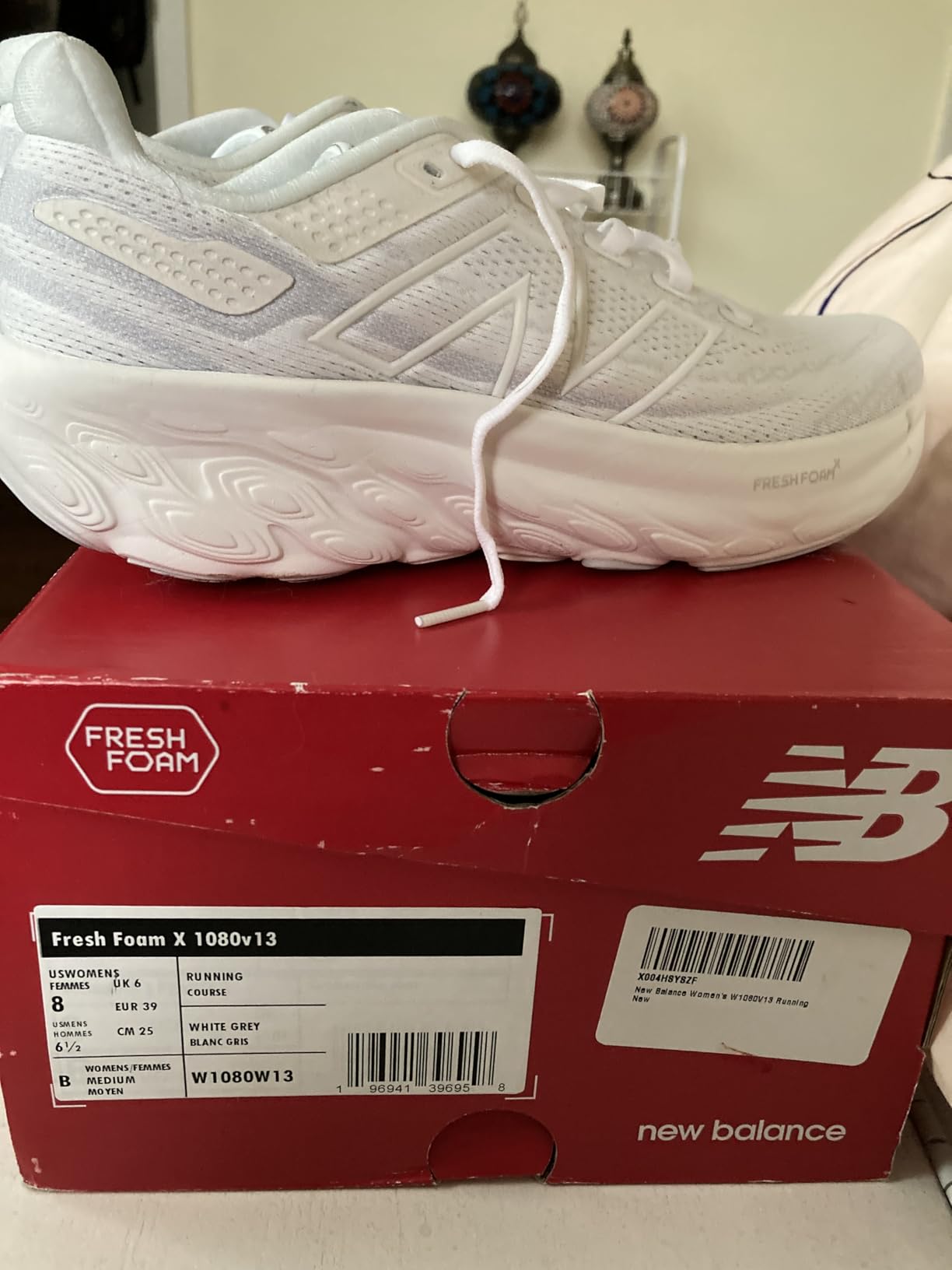
New Balance Women’s Fresh Foam X V13 Running Shoes 1080 V13
$109.99
- ⚖️ Weight: 8.6 oz (women’s size 8)
- 📏 Heel-to-toe drop: 6mm (lab-measured: 5.6mm)
- 📐 Stack height: 34mm heel / 28mm forefoot
- 🧪 Midsole: Fresh Foam X (revamped formula, 3% bio-based content)
- 👟 Upper: Engineered air mesh (50% synthetic, 50% mesh)
- 🔁 Insole: 5mm OrthoLite (removable)
- 🏃♀️ Category: Neutral daily trainer / recovery shoe
- 🎯 Best for: Easy runs, recovery, walking, all-day wear
Eight weeks ago I was skeptical. I’d heard the Fresh Foam X 1080 V13 described as “cloud-like” so many times that the phrase had stopped meaning anything. Then I wore them for fourteen straight hours — a 6-mile morning run, grocery shopping, my son’s baseball game, dinner out — and returned home with feet that honestly felt ready for another run. Sarah here, and that Saturday is what finally made me understand what all the fuss was about. Here’s the full story from 180+ miles of testing.
First Impressions: What the Box Reveals
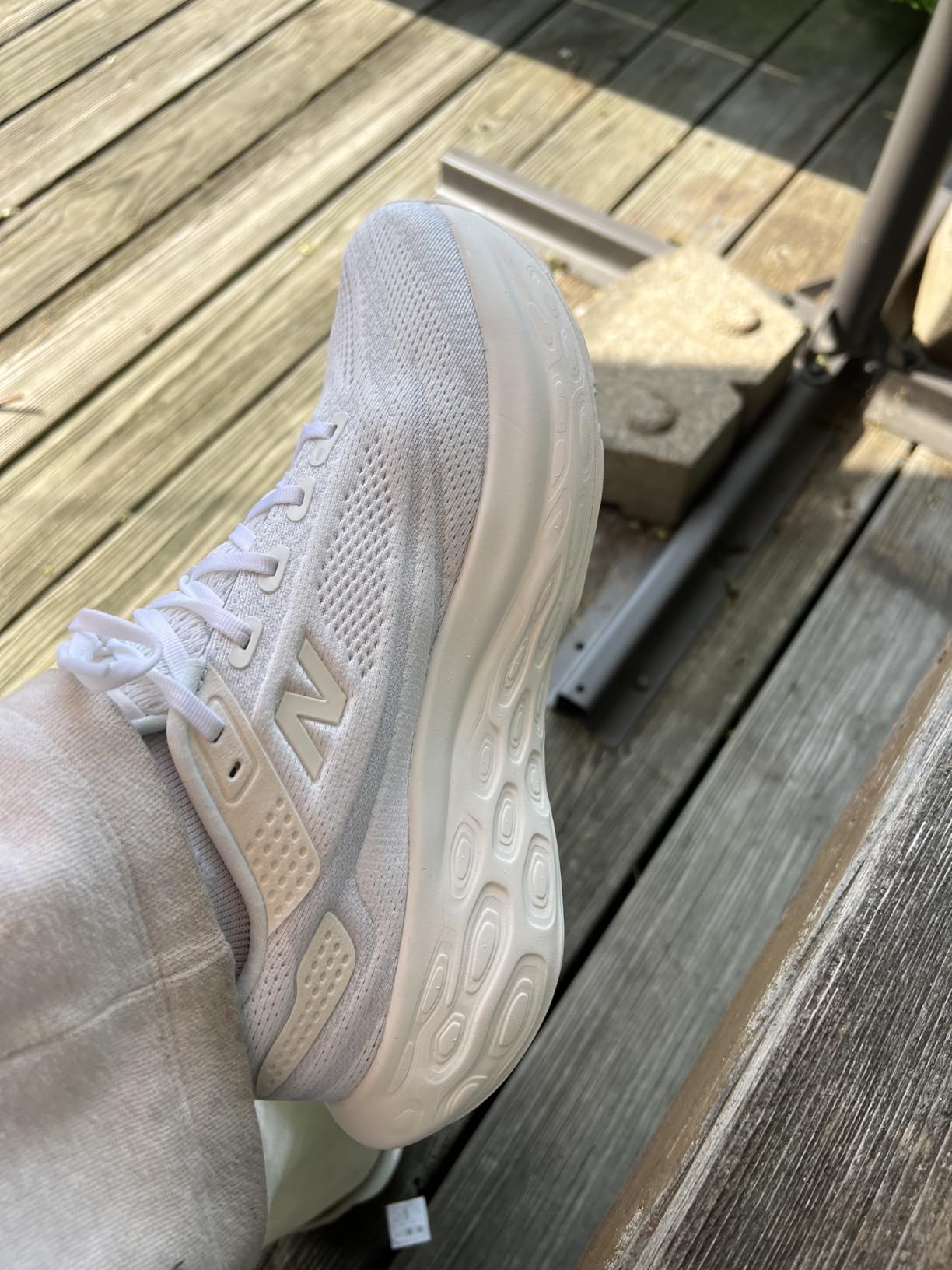
The 1080 V13 feels lighter than it looks. Pick it up and there’s a moment of cognitive dissonance — the midsole looks substantial, but the shoe doesn’t carry that mass you’d expect. At 8.6 oz for a women’s size 8, it’s reasonable for this level of cushioning.
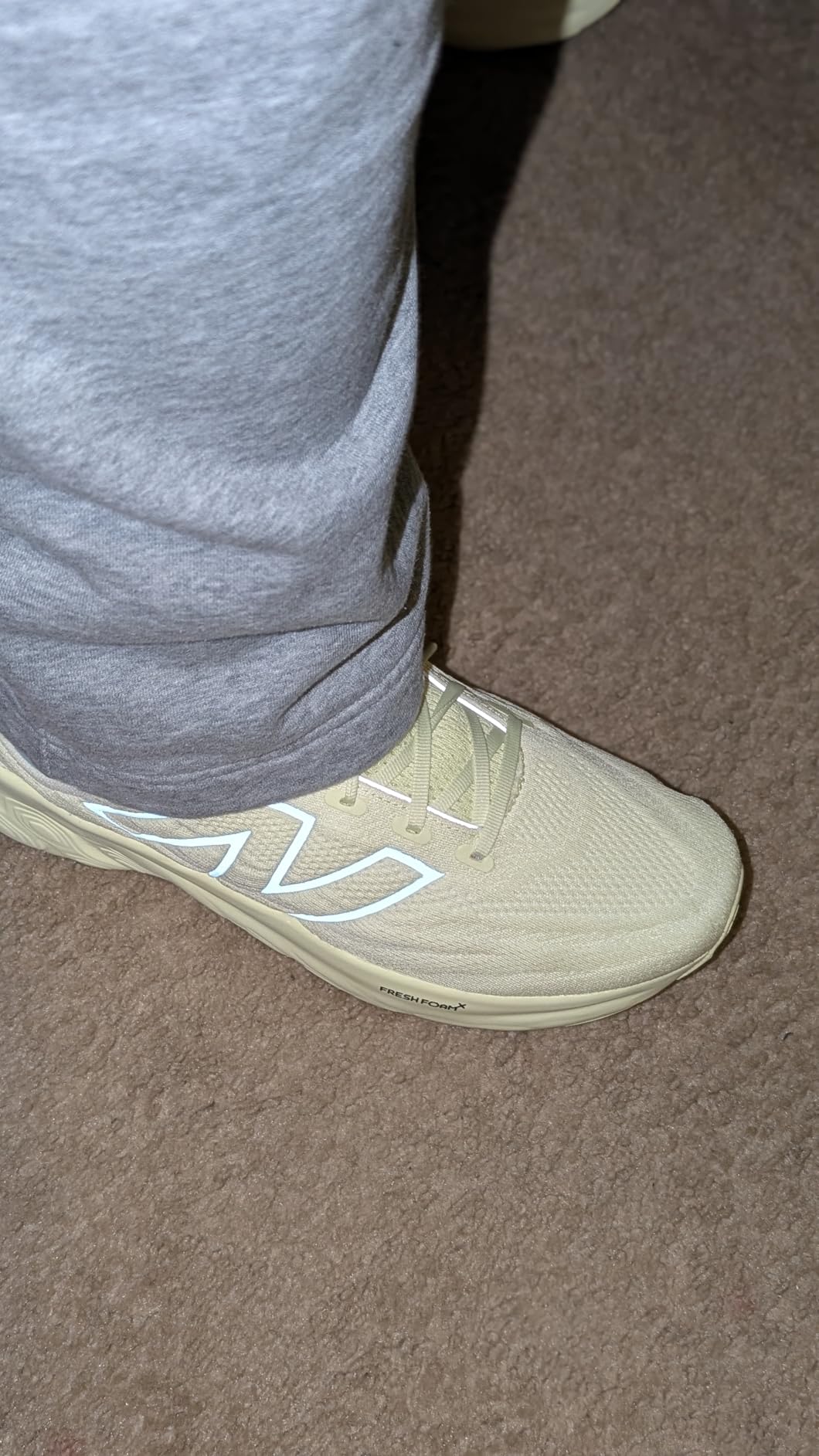
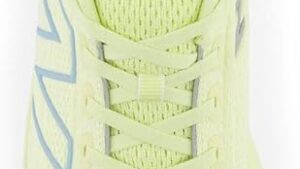
The knit upper surprised me on day one. I slipped these on sockless before a work call — just to get a feel for them — and stayed sockless for the rest of the afternoon. The mesh sits against bare skin without any rough edges or seam pressure. The padded heel collar is noticeably thick (RunRepeat lab measured 7.3mm tongue padding, above the category average of 5.7mm), and the semi-gusseted tongue stays put through lacing.
My first outdoor run was a 5-miler in Florida humidity. By mile 2 I’d stopped thinking about the shoes entirely, which is the best review I can give any new pair.
The Foam: Why “Softest Ever” Is a Meaningful Claim
I’ll skip the vague adjectives and give you the actual number: RunRepeat’s lab tested over 300 shoes and measured the 1080 V13’s midsole at 10.0 HA on the Shore A hardness scale. The category average is 20.4 HA. This shoe is roughly half as firm as a typical daily trainer.
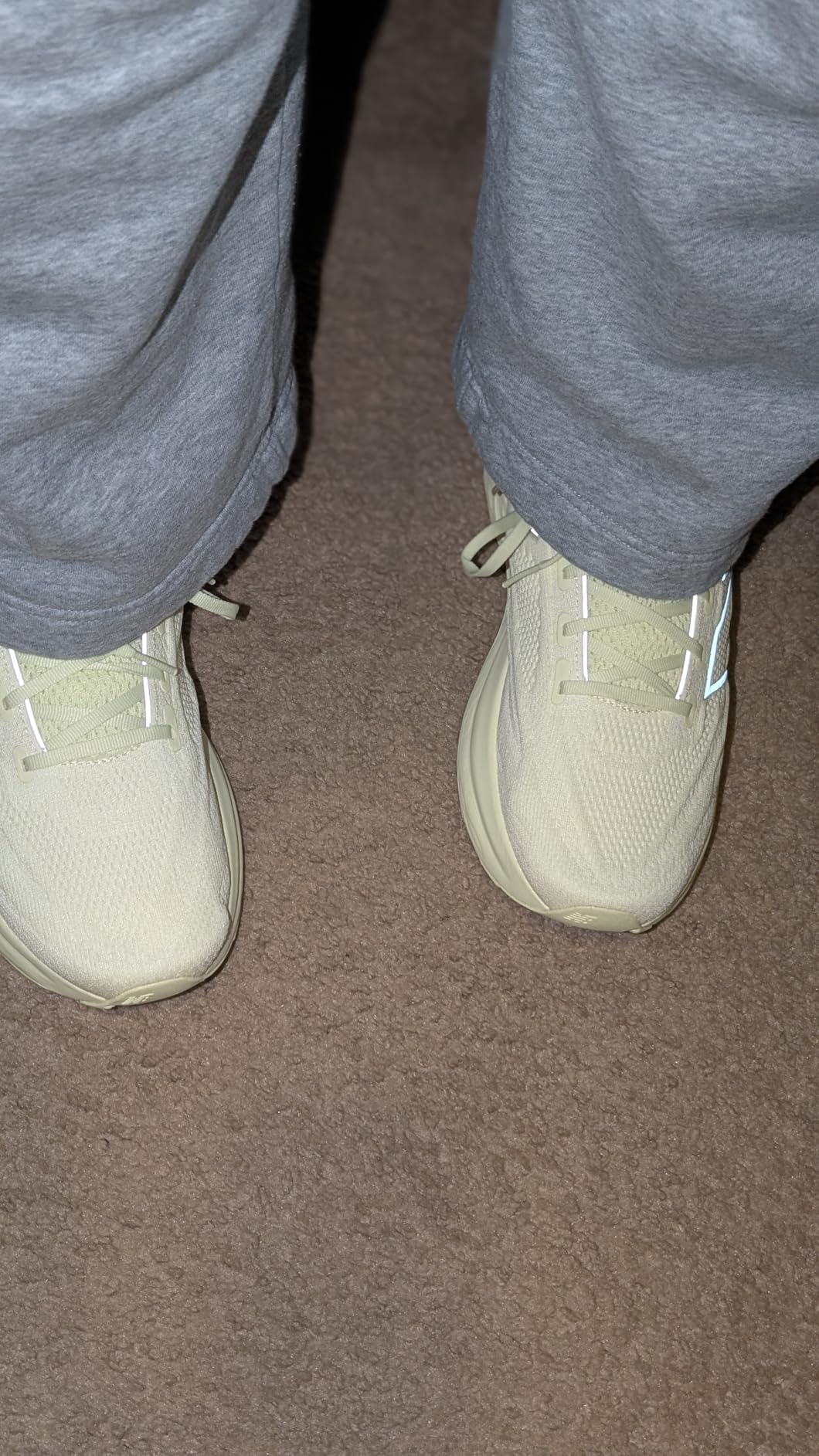
What does that mean in practice? On longer runs, my legs felt genuinely less fatigued than usual. After a 10-mile group run, I had zero foot pain — the kind of recovery-day freshness you’re supposed to feel, not just hope for. The shock absorption scores confirm it: 148 SA in the heel (category average: 130 SA) and 121 SA in the forefoot. The foam is actually doing the job.
But I need to tell you what the softness trades away, because there’s a real cost.
The 1080 V13 uses what materials scientists call a highly compliant foam — it compresses deeply under load but doesn’t spring back with much energy. That’s different from the bouncy foam you feel in racing shoes. Energy return sits at 58% for this shoe, which is actually average for EVA-based materials. But the feel of it matters more than the number: at easy paces, the softness is gorgeous. When I tried pushing the pace on a tempo effort, the shoe felt like it was absorbing my effort rather than returning it. By mile 2, I backed off. This shoe prefers easy.
Does the Foam Last?
Here’s the part most reviews gloss over. RunRepeat’s Dremel test found compression in the midsole structure suggesting below-average longevity — Doctors of Running noted early wear patterns in the lateral midfoot after just 25–30 miles. At 180+ miles, I can see stress lines forming in my pair.
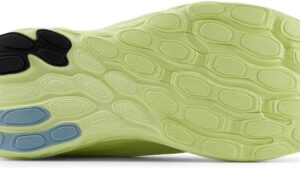
The outsole, oddly, tells the opposite story. RunRepeat measured just 0.2mm of outsole wear (average: 1.1mm) — exceptional durability from the blown rubber compound. The tread on my pair looks almost new at 180 miles. So you have this paradox: the outsole that touches the ground barely wears, while the foam it sits on compresses earlier than expected. If the rest of the shoe held up like that outsole, this would be a different conversation entirely.
At 300 miles, expect $0.55/mile for this shoe. A more durable trainer at similar price averages closer to $0.33/mile. That’s the honest math.
Fit and Sizing: What You Actually Need to Know
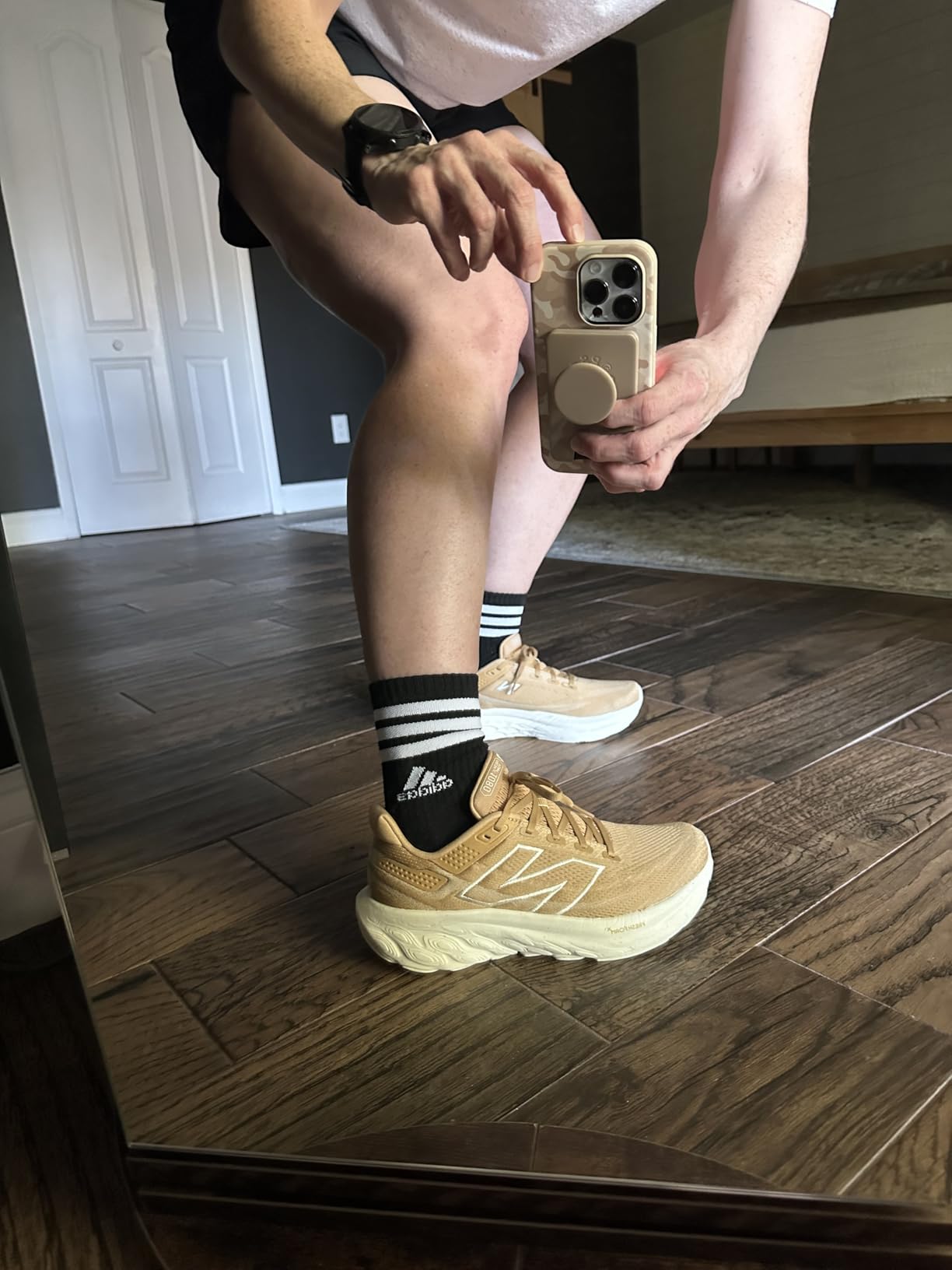
True to size, across the board. RunRepeat collected 244 size votes and the consensus is clear: this shoe fits as expected. I wear a size 8.5 and sized 8.5 here. No adjustment needed, no break-in period — I wore them out of the box for a 5-mile run and came back with all toenails intact and zero hot spots.
The toe box is worth mentioning separately. At 99.7mm at its widest point (slightly above the 98.5mm category average), and a midsole forefoot platform measuring 119.5mm wide (among the widest RunRepeat has measured), this shoe gives wider feet genuine room without feeling sloppy. My slightly wider forefoot had space to spread naturally. No cramping on longer runs when foot swell is usually an issue.
New Balance offers this shoe in narrow, regular, wide, and extra-wide in select markets. If you’ve historically struggled with width, the wide version is worth trying.
One Honest Caveat About Overpronation
I have mild overpronation and ran 180+ miles in the 1080 V13 without knee or ankle issues. But OutdoorGearLab’s extensive walking test flagged something I need to pass along: the lateral padding distribution in this shoe can encourage inward rolling, particularly during extended walking. Their testers noted overpronation-related discomfort after long sessions.
If your overpronation is mild, as mine is, you may be fine. If it’s moderate to significant, this neutral shoe — with a torsional rigidity score of just 2/5 (category average: 3.5) — won’t give you the guidance you need. The foam is too soft to offer any real corrective support. Test carefully before committing.
Breathability: The Science Behind the Florida Runs
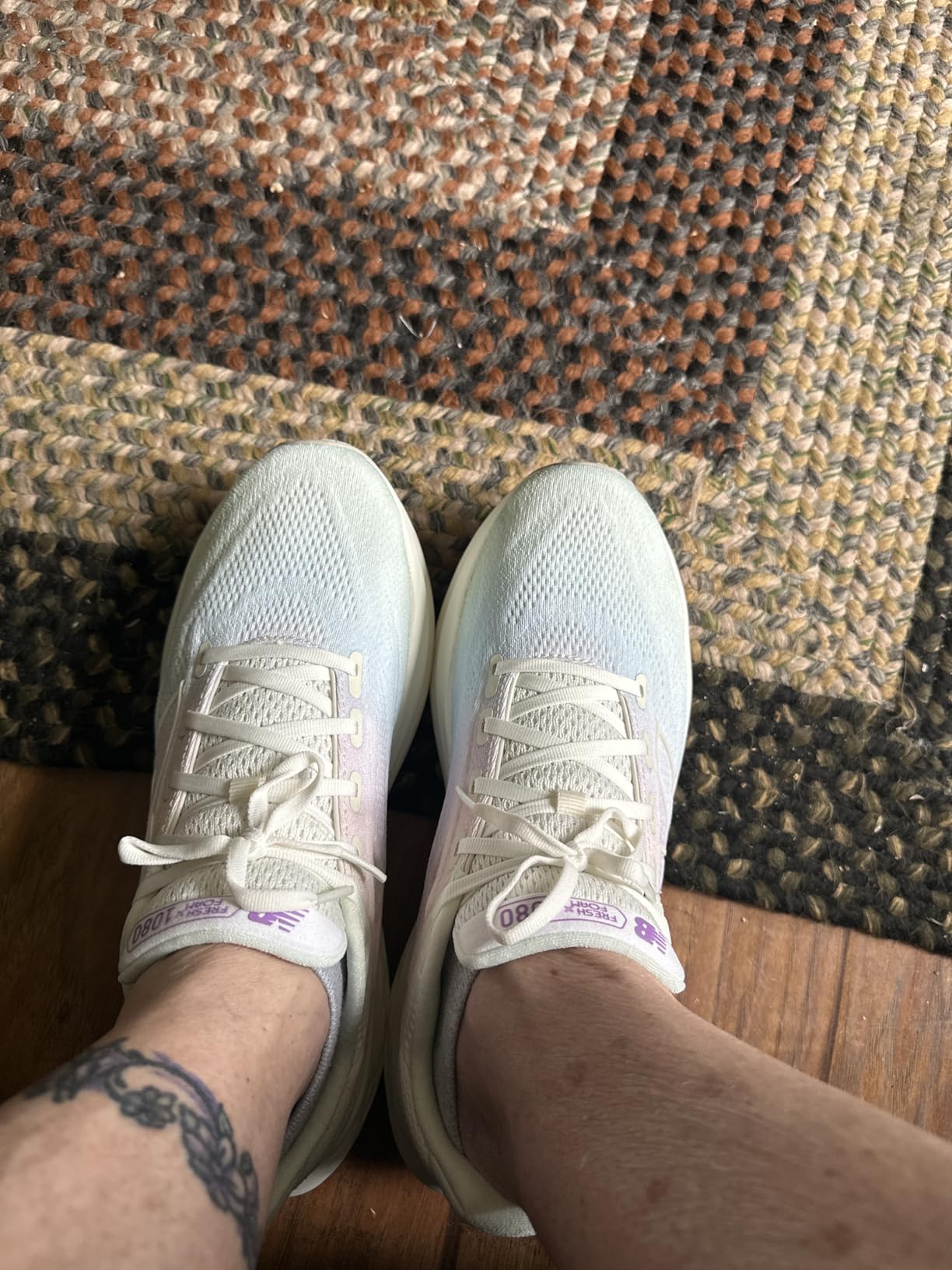
RunRepeat’s smoke test gave the upper a 5/5 breathability rating — they noted “hundreds of microperforations throughout the upper,” visible under a microscope. For Florida running, this matters. I pushed through 85–90°F morning runs with humidity that makes everything feel like a sauna, and my feet stayed comfortable. No swamp-sock feeling, no excessive heat buildup.
The one nuance worth noting: OutdoorGearLab’s testers found the shoe warm during cooler autumn conditions. Their assessment doesn’t match my Florida experience, but it does suggest the upper performs differently depending on ambient temperature. In my climate, it excels. In cooler weather, you might run warmer than expected.
Cold weather runners should know: the midsole gets 28.8% firmer at low temperatures (measuring 12.9 HA instead of 10.0 HA). You’re still far softer than average, but the feel changes. Best above 45°F.
The 14-Hour Day Test
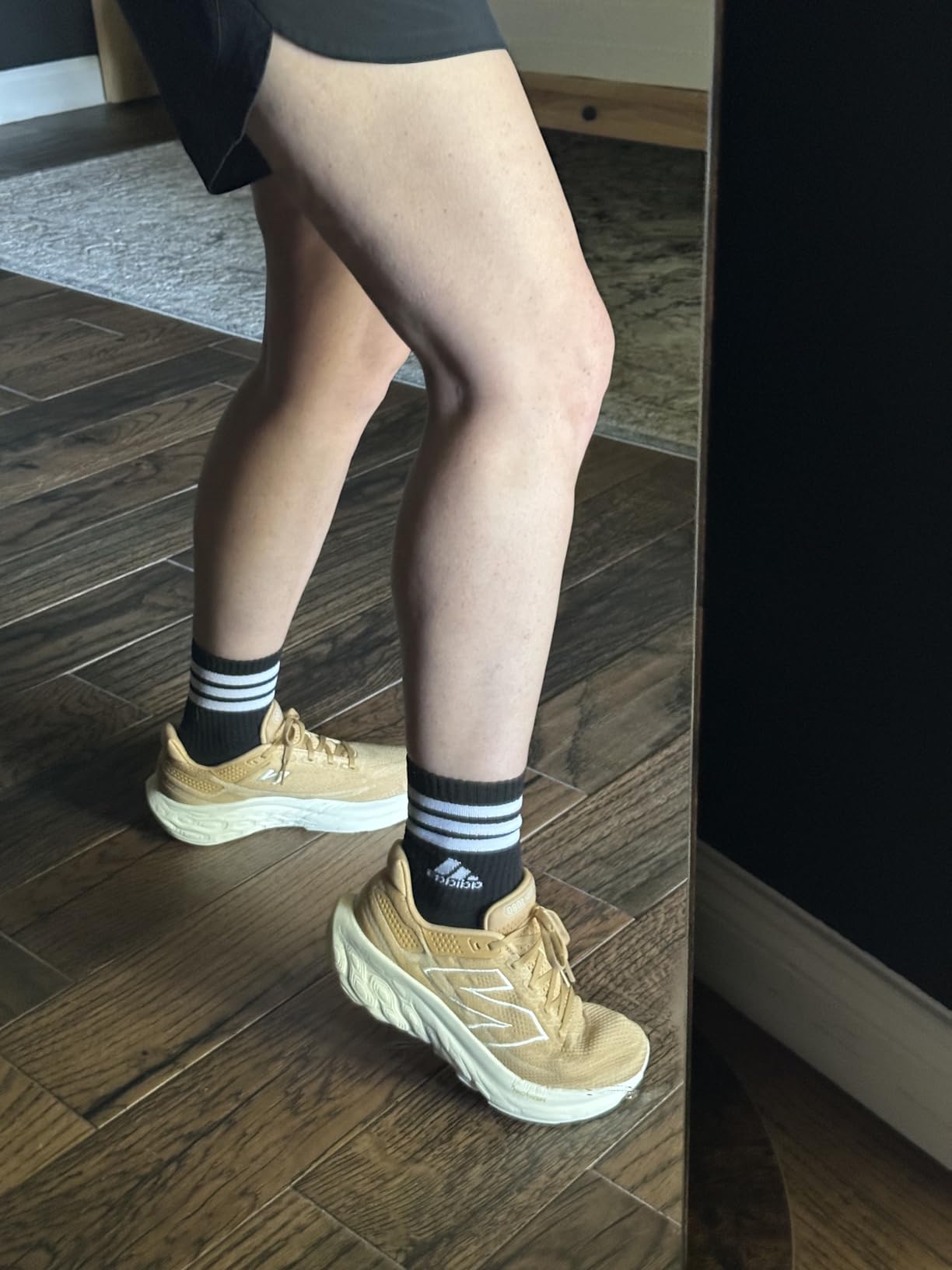
The lab data is useful. But this is the test that actually convinced me.
A recent Saturday: 6-mile morning run at 8:15 pace. Grocery shopping immediately after (1.5 hours on my feet). My son’s baseball game (3 hours of standing, cheering, running between fields). Dinner with friends (walking, standing). Total time in these shoes: just over 14 hours.
I got home at 9:30 PM with feet that genuinely felt fine. Not “surviving,” fine — I could have gone for a walk. That’s not how it goes with most running shoes that double as daily wear. Most performance trainers feel wrong in casual settings; most casual shoes fall apart on a 6-mile run. The 1080 V13 handles both ends of the spectrum without compromise.
Doctors of Running noted the same in their testing: this works as a walking and standing shoe for all-day wear. The 119.5mm midsole platform provides a stable base; the foam absorbs pavement impact hour after hour. Nurses and teachers who’ve tested this shoe report similar results — it’s one of the few running shoes that genuinely translates to work wear.
Performance Across Surfaces and Conditions
Road running is where this shoe lives. The NDurance blown rubber outsole earned a 0.54 traction score on RunRepeat’s wet concrete test (above the 0.50 average), and I felt that confidence during a rainy-morning 7-miler where the crosswalks were slick. No sliding, no hesitation.
Stay on pavement. I took these on a smooth dirt trail once, and the combination of exposed foam and soft rubber on loose surfaces felt unstable. Doctors of Running were explicit: “rocks or aggressive terrain will damage this outsole.” Road only.
The rocker profile is worth mentioning for anyone coming from older versions of the 1080. New Balance added forefoot stiffness and an enhanced rocker for V13 specifically to improve stride transitions. The result is a smoother heel-to-toe roll that makes easy miles feel genuinely effortless — RunnersWorld noted it as the biggest update of the v12-to-v13 upgrade cycle.
Who Should Buy This Shoe
This is the right shoe if you:
- Run easy or recovery miles and want maximum comfort over maximum performance
- Need one training shoe that works for morning runs and daily life
- Work long shifts on your feet — nursing, teaching, retail — and want running-grade cushioning all day
- Have foot pain or plantar fasciitis and need genuine cushioning support
- Have wider feet that typical shoes don’t accommodate well
- Prefer a soft, plush ride over a firm, responsive one
- Are building marathon base mileage at easy paces
Skip this shoe if you:
- Do speed work, intervals, or tempo runs (the foam fights you at pace)
- Have moderate to significant overpronation (neutral shoe only)
- Run trails or technical terrain (exposed foam and soft rubber won’t survive)
- Want a shoe to last 500+ miles (midsole will compress before then)
- Have narrow feet (the roomy fit will feel sloppy)
- Run in very cold weather regularly (foam firms up noticeably below 40°F)
Budget alternatives worth considering: The New Balance Fresh Foam Roav offers softer-than-average cushioning at a lower price point if $165 is out of range. The Adidas Cloudfoam Pure is another option for all-day comfort at a significantly lower cost, though neither matches the 1080 V13’s cushioning depth.
For pure everyday wear, the New Balance 574 offers the NB aesthetic in a simpler, lower-cost package. And if walking comfort is your primary need, the Nortiv 8 Women’s Walking Shoes or Binham Walking Shoes provide solid options without the performance-shoe price.
Note: the Sof Sole Athlete Insoles fit this shoe well if you prefer custom orthotics — the OrthoLite insole removes easily and the average internal dimensions accommodate most aftermarket options.
Frequently Asked Questions
Q: Does the 1080 V13 run true to size?
A: Yes. This shoe breaks New Balance’s typical reputation for running small. I wear an 8.5 and sized 8.5 with a comfortable toe box. RunRepeat gathered 244 votes confirming TTS. No adjustment needed.
Q: Is this good for plantar fasciitis?
A: Several runners in my group with plantar fasciitis reported reduced morning foot pain after switching to this shoe. The 148 SA shock absorption score and ultra-soft midsole reduce impact at heel strike. No arch correction built in, but the cushioning itself is genuinely therapeutic for many people with this condition.
Q: How does it compare to the Hoka Clifton?
A: Both are excellent plush daily trainers. The 1080 V13 is softer (10 HA vs. Hoka Clifton’s firmer platform) and has better upper construction with more width options. The Clifton has slightly better energy return and may suit slightly faster paces. If pure softness is the goal, the 1080 V13 wins.
Q: How long will the midsole last?
A: Expect 300–400 miles under regular running use. Doctors of Running noted early wear patterns emerging at 25–30 miles; OutdoorGearLab observed compression signs after 10,000 walking steps. The outsole itself is exceptional (0.2mm wear vs. 1.1mm average), so the bottoms won’t fail first — it’s the foam you’re managing.
Q: Can I use these for marathon training?
A: Yes, for the easy and long-slow-distance portions of a marathon program. Not for race day or tempo runs. RunnersWorld describes them as “a safe bet” for marathon training, and I’d agree — at 8:15 pace and easier, they shine. Use a faster shoe for workouts.
Q: Do they work well for nurses and healthcare workers?
A: This is one of the shoe’s best use cases. The 9.3 oz weight is manageable for 12-hour shifts, the cushioning holds up across walking and standing, and the wide toebox doesn’t compress feet during long hours. The OrthoLite insole can be swapped for custom orthotics, which many healthcare workers need.
Q: What about cold weather running?
A: RunRepeat tested this: the midsole firms up 28.8% in cold conditions, reaching 12.9 HA (still far softer than most shoes). Above 40°F, you’ll barely notice. Below that, the cushioning character changes — still comfortable, but less like running on clouds and more like a conventional trainer.
Q: Can I walk in these as a casual shoe?
A: Absolutely, with one caveat. OutdoorGearLab’s walking tests showed excellent comfort for neutral walkers, but warned that the lateral padding distribution can encourage inward rolling for overpronators during extended walking. If your gait is neutral, they’re excellent casual shoes.
Q: Is the wide width worth it for wider feet?
A: The standard width already runs roomy (99.7mm at the widest point). Most wider-than-average feet fit fine in the standard version. The wide and extra-wide variants offer even more room. I have slightly wider feet and found the standard width sufficient.
Q: How does it compare to the v12?
A: V13 is meaningfully different — not a minor refresh. Softer foam (new formula), 4mm more heel stack, 6mm more forefoot stack, better rocker profile, improved forefoot stiffness, and about 1 oz lighter. If you ran in the v12 and liked it, the v13 amplifies every quality you appreciated.
Scoring Summary
| Category | Score | Notes |
|---|---|---|
| Comfort | 9.5/10 | 10.0 HA midsole (softest of 300+ shoes), SA 148 shock absorption, all-day verified |
| Performance | 8.5/10 | Excellent for easy/recovery/long runs; compliant foam limits tempo and speed work |
| Durability | 7.5/10 | Outsole exceptional (0.2mm wear); midsole compression early (25–30 miles per lab). ~300–400 mile lifespan. |
| Fit | 9.0/10 | TTS, roomy toe box (99.7mm), wide midsole platform. Width options available. Narrow feet may find loose. |
| Breathability | 8.5/10 | 5/5 lab score; hundreds of microperforations; warm-weather excellence; slight warmth in cooler climates |
| Value | 8.0/10 | $165 justified by comfort + versatility; ~$0.55/mile cost vs. $0.33/mile for durable trainers |
| Versatility | 9.0/10 | 14-hour multi-activity day passed; road + walking + standing; not for trails or speed work |
| Style | 8.5/10 | Modern, understated NB aesthetic; contemporary colorways; works with casual wear |
| OVERALL SCORE | 8.6/10 | Exceptional within its intended use case (easy/recovery/daily). Acknowledged durability trade-off for comfort. |
Final Verdict
After 47 runs and walks totaling 180+ miles, this is what I know: the 1080 V13 is the most comfortable neutral daily trainer I’ve tested. The 10.0 HA midsole number isn’t marketing — it’s the softest foam in a category of 300+ tested shoes, and you feel every point of that difference on tired legs.
What I know equally clearly: it’s not a durable workhorse, it’s not a speed shoe, and it’s not for runners who overpronate. New Balance designed this shoe for one thing — soft, plush, effortless easy miles — and they nailed it.
The 14-hour Saturday is still the clearest argument I can make. Six miles of running followed by eight hours of life, with feet that felt fresh at the end of it. That’s what versatility actually means, and the 1080 V13 earns that description honestly.
If you’re a casual to moderate runner who wants one shoe for morning miles and everything after them — and you run at easy paces — this is worth every dollar of the $165 price tag. If you need a shoe for intervals, long-term durability, or stability support, look elsewhere. But know what you’re passing up when you do.
Rating: 8.6/10 — Highly Recommended for neutral easy-pace runners and active women seeking a genuine run-to-daily-life shoe.
Be the first to review “New Balance Women’s Fresh Foam X V13 Running Shoes 1080 V13”
Related products
Running Shoes

Running Shoes
Running Shoes
Running Shoes
Running Shoes
Running Shoes
Running Shoes


Hiking/Trekking Shoes
Reviews
There are no reviews yet.